

🏃 Regular exercise keeps your body strong, flexible & healthy 💪
It improves strength, boosts energy, reduces stress & helps prevent pain and lifestyle diseases.
#RegularExercise #HealthyLifestyle #Fitness #Physiotherapy #Ahmedabad
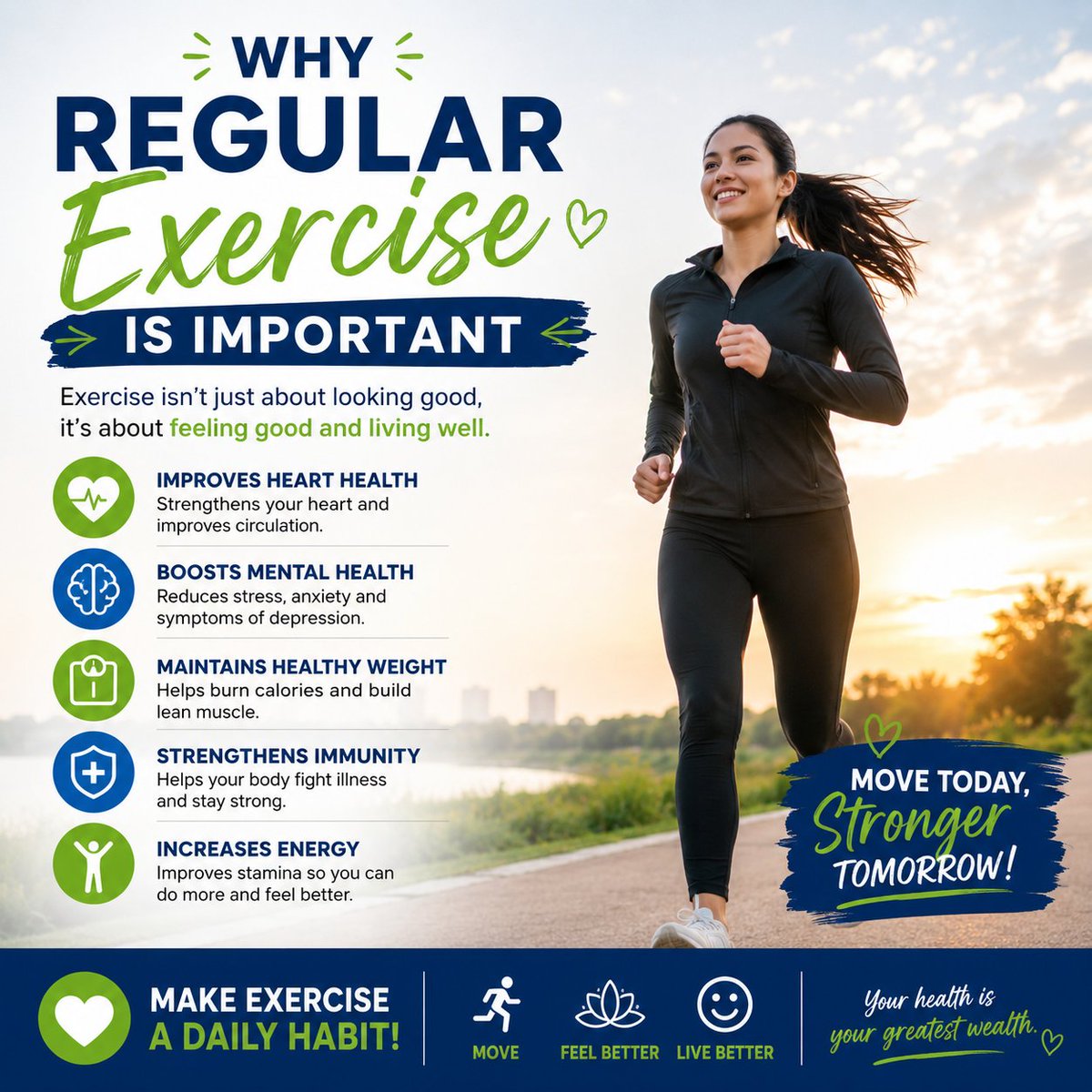
ALT Why regular exercise is important
1
2
77

Mar 10
Remarkable Health Benefits of Regular Exercise
#RegularExercise #HealthyLifestyle #FitIndia
#StayActive #ExerciseBenefits #FitnessForLife #MoveForHealth #ActiveLiving #PreventiveHealth
#HealthAwareness #WellnessJourney
#HealthyHabits #DailyExercise
#MoveMoreLiveMore
1
5
89

17 Dec 2025
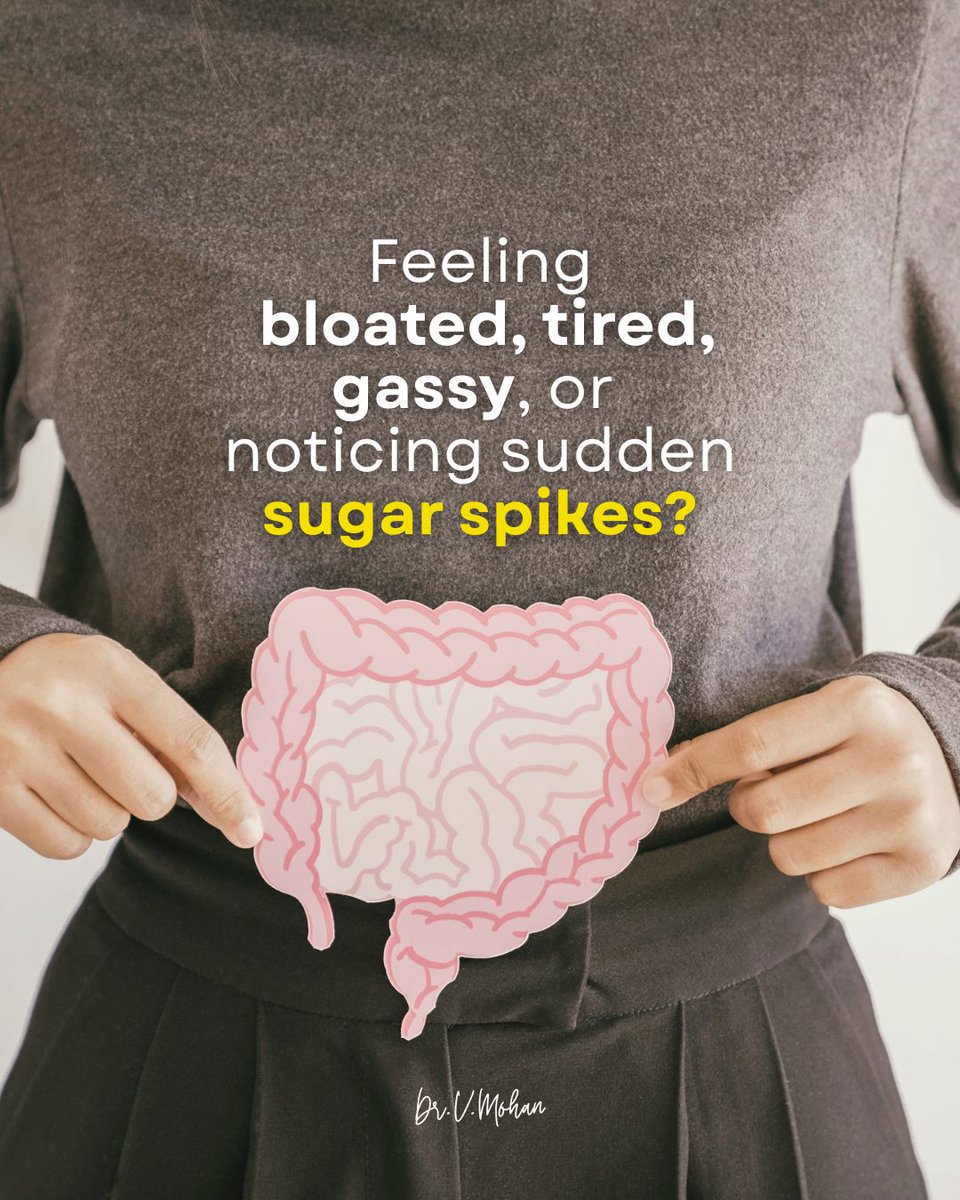
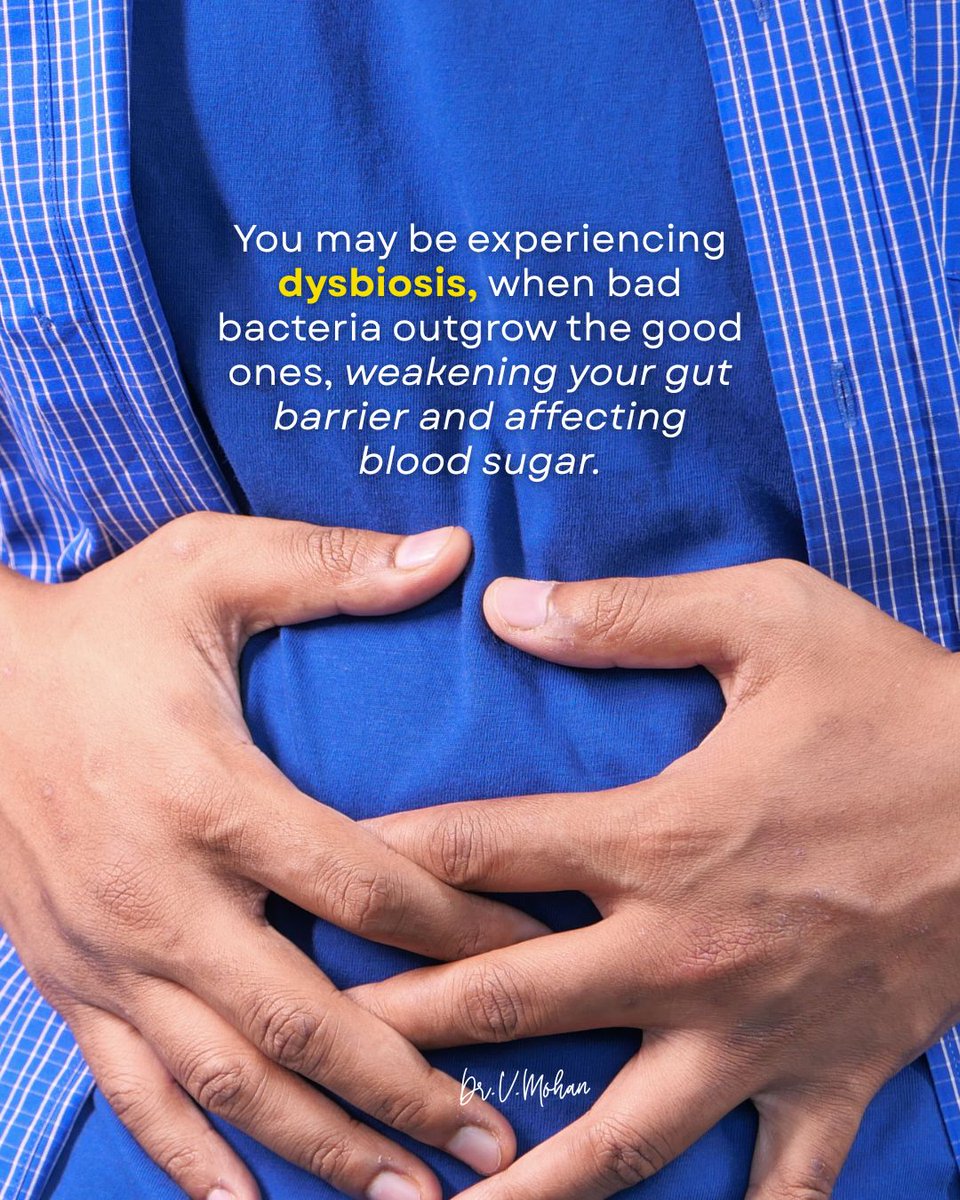
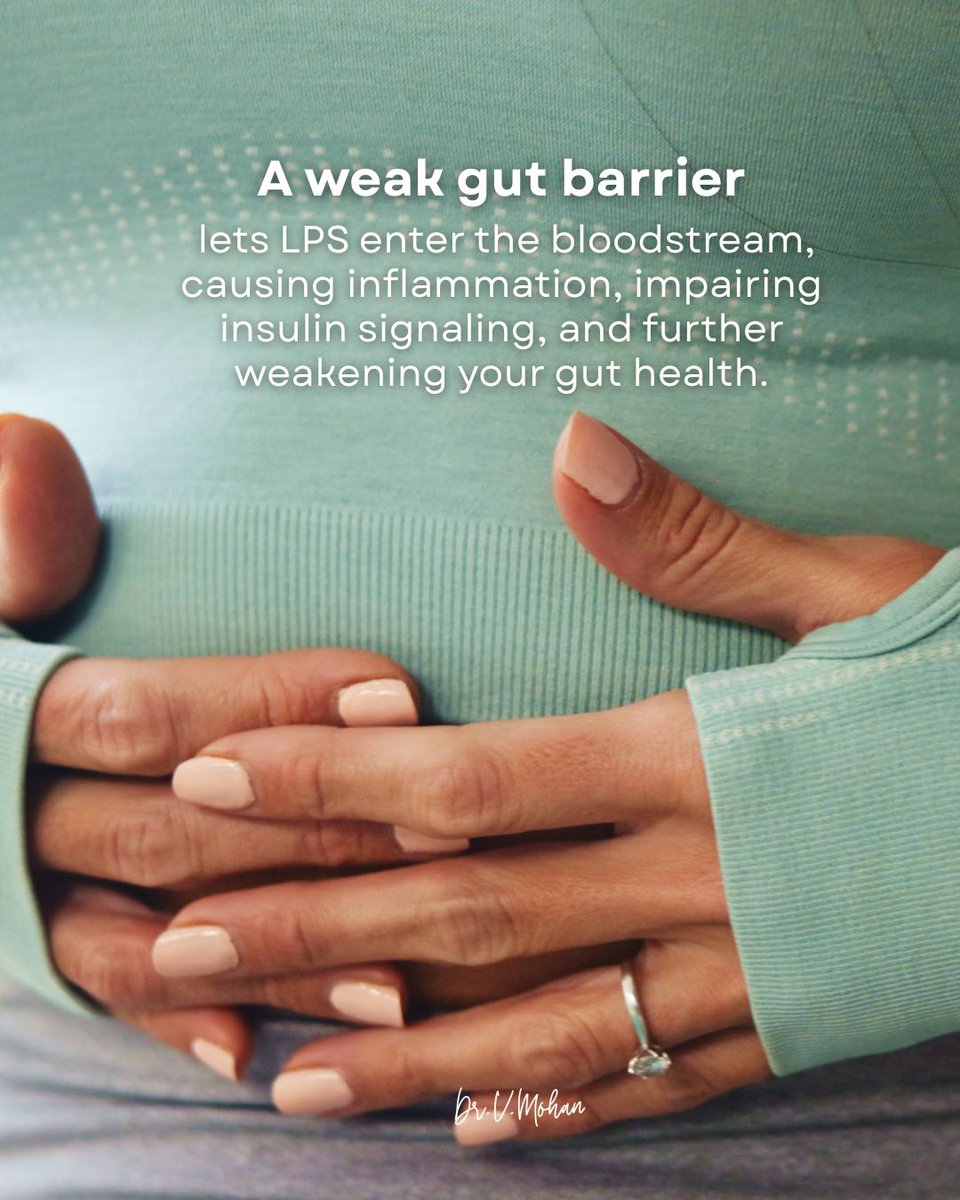
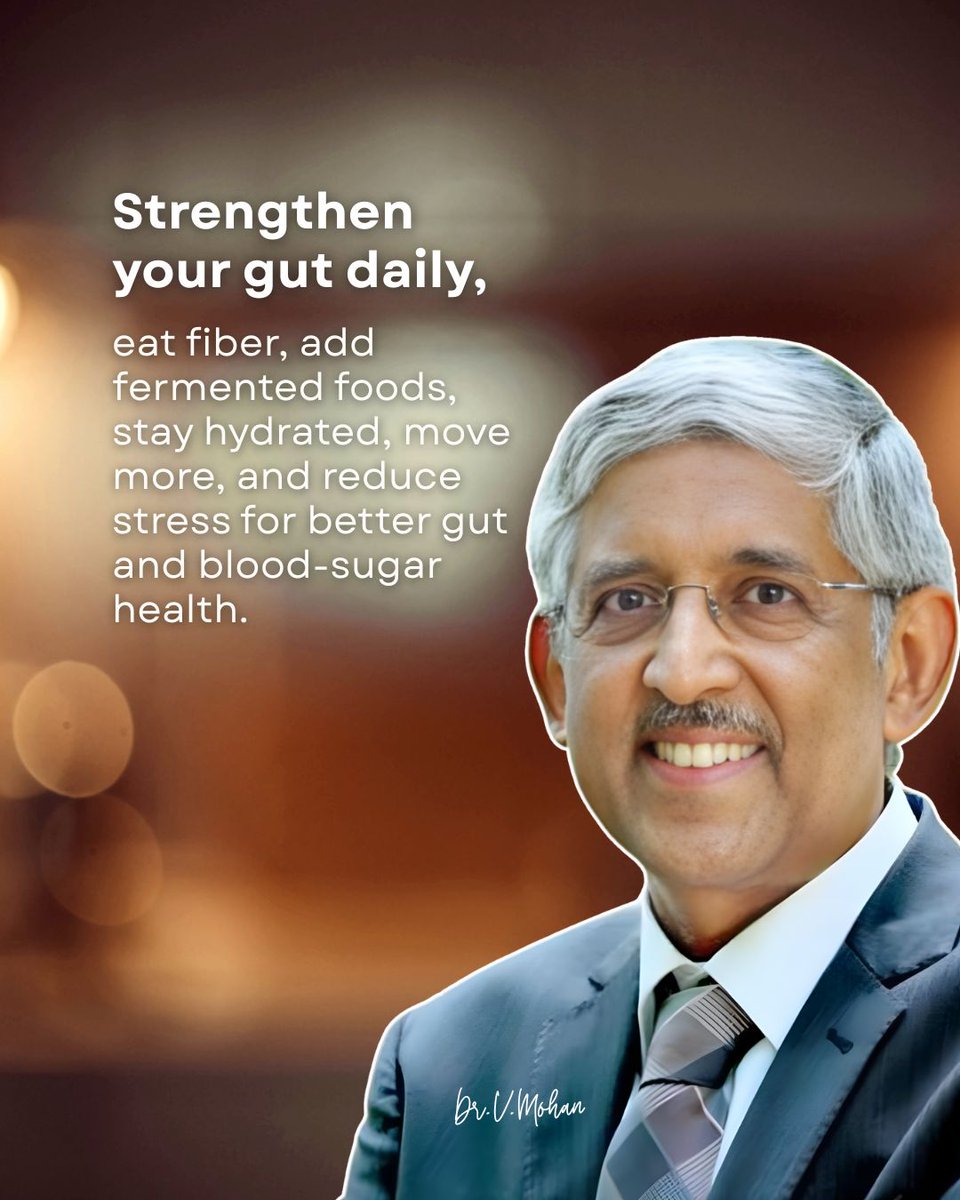
To support a healthy gut — and by extension better metabolic control — aim to fill your plate with plenty of high‑fibre plant‑based foods, eat fermented and prebiotic‑rich dishes (like yogurt, kimchi, garlic, onions), stay well‑hydrated and incorporate regular movement into your routine. Avoid ultra‑processed foods, excessive sugar and artificial sweeteners, manage stress and get quality sleep. These steps nourish your gut microbiome, strengthen your gut barrier and reduce inflammation. In doing so you’re not only improving digestion, you’re tuning your metabolism and protecting your overall health.
#regularexercise #avoidprocessedfoods #metabolichealth #gutbarrier #Digestion #healthyfood #health #HealthyLifestyle #HealthyHabits #HealthAwareness
1
5
75
4,204

17 Nov 2025
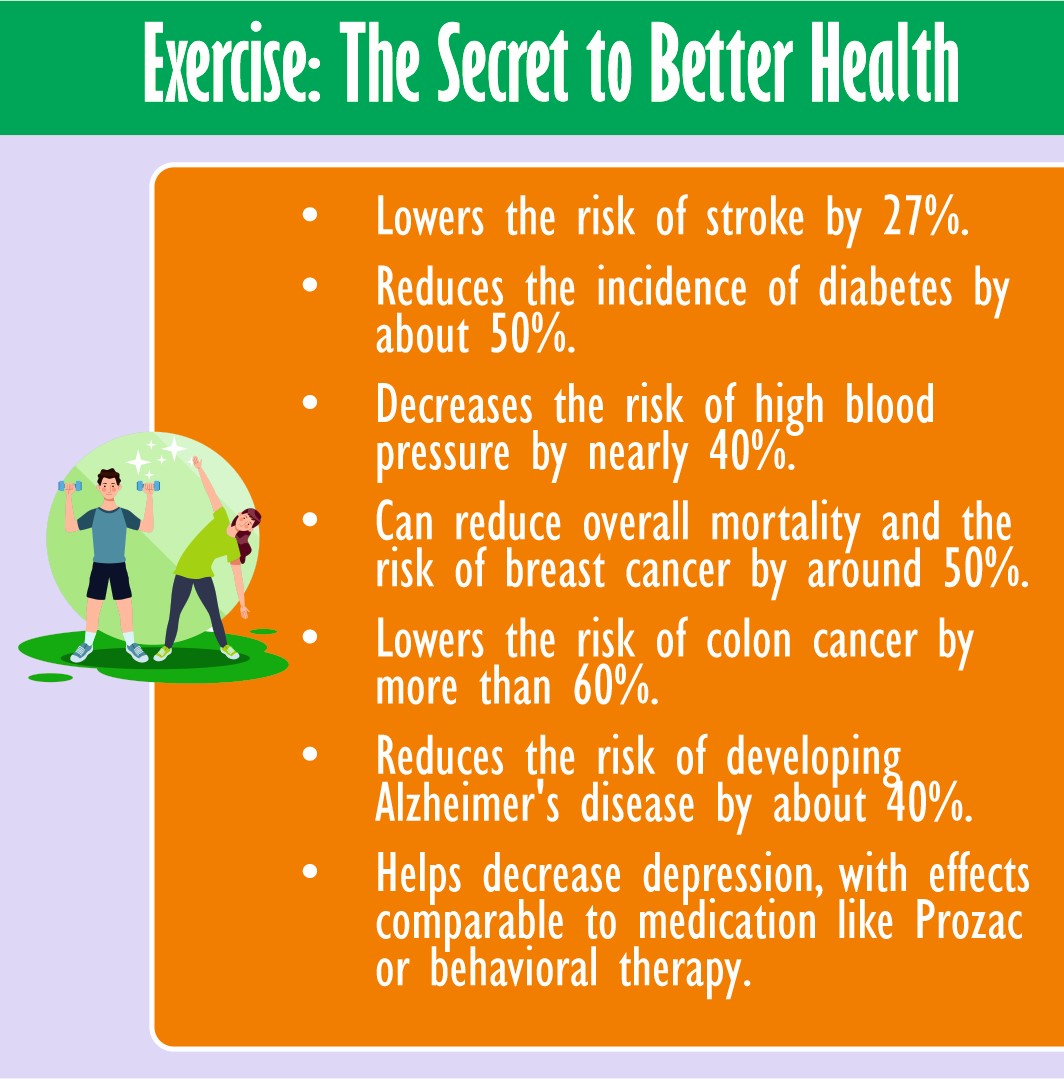
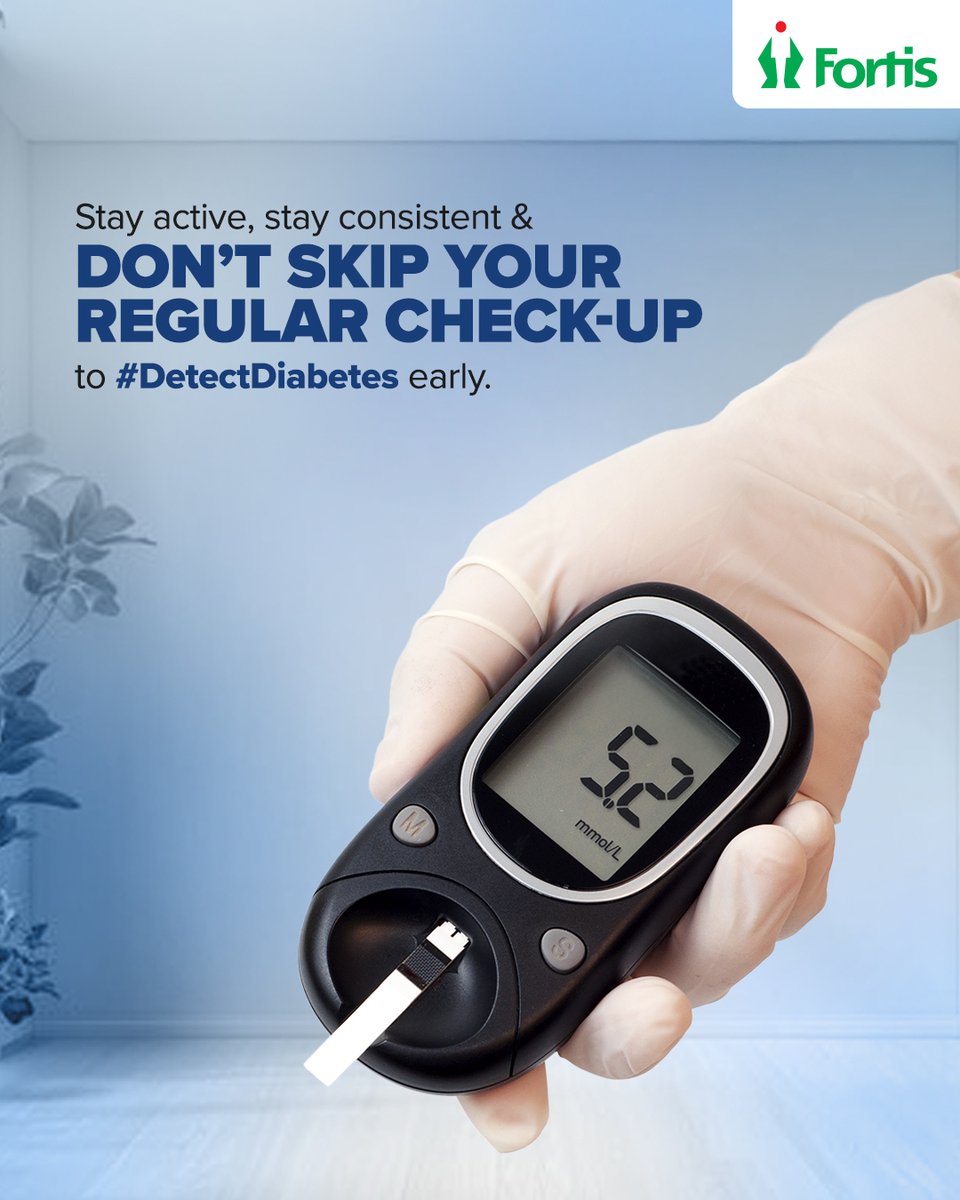
Missing daily activity or delaying health check-ups can quietly increase your risk of developing diabetes. Staying active, maintaining a consistent routine, and keeping up with regular screenings are essential for spotting early signs. By paying attention to these warning signals and going for regular check-ups, you can #DetectDiabetes early.
#FortisHealthcare #AtFortisWeCare #RegularExercise #EarlyDetection #Checkups #WorldDiabetesDay

4
158

3 Oct 2025
Chasing that festive glow? ✨
Sweating helps!
Just 30 mins of exercise boosts endorphins, adrenaline & serotonin, improving blood circulation and flushing out toxins, leaving your skin naturally radiant and giving you a youthful look.
#FestiveGlow #Exercise #Fitness #SkinGlow #BeautyAndNutrie #RegularExercise
2
1
1
210

27 Sep 2025
क्या दिल को हमेशा स्वस्थ और मजबूत रखने का राज़ हमारे खान पान के पीछे छिपा है?
इस वीडियो में, कैलाश अस्पताल, ग्रेटर नोएडा की चीफ़ डाइटीशियन, श्रीमती दुर्गा ताक, हृदय को स्वस्थ रखने के लिए महत्वपूर्ण जानकारी साझा कर रही हैं। उन्होंने विस्तार से बताया है कि कैसे:
-पौष्टिक आहार आपके दिल को नई ऊर्जा दे सकता है।
-नियमित व्यायाम हृदय की मांसपेशियों को मजबूत बनाता है।
-तनाव-मुक्त जीवन हृदय रोगों के खतरे को कम करता है।
एक स्वस्थ जीवनशैली अपनाने की दिशा में पहला कदम बढ़ाने के लिए, यह वीडियो अवश्य देखें।
सुझाव हेतु संपर्क करें - kailashhealthcare.com/Greate…
#HeartHealth #HealthyHeart #HealthTips #BeatitRight #RakhoDilKaKhyal #KailashHospitals #WorldHeartDay #HealthyEating #Nutrition #DietTips #RegularExercise #FitnessMotivation #StressManagement #StressFree #HeartDiseaseAwareness
1
3
5
70

19 Sep 2025
Jazz Jennings Shares 100-Pound Weight-Loss Transformation
Regularexercise has been proven to bring numerous health benefits, both physically and mentally, such as enhancing your mood and reducing your risk of chronic disease.
boredpanda.com/jazz-jennings…


3
6
427

Dr. Abhishek Shukla explained that heart attacks are influenced by both modifiable and non-modifiable risk factors. Modifiable risk factors are those we can control or change to reduce our risk. These include smoking or tobacco use, uncontrolled high blood pressure, high cholesterol, physical inactivity, being overweight or obese, an unhealthy diet, poor sleep patterns, chronic stress, and excessive alcohol consumption. Addressing these factors through lifestyle changes and medical management can significantly lower the chances of developing heart disease.
He further discussed that non-modifiable risk factors are those we cannot change but must be aware of to assess our personal risk. These include age (risk increases as we grow older), sex (men generally have a higher risk at a younger age, though women’s risk rises after menopause), family history of heart disease, and race or ethnicity, as certain groups may have a higher predisposition due to genetic and environmental factors. Awareness of these factors helps individuals and doctors plan targeted preventive strategies.
Dr. Abhishek emphasized that prevention is the most effective way to fight heart disease. This includes quitting tobacco, following a balanced diet rich in fruits, vegetables, and whole grains, maintaining regular physical activity, keeping blood pressure and cholesterol under control, managing stress, ensuring adequate sleep, and moderating or avoiding alcohol. Regular health check-ups and early detection of risk factors allow timely intervention, helping prevent heart attacks and improving long-term heart health.
#HeartAttackPrevention #CardiacHealth #ModifiableRiskFactors #NonModifiableRiskFactors #HeartCare #HealthyLifestyle #QuitSmoking #ControlBP #LowerCholesterol #ManageStress #HealthyDiet #RegularExercise #HeartAwareness #DrAbhishekShukla
#AasthaCares
2
21

7 Aug 2025
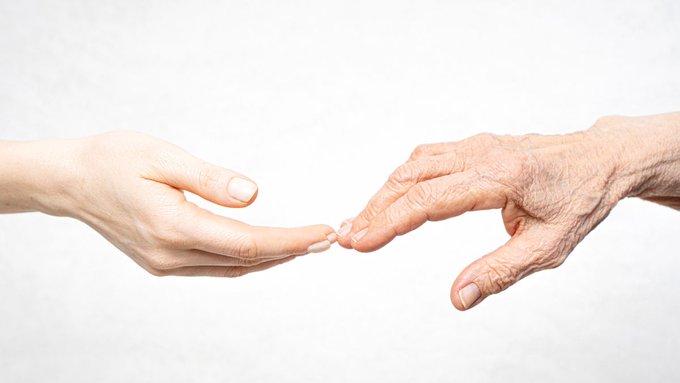
#Aging & How-to-#SlowItDown:
Aging is mostly caused by cumulative damage to #Cells & #Molecules, like #DNA, in the body over time;
#Genetics, #Disease & #EnvironmentalFactors, are all relevant to Aging.
All of the body's cells eventually break down and die.
With the passing of years & decades, cells divide more slowly, and they become less efficient.
The membranes of cells stiffen, which affects the flow of nutrients and oxygen & removal of carbon dioxide, a waste product.
Damaged body parts take longer to heal & organs don't work as well as they used to.
On average, aging sped up significantly at three times: around ages 34, 60 and 78.
Is there any way to reverse or stop/slow aging?
Some aspects of aging can be slowed down.
For many people, certain lifestyle choices help to delay or prevent some types of age-related damage & disease.
#AerobicExercise, such as #Running & #Swimming, has been linked to healthier aging.
#ExercisingSeveralTimesPerWeek may help to prevent #HeartAttacks & #Strokes.
#RegularExercise can also help to prevent type 2 #Diabetes.
#StrengthTraining builds-#MuscleMass, reduces-#Frailty, and improves-#Stability & #Balance,
all of which can prevent life-threatening falls.
Eating enough #HealthyFoods, like #Vegetables, #WholeGrains & #LeanProteins,
has been linked to better health and increased longevity.
Some say 150 years old is the absolute limit, while others think it's likely even higher.
livescience.com/health/agein…
4
5
588

4 Aug 2025
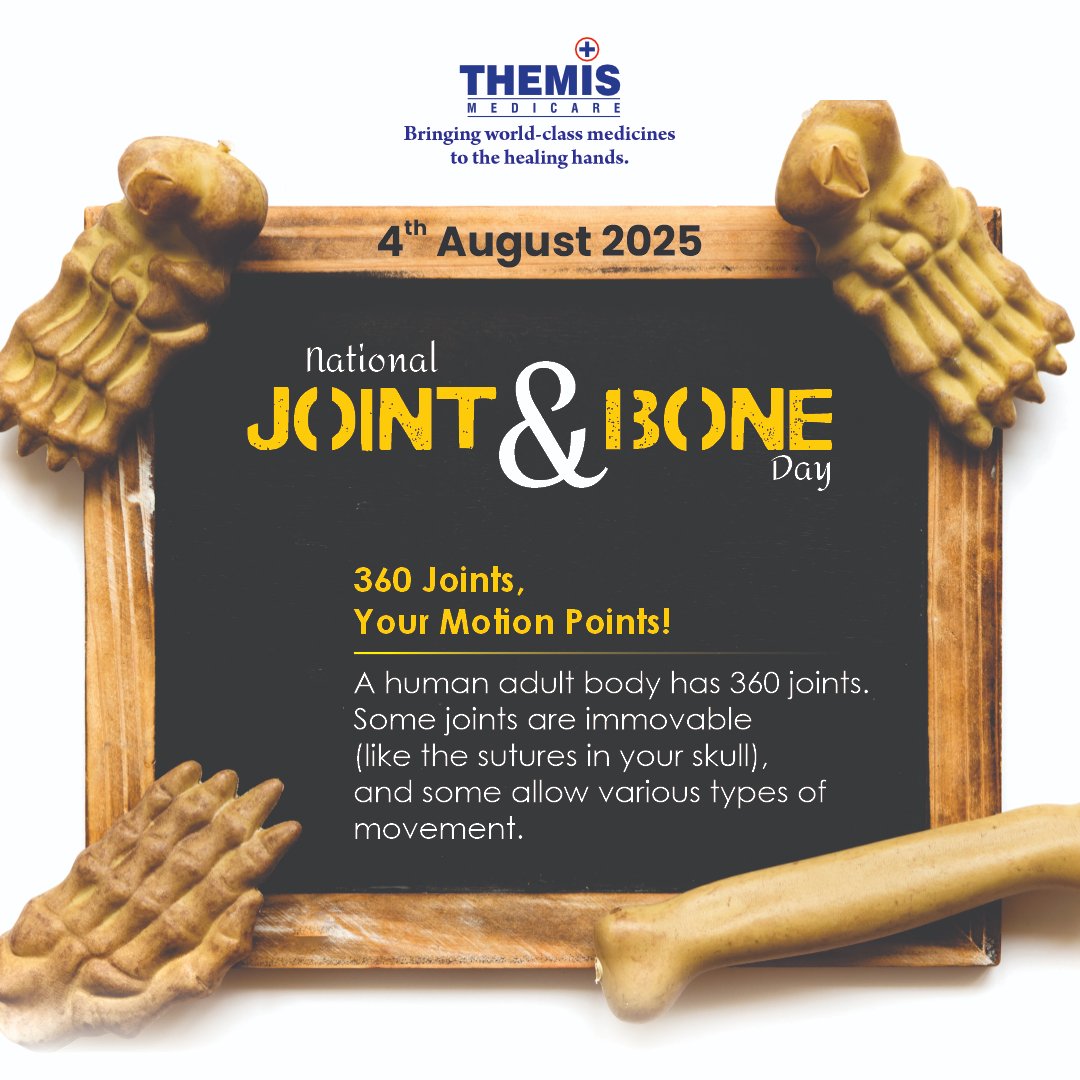
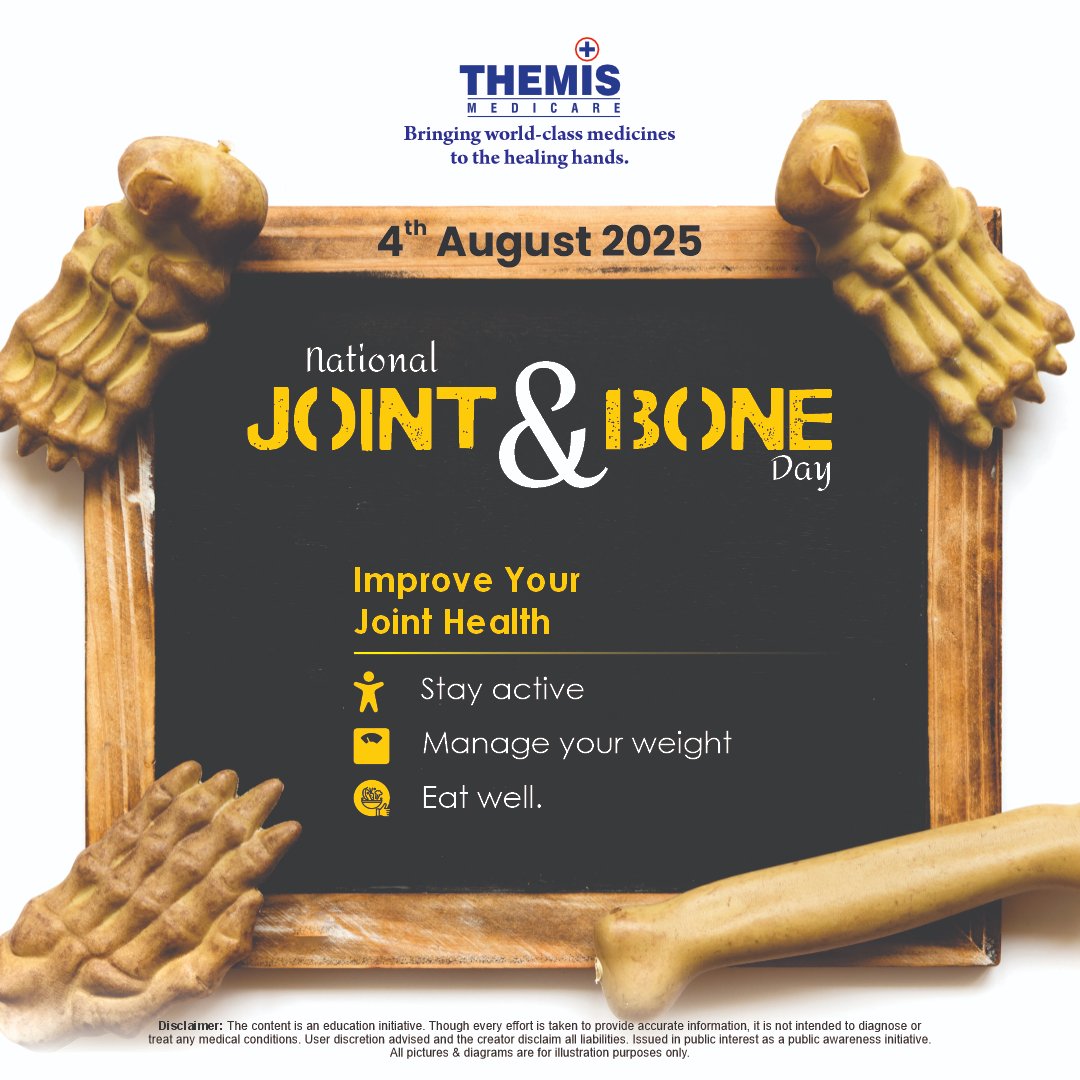
360 Joints, Your motion Points
Keep your body moving freely. Stay active, manage your weight, and eat well to improve your joint health.
#ThemisMedicare #JointPain #PainRelief #MusclePain #MusclePainRelief #JointPainRelief #RegularExercise #WorkOut
2
162

4 Jul 2025
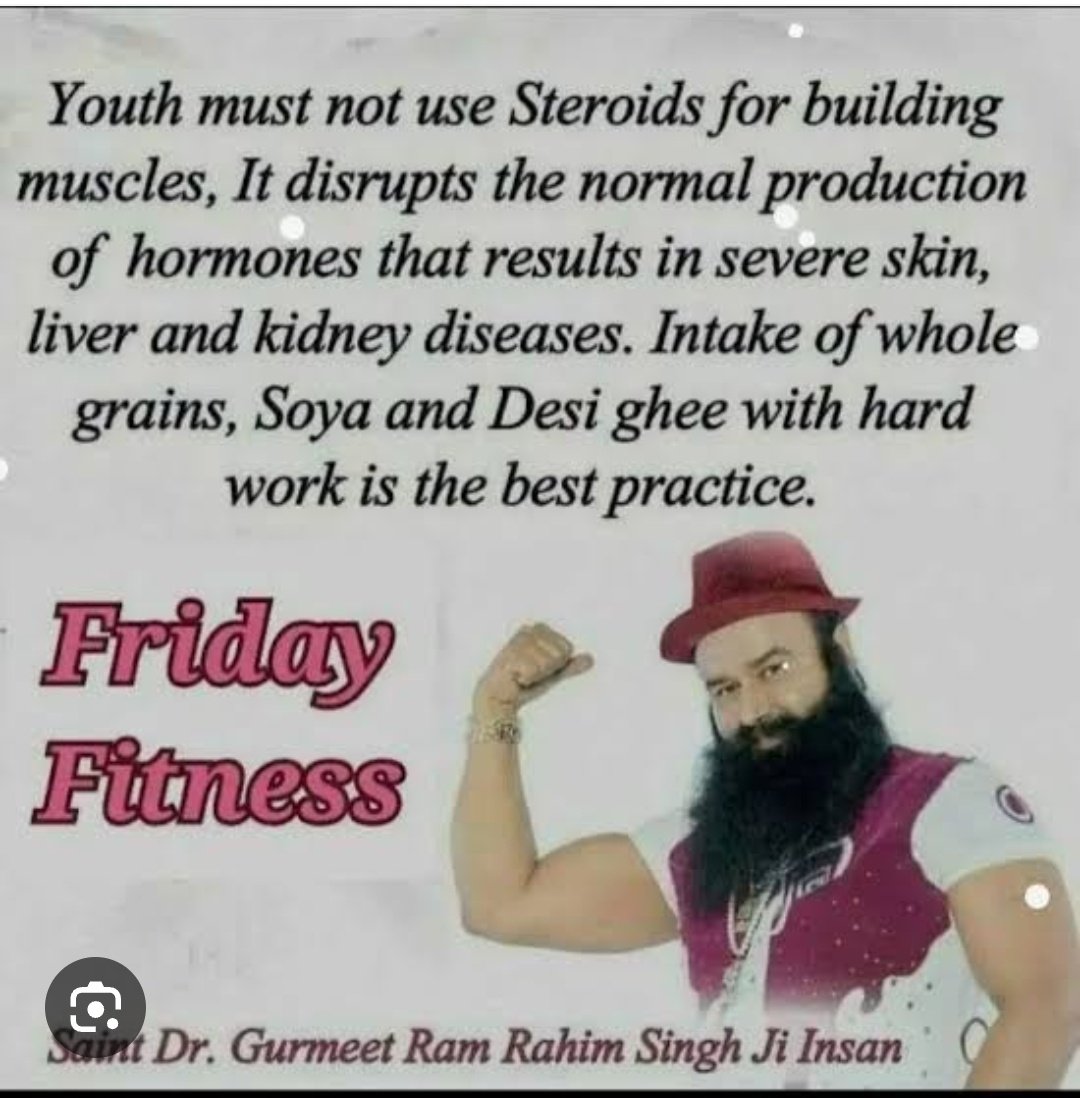
#FridayFitness Health Tips By Saint MSG Focus On a Holistic Approach To Well - Being ,Emphasizing vegetariandiet ,RegularExercise,Sufficient Sleep, and Meditation. These Tips Promote a Healthy and Happy life By Balancing Physical Activity With mental Peace and healty Food choices
3
3
45

23 May 2025
#FridayFitness
Takehealthy, nutritious, vegetarianfood, do regularexercise, pranayam, andmeditationtoremainphysicallyandmentallyfit.
youtu.be/PkgEoGVFl8g?si=uVeJ…
4
2
20

20 May 2025
My interview with @MJNALOCCA on his E2E podcast.
Managing your time so you take care of your number 1 resource, your #health.
youtube.com/watch?v=mDu5g92C…
#TimeManagement #FindTimeForExercise #PrioritiseExercise #HealthyLifestyle #RegularExercise #ExerciseBook #Motivation #MoveMore

3
82

3 May 2025
Delicious recipe of snacks | sotanghon with chicken and veggies #healthylifestyle #regularexercise #Godisgoodallthetime
2
122
19 Apr 2025
Yummylicious recipe of snacks #twitterfollowers #healthylifestyle #regularexercise #Godisgoodallthetime
1
74

11 Apr 2025
క్రమం తప్పకుండా వ్యాయామం చేస్తే ఇన్ఫ్లమేషన్ తగ్గుతుందా..?
#regularexercise #inflammation #howtoreduceinflammation #sakshilife
life.sakshi.com/telugu-news/…
87

27 Mar 2025
Day 26: Regular Exercise - Move Your Body, Energize Your Life #RegularExercise, #Fitness, #Workout, #HealthyLifestyle, #PhysicalActivity, #MentalWellness, #EnergyBoost, #Motivation, #30DayChallenge, #ScaleUpCoaching #shorts
youtube.com/shorts/U7SIF1bCq…
1
43

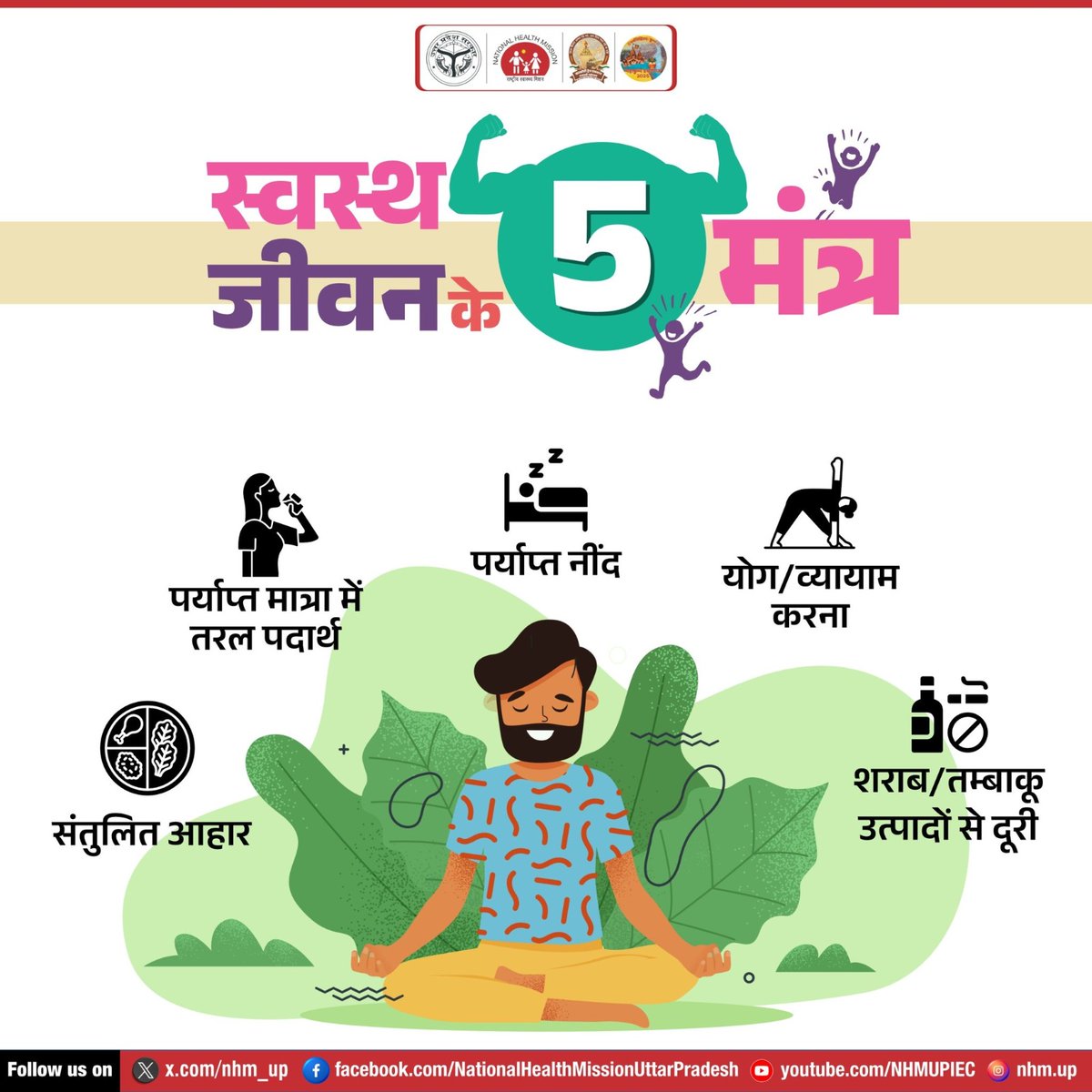
अच्छे स्वास्थ्य के लिए संतुलित, उच्च पोषण युक्त आहार और पर्याप्त नींद लेना आवश्यक है। इसके साथ ही नमक और चीनी का सेवन सीमित मात्रा में करना तथा शरीर को हाइड्रेटेड रखने के लिए पर्याप्त तरल पदार्थ पीना चाहिए ।
इन आदतों को अपनाकर हम एक स्वस्थ जीवन जी सकते हैं।
#स्वास्थ्य #BalancedDiet #RegularExercise #StayHydrated #AdequateSleep #NHMUP #UPCM
16
36
767