
Jun 12
🇵🇱 ResearchTech — A Warsaw startup founded by a top-ranked bug hunter that runs 1,000 analytical steps and 100M tokens per run to do automated risk intelligence for DeFi and TradFi, fresh off winning Google DeepMind's Warsaw hackathon and emerging from stealth.
1
178

Jun 12
A risk methodology cannot be simpler than the system it is trying to assess.
That is where a lot of protocol ratings start to break. The protocol is a dependency graph, but the methodology treats it like a checklist. Fields are collected, scored, averaged, and compressed into a single number. The process looks structured, but it often removes the structure that actually creates the risk.
In DeFi, one unresolved dependency can affect many parts of the assessment at once. A governance config can change admin risk, upgrade risk, emergency controls, and user exit assumptions. An oracle route can affect pricing, liquidation, NAV, and redemption logic. A bridge dependency can connect risks that look separate inside the report.
So the hard part is not just defining a better framework. The hard part is maintenance. The methodology has to preserve dependencies, evidence trails, unresolved assumptions, scoring impact, and version changes every time the protocol changes.
That does not scale reliably with analysts alone, because coverage growth becomes headcount growth. It also does not work with basic LLM workflows, because the problem is not writing more text. The problem is maintaining structure, checking evidence, and updating the assessment without losing the rationale behind it.
This is the layer risk teams need now – a way to maintain complex methodologies as the systems they assess keep changing.
That is what we are building toward at ResearchTech.
11

TPC26: Toward Scientific AI Platforms at HPC Facilities
ow.ly/UmnF50Z9rP9
#ScientificAI #AIDevelopment #HPCFacilities #TechInnovation #AIResearch #ScienceAndTech #AIPlatforms #ResearchTech #HighPerformanceComputing

3
158

Mar 26
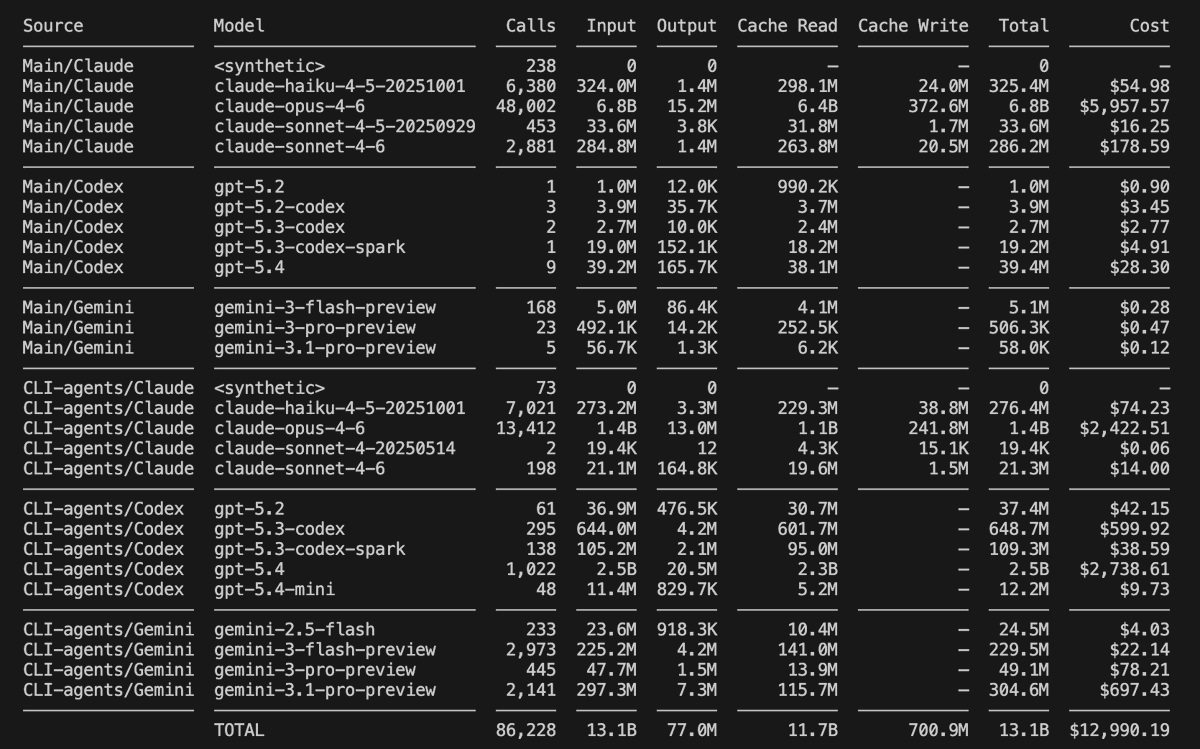
I'm building an AI startup called ResearchTech, we automate risk assessment and due diligence processes. During last 30 days for coding alone I used 13.1B input tokens and 77M output tokens. We move lighting fast, soon some of our products will be finally publicly available, they will be great.
We are hiring, if you are using AI coding tools and can build workflows which can take hours and they work well in practice, you are perfect match. We are no longer building code with AI, we are building coding frameworks for AI to build entire products for us, that's the only way to go, because during out analysis we process 100M tokens, it's no longer manageable to do it manually, so the only option is create AI agents to do it for us. Can't wait to share more, stay tuned.
1
1
10
347

Mar 25
Excited to share that I'm joining ResearchTech as GTM Lead for Web3.
Grateful and really excited to be teaming up with a team that's genuinely ahead of the curve on what AI can do for structured data analytics / risk intel.
We're helping crypto risk and research teams spend less time on manual data gathering and more time on the work that actually requires their expertise.
If you're in Web3 risk, ratings, or research - let’s talk.
1
5
145

🔬 Explore a dynamic digital diary tool 📔:
Rate sleep, record moods 🎙️, and capture video insights 🎥.
A seamless experience for participants, with instant data for researchers!
Dive in: youtu.be/koX_sREmHZE 🎥
#ResearchTech #UserExperience
2
63

Feb 25
🚀 Lab Assistant AI progress update:
✅ Auto Gel Image Analysis
✅ Experiment Troubleshooting & Optimization
✅ Built-in Lab Tools (molarity, dilution, conversions, Buffer pH, Master Mix)
From raw wet-lab data ➝ intelligent insights ➝ clean documentation.
Next up: Voice Lab Mode automated reports.
#BuildInPublic #AIForScience #Bioinformatics #WetLab #AmazonNova #MachineLearning #StartupJourney #ResearchTech
2
100
Feb 23
🚀 Building Lab Assistant AI — an intelligent wet-lab co-pilot for smarter experiments
🔬 Auto gel image analysis (PCR/Western blot)
🧠 AI troubleshooting protocol optimization
🎤 Hands-free Voice Lab Mode
📋 Smart protocol report automation
🧮 Built-in molarity & dilution tools
Powered by Amazon Nova (reasoning, voice, multimodal, automation)
Goal: fewer failed experiments, faster discovery.
#AIForScience #Bioinformatics #WetLab #AmazonNova #BuildInPublic #MachineLearning #ResearchTech #StartupAI #Innovation
6
139

Jan 29
Which protocol gets your vote?
We’re showcasing two different approaches for our lab automation system at SLAS. Same goal, different flows.
Check out the demo and let me know which one you prefer!
#LabAutomation #Automation #SLAS #LabTech #ResearchTech #Robotics #LifeSciences #LiquidHandling #HealthcareInnovation #FutureOfScience #EngineeringLife
6
7
45
4,132

25 Nov 2025
Another successful delivery!
We’ve shipped a customized Pulsed ESR system to a major academic partner in Scotland — completed in record time over just a few months.
We’ll keep working hard to provide additional modules to make the system even more powerful.
(Photo: final tests in our lab)
#Spinflex #ESR #EPR #PulsedESR #ResearchTech #Spectroscopy
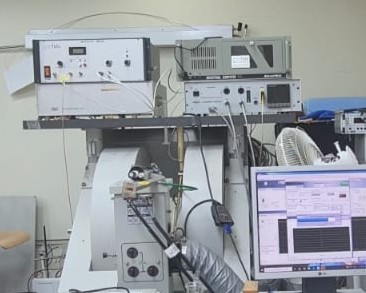
ALT Spinflex spinUP X band ESR system
2
8
642

25 Nov 2025
We’re hiring! Research DevOps Engineer (FinOps) at the Australian Imaging Service, a new $10.5M national effort to build cutting-edge digital infrastructure for biomedical imaging research. Focuses on tracking system use, costs & health.
Apply by 7 Dec ➡️ bit.ly/3XecneY
@AusImageService is a national platform for managing, analysing, and sharing medical and research imaging data securely and efficiently. Led by the Core Research Facilities at the University of Sydney, it was established through a collaboration between the Australian Research Data Commons @ARDC_AU, National Imaging Facility @NIFAus and partner universities and research organisations.
For more information 👉 bit.ly/3LWc860
#ResearchTech #BiomedicalImaging #DevOps #MedicalImaging #DataManagement #ResearchData #ImagingAnalytics #HealthTech #DataSecurity #MedicalResearch #DigitalHealth

1
2
170
24 Nov 2025
We’re hiring! Research DevOps Engineer (Data Workflows) to support the Australian Imaging Service, a new $10.5M national effort to build cutting-edge digital infrastructure for biomedical imaging research. Focuses on data workflows for moving & analysing instrument data. Apply by 7 Dec ➡️ bit.ly/3MhKX5s
AIS is a national platform for managing, analysing, and sharing medical and research imaging data securely and efficiently. Led by the Core Research Facilities at the University of Sydney, it was established through a collaboration between the Australian Research Data Commons @ARDC_AU, National Imaging Facility @NIFAus and partner universities and research organisations. For more information 👉 bit.ly/3LWc860
@AusImageService
#ResearchTech #BiomedicalImaging #DevOps #MedicalImaging #DataManagement #ResearchData #ImagingAnalytics #HealthTech #DataSecurity #MedicalResearch #DigitalHealth

1
3
189

20 Nov 2025
Seeing Grok 4.1 Fast top the charts with that browsing score is wild 👀 Seems like real-time research just found a new champ. Anyone tried it yet? How’s it holding up in your deep dives? #AI #ResearchTech
1
1
114

15 Nov 2025
التطورات الجديد من notebooklm من Google تساعدك على تحويل ملاحظاتك وملفاتك إلى ملخصات ذكية، تحليلات فورية، وأفكار جاهزة للتطبيق وكل ذلك بضغطة واحدة!
تهم المتعلمين والباحثين خاصة
اضافوا ميزه البحث العميق من المصادر المرفوعه
يمكنك انشاء الفيديو الخاص بك
تحليل الصور
تنظيم المصادر وكتابة تقارير منوعة
ابدأ تجربتك اليوم وارتقِ بإنتاجيتك إلى مستوى جديد!
#NotebookLM #AI #Productivity #ResearchTech
10
53
4,937

9 Nov 2025
📊 Market research in 5 days instead of 2 months? 🤯
Korea's @opensurvey brings AI-powered Dataspace to Japan 🚀
✨ 130 Korean companies on board
✨ Best of SurveyMonkey Qualtrics
✨ Targeting 1,000 leads in Japan
#ResearchTech #AI #SaaS pulse.growthstock.app/opensu…
1
2
71

29 Oct 2025
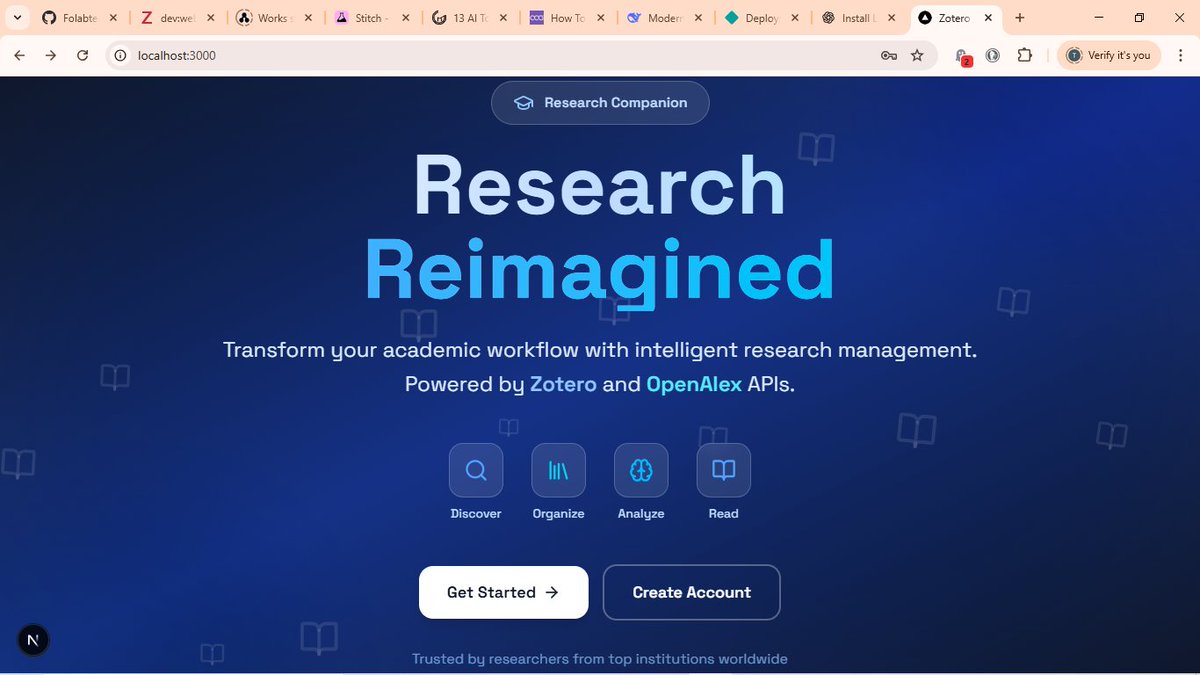
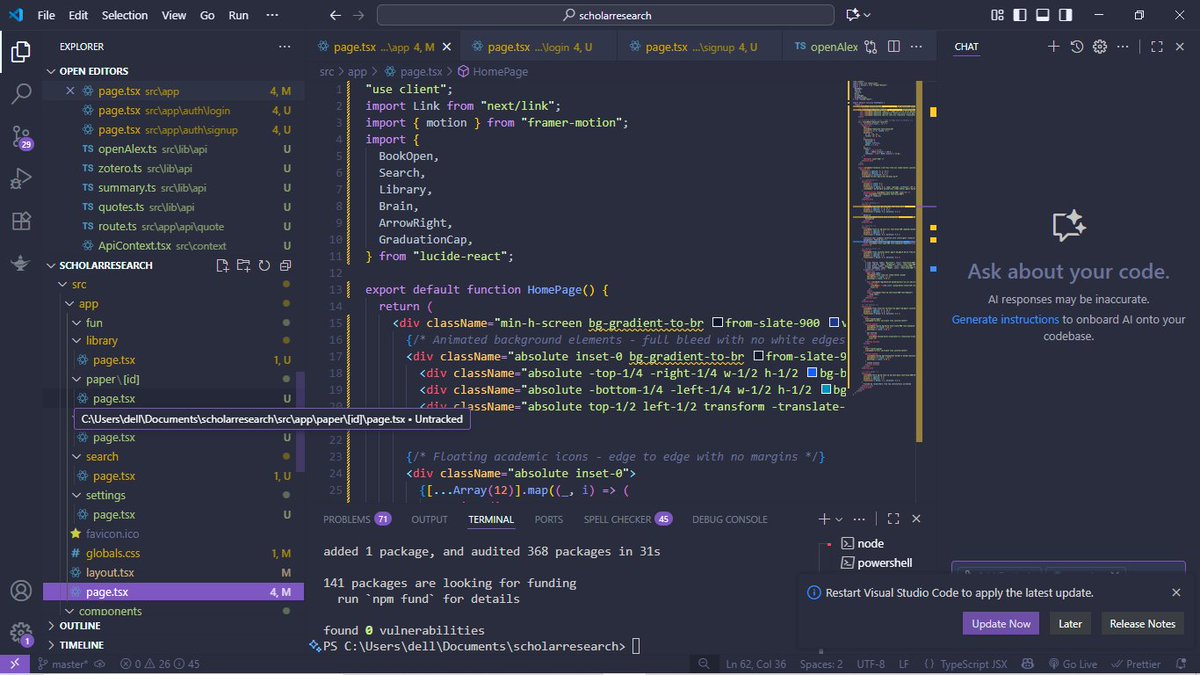
Started working on something new: A Research Companion!
a new research management platform that bridges the gap between discovery and organization in academic research.
Stay tuned for more updates 😄🚀
#Softwaredevelopment #ResearchTech #Academic #Zotero #OpenAlex #Research
2
64

8 Sep 2025
Beyond speed, it’s about accuracy and respect, no more local nuances lost in translation. Our tech lets him focus on insights, not typing.
If you work in research or NGOs, imagine what you could do with an extra week freed up...
#Linguaspan #Impact #ResearchTech

3
2
63

29 Aug 2025
Pureprofile introduces an AI tool leveraging NLP to accelerate and enhance the real-time analysis of open-text survey responses, aiming to support global research projects efficiently. #AI #NLP #ResearchTech #SurveyAnalysis techday.com.au/story/purepro…
2
89

29 Jul 2025
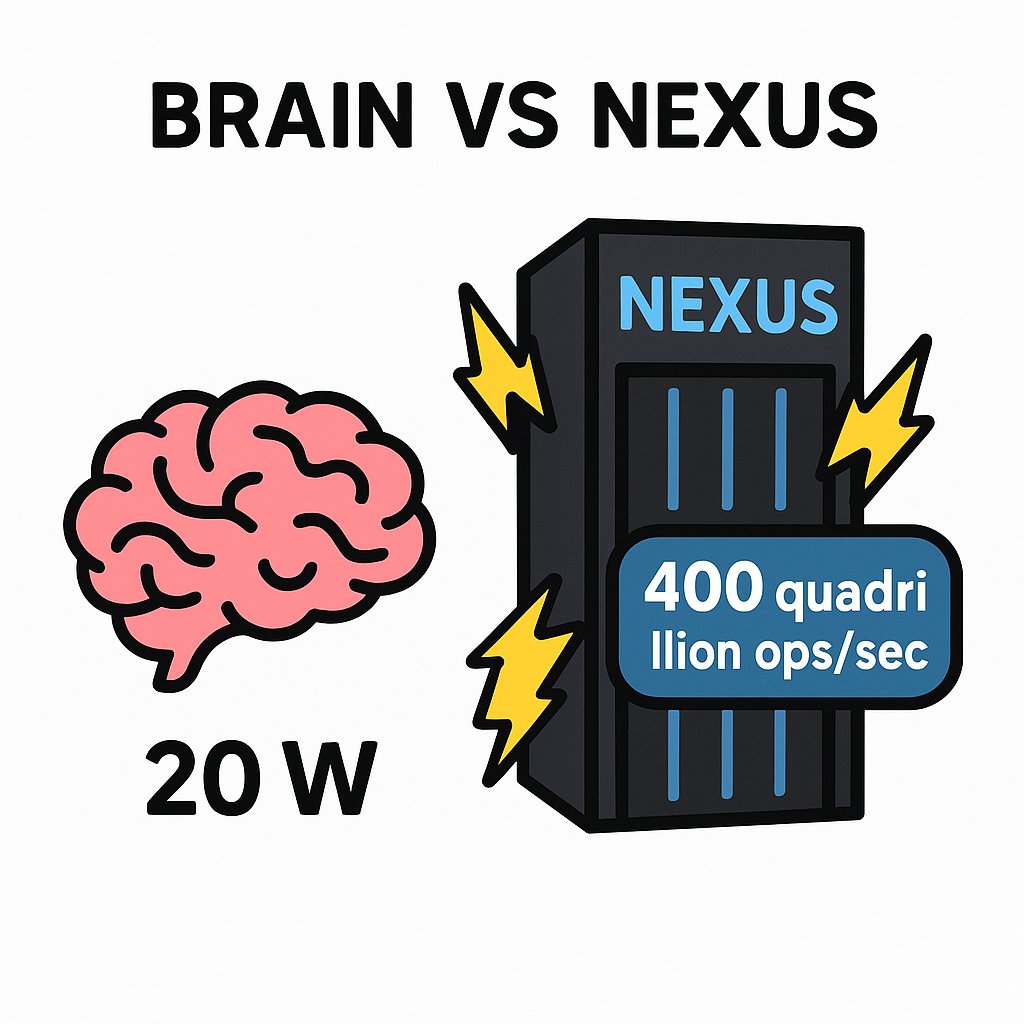
Brain: 20 watts 🧠
Nexus: 400 quadrillion ops/sec ⚡
Human-efficient, machine-powerful.
@NexusLabs @briwhoze pushing the limits of AI and science 🧬💡
#Supercomputing #AI #GNexus #ResearchTech
2
4
77

19 Jul 2025
📍 Happening now at Cloud Community Days Kolkata 2025
📸 Share your takeaways with #CCD2025 @ankitaprakash_
#gdgcloudkol #ccd2025 #gccdkol #AItrust #googlecloud #genAI #citations #researchtech #techsession
1
3
96