
Mar 1
Today, the US and Israel can bomb the top brass of Governments as if it were a Hollywood cartoon.
It is a piece of cake for the US and Israel to drop dozens of containers filled with tens of thousands of small and medium arms, munitions, Starlink receivers, and other short and medium-range communications, night goggles, small drones, sniper rifles, military instructional handbooks, etc., in the Iranian Kurdish, Azeri, Ahvaz, Baloch, and Turkmen regions.
So these righteous minorities can defend themselves against the religious-fascist Mullah regime murderers and stop the slaughter of tens of thousands of young, brave but naive Iranians, instead of being used as cannon fodder for Israel's security against the Iranian nuclear threat and Trump's quest for a Nobel peace prize.
Meanwhile, the US and Israel engage in a slow but months-long bombardment of the IRGC, the Basij, and the Iranian regular army, or what is left of that now
@YPJ_Info @RojavaNetwork @YPJDefense @Kurdistan_C @ciwanacuma @shlerbapiri @Rojava_Efrin366 @Efrin366rojava @RojavaTribunal @Ez_Rojava_ @SercanUstunds @Ciwan_berxwedan @YpgInt @rewsakurda
@Alawitesforreal @hawarhebo99 @w6__5 @pywend @Esmaili8Sahar
@kurdistannews24
@SoranHamarash @rudaw_arabic @ImanDerbas @24MedyaNu24 @rebaz_sharifi @SiyamandAli @PAKenglishh @HusenYazdanpana @SDCPress @SalehMaslem @Duhok_Buzz @SarwanBarzani_ @BaxtiyarGoran @Ch8Kurmanci @K24English @antiteroryat @mohamadjamshidy @Eli_Rojava @_R14h3bu @lala_bakhtyar @HMOO_67
2
62
Mar 1
. @YPJ_Info @RojavaNetwork @YPJDefense @Kurdistan_C @ciwanacuma @shlerbapiri @Rojava_Efrin366 @Efrin366rojava @RojavaTribunal @Ez_Rojava_ @SercanUstunds @Ciwan_berxwedan @YpgInt @rewsakurda
@Alawitesforreal @hawarhebo99 @w6__5 @pywend @Esmaili8Sahar
Feb 28

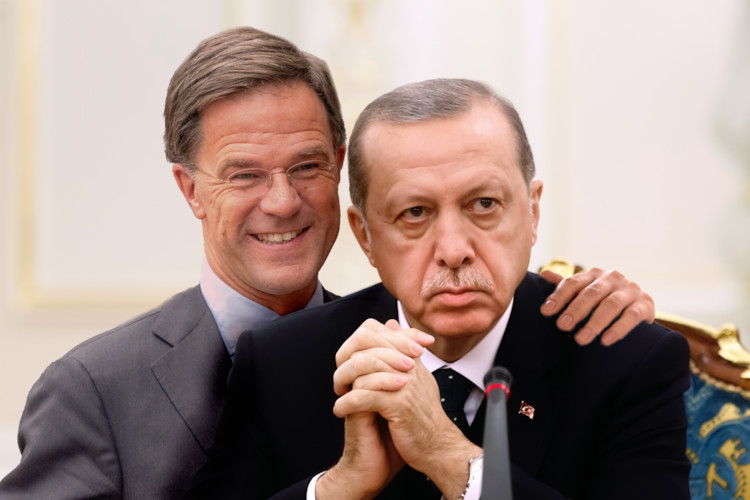
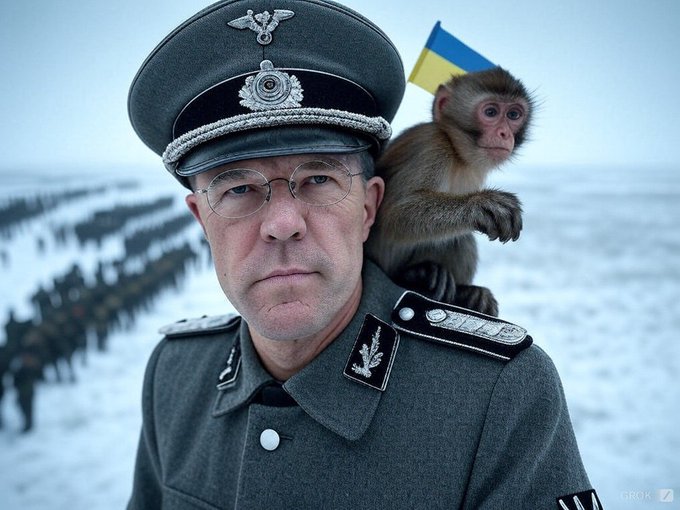
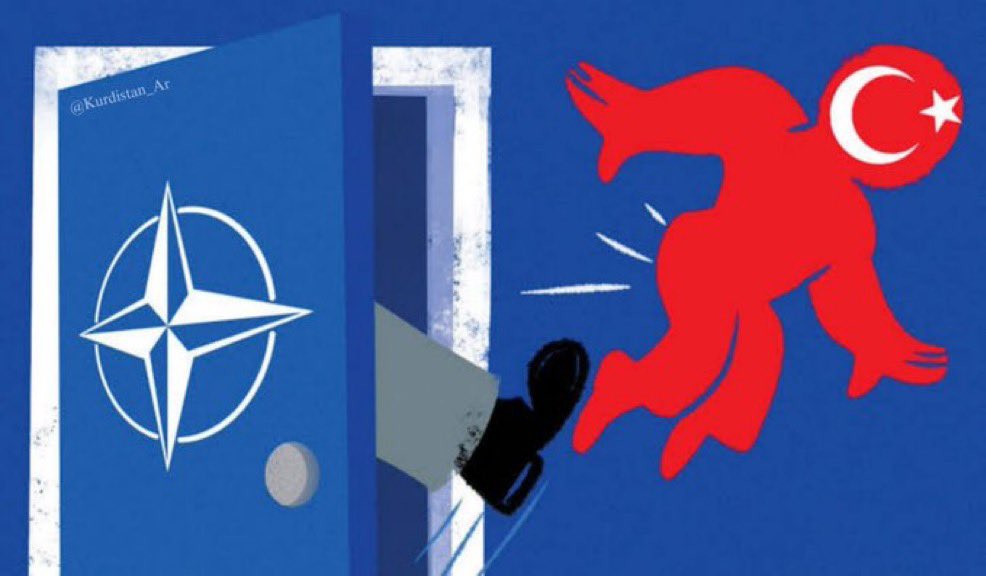
Turkey is the only NATO member country that has condemned the US attack on Iran.
Turkey must be expelled from NATO immediately.
2
66
Jan 13
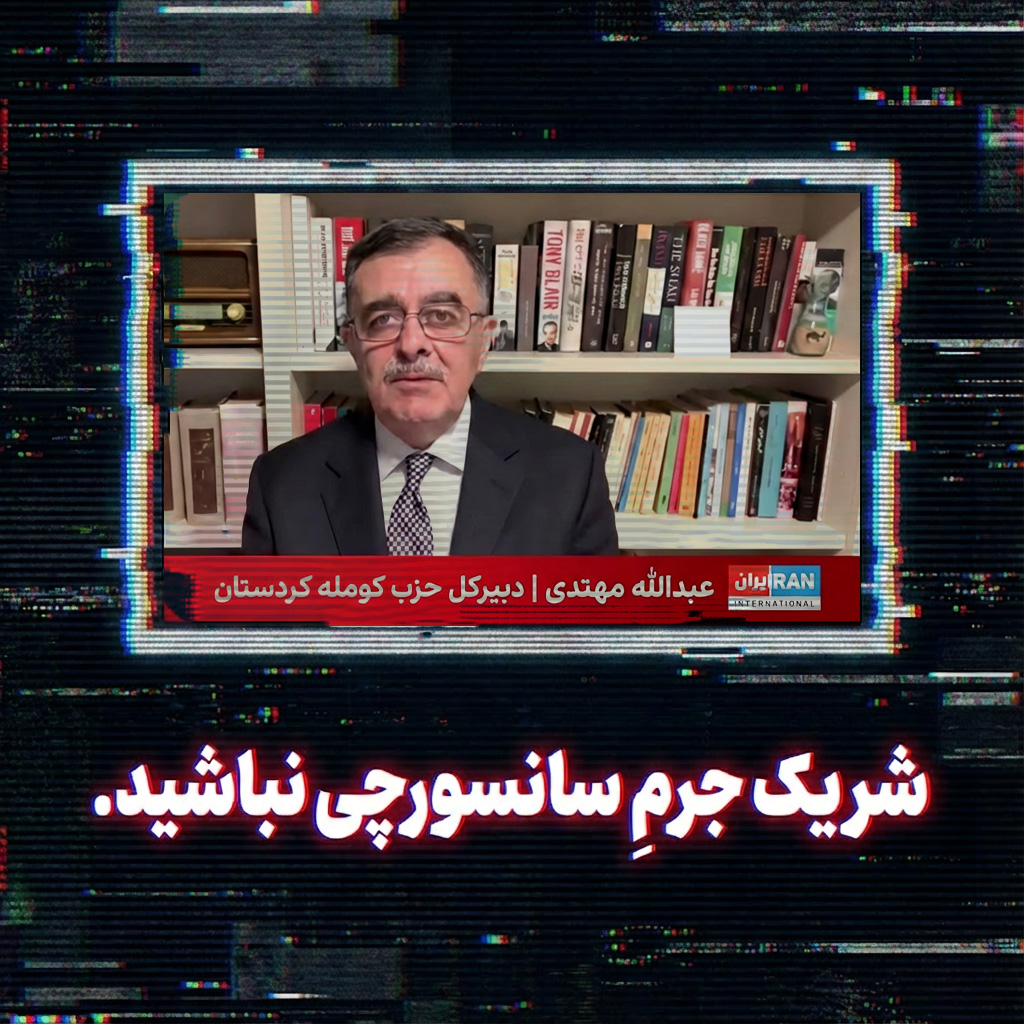
Mr. Mohtadi @AbdullahMohtadi
! Your repeated appearances on the exclusive Pahlavi television, after the disaster of dubbing and video distortions, convey no message other than this:
You have become a tool for legitimizing the totalitarian current.
Do not be a partner in the crime of the censor
@RojavaNetwork @YPJDefense @Kurdistan_C @RudawEnglish @shlerbapiri @Rojava_Efrin366 @Efrin366rojava @RojavaTribunal @fariba312 @SercanUstunds @ArianArian00 @MecheM22308 @wpicatto @Lepp06519086 @DilyaroS98243 @SarwanBarzani_ @_jvd9 @Judy20255 @OmarBaloch___ @ashtiwai @BaxtiyarGoran @nna_nina @beyan1329 @roj_shinwar @esen_rahsan @roj_shinwar @Kurdistan_AR @Ch8Kurmanci @AHMTKURAL @K24English @KRG_USA @esen_rahsan @JamshidBahramy @MonaDarband @mohamadjamshidy @DarinKhedejnu @senkyoyoudesu @BehrouzNiko @aboadam2610 @kurdi_778 @Ah_noori64 @Hadi0252 @Kurdistan_Farsi
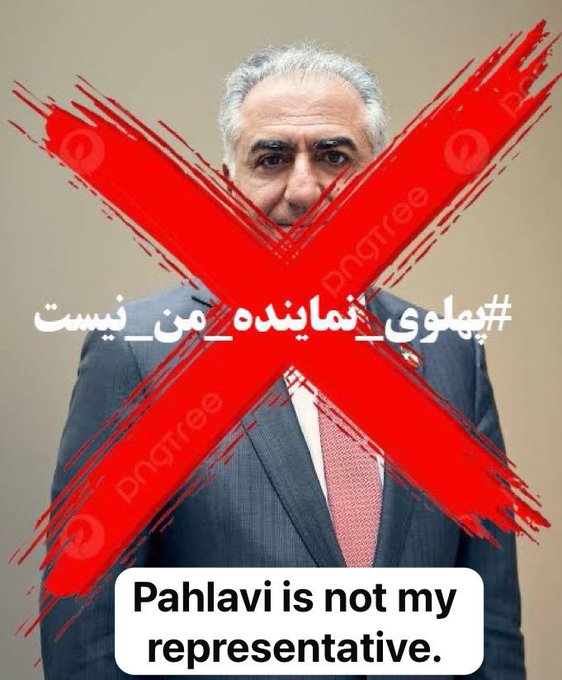

آقای مهتدی @AbdullahMohtadi! حضور مکرر شما در تلویزیون اختصاصی پهلوی، بعد از افتضاحِ صداگذاری و تحریف ویدئوها، پیامی جز این ندارد:
شما به ابزار مشروعیتبخشیِ جریان تمامیتخواه تبدیل شدهاید.
شریک جرمِ سانسورچی نباشید.
#ژن_ژیان_ئازادی #كوردستان
3
44
Jan 13
With the escalation of the Iranian people's civil struggles within the framework of the revolutionary movement "Woman, Life, Freedom," discussions and debates about the future of Iran and the transition to a new political order have intensified.
Now, amid the revolutionary uprisings of the people in December 2025, these discussions have entered a more serious phase.
Undoubtedly, addressing strategic and fateful issues cannot be postponed until after the victory of the people's struggles.
From now on, we must know what kind of political system we want for Iran instead of the worn-out and expired Islamic Republic system.
It must be specified how the rights of citizens and various social groups will be in such a system.
▫️What position will the various ethnic groups, including Kurds, Lors, Azeris, Baluchs, Arabs, Gilaks, Persians, and other social groups residing in Iran, have in this new political-legal order?
What position will women attain?
How will freedoms and rights gain legitimacy and be guaranteed through which mechanisms?
These and many other questions must be reconsidered.
PJAK: The Voice of Freedom, Unity, and Justice for a Bright Future
@RojavaNetwork @YPJDefense @Kurdistan_C @RudawEnglish @shlerbapiri @Rojava_Efrin366 @Efrin366rojava @RojavaTribunal @fariba312 @SercanUstunds @ArianArian00 @MecheM22308 @wpicatto @Lepp06519086 @DilyaroS98243 @MeowDezong @BonnieTheKurd @Unseen_Rebel @iAmHaks @BehrouzBoochani @JefreyKurdistan @D_abdulkader @inannaaaaaaa @SarwanBarzani_ @_jvd9 @Judy20255 @OmarBaloch___ @ashtiwai @BaxtiyarGoran @nna_nina @beyan1329 @roj_shinwar @esen_rahsan @roj_shinwar @Kurdistan_AR @Ch8Kurmanci @AHMTKURAL @K24English @KRG_USA @esen_rahsan @JamshidBahramy @MonaDarband @mohamadjamshidy @DarinKhedejnu @senkyoyoudesu @BehrouzNiko @aboadam2610 @kurdi_778 @Ah_noori64 @Hadi0252

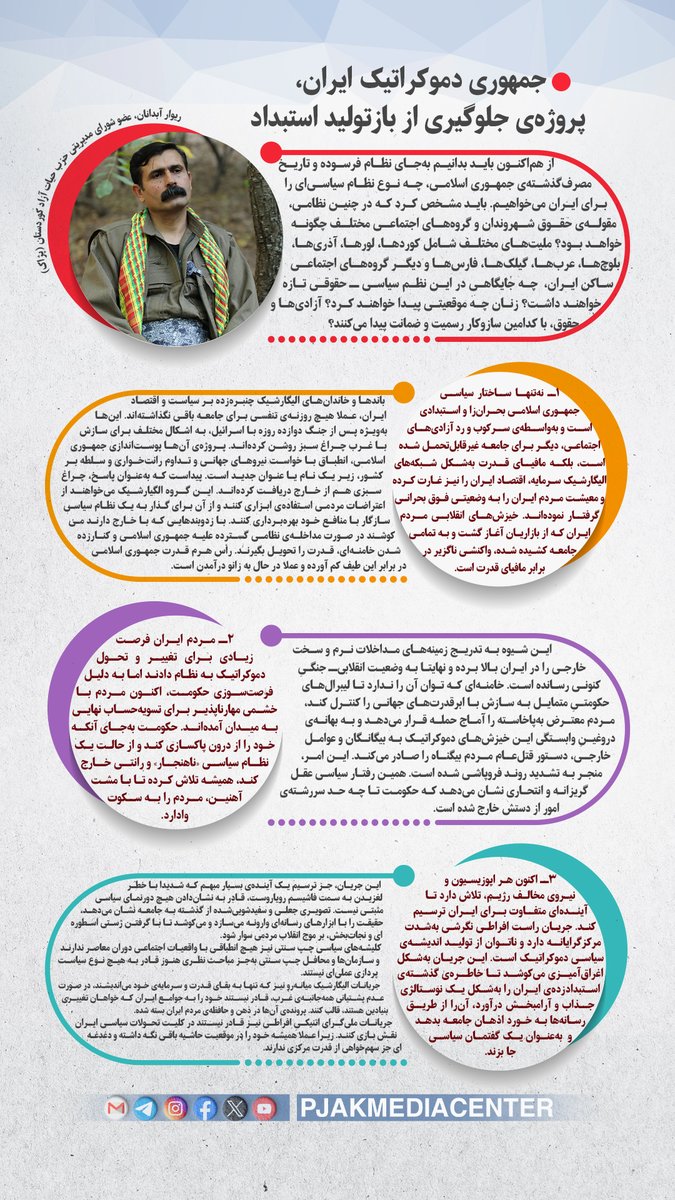
🔸ریوار آبدانان، عضو شورای مدیریتی حزب حیات آزاد کوردستان (پژاک):
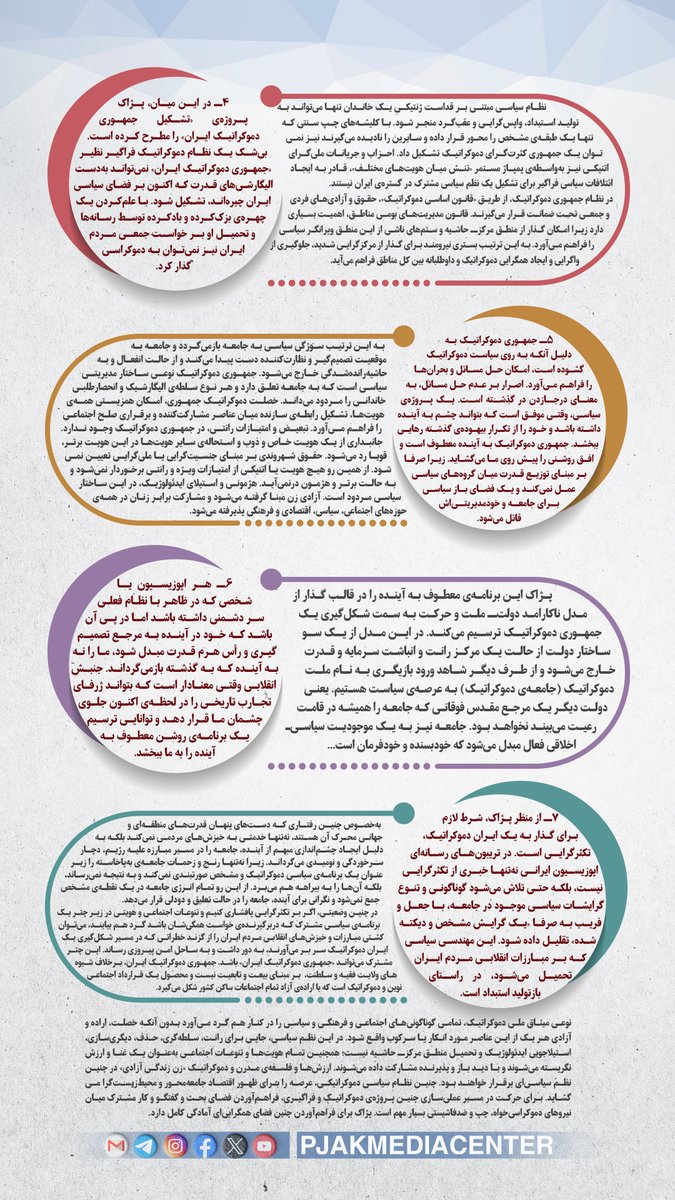
جمهوری دموکراتیک ایران، پروژهی جلوگیری از بازتولید استبداد
▫️با اوجگیری مبارزات مدنی مردم ایران در چارچوب جنبش انقلابی «زن زندگی آزادی»، بحث و گفتگو بر سر چگونگی ایرانِ آینده و گذار به یک نظم نوین سیاسی بالا گرفت. اکنون در گرماگرم خیزشهای انقلابی مردم در دیماه ۱۴۰۴ این مباحث وارد فاز جدیتری شدهاند. بیشک نمیتوان پرداختن به مسائل راهبردی و سرنوشتساز را به بعد از پیروزی مبارزات مردمی موکول کرد. از هماکنون باید بدانیم بهجای نظام فرسوده و تاریخمصرفگذشتهی جمهوری اسلامی، چه نوع نظام سیاسیای را برای ایران میخواهیم. باید مشخص کرد که در چنین نظامی، مقولهی حقوق شهروندان و گروههای اجتماعی مختلف چگونه خواهد بود؟
▫️ملیتهای مختلف شامل کوردها، لورها، آذریها، بلوچها، عربها، گیلکها، فارسها و دیگر گروههای اجتماعی ساکن ایران، چه جایگاهی در این نظم سیاسی ـ حقوقی تازه خواهند داشت؟ زنان چه موقعیتی پیدا خواهند کرد؟ آزادیها و حقوق، با کدامین سازوکار رسمیت و ضمانت پیدا میکنند؟ اینها و بسیاری پرسشهای دیگر بایستی مورد بازاندیشی قرار گیرند.
پژاک؛ صدای آزادی، اتحـاد و عدالت بـرای آیندەای روشن
#pjakmediacenter
3
77
Jan 12
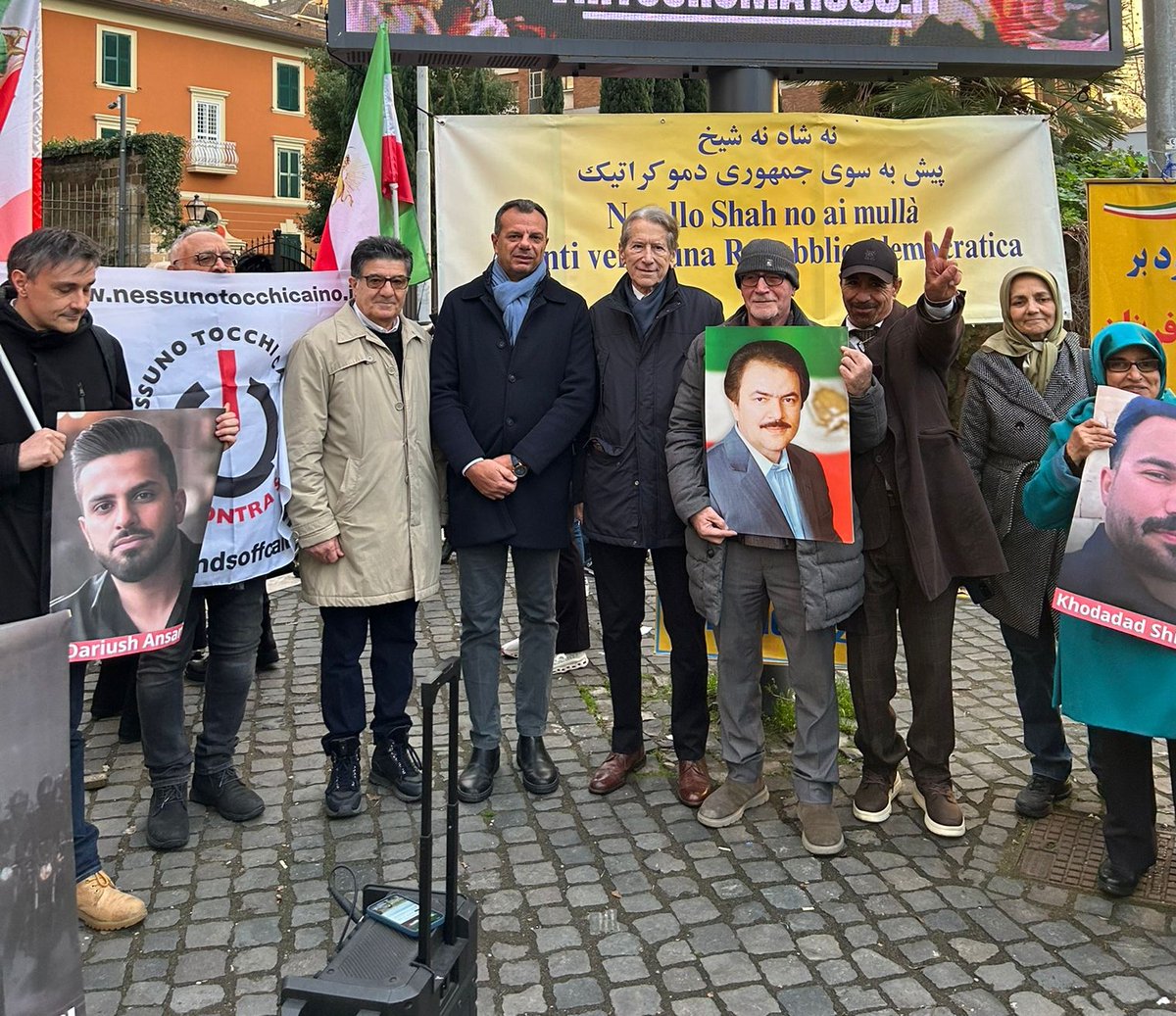
"Enough with the death penalty. Enough with the mullahs' regime" Important initiative promoted by "Nessuno tocchi Caino" in Rome, in which I took part together with Sen.
@MarcoScurria
to express the most convinced support of the "Interparliamentary Committee for a Free Iran" to the Iranian people fighting for their rights, for their dignity and for their freedom, who have been demonstrating throughout the Country for more than 10 days for the end of the mullahs' regime. Together with the representatives and supporters in Italy and in Europe of the "National Council of Resistance of Iran", present today, it was reiterated how the line traced by the "10-Point Plan for the Future of Iran" constitutes the path towards an authentically democratic alternative to the criminal and terrorist regime of Tehran
@RojavaNetwork @YPJDefense @Kurdistan_C @RudawEnglish @shlerbapiri @Rojava_Efrin366 @Efrin366rojava @RojavaTribunal @fariba312 @SercanUstunds @ArianArian00 @MecheM22308 @wpicatto @Lepp06519086 @DilyaroS98243 @MeowDezong @BonnieTheKurd @Unseen_Rebel @iAmHaks @BehrouzBoochani @JefreyKurdistan @D_abdulkader @inannaaaaaaa @SarwanBarzani_ @_jvd9 @Judy20255 @OmarBaloch___ @ashtiwai @BaxtiyarGoran @nna_nina @beyan1329 @roj_shinwar @esen_rahsan @roj_shinwar @Kurdistan_AR @Ch8Kurmanci @AHMTKURAL @K24English @MonaDarband @mohamadjamshidy @DarinKhedejnu @senkyoyoudesu @BehrouzNiko @aboadam2610 @kurdi_778 @Ah_noori64 @Hadi0252
Jan 9

"Basta pena di morte. Basta regime dei mullah"
Importante iniziativa promossa da "Nessuno tocchi Caino" a Roma, a cui ho preso parte insieme al Sen. @MarcoScurria per esprimere il più convinto sostegno del "Comitato Inteparlamentare per un Iran Libero" al popolo iraniano in lotta per i propri diritti, per la propria dignita' e per la propria liberta', che sta manifestando in tutto il Paese da più di 10 giorni per la fine del regime dei mullah.
Insieme ai rappresentanti e sostenitori in Italia e in Europa del "Consiglio Nazionale della Resistenza in Iran", presenti oggi, è stato ribadito come la linea tracciata dal "Piano in 10 punti per il futuro dell'Iran", costituisca la strada verso una alternativa autenticamente democratica al regime criminale e terrorista di Teheran
@FratellidItalia @fdieuropa @FDI_Parlamento @ecrgroup @iran_policy @HandsOffCain_It @donneiran @GiovaniIraniani @GlobalCRL @DowlatNowrouzi
1
2
87
Jan 12
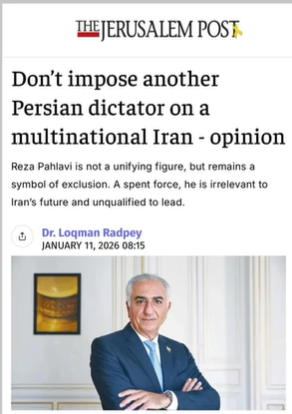
Dr. Loqman Radpi - Jerusalem Post
As Iran nears a potential collapse amid new nationwide protests – particularly in Abdanan, Malekshahi (Ilam), Kermanshah and Lorestan in eastern Kurdistan (Rojhelat) – international talks have turned to a possible replacement for the Islamic Republic’s supreme leader, Ali Khamenei.
Western powers – particularly the United States and Europe – fear a power vacuum similar to post-Saddam Iraq or post-occupation Afghanistan. But in their rush to avoid chaos, some think tanks and mainstream media outlets are risking endorsing another failed model: a centralized, Persian-centric state structure under a new name, which has already proven itself to be repressive and unstable.
Since 1979, Iran has been governed by a Parsi-Shiite ideological system. But the marginalization of non-Persian peoples within its borders goes back beyond the Islamic Republic. The 1935 name change from “Persia” to “Iran” was more than a superficial change; it was a move to establish a false, unified national identity. Under Reza Khan Pahlavi, this change initiated a modern imperialist strategy aimed at erasing the transnational reality of the country under the illusion of unity. It established a long-standing policy of repression, execution, and forced assimilation that stripped non-Persian national, ethnic, and religious groups—notably Kurds, Baluchis, and Arabs—of their political and cultural rights. From the Pahlavi dynasty to the current theocracy, Persians have monopolized power, the army, and economic institutions while simultaneously suppressing minorities who sought recognition, linguistic rights, and political autonomy. Persian was imposed as the sole official language. Shiite Islam became the ideological foundation of the state. National and ethnic groups – including Kurds, Baluchis, Azeris, Arabs, Turkmens, Qashqais, Armenians, Gilaks, Tabrizis and Talish – as well as religious minorities such as Christians, Jews and Baha’is, were eliminated, persecuted or violently suppressed. The Islamic Republic did not break away from Pahlavi chauvinism; it perfected it. The current regime has expanded and even refined the ethnocentric policies of Reza Khan and his son, Mohammad Reza Pahlavi.
The West cannot continue to treat Iran as synonymous with “Persia”. Iran is a country of many nations and ethnic groups, each with its own language, culture and political will. Yet Western policymakers – along with a large part of the diaspora opposition – are content with a Persian-centric framework. The exiled elite often identifies as “Persian” abroad, but when confronted with questions about the rights of Kurds or Baluchis, they resort to the slogan “We are all Iranians.” This is not a call for unity; it is a rhetorical ploy to hide decades of domination and cultural erasure.
Proposals to restore the monarchy through Reza Pahlavi are not a solution; they are a return to defeat. During the 2022-2023 Jinnah uprising, Pahlavi failed to provide leadership or inspiration, especially among non-Persian groups. Former US Secretary of State Mike Pompeo publicly referred to reports of links between Pahlavi supporters and the Revolutionary Guards, further damaging his credibility. Even at its peak, the “I Am Advocating” campaign barely surpassed 400,000 signatures.
Although the campaign has recently been reactivated, it demonstrates his political worthlessness. Pahlavi is not a unifying figure, but a symbol of the remaining exclusion. A defunct force, he is irrelevant to Iran’s future and unfit to lead.
A meaningful transition after the Islamic Republic cannot be a return to Persian nationalism under a new name. To do so would merely perpetuate the very systems that have fueled decades of unrest. Stability will not come from reviving the past. Rather, it must come from a framework based on decentralization and inclusiveness that recognizes the rights of Iran’s peoples to self-determination—including territorial autonomy or independence if demanded. These rights must be part of the roadmap and order after the Islamic Republic.
The illusion of national unity has come at the cost of Iran’s future. Kurdish, Baluch, Ahwazi Arab, and other movements have long called for democratic solutions rooted in local governance, cultural rights, and international engagement. Their voices must not be marginalized once again in the name of imposed “stability.”
The international community must understand a fundamental fact: Iran is not a nation-state. Iran is a country of several nations and ethnicities – a nation of nations. What is needed now is not the restoration of the monarchy, but the recognition of differences. The West should not trade one dictatorship for another, and it should not repeat the mistake of prioritizing top-down control over justice. Stability will not come from restoring a failed system, imposed by Britain and dominated by Persians. Despite strong nationalist movements, non-Persian nations have historically been denied any avenue for self-determination because, under the Anglo-Persian Treaty of August 9, 1919, Britain prioritized the territorial integrity of Persia – later called Iran – to secure control over land, customs, and oil resources. That legacy of “imposed unity” still haunts the present.
@RojavaNetwork @YPJDefense @Kurdistan_C @RudawEnglish @shlerbapiri @Rojava_Efrin366 @Efrin366rojava @RojavaTribunal @fariba312 @SercanUstunds @ArianArian00 @MecheM22308 @wpicatto @Lepp06519086 @DilyaroS98243 @MeowDezong @BonnieTheKurd @Unseen_Rebel @iAmHaks @BehrouzBoochani @JefreyKurdistan @D_abdulkader @inannaaaaaaa @SarwanBarzani_ @_jvd9 @Judy20255 @OmarBaloch___ @ashtiwai @BaxtiyarGoran @nna_nina @beyan1329 @roj_shinwar @esen_rahsan @roj_shinwar @Kurdistan_AR @Ch8Kurmanci @AHMTKURAL @K24English @KRG_USA @esen_rahsan @JamshidBahramy @MonaDarband @mohamadjamshidy @DarinKhedejnu @senkyoyoudesu @BehrouzNiko @aboadam2610 @kurdi_778 @Ah_noori64 @Hadi0252
Jan 11

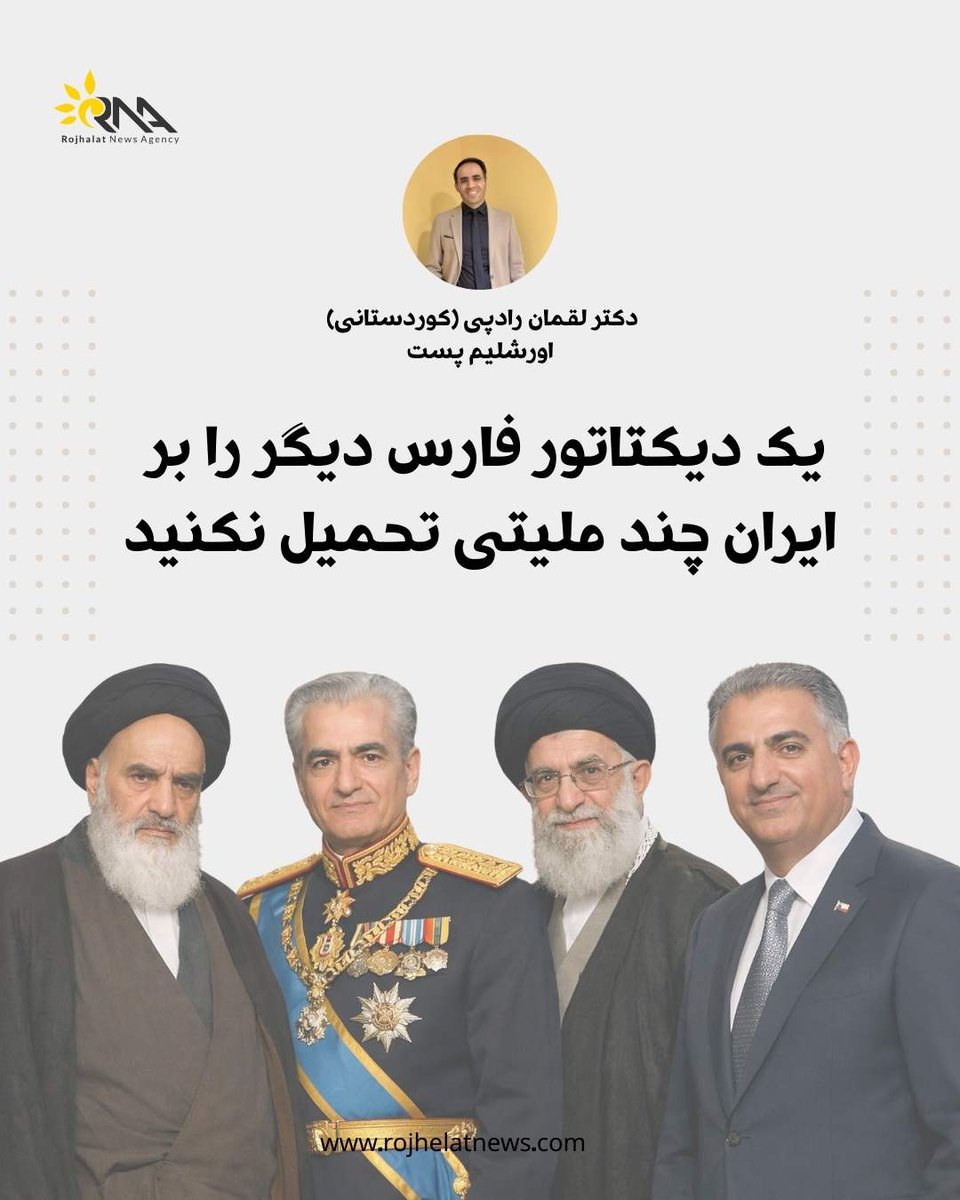
یک دیکتاتور فارس دیگر را بر ایرانِ چند ملیتی تحمیل نکنید
دکتر لقمان رادپی-اورشلیم پوست
متن کامل مقالە در سایت:
rojhelatnews.com/View.aspx?N…
2
164
Jan 11
Trump made himself a puppet of Qatar's Al-Thani to get a real estate deal in Qatar by allowing Qatar to Islamize Texas and New York. Trump's de facto ambassador in Watar and of the MAGA movement is Tucker Carlson, whose son is an assistant to VP JD Vance.
Trump made himself a puppet of Erdogan to enforce Trump's Pax Americana on Syria by allowing Erdogan and Jolani (Al-Sharaa) to let ISIS (HTS) genocide the Alewites, Christians, Druze, and Kurds.
The EU dictatorship of von der Leyen, Macron of France, Merz of Germany, and Starmer of the UK is allowing Trump to sell out Western civilization for them.
Netanyahu of Israel and Mazloum Abdi of the Kurdish autonomy in Syria are allowing the genocide of Kurds.
Trump and Netanyahu are trying to impose fascist Reza Pahlavi on the Iranian People, who are fighting against the Mullah regime with bare hands, like the Kurds uprooted ISIS with their bare hands
@PTIKPOfficial @PTIOfficialISB @PTIofficial @UKPTIOfficial @PTIOfficialUSA @PTIOfficialCA @PTIOfficialLHR @RojavaNetwork @YPJDefense @Kurdistan_C @RudawEnglish @shlerbapiri @Rojava_Efrin366 @Efrin366rojava @RojavaTribunal @BonnieTheKurd @beyan1329 @roj_shinwar @esen_rahsan @roj_shinwar @Kurdistan_AR @Ch8Kurmanci @AHMTKURAL @K24English @KRG_USA @esen_rahsan @JamshidBahramy @MonaDarband @mohamadjamshidy @DarinKhedejnu @senkyoyoudesu @BehrouzNiko @aboadam2610 @kurdi_778 @Ah_noori64 @Hadi0252 @Maryam_Rajavi @ROJAVA_NEWS0 @sarahadams @realDianaWest @SyrDemObs @masoud_barzani @ClareMLopez @RudyGiuliani
2
101
Jan 10
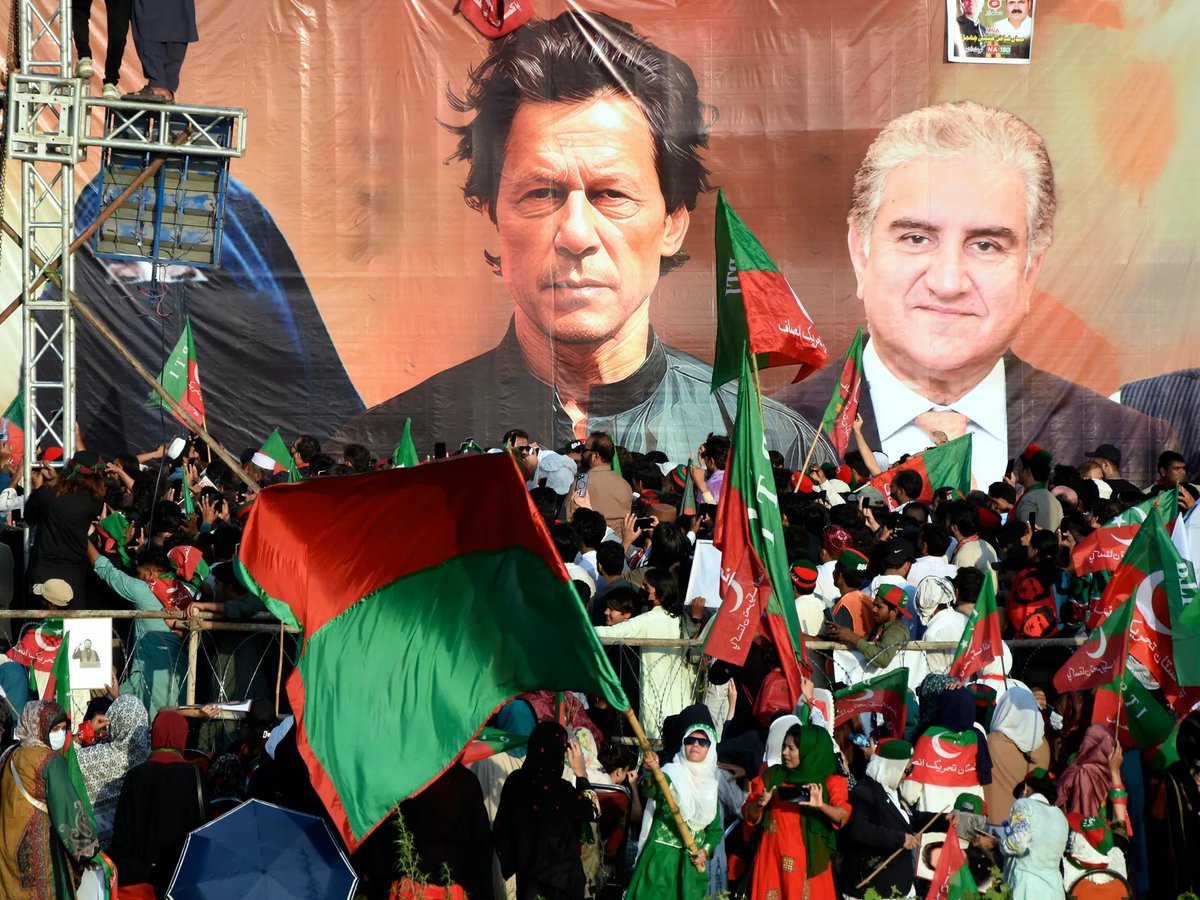
When President Imran Khan (Pakistan), after removing the billionaire fascist generals, grants the provinces economic and judicial autonomy, nothing would change financially for the farmers and workers.
@PTIofficial @PTIKPOfficial @PTIOfficialISB @UKPTIOfficial @PTIOfficialUSA @PTIOfficialUSA @cctouser @PatrioticWsi @ShandanaGulzar @MNAFaheemPTI @khokhr_pedia @PTIOfficialCA @PTIOfficialLHR @JunaidAkbarMNA @TTAP_OFFICIAL @AbdulKhalidPTI @ahmad__bobak @KaliwalYam @MehwishQamas @MAbbasiPTI @Khankamoo
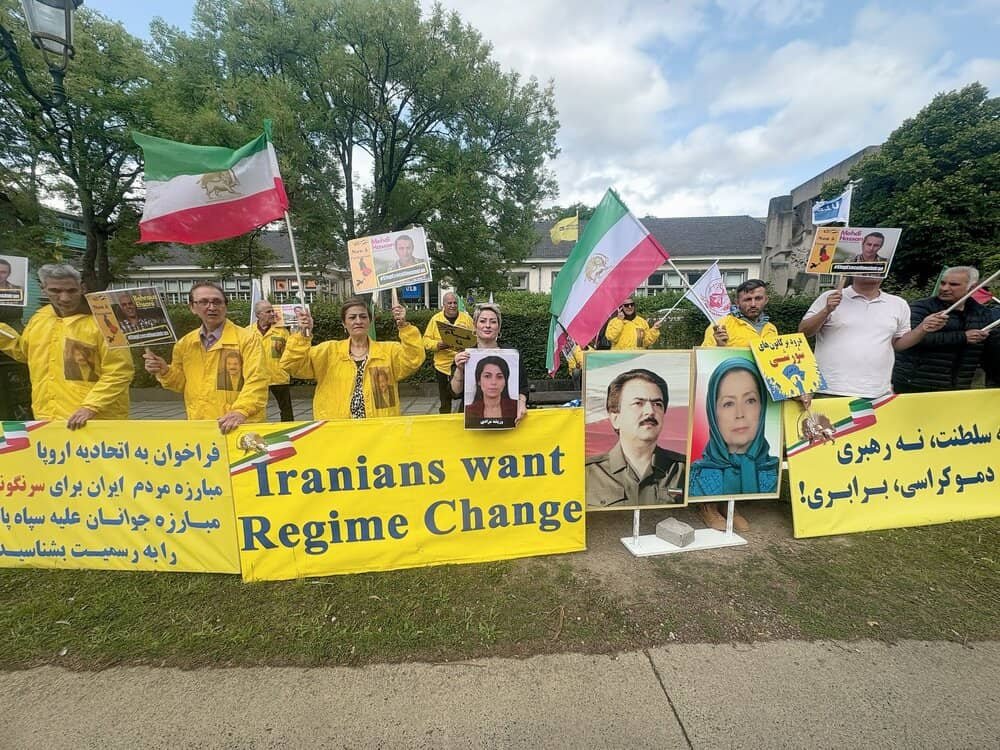
When the fascist Mullah regime in Iran is removed, and fascist Reza Khan is put on the throne by Exxon Mobile and Chevron, nothing would change for the patriots, and their heroic uprising and victory will come the day after
@Esmaili8Sahar @victoriaazad24 @Maryam_Rajavi @OrgIAC @RojavaNetwork @YPJDefense @Kurdistan_C @RudawEnglish @shlerbapiri @Rojava_Efrin366 @Efrin366rojava @RojavaTribunal @fariba312 @SercanUstunds @ArianArian00 @MecheM22308 @wpicatto @Lepp06519086 @DilyaroS98243 @MeowDezong @BonnieTheKurd @Unseen_Rebel @iAmHaks @BehrouzBoochani @JefreyKurdistan
2
24
Jan 10
Today, the Ministry for Foreign Affairs has met with the Iranian ambassador and conveyed that freedom of expression, freedom of assembly, and freedom of demonstration must be respected by Iran.
Peaceful demonstrations and the people's legitimate demands must be met with dialogue, not with violence.
Sweden supports the brave Iranian women and men who are once again demonstrating on the streets for their freedom and for their human rights to be respected.
Sweden condemns all forms of violence and oppression against peaceful protests. @RojavaNetwork @YPJDefense @Kurdistan_C @RudawEnglish @shlerbapiri @Rojava_Efrin366 @Efrin366rojava @RojavaTribunal @fariba312 @SercanUstunds @ArianArian00 @MecheM22308 @wpicatto @Lepp06519086 @DilyaroS98243 @MeowDezong @BonnieTheKurd @Unseen_Rebel @iAmHaks @BehrouzBoochani @JefreyKurdistan @D_abdulkader @inannaaaaaaa @SarwanBarzani_ @_jvd9 @Judy20255 @OmarBaloch___ @ashtiwai @BaxtiyarGoran @nna_nina @beyan1329 @roj_shinwar @esen_rahsan @roj_shinwar @Kurdistan_AR @Ch8Kurmanci @AHMTKURAL @K24English @KRG_USA @esen_rahsan @JamshidBahramy @MonaDarband @mohamadjamshidy @DarinKhedejnu @senkyoyoudesu @BehrouzNiko @aboadam2610 @kurdi_778 @Ah_noori64 @Hadi0252

Idag har UD träffat den iranska ambassadören och framfört att yttrandefriheten, mötesfriheten och demonstrationsfriheten måste respekteras av Iran. Fredliga demonstrationer och folkets legitima krav måste bemötas med dialog, inte med våld. Sverige stöttar de modiga iranska kvinnor och män som återigen demonstrerar på gatorna för sin frihet och för att deras mänskliga rättigheter ska respekteras. Sverige fördömer alla former av våld och förtryck mot fredliga protester.
2
131
Jan 10
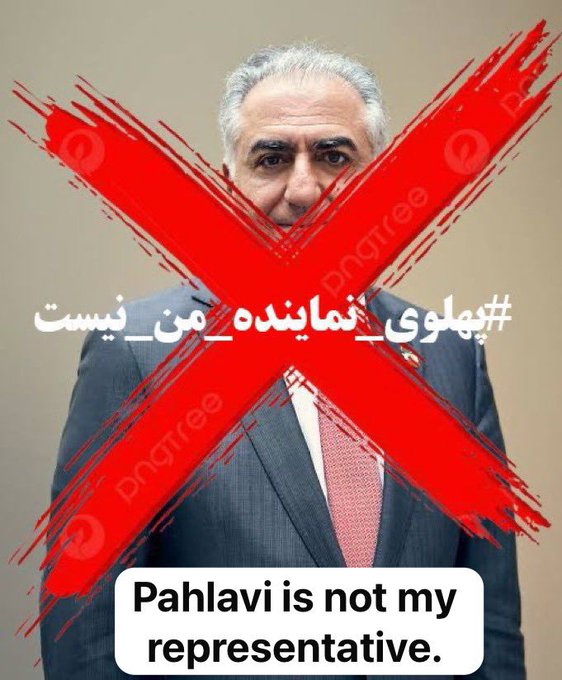
Except for Mayor @RudyGiuliani, @RepKeithSelf et al, these pro-Chevron, pro-ExxonMobile, US websites meforum.org/, frontpagemag.com/, loomered.com/, and the Wall Street Journal in an op-ed favor dictator opportunist Reza Pahlavi instead of the Patriot People of Iran, who have been fighting for decades against the Iranian Mullah regime, which Carter-Brzezinski installed.
They speculate that billionaire Iranian generals will topple Khamenei and crown US proxy fascist Pahlavi @RojavaNetwork @YPJDefense @Kurdistan_C @RudawEnglish @shlerbapiri @Rojava_Efrin366 @Efrin366rojava @RojavaTribunal @fariba312 @SercanUstunds @ArianArian00 @MecheM22308 @wpicatto @Lepp06519086 @DilyaroS98243 @MeowDezong @BonnieTheKurd @Unseen_Rebel @iAmHaks @BehrouzBoochani @JefreyKurdistan @D_abdulkader @inannaaaaaaa @SarwanBarzani_ @_jvd9 @Judy20255
2
15

29 Apr 2025
Putting Aggression on Trial: The Rojava Verdict
✍️ Eshal Zahur
A thread 🧵
#RojavaTribunal #Turkey #Syria
politicalpandora.com/post/ag…
1
2
88

fyi @CIJ_ICJ @INTERPOL_HQ @CENTCOM UN2254 prohibits such criminals, they need to be arrested, UNSC must assist Syria to stop genocide of Syrians & to establish UN2254 process & ensure humanitarian aid reaches Syria's towns/villages. @MazloumAbdi @RojavaTribunal @suwayda24 @UN
1
2
364

1 Apr 2025
Kurds are generally devoted to very rational, socially progressive values, and they are a credit to civilization. @RojavaIC @DronesForRojava @GreenRojava @RojavaTribunal
1
1
70

28 Mar 2025
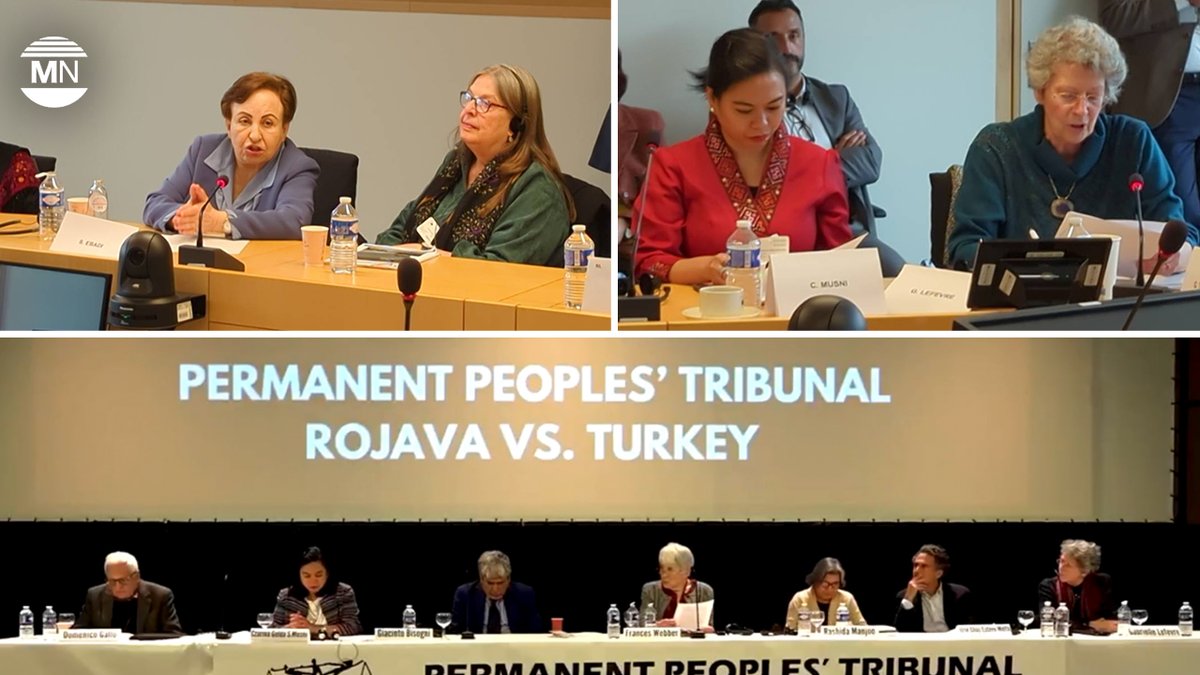
Rojava Tribunal calls on the EU parliament and the international community to: “Ensure the conditions for the development of coordinated efforts for the international recognition of the Autonomous Administration in the context of a necessary peace process for the Kurdish people in the region.” medyanews.rs/mrSrI2L
@RojavaTribunal #RojavaTribunal #TurkeyWarCrimes
1
3
152
27 Mar 2025
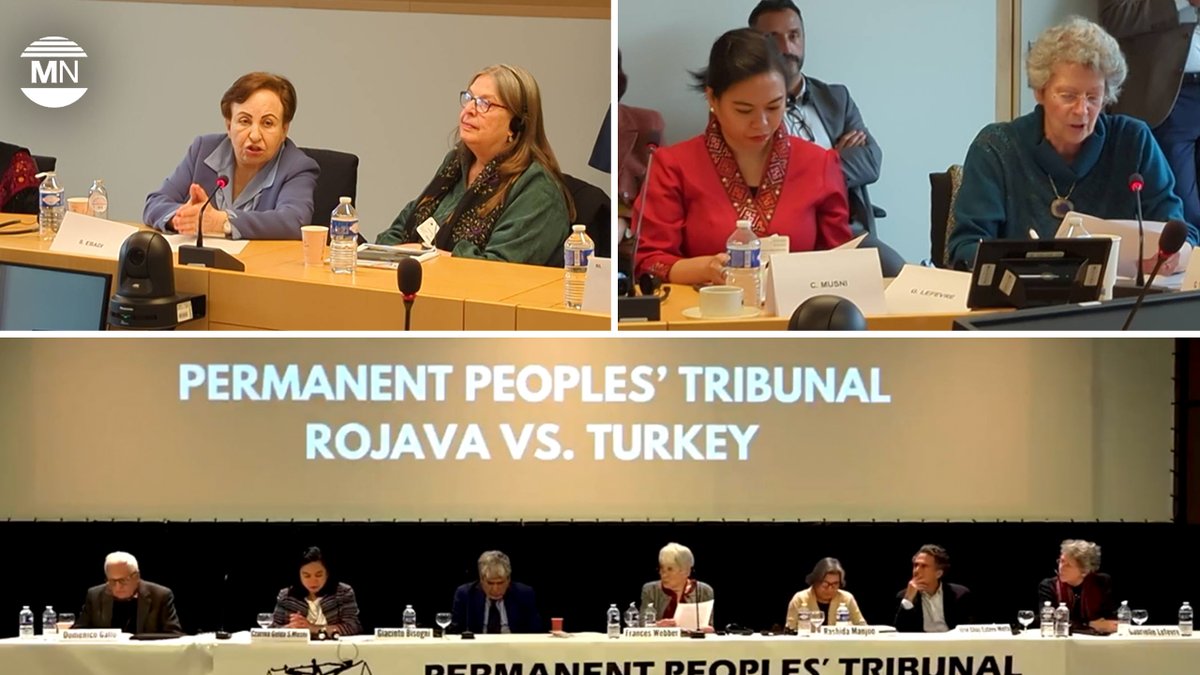
President of Rojava Tribunal's panel of judges describes Turkey's 'sheer cruelty'
🗣️Medya News’ Sarah Glynn (@sarahrglynn ) spoke to president of the PPT panel of judges Frances Webber about the evidence given to the Rojava Tribunal. Webber: “the ability of people to live through those things and to talk about them and to gather themselves together and to carry on is just breathtaking.” “We have to carry on. If the Kurds of Rojava can carry on, we certainly have to carry on,” she said.
@RojavaTribunal #RojavaTribunal #TurkeyWarCrimes
1
3
182

27 Mar 2025
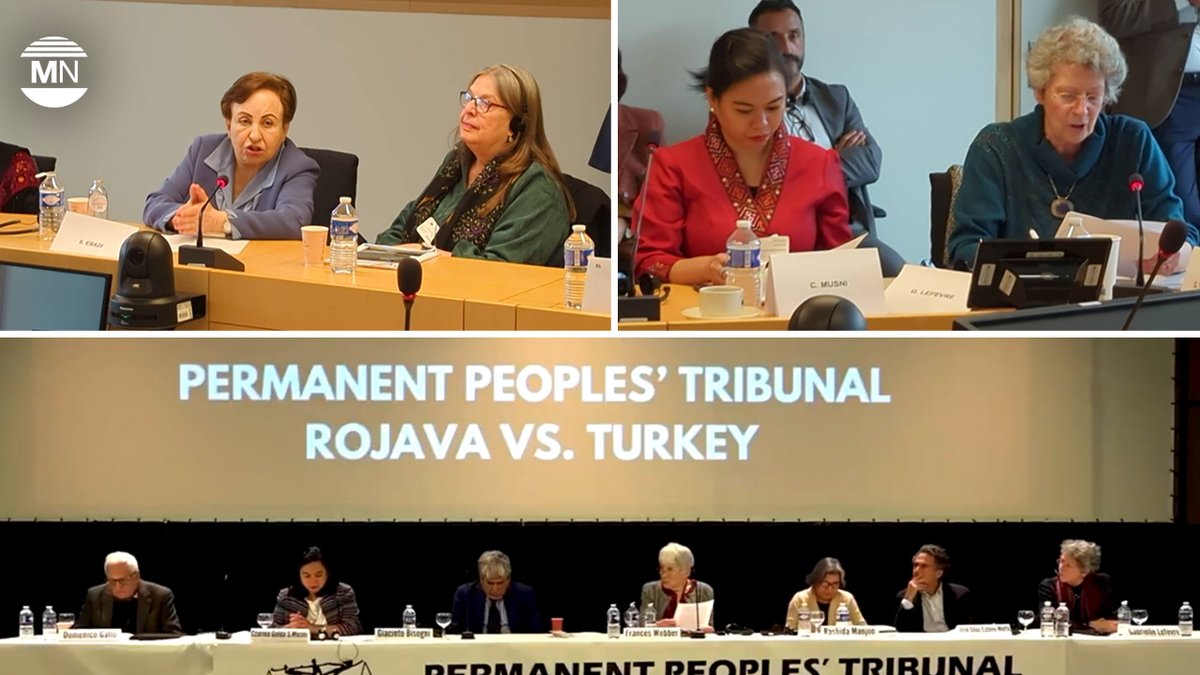
President of Rojava Tribunal's panel of judges describes Turkey's 'sheer cruelty'
🗣️Medya News’ Sarah Glynn (@sarahrglynn) spoke to Frances Webber, president of the Tribunal’s panel of judges about watching the harrowing evidence of Turkey's war crimes.
@RojavaTribunal #RojavaTribunal #TurkeyWarCrimes
🔗medyanews.rs/mrSrI2L
📜justpaste.it/9h67g
2
79
27 Mar 2025
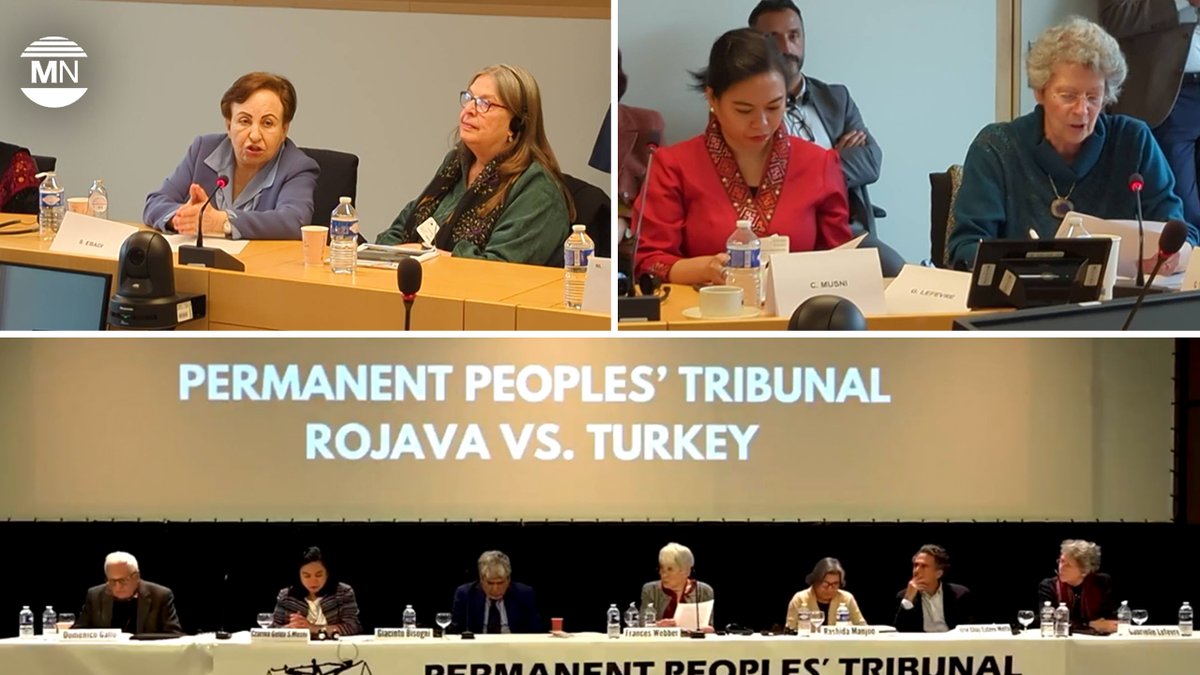
President of Rojava Tribunal's panel of judges describes Turkey's 'sheer cruelty'
🗣️Medya News’ Sarah Glynn (@sarahrglynn) spoke to Frances Webber, president of the Tribunal’s panel of judges about watching the harrowing evidence of Turkey's war crimes.
@RojavaTribunal #RojavaTribunal #TurkeyWarCrimes
🔗medyanews.rs/mrSrI2L
3
6
170

27 Mar 2025
infowelat.com/dadgeha-gelan-…
Dadgeha Gelan a Rojava Tirkîyeyê sûcdar dît.
Dadgehê di biryara xwe de got, #Tirkîye sûcên şer kirîne.
#Turkey #Rojava #SûcênŞer #infowelat
@RojavaTribunal
2
4
111

Ankara am Pranger -
Völkertribunal verurteilt Türkei für Angriffskrieg im Norden Syriens
jungewelt.de/artikel/496847.…
@ohdgenelmerkez @chdgenelmerkez @IADLLaw @giurdem @VDJinfo @SocialistLawyer @RojavaTribunal #Turkey #Tribunal
3
153

Rojava |
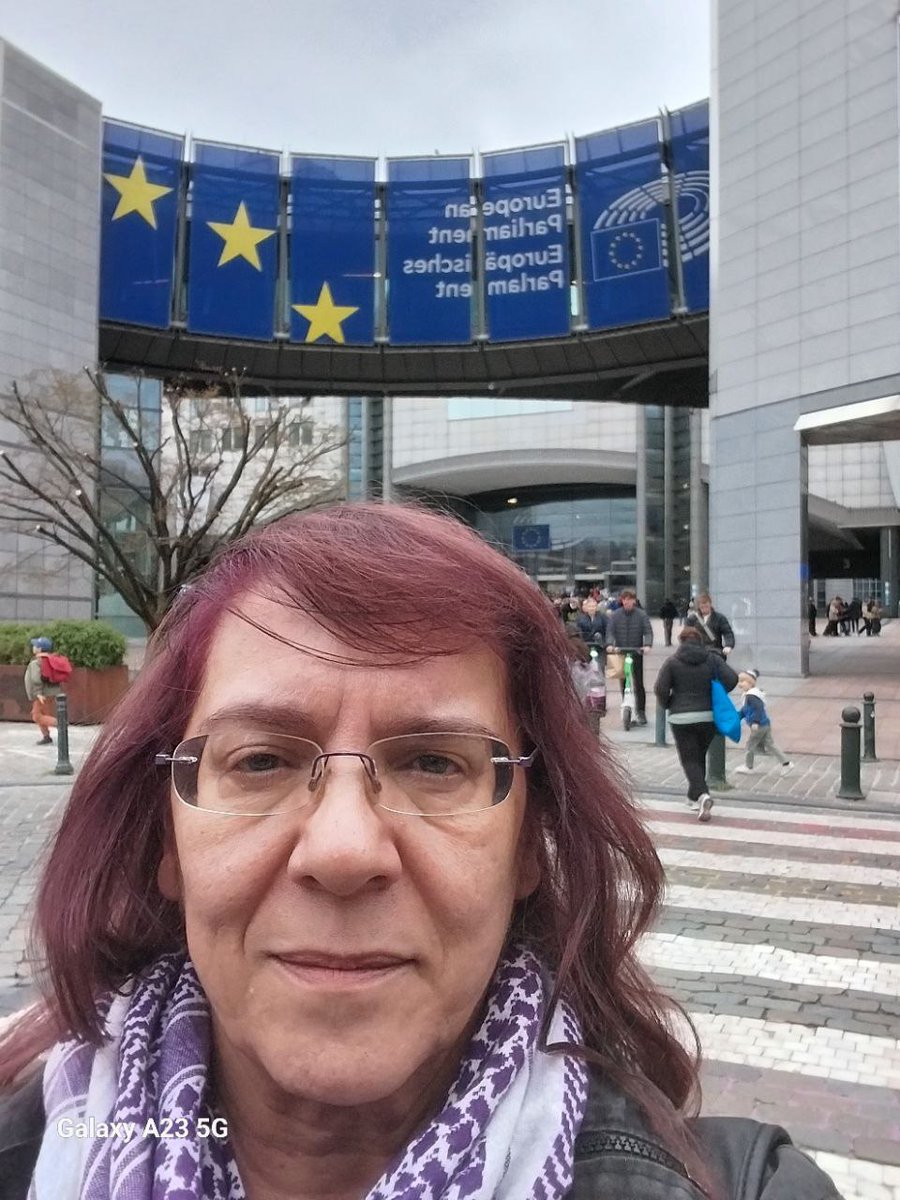
Carmen Arnáiz, SP-Acción Social de CGT en Bruselas para asistir al veredicto del @RojavaTribunal
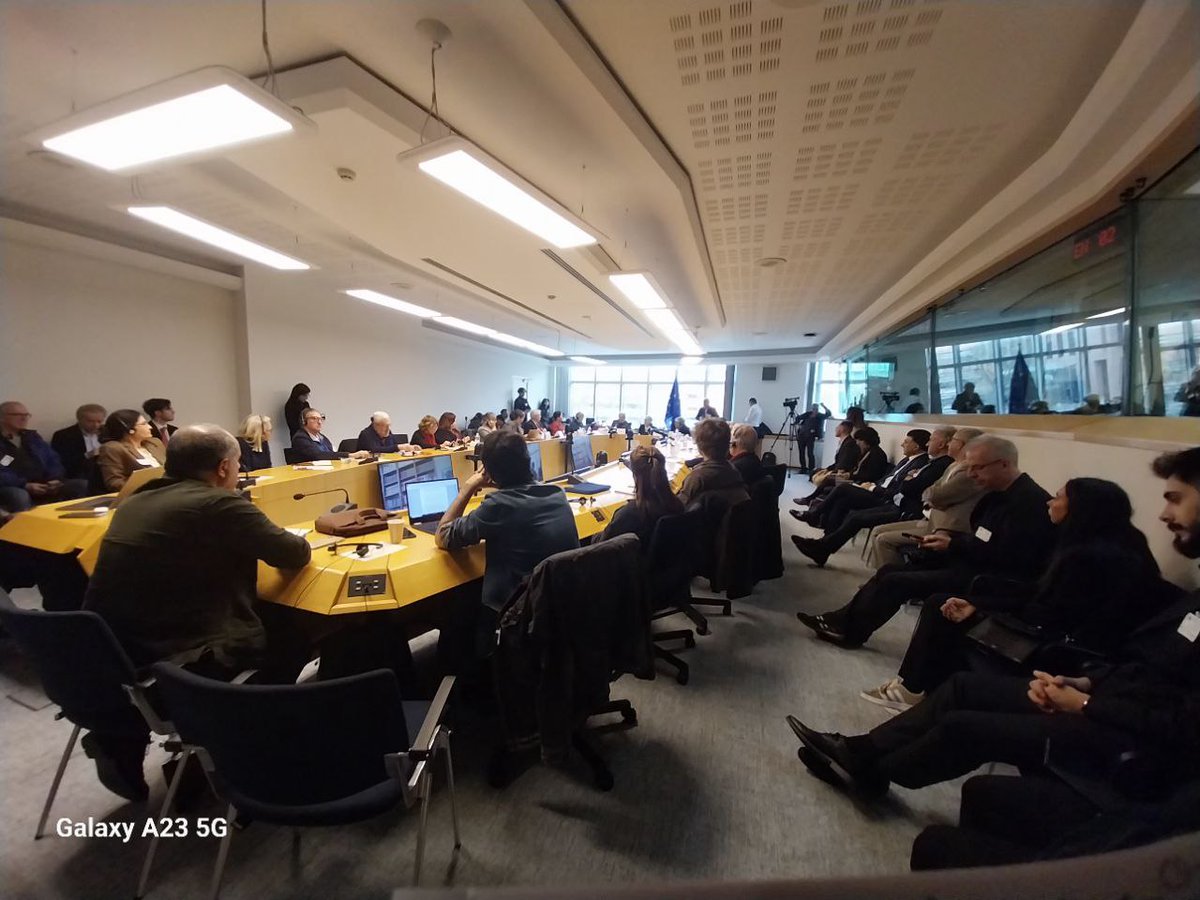
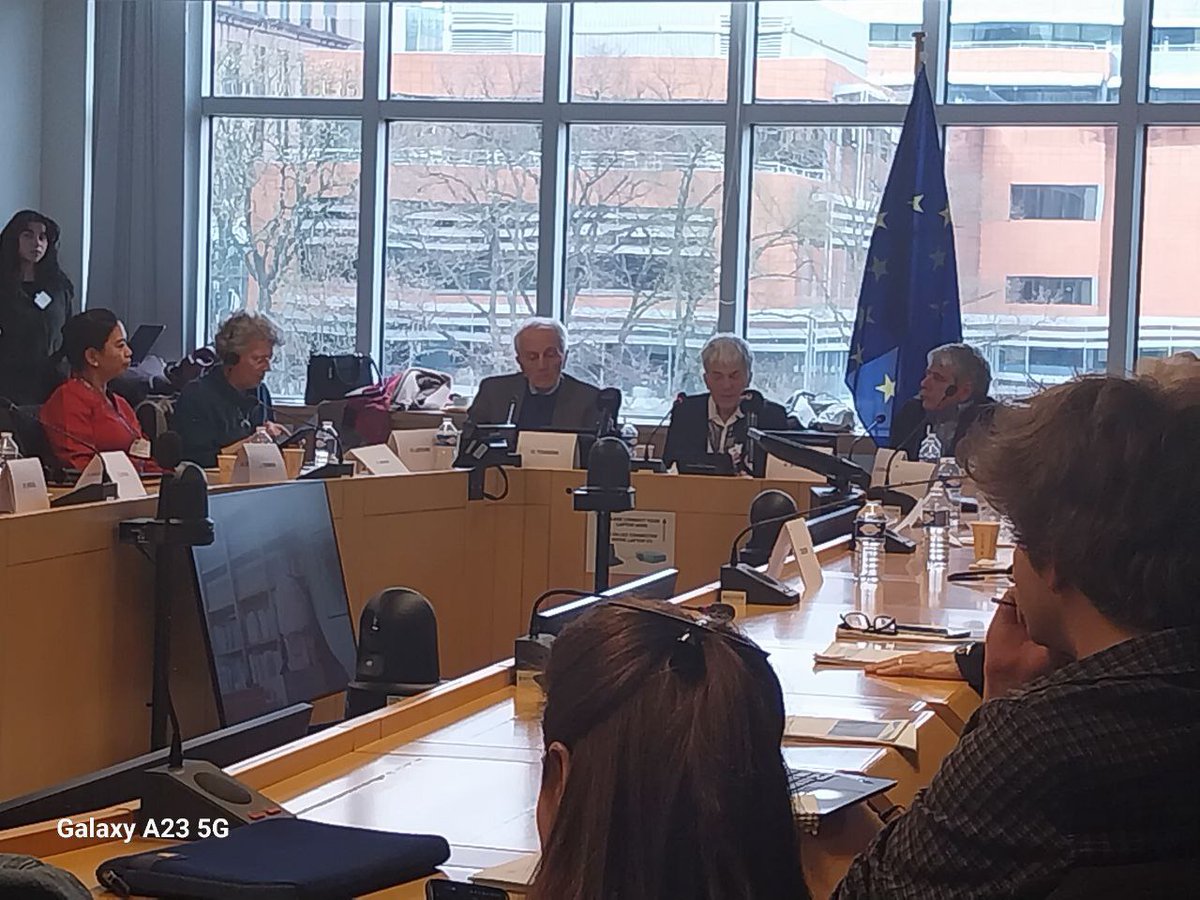
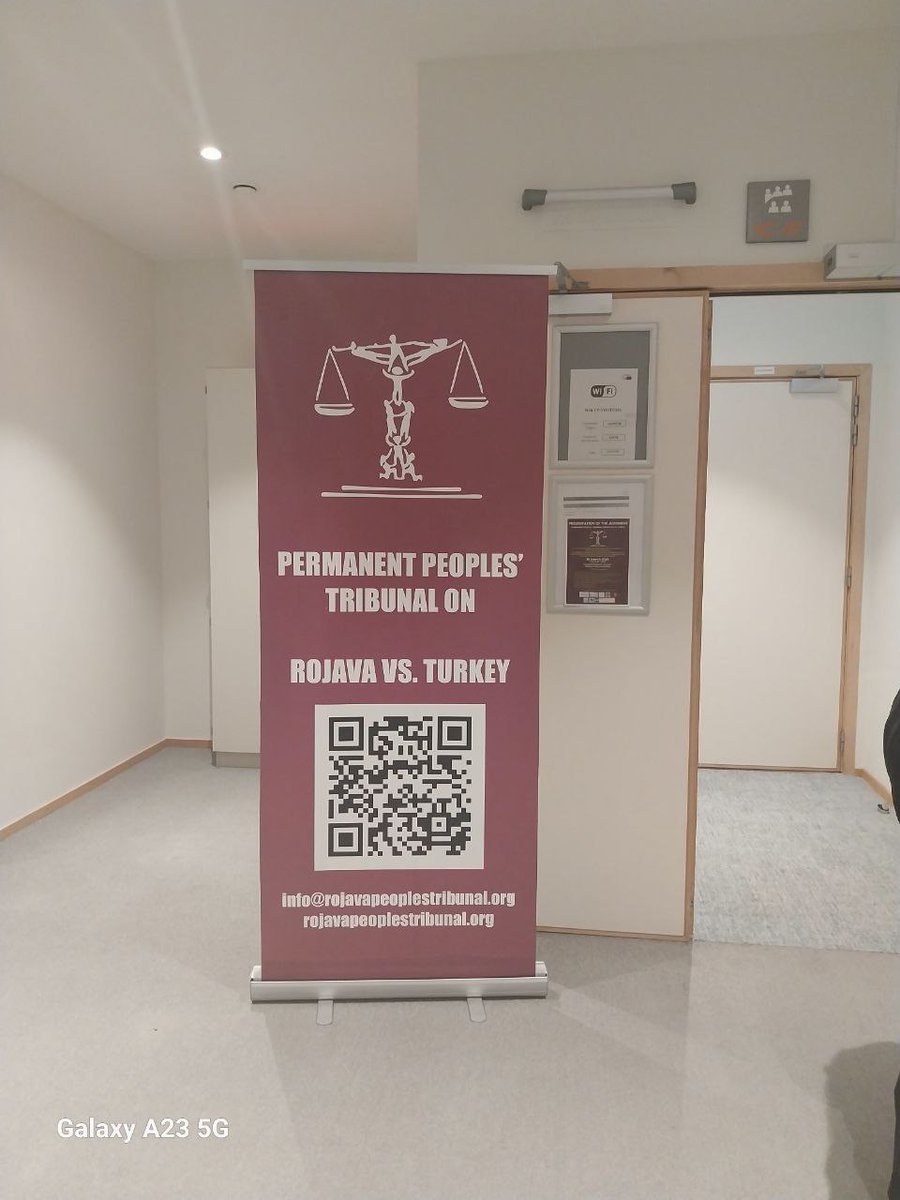

Rojava |
Hoy se conocerá el veredicto del @RojavaTribunal después de las jornadas testimoniales.
Las jornadas de febrero :cgt.org.es/35989-2/
Para seguirlo en directo, a partir de las 14h 👇
5
9
724