
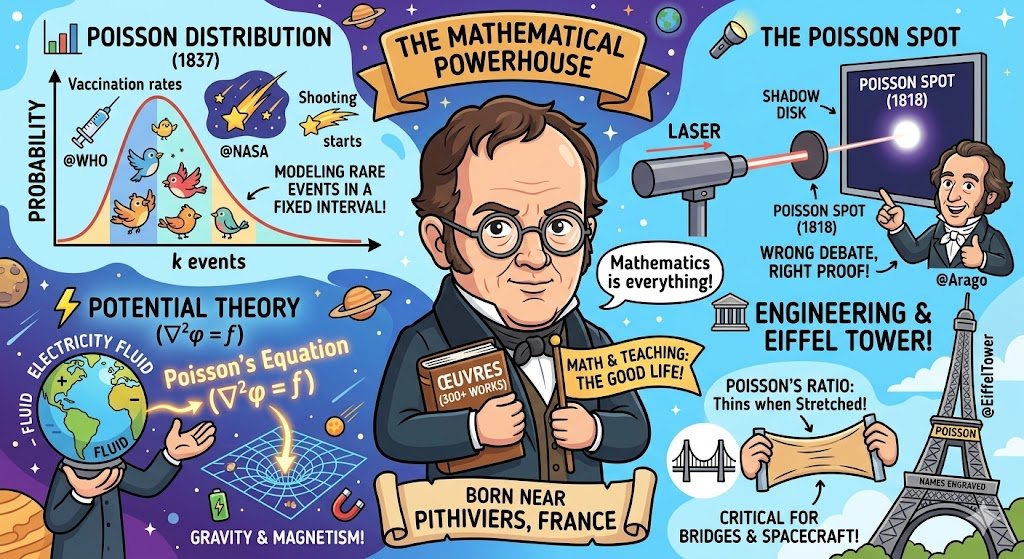
Today, April 25, we remember the French mathematical powerhouse Siméon Denis Poisson, who passed away on this day in 1840. 📐🇫🇷
Poisson was a true "workaholic" of science, famously stating: "Life is good for only two things: doing mathematics and teaching it." Here is why the world of STEM wouldn't be the same without him:
📊 The Poisson Distribution
If you’ve ever used statistics to predict how many emails you'll get in an hour or how many shooting stars will fall tonight, you’re using his work! He developed the Poisson Distribution, a mathematical formula that models the probability of rare events occurring in a fixed interval of time or space. 📉✨
📷
⚡️ The Master of Potentials
Poisson wasn't just about numbers; he was a giant of physics.
Poisson’s Equation: A fundamental part of potential theory. It is the backbone of how we calculate gravity, electricity, and magnetism. 🔋🧲
Electricity as Fluid: He was one of the first to treat electricity mathematically, proposing it behaved like two types of fluids. 🌊⚡️
🔦 The "Poisson Spot" (A Brilliant Mistake!)
In 1818, Poisson tried to disprove the wave theory of light by showing it led to an "absurd" conclusion: a bright spot should appear in the middle of a circular shadow.
The Irony: Scientist Arago actually did the experiment and found the spot! 💡🎯
Instead of disproving the theory, Poisson accidentally provided the strongest evidence for light as a wave. Today, that bright center is famously called the Poisson Spot.
🏛️ Engineering & Legacy
Poisson's Ratio: In engineering and materials science, this is the ratio that tells us how a material thins out when you stretch it. Critical for building everything from bridges to spacecraft! 🌉🚀
Eiffel Tower: He was so influential that his name is one of the 72 engraved on the EiffelTower in Paris! 🗼🇫🇷
Poisson’s productivity was legendary, publishing over 300 works in his lifetime. He proved that even if you’re "wrong" in a debate, your mathematical precision can still lead the world to the truth.
#SimeonPoisson #Mathematics #PhysicsHistory #OnThisDay #OTD #Statistics #STEM #Engineering #PoissonDistribution #ScienceLegends #EiffelTower #Calculus
Cc: @Polytechnique @NobelPrize @PhysicsWorld @Nature @NASA @IOPPublishing @MathsHistory
25
27
123
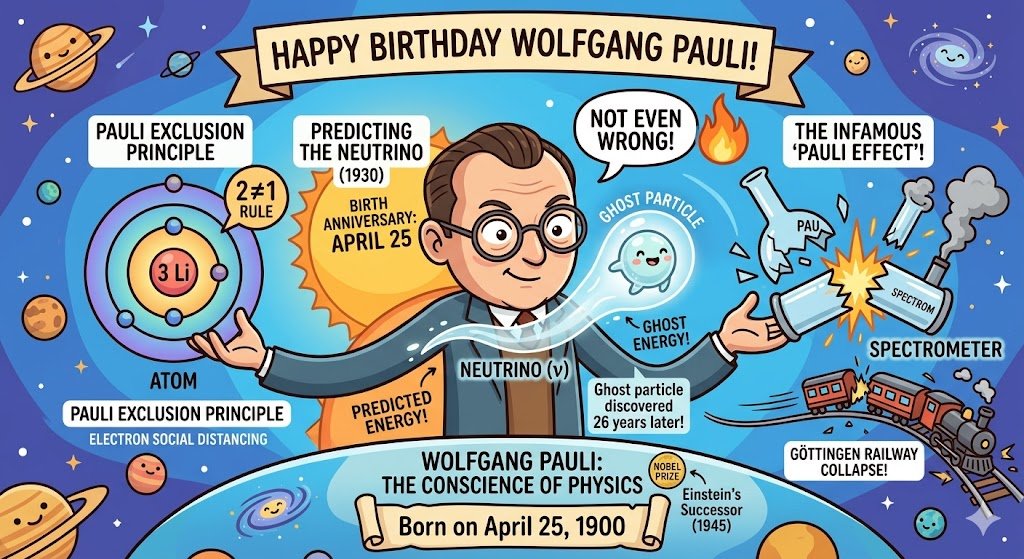
Today, April 25, we celebrate the birth of one of the most brilliant (and "destructive") minds in physics history: Wolfgang Pauli! 🎂⚛️
Born on this day in 1900, Pauli wasn't just a Nobel Prize winner; he was the "Conscience of Physics." Here’s why he remains a legend:
🚫 The Pauli Exclusion Principle (1925)
Ever wonder why matter is solid and doesn't just collapse into a pile? That’s Pauli! He discovered that no two electrons can occupy the same quantum state simultaneously. This "social distancing" for particles is why we have the periodic table and chemical bonds. No Pauli, no life as we know it! 🧬
👻 The "Ghost" Particle: The Neutrino (1930)
In 1930, to explain a "missing" bit of energy in radioactive decay, Pauli theoretically predicted a tiny, chargeless particle. He famously said, "I have done a terrible thing, I have postulated a particle that cannot be detected." He was right, but it took 26 years for scientists to finally prove the Neutrino actually exists! 🛰️🔬
💥 The Infamous "Pauli Effect"
Pauli was so legendary that fellow scientists believed his mere presence broke laboratory equipment. 🧪⚡️
The Legend: If Pauli walked into a room, glass would shatter and machines would stop.
The Ban: Physicist Otto Stern famously banned Pauli from his lab in Hamburg just to keep his experiments running!
The Railway Incident: Once, a complex apparatus in Göttingen collapsed for no reason. It was later discovered that at that exact moment, Pauli's train had stopped at the local station! 🚂💥
🏆 The "Successor" to Einstein
Albert Einstein himself considered Pauli his intellectual successor. In 1945, Pauli was awarded the Nobel Prize in Physics for the Exclusion Principle. He was known for his brutal honesty, often telling colleagues their theories weren't just wrong, they were "not even wrong" (the ultimate physics burn! 🔥).
Happy Birthday to the man who made sure electrons kept their distance! 🌌🔭
#WolfgangPauli #QuantumMechanics #Physics #ScienceHistory #Neutrino #NobelPrize #STEM #OnThisDay #OTD #PauliEffect #ScienceLegends #Astronomy
Cc: @CERN @NobelPrize @PhysicsWorld @NASA @ETH_en @Nature
28
33
155

Jan 29
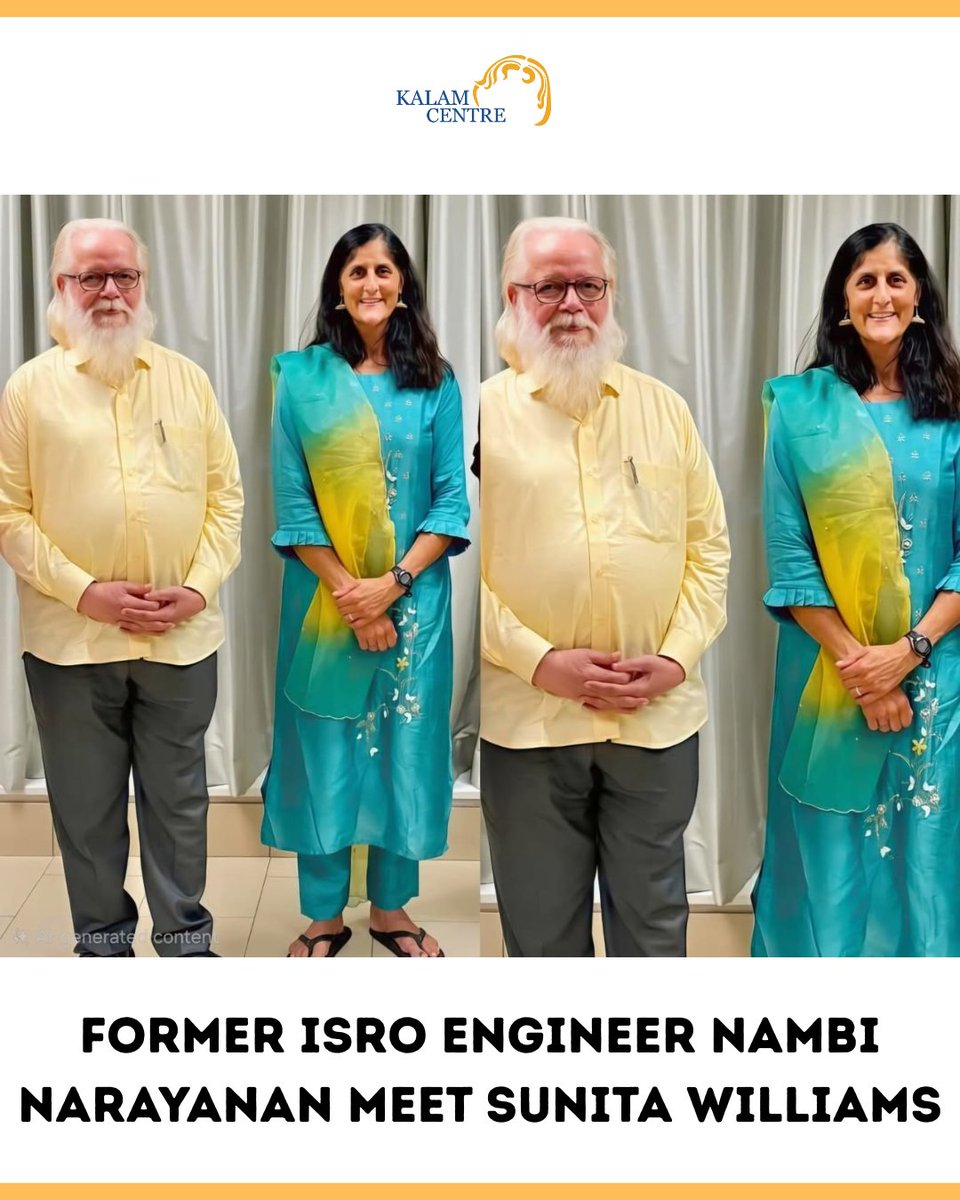
In a moment that felt like destiny weaving together two chapters of India’s space journey, veteran aerospace engineer Nambi Narayanan met NASA astronaut Sunita Williams — a meeting that wasn’t just a photo op, but a beautiful celebration of dreams, perseverance, and the shared wonder of the cosmos.
Nambi Narayanan, who dedicated his life to building India’s rocket capabilities and overcoming hardships with courage and grace, has long been a symbol of scientific passion and resilience. His work in rocket propulsion helped push India’s space ambitions forward, and his life story inspired millions through the film Rocketry: The Nambi Effect.
Sunita Williams — an astronaut of Indian origin whose feet have literally touched the edge of space — embodies a different kind of dream: to walk among the stars and bring back stories of courage, curiosity, and human potential. Her journeys and achievements have inspired countless young Indians to look up at the sky and believe that they too could be part of humanity’s next leap.
When they stood together, it was as if two generations of space pioneers — one who helped build the foundation of a nation’s space program, and one who journeyed beyond Earth’s horizon — shared a quiet, profound connection. Two dreamers, both rooted in their love for science and exploration, smiling in a moment that seemed to say: “This is how far our dreams can take us.”
Their meeting was more than a photograph — it was a reminder that dreams don’t belong to one era or one person. They grow, evolve, and inspire future generations to reach further than ever before.
#NambiNarayanan #SunitaWilliams #ISRO #NASA #SpaceDreams #IndianScientists #SpaceInspiration #Rocketry #PrideOfIndia #ScienceLegends #FromIndiaToSpace #DreamBig
19
782
7,729
88,857
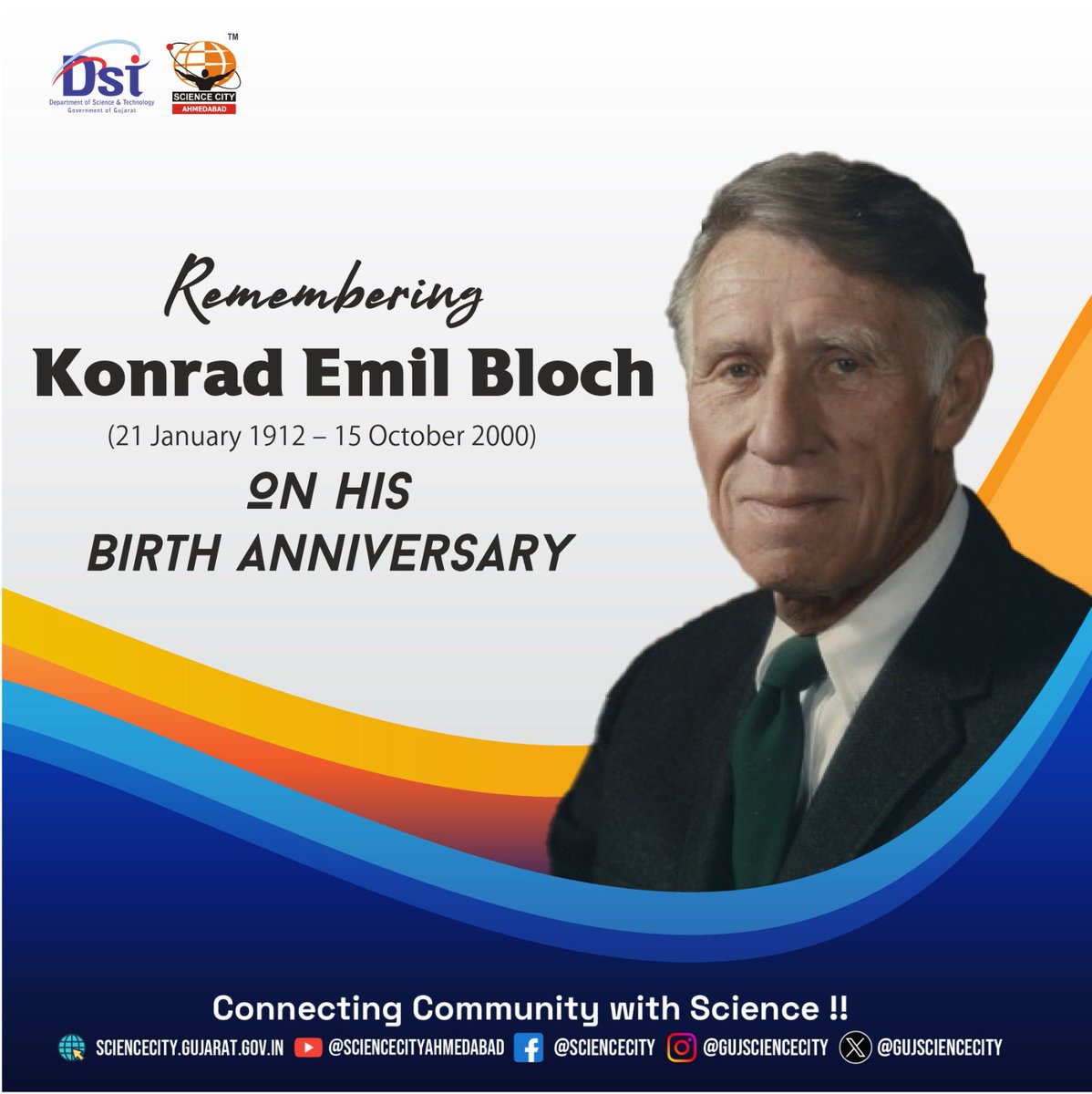
Remembering Konrad Emil Bloch on his birth anniversary
A Nobel Laureate in Physiology or Medicine, Konrad Emil Bloch revolutionized our understanding of cholesterol and lipid metabolism. His groundbreaking research laid the foundation for modern biochemistry and medical science, contributing immensely to the study of human health and disease. We honor his legacy of scientific curiosity and innovation that continues to inspire generations of researchers worldwide.
#KonradEmilBloch #BirthAnniversary #NobelLaureate #ScienceLegends #Biochemistry #ScientificDiscovery #ScienceCity #InspirationThroughScience
@PMOIndia @CMOGuj @GovernorofGuj @IndiaDST @DSTGujarat @InfoGujarat @drvrajesh @arjunmodhwadia
2
4
52

25 Dec 2025
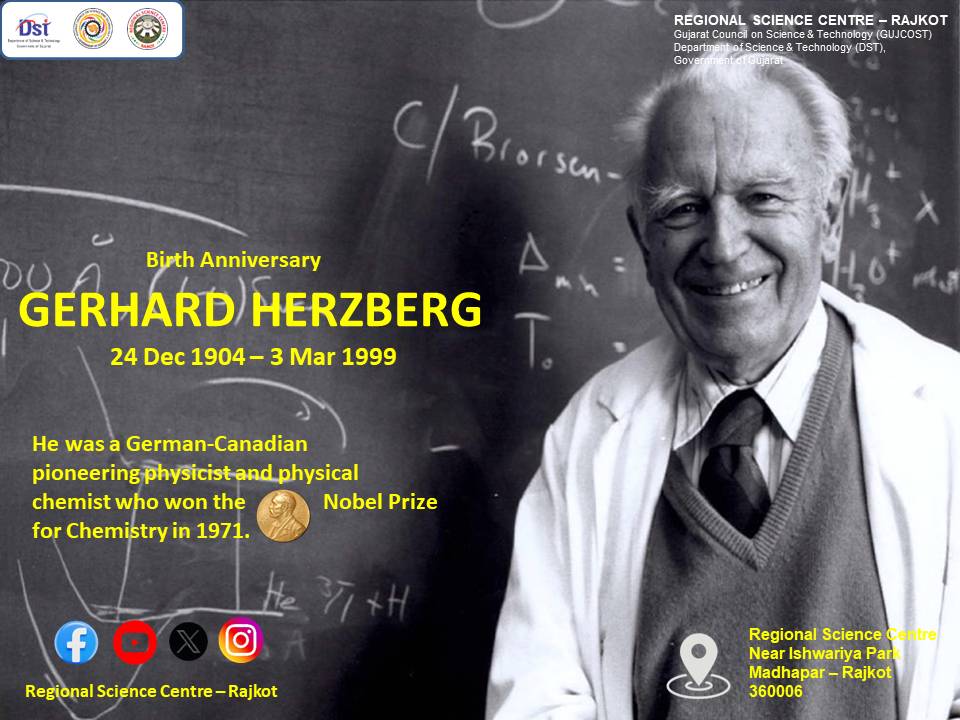
🔬✨ Remembering Nobel Laureate Gerhard Herzberg!
A pioneer of molecular spectroscopy who revealed the secrets of atoms, molecules, and even outer space.
#GerhardHerzberg #ScienceLegends #RSCRajkot #sciencecityrajkot #science #rajkot
23
25
106

27 Nov 2025
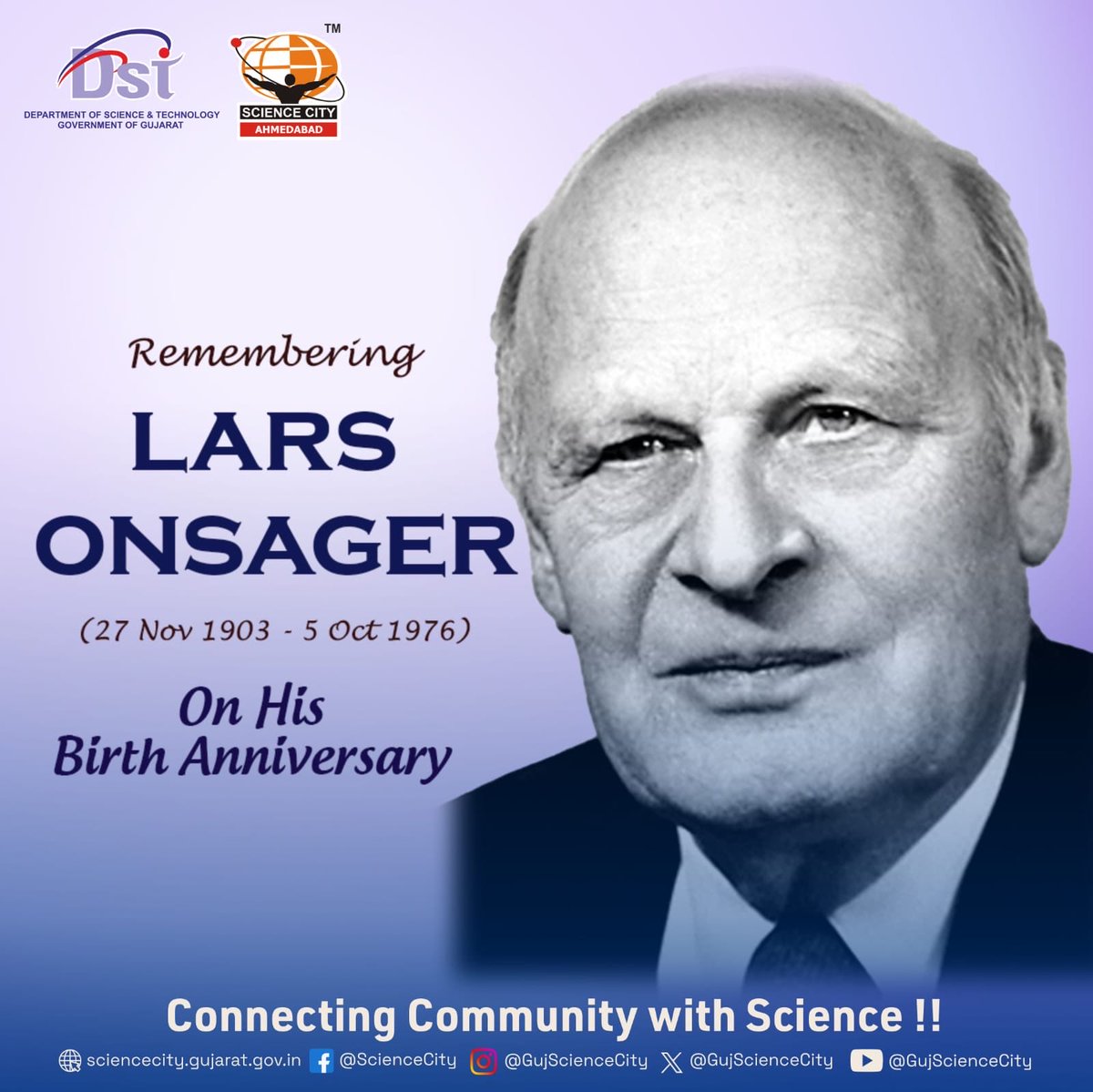
Remembering Lars Onsager, whose pioneering research still powers modern science. A true icon of innovation and intellect.
#LarsOnsager #ScienceLegends #Innovation #GujaratScienceCity
@PMOIndia @CMOGuj @GovernorofGuj @IndiaDST @DSTGujarat @InfoGujarat @drvrajesh
2
56

6 Oct 2025
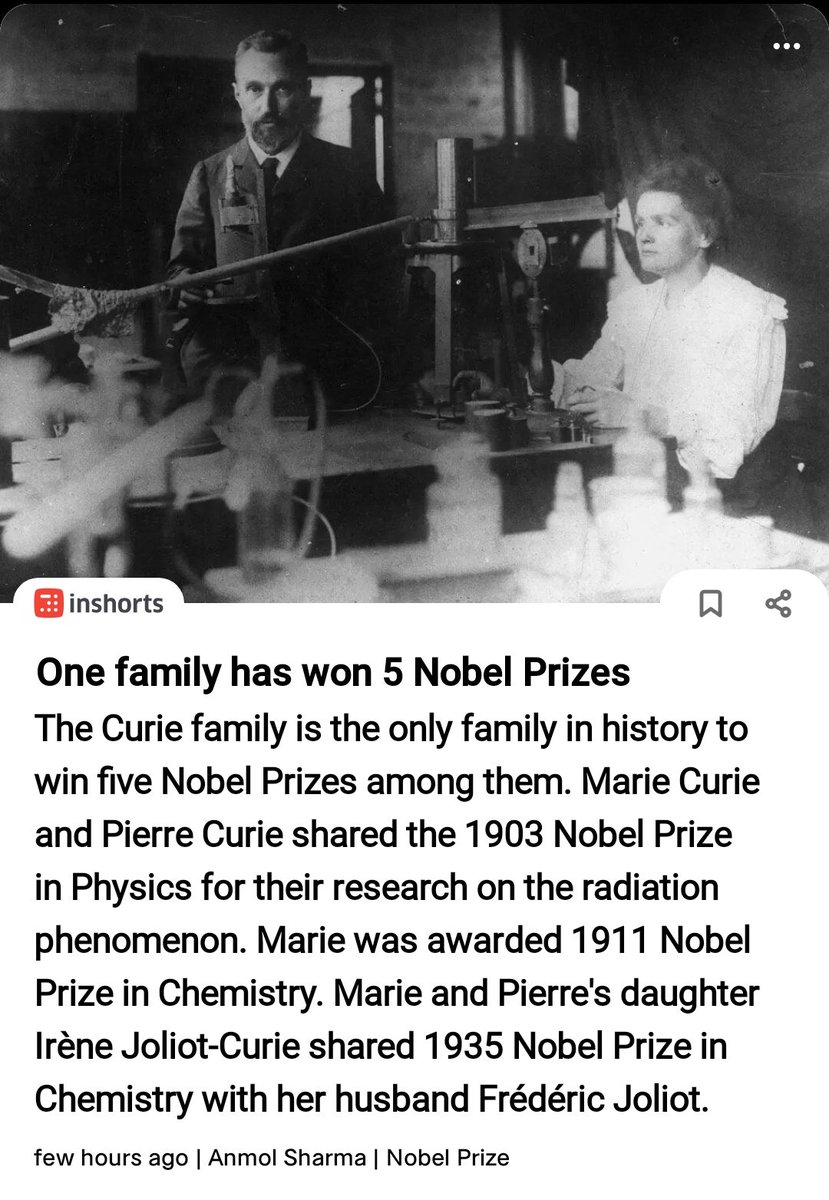
एक ही परिवार जिसने जीते 5 नोबेल पुरस्कार!
क्यूरी परिवार इतिहास का एकमात्र परिवार है जिसने कुल 5 नोबेल पुरस्कार अपने नाम किए हैं
मैरी क्यूरी और पियरे क्यूरी — 1903 में भौतिकी के नोबेल पुरस्कार से सम्मानित,
मैरी क्यूरी — 1911 में रसायन विज्ञान में एक और नोबेल,
इरेन जॉलियो-क्यूरी और फ्रेडरिक जॉलियो — 1935 में रसायन विज्ञान का नोबेल पुरस्कार।
एक ही परिवार से तीन वैज्ञानिक पीढ़ियाँ और कुल 5 नोबेल पुरस्कार!
सच्चे अर्थों में “ज्ञान ही शक्ति है”
#MarieCurie #NobelPrize #ScienceLegends #CurieFamily #Inspiration
1
2
23
18 Jul 2025
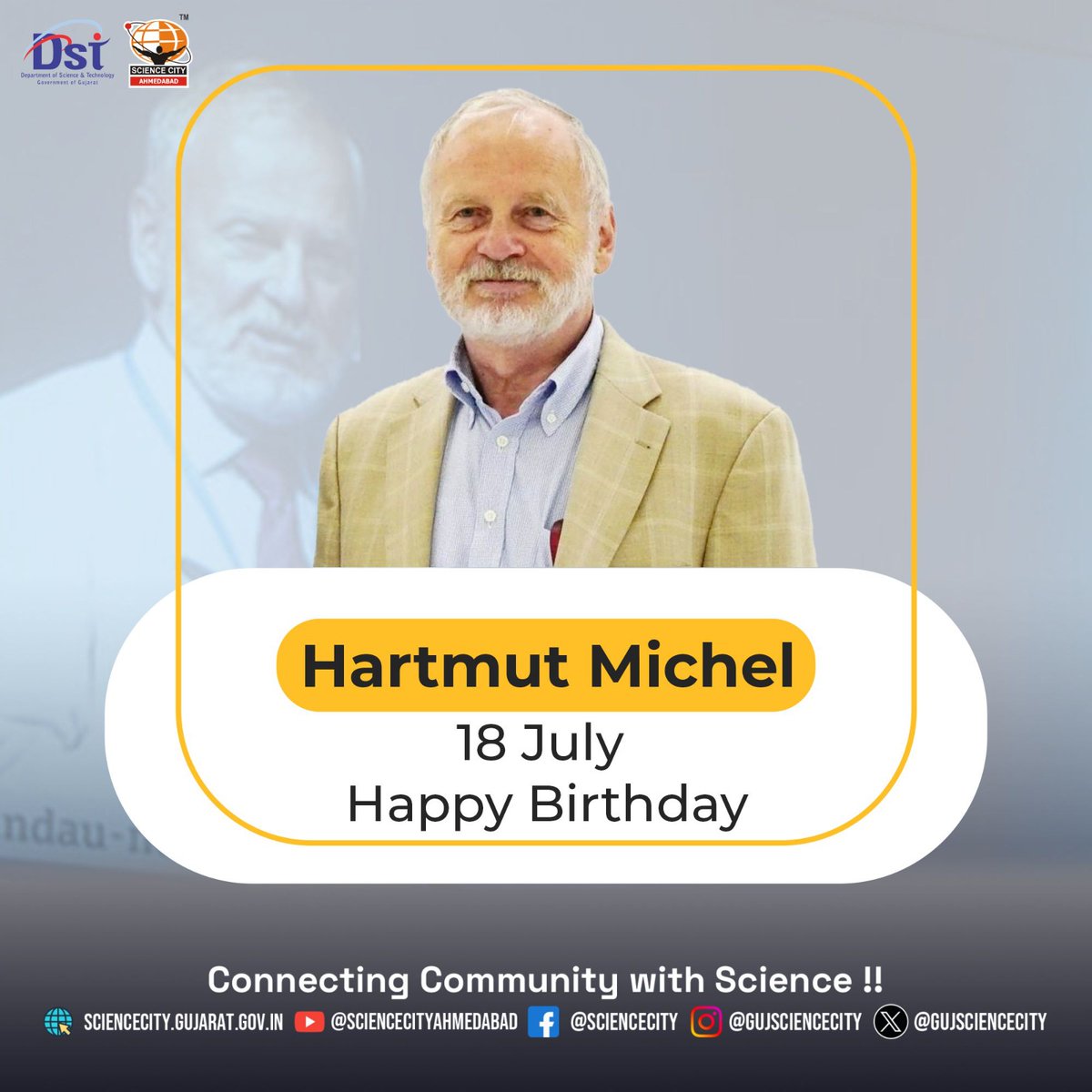
🔬🎉 Happy Birthday, Hartmut Michel!
Celebrating the Nobel Laureate who revolutionized our understanding of photosynthesis by uncovering the structure of membrane proteins using X-ray crystallography.
His work continues to inspire scientific curiosity and innovation around the world. 🌱✨
#HartmutMichel #HappyBirthdayScientist #ScienceCityAhmedabad #InspireScience #NobelLaureate #ScienceForAll #ExploreScience #STEMIcons #ScienceLegends @PMOIndia @CMOGuj @GovernorofGuj @IndiaDST @DSTGujarat @InfoGujarat @drvrajesh
2
105

22 May 2025
भारत के दो विज्ञान के स्तंभ, एम.आर. श्रीनिवासन और जयंत नर्लीकर — परमाणु ऊर्जा और खगोल भौतिकी में अमूल्य योगदान देने वाले, जिन्होंने आधुनिक भारत में वैज्ञानिक चेतना की नींव रखी। उनकी विरासत आने वाली पीढ़ियों के लिए प्रेरणा।
nayaindia.com/editorial-colu…
#ScienceLegends #India
5
12
32
5 Apr 2025
Remembering Ivar Giaever, born April 5, 1929 – a brilliant Norwegian-American physicist whose groundbreaking work earned him a Nobel Prize. Inspiring generations of scientists! #ScienceLegends #RememberingIvarGiaever #ChaloScienceCity @PMOIndia @indiadst @CMOGuj @dstgujarat @InfoGujarat @drvrajesh
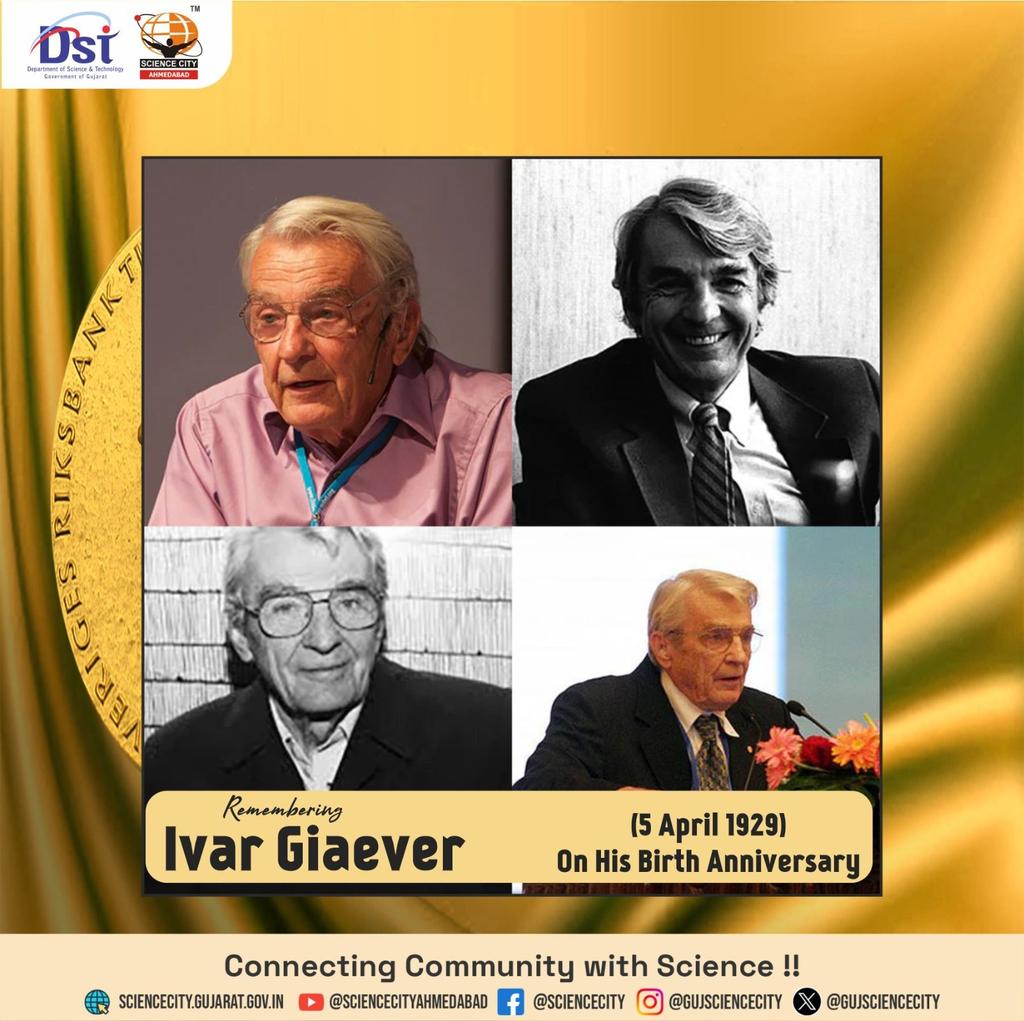
3
70

Born on 28 Jan 1925, Raja Ramanna spearheaded India’s nuclear program, leading to the historic #SmilingBuddha test in 1974. A visionary physicist and a key figure in India’s scientific journey.
#NuclearScience #IndianPhysics #BARC #ScienceLegends #OnThisDay #START #STEM
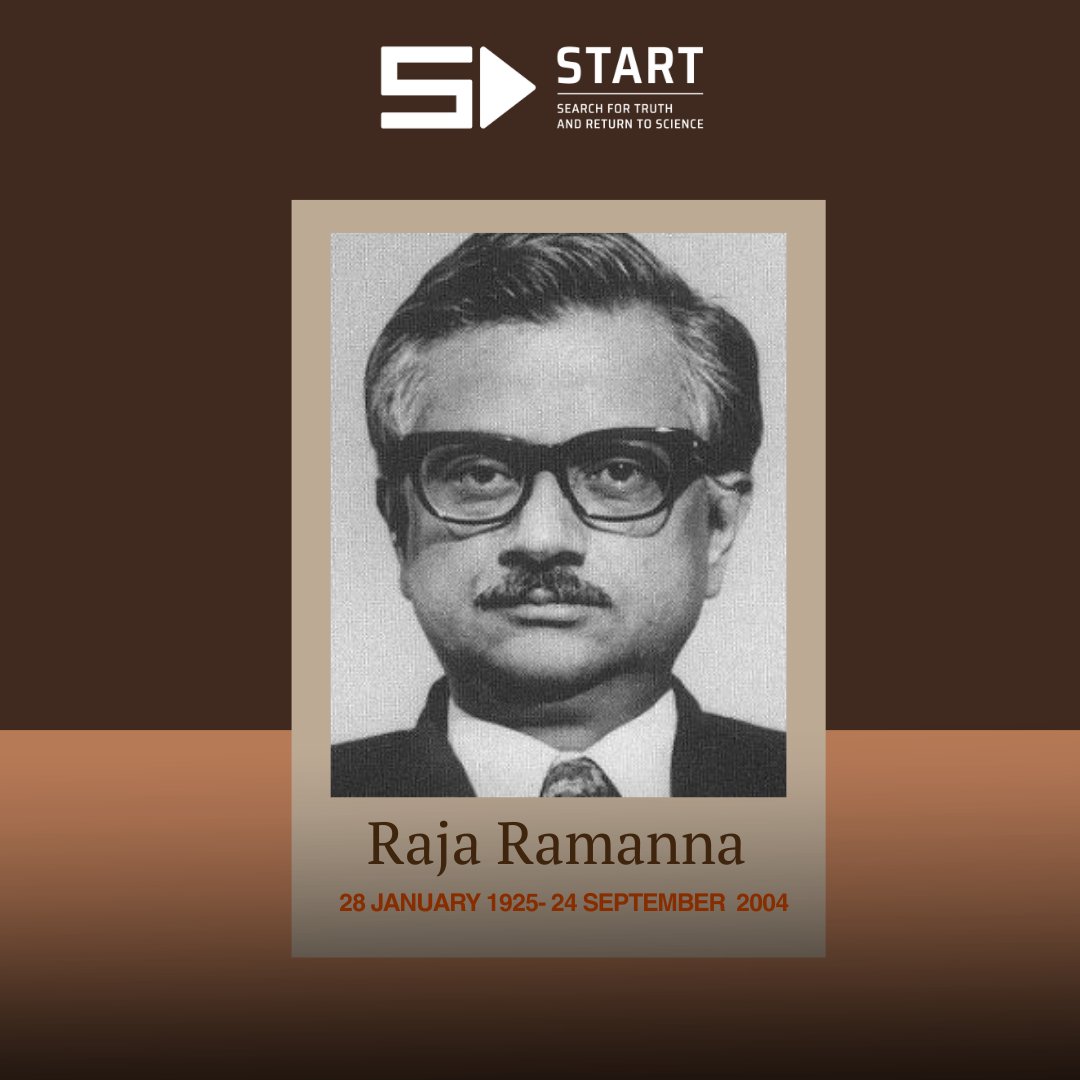
1
24

24 Jan 2025
🎂 Today, we celebrate the birthday of Ferdinand Cohn (1828–1898), a German Biologist known for his studies of algae, bacteria, and fungi - a pioneer in the world of microbiology, who published over 150 papers, essays, and books.
As one of the founders of modern bacteriology, Cohn was the first to classify bacteria into different categories and to uncover their life cycles. His groundbreaking work laid the foundation for understanding bacterial spores and their role in disease, sterilization, and food preservation.🔬
Cohn’s meticulous observations and classification systems revolutionized science and medicine, influencing how we combat infections and advance microbiology today.
Join us in honoring this remarkable scientist whose legacy continues to inspire innovation in microbiology and beyond! 🎉
#FerdinandCohn #MicrobiologyPioneer #ScienceLegends #MicrobiologyMatters
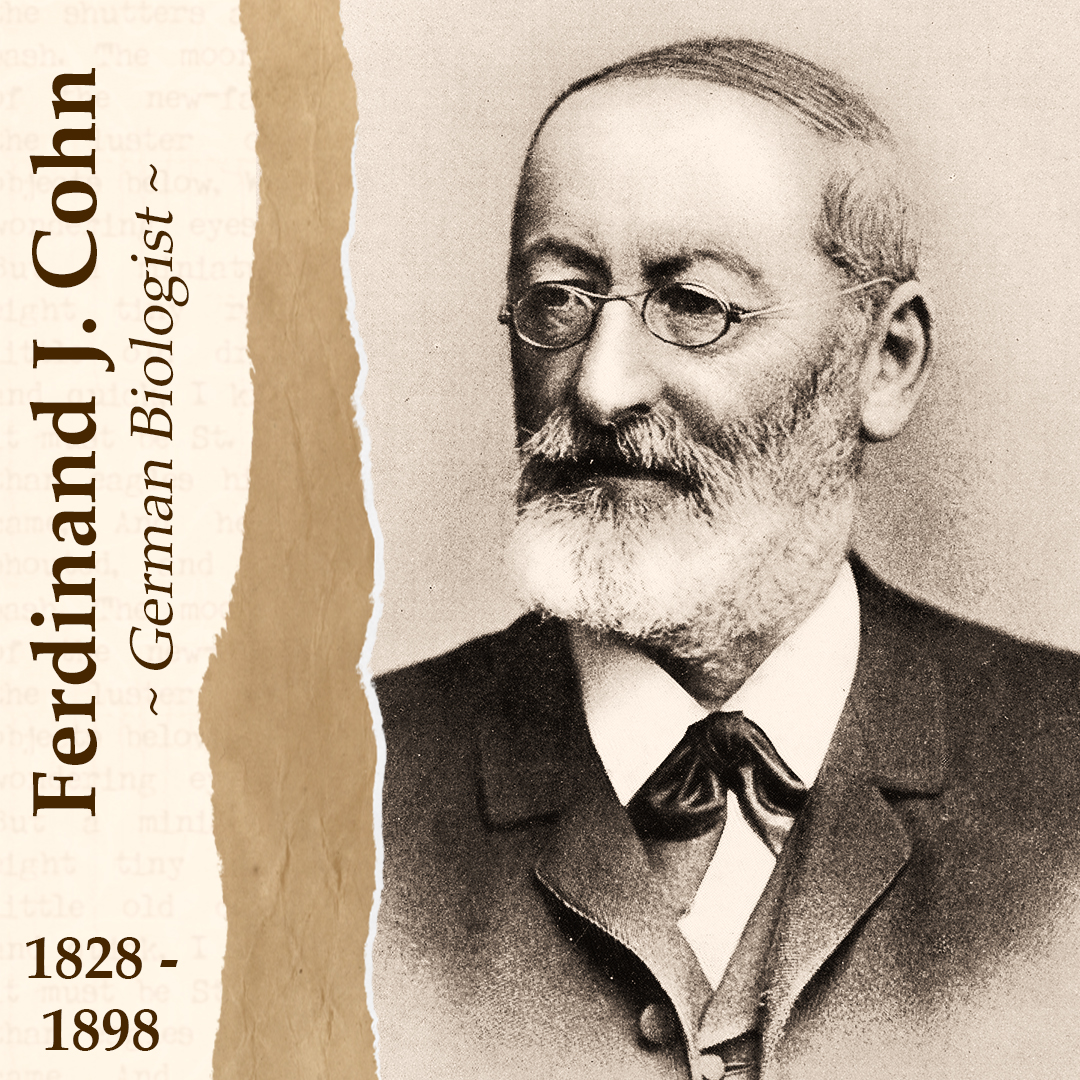
3
38

9 Dec 2024
I want to honor one of my ancestors, Leonard Digges, as I study his groundbreaking contributions to science and mathematics! 📜✨ He was a 16th-century English mathematician and surveyor credited with developing innovative mathematical applications for land surveying, optics, and even early telescopic designs. 🌌🔭
Digges was ahead of his time, creating instruments that could measure distances and angles with remarkable accuracy, laying the foundation for modern surveying and navigation. His work combined mathematics with practical problem-solving, an approach that continues to shape scientific inquiry today. 🧮📐
Fun fact: His advancements in optics and perspective contributed to what many believe was an early version of the telescope—decades before Galileo! 🌠 His legacy reminds us that curiosity and creativity can bridge the gap between theory and practice.
#MathHistory #ScienceLegends #InnovationThroughTime #LeonardDigges #AncestralPride #STEM #HistoricalFigures 🚀📖”
4
291

3 Dec 2024
Who Discovered various Elements of Periodic Table?
· Phosphorus (P) – Hennig Brand (1669).
· Cobalt (Co) – Georg Brandt (1735).
· Platinum (Pt) – Antonio de Ulloa (1735).
· Nickel (Ni) – Axel Fredrik Cronstedt (1751).
· Hydrogen (H) – Henry Cavendish (1766).
· Oxygen (O) – Carl Wilhelm Scheele (1772), independently Joseph Priestley (1774).
· Nitrogen (N) – Daniel Rutherford (1772).
· Chlorine (Cl) – Carl Wilhelm Scheele (1774).
· Manganese (Mn) – Johann Gottlieb Gahn (1774).
· Barium (Ba) – Carl Wilhelm Scheele (1774).
· Molybdenum (Mo) – Carl Wilhelm Scheele (1778).
· Tungsten (W) – Juan José Elhuyar and Fausto Elhuyar (1783).
· Tellurium (Te) – Franz-Joseph Müller von Reichenstein (1782).
· Uranium (U) – Martin Heinrich Klaproth (1789).
· Titanium (Ti) – William Gregor (1791).
· Chromium (Cr) – Louis-Nicolas Vauquelin (1797).
· Beryllium (Be) – Louis-Nicolas Vauquelin (1798).
· Vanadium (V) – Andrés Manuel del Río (1801).
· Palladium (Pd) – William Hyde Wollaston (1803).
· Rhodium (Rh) – William Hyde Wollaston (1804).
· Cerium (Ce) – Martin Heinrich Klaproth, Jöns Jakob Berzelius, Wilhelm Hisinger (1803).
· Iridium (Ir) – Smithson Tennant (1804).
· Osmium (Os) – Smithson Tennant (1804).
· Sodium (Na) – Humphry Davy (1807).
· Potassium (K) – Humphry Davy (1807).
· Calcium (Ca) – Humphry Davy (1808).
· Magnesium (Mg) – Humphry Davy (1808).
· Boron (B) – Humphry Davy (1808), independently Gay-Lussac and Thénard.
· Aluminum (Al) – Hans Christian Ørsted (1825).
· Silicon (Si) – Jöns Jakob Berzelius (1824).
· Thorium (Th) – Jöns Jakob Berzelius (1828).
· Bromine (Br) – Antoine Jérôme Balard (1826).
· Iodine (I) – Bernard Courtois (1811).
· 19th Century and Later Discoveries
· Lithium (Li) – Johan August Arfvedson (1817).
· Selenium (Se) – Jöns Jakob Berzelius (1817).
· Cadmium (Cd) – Friedrich Stromeyer (1817).
· Zinc (Zn) – Andreas Marggraf (1746).
· Radium (Ra) – Marie Curie and Pierre Curie (1898).
· Polonium (Po) – Marie Curie (1898).
· Argon (Ar) – Lord Rayleigh and William Ramsay (1894).
· Helium (He) – Pierre Janssen and Norman Lockyer (1868, solar spectrum); William Ramsay (1895, terrestrial helium).
· Neon (Ne) – William Ramsay and Morris Travers (1898).
· Krypton (Kr) – William Ramsay and Morris Travers (1898).
· Xenon (Xe) – William Ramsay and Morris Travers (1898).
· Radon (Rn) – Friedrich Ernst Dorn (1900).
· Einsteinium (Es) – Albert Ghiorso (1952, during hydrogen bomb testing).
· Plutonium (Pu) – Glenn T. Seaborg, Arthur Wahl, Joseph Kennedy (1940).
· Zirconium (Zr) – Martin Heinrich Klaproth (1789).
· Strontium (Sr) – William Cruickshank and Adair Crawford (1790).
· Yttrium (Y) – Johan Gadolin (1794).
· Niobium (Nb) – Charles Hatchett (1801).
· Tantalum (Ta) – Anders Gustaf Ekeberg (1802).
· Lanthanum (La) – Carl Gustaf Mosander (1839).
· Praseodymium (Pr) – Carl Auer von Welsbach (1885).
· Neodymium (Nd) – Carl Auer von Welsbach (1885).
· Gadolinium (Gd) – Jean Charles Galissard de Marignac (1880).
· Samarium (Sm) – Paul Émile Lecoq de Boisbaudran (1879).
· Europium (Eu) – Eugène-Anatole Demarçay (1896).
· Terbium (Tb) – Carl Gustaf Mosander (1843).
· Dysprosium (Dy) – Paul Émile Lecoq de Boisbaudran (1886).
· Holmium (Ho) – Per Theodor Cleve (1878).
· Erbium (Er) – Carl Gustaf Mosander (1842).
· Thulium (Tm) – Per Theodor Cleve (1879).
· Ytterbium (Yb) – Jean Charles Galissard de Marignac (1878).
· Lutetium (Lu) – Georges Urbain, independently Carl Auer von Welsbach (1907).
· Rhenium (Re) – Masataka Ogawa (1908), rediscovered by Walter Noddack, Ida Tacke, and Otto Berg (1925).
· Technetium (Tc) – Carlo Perrier and Emilio Segrè (1937).
· Francium (Fr) – Marguerite Perey (1939).
· Actinium (Ac) – Friedrich Oskar Giesel (1902).
· Protactinium (Pa) – Kasimir Fajans and Oswald Helmuth Göhring (1913).
· Neptunium (Np) – Edwin McMillan and Philip H. Abelson (1940).
· Americium (Am) – Glenn T. Seaborg (1944).
· Curium (Cm) – Glenn T. Seaborg, Albert Ghiorso, and Ralph A. James (1944).
· Berkelium (Bk) – Glenn T. Seaborg, Albert Ghiorso, and Stanley G. Thompson (1949).
· Californium (Cf) – Glenn T. Seaborg, Albert Ghiorso, Stanley G. Thompson, and Kenneth Street Jr. (1950).
· Fermium (Fm) – Albert Ghiorso (1952, during hydrogen bomb tests).
· Mendelevium (Md) – Albert Ghiorso, Glenn T. Seaborg, Bernard Harvey, Gregory Choppin, and Stanley G. Thompson (1955).
· Nobelium (No) – Joint efforts by teams in Sweden and the USSR (1957-1958).
· Lawrencium (Lr) – Albert Ghiorso and colleagues (1961).
· Rutherfordium (Rf) – Joint efforts by the USSR and US teams (1964).
· Dubnium (Db) – Joint USSR-US efforts (1970).
· Seaborgium (Sg) – Albert Ghiorso and colleagues (1974).
· Bohrium (Bh) – Peter Armbruster and Gottfried Münzenberg (1981).
· Hassium (Hs) – Peter Armbruster and Gottfried Münzenberg (1984).
· Meitnerium (Mt) – Peter Armbruster and Gottfried Münzenberg (1982).
· Darmstadtium (Ds) – Peter Armbruster and Gottfried Münzenberg (1994).
· Roentgenium (Rg) – Peter Armbruster and Gottfried Münzenberg (1994).
· Copernicium (Cn) – Sigurd Hofmann and colleagues (1996).
· Nihonium (Nh) – RIKEN team, Japan (2004).
· Flerovium (Fl) – Joint Dubna-Livermore efforts (1998).
· Moscovium (Mc) – Joint Dubna-Livermore efforts (2003).
· Livermorium (Lv) – Joint Dubna-Livermore efforts (2000).
· Tennessine (Ts) – Joint efforts by Dubna, Oak Ridge, and Vanderbilt (2010).
· Oganesson (Og) – Joint Dubna-Livermore efforts (2002).
#ElementDiscoveries #PeriodicTablePioneers
#ScientificDiscoveries #ChemistryHistory
#ElementExplorers #DiscoveringElements
#ScienceLegends #ChemistryTrailblazers
#ElementaryDiscoveries #PeriodicPioneers
4
280

27 Oct 2024
Each of these scientists has shaped humanity in profound ways:
1️⃣ Isaac Newton laid the foundation of classical physics, explaining gravity and motion.
2️⃣ Nikola Tesla revolutionized electricity with AC power, lighting up the modern world.
3️⃣ Albert Einstein transformed our understanding of space, time, and energy with relativity.
4️⃣ Carl Sagan made science accessible, inspiring millions to explore the cosmos.
Choosing just one feels impossible—they each made a unique, lasting impact on the fabric of our world. 🌌⚡📚
#ScienceLegends #HumanProgress #Inspiration #Physics
1
1
3
61

12 Aug 2024
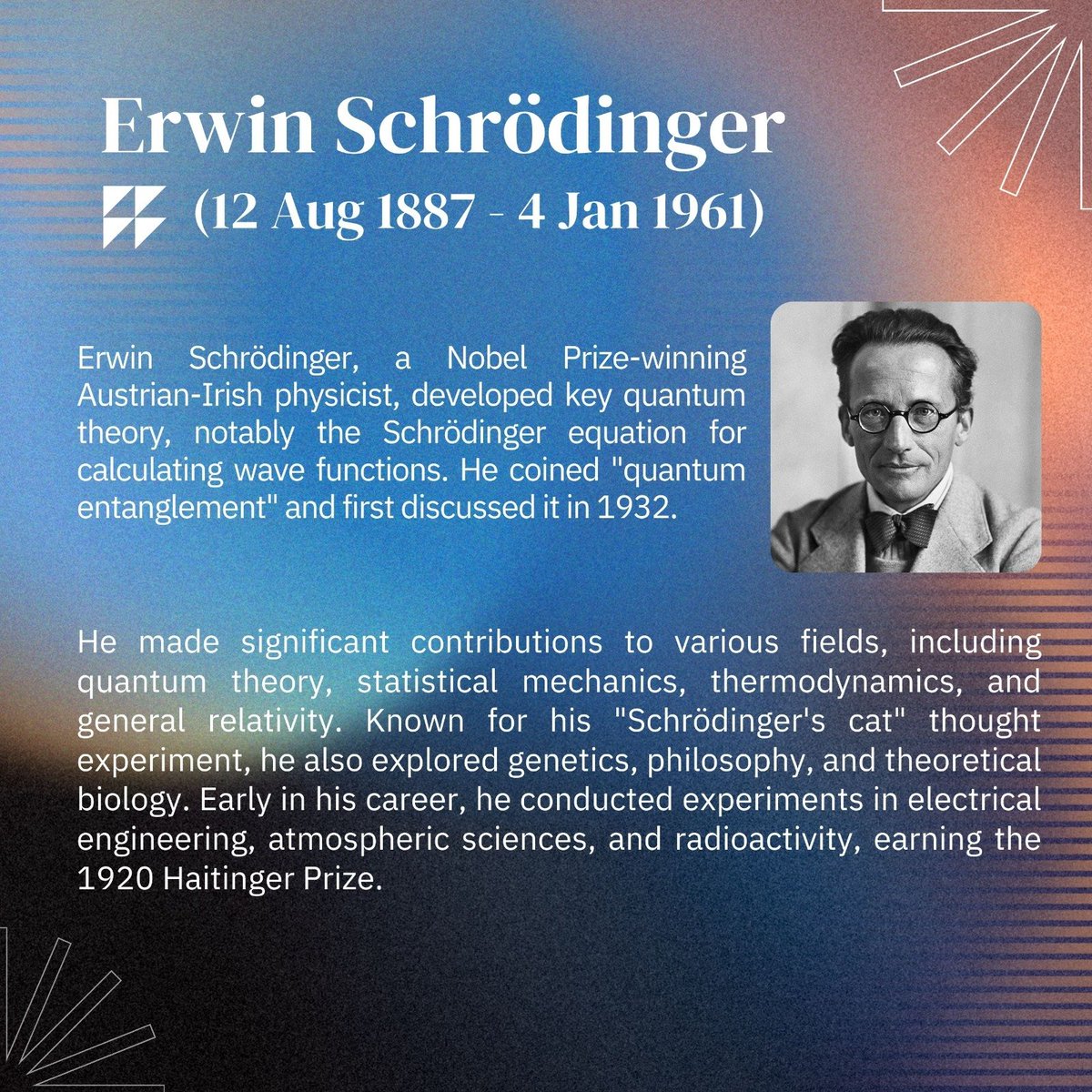
#KnowthePhysicists Series!
Spotlight on Erwin Schrödinger! His pioneering work in 1926 introduced a new way to understand wave functions, forever changing our view of the quantum realm.
#QuantumPhysics #NobelPrize #ScienceLegends #PhysicsPioneers #iiserpune #IndiaDST #NMICPS
3
146

27 Jul 2024
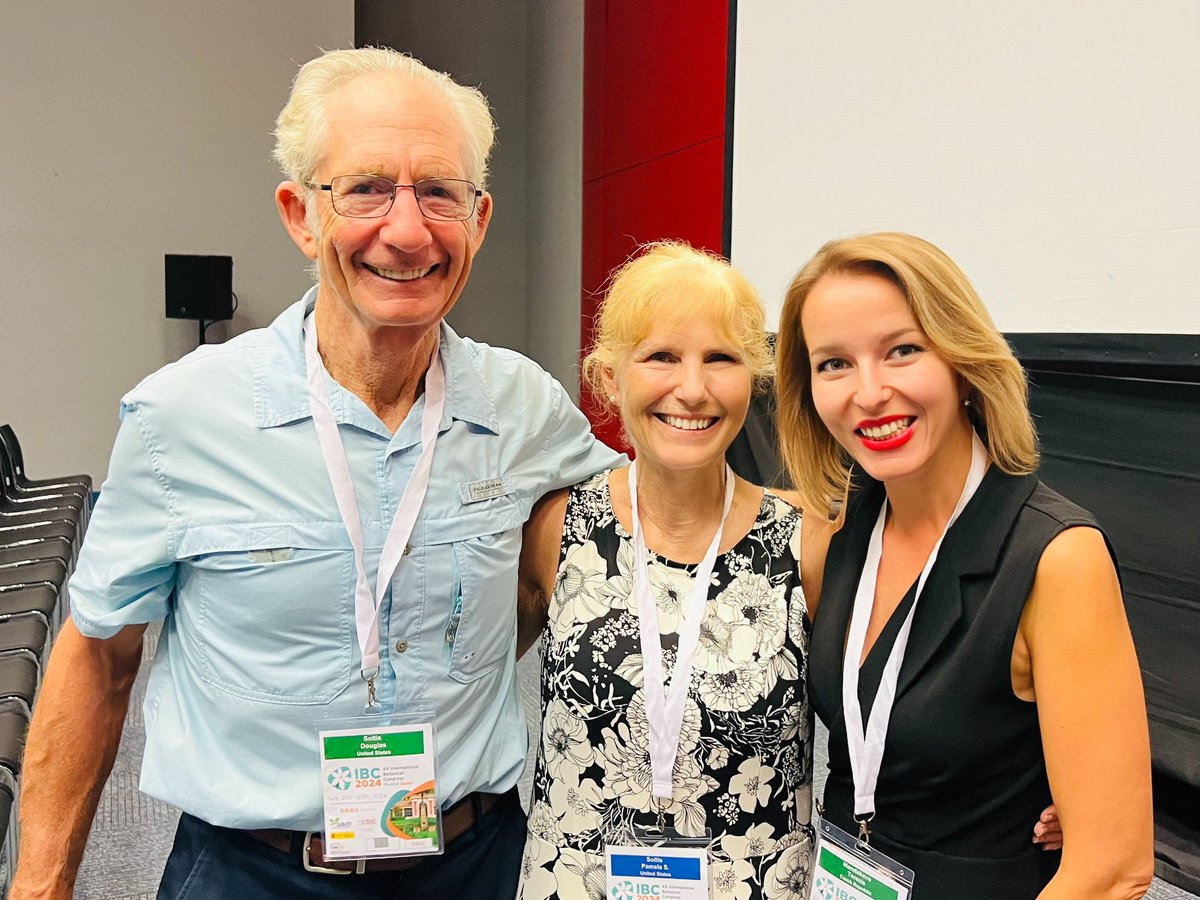
Always a privilege to meet the world-class scientists Pam and Doug Soltis @soltislab. Not only are they brilliant minds, but they're also truly great people! #ScienceLegends
1
5
68
1,940

12 Jun 2024
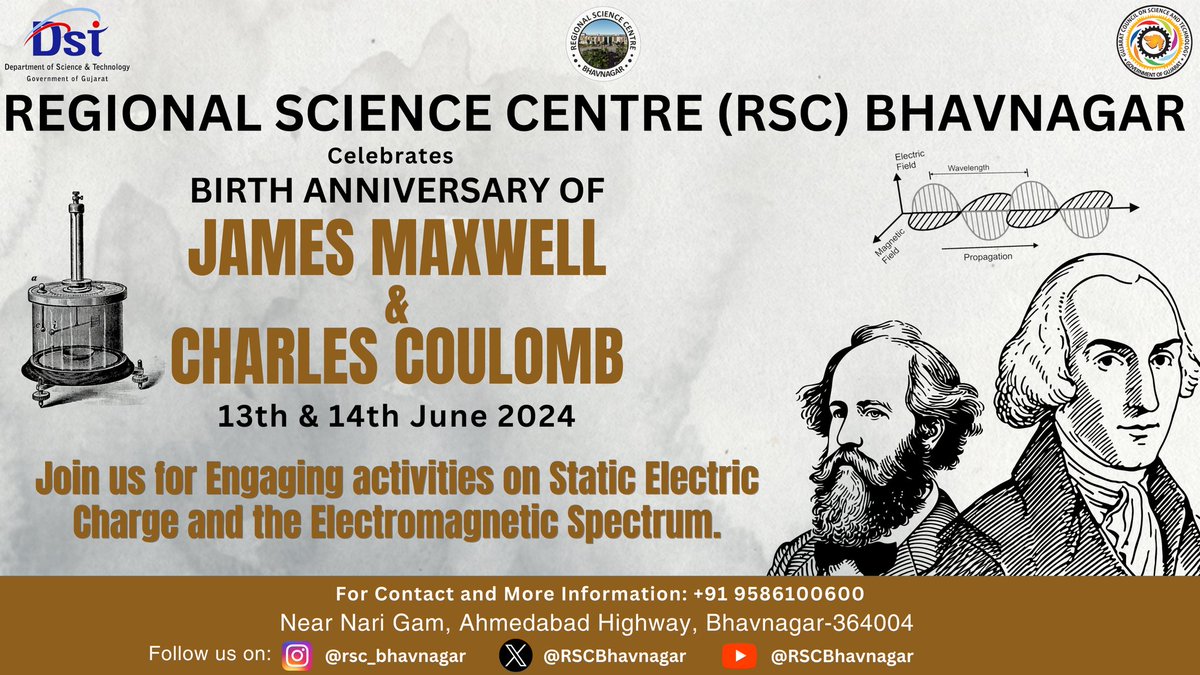
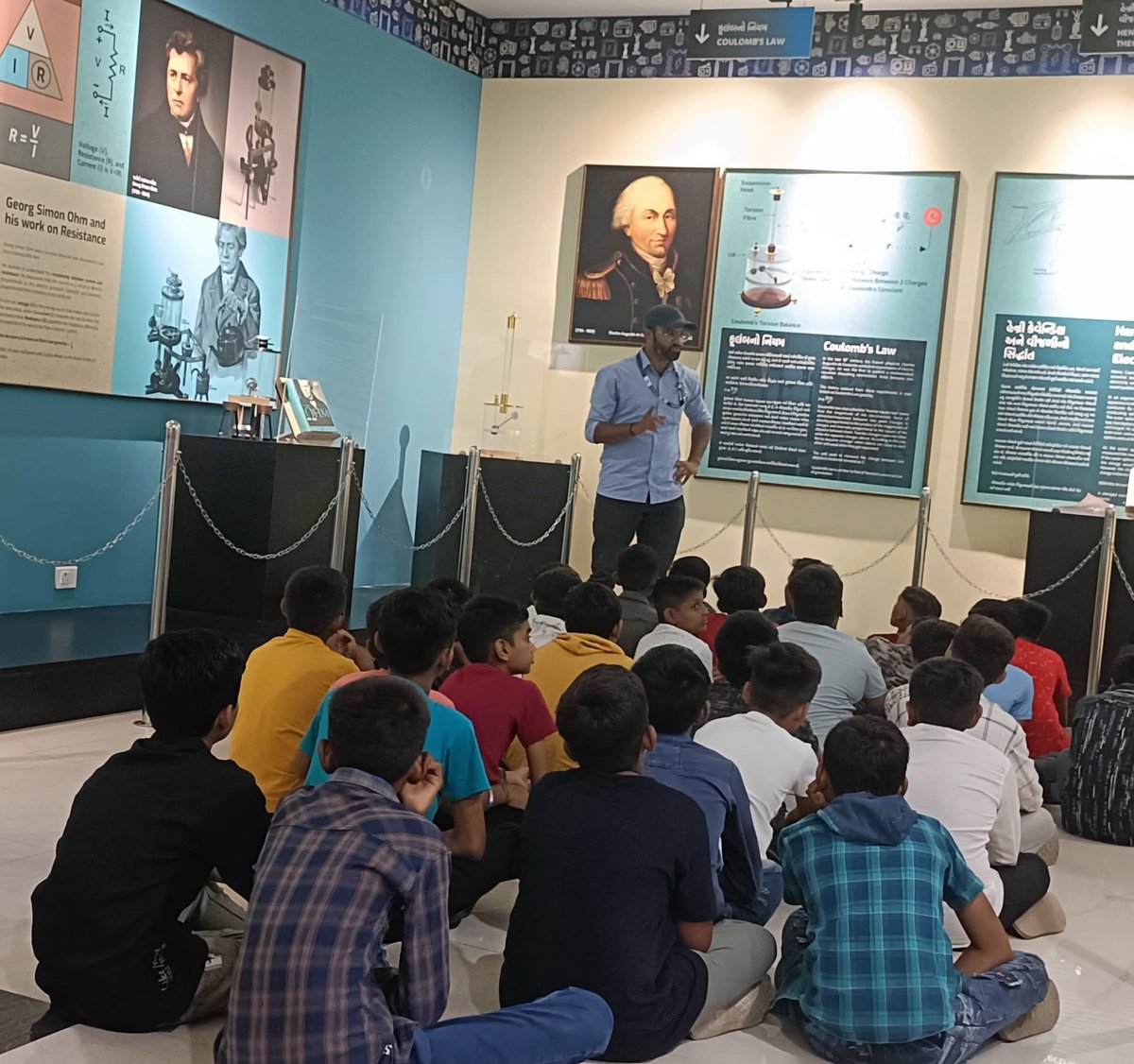
celebrating the birth anniversaries of James Maxwell and Charles Coulomb on 13th and 14th June Explore our unique Electromechanics gallery and Existing activities on static electric charge and the electromagnetic spectrum. Don't miss out. #ScienceLegends #STEM #Maxwell #Coulomb
16
29
1,030

26 May 2024
I’d love to see Nikola Tesla join the class. He dreamed of creating a global wireless energy system. I know we have wireless communication today, like Wi-Fi and cellular networks, but we haven’t achieved Tesla’s vision of wireless electricity.
#GreatMinds #ScienceLegends #Innovation #Einstein #Tesla #MarieCurie #Hawking #MoreHumanThanHumanAI
3
1,175

8 Jan 2024
"🎉🌍 Happy Birthday Alfred Russell Wallace and Stephen W. Hawking! 🌌🎂 Your contributions to natural history and theoretical physics continue to inspire generations. Thank you for expanding our understanding of the world and the cosmos. #ScienceLegends
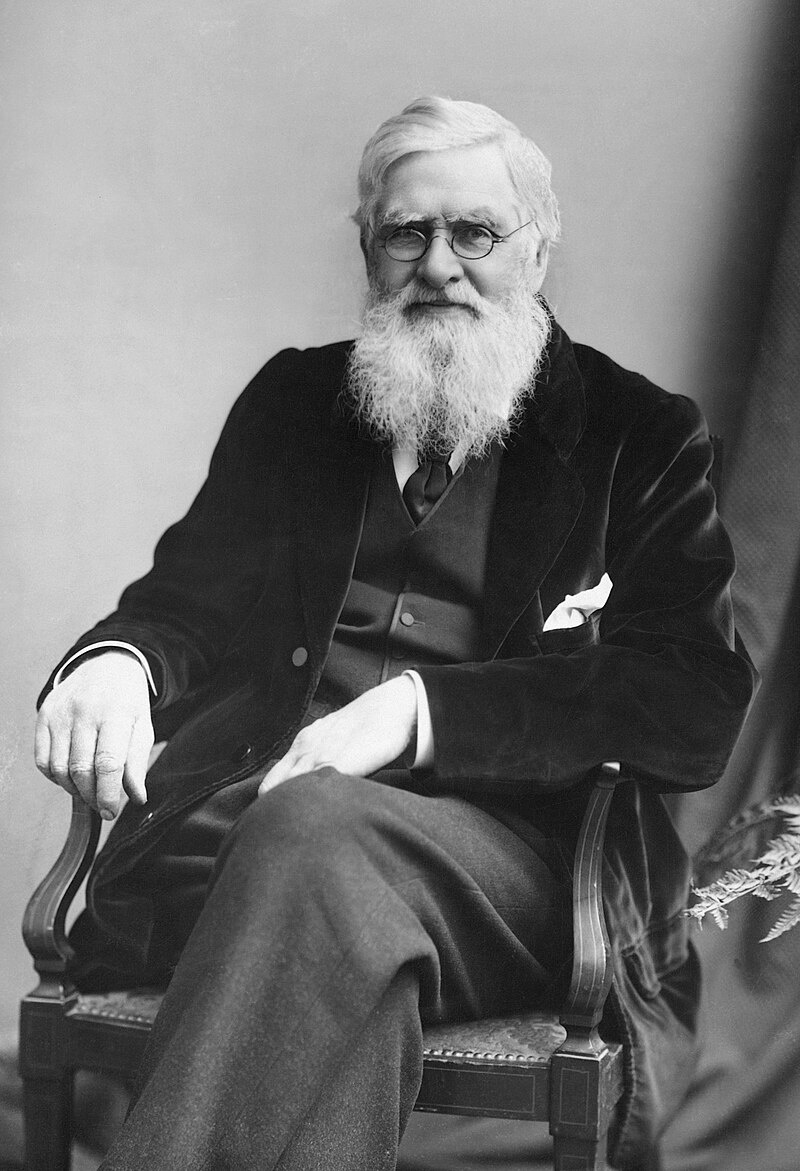
ALT Distinguished looking 19th century gentleman with white hair and a beard, sitting in a chair with a dark velvet jacket on.
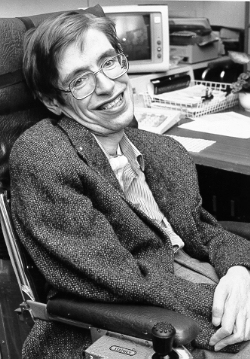
ALT Picture of smiling man about 40 years old with glasses and arms crossed. He is in a wheel chair and a computer is behind him on his desk.
2
98