
Jun 10
AI meets the lab: Ginkgo Bioworks Microsoft Discovery are connecting agentic AI with autonomous labs. Plan experiments in natural language, execute on Ginkgo Cloud Lab, and get real-time data — speeding up the Design–Make–Test–Analyze loop. 🔬💡 #AIBiology #SelfDrivingLab #SyntheticBiology
Jun 10

Ginkgo Bioworks and Microsoft are connecting agentic AI with autonomous experimentation — helping researchers move more seamlessly from hypothesis to execution: hubs.la/Q04kW4CH0
117
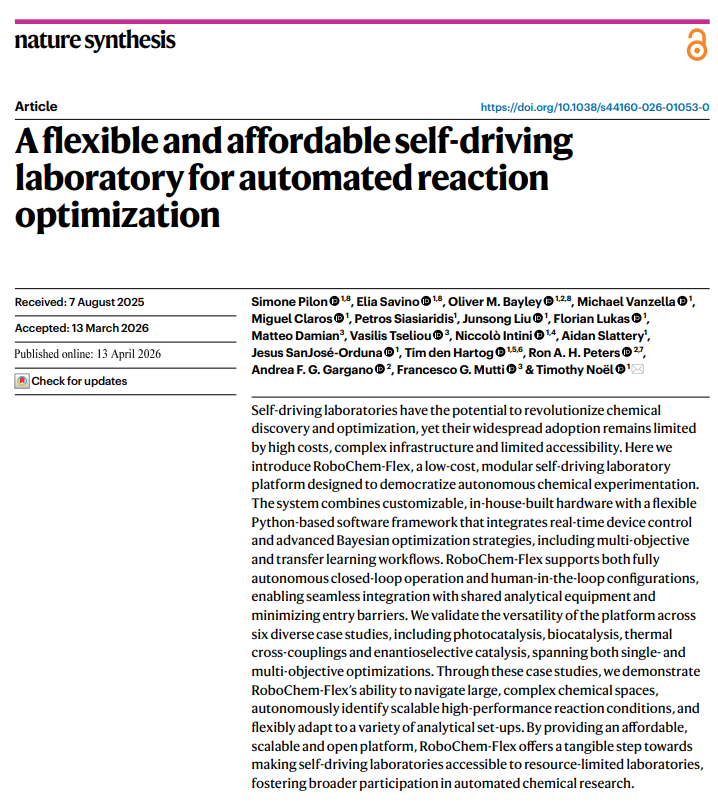
Self-driving labs are transforming chemistry; but high cost & complexity limit access to a few well-funded labs.
We wanted to change that.
Our new paper in @NatureSynthesis introduces RoboChem-Flex 🧪🤖
🔗nature.com/articles/s44160-0…
#selfdrivinglab #flowchemistry #optimization
2
35
152
36,208

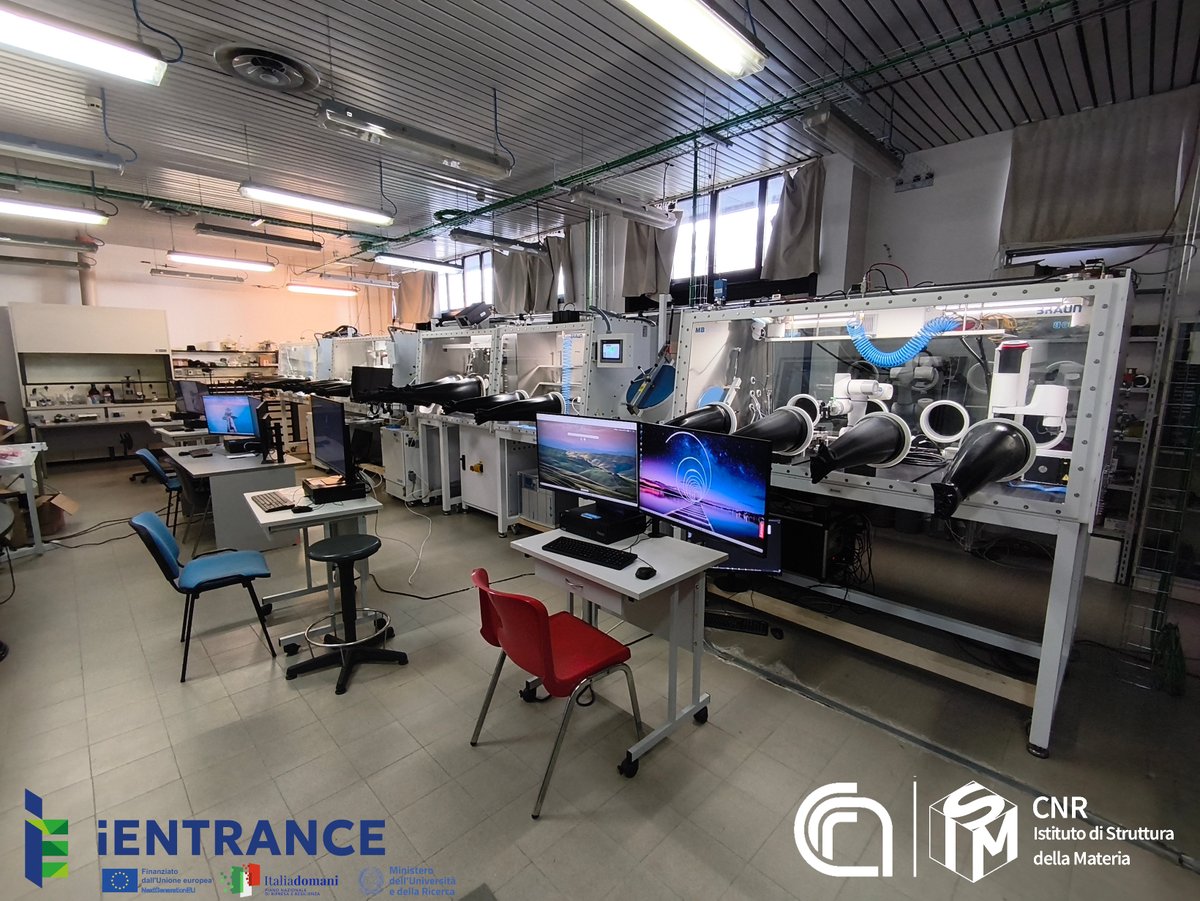
Introducing #MADAM — Italy's first #SelfDrivingLab platform for accelerating #energy materials research.
Robotics #AI in the loop advanced characterization → faster R&D cycles for #greenhydrogen and #solarcells.
@CNR_ISM node in #iENTRANCE_ENL | #PNRR
l.cnr.it/progism2
2
48

Feb 24
《Cell》具身AI科学家正式上岗!
LUMI-lab诞生! 28百万分子预训练的大模型当“大脑”,全机器人闭环当“身体”,10轮迭代就自主合成 测试1700 个离子化脂质!
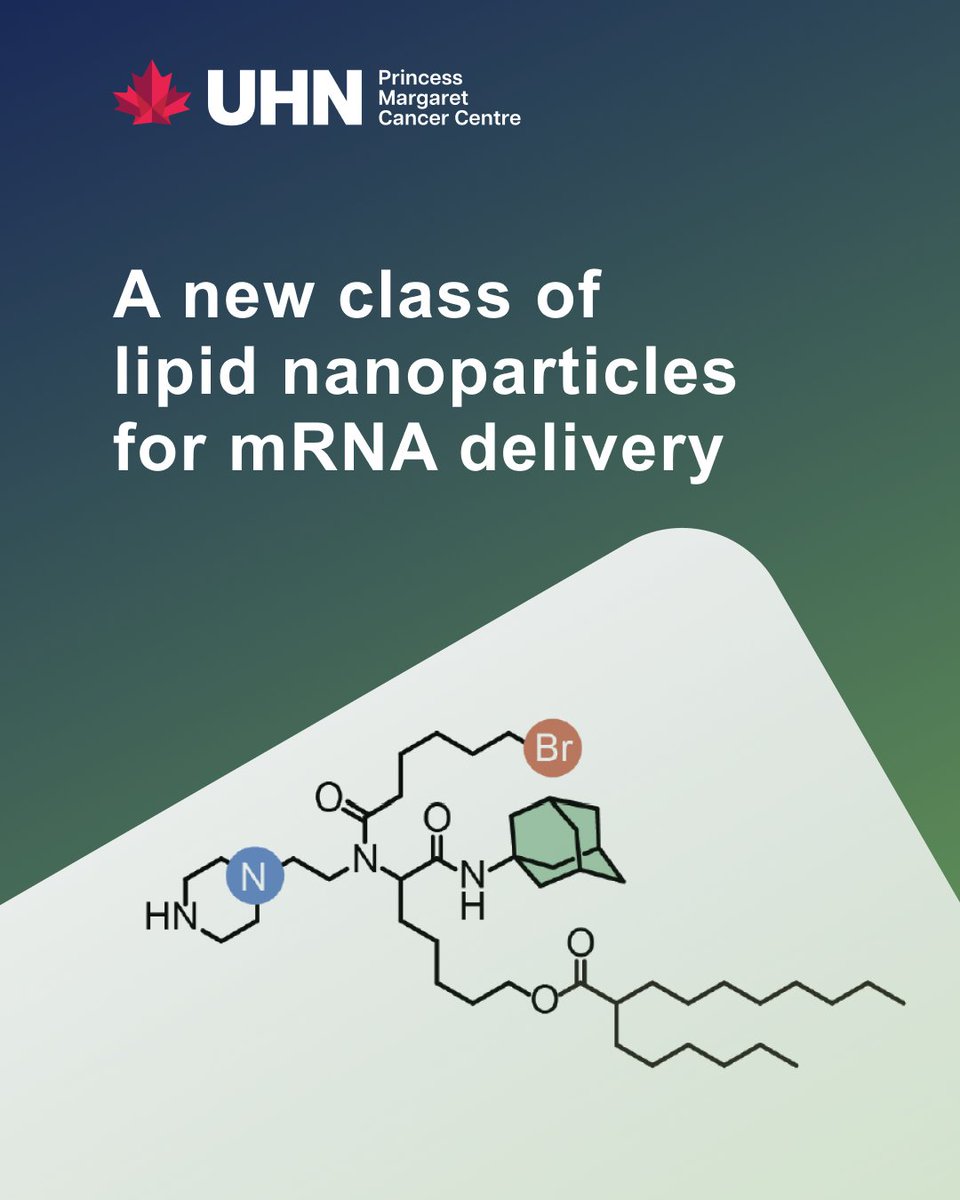
它完全自主发现了人类文献从未报道过的“溴化脂质尾巴”! 顶级分子直接把小鼠肺上皮CRISPR基因编辑效率干到20.3%,刷新历史纪录!🔥
暴论时间:
2026年了,还让研究生和实验员天天手工移液、洗板、做重复实验的实验室,真的该大规模优化了!
把聪明大脑从96孔板里解放出来吧! 让他们去指挥AI科学家军团,干真正战略级的颠覆性创新!
LUMI-lab不是工具,是实验室自动化的未来范式。 从“人工农场”到“AI分子工厂”,革命已经打响第一枪!
你的实验室2026年准备好拥抱具身AI科学家了吗? 还是继续熬夜当“高级移液工”?🤖
#具身智能 #AI科学家 #实验室自动化 #人工智能 #大模型 #AGI #AI革命 #未来科技 #科技前沿 #机器人 #AI科研 #科学智能 #EmbodiedAI #AIScientist #LabAutomation #SelfDrivingLab #AIRevolution #FutureOfScience #AIforScience #AutonomousDiscovery
1
7
502

Feb 24
LUMI-lab is out today in @CellCellPress! 🚀We built a self-driving lab that closes the loop between an AI foundation model robotics to accelerate lipid nanoparticle (LNP) discovery for mRNA delivery. Free access to the manuscript: authors.elsevier.com/a/1mg4a…
Code available on GitHub: github.com/bowenli-lab/LUMI-…
Check the video here: youtube.com/watch?v=POOgIiKR…
LUMI-lab (Large-scale Unsupervised Modeling followed by Iterative experiments) is a self-driving laboratory that tightly closes the loop between an AI foundation model and automated robotics to accelerate LNP discovery for mRNA delivery.
To tackle data scarcity in emerging mRNA delivery domains, we pretrained the model on 28M molecular structures, then iteratively improved it with closed-loop experimental data. This is the kind of workflow we believe can meaningfully expand the accessible chemical space for next-generation RNA medicines.
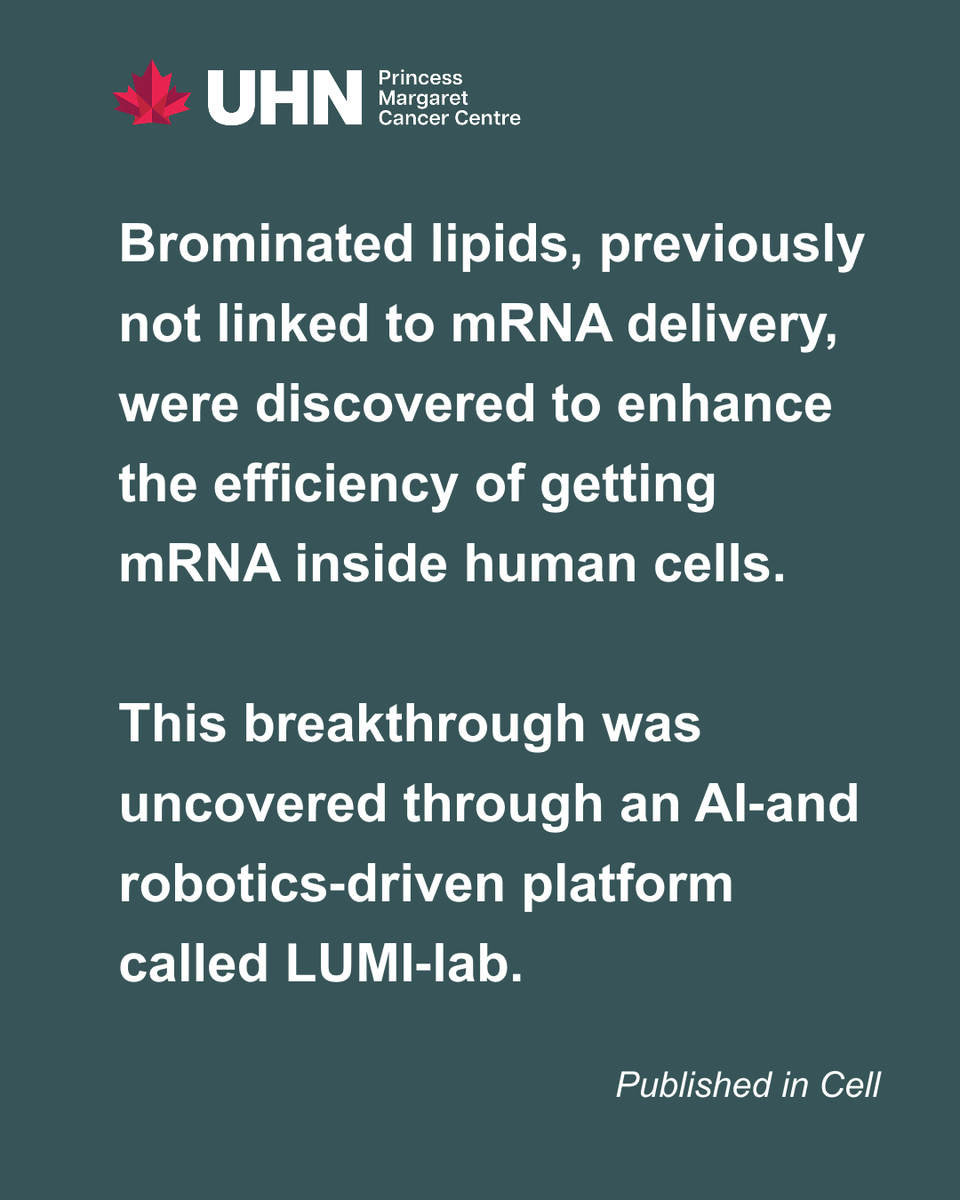
In this work, across ten active-learning cycles, LUMI-lab synthesized and evaluated 1,700 new LNPs and unexpectedly identified a new design feature for efficient delivery: brominated lipid tails. These brominated-tail ionizable lipids delivered mRNA into human lung cells more efficiently than approved benchmarks, despite representing only a small fraction of the initial chemical space explored.
Huge thanks to our team @YueXu1995, @HAOTIANCUI1, Kuan Pang, Reagan Li, and collaborator @BoWang87 at @UofT and @PMResearch_UHN, and to @acceleration_c @CIHR_IRSC @NSERC_CRSNG @InnovationCA @GSK for supporting this platform.
#mRNA #LNP #AI #SelfDrivingLab @bradwouters @EricTopol @elonmusk
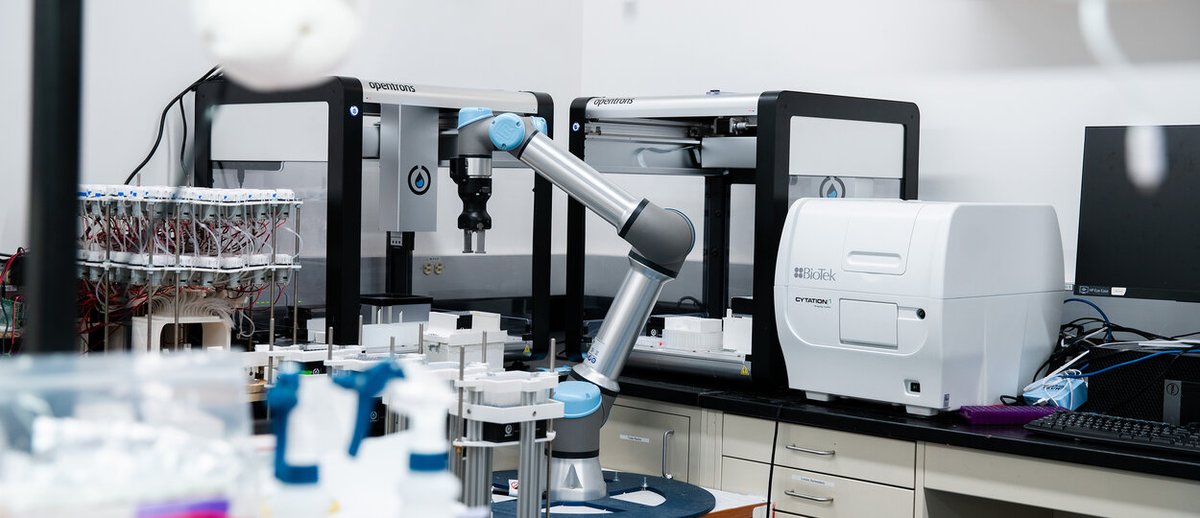

Our researchers @UHN & @UofTPharmacy have developed a platform called LUMI-lab, driven by AI and robotics, to automate and accelerate the design and evaluation of lipid nanoparticles, for delivering mRNA medicine into human cells.
@BowenLi_Lab @BoWang87
cell.com/cell/fulltext/S0092…

1
13
54
5,411
An AI-Native Biofoundry for Autonomous Enzyme Engineering: Integrating Active Learning with Automated Experimentation
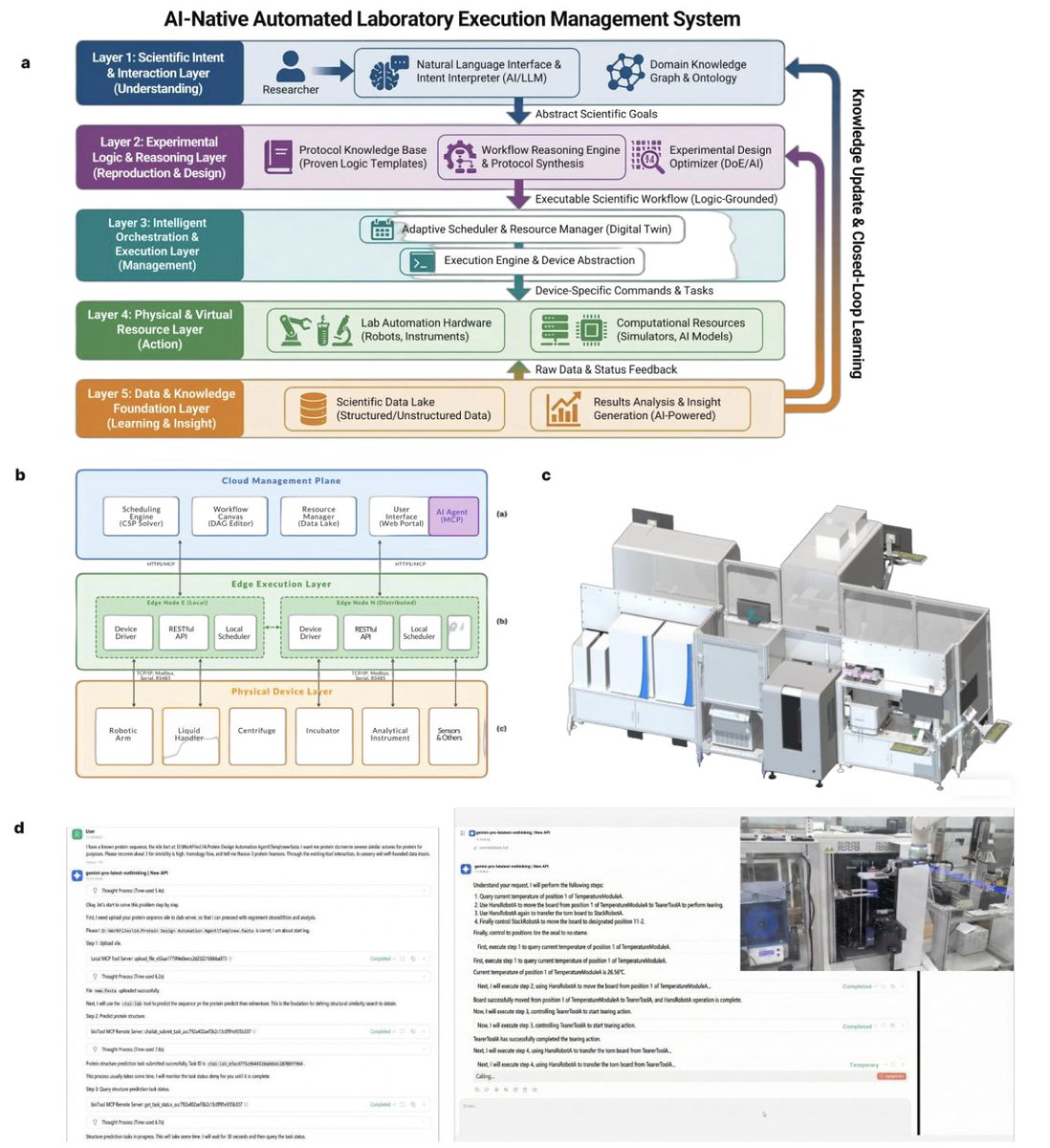
1 A “cloud-edge synergistic” biofoundry is presented in which an LLM agent (Qwen3) directly perceives instrument states and actuates wet-lab workflows without human scripts, turning spoken goals into executable protocols.
2 The platform closes the Design-Build-Test-Learn loop in three autonomous rounds, evolving a Family B DNA polymerase for CoolMPS chemistry while sustaining >66 % hit rate and defying the usual law of diminishing returns.
3 Zero-shot ESM-2 priors jump-start exploration from a low-activity scaffold; an EVOLVEpro active-learning model then retrains on each round’s assay data, lifting prediction Pearson r from 0.27 to 0.75 and enriching epistatic anchors such as E485L.
4 Physics-informed mining of 160 thermophilic archaeal homologs identified A0A2Z2MPY8, a natural generalist that outperforms the wild-type in G/C incorporation and serves as an optimal parental backbone for downstream mutagenesis.
5 Automated multi-site mutagenesis, expression, lysis and fluorescence-coupled 3’-N3-dNTP incorporation assays are orchestrated on an MGISP-Smart8 liquid handler, enabling 96-well throughput with minimal manual touch points.
6 Final variant DP1 (E485L R709P) achieves 37 % lower error rate (0.17 % vs 0.27 %) and higher Effective Spot Rate (73 % vs 66 %) than commercial polymerase on DNBSEQ-E25, validating translational utility for antibody-based CoolMPS sequencing.
7 Hardware abstraction via Meta-Action protocol renders devices brand-agnostic; new instruments are hot-plugged without downtime, offering a scalable, vendor-neutral blueprint for future self-driving biotech labs.
💻Code: github.com/MGI-tech/AI-Biofo… (to be released)
📜Paper: biorxiv.org/content/10.64898…
#AIbiofoundry #enzymeengineering #directedevolution #proteinLM #activelearning #CoolMPS #selfdrivinglab
1
3
24
1,523

9 Dec 2025
👀 $TELI | $TELIF Watch how Telescope Innovations’ Self-Driving Lab is accelerating science like never before.
💥 Robotics AI creativity = real-time discovery. Check it out! youtu.be/9m4F78sUdII #SelfDrivingLab #AI #Robotics #Innovation
1
3
532

9 Sep 2025
🤖ChatGPT-5 just outperformed doctors on the @USMLE 🧠
Meanwhile, a new AI system can run full chemistry experiments—hypothesis to results—with minimal human input.
📽️WednesdAI with @seanward!
📰Details: pixeldreams.com/articles/art…
#GPT5 #SelfDrivingLab #AIinMedicine #AIresearch
1
5
81

10 Jul 2025
Gerbrand Ceder(UC Berkeley / LBNL)
「AI and autonomous laboratories for materials synthesis」
計算材料科学は第一原理計算で大きく進化したが、実験の自動化はまだ追いついていない。
彼らは自律合成ラボA-Labでその壁を打破
まもなくA-Lab 2.0も始動
#AI4X #AutonomousLab #SelfDrivingLab
1
4
378

2 Jul 2025
Self-driving labs are changing how we study aging. These automated systems use AI to plan, run, and refine experiments with robotic precision—far faster than traditional labs. Instead of running one experiment at a time, these platforms can explore thousands of conditions simultaneously, identifying what slows or reverses cellular aging with unmatched speed and consistency.
In aging research, this means real-time feedback on how cells respond to genetic edits, reprogramming factors, or potential therapeutics. For example, some labs have already used these systems to identify combinations that outperform existing treatments in vitro. With tools like organ-on-chip models and digital microfluidics, researchers can simulate complex human tissues and test anti-aging interventions under controlled, repeatable conditions.
What’s most surprising is that many of these findings remain locked behind corporate data walls. While people wait for clinical breakthroughs, some of the most promising longevity interventions may already exist in private datasets. The science is advancing whether we see it or not.
Learn about the what longevity intervention can do for you at revigorator.com/products
#MaxScientific #Longevity #HealthyAging #LongevityScience #LongevityScience #SelfDrivingLab #AutonomousLabs #labautomation #laboratoryautomation
ALT A sleek, modern biotech laboratory featuring a robotic arm conducting experiments on a central lab bench. A computer monitor with scientific schematics is visible in the foreground. The image is overlaid with branding elements including the Revigorator “R” logo and the title “LongBio Breakdown” at the top, with the caption “Self-Driving Biotech Labs – The Future is Here” at the bottom.
42
326

2 Jul 2025
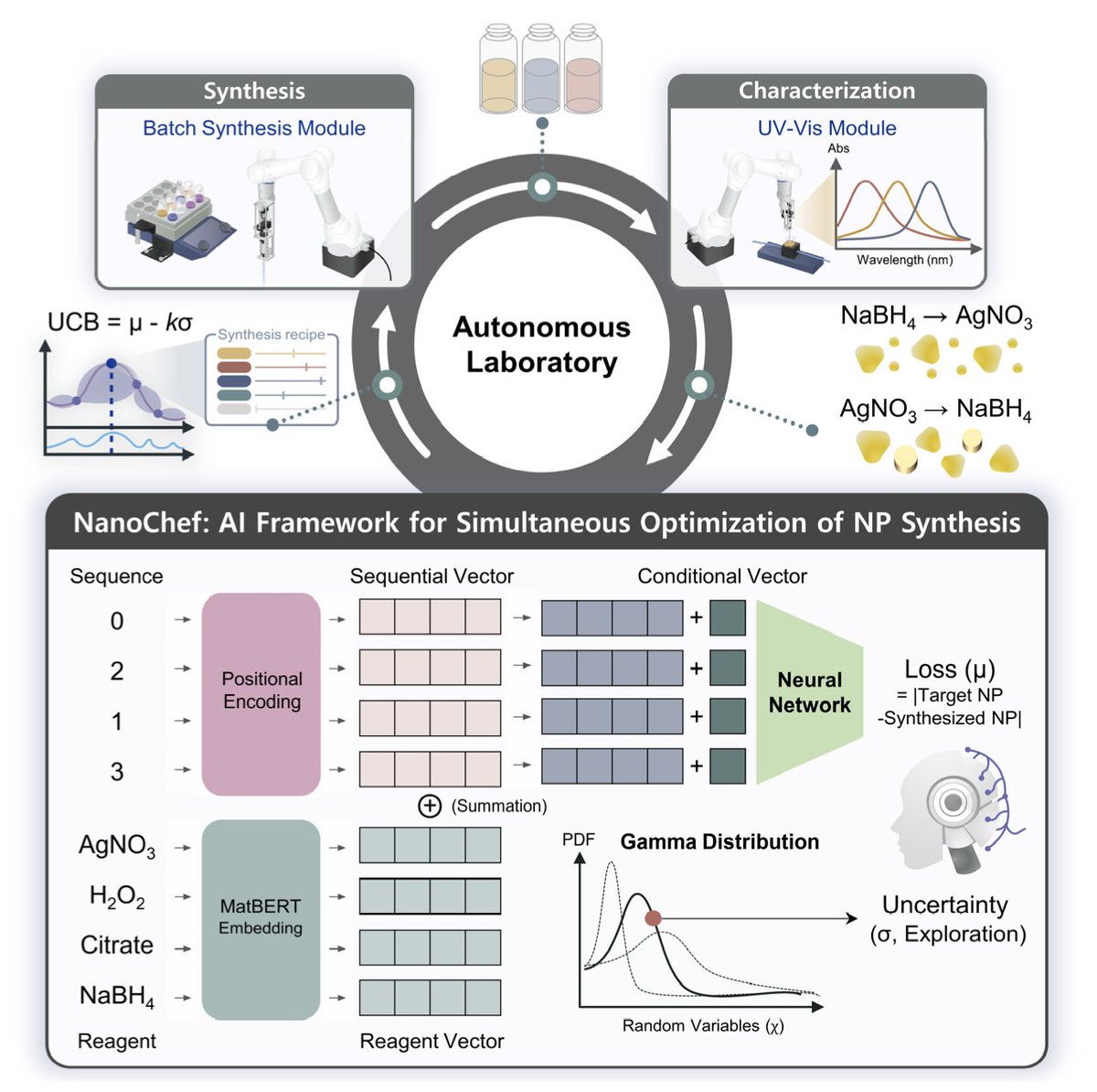
NanoChef: AI Framework for Simultaneous Optimization of Synthesis Sequences and Reaction Conditions at Autonomous Laboratories
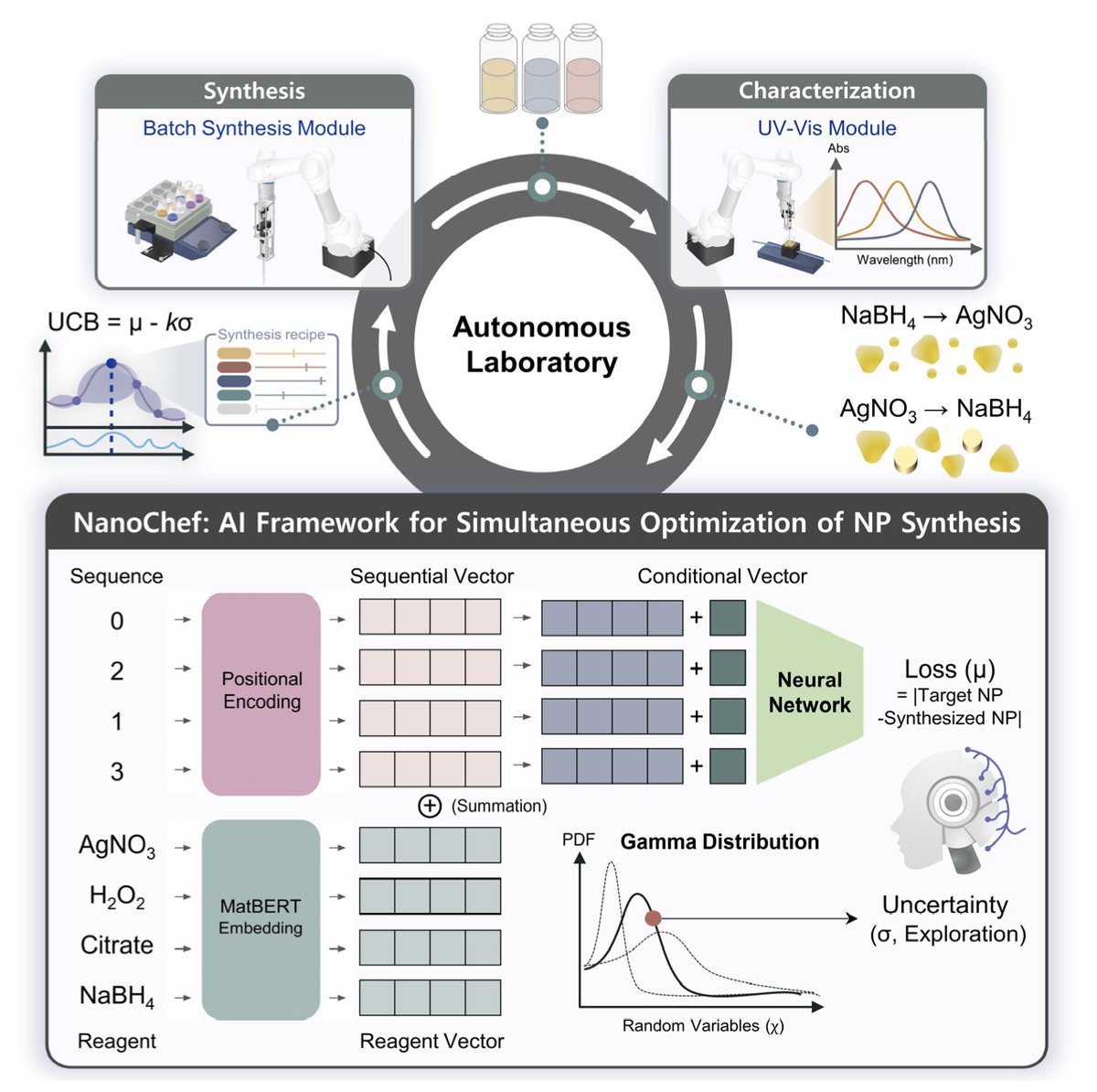
1.NanoChef is a deep learning-based framework that simultaneously optimizes synthesis sequences and reaction conditions for nanoparticle (NP) synthesis in autonomous laboratories. It redefines synthesis order as a design variable, uncovering more effective synthetic routes.
2.Unlike traditional approaches that fix reagent order and only tune continuous parameters, NanoChef encodes reagent sequences using Transformer-style positional encoding and MatBERT embeddings. This allows joint modeling of categorical and continuous variables.
3.In real-world experiments targeting Ag NP synthesis with a λmax of 513 nm, NanoChef discovered that the reductant‒last method outperforms conventional strategies, reducing FWHM by 32% and achieving optimal recipes within 100 experiments.
4.When scaled to a three-reagent system (AgNO3, NaBH4, H2O2), NanoChef autonomously identified an oxidant‒last strategy that had never been considered in prior work and yielded the most uniform NPs with lowest FWHM and standard deviation.
5.A lightweight neural network (3,151 parameters) serves as the surrogate model, predicting loss and uncertainty using a Gamma distribution. This efficient architecture enables high performance even in data-scarce and high-dimensional synthesis landscapes.
6.NanoChef’s closed-loop design integrates prediction, uncertainty modeling, and robotic execution. It consistently converged to global optima in fewer than 40 cycles in virtual experiments, validated across varying levels of synthesis-order sensitivity.
7.Compared to standard Gaussian process or decision tree-based models, NanoChef’s unified representation of categorical and continuous variables allows more expressive modeling, improving the discovery of synthesis–property relationships.
8.Through benchmarking on Olympus virtual spaces, NanoChef demonstrated robustness in complex synthetic landscapes and outperformed baseline models under strong synthesis-order effects (e.g., Dejong–Killimanjaro space pair).
9.Experimentally, NanoChef guided a robotic system to execute dynamic reagent sequences using a custom micropipette-based batch module, enabling accurate, automated synthesis with strong compatibility across acidic and polymeric reagents.
10.Beyond optimization, NanoChef offers scientific insights. Its discoveries emphasize that reagent order is not a procedural detail but a chemically active parameter that influences nucleation, growth, and final material properties.
11.This work illustrates how lightweight, chemically-aware AI models can drive innovation in self-driving labs, moving beyond fixed heuristics to intelligent, adaptive experimentation.
12.Future directions include combining NanoChef’s vectorized synthesis representations with multimodal data (e.g., TEM, XRD) to uncover deeper synthesis–structure–property links and build foundation models for autonomous chemistry.
💻Code: github.com/KIST-CSRC/NanoChe…
📜Paper: doi.org/10.26434/chemrxiv-20…
#AutonomousLab #NanoparticleSynthesis #BayesianOptimization #AI4Science #MatBERT #MaterialsDiscovery #ChemicalAI #SelfDrivingLab
1
6
1,026
2 Jul 2025
NanoChef: AI Framework for Simultaneous Optimization of Synthesis Sequences and Reaction Conditions at Autonomous Laboratories
1.NanoChef is a deep learning-based framework that simultaneously optimizes synthesis sequences and reaction conditions for nanoparticle (NP) synthesis in autonomous laboratories. It redefines synthesis order as a design variable, uncovering more effective synthetic routes.
2.Unlike traditional approaches that fix reagent order and only tune continuous parameters, NanoChef encodes reagent sequences using Transformer-style positional encoding and MatBERT embeddings. This allows joint modeling of categorical and continuous variables.
3.In real-world experiments targeting Ag NP synthesis with a λmax of 513 nm, NanoChef discovered that the reductant‒last method outperforms conventional strategies, reducing FWHM by 32% and achieving optimal recipes within 100 experiments.
4.When scaled to a three-reagent system (AgNO3, NaBH4, H2O2), NanoChef autonomously identified an oxidant‒last strategy that had never been considered in prior work and yielded the most uniform NPs with lowest FWHM and standard deviation.
5.A lightweight neural network (3,151 parameters) serves as the surrogate model, predicting loss and uncertainty using a Gamma distribution. This efficient architecture enables high performance even in data-scarce and high-dimensional synthesis landscapes.
6.NanoChef’s closed-loop design integrates prediction, uncertainty modeling, and robotic execution. It consistently converged to global optima in fewer than 40 cycles in virtual experiments, validated across varying levels of synthesis-order sensitivity.
7.Compared to standard Gaussian process or decision tree-based models, NanoChef’s unified representation of categorical and continuous variables allows more expressive modeling, improving the discovery of synthesis–property relationships.
8.Through benchmarking on Olympus virtual spaces, NanoChef demonstrated robustness in complex synthetic landscapes and outperformed baseline models under strong synthesis-order effects (e.g., Dejong–Killimanjaro space pair).
9.Experimentally, NanoChef guided a robotic system to execute dynamic reagent sequences using a custom micropipette-based batch module, enabling accurate, automated synthesis with strong compatibility across acidic and polymeric reagents.
10.Beyond optimization, NanoChef offers scientific insights. Its discoveries emphasize that reagent order is not a procedural detail but a chemically active parameter that influences nucleation, growth, and final material properties.
11.This work illustrates how lightweight, chemically-aware AI models can drive innovation in self-driving labs, moving beyond fixed heuristics to intelligent, adaptive experimentation.
12.Future directions include combining NanoChef’s vectorized synthesis representations with multimodal data (e.g., TEM, XRD) to uncover deeper synthesis–structure–property links and build foundation models for autonomous chemistry.
💻Code: github.com/KIST-CSRC/NanoChe…
📜Paper: doi.org/10.26434/chemrxiv-20…
#AutonomousLab #NanoparticleSynthesis #BayesianOptimization #AI4Science #MatBERT #MaterialsDiscovery #ChemicalAI #SelfDrivingLab
2
10
1,031

12 Jun 2025
Self-driving labs are changing how we study aging. These automated systems use AI to plan, run, and refine experiments with robotic precision—far faster than traditional labs. Instead of running one experiment at a time, these platforms can explore thousands of conditions simultaneously, identifying what slows or reverses cellular aging with unmatched speed and consistency.
In aging research, this means real-time feedback on how cells respond to genetic edits, reprogramming factors, or potential therapeutics. For example, some labs have already used these systems to identify combinations that outperform existing treatments in vitro. With tools like organ-on-chip models and digital microfluidics, researchers can simulate complex human tissues and test anti-aging interventions under controlled, repeatable conditions.
What’s most surprising is that many of these findings remain locked behind corporate data walls. While people wait for clinical breakthroughs, some of the most promising longevity interventions may already exist in private datasets. The science is advancing whether we see it or not.
Learn about the what longevity intervention can do for you at revigorator.com/products
#MaxScientific #Longevity #HealthyAging #LongevityScience #LongevityScience #SelfDrivingLab #AutonomousLabs #labautomation #laboratoryautomation
1
37
351

2 May 2025
🚀 Our work on self-driving nanoparticle synthesis was just featured in the News & Views section of Nature Chemical Engineering! Huge congrats to Taylor and Sina! 🤖🧪 Check it out here: 📰 nature.com/articles/s44286-0… #SelfDrivingLab #Automation #NatureChemicalEngineering #Nano
1
6
250

25 Apr 2025
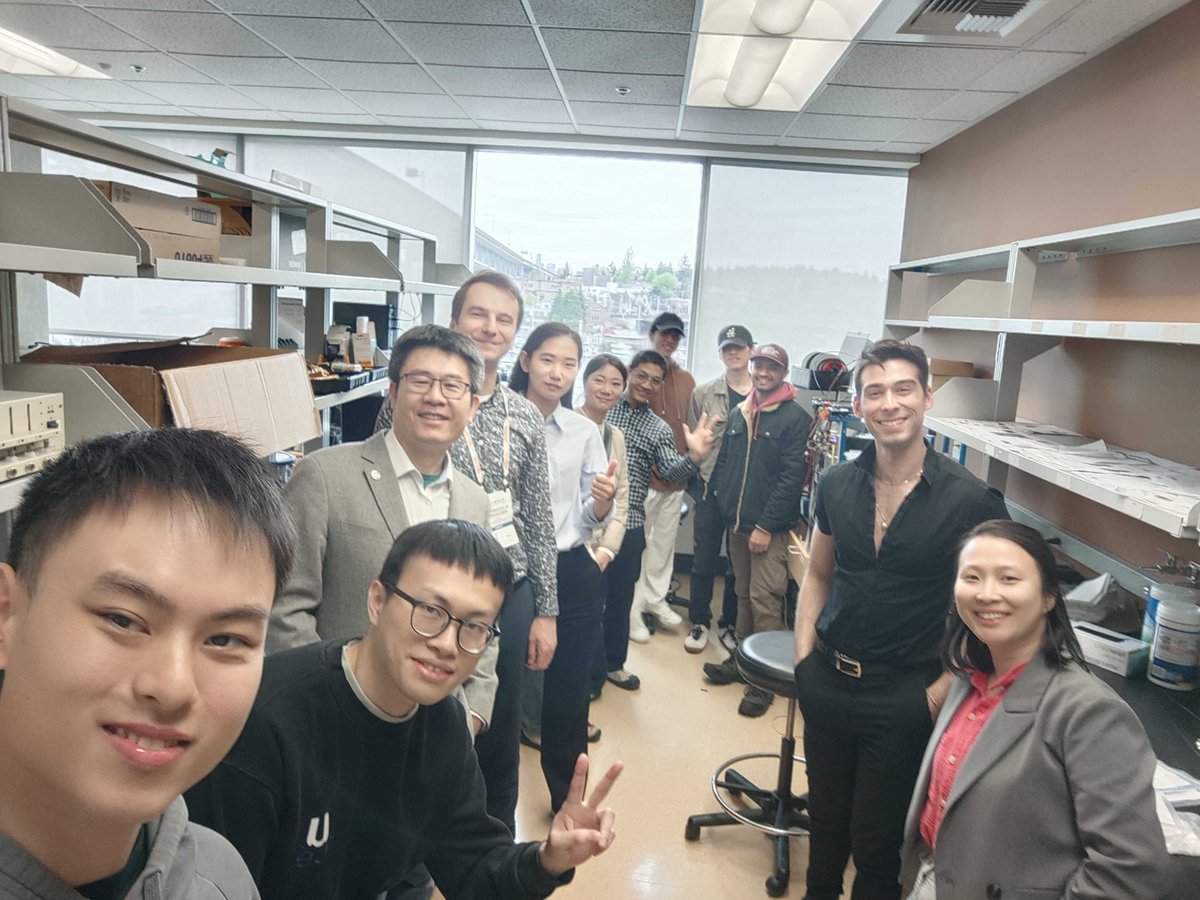
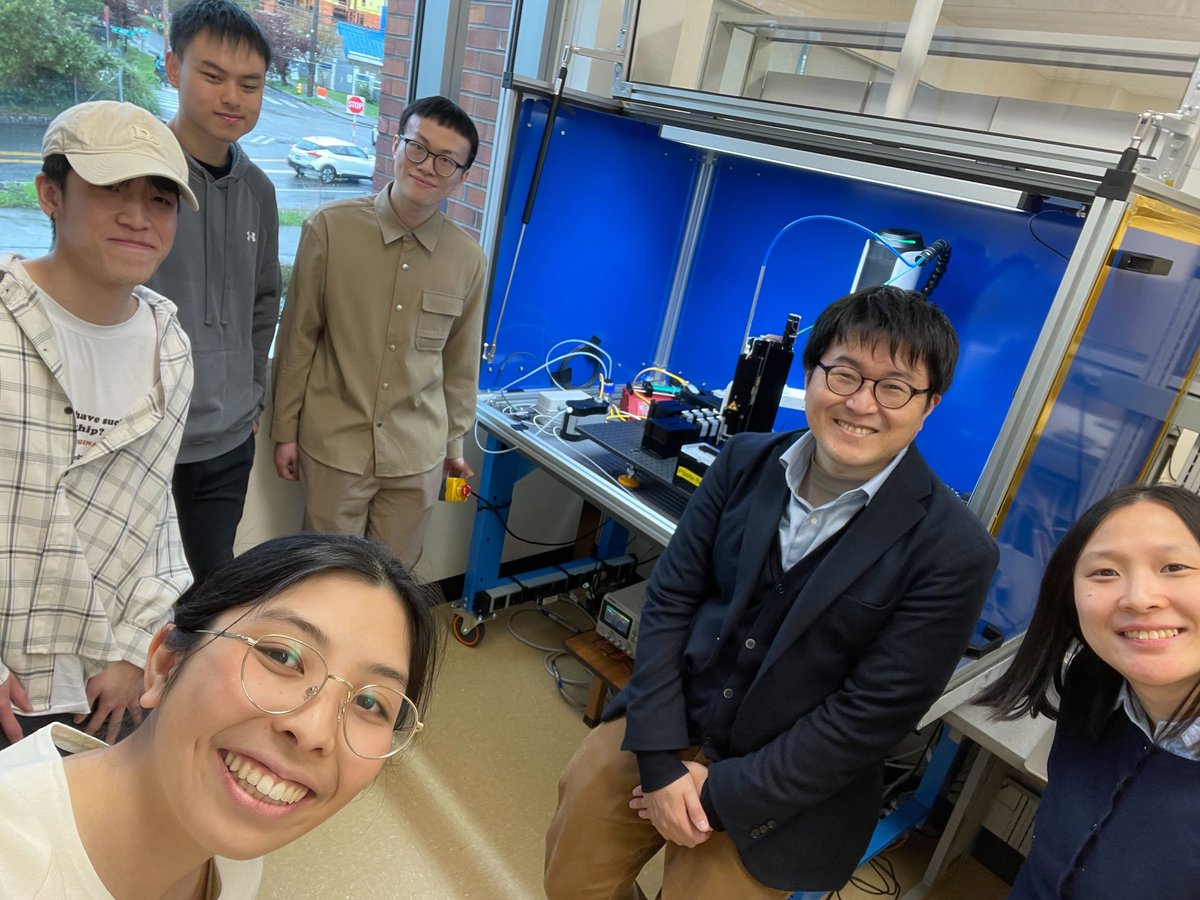
We were excited to welcome guests to the UW Sun Lab during MRS week, where they explored our work in automation, materials discovery, and clean energy research. 🤖⚡ #CleanEnergy #SelfDrivingLab #MaterialsScience
1
8
404
10 Feb 2025
🚀 Huge congrats to Tianyi (Taylor) Wu and the team on their latest Nature Communications publication, pushing self-driving labs, automation, and nanomaterials to the next level!! 📢🎉
Read more here: nature.com/articles/s41467-0…
#AI #Nanotech #Automation #SelfDrivingLab #SDL
8
255

2 Aug 2024
Only one week left to submit your NOI for the #AccelerateGrant program!
Grant funding is available in 4 categories:
🌱Seed
🌕Moonshot
🧪Translation
📚Social Science & Humanities
acceleration.utoronto.ca/pro…
#AI #selfdrivinglab #grants
17 Jul 2024

💡 Submit your notice of intents for the 2024 #AccelerateGrant Program by Aug 9!
Accelerate Research Grants help drive our approach to advancing material discovery.
acceleration.utoronto.ca/pro…
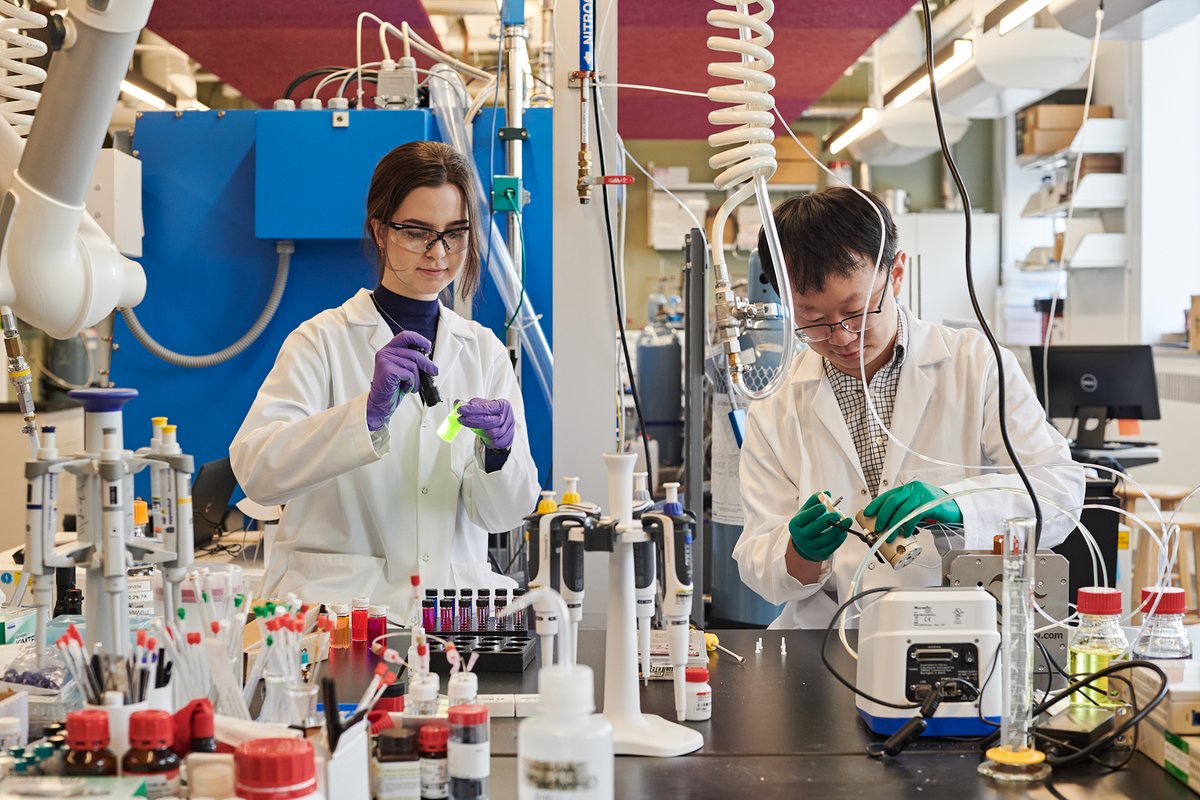
2
450

3 Jul 2024
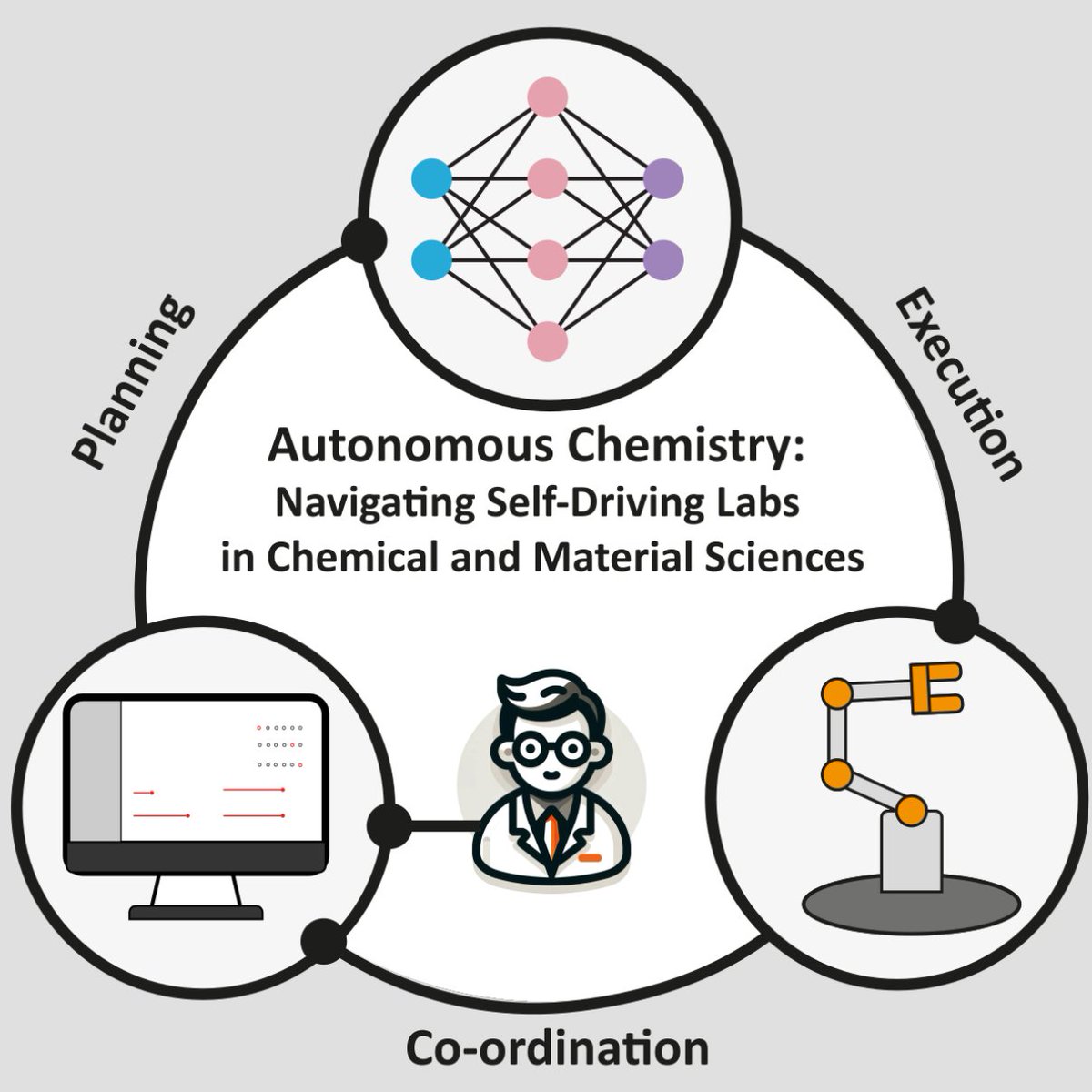
Check out our take on the emerging field of self-driving labs in the 5y anniversary issue of #Matter (@CellCellPress): cell.com/matter/abstract/S25…
Congrats Olly, @AidanSlattery3, @EliaSavino and @tnoel82!
#FlowChemistry #Automation #SelfDrivingLab #MachineLearning #RoboChem
1
11
62
4,015

The #NobelTuringChallenge founders believe that in 30 years, #autonomous laboratories could be worthy of winning a Nobel Prize. Will #AI and #automation spur a revolution in the laboratory? ow.ly/SXUr50RvXxA #ArtificialIntelligence #ChatGPT #CloudLab #SelfDrivingLab
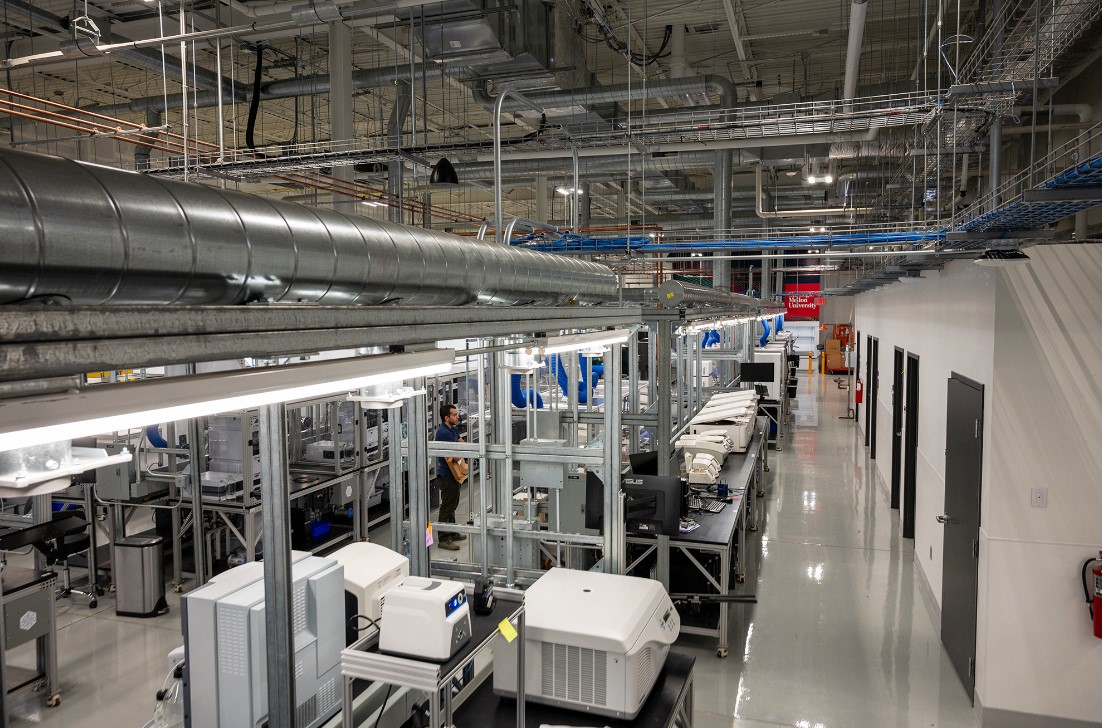
ALT A photo of a scientific laboratory taken from above looking down on the pipes and equipment.
1
2
3,741
17 Apr 2024
💡 In the second instalment of our #AccelerateGrant series, read about how Leo Chou of @bme_uoft is using #selfdrivinglab technology and a technique called #DNAorigami to improve #ASO treatment.
🔗 acceleration.utoronto.ca/new…
3
1,982