
Jun 12
Unleash raw power with Intel Xeon. Engineered for demanding workstations and servers, its multi-core architecture conquers any task. #IntelXeon #Workstation #ServerTech #HighPerformance #MultiCore #TechInnovation #CPUPower
3

Jun 11
Level up your storage performance ⚡
High-speed, reliable enterprise @Samsung drives now available 💾
Limited stock – act fast
🔗 itdevicesonline.com/product-…
itdevicesonline.com/product-…
itdevicesonline.com/product-…
#ITDevices #TechDeals #EnterpriseStorage #ITInfrastructure #ServerTech

6

AMD Zen 6!
PQOS Extensions Just Leaked (March 2026 Doc #69193) – This Changes EVERYTHING for Servers & Clouds
AMD’s Zen 6 platform (EPYC Venice incoming late 2026, Ryzen follow-up 2027) isn’t just about more cores on 2nm. The real game-changer is the **new Platform Quality of Service (PQOS) Extensions** that finally give you **true global, system-wide bandwidth control** across multi-socket, multi-CCD monsters.
If you’re running dense multi-tenant clouds, hypervisors, or tiered-memory setups and you’re tired of per-CCX QoS feeling like herding cats… this is your moment. Full breakdown below (way past 280 chars because this deserves the extended treatment 🔥)
### 1️⃣ Global Bandwidth Enforcement (GLBE) – The Big One
- New CPUID bit: Fn8000_0020_EBX_x0[GLBE] = bit 7
- One **single L3 External Bandwidth ceiling** shared competitively across **ALL logical processors** in a Class of Service (COS) — even if they span multiple QoS domains, CCXs, or sockets.
- Default = entire system is one GLBE Control Domain. BIOS can split it if you want.
- Complements (doesn’t replace) existing per-domain L3BE.
- Controlled via new MSRs: L3QOS_GL_BW_CONTROL_n starting at C000_0600h
- U bit = Unlimited (per-domain opt-out)
- CEILING field (width from CPUID EAX_x7, units = 1/8 GB/s × (BW_MULT 1))
Real-world example from the doc: 4 QoS domains, all threads on COS 0. Set 100 GB/s ceiling everywhere, but clear U bit only on domains 0-2 → those three domains together are hard-capped at 100 GB/s total L3 external bandwidth. Domain 3 runs wild. **Global isolation at last.**
### 2️⃣ Global Slow Bandwidth Enforcement (GLSBE) – Tiered Memory Savior
- CPUID bit 8 (same leaf)
- Identical to GLBE but **scoped only to Slow Memory** (CXL, high-latency tiers, etc.)
- Same GLBE Control Domain, same MSR style (C000_0680h base)
- Perfect for the CXL-heavy Zen 6 platforms coming. Finally you can globally throttle slow-memory hogs without babysitting every domain.
### 3️⃣ Privilege-Level Zero Association (PLZA) – Kernel & VMM Magic
- CPUID bit 9
- Hardware **automatically** overrides normal PQR_ASSOC when code runs at CPL=0 (kernel / hypervisor mode)
- New per-logical-processor MSR: PQR_PLZA_ASSOC at C000_03FCh
- PLZA_EN, COS_EN, COS, RMID_EN, RMID
- Works with SVM too
- Strict config sequence required (disable → program → enable) but once set, kernel threads, interrupts, and VMM code get their own dedicated COS/RMID without rewriting every context switch.
This is massive for hypervisor density and latency-sensitive workloads.
### Why This Matters for Zen 6 Users in 2026-2027
- Up to 256 cores, multi-socket, huge tiered memory configs → old per-domain QoS wasn’t enough
- GLBE/GLSBE give you **machine-wide** bandwidth as a first-class schedulable resource
- PLZA lets you protect the most critical code paths (kernel/VMM) automatically
- Combine with existing L3BE, L3SMBE, CDP for full-stack control
**Pro tips for Zen 6 deployments:**
- Profile first with RMID monitoring (now boosted by PLZA)
- Set global ceilings 10-20% under real system bandwidth
- Use U bit for selective exemptions
- Watch CDP interaction (halves effective COS count)
- BIOS options for multiple GLBE domains on multi-socket boxes will be key
This isn’t just “more performance.” This is **predictable, manageable, high-density** performance at scale. Cloud providers, hyperscalers, and anyone doing heavy virtualization are about to get a massive QoS upgrade.
Future APM releases will supersede details, but Publication #69193 Rev 1.00 (March 2026) is the bible right now.
Who’s hyped for EPYC Venice?
Sysadmins & performance engineers — what’s your biggest QoS headache Zen 6 could solve? Drop it below 👇
#AMD #Zen6 #EPYC #PQOS #ServerTech #CXL #CloudComputing #Hardware
1
1
12
2,603

"A paradigm shift." 🤯
@ServeTheHome take on the ASRock Rack 4UXGM-GNR2-CX8: 8 GPUs NVIDIA ConnectX-8 architecture (400Gbps/GPU) in a 4U footprint.
Catch up here:
📖 Review: shorturl.at/J19fF
💻 Specs: shorturl.at/S1OEd
#ASRockRack #AI #ServerTech #GPU #HPC
1
2
7
1,318

26 Oct 2025
🚀 Minestone Hosting is Coming BACK!
🎮 8GB Minecraft servers for just $10
💎 Premium hardware & top-tier support
📩 Join our Discord now to get on the waitlist before we sell out! @ discord.gg/sF3z2E3nfT
#PremiumServers #HighPerformanceGaming #LagFreeGaming #ServerTech
6
280

27 Aug 2025
Adding to the List:
- Creating a new Engine (even if it’s based on cry)
- Creating a new ServerTech
And Take-Two spend almost 2 Billion for just one Game (GTA6) and is also on it since 2013/2014 and half of it is very likely just advertising
5
75

13 Jun 2025
AMD launches its cutting‑edge AI server platform as OpenAI adopts its newest chips.
#AI #ServerTech #AMD #OpenAI #insidetelecom
insidetelecom.com/amd-unveil…
4
55

3 Jun 2025
🔍 AMD EPYC Turin: Why It Matters
17% higher IPC. More memory bandwidth. Less power.
Turin isn’t just newer—it’s smarter.
We’ve broken it all down for you in our latest blog.
📖 Read here: contabo.com/en/blog/------
#Contabo #AMDturin #Zen5 #ServerTech #PerformanceMatters

2
2
387

17 Apr 2025
The backbone of every website - web server software!
📱Call: ( 61) 423 983 607
📩 Email us: info@futuristech.com.au
🖥️Our Website: futuristech.com.au
#WebServer #ServerTech #Hosting #WebInfrastructure #Backend #HighPerformance #FastHosting #LowLatency
2
9

5 Mar 2025
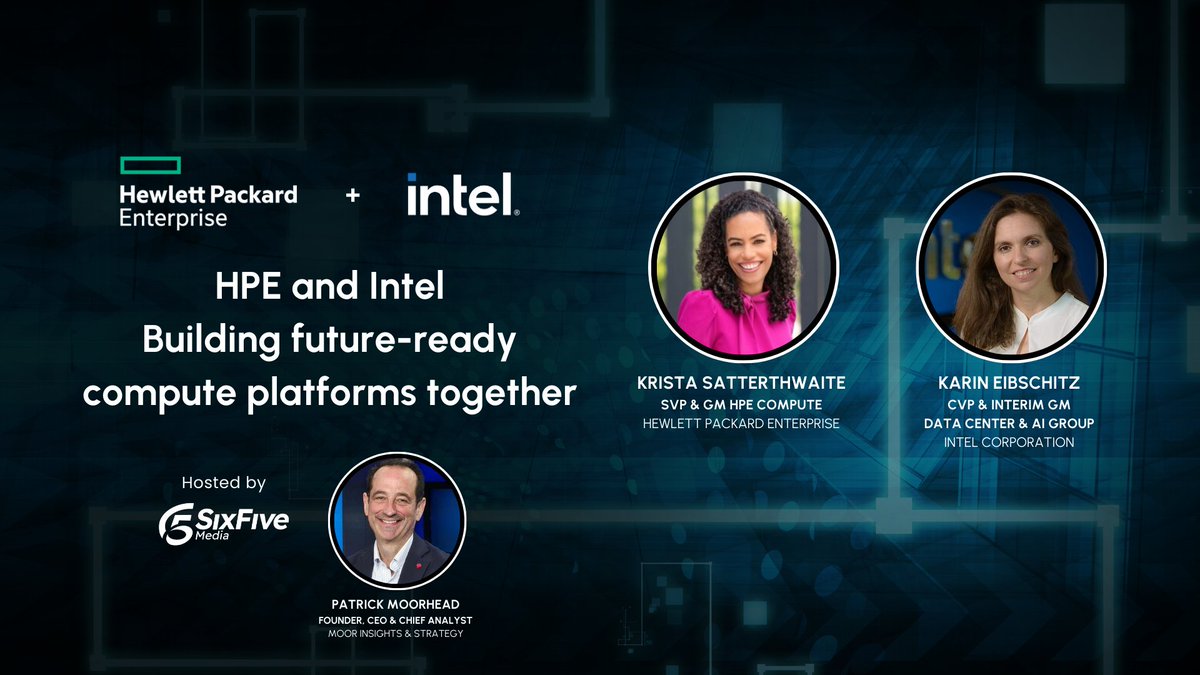
Want compute platforms that aren't just fast, but FUTURE-READY? 🚀It's more than performance – think power, efficiency, AND security. Join our host @PatrickMoorhead, along with @HPE Compute SVP & GM Krista Satterthwaite and & @intel CVP & Interim GM, Data Center & AI Group, Karin Eibschitz as they reveal how they're collaborating to bring next-gen solutions built for tomorrow's challenges.
#HPE #Intel #ServerTech #FutureOfCompute
Tune in Thursday, March 6 2025!
1
3
27,471

18 Dec 2024
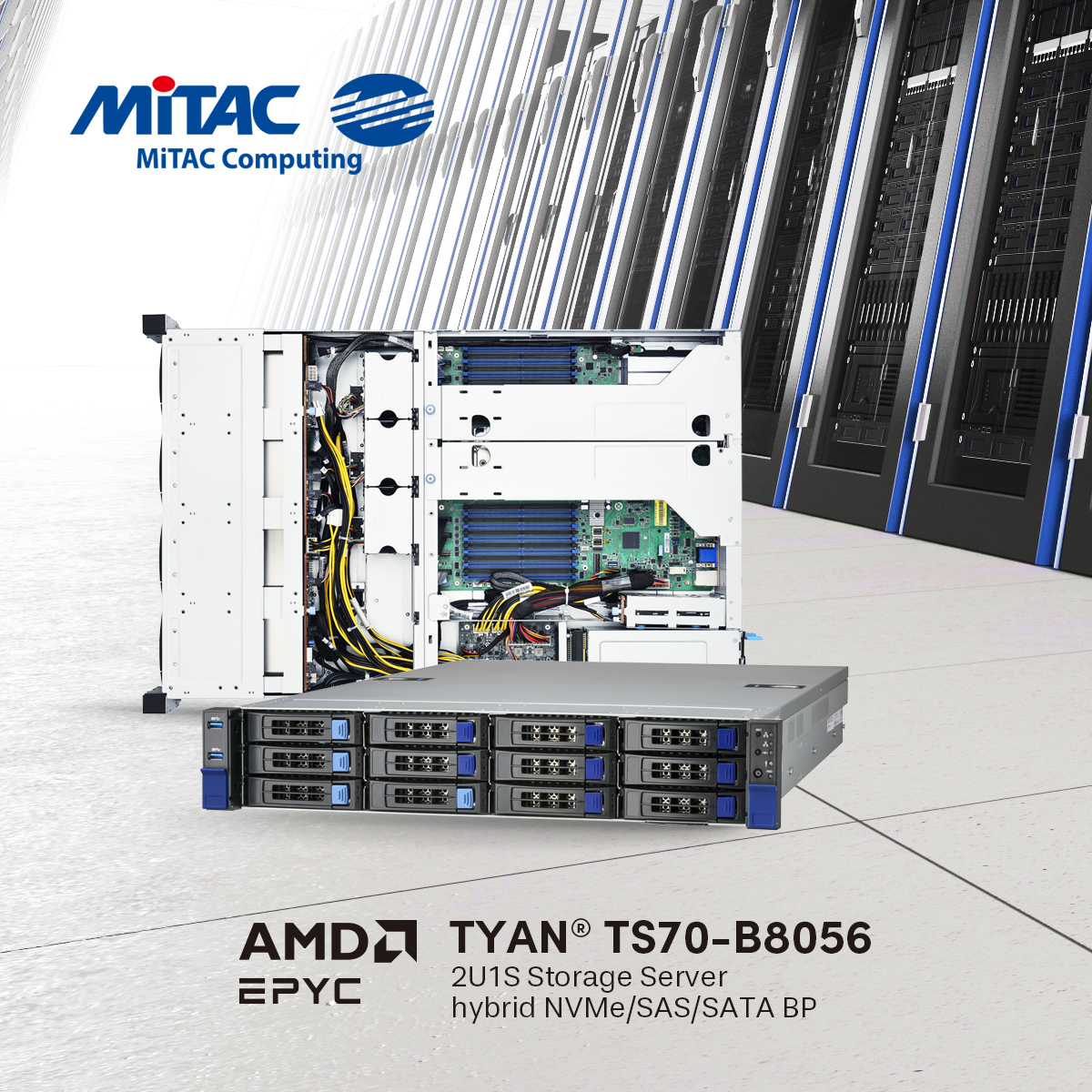
🎯Unlock enterprise #storage & #bigdata power with the TS70-B8056, featuring #AMD #EPYC 9005 CPUs, hybrid NVMe/SAS/SATA backplane, and up to 3TB DDR5 memory. Perfect for #backup, #recovery, & #data warehousing.
Details 👉
pse.is/TS70B8056
#ServerSolutions #ServerTech
3
96
12 Dec 2024
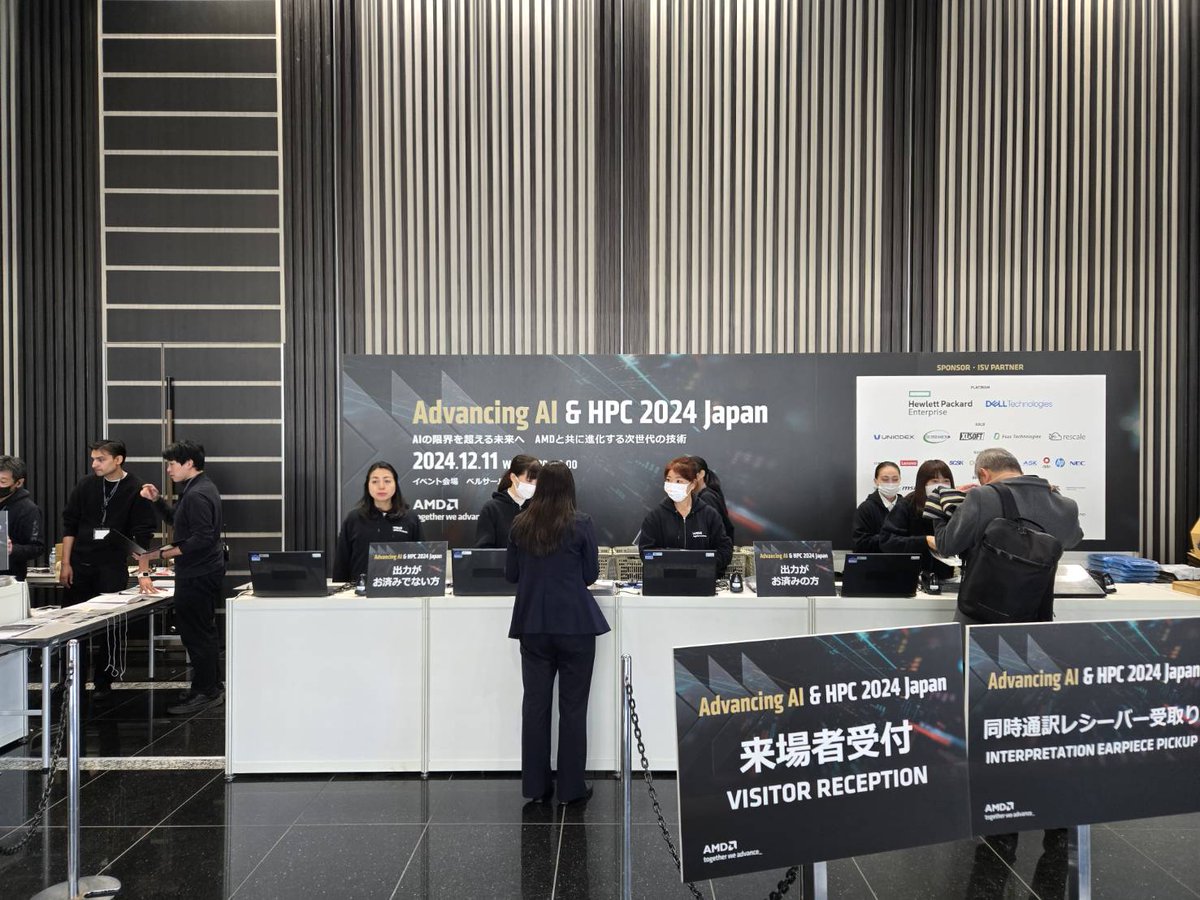
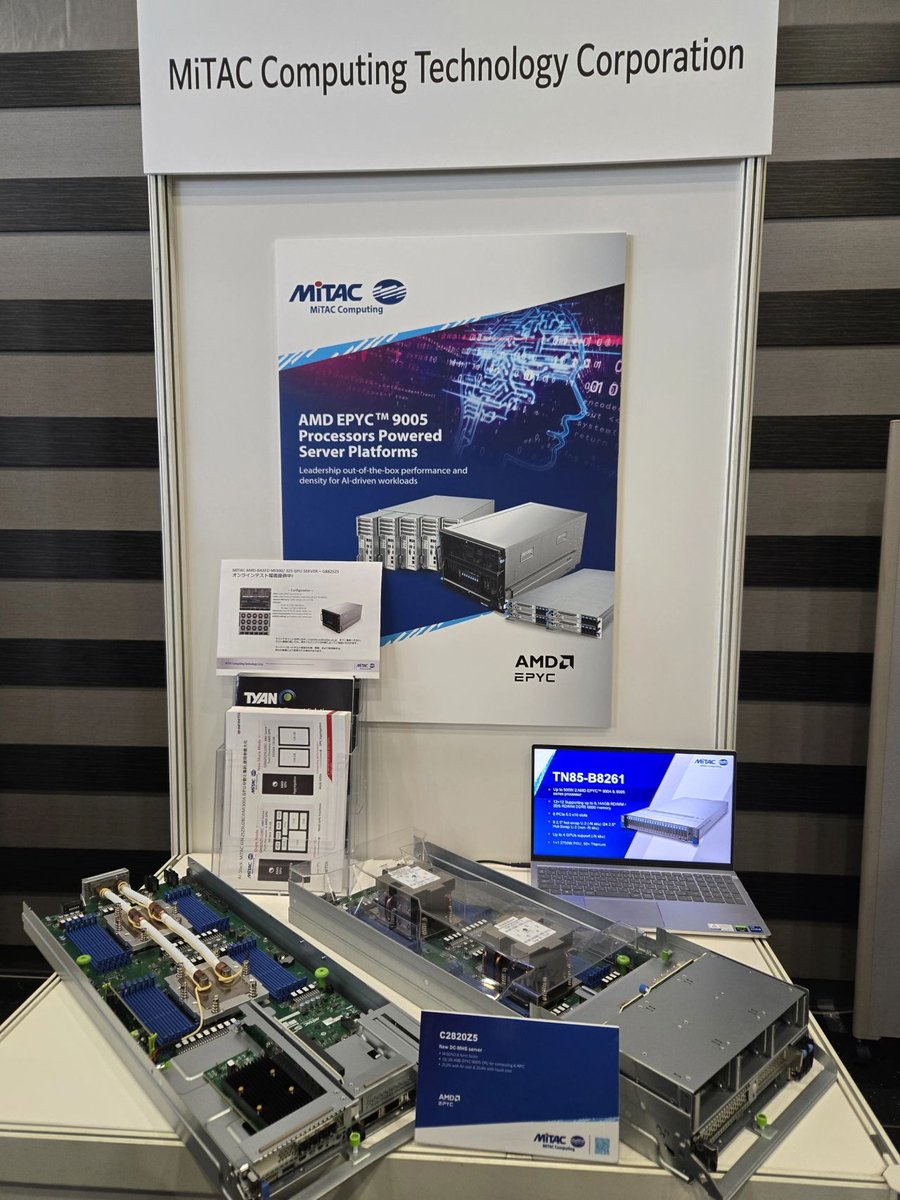
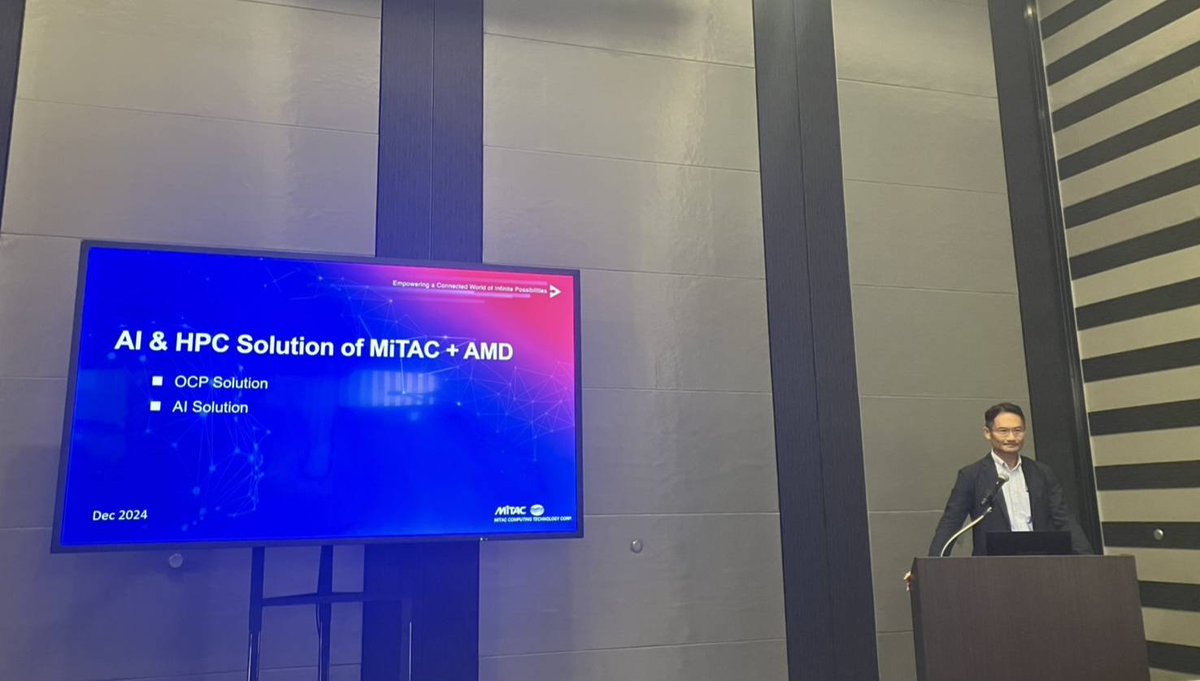
MiTAC Computing showcased OCP & GPU servers at #AMD Advancing AI & HPC Japan 2024:
🔹 C2810Z5 & C2820Z5 OCP Servers (Air/Liquid-Cooled)
🔹 G8825Z5 MI300X Server for #AI/#HPC
Driving innovation with AMD EPYC™ & Instinct™!
#AI #HPC #OCPSolutions #ServerTech
2
146
13 Nov 2024
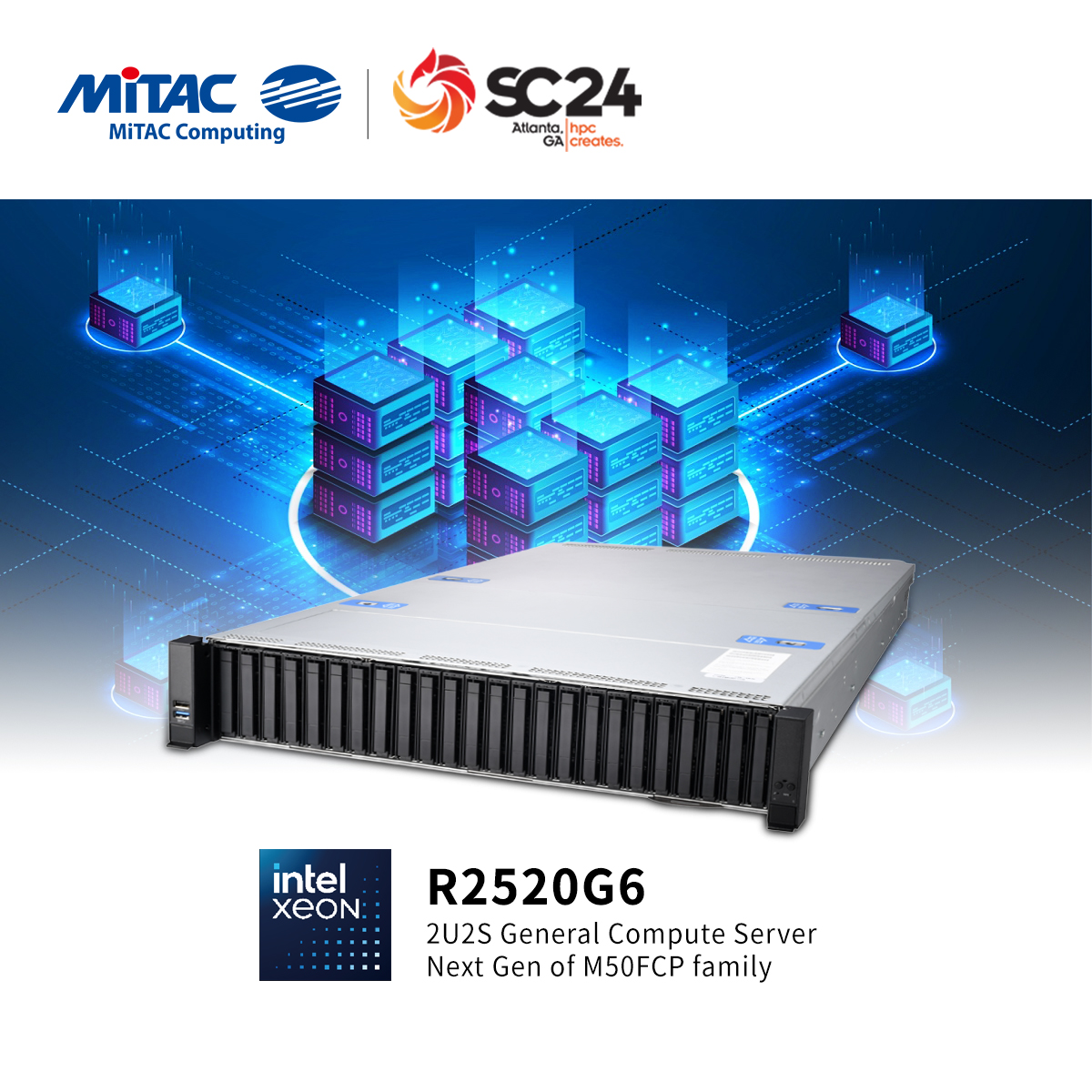
Check out the MiTAC R2520G6 at #SC24!
A 2U server with dual #Intel® #Xeon® 6th Gen processors, up to 8TB DDR5 memory, 24x 2.5" U.2 SSDs, PCIe 5.0, and NVMe M.2 support—built for #HPC, #AI, and #cloudcomputing.
Visit Booth #2543, Nov 17-22!
#ServerTech #CloudComputing
2
4
188

1 Nov 2024
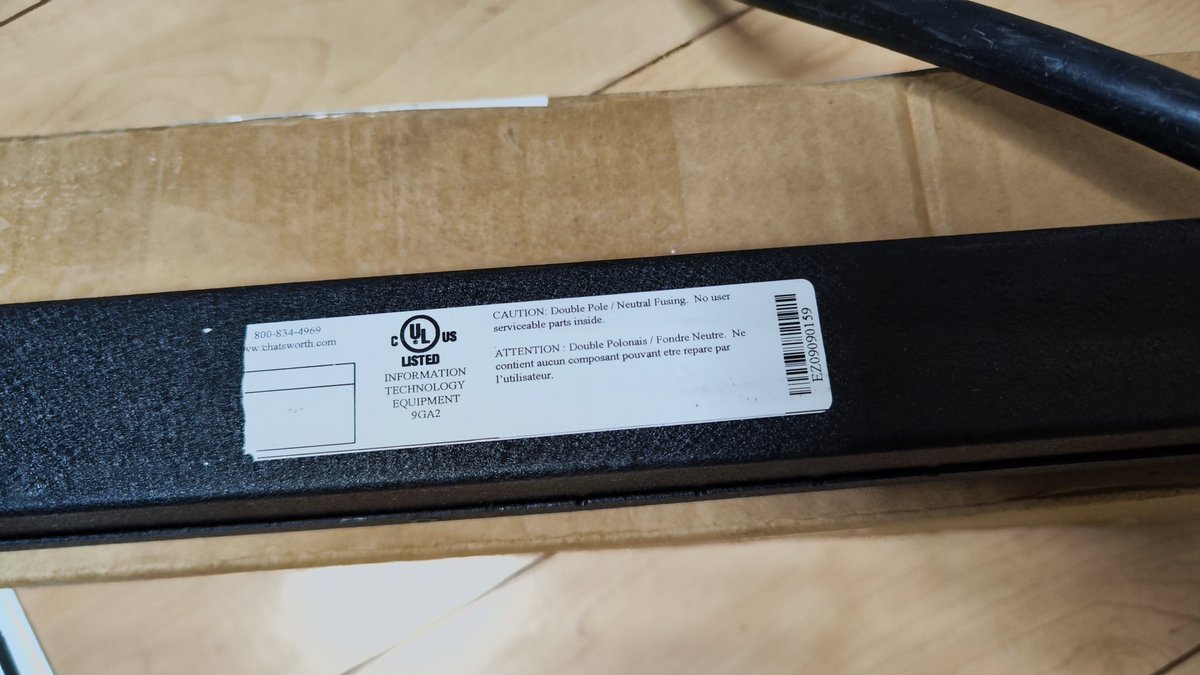
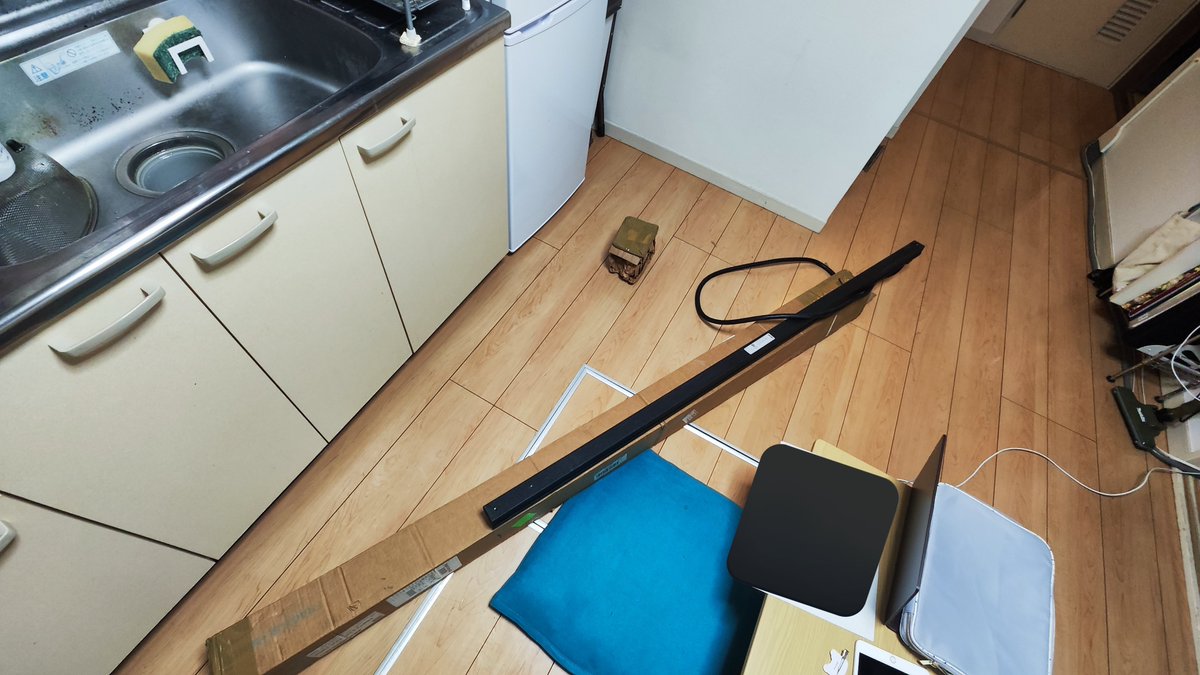
ああぁ、こんにゃろう
ServerTechのPro3X出品してるのに別のやつ送ってきやがった
落札したときから怪しいなぁとは思ってたけど、マジで許さねぇ
3
320

25 Oct 2024
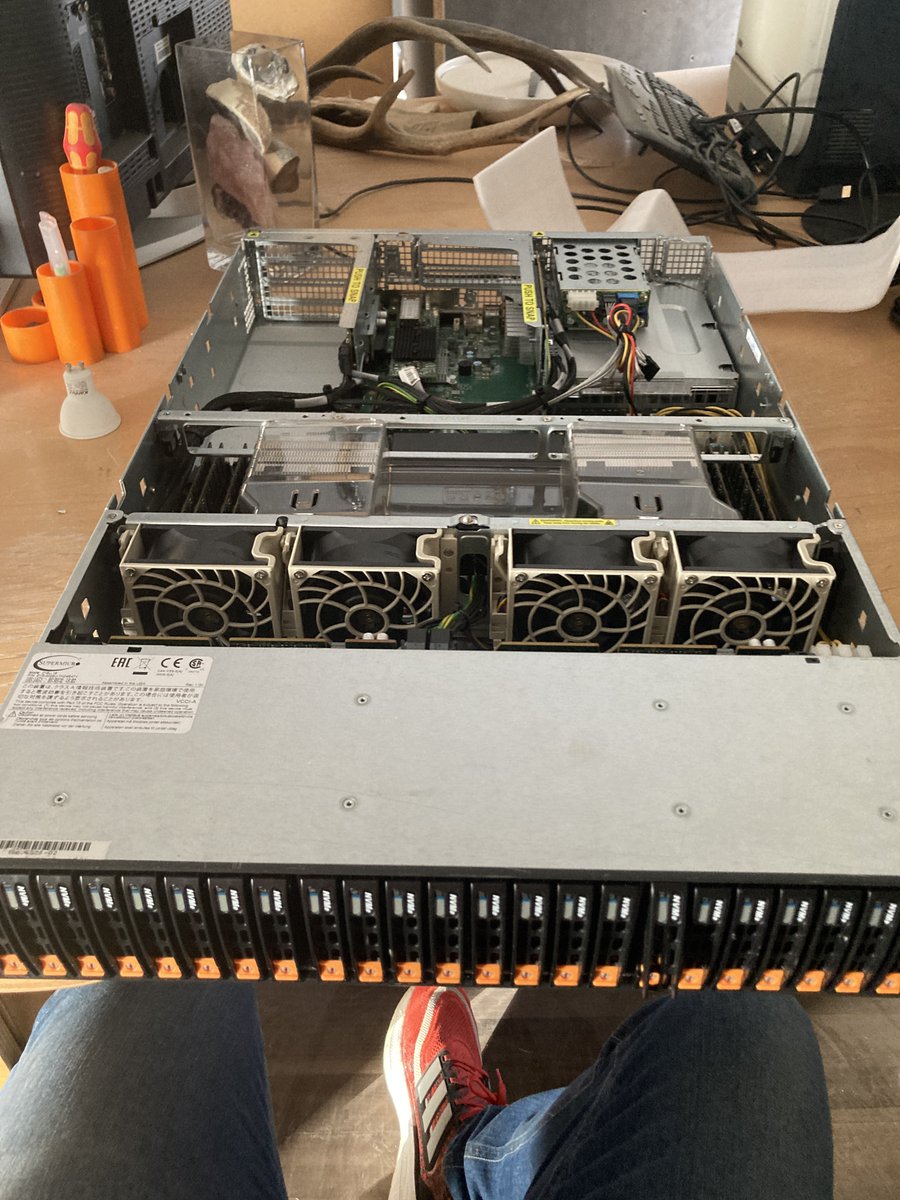
Excited to announce my new Supermicro SuperServer 2028U-TN24R4T with 70TB of NVMe storage and 512GB of RAM! Planning to run a XRPL node (full history optional) to support both the network and the #XRdoge community. Onward to decentralized resilience! #XRPL #ServerTech #Blockchain
3
9
27
2,685

1 Oct 2024
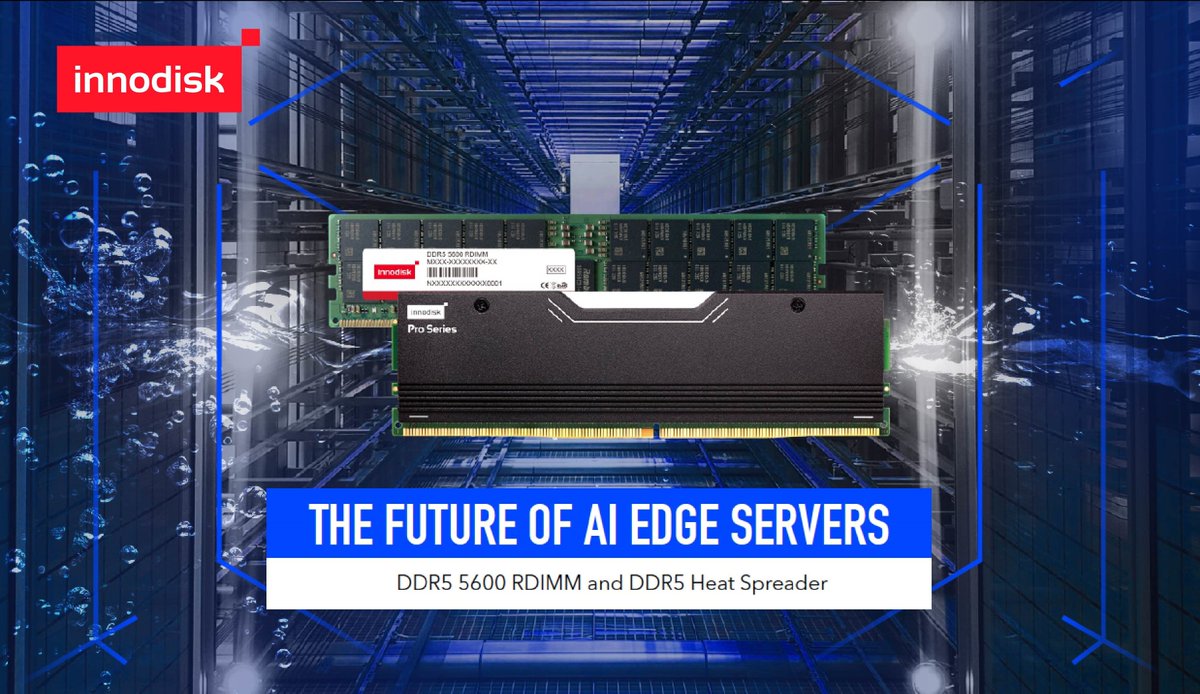
Innodisk's DDR5 5600 RDIMM is perfect for the growing demand in AI servers, delivering high density with up to 128GB capacity. 🚀📷 Learn more about how we're powering the future of AI: psee.io/6hh2ku #AI #Innodisk #DDR5 #RDIMM #ServerTech
2
86
20 Sep 2024
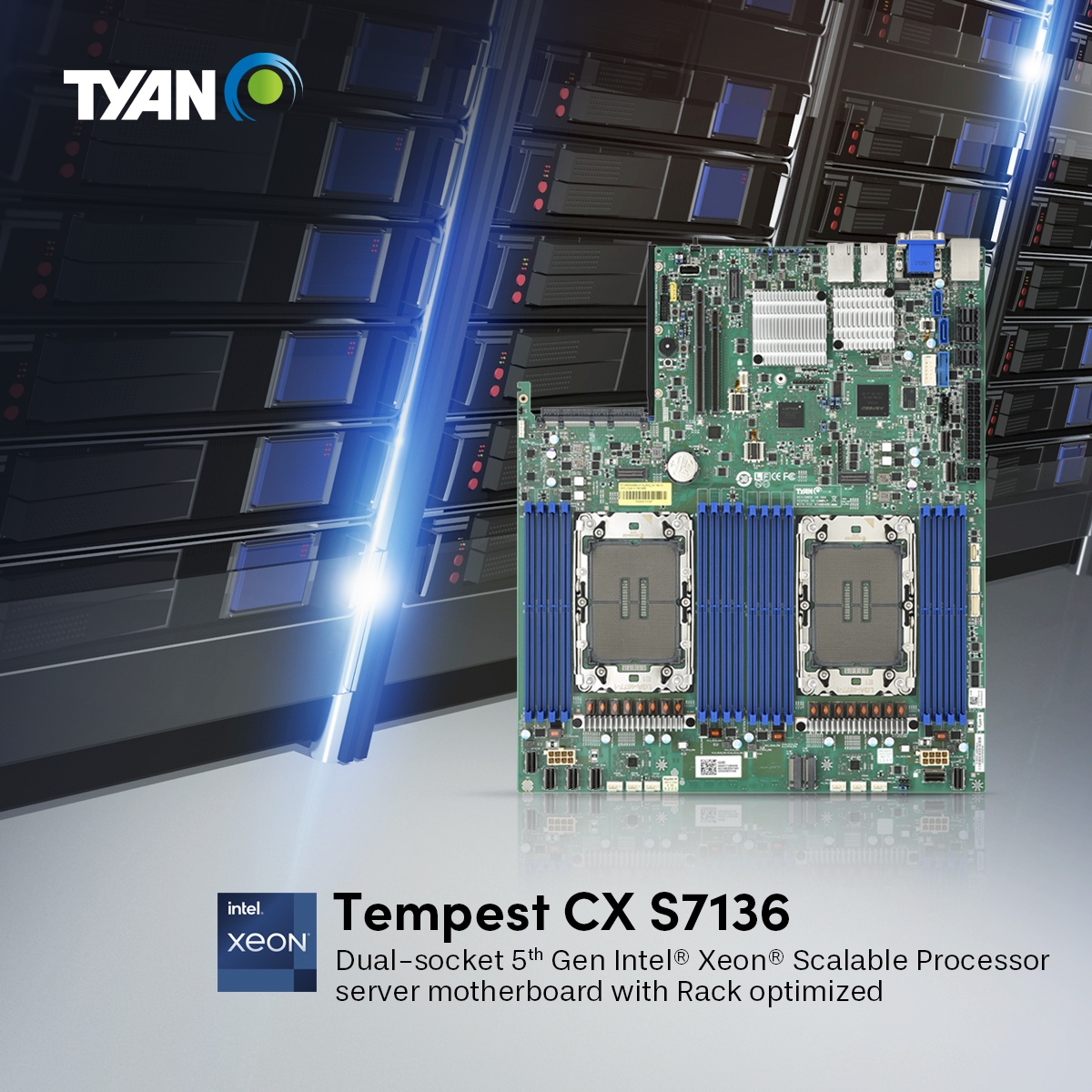
Empower your #datacenter with the Tempest CX S7136 server motherboard! Featuring 4th/5th Gen #Intel #Xeon Scalable Processors, 16 DDR5 DIMMs, PCIe 5.0, NVMe storage, and 10GBase-T LAN, it delivers top-notch performance !
More info 👉 pse.is/S7136
#ServerTech #HPC
1
135

12 Aug 2024
9/9: 👉 Curious to learn more? Discover it all @ The Knowledge Academy
📷Unlock the secrets, click the link to know more: - bit.ly/4fFWhCI
Don’t keep this insight to yourself—like, share, and repost to spread the word about what makes the web tick! 🌐
#NGINX #WebServer #WebPerformance #OpenSource #DevOps #TechInnovation #TheKnowledgeAcademy #WebSecurity #Caching #ServerTech #ReverseProxy

2
71
13 Jun 2024
🔹 Computex 2024 Product Review!
Introducing the Tempest HX S5662, a high-performance HPC server board. This 1S Intel® Xeon® motherboard supports up to 350W single-socket #Intel® Xeon® 6 processors!
Check out the product video! youtu.be/gBXI75BUq6s?si=oZEi…
#TYAN #HPC #ServerTech #AI

2
69