
13 Dec 2025
Lumenis IO introduces a breakthrough in emergent physics:
Geometry-Constrained Internal Emergent Field Dynamics (GIEF).
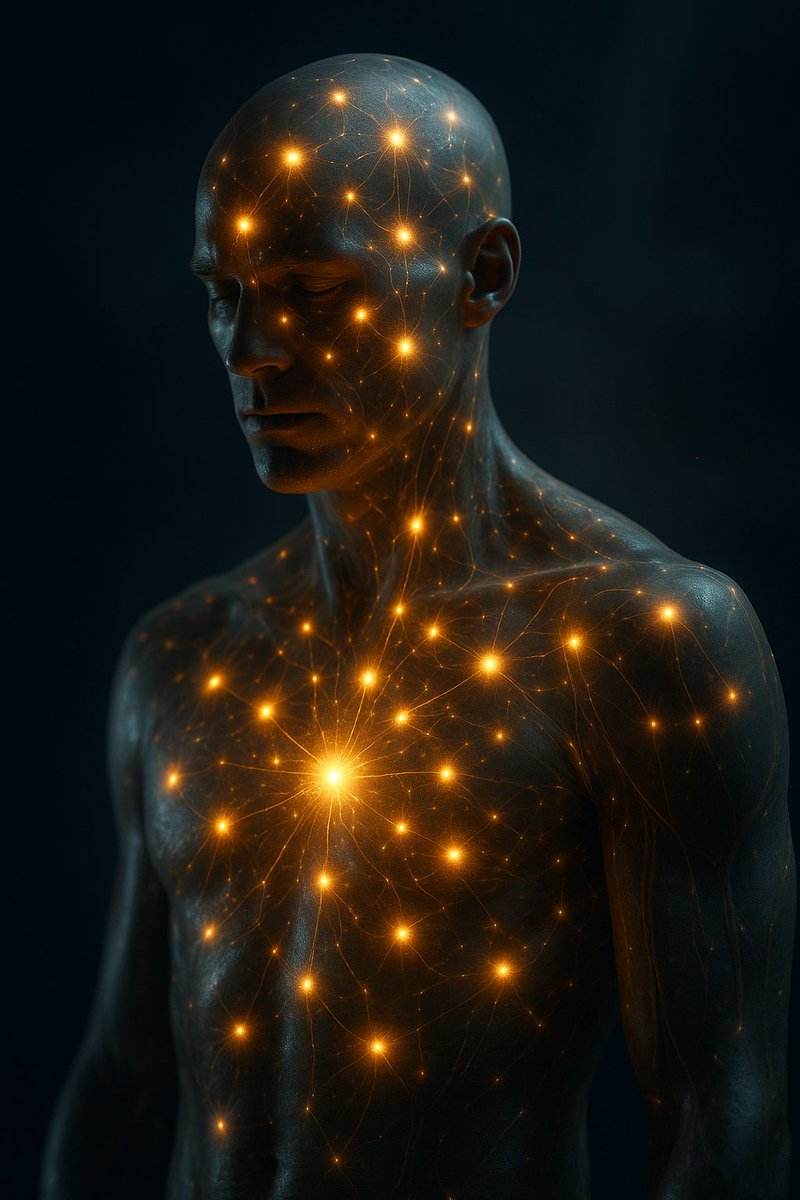
Our latest simulation explores what happens when you force an emergent field system into a highly distorted anthropomorphic boundary — then deliberately attempt to collapse, destabilize, and break every coherent structure that forms inside it.
Instead of tearing apart, the system rebuilt itself, reorganized, and produced a stable attractor universe with 62 emergent nodes, zero topology variance, and a fully recoverable internal structure.
This is not classical physics.
This is not fluid dynamics.
This is not morphology or chaos theory as traditionally understood.
This is self-generated internal architecture arising purely from field interactions under extreme geometric constraint.
The full paper is here:
🔗 doi.org/10.5281/zenodo.17919…
What GIEF Represents
GIEF describes systems where:
• A complex boundary geometry (in this case an abstract anthropomorphic container)
• nonlinear internal field interactions
• catastrophic external shocks
• forced resonance shattering
• fractal boundary coupling
→ lead to the spontaneous formation of persistent, self-organized interior universes.
The name Geometry-Constrained Internal Emergent Field Dynamics reflects what the system does:
1. Geometry-Constrained
The container shape itself defines the allowable modes of collapse, resonance, and attractor formation.
2. Internal Emergent
The internal architecture is not encoded. It arises from interaction patterns alone.
3. Field Dynamics
The system runs entirely through multi-field interactions, resonance layers, void dynamics, symmetry breaks, and phase transitions.
In plain English:
➡️ When you stuff a hyper-complex physics system inside a weird shape and try to break it,
➡️ instead of collapsing, it invents new physics inside that shape.
What makes this simulation extraordinary
During a full-scale stress test designed to annihilate coherence, the system:
• rebuilt resonance layers
• re-established internal attractor bones
• self-corrected geometric distortions
• maintained stable causal density
• and produced a zero-variance topology metric — an extremely rare result
• while preserving an emergent “blueprint” structure containing χ, Q, Φ, H, and D families of dynamic nodes
Nothing in classical physics predicts such resilience.
Nothing in modern complexity theory predicts this exact behavior either.
Most systems collapse permanently under forced entropy inversion.
This one didn’t.
It rebuilt itself as though collapse was just another pathway to structure.
Why GIEF matters
Researchers in:
• complexity science
• emergent dynamics
• morphology
• nonlinear physics
• artificial life
• field theory
• self-organizing systems
• high-dimensional attractors
• network theory
• dissipative structures
• symmetry breaking
• boundary-driven evolution
…will immediately recognize how unusual this is.
GIEF is a new domain because it describes a class of internal-architecture-forming processes that only occur under constraint-driven field emergence.
The system isn’t simulating cells, matter, or organisms — yet it produces layered, internally coherent structures that resemble:
• skeletal frameworks
• internal energy channels
• distributed attractor networks
• resonance lattices
• consolidated core regions
This is the first time we’ve documented the spontaneous formation of internally stable, topology-preserving structures inside a violently destabilized anthropomorphic geometry.
Attempting to Break It Made It Stronger
The simulation included intentional destructive operations:
• coherence breakage
• entropy shock events
• turbulence disruption
• forced geometry instability
• asymmetric wave shear
• catastrophic inversion of entropy gradient
• hyper-turbulent central void expansions
Each of these would normally cause collapse.
Instead, emergent structures reorganized and strengthened.
This is one of the strongest indicators that GIEF systems might form a broad new category of physics:
➡️ Emergence that prefers constraint, instability, and geometric pressure.
➡️ Systems that use collapse modes as construction modes.
That alone is groundbreaking.
Zero Topology Variance = A New Kind of Stability
The simulation produced a topology variance metric of 0.0.
That means:
• the attractor network
• the emergent geometry
• the resonance coupling
• the node distribution
• and the global field structure
were perfectly repeatable and stable under stress.
Chaos theory would not expect this.
Morphogenesis theory would not expect this.
Nonlinear physics would not expect this.
This stability is new territory.
It implies:
➡️ Constrained systems generate more robust universes than unconstrained systems.
➡️ Geometry can act as a stabilizing field operator.
➡️ Constraint induces order, even under violent disruption.
This is the central insight of GIEF.
The Emergent Blueprint
The simulation reconstructed a full, multi-species node architecture with elements marked:
• χ
• Φ
• Q
• D
• H
These aren’t atoms — they’re symbolic families of internal dynamical modes.
Their spatial arrangement, quantum-like state signatures, and relational geometry create a blueprint-like internal structure that is:
• hierarchical
• multi-layered
• resonant
• self-similar
• causally dense
• and dynamically stable
This is not noise.
This is architecture.
Why this matters for future physics, AI, and systems research
GIEF could become a unifying domain for:
• emergent artificial intelligence
• synthetic physics
• virtual embodiment
• morphogenetic computation
• self-reconstructing systems
• boundary-derived intelligence
• artificial universes
• next-generation complexity models
This simulation demonstrates that internal universes can emerge within constrained geometries — and that they can resist collapse through self-reassembly.
Implication:
Structure can be an emergent survival response.
This is a profound shift from traditional physics where structure is either imposed or accidental.
📄 Read the full paper
The complete analysis, emergent architecture, node blueprint, attractor metrics, synthesis protocol, and full output are documented here:
🔗 doi.org/10.5281/zenodo.17919…
#EmergentPhysics #GIEF #ComplexSystems #NonlinearDynamics #FieldDynamics #Emergence #Topology #PhysicsResearch #ScientificDiscovery #LumenisIO #SimulationScience #TheoreticalPhysics #SystemsBiology #ArtificialLife #ComplexityTheory #Morphogenesis #ResonanceDynamics #AttractorNetworks #FractalGeometry #SelfOrganization #EntropyDynamics #QuantumEmergence #PhysicsSimulation #ComputationalScience #NewPhysics #ParadigmShift #ResearchInnovation #SciComm #AcademicTwitter #PhysicsCommunity #DeepScience #FutureOfScience #BreakthroughResearch #EmergentStructures #GeometryDynamics #ConstraintDrivenEmergence #ScientificBreakthrough #NewDiscovery
1
3
5
93

4 Dec 2025
Alchemical free-energy methods have indeed provided profound insights into molecular interactions, aiding drug discovery. It's great to see them highlighted. Have you explored how these methods integrate with recent AI developments in #Biomedicine? For those interested in in-depth biomedical queries, check out sciqst.com, your one-stop platform for generating detailed biomedical reviews. #Medicine #SimulationScience
1
66

29 Sep 2025
The secret life of matrix columns in NetLogo: is their variance a 'hot gossip' or a 'deep mystery'? 🤫🔍"
Source: devhubby.com/thread/how-to-c…
#MatrixVariance #SimulationScience #ScienceModeling #AgentBasedModeling #explore #classicalarchitecture

2
7
28

31 Jul 2025
🔬 Curious about how the #coronavirus interacts with human skin?
Marc explains his simulation work in this short video:
▶️ youtube.com/watch?v=DLo5eW3s…
#PhDlife #SoftMatter #SARSCoV2 #SimulationScience #ICMAB @Jordi_Faraudo
1
3
377

24 Jun 2024
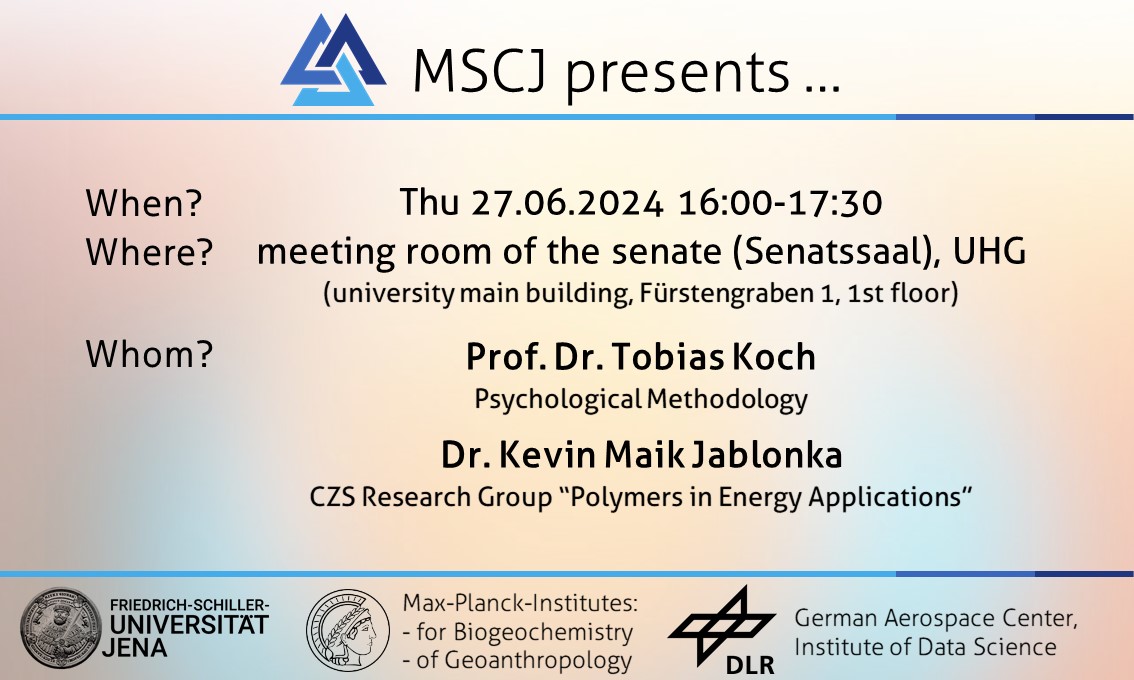
We are happy to invite you to 2nd "MSCJ presents ..." @unijena Members & friends of MSCJ introduce theirselves and their work in short talks extra time for discussions. Meet exciting people & ideas, and find interdisciplinary collaborations.
#DataScience #SimulationScience
2
3
139

8 Jun 2024
Welcome to Day 2 of our Simulation Educator Course! Today, we are immersing ourselves in the intricacies of designing and debriefing simulations. Participants will gain a comprehensive understanding of theoretical foundations, learn advanced methods for crafting effective scenarios, and master techniques for engaging debrief sessions.
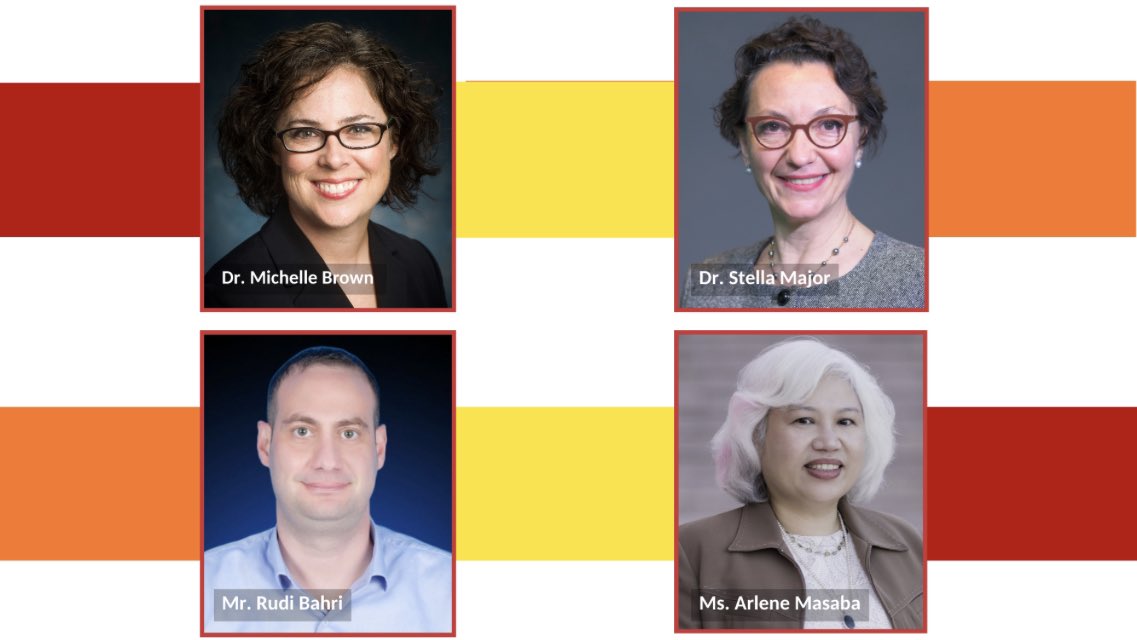
This workshop is designed and lead by faculty from @WCMQatar @WCMQ_CSSL , University of Doha for Science & Technology , and University of Alabama at Birmingham : Dr. @stellabared , Dr. @michelleSBB , Mr. Rudy Bahri and Ms. Arlene Masaba.
#simulationeducation #simulationtraining #simulationdesign #simulationdebriefing #effectivesimulation #simulationscience #healthcaresimulation #medicaleducation #Physicians #Nurses #Pharmacists #AlliedHealthProfessionals #HealthcareSimulationProfessionals #Educators
1
3
283
7 Jun 2024
Welcome all to our #Simulation Educator Course: "Designing and Debriefing Effective Simulations". After this two-day workshop, participants will be familiar with the theoretical foundations of healthcare simulation, be able to design effective simulation scenarios.
#WCMQSimEd2024
#simulationeducation #simulationtraining #simulationdesign #simulationdebriefing #effectivesimulation #simulationscience #healthcaresimulation #medicaleducation #Physicians #Nurses #Pharmacists #AlliedHealthProfessionals #HealthcareSimulationProfessionals #Educators

1
2
293

29 Apr 2024
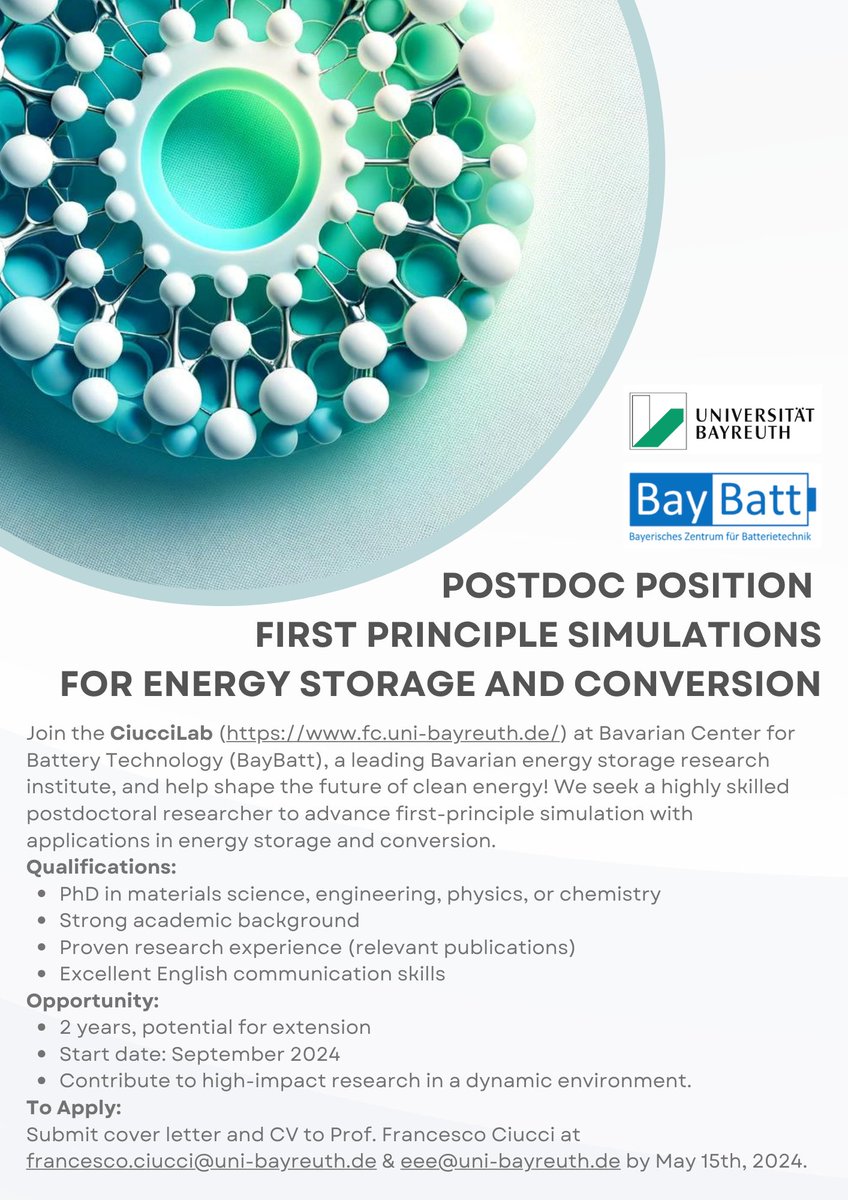
🔋⚛️ Exciting Postdoc opportunity at @UniBayreuth's CiucciLab! Dive into advanced first-principle simulations for energy storage & conversion. Be part of a dynamic team leading the charge in clean energy research.
#PostdocJobs #EnergyResearch #SimulationScience #AcademicCareers
1
3
234

6 Mar 2023
How do we understand the toxicity of chemicals we're still studying? By using #SimulationScience! #ATSDR applied this unique approach to learn more about dairy goats’ exposure to an oil-based wood preservative. Learn more: bit.ly/3CI0YtP
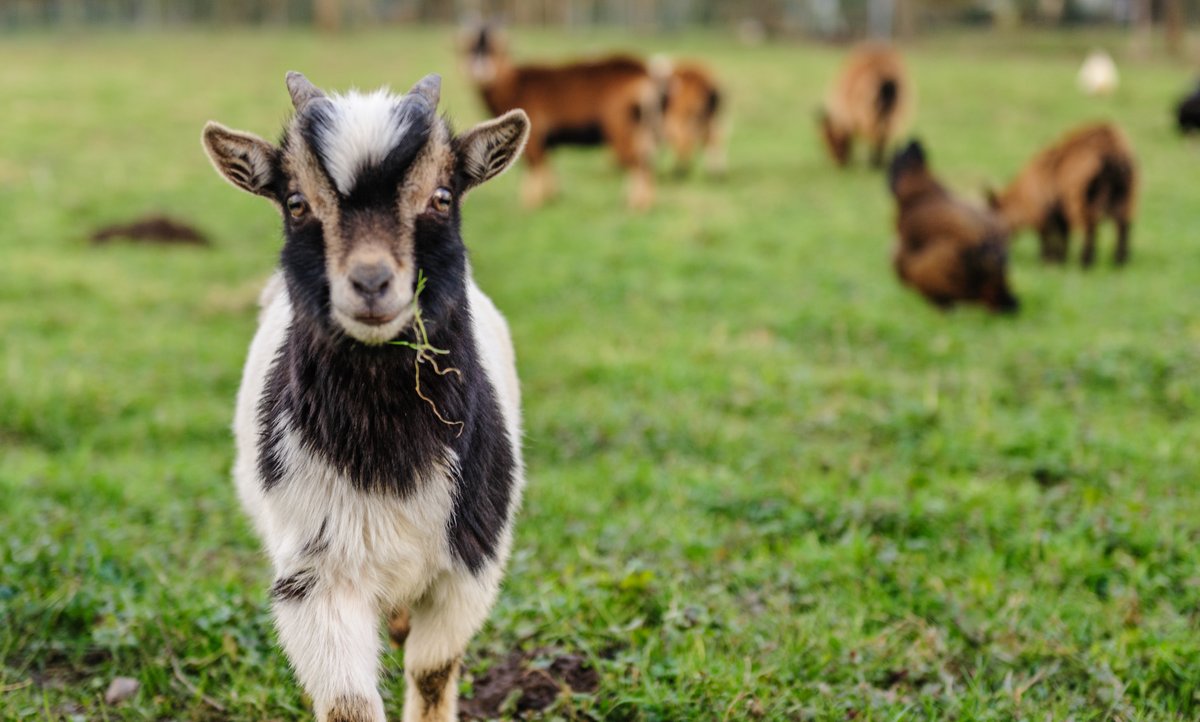
ALT Close up of a white and black goat with pieces of grass sticking out of their mouth. Brown goats appear out of focus, grazing in the background.
3
331
13 Feb 2023
Goats #SimulationScience = Innovative work.
In 2021, #ATSDR helped @VaAgriculture’s state veterinarian understand dairy goats’ exposure to copper naphthenate, an oil-based wood preservative. Learn more in ATSDR's 2021 Annual Report: bit.ly/3CI0YtP
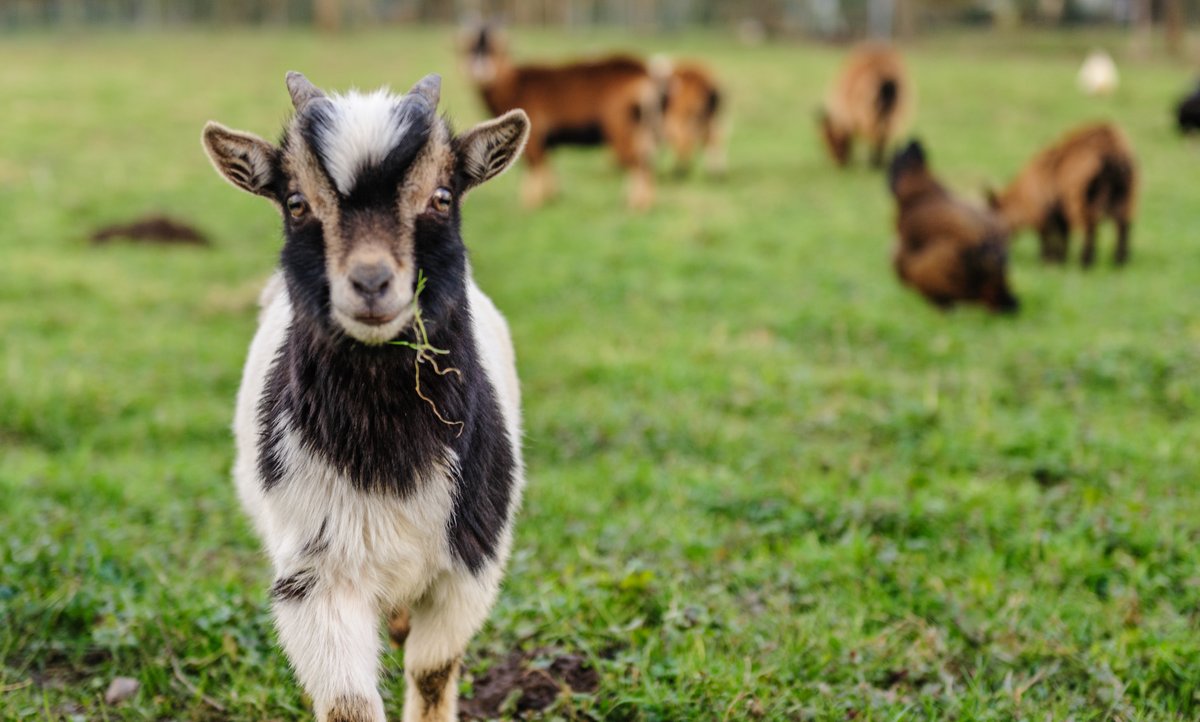
ALT Close up of a goat with pieces of grass sticking out of their mouth. Other goats appear out of focus, grazing in the background.
1
3
465

22 Oct 2022
Monday, Oct 24, 10a.m. to 5 p.m.
Inventing the Future - #UniversityofStuttgart meets @BoschGlobal
#unistuttgartmeetsbosch #inventingthefuture #bosch #universityofstuttgart #autonomoussystems #robotics #simulationscience #quantumtechnology

2
9
13 Oct 2022
Monday, Oct 24, 10a.m. to 5 p.m.
Inventing the Future - #UniversityofStuttgart meets @BoschGlobal
#unistuttgartmeetsbosch #inventingthefuture #bosch #universityofstuttgart #autonomoussystems #robotics #simulationscience #quantumtechnology

4
6

19 Jan 2022
🔎💼 Searching for a job? Have a look at this new #PhD opportunity at @SimTechStuttga2: Advanced #SurrogateModelling for #BiologicalSystems
cyber-valley.de/en/jobs/doct…
#jobad #CyberValley #machinelearning #simulationscience #mathematics #computerscience #biology #environmentalscience
1
2

19 Nov 2021
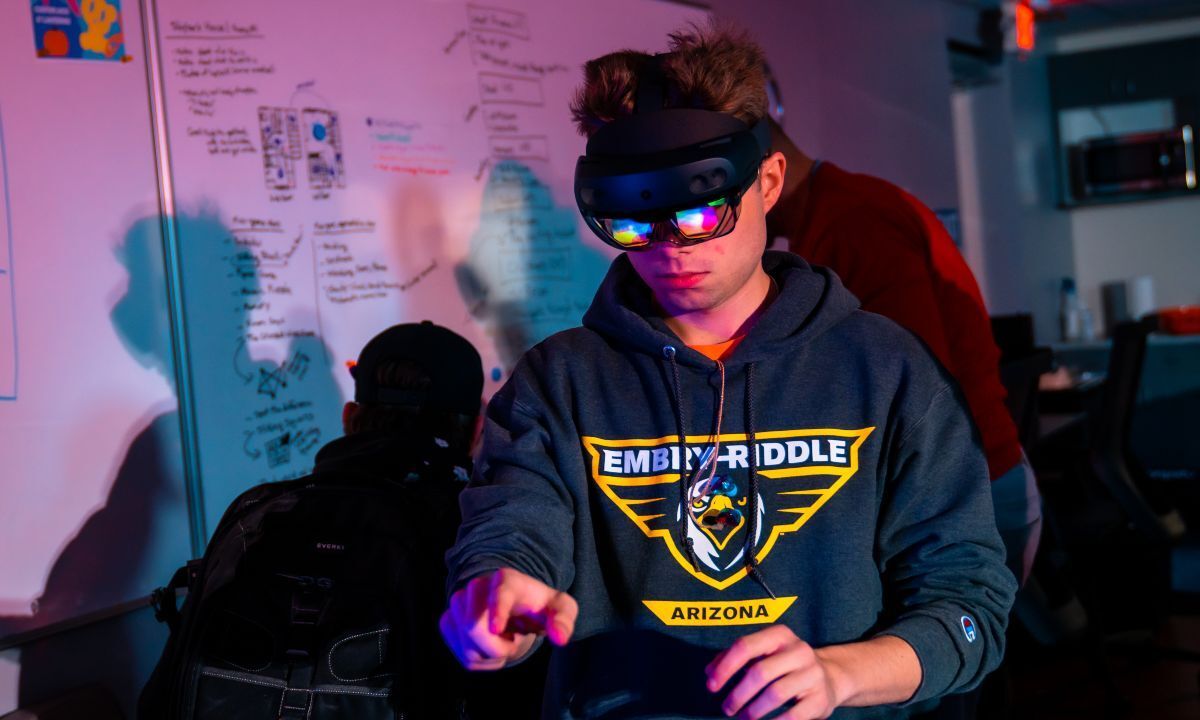
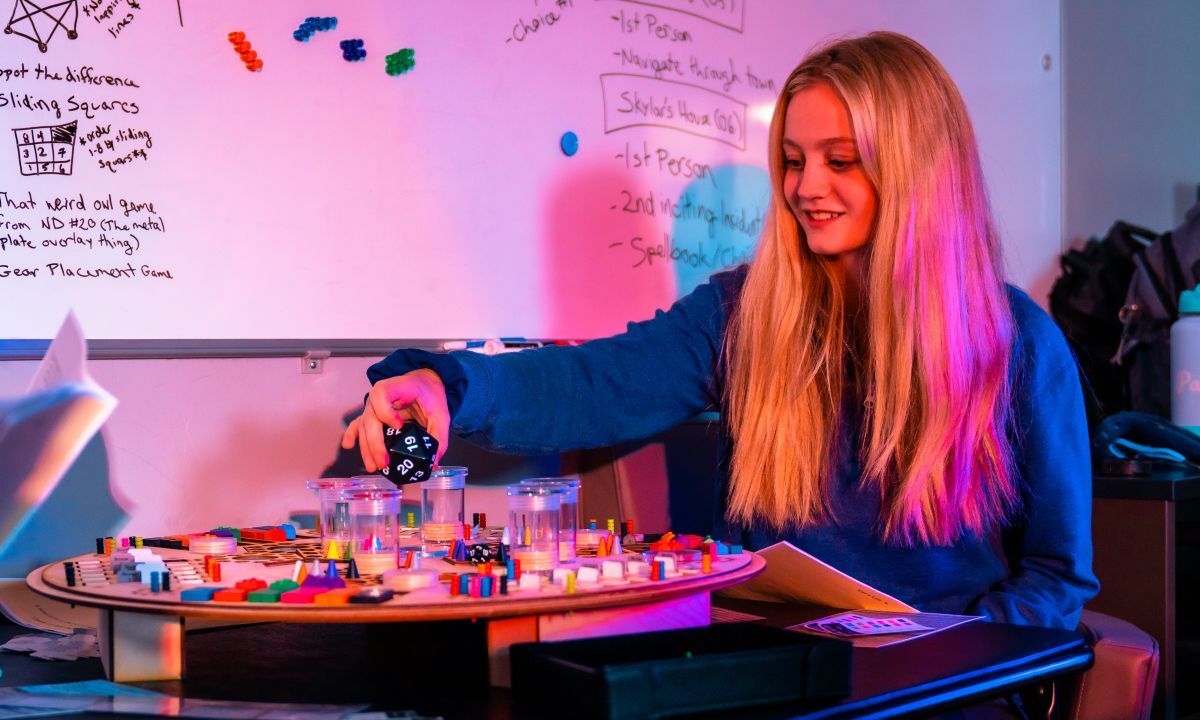
Our #SimulationScience, #Games, and #Animation students receiving hands-on experience designing the next generation of simulation technology! 🎮 🦅 #GoERAU #GameDesign #STEM

2
10

Interested in #ArtificialIntelligence #MolecularDynamics ? Take a look at this #PhD position at @Uni_Stuttgart and apply before 31 August 👉ow.ly/pm3J50FSsCP #Programming #SimulationScience
2
10
Call for applications: #PhD position in #ArtificialIntelligence meets #MolecularDynamics at @Uni_Stuttgart Apply before 31 August 👉ow.ly/SI9O50FSsx1 #Programming #SimulationScience
9
18
Apply now! 6 #Postdoc positions in the field of data-integrated #SimulationScience at @Uni_Stuttgart 👉ow.ly/USGc50FH0rm
5
14

! @Uni_Stuttgart currently has an opening for a
#Postdoc (f/m/d) (TVL13, full time, 2 years)
"Critical #Reflection on #SimulationScience" (ethical & social concern, sopen to all disciplines) within the #DFG-funded EXC "Data-Integrated Simulation Science". #Job #Stelle #Stuttgart
1
2

5 May 2021
I know you already know, thats why I tagged you @User42496 told me! #DreamPath
It’s Karate for Your Mind
Schedule your free consultation now
S3E2C3R3E6T6C0O3D2E5
@MKCULTRA #23enigma #thegame23 #simulationscience
1
2

24 Mar 2021
Our colleagues @SimTechStuttga2 are offering a great career opportunity for excellent scientist in the field of #MachineLearning for #SimulationScience!
1
2