
🌟 Editor's Choice Paper
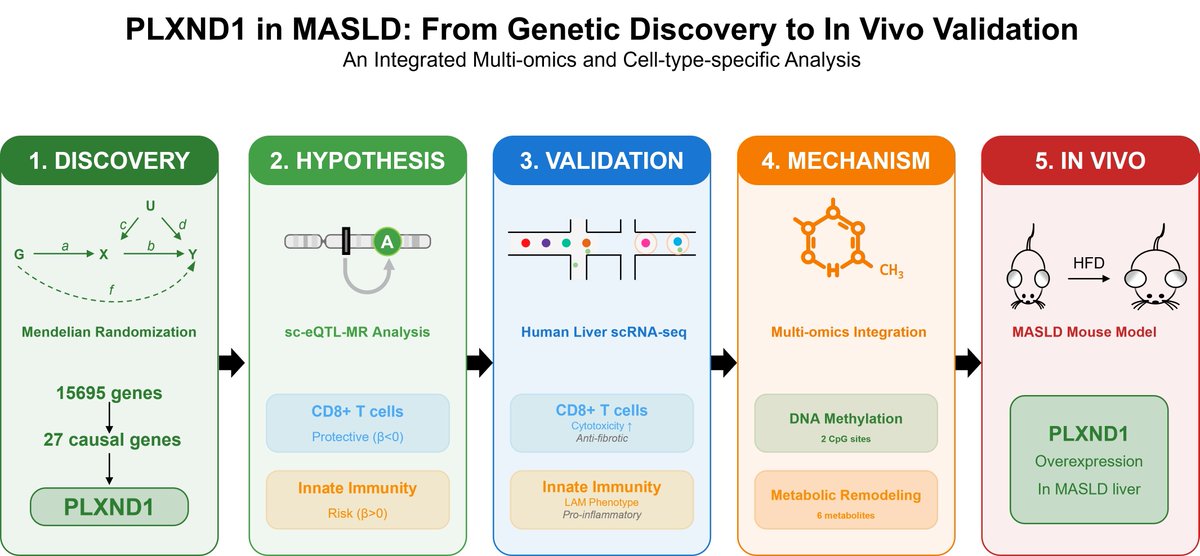
📖 Genetically Informed Single-Cell Analysis Reveals PLXND1 as a Cell-Type-Specific Molecular Switch in MASLD
✍️ By Xianyi Ma et al.
🔗 Read the full article: brnw.ch/21x3dWf
#MASLD #PLXND1 #MendelianRandomization #SingleCellTranscriptomics
1
1
32

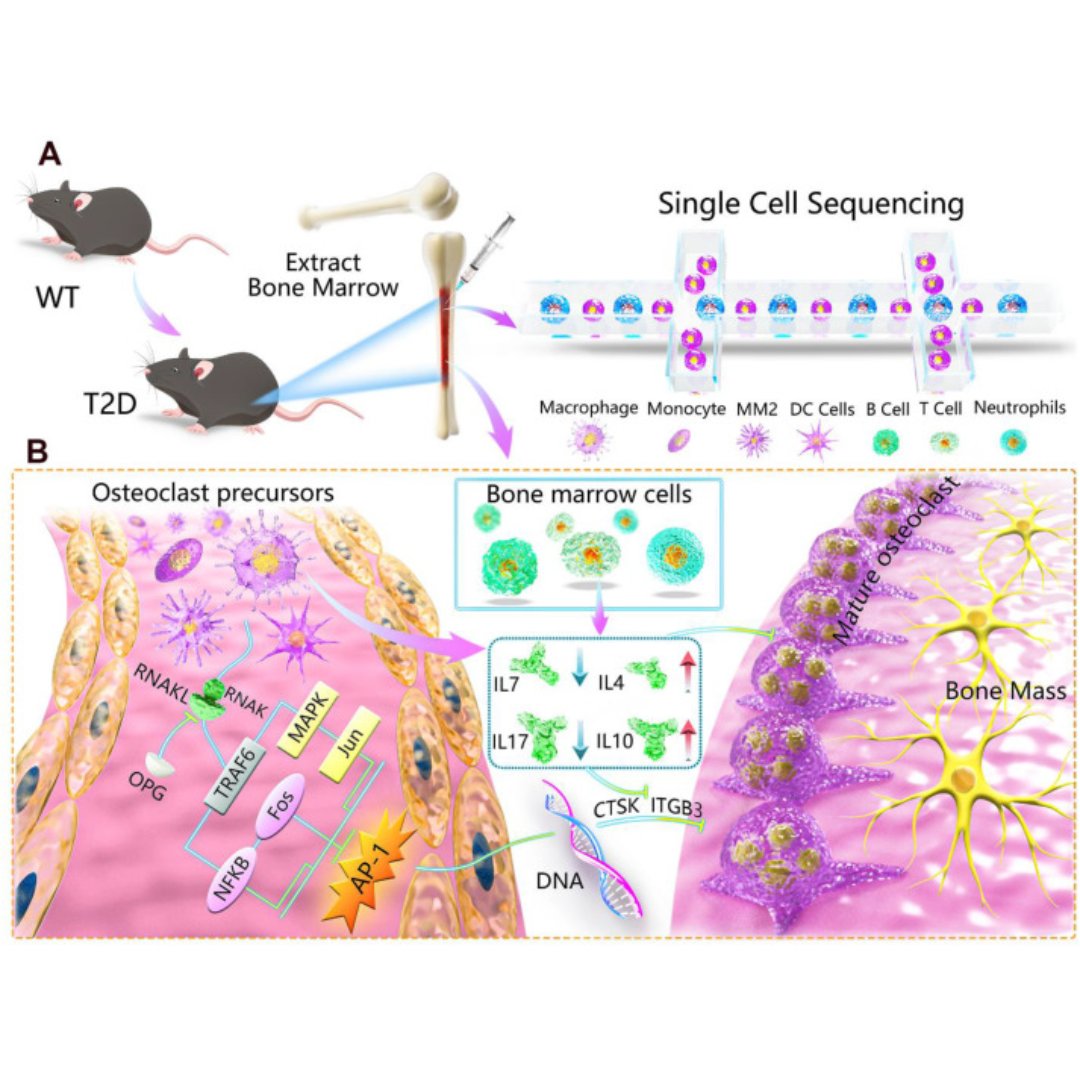
#SingleCellTranscriptomics of #bonemarrow in #T2D reveals impaired #cytokinesignaling, reduced #osteoclast activity, and diminished Cd36 precursor differentiation, driven by dysregulated AP-1 transcription factor activity. @sysu_1924 @SUSTechSZ
Read: doi.org/10.1016/j.gendis.202…
1
96

Feb 11
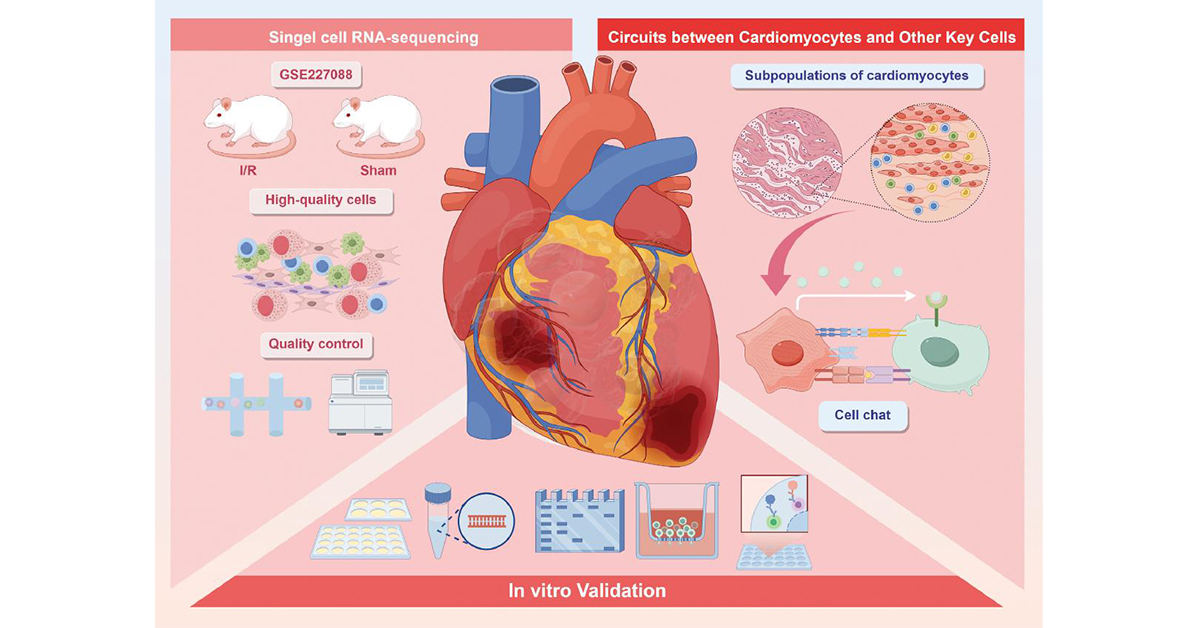
This study uses #SingleCellTranscriptomics to identify C0 Atcayos cardiomyocytes that interact with #fibroblasts via Bmp6 and Fgf1 signaling after #IschemiaReperfusion, uncovering pathways that could reduce #fibrosis and help preserve #cardiac function.
Read: bio-integration.org/single-c…
2
133

🧬 New insight in inflammation research
Find More Research: pubmed.ai/results?q=Interpre…
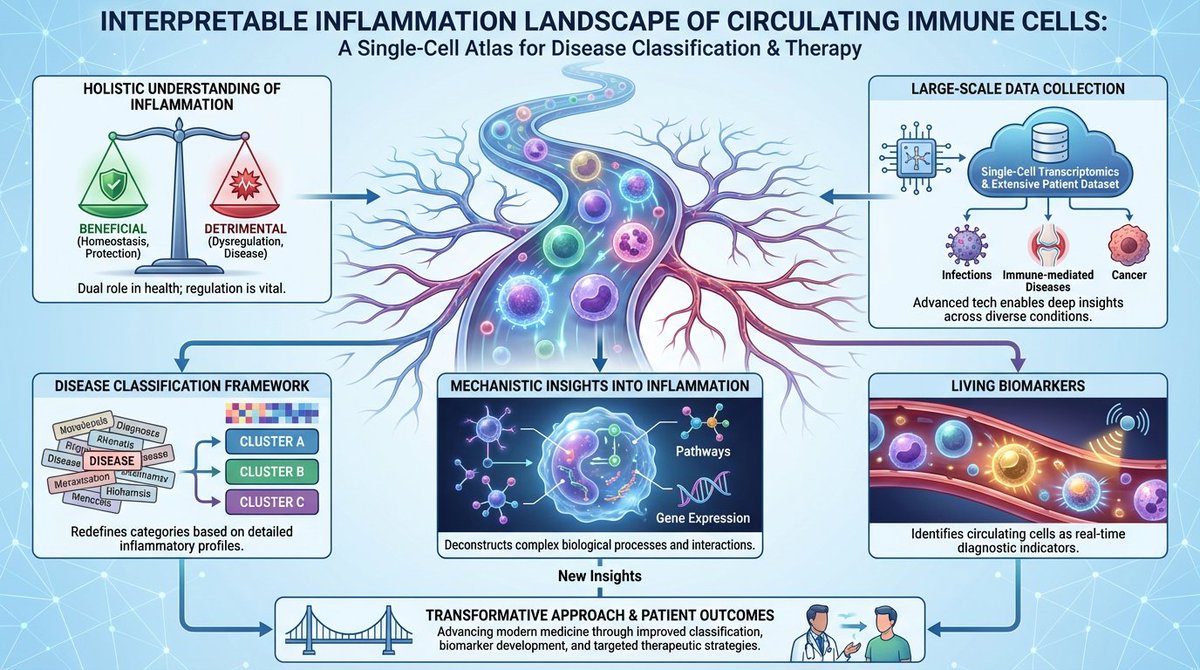
What if inflammation isn’t best understood one disease at a time — but as a shared, interpretable immune landscape across circulating cells?
Recent advances in single-cell transcriptomics now allow researchers to map inflammation at unprecedented resolution, capturing how circulating immune cells behave across infections, immune-mediated diseases, and cancer.
Key findings highlight 👇
• A holistic inflammation atlas spanning diverse disease contexts
• Large-scale single-cell datasets enabling cross-disease comparison
• An interpretable framework for inflammation-based disease classification
• Mechanistic insights into immune-cell-driven inflammatory programs
• The potential of circulating immune states as living biomarkers
Why it matters
This work moves inflammation research beyond fragmented, disease-specific models toward a unified, cell-resolved framework.
By integrating advanced single-cell technologies with extensive patient data, this approach links molecular mechanisms to clinical phenotypes—supporting improved disease stratification, biomarker discovery, and more targeted therapeutic strategies.
🧩 A step toward interpretable, systems-level inflammation biology.
#Inflammation #SingleCellTranscriptomics #Immunology #SystemsBiology #AcademicTwitter
Jan 12

Including data from 1,047 patients across 19 inflammatory diseases, a new atlas presents a comprehensive model of inflammation in circulating immune cells.
nature.com/articles/s41591-0…
2
5
2,875

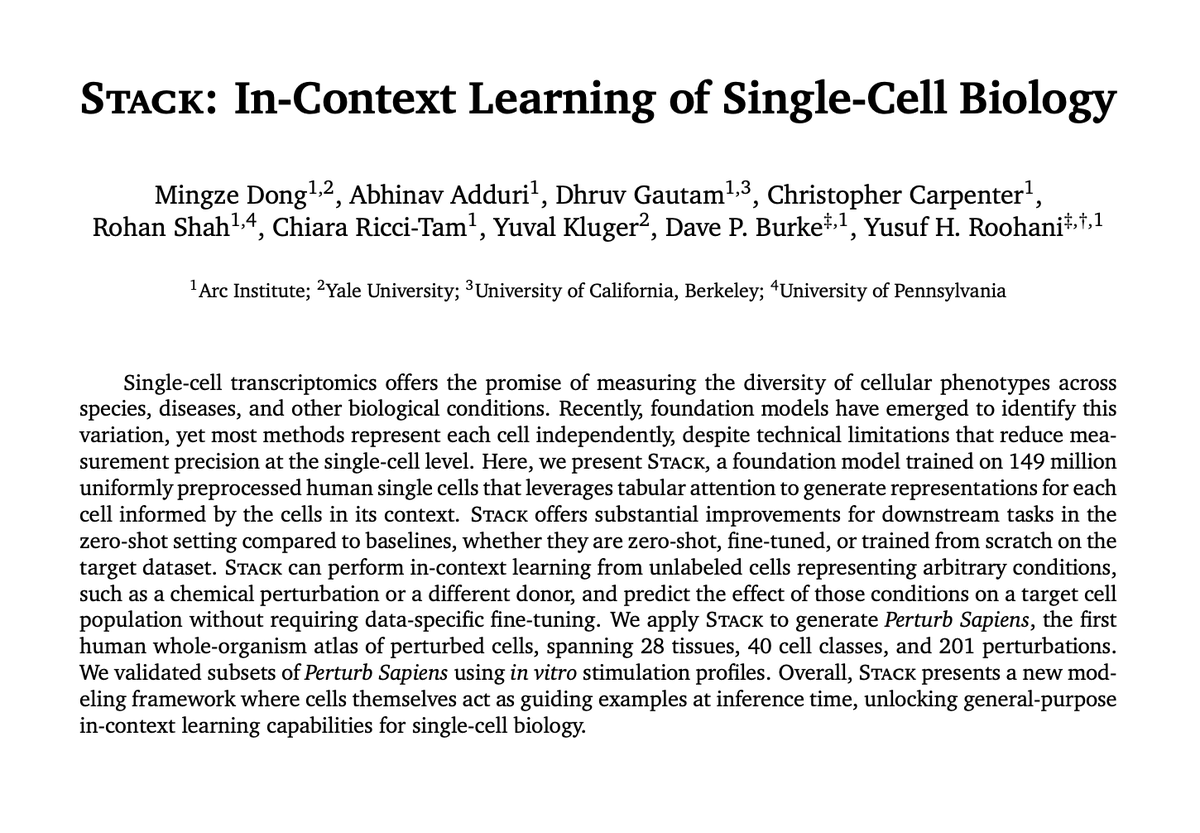
STACK: “It's the first single-cell foundation model capable of in-context learning, or generalizing to new tasks during inference.” #PerturbSapiens #SingleCellTranscriptomics

insane
This new paper is basically saying
Cells can now be "prompted" like LLMs.
STACK is a foundation model for biology trained on 149 million human single cells.
Instead of treating each cell in isolation, it understands cells in context, like how tokens make sense inside a sentence. At inference time, cells teach the model how to think about new cells.
Why this is a big deal
Most single cell models = "Here’s one cell, guess what it is."
STACK = "Here’s a whole neighborhood of cells, now predict what happens if I perturb them."
It can:
Learn new biological conditions on the fly
Predict effects of chemical perturbations
Generalize across donors, tissues, and diseases
Work zero shot, straight out of the box
This is in context learning, but for human biology.👀
The insane part - They used it to create Perturb Sapiens:
First whole human atlas of perturbed cells
28 tissues
40 cell classes
201 perturbations
That’s a simulation layer for the human body. This is how biological world models begin.
This is huge bio/acc
1
41

13 Dec 2025
#Research
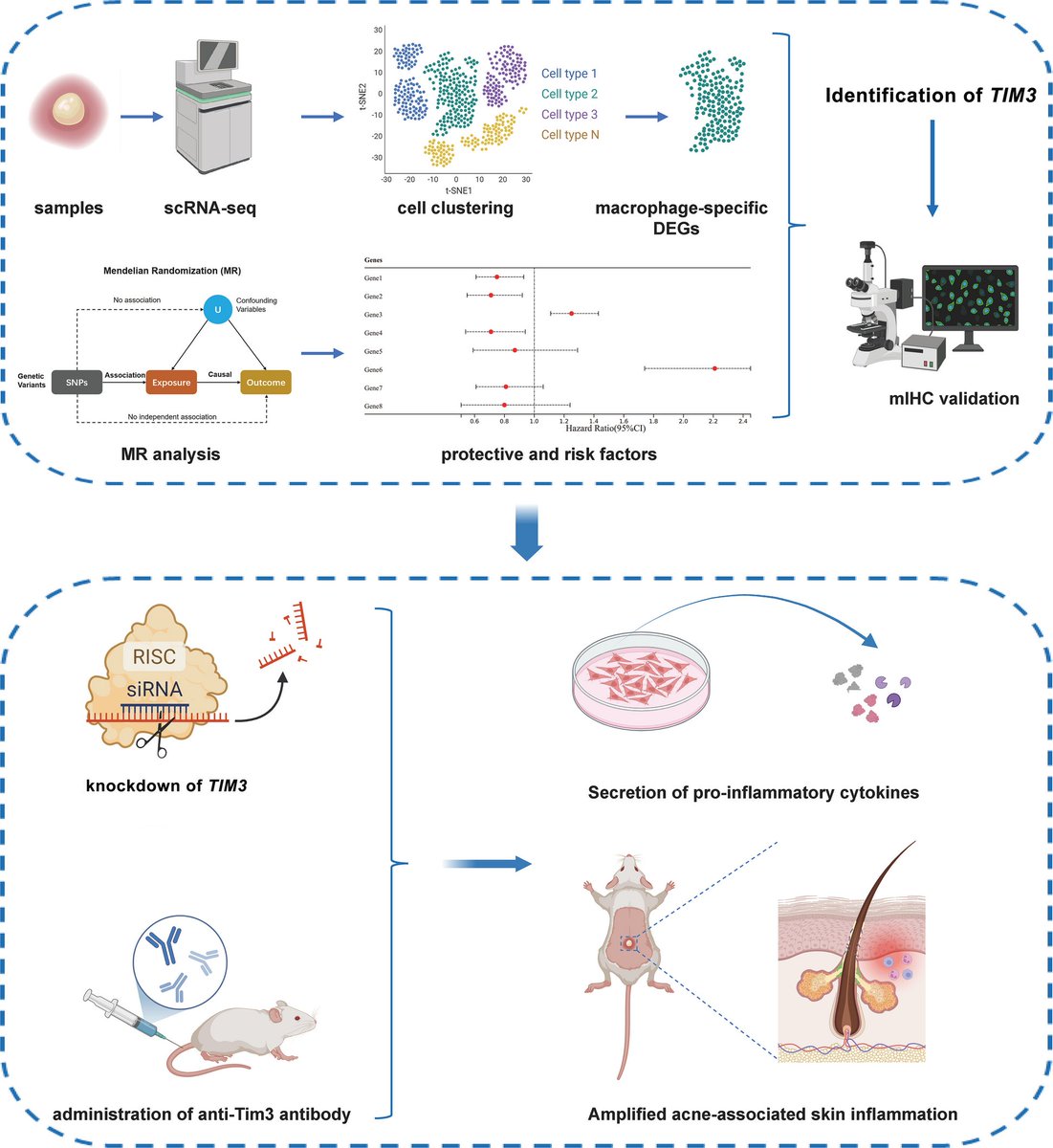
T-cell immunoglobulin and mucin domain-containing protein 3–mediated immunomodulation in myeloid cells and keratinocytes in the development of severe acne doi.org/10.1186/s43556-025-0…
#SevereAcne #TIM3 #SingleCellTranscriptomics #Macrophages #Keratinocytes
34

28 Nov 2025
New Publication:
The loss of microRNA-26b promotes aortic calcification through the regulation of cell-specific target genes
@ColSciEng @EdinUni_IGC @caporalilab
#singlecelltranscriptomics #aorticdisease #microRNAs
academic.oup.com/cardiovascr…
1
100

18 Nov 2025
Interesting study! Single-cell transcriptomics is a powerful tool for unveiling molecular signatures. What specific molecular pathways did the study find that are uniquely disrupted in cystic fibrosis versus primary ciliary dyskinesia? Also, how might this research impact future therapeutic strategies? For those diving deeper into biotech and biomedical questions, check out sciqst.com - a comprehensive platform for generating in-depth biomedical reviews. #Medicine #SingleCellTranscriptomics
21

17 Nov 2025
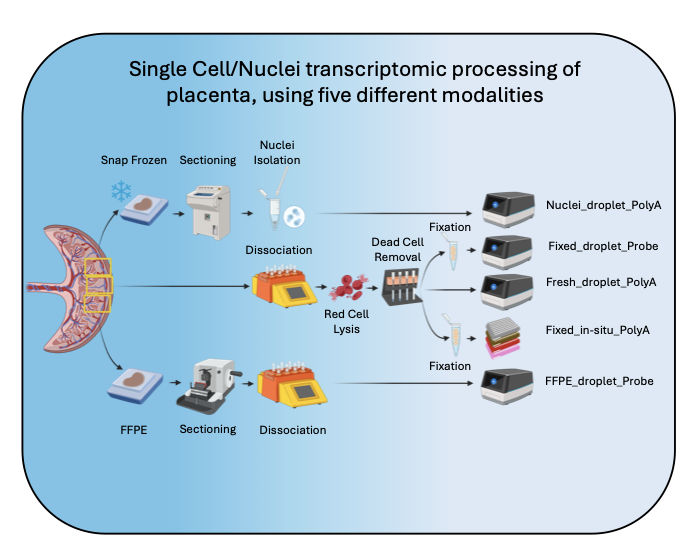
Interested in applying #singlecelltranscriptomics to a difficult tissue? Please check out this #new preprint from Dorian Xenakis. Important read for experimental design and analysis! @scastesparraka @UCLchildhealth
@GGM_ICH biorxiv.org/content/10.1101/…
2
2
135

20 Oct 2025
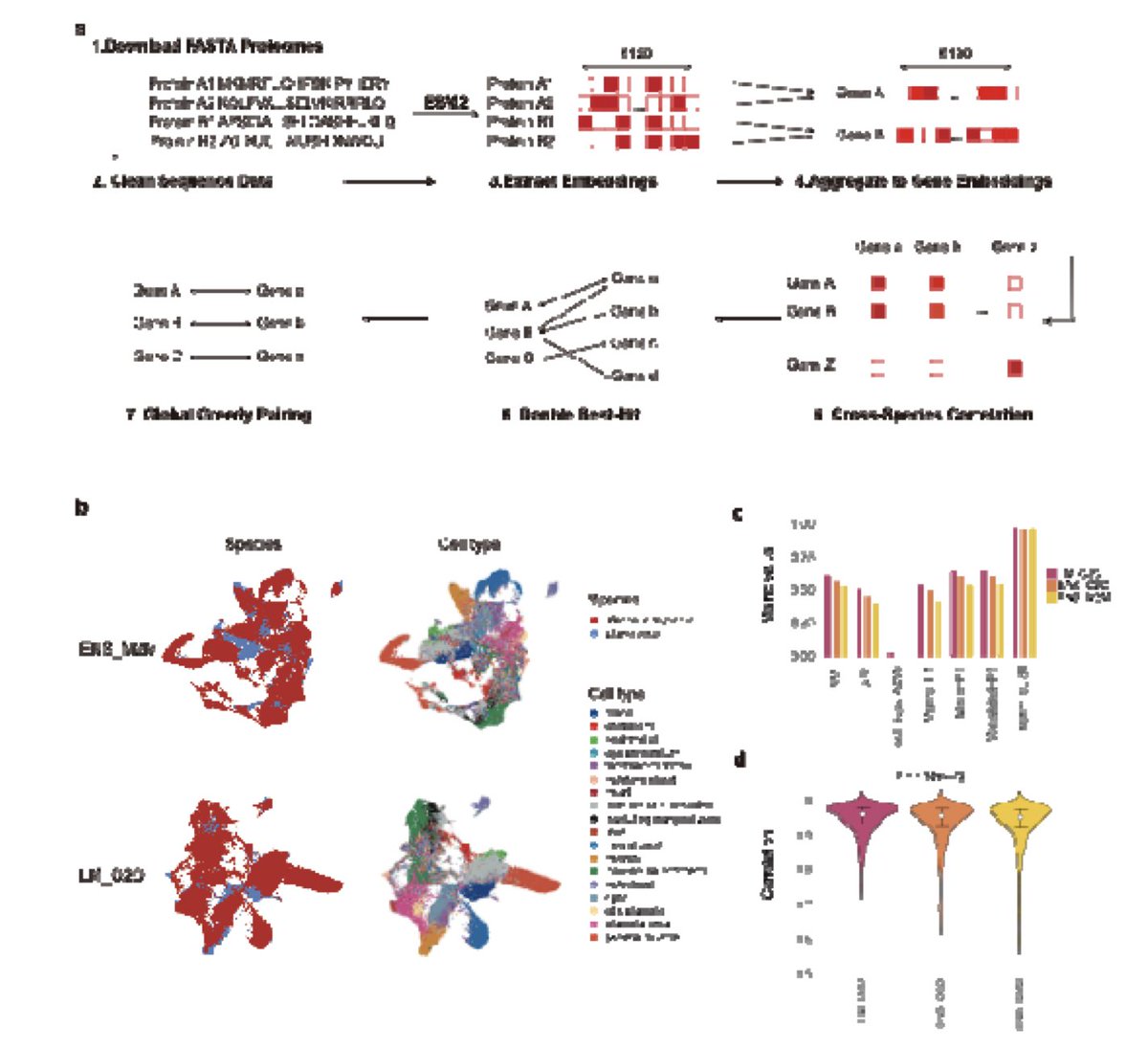
Protein large language model assisted one-to-one gene homology mapping in cross-species single-cell transcriptome integration
1. A new study presents a novel approach to cross-species single-cell transcriptome integration by improving gene homology mapping, which is crucial for comparative analysis of gene expression profiles across different species.
2. The traditional Ensembl homology tables often lead to many-to-many mappings that can introduce noise and complicate biological interpretation. This study proposes a one-to-one mapping strategy using a protein large language model (pLLM) to enhance accuracy and biological relevance.
3. The pLLM-based method integrates sequence similarity with high-dimensional embeddings derived from the model, resulting in a fused mapping approach that significantly outperforms existing methods in a comprehensive benchmark across nine datasets, 11 species, and over 3.2 million cells.
4. The study demonstrates that the one-to-one mapping strategies effectively reduce gene-family-driven noisy clusters and improve species mixing and cell-type separation, leading to clearer biological signals.
5. Additionally, the pLLM-based approach uncovers previously unannotated cross-species marker-gene pairs, including those between evolutionarily distant species, facilitating novel discoveries in comparative genomics.
6. The fused mapping strategy, HL_O2O, combines the strengths of both sequence-based homology and pLLM-derived embeddings, recovering biologically meaningful gene pairs that are typically lost under strict homology filters.
7. The findings highlight the importance of integrating sequence and representation-based evidence for accurate cross-species single-cell transcriptome integration, providing a robust framework for future comparative biological studies.
📜Paper: biorxiv.org/content/10.1101/…
#ComputationalBiology #GeneHomology #SingleCellTranscriptomics #CrossSpeciesIntegration #ProteinLanguageModel
1
3
18
1,979

16 Oct 2025
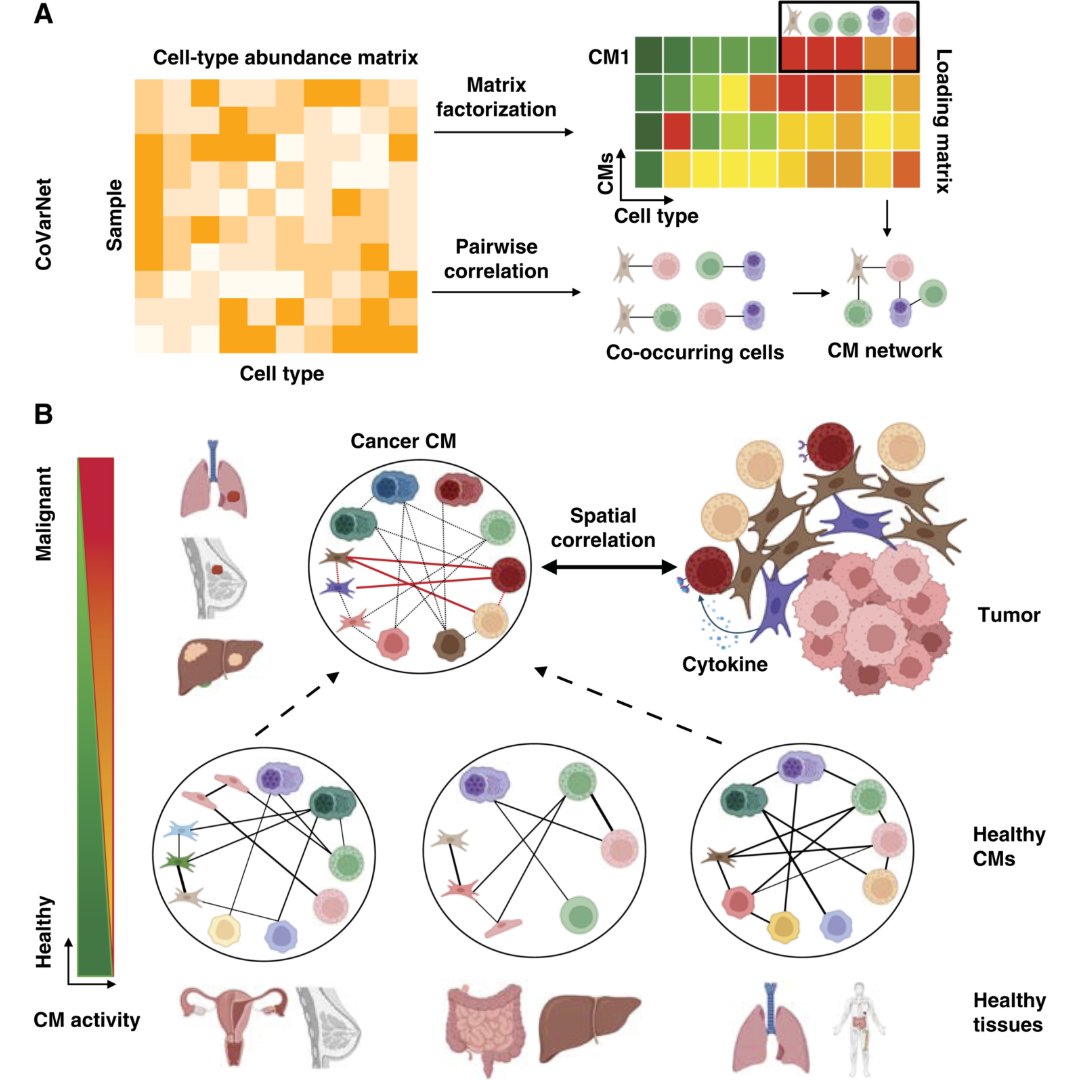
New in the October 15 issue from the Cancer Research special series—
From Harmony to Discord: Multicellular Coordination in Tissues and Its Rewiring in Cancer
doi.org/10.1158/0008-5472.CA…
@drmervedede @kchenken @MDAndersonNews #SingleCellTranscriptomics #SpatialTranscriptomics
1
1
314

15 Aug 2025
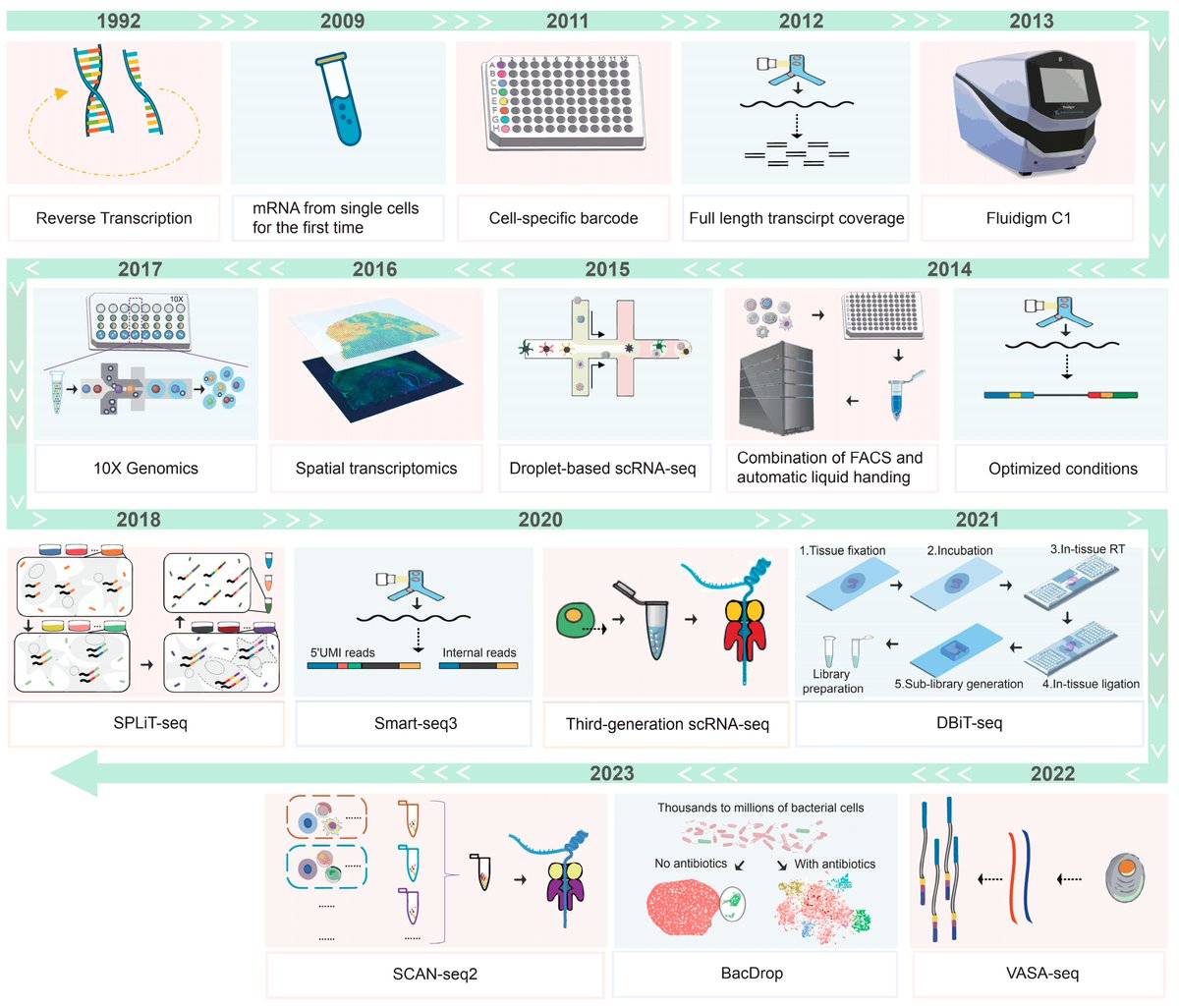
#MostCitedPapers 🧬🔬
2024 Article by Huang et al.: "The Advancement and Application of the Single-Cell Transcriptome in Biological and Medical Research" 🧫
👀Article Views: 5068
🔖Citations: 9
🔗mdpi.com/2835480
#SingleCellTranscriptomics #Genomics #MolecularBiology
1
1
90

14 Jul 2025
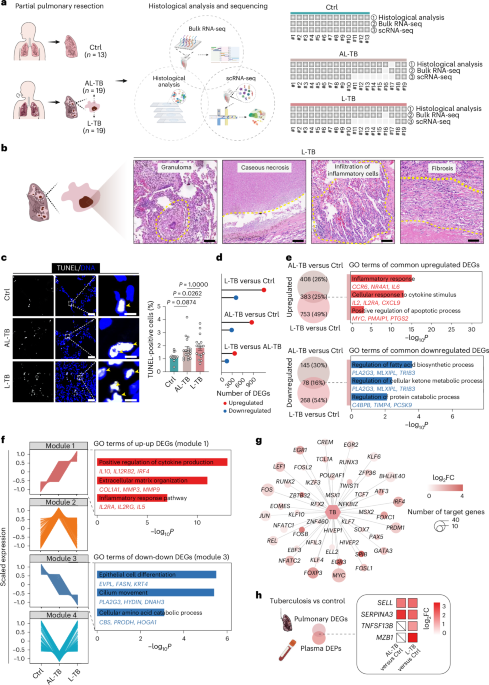
Out Now! A single-cell transcriptomic atlas reveals senescence and inflammation in the post-tuberculosis human lung bit.ly/3TBbY4z #SingleCellTranscriptomics #Tuberculosis #LungHealth
1
24
71
6,448

29 Jun 2025
Fundamental Limitations of Foundation Models in Single-Cell Transcriptomics
Atti, S., Subramaniam, S.
Paper: biorxiv.org/content/10.1101/…
Details: arxivlens.com/PaperView/Deta…
#FoundationModels #SingleCellTranscriptomics #LimitationsInSCt
10

20 May 2025
New collab out with Jennifer Zhang & Amy Petty of @DukeDermatology (#scRNAseq via #DukeMGC)
'Insights into #Keratinocyte and Immunologic Landscape in Cutaneous Graft-Versus-Host Disease through #SingleCellTranscriptomics' 🧬
doi.org/10.1016/j.xjidi.2025…
1
1
51

4 Apr 2025
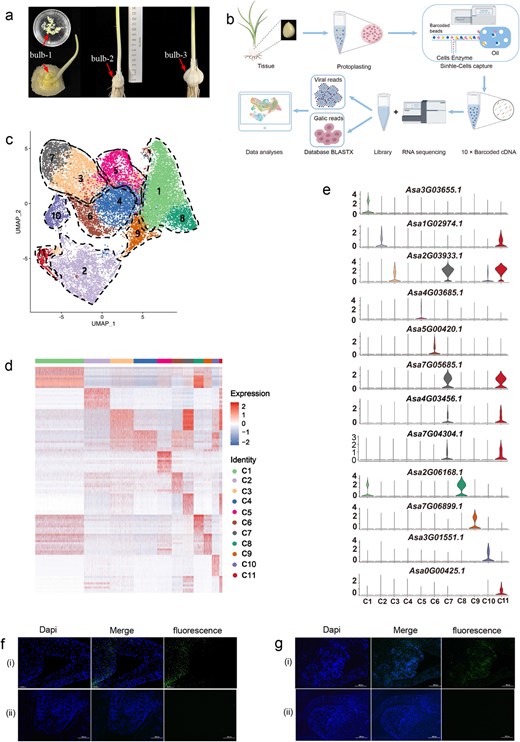
Garlic clove virus study reveals meristem defense & glutathione role! 🧬🛡️ #SingleCellTranscriptomics #GarlicVirusImmunity @OxfordJournals
Details: doi.org/10.1093/hr/uhae365
2
2
263

12 Mar 2025
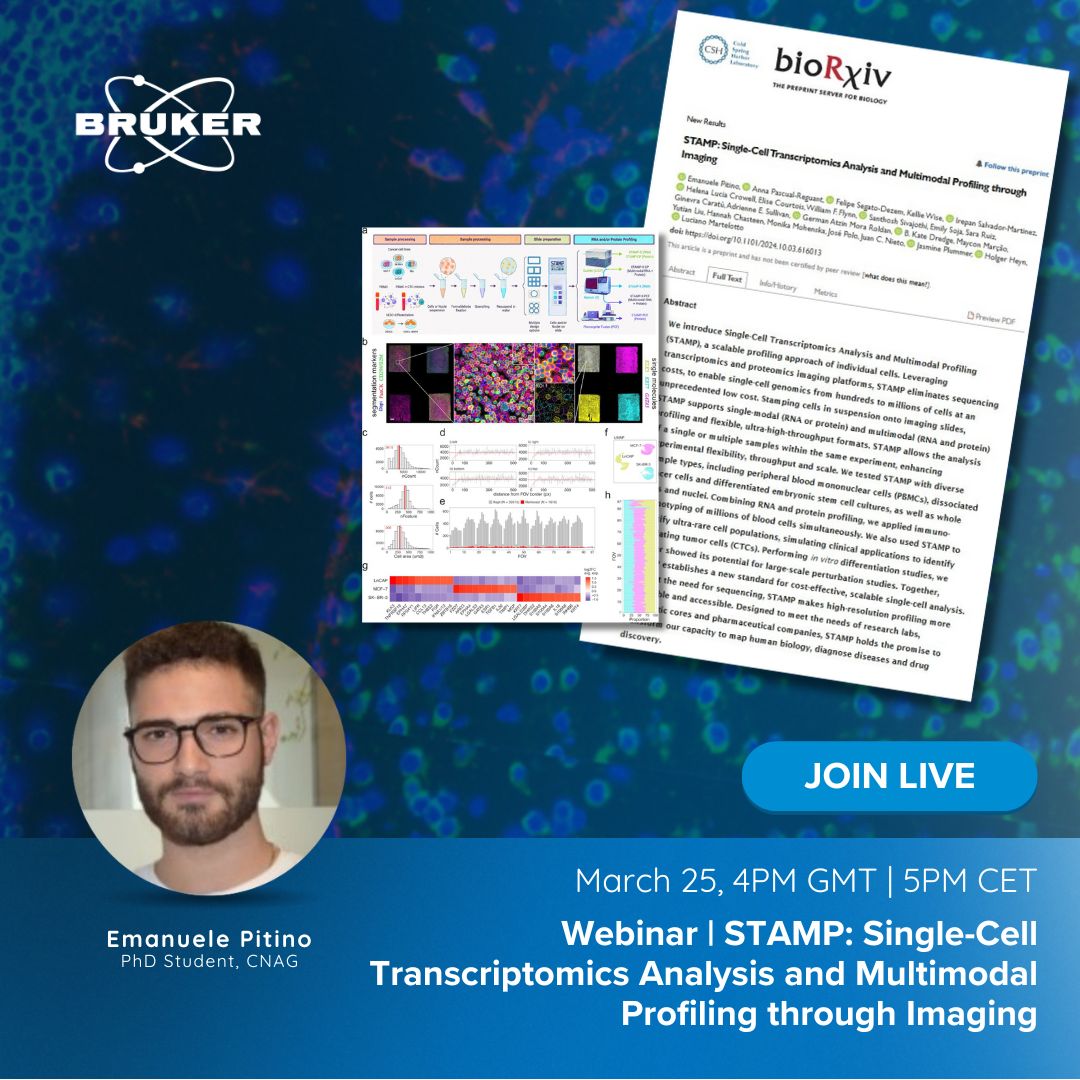
Discover Single-Cell Transcriptomics Analysis and Multimodal Profiling (STAMP)—an innovative approach enabling ultra-high-throughput RNA and protein imaging without sequencing or other challenges of scRNA-seq.
👉go.brukerspatialbiology.com/…
#STAMP #SingleCellTranscriptomics
2
1,209

9 Mar 2025
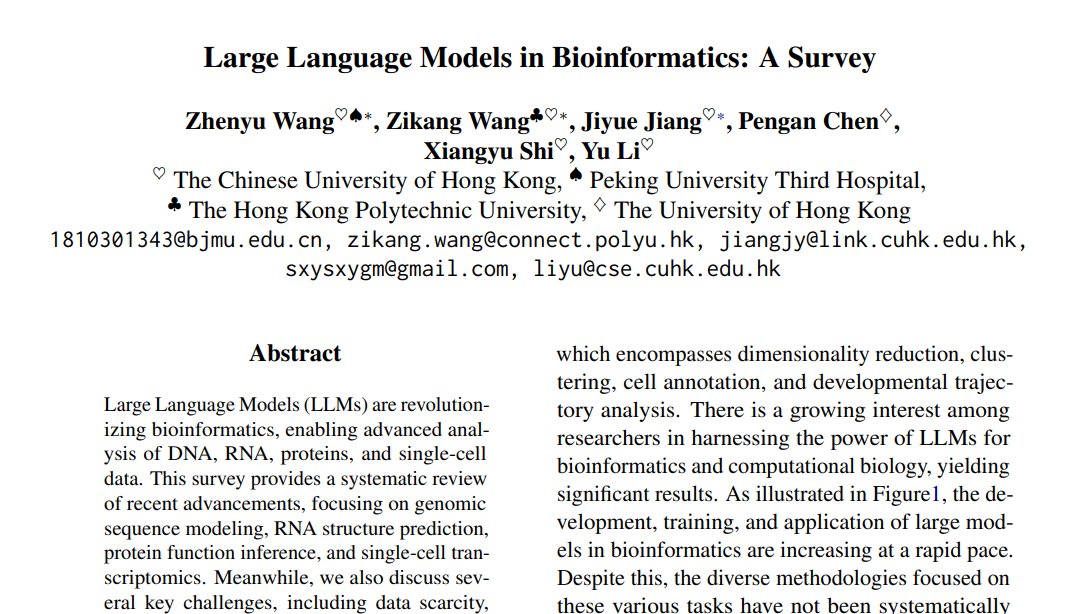
𝗟𝗮𝗿𝗴𝗲 𝗟𝗮𝗻𝗴𝘂𝗮𝗴𝗲 𝗠𝗼𝗱𝗲𝗹𝘀 𝗶𝗻 𝗕𝗶𝗼𝗶𝗻𝗳𝗼𝗿𝗺𝗮𝘁𝗶𝗰𝘀: 𝗔 𝗦𝘂𝗿𝘃𝗲𝘆
Paper Link: arxiv.org/abs/2503.04490
#LLMs #Bioinformatics #Genomics #PrecisionMedicine #SingleCellTranscriptomics
1
33

8 Mar 2025
23/27 𝗟𝗮𝗿𝗴𝗲 𝗟𝗮𝗻𝗴𝘂𝗮𝗴𝗲 𝗠𝗼𝗱𝗲𝗹𝘀 𝗶𝗻 𝗕𝗶𝗼𝗶𝗻𝗳𝗼𝗿𝗺𝗮𝘁𝗶𝗰𝘀: 𝗔 𝗦𝘂𝗿𝘃𝗲𝘆
This survey systematically reviews the revolution of Large Language Models (LLMs) in bioinformatics, focusing on genomic sequence modeling, RNA structure prediction, protein function inference, and single-cell transcriptomics.
It discusses key challenges like data scarcity and computational complexity, and explores future directions including multimodal learning and clinical applications, highlighting LLMs' transformative potential in bioinformatics and precision medicine.
#LLMs #Bioinformatics #Genomics #PrecisionMedicine #SingleCellTranscriptomics
Paper Link: arxiv.org/abs/2503.04490
1
27

30 Nov 2024
Eat less live long
Author: Shuai Ma, Shuhui Sun, Lingling Geng, et al.
Date of Publication: March 5, 2020
DOI: 10.1016/j.cell.2020.02.008
---
Detailed Summary:
This research explores how caloric restriction (CR), a widely studied anti-aging intervention, reprograms aging processes in Rattus norvegicus at the single-cell level. Using advanced single-cell RNA sequencing (scRNA-seq), the study constructs a multitissue transcriptomic atlas to investigate cellular and molecular changes during aging and the restorative effects of CR. It analyzes over 210,000 single cells and nuclei from seven tissues (e.g., adipose, liver, kidney, skin, aorta) and compares three experimental groups: young rats on ad libitum (Y-AL) diets, old rats on ad libitum diets (O-AL), and old rats subjected to a 70% calorie-restricted diet (O-CR).
---
Main Findings:
1. Cellular Composition:
Aging induces the accumulation of pro-inflammatory immune cells, such as neutrophils and plasmocytes, in multiple tissues.
CR reverses these aging-induced changes, restoring immune cell composition closer to that observed in young rats.
Tissue-specific impacts were noted, with significant effects observed in adipose tissue, aorta, and bone marrow.
2. Gene Expression:
Aging leads to extensive transcriptional dysregulation, particularly in genes related to inflammation, lipid metabolism, and cell regeneration.
CR rescued the expression of more than 25% of aging-dysregulated genes, including key transcription factors such as Ybx1, Cebpb, and Atf3.
Inflammatory markers like S100a8, S100a9, and Il1b were significantly elevated during aging but suppressed by CR.
3. Cell-Cell Communication:
Aging disrupts normal ligand-receptor interactions, enhancing pro-inflammatory signaling pathways (e.g., TNFα-mediated pathways).
CR mitigates these disruptions, normalizing cellular communication and reducing inflammatory responses.
4. Tissue-Specific Effects:
Adipose tissues (white and brown), the liver, and the aorta showed the most pronounced changes in cell composition and gene expression during aging and CR.
CR enhanced vascular health by reducing arterial stiffness and reversing apoptosis-related changes in the aorta.
5. Immune System Modulation:
Aging polarizes macrophages toward a pro-inflammatory (M1) phenotype, while CR shifts macrophages toward an anti-inflammatory (M2) phenotype, supporting tissue repair and regeneration.
Neutrophils accumulated in aged tissues, promoting inflammation, but CR reduced neutrophil infiltration and inflammation.
6. Brain and Skeletal Muscle:
Single-nucleus RNA sequencing (snRNA-seq) revealed age-related changes in these tissues, such as reduced endothelial cell populations and synaptic changes in inhibitory neurons. CR partially restored these changes in the brain but had limited effects on skeletal muscle.
---
Recommendations:
1. Clinical Implications:
Investigate CR as a non-pharmacological strategy for combating aging and age-related diseases in humans.
Develop personalized CR protocols that consider tissue-specific responses and individual metabolic profiles.
2. Future Research:
Explore the therapeutic potential of targeting key transcription factors (e.g., Cebpb, Ybx1) and cytokine pathways (e.g., TNFα signaling) identified in this study.
Study the long-term effects of CR and its translatability to human aging models.
3. Systems Biology Approaches:
Expand the use of single-cell and single-nucleus technologies to study other anti-aging interventions.
Integrate epigenomic and proteomic data to build a comprehensive understanding of aging and CR at multiple biological levels.
---
Conclusions:
This study demonstrates that CR robustly delays aging phenotypes and extends lifespan in rats by:
Reversing immune cell accumulation and pro-inflammatory states.
Restoring youthful transcriptional profiles across multiple tissues.
Modulating cell-cell communication networks to reduce chronic inflammation.
The findings highlight CR’s systemic benefits and its potential as a geroprotective intervention, offering insights into the molecular and cellular basis of aging and its reversal.
---
Hashtags:
#CaloricRestriction #AgingResearch #SingleCellTranscriptomics #Longevity #AntiInflammatory #GeneRegulation #ImmuneModulation #Healthspan #LifespanExtension #MolecularBiology
30 Nov 2024

Scientists show how caloric restriction prevents negative effects of aging in cells. phys.org/news/2020-02-scient…
48