
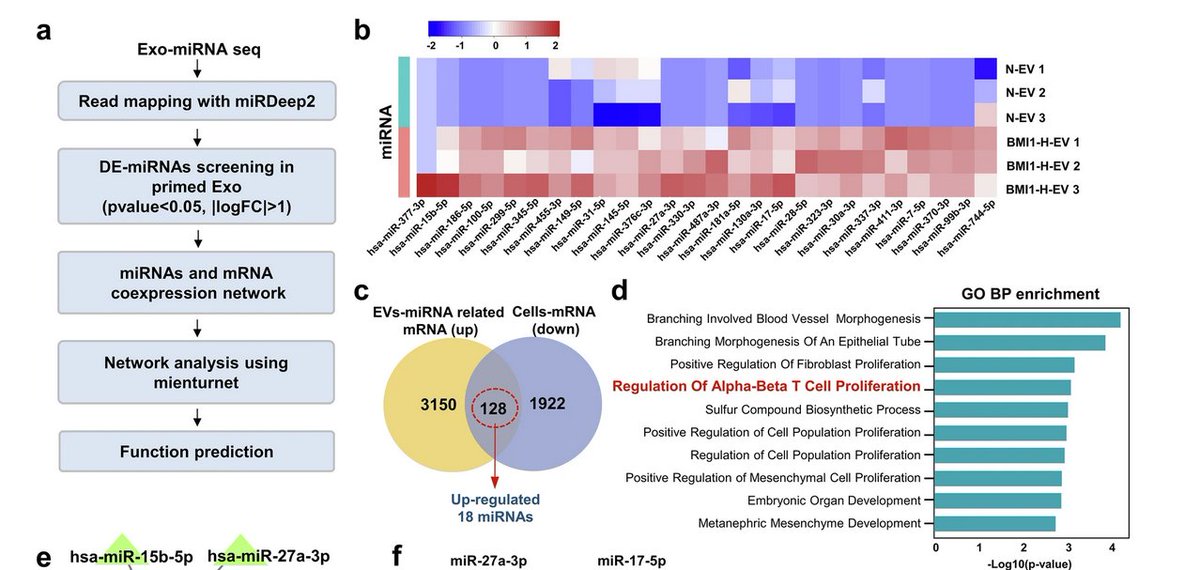
Engineered extracellular vesicles reprogram T cells in inflammatory bowel disease, demonstrating the therapeutic potential of precision immune modulation and cell-targeted delivery.
doi.org/10.1038/s41392-025-0…
#ExtracellularVesicles #TCells #InflammatoryBowelDisease #ImmuneModulation #CellEngineering #PrecisionMedicine
1
2
29
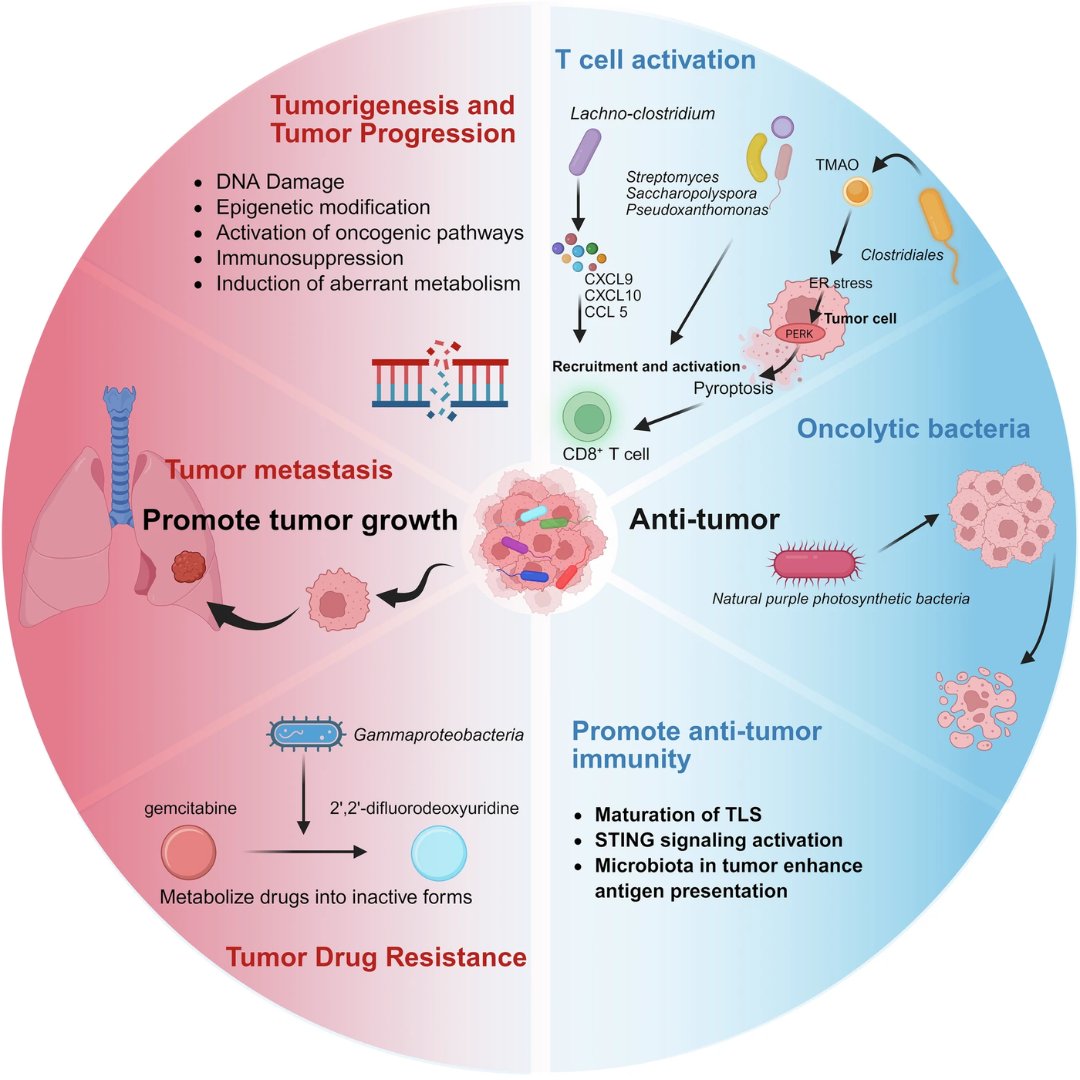
An overview of the multifaceted role of #Microbiota in #Oncogenesis, #ImmuneModulation, and therapeutic response, with discussion on microbiota-targeting anti-#Cancer strategies and future perspectives. @FudanUniversity
#STTT #OpenAccess: doi.org/10.1038/s41392-025-0…
2
86
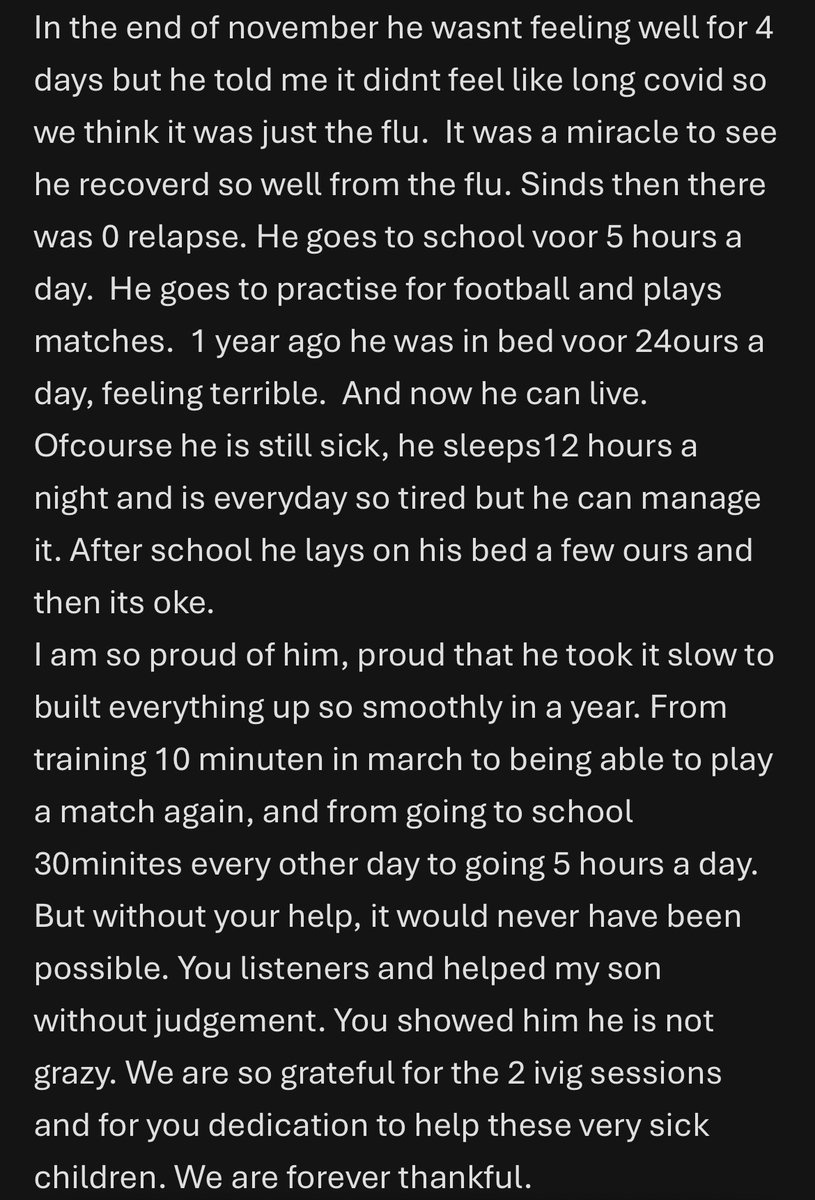
after years of illness and gaslighting, this kid with #LongCovid is leaving again❤️
grateful for this mum’s email.
Why IVIG and immunemodulation work most time is written since two years in my book tinyurl.com/4tsvhwat
and blog substack.com/@mecfslongcovid…
3
13
86
5,299

18 Dec 2025
I repeat again.
infections are the trigger.
Something stimulating the immune system in the long term creating an immune disregulation and dysfunction is the core.
Immunemodulation may be therefore the cure.
just my opinion#
#longcovid
18 Dec 2025

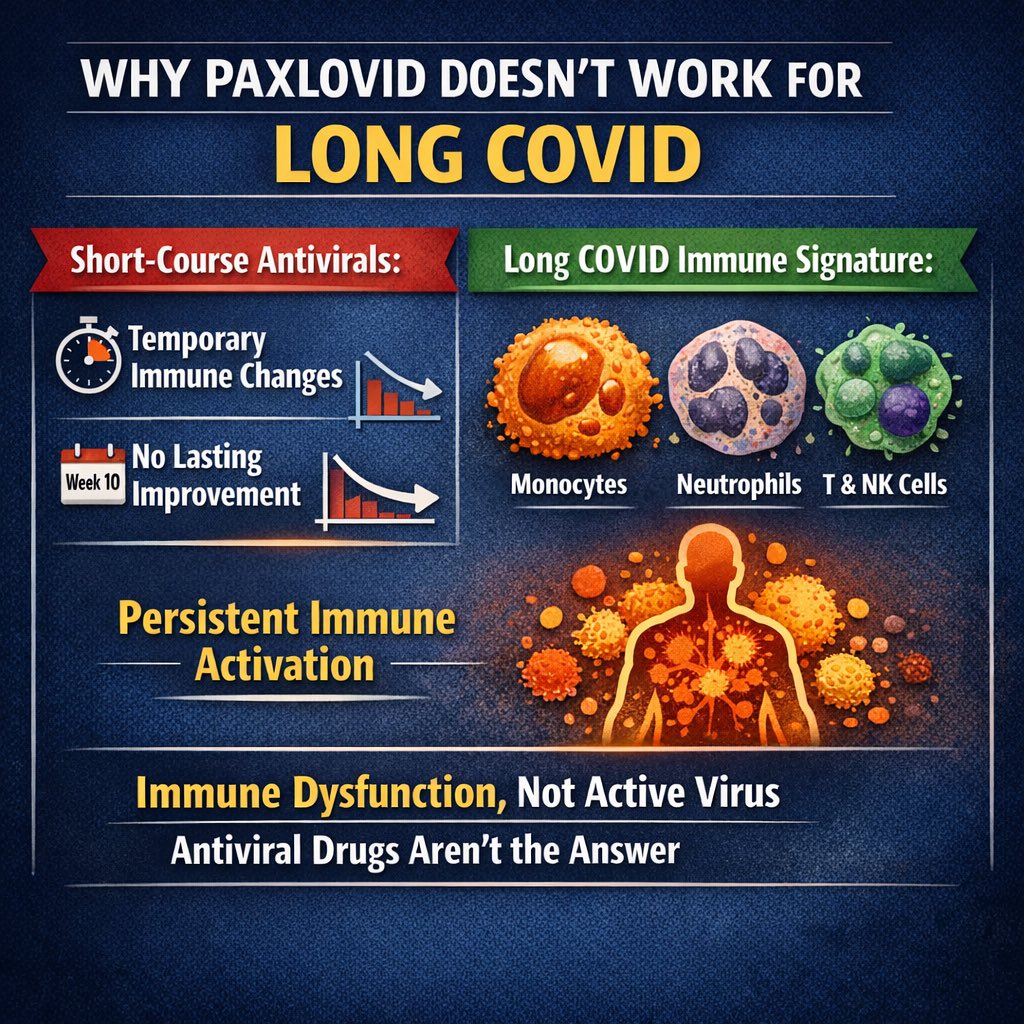
🔥 New trial sheds light on why antivirals like #Paxlovid fail to improve #LongCOVID, despite theories of viral persistence.
➡️ In 152 Long COVID patients, nirmatrelvir/ritonavir caused only transient immune changes (monocytes, complement, lysosomes) that normalized by week 10—with no sustained clinical benefit.
➡️ Importantly, researchers found no consistent evidence of:
• Widespread autoantibodies
• EBV reactivation
• Microclot abnormalities
compared with controls—challenging several popular hypotheses. 1/
3
28
1,152

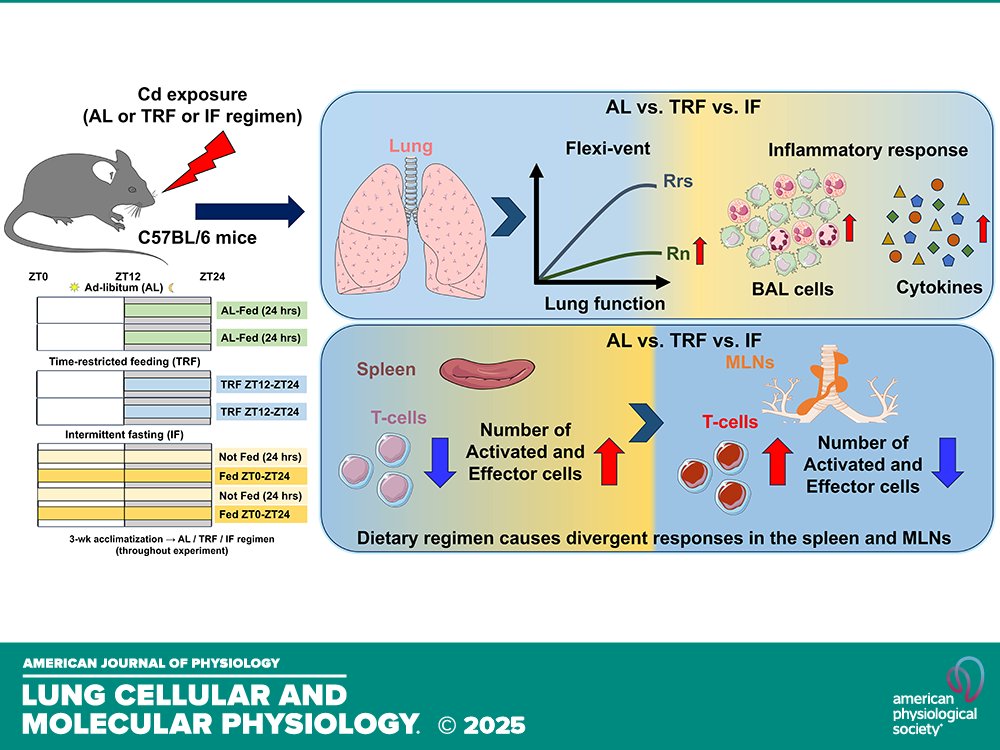
Research Article by C Prasad and D Dasgupta et al. (@KUMedCenter) Dietary influence on #lunginjury and #immunemodulation in #cadmium-exposed mice 🐭
ow.ly/p0vM50XqK48
2
151

31 Oct 2025
Antiphospholipid Syndrome — From Thrombosis to Thrombo-inflammation - Tahereh yavari
hemostasistoday.com/insight/…
#Anticoagulation #AntiphospholipidAntibodies #Clotting #Warfarin #Coagulation #Thrombosis #DirectOralAnticoagulants #Health #Hematology #Medicine #HemostasisToday #MedEd #APS #ImmuneModulation #Immunology #OxidativeStress #PregnancyMorbidity #ProthromboticDisorder #MedX #VascularDisease
2
6
233

20 Aug 2025
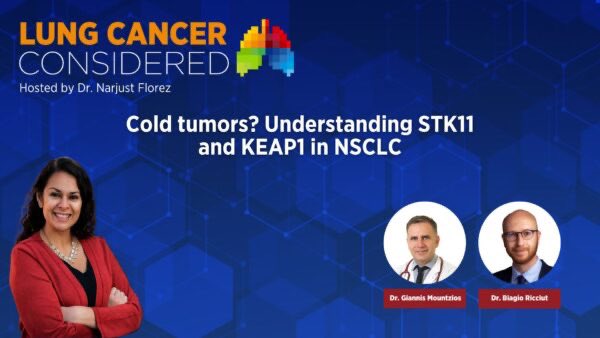
Discussing the Role of STK11/KEAP1/KRAS Mutations in Immune Modulation in NSCLC - @g_mountzios
oncodaily.com/voices/nsclc-3…
@NarjustFlorezMD @IASLC @BRicciutiMD @KRASKickers
#LungCancer #LCSM #NSCLC #Immunotherapy #ImmuneModulation #Cancer #OncoDaily #Medicine #Oncology
2
9
356

25 Jul 2025
Additionally, alcohol is a cell-toxine without any specific receptor, wheras Cannabinoid receptors are expressed in our system and play an interesting role in immunemodulation. Alcohol can lead to way more severe and costly diseses. Just think of Liver Transplants: ~30% Alcohol.
1
2
78

11 Jul 2025
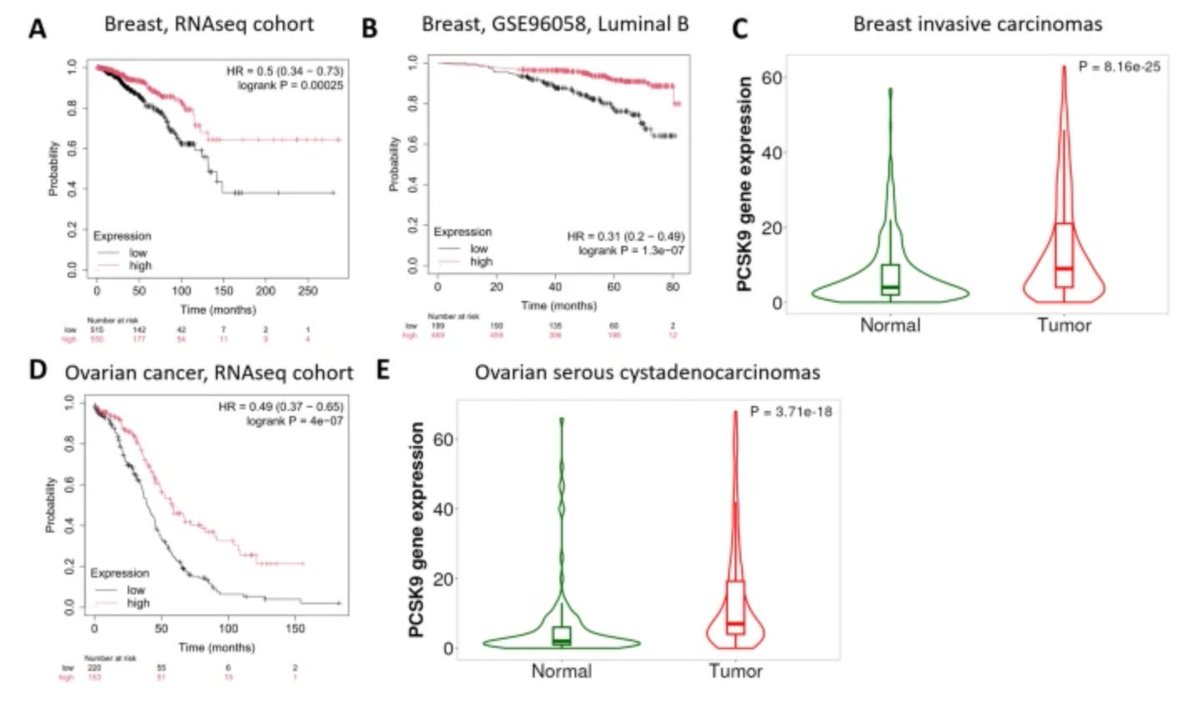
📢New Open🔓 Access Paper identifies PCSK9 as a tumor-specific prognostic biomarker, with elevated expression linked to improved survival in breast and ovarian cancers but poorer outcomes in several other cancers, highlighting its context-dependent role in cancer progression and potential as a therapeutic target. (Zoltan Ungvari & Balázs Győrffy et al.)
rdcu.be/evTpN
#cancersurvival #prognosis #TumorMicroenvironment #immunemodulation #aging
#metastasis #LipidMetabolism #BreastCancer #immunotherapy #biomarkers
#lifestylefactors #cholesterol #vascularaging #oncology #tumorprogression
2
4
435

1 May 2025
The AHR, once shunned as toxic, emerges as a key immune regulator. A paradigm shift in its favor boosts therapeutic avenues. #ImmuneModulation PMID:40247142, Nat Rev Drug Discov 2025, @NatRevDrugDisc @broadinstitute doi.org/10.1038/s41573-025-0… #AI #Pharma #BioMed #RNA #ASHG #ESHG
1
10
373

21 Feb 2025
### Enhancing Haploidentical Stem Cell Transplantation: The Buffy Coat Technique for DSA Elimination 🌟 #HaploSCT #StemCellTransplant
Haploidentical stem cell transplantation (haplo-SCT) has emerged as a transformative option for patients lacking fully matched donors, offering a lifeline through partially matched family donors 👨👩👧 #TransplantMedicine. However, one of the critical challenges in haplo-SCT is the presence of donor-specific antibodies (DSAs)—pre-existing antibodies in the recipient that target donor HLA antigens 🚨 #Immunology. These DSAs heighten the risk of graft rejection, delayed engraftment, and poor transplant outcomes 📉 #GraftFailure. To address this, the buffy coat technique 🧪, combined with desensitization protocols 💉, has shown promise in reducing DSA levels and improving success rates ✅ #MedicalInnovation. Below, we explore this approach in detail, including its mechanism, practical applications, and actionable tips for transplant teams 🩺 #ClinicalResearch.
#### Understanding the Buffy Coat Technique 🧬 #BuffyCoat
The buffy coat refers to the leukocyte-rich layer extracted from centrifuged donor blood 🩺, containing white blood cells (WBCs) ⚪, platelets, and a small fraction of red blood cells 🔴 #BloodProcessing. In the context of haplo-SCT, this technique leverages the buffy coat as an immunomodulatory tool 🌈 #ImmuneModulation. By exposing the recipient to donor-derived leukocytes, it facilitates the reduction of DSAs through mechanisms such as antibody absorption, immune tolerance induction, or neutralization of anti-donor immune responses 🛡️ #DSAReduction. When paired with desensitization strategies—such as plasmapheresis, intravenous immunoglobulin (IVIG), or rituximab—this approach amplifies its efficacy 📈 #Desensitization, paving the way for successful engraftment 🌱 #EngraftmentSuccess.
#### Why It Matters ❗ #TransplantChallenges
DSAs are a major barrier in haplo-SCT, with studies linking high DSA levels (measured by mean fluorescence intensity, or MFI) to primary graft failure rates of up to 75% in untreated cases 📊 #DataDriven. The buffy coat technique offers a targeted, donor-specific solution that minimizes this risk ⚠️ #PrecisionMedicine, enhancing the compatibility between donor and recipient 🤝 #DonorRecipientMatch. This is particularly valuable in haplo-SCT, where HLA mismatches are inherent, and traditional immunosuppression alone may not suffice 🧩 #HLAMismatch.
#### How It Works: Step-by-Step 🚀 #Protocol
1. **Donor Blood Collection and Processing** 🩺: Whole blood from the haploidentical donor is collected and centrifuged to isolate the buffy coat layer 🧪 #Centrifugation.
2. **Recipient Preconditioning** 💉: The recipient undergoes desensitization (e.g., plasmapheresis to remove circulating DSAs, followed by IVIG to modulate immune responses) 🔄 #PreTransplantPrep.
3. **Buffy Coat Infusion** 💧: The donor buffy coat is administered to the recipient, typically pre-transplant, to adsorb or neutralize DSAs 🚫 #InfusionTherapy.
4. **Monitoring** 👀: Post-infusion DSA levels are tracked via Luminex-based single antigen bead assays to confirm reduction (goal: MFI < 1,000–2,000) 📉 #LuminexAssay.
5. **Transplantation** 🌿: Once DSA levels are sufficiently lowered, the stem cell graft is infused, followed by standard post-transplant care 🏥 #StemCellInfusion.
#### Practical Tips for Implementation 🛠️ #ClinicalTips
1. **Pre-Transplant DSA Screening** 🔍 #DSAScreening
- Perform comprehensive DSA testing early using high-sensitivity assays (e.g., Luminex) 🧬. Identify recipients with MFI > 5,000 as high-risk candidates for desensitization and buffy coat intervention 🎯.
- *Tip*: Establish a baseline DSA threshold for intervention tailored to your center’s outcomes data 📊 #Per
1
1
7
437

4 Feb 2025
De novo design of protein minibinder agonists of TLR3 @NatureComms
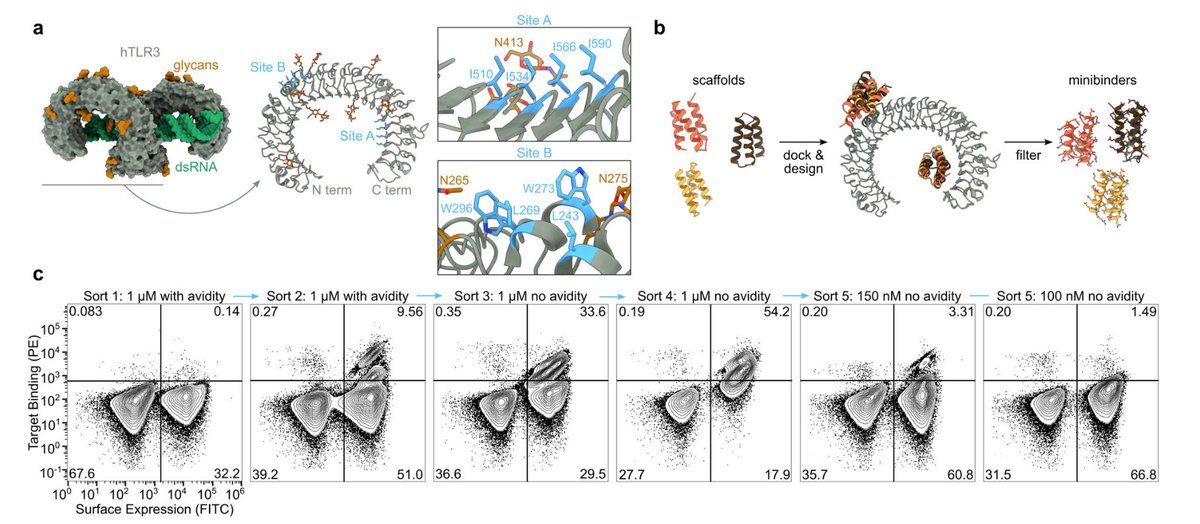
1/ This study demonstrates the use of computational protein design to create novel minibinders that act as agonists of TLR3, a receptor critical for initiating antiviral immune responses. These minibinders show nanomolar affinity for human TLR3.
2/ The minibinders were designed to target specific sites on TLR3, overcoming the challenges posed by the receptor's highly glycosylated surface and facilitating binding without significant steric interference from nearby glycans.
3/ Cryo-EM structures of the minibinder-TLR3 complexes revealed that the minibinders bind to TLR3 as designed, though one variant partially unfolds due to steric clashes with a glycan, offering new insights into challenges in protein design against complex, glycosylated targets.
4/ Multivalent versions of these minibinders successfully induced NF-κB signaling in TLR3-expressing cells, suggesting that they could function as potent and specific protein-based adjuvants for vaccine development or therapeutic applications.
5/ This work advances the field of TLR agonist design by providing a method for generating stable, easily formulated protein agonists, addressing long-standing challenges with nucleic acid-based TLR3 agonists like dsRNA, which can be unstable and non-specific.
6/ The study also suggests that protein-based TLR3 agonists could offer a more controlled and safer alternative to existing adjuvants, with the potential for targeted immune activation in various clinical settings, including cancer and infectious disease therapies.
7/ Further research is required to optimize these minibinders for in vivo applications, focusing on enhancing their stability and delivery mechanisms, while exploring their potential for broader therapeutic use in immune modulation.
📜Paper: nature.com/articles/s41467-0…
#TLR3 #ProteinDesign #ImmuneModulation #VaccineAdjuvants #CryoEM #ComputationalBiology #Biotechnology
19
90
12,751
4 Feb 2025
De novo design of protein minibinder agonists of TLR3 @NatureComms
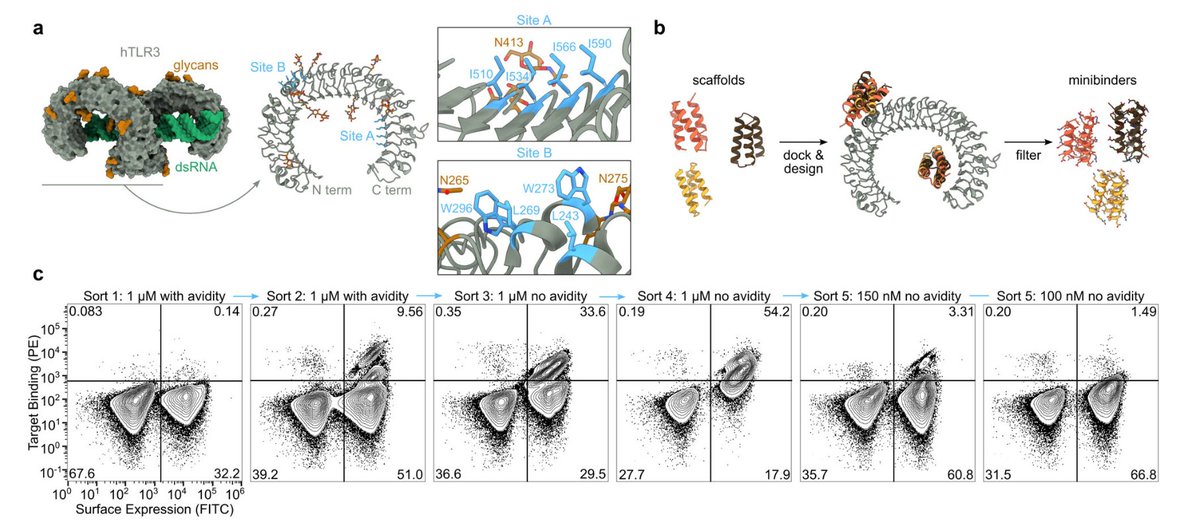
1/ This study demonstrates the use of computational protein design to create novel minibinders that act as agonists of TLR3, a receptor critical for initiating antiviral immune responses. These minibinders show nanomolar affinity for human TLR3.
2/ The minibinders were designed to target specific sites on TLR3, overcoming the challenges posed by the receptor's highly glycosylated surface and facilitating binding without significant steric interference from nearby glycans.
3/ Cryo-EM structures of the minibinder-TLR3 complexes revealed that the minibinders bind to TLR3 as designed, though one variant partially unfolds due to steric clashes with a glycan, offering new insights into challenges in protein design against complex, glycosylated targets.
4/ Multivalent versions of these minibinders successfully induced NF-κB signaling in TLR3-expressing cells, suggesting that they could function as potent and specific protein-based adjuvants for vaccine development or therapeutic applications.
5/ This work advances the field of TLR agonist design by providing a method for generating stable, easily formulated protein agonists, addressing long-standing challenges with nucleic acid-based TLR3 agonists like dsRNA, which can be unstable and non-specific.
6/ The study also suggests that protein-based TLR3 agonists could offer a more controlled and safer alternative to existing adjuvants, with the potential for targeted immune activation in various clinical settings, including cancer and infectious disease therapies.
7/ Further research is required to optimize these minibinders for in vivo applications, focusing on enhancing their stability and delivery mechanisms, while exploring their potential for broader therapeutic use in immune modulation.
📜Paper: nature.com/articles/s41467-0…
#TLR3 #ProteinDesign #ImmuneModulation #VaccineAdjuvants #CryoEM #ComputationalBiology #Biotechnology
5
25
2,042

6 Jan 2025
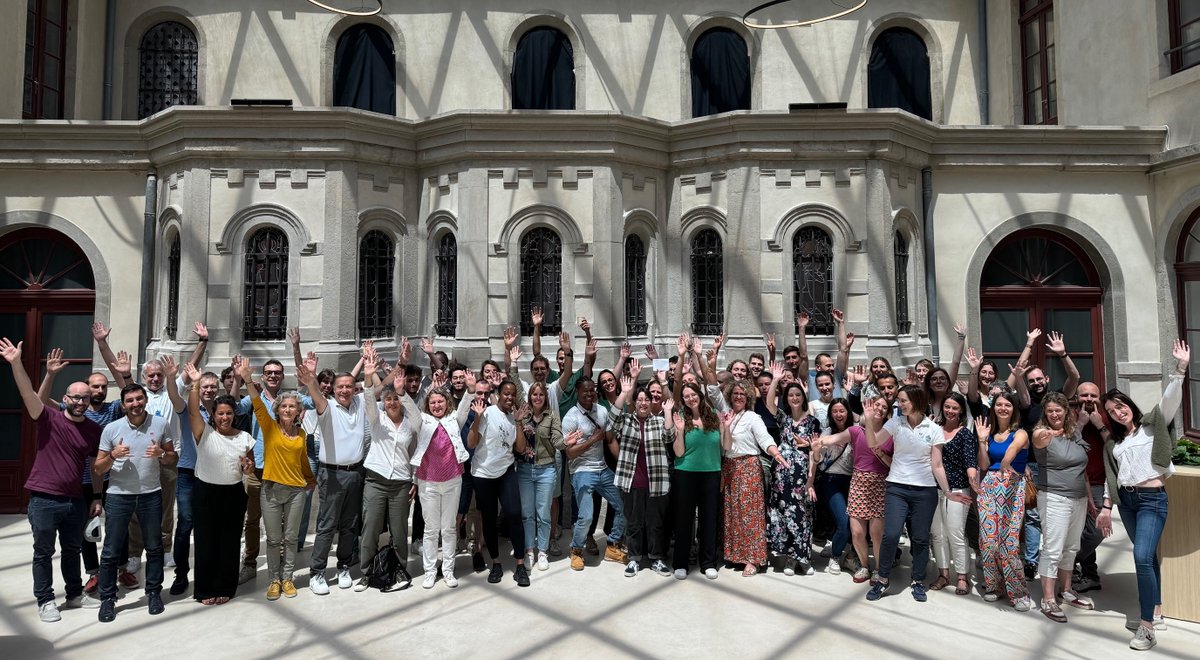
🎉 𝗪𝗲𝗹𝗰𝗼𝗺𝗶𝗻𝗴 𝟮𝟬𝟮𝟱: 𝗔 𝗠𝗶𝗹𝗲𝘀𝘁𝗼𝗻𝗲 𝗬𝗲𝗮𝗿 𝗳𝗼𝗿 𝗠𝗮𝗮𝗧 𝗣𝗵𝗮𝗿𝗺𝗮
As we celebrated the close of 2024, it was a moment for reflection and appreciation across MaaT Pharma. The past year has been one of the most exciting and pivotal years in our company’s history, marked by major advancements in our mission to pioneer a new class of microbiome therapeutics for oncology. 2024 was defined by pivotal achievements and meaningful milestones that have propelled us forward.
💡 Here are just a few of the highlights from our final quarter of 2024:
- In October, 𝘄𝗲 𝗰𝗼𝗺𝗽𝗹𝗲𝘁𝗲𝗱 𝗿𝗲𝗰𝗿𝘂𝗶𝘁𝗺𝗲𝗻𝘁 𝗳𝗼𝗿 𝗼𝘂𝗿 𝗣𝗵𝗮𝘀𝗲 𝟯 𝗰𝗹𝗶𝗻𝗶𝗰𝗮𝗹 𝘁𝗿𝗶𝗮𝗹, ARES, evaluating MaaT013’s potential to treat steroid refractory and ruxolitinib-refractory acute Graft-versus-Host Disease (aGvHD). This was a major step in advancing our commitment to patients with this severe condition.
- At the 𝗔𝗦𝗛 𝗔𝗻𝗻𝘂𝗮𝗹 𝗠𝗲𝗲𝘁𝗶𝗻𝗴 in December, we presented data from our European Early Access Program, showing encouraging efficacy, safety, and long-term follow-up results in 154 patients with aGvHD. These findings underscore the potential of MaaT013 to improve long-term survival for patients.
- In December, we also 𝗲𝘅𝗽𝗮𝗻𝗱𝗲𝗱 𝗼𝘂𝗿 𝗘𝗮𝗿𝗹𝘆 𝗔𝗰𝗰𝗲𝘀𝘀 𝗣𝗿𝗼𝗴𝗿𝗮𝗺 𝘁𝗼 𝘁𝗵𝗲 𝗨.𝗦., demonstrating our dedication to offering compassionate use of MaaT013, and to advancing microbiome research in oncology.
👏 We’re excited for what’s ahead in 2025, especially as the first month of the year will culminate 10 years of hard work with the results of our Phase 3 trial in treating aGvHD patients. We look forward to continuing to make a difference for patients.
#Oncology #Microbiome #ImmuneModulation #Hematoloy #aGvHD #2025Goals
4
6
254
9 Dec 2024
📄 [Press release] – MaaT Pharma Presented Positive Updated Data on MaaT013 in the Early Access Program at ASH 2024 Annual Meeting
📅 KOL Webinar on December 17, 2024 – Register here: app.livestorm.co/newcap-1/ad…
To see the press release👉 maatpharma.com/december-9-20…
#ASH2024 #microbiome #oncology #GvHD #innovation #MaaT013 #immunemodulation #cancer
@Mohty_EBMT @Florent_Malard @TheIACH @TheEBMT
4
6
285
9 Dec 2024
📄 [Communiqué de presse] – MaaT Pharma présente des données positives pour MaaT013 issues de son programme d’accès compassionnel lors du Congrès annuel 2024 de l’ASH
📅 Webinaire avec des experts le 17 décembre 2024 – Inscription ici 👉 app.livestorm.co/newcap-1/ad…
#Cancer #Oncologie #Microbiote #ASH2024 #MaaTPharma #GvHD #innovation #MaaT013 #immunemodulation
Communiqué de presse disponible via le lien suivant: maatpharma.com/fr/9-decembre…
2
69
5 Dec 2024
📄 [Press Release] – MaaT Pharma announces first U.S. patient treated with MaaT013 at @cityofhope under the FDA’s Single Patient Expanded Access program for acute Graft-versus-Host Disease (aGvHD).
This compassionate use treatment was administered at City of Hope, one of the nation’s top cancer centers, by Drs. @DrMonzrAlMalki and @RyotaroNakamura , renowned experts in GvHD and Hematopoietic Cell Transplantation.
This milestone highlights the growing global recognition of MaaT013 as a potential new treatment for refractory aGvHD. With our Phase 3 ARES trial nearing results in January 2025, we are dedicated to bringing new hope to patients worldwide.
👏 Thank you to the clinicians and to our teams who make this progress possible!
👉 Read the full press release: maatpharma.com/december-5-20…
#aGvHD #HemOncs #oncology #GvHD #innovation #MaaT013 #immunemodulation #ASH2024
8
7
2,253
7 Nov 2024
#ASH2024 - MaaT Pharma présentera des données issues de son programme d’accès compassionnel lors du Congrès annuel 2024 de l’ @ASH_hematology démontrant une survie à long terme prolongée chez les patients recevant MaaT013 pour l’aGvH (#aGvH)
👉maatpharma.com/fr/7-novembre…
@Mohty_EBMT @Florent_Malard
#microbiome #oncology #GvHD #innovation #MaaT013 #immunemodulation
2
4
616
7 Nov 2024
#ASH2024 - MaaT Pharma will unveil promising long-term survival data for MaaT013 in Patients with aGvHD at @ASH_hematology Annual Meeting
👉maatpharma.com/november-7-20…
@Mohty_EBMT @Florent_Malard
#microbiome #oncology #GvHD #innovation #MaaT013 #immunemodulation
6
7
722

24 Jul 2024
**Vitamin D: A Key Player in Enhancing Immune Response and Combating Cancer**
**Vitamin D Supplementation**:
- Enhances the gut microbiome, particularly increasing Bacteroides fragilis.
- Boosts immune stimulation and reduces immune suppression.
**Cancer Immuno Evasion and Immunomodulation**:
- Crucial in addressing how cancer evades the immune system.
- Vitamin D helps counter these evasive mechanisms.
**Enhancing Immunotherapies**:
- Improves the effectiveness of immune checkpoint inhibitors.
- Supports modern conventional immunotherapies.
**Fecal Transplantation in Mouse Models**:
- Demonstrates that vitamin D benefits can be transferred from a healthy host to a recipient.
- Indicates the potential of sharing a well-augmented immune system.
Vitamin D’s impact on the gut microbiome is revolutionizing immunotherapy. By boosting immune function and reducing suppression, it tackles critical pathways through which cancer evades our immune system.
Recent research shows that vitamin D not only enhances existing immunotherapies but also opens up innovative avenues like fecal transplantation for transferring these benefits. The potential to share an enhanced immune system marks a significant breakthrough in cancer treatment.
#VitaminD #GutHealth #Microbiome #CancerResearch #Immunotherapy #BacteroidesFragilis #ImmuneSupport #FecalTransplantation #HealthInnovation #DrGoodyear #CancerCare #ImmuneBoost #HealingJourney #MedicalResearch #IntegrativeMedicine #Oncology #CancerTreatment #TumorMicroenvironment #ImmunoEvasion #ImmuneModulation
**Supporting Evidence**:
- Evangelos Giampazolias et al. “Vitamin D regulates microbiome-dependent cancer immunity.” Science 384, 428-437 (2024). DOI: 10.1126/science.adh7954
1
2
4
240