
May 29
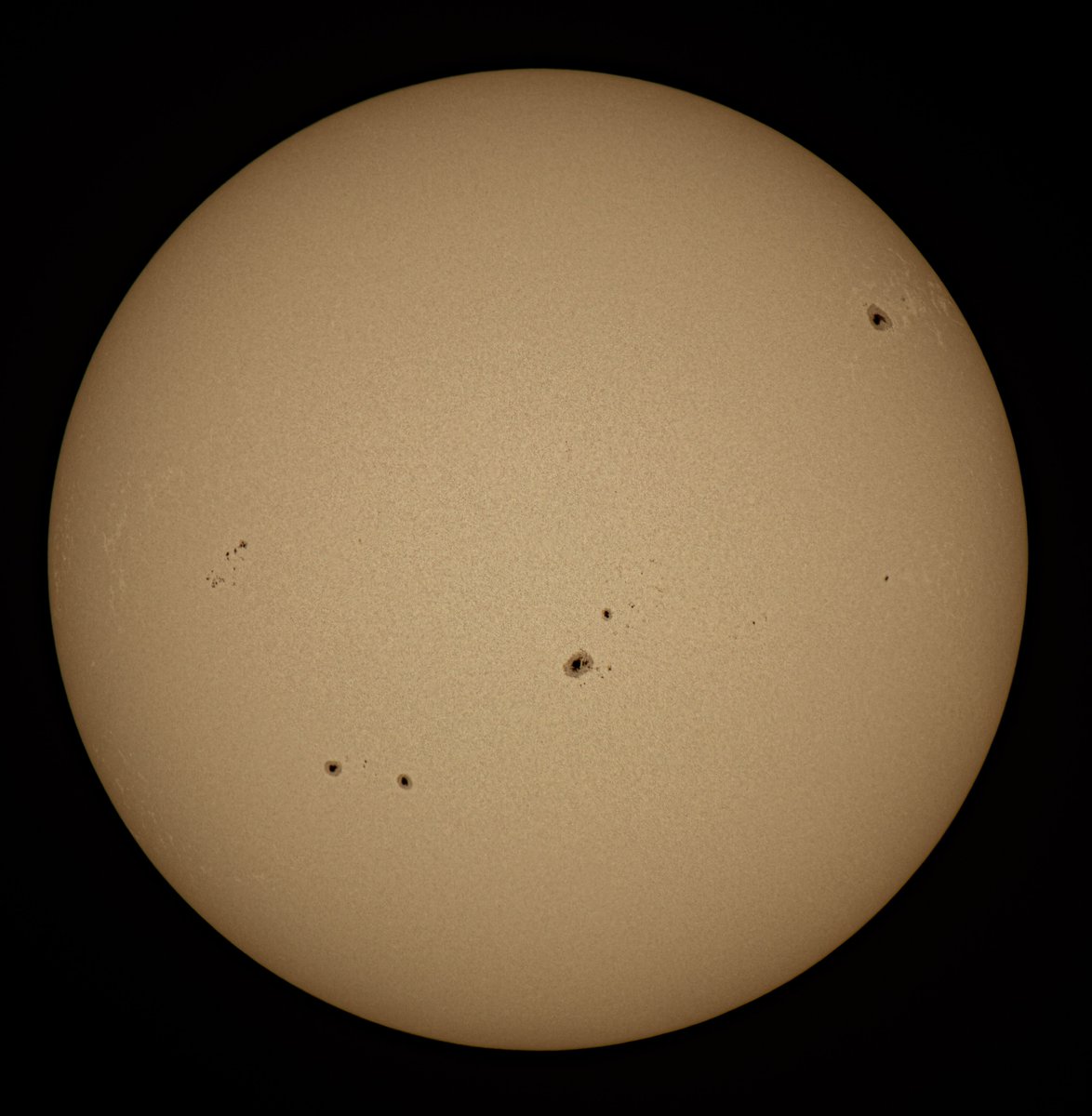
☀️ The Sun today — not as quiet as it looks. What you see here are sunspot groups AR4444, AR4447, AR4455 and AR4464. Dark patches on a star 1.4 million km across. Each one a region of intense, twisted magnetic fields suppressing the surface plasma from below — that's why they appear darker: they're "only" around 3,500 K, while the surrounding photosphere burns at ~5,778 K.
AR4447 has been the quite active of the bunch lately, leading flare production with several C-class events. And AR4455 — just rotating into view from the far left side — has already been firing prominences and jets, with astronomers watching closely to see what it brings.
Solar Cycle 25 peaked around October 2024 and activity has been gradually declining 📉 since early 2026 — so catching a disk this busy, YEAH, is still worth documenting. 🔭😉
Shot in white light through my Takahashi TOA-130NFB telescope Sony A7RV Sony FE 2× teleconverter. The granulation texture across the photosphere — that subtle "orange peel" surface — is convection cells, each roughly the size of Greece 🇬🇷, churning beneath you. #SolarObserving
5
29
337
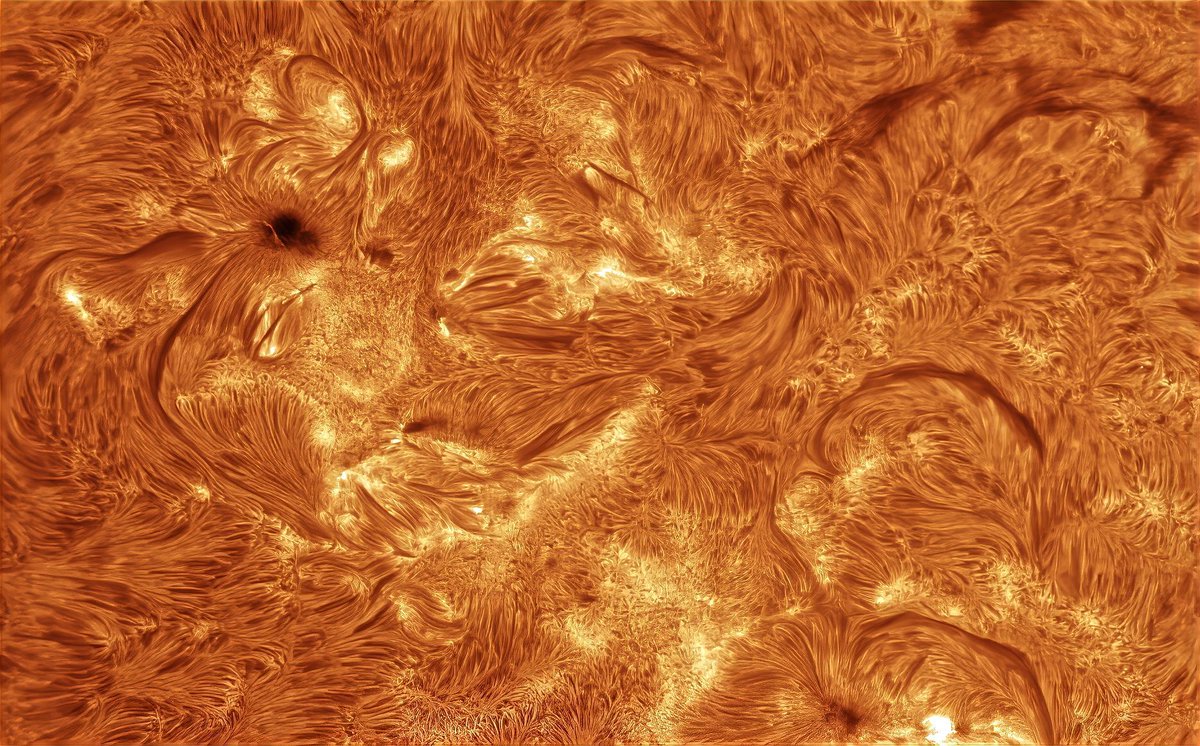
Solar Image of the Month: This exquisitely detailed image from August 6, 2024, features many dark filaments and bright patches of plage. Mark Johnston captured it using double-stacked Lunt Solar etalons on a TEC APO160FL refractor.
#SolarObserving #HAlpha #LuntSolar #SolarMaximum
9
22
1,335

Mar 10
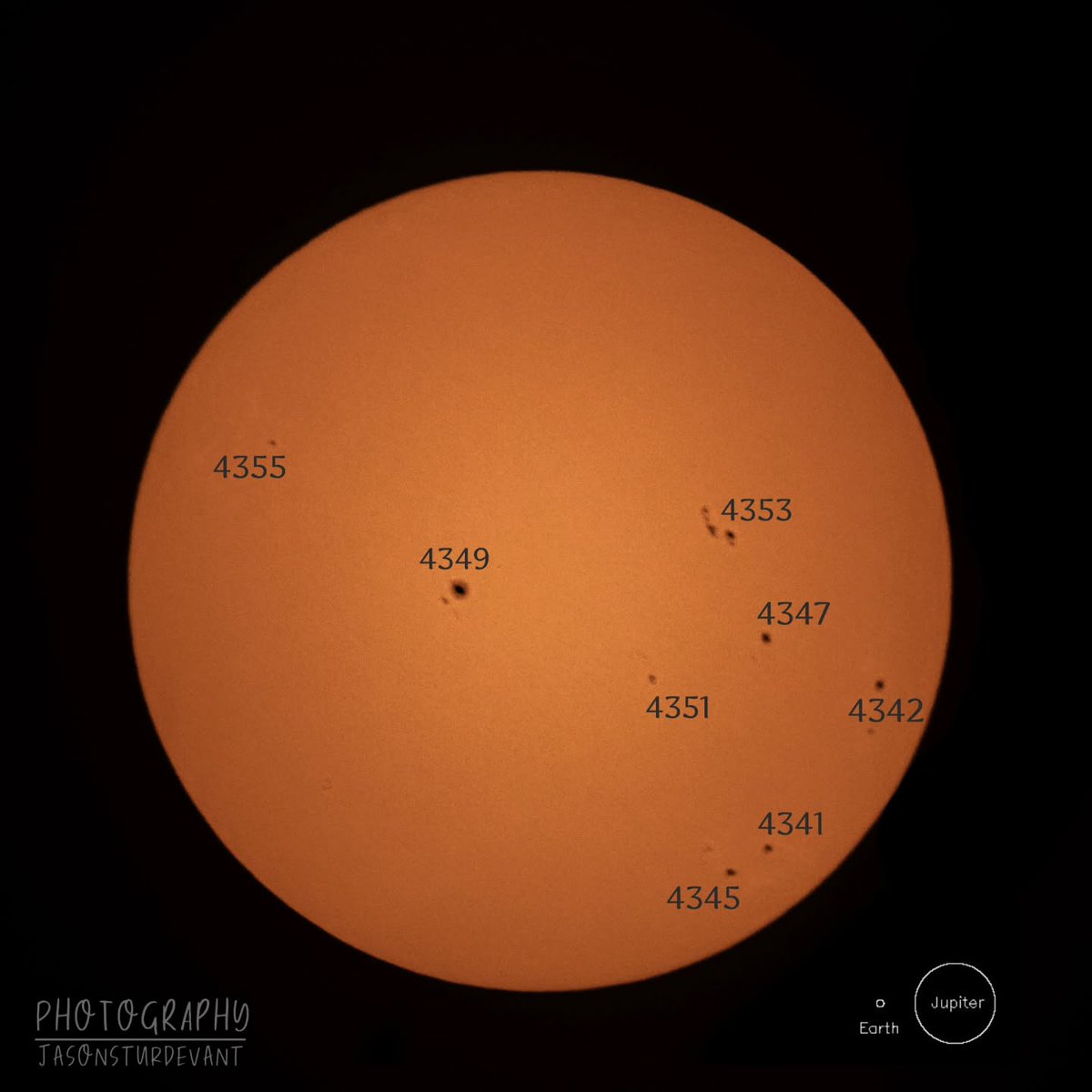
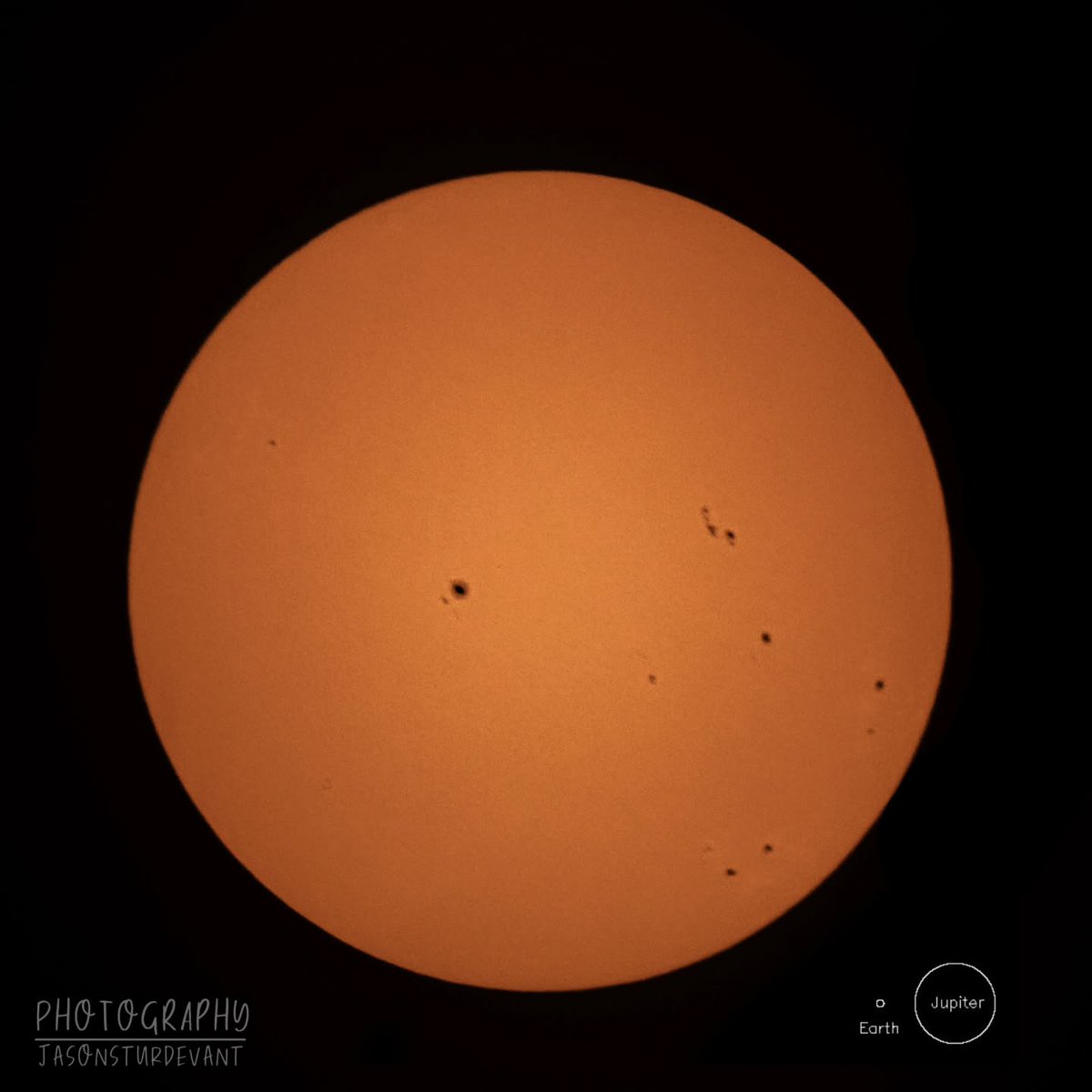
A closer look at the Sun’s surface. ☀️
In this image, several sunspot groups are visible across the solar disk—regions where strong magnetic fields temporarily cool the surface, making them appear darker than the surrounding photosphere.
Swipe to the second image to see the labeled active regions and get a better sense of how many sunspot groups were present during this observation.
📸 Captured by Jason (@supe_rn_ova) using a NexStar Evolution 8" SCT and an EclipSmart Solar Filter.
#SolarObserving #Sunspots #SolarAstronomy #Celestron #Astronomy
4
18
638

24 Sep 2025
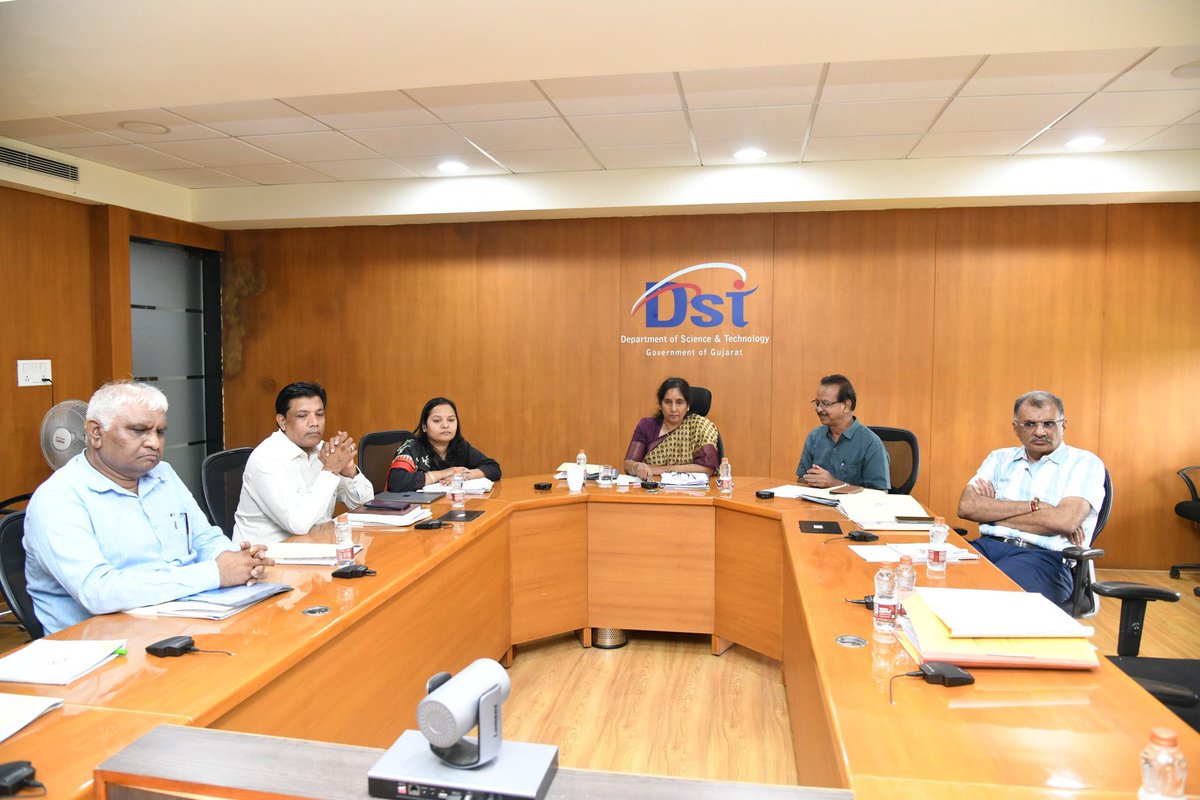
#Ingorala Pay Center School students enjoyed #SolarObserving and learning about celestial constellations embodying the spirit of @InfoGujcost @dstGujarat SpaceTutor initiative!
@PMOIndia @CMOGuj
@narottamsahoo @IndiaDST @karandi65 @CollectorAmr @ddoamreli @QuantumYear2025
2
24

13 Jun 2025
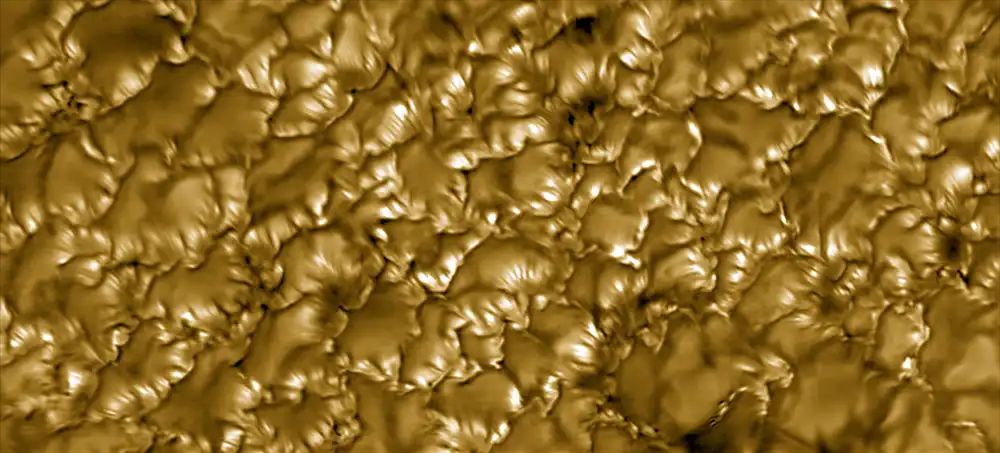
New observatories in space and on the ground are providing us with our best views yet of the Sun — providing insight into puzzles that have remained unsolved for decades.
buff.ly/S5DNO96
.
.
#astronomy #sun #solarobserving #solarobservatory #solarorbiter
6
20
2,175
30 May 2025
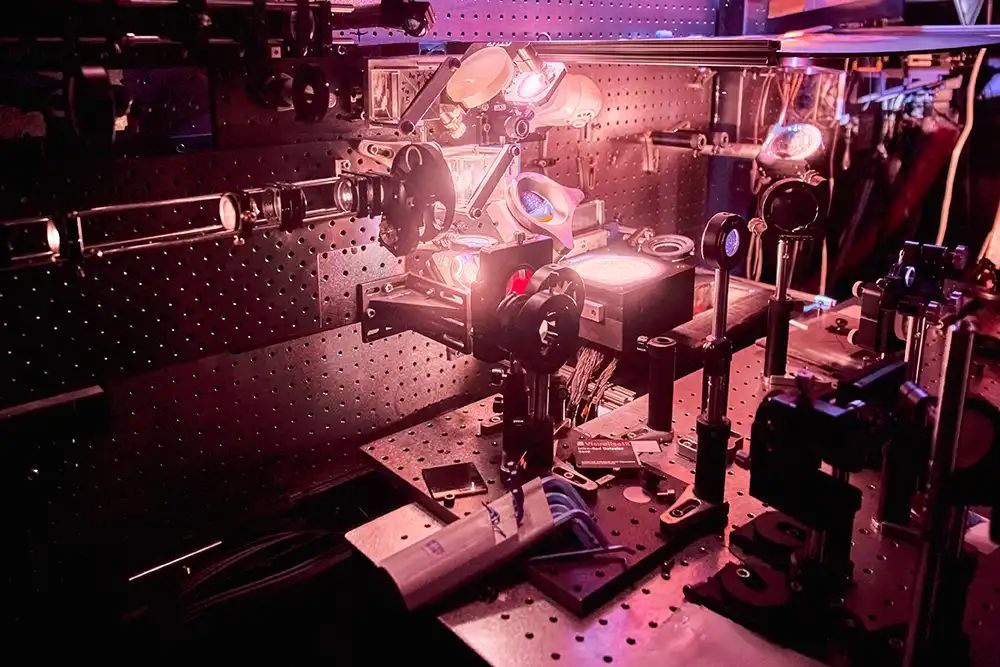
New adaptive optics technology has resulted in the sharpest views yet of the solar corona.
buff.ly/2NkQn1f
.
.
#astronomy #adaptiveoptics #telescopes #solarcorona #solarmission #solarobserving
1
4
5
1,595
27 Mar 2025
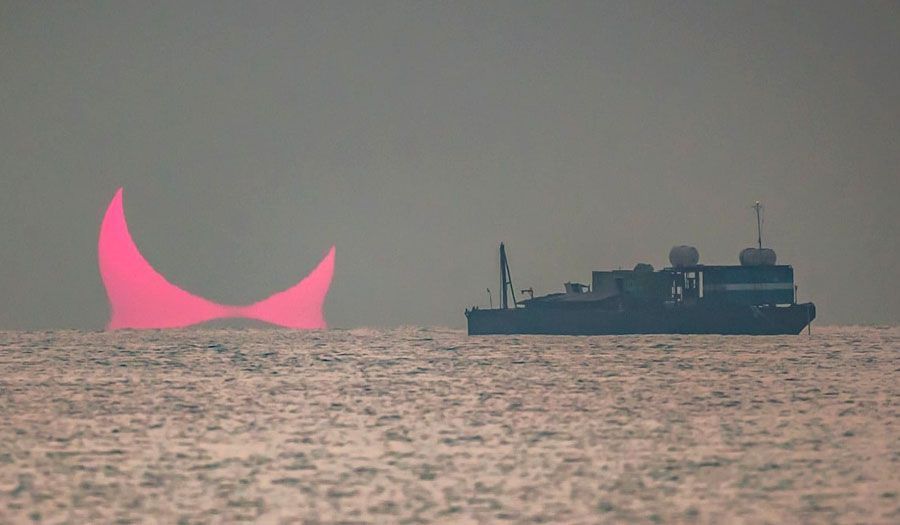
The March 29th partial solar eclipse offers unique opportunities for photography and viewing alike.
buff.ly/qFSoufm
.
.
#astronomy #stargazing #solareclipse #partialeclipse #partialsolareclipse #eclipse #solarobserving
9
33
7,926
23 Feb 2025
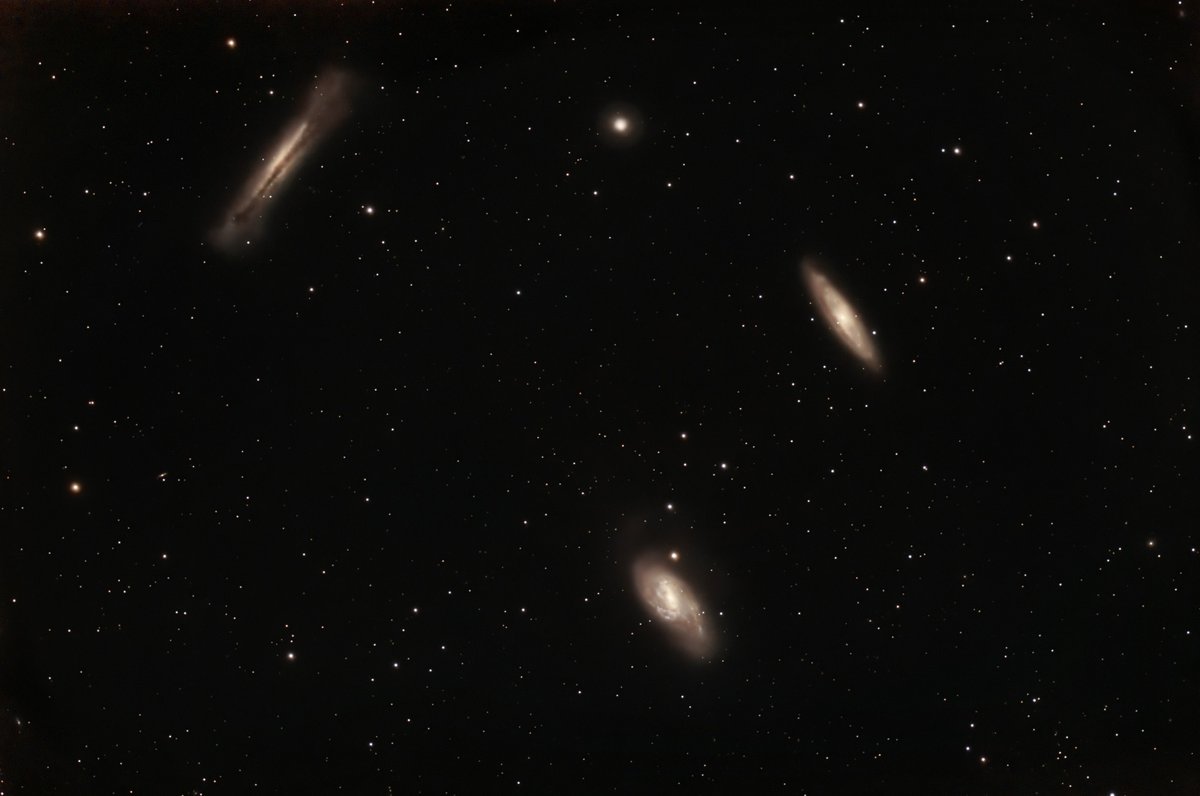
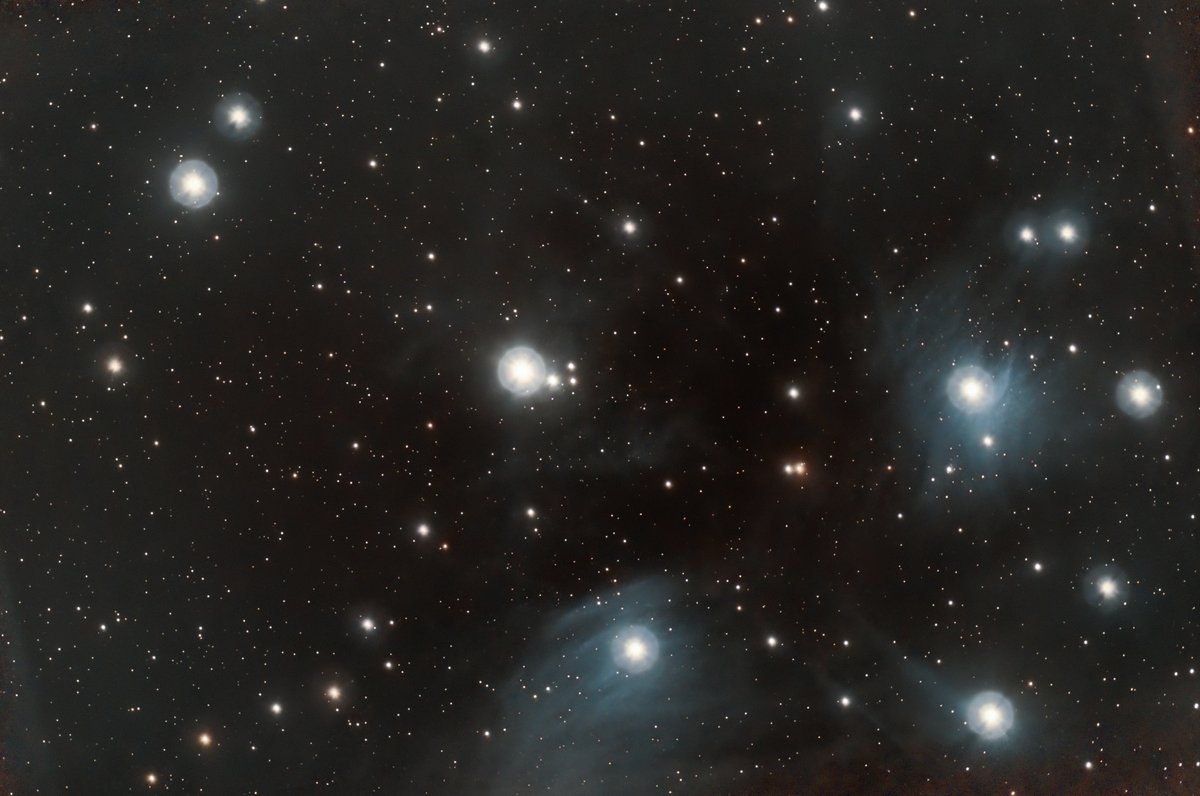
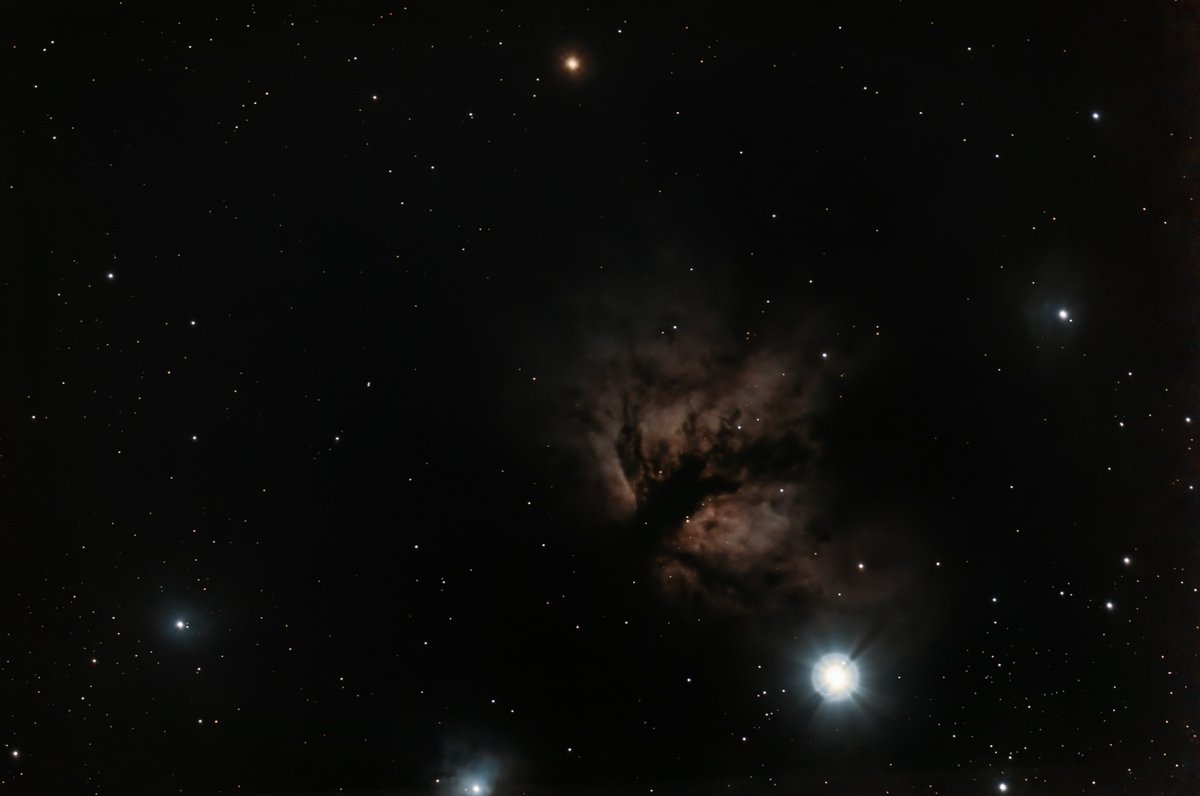
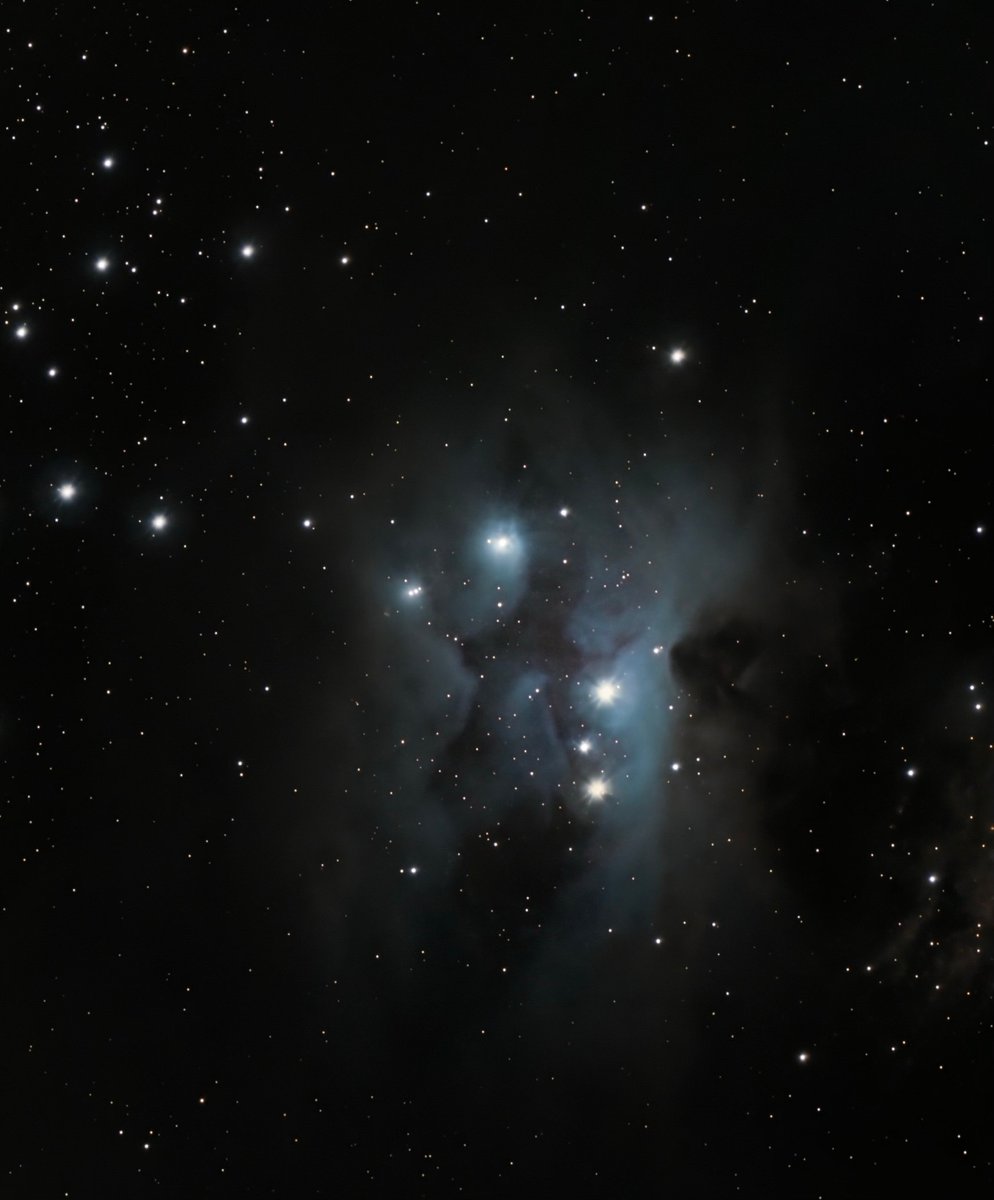
🌟 Team Celestron's Stephen Ramsden is known for his incredible #publicoutreach in #solarobserving. But when he decided to dive into #dso imaging, he turned to the #CelestronOrigin. After a quick setup and test run, he was capturing images like a pro! 🚀✨
14
723
18 Oct 2024
2
4
22
1,889

30 May 2024
Join the Wabash Valley Astronomical Society for an open meeting on June 1, 2-3 p.m., followed by solar observing from 3-5 p.m. Free and open to all! 🌞🔭 #Astronomy #SolarObserving #WabashValley
starcitytv.com/homepage/waba…
33

9 May 2024
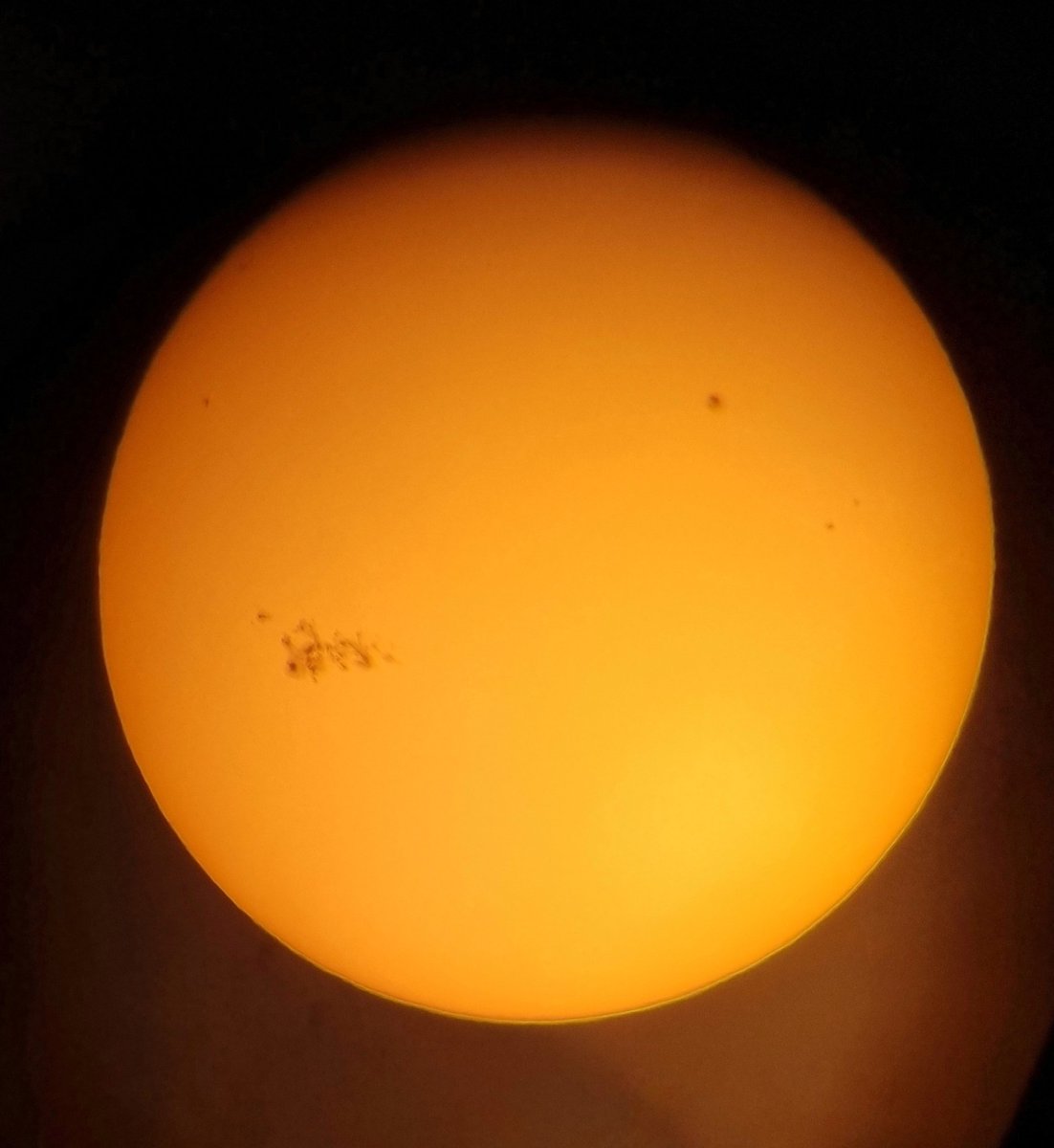
I took a quick phone and telescope (with filter) photo of the sun today.
Sunspot group AR3664 is massive.
08.05.24 Bedford UK
#ThePhotoHour #StormHour
#AR3664 #solarobserving
2
12
49
1,872



4 Feb 2024
#OnThisDay in 2002, @NASA launched the solar flare observatory RHESSI, which become the first instrument to image gamma rays from a solar flare. Image: NASA #astronomy #solarobserving #solarflare
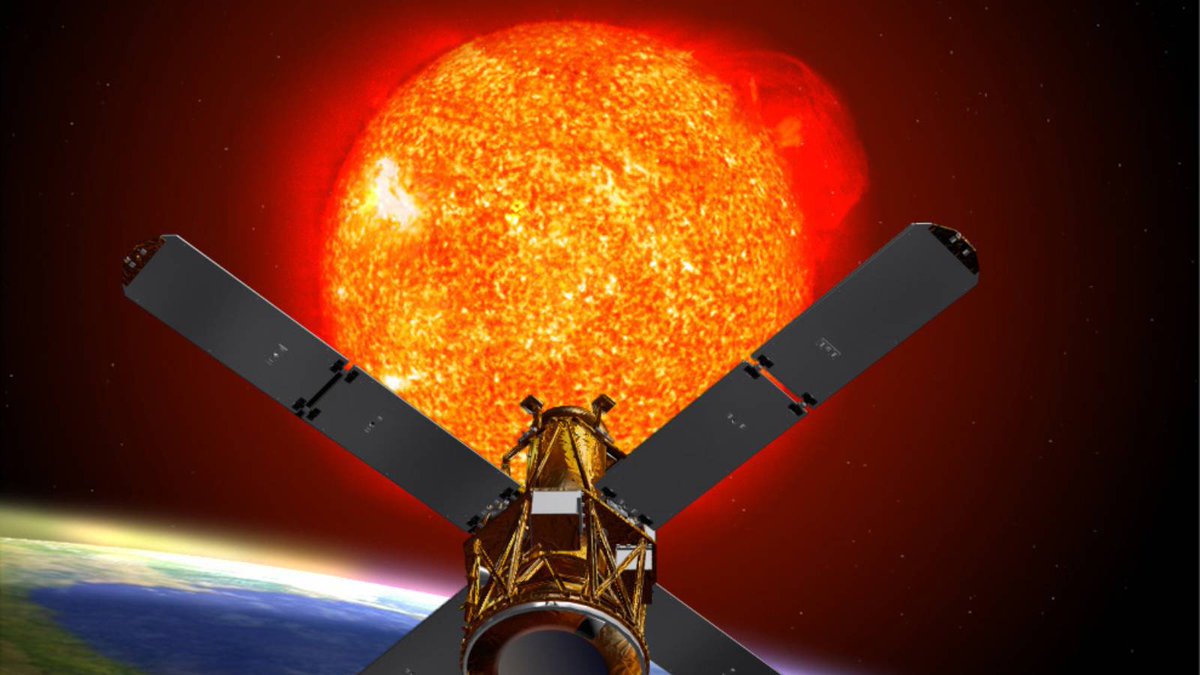
ALT Image shows an artists depiction of the RHESSI spacecraft observing the sun. RHESSI is a gold and dark grey satellite, the sun is orange, yellow and red, with a glowing red corona.
1
5
403

24 Nov 2023
First clear day in some time, solar disk through the 90mm ETX is impressive! full of active regions and large spots and nice faculae on eastern limb. #sunspots #solarobserving
5
358
11 Jun 2023
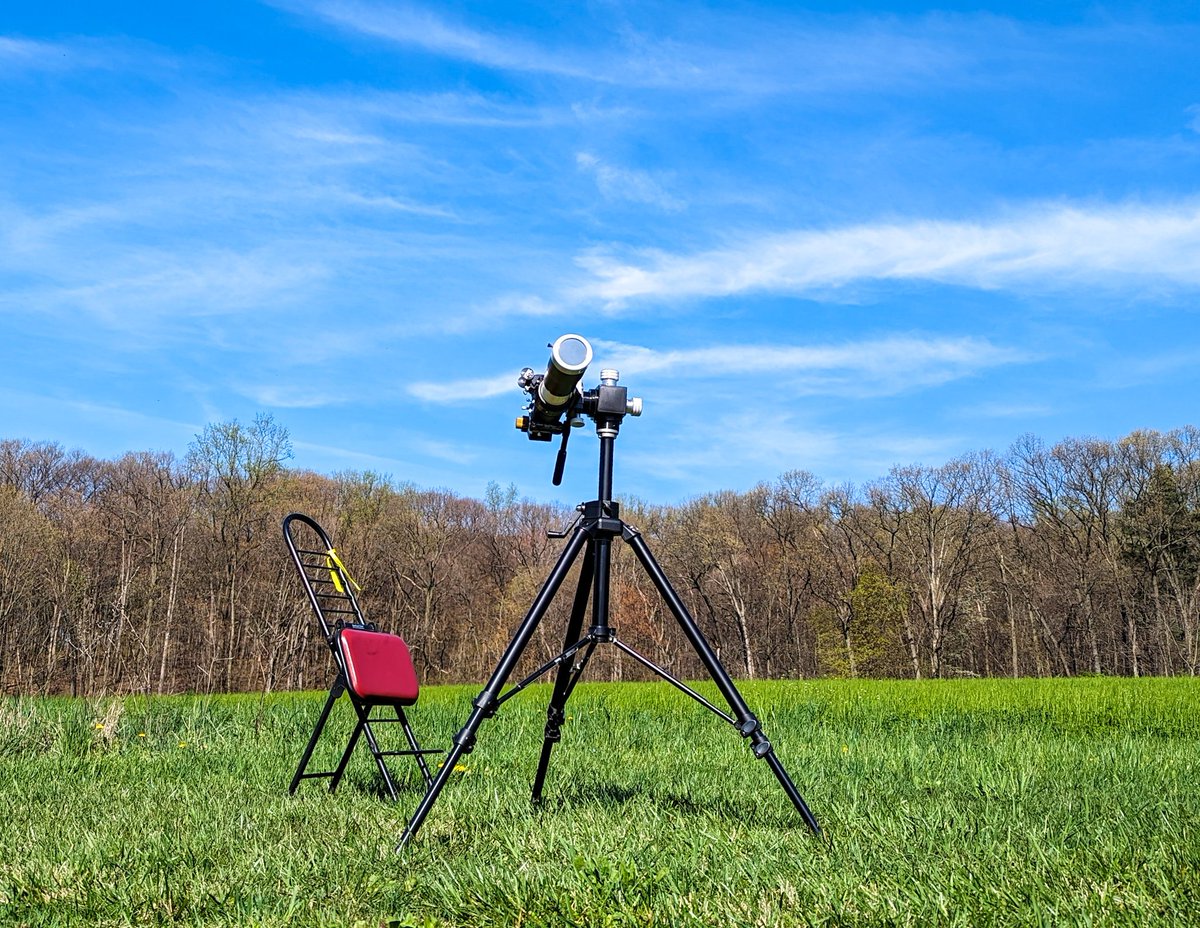
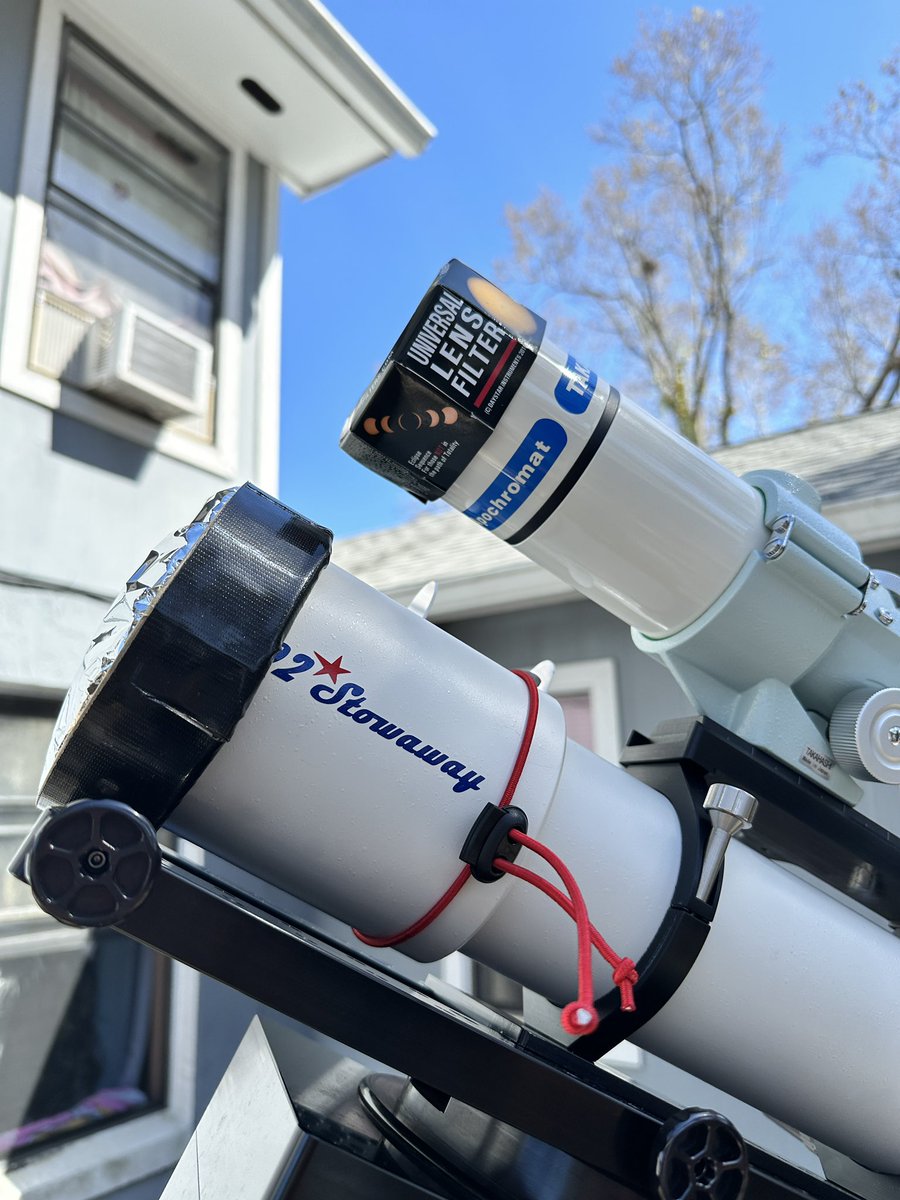
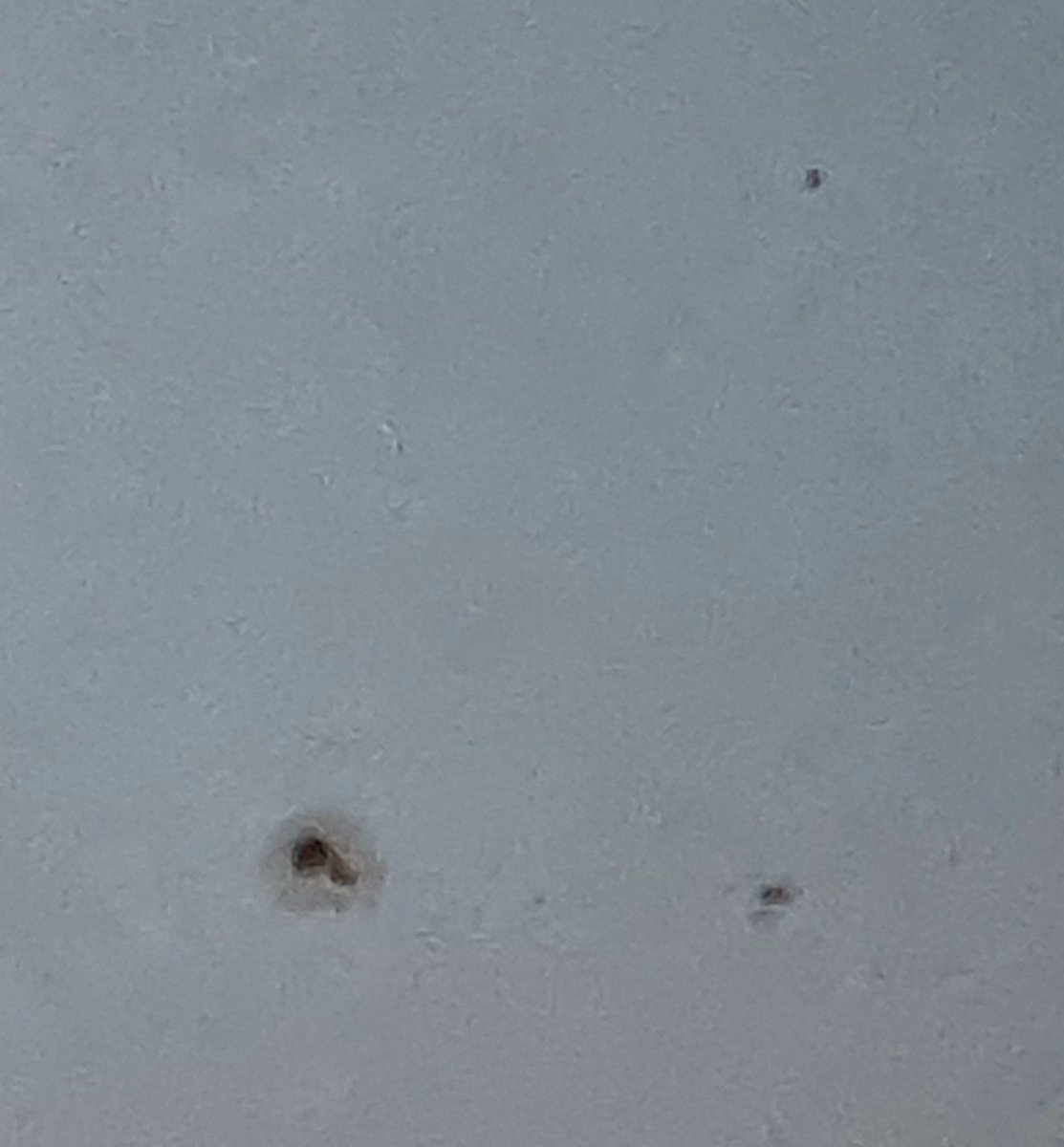
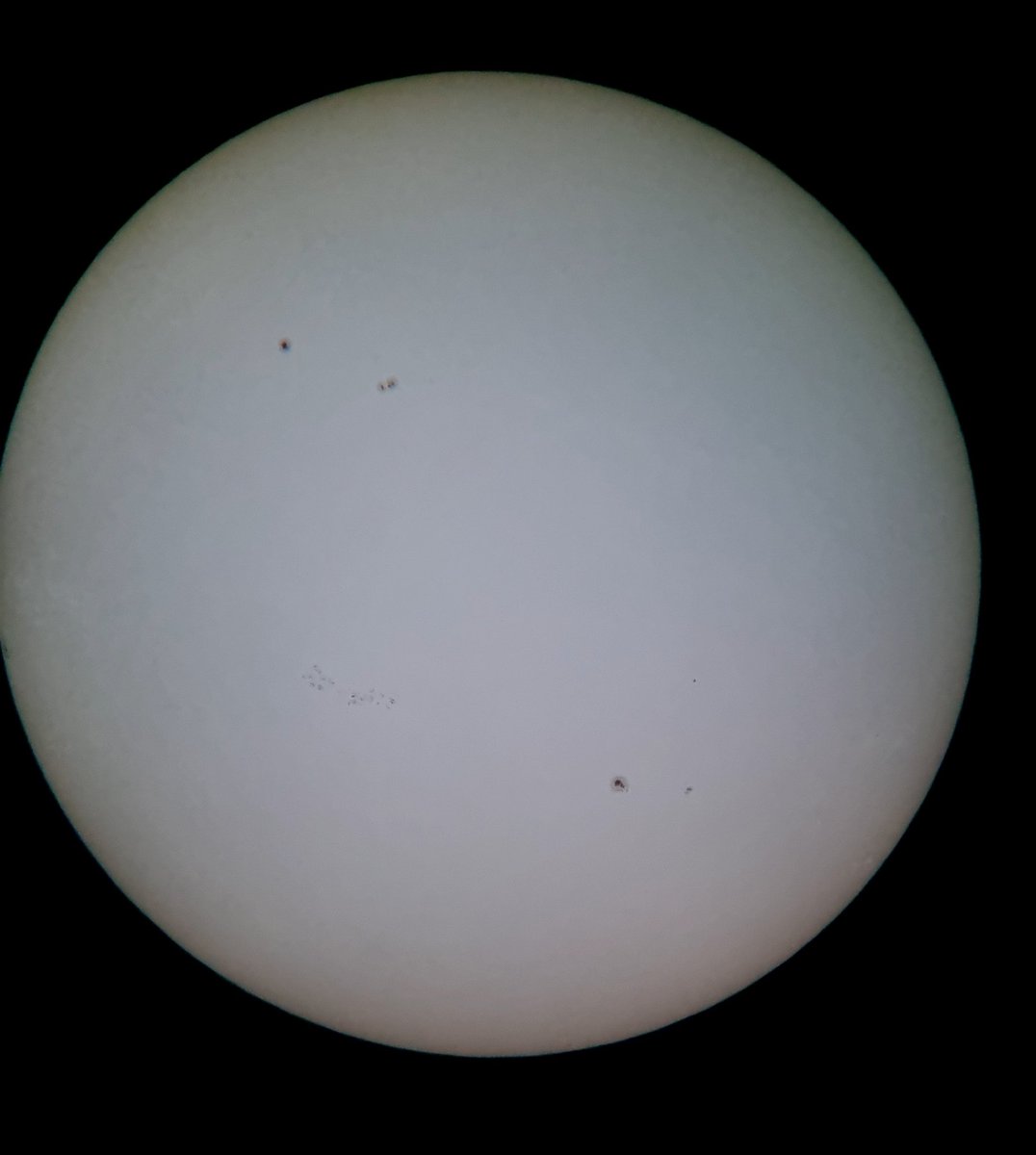
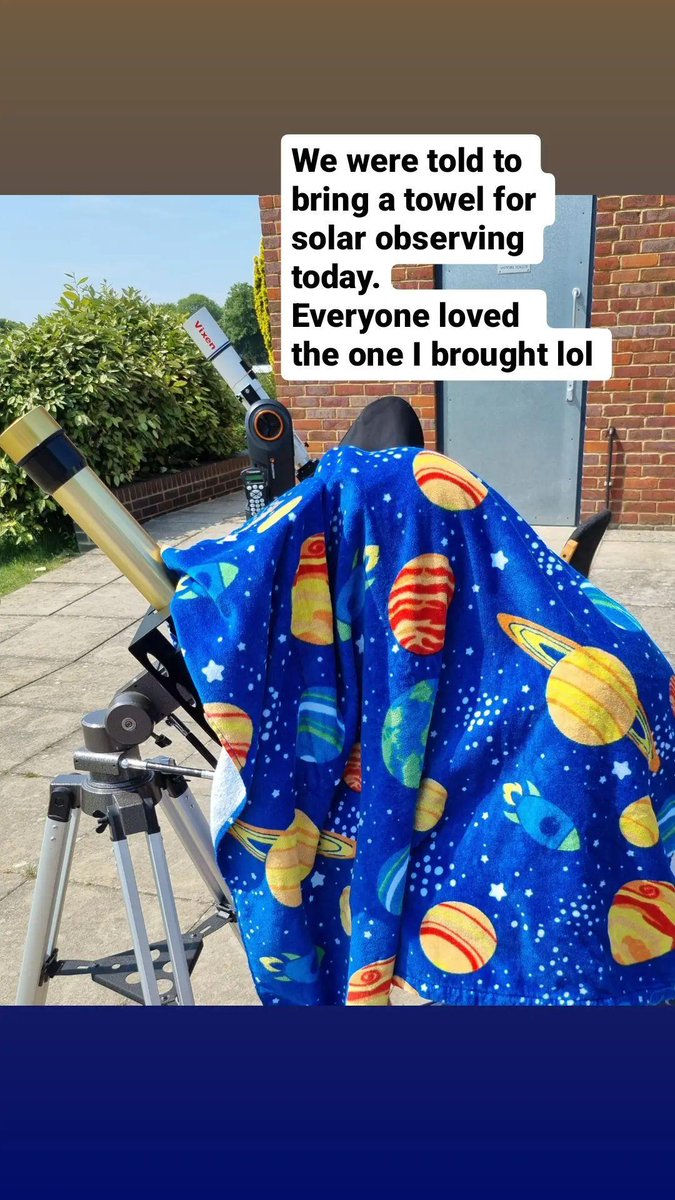
I took solar images today, by holding my phone to the eyepiece of a telescope, set up especially for safe solar observing.
The main telescope I used is at the back of the third photo. People loved the towel I brought along, lol.
11.06.23 Bedford UK #solarobserving.
4
97

22 Oct 2022
As we approach @TheNextEclipse next week in Europe, Asia and Africa here's me on @SPACEdotcom on how to observe the #Sun safely (and what to look for whether there's an #eclipse or not) #solareclipse #solarobserving
space.com/sun-observing-safe…
1
1
4

9 Oct 2022
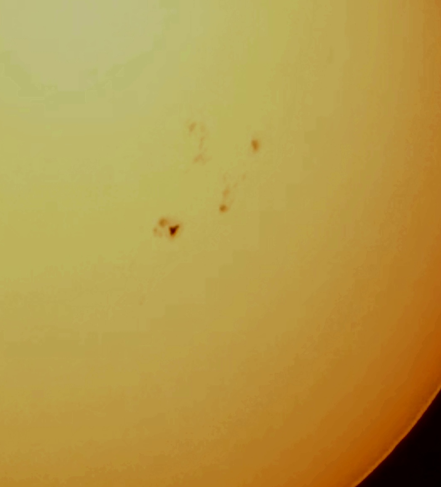
Nice sunspot group yesterday. The Wilson effect was very clear through the eyepiece. #sun #sunspots #astronomy #solarObserving
1

30 Sep 2022
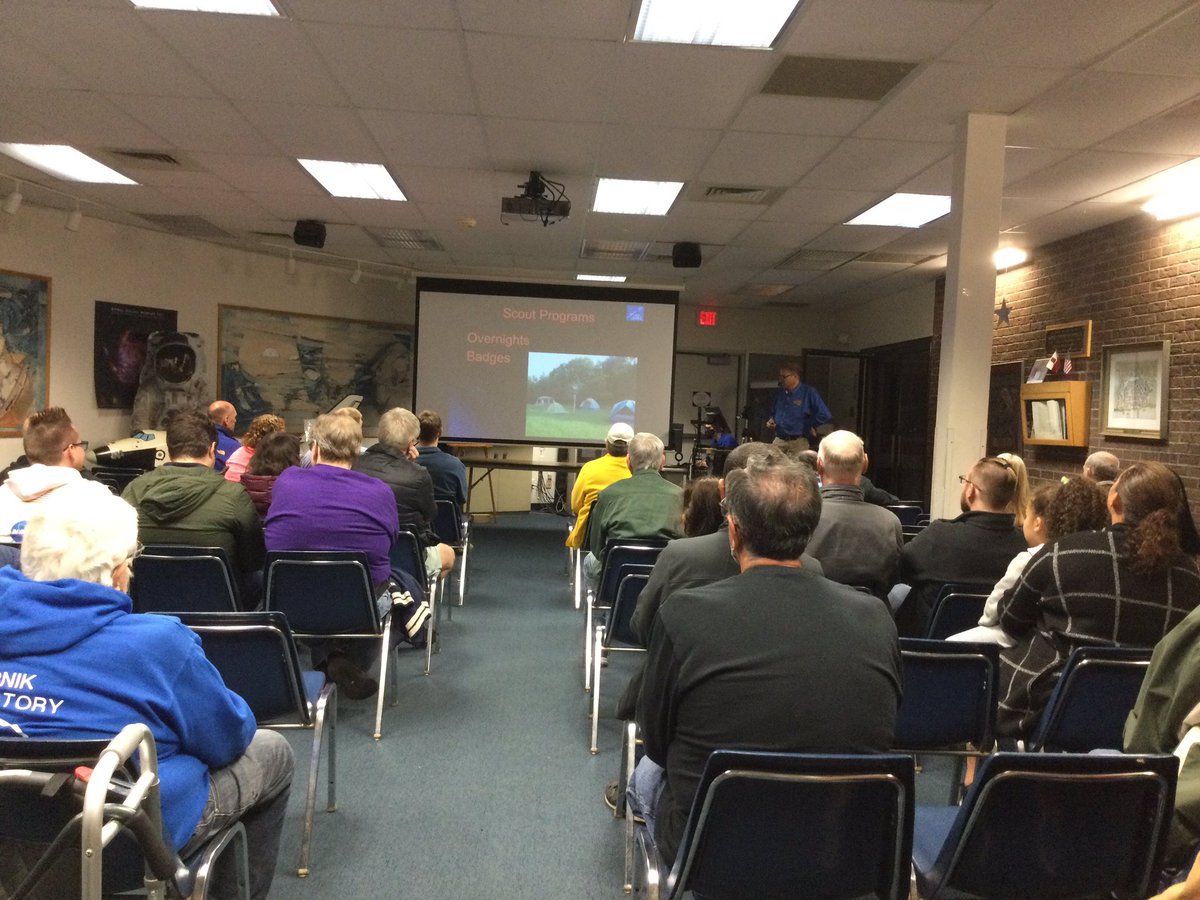
Welcome to the AstroFest everyone! If you couldn’t make it to the Observatory tonight, join us on YouTube - we are now live! youtu.be/TD2NBNR2ocI#astrofe… #astronomy #nightskyobserving #solarobserving #koperniklivestreams
1
1
1
29 Sep 2022
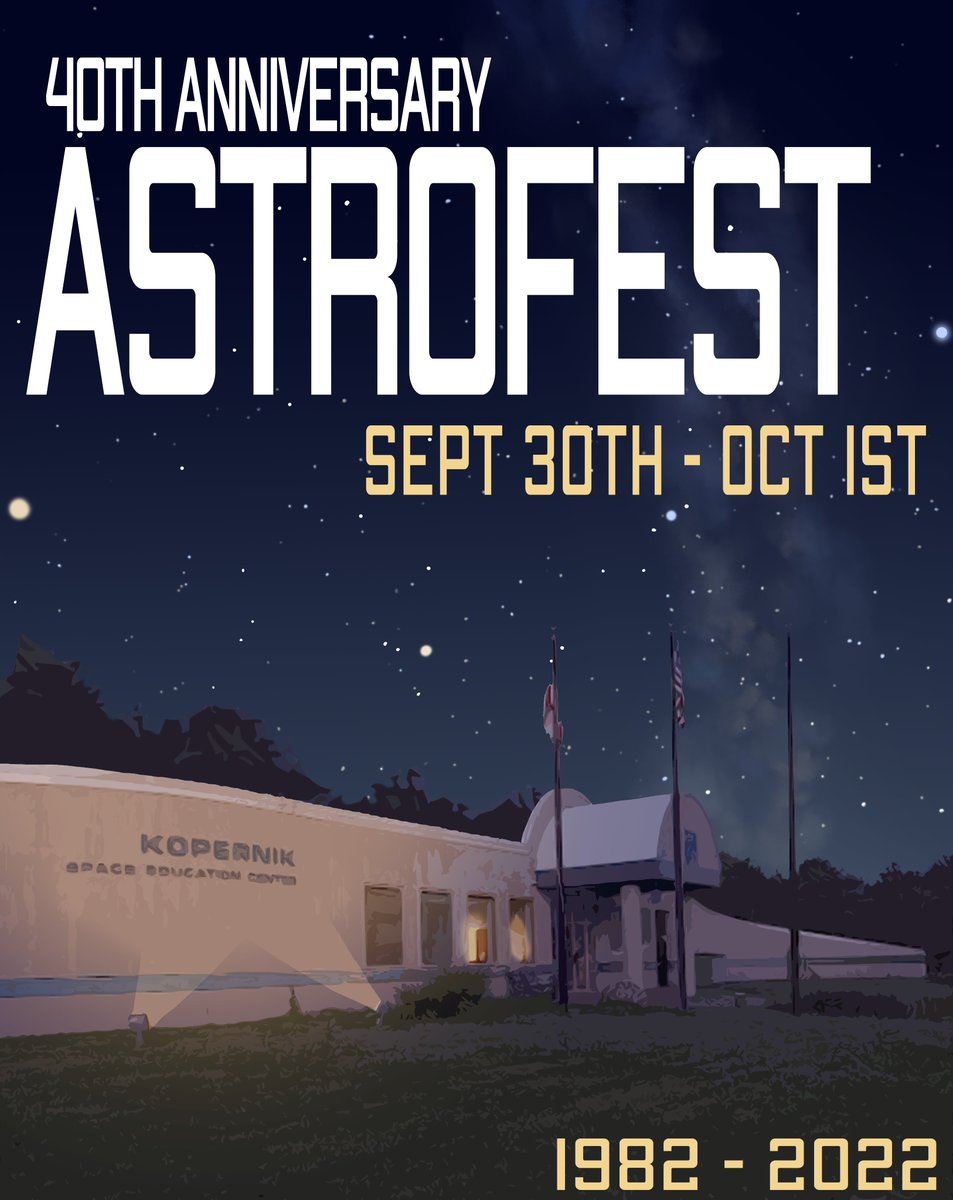
Join us this weekend, Friday, 9/30-Sat, 10/1) for the 40th Anniversary of the AstroFest. It is an onsite event, but all presentations will be streamed live on YouTube youtube.com/user/KopernikObs… #astrofest #astronomy #nightskyobserving #solarobserving #koperniklivestreams
1
2