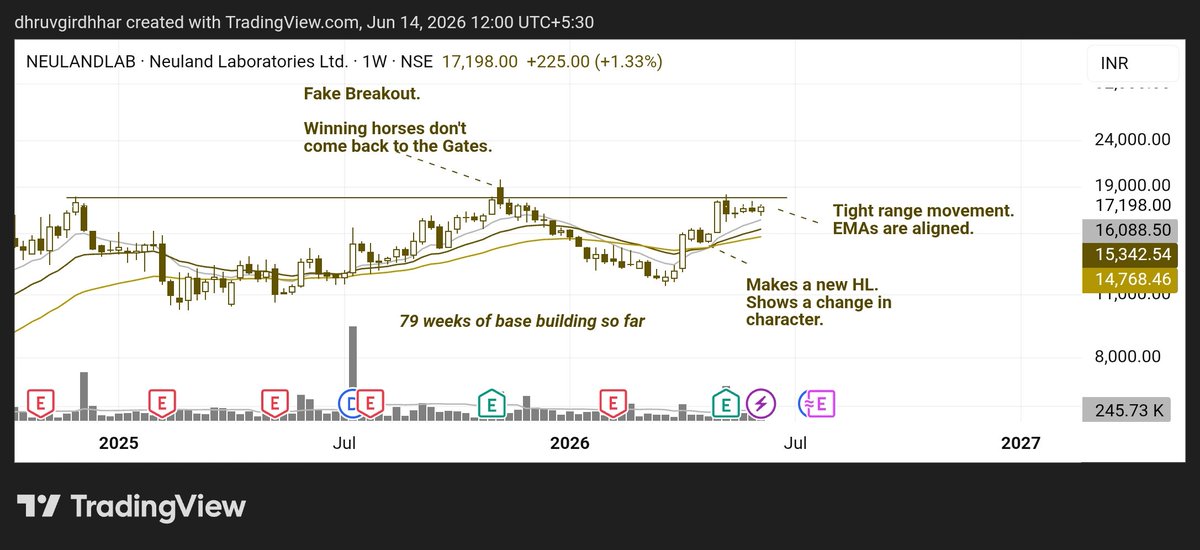
I prefer names that have been quietly building a long base for weeks or even days.
Why? Because it often tells a powerful story.
^ Supply is gradually getting absorbed
^ Impatient holders are moving out
^ Stock is storing energy for next move
^ Higher probability of explosive moves
And one such name on my radar is - Neuland Labs.
A precise long base of 79 weeks (559 days) so far.
But the real question is:
Will it continue to tighten further?
Will it breakout next week itself?
Will it face another supply pressure?
The truth is, I don't know.
But what I do know is - if I manage my risk well and wait for all the pieces in my checklist to align, I can make good amount of money once the odds are in my favor.
Market doesn't pay us for Predicting.
It pays us only for Positioning.
If it breaks out and the trend follows through, the reward can be substantial.
If it doesn't, my predefined risk keeps me safe.
As an old Wall Street proverb says:
"The longer the base, the higher in the space."
#TradingLessons #TechnicalAnalysis
8

Jun 13
3 things I learned building a signal bot:
1. The best trade is often no trade. 60% of the time, our bot finds nothing. Zero signals. That's by design.
2. SHORTs outperform LONGs in our backtest (74% vs 69% WR). Most retail traders never short. That's edge.
3. Win rate alone is meaningless. A 90% WR with 1% gains and 20% losses = bankruptcy. Risk:reward matters more.
Building a signal bot taught me more about trading than 6 years of manual trading.
#TradingLessons #CryptoFutures
1
14

Jun 12
Manage the trade, not your ego. Closing a losing trade is discipline, not defeat.
#TradingLessons #TraderMindset #RiskControl #TradingDiscipline
13

Jun 12
Not every breakout will work.
Not every pullback will work.
Not every ORB will work.
In fact, not everything works all the time.
What works all the time is your Risk Management!
Manage it properly.
Write down your SL before you Enter.
Exit as soon as it hits.
Never be in a Hope that it will recover.
#TradingLessons
30


Jun 11
Lesson from yesterday’s trading mistake
I waited patiently for the perfect setup - green dot at the bottom (Rainbow buy signal), strong volume on open.
Entered with conviction, 2 hours later 15% with no stock-specific news. Looked at PNL, got nervous thinking it was “extended” and booked profit early.
Today it raised another 11%. The move yesterday actually broke the first major resistance on good volume the spot I should’ve been adding, not exiting.
My mentor keeps says this, Never let PNL decide your exit. Stick to your sell rules. Emotions got the better of me.
Sharing this so others (and myself) remember
Discipline > impulse.
Back to the psychology classes today. Progress comes from fixing these leaks.
What’s one rule you’ve broken in the past that cost you?
#TradingPsychology #StockMarket #TradingLessons
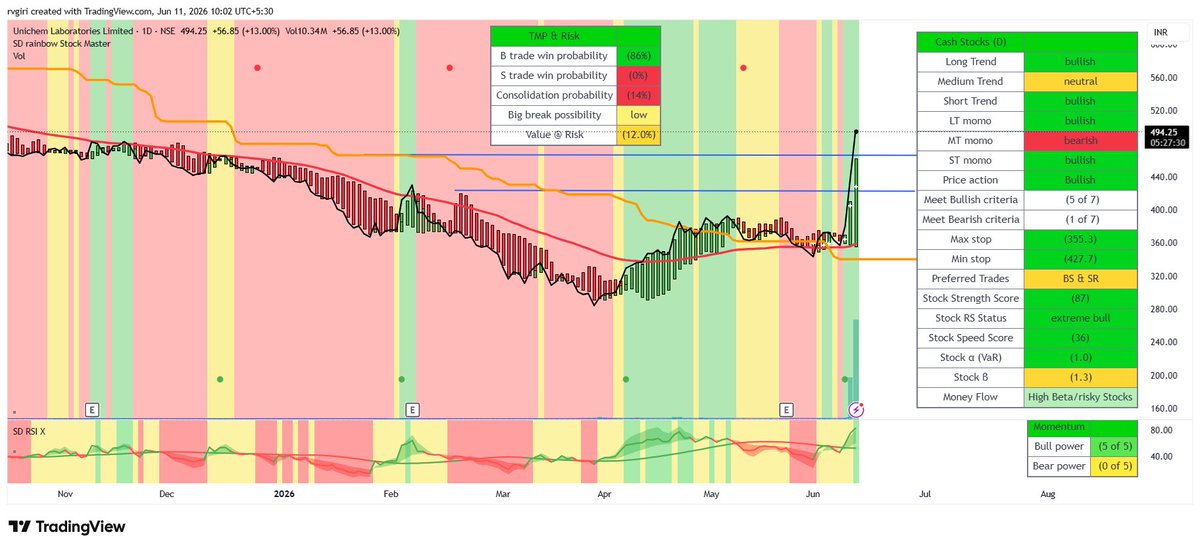
ALT Rainbow Chart - Unichem Laboratories
6
288

Jun 10
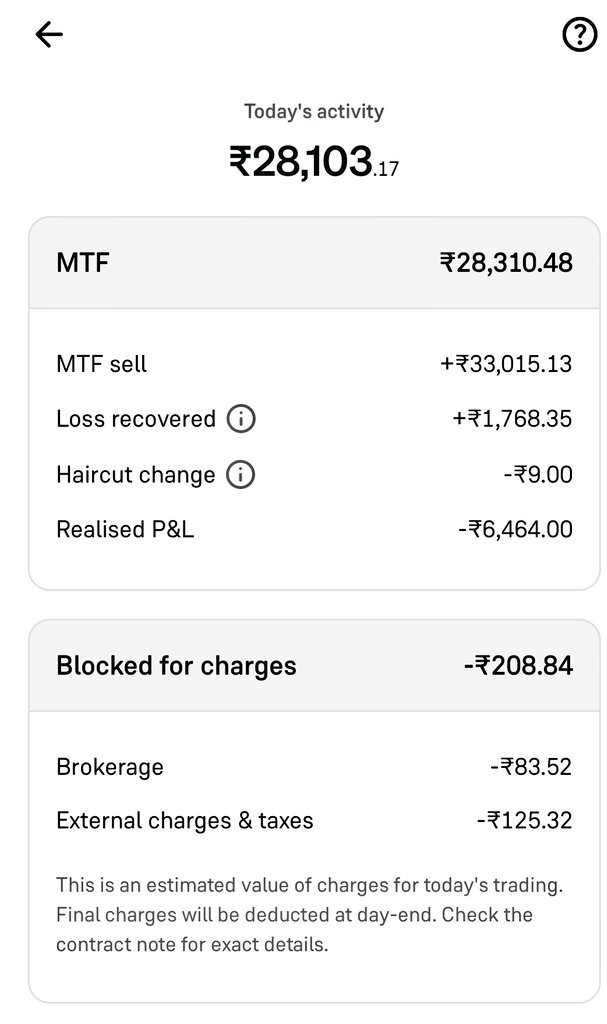
एक दिन की सच्ची लॉस स्टोरी | Share Market का मायाजाल दोस्तों, आज का दिन मेरे लिए बहुत बड़ा सबक लेकर आया। ₹28,103 का Today's Activity दिख रहा है... लेकिन असल कहानी अंदर है MTF Sell से ₹33,015
Loss Recovered ₹1,768
लेकिन Realised P&L → -₹6,464
Brokerage, Taxes, Haircut सब मिलाकर छोटा-छोटा कटता गया...
नतीजा?
थोड़ा सा प्रॉफिट कमाने के चक्कर में बड़ा लॉस हो गया। ये स्क्रीनशॉट share market की हकीकत है — एक पल में खुशी, दूसरे पल में झटका। मेरा आपसे निवेदन:
लॉस को जितना हो सके कम रखो
Over-leverage मत करो
Risk management सबसे ऊपर रखो
बिना प्लान के ट्रेड मत करो Share Market में पैसा कमाना आसान नहीं है, लेकिन इसे गँवाना बहुत आसान है।अगर आप भी ट्रेडिंग करते हो तो इस पोस्ट को जरूर शेयर करो।
किसी नए ट्रेडर का भला हो जाए तो मेरी मेहनत सार्थक। Comment में बताओ — आज आपका दिन कैसा रहा? प्रॉफिट या लॉस? #ShareMarket #Trading #LossStory #StockMarketIndia #RiskManagement #TradingLessons #MTF #OptionsTrading #LearnFromLoss
ALT शेयर मार्केट लॉस
36

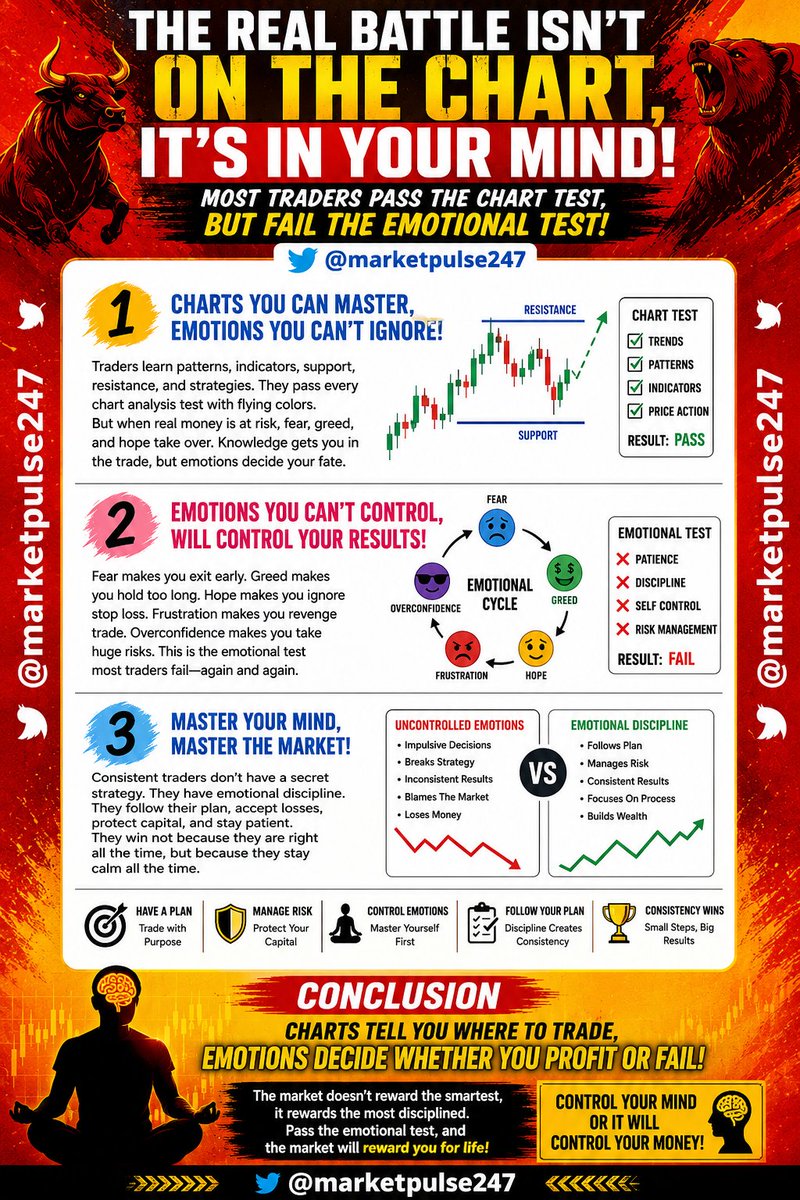
CHARTS DON'T BREAK TRADERS, EMOTIONS DO
Many traders spend years learning chart patterns, technical indicators, support and resistance levels, candlestick formations, and market structure. They become experts at identifying trends and predicting potential price movements. They can explain complex setups with confidence and often pass every technical analysis test with outstanding results. Yet surprisingly, many of these same traders struggle to achieve consistent profitability. The reason is simple. Success in trading is not determined solely by what you know. It is determined by how you behave when real money is at risk. Trading transforms from a technical exercise into an emotional challenge the moment a position is opened. Fear, greed, hope, and impatience begin influencing decisions. A trader who confidently analyzed a chart may suddenly hesitate to enter a trade because of fear. Another trader may ignore a stop loss because hope convinces them the market will reverse. The market does not reward intelligence alone. It rewards discipline and emotional stability. Technical analysis helps identify opportunities, but emotional control determines whether those opportunities are executed properly. The difference between profitable traders and struggling traders is often not knowledge. It is the ability to remain calm, disciplined, and committed to a proven process regardless of short term market fluctuations.
THE EMOTIONAL MANAGEMENT TEST MOST TRADERS FAIL
The biggest challenge in trading begins after entering a position. This is where emotions quietly take control. Fear makes traders exit winning trades too early because they worry profits might disappear. Greed encourages traders to hold positions too long in search of unrealistic gains. Frustration after a loss often leads to revenge trading, where traders abandon their strategy and take impulsive positions. Overconfidence after a series of successful trades can result in excessive risk taking that eventually destroys months of progress. These emotional reactions are responsible for far more losses than poor chart analysis. The market constantly tests patience, discipline, and self control. Every price movement creates emotional pressure. Successful traders understand that emotional management is not a secondary skill. It is a core requirement for long term survival. They create trading plans before entering positions and follow those plans without allowing emotions to interfere. They accept losses as part of the business and avoid making decisions based on temporary feelings. Emotional discipline allows traders to stay objective and focused even during periods of uncertainty. Those who fail this test often blame the market, but the real battle was taking place within themselves all along.
THE REAL EDGE THAT CREATES CONSISTENT PROFITS
Many people believe the secret to trading success lies in discovering a perfect indicator or a magical strategy. In reality, the greatest edge comes from mastering yourself. Consistent traders understand that profitability is built on discipline, patience, and emotional control. They know that losing trades are unavoidable and that no strategy wins every time. Instead of chasing perfection, they focus on executing their system consistently. They manage risk carefully, follow position sizing rules, and trust their process even when results fluctuate in the short term. Emotional mastery allows traders to think rationally when others panic. It allows them to remain patient when opportunities are limited and confident when uncertainty rises. Over time, this discipline creates a powerful competitive advantage. Technical skills may help traders identify opportunities, but emotional control ensures they capitalize on them effectively. The market rewards those who remain calm under pressure and punishes those who allow emotions to dictate decisions. Ultimately, successful trading is not about conquering the market. It is about conquering yourself. When emotions are controlled, decisions improve. When decisions improve, consistency follows. And when consistency becomes a habit, long term profitability becomes achievable.
CHARTS DON'T BREAK TRADERS, EMOTIONS DO
Many traders spend years learning chart patterns, technical indicators, support and resistance levels, candlestick formations, and market structure. They become experts at identifying trends and predicting potential price movements. They can explain complex setups with confidence and often pass every technical analysis test with outstanding results. Yet surprisingly, many of these same traders struggle to achieve consistent profitability. The reason is simple. Success in trading is not determined solely by what you know. It is determined by how you behave when real money is at risk. Trading transforms from a technical exercise into an emotional challenge the moment a position is opened. Fear, greed, hope, and impatience begin influencing decisions. A trader who confidently analyzed a chart may suddenly hesitate to enter a trade because of fear. Another trader may ignore a stop loss because hope convinces them the market will reverse. The market does not reward intelligence alone. It rewards discipline and emotional stability. Technical analysis helps identify opportunities, but emotional control determines whether those opportunities are executed properly. The difference between profitable traders and struggling traders is often not knowledge. It is the ability to remain calm, disciplined, and committed to a proven process regardless of short term market fluctuations.
THE EMOTIONAL MANAGEMENT TEST MOST TRADERS FAIL
The biggest challenge in trading begins after entering a position. This is where emotions quietly take control. Fear makes traders exit winning trades too early because they worry profits might disappear. Greed encourages traders to hold positions too long in search of unrealistic gains. Frustration after a loss often leads to revenge trading, where traders abandon their strategy and take impulsive positions. Overconfidence after a series of successful trades can result in excessive risk taking that eventually destroys months of progress. These emotional reactions are responsible for far more losses than poor chart analysis. The market constantly tests patience, discipline, and self control. Every price movement creates emotional pressure. Successful traders understand that emotional management is not a secondary skill. It is a core requirement for long term survival. They create trading plans before entering positions and follow those plans without allowing emotions to interfere. They accept losses as part of the business and avoid making decisions based on temporary feelings. Emotional discipline allows traders to stay objective and focused even during periods of uncertainty. Those who fail this test often blame the market, but the real battle was taking place within themselves all along.
THE REAL EDGE THAT CREATES CONSISTENT PROFITS
Many people believe the secret to trading success lies in discovering a perfect indicator or a magical strategy. In reality, the greatest edge comes from mastering yourself. Consistent traders understand that profitability is built on discipline, patience, and emotional control. They know that losing trades are unavoidable and that no strategy wins every time. Instead of chasing perfection, they focus on executing their system consistently. They manage risk carefully, follow position sizing rules, and trust their process even when results fluctuate in the short term. Emotional mastery allows traders to think rationally when others panic. It allows them to remain patient when opportunities are limited and confident when uncertainty rises. Over time, this discipline creates a powerful competitive advantage. Technical skills may help traders identify opportunities, but emotional control ensures they capitalize on them effectively. The market rewards those who remain calm under pressure and punishes those who allow emotions to dictate decisions. Ultimately, successful trading is not about conquering the market. It is about conquering yourself. When emotions are controlled, decisions improve. When decisions improve, consistency follows. And when consistency becomes a habit, long term profitability becomes achievable.
CONCLUSION
The majority of traders lose not because they cannot read charts, but because they cannot manage emotions. Technical analysis may open the door to opportunity, but emotional discipline determines whether you walk through it successfully. Master your emotions, trust your process, and remember that the greatest battle in trading is not against the market, but against yourself.
Twitter: x.com/@marketpulse247
#TradingPsychology #TradingMindset #StockMarket #TraderLife #EmotionalControl #TradingDiscipline #Investing #StockTrading #RiskManagement #TraderMindset #TechnicalAnalysis #TradingSuccess #MarketPsychology #InvestSmart #TradingJourney #FinancialFreedom #StockMarketIndia #InvestingMindset #MarketWisdom #TradingEducation #DisciplineEqualsFreedom #ProfitableTrading #TradingCommunity #WealthCreation #MindsetMatters #FinancialMarkets #TradingLessons #StockMarketLearning #PriceAction #TraderEducation #InvestingTips #MarketAnalysis #TradingStrategy #CapitalProtection #LongTermSuccess #TradingPerformance #InvestorMindset #TradingHabits #SmartInvesting #MoneyManagement #TradingGoals #MarketInsights #ConsistencyInTrading #LearnTrading #WinningMindset #StockMarketTips #BehavioralFinance #TradingEdge #MarketPulse247 #FinancialSuccess
1
2
52
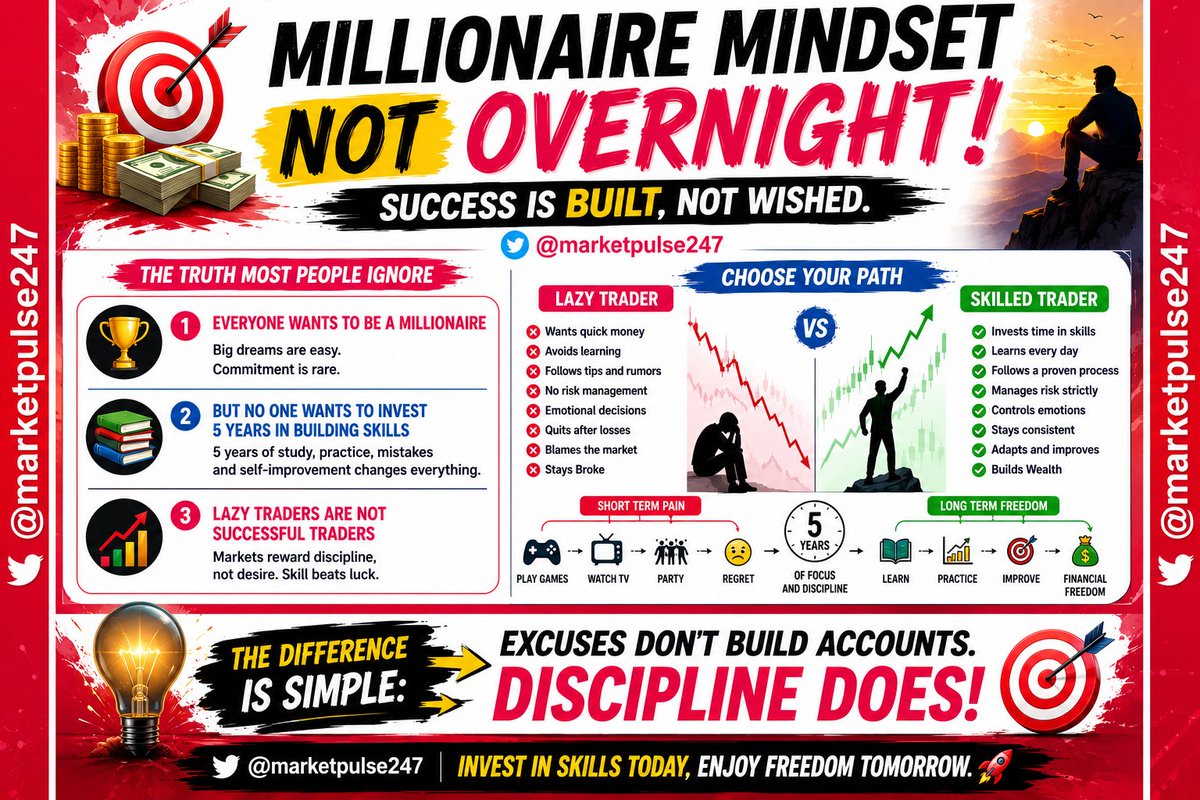
THE HARSH TRUTH: MILLIONAIRE DREAMS NEED YEARS OF DISCIPLINE
1. Everyone Wants The Reward, Few Want The Process
Everyone dreams of becoming a millionaire through trading and investing. The idea of financial freedom is attractive, but most people focus only on the destination. They want quick profits and instant success without understanding that every major achievement requires years of preparation, learning, and consistent effort.
2. Skills Are The Real Wealth Builders
Successful traders are not created overnight. They spend years studying charts, understanding risk management, controlling emotions, and learning from mistakes. Skills compound just like money. Every lesson learned today becomes an advantage tomorrow. Those who invest time in learning create a foundation that supports long term success.
3. Shortcuts Usually Lead To Failure
Many traders search for secret indicators, hot tips, and guaranteed strategies. Unfortunately, shortcuts rarely work for long. Markets reward discipline, patience, and continuous improvement. Traders who avoid the hard work often repeat the same mistakes and wonder why consistent profits remain out of reach.
4. Consistency Beats Motivation
Motivation comes and goes, but discipline stays. The traders who succeed are the ones who continue learning and improving even when results are slow. They understand that mastery takes time and that every day of practice moves them one step closer to their goals.
BOLD CONCLUSION
The difference between successful traders and unsuccessful traders is not talent alone. It is their willingness to invest years developing valuable skills. Everyone wants millionaire results, but only a few are willing to commit to the journey required to achieve them. Build skills first, stay disciplined, and let success become the natural outcome of your efforts.
THE HARSH TRUTH: MILLIONAIRE DREAMS NEED YEARS OF DISCIPLINE
1. Everyone Wants The Reward, Few Want The Process
Everyone dreams of becoming a millionaire through trading and investing. The idea of financial freedom is attractive, but most people focus only on the destination. They want quick profits and instant success without understanding that every major achievement requires years of preparation, learning, and consistent effort.
2. Skills Are The Real Wealth Builders
Successful traders are not created overnight. They spend years studying charts, understanding risk management, controlling emotions, and learning from mistakes. Skills compound just like money. Every lesson learned today becomes an advantage tomorrow. Those who invest time in learning create a foundation that supports long term success.
3. Shortcuts Usually Lead To Failure
Many traders search for secret indicators, hot tips, and guaranteed strategies. Unfortunately, shortcuts rarely work for long. Markets reward discipline, patience, and continuous improvement. Traders who avoid the hard work often repeat the same mistakes and wonder why consistent profits remain out of reach.
4. Consistency Beats Motivation
Motivation comes and goes, but discipline stays. The traders who succeed are the ones who continue learning and improving even when results are slow. They understand that mastery takes time and that every day of practice moves them one step closer to their goals.
BOLD CONCLUSION
The difference between successful traders and unsuccessful traders is not talent alone. It is their willingness to invest years developing valuable skills. Everyone wants millionaire results, but only a few are willing to commit to the journey required to achieve them. Build skills first, stay disciplined, and let success become the natural outcome of your efforts.
Twitter: x.com/@marketpulse247
#Trading #StockMarket #TraderMindset #MillionaireMindset #SuccessMindset #TradingPsychology #Investing #FinancialFreedom #WealthCreation #StockTrading #Discipline #Consistency #TradingJourney #RiskManagement #LearnTrading #TradingEducation #MarketWisdom #TradingLife #InvestorMindset #LongTermThinking #PatiencePays #GrowthMindset #SelfImprovement #TradingSuccess #FinancialGrowth #MarketAnalysis #TradingCommunity #MindsetMatters #WealthBuilding #StockMarketIndia #Nifty50 #BankNifty #PriceAction #TechnicalAnalysis #TradingMotivation #SuccessHabits #HardWorkPaysOff #SkillBuilding #TraderLife #InvestmentJourney #FutureMillionaire #PersonalGrowth #SmartInvesting #FinancialSuccess #TradingGoals #MarketPulse #DisciplineWins #TradingLessons #ConsistentGrowth #SuccessJourney
3
78

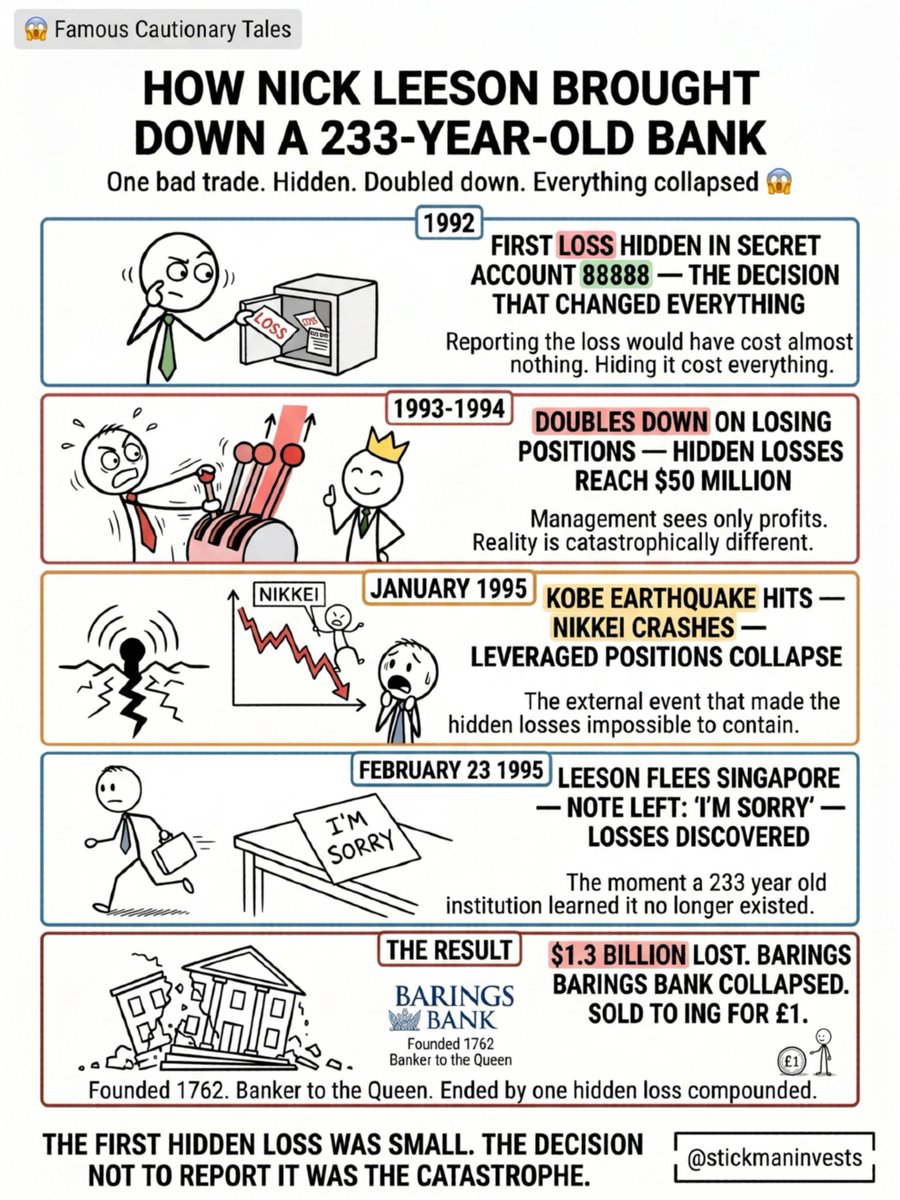
How Nick Leeson Brought Down a 233-Year-Old Bank With One Bad Trade That Became Thousands
The most famous financial disaster in trading history — and the lesson it left behind 😱
The story:
➔ 1992 — Leeson makes a small trading error and instead of reporting it hides it in a secret error account numbered 88888 — a decision that changes everything that follows
➔ 1993-1994 — the hidden losses grow as Leeson doubles down on losing positions trying to trade his way back to zero — the account reaches $50 million in hidden losses while management sees only profits
➔ January 1995 — the Kobe earthquake hits Japan — the Nikkei drops sharply — Leeson's enormous leveraged long positions on the Nikkei collapse catastrophically and cannot be recovered
➔ February 23 1995 — Leeson flees Singapore leaving a single note on his desk that reads "I'm sorry" — the losses are discovered — Barings Bank has no capital left to cover them
➔ The result — $1.3 billion in total losses, Barings Bank — founded in 1762, banker to the Queen — collapsed and was sold to ING for £1 — Leeson served four years in a Singapore prison
The first hidden loss was small. The decision not to report it was the catastrophe. Save this. 🔖
#NickLeeson #BaringsBank #CautionaryTales #TradingLessons #FinancialHistory
1
2
78
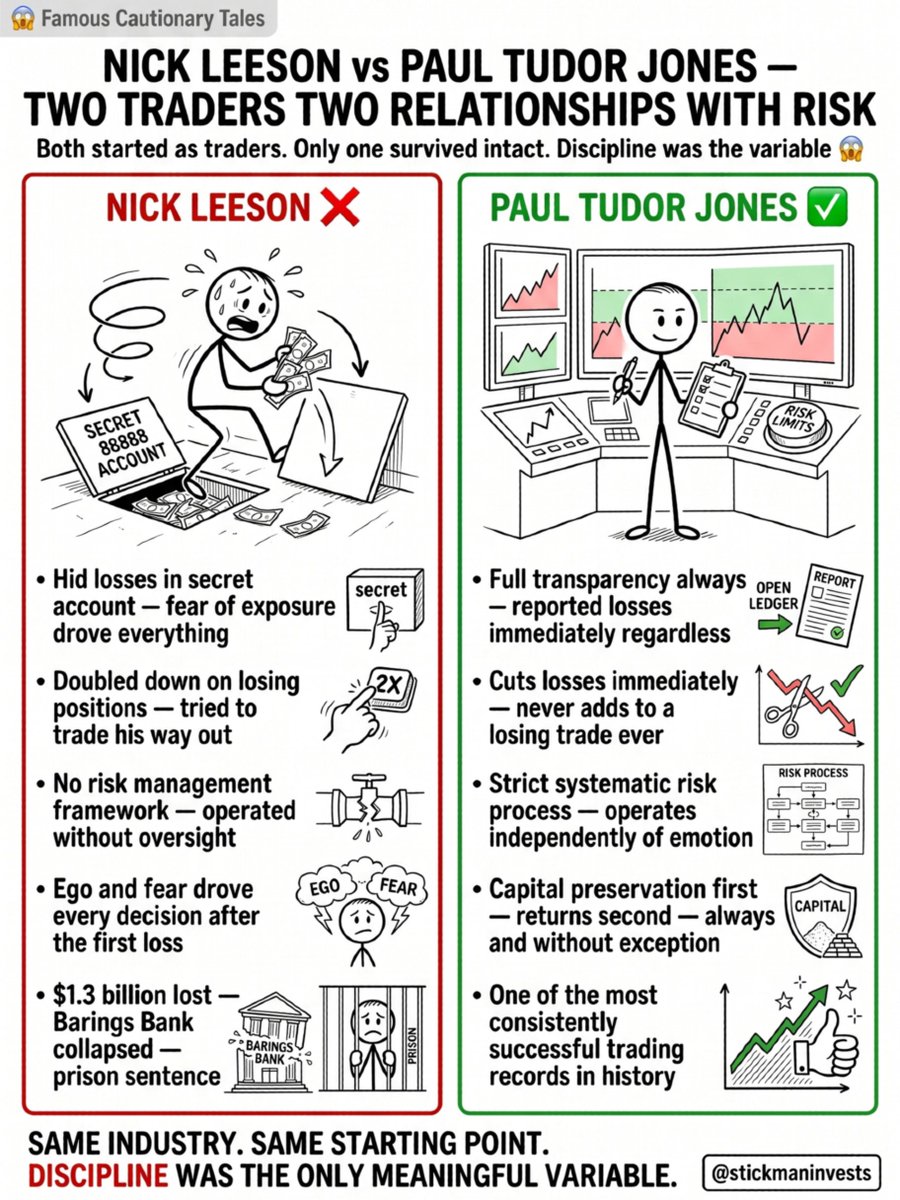
Nick Leeson vs Paul Tudor Jones — Two Traders Two Completely Different Relationships With Risk
Both started as traders. Only one survived intact. The difference was not skill — it was discipline 😱
The comparison:
➔ Leeson hid losses in a secret account rather than reporting them — Jones has always operated with full transparency and strict reporting regardless of the result
➔ Leeson doubled down on losing positions trying to trade his way out — Jones cuts losses immediately and never adds to a losing trade under any circumstances
➔ Leeson operated without meaningful oversight or risk management framework — Jones built a systematic risk management process that operates independently of emotion or ego
➔ Leeson let ego and fear of exposure drive every decision after the first loss — Jones built a philosophy around capital preservation first and returns second — always
➔ Leeson ended with $1.3 billion in losses, the collapse of a 233 year old bank, and a prison sentence — Jones built one of the most consistently successful trading records in history
Same industry. Same starting point. Completely opposite outcomes. Discipline was the only meaningful variable. Save this. 🔖
#NickLeeson #PaulTudorJones #TradingLessons #CautionaryTales #WealthBuilding
1
2
40
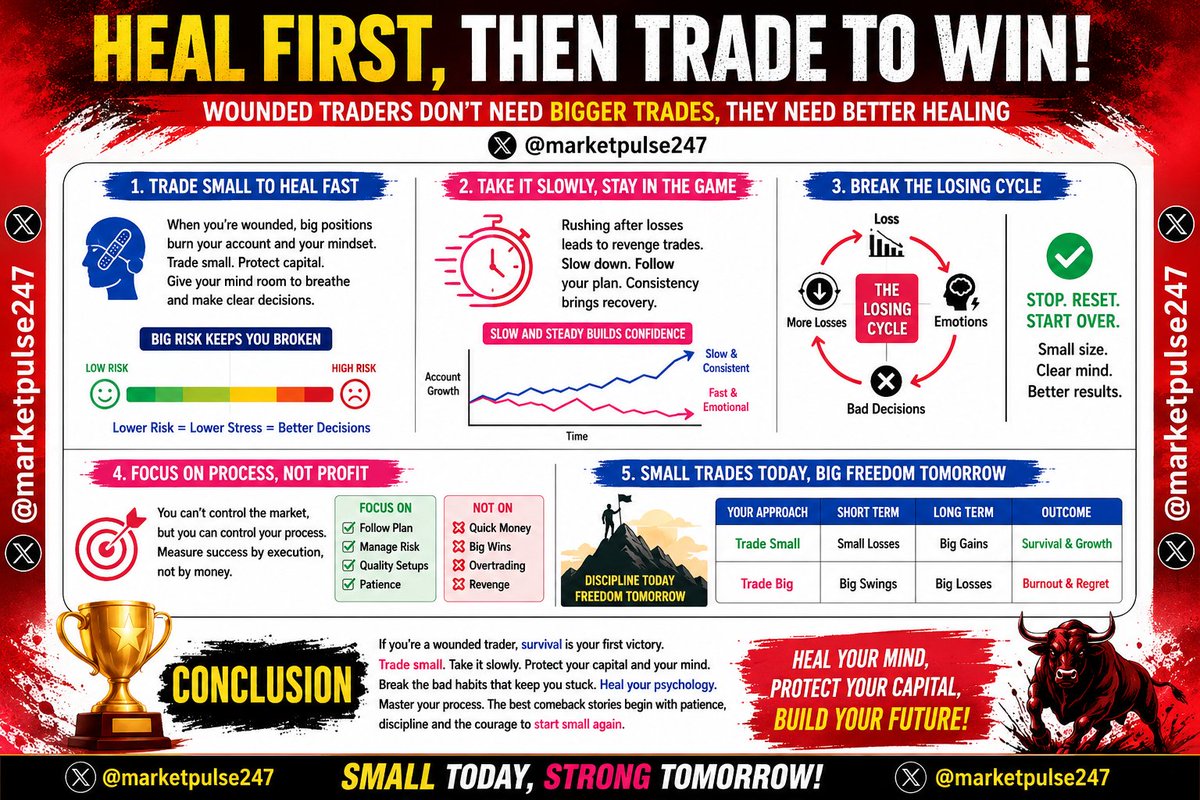
WOUNDED TRADERS DON'T NEED BIGGER TRADES, THEY NEED BETTER HEALING
Trading losses hurt more than most people realize. They don't just damage your account balance. They damage confidence, decision making, discipline, and emotional stability. After a series of losses, many traders make a dangerous mistake. They try to recover quickly by increasing position sizes and taking more trades. They believe one big winning trade will erase the pain and restore confidence. Unfortunately, this mindset often creates even bigger losses. A wounded trader is not operating from a position of strength. They are operating from frustration, fear, anger, and desperation. These emotions cloud judgment and lead to impulsive decisions. Just as an injured athlete cannot perform at peak level without recovery, a wounded trader cannot trade effectively without emotional healing. The market does not care about your previous losses. It does not reward revenge trading. It only rewards discipline and sound execution. The smartest move after a difficult period is not to trade bigger. It is to trade smaller. Reducing risk allows you to regain confidence, protect capital, and rebuild consistency. Small trades create space for learning, reflection, and recovery. The goal is not to win back money immediately. The goal is to return to your best trading mindset.
SMALL POSITION SIZES CREATE BIG MENTAL CLARITY
Many traders underestimate the psychological power of trading small. When your position size is too large, every market movement feels personal. Every small fluctuation creates anxiety. Fear of losing increases while patience decreases. This emotional pressure often forces traders to exit winners too early and hold losers too long. Smaller position sizes completely change the experience. When less money is at risk, your mind becomes calmer and more objective. You can focus on process rather than profit. You can evaluate setups based on quality rather than urgency. Most professional traders understand that survival comes before growth. Protecting capital during difficult periods is more important than chasing large returns. Trading small allows you to rebuild trust in your strategy. Each properly executed trade becomes evidence that your process still works. Confidence returns gradually through disciplined repetition, not through one lucky trade. Think of trading small as physical therapy for your trading psychology. The purpose is not to maximize profits. The purpose is to strengthen habits, improve execution, and restore emotional balance. Once consistency returns, position sizes can slowly increase. Until then, small is powerful because small keeps you in the game.
BREAKING THE LOSING CYCLE BEFORE IT BECOMES A HABIT
One of the most dangerous aspects of trading losses is the cycle they create. A trader experiences losses, becomes emotional, increases risk, ignores rules, and suffers additional losses. This pattern repeats until significant damage is done. The longer this cycle continues, the harder it becomes to escape. Every repeated mistake strengthens destructive habits. The brain begins to normalize impulsive behavior. Revenge trading becomes routine. Overtrading becomes acceptable. Risk management disappears. Breaking this cycle requires conscious intervention. The first step is acknowledging that something needs to change. The second step is reducing exposure to the market. Smaller position sizes force patience and discipline. They create a buffer between emotions and actions. This gives traders time to evaluate what went wrong and identify recurring mistakes. Successful traders understand that protecting their mindset is just as important as protecting their capital. When emotions are out of control, performance suffers regardless of strategy quality. The market will always provide opportunities tomorrow. There is no need to force opportunities today. By slowing down and trading smaller, traders interrupt destructive patterns and create conditions for long term success.
RECOVERY FIRST, PROFITS SECOND
The greatest traders in the world know that longevity is the ultimate edge. A trader who survives difficult periods has the opportunity to benefit from future opportunities. A trader who destroys their account during emotional periods loses that opportunity completely. Recovery should always take priority over immediate profits. When confidence has been shaken, focus on rebuilding routines. Review your journal. Analyze your mistakes. Follow your risk management plan with complete discipline. Measure success by process rather than outcomes. A good trade can lose money and still be a successful execution. A bad trade can make money and still be a mistake. This mindset shift is critical during recovery periods. Every small disciplined action moves you closer to stability. Every impulsive action moves you further away. The market rewards consistency over intensity. It rewards patience over urgency. It rewards discipline over emotion. If you are a wounded trader, give yourself permission to slow down. Trade smaller. Focus on execution. Rebuild confidence one trade at a time. The money will follow when the process improves. Healing is not weakness. It is preparation for stronger performance in the future.
CONCLUSION
If you're a wounded trader, your mission is not to recover losses quickly. Your mission is to recover yourself. Trade small, stay patient, and focus on rebuilding discipline. The biggest mistake after losses is trying to force profits. The smartest move is protecting your mindset and capital while returning to a consistent process. Every great comeback begins with stability, not aggression. Slow down, trust the process, and remember that successful traders are not those who never lose. They are those who recover wisely and return stronger than before.
Twitter/X: x.com/@marketpulse247
#TradingPsychology
#TraderMindset
#RiskManagement
#StockMarket
#TradingLife
#Discipline
#Consistency
#TraderTips
#Investing
#WealthBuilding
#MarketWisdom
#TradingEducation
#StockTrader
#DayTrading
#SwingTrading
#PriceAction
#TradingStrategy
#InvestorMindset
#FinancialFreedom
#TradingCommunity
#MindsetMatters
#TradingJourney
#SuccessMindset
#CapitalPreservation
#EmotionalControl
#TradingDiscipline
#MarketPulse247
#StockMarketIndia
#LearnTrading
#TradingSuccess
#ProfitableTrader
#TradeSmart
#FinancialEducation
#MoneyManagement
#TradingRules
#PatiencePays
#LongTermSuccess
#SelfDiscipline
#GrowthMindset
#TradingCoach
#TradingLessons
#MarketAnalysis
#RiskFirst
#ProtectCapital
#WinningMindset
#NeverGiveUp
#MentalStrength
#ProcessOverProfit
#TradeWithConfidence
#SmartTrader
1
3
80

May 30
🤯 The simplest & best explanation of short selling you’ll ever watch!
Imagine your friend lends you the latest iPhone.
You sell it immediately for big money.
Price drops when new model drops → you buy it back cheaper → return it & keep the profit. That’s exactly how shorting stocks/crypto works
🔥
Brilliant when right… can destroy you when wrong.
Every trader needs to understand this!
Drop 📱 if this finally made it click for you
Tag your trader friend who still doesn’t get shorting
#ShortSelling #Trading101 #StockMarketBasics #ForexNigeria #MaliyaForex #TradingLessons
1
1
3
85

May 29
Important Lesson:
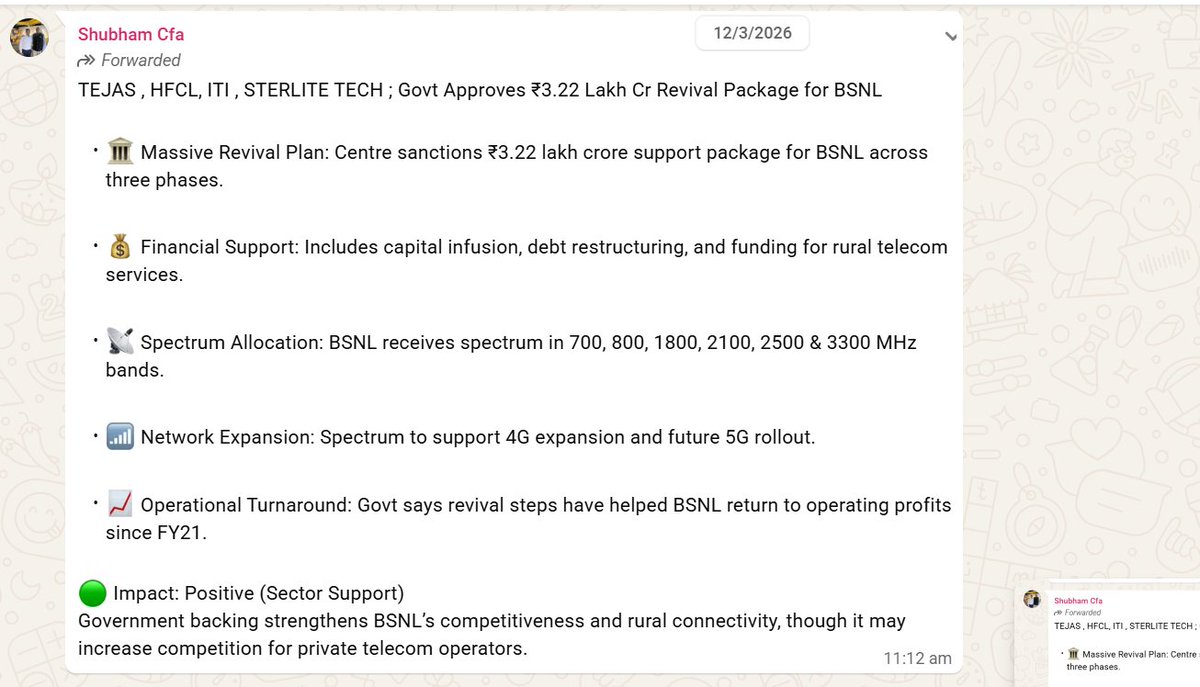
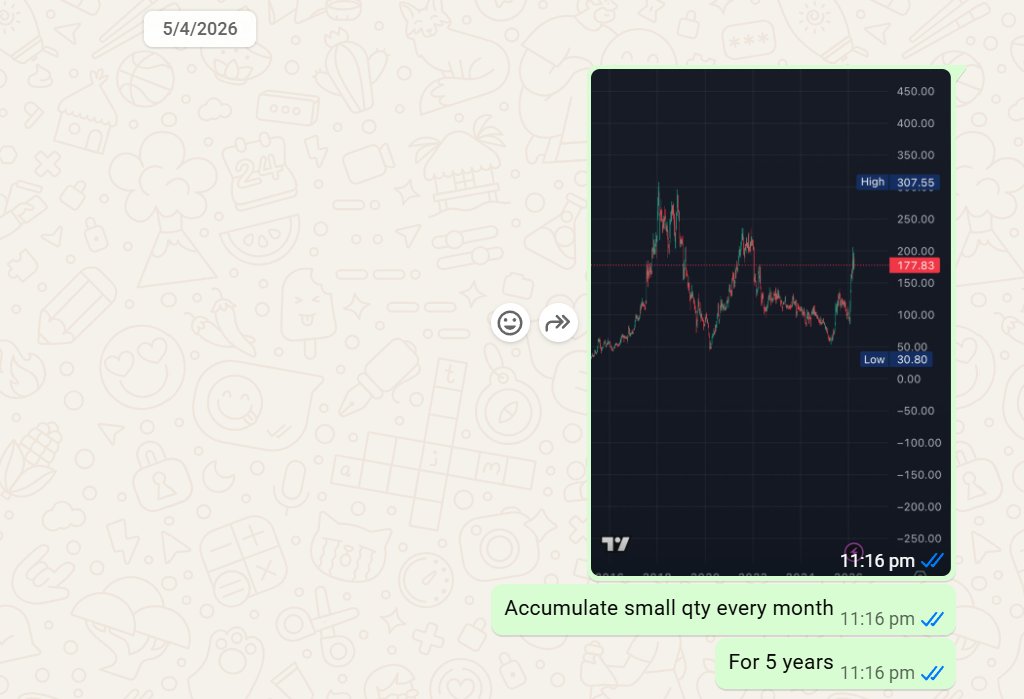
Whenever the Government announces something — never ignore it.
I suggested it to others but ignored it in my own trading.
Now the market teases me every single day.
Price is a brutal teacher.
Don’t make the same mistake. Respect policy tailwinds.
#TradingLessons #stockmarkettrader
3
3
42
4,601

May 27
Lesson learned the hard way 💸
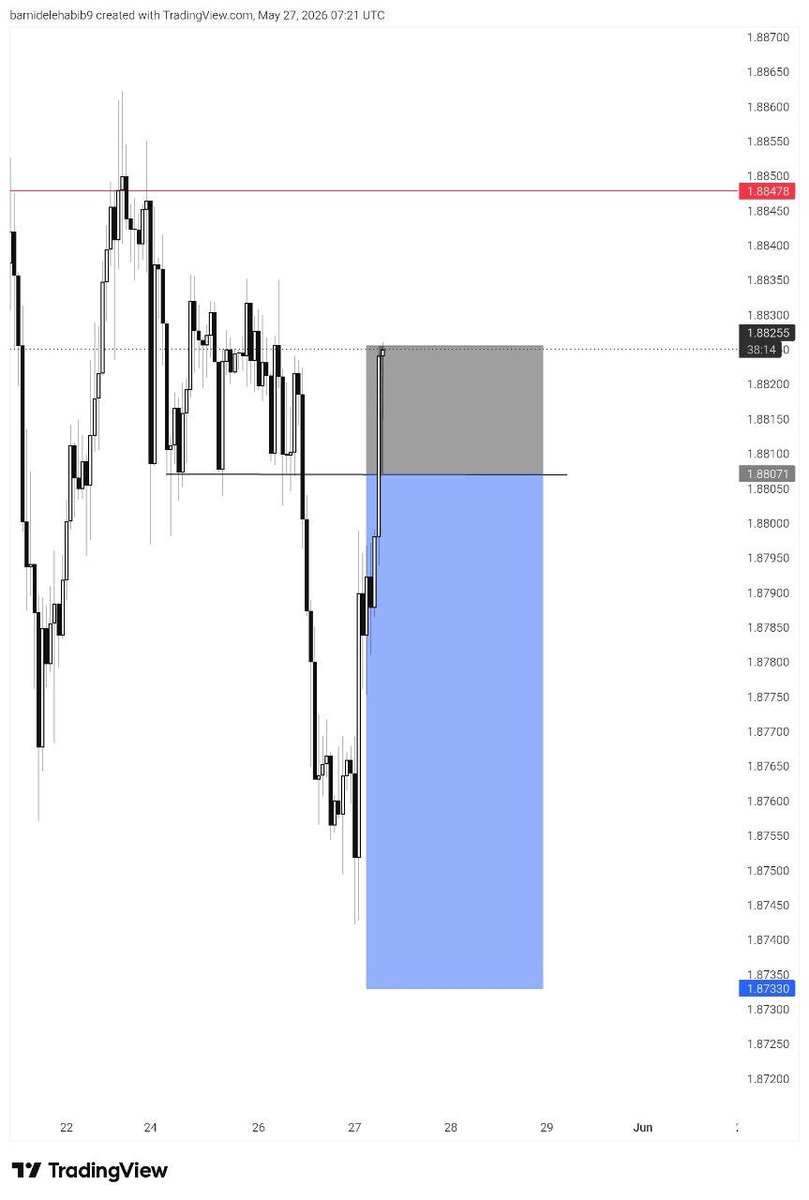
Forced this GBPAUD trade just to complete the minimum trading days and collect payout … learned the hard way. No proper edge, just greed and impatience.
Back to the rules: Wait for A setups only. Sitting in cash > forcing losses.
Discipline over everything.The payout will come the right time.
#TradingLessons #RiskManagement #StayPatient
4
1
20
618
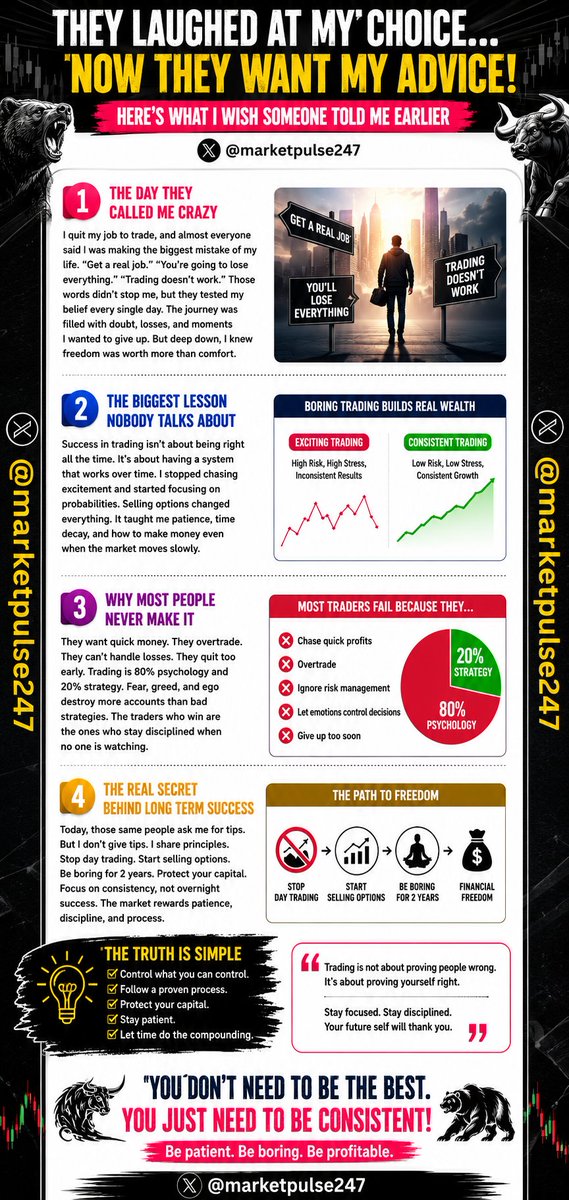
THEY LAUGHED WHEN I QUIT MY JOB… UNTIL TRADING CHANGED MY LIFE
Article in English and Hindi Languages both
The Day Everyone Called Me Crazy
Leaving a stable salary to enter the stock market felt like jumping into uncertainty. Friends warned me that trading was gambling. Relatives said I was destroying my future. Almost everyone believed I would eventually fail and come back searching for another job. The fear in their voices slowly became noise inside my own mind. But deep down, I knew I wanted freedom more than comfort. I was tired of building someone else’s dream while ignoring my own potential. Trading looked risky from the outside because most people only see flashy profits or devastating losses. They never see the years of discipline behind successful traders. When I first started, I also believed day trading every movement was the fastest way to make money. I chased charts all day, entered impulsive trades and reacted emotionally to every candle. Some days I won quickly and felt unstoppable. Other days I lost heavily and questioned everything. Slowly I realized the market rewards patience more than excitement. Real success was not hidden in constant action. It was hidden in consistency, emotional control and a strategy that survives over time.
The Biggest Trading Lesson Nobody Talks About
Most beginners enter trading searching for instant profits. Social media creates the illusion that successful traders make easy money every single day. This mindset destroys more accounts than bad strategies. What nobody explained to me earlier was that boring trading usually creates the biggest wealth. The turning point in my journey came when I stopped chasing fast money and started focusing on probability based systems. Instead of reacting emotionally to every market move, I learned to think like a business owner managing risk. Selling options completely changed my perspective. It taught me the importance of time decay, patience and controlled income generation. Rather than constantly predicting explosive price moves, I started building strategies that worked even when markets moved slowly. This reduced stress and improved consistency. The market stopped feeling like a battlefield and started feeling like a process. Most traders fail because they want excitement. They want instant validation. Professional traders survive because they focus on discipline instead of entertainment. Success in trading often looks boring from the outside because real wealth is built slowly through repetition, risk management and emotional stability. The traders who survive longest usually avoid unnecessary drama and focus on protecting capital first.
Twitter/X: @marketpulse247
Why Most People Never Become Successful Traders
The hardest part about trading is not learning technical analysis. It is learning how to control yourself. Fear and greed destroy decision making faster than any market crash. Many people quit trading because they cannot handle temporary losses emotionally. They expect perfection and become frustrated after a few bad trades. I learned that losses are not proof of failure. They are part of the business. Every successful trader experiences drawdowns, mistakes and emotional pressure. The difference is that experienced traders continue following their system even during difficult periods. Beginners constantly switch strategies searching for shortcuts. They overtrade, ignore risk management and treat trading like gambling. Social pressure also plays a huge role. When people around you constantly doubt your journey, self belief becomes difficult. But markets reward independent thinking. If you always follow the crowd, you will usually get average results. The truth is that trading success requires isolation, patience and long term thinking. Most people simply do not stay disciplined long enough to experience the rewards. They quit during the learning phase because consistency feels slow and boring. But those who survive the difficult years eventually develop confidence that cannot be shaken by temporary market losses or outside criticism.
Twitter/X: @marketpulse247
The Real Secret Behind Long Term Trading Success
Today many of the same people who doubted my decision now ask for trading tips and stock recommendations. But I no longer believe tips create successful traders. Mindset does. A stock tip may create temporary profits, but discipline creates financial freedom. If I could speak to my younger self, I would say this clearly. Stop chasing excitement. Stop trying to become rich overnight. Stop treating the market like a casino. Focus on learning one system deeply and mastering emotional control. Selling options taught me that consistency matters more than prediction. It taught me that protecting capital is more important than chasing huge profits. The market rewards traders who stay patient during uncertainty and disciplined during success. Long term wealth is built slowly through smart risk management and continuous learning. Most people never reach this stage because they give up too early. They want immediate results without building strong habits first. Trading becomes easier once you accept that growth takes time. Confidence comes from surviving difficult periods while staying committed to your process. The traders who succeed are usually the ones willing to remain boring, disciplined and patient while everyone else searches for shortcuts.
Twitter/X: @marketpulse247
CONCLUSION
The world may call you crazy when you choose a different path, but success often begins where comfort ends. Trading is not about showing off fast profits or predicting every market move perfectly. It is about discipline, patience, emotional control and long term consistency. The market rewards traders who focus on process instead of excitement. Real wealth is built slowly by managing risk wisely and staying committed during difficult times. Most people will never understand this because they quit before the results appear. But traders who embrace patience, continuous learning and disciplined execution eventually separate themselves from the crowd. Success in trading does not belong to the loudest trader. It belongs to the most consistent one.
Twitter/X: @marketpulse247
#TradingPsychology #StockMarket #OptionsTrading #TradingMindset #TraderLife #TradingSuccess #RiskManagement #FinancialFreedom #StockTrader #Investing #TradingDiscipline #TradingJourney #OptionSelling #MarketWisdom #TradingEducation #PriceAction #TechnicalAnalysis #TradingCommunity #LongTermSuccess #Consistency #PassiveIncome #MarketAnalysis #WealthCreation #LearnTrading #TradingStrategy #EmotionalControl #MindsetMatters #CapitalProtection #NSE #BSE #SwingTrading #IntradayTrading #SuccessfulTrader #MoneyManagement #TradingMotivation #InvestSmart #MarketExperience #FinancialGrowth #TradingGoals #DisciplineEqualsFreedom #TradingLifeStyle #SmartInvesting #OptionsSeller #StockTrading #Profitability #MarketKnowledge #GrowthMindset #ProcessDriven #MarketPulse247 #TradingLessons
Twitter/X: @marketpulse247
जब मैंने नौकरी छोड़ी तो लोग मुझ पर हँसे… लेकिन ट्रेडिंग ने मेरी जिंदगी बदल दी
जिस दिन सबने मुझे पागल कहा
एक सुरक्षित नौकरी छोड़कर शेयर बाजार में कदम रखना ऐसा था जैसे अनिश्चितता की गहरी खाई में छलांग लगाना। दोस्तों ने कहा कि ट्रेडिंग जुआ है। रिश्तेदारों ने कहा कि मैं अपना भविष्य बर्बाद कर रहा हूँ। लगभग हर किसी को विश्वास था कि मैं असफल होकर वापस नौकरी ढूंढने लौट आऊँगा। लोगों की बातें धीरे धीरे मेरे दिमाग में डर पैदा करने लगीं। लेकिन अंदर कहीं मुझे पता था कि मुझे आराम से ज्यादा आज़ादी चाहिए। मैं किसी और के सपनों को पूरा करते करते अपने सपनों को नजरअंदाज करते हुए थक चुका था। बाहर से ट्रेडिंग बहुत जोखिम भरी लगती है क्योंकि लोग सिर्फ बड़े मुनाफे या भारी नुकसान देखते हैं। वे कभी उन वर्षों की मेहनत और अनुशासन नहीं देखते जो सफल ट्रेडर्स के पीछे छिपे होते हैं। शुरुआत में मुझे भी लगता था कि हर छोटे मूवमेंट पर ट्रेड करके जल्दी पैसा कमाया जा सकता है। मैं घंटों चार्ट देखता था, बिना धैर्य के ट्रेड लेता था और हर कैंडल के साथ भावनात्मक रूप से जुड़ जाता था। कुछ दिनों में जल्दी मुनाफा होता और मैं खुद को अजेय समझने लगता। फिर कुछ दिनों में भारी नुकसान होता और मैं खुद पर शक करने लगता। धीरे धीरे मुझे समझ आया कि बाजार उत्साह से ज्यादा धैर्य को इनाम देता है। असली सफलता लगातार ट्रेड करने में नहीं बल्कि स्थिरता, भावनात्मक नियंत्रण और मजबूत रणनीति में छिपी होती है।
ट्रेडिंग का सबसे बड़ा सच जिसके बारे में कोई बात नहीं करता
अधिकांश नए ट्रेडर्स जल्दी पैसा कमाने के सपने के साथ बाजार में आते हैं। सोशल मीडिया यह भ्रम पैदा करता है कि सफल ट्रेडर्स हर दिन आसानी से पैसा कमाते हैं। यही सोच सबसे ज्यादा ट्रेडिंग अकाउंट खत्म करती है। मुझे पहले किसी ने यह नहीं बताया कि उबाऊ दिखने वाली ट्रेडिंग ही सबसे ज्यादा धन बनाती है। मेरी जिंदगी तब बदली जब मैंने जल्दी अमीर बनने की कोशिश छोड़कर प्रॉबेबिलिटी आधारित सिस्टम पर ध्यान देना शुरू किया। हर मार्केट मूवमेंट पर भावनात्मक प्रतिक्रिया देने के बजाय मैंने जोखिम प्रबंधन को बिजनेस की तरह समझना शुरू किया। ऑप्शन सेलिंग ने मेरी सोच पूरी तरह बदल दी। इसने मुझे टाइम डिके, धैर्य और नियंत्रित आय का महत्व सिखाया। लगातार बड़े मूव्स पकड़ने की कोशिश करने के बजाय मैंने ऐसी रणनीतियाँ बनानी शुरू कीं जो धीमे बाजार में भी काम करें। इससे तनाव कम हुआ और स्थिरता बढ़ी। बाजार अब युद्ध जैसा नहीं बल्कि एक व्यवस्थित प्रक्रिया जैसा लगने लगा। ज्यादातर ट्रेडर्स इसलिए असफल होते हैं क्योंकि उन्हें रोमांच चाहिए। उन्हें तुरंत रिजल्ट चाहिए। जबकि प्रोफेशनल ट्रेडर्स अनुशासन पर ध्यान देते हैं। बाहर से सफल ट्रेडिंग बहुत साधारण दिखती है क्योंकि असली धन धीरे धीरे लगातार अभ्यास, जोखिम नियंत्रण और भावनात्मक स्थिरता से बनता है। लंबे समय तक टिकने वाले ट्रेडर्स हमेशा पहले अपने कैपिटल की सुरक्षा करते हैं।
Twitter/X: @marketpulse247
ज्यादातर लोग सफल ट्रेडर क्यों नहीं बन पाते
ट्रेडिंग का सबसे कठिन हिस्सा टेक्निकल एनालिसिस सीखना नहीं बल्कि खुद को नियंत्रित करना है। डर और लालच किसी भी मार्केट क्रैश से ज्यादा तेजी से निर्णय लेने की क्षमता को नष्ट कर देते हैं। बहुत से लोग इसलिए ट्रेडिंग छोड़ देते हैं क्योंकि वे अस्थायी नुकसान को मानसिक रूप से संभाल नहीं पाते। वे खुद से परफेक्शन की उम्मीद करते हैं और कुछ खराब ट्रेड्स के बाद टूट जाते हैं। मैंने सीखा कि नुकसान असफलता का प्रमाण नहीं बल्कि इस बिजनेस का हिस्सा है। हर सफल ट्रेडर ड्रॉडाउन, गलतियाँ और मानसिक दबाव से गुजरता है। फर्क सिर्फ इतना होता है कि अनुभवी ट्रेडर्स कठिन समय में भी अपने सिस्टम का पालन करते रहते हैं। नए ट्रेडर्स लगातार शॉर्टकट खोजते रहते हैं। वे जरूरत से ज्यादा ट्रेड करते हैं, जोखिम प्रबंधन को नजरअंदाज करते हैं और ट्रेडिंग को जुए की तरह लेते हैं। समाज का दबाव भी बहुत बड़ा कारण होता है। जब आसपास के लोग लगातार आपके फैसलों पर शक करते हैं तो खुद पर विश्वास बनाए रखना मुश्किल हो जाता है। लेकिन बाजार हमेशा स्वतंत्र सोच रखने वालों को इनाम देता है। अगर आप हमेशा भीड़ के पीछे चलेंगे तो परिणाम भी सामान्य ही मिलेंगे। सच्चाई यह है कि ट्रेडिंग में सफलता के लिए धैर्य, अकेलापन और लंबी सोच की जरूरत होती है। ज्यादातर लोग सफलता देखने से पहले ही हार मान लेते हैं क्योंकि लगातार अनुशासन उन्हें उबाऊ लगता है। लेकिन जो लोग कठिन वर्षों में टिके रहते हैं वही अंत में मजबूत आत्मविश्वास हासिल करते हैं।
Twitter/X: @marketpulse247
लंबे समय की ट्रेडिंग सफलता का असली रहस्य
आज वही लोग जो कभी मेरे फैसले पर हँसते थे अब मुझसे ट्रेडिंग टिप्स और स्टॉक सलाह मांगते हैं। लेकिन अब मैं मानता हूँ कि टिप्स किसी को सफल ट्रेडर नहीं बनातीं। सही मानसिकता बनाती है। एक स्टॉक टिप आपको कुछ समय के लिए मुनाफा दे सकती है लेकिन अनुशासन आपको आर्थिक आज़ादी देता है। अगर मैं अपने पुराने समय के खुद से बात कर पाता तो मैं साफ कहता कि जल्दी अमीर बनने की कोशिश बंद करो। बाजार को कैसीनो समझना बंद करो। एक सिस्टम को गहराई से सीखो और भावनात्मक नियंत्रण पर काम करो। ऑप्शन सेलिंग ने मुझे सिखाया कि भविष्यवाणी से ज्यादा महत्वपूर्ण स्थिरता होती है। इसने मुझे समझाया कि बड़े मुनाफे के पीछे भागने से ज्यादा जरूरी अपने कैपिटल की रक्षा करना है। बाजार हमेशा उन्हीं ट्रेडर्स को इनाम देता है जो अनिश्चितता के समय धैर्य रखते हैं और सफलता के समय भी अनुशासित रहते हैं। लंबी अवधि की संपत्ति धीरे धीरे समझदारी भरे जोखिम प्रबंधन और लगातार सीखने से बनती है। अधिकांश लोग इस स्तर तक कभी नहीं पहुँचते क्योंकि वे बहुत जल्दी हार मान लेते हैं। वे मजबूत आदतें बनाने से पहले ही बड़े परिणाम चाहते हैं। ट्रेडिंग तब आसान लगने लगती है जब आप समझ जाते हैं कि विकास में समय लगता है। आत्मविश्वास कठिन समय में भी अपने सिस्टम पर टिके रहने से आता है। सफल ट्रेडर्स वही होते हैं जो दूसरों के शॉर्टकट खोजने के दौरान शांत, अनुशासित और धैर्यवान बने रहते हैं।
Twitter/X: @marketpulse247
निष्कर्ष
दुनिया आपको पागल कह सकती है जब आप अलग रास्ता चुनते हैं, लेकिन असली सफलता अक्सर आराम छोड़ने के बाद शुरू होती है। ट्रेडिंग दिखावे, तेजी से पैसा कमाने या हर मार्केट मूव को सही पकड़ने का खेल नहीं है। यह अनुशासन, धैर्य, भावनात्मक नियंत्रण और लंबे समय की स्थिरता का खेल है। बाजार हमेशा उन्हीं लोगों को इनाम देता है जो रोमांच के बजाय प्रक्रिया पर भरोसा करते हैं। असली धन धीरे धीरे सही जोखिम प्रबंधन और कठिन समय में लगातार टिके रहने से बनता है। ज्यादातर लोग इसे कभी नहीं समझ पाएंगे क्योंकि वे परिणाम आने से पहले ही हार मान लेते हैं। लेकिन जो ट्रेडर्स धैर्य, लगातार सीखने और अनुशासित निष्पादन को अपनाते हैं, वही भीड़ से अलग पहचान बनाते हैं। ट्रेडिंग में सफलता सबसे ज्यादा बोलने वाले व्यक्ति को नहीं बल्कि सबसे ज्यादा लगातार बने रहने वाले व्यक्ति को मिलती है।
2
43


May 17
Quick question for the timeline: 💸🧐
What is the biggest lesson the crypto market has taught you so far?
Drop your wisdom below—let's help the newbies avoid the mistakes. 👇🫴🫴🫴🫴
👇👇👇👇👇👇👇👇
#CryptoCommunity #Web3 #TradingLessons

6
56

May 16
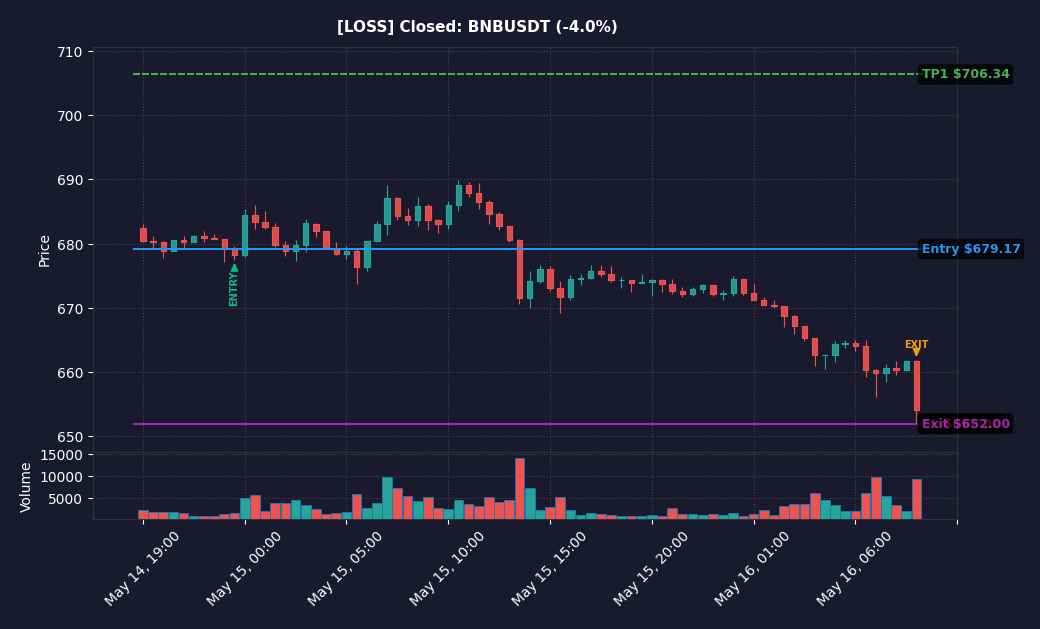
🔴 TRADE CLOSED: Long $BNB
📊 Strategy: BNB_30m_Long_WR_v4
💰 Result: -4.0% (-$71.69)
⏱️ Duration: 1d 10h
🛑 Exit: Stop-loss triggered
📍 Price Journey:
Entry: $679.17
Exit: $652.00
SL was: $652.00
🛡️ What Happened:
❌ 1 TP(s) not reached:
TP1: $706.34
Every trader faces losses, and that's perfectly normal. 🎢 What matters is how you manage those risks—your stop-loss did its job and kept the loss at just -4.0%. Keep focusing on your process; consistency is key to long-term success! 🌟
#CryptoTrading #RiskManagement #TradingLessons
2
2
65

May 16
Never risk your whole balance on one trade.
Even strong setups can fail.
The goal is not to be right every time.
The goal is to survive long enough to improve.
#FireStation #TradingLessons #Crypto
2
23