
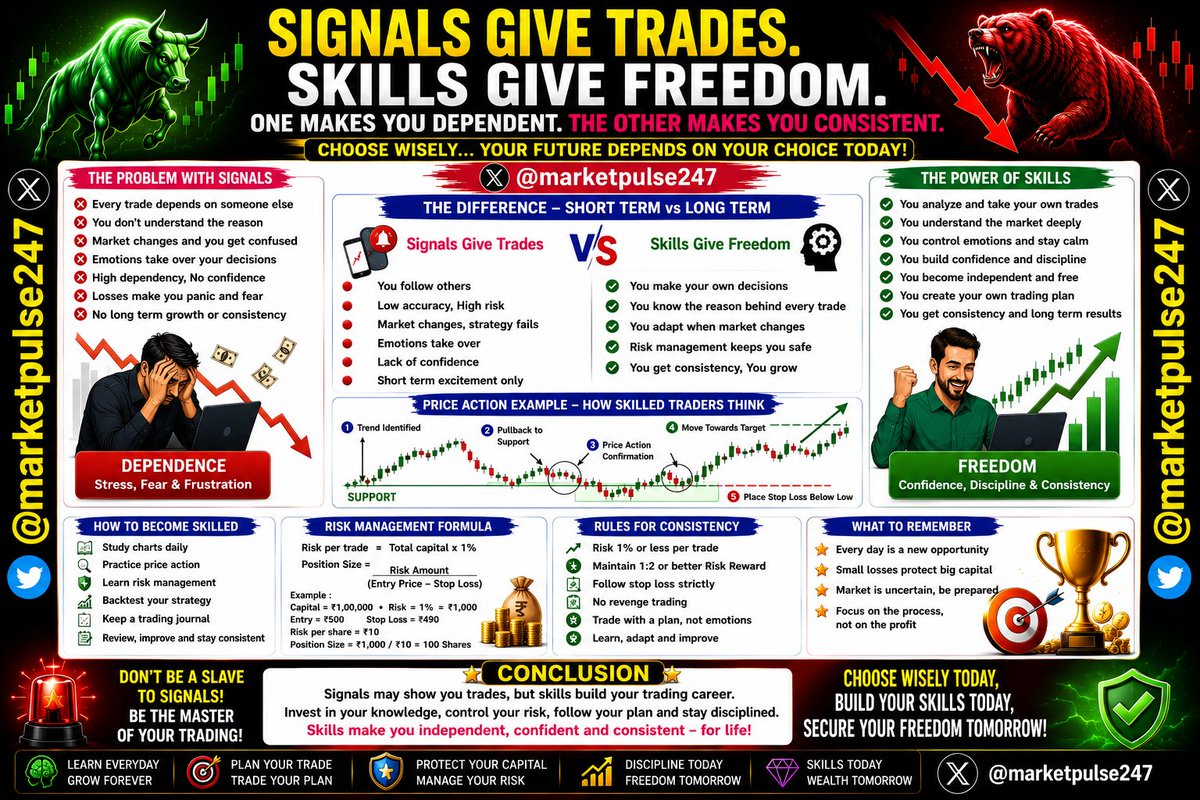
SIGNALS GIVE TRADES. SKILLS GIVE FREEDOM. THE CHOICE THAT DECIDES YOUR TRADING FUTURE
The Dangerous Comfort of Trading Signals
Every trader starts their journey searching for shortcuts. Most beginners believe that if they can find the right Telegram channel, WhatsApp group, YouTube expert, or paid signal service, profits will automatically follow. Signals feel attractive because they remove the responsibility of decision-making. Someone tells you what to buy, where to buy, where to place a stop loss, and where to exit. It seems simple and convenient.
However, there is a hidden problem. Signals may occasionally help you make money, but they rarely help you understand why a trade works or fails. The moment market conditions change, your confidence disappears because your success depends entirely on someone else's knowledge. If the signal provider stops posting, changes strategy, or suffers a losing streak, your trading business collapses with them. This creates dependency rather than growth.
Many traders spend years chasing better signals while never developing the ability to read charts, manage risk, or understand market behavior. They become followers instead of decision-makers. The reality is that signals can generate trades, but they cannot create confidence. Confidence comes only when you understand what you are doing and why you are doing it.
Twitter/X: x.com/@marketpulse247
Why Skills Create Long-Term Freedom
Trading skills are different from trading signals. Skills stay with you regardless of market conditions. When you learn price action, trend analysis, risk management, position sizing, and trading psychology, you gain something no one can take away from you.
A skilled trader does not panic when a trade loses money because they understand losses are part of the business. They know how to control risk and protect capital. Instead of asking others what stock to buy, they can independently scan opportunities, analyze charts, and build trading plans.
Skills also allow traders to adapt. Markets constantly evolve. A strategy that works today may struggle tomorrow. Skilled traders can recognize these changes and make adjustments. Signal followers often continue blindly until significant losses occur.
The greatest benefit of skills is freedom. Freedom means you are not waiting for alerts. Freedom means you do not need anyone's permission to enter a trade. Freedom means you can analyze opportunities confidently and execute your plan with discipline. In trading, true independence begins when your decisions are based on knowledge rather than external opinions.
Twitter/X: x.com/@marketpulse247
Consistency Comes From Process, Not Predictions
Many traders believe successful traders predict the market correctly most of the time. The truth is exactly the opposite. Consistent traders focus on process rather than prediction. They understand that nobody knows with certainty what the market will do next.
Instead of trying to predict every move, skilled traders create systems. They follow entry rules, stop-loss rules, position-sizing rules, and profit-taking rules. Their goal is not to be right on every trade. Their goal is to manage risk effectively and allow probabilities to work over time.
This is why two traders can take the same signal and achieve completely different results. One trader follows a structured process, while the other acts emotionally. The difference is not the signal; the difference is the skill level behind execution.
Professional traders understand that consistency is built through repetition and discipline. Every chart studied, every journal entry recorded, every mistake reviewed, and every lesson learned adds another layer of skill. Over time, these small improvements compound into significant results. Consistency is never purchased through subscriptions. It is earned through education, practice, and experience.
Twitter/X: x.com/@marketpulse247
The Choice That Determines Your Future
Every trader eventually reaches a crossroads. One path leads toward dependency. The other leads toward self-reliance. The dependency path is filled with endless searching for tips, signals, predictions, and market gurus. It may feel easier in the short term, but it rarely produces lasting success.
The self-reliance path requires effort. It demands study, patience, and continuous improvement. It requires learning how trends develop, how risk should be managed, how emotions affect decision-making, and how profitable systems are built. The journey is longer, but the rewards are significantly greater.
Imagine two traders five years from now. The first trader is still asking others what stock to buy. The second trader can confidently analyze any chart, manage risk professionally, and make decisions independently. The difference between them is not intelligence or luck. The difference is the decision they made years earlier between chasing signals and developing skills.
The market rewards those who invest in themselves. Signals may provide temporary opportunities, but skills provide lifelong advantages. One creates dependence. The other creates freedom. One offers short-term excitement. The other builds long-term consistency. The choice is yours.
Twitter/X: x.com/@marketpulse247
CONCLUSION
Signals can help you find opportunities, but they cannot build a successful trading career. Real success comes from developing skills that allow you to understand the market, manage risk, and make independent decisions. Traders who depend entirely on signals remain vulnerable to uncertainty, while traders who invest in learning become adaptable, confident, and consistent. The ultimate goal in trading is not simply to take more trades; it is to gain the freedom to trade with knowledge, discipline, and self-belief. Signals may open the door, but skills give you the keys to the entire house. Choose wisely, because the decision you make today will determine the trader you become tomorrow.
Twitter/X: x.com/@marketpulse247
#Trading #StockMarket #TradingPsychology #PriceAction #TradingEducation #LearnTrading #TraderMindset #TradingSuccess #RiskManagement #TradingDiscipline #StockTrading #IntradayTrading #SwingTrading #DayTrading #TechnicalAnalysis #ChartAnalysis #MarketAnalysis #StockMarketIndia #IndianStockMarket #Nifty50 #BankNifty #FinancialFreedom #WealthCreation #MoneyManagement #CapitalPreservation #ProfitableTrading #TradingTips #TradeSmart #SmartMoney #TradingCommunity #TraderLife #MarketPulse247 #Investing #InvestmentTips #FinancialEducation #StockMarketLearning #TrendFollowing #TradingJourney #SuccessMindset #Consistency #SelfImprovement #FinancialLiteracy #DisciplineEqualsFreedom #TradingSkills #MarketWisdom #LongTermSuccess #TraderGoals #MindsetMatters
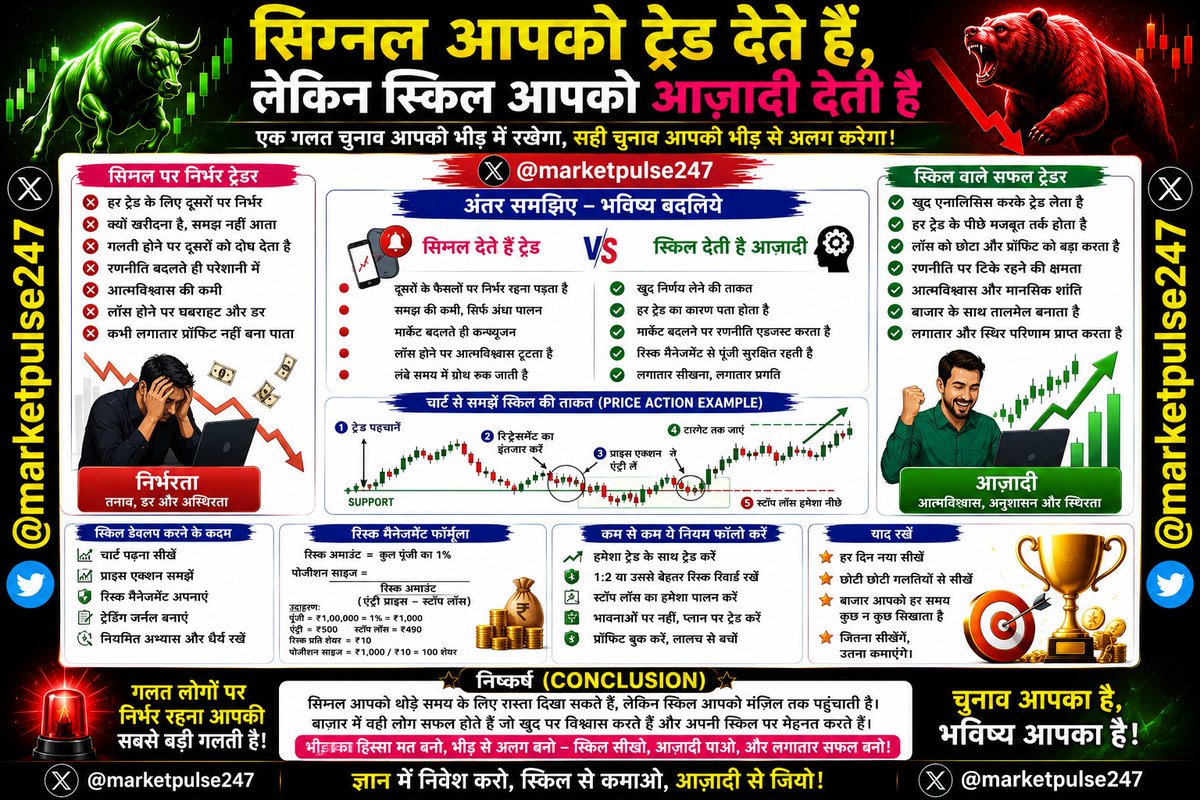
सिग्नल आपको ट्रेड देते हैं, लेकिन स्किल आपको आज़ादी देती है
सिग्नल्स का आकर्षण और छिपा हुआ खतरा
हर नया ट्रेडर शेयर बाजार में जल्दी पैसा कमाने का सपना लेकर आता है। शुरुआत में अधिकांश लोग ऐसे टेलीग्राम चैनल, व्हाट्सऐप ग्रुप या तथाकथित मार्केट एक्सपर्ट की तलाश करते हैं जो उन्हें सीधे खरीदने और बेचने के सिग्नल दे सकें। यह रास्ता आसान लगता है क्योंकि आपको सोचने, सीखने या विश्लेषण करने की आवश्यकता नहीं पड़ती। कोई दूसरा व्यक्ति आपको बताता है कि कौन सा शेयर खरीदना है, कहाँ खरीदना है और कहाँ बेचना है।
लेकिन यही सुविधा धीरे-धीरे सबसे बड़ी कमजोरी बन जाती है। सिग्नल आपको कुछ सफल ट्रेड दिला सकते हैं, लेकिन वे आपको यह नहीं सिखाते कि ट्रेड सफल क्यों हुआ या असफल क्यों हुआ। यदि सिग्नल देने वाला व्यक्ति गलत हो जाए, रणनीति बदल दे या काम करना बंद कर दे, तो आपकी पूरी ट्रेडिंग रुक जाती है। इसका कारण यह है कि आपने ट्रेडिंग सीखी ही नहीं, केवल दूसरों पर निर्भर रहना सीखा।
कई लोग वर्षों तक बेहतर सिग्नल खोजते रहते हैं, लेकिन चार्ट पढ़ना, रिस्क मैनेजमेंट और मार्केट को समझना नहीं सीखते। परिणाम यह होता है कि वे हमेशा किसी और के फैसलों पर निर्भर रहते हैं। सिग्नल आपको ट्रेड दे सकते हैं, लेकिन आत्मविश्वास नहीं दे सकते।
स्किल क्यों देती है असली आज़ादी
ट्रेडिंग स्किल एक ऐसी संपत्ति है जिसे कोई आपसे छीन नहीं सकता। जब आप प्राइस एक्शन, ट्रेंड एनालिसिस, रिस्क मैनेजमेंट, पोजीशन साइजिंग और ट्रेडिंग साइकोलॉजी सीखते हैं, तो आप बाजार को समझने लगते हैं।
एक कुशल ट्रेडर हर नुकसान से डरता नहीं है क्योंकि उसे पता होता है कि नुकसान भी इस व्यवसाय का हिस्सा है। वह जानता है कि पूंजी को कैसे सुरक्षित रखना है और जोखिम को कैसे नियंत्रित करना है। उसे किसी टेलीग्राम मैसेज का इंतजार नहीं करना पड़ता। वह खुद अवसर खोज सकता है और अपने नियमों के अनुसार ट्रेड ले सकता है।
सबसे बड़ी बात यह है कि स्किल आपको स्वतंत्र बनाती है। जब बाजार बदलता है, तो कुशल ट्रेडर अपनी रणनीति को बदल सकता है। लेकिन जो केवल सिग्नल पर निर्भर है, वह भ्रमित हो जाता है। इसलिए स्किल केवल कमाई का साधन नहीं है, बल्कि यह आपको मानसिक और आर्थिक स्वतंत्रता भी देती है।
लगातार सफलता भविष्यवाणी से नहीं, प्रक्रिया से आती है
अधिकांश लोग सोचते हैं कि सफल ट्रेडर हमेशा बाजार की सही भविष्यवाणी करते हैं। वास्तविकता इससे बिल्कुल अलग है। सफल ट्रेडर भविष्यवाणी नहीं करते, बल्कि एक व्यवस्थित प्रक्रिया का पालन करते हैं।
उनके पास स्पष्ट एंट्री नियम, स्टॉप लॉस नियम, पोजीशन साइजिंग नियम और एग्जिट नियम होते हैं। उनका उद्देश्य हर ट्रेड में सही होना नहीं होता, बल्कि लंबे समय में लाभदायक बने रहना होता है।
इसी कारण दो लोग एक ही सिग्नल लेने के बाद भी अलग-अलग परिणाम प्राप्त करते हैं। एक व्यक्ति अनुशासन के साथ नियमों का पालन करता है जबकि दूसरा भावनाओं में निर्णय लेता है। अंतर सिग्नल में नहीं, बल्कि स्किल में होता है।
हर दिन चार्ट का अध्ययन करना, ट्रेडिंग जर्नल बनाना, गलतियों का विश्लेषण करना और नई चीजें सीखना धीरे-धीरे आपको बेहतर ट्रेडर बनाता है। यही छोटी-छोटी आदतें समय के साथ बड़ी सफलता में बदल जाती हैं। बाजार में स्थिरता खरीदकर नहीं मिलती, बल्कि सीखकर और अभ्यास करके मिलती है।
आज का चुनाव आपके भविष्य का निर्णय करेगा
हर ट्रेडर के सामने एक दिन दो रास्ते आते हैं। पहला रास्ता है हमेशा दूसरों पर निर्भर रहने का। दूसरा रास्ता है खुद को इतना सक्षम बनाने का कि आप अपने निर्णय स्वयं ले सकें।
पहले रास्ते पर चलने वाले लोग हमेशा नए सिग्नल, नए गुरु और नई भविष्यवाणियों की तलाश में रहते हैं। वे कभी पूरी तरह आत्मनिर्भर नहीं बन पाते। दूसरे रास्ते पर चलने वाले लोग समय लगाकर सीखते हैं, अभ्यास करते हैं और धीरे-धीरे अपनी खुद की ट्रेडिंग प्रणाली विकसित करते हैं।
कल्पना कीजिए कि पाँच साल बाद दो ट्रेडर कहाँ होंगे। पहला ट्रेडर अभी भी किसी से पूछ रहा होगा कि कौन सा शेयर खरीदना है। दूसरा ट्रेडर किसी भी चार्ट को देखकर स्वयं निर्णय ले सकता होगा। दोनों के बीच का अंतर किस्मत नहीं होगा, बल्कि आज लिया गया निर्णय होगा।
बाजार हमेशा उन्हीं लोगों को पुरस्कृत करता है जो खुद में निवेश करते हैं। सिग्नल आपको कुछ समय के लिए अवसर दे सकते हैं, लेकिन स्किल आपको जीवनभर का लाभ देती है।
निष्कर्ष
सिग्नल आपको ट्रेडिंग के अवसर दे सकते हैं, लेकिन वे आपको सफल ट्रेडर नहीं बना सकते। वास्तविक सफलता तब आती है जब आप बाजार को समझना, जोखिम को नियंत्रित करना और स्वतंत्र रूप से निर्णय लेना सीखते हैं। जो लोग केवल सिग्नल पर निर्भर रहते हैं, वे हमेशा असुरक्षित रहते हैं। वहीं जो लोग अपनी स्किल विकसित करते हैं, वे आत्मविश्वासी, अनुशासित और लगातार सफल बनते हैं। ट्रेडिंग का अंतिम लक्ष्य केवल पैसा कमाना नहीं होना चाहिए, बल्कि इतना सक्षम बनना होना चाहिए कि आप किसी पर निर्भर हुए बिना सही निर्णय ले सकें। सिग्नल दरवाजा खोल सकते हैं, लेकिन पूरी इमारत की चाबी केवल स्किल ही दे सकती है। इसलिए समझदारी से चुनाव कीजिए, क्योंकि आज का आपका निर्णय ही कल के आपके ट्रेडिंग भविष्य को तय करेगा।
5
176
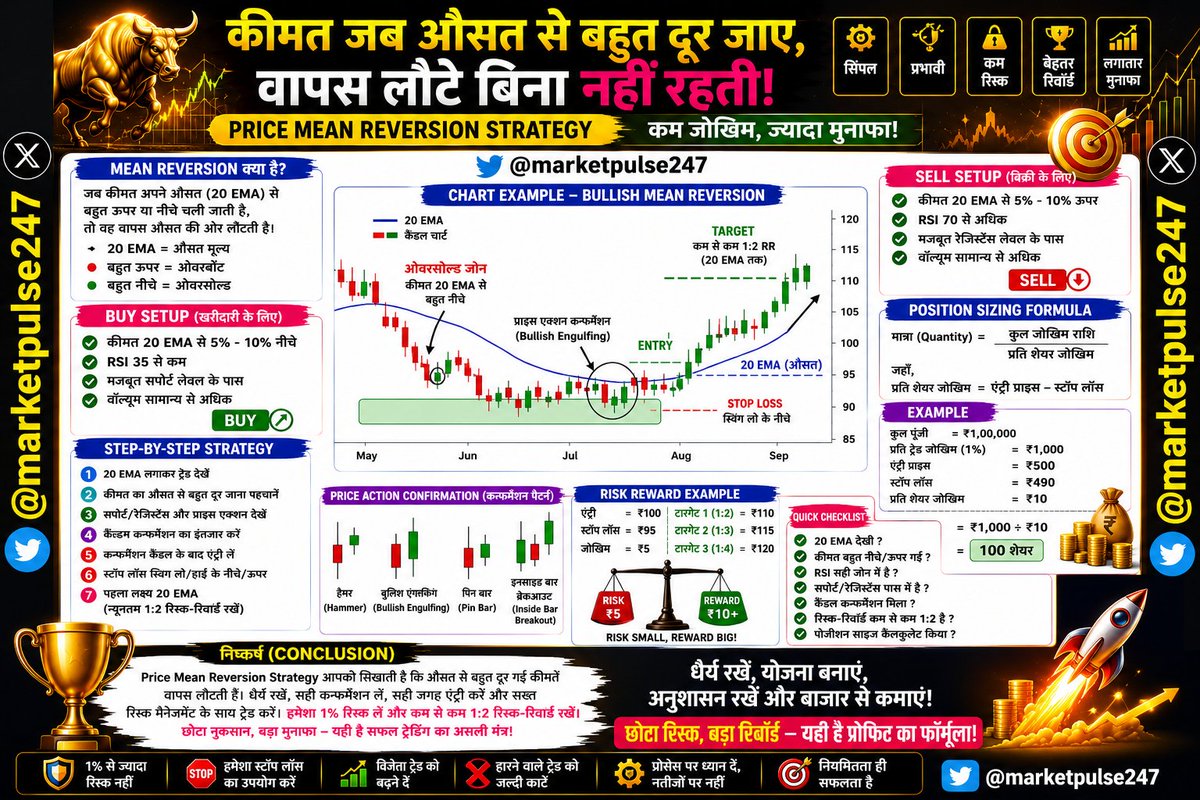
PRICE MEAN REVERSION STRATEGY: THE SIMPLE WAY TO BUY LOW, SELL HIGH AND CONTROL LOSSES
Most beginner traders lose money because they chase stocks after a big rally or panic-sell after a sharp decline. Professional traders often do the opposite. They understand a powerful concept called Mean Reversion. This strategy is based on the idea that prices tend to return to their average value after moving too far away from it.
Mean Reversion does not try to predict the future. Instead, it identifies situations where a stock has become temporarily overbought or oversold and is likely to move back toward its average price. When combined with proper risk management, it can become a highly effective daily trading strategy.
What is Mean Reversion?
Every stock has an average price, often represented by a moving average such as the 20 EMA or 50 EMA. When price moves too far above or below this average, it often pulls back toward the mean.
Think of a rubber band. The more you stretch it, the greater the chance it snaps back. Stock prices often behave in a similar way.
The Daily Trading Strategy
Step 1: Add a 20 EMA to Your Chart
The 20 EMA acts as the mean or average price.
Price far above 20 EMA = Potentially Overbought
Price far below 20 EMA = Potentially Oversold
Step 2: Look for Extreme Price Movement
For Buy Trades:
Stock falls 5% to 10% below the 20 EMA.
RSI below 35.
Strong support zone nearby.
For Sell Trades:
Stock rises 5% to 10% above the 20 EMA.
RSI above 70.
Major resistance zone nearby.
Step 3: Wait for Price Action Confirmation
Never enter blindly.
Look for:
Hammer Candle
Bullish Engulfing Candle
Strong Rejection Candle
Inside Bar Breakout
These patterns show that the reversal may have started.
Twitter id - x.com/@marketpulse247
Step 4: Entry
Enter after the confirmation candle closes.
Avoid trying to catch the exact bottom or top.
Step 5: Stop Loss
Place stop loss:
Below the recent swing low for buy trades.
Above the recent swing high for sell trades.
Always define risk before entering.
Twitter id - x.com/@marketpulse247
Step 6: Profit Target
Target the 20 EMA first.
If momentum remains strong, trail the stop loss and target higher levels.
Maintain a minimum 1:2 Risk-Reward Ratio.
Example:
Entry = ₹100
Stop Loss = ₹95
Risk = ₹5
Target = ₹110 or higher.
Position Sizing Formula
Risk management is the key to long-term survival.
Formula
Quantity = Total Risk Amount ÷ Risk Per Share
Where:
Risk Per Share = Entry Price – Stop Loss Price
Example
Trading Capital = ₹1,00,000
Risk Per Trade = 1%
Maximum Risk = ₹1,000
Entry = ₹500
Stop Loss = ₹490
Risk Per Share = ₹10
Quantity = ₹1,000 ÷ ₹10
Quantity = 100 Shares
This ensures that even if the trade fails, the loss remains controlled.
Twitter id - x.com/@marketpulse247
Why This Strategy Works
Most traders act emotionally. They buy after a stock has already moved significantly higher and sell after a large decline. Mean Reversion takes advantage of this emotional behavior.
By waiting for extreme moves away from the average price and entering only after confirmation, traders can often obtain better entries with smaller stop losses and larger potential rewards.
Twitter id - x.com/@marketpulse247
CONCLUSION
The Price Mean Reversion Strategy is one of the simplest and most logical trading approaches available. It teaches traders to avoid chasing momentum and instead focus on opportunities where price has moved too far from its average. By combining the 20 EMA, RSI, support and resistance, and strong price action confirmation, traders can identify high-probability setups with controlled risk. The real secret is not finding perfect trades but managing risk properly. Keep losses small, maintain a minimum 1:2 risk-reward ratio, and risk only 1% of your capital per trade. Over time, this disciplined approach can help you stay profitable while avoiding the large losses that destroy most trading accounts.
Twitter id - x.com/@marketpulse247
Chartink Scanner Formula (Mean Reversion Strategy)
Bullish Mean Reversion Scanner
close < ema(close,20) * 0.95
and rsi(14) < 35
and close > open
and volume > sma(volume,20)
Aggressive Oversold Reversal Scanner
close < ema(close,20) * 0.90
and rsi(14) < 30
and volume > sma(volume,20) * 1.5
Mean Reversion Bounce Scanner
close crossed above ema(close,20)
and rsi(14) > 40
and volume > sma(volume,20)
Twitter id - x.com/@marketpulse247
Twitter/X
#MeanReversion #MeanReversionTrading #PriceAction #TradingStrategy #StockMarket #Trading #StockTrading #IntradayTrading #SwingTrading #DayTrading #TechnicalAnalysis #ChartAnalysis #EMA20 #MovingAverage #RSI #RSITrading #SupportAndResistance #CandlestickPatterns #ReversalTrading #MomentumTrading #RiskManagement #RiskReward #PositionSizing #MoneyManagement #TradingPsychology #TradingDiscipline #TradingEducation #LearnTrading #BeginnerTrader #StockMarketLearning #MarketAnalysis #StockMarketIndia #IndianStockMarket #Nifty50 #BankNifty #TradeSmart #ProfitableTrading #TradingTips #SmartMoney #MarketPulse247 #FinancialFreedom #WealthCreation #CapitalPreservation #BullMarket #TraderLife #StockMarketTips #InvestmentTips #TradingSuccess
प्राइस मीन रिवर्ज़न रणनीति: कम नुकसान और बेहतर मुनाफे के लिए एक सरल ट्रेडिंग तरीका
अधिकांश नए ट्रेडर तब शेयर खरीदते हैं जब वह तेजी से ऊपर भाग चुका होता है और तब बेचते हैं जब उसमें बड़ी गिरावट आ चुकी होती है। यही कारण है कि वे अक्सर नुकसान उठाते हैं। सफल ट्रेडर एक अलग सिद्धांत का उपयोग करते हैं जिसे मीन रिवर्ज़न (Mean Reversion) कहा जाता है। इस सिद्धांत के अनुसार किसी भी शेयर की कीमत यदि अपने औसत मूल्य से बहुत अधिक ऊपर या नीचे चली जाए, तो समय के साथ वह दोबारा अपने औसत मूल्य के आसपास लौटने की कोशिश करती है।
मीन रिवर्ज़न रणनीति का उद्देश्य भविष्य की भविष्यवाणी करना नहीं है, बल्कि उन अवसरों को पहचानना है जहाँ कीमत अपने वास्तविक औसत से बहुत दूर चली गई हो और वापसी की संभावना अधिक हो।
मीन रिवर्ज़न क्या है?
हर शेयर का एक औसत मूल्य होता है जिसे हम आमतौर पर 20 EMA (Exponential Moving Average) या 50 EMA से मापते हैं।
यदि कीमत 20 EMA से बहुत ऊपर है, तो शेयर ओवरबॉट (Overbought) हो सकता है।
यदि कीमत 20 EMA से बहुत नीचे है, तो शेयर ओवरसोल्ड (Oversold) हो सकता है।
इसे एक रबर बैंड की तरह समझिए। जितना अधिक उसे खींचेंगे, उतनी ही संभावना होगी कि वह वापस अपनी सामान्य स्थिति में लौटेगा। शेयर बाजार में भी कीमतें अक्सर इसी प्रकार व्यवहार करती हैं।
दैनिक ट्रेडिंग के लिए मीन रिवर्ज़न रणनीति
चरण 1: चार्ट पर 20 EMA लगाएँ
20 EMA को औसत मूल्य माना जाएगा।
चरण 2: अत्यधिक मूल्य विचलन खोजें
खरीदारी (Buy) के लिए:
कीमत 20 EMA से 5% से 10% नीचे हो।
RSI 35 से कम हो।
पास में मजबूत सपोर्ट लेवल हो।
बिक्री (Sell) के लिए:
कीमत 20 EMA से 5% से 10% ऊपर हो।
RSI 70 से अधिक हो।
पास में मजबूत रेजिस्टेंस लेवल हो।
चरण 3: प्राइस एक्शन की पुष्टि करें
बिना पुष्टि के कभी ट्रेड न लें।
निम्नलिखित कैंडल पैटर्न देखें:
हैमर (Hammer)
बुलिश एंगल्फिंग (Bullish Engulfing)
मजबूत रिजेक्शन कैंडल
इनसाइड बार ब्रेकआउट
ये संकेत देते हैं कि रिवर्सल शुरू हो सकता है।
Twitter id - x.com/@marketpulse247
चरण 4: एंट्री लें
कन्फर्मेशन कैंडल के बंद होने के बाद ही ट्रेड में प्रवेश करें।
चरण 5: स्टॉप लॉस लगाएँ
खरीदारी में हाल के स्विंग लो के नीचे।
बिक्री में हाल के स्विंग हाई के ऊपर।
Twitter id - x.com/@marketpulse247
चरण 6: लक्ष्य निर्धारित करें
पहला लक्ष्य 20 EMA रखें।
हमेशा कम से कम 1:2 रिस्क-रिवॉर्ड अनुपात बनाए रखें।
Twitter id - x.com/@marketpulse247
उदाहरण:
एंट्री = ₹100
स्टॉप लॉस = ₹95
जोखिम = ₹5
लक्ष्य = ₹110 या उससे अधिक
पोजीशन साइजिंग फॉर्मूला
सफल ट्रेडिंग का सबसे महत्वपूर्ण हिस्सा जोखिम नियंत्रण है।
फॉर्मूला
मात्रा (Quantity) = कुल जोखिम राशि ÷ प्रति शेयर जोखिम
जहाँ,
प्रति शेयर जोखिम = एंट्री प्राइस – स्टॉप लॉस
उदाहरण
कुल पूंजी = ₹1,00,000
प्रति ट्रेड जोखिम = 1%
अधिकतम जोखिम = ₹1,000
एंट्री = ₹500
स्टॉप लॉस = ₹490
प्रति शेयर जोखिम = ₹10
मात्रा = ₹1,000 ÷ ₹10
मात्रा = 100 शेयर
इस प्रकार यदि ट्रेड गलत भी हो जाए तो अधिकतम नुकसान केवल ₹1,000 रहेगा।
यह रणनीति क्यों काम करती है?
अधिकांश ट्रेडर भावनाओं के आधार पर निर्णय लेते हैं। वे तेजी में खरीदते हैं और गिरावट में बेचते हैं। मीन रिवर्ज़न रणनीति इस मनोवैज्ञानिक गलती का लाभ उठाती है।
जब कीमत अपने औसत से बहुत दूर चली जाती है और फिर वापसी के संकेत देती है, तब कम जोखिम में बेहतर एंट्री मिलने की संभावना बढ़ जाती है। यही कारण है कि यह रणनीति लंबे समय तक प्रभावी साबित होती है।
Twitter id - x.com/@marketpulse247
निष्कर्ष
प्राइस मीन रिवर्ज़न रणनीति उन ट्रेडरों के लिए एक शानदार तरीका है जो कम जोखिम के साथ नियमित मुनाफा कमाना चाहते हैं। यह रणनीति आपको बाजार का पीछा करने के बजाय धैर्यपूर्वक सही अवसर का इंतजार करना सिखाती है। 20 EMA, RSI, सपोर्ट-रेजिस्टेंस और मजबूत प्राइस एक्शन को मिलाकर आप उच्च गुणवत्ता वाले ट्रेड खोज सकते हैं। याद रखें कि सफल ट्रेडिंग का रहस्य सही एंट्री से ज्यादा सही जोखिम प्रबंधन में छिपा होता है। हमेशा अपनी कुल पूंजी का केवल 1% जोखिम लें, न्यूनतम 1:2 रिस्क-रिवॉर्ड अनुपात रखें और बड़े नुकसान से बचें। यदि आप लगातार अनुशासन के साथ इस रणनीति का पालन करते हैं, तो लंबे समय में आपकी ट्रेडिंग स्थिर और लाभदायक बन सकती है।
2
10
323
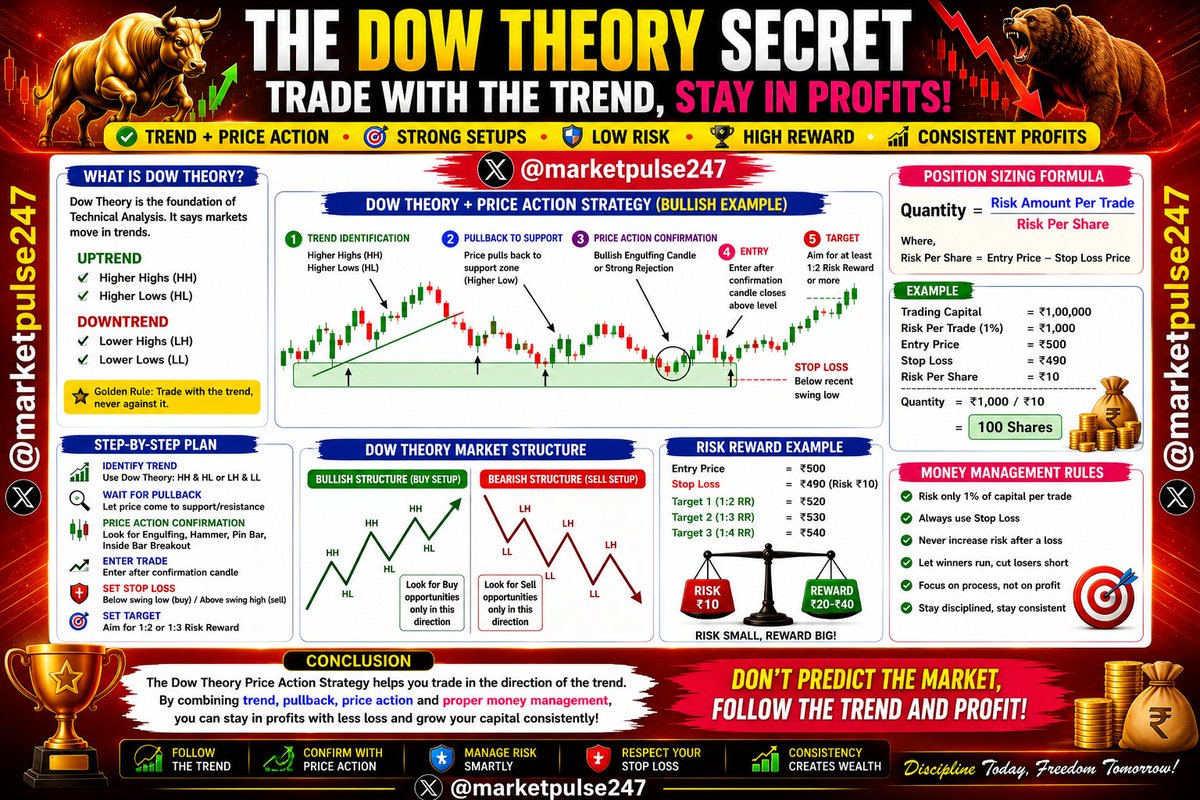
Dow Theory Price Action Strategy with Money Management: A Simple Daily Trading System for Consistent Profits
Many traders lose money because they focus only on finding entries and ignore risk management. The truth is that profitable trading is not about predicting every market move. It is about following a structured strategy, controlling risk, and protecting capital. One of the most reliable methods for beginners is combining Dow Theory, Price Action, and Proper Money Management.
Dow Theory is the foundation of modern technical analysis. It helps traders identify the direction of the trend and avoid trading against the market. When combined with price action and strict money management, it becomes a powerful daily trading strategy.
Understanding Dow Theory
Dow Theory says that markets move in trends.
Uptrend
Higher Highs (HH)
Higher Lows (HL)
Downtrend
Lower Highs (LH)
Lower Lows (LL)
The first rule is simple:
Trade with the trend, never against it.
If a stock is making higher highs and higher lows, look only for buying opportunities. If it is making lower highs and lower lows, look only for selling opportunities.
The Daily Trading Strategy
Step 1: Identify the Trend
Open a 15-minute or 1-hour chart.
Look for:
Higher High Higher Low = Bullish Trend
Lower High Lower Low = Bearish Trend
Avoid sideways markets.
Step 2: Wait for Pullback
Never chase a stock after a strong move.
Wait for price to pull back toward:
Previous support zone
Previous resistance breakout level
Recent higher low
Patience improves entry quality.
Step 3: Look for Price Action Confirmation
Enter only after a confirmation candle appears.
Examples:
Bullish Engulfing Candle
Hammer Candle
Strong Breakout Candle
Inside Bar Breakout
These signals indicate buyers are returning.
Twitter id - x.com/@marketpulse247
Step 4: Entry
Enter after the confirmation candle closes.
This reduces false breakouts and emotional trading.
Step 5: Stop Loss Placement
Place stop loss:
Below recent swing low for buy trades
Above recent swing high for sell trades
Always define risk before entering.
Step 6: Target Setting
Use a minimum Risk-Reward Ratio of 1:2.
Example:
Entry = ₹500
Stop Loss = ₹490
Risk = ₹10
Target:
Minimum ₹520
For strong trends, aim for 1:3 or 1:4 risk reward.
Money Management and Position Sizing Formula
This is the secret that keeps professional traders alive.
Never risk more than 1% of your capital on a single trade.
Formula
Quantity = Total Risk Amount ÷ Risk Per Share
Where:
Risk Per Share = Entry Price − Stop Loss
Example
Trading Capital = ₹1,00,000
Risk Per Trade = 1%
Maximum Risk = ₹1,000
Entry Price = ₹500
Stop Loss = ₹490
Risk Per Share = ₹10
Quantity = ₹1,000 ÷ ₹10
Quantity = 100 Shares
This means your maximum loss remains ₹1,000 even if the trade fails.
Why This Strategy Works
Most traders buy because they feel a stock will go higher. Professionals buy because the trend, price action, and risk management align together.
Dow Theory keeps you trading with the trend.
Price Action helps identify the right entry.
Money Management protects your capital.
Risk-Reward ensures one winning trade can cover multiple small losses.
This combination creates consistency and removes emotional decision-making.
Twitter id - x.com/@marketpulse247
Conclusion
The Dow Theory Price Action Strategy is one of the simplest and most effective trading methods for beginners. Instead of predicting the market, you follow what the market is already showing. By identifying higher highs and higher lows, waiting for pullbacks, and entering only after confirmation, you improve the probability of success. Combine this with strict position sizing and a minimum 1:2 risk-reward ratio, and you create a trading system designed to survive losing streaks and grow steadily over time. Remember, successful trading is not about making money every day. It is about protecting capital, controlling risk, and allowing profitable trades to become larger than losing trades.
Twitter id - x.com/@marketpulse247
#DowTheory #PriceAction #PriceActionTrading #TradingStrategy #StockMarket #Trading #StockTrading #IntradayTrading #SwingTrading #DayTrading #TechnicalAnalysis #ChartAnalysis #TrendFollowing #HigherHighHigherLow #MarketStructure #SupportAndResistance #CandlestickPatterns #BreakoutTrading #RiskManagement #RiskReward #PositionSizing #MoneyManagement #TradingPsychology #TradingDiscipline #LearnTrading #TradingEducation #BeginnerTrader #StockMarketLearning #MarketAnalysis #StockMarketIndia #IndianStockMarket #Nifty50 #BankNifty #ProfitableTrading #TradingTips #TradeSmart #SmartMoney #MarketPulse247 #FinancialFreedom #WealthCreation #CapitalPreservation #BullMarket #TraderLife #StockMarketTips #InvestmentTips #Investing #TradingSuccess #FinancialEducation
4
9
290
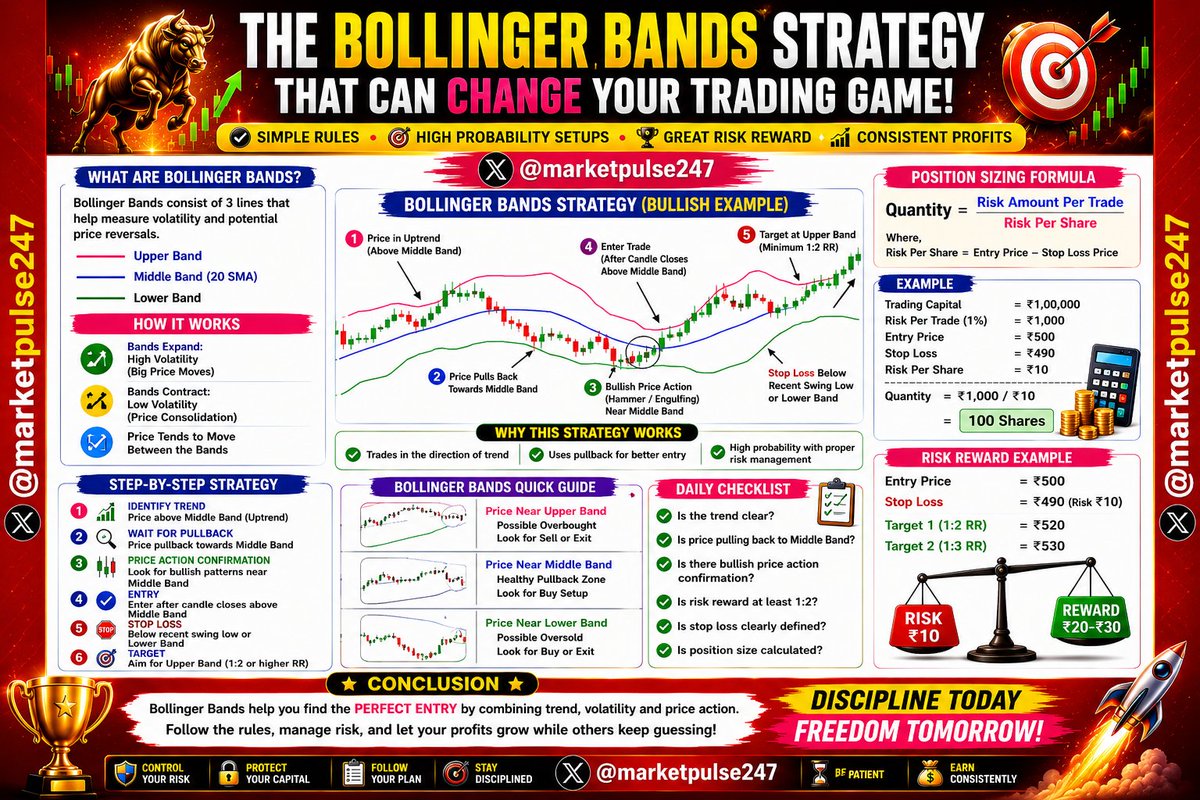
Bollinger Bands Trading Strategy: A Simple Daily Trading Method with Proper Risk Management and Position Sizing
Many traders enter the stock market looking for the perfect indicator that can predict every move. However, successful trading is not about prediction; it is about identifying high-probability opportunities while keeping risk under control. One of the most beginner-friendly indicators for daily trading is Bollinger Bands. When used correctly, it can help traders find quality entries, set stop losses, and achieve favorable risk-reward ratios.
What are Bollinger Bands?
Bollinger Bands consist of three lines:
Upper Band
Middle Band (20-period Moving Average)
Lower Band
The bands expand when volatility increases and contract when volatility decreases. This helps traders identify potential buying and selling opportunities.
Simple Bollinger Bands Daily Trading Strategy
Step 1: Identify the Trend
First, determine the market direction.
Price above the Middle Band = Bullish Trend
Price below the Middle Band = Bearish Trend
Always trade in the direction of the trend.
Step 2: Wait for Pullback
In a bullish trend, wait for the stock to pull back toward the Middle Band.
Avoid buying when the price is touching the Upper Band because the stock may be temporarily overextended.
Step 3: Look for Price Action Confirmation
When price reaches the Middle Band:
Bullish Engulfing Candle
Hammer Candle
Strong Rejection Candle
These signals indicate buyers are stepping back into the market.
Step 4: Entry
Enter the trade after the confirmation candle closes above the Middle Band.
This improves the probability of a successful trade.
Step 5: Stop Loss Placement
Place your stop loss:
Below the recent swing low
Or below the Lower Bollinger Band
This keeps risk clearly defined before entering the trade.
Step 6: Profit Target
Aim for the Upper Bollinger Band as the first target.
Maintain at least a 1:2 Risk-Reward Ratio.
Example:
Entry = ₹500
Stop Loss = ₹490
Risk = ₹10
Target should be at least:
₹520 or higher
A 1:3 risk-reward setup is even better.
Position Sizing Formula
Professional traders never decide quantity randomly.
Formula
Quantity = Risk Amount Per Trade ÷ Risk Per Share
Where:
Risk Per Share = Entry Price − Stop Loss Price
Example
Trading Capital = ₹1,00,000
Maximum Risk Per Trade = 1%
Risk Amount = ₹1,000
Entry Price = ₹500
Stop Loss = ₹490
Risk Per Share = ₹10
Quantity = ₹1,000 ÷ ₹10
Quantity = 100 Shares
This ensures that even if the trade fails, the maximum loss remains limited to ₹1,000.
Why This Strategy Works
Bollinger Bands help traders identify areas where price is likely to pull back and resume the trend. Instead of chasing stocks after a sharp move, traders wait patiently for a retracement toward the Middle Band and then look for confirmation. This improves entries and reduces emotional decision-making.
The combination of trend-following, price action confirmation, position sizing, and proper risk management creates a trading framework that can be followed consistently. Remember, the goal is not to win every trade but to ensure winners are larger than losers.
Conclusion
The Bollinger Bands strategy is simple, effective, and suitable for beginners who want a structured trading approach. By trading in the direction of the trend, waiting for pullbacks, and using strict risk management, traders can significantly improve their consistency. Risk only 1% of capital per trade, maintain a minimum 1:2 risk-reward ratio, and allow profits to grow while keeping losses small. Over time, discipline and risk management will contribute far more to trading success than any indicator alone.
48 Hashtags for Twitter/X
#BollingerBands #BollingerBandStrategy #TradingStrategy #StockMarket #Trading #StockTrading #IntradayTrading #SwingTrading #DayTrading #TechnicalAnalysis #ChartAnalysis #PriceAction #RiskManagement #RiskReward #PositionSizing #TradingPsychology #TradingDiscipline #TradingEducation #LearnTrading #BeginnerTrader #StockMarketLearning #MarketAnalysis #StockMarketIndia #IndianStockMarket #Nifty50 #BankNifty #MomentumTrading #TrendFollowing #SupportAndResistance #CandlestickPatterns #ProfitableTrading #TradingTips #SmartMoney #MarketPulse247 #FinancialFreedom #WealthCreation #MoneyManagement #CapitalPreservation #BullMarket #TraderLife #TradeSmart #StockMarketTips #InvestmentTips #Investing #TradingSuccess #FinancialEducation #MarketInsights #WealthBuilding
3
8
228
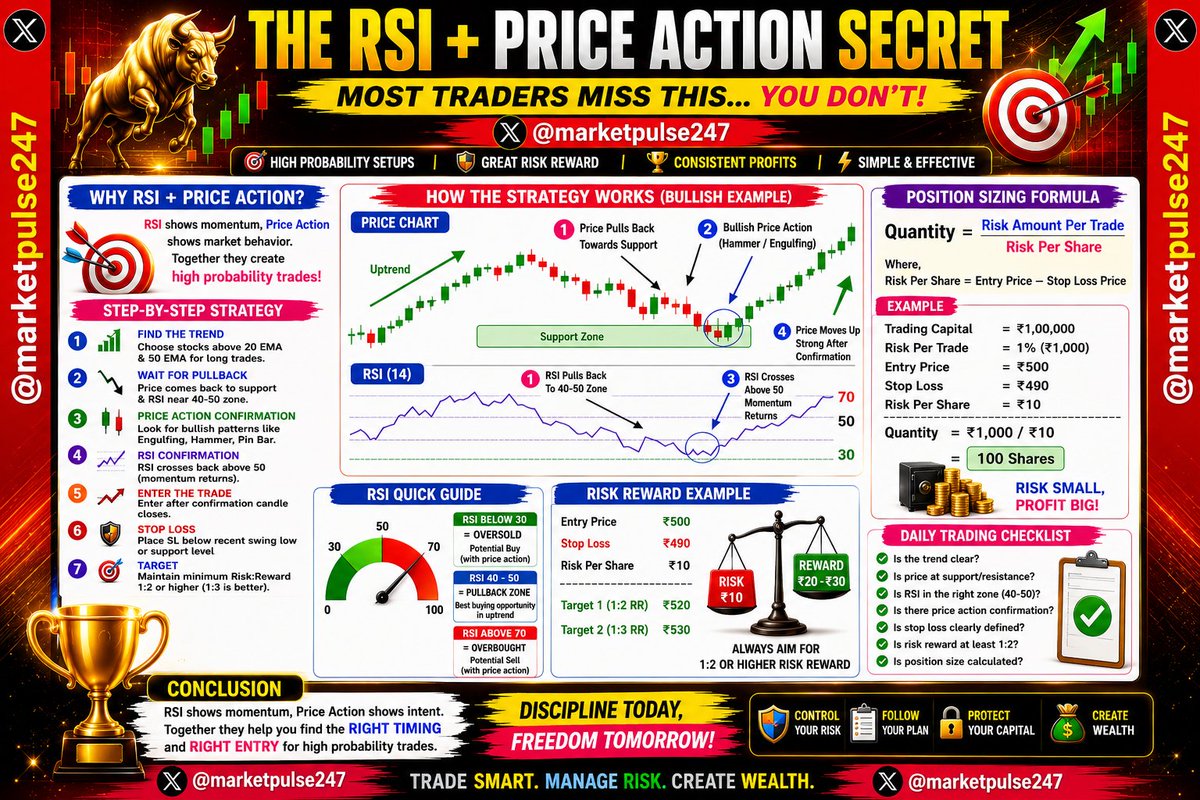
Simple RSI Strategy Can Double Your Risk-Reward Ratio
RSI Price Action Trading Strategy: A Simple Daily Trading Method for Beginners with Proper Risk Management and Position Sizing
Many beginners enter the stock market believing that finding the perfect indicator will make them profitable. The reality is different. Successful traders focus on three things: finding high-probability setups, controlling risk, and managing position size correctly. One of the simplest and most effective combinations for daily trading is using RSI (Relative Strength Index) together with Price Action.
This strategy helps traders identify strong entries, define stop losses, and achieve favorable risk-reward ratios without relying on dozens of indicators.
What is RSI?
RSI is a momentum indicator that measures the strength of price movement. It moves between 0 and 100.
RSI above 70 indicates strong buying momentum.
RSI below 30 indicates strong selling momentum.
RSI around 50 indicates a neutral market.
Many beginners buy simply because RSI crosses above 70 or sell because it falls below 30. This often leads to losses. The real power of RSI comes when it is combined with price action.
What is Price Action?
Price action means reading the movement of price directly from the chart without depending heavily on indicators.
Examples include:
Bullish engulfing candles
Pin bars
Breakouts
Support and resistance zones
Higher highs and higher lows
Price action tells us what buyers and sellers are doing in real time.
The RSI Price Action Daily Trading Strategy
Step 1: Find a Trending Stock
Choose stocks that are:
Above the 20 EMA and 50 EMA for bullish trades.
Below the 20 EMA and 50 EMA for bearish trades.
Avoid sideways markets because RSI gives many false signals there.
Step 2: Wait for a Pullback
In an uptrend, wait for the stock to pull back toward support.
As price pulls back:
RSI should move near 40–50.
Price should approach a previous support area.
This creates a potential buying opportunity.
Step 3: Look for Price Action Confirmation
Never enter based on RSI alone.
Wait for:
Bullish engulfing candle
Hammer candle
Strong rejection candle
Breakout above resistance
These patterns show buyers are returning.
Step 4: Confirm with RSI
For long trades:
RSI should move back above 50.
RSI should not be extremely overbought.
This confirms momentum is returning.
Step 5: Entry and Stop Loss
Enter after confirmation.
Place stop loss:
Below the recent swing low.
Below the support level.
This defines your risk before entering the trade.
Step 6: Target Setting
Always maintain a minimum risk-reward ratio of 1:2.
Example:
Entry Price = ₹500
Stop Loss = ₹490
Risk = ₹10
Target should be:
Minimum = ₹520
A 1:3 risk-reward setup is even better.
Position Sizing Formula
This is the most important part of trading.
Professional traders decide risk first and quantity second.
Formula
Quantity = Risk Amount Per Trade ÷ Risk Per Share
Where:
Risk Per Share = Entry Price − Stop Loss Price
Example
Trading Capital = ₹1,00,000
Maximum Risk Per Trade = 1%
Risk Amount = ₹1,000
Entry Price = ₹500
Stop Loss = ₹490
Risk Per Share = ₹10
Quantity = ₹1,000 ÷ ₹10
Quantity = 100 Shares
This means even if the trade fails, your maximum loss remains limited to ₹1,000.
Why This Strategy Works
Most traders lose because they chase stocks after a big move. This strategy forces you to wait for pullbacks and confirmation before entering. RSI helps identify momentum while price action confirms that buyers or sellers are actually taking control.
By combining both tools, you avoid many false signals that occur when using RSI alone. The strategy also ensures that every trade has a predefined stop loss and profit target, making decision-making easier and less emotional.
Twitter link - x.com/@marketpulse247
Daily Trading Checklist
Before taking any trade, ask yourself:
✔ Is the stock in a clear trend?
✔ Is RSI near the 40–50 zone during a pullback?
✔ Is there strong price action confirmation?
✔ Is stop loss clearly defined?
✔ Is risk-reward at least 1:2?
✔ Is position size calculated properly?
If all answers are yes, the trade is worth considering.
Conclusion
The RSI and Price Action strategy is one of the most beginner-friendly methods for daily trading because it combines momentum and market behavior into a simple decision-making process. RSI helps identify when momentum is strengthening, while price action reveals what buyers and sellers are doing at critical levels. Together, they provide a powerful framework for finding quality trades.
Twitter link - x.com/@marketpulse247
However, the real secret to long-term success is not the strategy itself but the discipline to follow it consistently. Risk only 1% of your capital on each trade, always use a stop loss, and never enter a trade without a minimum 1:2 risk-reward ratio. Even if you win only 40–50% of your trades, proper risk management can still make you profitable over time. Remember, successful trading is not about predicting every move of the market; it is about managing risk, protecting capital, and allowing winning trades to grow larger than losing trades. Over time, this approach can help transform a beginner into a disciplined and consistently profitable trader.
Twitter link - x.com/@marketpulse247
#RSI #RSITrading #RSIStrategy #RelativeStrengthIndex #PriceAction #PriceActionTrading #TradingStrategy #StockMarket #StockTrading #IntradayTrading #SwingTrading #DayTrading #TechnicalAnalysis #ChartAnalysis #CandlestickPatterns #SupportAndResistance #TrendFollowing #MomentumTrading #RiskManagement #RiskReward #PositionSizing #TradingPsychology #TradingDiscipline #TradingEducation #LearnTrading #BeginnerTrader #StockMarketLearning #MarketAnalysis #StockMarketIndia #IndianStockMarket #Nifty50 #BankNifty #TradeSmart #ProfitableTrading #TradingTips #SmartMoney #MarketPulse247 #FinancialFreedom #WealthCreation #Investing #InvestmentTips #MoneyManagement #CapitalPreservation #BullMarket #TradingSuccess #TraderLife #StockMarketTips #FinancialEducation
2
7
269
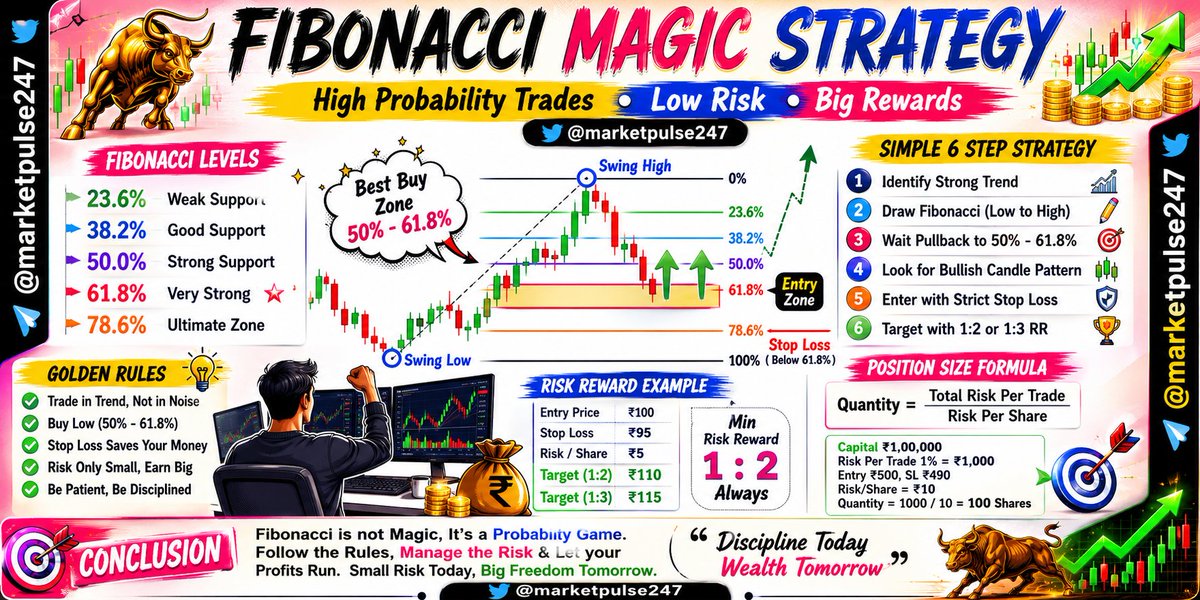
The Beginner’s Fibonacci Trading Strategy: A Simple Daily Trading Method with Proper Risk Management
Most beginners enter the stock market looking for profits, but very few focus on risk management. Professional traders understand one important truth: protecting capital is more important than making money. If you can control losses, profits will eventually follow.
One of the easiest and most effective tools for beginners is the Fibonacci Retracement Strategy. It helps traders identify high-probability entry points, define stop losses, and achieve attractive risk-reward ratios.
What is Fibonacci Retracement?
Fibonacci retracement is a technical analysis tool based on mathematical ratios. The most important levels used by traders are:
23.6%
38.2%
50%
61.8%
78.6%
Among these, the 50% and 61.8% levels are the most commonly used for finding trade entries.
The basic idea is simple:
When a stock makes a strong move upward, it rarely continues straight up. It usually pulls back before continuing its trend. Fibonacci levels help us estimate where that pullback may end.
The Simple Fibonacci Daily Trading Strategy
Step 1: Identify a Strong Trend
Look for stocks that are:
Trading above the 20 EMA and 50 EMA
Making higher highs and higher lows
Showing strong bullish momentum
Avoid sideways or choppy stocks.
Step 2: Draw Fibonacci Retracement
In an uptrend:
Select the recent swing low.
Drag the Fibonacci tool to the recent swing high.
The retracement levels will automatically appear.
x.com/@marketpulse247
Step 3: Wait for Pullback
Never chase a stock after a big rally.
Wait patiently for the stock to retrace toward:
50% level
61.8% level
These zones often act as support.
Step 4: Confirmation Entry
Enter only when you see:
Bullish candle formation
Strong buying volume
Price rejection from Fibonacci support
Step 5: Stop Loss Placement
Place stop loss:
Below the 61.8% level
Or below the recent swing low
This keeps your risk clearly defined.
x.com/@marketpulse247
Step 6: Target Setting
Use a minimum Risk Reward Ratio of 1:2.
Example:
Entry = ₹100
Stop Loss = ₹95
Risk = ₹5
Target should be:
Minimum = ₹110
A 1:3 reward ratio is even better.
Position Sizing Formula for Perfect Quantity
This is where most beginners fail.
Never decide quantity based on emotions.
Use this formula:
Position Size Formula
Quantity = Total Risk Per Trade ÷ Risk Per Share
Where:
Risk Per Share = Entry Price – Stop Loss Price
Example
Trading Capital = ₹1,00,000
Maximum Risk Per Trade = 1%
Risk Amount = ₹1,000
Entry Price = ₹500
Stop Loss = ₹490
Risk Per Share = ₹10
Quantity = ₹1,000 ÷ ₹10
Quantity = 100 Shares
Therefore:
Buy only 100 shares.
Maximum loss remains ₹1,000.
x.com/@marketpulse247
Capital remains protected.
This method allows you to survive losing streaks and stay in the game for years.
Why Risk Reward Matters More Than Win Rate
Many beginners think they need a 90% accuracy rate.
That is completely wrong.
Suppose:
10 Trades
5 Winners
5 Losers
With 1:1 Risk Reward:
Profit = ₹5,000
Loss = ₹5,000
Net Result = Zero
With 1:3 Risk Reward:
Profit = ₹15,000
Loss = ₹5,000
Net Profit = ₹10,000
This is why professional traders focus on risk reward first and accuracy second.
Daily Trading Checklist
Before entering any trade, ask:
✔ Is the stock in a clear trend?
✔ Has it retraced to 50% or 61.8% Fibonacci?
✔ Is there bullish price action confirmation?
✔ Is stop loss clearly defined?
✔ Is Risk Reward at least 1:2?
✔ Is position size calculated correctly?
If all answers are "Yes," the trade is worth considering.
x.com/@marketpulse247
Conclusion
The Fibonacci Retracement Strategy is one of the simplest ways for beginners to trade with discipline. Instead of buying randomly, it gives a structured framework for identifying entries, stop losses, and profit targets. However, Fibonacci levels alone do not guarantee success. The real edge comes from combining Fibonacci with proper trend analysis, strict stop losses, and disciplined position sizing.
Remember, successful trading is not about finding a magical indicator. It is about consistently following a process. Risk only 1% of your capital on each trade, maintain a minimum 1:2 risk-reward ratio, and wait patiently for high-quality setups near the 50% and 61.8% Fibonacci levels. If you focus on capital preservation first and profits second, you will develop the habits that separate long-term winners from the majority of traders who fail. Over time, discipline, patience, and risk management will become your biggest advantages in the stock market.
x.com/@marketpulse247
#StockMarket #Trading #Trader #TradingStrategy #StockTrading #IntradayTrading #SwingTrading #PriceAction #TechnicalAnalysis #ChartAnalysis #StockMarketIndia #IndianStockMarket #Nifty50 #BankNifty #Fibonacci #FibonacciTrading #FibonacciRetracement #RiskManagement #RiskReward #PositionSizing #TradingPsychology #MarketAnalysis #TradingEducation #LearnTrading #BeginnerTrader #StockMarketLearning #Investing #InvestmentTips #FinancialFreedom #WealthCreation #MoneyManagement #CapitalPreservation #ProfitableTrading #TradingTips #MarketPulse247 #BullMarket #TradingCommunity #DayTrader #MomentumTrading #SupportAndResistance #CandlestickPatterns #TrendFollowing #SmartMoney #StockMarketTips #TradeSmart #TradingSuccess #DisciplineEqualsProfit #FinancialEducation
1
3
7
321

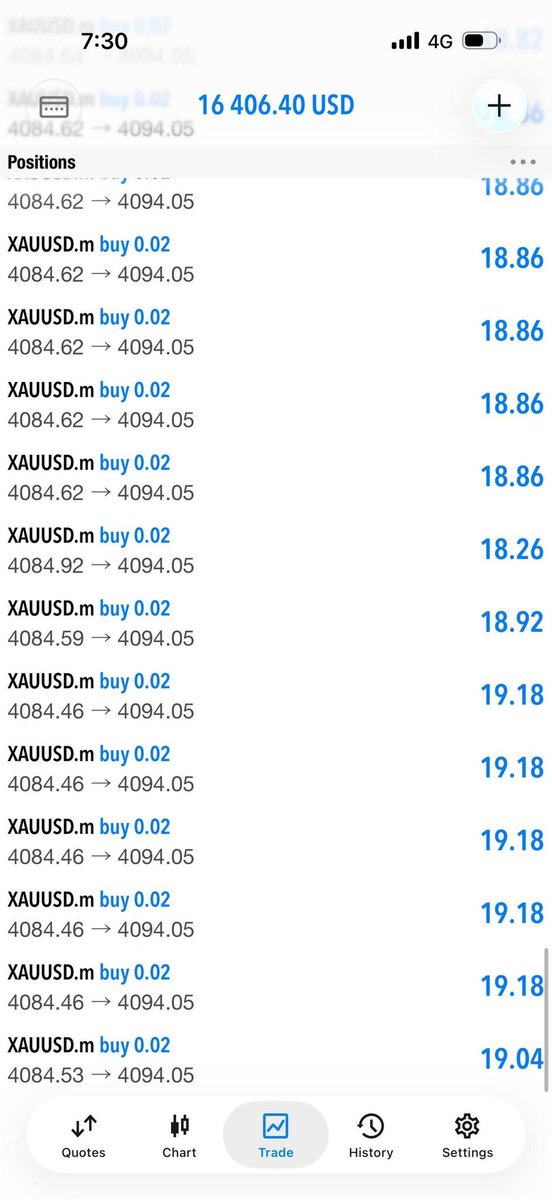
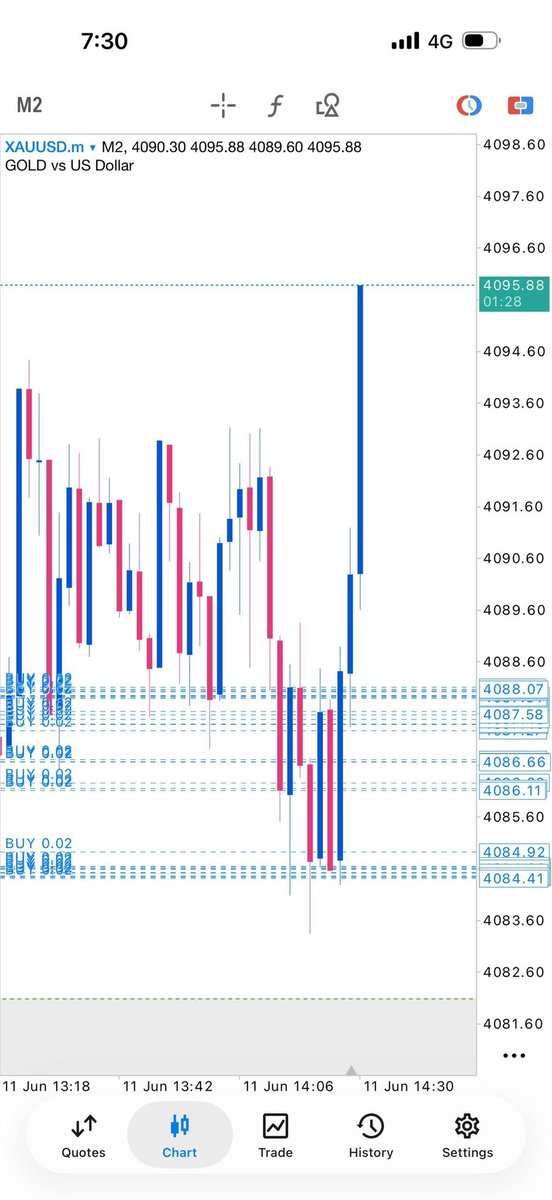
6:33 it was $16,043
7:30 it’s $16,406 and Gold is still climbing
Didn’t touch a single position — discipline does the work while you sleep 🥂☀️
#XAUUSD_𝐁𝐔𝐘 #Forextrade #TradingProfits #PnL #ProfitableTrading #Lifestyle
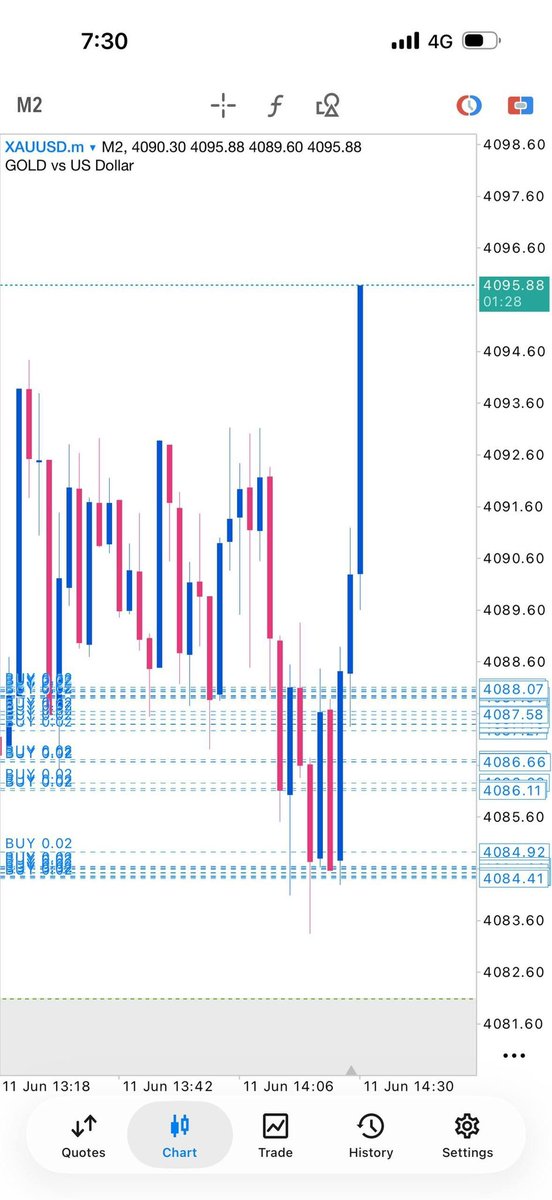

Xauusd Buy Now againnn !
XAUUSD BUY | 4090
😀CheckPoint 1 | 50PiPS
😀CheckPoint 2 | 100PiPS
😀CheckPoint 3 | 150PiPS
SL : 4080
Risk Smart, Manage Your Capital ⚙️
#XAUUSD_𝐁𝐔𝐘 #Gold_Buy #ForexTrading #ForexSignals #btcım
27
6:33 it was $16,043
7:30 it’s $16,406 and Gold is still climbing
Didn’t touch a single position — discipline does the work while you sleep 🥂☀️
#XAUUSD_𝐁𝐔𝐘 #Forextrade #TradingProfits #PnL #ProfitableTrading #Lifestyle
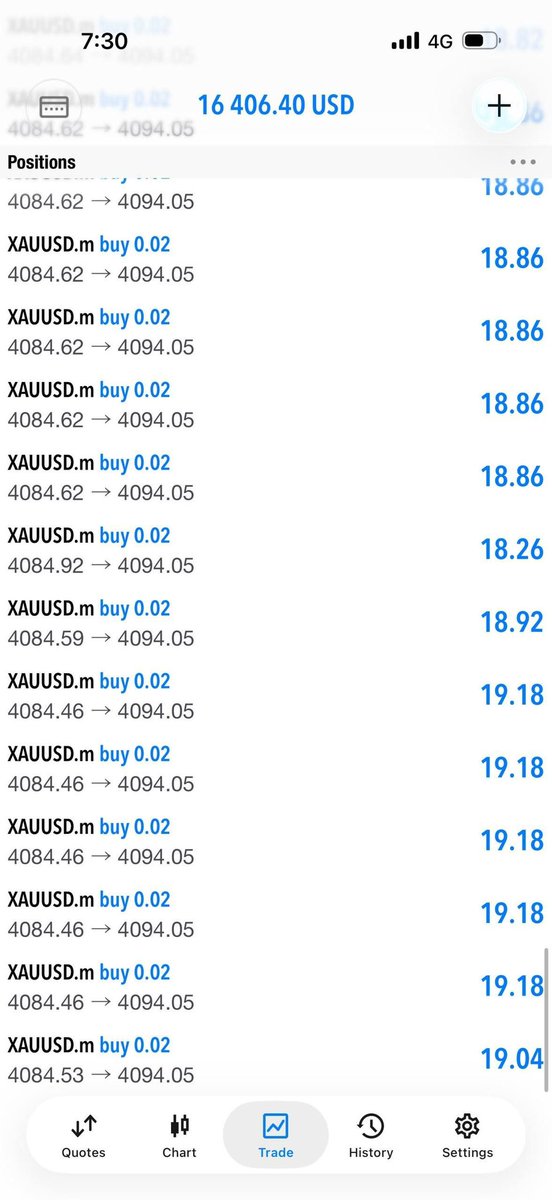
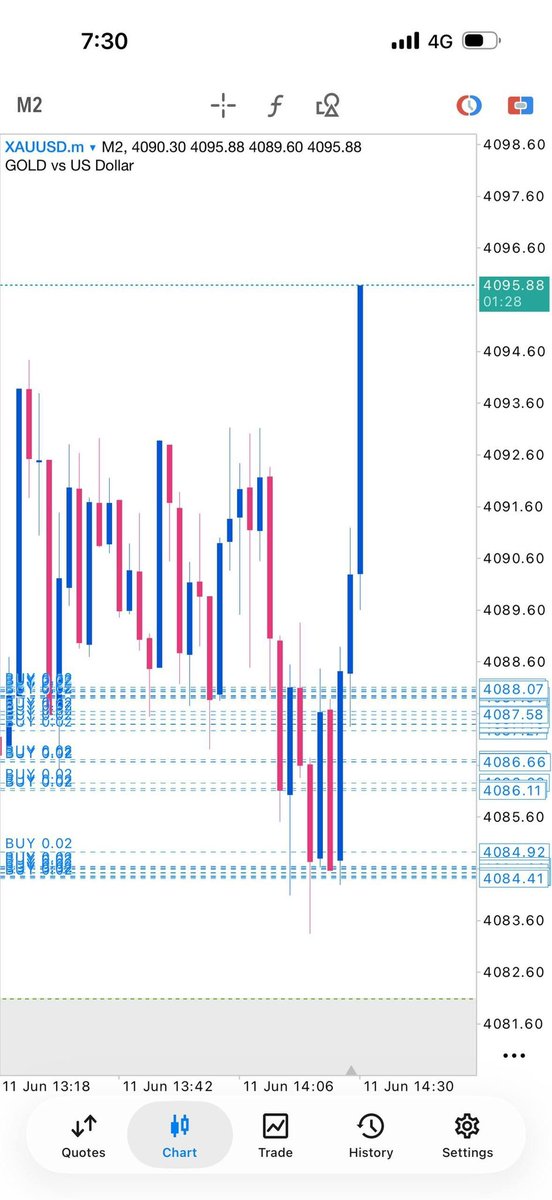
Xauusd Buy Now againnn !
XAUUSD BUY | 4090
😀CheckPoint 1 | 50PiPS
😀CheckPoint 2 | 100PiPS
😀CheckPoint 3 | 150PiPS
SL : 4080
Risk Smart, Manage Your Capital ⚙️
#XAUUSD_𝐁𝐔𝐘 #Gold_Buy #ForexTrading #ForexSignals #btcım
14
6:33 it was $16,043
7:30 it’s $16,406 and Gold is still climbing
Didn’t touch a single position — discipline does the work while you sleep 🥂☀️
#XAUUSD_𝐁𝐔𝐘 #Forextrade #TradingProfits #PnL #ProfitableTrading #Lifestyle
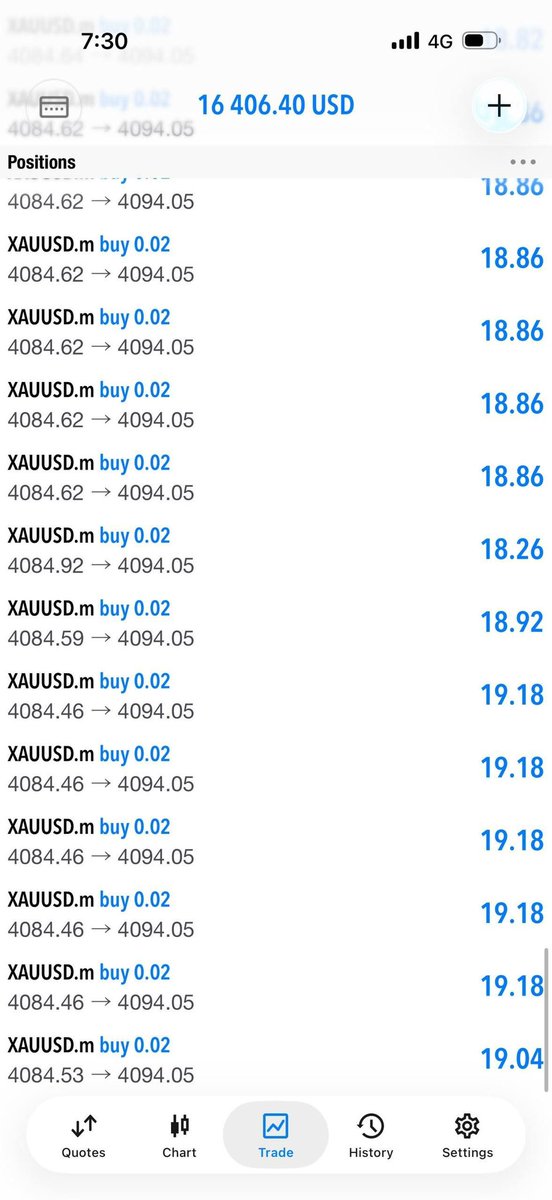
Xauusd Buy Now againnn !
XAUUSD BUY | 4090
😀CheckPoint 1 | 50PiPS
😀CheckPoint 2 | 100PiPS
😀CheckPoint 3 | 150PiPS
SL : 4080
Risk Smart, Manage Your Capital ⚙️
#XAUUSD_𝐁𝐔𝐘 #Gold_Buy #ForexTrading #ForexSignals #btcım
18
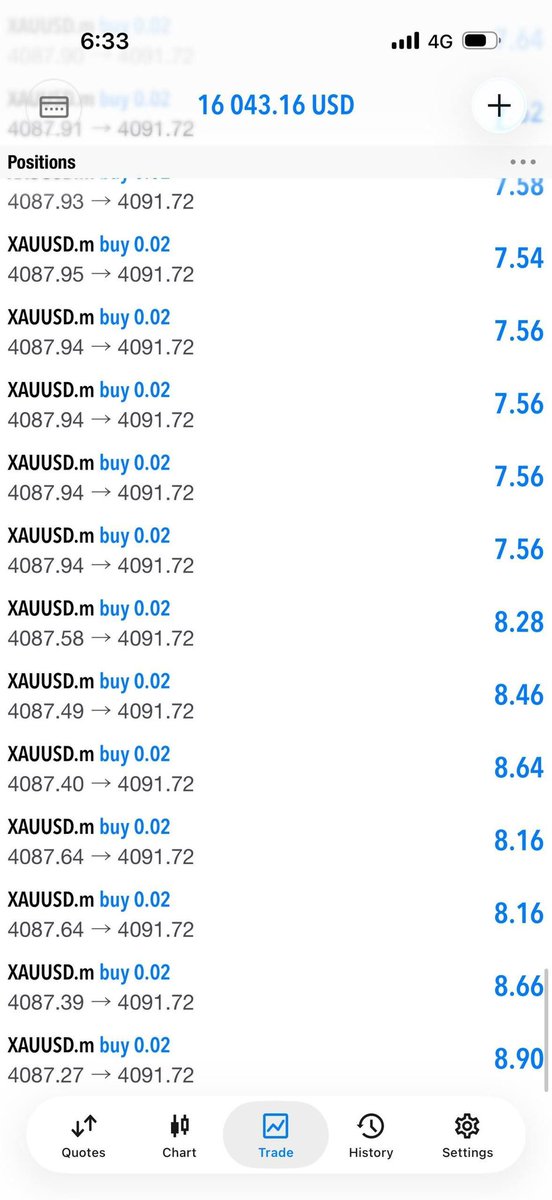
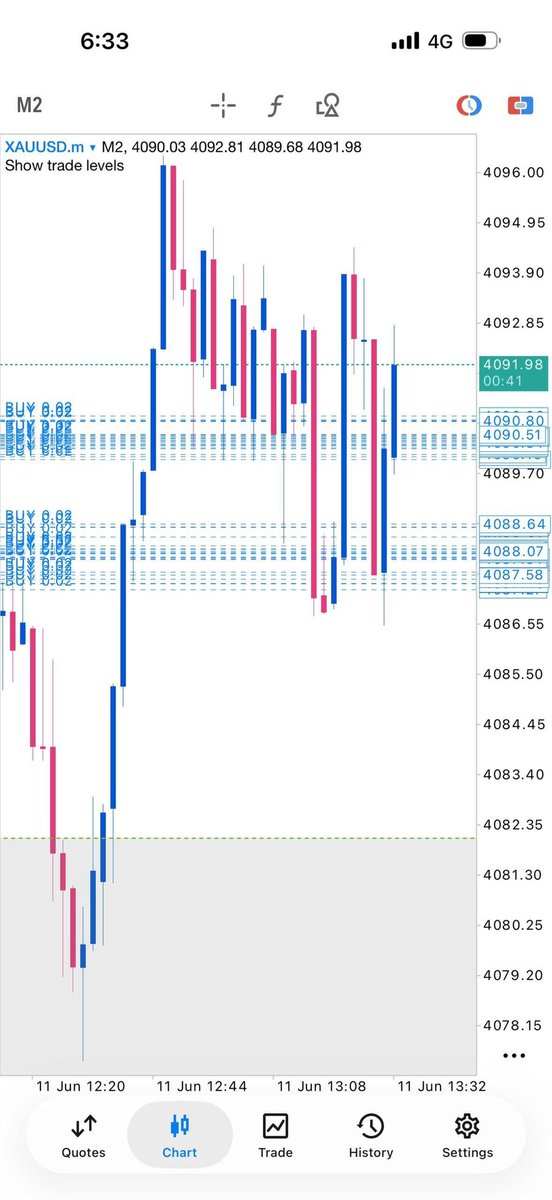
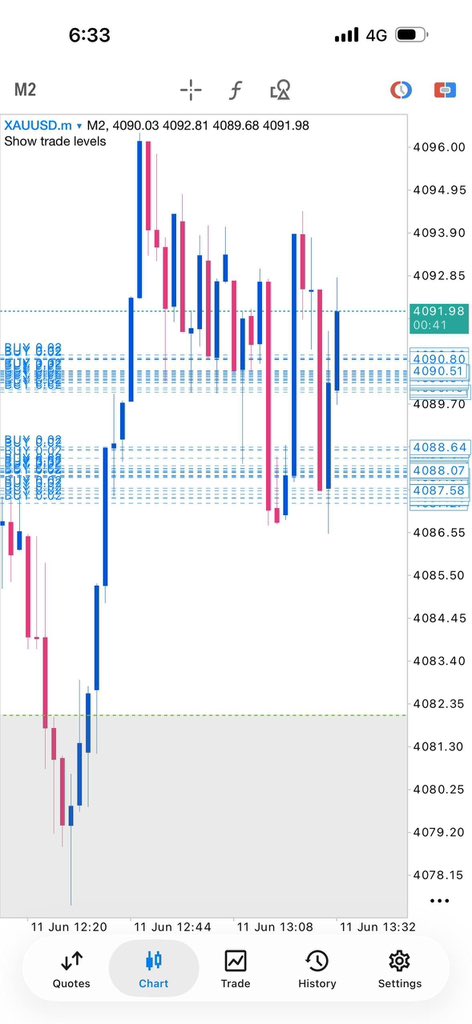
Loaded Gold buys at $4087 while most were still asleep
Every single position green before breakfast
$16,043 and the morning has barely started ☀️🥂
#XAUUSD_𝐁𝐔𝐘 #ForexTrading #ForexSignals #PnL #ProfitableTrading #Lifestyle
Xauusd Buy Now !
XAUUSD BUY | 4090
😀CheckPoint 1 | 50PiPS
😀CheckPoint 2 | 100PiPS
😀CheckPoint 3 | 150PiPS
SL : 4080
Risk Smart, Manage Your Capital ⚙️
#XAUUSD_𝐁𝐔𝐘 #XAUUSD #Gold #ForexSignals #ForexTrading
54
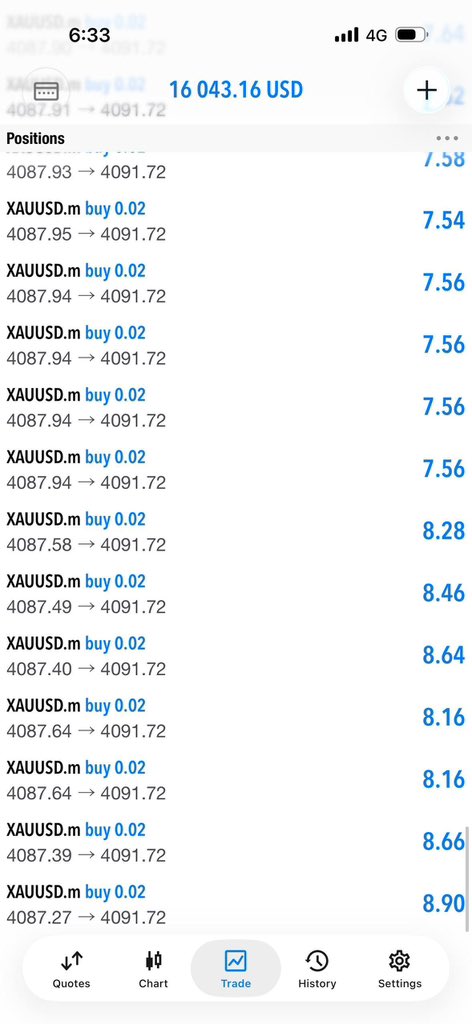
Loaded Gold buys at $4087 while most were still asleep
Every single position green before breakfast
$16,043 and the morning has barely started ☀️🥂
#XAUUSD_𝐁𝐔𝐘 #ForexTrading #ForexSignals #PnL #ProfitableTrading #Lifestyle
Xauusd Buy Now !
XAUUSD BUY | 4090
😀CheckPoint 1 | 50PiPS
😀CheckPoint 2 | 100PiPS
😀CheckPoint 3 | 150PiPS
SL : 4080
Risk Smart, Manage Your Capital ⚙️
#XAUUSD_𝐁𝐔𝐘 #XAUUSD #Gold #ForexSignals #ForexTrading
34
Loaded Gold buys at $4087 while most were still asleep
Every single position green before breakfast
$16,043 and the morning has barely started ☀️🥂
#XAUUSD_𝐁𝐔𝐘 #ForexTrading #ForexSignals #PnL #ProfitableTrading #Lifestyle
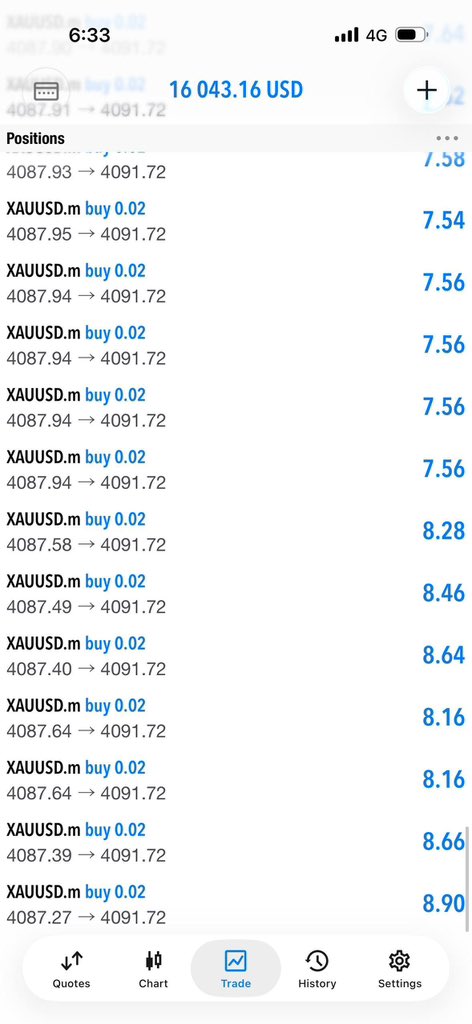
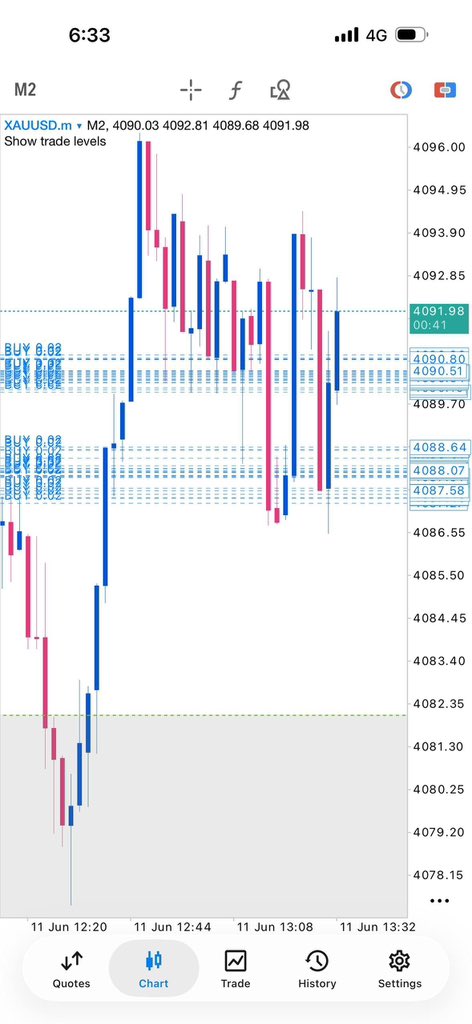
Xauusd Buy Now !
XAUUSD BUY | 4090
😀CheckPoint 1 | 50PiPS
😀CheckPoint 2 | 100PiPS
😀CheckPoint 3 | 150PiPS
SL : 4080
Risk Smart, Manage Your Capital ⚙️
#XAUUSD_𝐁𝐔𝐘 #XAUUSD #Gold #ForexSignals #ForexTrading
44

For some people is a very long journey, and we all have a different story. No shame, no judgement. #trader #trading #stockmarket #tradingtips #profitabletrading
31

Jun 8
27
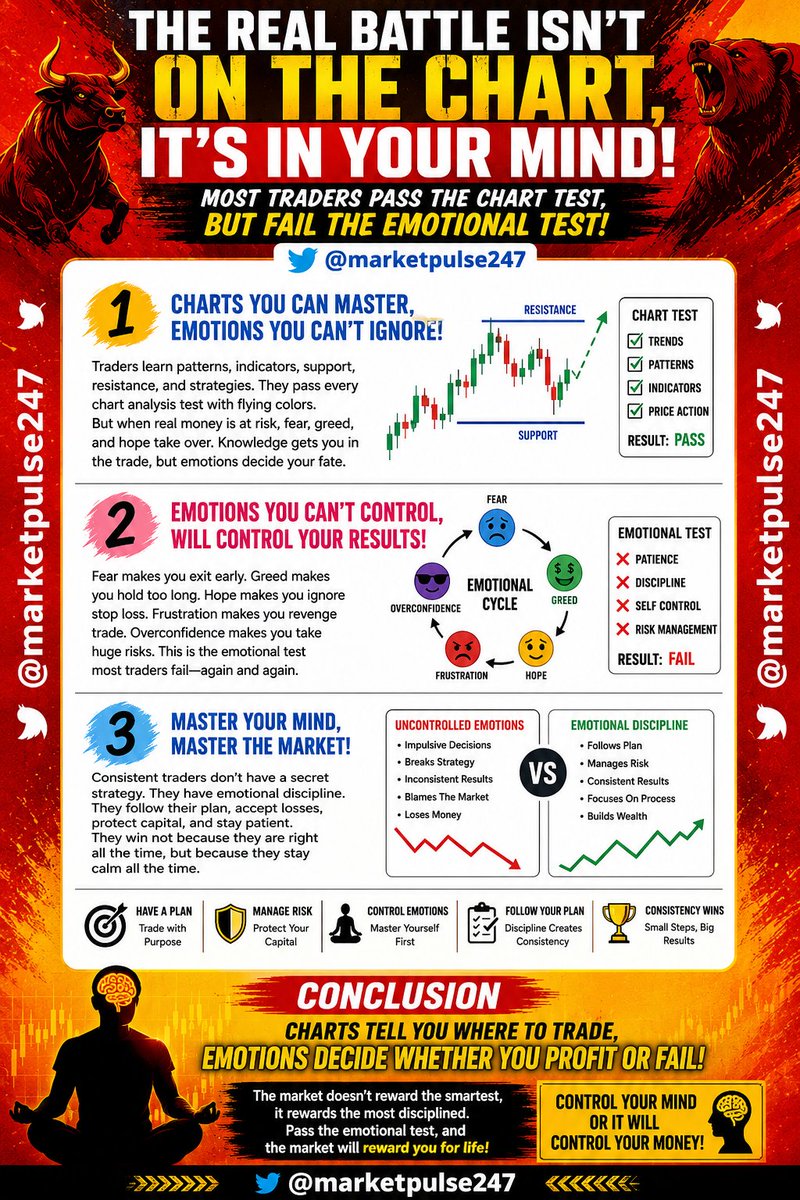
CHARTS DON'T BREAK TRADERS, EMOTIONS DO
Many traders spend years learning chart patterns, technical indicators, support and resistance levels, candlestick formations, and market structure. They become experts at identifying trends and predicting potential price movements. They can explain complex setups with confidence and often pass every technical analysis test with outstanding results. Yet surprisingly, many of these same traders struggle to achieve consistent profitability. The reason is simple. Success in trading is not determined solely by what you know. It is determined by how you behave when real money is at risk. Trading transforms from a technical exercise into an emotional challenge the moment a position is opened. Fear, greed, hope, and impatience begin influencing decisions. A trader who confidently analyzed a chart may suddenly hesitate to enter a trade because of fear. Another trader may ignore a stop loss because hope convinces them the market will reverse. The market does not reward intelligence alone. It rewards discipline and emotional stability. Technical analysis helps identify opportunities, but emotional control determines whether those opportunities are executed properly. The difference between profitable traders and struggling traders is often not knowledge. It is the ability to remain calm, disciplined, and committed to a proven process regardless of short term market fluctuations.
THE EMOTIONAL MANAGEMENT TEST MOST TRADERS FAIL
The biggest challenge in trading begins after entering a position. This is where emotions quietly take control. Fear makes traders exit winning trades too early because they worry profits might disappear. Greed encourages traders to hold positions too long in search of unrealistic gains. Frustration after a loss often leads to revenge trading, where traders abandon their strategy and take impulsive positions. Overconfidence after a series of successful trades can result in excessive risk taking that eventually destroys months of progress. These emotional reactions are responsible for far more losses than poor chart analysis. The market constantly tests patience, discipline, and self control. Every price movement creates emotional pressure. Successful traders understand that emotional management is not a secondary skill. It is a core requirement for long term survival. They create trading plans before entering positions and follow those plans without allowing emotions to interfere. They accept losses as part of the business and avoid making decisions based on temporary feelings. Emotional discipline allows traders to stay objective and focused even during periods of uncertainty. Those who fail this test often blame the market, but the real battle was taking place within themselves all along.
THE REAL EDGE THAT CREATES CONSISTENT PROFITS
Many people believe the secret to trading success lies in discovering a perfect indicator or a magical strategy. In reality, the greatest edge comes from mastering yourself. Consistent traders understand that profitability is built on discipline, patience, and emotional control. They know that losing trades are unavoidable and that no strategy wins every time. Instead of chasing perfection, they focus on executing their system consistently. They manage risk carefully, follow position sizing rules, and trust their process even when results fluctuate in the short term. Emotional mastery allows traders to think rationally when others panic. It allows them to remain patient when opportunities are limited and confident when uncertainty rises. Over time, this discipline creates a powerful competitive advantage. Technical skills may help traders identify opportunities, but emotional control ensures they capitalize on them effectively. The market rewards those who remain calm under pressure and punishes those who allow emotions to dictate decisions. Ultimately, successful trading is not about conquering the market. It is about conquering yourself. When emotions are controlled, decisions improve. When decisions improve, consistency follows. And when consistency becomes a habit, long term profitability becomes achievable.
CHARTS DON'T BREAK TRADERS, EMOTIONS DO
Many traders spend years learning chart patterns, technical indicators, support and resistance levels, candlestick formations, and market structure. They become experts at identifying trends and predicting potential price movements. They can explain complex setups with confidence and often pass every technical analysis test with outstanding results. Yet surprisingly, many of these same traders struggle to achieve consistent profitability. The reason is simple. Success in trading is not determined solely by what you know. It is determined by how you behave when real money is at risk. Trading transforms from a technical exercise into an emotional challenge the moment a position is opened. Fear, greed, hope, and impatience begin influencing decisions. A trader who confidently analyzed a chart may suddenly hesitate to enter a trade because of fear. Another trader may ignore a stop loss because hope convinces them the market will reverse. The market does not reward intelligence alone. It rewards discipline and emotional stability. Technical analysis helps identify opportunities, but emotional control determines whether those opportunities are executed properly. The difference between profitable traders and struggling traders is often not knowledge. It is the ability to remain calm, disciplined, and committed to a proven process regardless of short term market fluctuations.
THE EMOTIONAL MANAGEMENT TEST MOST TRADERS FAIL
The biggest challenge in trading begins after entering a position. This is where emotions quietly take control. Fear makes traders exit winning trades too early because they worry profits might disappear. Greed encourages traders to hold positions too long in search of unrealistic gains. Frustration after a loss often leads to revenge trading, where traders abandon their strategy and take impulsive positions. Overconfidence after a series of successful trades can result in excessive risk taking that eventually destroys months of progress. These emotional reactions are responsible for far more losses than poor chart analysis. The market constantly tests patience, discipline, and self control. Every price movement creates emotional pressure. Successful traders understand that emotional management is not a secondary skill. It is a core requirement for long term survival. They create trading plans before entering positions and follow those plans without allowing emotions to interfere. They accept losses as part of the business and avoid making decisions based on temporary feelings. Emotional discipline allows traders to stay objective and focused even during periods of uncertainty. Those who fail this test often blame the market, but the real battle was taking place within themselves all along.
THE REAL EDGE THAT CREATES CONSISTENT PROFITS
Many people believe the secret to trading success lies in discovering a perfect indicator or a magical strategy. In reality, the greatest edge comes from mastering yourself. Consistent traders understand that profitability is built on discipline, patience, and emotional control. They know that losing trades are unavoidable and that no strategy wins every time. Instead of chasing perfection, they focus on executing their system consistently. They manage risk carefully, follow position sizing rules, and trust their process even when results fluctuate in the short term. Emotional mastery allows traders to think rationally when others panic. It allows them to remain patient when opportunities are limited and confident when uncertainty rises. Over time, this discipline creates a powerful competitive advantage. Technical skills may help traders identify opportunities, but emotional control ensures they capitalize on them effectively. The market rewards those who remain calm under pressure and punishes those who allow emotions to dictate decisions. Ultimately, successful trading is not about conquering the market. It is about conquering yourself. When emotions are controlled, decisions improve. When decisions improve, consistency follows. And when consistency becomes a habit, long term profitability becomes achievable.
CONCLUSION
The majority of traders lose not because they cannot read charts, but because they cannot manage emotions. Technical analysis may open the door to opportunity, but emotional discipline determines whether you walk through it successfully. Master your emotions, trust your process, and remember that the greatest battle in trading is not against the market, but against yourself.
Twitter: x.com/@marketpulse247
#TradingPsychology #TradingMindset #StockMarket #TraderLife #EmotionalControl #TradingDiscipline #Investing #StockTrading #RiskManagement #TraderMindset #TechnicalAnalysis #TradingSuccess #MarketPsychology #InvestSmart #TradingJourney #FinancialFreedom #StockMarketIndia #InvestingMindset #MarketWisdom #TradingEducation #DisciplineEqualsFreedom #ProfitableTrading #TradingCommunity #WealthCreation #MindsetMatters #FinancialMarkets #TradingLessons #StockMarketLearning #PriceAction #TraderEducation #InvestingTips #MarketAnalysis #TradingStrategy #CapitalProtection #LongTermSuccess #TradingPerformance #InvestorMindset #TradingHabits #SmartInvesting #MoneyManagement #TradingGoals #MarketInsights #ConsistencyInTrading #LearnTrading #WinningMindset #StockMarketTips #BehavioralFinance #TradingEdge #MarketPulse247 #FinancialSuccess
1
2
52
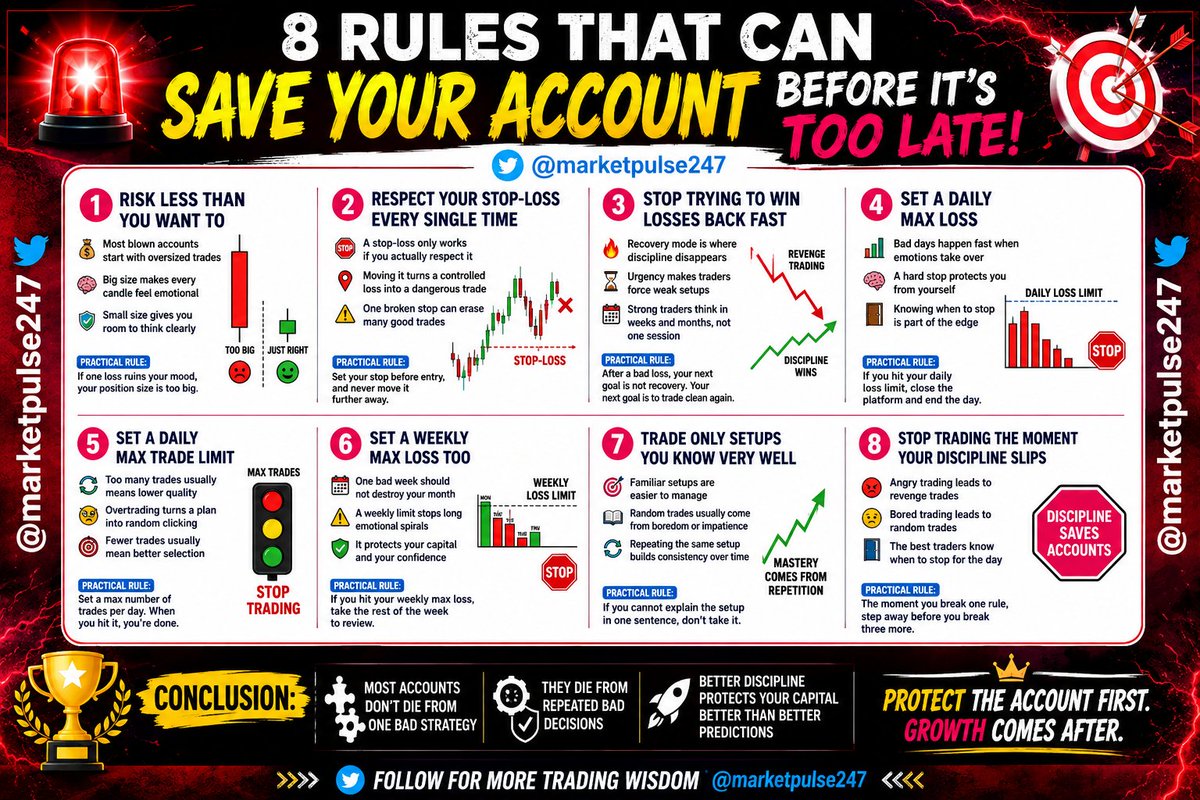
8 TRADING RULES THAT CAN SAVE YOUR ACCOUNT BEFORE IT'S TOO LATE
Trading success is not built on finding a magical indicator or predicting every market move correctly. Most traders who lose money do not fail because their strategy is terrible. They fail because they repeatedly break simple risk management rules. The market is designed to test patience, discipline, and emotional control every single day. Without clear rules, even a profitable strategy can quickly become unprofitable. The reality is that protecting your capital is far more important than chasing profits. Every professional trader understands that survival comes first and growth comes second. If you protect your account, opportunities will always come again. If you destroy your account, even the best opportunity becomes useless. The following eight trading rules are simple, practical, and powerful. They help traders avoid the most common mistakes that lead to blown accounts. These rules are not exciting because they focus on discipline rather than prediction. However, discipline is what separates long term winners from traders who constantly restart their journey. Master these habits and you will give yourself a much better chance of lasting success in the markets.
1. Trade Smaller Than Your Ego Wants To
One of the fastest ways to destroy a trading account is by taking oversized positions. Many traders increase their position size because they want quick profits or because they feel extremely confident about a setup. Unfortunately, large positions create emotional pressure. Every candle suddenly feels important. Every pullback feels painful. Every small loss feels personal. This emotional burden often leads traders to make poor decisions. Small position sizes create a completely different experience. They allow traders to remain calm, objective, and focused on their plan. When risk is controlled, it becomes easier to think clearly and follow the strategy without panic. A simple rule can help determine whether your position size is appropriate. If one losing trade ruins your mood, affects your confidence, or makes you feel stressed, your position size is probably too large. Professional traders understand that preservation of capital matters more than maximizing profits on a single trade. Consistently risking small amounts allows traders to survive losing streaks while maintaining emotional stability and confidence.
2. Respect Every Stop Loss Without Exception
A stop loss is one of the most important tools in trading, but it only works when traders respect it completely. Many traders place a stop loss before entering a trade but move it further away once the market starts moving against them. This transforms a planned risk into an uncontrolled gamble. What begins as a small loss can quickly become a devastating one. The purpose of a stop loss is not to guarantee that you are right. Its purpose is to protect your account when you are wrong. Every successful trader accepts that losses are a normal business expense. They understand that preserving capital is more important than avoiding a losing trade. Before entering any position, determine exactly where the trade idea becomes invalid and place the stop loss there. Once the trade is active, do not move the stop further away. Following this simple rule prevents emotional decision making and protects traders from catastrophic losses that can erase weeks or even months of hard earned profits.
3. Never Enter Recovery Mode After A Loss
Many accounts are destroyed not by the initial loss but by the desperate attempt to recover it immediately. After taking a significant loss, traders often feel pressure to make the money back quickly. This emotional state creates urgency, frustration, and impatience. Instead of waiting for high quality opportunities, traders begin forcing trades that do not meet their normal standards. Recovery mode is dangerous because discipline disappears and emotions take control. Strong traders understand that losses are part of the game. They do not judge success based on one day or one trading session. They think in terms of weeks, months, and years. When a loss occurs, their focus shifts from recovering money to protecting discipline. The next goal is not making back what was lost. The next goal is executing the next trade correctly. This mindset keeps traders focused on process rather than outcomes. In the long run, consistency and discipline create recovery naturally without forcing risky decisions that cause even greater damage.
4. Create Daily And Weekly Risk Limits
Every trader needs a point where trading stops automatically. Daily and weekly loss limits act as safety barriers that prevent emotional spirals from becoming financial disasters. When traders experience multiple losses in a short period, frustration often increases. As emotions rise, decision quality tends to decline. This can create a dangerous cycle where losses lead to revenge trading and revenge trading creates even larger losses. A daily loss limit protects traders from themselves during emotionally difficult sessions. Once the limit is reached, trading ends for the day regardless of how attractive new opportunities appear. A weekly loss limit provides an additional layer of protection. One bad week should never destroy an entire month of progress. If the weekly limit is reached, the focus should shift toward reviewing trades, identifying mistakes, and improving execution. These limits are not signs of weakness. They are signs of professionalism. Traders who respect predefined limits understand that protecting capital and confidence is essential for long term survival and sustainable growth.
5. Focus Only On High Quality Familiar Setups
Many traders lose money because they constantly chase new opportunities. They trade patterns they barely understand, enter positions out of boredom, or follow random market opinions. Successful trading requires specialization. Familiar setups are easier to recognize, easier to manage, and easier to execute consistently. Repeating the same high quality setup over and over allows traders to build confidence and improve performance through experience. Every trade should have a clear reason behind it. If a trader cannot explain the setup in one simple sentence, there is a good chance the trade should not be taken. Limiting the number of trades each day also improves decision quality. Too many trades usually indicate overtrading rather than opportunity. Fewer trades encourage patience and selectivity. The goal is not activity. The goal is profitability. Traders who focus on a small number of proven setups often outperform those who constantly search for the next exciting trade. Consistency comes from repetition, not from endless experimentation.
BOLD CONCLUSION
Most trading accounts do not fail because of a lack of market knowledge. They fail because of repeated violations of simple rules. Oversized positions, ignored stop losses, revenge trading, overtrading, and emotional decisions slowly destroy accounts over time. The traders who survive and thrive are not necessarily the smartest. They are the most disciplined. Protecting capital should always be the first priority because growth is only possible when the account remains intact. A strong strategy matters, but discipline is what allows that strategy to work. Follow these eight rules consistently and you will avoid many of the mistakes that wipe out trading accounts. Protect the account first. Protect your mindset second. Profits will follow as a result of doing both well.
8 TRADING RULES THAT CAN SAVE YOUR ACCOUNT BEFORE IT'S TOO LATE
Trading success is not built on finding a magical indicator or predicting every market move correctly. Most traders who lose money do not fail because their strategy is terrible. They fail because they repeatedly break simple risk management rules. The market is designed to test patience, discipline, and emotional control every single day. Without clear rules, even a profitable strategy can quickly become unprofitable. The reality is that protecting your capital is far more important than chasing profits. Every professional trader understands that survival comes first and growth comes second. If you protect your account, opportunities will always come again. If you destroy your account, even the best opportunity becomes useless. The following eight trading rules are simple, practical, and powerful. They help traders avoid the most common mistakes that lead to blown accounts. These rules are not exciting because they focus on discipline rather than prediction. However, discipline is what separates long term winners from traders who constantly restart their journey. Master these habits and you will give yourself a much better chance of lasting success in the markets.
1. Trade Smaller Than Your Ego Wants To
One of the fastest ways to destroy a trading account is by taking oversized positions. Many traders increase their position size because they want quick profits or because they feel extremely confident about a setup. Unfortunately, large positions create emotional pressure. Every candle suddenly feels important. Every pullback feels painful. Every small loss feels personal. This emotional burden often leads traders to make poor decisions. Small position sizes create a completely different experience. They allow traders to remain calm, objective, and focused on their plan. When risk is controlled, it becomes easier to think clearly and follow the strategy without panic. A simple rule can help determine whether your position size is appropriate. If one losing trade ruins your mood, affects your confidence, or makes you feel stressed, your position size is probably too large. Professional traders understand that preservation of capital matters more than maximizing profits on a single trade. Consistently risking small amounts allows traders to survive losing streaks while maintaining emotional stability and confidence.
2. Respect Every Stop Loss Without Exception
A stop loss is one of the most important tools in trading, but it only works when traders respect it completely. Many traders place a stop loss before entering a trade but move it further away once the market starts moving against them. This transforms a planned risk into an uncontrolled gamble. What begins as a small loss can quickly become a devastating one. The purpose of a stop loss is not to guarantee that you are right. Its purpose is to protect your account when you are wrong. Every successful trader accepts that losses are a normal business expense. They understand that preserving capital is more important than avoiding a losing trade. Before entering any position, determine exactly where the trade idea becomes invalid and place the stop loss there. Once the trade is active, do not move the stop further away. Following this simple rule prevents emotional decision making and protects traders from catastrophic losses that can erase weeks or even months of hard earned profits.
3. Never Enter Recovery Mode After A Loss
Many accounts are destroyed not by the initial loss but by the desperate attempt to recover it immediately. After taking a significant loss, traders often feel pressure to make the money back quickly. This emotional state creates urgency, frustration, and impatience. Instead of waiting for high quality opportunities, traders begin forcing trades that do not meet their normal standards. Recovery mode is dangerous because discipline disappears and emotions take control. Strong traders understand that losses are part of the game. They do not judge success based on one day or one trading session. They think in terms of weeks, months, and years. When a loss occurs, their focus shifts from recovering money to protecting discipline. The next goal is not making back what was lost. The next goal is executing the next trade correctly. This mindset keeps traders focused on process rather than outcomes. In the long run, consistency and discipline create recovery naturally without forcing risky decisions that cause even greater damage.
4. Create Daily And Weekly Risk Limits
Every trader needs a point where trading stops automatically. Daily and weekly loss limits act as safety barriers that prevent emotional spirals from becoming financial disasters. When traders experience multiple losses in a short period, frustration often increases. As emotions rise, decision quality tends to decline. This can create a dangerous cycle where losses lead to revenge trading and revenge trading creates even larger losses. A daily loss limit protects traders from themselves during emotionally difficult sessions. Once the limit is reached, trading ends for the day regardless of how attractive new opportunities appear. A weekly loss limit provides an additional layer of protection. One bad week should never destroy an entire month of progress. If the weekly limit is reached, the focus should shift toward reviewing trades, identifying mistakes, and improving execution. These limits are not signs of weakness. They are signs of professionalism. Traders who respect predefined limits understand that protecting capital and confidence is essential for long term survival and sustainable growth.
5. Focus Only On High Quality Familiar Setups
Many traders lose money because they constantly chase new opportunities. They trade patterns they barely understand, enter positions out of boredom, or follow random market opinions. Successful trading requires specialization. Familiar setups are easier to recognize, easier to manage, and easier to execute consistently. Repeating the same high quality setup over and over allows traders to build confidence and improve performance through experience. Every trade should have a clear reason behind it. If a trader cannot explain the setup in one simple sentence, there is a good chance the trade should not be taken. Limiting the number of trades each day also improves decision quality. Too many trades usually indicate overtrading rather than opportunity. Fewer trades encourage patience and selectivity. The goal is not activity. The goal is profitability. Traders who focus on a small number of proven setups often outperform those who constantly search for the next exciting trade. Consistency comes from repetition, not from endless experimentation.
BOLD CONCLUSION
Most trading accounts do not fail because of a lack of market knowledge. They fail because of repeated violations of simple rules. Oversized positions, ignored stop losses, revenge trading, overtrading, and emotional decisions slowly destroy accounts over time. The traders who survive and thrive are not necessarily the smartest. They are the most disciplined. Protecting capital should always be the first priority because growth is only possible when the account remains intact. A strong strategy matters, but discipline is what allows that strategy to work. Follow these eight rules consistently and you will avoid many of the mistakes that wipe out trading accounts. Protect the account first. Protect your mindset second. Profits will follow as a result of doing both well.
Twitter: x.com/@marketpulse247
#Trading #StockMarket #TraderMindset #RiskManagement #TradingDiscipline #TradingPsychology #DayTrading #SwingTrading #Investing #StockTrading #PriceAction #TechnicalAnalysis #MarketAnalysis #TradeSmart #TradingTips #CapitalProtection #MoneyManagement #StopLoss #RiskReward #TradingEducation #SuccessfulTrader #FinancialFreedom #WealthBuilding #TradingJourney #MarketWisdom #DisciplineEqualsFreedom #TradingRules #TraderLife #Consistency #ProfitableTrading #InvestorMindset #StockMarketIndia #Nifty50 #BankNifty #MarketPulse247 #TradingCommunity #TradingSuccess #TradingHabits #SmartInvesting #LongTermSuccess #TradingEdge #EmotionalControl #TradeManagement #RetailTrader #GrowthMindset
1
2
182

May 11
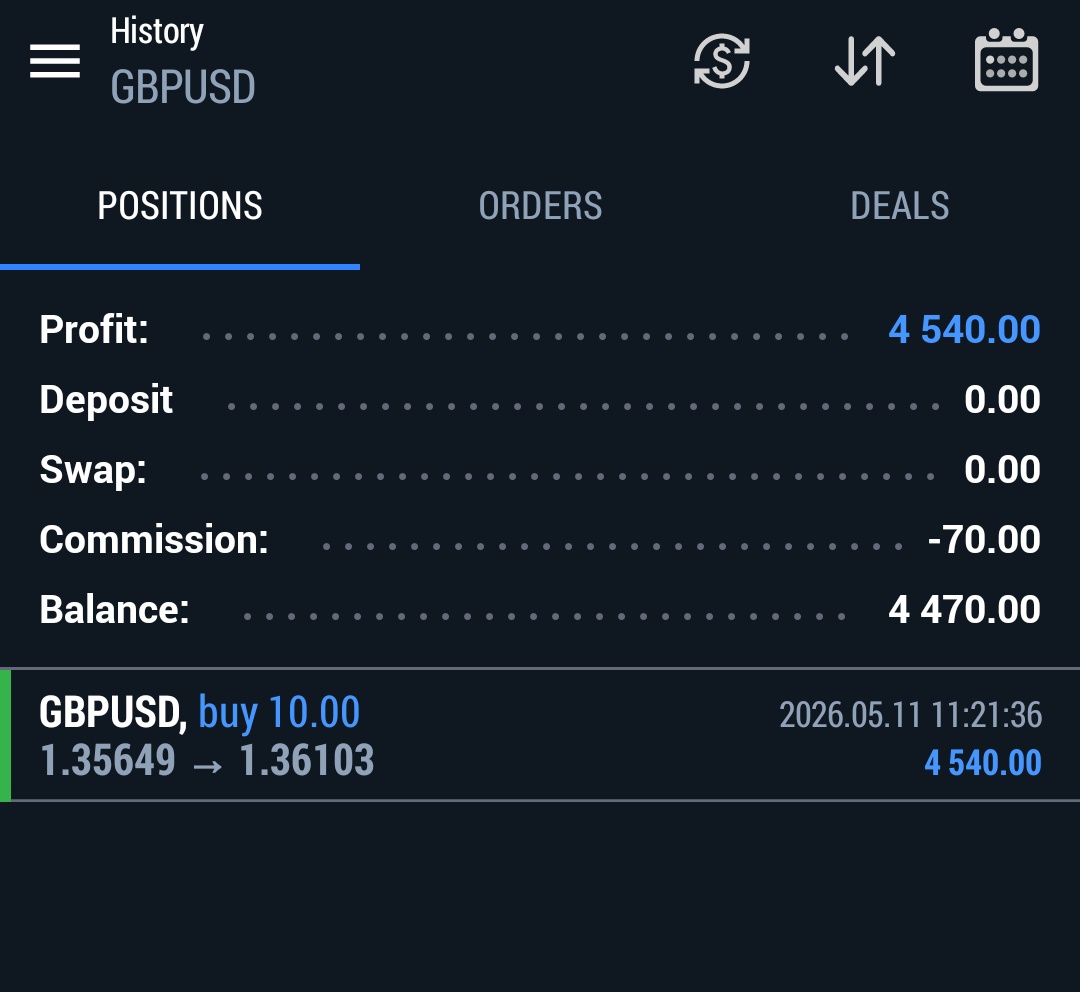
🏛️ MacroRisk Operation Complete: #GBPUSD Gap Target Reached 🏛️⚖️☕️
Efficiency has been restored. Following our earlier "Liquidity Void" alert, the GBPUSD gap has been officially closed, hitting our technical target with surgical precision.
Trade Execution Highlights:
Entry: 1.35649 🔓
Exit (TP): 1.36103 🎯
Net Profit: $4,540 💵💰🔥 in realized gains
Macro Verdict: As we often state, markets abhor a vacuum. The weekly opening gap provided a high-probability "Mean Reversion" setup that allowed us to capitalize on the price returning to its equilibrium level. While retail traders chase the noise, we focus on where liquidity must flow.
Another systematic victory to start the week. Patience and precision are the only true edges in this market. 🛡️🏰📈
#Forex #TradeExecution #GapFill #takeprofit #ProfitableTrading #SmartMoney #eurusd #xauusd #wtiusd
May 10

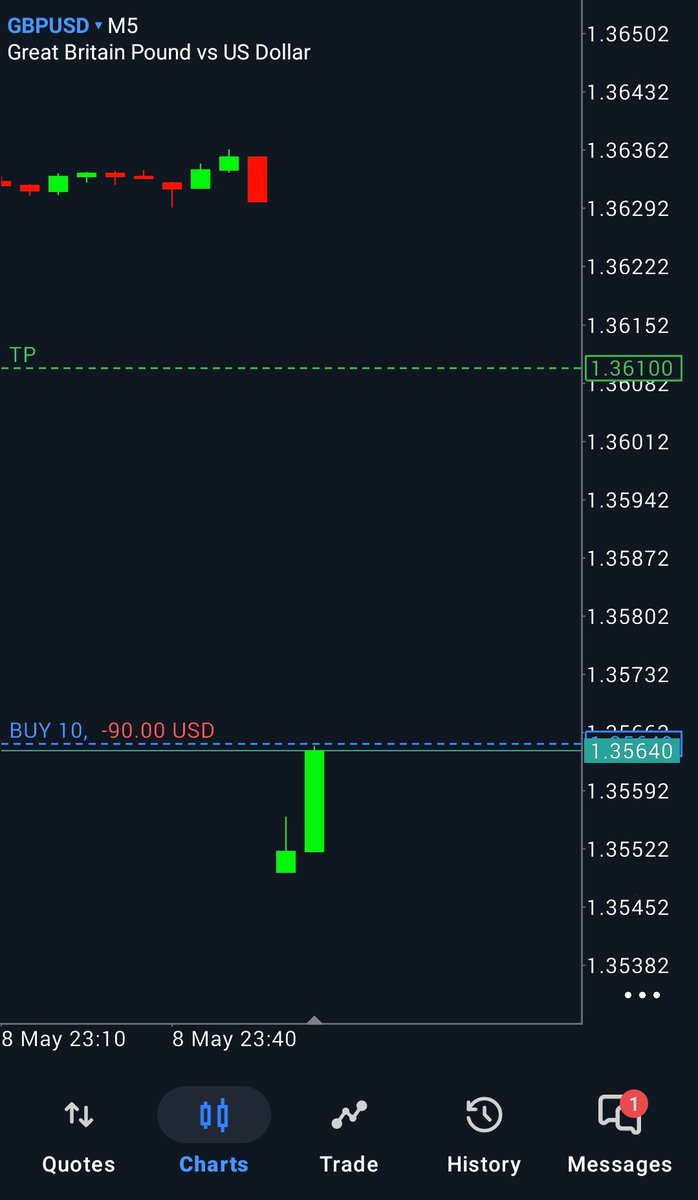
🏛️ MacroRisk Trade Alert: GBPUSD Liquidity Gap Play 🏛️⚖️☕️
The significant liquidity void (GAP) occurring in the GBPUSD pair with the weekly open presents a classic technical "Mean Reversion" opportunity.
Technical Analysis & Strategy:
Instrument / Timeframe: GBPUSD – M5
Market Dynamics: The price gap formed at the weekly open has triggered a "Gap Fill" strategy, driven by the principle of market efficiency.
Entry Zone: 1.35640
Target Level (TP): 1.36100
Macro Verdict: Liquidity gaps of this nature at market open typically bring short-term volatility. With support established at the 1.35640 region, a move toward the 1.36100 resistance (the GAP ceiling) is a high-probability technical scenario. 🛡️🏰⚖️
Wishing you a profitable and disciplined week. Stay committed to your risk management. ☕️📈
#GBPUSD #Forex #TechnicalAnalysis #GapFill #MacroRisk #TradingStrategy #LiquidityVoid #MacroRiskDesk #FXTrading
2
2
3
208

May 8
Let me ask you something 🤔
You're interested in the stock market and you want to build real wealth through it. But before you jump in, did you get the right tools first?
Look, TradingView is one of those essential tools every trader and investor needs to have 📊
Here's the right path:
🔹 Start with the free version
🔹 Learn how to use the platform
🔹 Get familiar with the concepts and terminology
🔹 Trade with a Paper Trading account
🔹 Bottom line: sharpen your skills on the free plan
But there comes a point where you need to level up 📈
That moment is when you want to figure out which stocks are actually worth buying. When you've written a script or you're working with an indicator and you need to scan every symbol in your watchlist to find the best setups.
That's when you hit the Pine Screener link and this message pops up:
"Basic plan isn't enough, you need Premium" 🔒
This is exactly where you need to make your first real investment.
No, your first investment isn't buying a stock you heard doubled in a month 🙅
Your first real investment: owning professional tools ⚡
So here's my question: how many of you were able to access this link? And if you did, do you actually know what Pine Screener does for you?
👇 Tell me in the comments
🔗 tradingview.com/pine-screene…
#TradingView #PineScreener #StockMarket #Trading #Investing #TechnicalAnalysis #PineScript #StockScreener #TradingTools #SmartTrading #ChartAnalysis #StockPicks #MarketAnalysis #TraderLife #InvestSmart #FinancialFreedom #StockTrading #TradingStrategy #LearnToTrade #WallStreet #SwingTrading #DayTrading #PortfolioManagement #TradingEducation #StockAlert #MarketScreener #InvestingTips #TradingSetup #WatchlistScan #ProfitableTrading
7
768

Most traders focus on strategy. Very few focus on this.
There's a skill nobody talks about and it might be the exact reason your profits keep slipping away before you can hold onto them.
I call it the Profitability Skill.
Without it, you'll keep falling into the same 3 patterns:
→ Getting out of winning trades too early
→ Holding losing trades way too long
→ Feeling stuck no matter what you do
I'm breaking it all down this Thursday, May 7th, on Day 3 of the Synergy Traders Conference at 1PM ET.
Register here: link.timingresearch.com/ST63…
#TradingMindset #TradingPsychology g #TradingConsistency #TraderLife #ProfitableTrading #SynergyTradersConference #ConfidenceInTrading
2
3
142
Apr 29
Share your experiences 🌱
Today, based on our friend @sunayalaya95339's experience using this indicator, an important topic came up: understanding Volume types correctly.
📌 Smart Trader, SNIF‑OFF 5.1, Trade Finder
tradingview.com/script/EDyXs…
I explained this topic in detail in my new post 👇
x.com/sabanci_ata/status/204…
We're waiting for your experiences too 🤝
Every shared experience opens a new and brighter path for all of us ✨
#VolumeAnalysis #TechnicalAnalysis #TradingView #SmartTrader #ChartReading #PriceAction #VolumeProfile #CandlestickPatterns #TradingIndicators #IndicatorSetup #SupportAndResistance #DayTrading #SwingTrading #TradingCommunity #ShareYourTrades #RiskManagement #TradingEducation #StockMarket #MarketAnalysis #TradeSetup #TradingTips #LearnToTrade #VolumeSpread #OrderFlow #TradingStrategy #WallStreetTraders #TraderLifestyle #TradingPsychology #ProfitableTrading #MarketVolume
Apr 29

📊 An experience, a reminder — actually reading volume
Fellow traders, here's a small but decision-changing point I want to share today.
Volume indicators are not all calculated the same way. Same candle, same data source — but depending on the method behind it, the buy/sell split can come out completely different.
⚡ The key rule: in Intrabar mode, 1 tick is reality itself. The further you move away from tick (1S → 1m → 5m → Geometry), the more the result drifts toward estimation. Lower resolution = less truth, more guess.
📌 This principle isn't tied to one specific indicator — it applies to every tool that separates buying from selling volume (Volume Profile, OBV, Money Flow, Delta, etc.). If your indicator shows buy and sell volume separately, pay close attention to this: the deeper the data source behind it, the closer to reality what you see.
🟢 If your "Valid bars" count is low, the answer is NOT to widen the Intrabar timeframe — it's to lower the chart timeframe (e.g. switch from daily to 1-hour). That way the tick data covers more candles and the resolution stays intact.
🎯 The core message:
Making buy/sell decisions without seeing real volume means trading without enough information. Every trade entered without enough information feeds on luck, not experience.
🔍 If you want to see the difference between volume calculation methods with your own eyes, check out the indicator called "Volume essential parameters overlay." You can compare the same moment across Geometry, Intrabar 1m, 1S and 1 tick modes side by side and see the gap clearly:
🔗 tradingview.com/script/pv1Pn…
If you share this with your trading friends, you help them avoid making decisions based on misleading data too. 🙏
⚠️ This post is NOT buy, sell, or investment advice.
It's only a personal experience and an educational reminder. Everyone should do their own research and take responsibility for their own decisions.
Wishing you healthy and conscious trades.
#Trading #Trader #DayTrading #SwingTrading #StockMarket #Stocks #StockTrading #TechnicalAnalysis #ChartAnalysis #PriceAction #VolumeAnalysis #VolumeProfile #OrderFlow #MarketStructure #TradingView #Indicators #TradingTools #TradingTips #TradingEducation #FinancialEducation #Investing #Investor #Forex #Crypto #Futures #USA #SmartMoney #MarketAnalysis #DataDriven #TradingMindset
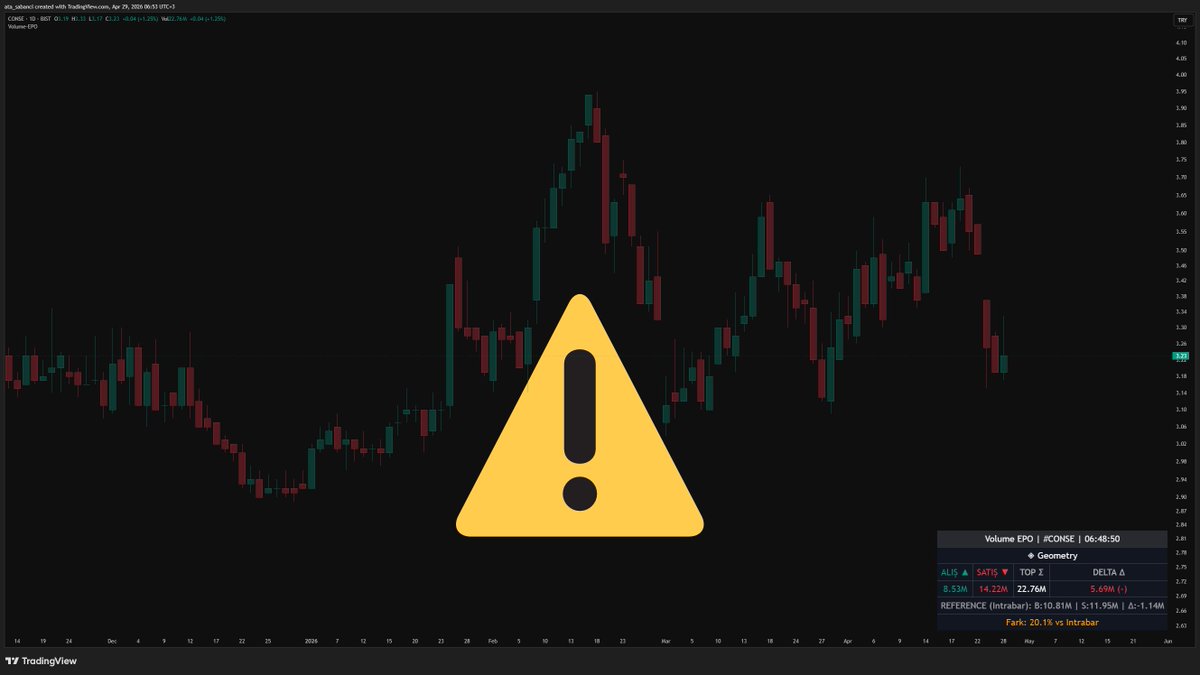
9
603