
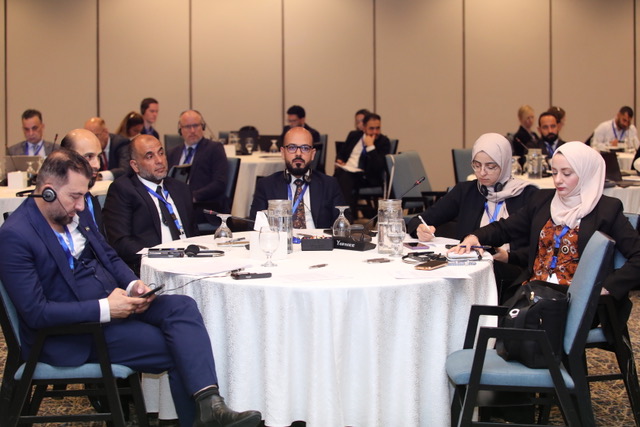
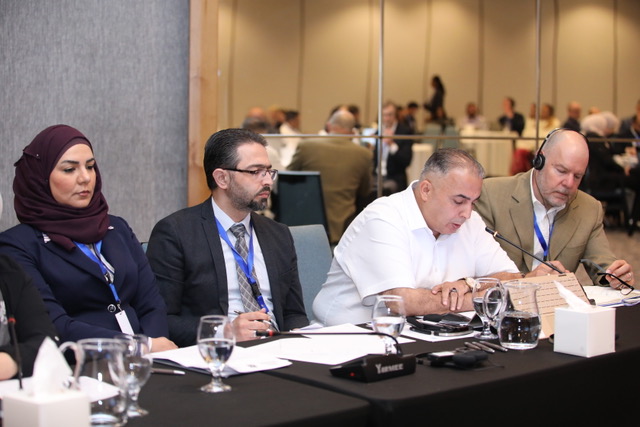
Libyan stakeholders joined @UNDPArabStates in Amman to discuss #TransitionalJustice & Missing persons.
They shared vital experiences on forensics & family support with regional peers. Proudly supported by @UNDP & 🇳🇱 @NLambLib.
Read more: go.undp.org/cpo
98

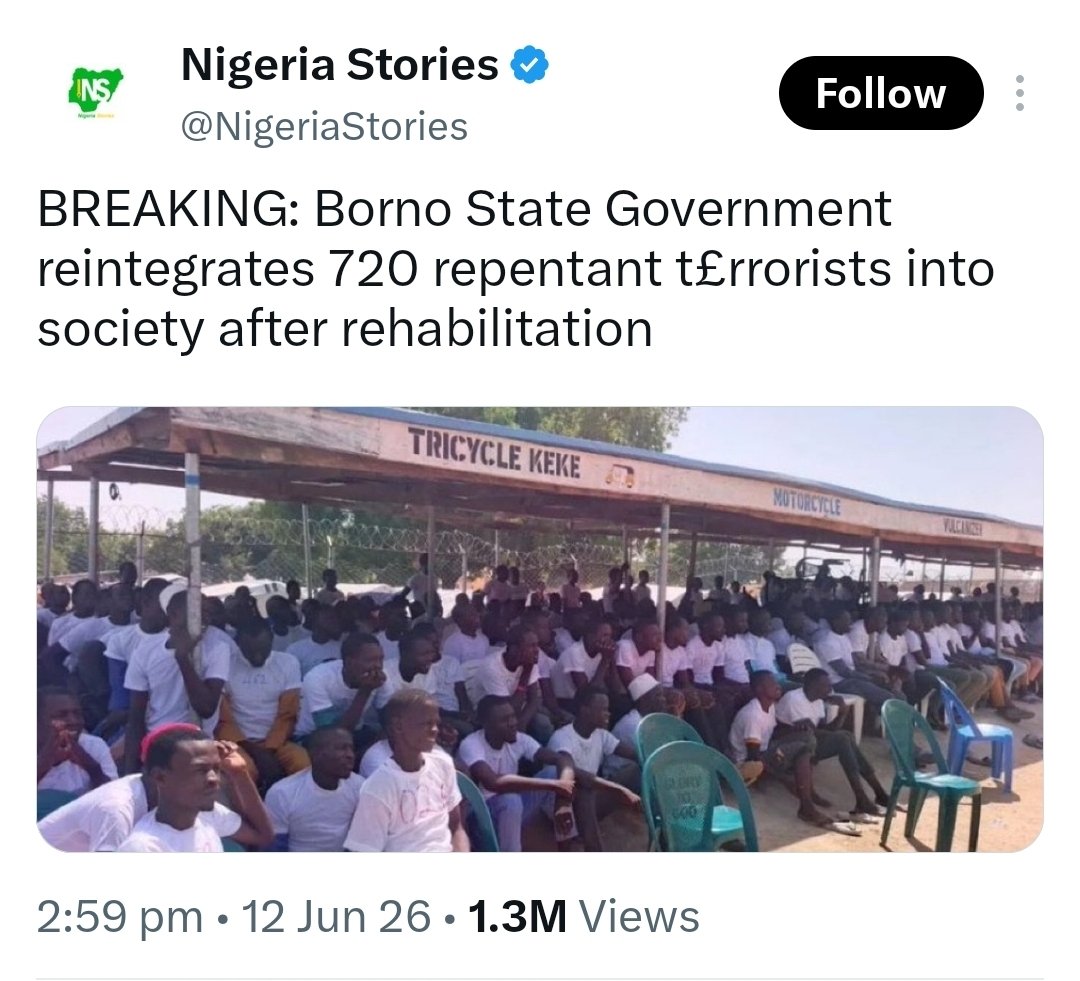
Justice must come before forgiveness.
And accountability must come before reintegration.
A Quran oath is not a justice system.
@AmnestyNigeria @officialABAT @NGRSenate
#TransitionalJustice #VictimsFirst
1
1
1
10

لماذا جبر الضرر؟!
القاضي محمد الهتار يتحدث عن أهمية إنصاف الضحايا كجزء من تحقيق العدالة والسلام المجتمعي.
“Why is reparation necessary?”
Mohammed Al-Hitar discusses the importance of providing redress to victims as part of achieving justice and social peace.
#العدالة_لليمن
#العدالة_الانتقالية
#حرية_ولدي_أولا
#TransitionalJustice
#Justice4Yemen
#MySonFreedomFirst
3
8
107

Ukrainian Journalist: Kosovo’s Post-War Experience Offers Important Lessons for Ukraine
#Kosovo #Ukraine #IrynaSynelnyk #PostConflictRecovery #TransitionalJustice #Reconciliation #WarCrimes #HistoricalMemory #Peacebuilding #NATO #KosovoLiberationDay #InternationalRelations #HumanRights #UkraineWar #BreakingNews
rks.news/ukrainian-journalis…
65

Jun 12
Syrian authorities have secured a mass grave in Sednaya containing remains of opposition fighters killed in 2014, as efforts continue to uncover the truth about thousands of missing persons from the deposed regime era.
#Syria
#MassGraves
#MissingPersons
#TransitionalJustice
1
3
6
476
Daniel Serwer on Kosovo: We Must Build Bridges for the Future, Not the Past
#Kosovo #Prishtina #DanielSerwer #TransitionalJustice #Reconciliation #BalkanPolitics #EducationReform #InternationalDiplomacy #ForeignPolicy #BridgesOfMemory
rks.news/daniel-serwer-on-ko…
1
2
113

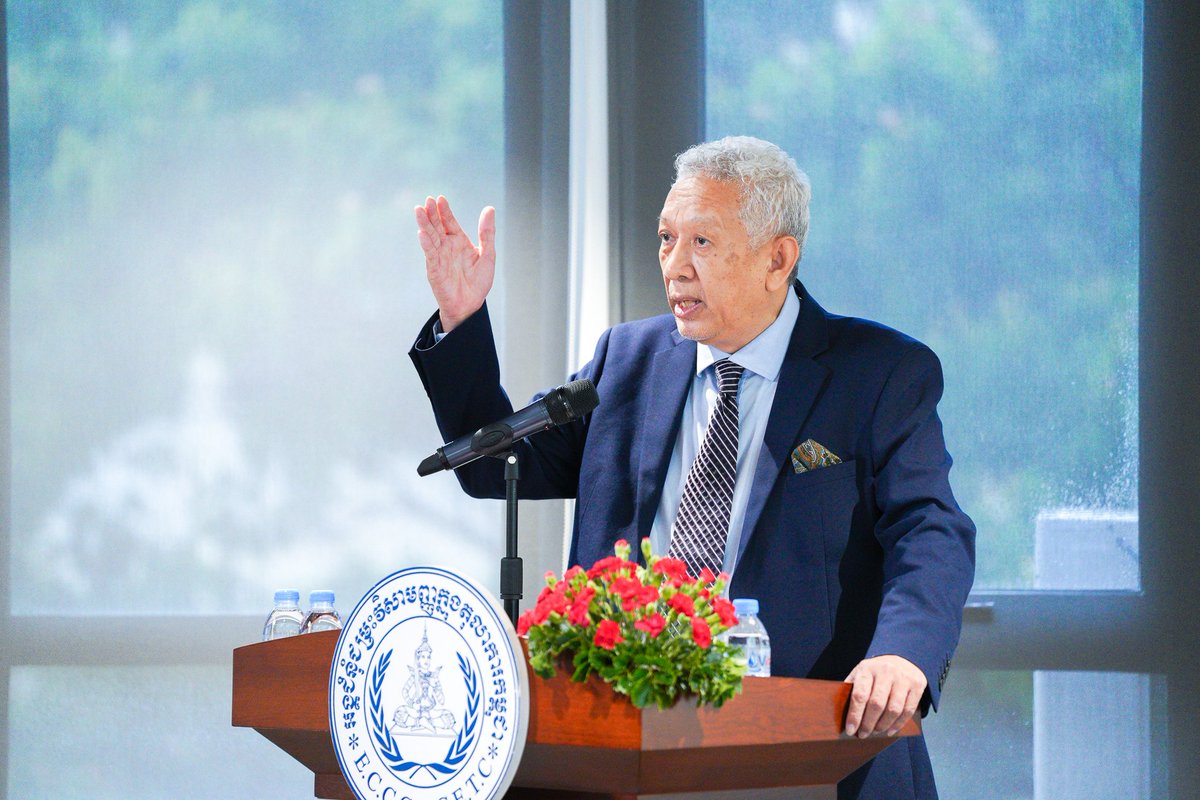
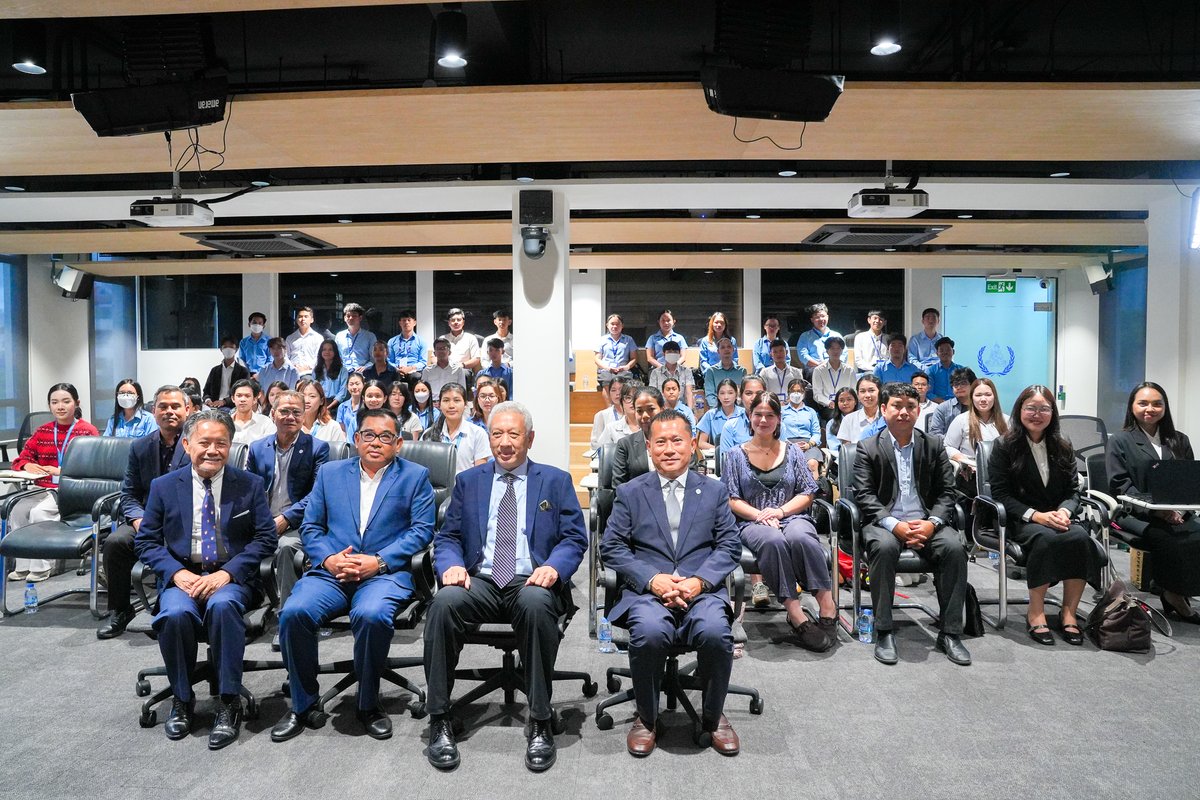
On the afternoon of 10 June 2026, the Extraordinary Chambers in the Courts of Cambodia (ECCC) was pleased to welcome 60 students from Paññāsāstra University of Cambodia and the Royal University of Law and Economics to participate in the International Archives Week 2026 activities.
During the visit, the students gained in-depth knowledge about the history of the Khmer Rouge regime and the ECCC's important mission in pursuing justice for victims of the Khmer Rouge atrocities.
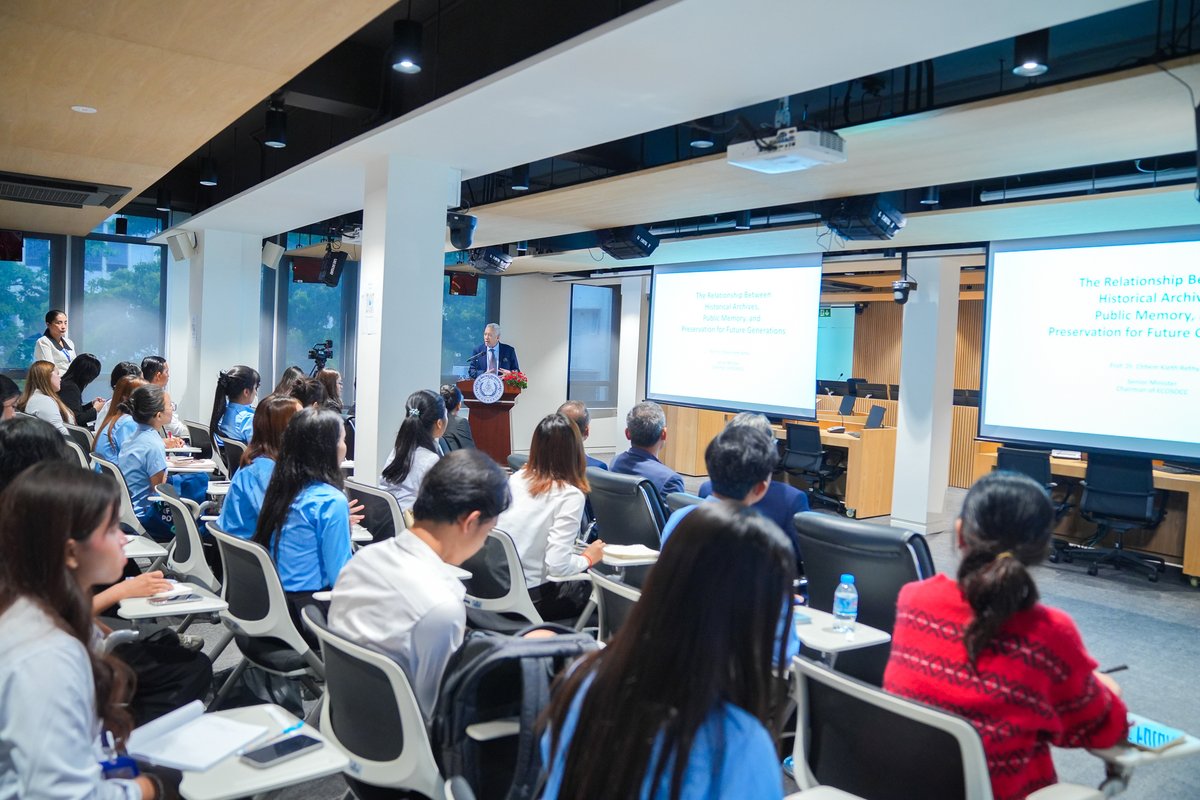
The participants also attended a special lecture entitled "The Relationship Between Historical Archives, Public Memory, and Preservation for Future Generations," delivered by H.E. Dr. Chhem Kiat Rith, Senior Minister in Charge of Special Missions and President of the Economic, Social and Cultural Council of Cambodia.
This meaningful program provided students with a valuable opportunity to deepen their understanding of the crucial role that archives play in preserving historical memory, promoting education, supporting justice initiatives, and safeguarding Cambodia's history for future generations.
#ECCC #KhmerRougeTrials #CambodianHistory #IAW2026 #InternationalArchivesWeek #ArchivesForFutureGenerations #PreservingMemory #TransitionalJustice #Cambodia

1
33
“Unveiling the Truth”: BIRN Kosova Launches Powerful Documentary in Gjilan on the Unhealed Wound of Wartime Enforced Disappearances
#UnveilingTheTruth #BIRNKosova #MissingPersonsKosovo #TransitionalJustice #Gjilan #WartimeCrimes #Kallxo #BalkanHistory2026
rks.news/unveiling-the-truth…
1
61

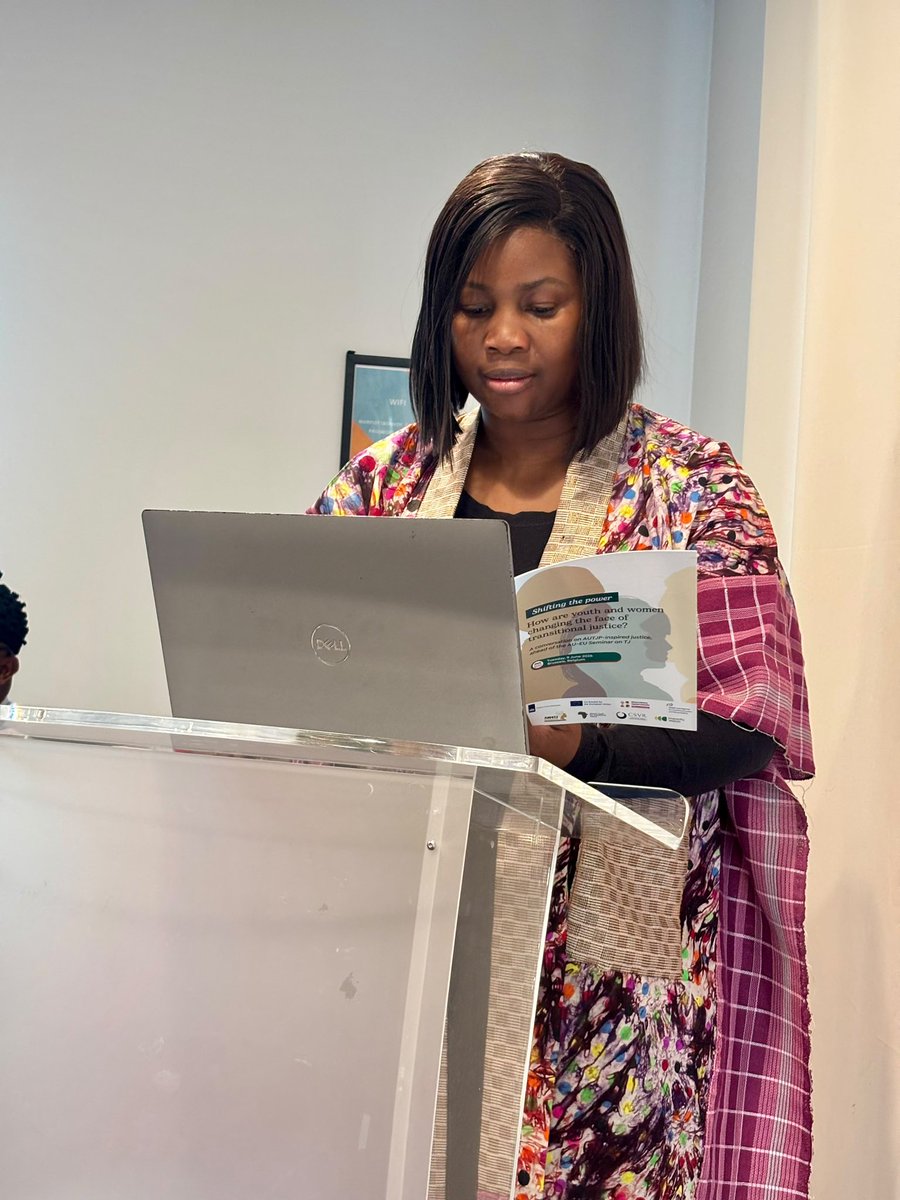
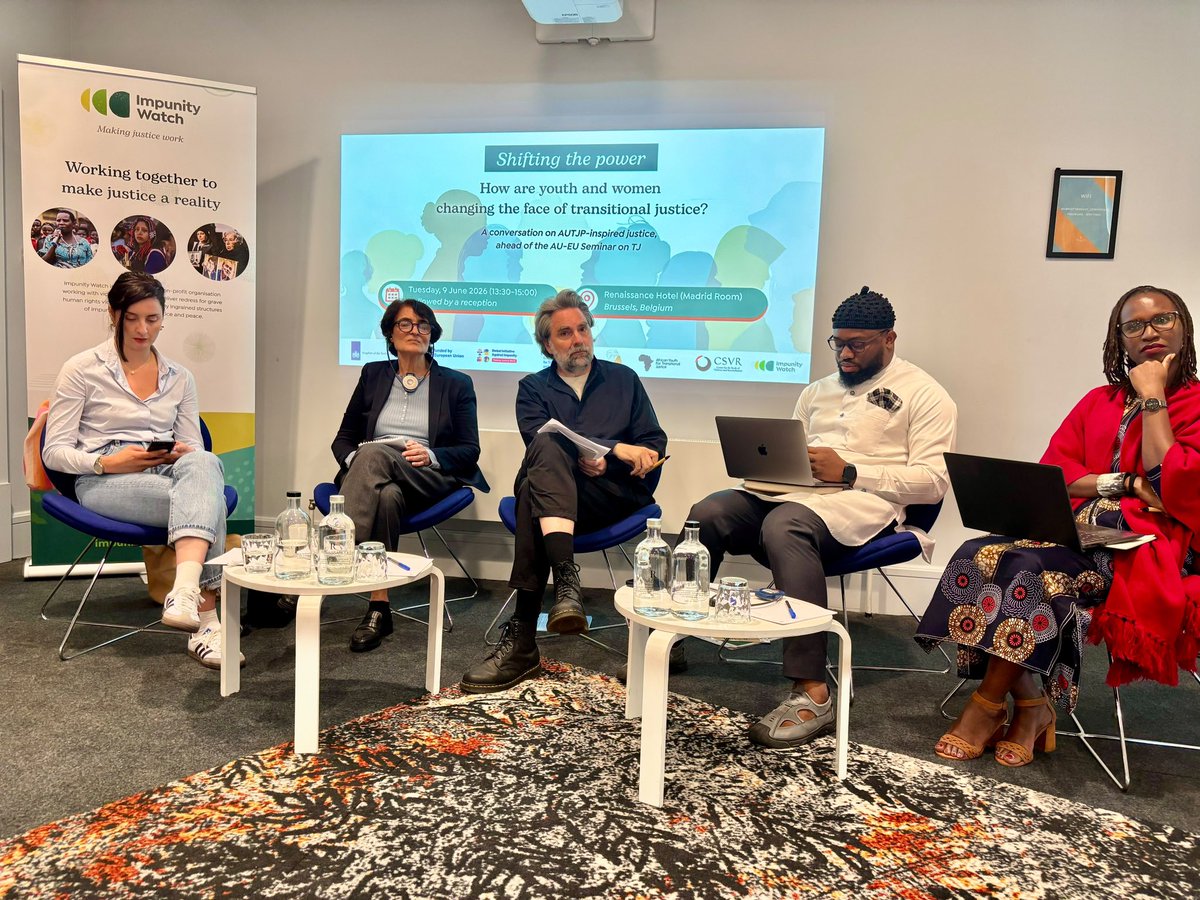
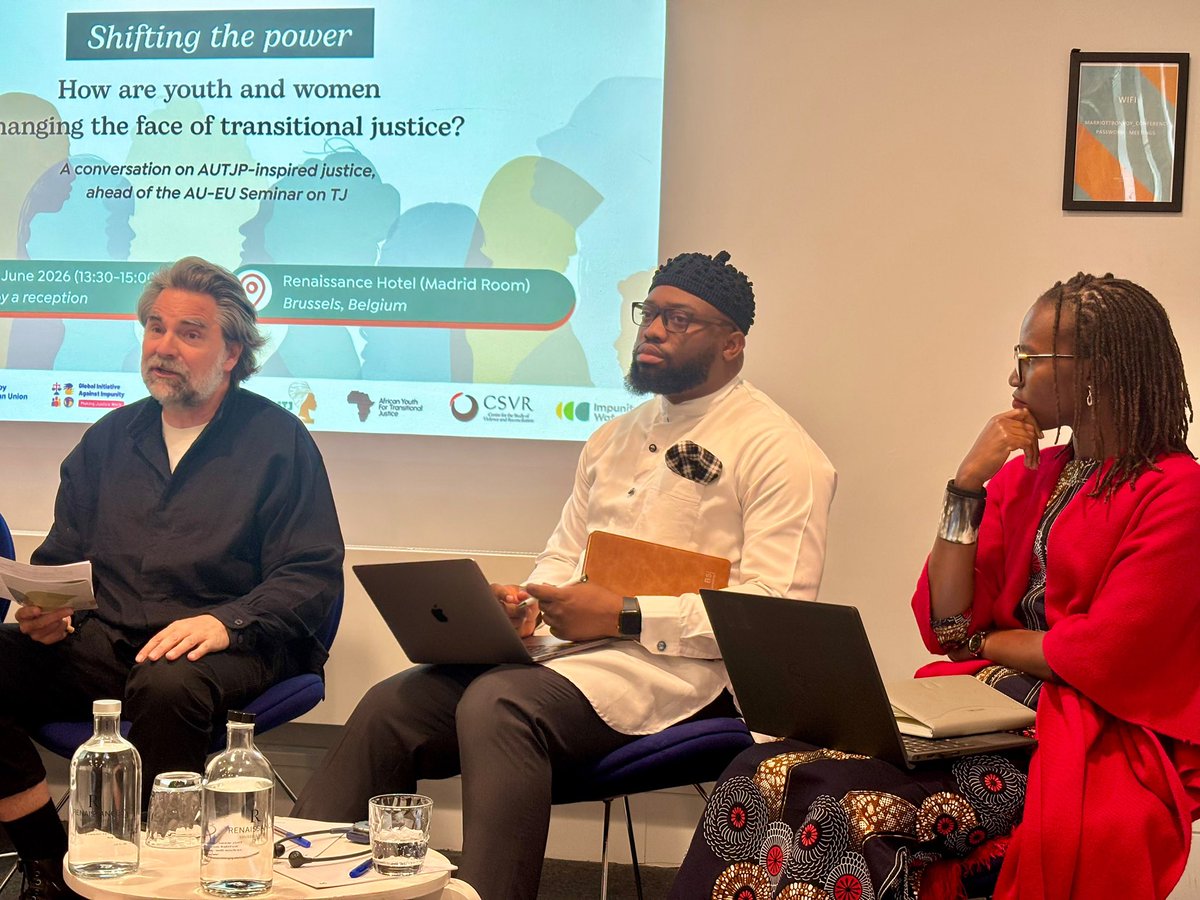
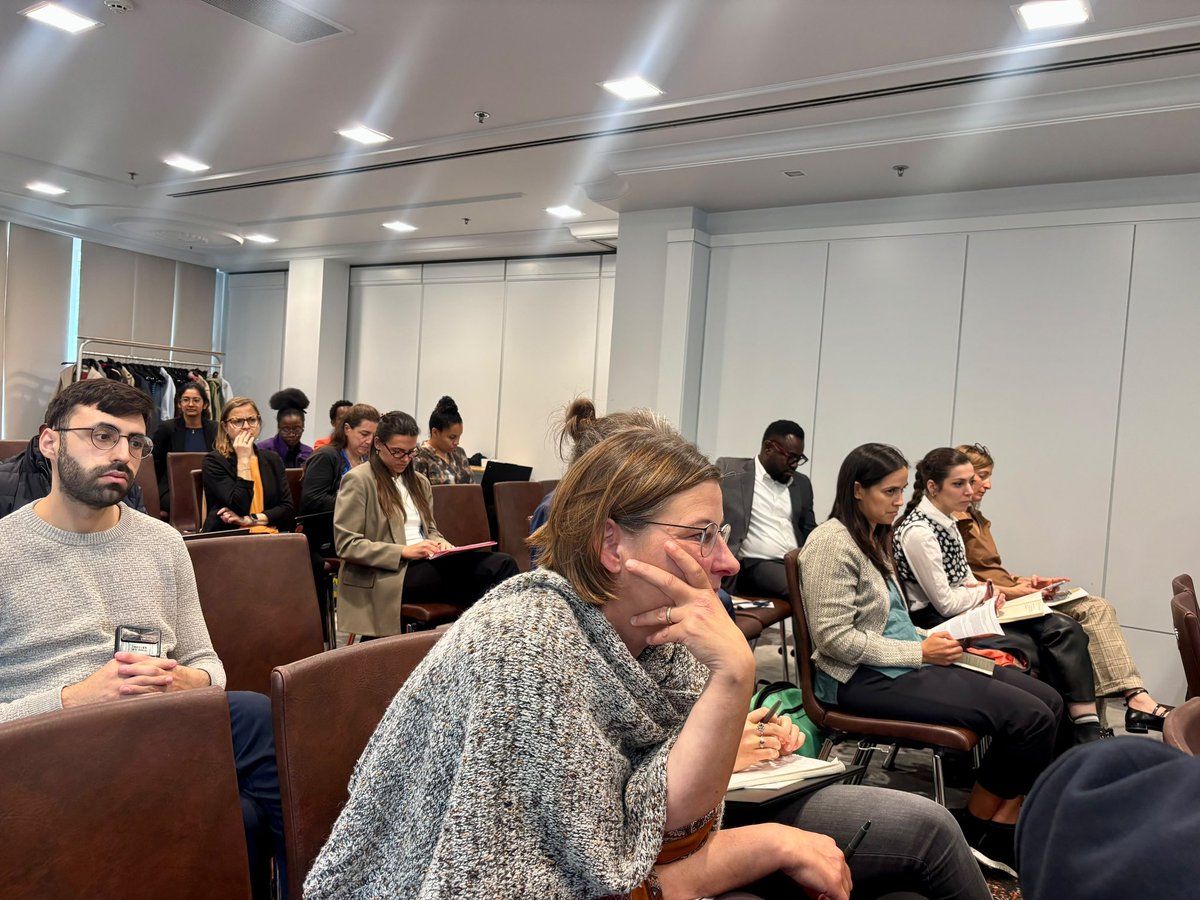
From policy to practice: what does transformative transitional justice really look like in Africa?
✅ Women and youth leading transitional justice processes
✅ Lessons from Mali, South Sudan, Burundi and the Democratic Republic of the Congo
#TransitionalJustice #Accountability
4
67

#New_Report:
#STJ urges the Syrian transitional government to end arbitrary dismissals and forced transfers, ensure transparent public sector restructuring, prevent discrimination, and establish review and accountability mechanisms.
#TransitionalJustice
stj-sy.org/en/the-unwritten-…
1
69
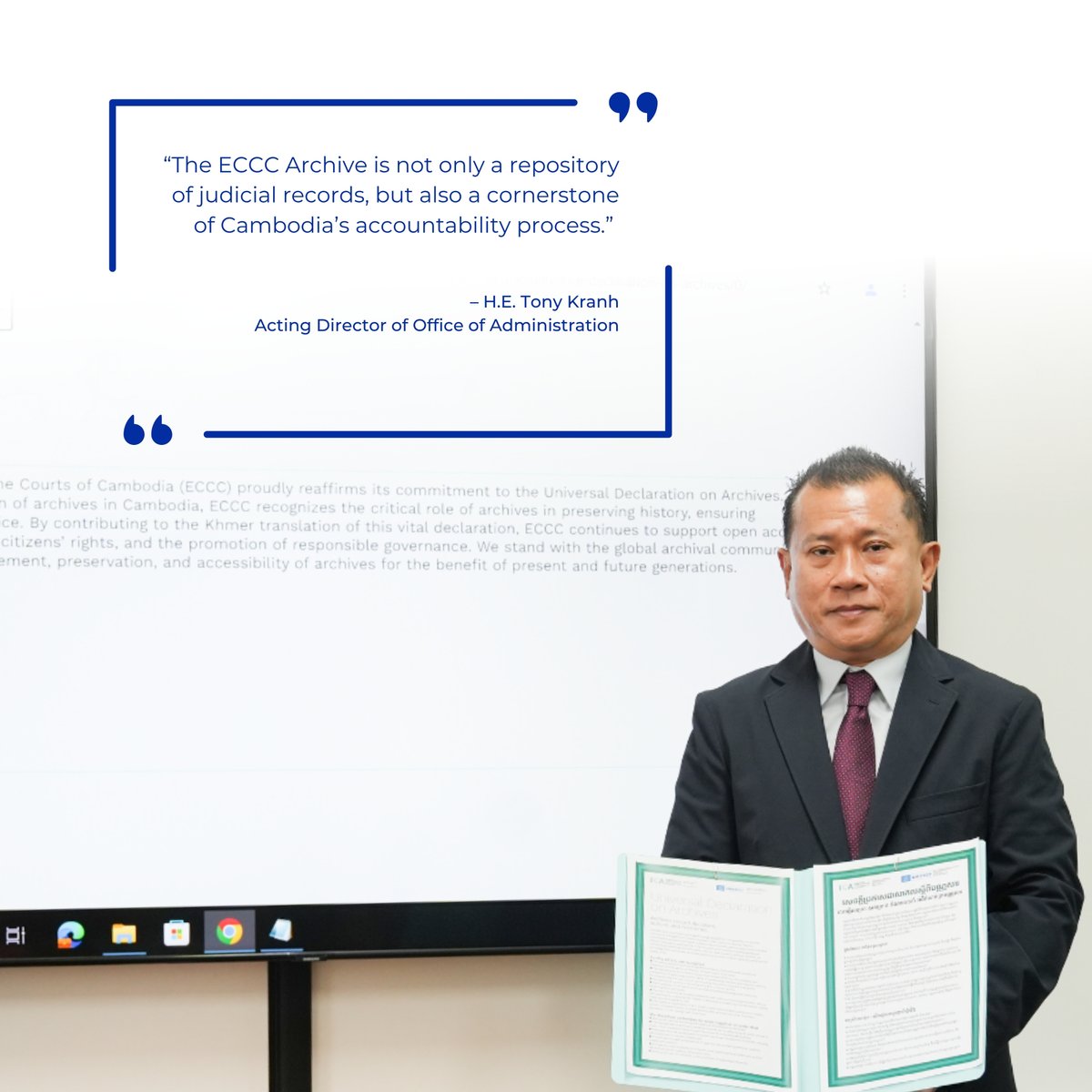
“The ECCC Archive is not only a repository of judicial records, but also a cornerstone of Cambodia’s accountability process.”
#IAW2026 #InternationalArchivesWeek #ArchivesForEveryone #PreservingHistory #ECCC #TransitionalJustice #DigitalArchives #TruthAndJustice #MemoryAndAccountability #CambodiaHistory #ArchivesMatter #DocumentaryHeritage #ProtectingThePast #BuildingTheFuture #AccessToInformation
49

The Syrian government called on Monday for states, international organizations, and UN mechanisms concerned with the Syrian issue to share any information, documents, and evidence they possess with relevant national institutions. This move, the government stated, aims to support transitional justice efforts and uncover the truth about violations committed in the country over the past years.
This call comes at a time when thousands of Syrian and Palestinian families are still waiting to learn the fate of their relatives who went missing, were arrested, or disappeared during the years of conflict. Human rights organizations continue to demand access to relevant archives and documents, enabling victims and their families to learn the truth.
Follow the details 👇
actionpal.org.uk/en/post/999…
#ActionGroup #PalestiniansOfSyria #Syria #TransitionalJustice #MissingPersons #HumanRights #Accountability

1
1
24
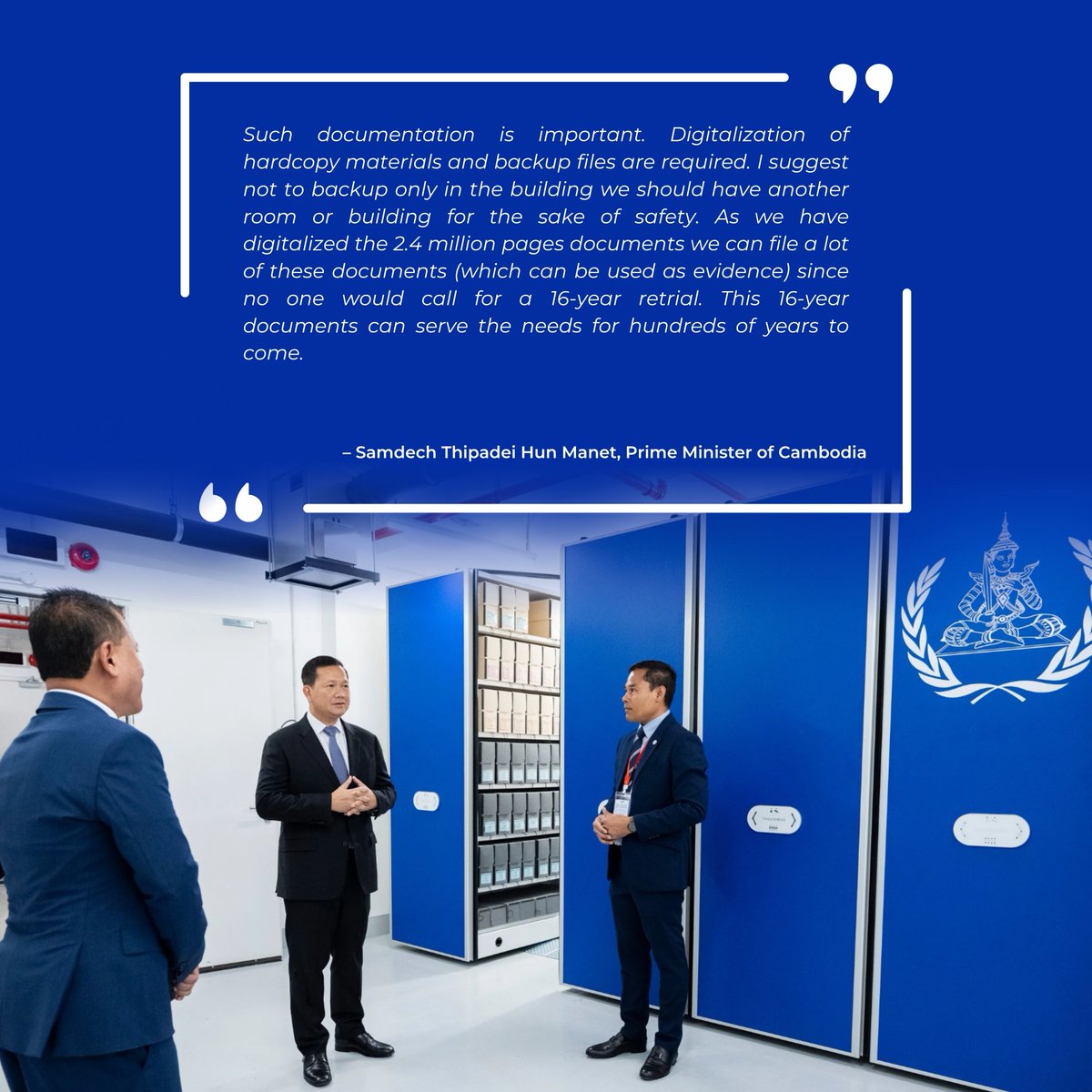
Such documentation is important. Digitalization of hardcopy materials and backup files are required. I suggest not to backup only in the building we should have another room or building for the sake of safety. As we have digitalized the 2.4 million pages documents we can file a lot of these documents (which can be used as evidence) since no one would call for a 16-year retrial. This 16-year documents can serve the needs for hundreds of years to come.
#IAW2026 #InternationalArchivesWeek #ArchivesForEveryone #PreservingHistory #ECCC #TransitionalJustice #DigitalArchives #TruthAndJustice #MemoryAndAccountability #CambodiaHistory #ArchivesMatter #DocumentaryHeritage #ProtectingThePast #BuildingTheFuture #AccessToInformation
46

🇲🇲 #Myanmar | On 6 May 2026, the @ICJ_Asia convened a webinar exploring prospects for transitional justice in Myanmar in the context of ongoing armed conflict and widespread human rights violations and abuses.
Drawing on comparative experiences from other countries, speakers examined possible accountability pathways, victims’ rights, amnesties, institutional reform, and the role of documentation and international accountability mechanisms in advancing accountability efforts.
👇 Learn more: icj.org/prospects-for-transi…
#TransitionalJustice #Accountability
4
3
299

Jun 7
✊ **COMPARTE**.
Cada compartir es un voto por la justicia.
X:
@petroamigosvzla
Email: petroamigosvzla@gmail.com
#DignidadParaLosPetroleros
#HeredamosSuDignidad
#LaLuchaContinúa
#GeneraciónRelevo
#PDVSANoEstaQuebrada
#PetroAmigosVenezuela
#PetroAmigosVzla
#GeneracionesUnidas
#HeredamosSuDignidad
#RVIA
#PetroAmigos
#PDVSA
#23AñosEsperando
#23AñosDeInjusticia
#SCOTUS
#DelawareCourt
#Citgo
#JudgeLeonardStark
#JudgeJenniferHall
#OFAC
#CIDH
#JudgeKatherinePolk
#Crystallex
#HolocaustoPetrolero
#QueremosCobrar
#RetuiteaPorLaJusticia
#CitgoEsDeVenezuela
#NoMásSilencio
#SomosPetrleros
#kilometro_internacional
#HumanRights
#JusticeMatters
#TransitionalJustice
#Accountability
#TruthAndJustice
#WorkersRights
#LaborRights
#NoToImpunity
#RightToCompensation
#SocialJutisce
#BreakingNews
#ShareTheTruth
#StandUpForRights
#WeWillNotBeSilenced
#citgosale
#justice
#PDVSAWorkers
@TheJusticeDept
@SecRubio
@StateDept
@SecKennedy
@DOWResponse
@VPDCOS
@USMC
@marcorubio
@MaElviraSalazar
@SenKaine
@MariaCorinaYA
@EdmundoGU
@VenteVenezuela
@calderonberti
@Reuters
@Forbes
@business
@nytimes
@washingtonpost
@WSJ
@CNN
@ABC
@CBSNews
@NBCNews
@ElNacionalWeb
@cocando
@carlaangola
@Simonovis
@NituPerez
@MiguelContigo
@dplacer
@apolitikoyt
@Norbey_Marin_
@AleMarcanoS
@JRP140
@la_katuar
@PattyPoleo
@ElPitazoTV
@venevision
@VenevisionTV
@azuajecarlosalb
@DiesbaloEs65059
@penaof
@isidralopenza18
@pablo240351
@sanchezac1961
@yida1920
@pdvsamovimiento
25
28
283

@ACLEDINFO, acleddata.com/report/tplfs-m…
ACLED’s latest analysis on Tigray should be read not only as conflict reporting, but as part of a longer and deeply troubling pattern.
During the Tigray war, ACLED’s Ethiopia-related publications repeatedly gave unusual weight to narratives that closely tracked the Ethiopian government’s framing of the conflict. In some of its wartime updates, government briefings, state media, and government-linked “fact check” materials were not merely treated as sources to be tested against other evidence. They were often reproduced in a way that helped normalize the federal government’s language of stabilization, law enforcement, unilateral ceasefire, and anti-TPLF security operations, even while Tigray was under siege, civilians were being massacred, ethnic Tigrayans were being arbitrarily detained, humanitarian access was obstructed, and Eritrean forces were committing atrocities.
That record matters. The latest ACLED piece repeats the same institutional weakness. Instead of presenting conflict data and allowing conflict experts, lawyers, humanitarian actors, and political analysts to reach careful conclusions, it moves from selective incidents to sweeping geopolitical claims. It presents assumptions as near-certainties. It portrays the TPLF’s attempt to reassert full control over Tigray as the central expanding threat in the Horn of Africa, while giving insufficient analytical weight to the federal government’s conduct, drone attacks, the collapse of the Pretoria framework, unresolved western Tigray, Eritrean interference, Amhara armed actors, forced recruitment, displacement, and the total absence of accountability.
Let me be clear. The TPLF’s reinstatement of the pre-war regional council is legally indefensible, politically reckless, and morally dangerous. It should be criticized without hesitation. But serious conflict analysis does not turn one actor’s wrongdoing into a convenient framework for minimizing the wider architecture of responsibility.
ACLED’s problem is not merely methodological. It is institutional. An organization that claims to provide neutral conflict data cannot behave like an interpreter of political guilt while hiding behind the prestige of data. Its leadership and institutional posture during the Tigray war already created serious credibility concerns among many who closely followed the conflict. This latest report does not repair that credibility problem. It deepens it.
Conflict data should illuminate reality. It should not launder half-truths into expert analysis.
#ACLED
#Tigray #Ethiopia #HornOfAfrica #ConflictData #HumanRights #Accountability #Peacebuilding #PretoriaAgreement #TransitionalJustice #ConflictAnalysis #AtrocityPrevention
8
17
2,201

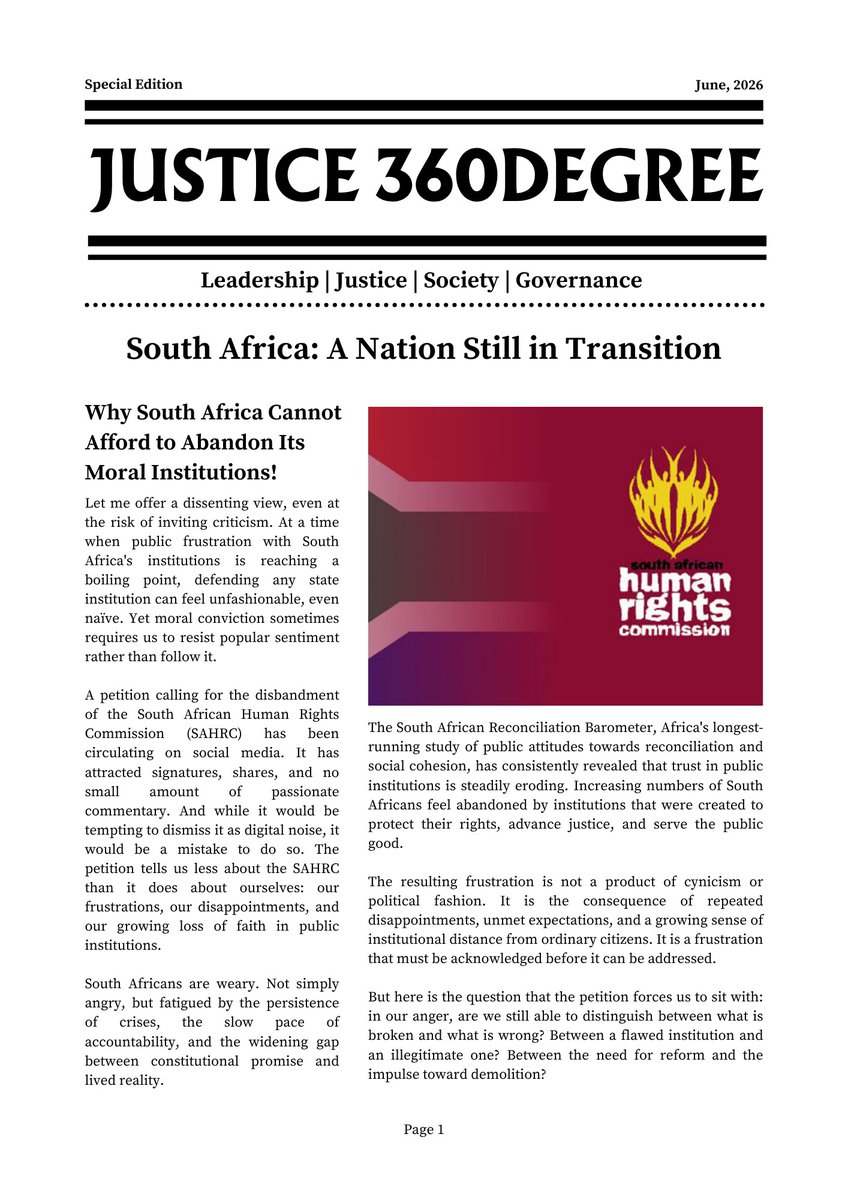
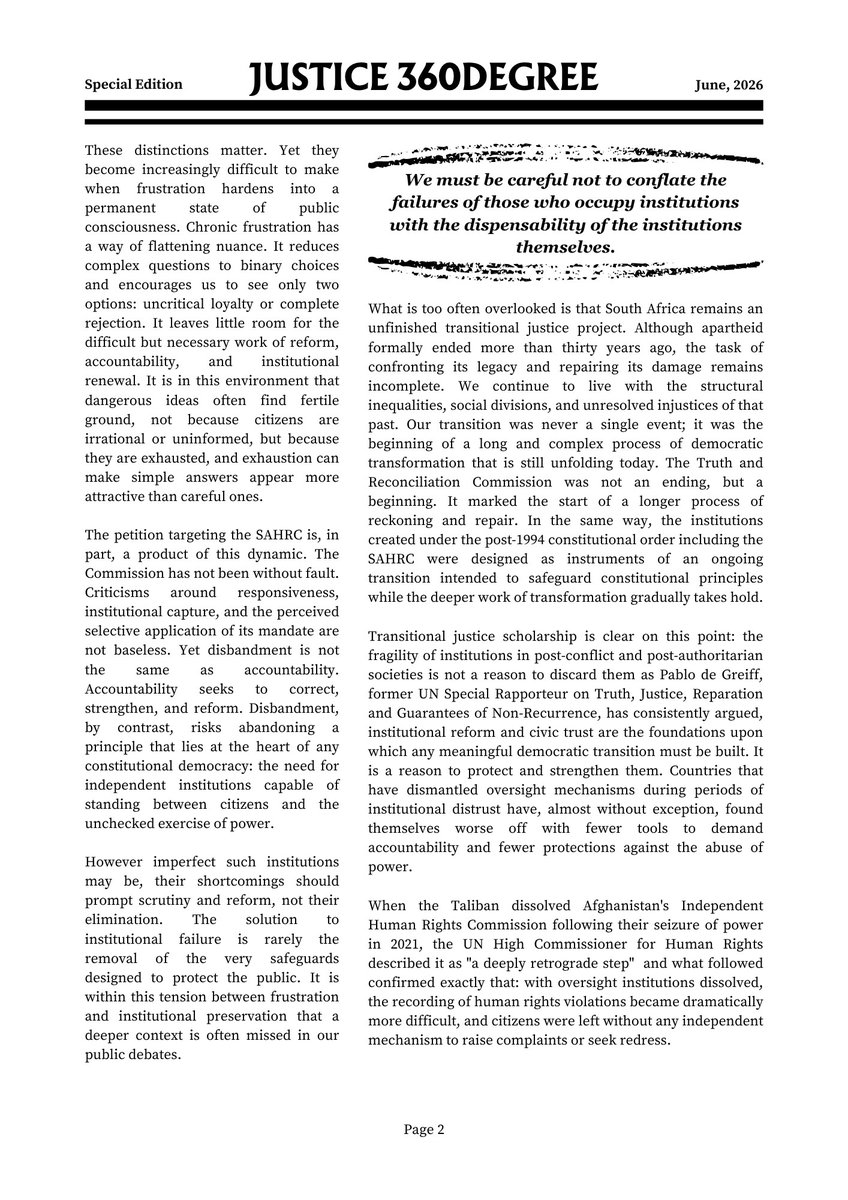
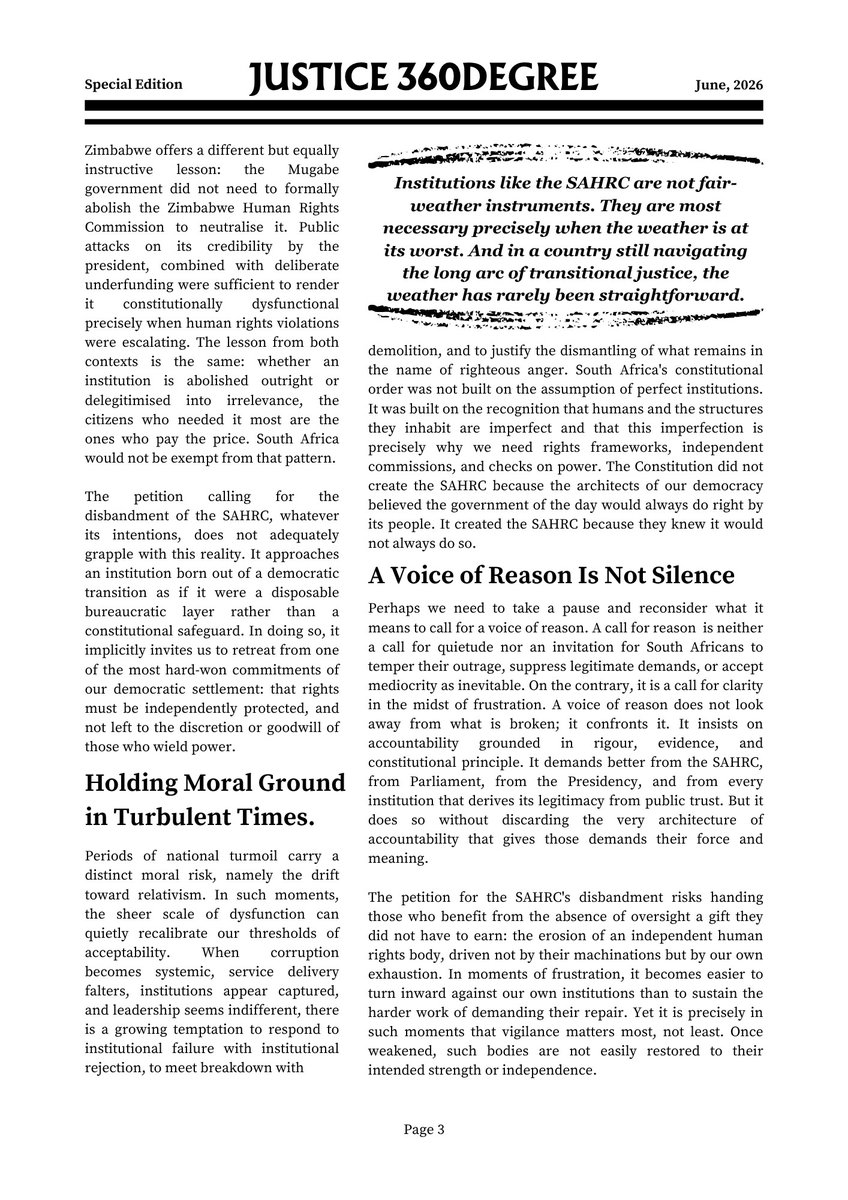
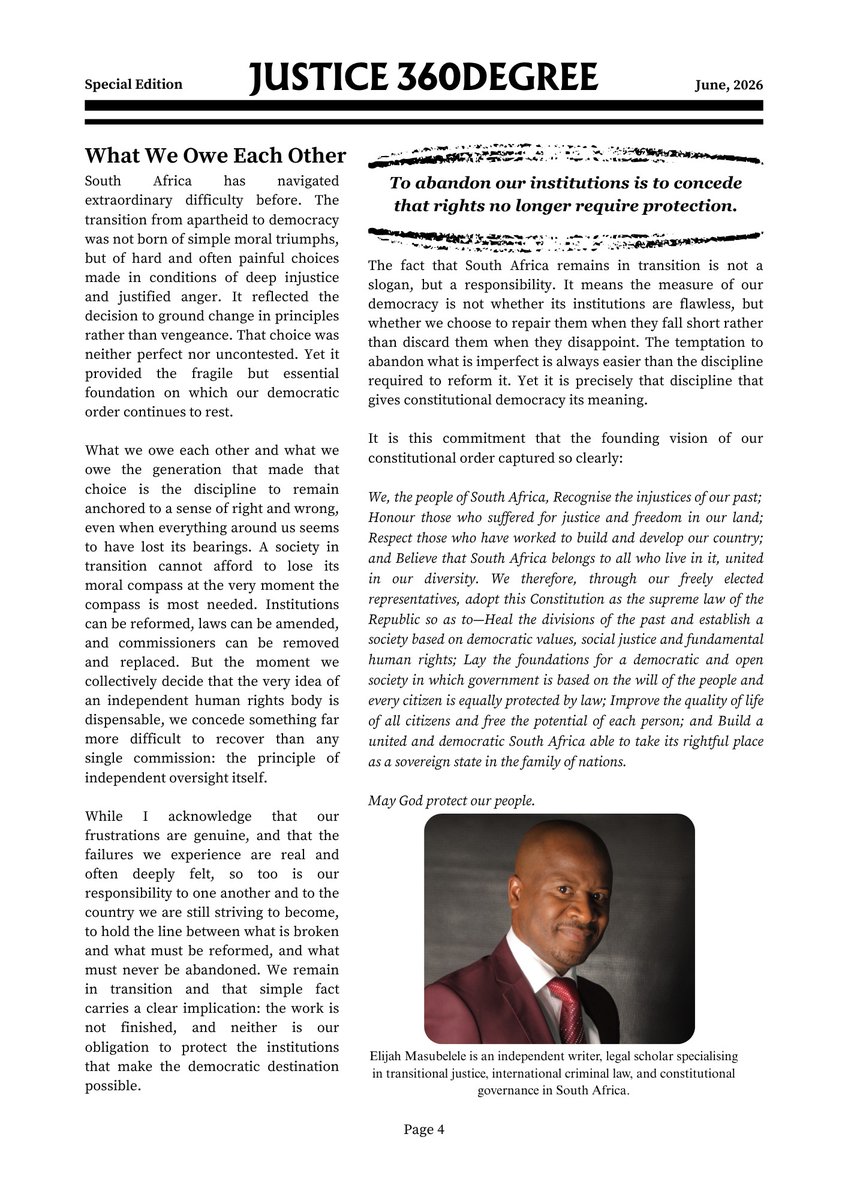
A petition is calling for the disbandment of the SAHRC.
I understand the frustration but disbandment is not accountability.
I have written about why.
#SouthAfrica #HumanRights #TransitionalJustice #ConstitutionalDemocracy #RuleOfLaw #AfricanGovernance #PublicPolicy #SAHRC
28

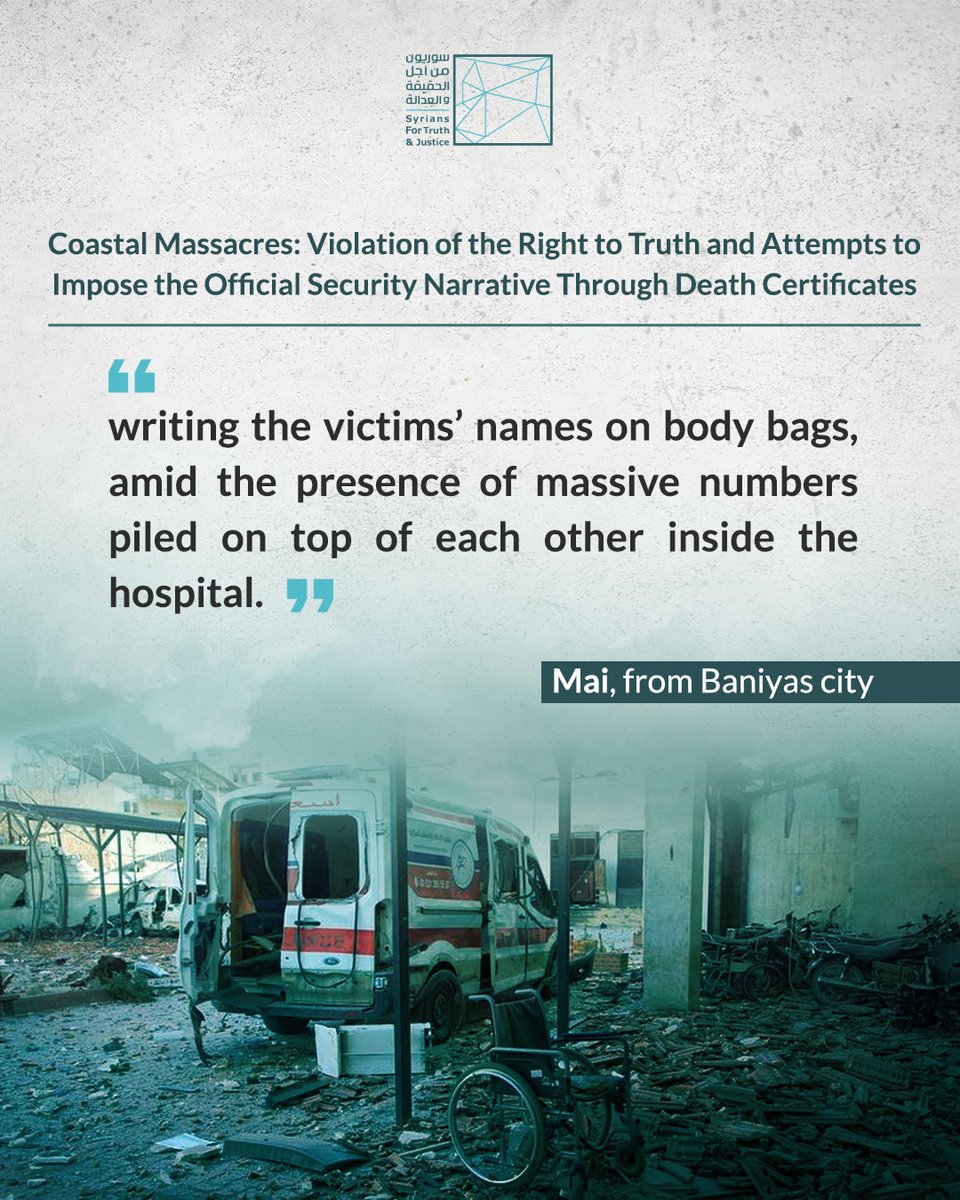
🔵 Testimonies show that the handling of victims’ bodies extended the violence itself, as families were denied dignified farewell and burial and forced to face traumatic, degrading scenes.
#HumanRights #Syria #TransitionalJustice
📌 Full Report: stj-sy.org/en
82