
Jai Shri Ram!🙏
DL Lecture 32: The Binary Classification Loss Function!
Problem: Punish 0.1 prediction more than 0.9 when answer is 1.
Solution: Log Loss
•For Actual=1: -log(prediction)
•For Actual=0: -log(1-prediction)
Formula: -[y×log(p) (1-y)×log(1-p)] #BinaryClassification

1
4
64

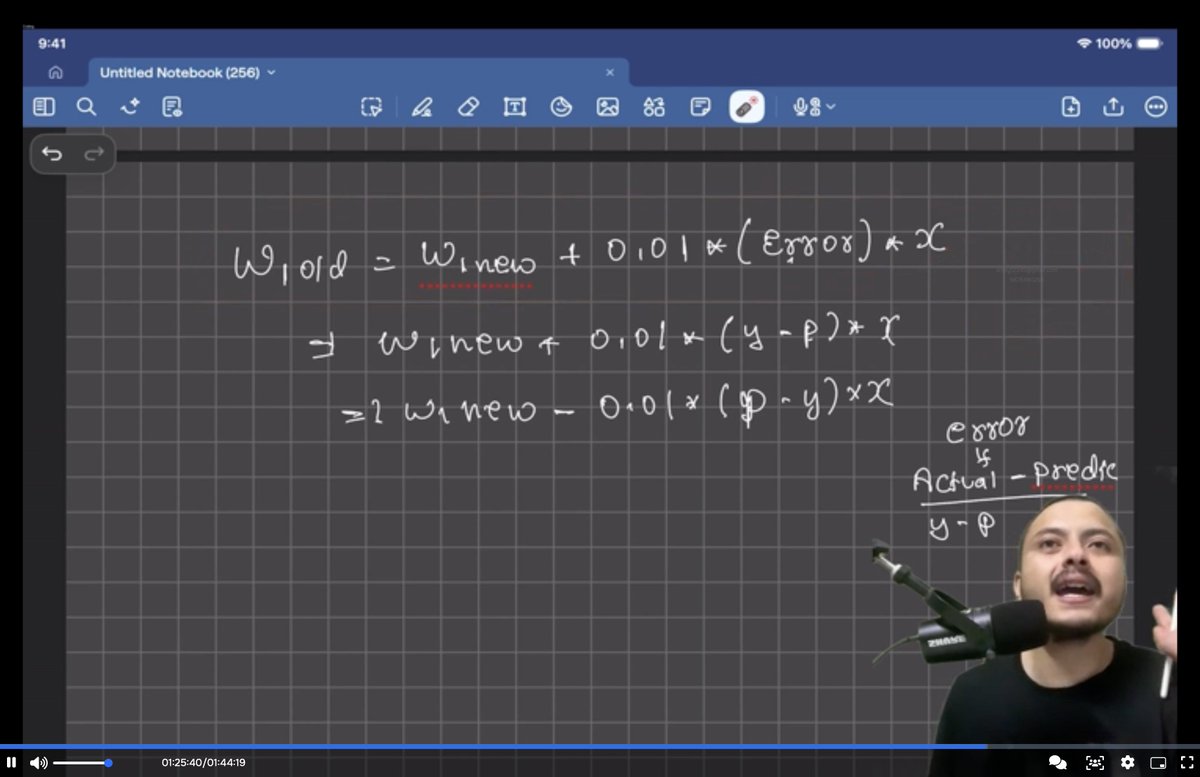
Learning Binary Classification and how models update weights step by step 🔥
Error = Actual − Predicted (y − ŷ)
w = w η (y − ŷ) x
Slowly understanding how models learn from mistakes and improve accuracy 📈
#BinaryClassification #AI #LearningInPublic @CoderArmy
1
5
40
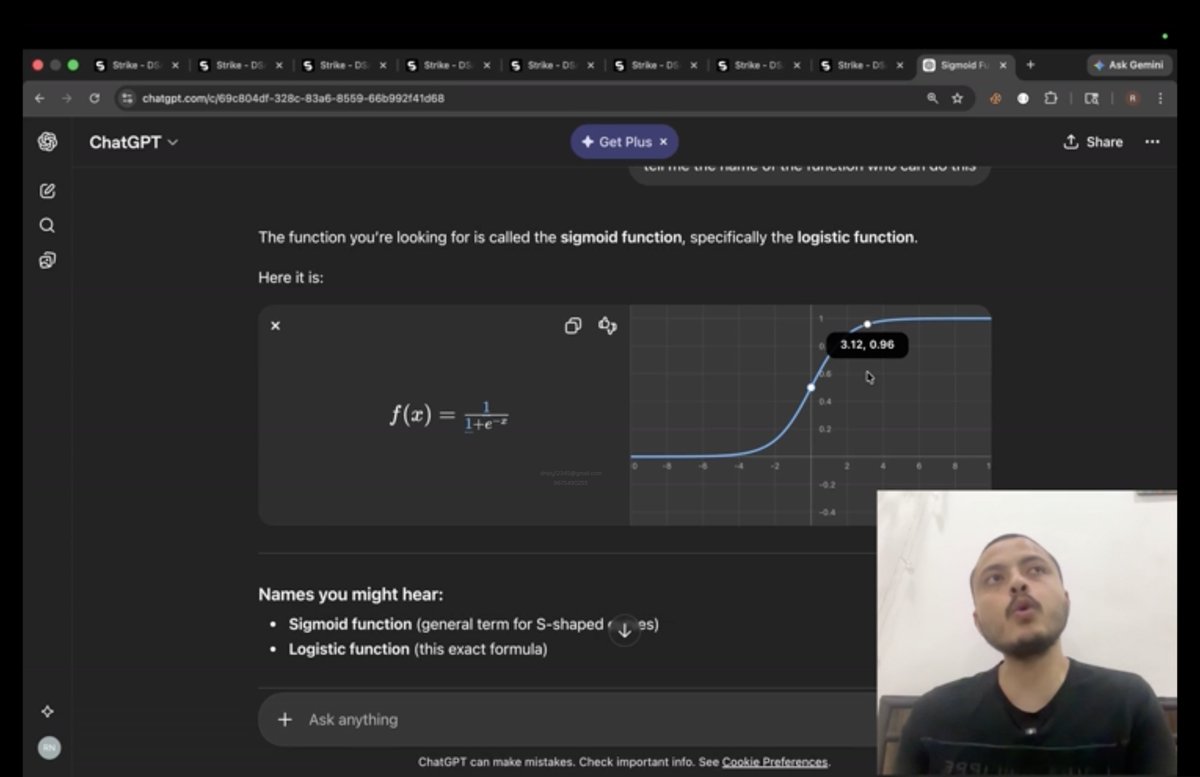
Binary classification uses the Sigmoid Function to map values into probabilities (0–1).
Perfect for problems like spam detection, disease prediction, and yes/no decisions.
Small math, powerful decisions 📊
#DeepLearning #AI #BinaryClassification @CoderArmy @rohit_negi9
1
2
6
184

Feb 26
Today I learned how to properly split data into training & test sets 📊
Also implemented Logistic Regression for binary classification 🧠
- Why train/test split prevents overfitting
- How sigmoid works in classification
- Decision boundary intuition
- Turning probabilities into class labels
Honestly… ML is easy. It’s just pure mathematics applied consistently.
9–5 College 🏫
Gym done 💪
Still locked in for ML study 💻
Let’s connect if you're growing in AI/ML 🤝#MachineLearning #LogisticRegression #BinaryClassification #DataScience #LearnInPublic #AI #GymAndGrind
4
118

30 Apr 2025
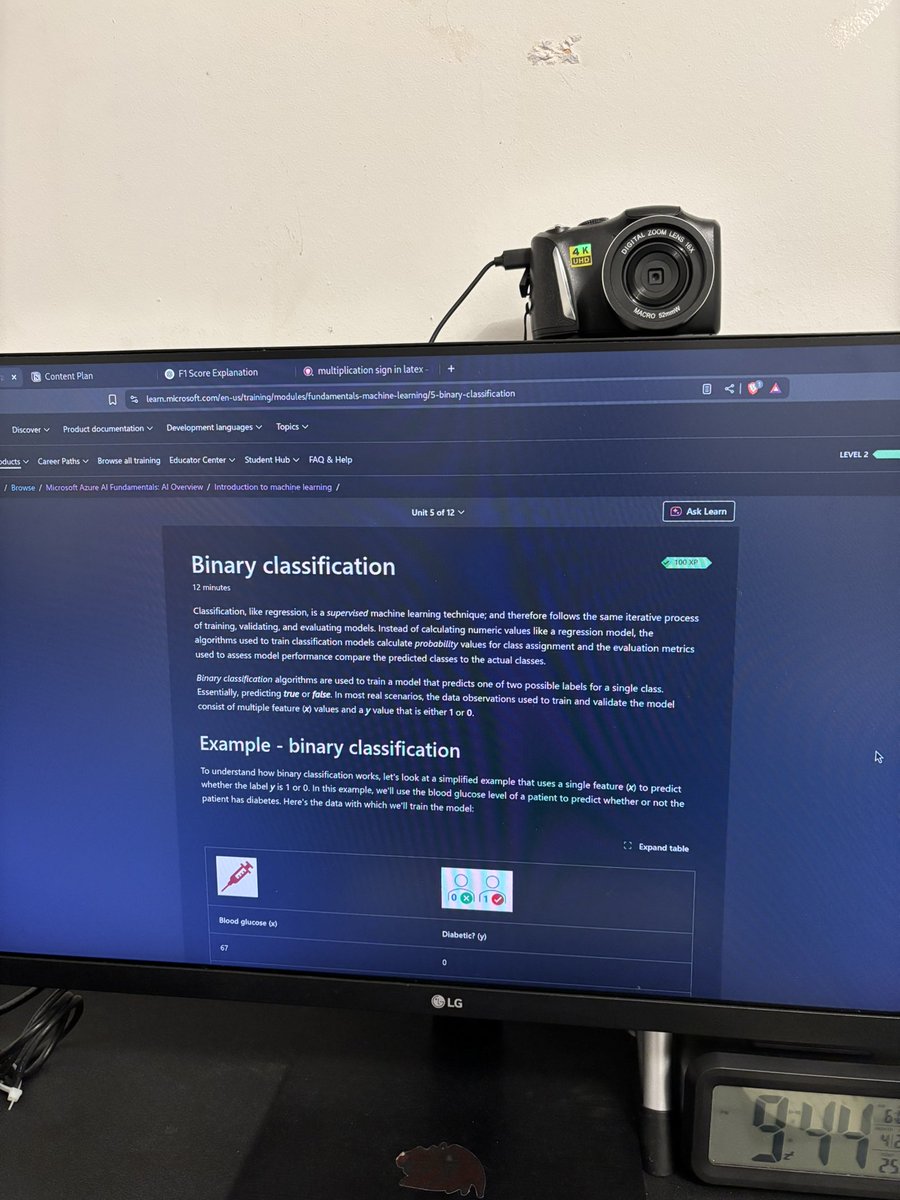
Explored Binary Classification with @MicrosoftLearn:
- Logistic Regression & Sigmoid Function
- Confusion Matrix & Probability Threshold
- Accuracy, Precision, Recall, F1-Score
- AUC Evaluation
My notes: ai900.shahtech.info
#AI900 #MachineLearning #BinaryClassification
4
120

11 Nov 2024
Quiz Time!🧠
In Logistic Regression, which function is used to map predictions between 0 and 1?
Take a guess! Comment below why you chose your answer!
#LogisticRegression #BinaryClassification #MachineLearningBasics #DataScience #PredictiveModeling #MLAlgorithms #AI #DataScienceForBeginners
25%
Linear Function
67%
Sigmoid Function
8%
Logarithmic Function
12 votes • Final results
6
163

26 Jan 2024
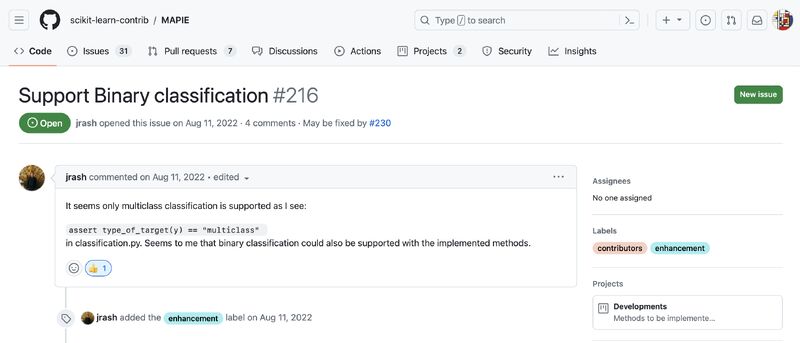
🚨 Insight on Binary Classification in MAPIE - A Significant Gap Yet to be Bridged 🚨
Since 2022, there's been a growing call within CP community for MAPIE to address binary classification, a cornerstone challenge in tabular data analytics prevalent in the industry.
Yet, it remains a notable gap in MAPIE's capabilities.
Why this oversight?
It appears since MAPIE's inception for some reason there's been a persistent focus on multi-class methods, largely drawn from computer vision literature, overshadowing the critical need for robust binary classification solutions.
This longstanding gap in MAPIE is puzzling and merits attention.
🔍 For those tackling binary classification, alternatives exist.
Libraries like Venn-ABERS, Crepes, Nonconformist, and PUNCC stand out with their specialized approaches and address binary classification.
I’ve shared a link to Venn-Abers in the comments for anyone looking to explore these options further.
#DataScience #BinaryClassification #MAPIE
github.com/scikit-learn-cont…
github.com/ip200/venn-abers
github.com/donlnz/nonconform…
github.com/henrikbostrom/cre…
4
13
2,680

18 Nov 2023
Learn Binary Classifcation in Neural Networks ! #binaryclassification #neuralnetworks #machinelearning #ai #artificialintelligence #learnai #ailearning #aiautomation #modelling #aimodels #tensorflow #tensor
linkedin.com/pulse/binary-cl…
1
1
40

17 Nov 2023
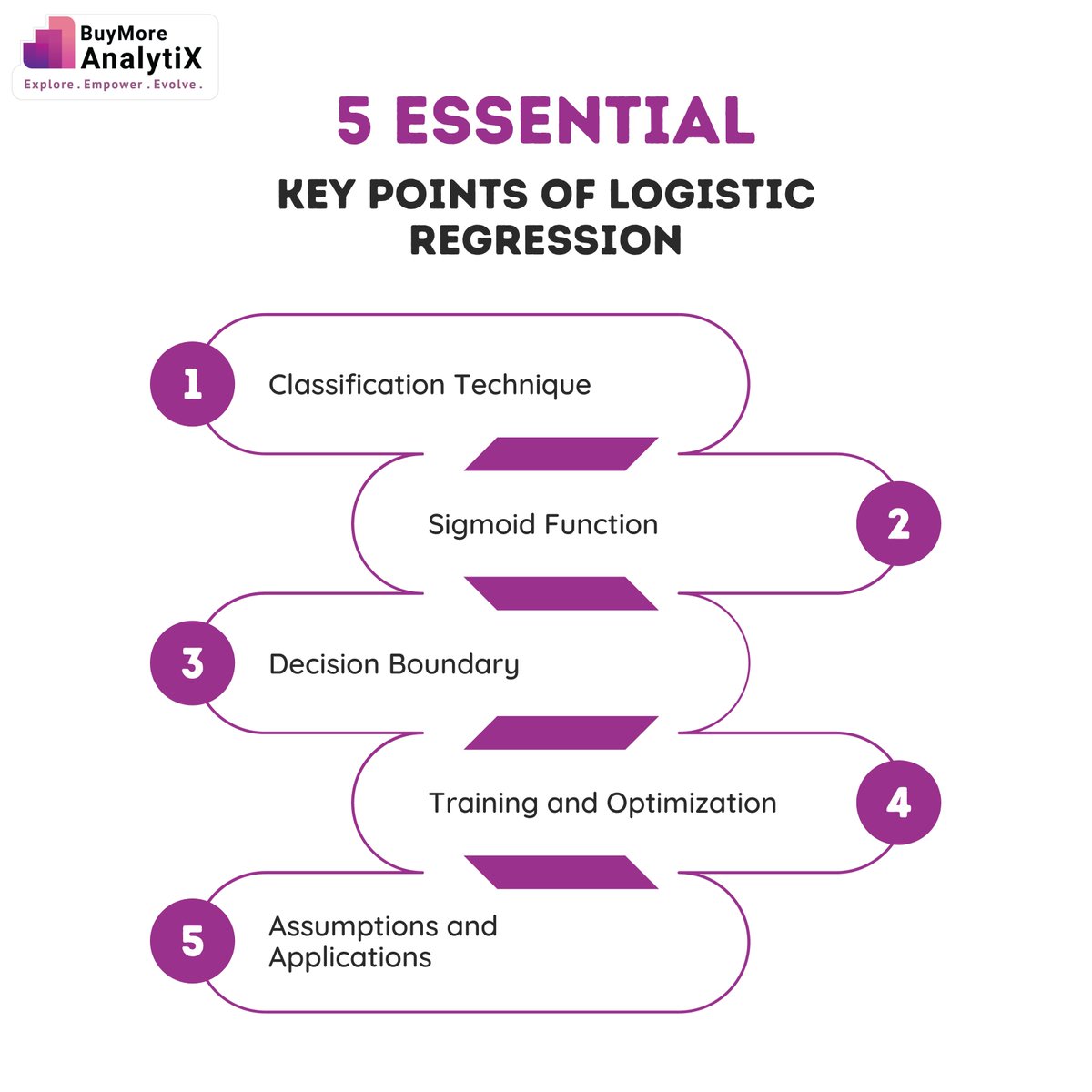
Essential Key Points of Logistic Regression! 📈
#LogisticRegression #MachineLearning #DataScience #Classification #PredictiveModeling #Statistics #AI #BinaryClassification #SigmoidFunction #ModelTraining #DataMining #DataAnalytics #BigData #DataAnalysis #BuymoreAnalytix
1
5
109

1 Nov 2023
31 Oct 2023

"Binary classification algorithms don't work on multiclass problems"
That's not true!
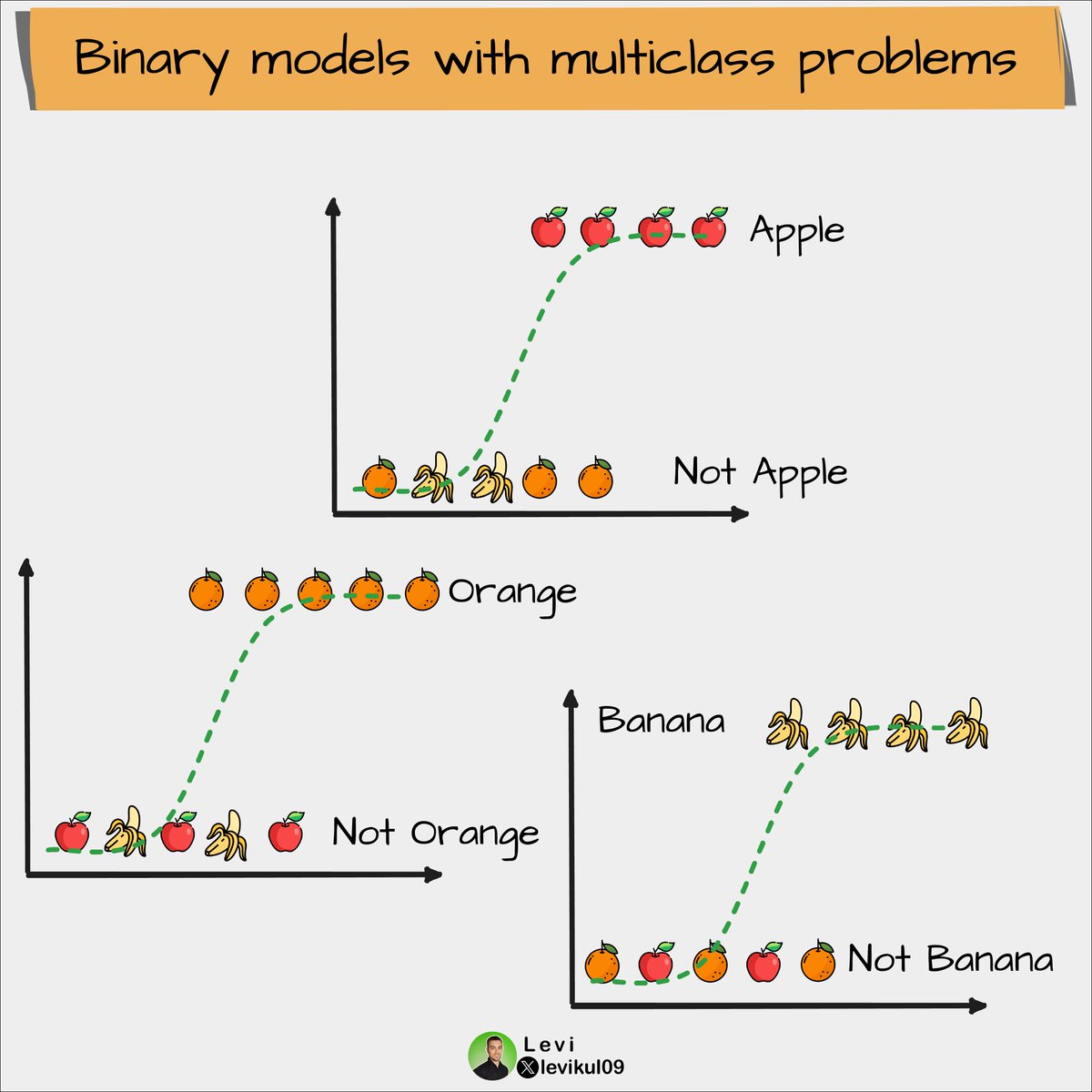
We can use a trick to split the dataset and train binary models.
Here is how it works 👇
As the name suggests binary classification works with two classes. Logistic regression and perceptron are the typical examples.
But what if we don't know any other methods and we face a multi-class classification problem?
We can apply a little trick.
By splitting the data, we will get multiple binary classification problems.
One vs All
Consider this:
You need to sort fruits on the table. You have Apples, Bananas, and Oranges. Instead of sorting all the fruits at once, you're going to do it one fruit at a time.
You start with Apples. You create two categories: Apples and Not Apples (Oranges Bananas).
After Apples, you go on to Bananas and do the same process. You will have two piles of fruits: Bananas and a mix of Apples and Oranges.
You repeat the process for all categories.
Do you notice what we did?
We transformed a multiclass classification problem into a binary task.
That's exactly how One vs All method works.
For 3 categories you train 3 models:
Model 1: Class 1 vs [Class 2 Class 3]
Model 2: Class 2 vs [Class 1 Class 3]
Model 3: Class 3 vs [Class 1 Class 2]
This way the algorithm learns to recognize one category against all the others, one at a time.
What happens with new data?
You trained the 'model on your fruits' and you get an apple. What happens?
Your 3 models will each give an output:
Apple Model: 'I'm 92% sure it's an Apple.'
Banana Model: 'I'm 5% sure this is a Banana.'
Orange Model: 'I'm 9% sure this is an Orange.'
From this output, you will choose the most confident result.
And that's how you can apply binary models to multiclass problems.
___
I hope you've found this Tweet helpful.
Like/Retweet for support and follow @levikul09 for more Data Science content.
Thanks 😉
2
24

30 Sep 2023
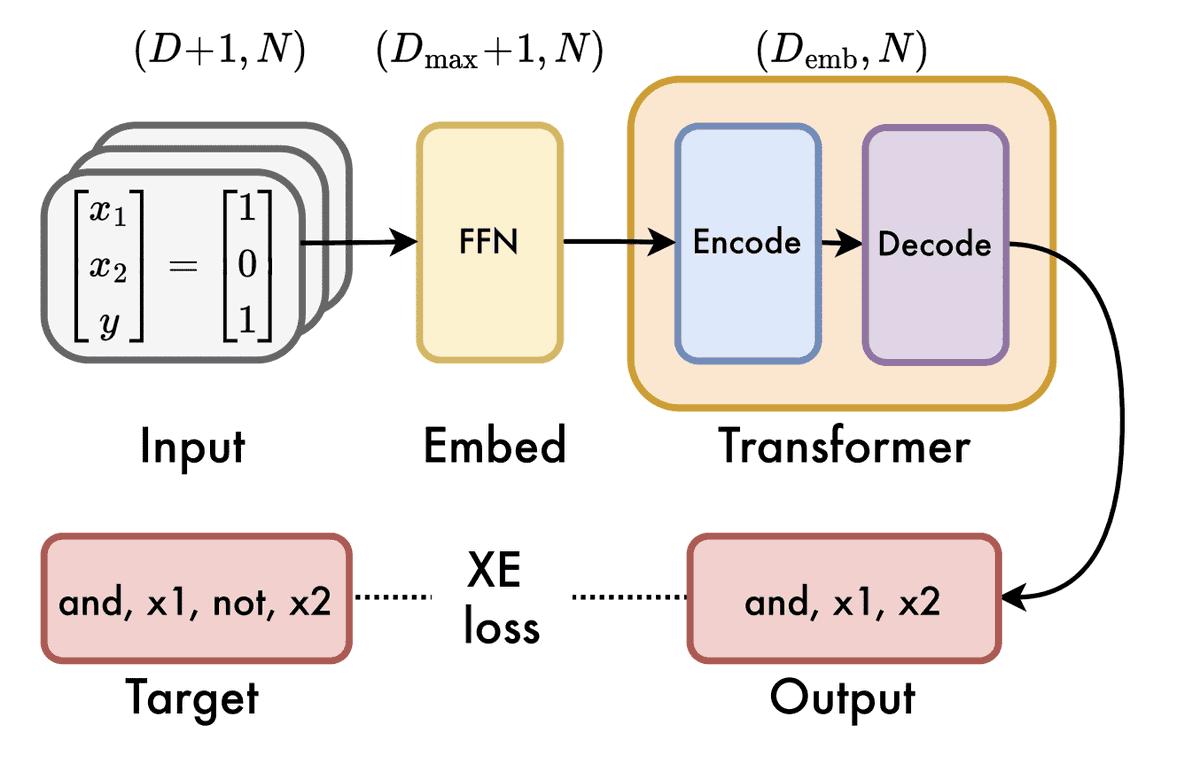
Boolformer Model: A Game-Changer in Symbolic Logic by Apple and EPFL
#AI #AItechnology #Apple #artificialintelligence #binaryclassification #Booleanformulas #Boolformermodel #compactformulaprediction #EPFL #generegulatorynetworks #generalization
multiplatform.ai/boolformer-…
ALT AI News
2
47
28 Jul 2023
Detecting Alcohol Exposure in Media: A Face-Off Between CLIP's Zero-Shot Learning and ABIDLA2 Deep Learning for Image Analysis
#ABIDLA2 #AI #Alcohol #alcoholexposure #artificialintelligence #binaryclassification #Deeplearningmodels #globaldiseaseburde
multiplatform.ai/detecting-a…

ALT AI News
2
15

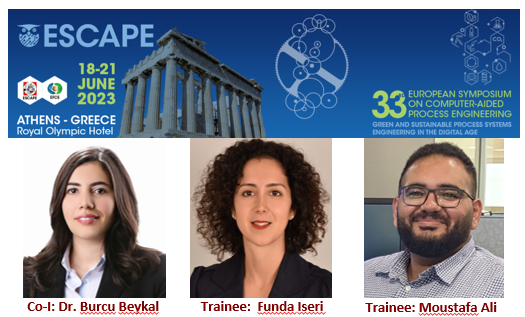
@tamusuperfund DMAC at 33rd ESCAPE. Two poster presentations: #binaryclassification (B. Beykal) and #processdesign (M. Ali), and an oral presentation on #hybridforecasting #framework (F. Iseri). 👏👏 @SRP_NIEHS @TAMUEngineering @UCONNEngineering
5
322

12 Jul 2023
Multi-class Confusion Matrix
coming soon...
#confusionwheel #confusionmatrix #multiclass #model #classification #datascience #binaryclassification
#dataanalytics #dataviz #datavisualization #machinelearning #performancemetrics
#excel #exceldataviz #algorithms #analytics
1
6
330

24 May 2023
4 responsibilities of a Chief Data Officer (CDO)
#cybersecurity #VR #AR #Cloud #BigData #Analytics #DataScience #AI #MachineLearning #Python #JavaScript #React #CloudComputing #Coding #100DaysofCode #DevOps #GitHub #Dev #Tech #domain #binaryclassification #binary
2
157
23 May 2023
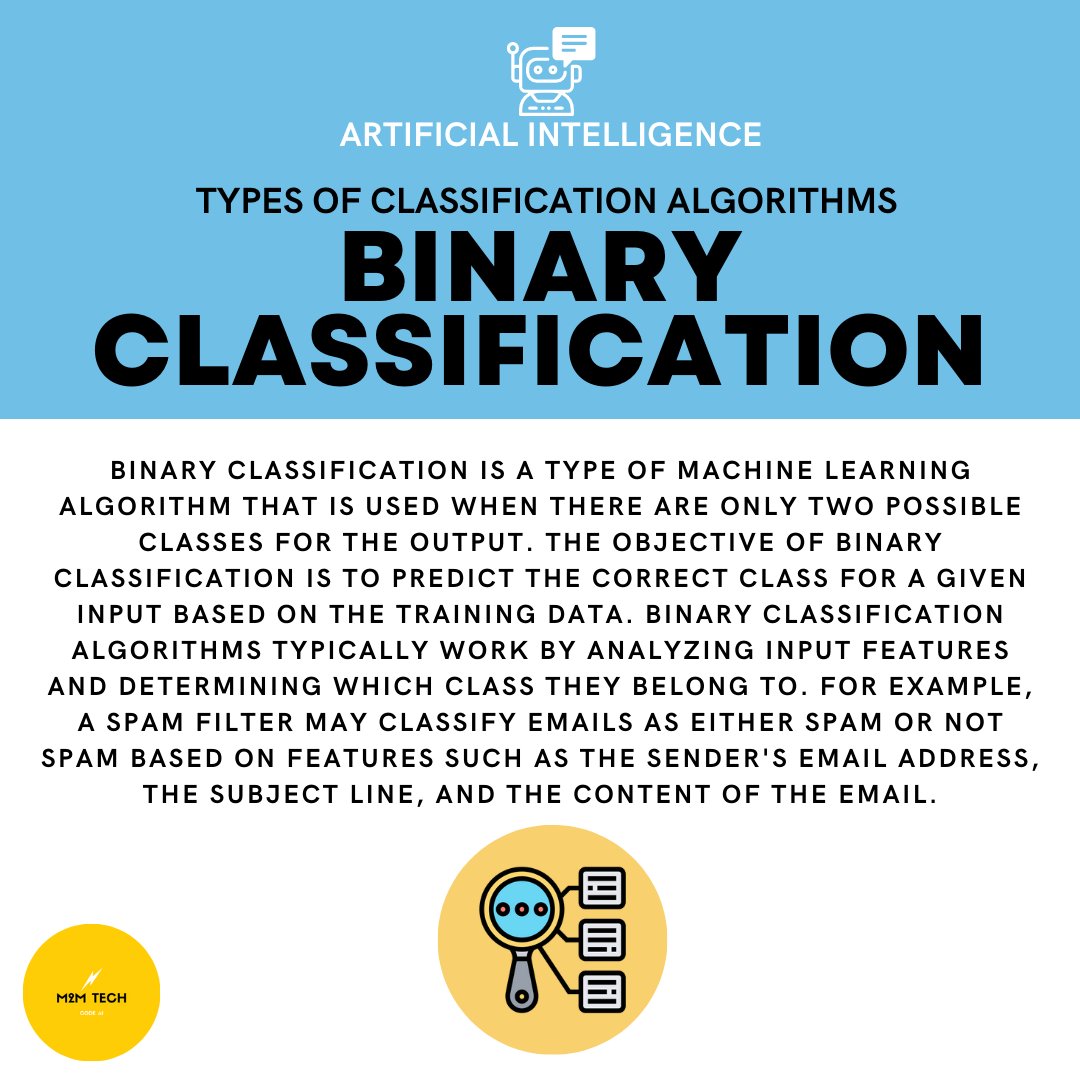
What is Binary Classification? 🤔🔎💻
#m2mtechbytes #cybersecurity #VR #AR #Cloud #BigData #Analytics #DataScience #AI #MachineLearning #Python #JavaScript #React #CloudComputing #Coding #100DaysofCode #DevOps #GitHub #Dev #Tech #domain #binaryclassification #binary

2
6
118
17 May 2023
The Lift Curve - another way to evaluate classification algorithms
#liftcurve #lift #classification #datascience #binaryclassification
#dataanalytics #dataviz #datavisualization #machinelearning #performancemetrics
#modelperformance #excel #exceldataviz
1
5
138


26 Jan 2023
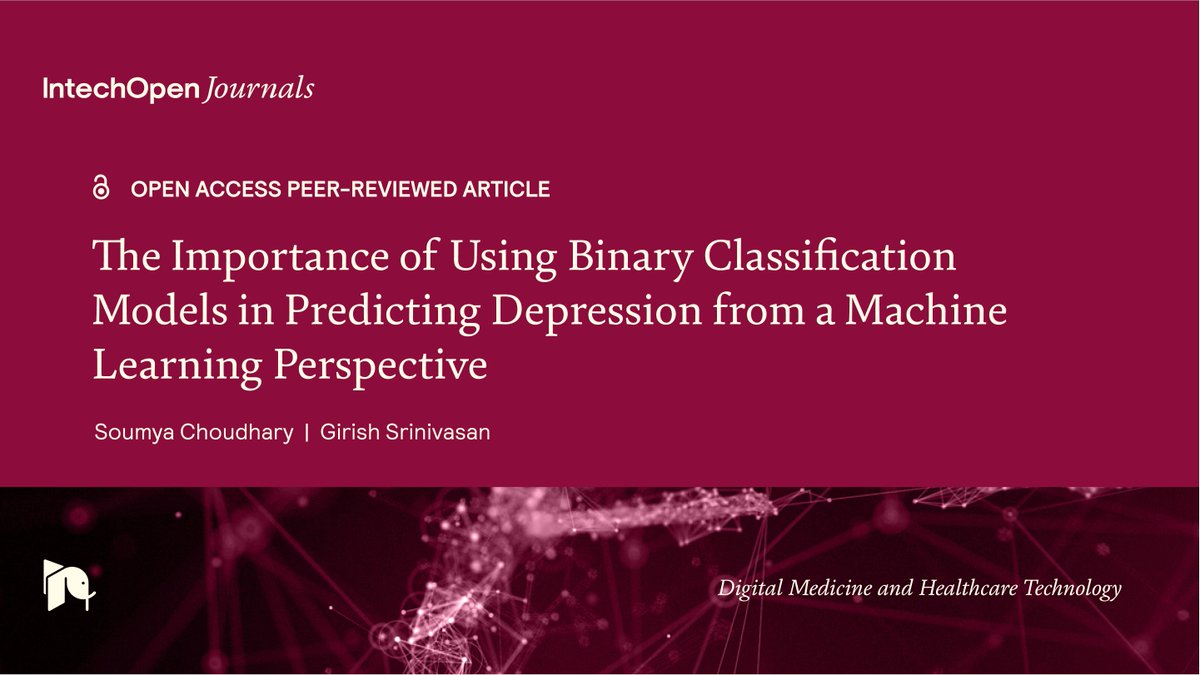
The newest release in our #OpenScience #DMHT journal by Soumya Choudhary and Girish Srinivasan - discusses #mentalhealth from #machinelearning perspective. #binaryclassification #depression. Read, share, and download: bit.ly/3R6EGIm
2
4
149