
How significant was RAF Bomber Command in the defeat of Nazi Germany?
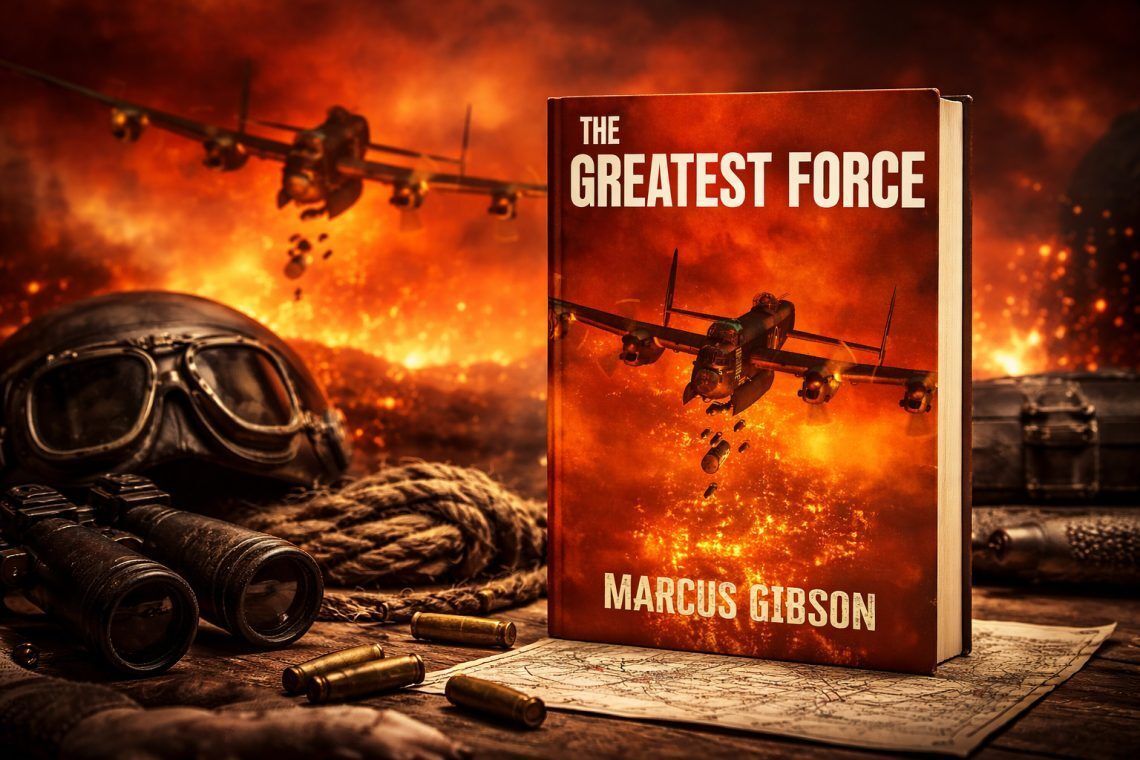
In this article, Marcus Gibson argues that Bomber Command’s assault on Nazi Germany was of the utmost importance in the Allied victory.
Drawing on British, American and German sources, he challenges claims that the campaign was ineffective and argues that it severely disrupted German industry, transport, military resources and war production.
Read the full article: historyreclaimed.co.uk/the-g…
#RAF #BomberCommand #SecondWorldWar #WWII #MilitaryHistory #HistoryReclaimed #BritishHistory #WarHistory
5
260
Simon Massey retweeted

Jun 13
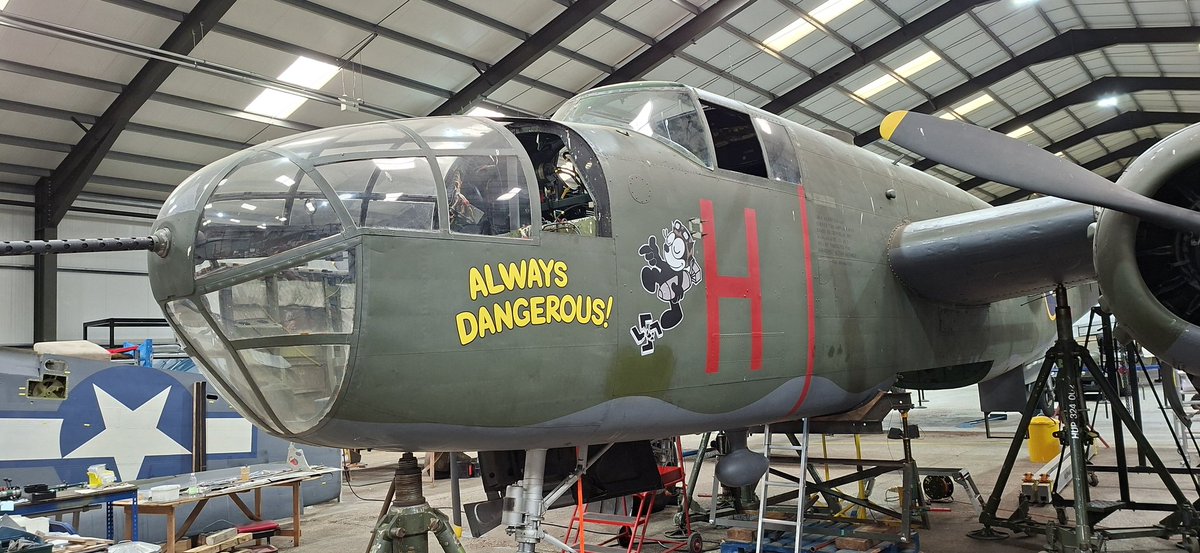
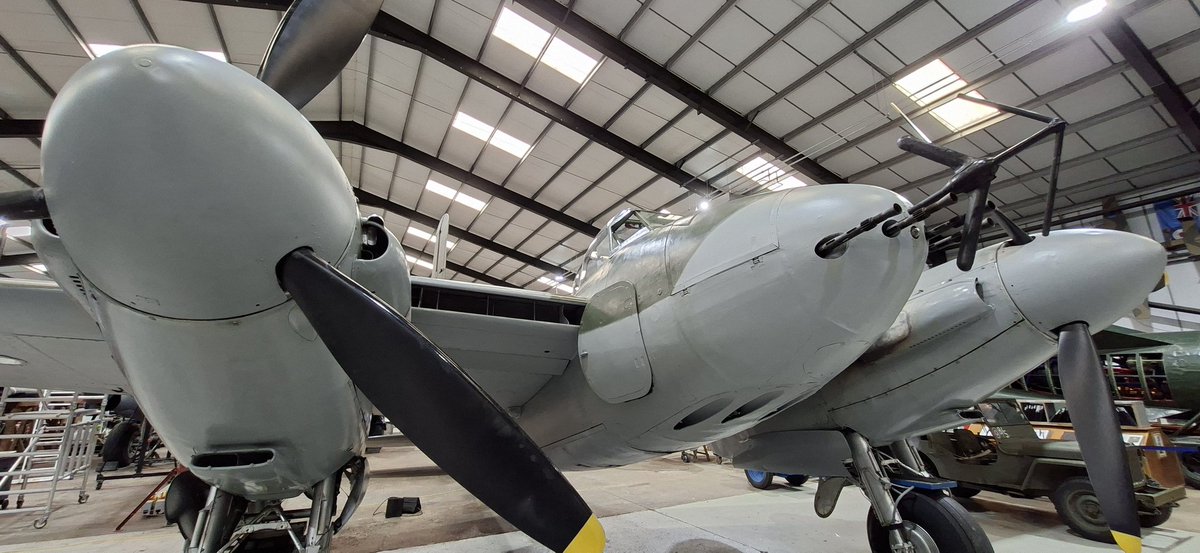
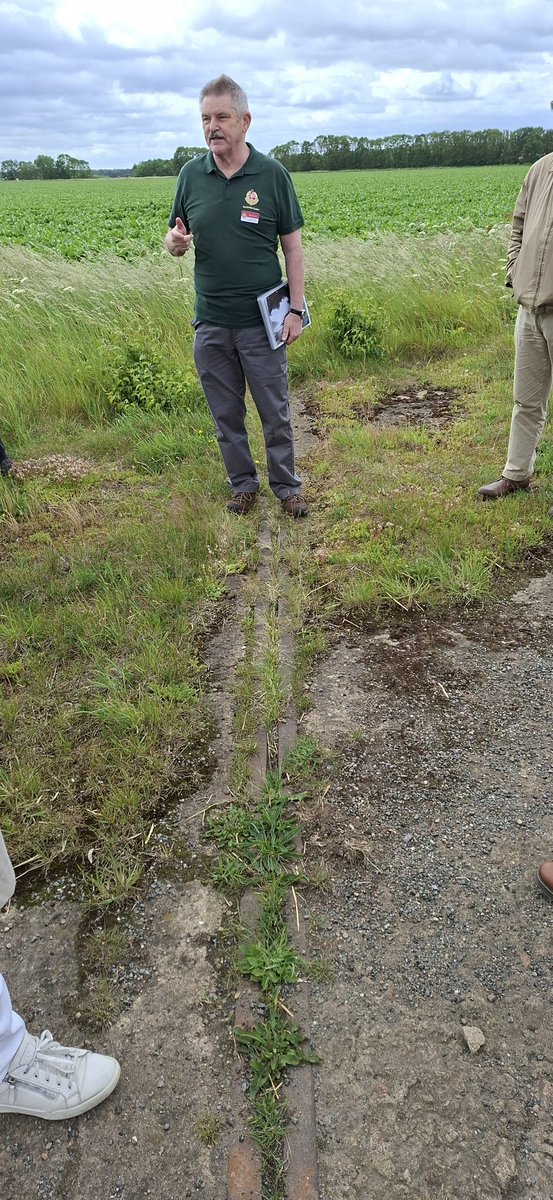
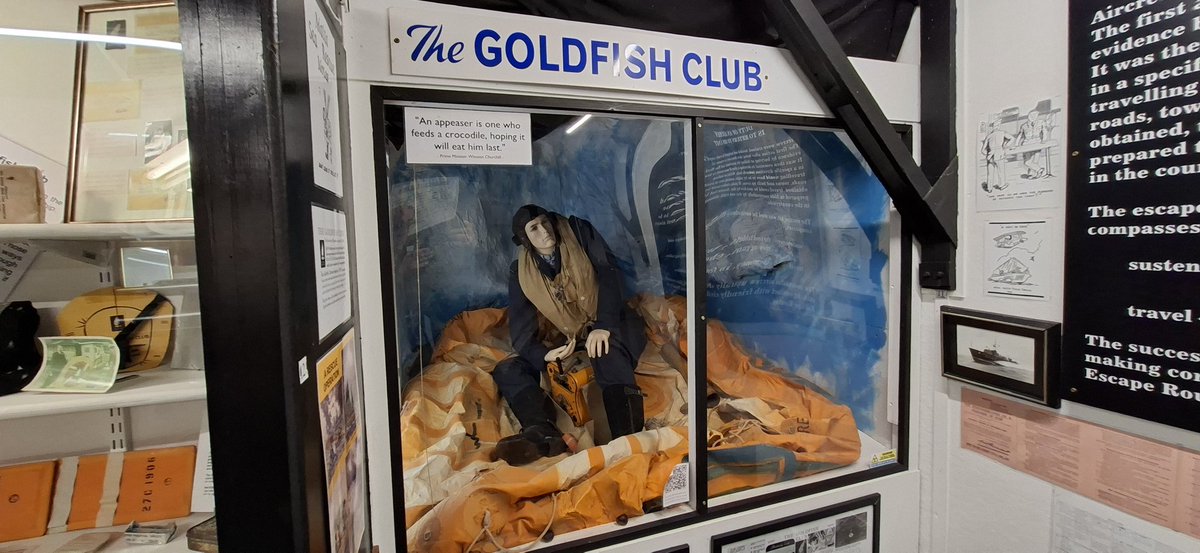
Excellent #BomberCommand Recce with the @GuildofBG today looking at all things Bomber Command. Many thanks to @AckBig for his stand at Metheringham Airfield, Chris Finn at Coningsby Cemetery and Simon Burgess for @NX611JustJane
2
6
175

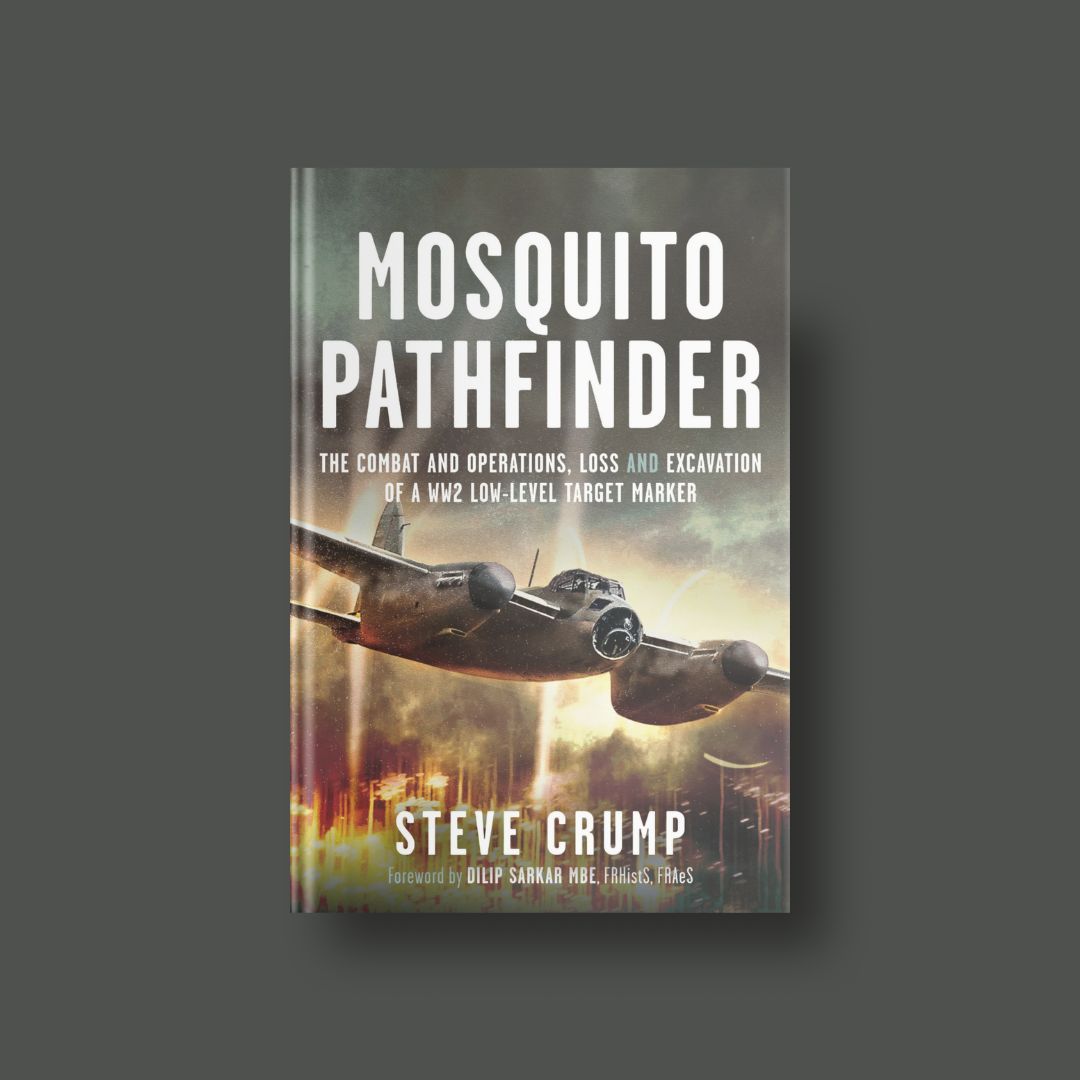
The Pathfinders changed the course of Bomber Command ✈️. Steve Crump tells the story of Mosquito DZ477—60 ops, Dambuster links & the crews who flew into deadly skies. #WWII #BomberCommand
📖 Mosquito Pathfinder by Steve Crump
🛒 buff.ly/f9Ga1z1
4
109

May 23
A Memory Owed beautifully captures the camaraderie and global effort of the men and women who came together to support Bomber Command.
🔗 Experience the full, critically acclaimed short film: youtube.com/watch?v=PYtZtSvE…
#BomberCommand #RAFBenevolentFund
7
225

May 12
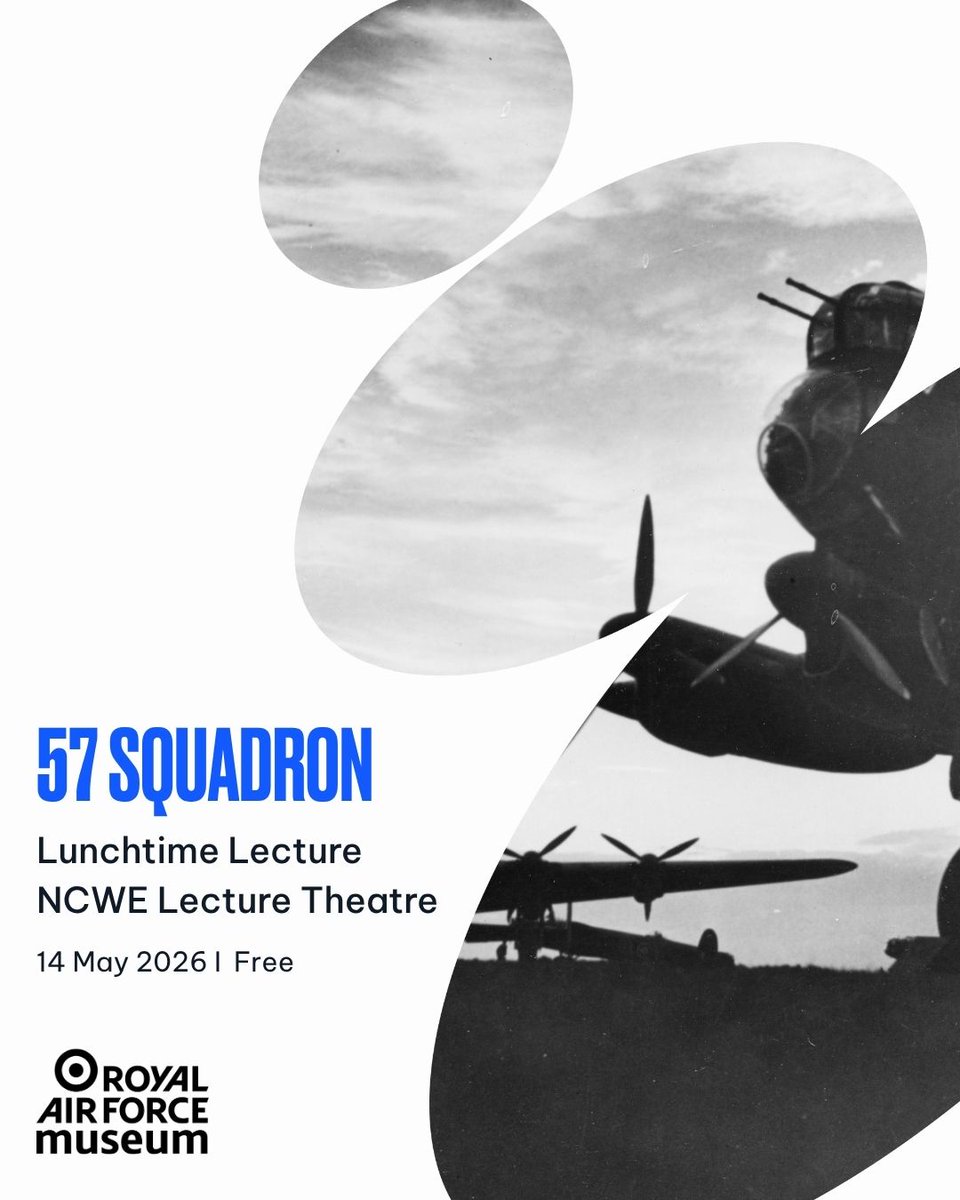
🚨 There’s still time to book your FREE place for our next Lunchtime Lecture at the RAF Museum Midlands! ✈️
On Thursday 14 May at 12pm, historian Ewen Cameron will explore the story of No. 57 Squadron and its operations alongside the famous 617 Squadron at RAF Scampton.
Join us in person or online 💻
🎟️ Reserve your free ticket today: rafmuseum.org.uk/midlands/wh…
#RAFMuseum #RAFHistory #BomberCommand #AviationHistory
1
11
715

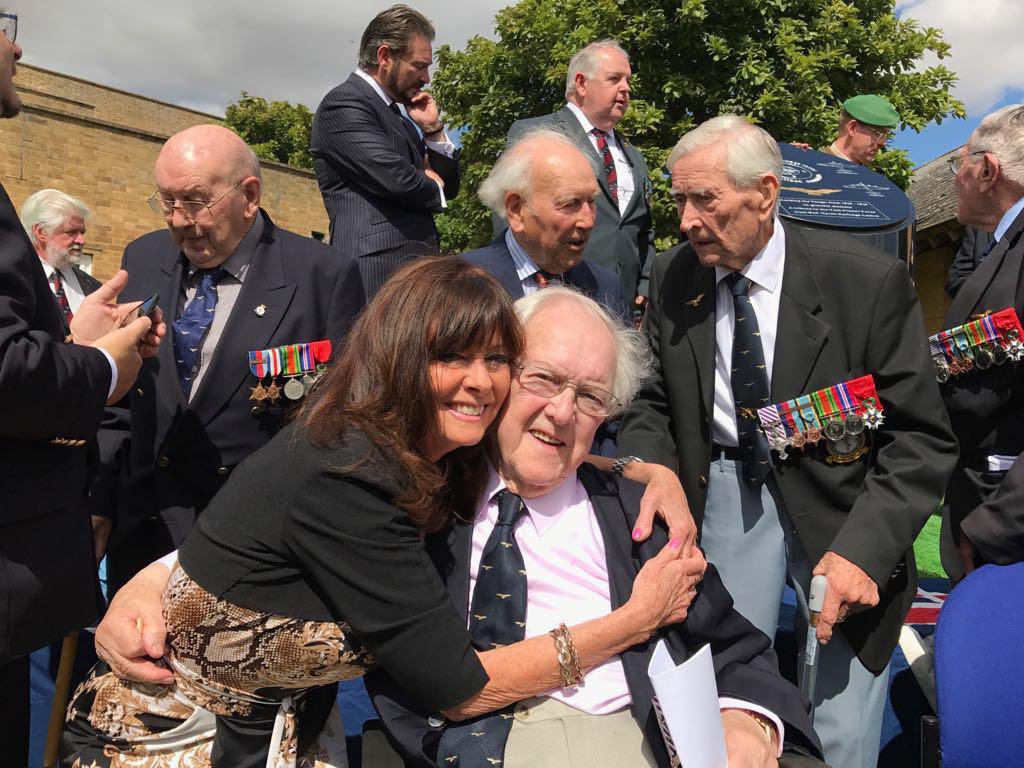
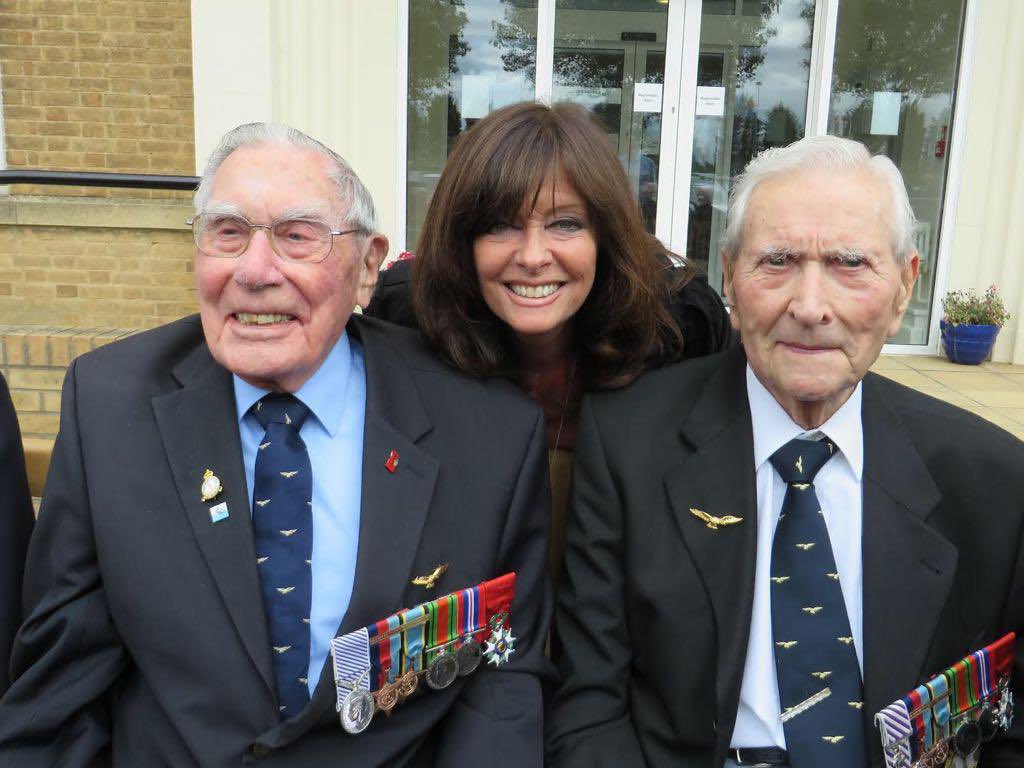
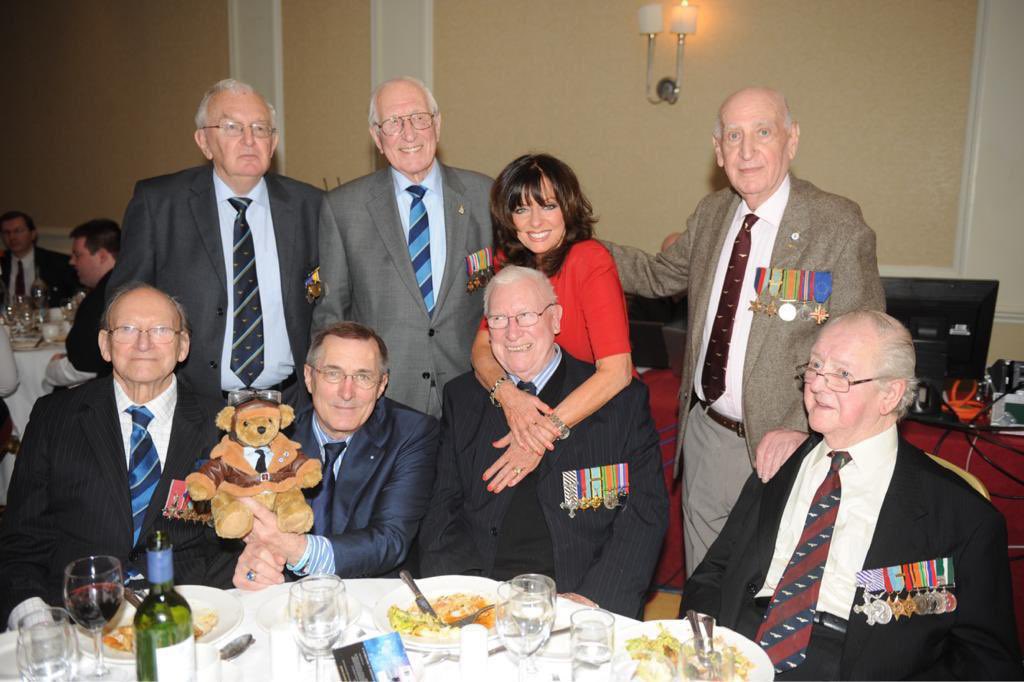
It’s #VEDay Remembering some amazing heroes I’ve met, sadly some no longer with us including #HarryHughesDFCDFM, #RupertNoyeDFC #JackWatsonDFM #HarryIrons #AlfHuberman #DouglasRadcliffeMBE #ColinBellDFCBEM #BomberCommand #Pathfinders @SSAFA #FridayThoughts

6
7
106
1,452

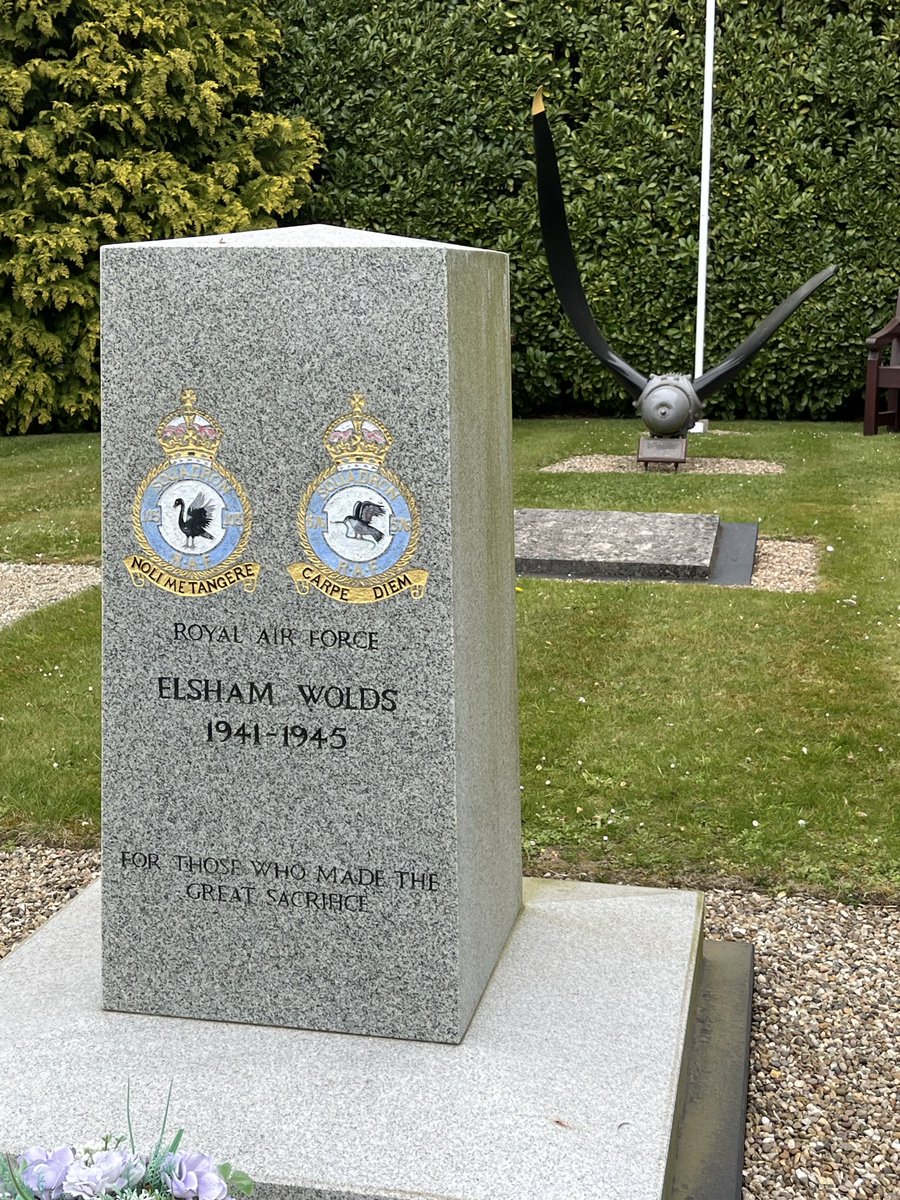
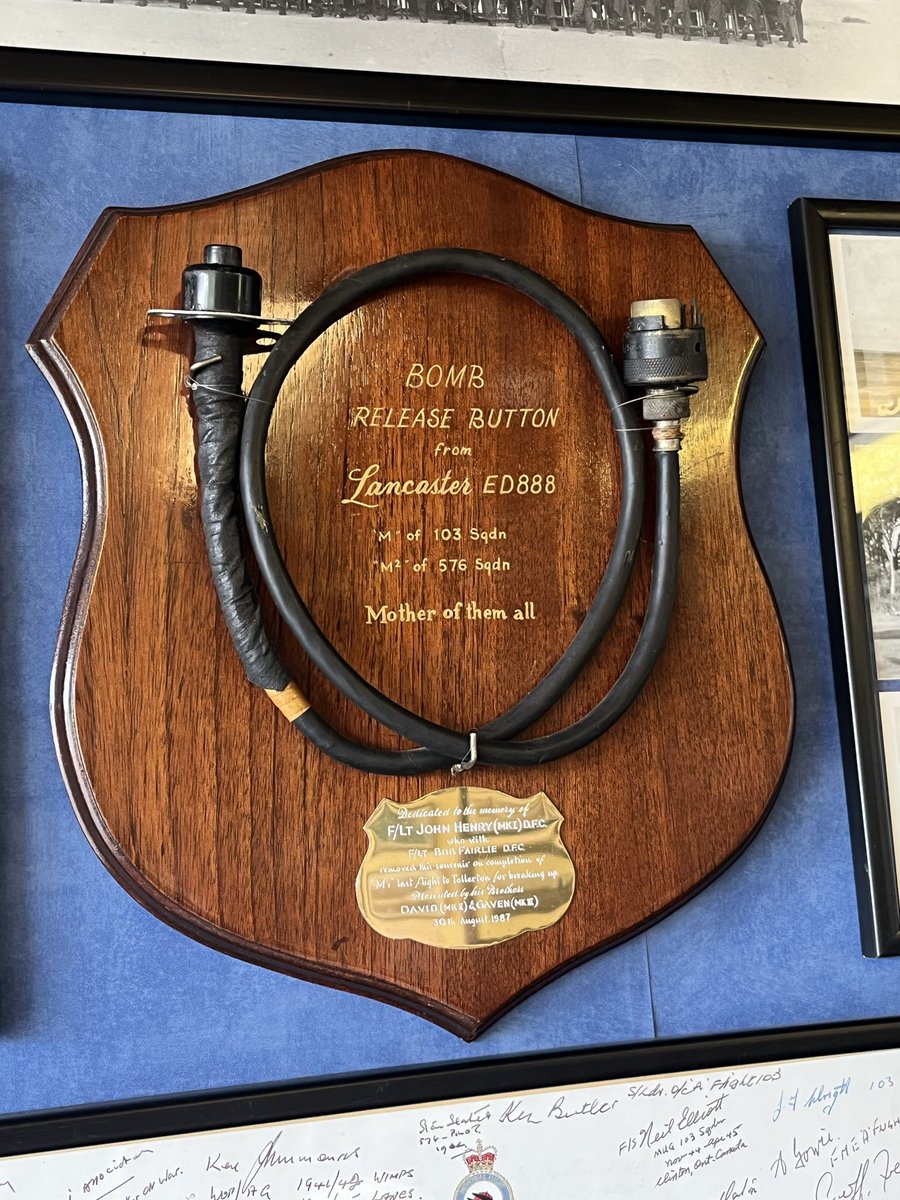
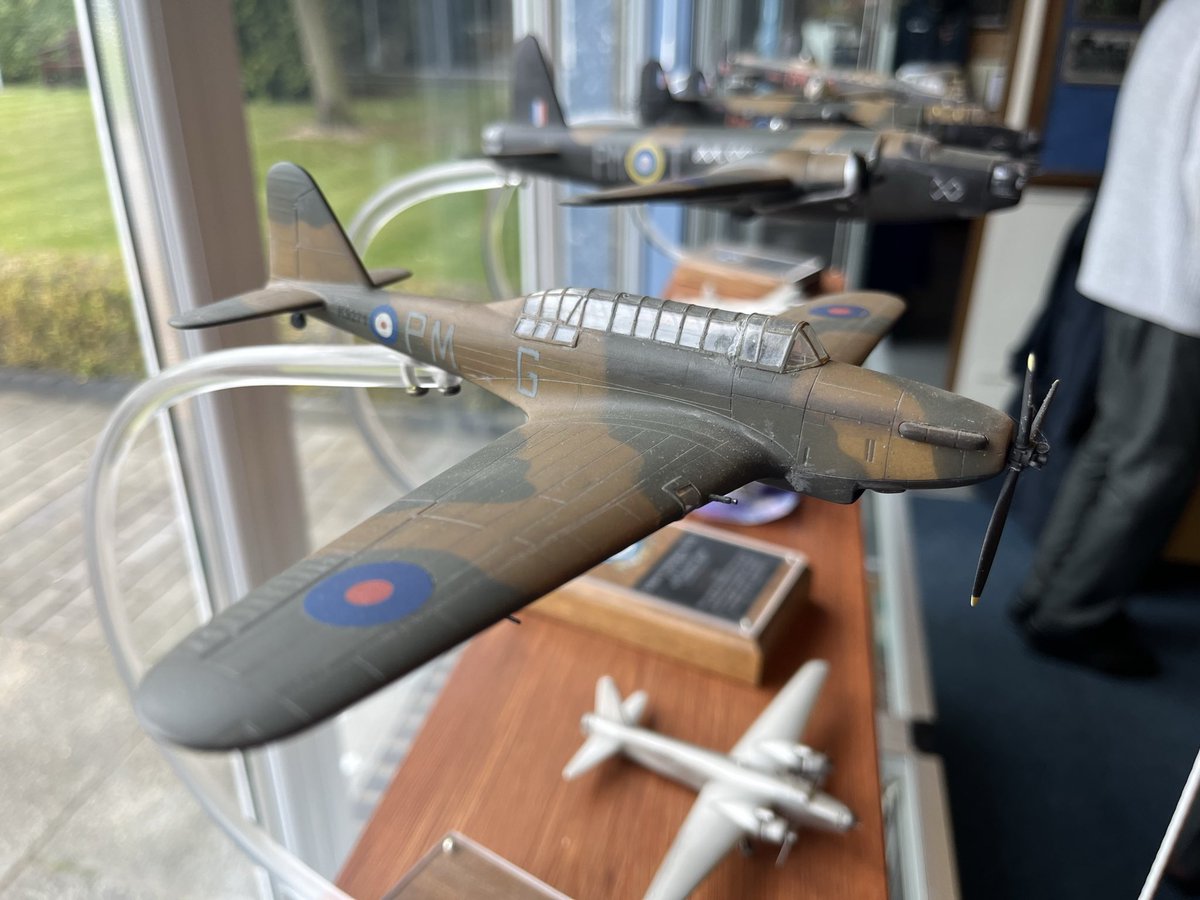
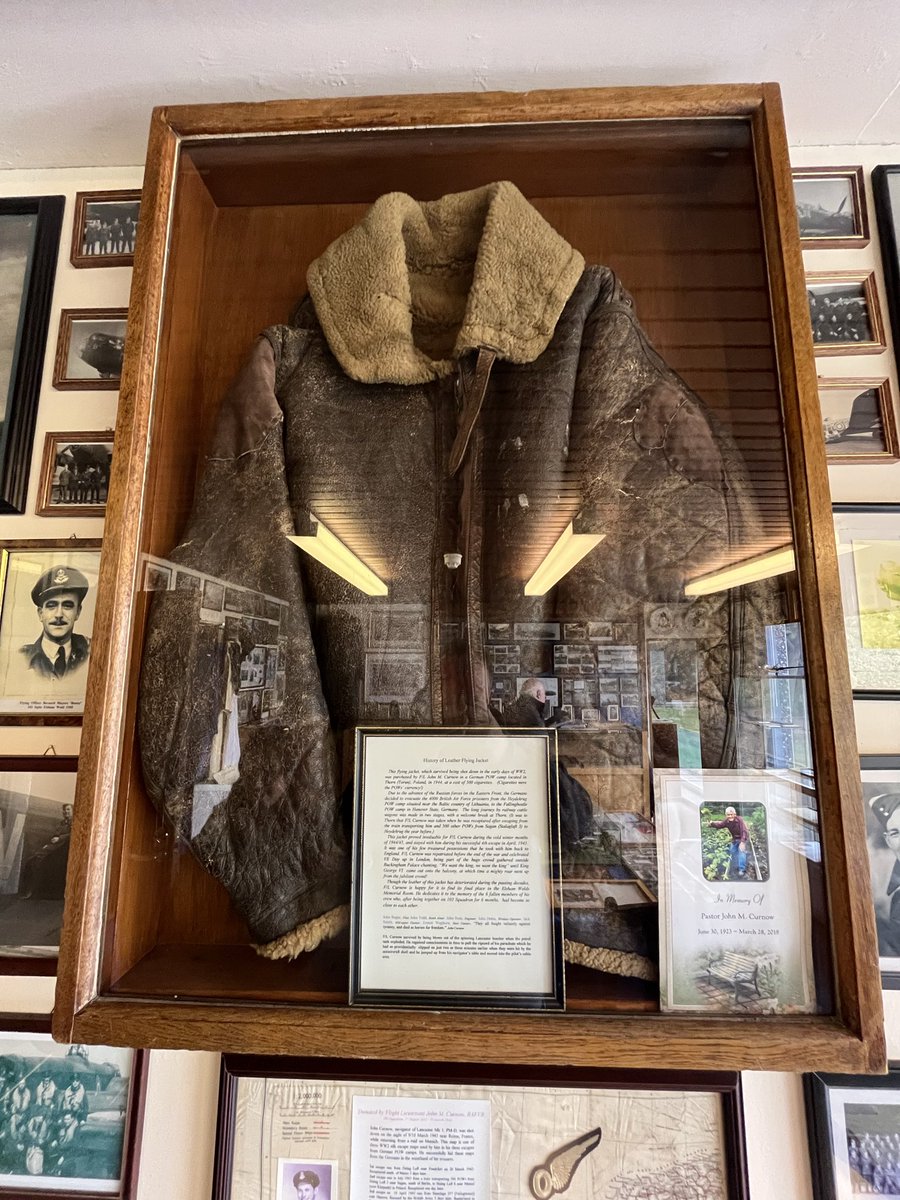
A really special arranged visit to the Memorial Rooms at the former RAF Elsham Wolds. The rooms are only open by appointment but are housed within the airfield site thanks to the kindness and generosity of @AnglianWater
Nestled on the Lincolnshire Wolds, this historic airfield played a vital role in both World Wars.
The wartime home to 103 & 576 Squadrons and a particular ‘Centurion Lancaster ED888
“Mike Squared” completed a record 140 operations from here.
Today, the A15 is routed right down one of the former runways and one J-Type hangar still stands along with the memorial rooms which remember all who served and the brave crews who never returned.
Our thanks to the brilliant volunteers who joined us today and helped bring the story of RAF Elsham Wolds to life.
Lest We Forget.
#RAF #BomberCommand #WWII #AviationHistory #Lincolnshire #LestWeForget
1
8
53
1,418

Apr 27
'Bomber's Moon'
-
Remembering #BomberCommand
#lestweforget
.
.
.
This ORIGINAL artwork available now: martinimpey.com
.
@sommecourt @RAF_Bomber_War @RAFConingsby @ConingsbyUk @RAFCSG @RToggers @617dambusters @CWGC @ww2finesthour @HomeFrontWW2 #ww2 #artforsale

1
9
107
RAF Bomber Command
At the end of the Second World War in Europe, RAF Bomber Command received notably limited official recognition compared to other branches of the British armed forces.
Under Air Chief Marshal Sir Arthur “Bomber” Harris, its aircrew flew strategic bombing operations against Nazi Germany, suffering exceptionally heavy losses: 55,573 killed out of around 125,000 who served — a death rate of about 44.4%, the highest of any major British service branch.
Bomber Command also spearheaded humanitarian Operations such as Operation Manna, Dodge & Exodus.
On VE Day (8 May 1945), Winston Churchill’s victory broadcast thanked various arms of the services but made no specific mention of Bomber Command.
No dedicated campaign medal was issued for the bomber offensive. Harris was the only senior RAF commander of equivalent rank not immediately offered a peerage.
In the post-war period, shifting attitudes towards area bombing led to a degree of official distancing from the campaign and its leadership. Veterans often felt their contribution and sacrifices were undervalued at the moment of victory.
It was sometime after the Second World War that recognition started
• A statue of Harris unveiled in 1992
• The RAF Bomber Command Memorial in Green Park, London, unveiled by Queen Elizabeth II in 2012 -albeit funded by Charity & Public/private sector donations.
• A Bomber Command Clasp to the 1939–45 Star, approved for eligible aircrew in 2012–13
These steps came decades after the war, reflecting ongoing debate about the strategic bombing campaign. Many Bomber Command Veterans would not live to see these important acts of remembrance.
We must not forget that the Aircrews, Ground-crews, Supporting Roles, Factory Workers and all who played their role and brought the fight back to Germany - They fought and died for the freedoms we enjoy today.
We must not forget them or what it was they were fighting for.
Lest We Forget.
Remember. Inspire. Unity.
#WWII #RAF #BomberCommand #LestWeForget
@RAFBBMF
@NX611JustJane
@IntBCC
@air_museum
@RAFIngham
@RafMetheringham
@Patrici7595829
@JohnNicholRAF
7
26
153
3,487

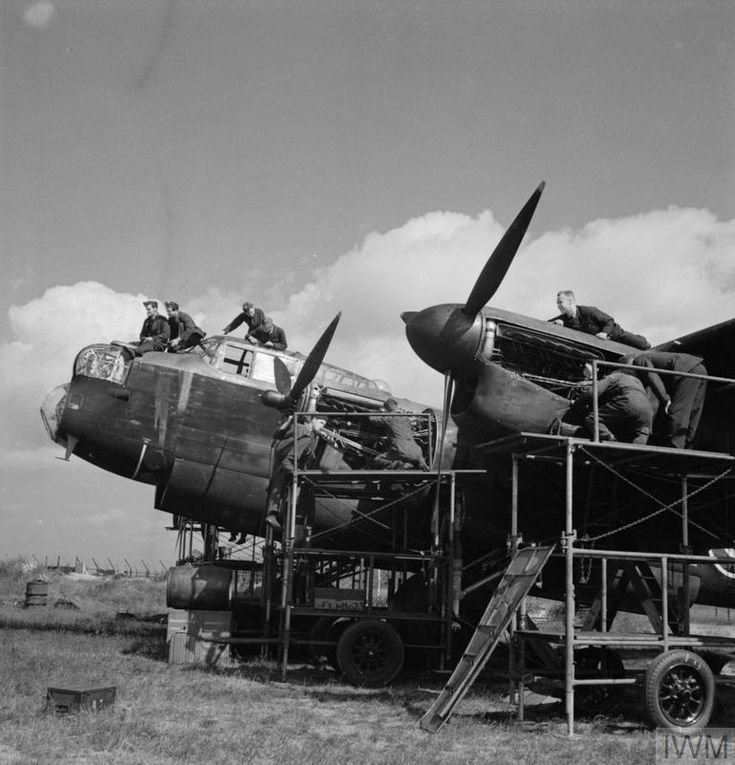
Avro Lancaster Mark I, L7540 'OL-U', of No. 83 Squadron RAF's Conversion Flight undergoes an engine overhaul at RAF Scampton, Lincolnshire. Note the armament has been removed from the front turret.
#britishhistory #history #secondworldwar #raf #royalairforce #bombercommand 📷 @I_W_M @IntBCC @RAFMUSEUM
5
19
477

Apr 3
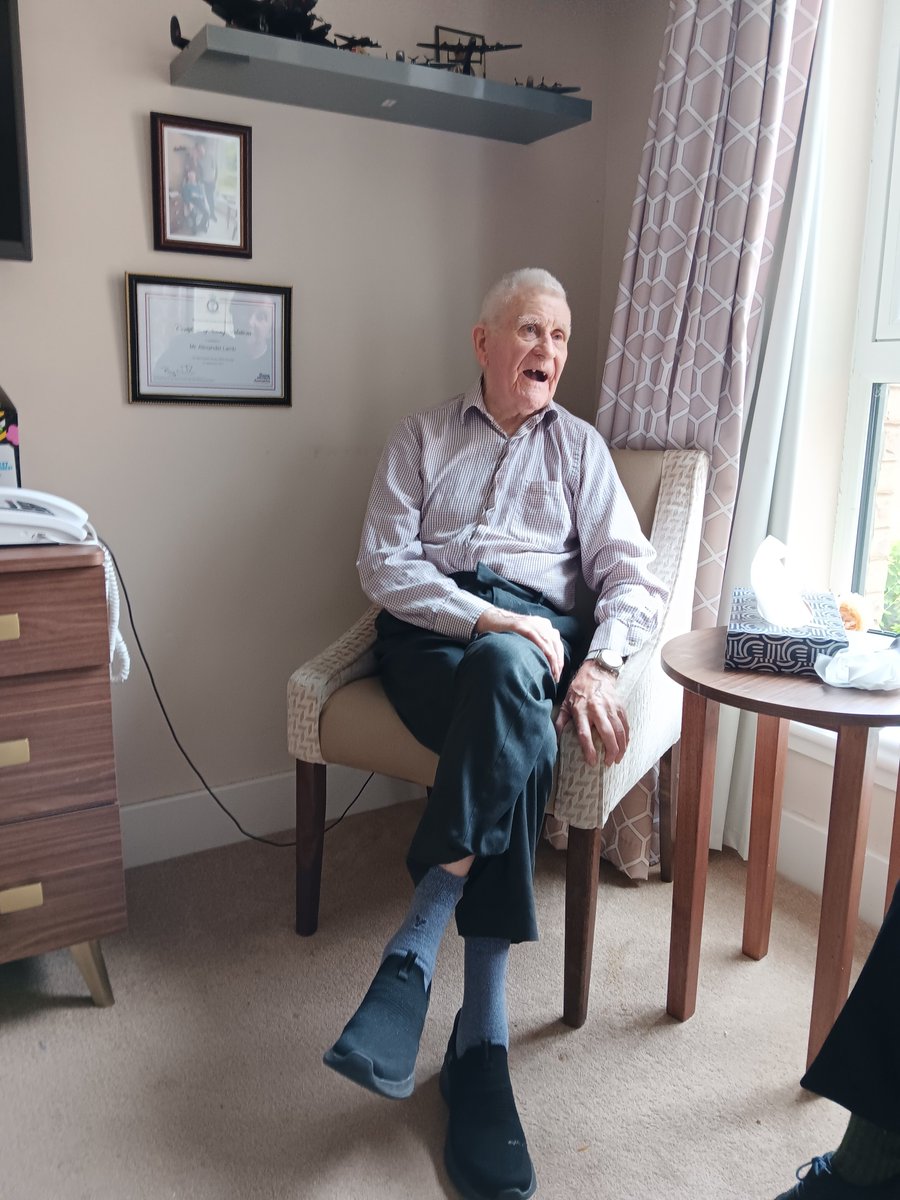
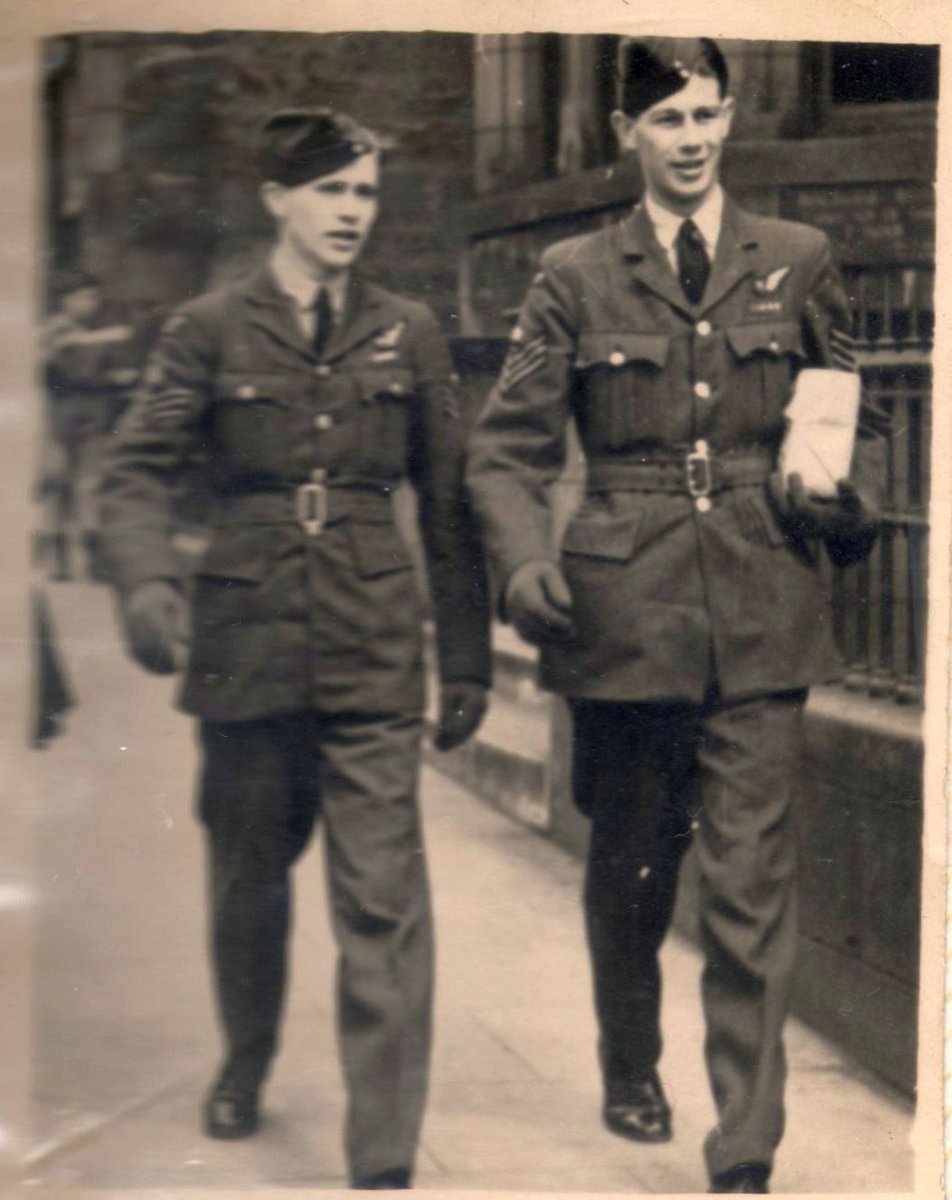
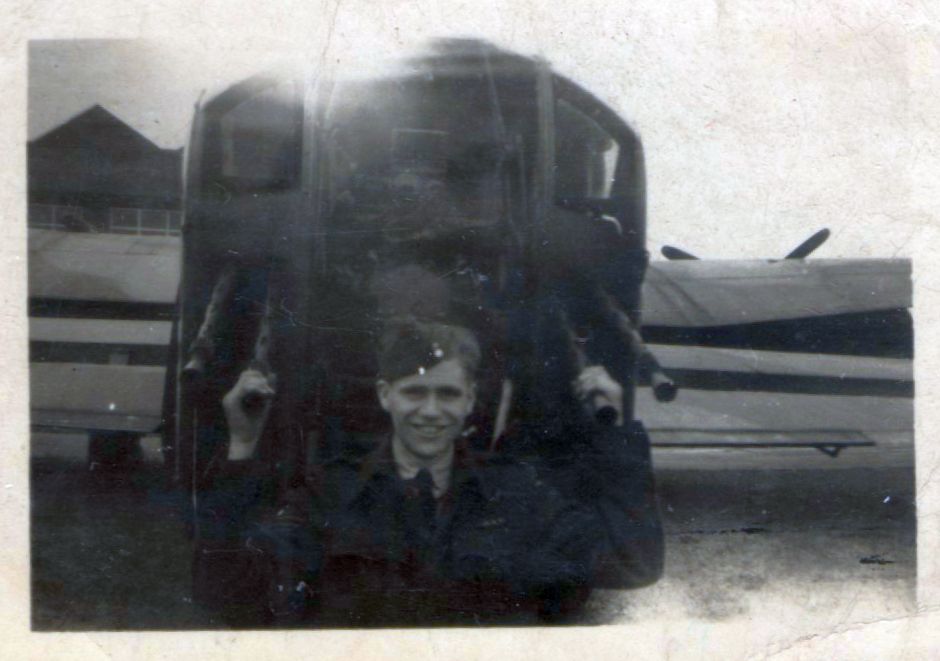
A wee visit to see my friend Alastair. Sgt Alastair Lamb will be 101 this year. Rear gunner on Lancs, Lincolns & Wellingtons. Not many Bomber Command vets left now. #WW2 #RAF #BomberCommand
3
52

Apr 1
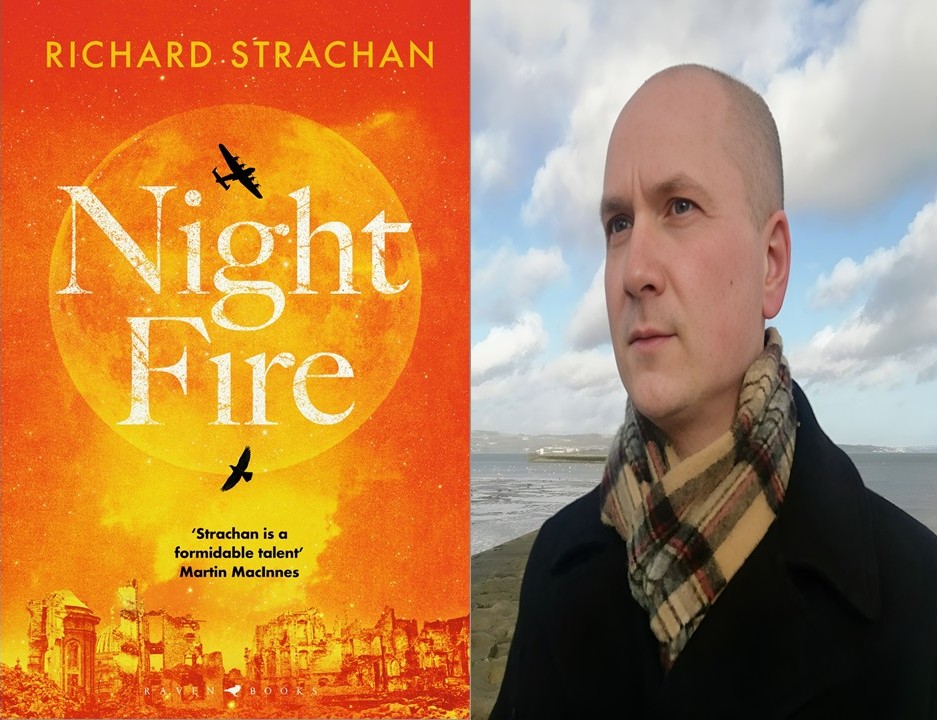
AUTHOR INTERVIEW & SIGNING
29 April 7pm @BlueRoomLincoln
@RWStrachan1977 Night Fire
Richard Strachan in conversation @PrecariousGoth1 about his new novel, a moving story of #WW2 jeopardy set in #Lincoln
Tickets: ticketsource.com/lindumbooks
#BomberCommand #historicalfiction
2
4
92
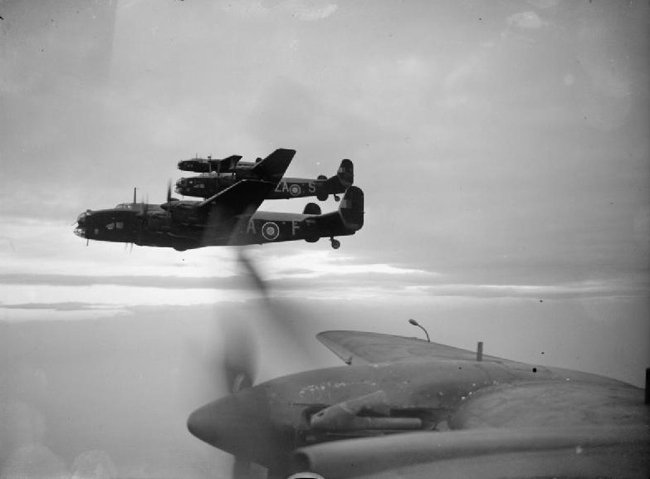
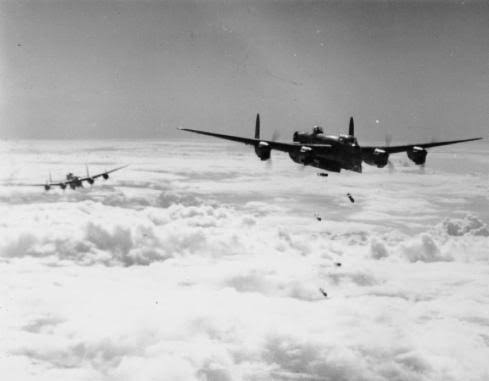
#onthisday 30 March 1944 – Out of 795 Lancasters, Halifaxes & Mosquitos sent to attack Nuremberg, 95 bombers do not return, making it the largest RAF Bomber Command loss of the war.
Night of 30/31 March 1944 report: Nuremberg attacked by 572 Lancasters, 214 Halifaxes & nine Mosquitos (795 aircraft).
Unusually clear weather, contrails formed lower than usual. Bomber stream flew straight track, no evasive routing, led the Germans quickly to decide that Nuremberg was the target.
The night fighters reached the bomber stream at the Belgian border; more than 82 bombers were lost before Nuremberg & 13 bombers were shot down on the return, 11.9 per cent loss. It was the costliest RAF Bomber Command mission of the war & ended the Battle of Berlin.
Pilot Officer Cyril Barton, a Halifax pilot of 578 Squadron, was awarded a posthumous Victoria Cross.
____
#onthisdayinhistory #history #march30th #britishhistory #lestweforget #raf #royalairforce #bombercommand #secondworldwar
Visit @IntBCC
4
15
81
1,127
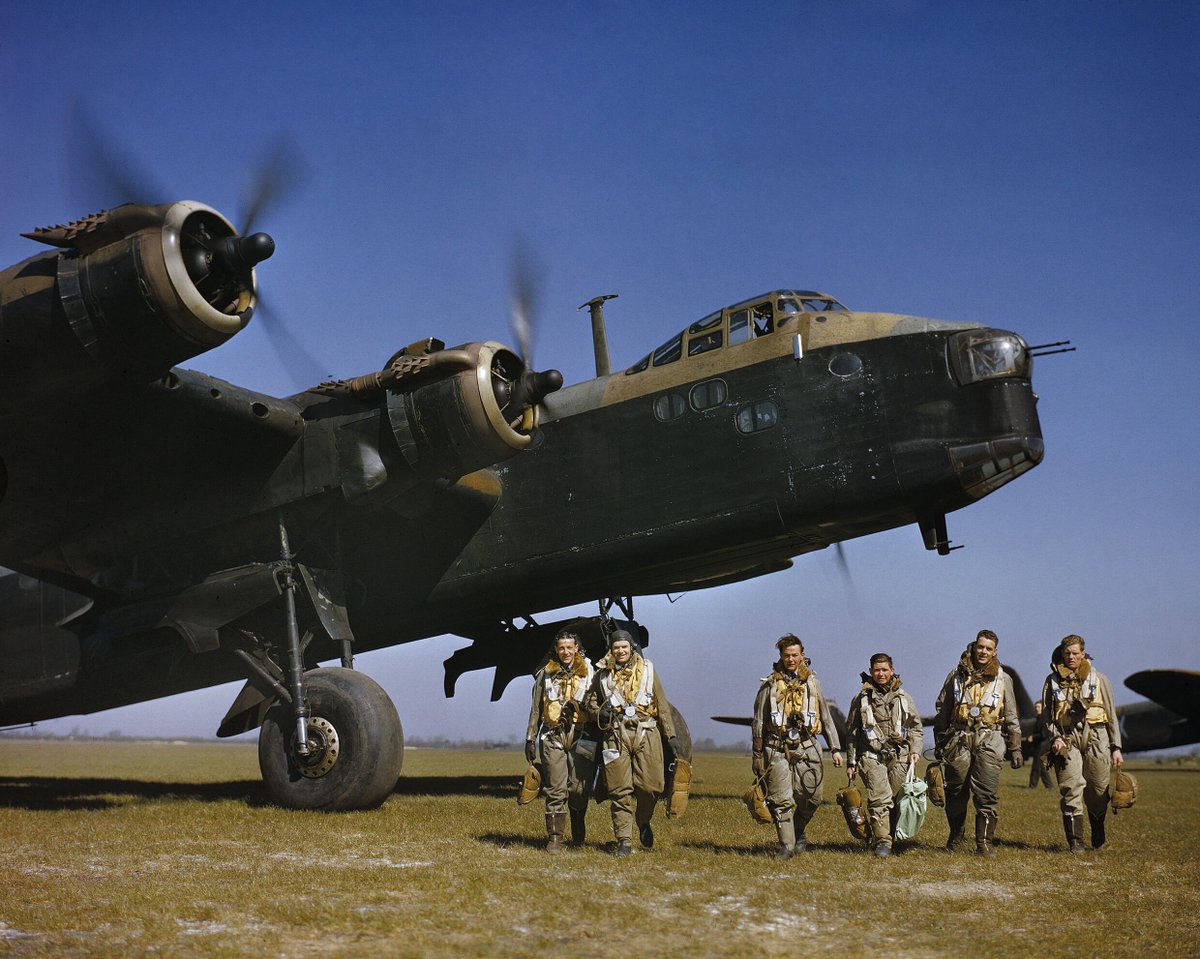
Short Stirling Mk I of No. 1651 Heavy Conversion Unit at Waterbeach in Cambridgeshire, 1942. 🇬🇧
Aircrew in full flying kit walking beneath the nose of Short Stirling Mark I, N3676 'S', of 1651 Heavy Conversion Unit at Waterbeach, Cambridgeshire while the ground crew run up the engines.
The pilot (2nd from left) has been identified as an American 🇺🇲, Sergeant Leonard A Johnson. Also believed to be shown are Sergeant Rennie, engineer (far right), Sergeant Jock McGown, rear gunner (2nd from right), Sergeant Agg (3rd from right), Sergeant Lofthouse (4th from right) & Sergeant J King, navigator (left).
_____
#britishhistory #raf #royalairforce #bombercommand #history @intbcc
3
16
82
2,795
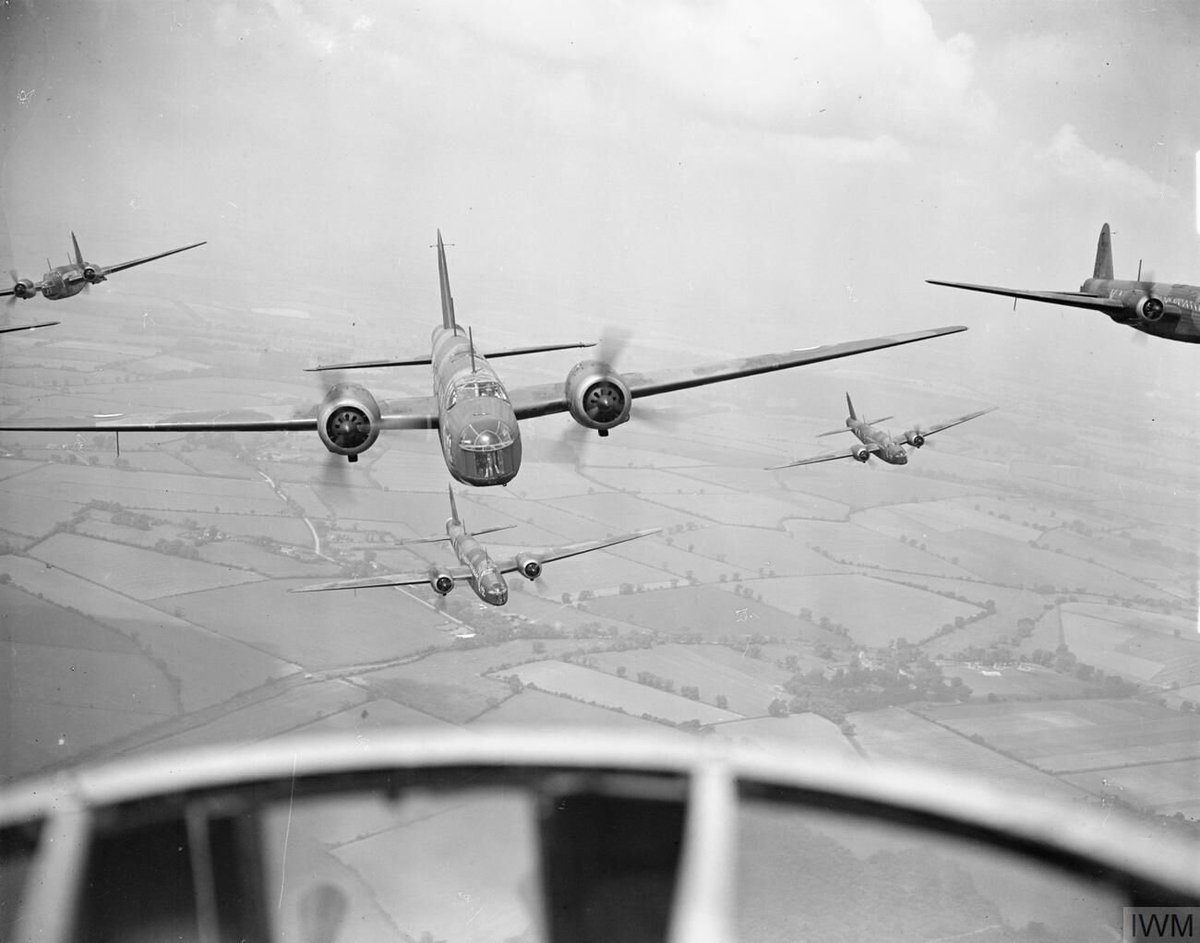
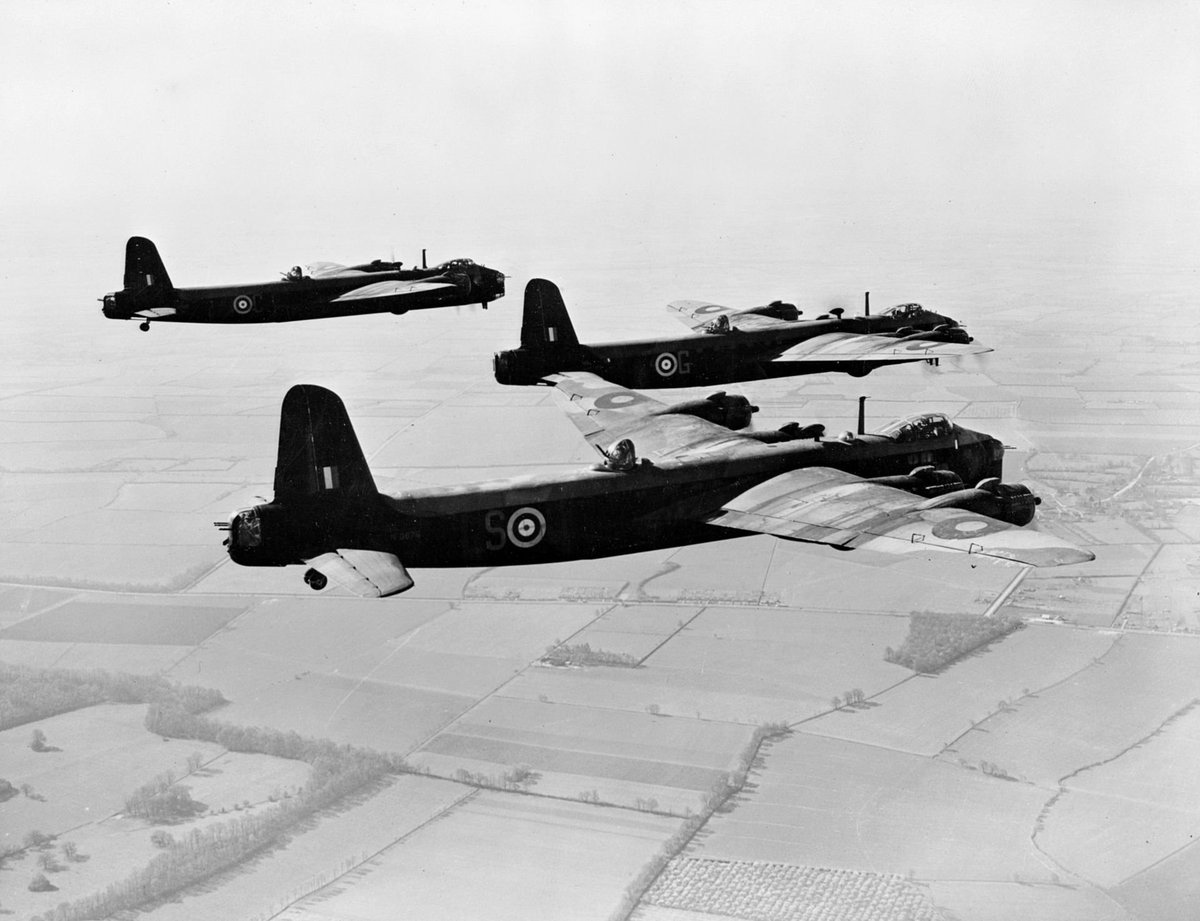
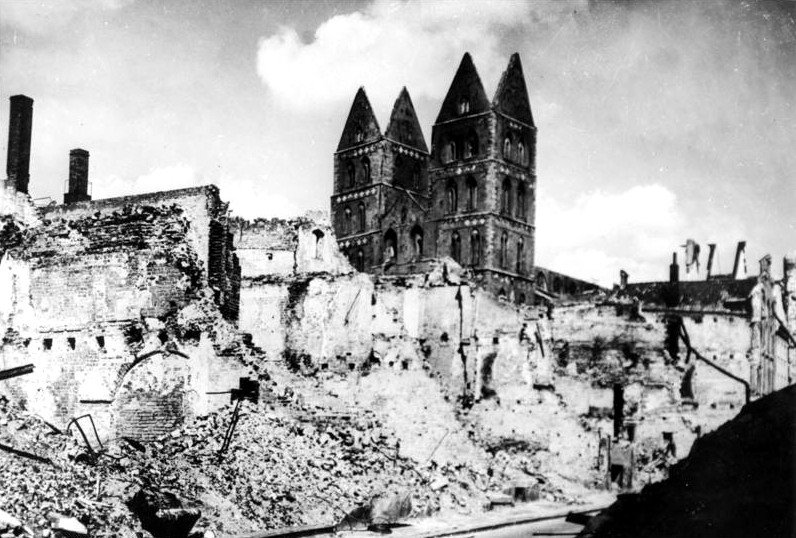
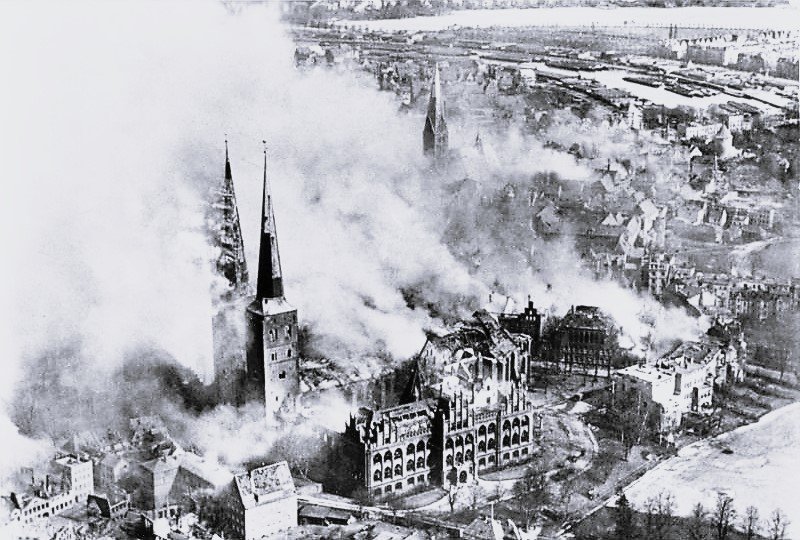
#onthisday 28/29 March 1942 – The Bombing of Lübeck (World War II)
The city of Lübeck was the first German city to be attacked in substantial numbers by the Royal Air Force. The attack on the night of 28 March 1942 created a firestorm that caused severe damage to the historic centre, with bombs destroying three of the main churches & large parts of the built-up area. It led to the retaliatory "Baedeker" raids on historic British cities.
Although a port, & home to several shipyards, including the Lübecker Flender-Werke, Lübeck was also a cultural centre & only lightly defended. The bombing followed the Area Bombing Directive issued to the RAF on 14 February 1942 which authorised the targeting of civilian areas.
Lübeck, a Hanseatic city & cultural centre on the shores of the Baltic Sea, was easy to find under the light of the full moon on the night of Saturday 28 March 1942 & the early hours of 29 March (Palm Sunday). Because of the hoar frost there was clear visibility & the waters of the Trave, the Elbe-Lübeck Canal, Wakenitz & the Bay of Lübeck were reflecting the moonlight. 234 Wellington & Stirling bombers dropped about 400 tons of bombs including 25,000 incendiary devices & a number of 1.8 tonne landmines. RAF Bomber Command lost twelve aircraft in the attack.
There were few defences, so some crews attacked as low as 600 metres (2,000 feet) although the average bombing height was just over 3000 metres (10,000 feet). The attack took place in three waves, the first, which arrived over Lübeck at 23:18, consisting of experienced crews in aircraft fitted with Gee electronic navigation systems (Lübeck was beyond the range of Gee but it helped with preliminary navigation). The raid finished at 02:58 on Sunday morning. 191 crews claimed successful attacks.
Blockbuster bombs in the first wave of the raid opened the brick & copper roofs of the buildings & the following incendiaries set them afire. 1,468 (or 7.1%) of the buildings in Lübeck were destroyed, 2,180 (10.6%) were seriously damaged & 9,103 (44.3%) were lightly damaged; these represented 62% of all buildings in Lübeck. The bombing of Lübeck struck a corridor about 300 metres (330 yards) wide from Lübeck Cathedral to St. Peter's Church, the town hall & St. Mary's Church. There was another minor area of damage north of the Aegidienkirche. St. Lorenz, a residential suburb in the west of the Holstentor, was severely damaged. The German police reported 301 people dead, three people missing, & 783 injured. More than 15,000 people lost their homes.
Arthur Harris, Air Officer Commanding Bomber Command, described Lübeck as "built more like a fire-lighter than a human habitation". He wrote of the raid that "[Lübeck] went up in flames" because "it was a city of moderate size of some importance as a port, & with some submarine building yards of moderate size not far from it. It was not a vital target, but it seemed to me better to destroy an industrial town of moderate importance than to fail to destroy a large industrial city". “However”, he continued, “the main object of the attack was to learn to what extent a first wave of aircraft could guide a second wave to the aiming point by starting a conflagration”. It was thus an experimental raid for the developing Bomber Command force. He goes on to describe that the loss of 5.5% of the attacking force was no more than to be expected on a clear moonlit night, but if that loss rate was to continue for any length of time RAF Bomber Command would not be able to "operate at the fullest intensity of which it were capable".
_____
#britishhistory #history #onthisdayinhistory #march29th #lestweforget #raf #royalairforce #bombercommand @IntBCC
4
23
569
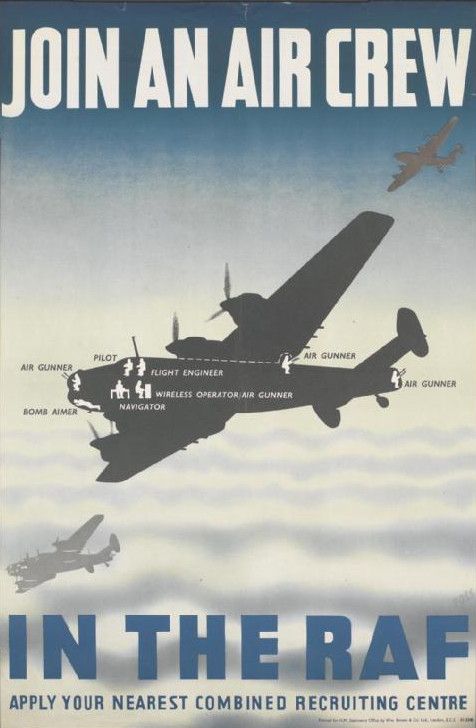
Royal Air Force recruitment poster, Second World War.
#raf #royalairforce #bombercommand @IntBCC @RoyalAirForce @RAFMUSEUM
1
3
21
577
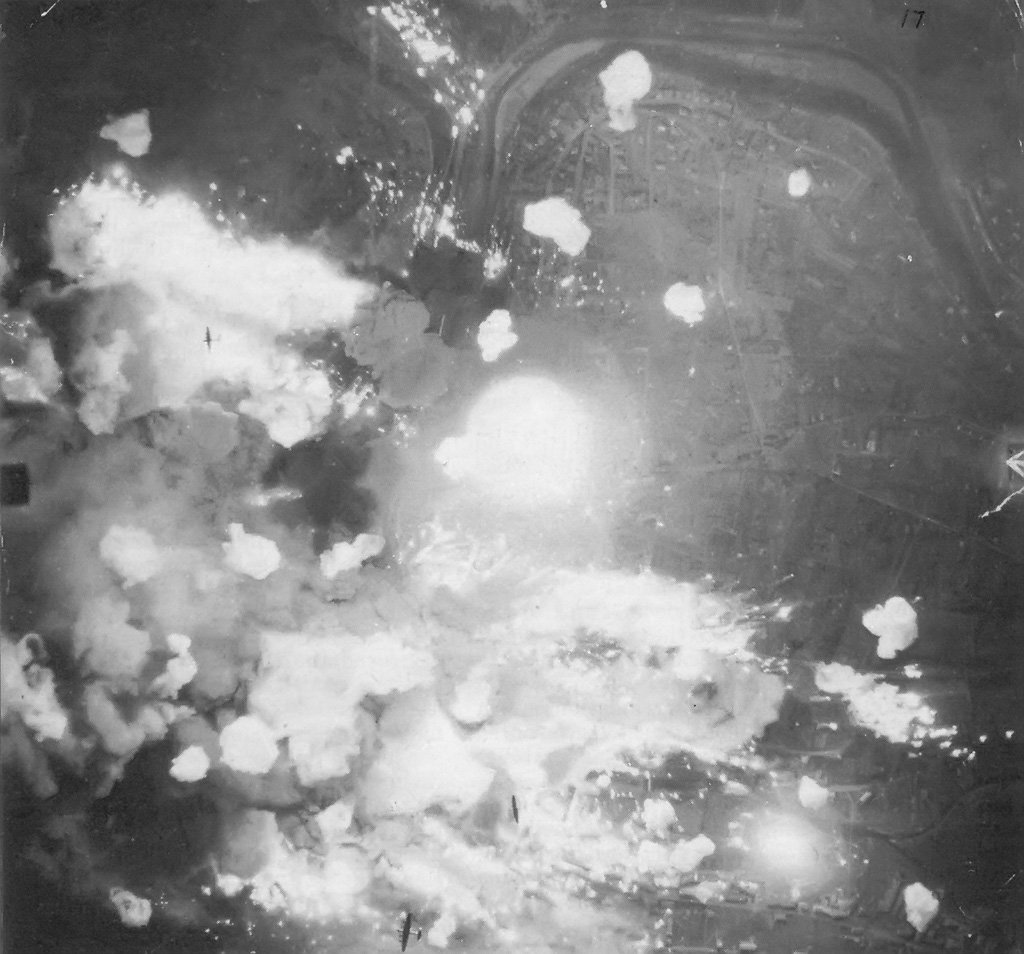
Night of 24/25 March 1944: Berlin was the main target for RAF Bomber Command. The bomber stream was scattered & those that reached the city bombed well out to the south-west of the Großstadt.
The RAF lost 72 aircraft, 8.9 per cent of the force.
Image: 1. An RAF night bombing photograph taken using the 'master/slave' camera technique. The aircraft lower down are Avro Lancasters.
_____
#lestweforget #remembrance #britishhistory #royalairforce #raf #bombercommand #secondworldwar #onthisdayinhistory @intbcc @RAFMUSEUM @RoyalAirForce
2
3
15
432
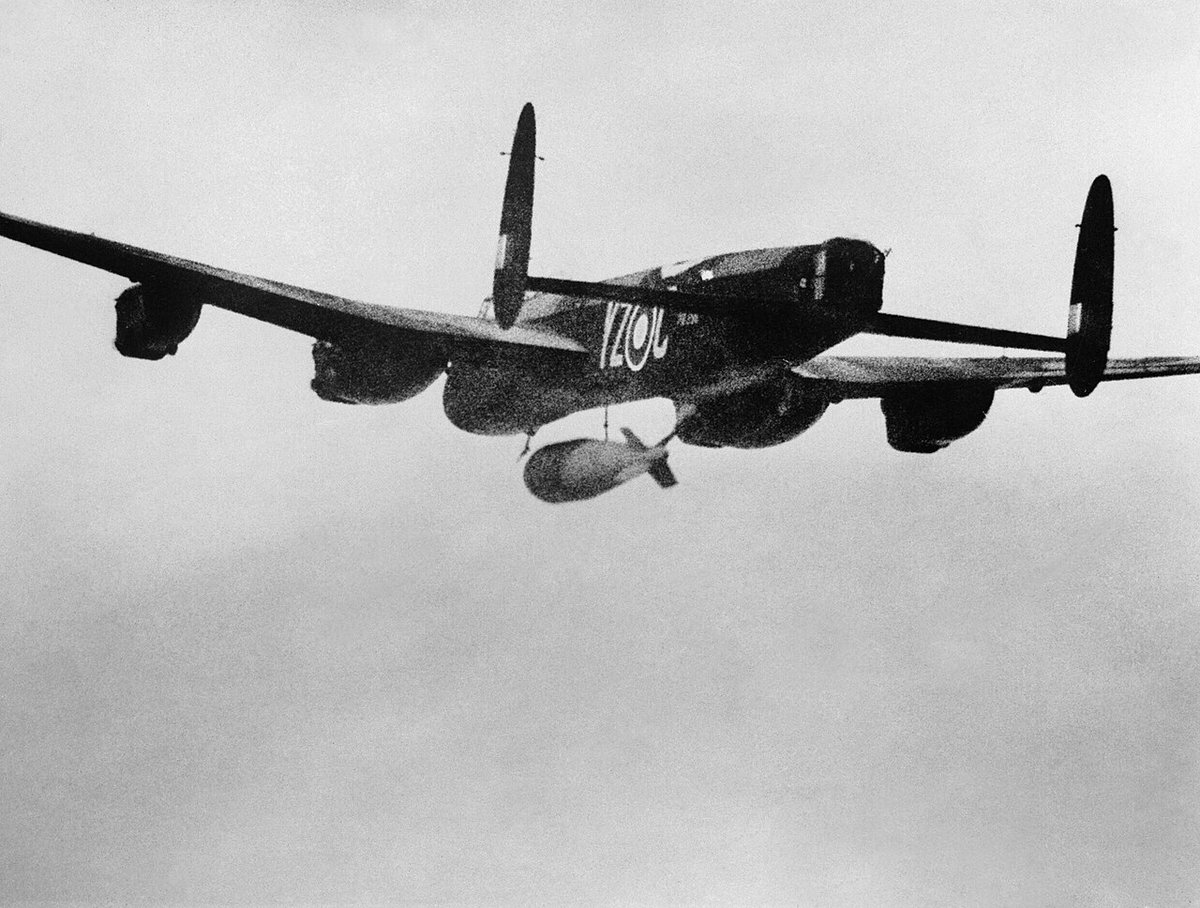
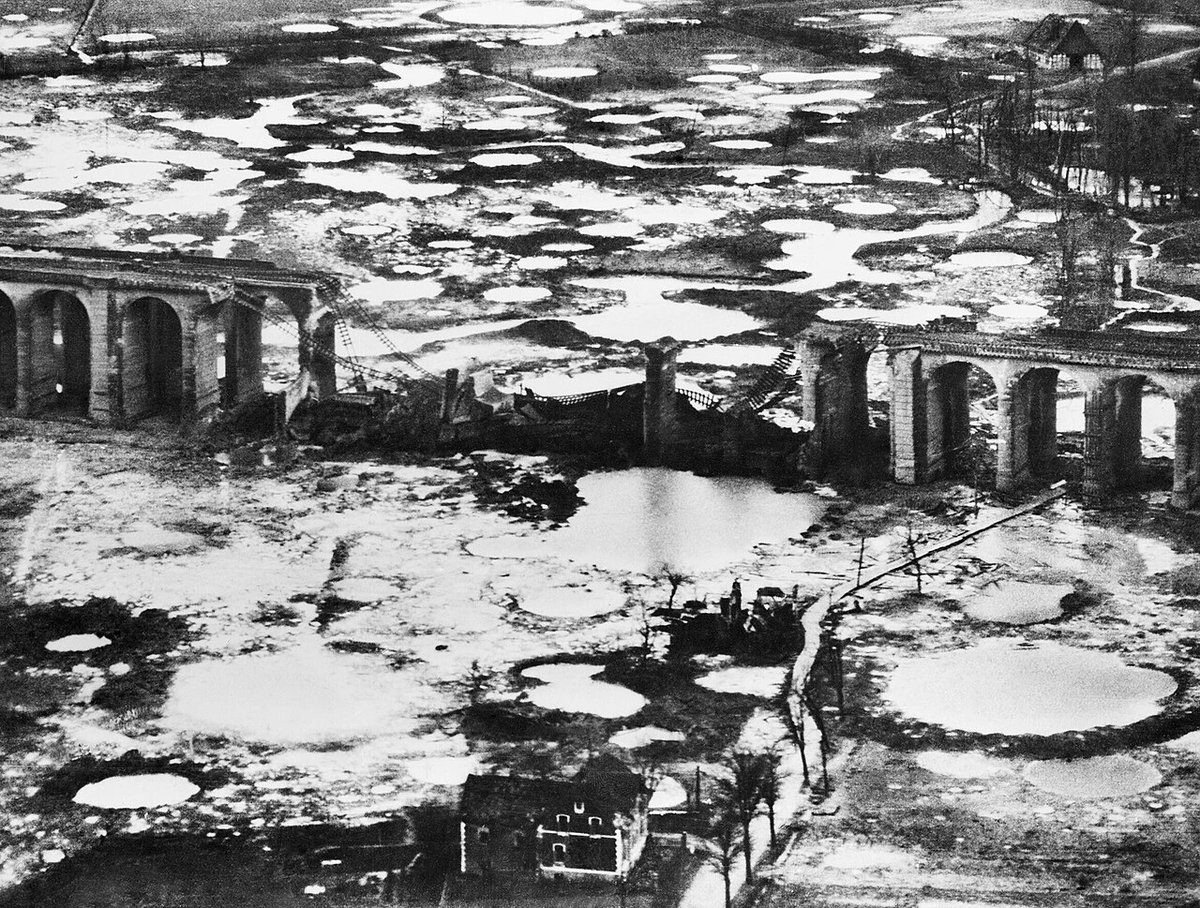
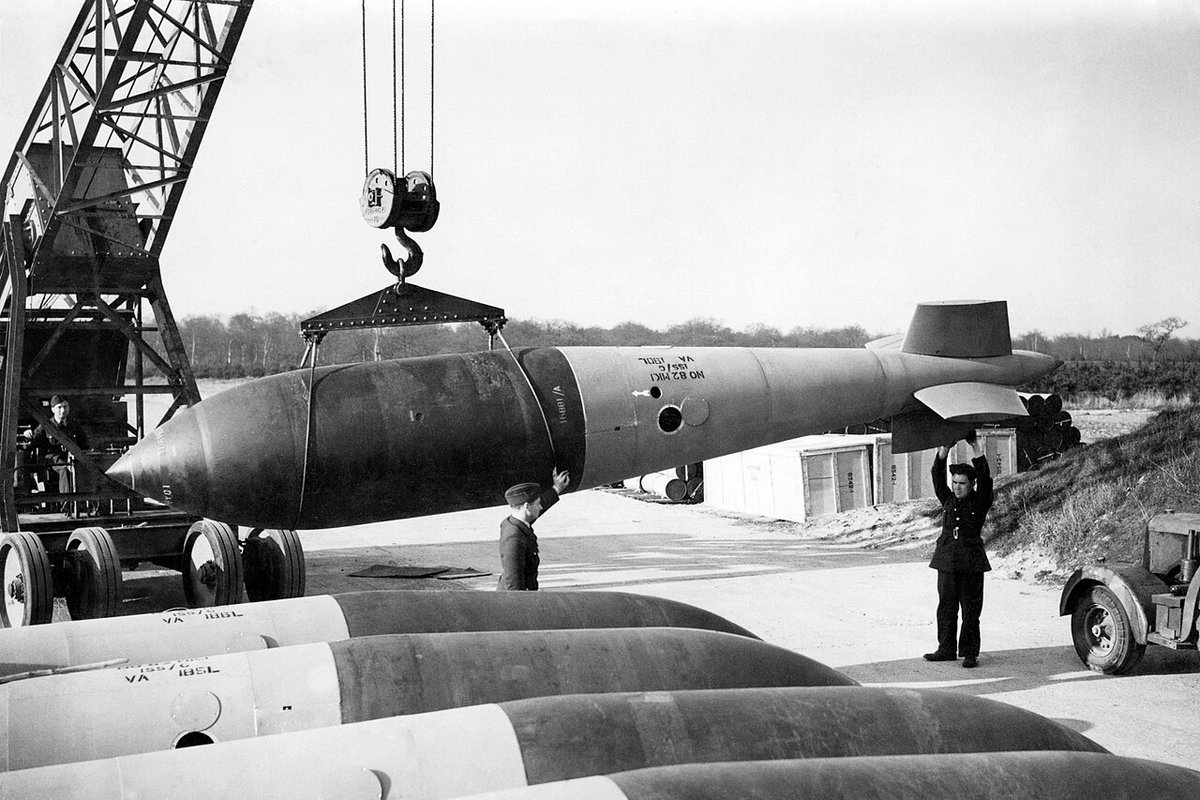
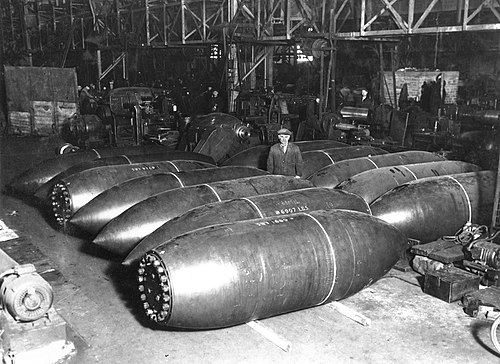
#onthisday 14 March 1945 – The R.A.F. drop the Grand Slam bomb in action for the first time, on a railway viaduct near Bielefeld, Germany.
#raf #royalairforce #bombercommand
@IntBCC @RoyalAirForce
1
5
27
5,763