
Jun 11
Nobody talks about the moment open source actually clicks.
You've been using a library for months.
You hit a bug. The docs don't cover it.
Stack Overflow has nothing.
So you open the source code.
And for the first time — you read it.
Not to contribute. Not to learn. Just to find the answer.
And you find it. In 20 minutes. Inside 3 files.
That's the moment.
The moment you realize the source code is the documentation.
That the answer was always there — you just never thought to look.
After that moment, everything changes:
→ You stop being afraid of "how does this actually work"
→ You start trusting your own ability to find answers
→ You file better bug reports — with line numbers, not vibes
→ You write better code — because you've seen good code up close
→ You become a more confident contributor — because now you've
been inside the thing
Every developer has this moment.
Most haven't had it yet — not because they're not ready,
but because nobody told them they were allowed to just open
the file and look.
You're allowed. The source code is right there.
ossphere.dev
When did open source first click for you?
Drop it below 👇
#OpenSource #BuildInPublic #SoftwareCraft #GitHub #DeveloperGrowth #CodeReading #OSS
1
9
Jun 11
The best software interview question I ever heard wasn't
about algorithms.
It was: "Tell me about an open source project you use daily
and explain one thing about how it works internally."
Most candidates couldn't answer it.
Not because they weren't smart — but because they had never
looked inside the tools they depend on every single day.
Here's what looking inside actually teaches you:
→ Why abstractions exist — not just what they do
→ How tradeoffs get made under real constraints
→ What "good enough" looks like in production code
→ How experienced engineers name and organize things
→ Why your ORM generates that SQL — and when to bypass it
→ How your HTTP client handles retries, timeouts, redirects
→ What your test runner does between "run" and "pass"
→ Why your build tool makes the choices it makes
The developers who understand their tools at one level deeper
than the documentation write better code with those tools.
They also debug faster. Contribute better PRs.
And give more interesting interview answers.
GitHub has the source code for everything you use.
The README is the surface. The src folder is the education.
ossphere.dev
What tool do you use daily but have never looked inside?
Drop it below 👇
#OpenSource #SoftwareCraft #GitHub #BuildInPublic #DeveloperGrowth #CodeReading #SoftwareEngineering
1
9


#willwritesandcodes
#100DaysofCode
#Day228
Read ~12pg of #LionsCommentary on #Unix, both chapters: Fundamentals (did skip page of assembly instructions, will read it later) & on #CodeReading C code. Browsed the source code for awhile, too. Definitely learning some things.
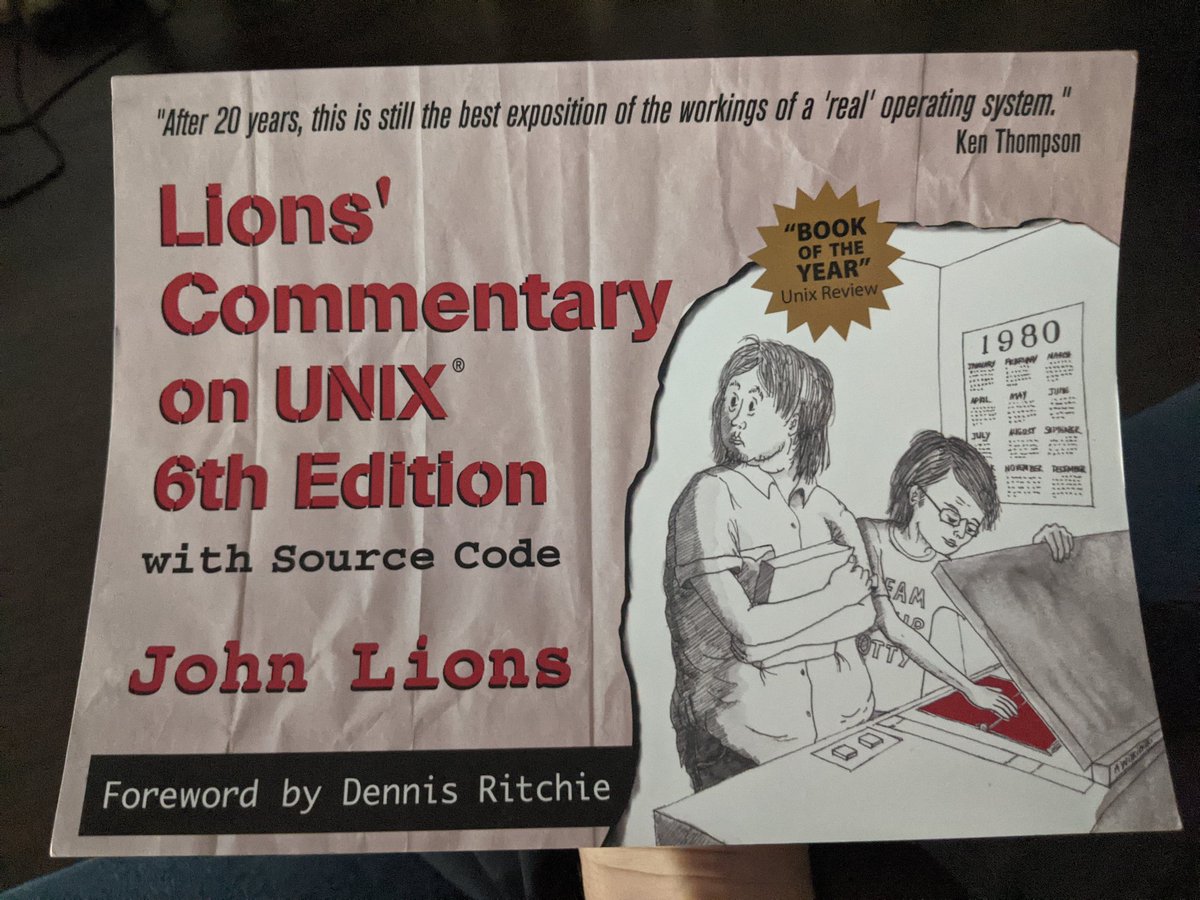
1
1
172

CodeReading本そこら辺がよく言語化されていてよかった記憶。もうだいぶ古いので、今ならエディタの機能で楽になることも多いけど。
amzn.asia/d/9KceTGT
21 Dec 2023

これ投げとけば、おけ。みたいなものが欲しい
4
981

10 Jul 2023
📢 Join us for a transformative learning experience at our upcoming webinar: "Code Reading for Testers" with the incredible @Der_Pesse! Don't miss this opportunity to enhance your skills and unlock the power of code reading. 💻
➡️ shorturl.at/lotEJ
#CodeReading

1
206
4 Jul 2023
Unlock the power of code reading in testing. Join @Der_Pesse at our webinar to learn expert tips and techniques. Level up your testing game!
Secure your spot now: tinyurl.com/yc6z6am2
#CodeReading #TestingWebinar

301
30 Jun 2023
Unlock the power of code reading in testing. Join Samuel Nitsche at our webinar to learn expert tips and techniques. Level up your testing game!
Secure your spot now: tinyurl.com/yc6z6am2
#CodeReading #TestingWebinar

2
2
397

Because machine can work faster and tirelessly, code reading was, as early as 1973, a significant motivator for the deployment of #MachineVision in commercial product applications.
Read more: euresys.com/en/About-us/Blog…
#computervision #codereading
1
2
50

24 Apr 2023
Don't miss out on #SoCraTes UK #training day. 10 great trainers, 9 great sessions.
buff.ly/2uITA1x
#BDD #TDD #TBD #Kotlin #MobProgramming #EnsembleProgramming #Observability #DateHandling #LegacyCode #CodeReading #Software
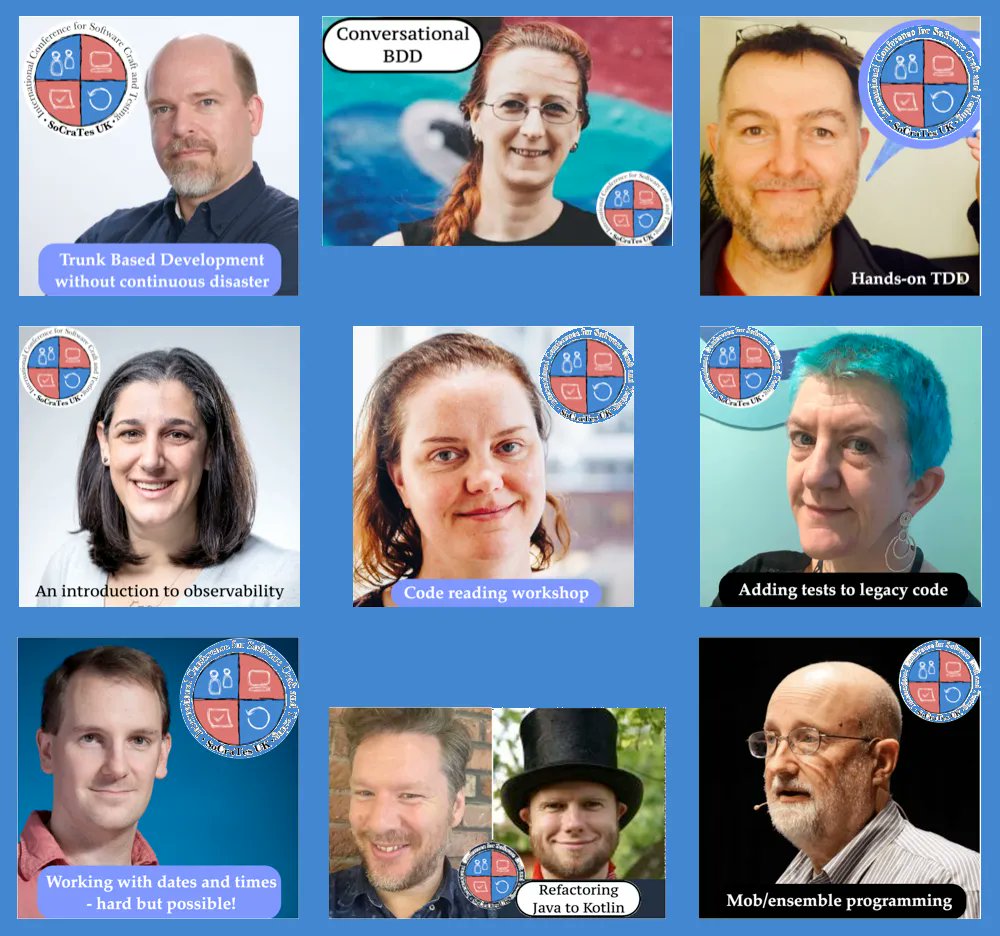
ALT Nine great sessions, ten great trainers at SoCraTes UK Training Day
4
9
2,903

29 Mar 2023
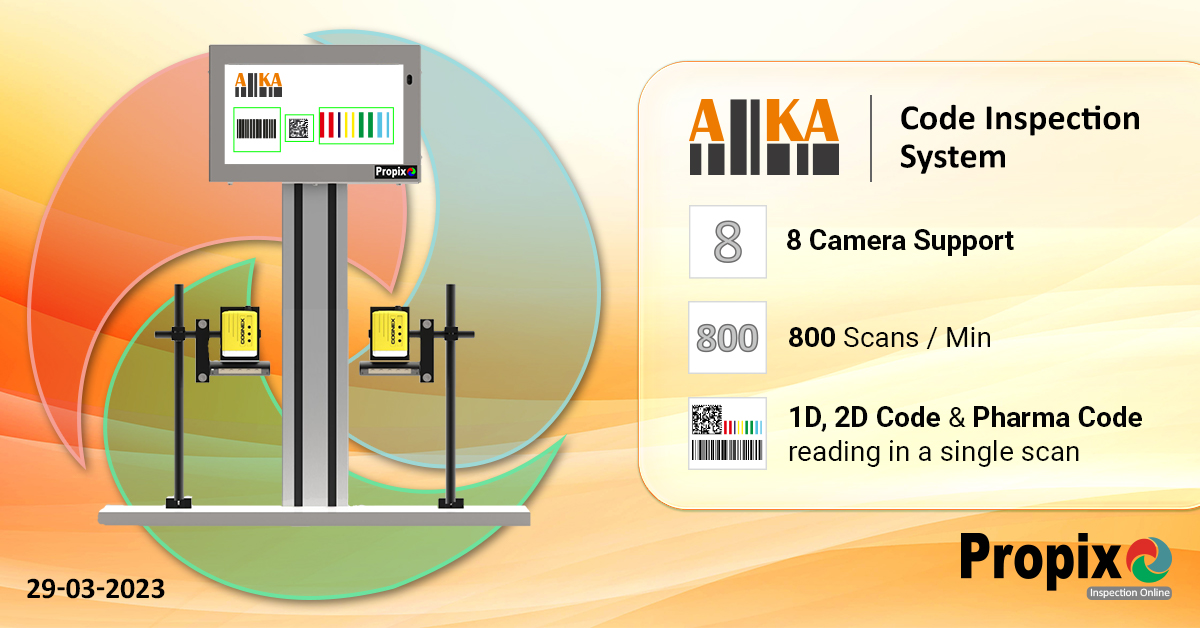
Aiika, the code inspection system from Propix Technologies reads all types of 1D, 2D, and Pharma codes with a high reading rate. Aiika is suited for applications in fields like Food & Beverages, FMCG, Pharmaceuticals and Print industries.
#Propix #Inspection #Codereading
2
2
58

8 Mar 2023
Very excited to be hosting a #codereading workshop based on the work of @felienne at @SoCraTes_UK in July, alongside some workshops by other amazing people like @lunivore @ClareSudbery @jonskeet @WoodyZuill - Get your tickets now! socratesuk.org/training_day.…
1
6
22
4,237

7 Jan 2023
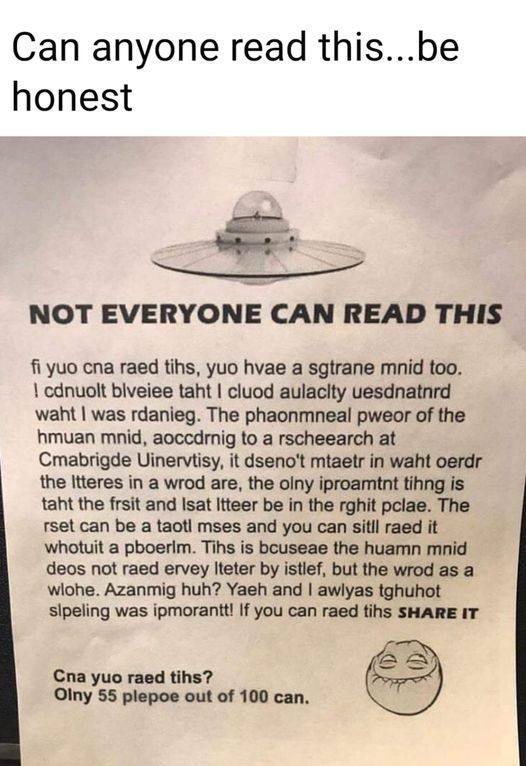
That's excellent ! Try to read this my friends. With this codereading you could fool the censorship algorithm of hell.
1
1
4
65

15 Nov 2022
Did you know that you can take care of presence detection, color detection, shape detection, AND code reading with a single device? Omron’s MicroHAWK smart cameras cover all these needs in just ONE field of view!
#smartcamera #vision #machinevision #codereading #traceability
2
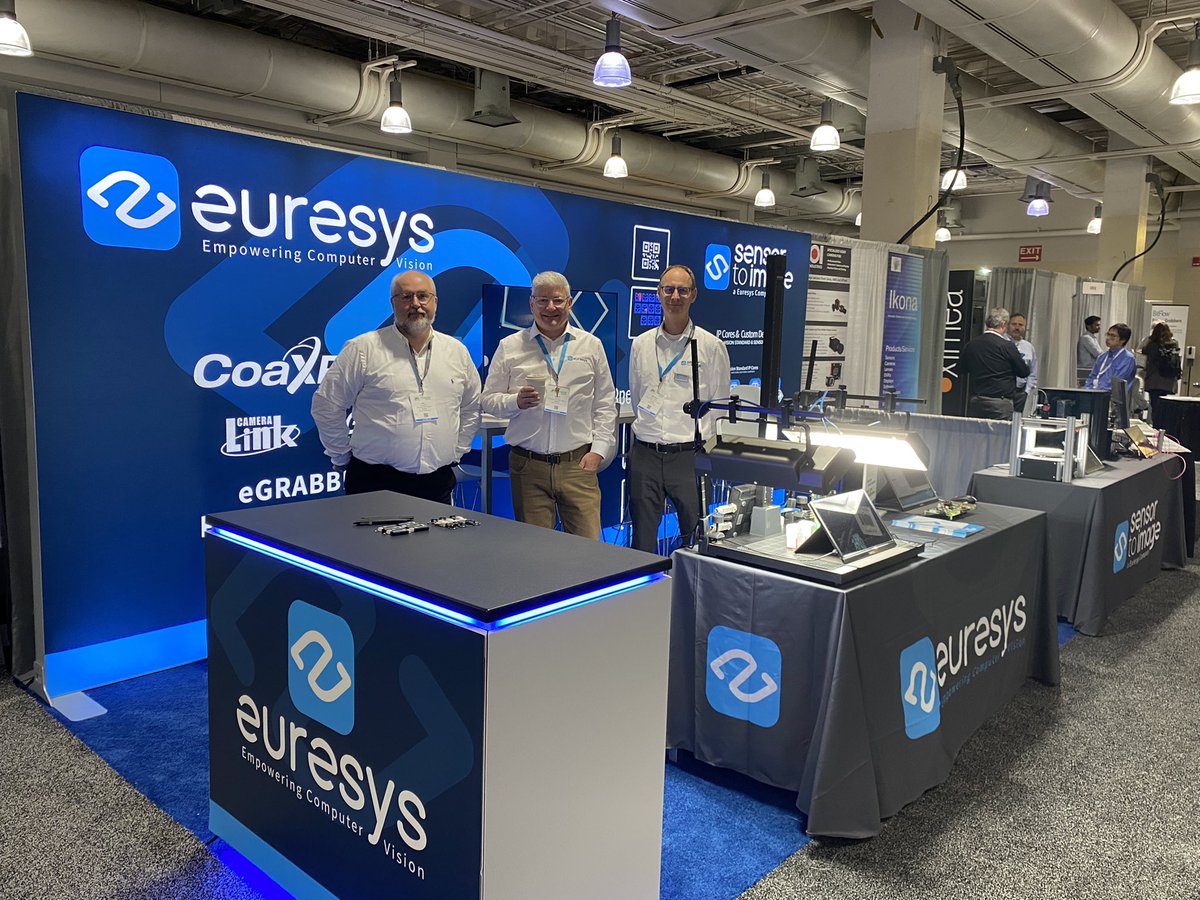
After Stuttgart, we are now in Boston for the Vision Show.
Meet Euresys team on booth 511 to discuss high-speed vision. 🚀
A3 Vision & Imaging
#computervision #machinevision #coaxpress #cameralink #fiber #deeplearning #codereading #ipcores #gigevision
1
1

26 Sep 2022
読んでみよう!ということでシェア😆
php-srcを読んでみよう / php-src codereading @tzm_freedom
#phpcon #phpcon2022
speakerdeck.com/tzmfreedom/p…
1
3

Next version will be updated about usability for multiple panes.
#buildinpublic #codereading
2

Do you need to read bar codes, Data Matrix codes or QR codes? Watch our video:
youtube.com/watch?v=lI15Y5X0…
The presentation introduces Open eVision code reading libraries and explains the reasons & advantages of using image analysis libraries for solving #codereading applications.
1
3

28 Nov 2021
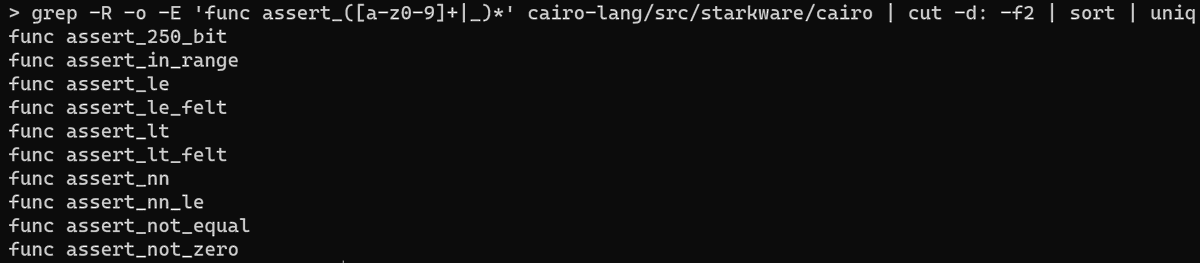
List of assertions available in @CairoLang using CLI-fu
$ git clone github.com/starkware-libs/ca…
$ grep -R -o -E 'func assert_([a-z0-9] |_)*' cairo-lang/src/starkware/cairo | cut -d: -f2 | sort | uniq
#codereading
2
1
12