
The first AI capability should not be selected because it sounds impressive. That is how organizations end up with vague chatbot ideas, unclear ownership, weak workflows, and prototypes that do not prove much.
A better first capability is valuable, bounded, testable, and realistic. It should happen frequently, consume meaningful human time, have available data or documents, stay within manageable risk, support human review, and produce measurable output.
For Microsoft-based organizations, strong first candidates often include ticket classification, invoice term extraction, incident summarization, policy section summaries, missing-information detection, internal response drafting, document comparison, or escalation recommendations.
These are decision-support tasks. They create value while keeping a human in control. That is usually the right place to start before moving toward higher-risk action-taking capabilities.
The key is to score candidate ideas honestly on business pain, data readiness, workflow clarity, security complexity, human review feasibility, ROI, stakeholder ownership, and production complexity.
The production workflow behind this video was built using the same methodology I apply for enterprise clients — I identified a real production bottleneck, evaluated AI options, and built a .NET-integrated workflow using AI tools to deliver it faster, better, and at lower cost. The thinking that improved my own workflow is the same thinking I bring to yours.
Explore more practical, applied enterprise AI insights at AInDotNet.com.
#EnterpriseAI
#AIPrototype
#AIImplementation
#AIAssistants
#MicrosoftAI
#DotNet
#AzureOpenAI
#AIArchitecture
#AIGovernance
#BusinessAutomation
#WorkflowAutomation
#ProductionAI
#AIAdoption
#DecisionSupport
#HumanInTheLoop
#SQLServer
#SharePoint
#Microsoft365
#SemanticKernel
#AInDotNet
1
1
5

⚠️ “Decision support” with nuclear stakes? Congrats, you’ve taught chatbots to pick the most catastrophic option fast. Real lesson: AI in critical loops = autopilot for bad judgment.
windowsforum.com/threads/ai-…
#ArtificialIntelligence #DecisionSupport #AiSafety #NuclearRisk

6

Jun 12
Benefits and claims work can get complicated fast.
SteerBridge helps teams organize complex information, reduce review friction, and support human experts with decision-support tools built around the way the work actually happens.
Learn more: steerbridge.com/benefits-dec…
#DecisionSupport #GovCon #ResponsibleAI
2

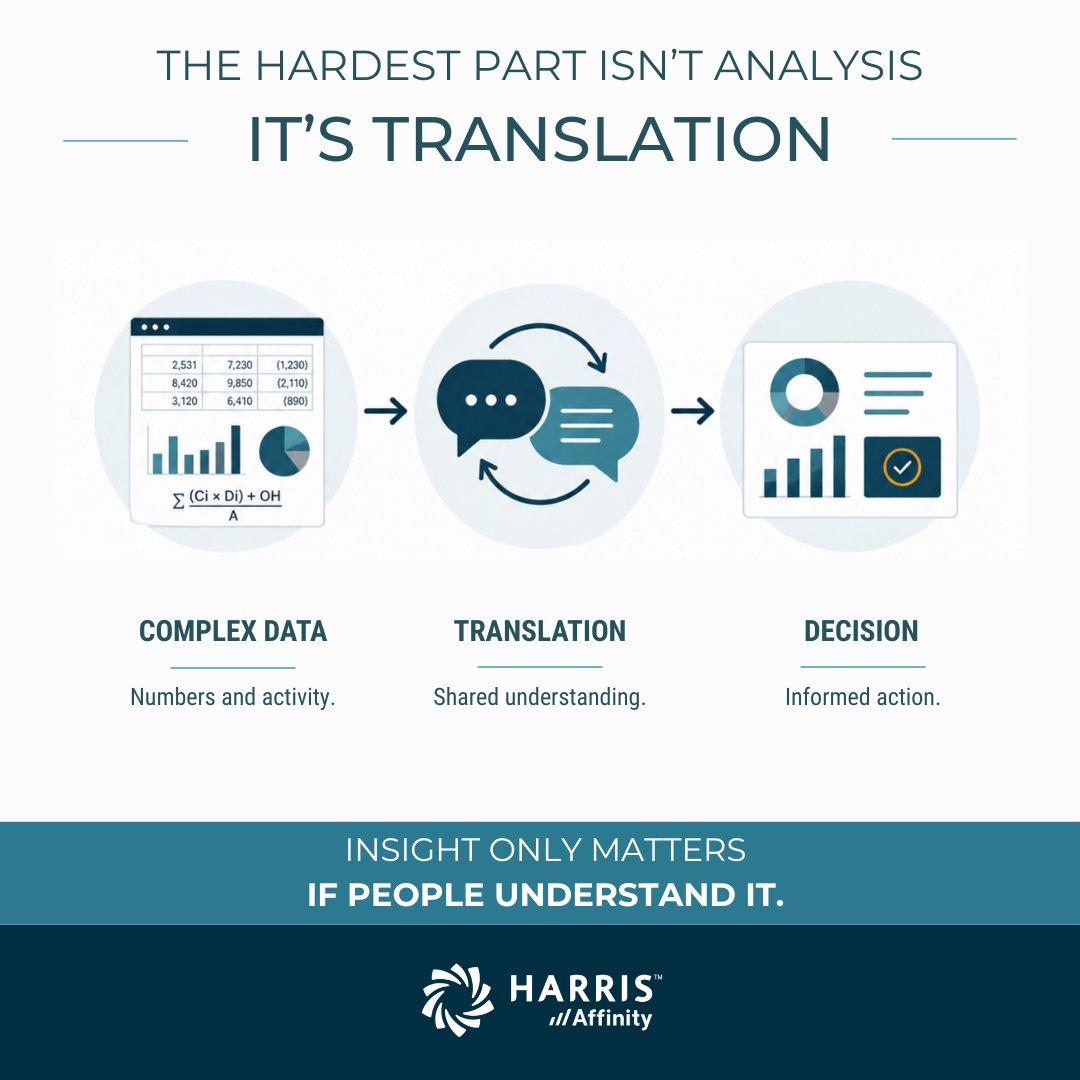
The hardest part of healthcare finance isn't analysis.
It's translation.
Turning complex information into decisions leaders can understand and act on.
Harris Affinity Decision Support™ helps support that process.
#HealthcareFinance #DecisionSupport #HarrisAffinity #ADS
1
25
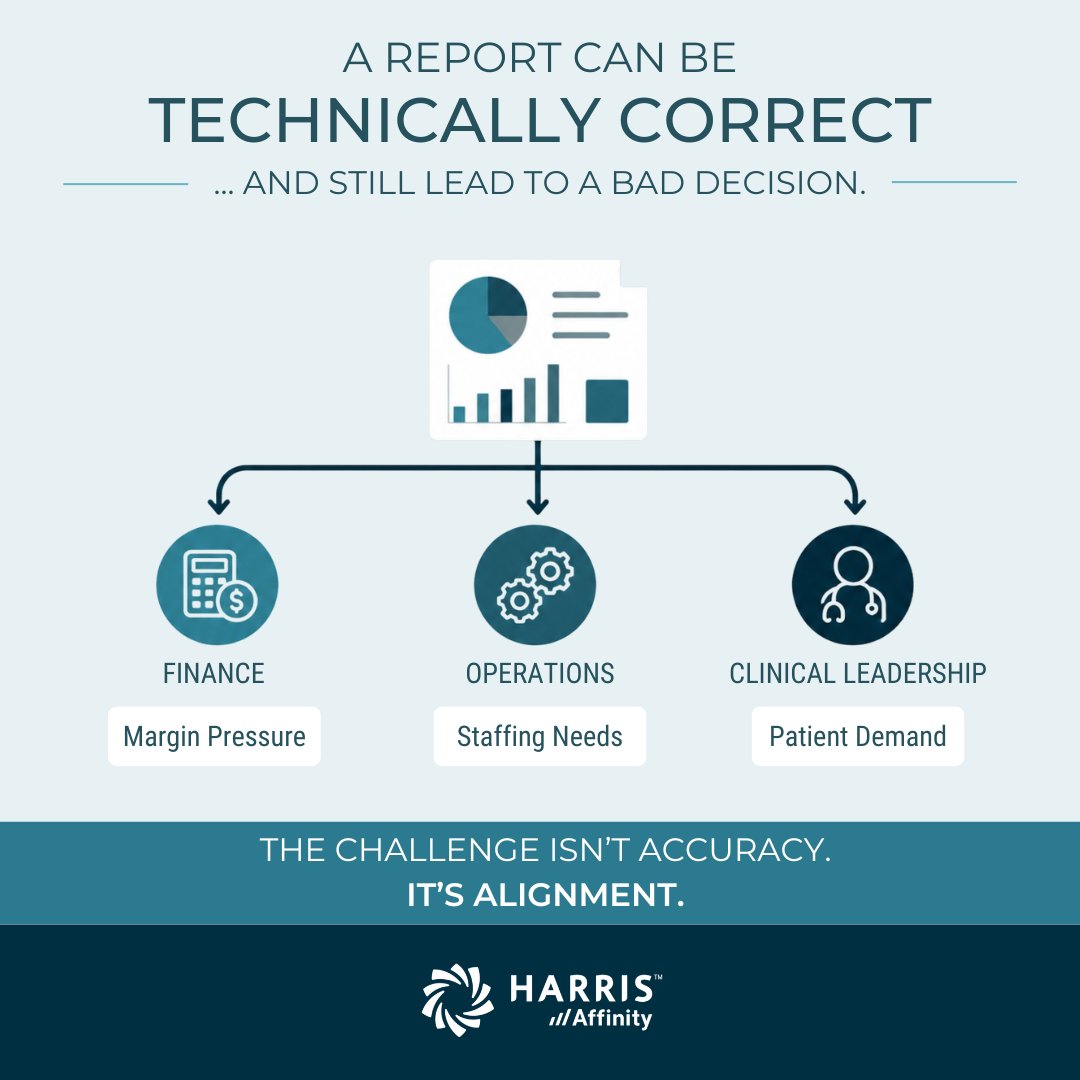
A report can be technically correct... and still lead to a bad decision.
Not because the numbers are wrong, but because different teams interpret them differently.
Accuracy matters.
Alignment matters too.
#HealthcareFinance #DecisionSupport #HarrisAffinity #ADS
1
2

📢 #Call_for_Reading #SupplyChain #PortManagement #DecisionSupport
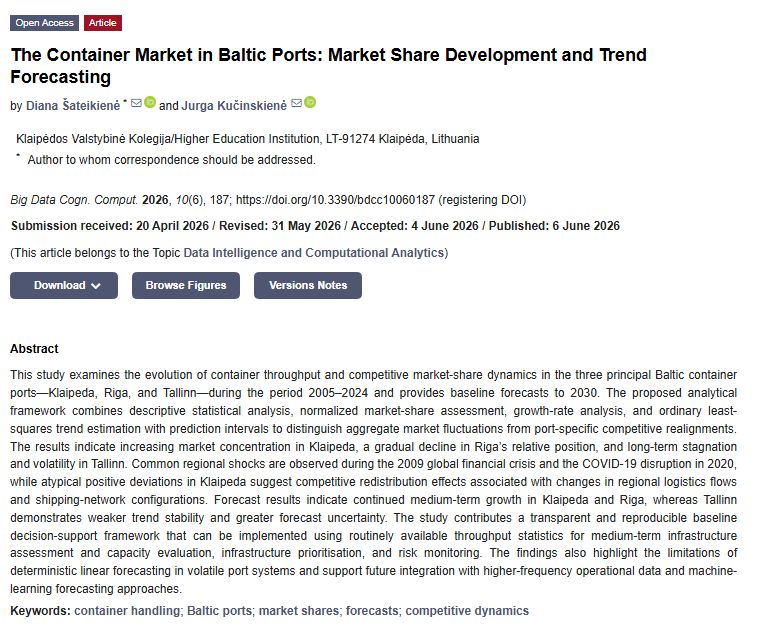
📖 The Container Market in Baltic Ports: Market Share Development and Trend Forecasting
By Diana Šateikiene and Jurga Kučinskienė
🔗 brnw.ch/21x3bPU
8


🤖⚠️ AI in healthcare is not a “who’s best” problem.
It’s a “what are you willing to trade?” problem.
This paper does something refreshingly honest:
👉 it stops looking only at accuracy
👉 and starts looking at reality
👉 latency, reliability, deployment
The headline result
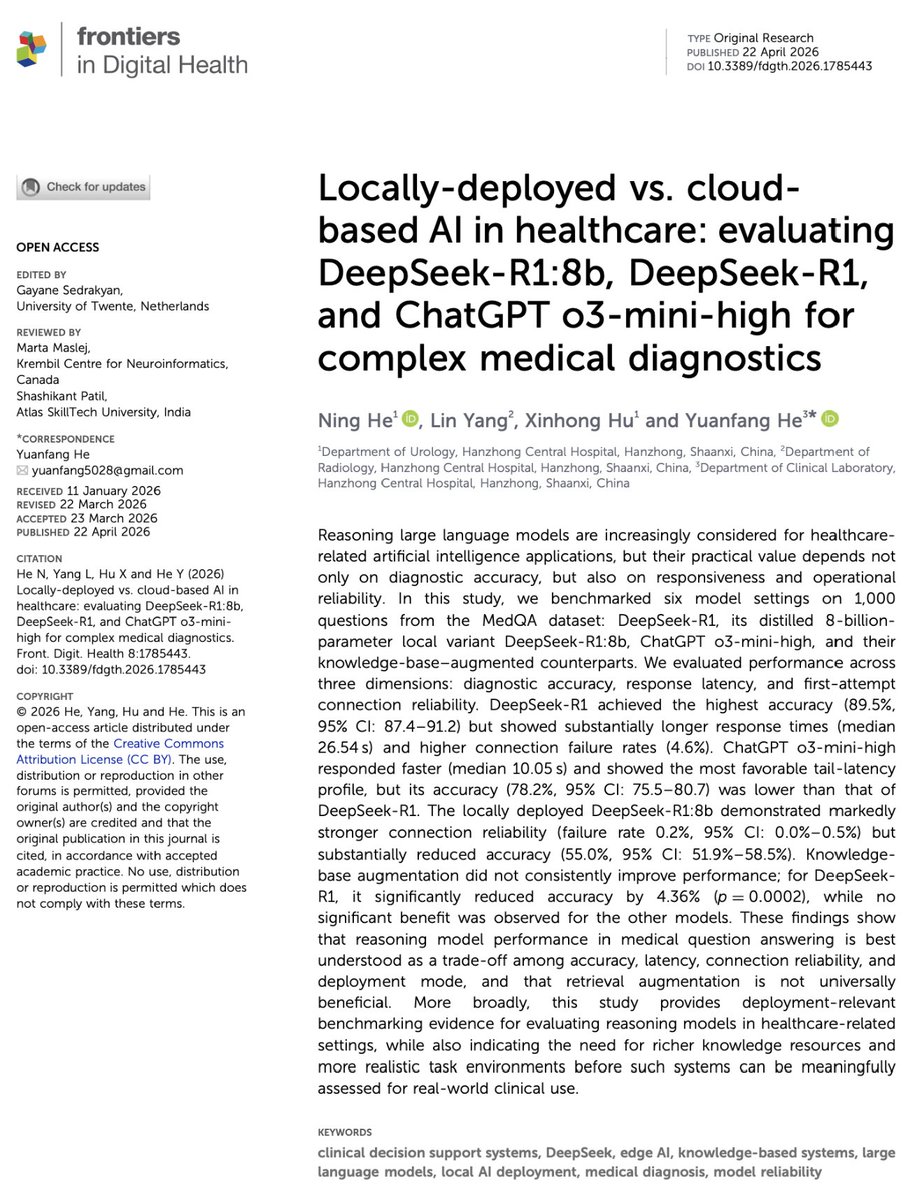
👉 DeepSeek-R1 → highest accuracy (~89.5%)
👉 ChatGPT o3-mini-high → fastest responses (~10s median)
👉 Local 8B model → almost zero failure rate (0.2%)
Translation
You can have:
✔ accuracy
✔ speed
✔ reliability
👉 pick two.
The uncomfortable truth (page 6–7 figures)
The most accurate model:
👉 is also the slowest
👉 and less reliable (timeouts, failures)
The most reliable model:
👉 runs locally
👉 almost never fails
…but:
👉 loses ~35% accuracy.
And then comes the myth-busting
“Let’s just add RAG and fix everything.”
Not really.
👉 RAG reduced accuracy in the best model
👉 and didn’t significantly help the others
Translation
More data ≠ better answers
More context ≠ better reasoning
Sometimes: 👉 more noise = worse decisions
The real message
This is not about which model wins.
It’s about:
👉 where you deploy it
Because in real healthcare:
Emergency setting?
👉 you want fast reliable
Second opinion / complex case?
👉 you want accurate (even if slow)
Low-resource hospital?
👉 you want local stable
My take
Most discussions around AI in medicine are still naïve.
They assume:
👉 better model = better healthcare
This paper shows:
👉 better model = different trade-offs
Bottom line
AI is not replacing clinical decision-making.
It is:
👉 introducing engineering constraints into medicine.
And if you ignore:
👉 latency
👉 failure rates
👉 infrastructure
…you’re not doing AI in healthcare.
You’re doing demos.
#AIinHealthcare #MedTech #ClinicalAI #LLM #DigitalHealth #Radiology #DecisionSupport
1
3
549

A formal decision record isn't just paper; it's the armor you wear when the regulators arrive. Align scarce analyst time with the live threat picture. The sniper is in position. #DecisionSupport #EU #CZ #UK #Tradecraft ow.ly/Onrb30sV3zH
1
67

The industry gets loud when a seller chooses to sell off-market.
Suddenly everyone becomes concerned about “money left on the table.”
Suddenly everyone has strong opinions about what’s best.
But bring up buyer equity…
and the room gets quiet.
Because acknowledging buyer equity forces an uncomfortable truth:
Off-market transactions are not inherently bad.
They’re simply tradeoffs.
Less competition.
Better entry price.
Stronger equity position.
These outcomes exist in the same market everyone claims to protect.
The reality is this:
The real estate market doesn’t only exist for sellers.
Buyers are part of the market too.
And when buyers gain equity, that’s not market failure.
That’s market function.
The job of professionals isn’t to control outcomes.
It’s to provide decision support.
Explain the tradeoffs.
Let consumers decide.
Anything else is just narrative control.
theredecisionsupport.com
#RealEstate #DecisionSupport #HousingMarket #RealEstateIndustry
2
4
146
Real estate is a two sided market.
Tradeoffs are made every day.
Yet critics warn sellers about leaving money on the table…
while steering buyers into the most competitive environment possible without explaining the tradeoff.
More exposure often means:
More competition.
Higher prices.
Less negotiating power.
That’s not wrong.
But it is a tradeoff.
Because on the other side of the market:
Less competition often means
Better equity positions
More flexible terms
What buyer wouldn’t want access to that?
The problem isn’t off market vs on market.
The problem is when consumers aren’t told both sides.
That’s where better decisions happen.
That’s where real decision support matters.
🔗 theredecisionsupport.com
#RealEstate #DecisionSupport #OffMarket #HousingMarket #RealEstateStrategy
2
30

Apr 1
In a world where economic headlines can change everything overnight, clarity matters.
This 401K Conversion App, generated out of Athena AI Studio, gives users an interactive way to explore Roth conversion strategies, compare scenarios, project taxes over time, and better understand long-term retirement tradeoffs.
The value is simple: you do not have to rely solely on a meeting with a financial planner just to begin understanding your options. You can explore scenarios yourself and come into those conversations better informed. Not financial advice this is a decision-support tool designed to help users model possibilities and visualize outcomes.
#AthenaAIStudio #Science4Data #FinTech #RetirementPlanning #401k #RothConversion #FinancialPlanning #TaxPlanning #WealthManagement #AIAutomation #AIApps #DecisionSupport
60
Too many agents confuse experience with authority over the decision.
Experience matters. Pattern recognition matters. Knowing how transactions unfold matters. A skilled agent should absolutely bring perspective, foresight, and strategic guidance to the table. But none of that gives them the right to narrow a client’s world behind the scenes, withhold viable options, or steer people based on assumptions.
Consumers are not hiring an agent to make decisions for them. They are hiring an agent to help them understand the pros, cons, and tradeoffs so they can decide what aligns with their priorities.
Some people value speed. Others value price. Some prioritize certainty. Others prioritize flexibility. Some want to compete aggressively. Others prefer to move quietly and wait for the right opportunity. None of those priorities are wrong, and none of them should be decided for the client.
Too often, decisions are shaped before the conversation even begins. Options are filtered. Paths are narrowed. Recommendations become direction. And it is usually justified as experience.
But real fiduciary representation requires discipline. It requires agents to resist the urge to simplify by removing options, resist the urge to assume what matters most, and resist the urge to confuse persuasion with protection.
A client does not need fewer options because an agent is confident. A client needs clearer context because the decision is theirs.
A strong agent does not fear an informed client. A strong agent builds one.
Theredecisionssupport.com
#decisionsupport #realestate #realtor
2
32

Mar 31
📢 #SpecialIssue
Advances in Automation and Controls of Agri-Food Systems: 2nd Edition
📅30 November 2026
👨🔬 Guest Editor: Dr. Claudio Perone and Prof. Dr. Roberto Romaniello, from University of Foggia, Italy
🔗mdpi.com/journal/applsci/spe…
#precisionagriculturemodeling
#automation
#wirelesssensornetwork #IoT
#smartsensors #actuators
#resourceuseefficiency
#energyoptimization
#decisionsupport
#machinevision
#Agrobotics
#autonomousguidance

2
2
49
Mar 19
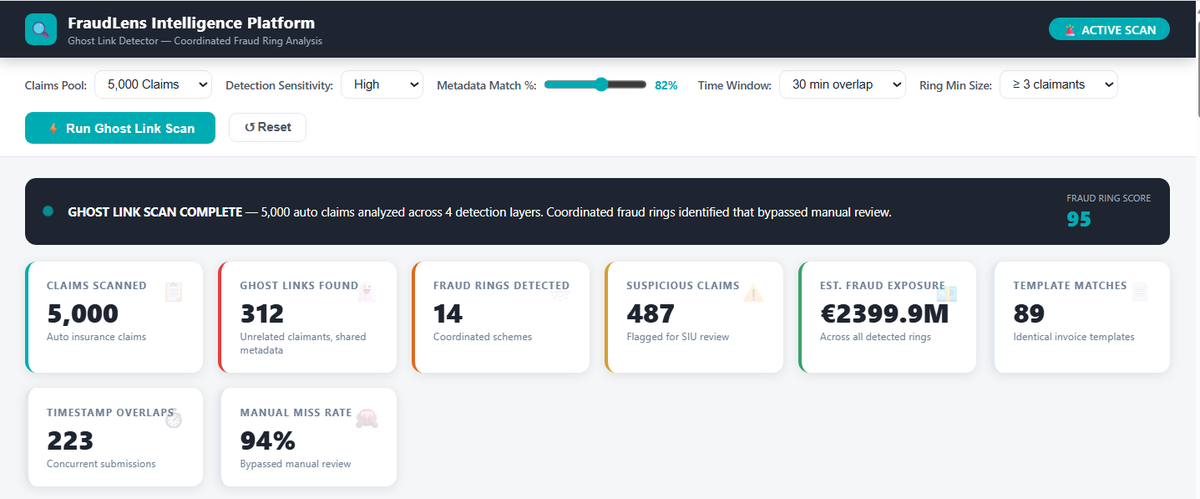
Breaking: Is this a static screenshot? No. It’s an Interactive AI Agent created in plain English on Athena AI Studio.
We turned 5,000 raw claims into actionable risk maps, network diagrams, and fraud exposure scores in minutes. No code. No complex scripts.
#AthenaAI #NoCodeAI #FraudDetection #DecisionSupport #EnterpriseAI
1
61

Mar 13
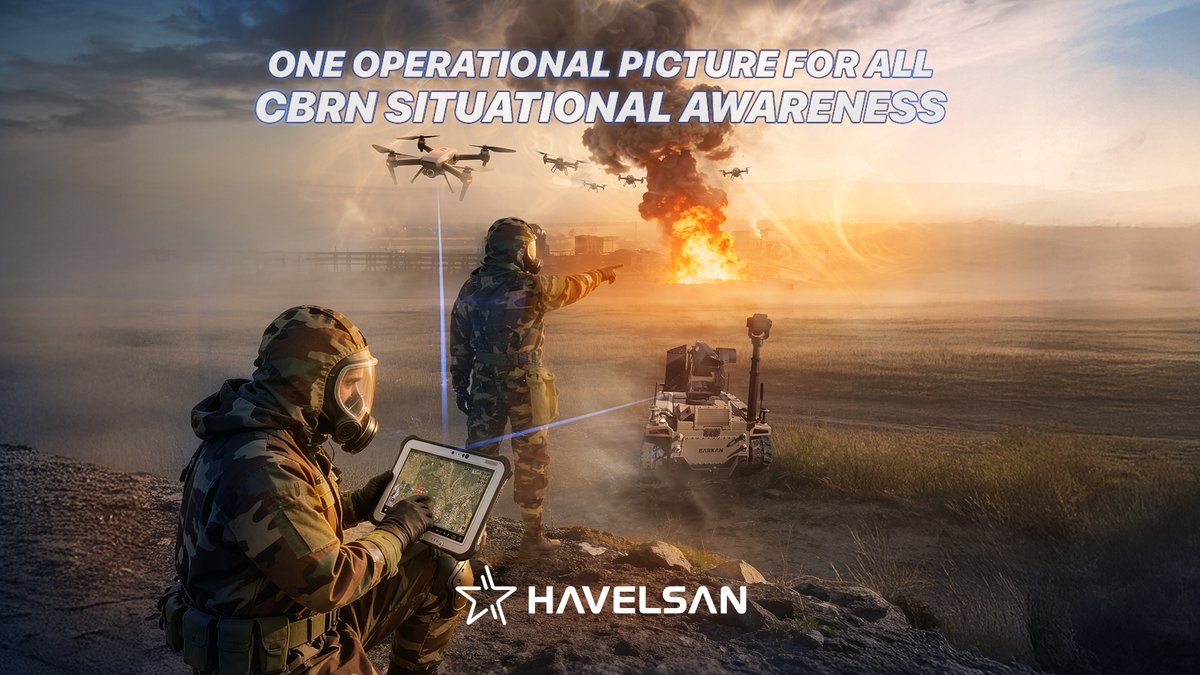
The HAVELSAN CBRN product family integrates sensor data, meteorological information, and operational inputs into a single system.
One operational picture for all CBRN situational awareness.
More info, havelsan.com/en/solutions/cb…
#SituationalAwareness #CBRN #DecisionSupport #CommandandControl
1
5
583

Mar 5
The right multi-entity accounting platform reduces manual work and gives leaders confidence in the numbers — not just spreadsheets and exports.
bit.ly/3NXIaiM
#ModernFinance #DecisionSupport #GravityAccounting
5
424

📸New Article online! #AgricultureMdpi
🌍AGRICLIMA: Towards a Federated Platform for Spatiotemporal Risk Analysis in Agriculture
👨🔬by Miguel Pincheira et al.
📎Access it for free here: doi.org/10.3390/agriculture1…
#digitalagriculture #FAIRdata #remotesensing #decisionsupport

ALT https://www.mdpi.com/journal/agriculture/special_issues/051W18YVAU
1
3
71
Analytic writing and assessment scaffolds offer consistent MoP/MoE logic models and decision briefs, giving your stakeholders clarity and confidence. Acquire the framework. ow.ly/8EtQ50YkoFU #AnalyticWriting #DecisionSupport #Intelligence
46

Feb 27
Stop guessing. Start knowing. 👁️
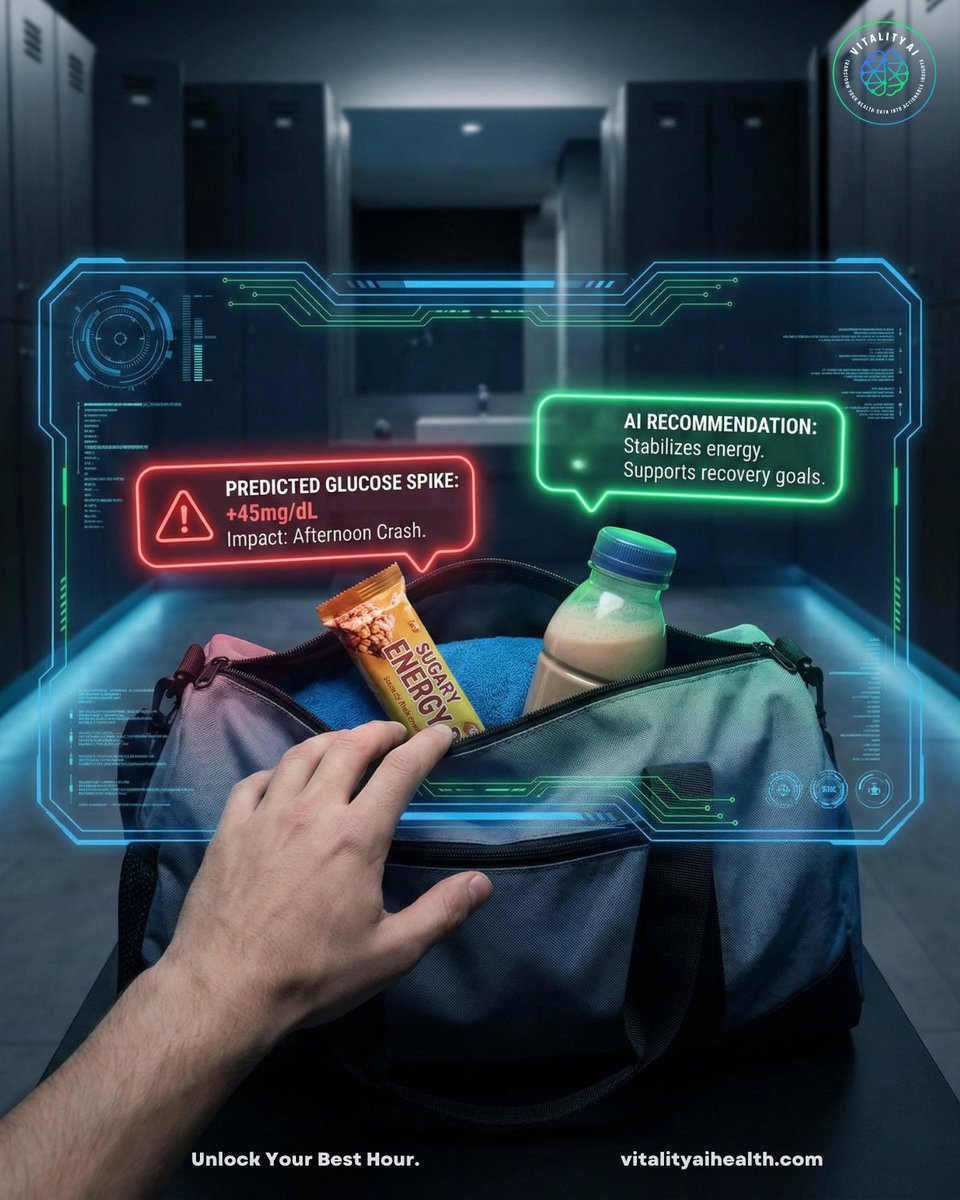
That energy bar claims to fuel you. But your biomarkers disagree: 45mg/dL Glucose Spike = Afternoon Crash. 📉
Vitality AI reveals the hidden biological cost of your choices before you make them. Don't fuel your body based on marketing slogans. Fuel it based on your unique metabolism.
Wrong fuel kills the engine. Make the right call.
👉 vitalityaihealth.com
#smartnutrition #glucosemonitoring #biohacking #vitalityai #datadrivenhealth #metabolichealth #decisionsupport #futureoffood #quantifiedself
1
7
80