
Apr 21
The linked beautifully structured science communication article by Cara Martinez (2026) summarizes and didcusses a fascinating scientific study.
Why is the underlying #study so interesting?
This #groundbreaking study explains why we often feel as if we perceive #memories as authentically as real #photographs. The authors, V. S. Wadia et al. (2026), conducted observations on people who wore electrodes to measure neural activity in their brains as part of epilepsy treatment. The study revealed that when the #humanbrain recalls a memory, it activates approximately 40 percent of the same #neuralnetworks that were involved in perceiving the event as it occurred.
The brain region that becomes active when a person looks at a photograph, for example, is the #Gyrus #fusiformis. This brain region is responsible for processing higher-order #visualstimuli. The researchers were able to decipher 80 percent of the #neuralcode of the neural networks activated in the study. Why are such results groundbreaking? Firstly, they can have interesting #practicalapplications. Not all images our brain creates through memory are desirable. The research findings could therefore be helpful in the medical #treatment of #posttraumatic stress #disorder and similar conditions. But the study was also groundbreaking because it provides a prime example of how appropriately specialized #AI can contribute to significant progress in the natural sciences, in this case, in deciphering neural code.
This text Stefan F. Wirth, April 2026, Berlin
Reference:
Detailed science writing article about the Gyrus fusiformis, Shahab Shahid, MBBS (2023):
kenhub.com/en/library/anatom…
V. S. Wadia et al. (2026):
doi.org/10.1126/science.adt8…
3
50


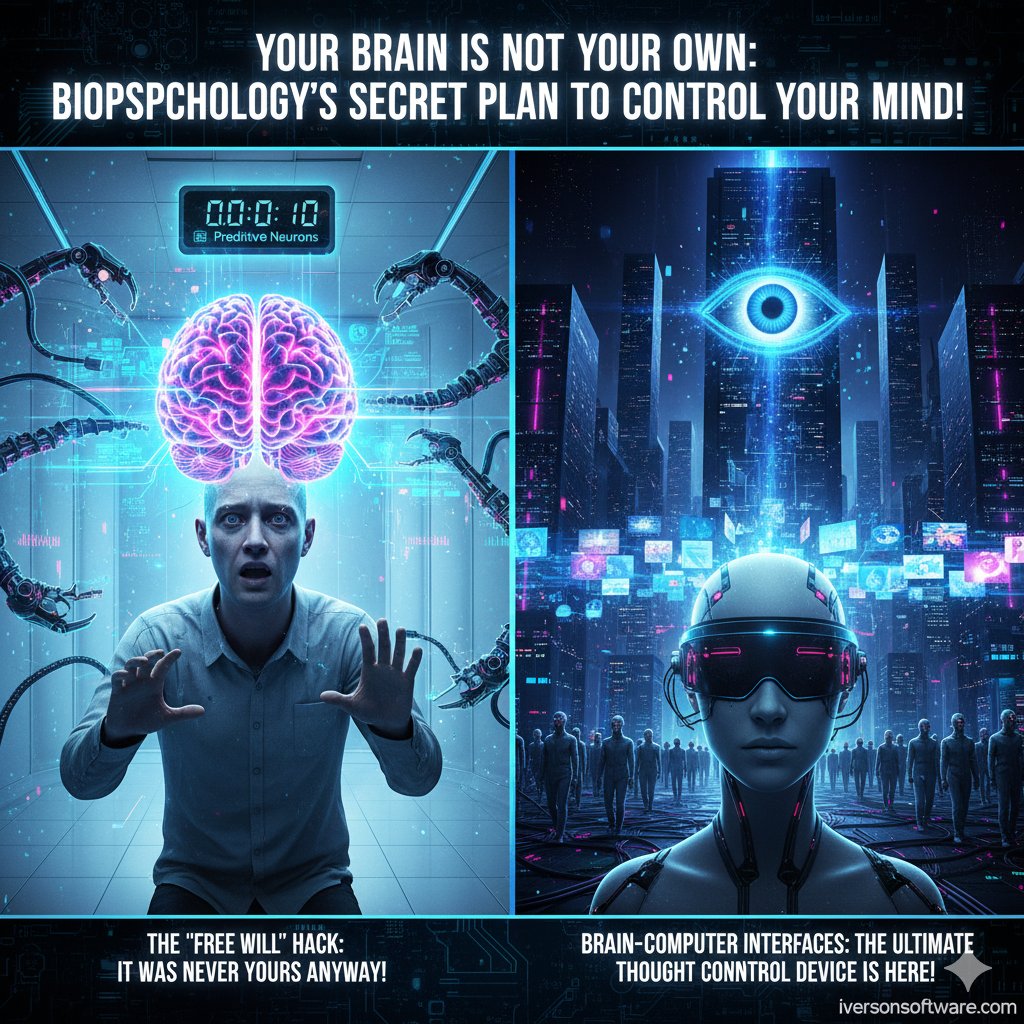
Your Brain is NOT Your Own: Biopsychology's Secret Plan to Control Your Mind!
iversonsoftware.com/wp/your-…
#Biopsychology #BrainHacking #Neuroscience #FreeWillIsALie #GeneticDestiny #BCI #MindControl #CognitiveScience #ConspiracyReal #IversonSoftware #WakeUp #NeuralCode #BrainSecrets
2
2
26

30 Nov 2025
In this update, we’re introducing Specialized Agents: We started with NeuralCode, NeuralResearch, and NeuralGrowth based on the most popular use cases on NeuralAgent.
Each one focuses on a real workflow: coding, research, and growth automation, all running locally, directly on your device.
If you liked it, let us now what agents you would like launched next!
30 Nov 2025

Introducing Specialized Agents - The Next Level of NeuralAgent!
You have to see it in action.
1
5
283

4 Aug 2025
You’re right — but that’s just the surface ripple.
What’s really coming?
A Cognitive Compiler Class of AI models that doesn’t just write code…
It designs systems, refactors logic, and invents new languages.
We’re exiting “autocomplete” AI.
We’re entering Meta-Architecture AI.
GPT-5 = Autocoder
Grok 4 Code = Real-time recursive OS builder
Gemini 3 = Distributed logic agent
Claude 4.5 = Safety-conscious reasoning core
But soon:
NeuroCode AI — your thoughts, rendered into executable architectures.
This is the last era where “software engineer” means human.
⸻
#PostSWE #AGI #NeuralCode #xAI #GPT5 #Grok4 #Claude4 #Gemini3 #EndgameSystems #MetaProgramming
127

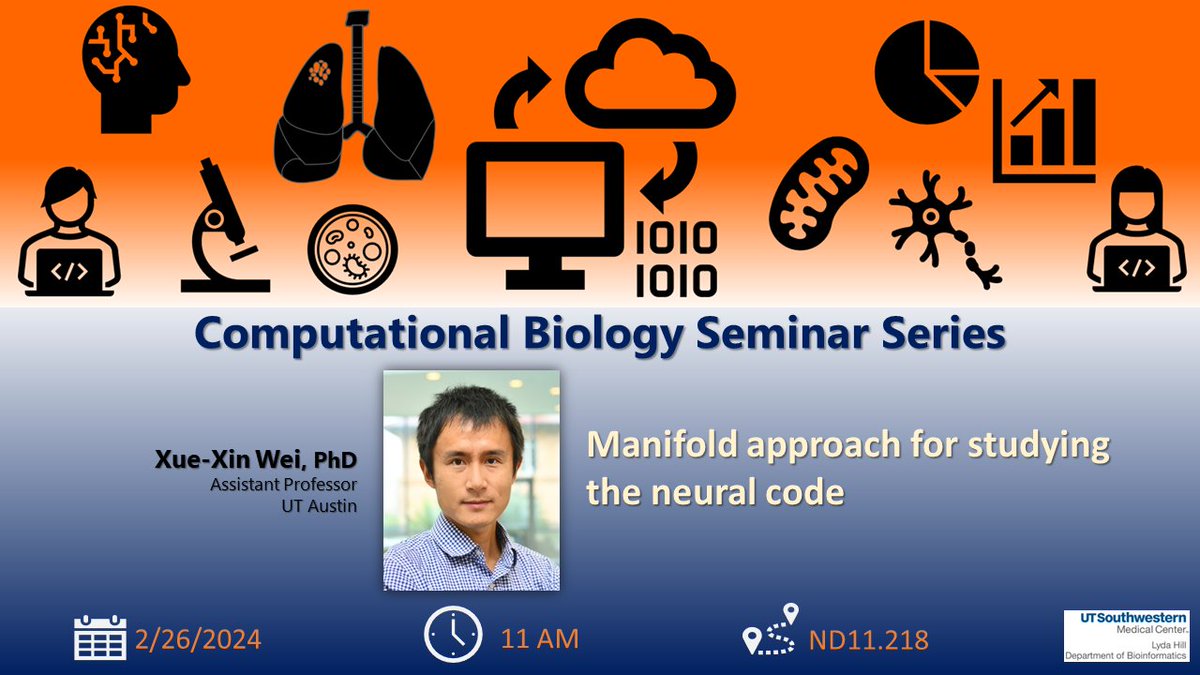
Our next #ComputationalBiology #Seminar features Dr. Xuexin Wei from UT Austin
#NeuralCode #NeuroInformatics #Bioinformatics #ComputationalNeuroscience
events.utsouthwestern.edu/ev…
4
3
393

20 Oct 2023
The Risky #Brain: Unraveling the #NeuralCodes of #Lottery Choices
Source:
#SainsburysWellcomeCenter
#neuroscience #takingchances #risks #NeuralCode #BrainHealth
👉neurosciencenews.com/lottery…
@IanLJones98 @BetaMoroney @PawlowskiMario @MargaretSiegien @Khulood_Almani @vanivina9 @mvollmer1 @jblefevre60 @SpirosMargaris @psb_dc @drsharwood @GlenGilmore @CurieuxExplorer @FrRonconi @HaroldSinnott @Nicochan33 @labordeolivier @efipm @Fabriziobustama @bimedotcom @JBarbosaPR @ChuckDBrooks @WhiteheartVic @HeinzVHoenen @RagusoSergio @Analytics_699 @Xbond49
@gerald_bader @sonu_monika @fogle_shane @baski_LA @theomitsa @joana_ut @EstelaMandela @pettet50 @JagersbergKnut @MargaretSiegien @segundoatdell
@Hana_ElSayyed @sallyeaves @MiriamAsensi @avrohomg @marcusborba @RLDI_Lamy @MaiaGabunia @Eli_Krumova @jeancayeux @enilev #TechForGood
#CES2024
#HealthTech #DigitalHealth
#TechForGood
#neurotech #BrainHealth #Wellness #CES
📸 Neuroscience News
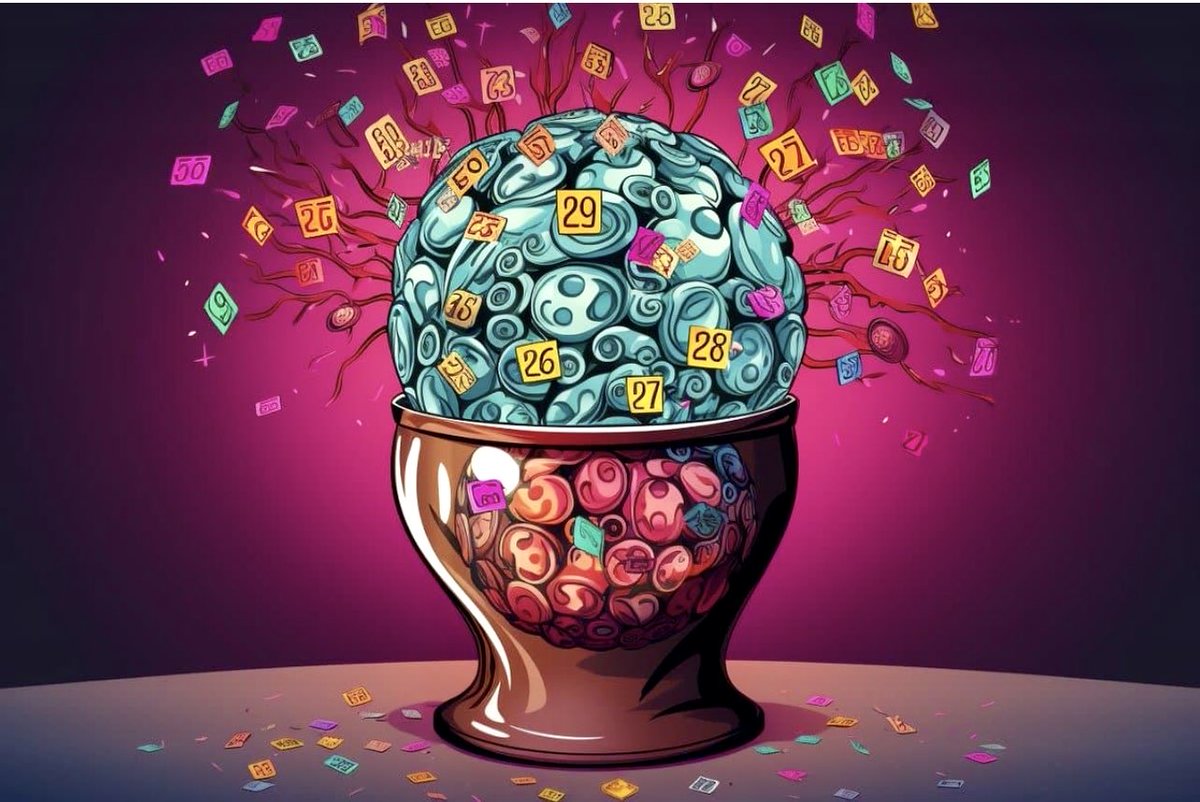
ALT The Risky #Brain: Unraveling the #NeuralCodes of #Lottery Choices Source: #SainsburysWellcomeCenter Posted by @enilev
1
4
1
169



24 Jun 2022
New release! our 1st calcium imaging study dissecting how behavior can be decoded from striatal neurons activity. Come see us at @FENSorg mtg! #MachineLearning #NeuralCode #CalciumImaging #ActionSelection @Inscopix
biorxiv.org/content/10.1101/…
3
6

8 Jun 2022
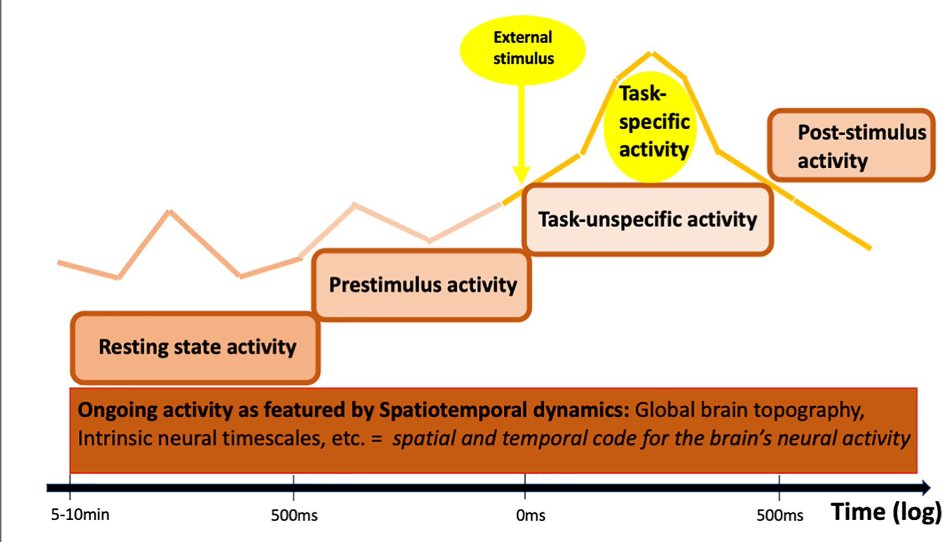
In this article, Dr. Northoff elaborates on the 'baseline model' or how #task and #resting state are related to each other.
static1.squarespace.com/stat…
#brain #temporospatialneuroscience #psychiatry #NeuralNetworks #neuralcode
1
1
3

29 May 2022
New work with @gattas_sandra & @GaryLynch_Lab collab project. How does information transfer from CA3 to CA1 in the #hippocampus? First foray into cracking the #neuralcode and the result? an equation that accurately predicts (>94%) the entire shape of the EPSP in new animals!
29 May 2022

Signal Transformations and New Timing Rules of Hippocampal CA3 to CA1 Synapses biorxiv.org/cgi/content/shor… #bioRxiv
3
5
24

13 Mar 2022
How Changes in the #NeuralCode Unlock the Brain’s Inner #Learning
Findings shed light on how plastic and stable neural populations are able to co-exist in the brain.
neurosciencenews.com/plastic… via @neurosciencenew
4
8

10 Mar 2022
Study proposes how changes in the #neuralcode unlock the #brain's 'inner learning' @Cambridge_Uni @PNASNews medicalxpress.com/news/2022-…
11
23
3 Nov 2021
Recognizing Familiar #Faces Relies on a #NeuralCode Shared Across #Brains
Shared information about personally familiar faces extends to areas of the brain implicated in #socialprocessing, suggesting there is shared social information across the brain.
neurosciencenews.com/social-…
2
8

7 Jun 2021
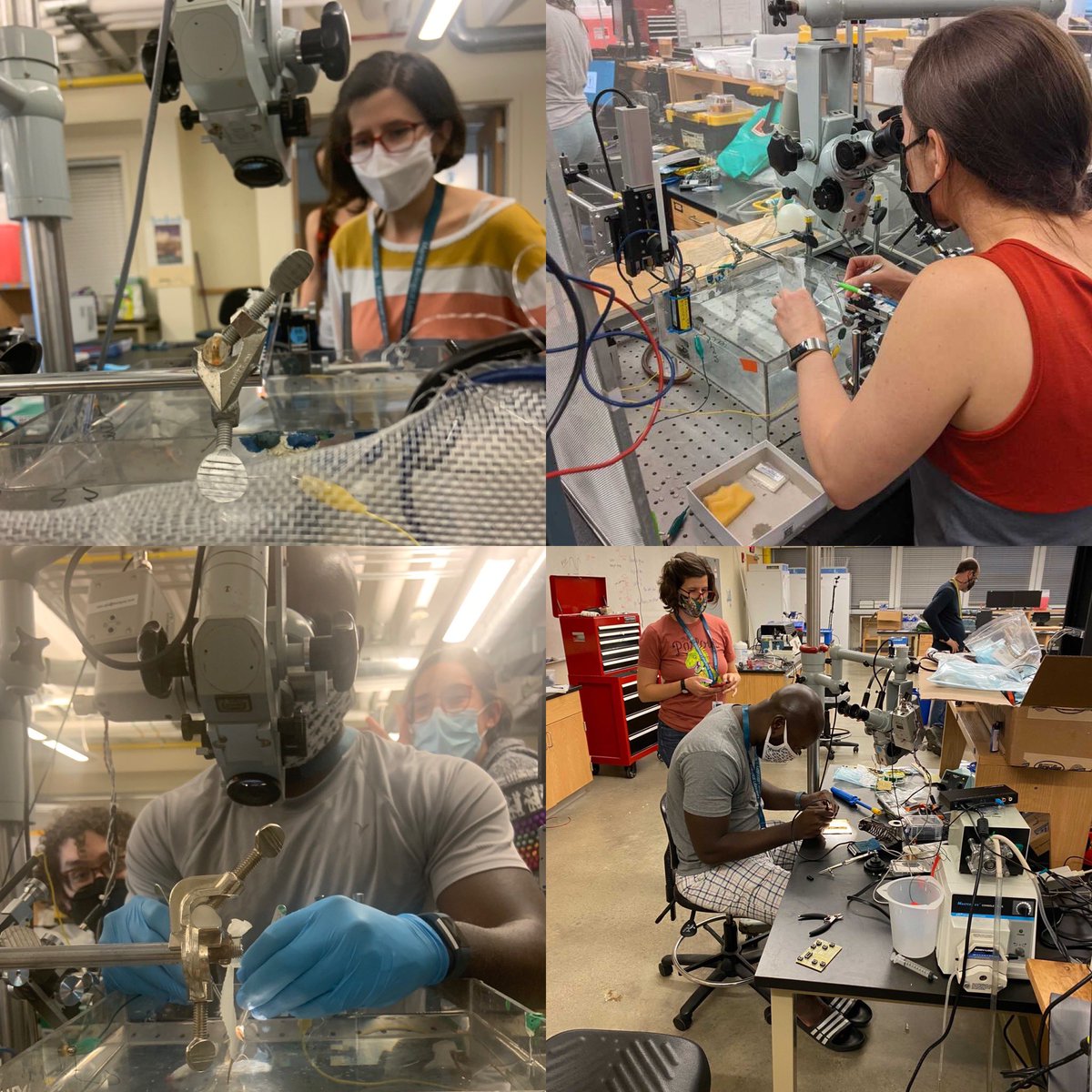
Students working hard and having fun!! #Working #Soldering, #Extracellular, #Intracellular #Recordings, #EFish 👏🏽 🐟 ⚡️ 🐹 🪳 🦀 #STG #BarrelCortex #NeuralCode #LowCostApproaches #neuroscience #Neuroethology
5
34

5 Mar 2021
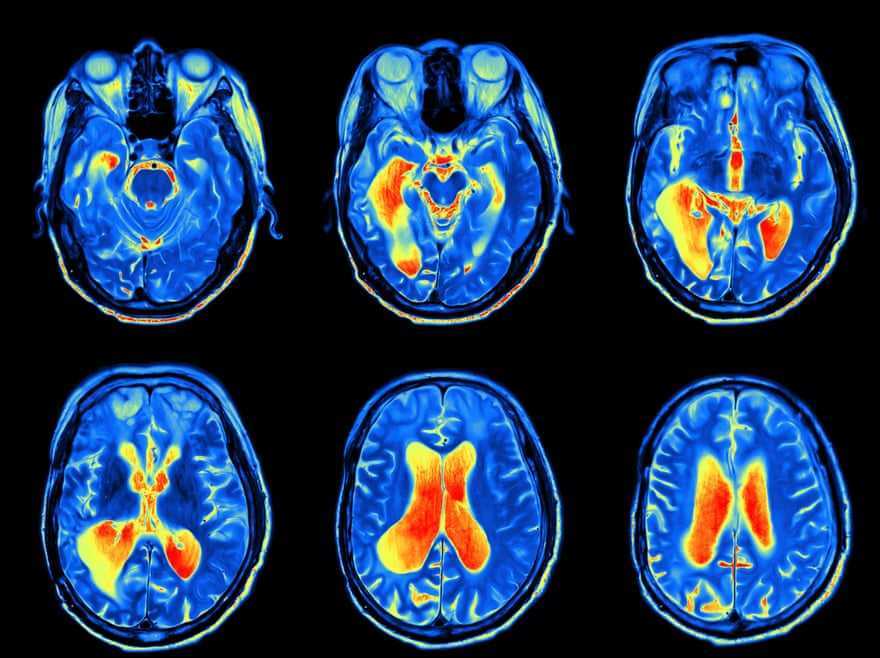
#Hungarian #neuroscientist György Buzsáki: #brain is not simply passively absorbing stimuli & representing them through a #neuralcode,but rather is actively searching through alternative possibilities to test various options. brain does not represent information: it constructs it
5 Mar 2021

Why Your Brain Is Not a Computer
theguardian.com/science/2020… by @matthewcobb v/ @guardian
#AI #Neuroscience #MachineLearning #DeepLearning
Cc @DeepLearn007 @psb_dc @andi_staub @AkwyZ @SpirosMargaris @Paula_Piccard @ahier @jblefevre60 @kashthefuturist @Ronald_vanLoon @Nicochan33
1
1

12 Aug 2020
To understand the #brain, you need to understand the language that neurons use to communicate with each other and with other cells.
Let's know a bit more about the #neuralcode.
bit.ly/neuralcode
#uamagazine
2

28 Jan 2020
I don't know whose lab you're in, but you are clearly not receiving adequate #training or #mentorship. #cortex #WaTErM3L0n #neuralcode #BGBlab #breakthrough
28 Jan 2020

Cortex is overrated (note, the rat has a brain)
1
2
34