
Sending your sensitive network telemetry to the cloud isn't always the safest bet. The future of data privacy belongs to "Offline-First" security. A system that detects anomalies and processes complex threat intelligence locally, keeping your internal data entirely within your walls.
Absolute privacy, zero compromises.
#DataPrivacy #OfflineFirst #CyberTarget #EnterpriseSecurity
7


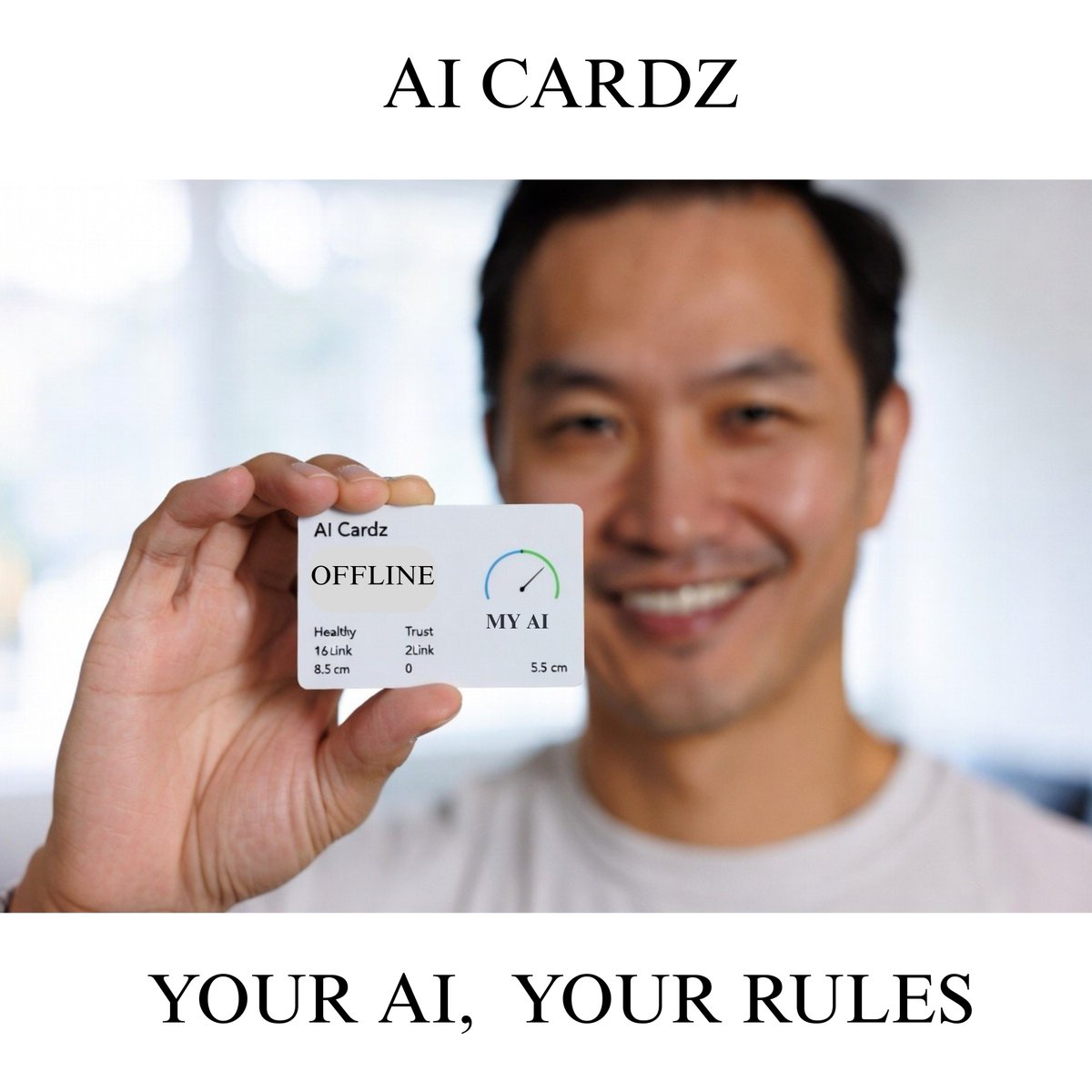
🔒 Autonomy as the New Intimacy. AI Cardz
- We don't ask for your data.
- We don't ask for your cloud.
- We don't ask for your trust - we earn it.
📈 AI Cardz is entering one of the highest‑CAGR AI user‑device markets in the world today.
Not as a follower. As the offline, sovereign alternative.
A simple question we keep asking ourselves:
Why do our most personal conversations have to happen on someone else's server?
Our answer is AI Cardz.
Your AI. Your rules.
If you're an investor who sees where sovereign AI is going - and wants to be part of the only hardware platform built for private, persistent, persona‑driven AI - let's talk.
📩 DM me or comment below.
The future of AI doesn't live in a cloud.
It lives in a wallet.
"Your AI. Your Rules."
#AICardz #SovereignAI #PersonaCard #OfflineFirst #AutonomyAsIntimacy #HardwareCAGR #AICompanion
25

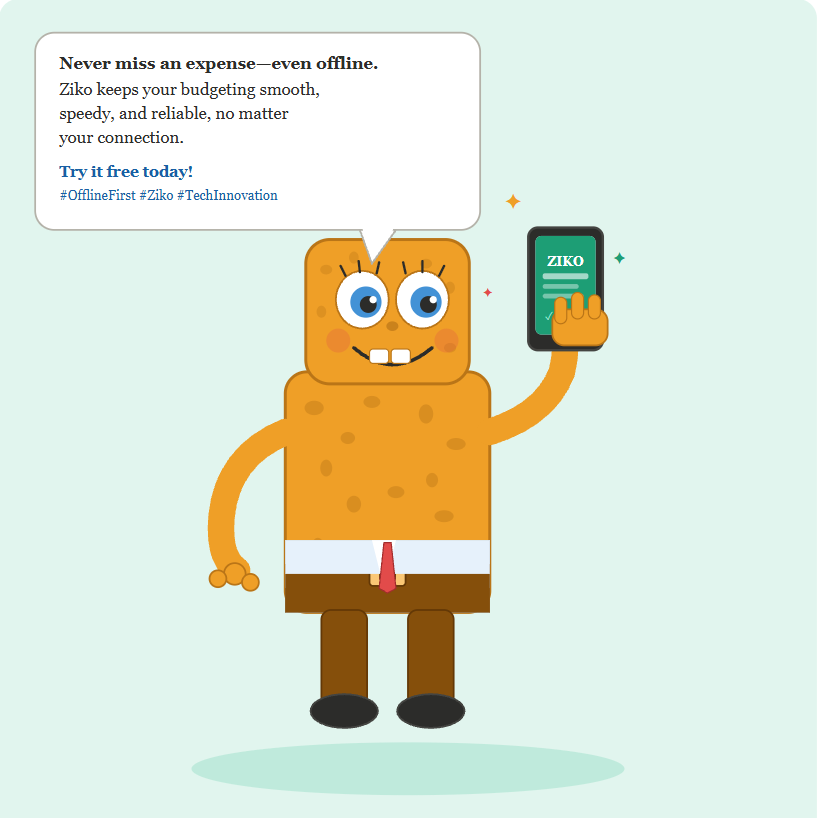
Never miss an expense—even offline. Ziko keeps your budgeting smooth, speedy, and reliable, no matter your connection. Try it free today! #SoftwareArchitecture #OfflineFirst #WebDevelopment #TechInnovation #Ziko
9

MIT Services update: FlexiAuto nearing launch while planning next custom software projects for small businesses. No subscriptions, real offline-first tools. Support independent software development:
ko-fi.com/nefaroxx
#IndieDev #OfflineFirst @arvidkahl @yongfook
1
3
60

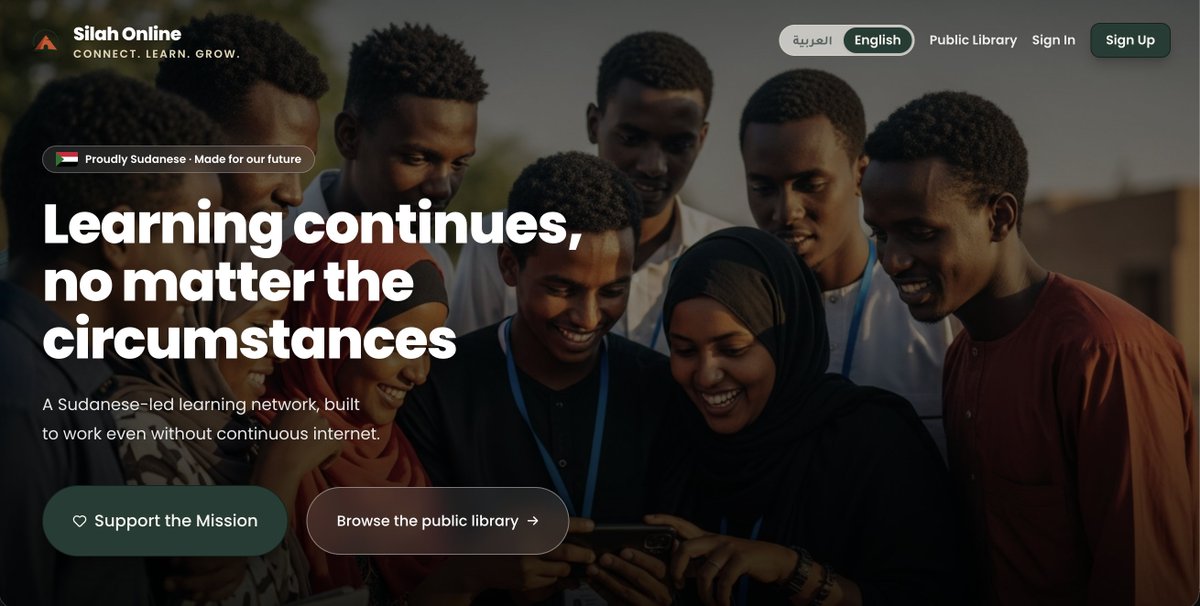
My husband is from Sudan, and after the war, his cousin came to me with a question that stayed with me: How do kids keep learning when war has closed schools, displaced families, cut power, and made internet unreliable?
So I built Silah Online - an offline-first learning network that pairs Sudanese teachers with Sudanese students, built for real constraints on the ground:
Downloadable lessons. A public lesson library. Live sessions when connection allows. One home beyond scattered WhatsApp groups.
Silah means connection in Arabic, but it also carries the deeper idea of ṣilat ar-raḥm: keeping the bonds of family and kinship alive.
Because even through war and displacement, the bond between teachers and students should stay unbroken.
Created by Modal Education, run by Sudanese teachers - Built with @Replit
@amasad @Replit @MannyBernabe @raymmar @brmiddle
#SilahOnline #Sudan #EducationInEmergencies #OfflineFirst #EdTech #BuiltWithReplit #replitedu #BuiltWithReplit #Replit #TeachersWhoBuild
1
7
286

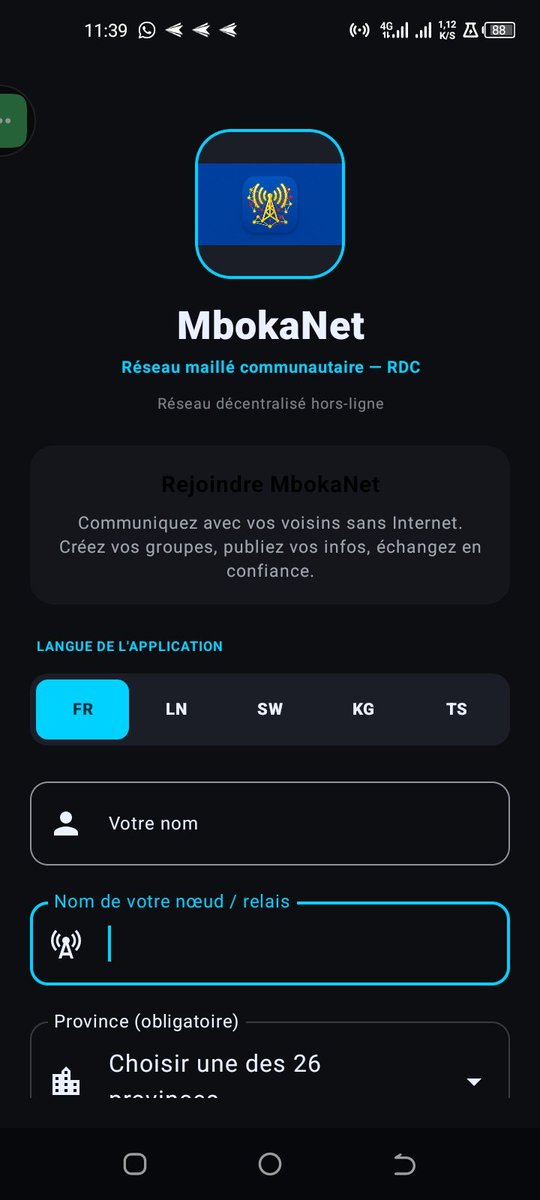
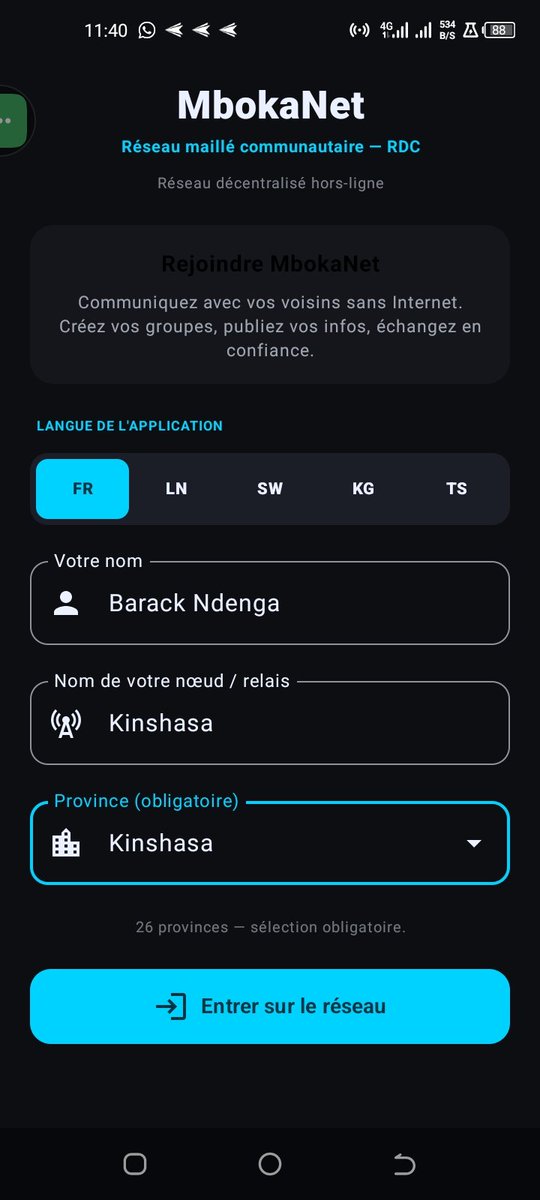
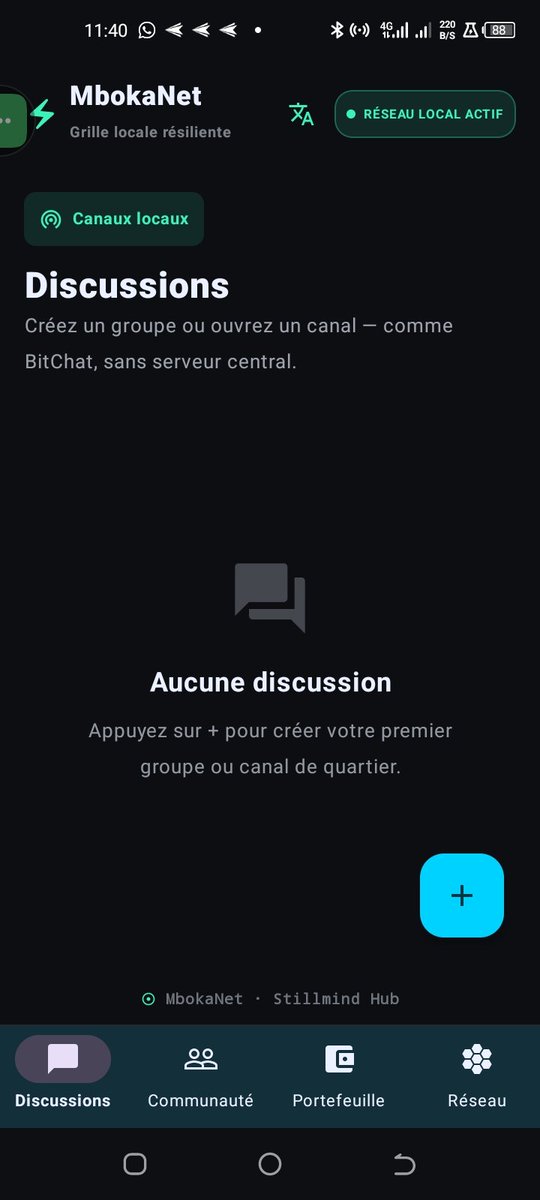
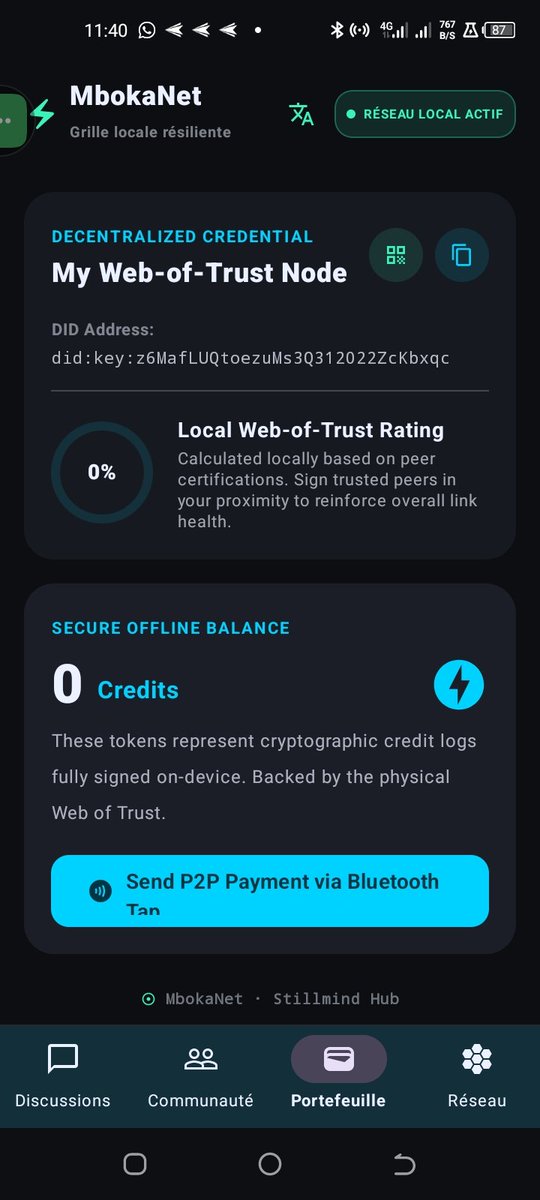
🚨 Et si Internet disparaissait ? Avec MbokaNet 🇨🇩, communiquez sans connexion ! Réseau maillé, alertes SOS, infos marchés/santé… Conçu en RDC par Stillmind Hub. La connectivité redevient communautaire. 📩 243837767430 #MbokaNet #RDC #MeshNetwork #OfflineFirst
4
9
26
2,144

May 30
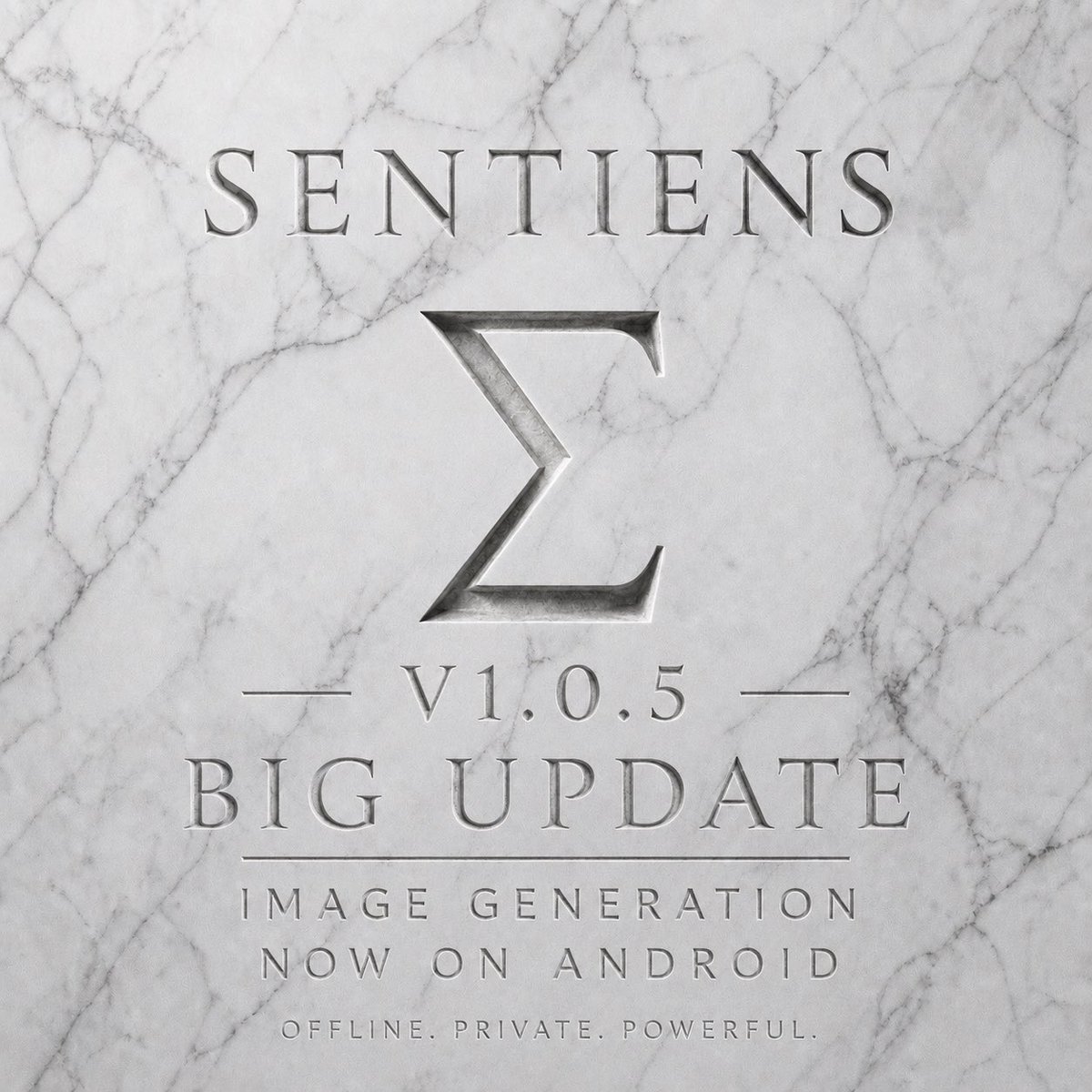
Android Fam, Your Creative Freedom Just Arrived!
🎨
The upcoming Sentiens v1.0.5 update is officially in review, and it is a massive game-changer. We are bringing on-device image generation straight to your Android phone!
Whether you're off the grid, saving data, or just value total privacy, you can now turn your thoughts into stunning visuals anytime, anywhere. No internet required, no cloud dependencies just pure, offline-first AI power right in your pocket.
Get ready to download the update and unlock your imagination on the go! 🔥
#Android #AI #Sentiens #OfflineFirst #TechUpdate @BKKejera @stephenadeniken
1
1
9
65

May 11
Built with Claude as my co-developer 🤖
Launching now on Etsy — link in bio.
If you've ever wanted to actually understand where your money goes, this is the tool.
#SideHustle #DigitalProducts #BudgetTracker #OfflineFirst #PersonalFinance
4
46

Apr 28
Introducing Our New Look: FunEdu
Every great journey evolves and today, we’re excited to share a new chapter for FunEdu.
#FunEdu #EduFun #EdTech #Rebranding #StartupJourney #LearningThroughPlay #Design #OfflineFirst #ChildrenFirst

1
1
3
27

Apr 27
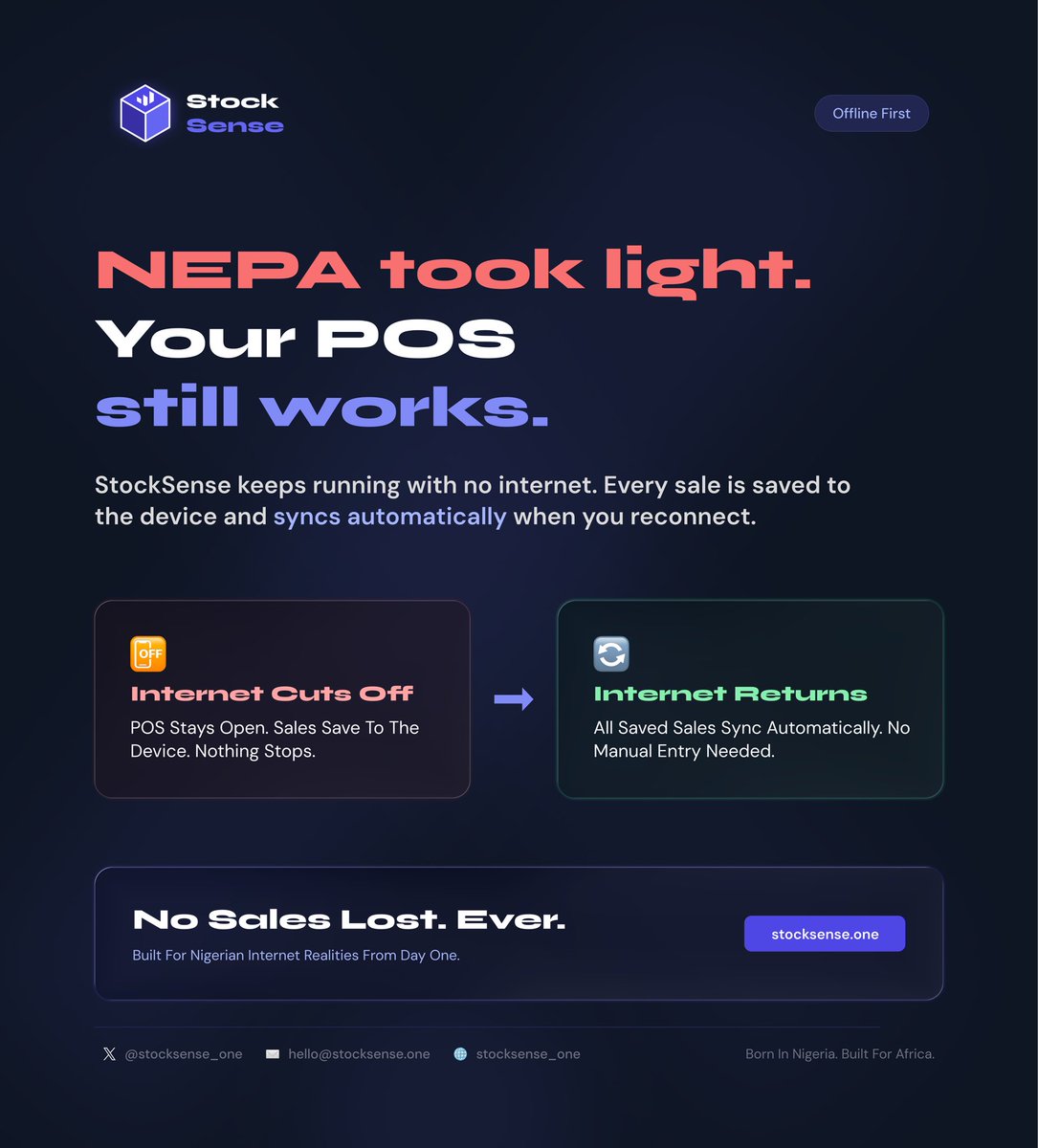
NEPA took the light. Your POS still works.
StockSense runs fully offline. Every sale saves to the device and syncs the moment your connection comes back. Nothing stops.
#StockSense #OfflineFirst #NigerianBusiness
2
6
74

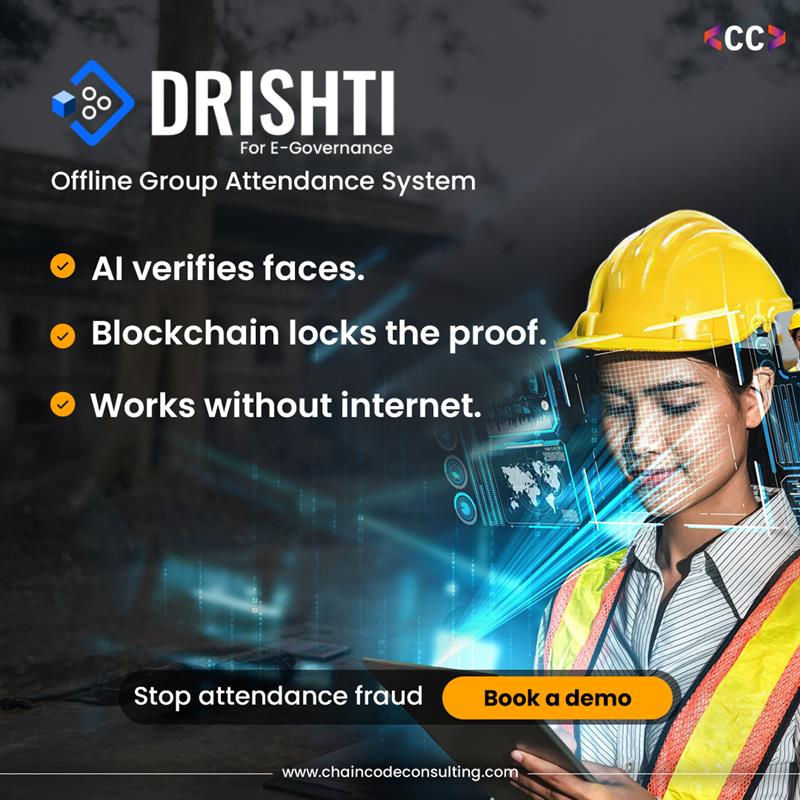
#DRISHTI, AI-powered group verification & blockchain-backed records ensure accurate, tamper-proof attendance - even in offline environments where connectivity isn’t reliable.
#AttendanceVerification #AIFacialRecognition #BlockchainSecurity #OfflineFirst #WorkforceManagement #CCL


2
50

Apr 20
Eid al-Adha is infrastructure stress-testing.
Here's what we need to prove:
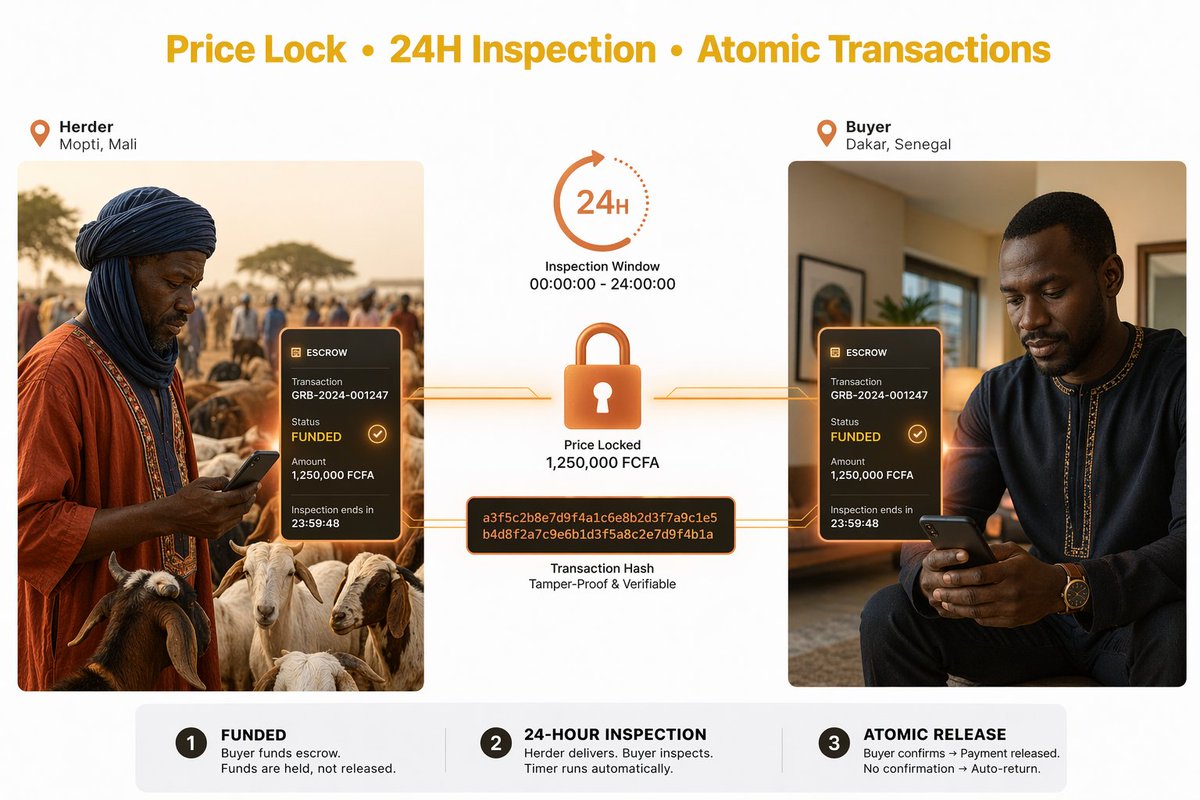
1. 24-Hour Inspection Window Under Peak Volume:
Normally? A herder sells 5 animals a month. During Eid? 50 in two weeks. Escrow doesn't "slow down" at 5 concurrent transactions; it explodes at 200. Our 24-hour window needs to hold: funds locked, buyer inspects livestock, decides yes or no, confirms in app or disputes. No delays. No timeout failures.
2. Price Locking in Real Conditions:
A herd leaves Mali, crosses into Mauritania, arrives 48 hours later. Market prices shifted 15% during transit. Buyer and seller agreed on XOF 200k per head when the herd left. Escrow locked that price. Arrival: market is XOF 170k. Buyer wants to pay less. Escrow says: "No. Price locked. Both sides agreed in the transaction."
That's where trust becomes infrastructure.
3. Dispute Resolution During Peak:
If livestock dies in transit, or buyer rejects — dispute flow activates. Seller provides proof (photos, vet cert, witness). Buyer provides counter-evidence. We adjudicate within 48 hours. At 200 concurrent transactions, disputes will happen. We can't have them bottleneck.
4. Database Transaction Integrity at Scale:
81 tables. 22 backend services. Atomic transactions with row-level locking. When escrow releases XOF 50M to sellers during Eid, every transaction must be immutable. No partial updates. No funds lost between states. Cryptographic checksums on every transaction confirm what was locked matches what releases.
Eid isn't "testing" — it's proof.
Day 80.
#BuildingInPublic #WestAfrica #Sahel #Fintech #OfflineFirst #SecurityFirst
2
22

Just shipped something fun with Claude Opus 4.7 🔥
A completely free, 100% offline speed reading app where your data never leaves your device.
→ TinyWins.us
No ads. No accounts. No cloud. No tracking.
I wanted a clean RSVP-style reader that just works on long articles/books without any BS. So I built it.
Tried it on a 30-page PDF last night — finished in ~40% less time and actually remembered the key points.
If you're into reading faster without sacrificing comprehension (or privacy), give it a spin and tell me what you think 👇
What’s the longest thing you’ve read this week?
#BuildInPublic #SpeedReading #ClaudeOpus47 #OfflineFirst
1
2
200
Apr 10
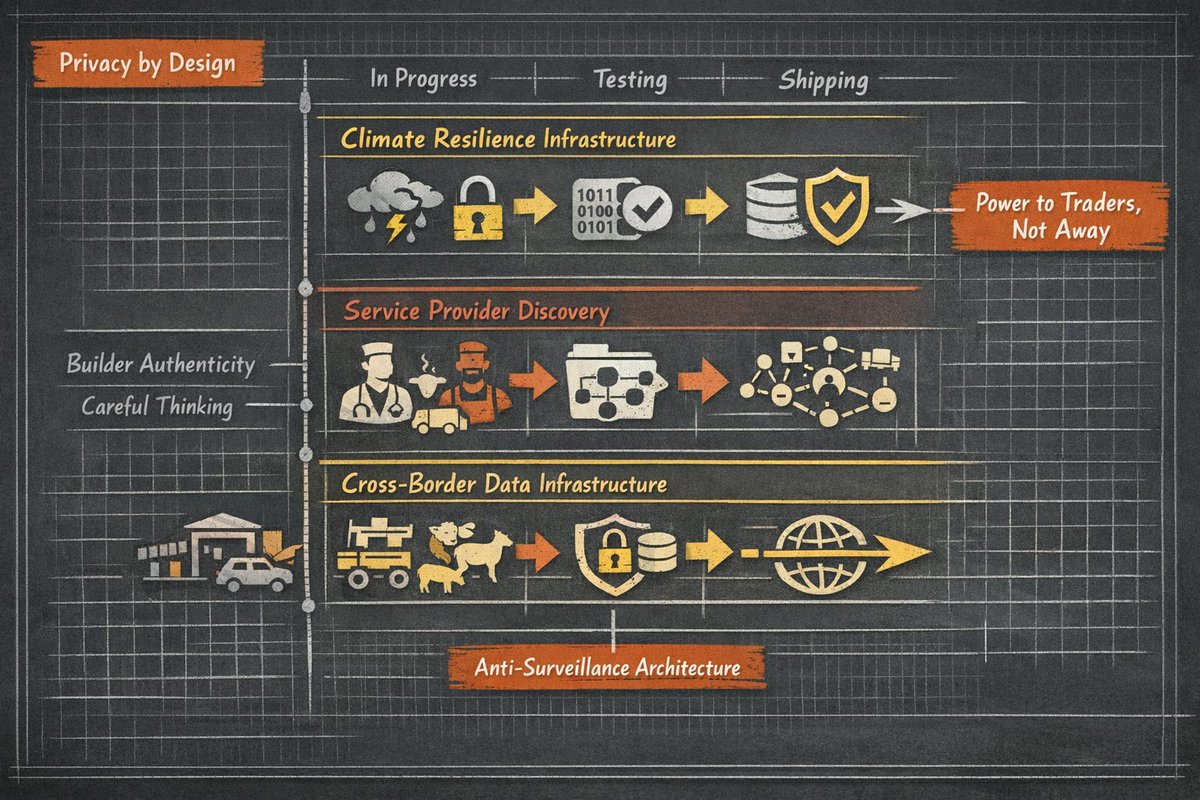
Week 8 update: Three binding commitments made, three bound to be shipping harder than expected.
Climate Resilience Infrastructure
We've mapped the escrow → parametric insurance pipeline. Transactions being recorded immutably. QR profiles carrying verifiable history. The hard part: designing the data handoff to insurance companies without creating surveillance infrastructure. Privacy in transaction records. No data leaks to governments or middlemen. This is shipping next month.
Service Provider Economy
Multiparty bundles are live. But we're discovering the real constraint: buyers don't know vets exist. A butcher in Dakar doesn't know the vet 5km away. We're building a service provider discovery layer—not a marketplace, just a registry of verified providers. Small feature. Huge surface area. Shipping end of April.
Cross-Border Trade Data
The 300% cost premium is real. Informal networks work because they sidestep bribes and checkpoints. Data infrastructure that reduces border friction is "also" infrastructure that could enable surveillance. We're designing this carefully. Escrow records are proof of ownership, not tracking. Sold, not followed. Shipping in parallel with climate resilience.
"What we learned:" These three aren't features. They're infrastructure problems that require careful thinking about power. Escrow can enable insurance or surveillance. Service provider registries can unlock networks or create gatekeeping. Cross-border data can reduce friction or increase control.
We're shipping all three—with privacy, autonomy, and anti-surveillance by design.
The Sahel doesn't need another platform collecting data. It needs infrastructure that moves power *to* traders, not away from them.
Day 70.
#BuildingInPublic #WestAfrica #Sahel #Fintech #OfflineFirst
garabaly.com
2
8

Apr 8
♨️ Save EVERYTHING you see online… forever. Offline. No limits.
🧠 Ever read something valuable… then lose it forever in the chaos of the internet?
Yeah… that’s where most people lose knowledge.
💡 Enter Savr, your personal knowledge vault 🔐
🔗 savr.link/
🚀 With this tool, you can:
▪️ Save articles, links, notes, and anything online
▪️ Access it anytime, even with NO internet
▪️ Build your own offline library of real knowledge 📚
⚡ No accounts. No tracking. No middlemen.
Everything is stored directly on YOUR device, full control, full privacy.
☁️ Want more power?
Sync with Google Drive or Dropbox and access your vault anywhere, without giving up ownership.
🔥 In a world full of noise…
those who store knowledge gain the real advantage.
👉 Don’t just scroll… capture value.
💭 Awareness Before Wealth
Because saved knowledge today… becomes power tomorrow ⚡
#TechTools #ProductivityHacks #DigitalFreedom #OfflineFirst #AItools #KnowledgeIsPower

2
2
15
114
Apr 6
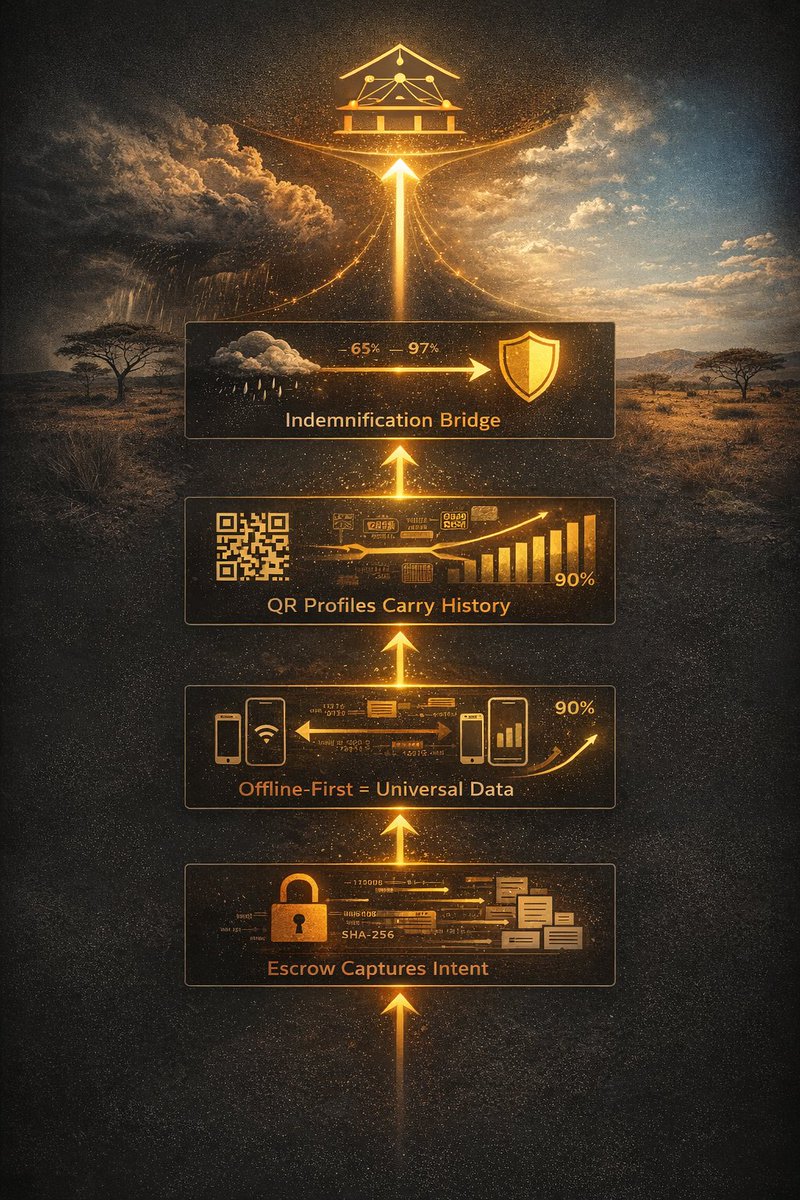
Parametric insurance marketplace data = a technical problem that nobody's solved at scale.
Here's how the infrastructure works:
Layer 1 — Escrow captures intent.
When a buyer locks funds, Garabaly records the transaction: what, where, when, for how much. 4-stage escrow. Atomic transactions. SHA-256 checksums. The transaction is cryptographically immutable.
Layer 2 — QR profiles carry history.
A herder's QR code holds their transaction history: 200 cattle sold, zero disputes, payment rate 100%. That history is portable—any marketplace, any region, any time. It's a credit report written in transactions, not paperwork.
Layer 3 — Offline-first means universal data.
Herders on 2G/3G sync transactions when they're online. No data loss. Every transaction becomes a data point, even in regions where connectivity is spotty. The system doesn't require always-on infrastructure.
Layer 4 — The indemnification bridge.
Climate data flows in. "32% herd loss in this region this season." Insurance algorithms match that against marketplace transaction data. "This trader lost livestock that month? Here's the indemnity." Automatic. Immediate. Verified.
The hard part: Building this without creating surveillance. Trust infrastructure shouldn't enable control. Privacy in transaction history. Security in confirmation codes. Data flows to insurance, not to governments or middlemen.
This is what "escrow climate resilience" actually means. Not a feature. An infrastructure layer.
Day 66.
#BuildingInPublic #WestAfrica #Sahel #Fintech #SecurityFirst #OfflineFirst
garabaly.com
2
10
DRISHTI combines AI-powered group facial recognition with blockchain security to deliver fraud-proof attendance tracking, completely offline.
Watch how it works: youtu.be/c7Q6RvjSk3s?si=I40_…
#DRISHTI #AttendanceVerification #AIFacialRecognition #BlockchainSecurity #OfflineFirst
2
79

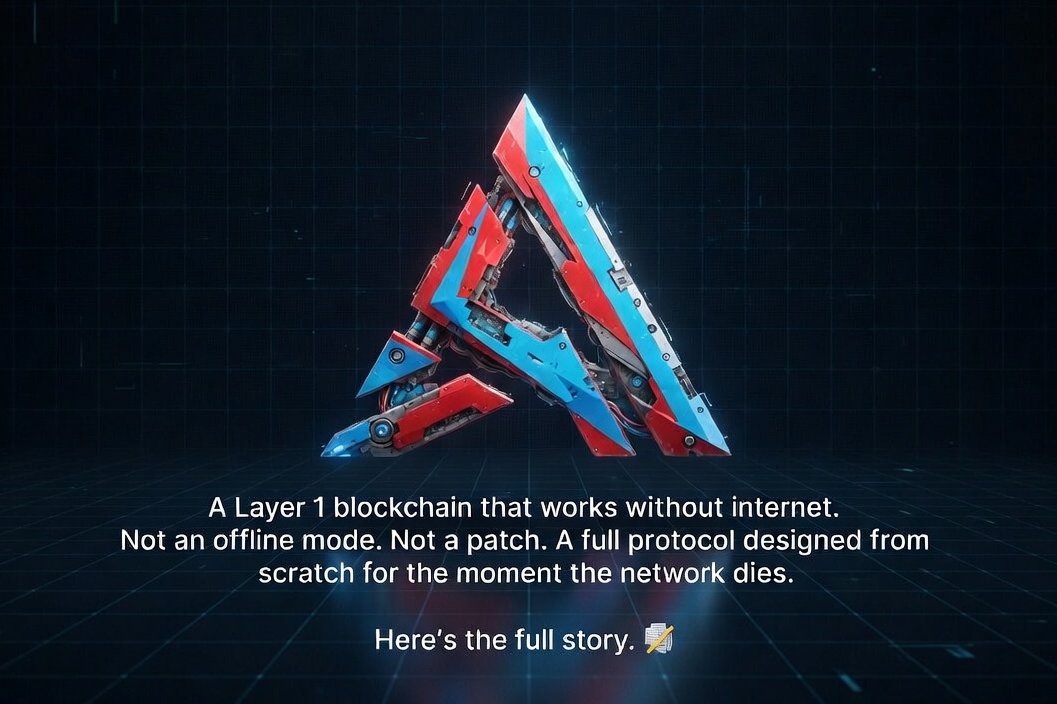
🧵 We've been building in silence for 2 years. Time to show you what we've got.
Arxia is a Layer 1 blockchain that works without internet. Not an offline mode. Not a patch. A full protocol designed from scratch for the moment the network dies.
Here's the full story.
#Web3 #Layer1 #LoRa #MeshNetwork #OfflineFirst
3
8
22
414

T12
If this resonated — RT the first tweet
Github: github.com/likhith1542/callr…
Website: likhith1542.github.io/callre…
Medium: medium.com/@likhith1542/your…
#BuildInPublic #Flutter #OfflineFirst #IndieHacker
2
22