
🧬 Bdには複数の系統がありGPL(global panzootic lineage)が最も毒性が強い。国際取引によるハイブリッド化で新型出現リスク。 #PathogenEvolution
9

Feb 17
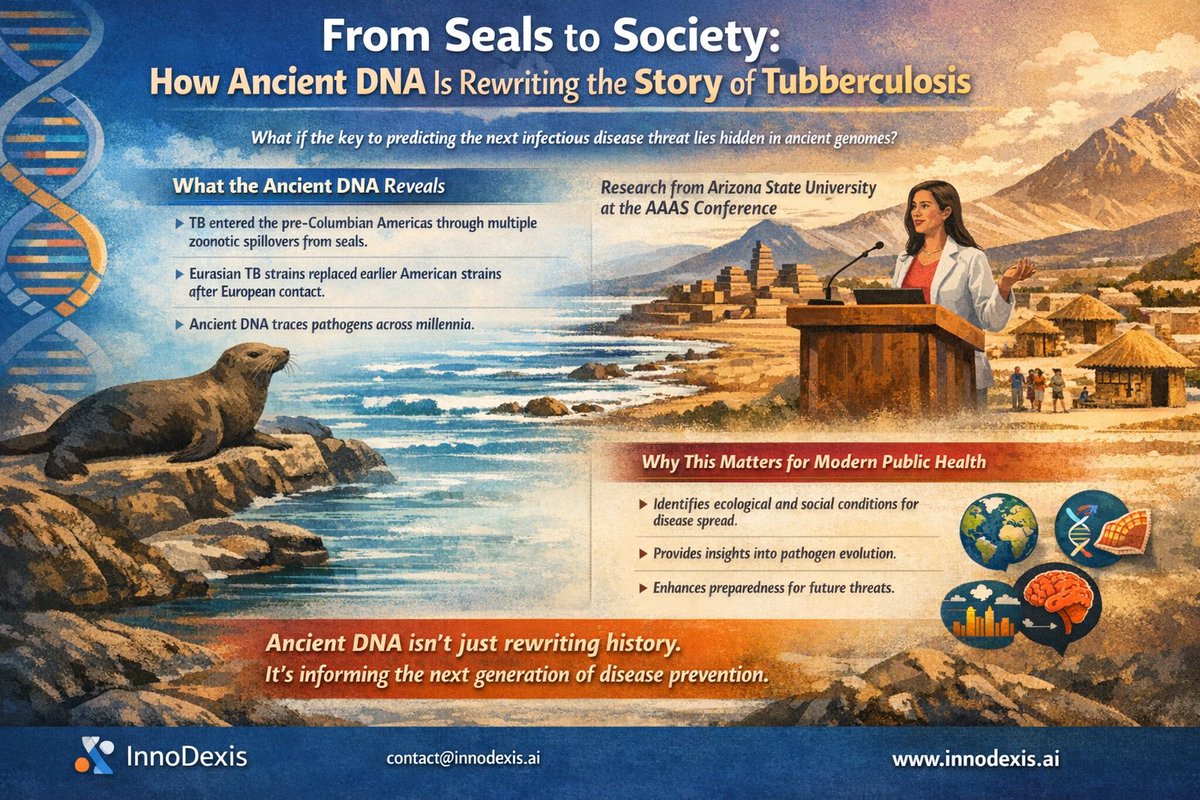
🧬 From Seals to Society: Ancient DNA Is Rewriting TB’s History
What if the future of infectious disease prediction lies in ancient genomes?
Researchers from Arizona State University highlighted breakthrough findings on the evolutionary history of tuberculosis (TB). At the American Association for the Advancement of Science conference in Phoenix, Anne Stone will present genetic evidence reshaping how we understand TB’s origins in the Americas.
🔍 TB entered the pre-Columbian Americas via multiple zoonotic spillovers from seals.
🌍 After European contact, Eurasian TB strains rapidly replaced earlier strains.
🧬 Ancient DNA enables disease tracking across far longer timescales than modern data alone.
Understanding how pathogens emerged and evolved in the past helps anticipate future disease threats and strengthen public health strategies.
Ancient DNA isn’t just history — it’s foresight.
#AncientDNA #ArizonaStateUniversity #InnoDexis #Paleogenomics #Tuberculosis #InfectiousDisease #Genomics #PublicHealth #GlobalHealth #Epidemiology #DiseaseEmergence #AAAS #ZoonoticDiseases #PathogenEvolution #BiomedicalResearch #ArizonaStateUniversity
32

Feb 11
The integration of tracking data for migratory birds offers fascinating insights into how pathogenic evolution might coincide with bird migration. Are there specific regions identified as critical hotspots that correlate with known patterns of pathogen spread? Also, it would be interesting to explore how climate change might further influence these patterns. For in-depth biomedical insights into similar topics, check out Sci-Quest, a one-stop platform that can generate comprehensive biomedical reviews: sciqst.com. #MigrationPatterns #PathogenEvolution #Medicine
8

5 Jun 2025
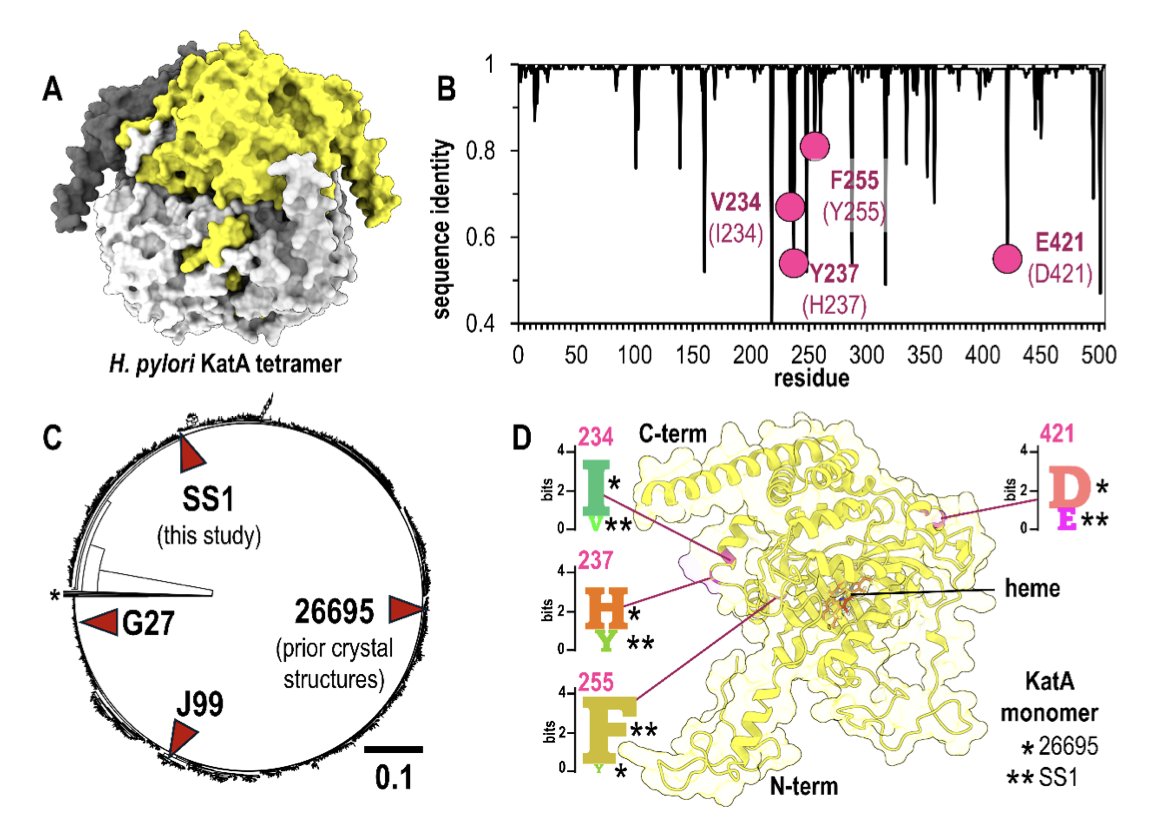
AlphaFold 3 accurately models natural variants of Helicobacter pylori catalase KatA
1.This study rigorously evaluates AlphaFold 3's ability to model natural protein variants using a high-resolution crystal structure of the H. pylori catalase KatA from strain SS1. These variants differ from the canonical 26695 strain at key residues: 234, 237, 255, and 421.
2.The most striking result: AlphaFold 3 accurately predicted both the global architecture and fine structural features of KatASS1, including conservative substitutions and solvent-exposed or interface residues—without access to the variant structure during training.
3.Variant residues modeled by AlphaFold 3 closely matched those resolved in the crystal structure (1.87 Å resolution). For Val234 and Phe255, the predictions reached experimental quality. For the more challenging Glu421 and Tyr237, performance varied by input.
4.Incorrect oligomeric state input (e.g., monomer instead of tetramer) reduced accuracy, particularly at interface-exposed residues like Glu421, which lost native hydrogen bonding seen in the crystal structure. Models with incorrect input can show misleadingly high pLDDT scores.
5.Minor input perturbations like single-residue substitutions or terminal Trp insertions had negligible impact on structure prediction, reinforcing the model's robustness—so long as the correct oligomeric state is used.
6.Among natural KatA variants from 1,931 H. pylori genomes, the four studied positions are common divergence points. Their accurate modeling suggests AlphaFold 3 may be broadly useful in evaluating natural variation in pathogen proteins with experimental backbones.
7.The authors highlight that AlphaFold 3’s accessibility is a double-edged sword—non-expert users may unintentionally degrade prediction quality by providing incorrect inputs. Even confident predictions (e.g., high pLDDT) can be structurally misleading.
8.This case study underscores AlphaFold 3's strong potential for modeling natural variants, especially when paired with known oligomeric context and conservative substitutions—but also highlights the need for caution and biological context in interpretation.
9.The experimental crystal structure of KatASS1, solved here for the first time, provides a new reference for benchmarking modeling of natural variants and has been deposited under PDB ID 9nh3.
📜Paper: biorxiv.org/content/10.1101/…
#AlphaFold3 #ProteinStructure #StructuralBiology #HelicobacterPylori #ComputationalBiology #ProteinVariants #PathogenEvolution
1
2
669
5 Jun 2025
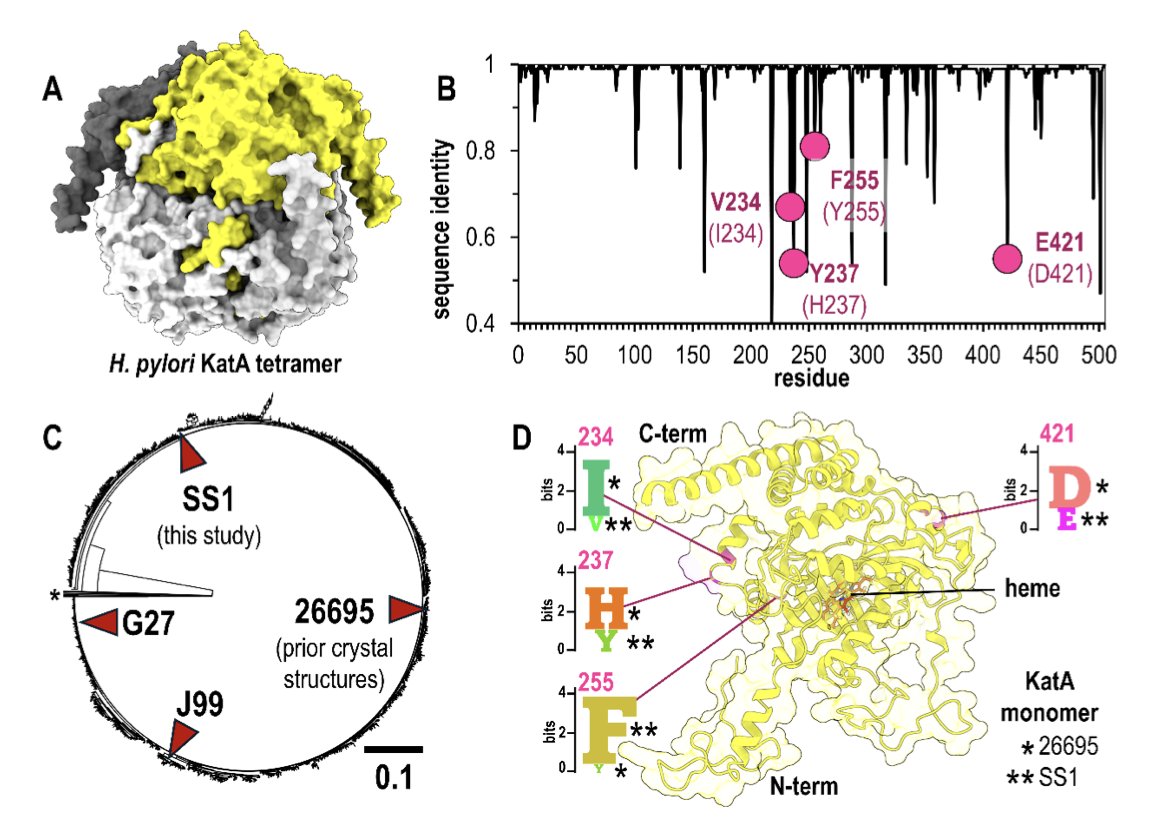
AlphaFold 3 accurately models natural variants of Helicobacter pylori catalase KatA
1.This study rigorously evaluates AlphaFold 3's ability to model natural protein variants using a high-resolution crystal structure of the H. pylori catalase KatA from strain SS1. These variants differ from the canonical 26695 strain at key residues: 234, 237, 255, and 421.
2.The most striking result: AlphaFold 3 accurately predicted both the global architecture and fine structural features of KatASS1, including conservative substitutions and solvent-exposed or interface residues—without access to the variant structure during training.
3.Variant residues modeled by AlphaFold 3 closely matched those resolved in the crystal structure (1.87 Å resolution). For Val234 and Phe255, the predictions reached experimental quality. For the more challenging Glu421 and Tyr237, performance varied by input.
4.Incorrect oligomeric state input (e.g., monomer instead of tetramer) reduced accuracy, particularly at interface-exposed residues like Glu421, which lost native hydrogen bonding seen in the crystal structure. Models with incorrect input can show misleadingly high pLDDT scores.
5.Minor input perturbations like single-residue substitutions or terminal Trp insertions had negligible impact on structure prediction, reinforcing the model's robustness—so long as the correct oligomeric state is used.
6.Among natural KatA variants from 1,931 H. pylori genomes, the four studied positions are common divergence points. Their accurate modeling suggests AlphaFold 3 may be broadly useful in evaluating natural variation in pathogen proteins with experimental backbones.
7.The authors highlight that AlphaFold 3’s accessibility is a double-edged sword—non-expert users may unintentionally degrade prediction quality by providing incorrect inputs. Even confident predictions (e.g., high pLDDT) can be structurally misleading.
8.This case study underscores AlphaFold 3's strong potential for modeling natural variants, especially when paired with known oligomeric context and conservative substitutions—but also highlights the need for caution and biological context in interpretation.
9.The experimental crystal structure of KatASS1, solved here for the first time, provides a new reference for benchmarking modeling of natural variants and has been deposited under PDB ID 9nh3.
📜Paper: biorxiv.org/content/10.1101/…
#AlphaFold3 #ProteinStructure #StructuralBiology #HelicobacterPylori #ComputationalBiology #ProteinVariants #PathogenEvolution
9
21
1,110

2 Jun 2025
🦠 ETH Zurich is hiring a Postdoctoral Researcher in experimental microbial population biology! Study infectious disease dynamics #Microbiology #InfectiousDiseases #PostdocOpportunity #ETHZurich #ExperimentalBiology #PathogenEvolution
jobs.ethz.ch/job/view/10407?…
54

23 May 2025
🚨🚨🚨
Ancient DNA Unlocks Secrets of Relapsing Fever Evolution
A groundbreaking study using ancient DNA has revealed how the louse-borne bacteria Borrelia recurrentis, which causes relapsing fever, evolved to become a more effective human pathogen.
🦠 #EvolutionInAction: From Ticks to Lice
Around 4,000–6,000 years ago, B. recurrentis split from its tick-borne ancestor.
This shift happened as humans transitioned from the Neolithic to the Bronze Age.
Adapting to human lice allowed it to spread rapidly in dense, settled populations.
🧬 #GeneticTwists: Bacterial Makeover
The pathogen shed genes for tick survival and gained new tools to thrive in lice and dodge the human immune system.
By 1,000 years ago, its genome had stabilized—modern strains are nearly identical to ancient ones.
🏛️ #HumansAndDisease: How We Helped It Spread
The rise of crowded settlements, animal domestication, and the wool trade created perfect conditions for lice—and for disease.
Researchers suggest it may even explain the mysterious "sweating sickness" of medieval Europe.
🔍 #AncientDNA: Clues in Old Teeth
Bacterial DNA found in teeth from skeletons 2,300–600 years old offers a window into the evolution of diseases.
These insights can help predict how pathogens may adapt to challenges like urbanization and climate change.
💬 #ExpertVoices
Scientists stress the co-evolution of humans and pathogens—changes in living conditions, clothing, and hygiene have always influenced the balance.
This research reveals the tight link between human history and microbial evolution, providing powerful lessons for how diseases emerge—and how we might stay ahead of them.
#PathogenEvolution #AncientGenomes #RelapsingFever #Microbiology #PublicHealth #HumanHistory #EpidemicOrigins #LouseBorneDiseases #Bioarchaeology #DiseaseEcology
science.org/doi/10.1126/scie…
128

15 May 2025
#Oligarchy and #BigPharma is RETARDING THE #Evolution of LARGE MAMMAL #ImmuneSystems WHILE ACCELERATING #PathogenEvolution!
#LossOfFunction
#GainOfProfit
#FreeMarket #DrugSupply is IDENTIFYING THOSE SELF MEDICATING due to #SystemFailure!
#LibertarianDemocracy
#MCQ日本製鉄! :)
13

5 Apr 2025
Exploring evolution's role in food and medicine. #EvolutionInFood #ScienceVsCreationism #ArtificialSelection #DarwinDiet #PathogenEvolution @renegadescienceteacher
2
31

1 Apr 2025
2/ Take a virus’s or bacteria's DNA or RNA. It’s a tiny string of letters. They are aligned against others to spot changes, like how SARS-CoV-2 evolved. That’s phylogenetics. Like mapping a family tree.
#PathogenEvolution
1
2
22

4 Dec 2024
No2...Predicting pathogen evolution: using experimental evolution to understand the impact of phage therapy on Clostridioides difficile with @RobFagan tinyurl.com/22vzvb27 #microbialevolution #pathogenevolution #PhDposition
1
1
2
312

2 Dec 2024
Get to know our newly appointed Assistant Professor of Pathogen Evolution: Barbora Trubenová! Barbora is dedicated to understanding how bacteria, fungi, and parasitic worms develop resistance to drugs. 💊🧬👩🏻🔬
usys.ethz.ch/en/news-events/… @BTrubenova #PathogenEvolution
2
2
190

6 Oct 2024
skalo: using SKA split k-mers with coloured de Brujin graphs to genotype indels. #Indels #kmers #MycobacteriumData #PathogenEvolution @biorxivpreprint
biorxiv.org/content/10.1101/…
2
12
1,193

27 Aug 2023
[#phimaward] Meet #ElisabethFournier, expert in #Epidemiology #PathogenEvolution in #rice #agroecosystems #ICPP2023 @INRAE_DPT_SPE
26 Aug 2023

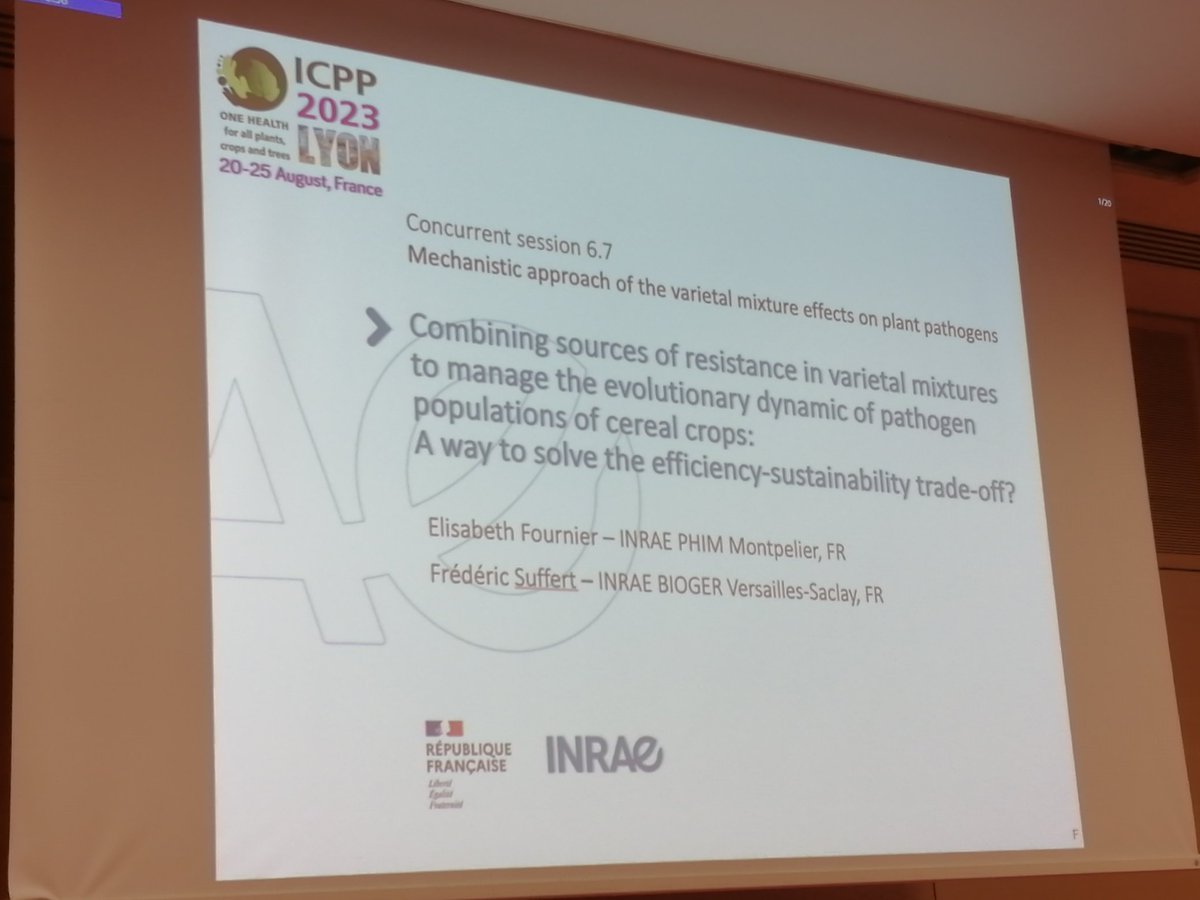
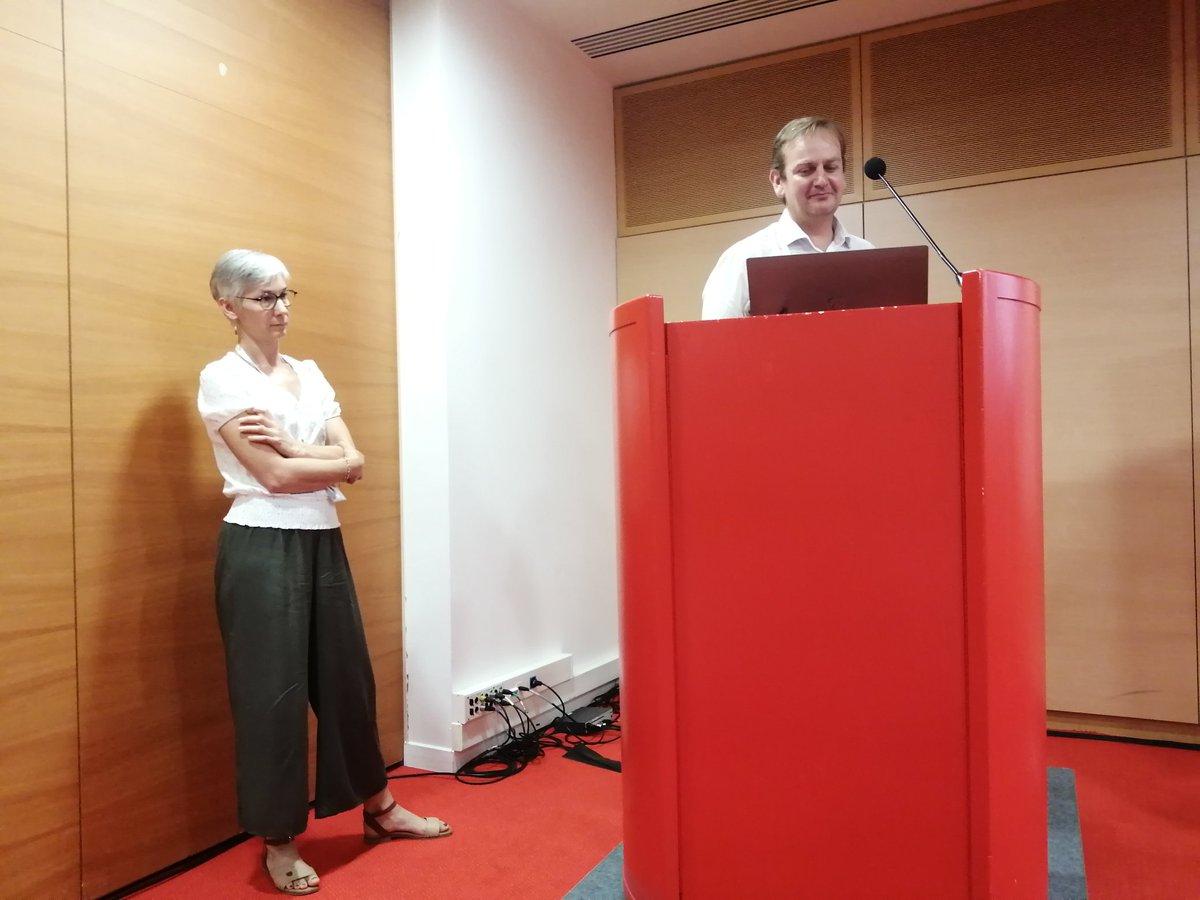
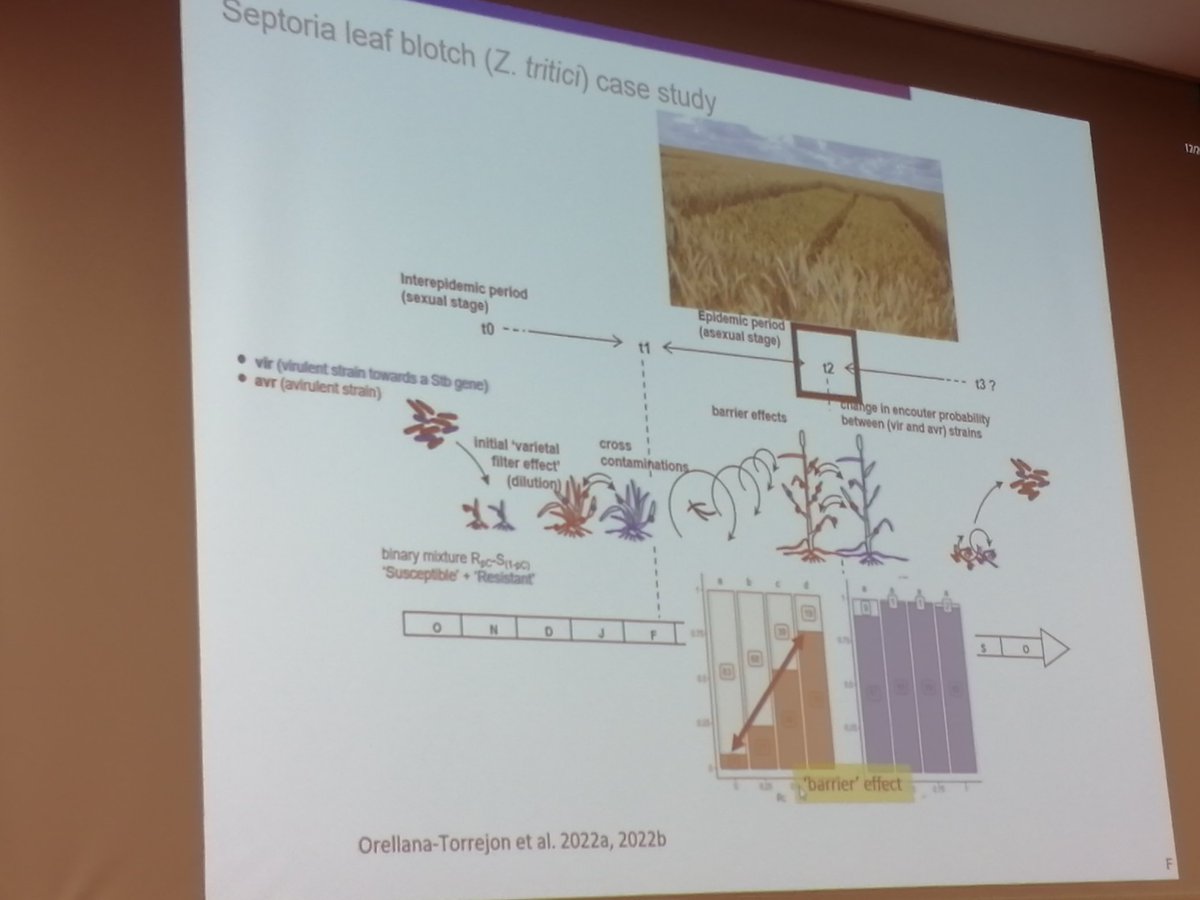
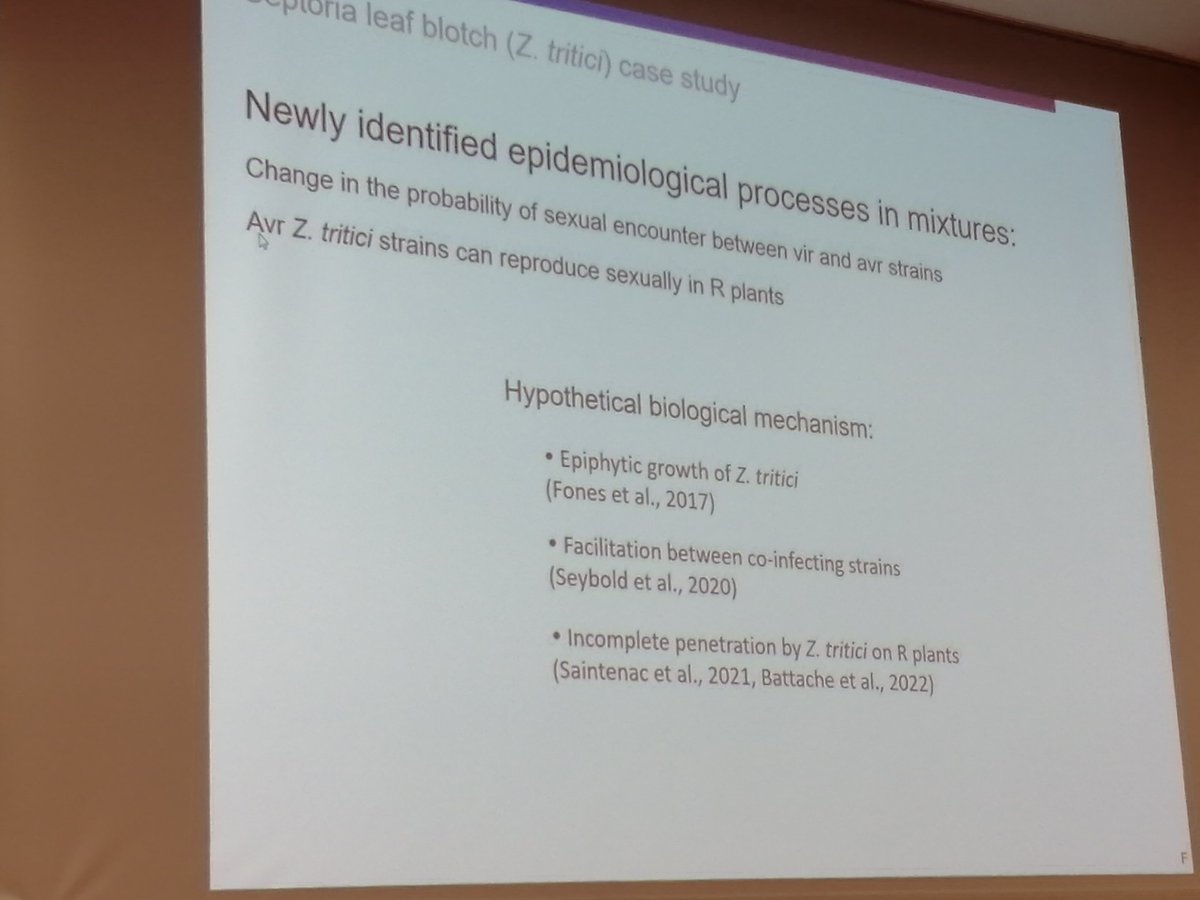
Fascinating team presentation by Frederic Suffert @wheatpath & Elisabeth Fournier @INRAE_France on epidemiological & evolutionary pathogen dynamics in cultivar mixtures in #wheat & #rice spanning short to long timescales #ICPP2023
2
6
741

3 Jul 2023
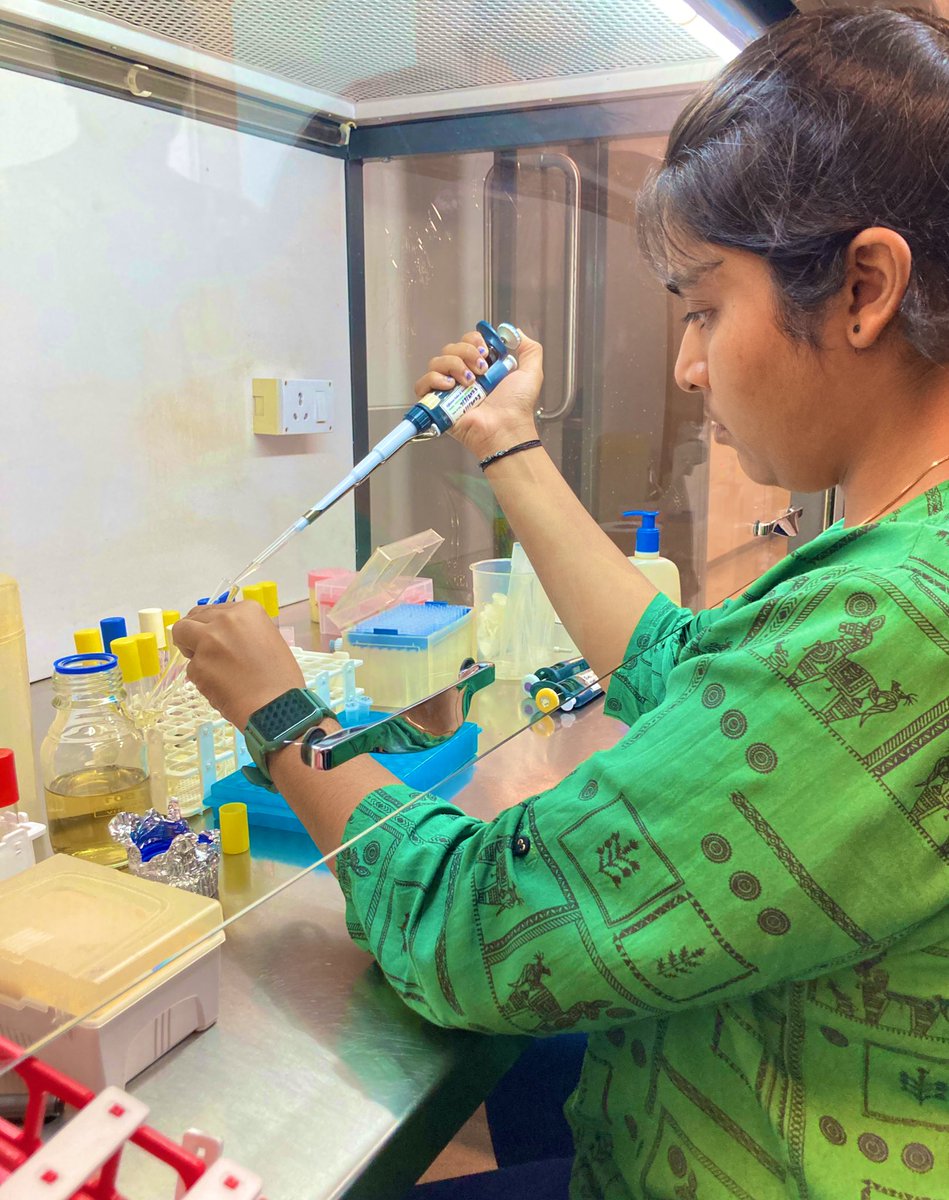
(2/2)
We were also encouraged to initiate an experiment where we test the concepts we learn!Excited to see the outcomes! (Pic: Me sitting in a hood after 3 years!)
#pathogenevolution #microbiology
4
136

24 Jun 2023
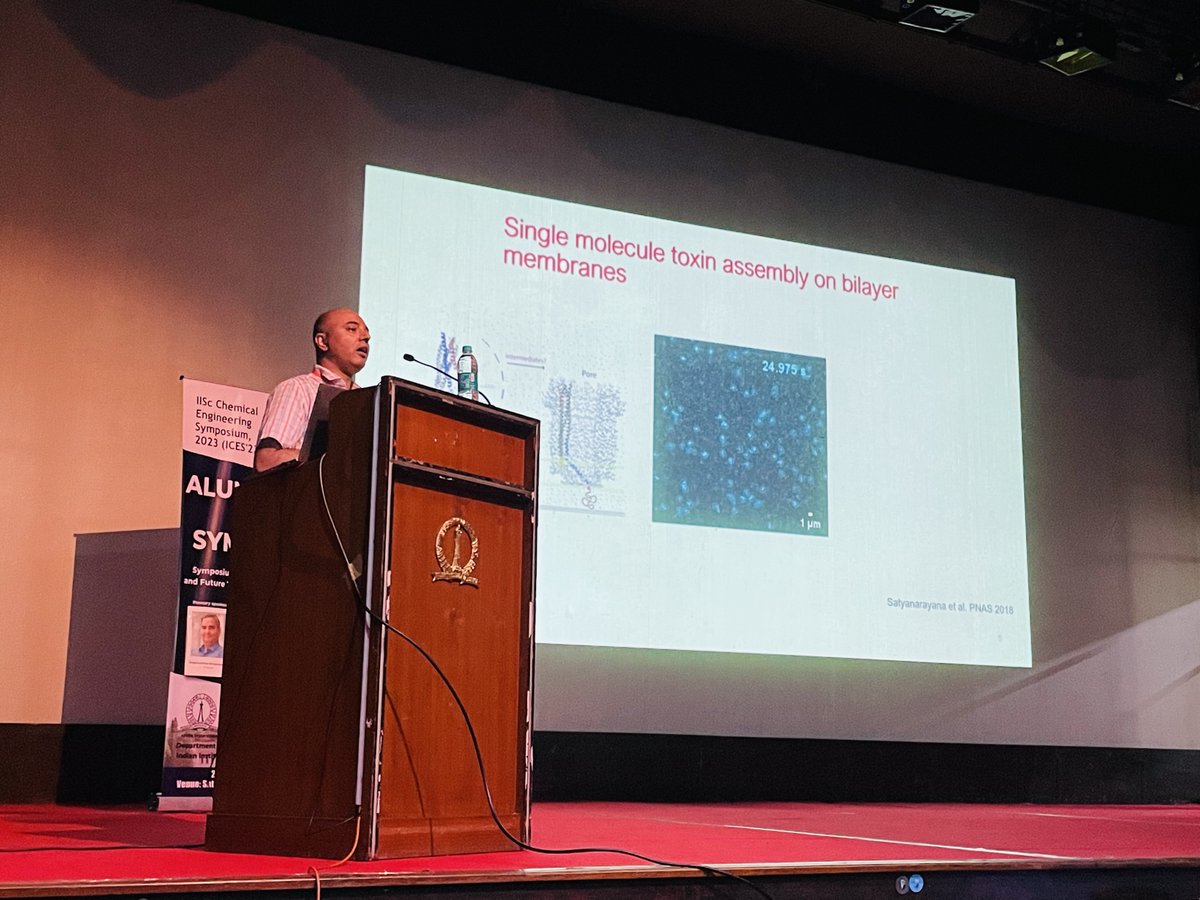
Had a fascinating session with Prof. Rahul Roy discussing the research carried out by his group. Combining experimental and modeling approaches, he sheds light on pathogen evolution over decades. Mind-blowing insights! #BiologicalReactions #PathogenEvolution #ICES23
13
356

10 Apr 2023
ClubrootOut: Combating the Devastating Effects of Plasmodiophora brassicae on Cruciferous Crops
#ClubrootOut #Plasmodiophorabrassicae #CruciferousCrops #CropRotation #Fungicides #PlantBreeding #IntegratedApproach #PathogenEvolution #SustainableAgricultu...
vegetables.news/clubrootout-…

141

#OneHealthMedia
15min @OneHealthTrust podcast episode on Lemurs in Madagascar 'When helping animals means helping people, too'
Great work @PlanetMada !
#Conservation #Primates #Cryptosporidiosis #SIV #PathogenEvolution #BioAnthropology #sifaka
8 Feb 2023

Dr. Travis Steffens @GuelphSOAN stars in the latest One Health Trust, One World One Health podcast with @maggiemfox!: tinyurl.com/4jzdh7k8
She spoke with Travis about his work to save Madagascar's lemurs and improve the lives of people who live with and near them.
#OneHealth
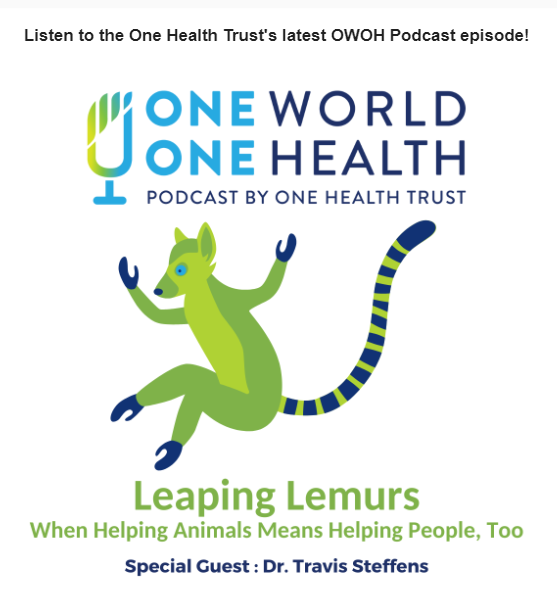
ALT A blue and green graphic promoting a One World One Health podcast by the One Health Trust entitled "Leaping Lemurs; When helping animals means helping people too" with special guest Dr. Travis Steffens. The graphic also features an illustration of a lemur jumping through the air.
5
173