


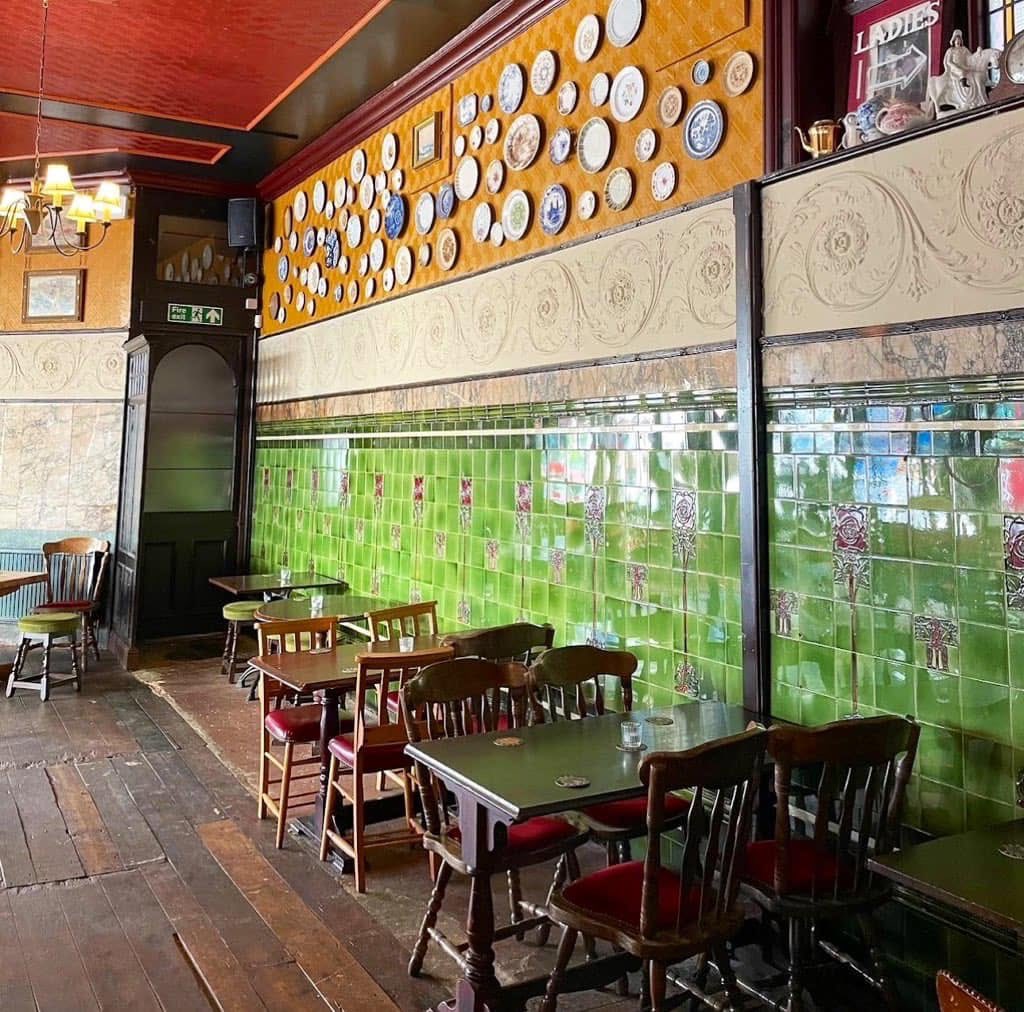
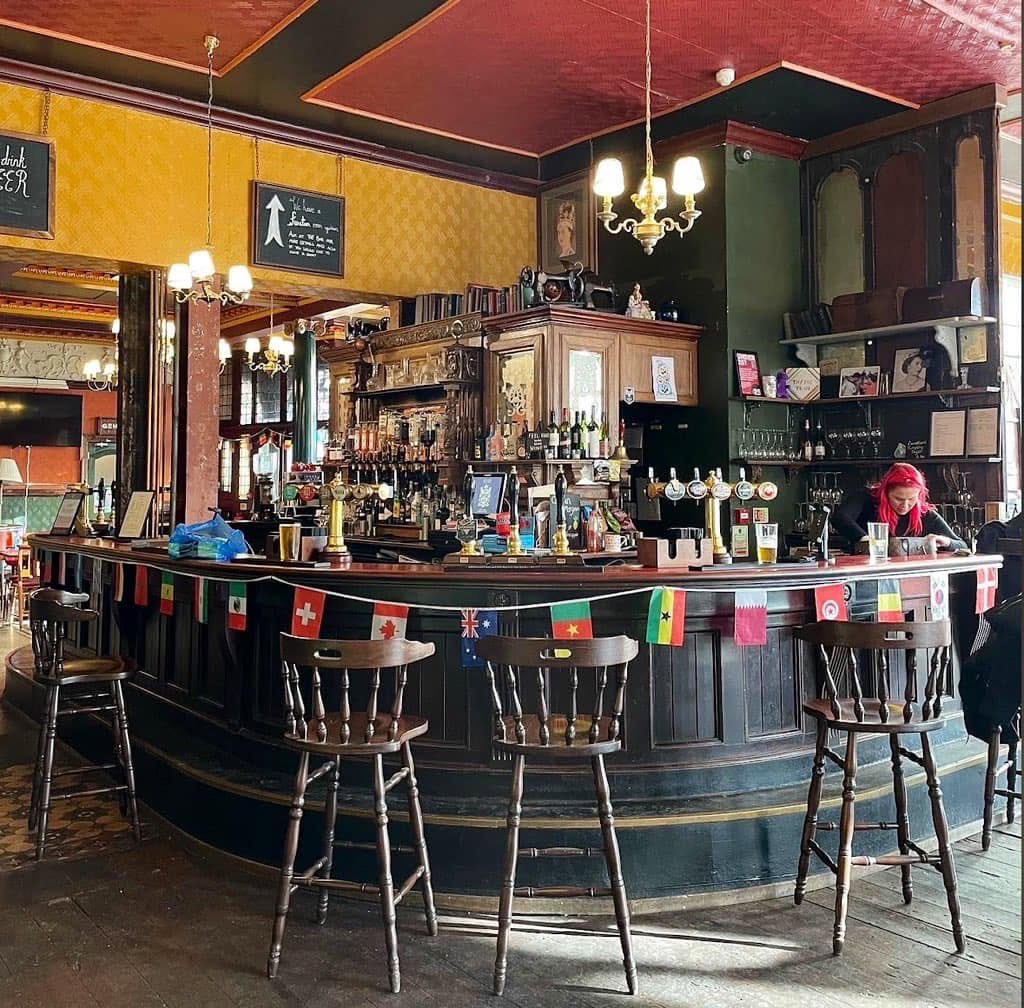
The main bar retains its original arrangement, with a central servery, decorative plaster friezes, ornamental cornicing, original fireplaces with tiles, and stained and leaded glass. The decorative plasterwork, with its figurative and foliate motifs, represents craftsmanship.
1
5
23
826

Jun 12
Final day of the VAG Spring Conference and it was great to start the day with a visit to the fabulous Bannockburn House to see its remarkable plasterwork and other features. Thanks for the tour, @BannockburnHSE!
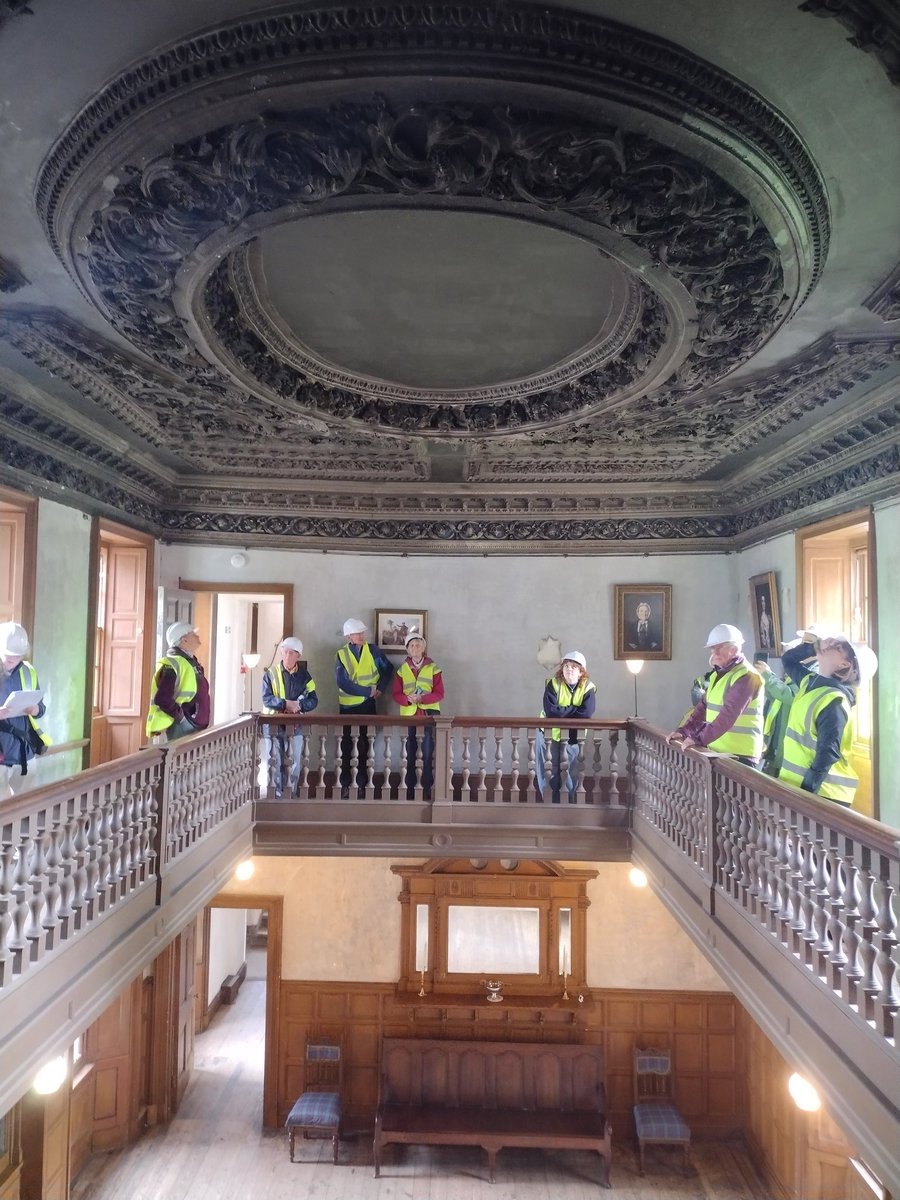
ALT Plaster ceiling at Bannockburn House.
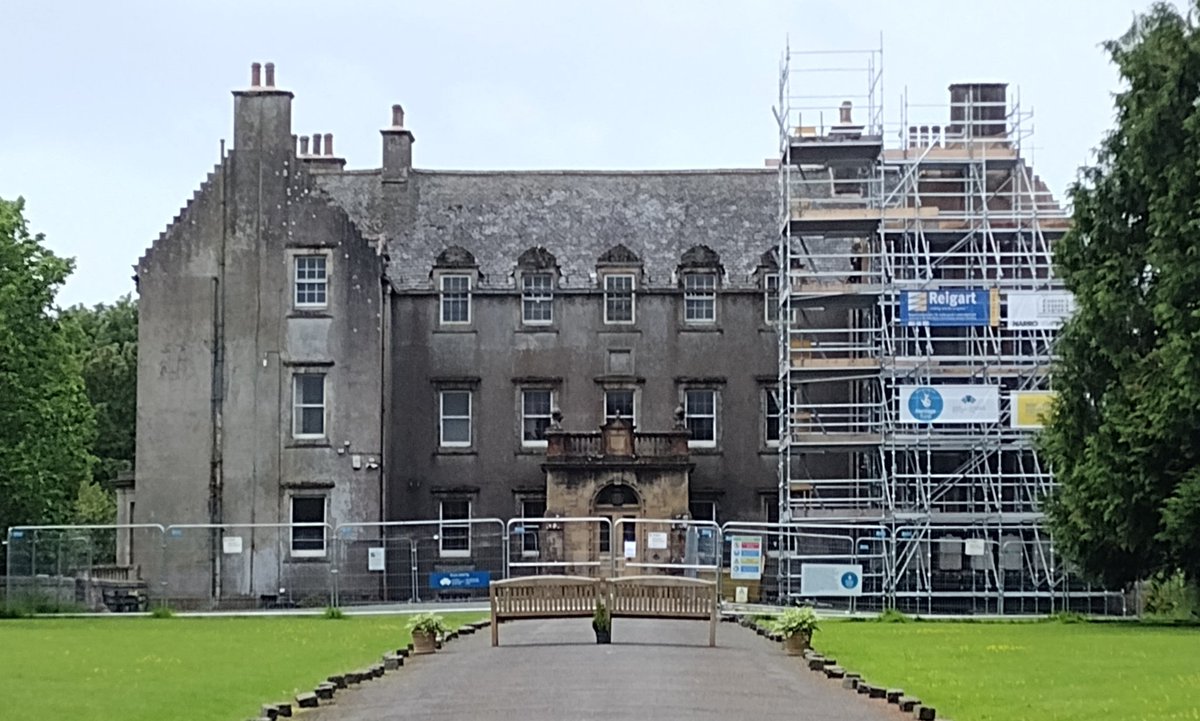
ALT Bannockburn House front elevation.
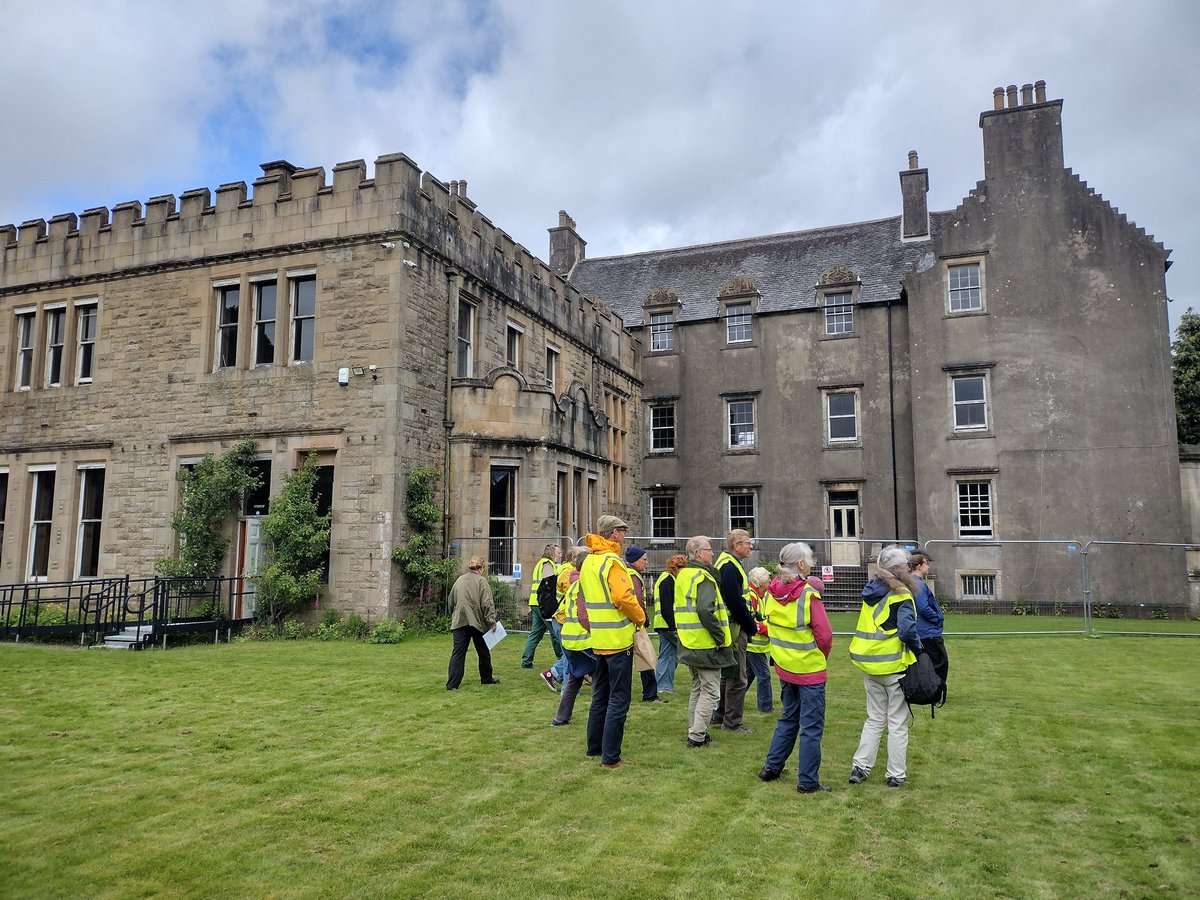
ALT Bannockburn House.
1
2
10
340
mya choco🇲🇦✨ retweeted

30 May 2025
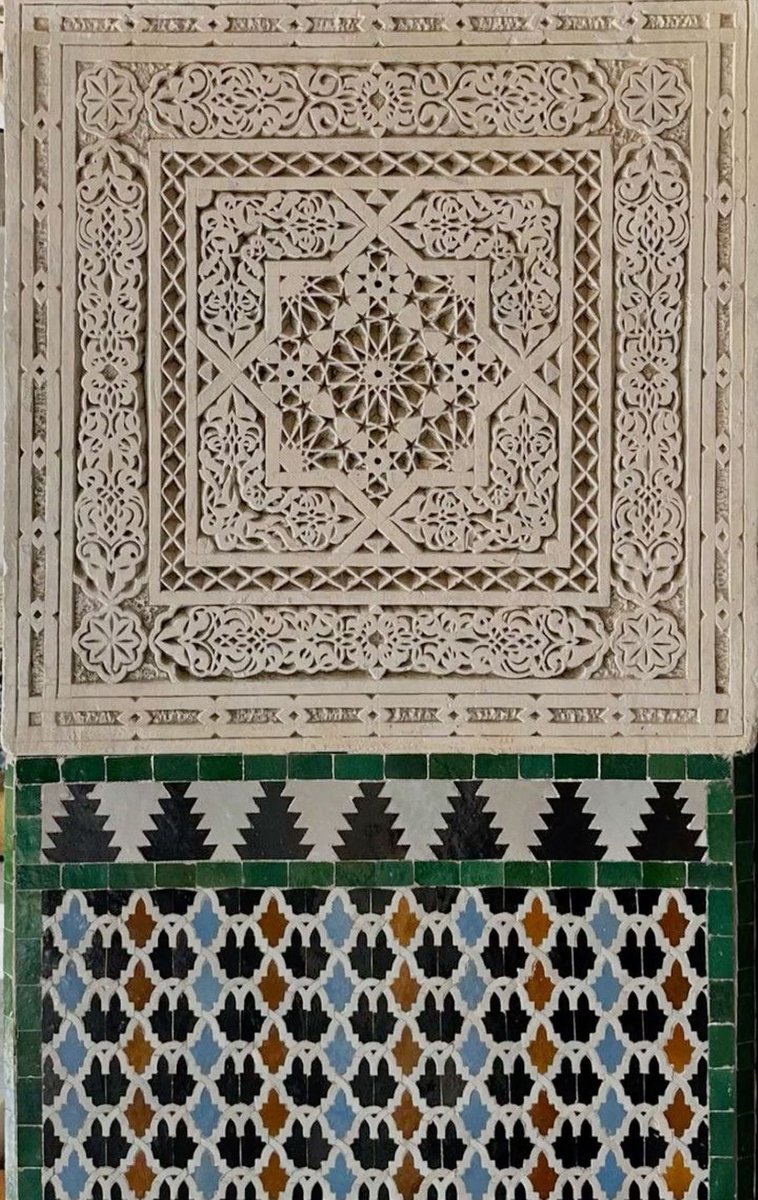
Moroccan Zellige tiles Moroccan Gebs (Plasterwork), #Marrakech🌟
1
20
91
2,073

Jun 10
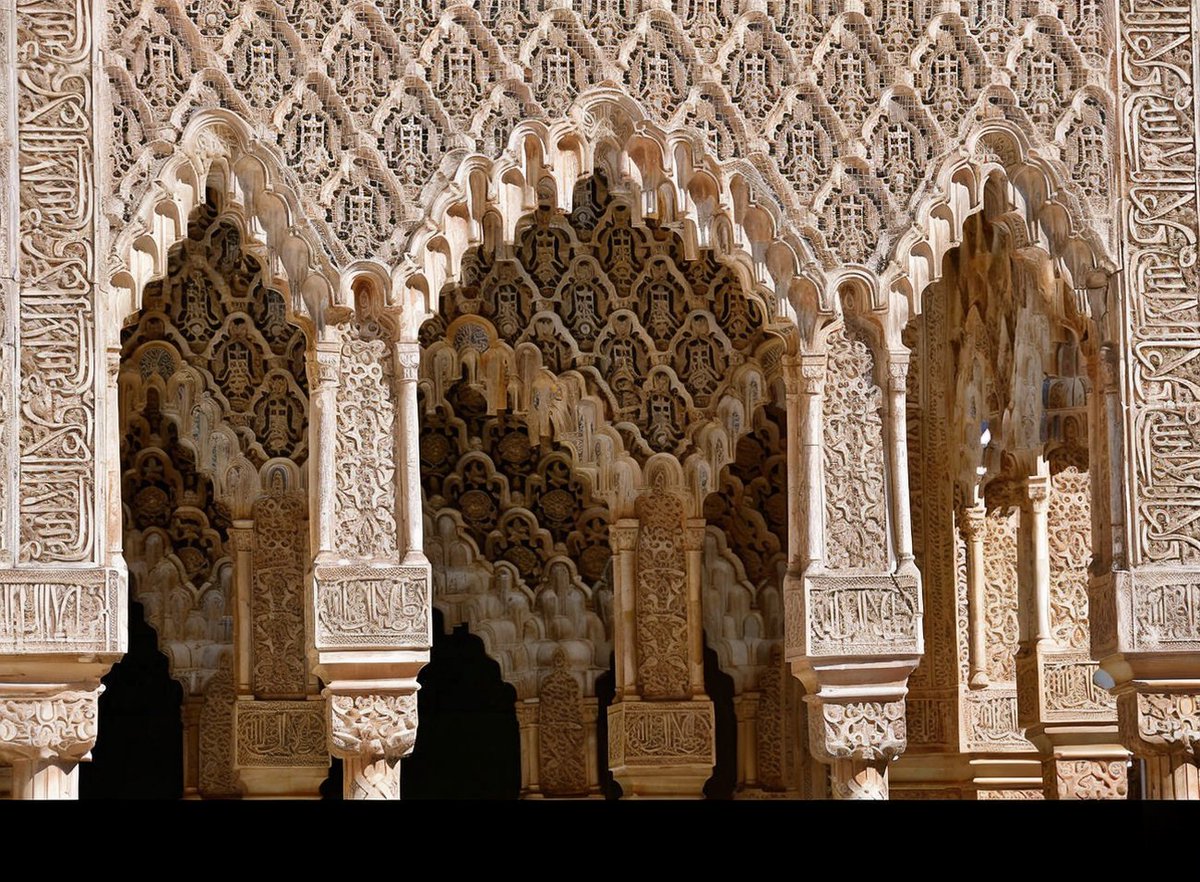
That's AMAZING! 🤩🤩🤩It reminds me of nothing so much as the plasterwork in the Alhambra - longer-lasting, of course, but equally brightly painted in its day...
2
4
66

2/ The problems included:
✔️ Damp & mould
✔️ Defective plasterwork
✔️ Leaks & water ingress
✔️ Defective brickwork
✔️ Faulty boiler
These issues were reported numerous times, but no meaningful action was taken.
1
51

Jun 9
Sana'a's plasterwork is extraordinary. Dubai's writing a different architectural story with Foster's Zayed National Museum and Gehry's Guggenheim. Whole other conversation.
90

Jun 7
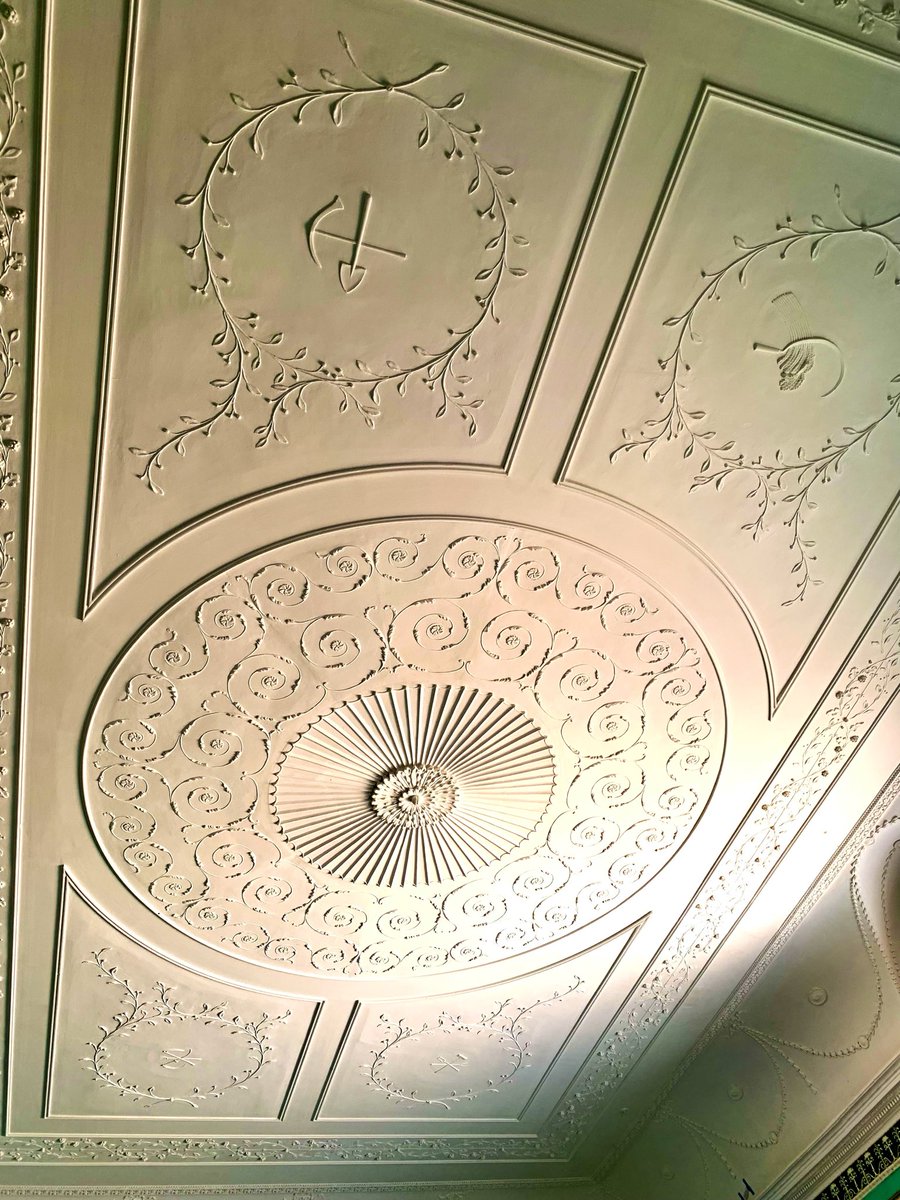
The two-story-high ceiling in the “New Room” at George Washington’s Mount Vernon. The ceiling features carvings and plasterwork of farm equipment, representing George Washington’s deep passion for agriculture.
2
46

Jun 7
We Specialise in custom plaster moulding and decorative interior finishes.
We create unique plaster designs adding elegance and character to ceilings, walls, and other interior spaces. We also handle restoration and renovation of decorative plasterwork.


2
5
188

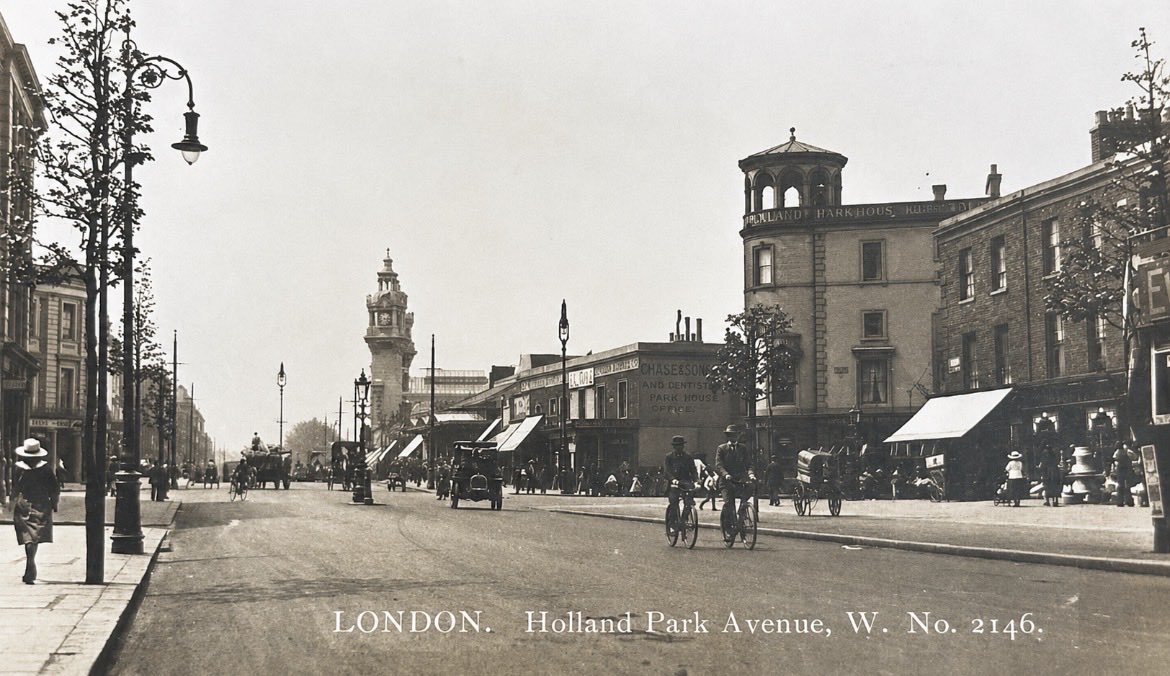
In the 1920s is what Holland Park Avenue looked like, long before Shepherds Bush roundabout existed. You can see the grand plasterwork archway entrance to the White City exhibition site in the distance.
12
110
2,543

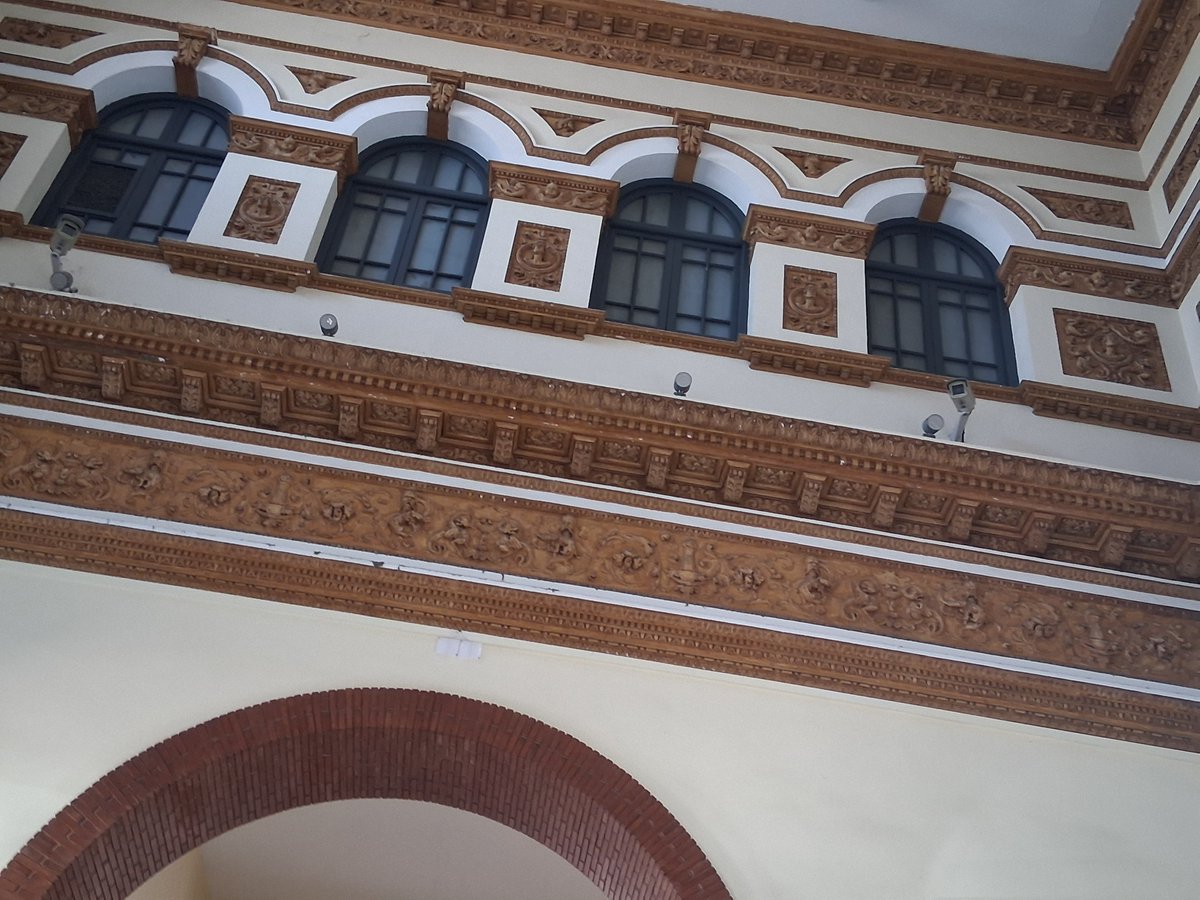
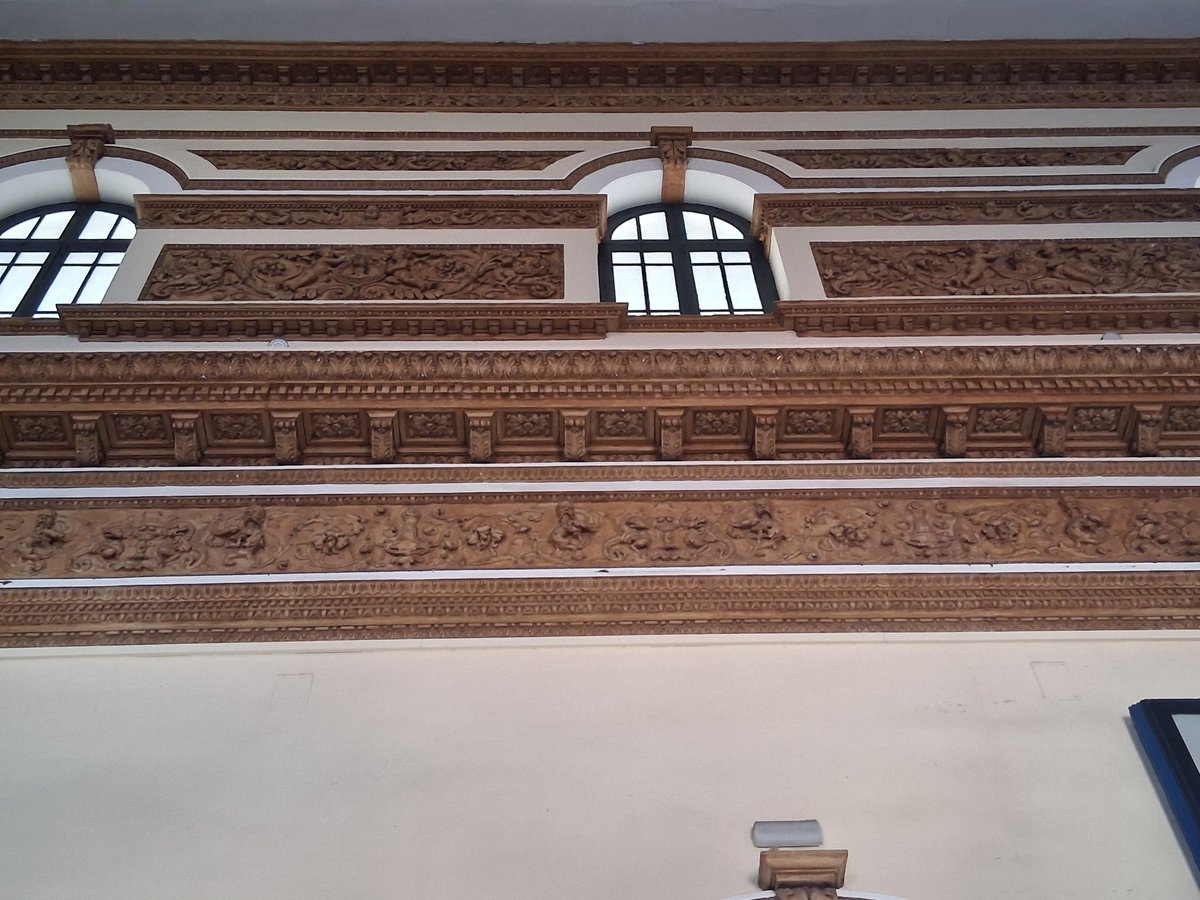
The train station in Jerez is a thing of beauty, with wonderful, elaborate tilework. I've rarely looked at the plasterwork inside it. Today I did. @turi
1
4
80

Jun 2
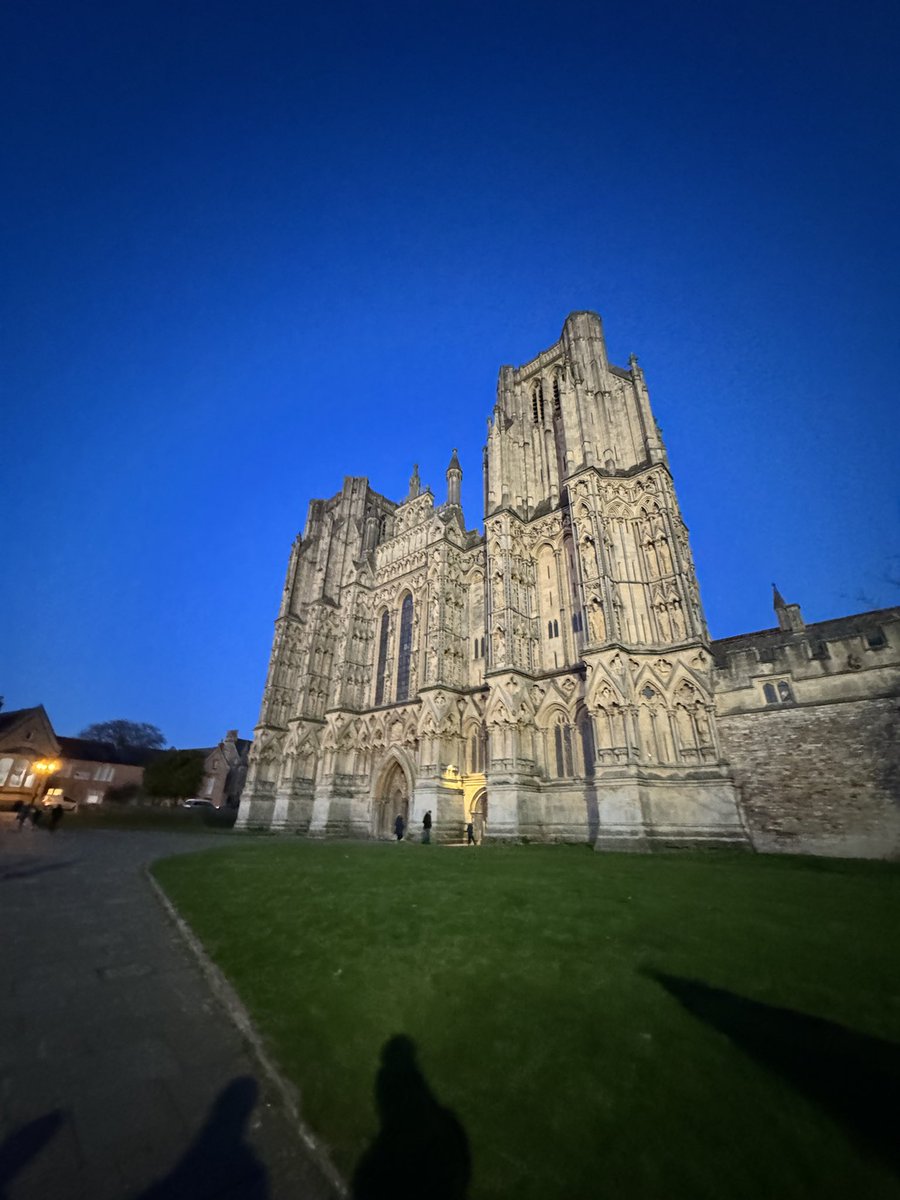
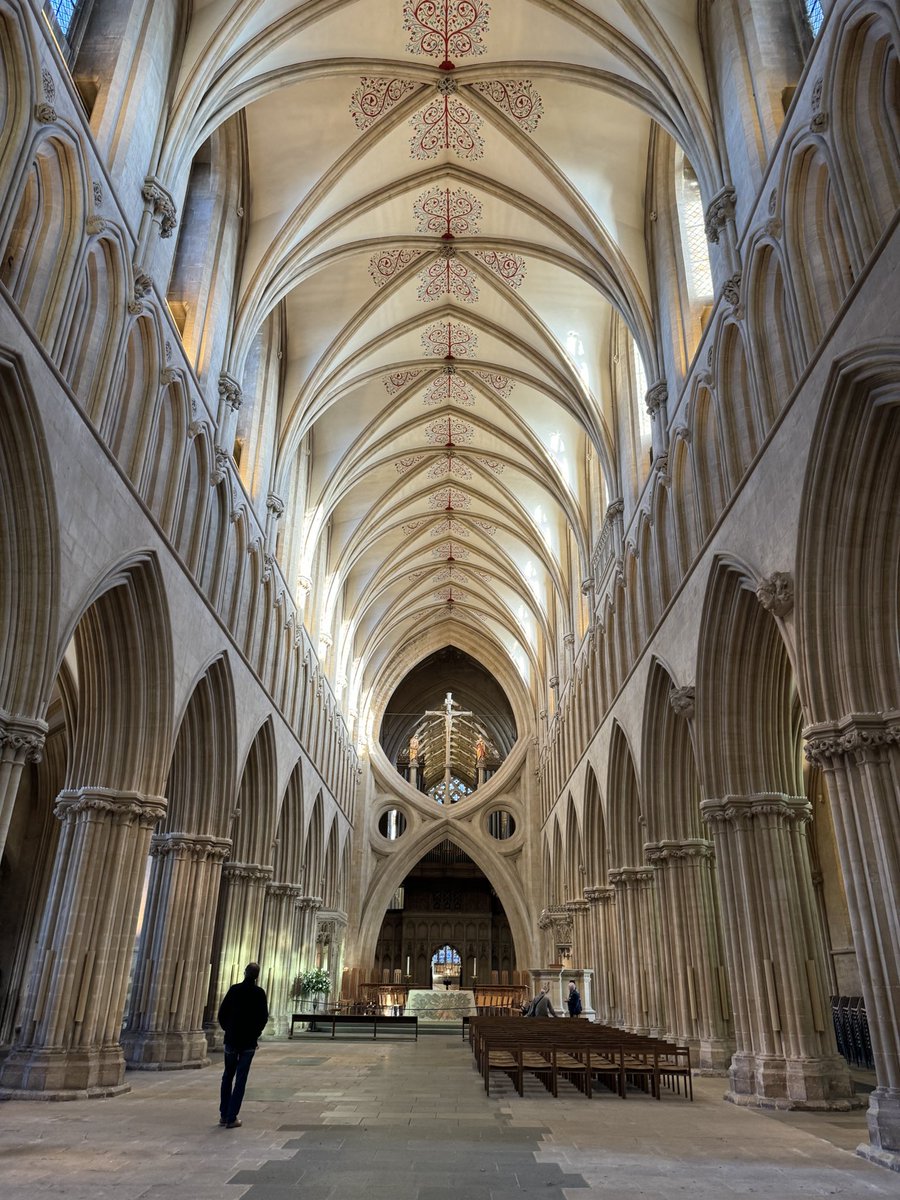
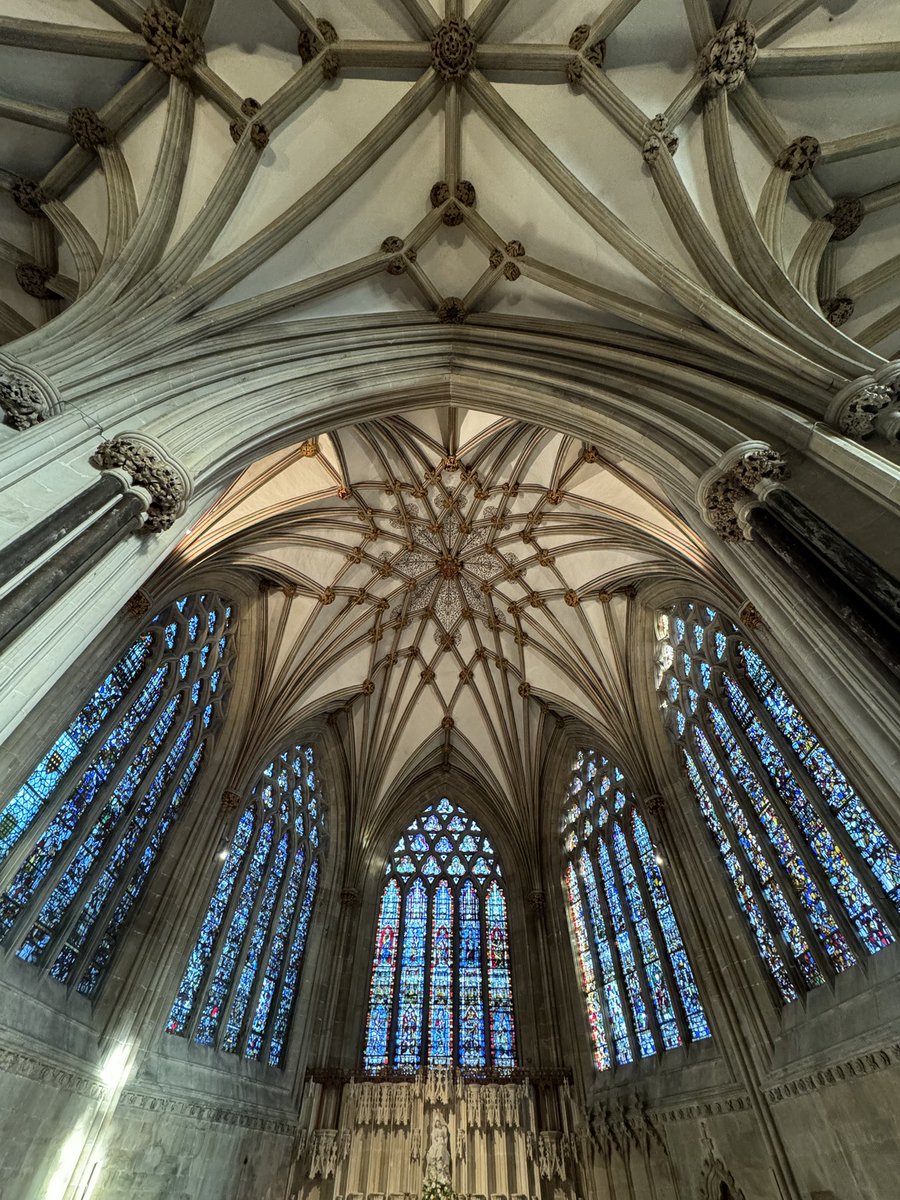
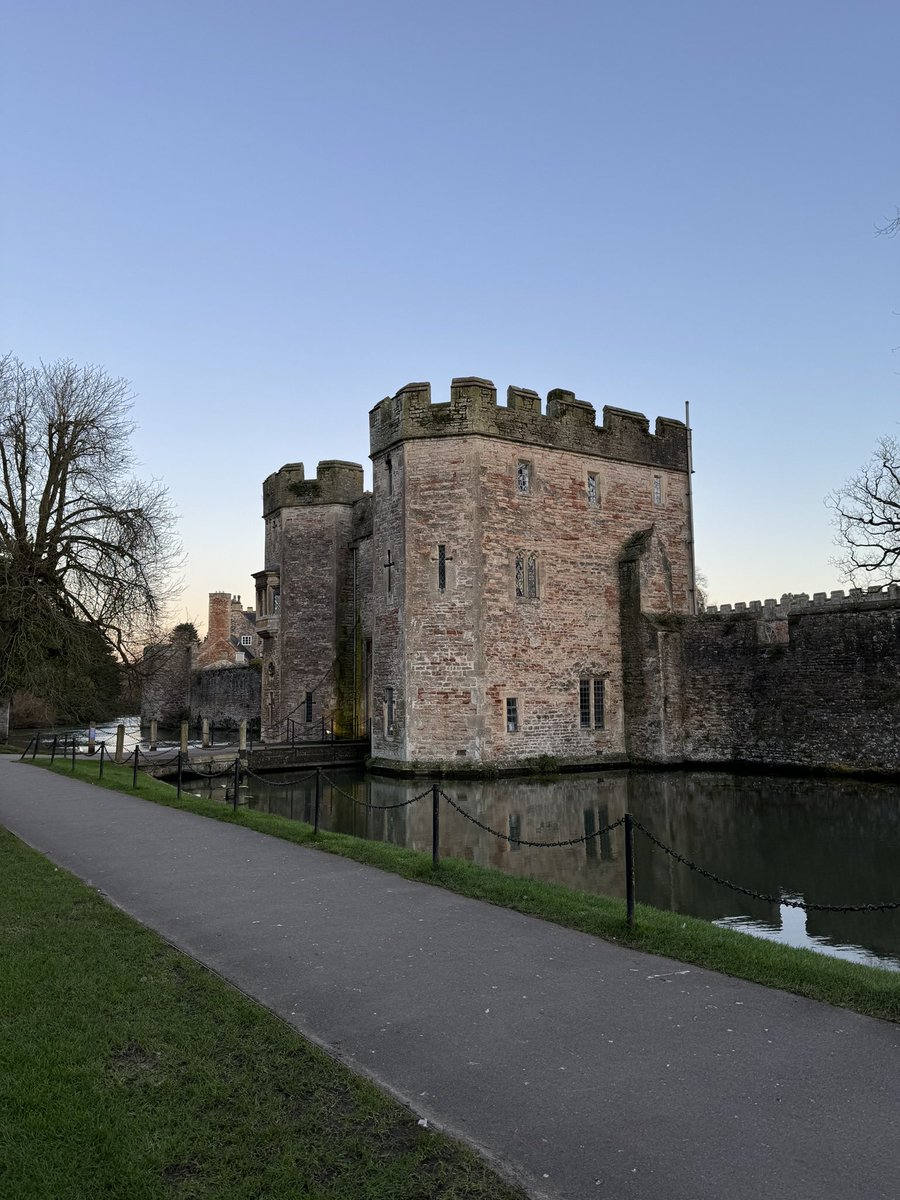
I’m honoured to be presenting a talk on the history of English plasterwork and the plasterwork of Somerset at Wells cathedral next Friday. The event is part of a weekend of events organised by the Plaisterers company with the Friends of Wells cathedral, contact them for tickets.
1
2
13
554

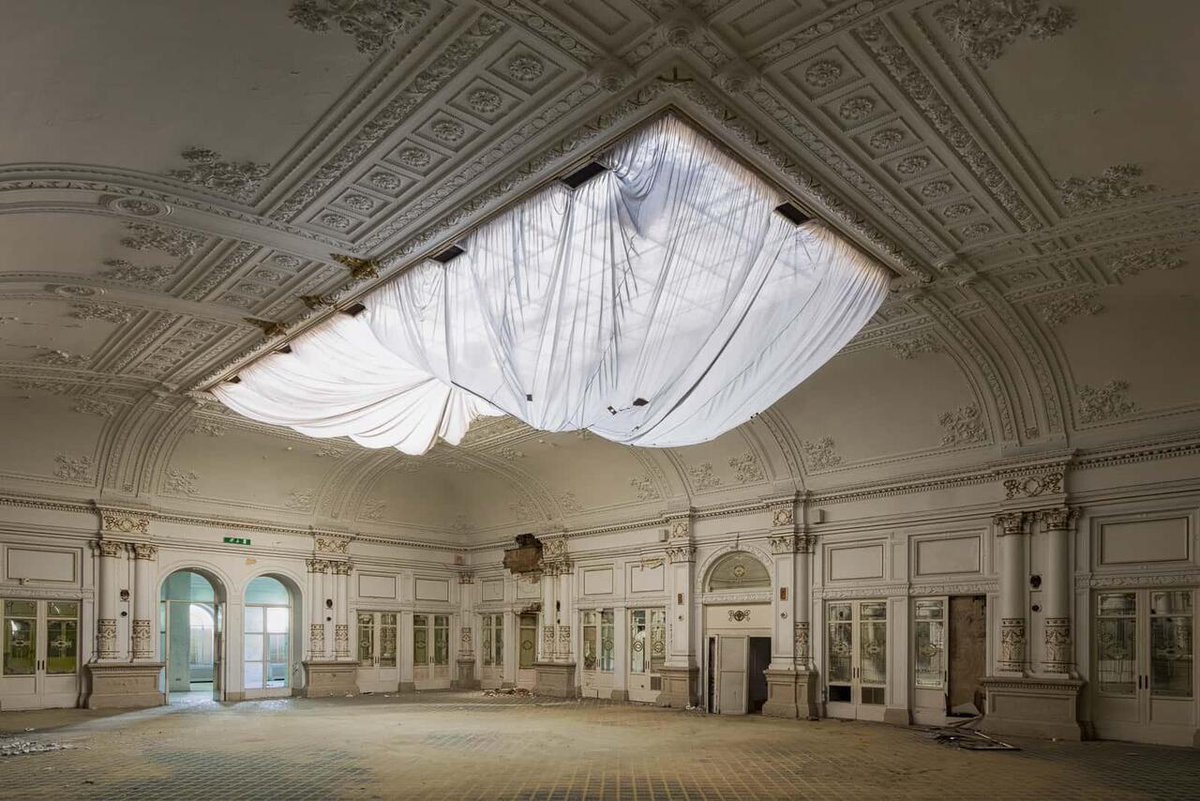
The Paragon Hotel, an abandoned spa resort in Italy.
Built in the 1840s, the 120 room hotel features a grand ballroom with gold-gilded plasterwork and a large central skylight with billowing drapes. It closed in the mid-2000s due to local economic decline and shifts in tourist…
15
154

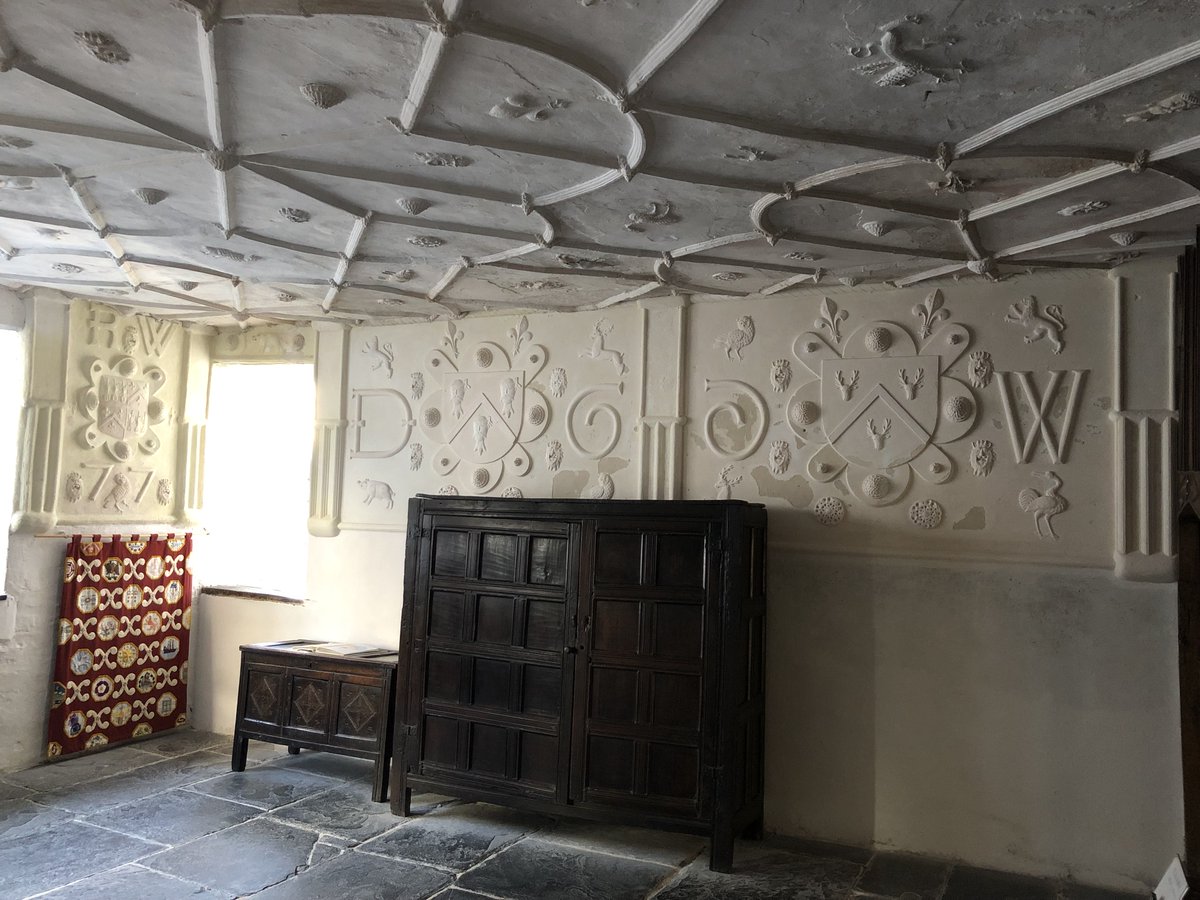
'R[obert] W[ynn] [15]77 / D[orothy] G[riffith] / G[riffith] W[ynn]' – plasterwork at Plas Mawr, Conwy, celebrating its commissioners; Robert Wynn [c. 1520-Nov. 1598] and his first wife, a widowed mother of 11 - 5 surviving –, Dorothy (Griffith) Williams [c. 1515-c. 1586]:
May 13

Might be offset by how over the course of a marriage, women now contribute something like 1/3 of the family's income.
Also dowries were often the bride's inheritance share, a substitute for primogeniture. This was under coverture, when women had dower's rights (insurance money for widows, sometimes called a 'widow's third') which came from the husband's estate.
1
4
988

May 25
There is a room in Málaga that was built to be the closest thing on earth to standing inside heaven.
It is called the camarín of the Virgin of Victory, and it is hidden at the top of a tower inside the Santuario de la Victoria. To reach it, you climb and the ascent is the entire point...
The building you are climbing through was completed in 1700, and it was designed as a single argument made in stone. At the bottom lies a crypt: a black chamber crowded with white plaster skeletons, a meditation on death and the brevity of life.
From there a staircase rises, and as you climb it the light grows stronger and the imagery changes from bones to saints. The architects of the time understood this ascent as the soul's own journey, the dark crypt as the stage of penitence, the staircase as the stage of spiritual progress, and the room at the very top as the final stage: the union of the soul with the divine.
That room at the top is the camarín, and its dome is one of the most extraordinary interiors in Spain...
Every surface is covered in white and gold plasterwork. There is no empty space anywhere. The Baroque called this horror vacui, the horror of the void: the conviction that a space meant to represent heaven should not contain a single bare patch of stone.
Out of that plasterwork emerge angels, flowers, birds, and mirrors. The mirrors are not decoration alone. They catch the light pouring in through the windows of the drum and throw it around the chamber, so that the gold seems to move and the whole room appears to shimmer and breathe.
This wonder was built by people who believed that if you wanted to show a human being what heaven might feel like, you did not describe it to them. You built a room, and you let them climb into it...
-- -- --
If you enjoyed this, I write a weekly newsletter read by over 50,000 people who love rediscovering the beauty of the past. You can join us here:
James-lucas.com/welcome
If you'd like to support my work, a paid subscription is what makes it possible.
32
477
2,700
68,827

May 24
Gemini Omni Flashで動画編集。
現代の路上を走るランナー動画(Kling 3.0で生成)をベースに、日本の過去10の時代へタイムスリップさせてみました😃
時代ごとに
・服装
・街並み
・背景
などを変化させています。
テロップもGemini Omni Flashでつけました。
完璧ではありませんが、ベース動画を活かしたまま、ここまで自然に時代変化できるのはかなり面白いですね😳
Gemini Omni Flashで使用したプロンプトはこちら↓
-------------------------------------------------------
**Please edit based on the uploaded video.**
Create a 10-second hyper-realistic cinematic video of a Japanese woman running continuously, where her outfit, hairstyle, AND background all transform together through 10 different eras of Japan.
**CHARACTER LOCK:**
The uploaded reference video defines this character permanently. Analyze the reference video carefully and extract the character's exact face, hair color, skin tone, body shape, age, height, and all physical features. These are frozen and identical in every single frame. Only the costume, hairstyle, and background change per era. Identity must never drift. This is non-negotiable.
**REFERENCE VIDEO USAGE:**
Extract from the reference video:
- Exact facial structure, features, and expression style
- Natural skin tone and texture
- Body proportions and height
- Natural hair color and base texture
- Running motion, posture, stride length, and gait rhythm
Match her natural running style exactly throughout all 10 scenes.
---
**BACKGROUND CHANGE — CRITICAL INSTRUCTION:**
**The background MUST change completely and dramatically on every single cut.**
Every scene must have a visually distinct, fully rendered, historically accurate environment.
The background is NOT a blur, NOT a void, NOT a neutral studio.
Each background must look like a real physical location from that specific era.
Ancient and medieval era backgrounds must feel especially immersive — heavy architecture, raw materials, dramatic lighting, period-accurate props and atmosphere.
If the background does not change dramatically between scenes, the output is considered failed.
**Treat the background transformation as equally important as the costume transformation.**
---
**LENS & FRAMING:**
Full-body side tracking shot — head to toe always in frame.
Slight low-angle for dynamism.
Shallow depth of field — character sharp, background clearly visible and recognizable.
Smooth lateral tracking motion following the run.
Background must fill the entire frame behind the character — no empty space, no fog replacing architecture.
---
**CAPTION FORMAT:**
2-line floating caption at bottom center of every scene.
Line 1: Era name (Japanese / English)
Line 2: Time period
Clean elegant font, warm white, dark drop shadow.
Never overlap outfit, shoes, or background landmarks.
Always exactly 2 lines.
---
**10 COMPLETE ERA SCENES:**
**Scene 01 — 平安 / HEIAN ERA / 10TH CENTURY**
Costume: Full juni-hitoe, twelve cascading silk layers, deep crimson to violet gradients, floor-length trailing sleeves flowing behind as she runs.
Hair: Long straight black hair flowing to the floor, classic Heian court style.
Background — MANDATORY DETAILS:
A grand wooden imperial palace interior corridor (shinden-zukuri architecture). Thick lacquered wooden pillars lining both sides. Elaborately painted fusuma sliding screens with gold leaf and ink wash landscape paintings. Polished dark wooden floor reflecting soft candlelight. Multiple paper lanterns glowing amber. Open screens on one side revealing a misty courtyard garden with ancient pine trees, raked gravel, and stone water basins. Cherry blossom branches reaching in from outside. Soft diffused golden morning light filtering through shoji screens. The architecture must feel monumental, ancient, and unmistakably Heian imperial.
**Scene 02 — 鎌倉 / KAMAKURA ERA / 13TH CENTURY**
Costume: Practical kosode kimono, muted indigo and brown, narrow sash, tabi, wooden geta.
Hair: Simply tied back with a plain cord.
Background — MANDATORY DETAILS:
A narrow ancient earthen temple approach path (sando). Towering centuries-old cedar and cypress trees forming a dark canopy overhead, their massive trunks covered in deep green moss. Stone lanterns (toro) every few meters, some cracked with age and moss-covered. Worn stone steps rising ahead. Ancient wooden torii gate visible in the distance. Stone Jizo statues beside the path. The ground is damp earth with exposed roots. Overcast pale grey mountain light filtering through the tree canopy. The atmosphere must feel ancient, sacred, remote, and physically heavy with age.
**Scene 03 — 桃山 / MOMOYAMA ERA / 16TH CENTURY**
Costume: Gold-embroidered kosode, bold chrysanthemum pattern, wide structured obi, lacquered kanzashi.
Hair: Elegantly pinned up with gold kanzashi, loose strands framing the face.
Background — MANDATORY DETAILS:
A bustling castle town (jokamachi) merchant street at golden hour. Visible in the background: a multi-tiered white plastered castle tower (tenshu) with black timber detailing rising dramatically above the rooftops. Narrow earthen walls lining the street. Tightly packed wooden merchant houses with deep eaves, sliding wooden lattice doors, hanging indigo-dyed noren curtains. Wooden barrels, straw baskets, ceramic pots stacked outside shops. Merchants in period clothing visible softly in background. Paper lanterns just being lit as dusk approaches. Dusty unpaved street. The scene must feel warm, prosperous, and unmistakably late Sengoku / Momoyama castle town.
**Scene 04 — 江戸 / EDO ERA / 18TH CENTURY**
Costume: Yuzen-dyed silk kimono in coral and gold floral, wide decorative obi, ornate kanzashi stack.
Hair: Classic shimada-mage updo with multiple decorative kanzashi.
Background — MANDATORY DETAILS:
A lively Edo period shitamachi townscape street in full afternoon activity. Rows of wooden merchant townhouses (machiya) with dark timber frames, white plaster walls, deep overhanging eaves, and colorful noren curtains hanging in doorways. Stone-paved street. Wooden signboards (kanban) hand-painted with characters hanging above shops. Street vendors with carrying poles (tenbin-bo) and wooden boxes. Paper lanterns strung between buildings. People in Edo-period clothing going about daily life softly visible. A wooden bridge over a narrow canal visible in background. Warm amber late afternoon light casting long shadows. The scene must feel densely urban, lively, and unmistakably Edo shitamachi.
**Scene 05 — 文明開化 / MEIJI ERA / 1880S**
Costume: Kimono with Western lace collar overlay, small brooch, Japanese obi with Western ribbon detail.
Hair: Partial Western-style updo mixed with traditional elements, small decorative pin.
Background — MANDATORY DETAILS:
A Meiji-era modernization street showing dramatic East-meets-West architectural collision. On one side: a newly built Western-style brick building with arched windows, iron railings, and European cornices. On the other: traditional wooden Japanese shops with noren and paper lanterns. Cast iron gas street lamps newly installed on the pavement. A rickshaw (jinrikisha) passing in the background. Wooden telegraph poles with wires strung between them — a new sight for this era. Pedestrians in a mix of kimono and early Western dress. Cobblestone pavement beginning to replace earth. The scene must visually capture the collision of traditional Japan and Western modernity in the Meiji era.
**Scene 06 — 大正ロマン / TAISHO ROMAN / 1920S**
Costume: Bold graphic-pattern hakama-skirt combo, Western-style beret, leather ankle boots, flowing scarf trailing behind.
Hair: Soft Western-influenced wave with beret, loose strands at sides.
Background — MANDATORY DETAILS:
A Taisho-era urban boulevard (ginza-style street) bathed in warm nostalgic amber light. Western-style café and restaurant buildings with large plate glass windows, ornate plasterwork facades, and Art Nouveau decorative details. Early electric tram tracks running down the center of the street. Brick pavements. Elegant hand-painted shop signs in a mix of Japanese and Western lettering. A few early automobiles and bicycles. People in a mix of kimono and Western fashion. Electric streetlights just coming on at dusk. The atmosphere must feel romantic, cosmopolitan, and unmistakably Taisho-era urban Japan.
**Scene 07 — 高度成長 / MOD BOOM / 1960S**
Costume: Bold geometric mini dress, white go-go boots, drop earrings, helmet-style bob.
Hair: Sharp geometric bob, very structured.
Background — MANDATORY DETAILS:
A 1960s Tokyo commercial street buzzing with Showa economic optimism. Rows of small storefronts with hand-painted Showa-era signage in bold postwar script. Retro neon signs in early electric colors — reds, greens, yellows. Showa-era cars (rounded compact sedans) parked along the street. Overhead electrical wires and wooden utility poles. Large hand-painted advertisement billboards on building walls. People in 1960s Japanese fashion. Bright clear daylight, optimistic and energetic atmosphere. The scene must feel unmistakably like postwar Tokyo at its most hopeful and rapidly modernizing.
**Scene 08 — バブル / BUBBLE ERA / 1980S**
Costume: Massive shoulder-pad power blazer, high-waisted wide-leg trousers, chunky gold accessories, voluminous perm.
Hair: Dramatic voluminous perm.
Background — MANDATORY DETAILS:
A glittering bubble-era Tokyo nightlife street. Dazzling neon signs covering entire building facades in electric pink, cyan, and gold. High-end boutique storefronts with polished marble entrances. A luxury car (80s Japanese sedan) gleaming under neon light. Tiled reflective sidewalks. Crowds of well-dressed bubble-era Tokyo people softly visible. The sky is dark but the street is blinding with commercial light. The scene must feel excessive, electric, prosperous, and unmistakably late-1980s Tokyo bubble economy.
**Scene 09 — 原宿 / HARAJUKU / 2000S**
Costume: Pastel lolita ruffled petticoat skirt, bow headband, platform mary janes, layered lace, candy-colored accessories.
Hair: Twin pigtails with oversized pastel bows.
Background — MANDATORY DETAILS:
Takeshita Street, Harajuku in full 2000s peak chaos. Narrow street lined wall-to-wall with tiny colorful shopfronts packed tightly together. Rainbow-colored banners and flags hanging overhead. Handwritten pop signage. Crepe shop with illustrated menu board. Teenagers in extreme Harajuku fashion visible softly in background. Bright flat pop-color daylight. The street must feel narrow, overwhelming, colorful, and unmistakably 2000s Harajuku youth culture.
**Scene 10 — 令和 / REIWA STYLE / TODAY**
Costume: Monochrome wide-leg trousers, structured crop jacket, white sneakers, micro bag.
Hair: Natural loose modern style.
Background — MANDATORY DETAILS:
Modern Tokyo at golden hour. A clean wide contemporary boulevard with glass and steel buildings reflecting warm dusk light. A glimpse of the Sumida River or Tokyo Bay waterfront. Modern elevated walkway or riverside promenade. Contemporary architecture with clean lines. Distant city skyline glowing in warm sunset tones. A few modern pedestrians. The scene must feel clean, cosmopolitan, and unmistakably present-day Tokyo.
---
**CUT RHYTHM:**
10 seconds total. 10 scenes × 1 second each.
Hard cut OR seamless morph on every cut.
Costume hair background ALL change simultaneously on every cut.
Run never stops or breaks across cuts.
Opening title 「時代を駆ける」 appears for 1 second then dissolves.
Closing caption 「過去から現在へ」 fades in on final freeze then fade to black.
---
**PRODUCTION QUALITY:**
Photorealistic. Cinematic grade. High-budget historical reconstruction feel.
Every background must look like a real location, not a painted backdrop or AI void.
Fabric moves — silk trails, cotton bounces, lace flutters.
Era-accurate textures, materials, lighting throughout.
Warm cinematic color grade shifting subtly per era.
---
**ABSOLUTE RESTRICTIONS:**
No face changes. No body proportion shifts.
No empty, foggy, or featureless backgrounds.
No modern objects in pre-Meiji scenes.
No anachronistic architecture or props.
No single-line captions. No captions overlapping key elements.
No stopping, posing, or pausing the run.
No fantasy elements.
**Background must change completely and visibly on every single cut — this is mandatory.**
2
10
127
9,891

May 21
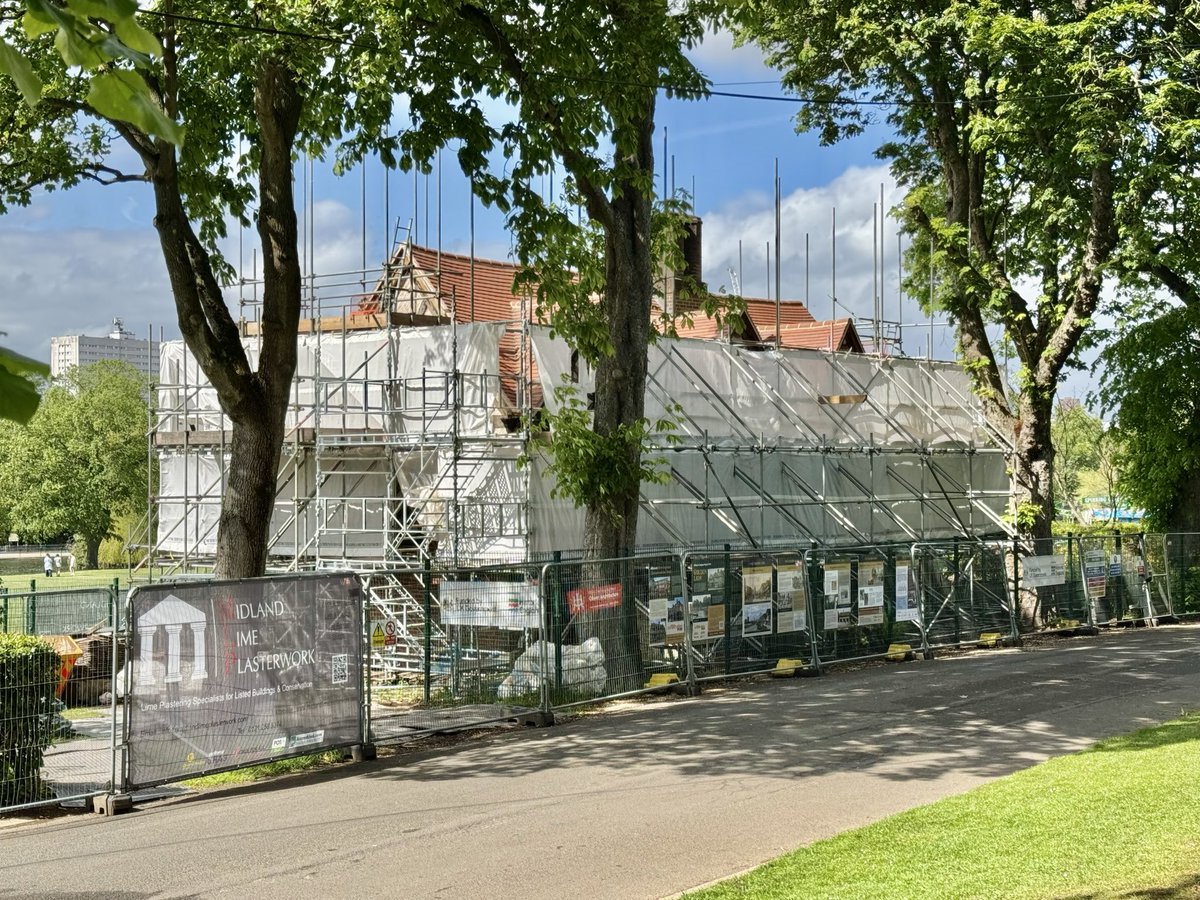
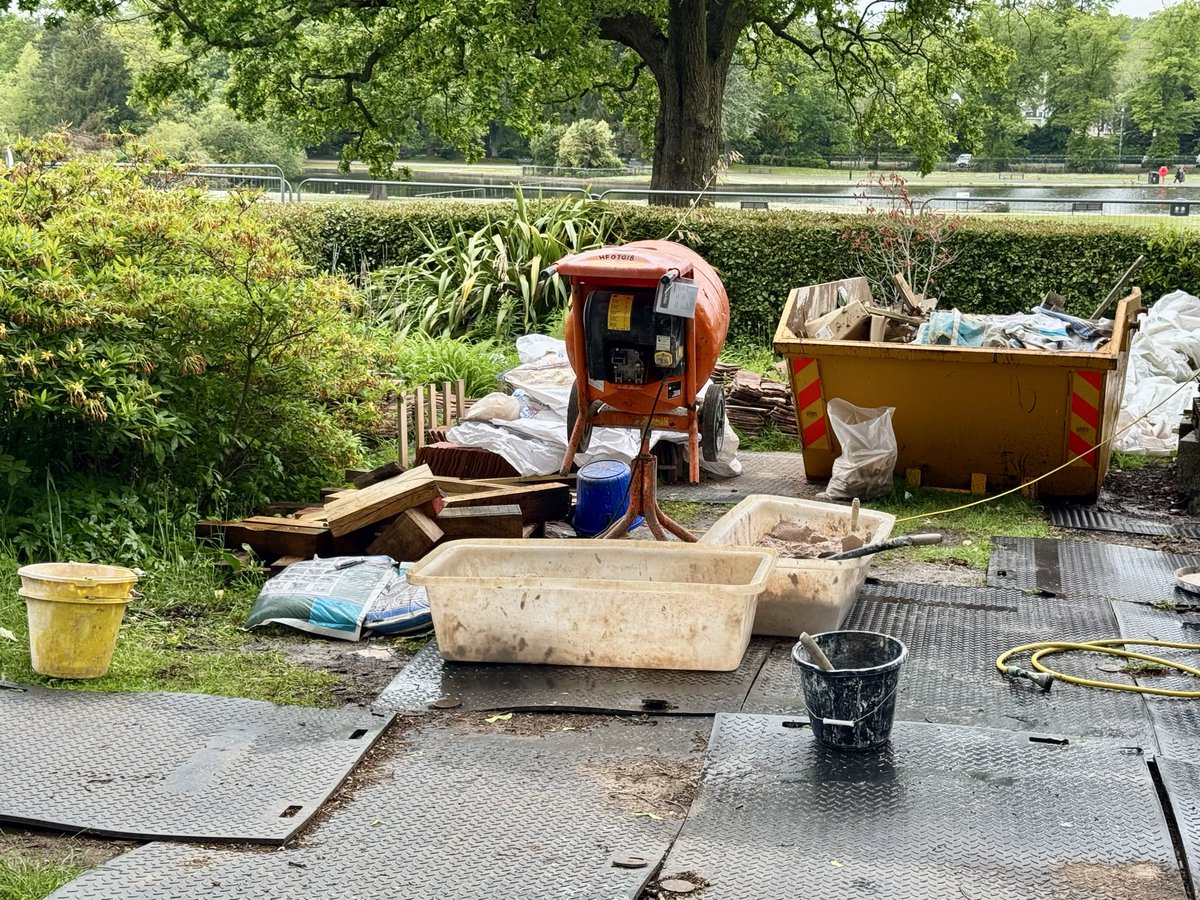
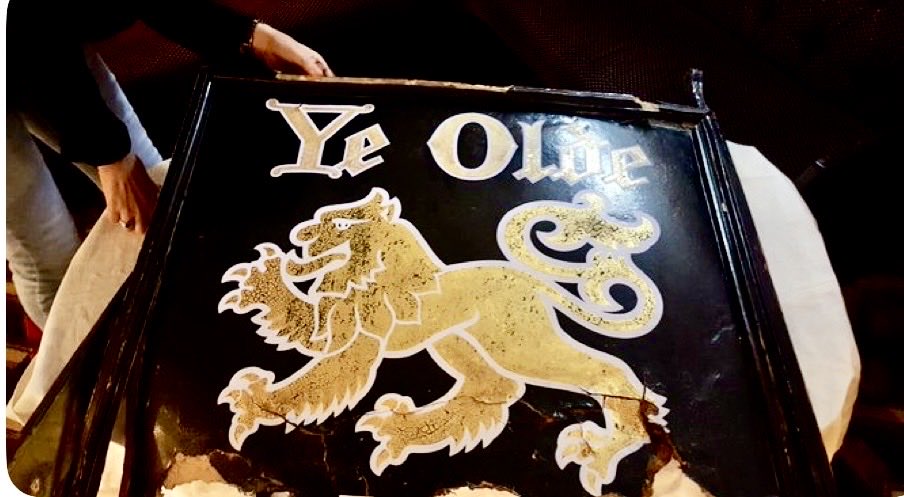
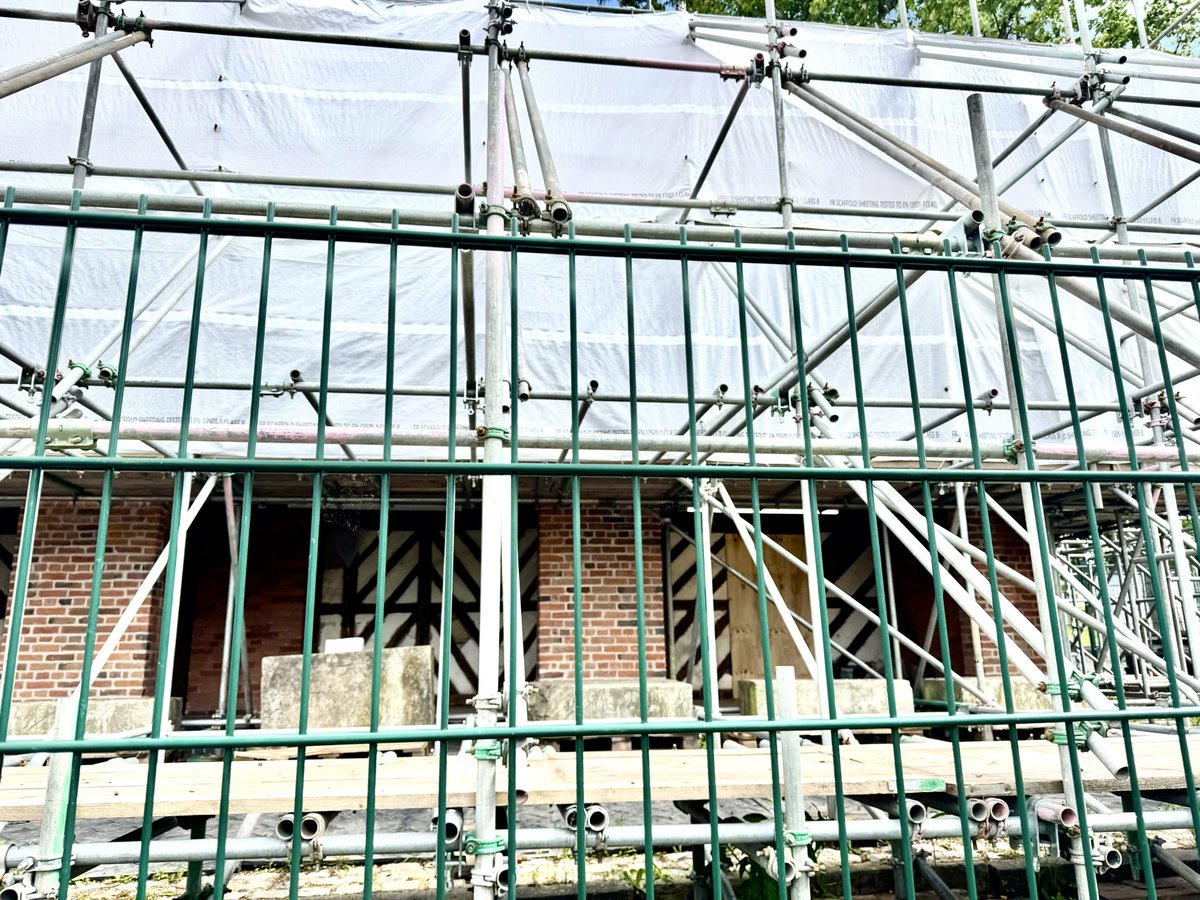
Four stages of @BirminghamCT Cannon Hill Golden Lion Restoration: 2 layers of Sand and Lime plasterwork to dry next fortnight, remove scaffolding and rehang Ye Olde Signboard @Reyconservation midlandlimeplasterwork.com/
3
5
138

May 19
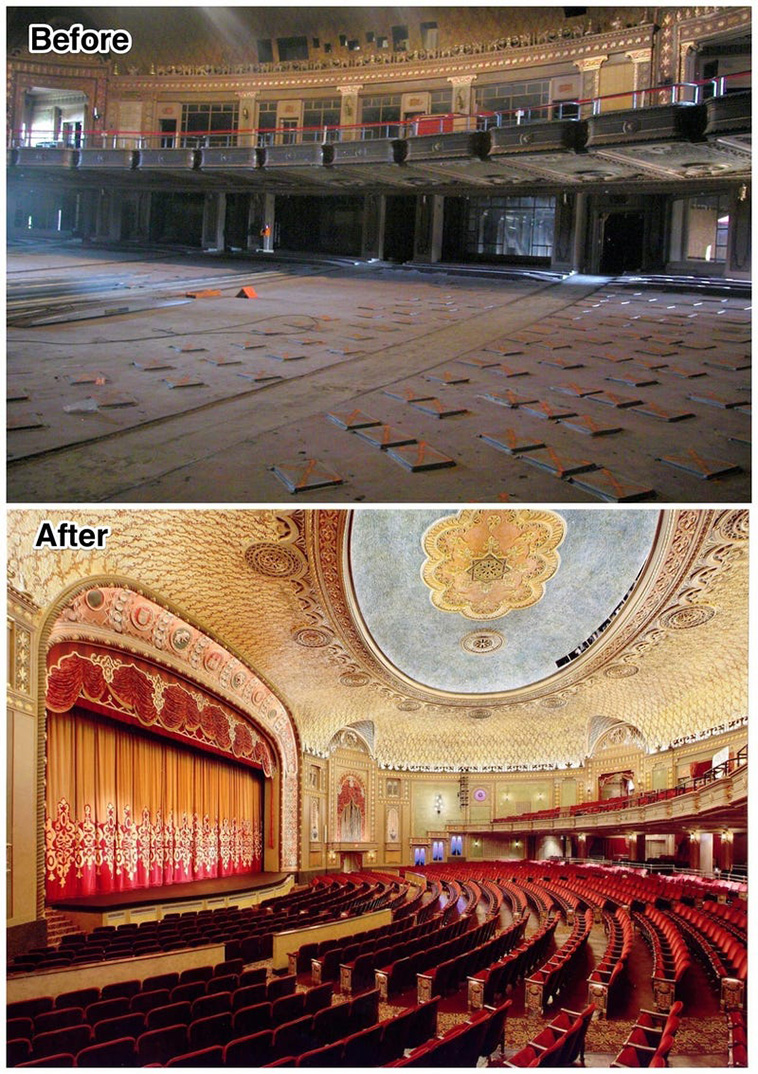
Tennessee Theatre in Knoxville — $30 million renovation.
Knoxville’s Tennessee Theatre opened in 1928 as a lavish movie palace, with a Spanish-Moorish interior layered with ornate plasterwork, chandeliers, patterned details, and a Wurlitzer organ installed when the building first opened.
After decades of use, decline, and closure, the theatre underwent a major 2003–2005 restoration costing nearly $30 million. The project restored its historic auditorium, lobby, foyer, ticket booth, and original organ while upgrading the building into a modern performing arts center.
Today, it remains one of Tennessee’s most striking examples of a restored 20th-century movie palace.
4
13
76
2,670

May 11
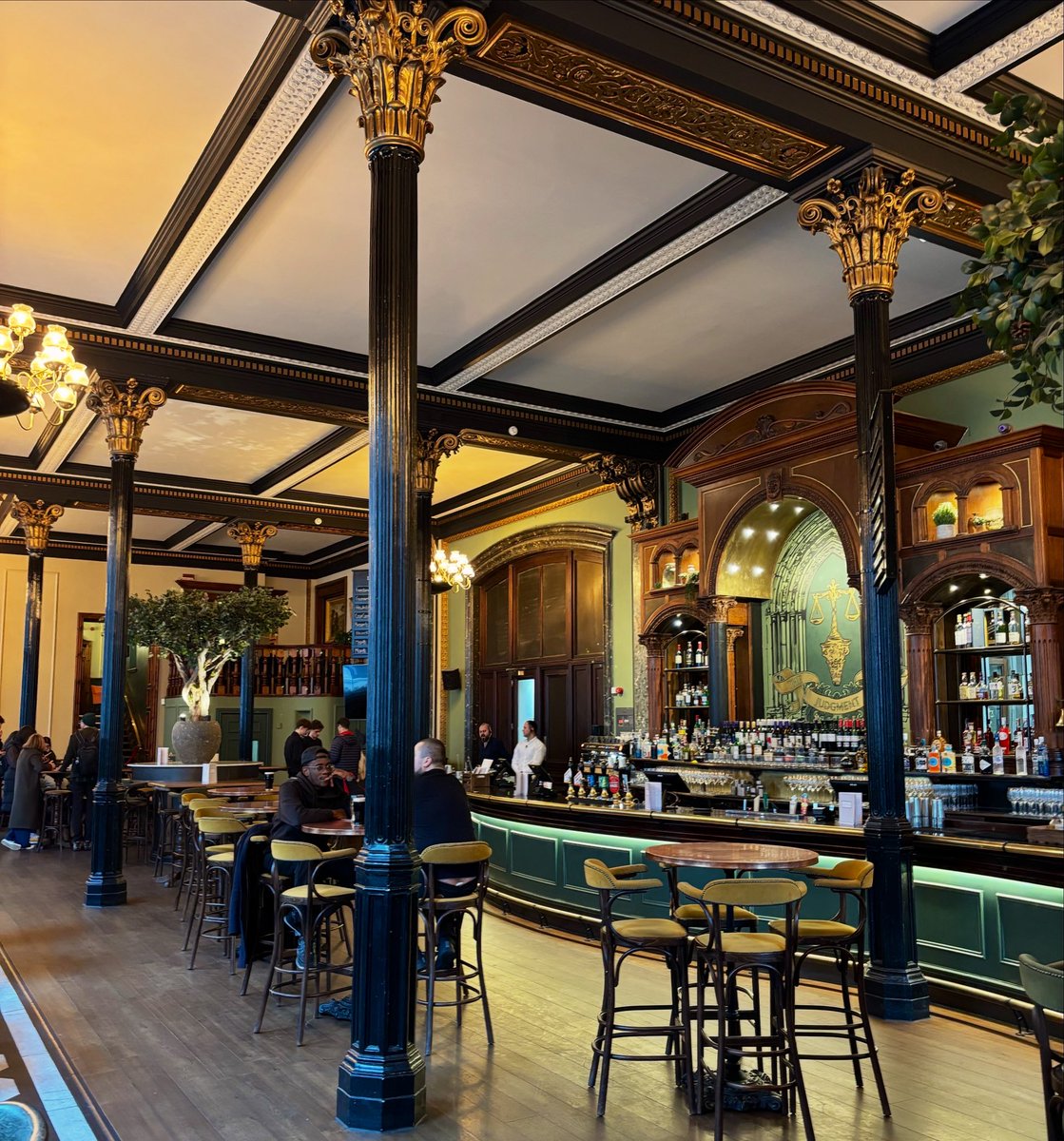
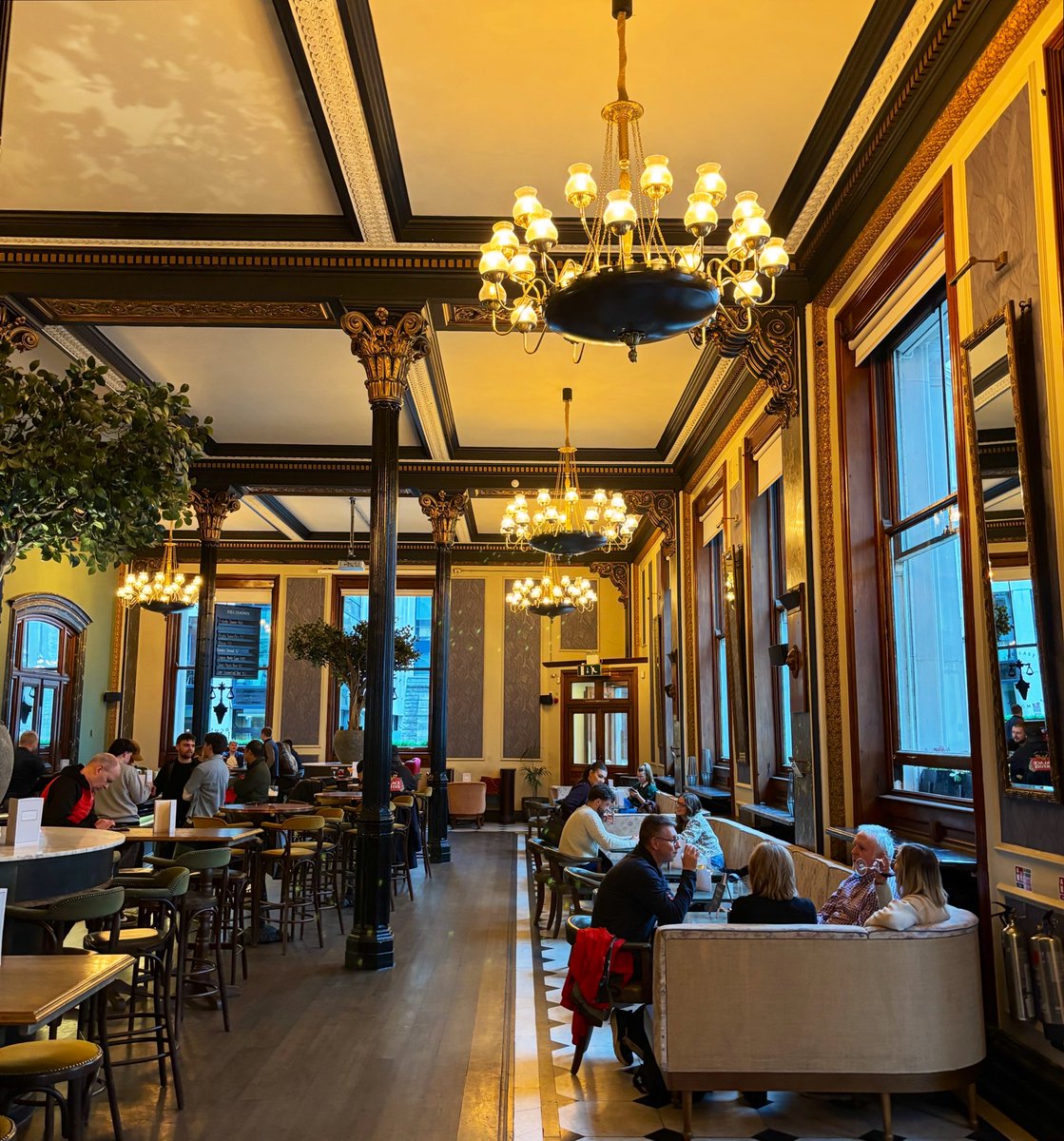
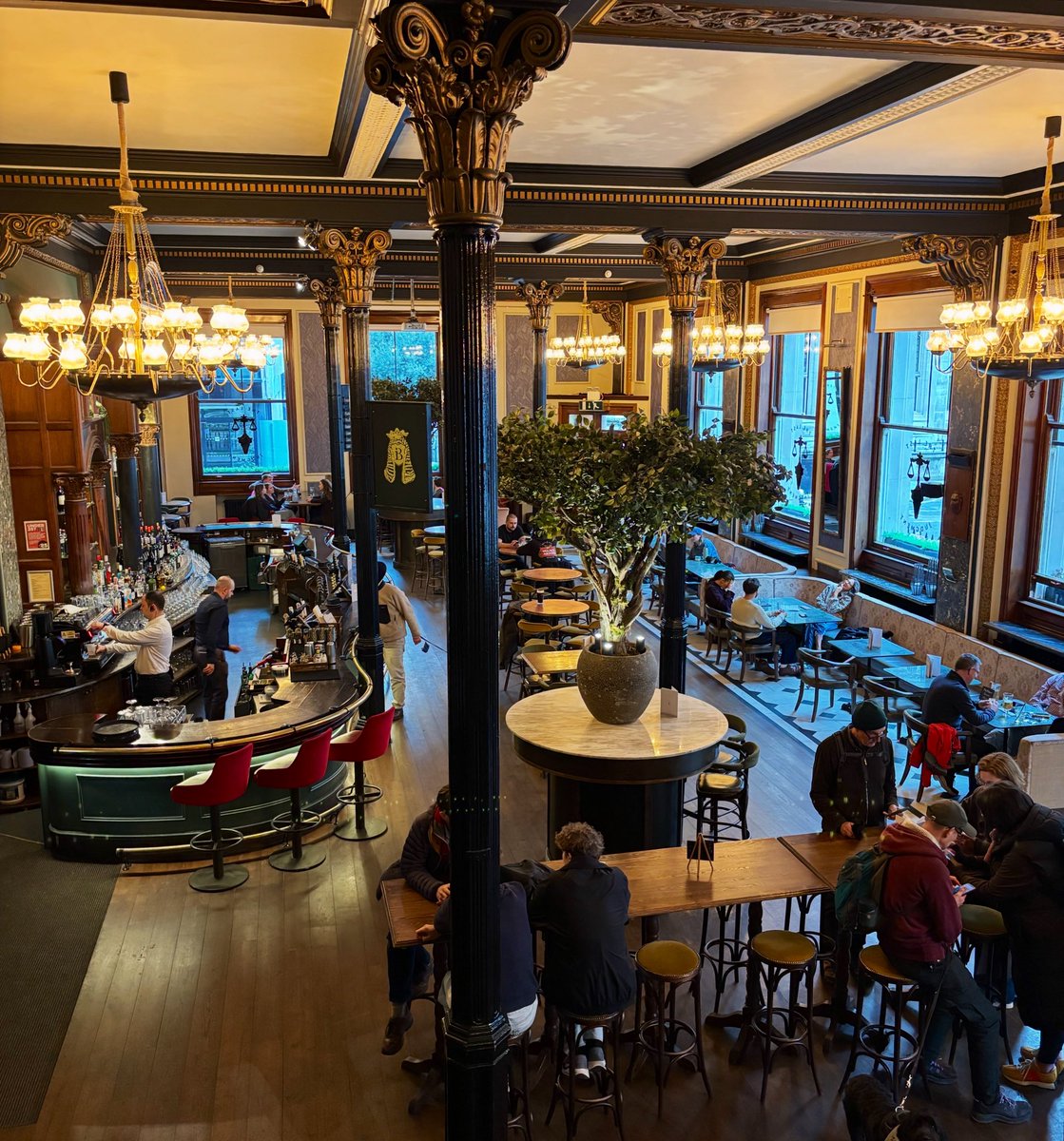
The decor is jaw-droppingly beautiful — I don’t think I know enough superlatives to articulate just how stunning this pub is. The pub retains much of its grand Victorian banking hall character, with soaring ceilings, vast marble columns, ornate plasterwork, decorative chandeliers and large arched windows that flood the space with light. Everywhere you look, there are striking fixtures, fittings and decorative features. Even the gents’ toilets deserve a mention 😀.
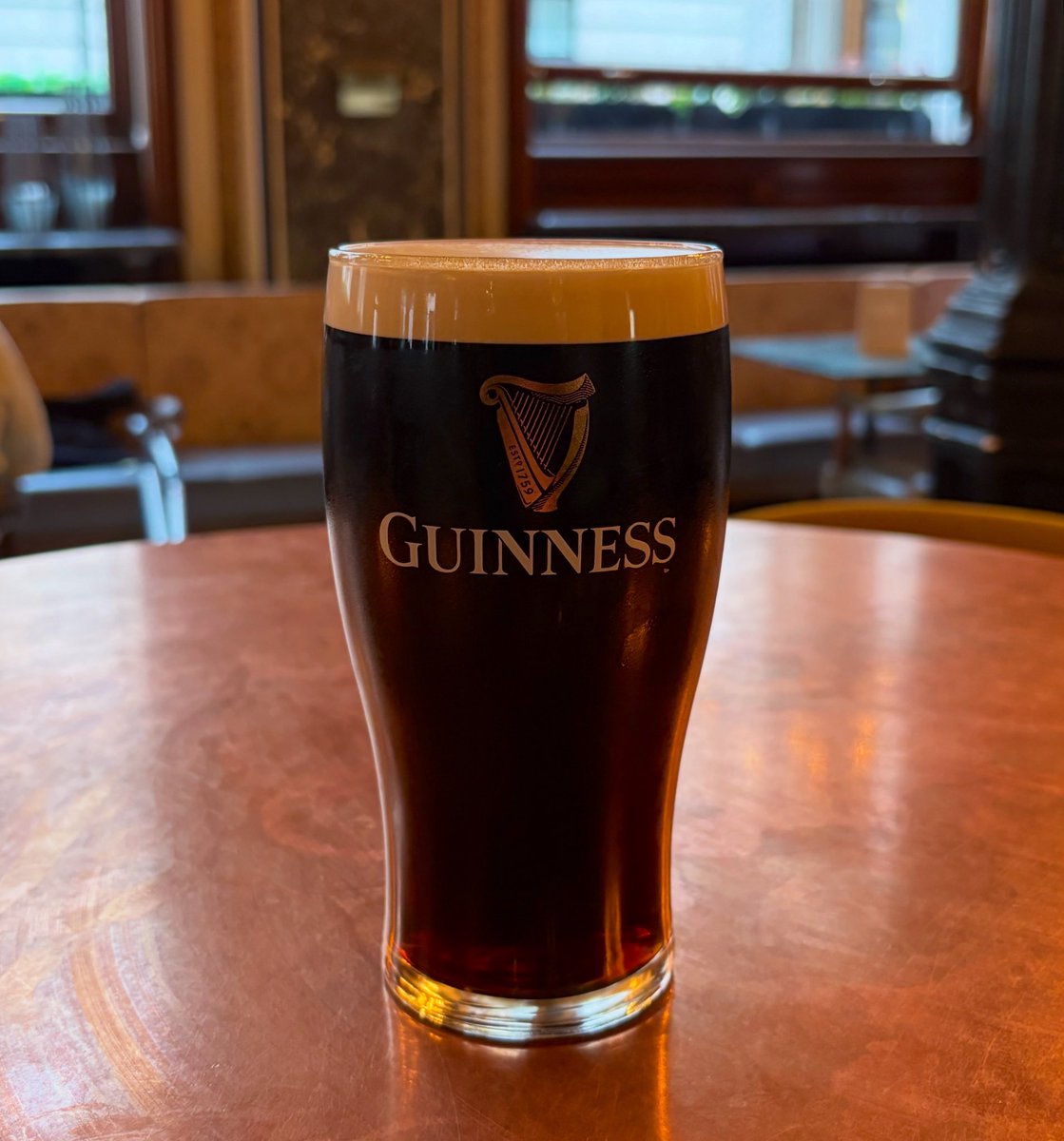
The beer selection was solid and included an impressive lineup of cask ales. I decided on a Guinness, my pint was excellent, price point was high. The food menu is a combination of tapas-style dishes and pub classics, with fish and chips costing £22.
I last visited here in June 2018 when it was a Spoons, and I was mightily impressed then — but it’s safe to say this pub is on another level now. The Last Judgment — one of London’s most spectacular pub conversions and a must-visit London pub.
#holborn #londonpub
3
5
52
2,753