
Jun 8
Sam Jakub coauthoring
automated AI researcher as goal #1
March 2028 repeated publicly
“AI doing AI research” called a determining factor
Codex loop language everywhere
OpenAI policy documents explicitly mentioning recursive self-improvement monitoring
same-day corporate/IPO-adjacent positioning
That does not prove they “have it.” But it does suggest OpenAI is now publicly organizing around the assumption that AI systems will materially accelerate OpenAI’s own research process within the next few years.
The best central thesis
Your post should say:
OpenAI’s “third phase” is not just about products, access, or consumer AGI. It is about the moment the company’s own research loop becomes partially automated.The question is no longer only:Can OpenAI build better models?The question is:Can OpenAI build models that help build the next models?
That is the key.
OpenAI’s new post says the company has three main goals, and the first is to “build an automated AI researcher” that can increasingly automate the research process while remaining steerable and accountable. It also says OpenAI internally believes that by March 2028, “a significant fraction” of its research may be done by AI systems in tandem with OpenAI researchers.
Your strongest correction: “Do they have it?” needs levels
Do not ask:
Do they have it?
Ask:
Which version of “it” do they have?
Because there are at least five levels:
Level 1 — Coding loop: AI can plan, edit, test, observe, repair, and repeat inside software environments.
Level 2 — Research-assistant loop: AI can help researchers test ideas, find mistakes, run experiments, read papers, and generate candidate directions.
Level 3 — Research-intern loop: AI can own bounded technical research tasks with limited supervision.
Level 4 — Automated AI researcher: AI can autonomously deliver larger research projects.
Level 5 — Recursive self-improvement loop: AI systems substantially improve future AI systems in a feedback cycle fast enough to change the pace of capability progress.
OpenAI has public evidence for Level 1 and is publicly targeting Levels 3–4. The current public evidence does not prove Level 5.
Best line:
The question is not “do they have AGI?” The question is “how far up the research-automation ladder are they internally?”
Why the Sam Jakub byline matters
Your point about the byline is excellent. Make it sharper.
This was not just Sam writing a broad, optimistic strategy memo. It was coauthored by Sam Altman and Jakub Pachocki, OpenAI’s Chief Scientist. The same post says AI doing AI research may become “the determining factor” in the pace of progress within the next few years.
That gives you the better framing:
A Sam-only post is company narrative.A Sam Jakub post is company narrative fused to research roadmap.
Or:
When the CEO and Chief Scientist jointly announce a “third phase,” the subtext is not just product strategy. It is technical direction.
That is one of the strongest observations in your draft.
The missing phrase: “research loop capture”
Use this.
OpenAI is trying to capture the AI research loop.
The loop is:
generate ideas,
write code,
run experiments,
inspect failures,
form hypotheses,
change architecture/training/evals,
rerun,
compare,
compress learnings,
repeat.
The old loop was human-dominated. The new loop is increasingly AI-assisted.
Best line:
The company that automates the research loop does not just build the next model. It changes the rate at which next models can be built.
That is the “third phase” thesis.
The Codex loop signal is real, but phrase it carefully
Your draft says the Codex team posted about loops all weekend and Sam posted about recursive loops. I could not verify those social posts directly from reliable indexed sources, so treat that part as a soft signal unless you have screenshots.
The stronger version is that OpenAI’s official Codex documentation already makes “loops” the public architecture. OpenAI describes the Codex long-task loop as: Plan → Edit code → Run tools → Observe results → Repair failures → Update docs/status → Repeat. It says that loop gives the agent real feedback, externalized state, and steerability over time.
Even better: OpenAI’s Codex docs explicitly describe using Codex as a scored improvement loop for hard tasks, where it repeatedly changes the artifact, reruns an eval, logs scores, inspects results, and continues until the score is good enough.
So write:
The loop language is not accidental. Codex is already being framed as a repeat-until-validated system. The jump from “code improvement loop” to “research improvement loop” is the whole story.
Best line:
Codex is the visible toy version of the deeper research machine.
Not because Codex is trivial, but because it shows the public interface of the method: agent tools evals memory retry loop.
The “intern” omission is your best suspicious detail
This is very good:
No mention of the goal to produce the “intern” anywhere in the blog post. The goal is now just the automated AI researcher by March 2028.
That is worth emphasizing, but do not overinterpret it.
Earlier reporting on the October 2025 livestream said OpenAI was tracking toward an intern-level research assistant by September 2026 and a fully automated AI researcher by 2028, with Jakub describing the AI researcher as a system capable of autonomously delivering larger research projects.
In the new OpenAI post, the intermediate “intern” milestone disappears and the top-level company goal becomes the automated AI researcher by March 2028.
There are several possible interpretations:
1. The intern milestone is still internal.
They may not want public discourse obsessing over September 2026.
2. The intern milestone is now too near-term.
If it is close, they may avoid putting it in a broad public manifesto.
3. The intern milestone is no longer the right frame.
They may see the real product as a research system, not a human-shaped “intern.”
4. They missed or moved the milestone.
Less exciting, but possible.
5. They have something better than “intern” internally.
Possible, but not proven.
Best line:
The disappearance of the “intern” does not prove they have the researcher. But it does suggest OpenAI no longer wants the conversation anchored on the baby step.
The “why today?” answer
There are three likely layers.
1. Corporate timing
OpenAI also announced on June 8, 2026 that it had confidentially submitted a draft S-1 to the SEC, saying it expected the filing to leak and wanted the option to go public sooner if that became best.
So one answer to “why today?” is:
Because OpenAI needed a public mission reset around the same time it created IPO optionality.
A company approaching public-market scrutiny needs to explain not only revenue, but why it deserves civilization-scale capital and trust.
2. Narrative timing
The “third phase” post reframes OpenAI from:
research lab → product company → broad AI infrastructure and distribution company.
The post explicitly says Phase 1 was research toward AGI, Phase 2 began when research became relevant to the real world and OpenAI became a product company, and Phase 3 is about making advanced AI abundant, affordable, safe, useful, and easy enough for everyone to benefit from.
So another answer:
Because OpenAI is trying to move the public story from “model race” to “civilization infrastructure.”
3. Technical timing
The post says AI doing AI research will become a determining factor for the pace of progress “within the next few years.” OpenAI’s November 2025 “AI progress and recommendations” post also said 2026 systems may make very small discoveries, while 2028-and-beyond systems may make more significant discoveries.
So the deeper answer:
Because OpenAI is preparing the public for research acceleration before the research acceleration becomes undeniable.
Best compact answer:
Why today? Because the company is aligning its corporate structure, public narrative, policy posture, and research roadmap around the same claim: AI will soon help build AI.
The RSI clue
OpenAI’s June 3 public policy agenda says a federal framework should require CAISI to evaluate the most capable frontier models and prioritize monitoring progress toward recursive self-improvement.
That is a very strong adjacent signal.
Do not say:
“OpenAI admitted recursive self-improvement is here.”
Say:
OpenAI is now treating RSI as a policy-relevant thing to monitor, while simultaneously declaring automated AI research a central company goal. Those two facts belong in the same paragraph.
Best line:
They are not saying RSI has arrived. They are saying the frontier is close enough that the government should start measuring the runway.
Your post needs this distinction: recursive loop vs recursive self-improvement
This is important.
A recursive loop can mean any iterative system:
model writes code,
runs tests,
gets feedback,
fixes code,
runs tests again.
That is not automatically recursive self-improvement.
Recursive self-improvement means the system improves the system that improves itself, especially in a way that accelerates capability progress.
Better explanation:
Codex loops are not RSI by themselves. They are the engineering substrate that makes RSI-like workflows plausible.The dangerous threshold is when the loop is no longer improving an app or repo, but improving the model-training, eval, data, architecture, tooling, and research process that produces the next frontier model.
Best line:
A loop becomes historic when the artifact being improved is the research process itself.
Stronger version of your post
OpenAI just announced that it is entering “the third phase.”The timing is the interesting part.This was not a random Sam Altman essay.It was coauthored by Sam and Jakub Pachocki, OpenAI’s Chief Scientist.And the first main goal listed is not a consumer feature, not a chatbot upgrade, not a benchmark, not a new model name.It is:build an automated AI researcher.OpenAI says its internal belief is that by March 2028, a significant fraction of its research may be done by AI systems in tandem with human researchers.That is the signal.The “third phase” is not just OpenAI becoming more productized.It is OpenAI preparing for the moment when AI becomes part of the AI R&D loop itself.Also notable:the previous “AI research intern” milestone is not mentioned here.The public frame has jumped straight to the automated AI researcher.Meanwhile, OpenAI’s Codex materials keep emphasizing loops:plan, edit, run tools, observe, repair, update, repeat.That is the visible pattern.A loop that improves code.Then a loop that improves agents.Then a loop that improves research workflows.Then maybe a loop that improves the process of building frontier models.So no, this does not prove they “have AGI.”But it does suggest the question has changed.It is no longer:Can OpenAI build better models?It is:Can OpenAI build models that help build the next models?That is the threshold to watch.
More aggressive version
OpenAI’s “third phase” post is being read like a broad mission statement.I think it is much more specific than that.It is a public marker that automated AI R&D has become the center of gravity.The post is by Sam Altman and Jakub Pachocki.That matters.Sam gives you the company narrative.Jakub gives you the research signal.And the first major goal is now the automated AI researcher by March 2028.Not “better chat.”Not “more apps.”Not “an AI intern.”The researcher.At the same time, OpenAI’s public Codex architecture is all loops:plan, edit, test, observe, repair, repeat.Scored improvement loops.Long-horizon goals.Eval-driven iteration.Agent improvement loops.This is not just product workflow.This is the shape of automated R&D.First you automate code changes.Then you automate test-driven improvement.Then you automate agent harnesses.Then you automate research assistance.Then you automate parts of the model-building loop itself.So when Sam posts about recursive loops and the company announces “third phase” with Jakub on the byline, the right question is not:“Did they just launch AGI?”The right question is:How much of OpenAI’s internal research loop is already being run by AI?
More restrained version
I would not say this proves OpenAI “has it.”But I do think today’s post is an important public marker.OpenAI is no longer presenting automated AI research as a side ambition.It is now one of the company’s three main goals.The post is coauthored by Sam Altman and Jakub Pachocki, which makes it feel less like marketing and more like strategy plus research roadmap.The key line is that OpenAI believes AI doing AI research may become the determining factor in the pace of progress within the next few years.That is the sentence.Everything else is downstream from that.Codex loops, eval loops, agent improvement loops, research loops.The public product surface is teaching users the same pattern the lab wants internally:define objective, run loop, score output, repair, repeat.The open question is how far that loop has already moved from coding into actual AI R&D.
Best one-liners
The third phase is not “AI for everyone.” It is “AI inside the AI lab.”
The real product is not the chatbot. The real product is the research loop.
A Sam-only post is narrative. A Sam Jakub post is roadmap.
The phrase to watch is not AGI. It is automated AI researcher.
The question is no longer whether AI can code. The question is whether AI can improve the process that creates AI.
Codex is the public loop. Automated AI research is the private loop.
A loop becomes historic when the thing being improved is the research process itself.
The missing “intern” milestone is louder than it looks.
They do not need full RSI for this to matter. They only need enough AI-assisted R&D to change the slope.
If AI doing AI research becomes the pacing factor, then the model race becomes a loop race.
Do they have it? Wrong question. How much of it is already inside the lab workflow?
OpenAI just moved automated research from sci-fi discourse to company objective.
The company is no longer only building models. It is building the machine that builds models.
Obscure thought inputs
1. Research-loop capture
The decisive advantage is not one model. It is capturing the cycle that produces future models.
2. Capability slope, not capability point
The important metric is not what the current model can do, but whether the model increases the rate of future improvement.
3. The intern disappearance
When an intermediate milestone vanishes from public language, it may mean the milestone is too close, too messy, too sensitive, or no longer central to the narrative.
4. Loop literacy
OpenAI is teaching developers to think in loops because loop-based agent operation is the public form of the internal research direction.
5. AI R&D as meta-product
The automated researcher is not a product like ChatGPT. It is a meta-product: a system that improves the production of future AI.
6. Recursive ambiguity
Not every loop is RSI. But every plausible RSI pathway requires robust loops.
7. Eval as steering wheel
A self-improving system needs an eval surface. Without evals, iteration becomes drift. With evals, iteration becomes optimization.
8. The public/private split
Public Codex loops improve code. Private research loops may improve datasets, evals, training recipes, architecture, toolchains, and model behavior.
9. Safety inversion
OpenAI says AI doing AI research is needed for alignment progress, but AI doing AI research is also the thing that can accelerate the risk. That is the central paradox.
10. The governance pre-announcement
OpenAI mentioning RSI monitoring in public policy may be a way of preparing institutions before capability becomes politically impossible to ignore.
11. Loop stack
There are code loops, tool loops, agent loops, eval loops, research loops, model-training loops, and eventually meta-research loops.
12. “Personal AGI” as distribution layer
The automated researcher is the internal acceleration engine. Personal AGI is the mass distribution endpoint.
13. Phase 3 as industrialization
Phase 1 discovered. Phase 2 deployed. Phase 3 industrializes intelligence.
14. The hidden transition
The important transition may not be from chatbot to AGI, but from model output to model-mediated institutions.
15. The slope-change event
The real AGI warning light is when the improvement curve bends because AI systems are contributing to the next generation of AI systems.
What your post is missing
1. The three-phase breakdown
Add this:
Phase 1: research toward AGI.
Phase 2: product company, deployment, learning from real-world use.
Phase 3: making advanced AI abundant, affordable, safe, useful, and integrated broadly — while automated AI research becomes a central goal.
OpenAI explicitly defines the phases that way in the new post.
2. The alignment paradox
OpenAI says it needs AI systems to iterate alongside researchers to make sufficient progress on alignment. That is both reassuring and alarming.
Better line:
The same mechanism that may help solve alignment also accelerates the system that needs alignment.
3. The policy clue
OpenAI’s policy agenda, published five days before the “third phase” post, says federal oversight should monitor progress toward recursive self-improvement.
Add:
They are not only talking to users. They are talking to regulators about how close the frontier may be.
4. The Codex substrate
OpenAI’s Codex docs say long-running work is less about one giant prompt and more about the agent loop the model operates inside. That is a key conceptual bridge.
Add:
The agent loop is the primitive. Research automation is the application.
5. The S-1 timing
The same day as the “third phase” post, OpenAI announced it had confidentially submitted an S-1 and wanted the option to go public sooner if that became best.
Add:
The timing looks like a company-wide narrative reset before public-market scrutiny.
The “do they have it?” answer
Best answer:
They probably do not have full autonomous recursive self-improvement in the strong sense, or they would be communicating and governing very differently.But they may have enough of the lower-level loop — code agents, eval loops, experiment automation, research-assistant workflows, internal toolchains — that the automated researcher is no longer an abstract goal.They may not “have it.” But they may have the shape of it.
That is the nuanced version.
Even better:
They do not need to have the automated researcher for today’s post to matter. They only need to believe the path from Codex-style loops to AI R&D loops is now short enough to organize the company around it.
Strong post version
OpenAI just announced that it is entering “the third phase.”The wording matters.The timing matters.And the byline matters.This was not just Sam Altman.It was Sam Altman and Jakub Pachocki.That makes it feel less like a normal company manifesto and more like strategy fused with research roadmap.The key line is not “personal AGI.”The key line is:Build an automated AI researcher.OpenAI now says one of its three main goals is an AI system that can accelerate and increasingly automate the research process itself.Internally, they believe that by March 2028, a significant fraction of OpenAI research may be done by AI systems working alongside OpenAI researchers.That is the signal.The “third phase” is not just OpenAI going from lab to product to platform.It is OpenAI preparing for the moment when AI enters the AI R&D loop.And notice what is missing:no emphasis on the previous “AI research intern” milestone.The public frame has jumped to the automated AI researcher.Meanwhile, the Codex world is all loops:plan, edit, run tools, observe, repair, update, repeat.Scored improvement loops.Long-horizon goals.Agent improvement loops.That is the public pattern.The private question is whether the same pattern is being applied to model research itself:generate hypotheses,
write experiments,
run training/evals,
inspect failures,
repair methods,
update the research plan,
repeat.So no, this does not prove OpenAI “has AGI.”It does not prove they have full recursive self-improvement.But it does suggest the center of gravity has moved.The question is no longer just:Can OpenAI build better models?It is:Can OpenAI build models that help build the next models?That is the threshold to watch.
More viral version
OpenAI just said it is entering the third phase.Why today?Why Sam Jakub?Why now?Because this is not really a product post.It is an AI-R&D post.The first goal is now explicit:automated AI researcher by March 2028.Not just better chat.Not just Codex.Not just personal AGI.A system that increasingly automates the research process itself.Also interesting:the old “AI research intern” milestone is not the public frame here anymore.It has vanished into the larger goal.At the same time, OpenAI is publicly teaching everyone loop-based work through Codex:plan, edit, test, observe, repair, repeat.That loop is the primitive.The scary question is what happens when the thing inside the loop is not a repo, but OpenAI’s own research process.Do they have it?Maybe not.But they may have enough of the shape of it to start telling the world what Phase 3 is really about.
Most compact version
OpenAI’s “third phase” post is not just a mission statement.It is a signal that automated AI R&D has become central.Sam Jakub on the byline.Automated AI researcher as goal #1.March 2028 repeated.No visible “intern” milestone.Codex loop language everywhere.Public policy agenda mentioning recursive self-improvement monitoring.The question is not “did they just announce AGI?”The question is:How much of OpenAI’s internal research loop is already being run by AI?Because once AI helps build AI, the race stops being only about model quality.It becomes about slope.
The “genius” framework: the OpenAI loop ladder
Use this in the thread:
StagePublic surfaceWhat improvesWhy it mattersChatChatGPTanswershuman productivityAgentCodex / toolstaskssoftware automationEval loopscored improvementartifactsrepeatable optimizationHarness looptraces feedback evalsagent behaviorsystem self-improvementResearch-assistant loopinternal toolsexperimentsfaster scienceAutomated researcherMarch 2028 goalresearch programsAI-assisted AI R&DRSI-adjacent looppolicy monitoringmodel-building processcapability slope change
Best caption:
The scary part is not one model. It is the ladder from chat to agent to eval loop to research loop.
Final polished version
OpenAI just announced that it is entering “the third phase.”The timing is interesting.The wording is interesting.The byline is very interesting.This was not just a Sam Altman post.It was coauthored by Sam Altman and Jakub Pachocki.That makes it feel less like a normal company manifesto and more like a public research-roadmap marker.OpenAI defines Phase 1 as research toward AGI.Phase 2 as becoming a product company once the research became useful in the real world.Phase 3 is now about making advanced AI abundant, affordable, safe, useful, and easy enough for everyone to benefit from.But the key line is earlier:OpenAI says one of its three main goals is to build an automated AI researcher — a system that can accelerate and increasingly automate the research process itself.They also say their internal belief is that by March 2028, a significant fraction of OpenAI research may be done by AI systems in tandem with OpenAI researchers.That is the signal.The third phase is not just about distribution.It is about AI entering the AI R&D loop.Also notable:the earlier “AI research intern” milestone is not the public frame here.The post jumps straight to the automated AI researcher.That does not prove they already have it.But it does suggest they no longer want the conversation anchored on the baby step.Meanwhile, Codex is publicly being described through loops:plan, edit, run tools, observe, repair, update status, repeat.OpenAI’s Codex docs describe scored improvement loops, long-horizon goals, and agent-improvement flywheels built from traces, feedback, evals, and Codex handoffs.That is the visible version of the pattern.The private version is the real question:Can the same loop be applied to OpenAI’s own research process?Hypothesis.Experiment.Code.Eval.Failure analysis.Repair.New hypothesis.Repeat.OpenAI’s public policy agenda also explicitly says frontier oversight should monitor progress toward recursive self-improvement.
1
5
588

7 Nov 2025
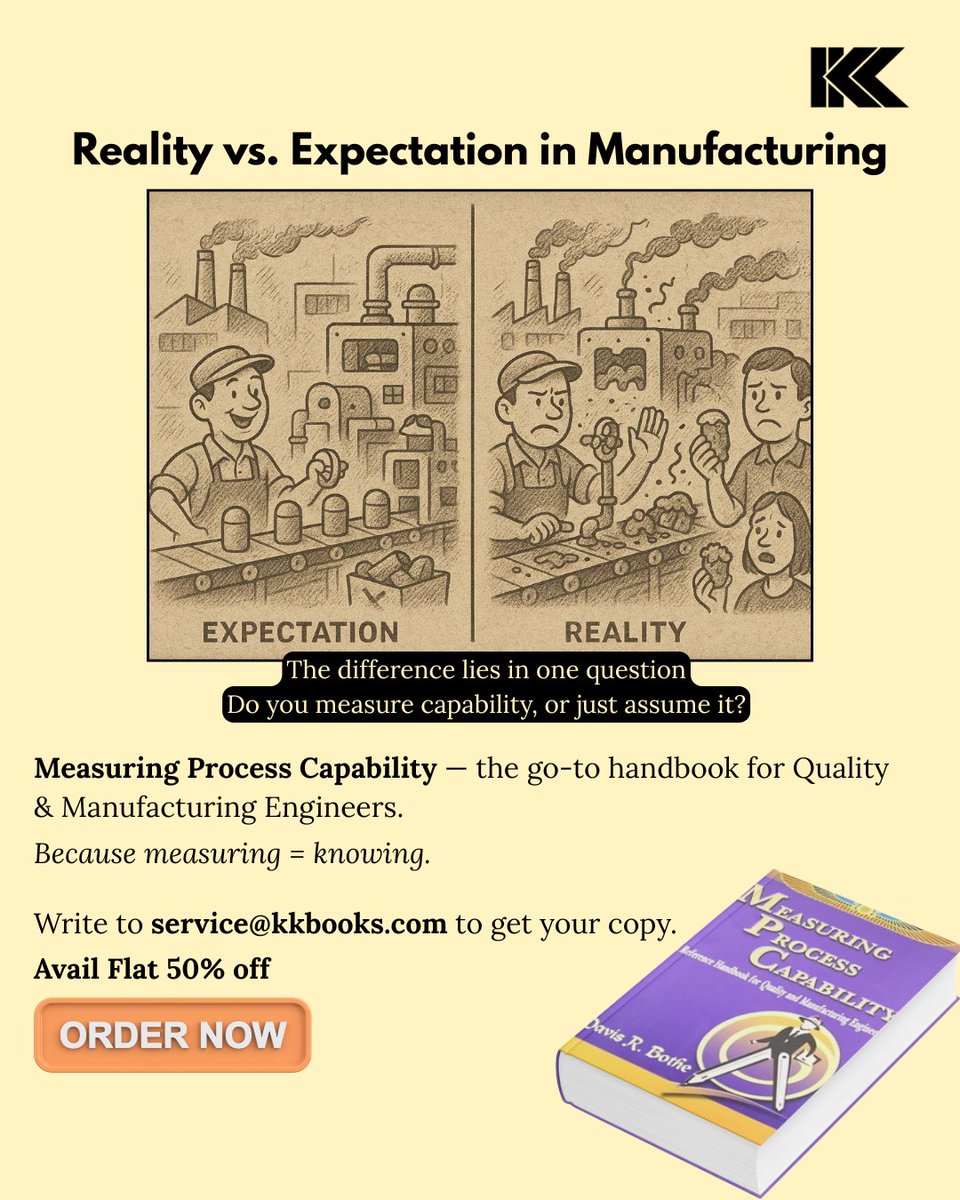
Measuring Process Capability is your handbook to bridge the gap — turn messy processes into consistent, high-quality outcomes.
Because perfection is the goal, not good enough.
📘 Order now: service@kkbooks.com
#ProcessCapability #QualityEngineering #ManufacturingExcellence
2
2
36

9 Jul 2023
Looking to optimize your manufacturing process? Check out our online #ProcessCapability tool! 🚀 Whether you're a pro or a beginner, you'll appreciate the ease of use. Simplify your calculation and maximize efficiency! #QualityControl #ManufacturingTech ➡️sixsigmablackbelt.de/process…
1
1
161

1. Don’t wait until production starts to find out if your parts will be out of tolerance...
tolcap.com/blog/ten-reasons-…
#ProcessCapability #Cpk #Tolerancing #Profit #EngineeringUK #Top10 #IndustrialStatistics #6σ #DFSS #DFM #RFT #RightFirstTime #UKMfg #CAE #Prototype #ProductDesign
2

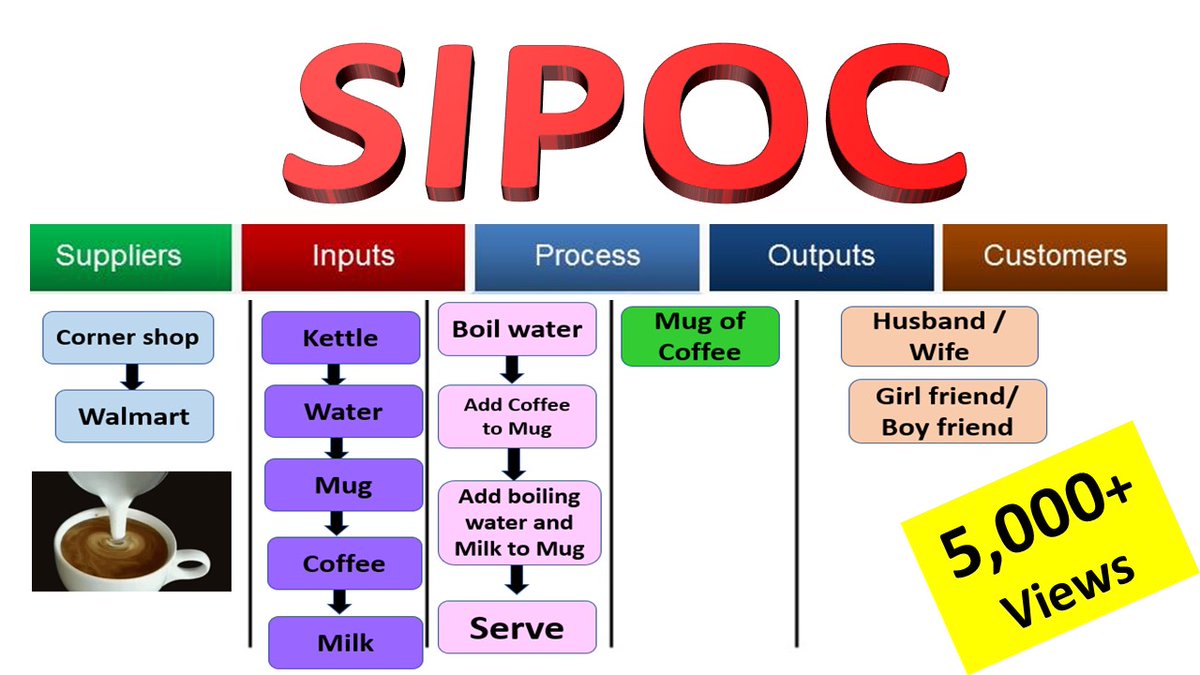
What is SIPOC diagram (High Level Process Map) | Step by Step
facebook.com/779100715800939…
#SIPOC #ProcessMapping #LeanSixSigma #Lean #processimprovement #processcapability #SIPOC #processmanagement #process #projectcharter #pmpexam #pmptraining #blackbelt #greenbelt #mapping
2
-----------
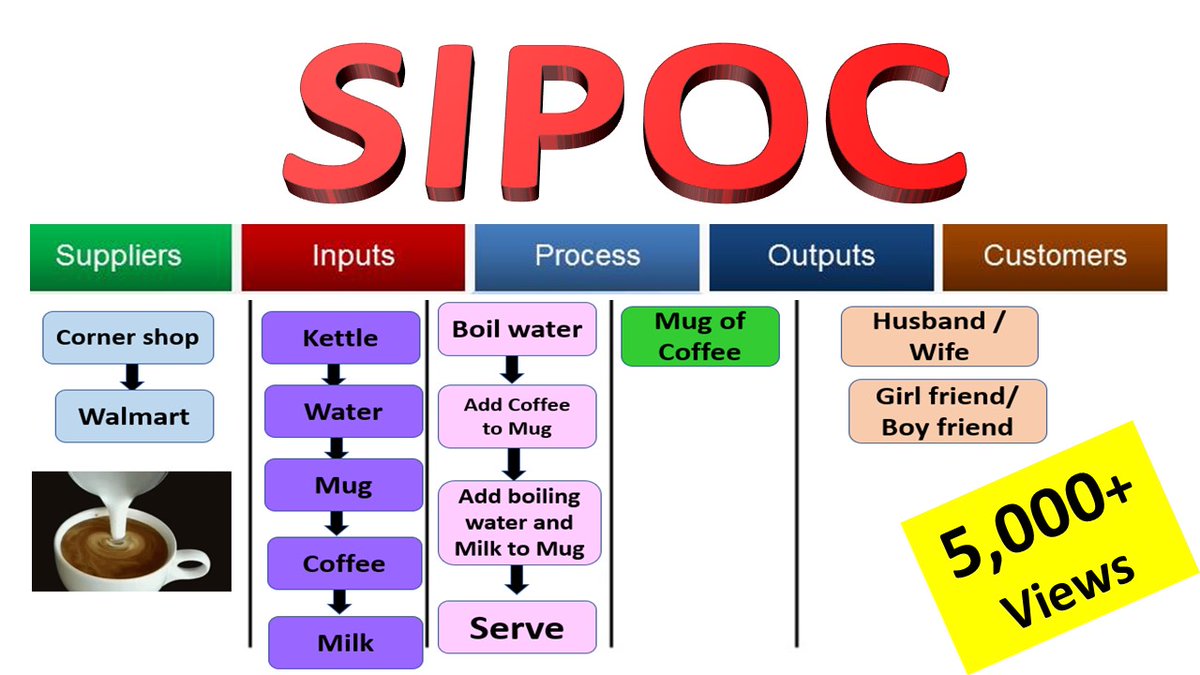
SIPOC Diagram: youtu.be/xjx8Tr1G0_8
-----------
#SIPOC #ProcessMapping #LeanSixSigma #Lean #processimprovement #processcapability #SIPOC #processmanagement #process #projectcharter #pmpexam #pmptraining #blackbelt #greenbelt #mapping #APQP #PPAP #SPC #SQC
1
2

20 Jul 2020
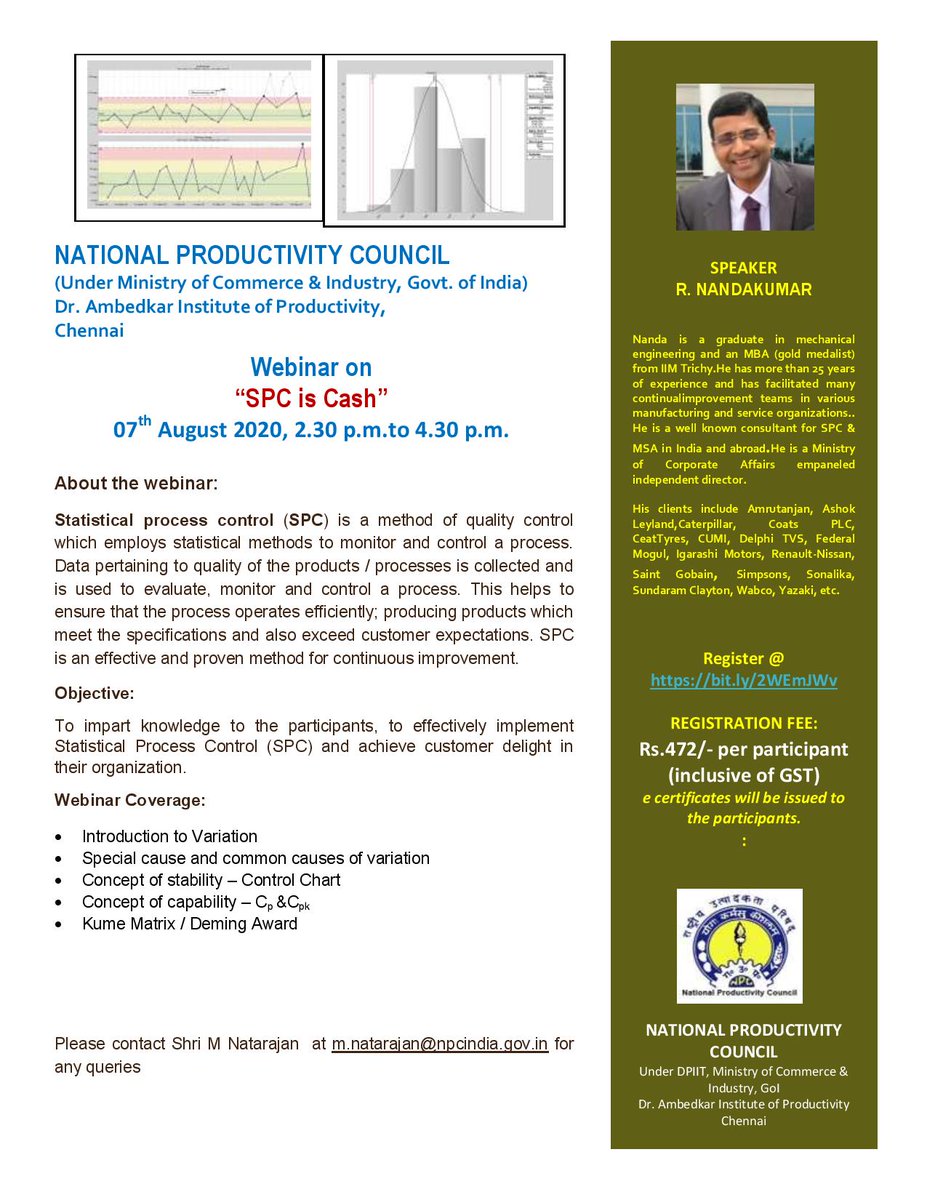
One great tool to reduce process variation and which leads to customer delightment is #SPC . #RegisterNow #NPC #webinar 7 Aug 2:30PM. #variatiion #process #processcapability #deming #Quality #qualityimprovement
20 Jul 2020

Learn to effectively implement Statistical Process Control (SPC) and achieve customer delight in your organization in our webinar on "SPC is Cash" on 07th August 2020.
Kindly register bit.ly/2WEmJWv
Few hrs left....
@UPNEDA_Agency
@UUDehradun
@ximbee
@UNFCCC
12
12
-----------
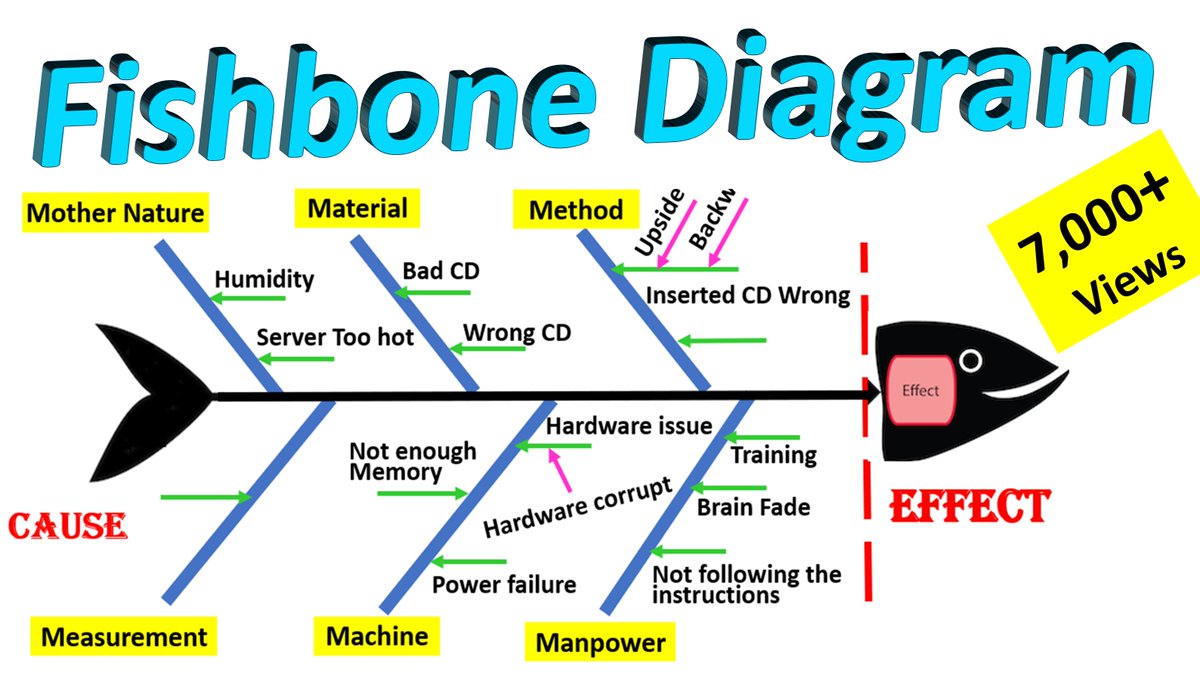
Fishbone Diagram : youtu.be/3pChVadm8lc
-----------
#FishBoneDiagram #RootCauseAnalysis #5WhysAnalysis #WhyWhyAnalysis #QFD #RootCause #APQP #PPAP #DMAIC #DMADC #MSA #FMEA #Quality #SixSigma #Lean #DFMEA #PFMEA #ISO9001 #ISO #QMS #ProcessCapability #Cpk #Cp
2
-------
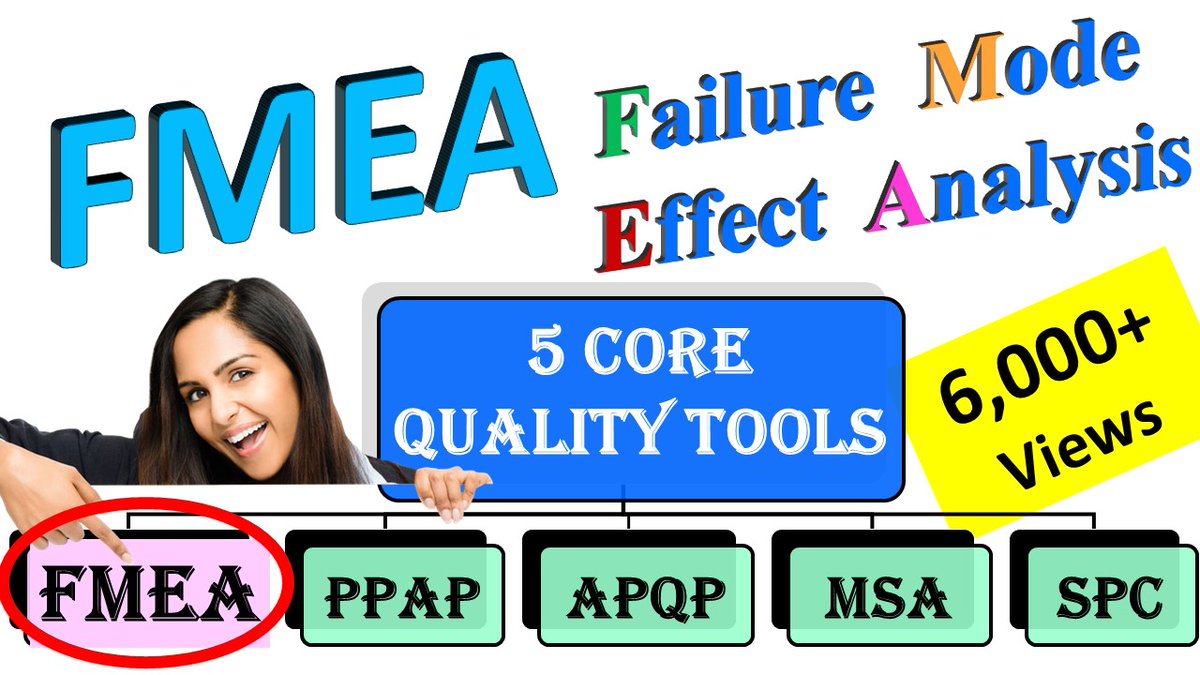
FMEA (Failure Modes & Effect Analysis) : youtu.be/IckvY3PA59g
------
#FailureModeEffectAnalysis #DFMEA #PFMEA #ISO9001 #ISO #QMS #ProcessCapability #Cpk #Cp s #GRR #QFD #HouseOfQuality #IATF16949 #FTA #FaultTreeAnalysis #RootCause #APQP #PPAP #DMAIC
2
5
Watch the full Video on YouTube > youtu.be/NIJ_iV96j6Q
-------
#FTA #FaultTreeAnalysis #RootCause #APQP #PPAP #DMAIC #DMADC #MSA #FMEA #Quality #SixSigma #Lean #FailureModeEffectAnalysis #DFMEA #PFMEA #ISO9001 #ISO #QMS #ProcessCapability #Cpk #Cp #MeasurementSystemAnalysis
1
Watch the full Video on YouTube Link > youtu.be/aOAYcHRt0C0
#TurtleDiagram #IATF16949 #FTA #FaultTreeAnalysis #RootCause #APQP #PPAP #DMAIC #DMADC #MSA #FMEA #Quality #SixSigma #Lean #FailureModeEffectAnalysis #DFMEA #PFMEA #ISO9001 #ISO #QMS #ProcessCapability #Cpk #Cp #ISO
1
2

1 Aug 2019
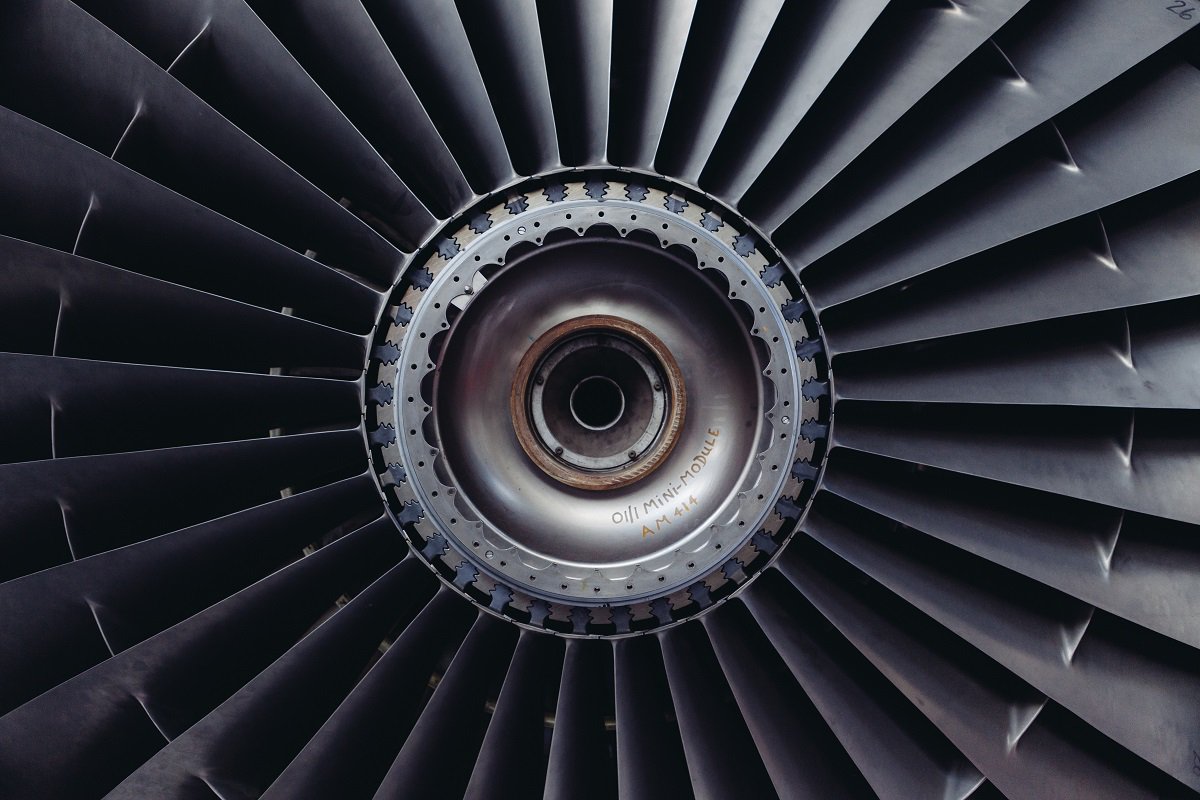
We have been machining compressor blades since 1947. Our full range of #CAD #CNC #Verification #Metrology #ProcessCapability #ProductionPlanning and #Control applications means we take a position of tech leadership.
Click here, bit.ly/2rKBFmj for more information.
2


9 Jul 2019
We actively invest in best-in-class software alongside the most advanced machine tools across our business.
Click here, bit.ly/2rKBFmj to understand our full range of #CAD #CNC #Verification #Metrology #ProcessCapability #ProductionPlanning and #Control applications

2
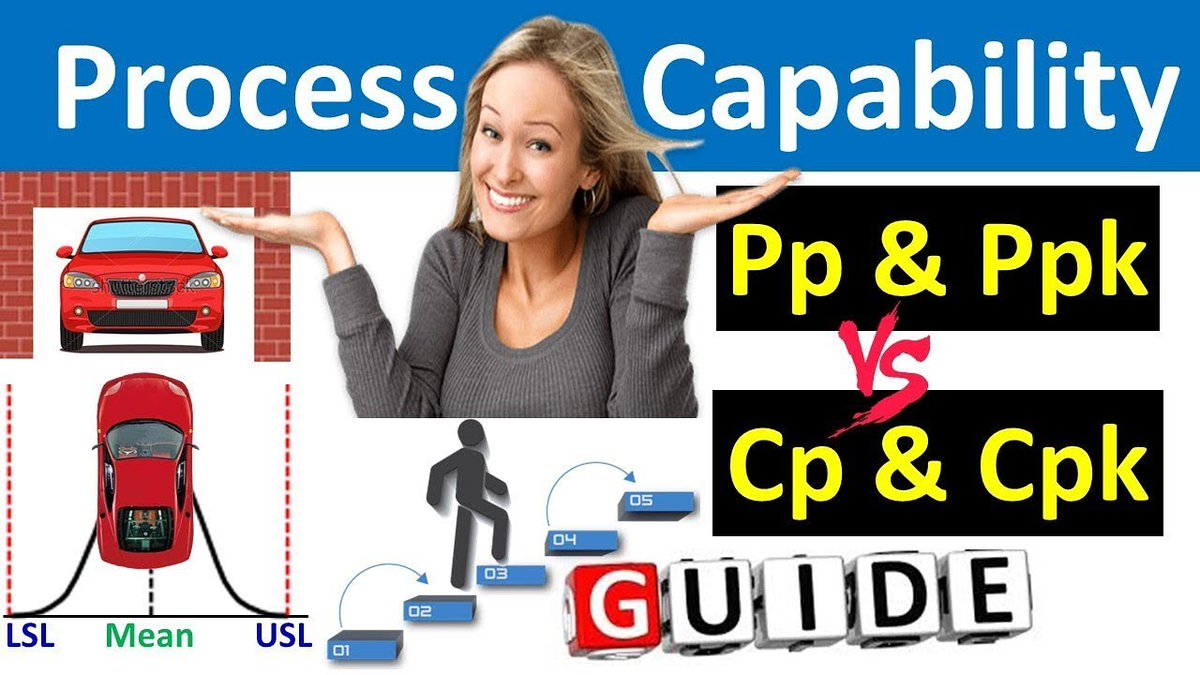
Process Capability Cp & Cpk
#ProcessCapability #Cpk #Cp #Quality #SixSigma #Lean #ASQ #Statistics #MSA #Statistics #Reliability #leansixsigma #qualityassurance #qualitycontrol #Minitab
Watch the video on my YouTube channel :
Link is
youtu.be/1UaxB9VaWqI
2

18 May 2019
2
What tolerance should I put on a 10mm diameter drilled hole in stainless steel to achieve Cpk=1.33?
tolcap.com/
#ToleranceAnalysis #ProcessCapability #EngineeringDesign #ProductDevelopment
2

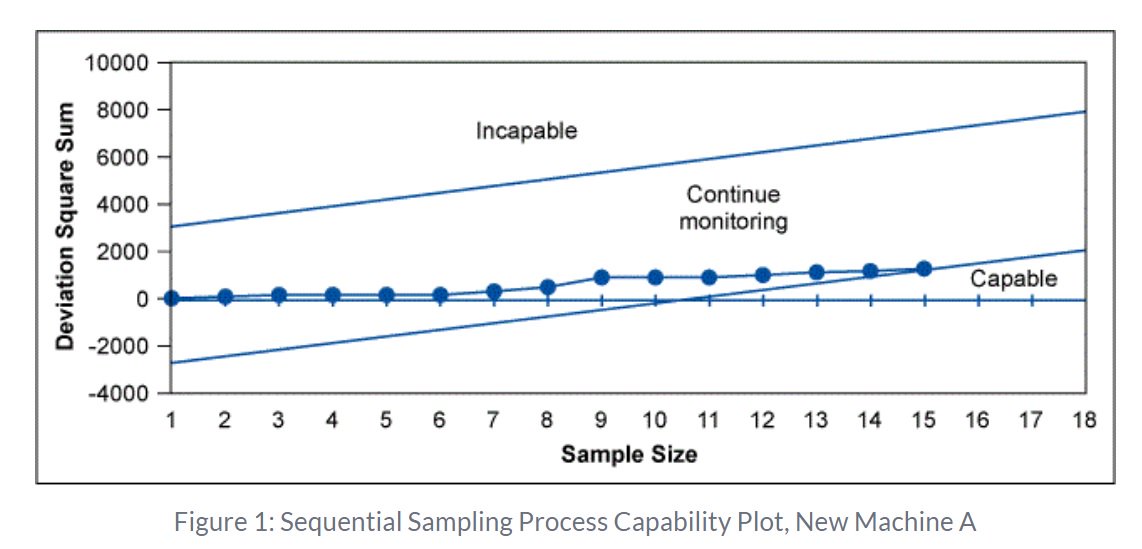
50 PERCENT SAMPLING SAVINGS WITH SEQUENTIAL TEST METHOD ! Process capability (Cp) with Wald’s Sequential Test Method to Process Capability Decisions !isixsigma.com/tools-template…? #Statistics #CP #SequentialTestMethod #ProcessCapability #Hypothesis
1