
24 Nov 2025
🚀 #NDLR2026 is proud to announce its full scientific program! Join us for an unmissable gathering of global leaders sharing the latest breakthroughs in blood cancer research!
#BloodCancerResearch #MPN #Myeloma #ALL #AML #Lymphoma #MDS #PediatricLeukemia #SpatialProfiling #CML

1
2
152

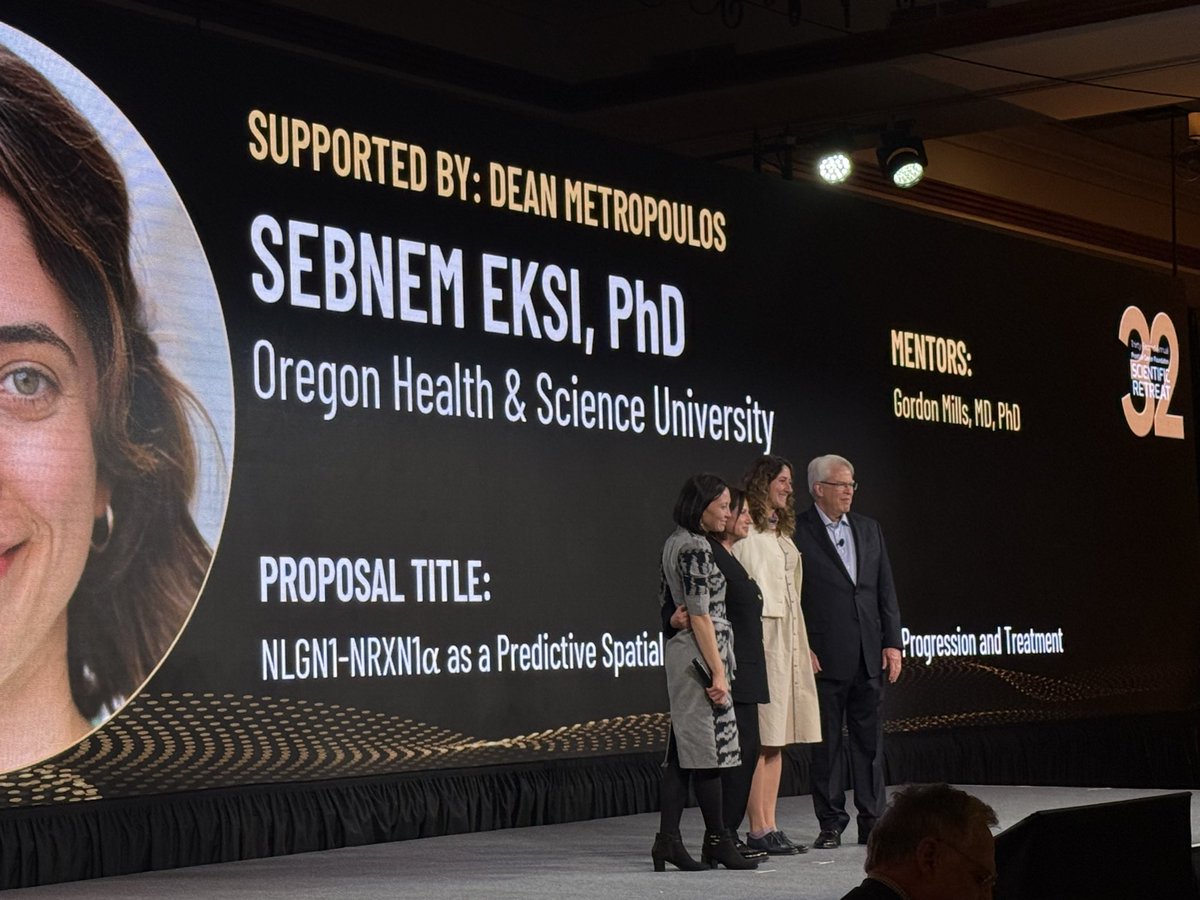
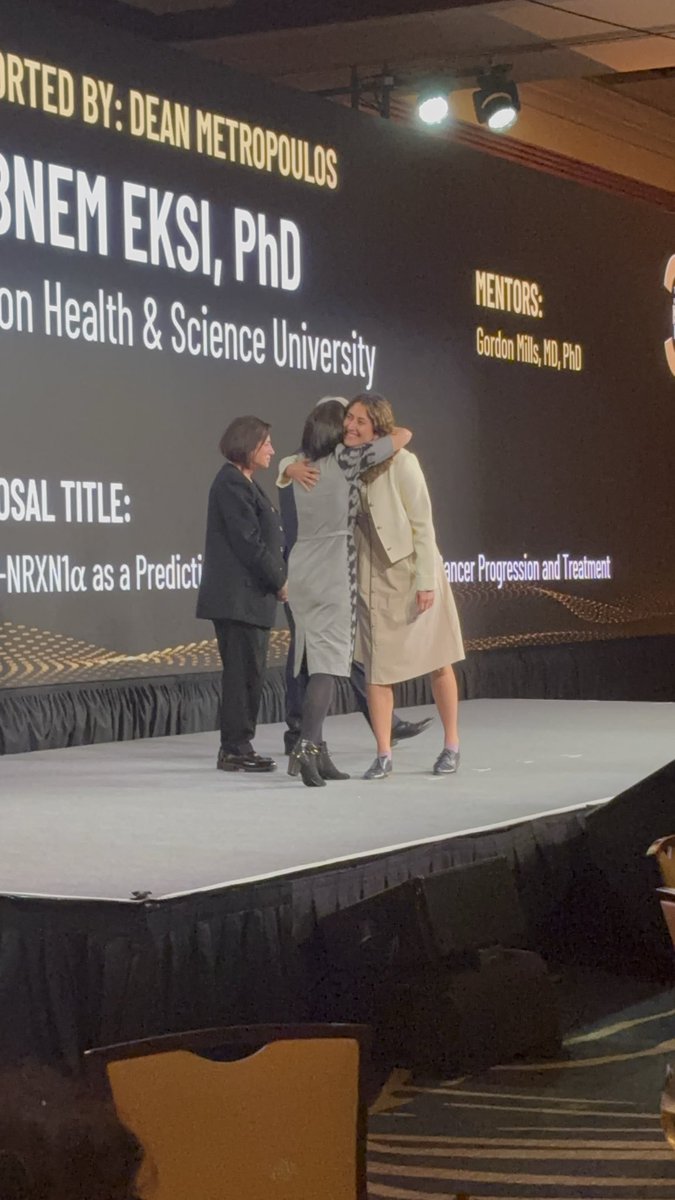
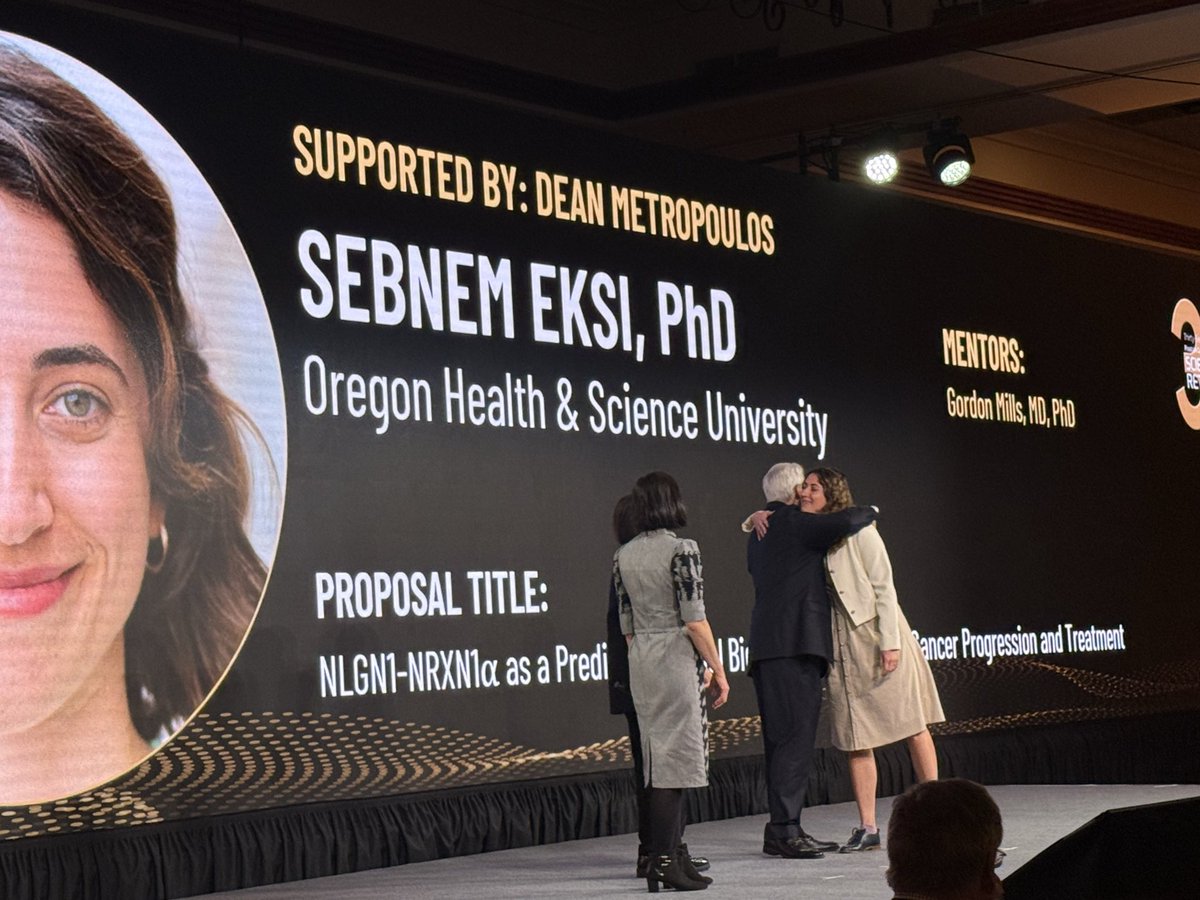
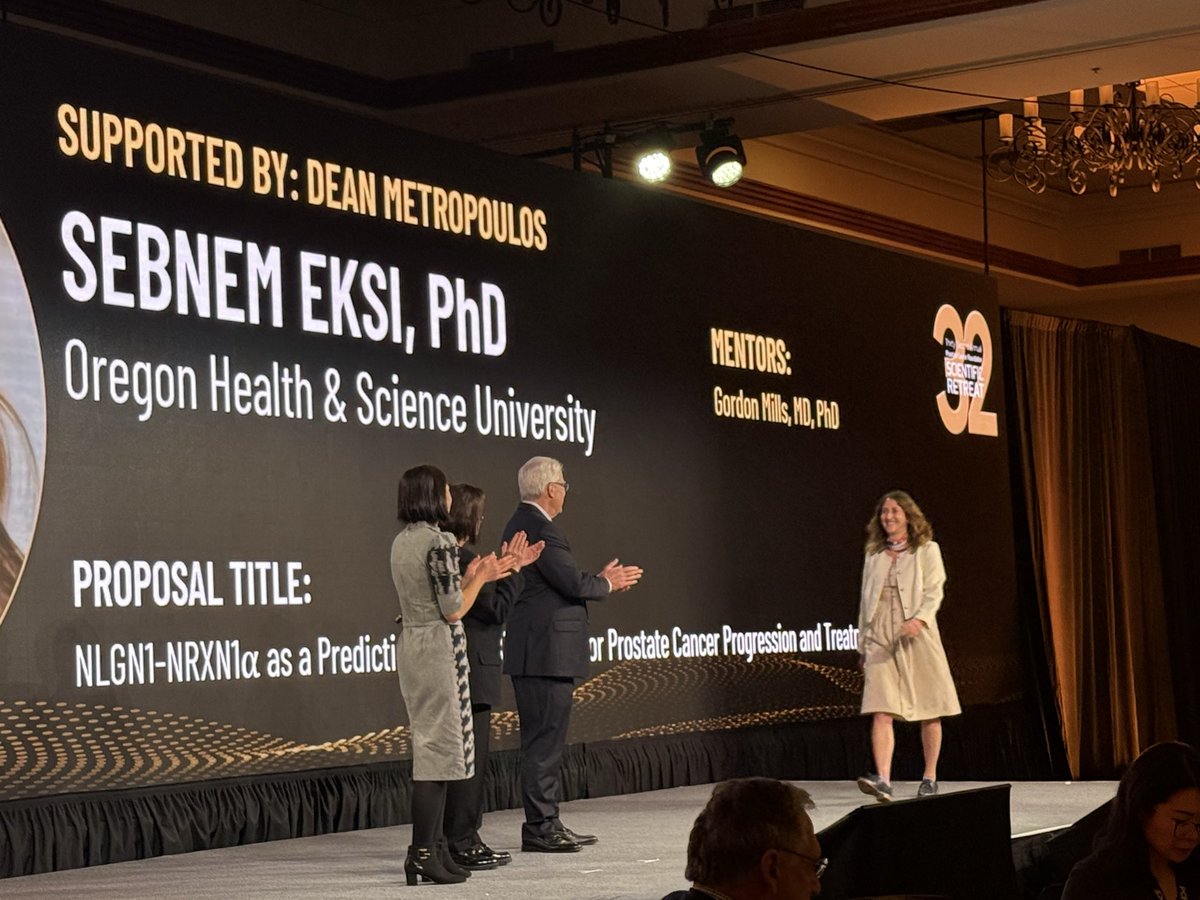
Honored to join the @PCFnews @PCF_Science Young Investigator, Class of 2025. Excited to continue advancing #spatialprofiling of the #prostate #tumormicroenvironment to uncover new biomarkers and therapeutic strategies.
Thank you @AndreaMiyahira @howardsoule @OHSUKnight
1
3
8
3,700

🚀Save the Date! Join our exciting webinar series on the STOmics Stereo-CITE Proteo-Transcriptomics Solution. Discover how this spatial omics tech can supercharge your research. Oct 21 & 22, 4 PM GMT 8. Register: bit.ly/4nowKSb #STOmics #SpatialProfiling #SpatialOmics
1
3
137

5 Sep 2025
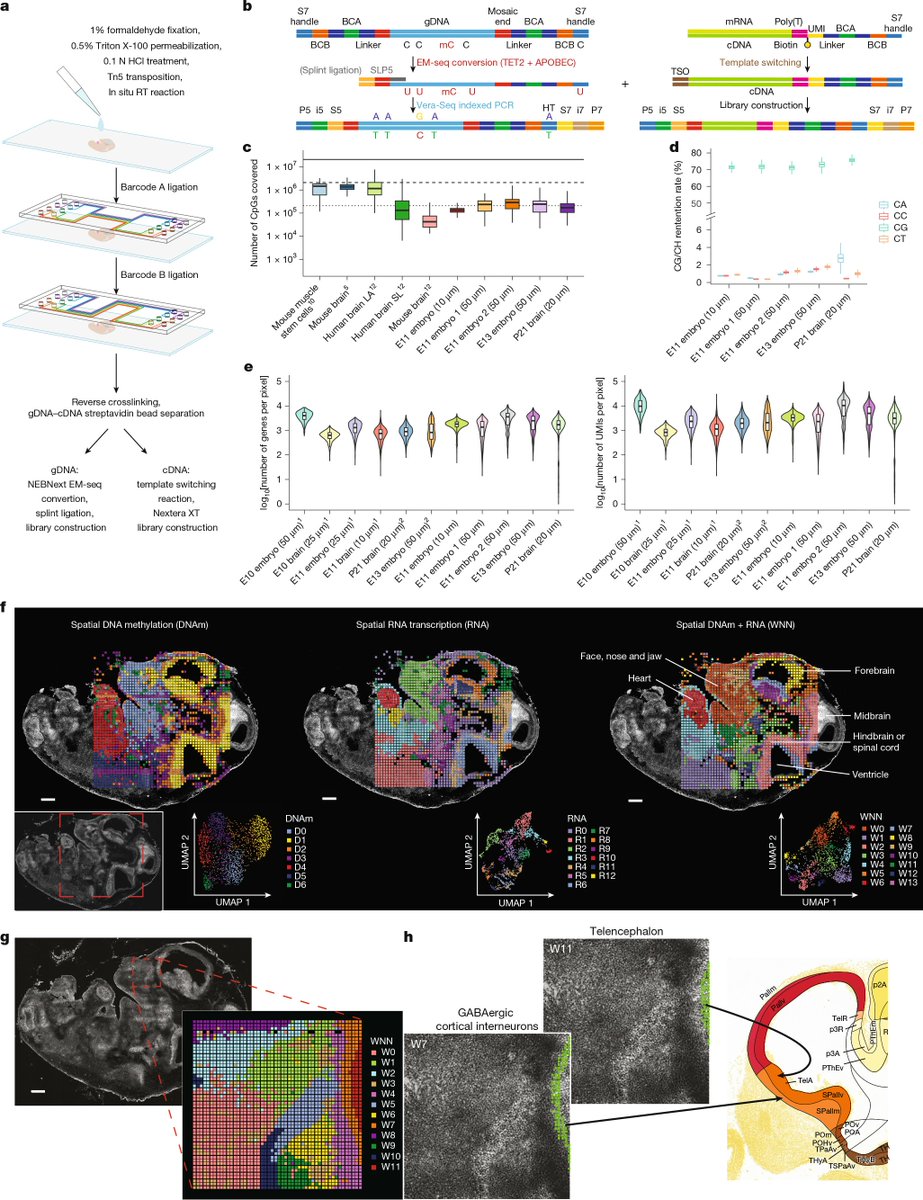
Epigenetics Update - Spatial joint profiling of DNA methylome and transcriptome in tissues go.nature.com/4p0bbs9
#Epigenetics #DNAme #DNAm #SpatialProfiling
---
Perfect for cancer, immunology, and aging research; epigenometech.com
1
7
191

16 May 2025
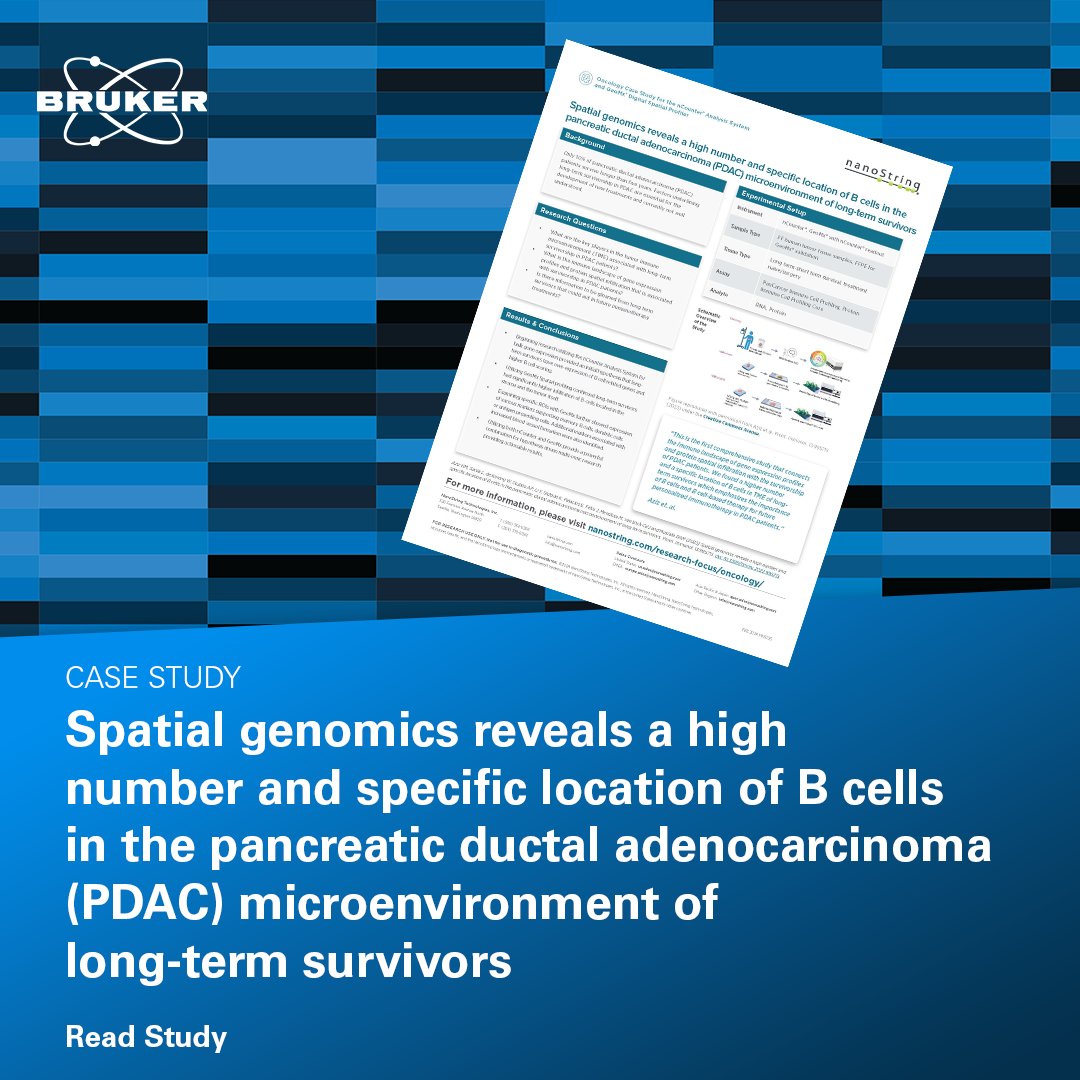
Unlock powerful insights by combining nCounter gene expression with GeoMx DSP spatial profiling! In PDAC, this approach enabled hypothesis-driven, multiomics research with actionable results.
👉 nanostring.com/resources/spa…...
#multiomics #spatialprofiling
2
562

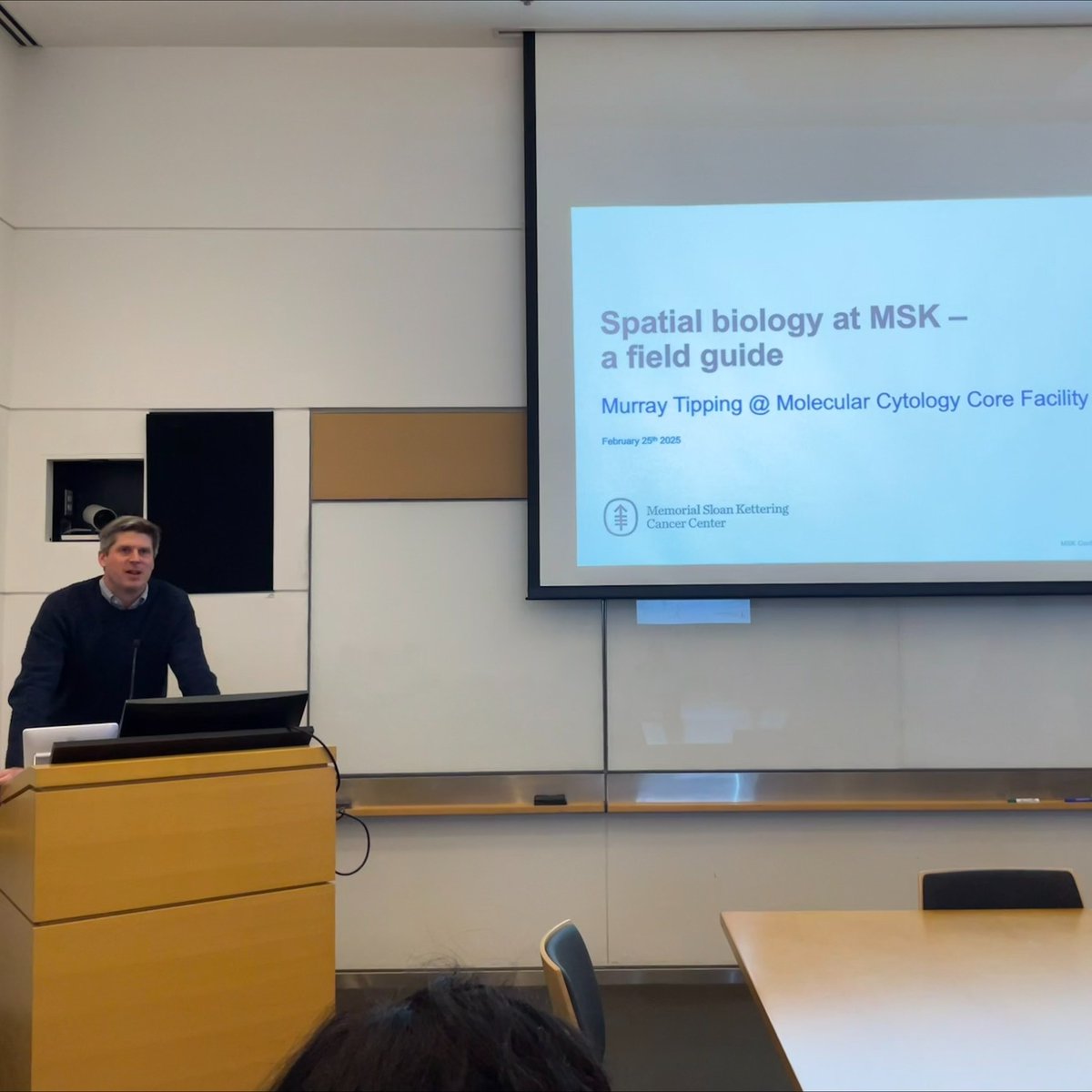
MSK is committed to staying in front of the latest research in #cancercare. @MurrayTipping, Director of the Molecular Cytology Core at MSK's Sloan Kettering Institute, shared the latest #spatialprofiling technologies with the Gerry Club Mets team at MSK, a group of post-doctoral trainees who organize lectures on biology and cancer genetics for MSK employees.
Dr. Tipping highlighted how these cutting-edge approaches will enhance our understanding of tumor progression and #metastasis.
2
30
3,111

16 Oct 2024
5️⃣🧑🔬 The $5M donation will fund Wintermann Scholars, advancing research in #immunotherapy, #bioinformatics, and #spatialprofiling. Experts like @PamSharmaMDPhD, @DrLizJaffee, @HutchGreenberg, and @CarolynBertozzi (@NobelPrize) will help drive these #innovations, transforming #patientcare globally.
1
14
133
28 Jun 2024
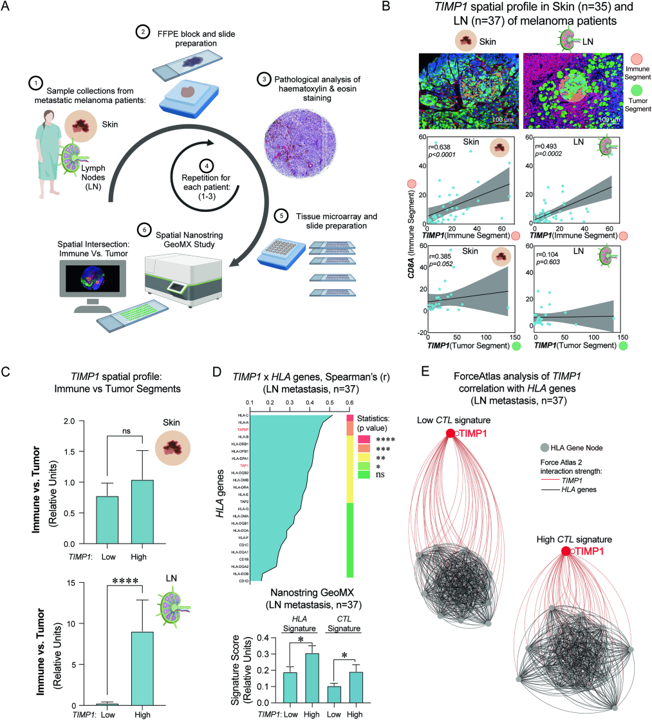
Boosting immune checkpoint therapy by turning cold tumors hot! Researchers at the @UniTurku used GeoMx DSP to profile #melanoma and identified TIMP-1 as a key #biomarker modulating tumor immunogenicity.
👉go.nature.com/3VwLBhC
#FridayRead #Spatialprofiling
1
4
468

5 Apr 2024
In a recent @GENbio interview, Dr. Christina Curtis (@cncurtis), co-chair of @AACR and a professor at @Stanford, highlights how the significant progress made in #spatialprofiling technology will be a major theme at this year's #AACR24 meeting.
"Another theme is the huge advance in spatial profiling which allows us to look at human tissue at unprecedented resolution across different scales—from the subcellular, to cellular, and up to intercellular," says Dr. Curtis. bit.ly/4araxwb
#spatialbiology #spatial
1
4
528
26 Mar 2024
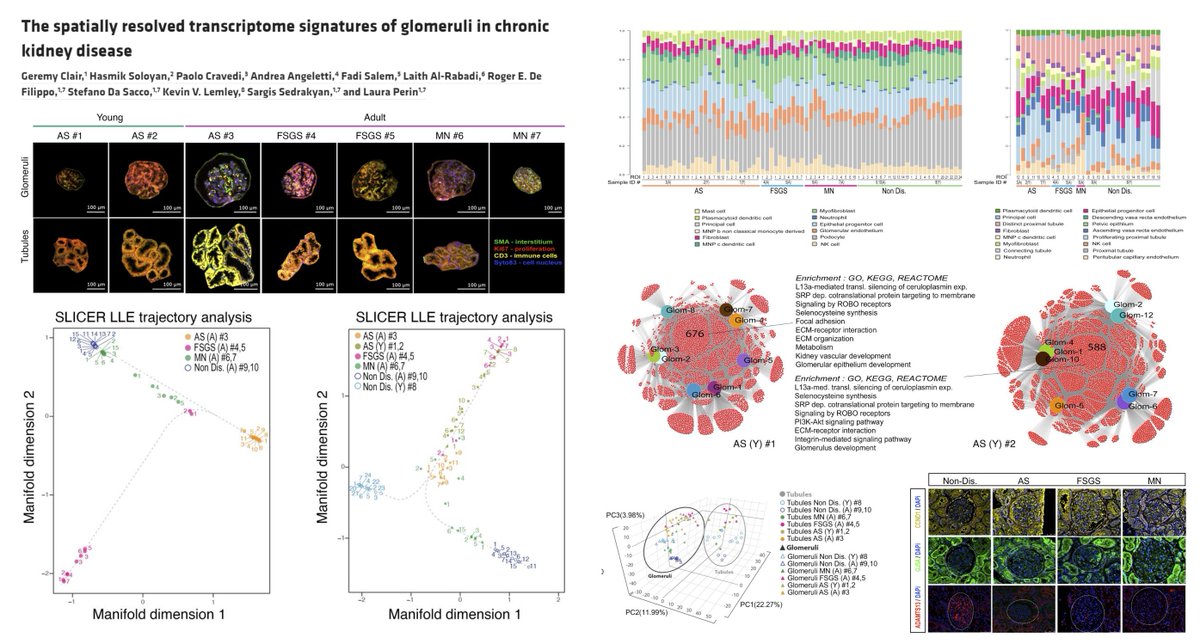
👏 to this @jclinicalinvest publication utilizing GeoMx DSP to delineate glomerular transcriptomic signatures revealing complex molecular mechanisms in chronic kidney disease!
#spatialprofiling #chronickidneydisease

#SpatialTranscriptomics #ChronicKidneyDisease #CKD
#AlportSyndrome n=3
#FocalSegmentalGlomerulosclerosis n=2
#MembranousNephropathy n=2
3 Ctrl
#GeoMx @nanostringtech
#Glomeruli vs Tubules
Pathology score
➕corr: Retinoic acid binding
➖corr: Selenocysteine synthesis; SLIT/ROBO
SLICER for pseudotime trajectory
@JCI_insight 2024
insight.jci.org/articles/vie…
7
1,242
16 Mar 2024
See Cancer Science Institute of Singapore's (@csi_singapore) groundbreaking work using digital spatial profiling with whole transcriptome analysis to characterize macrophages in RLTs and DLBCL.
👉 go.nature.com/3wXrob9
#spatialprofiling #GeoMxDSP #spatialbiology
5
18
1,514
19 Feb 2024
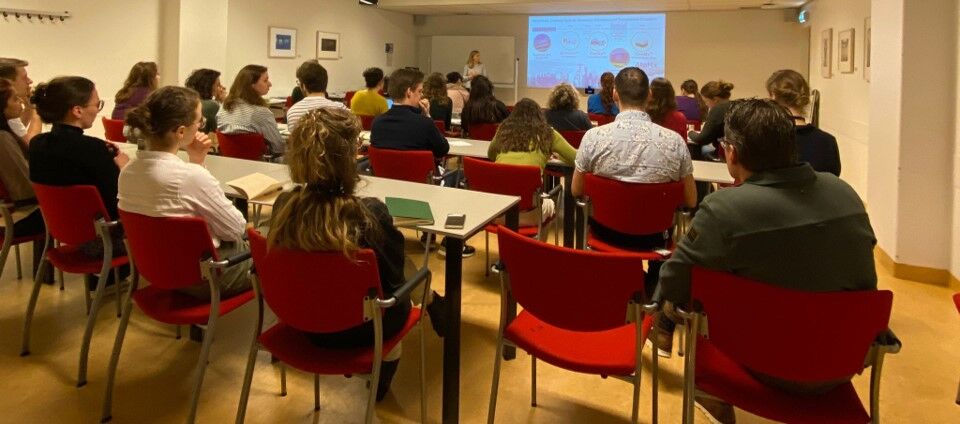
We are live today from @LUMC_Leiden where a full room is listening to our Sr FAS Amanda Mason talk about biology-driven #spatialprofiling with GeoMx DSP. Researchers can now choose the tissue compartments and cell types that matter most to them 👉 bit.ly/3wa1LmX
5
886

⏰Join us on Feb 22 (4pm ET)/Feb 23 (7am AEST)⏰ to hear about the lastest #insitu #spatialprofiling platforms, benchmarking and IBD and respiratory disease research @PDulaiMD @Genomics_GU @Griffith_Uni @NorthwesternU @GenomeWeb
event.on24.com/wcc/r/4476426…
3
13
3,158

30 Jan 2024
1
7
537

26 Jan 2024
Great information, as always Brant! It’s good to have data with the explanation for people to work through. #spatialprofiling #omics #geomx #cosmx
26 Jan 2024

@GenomicsCow, in a recent post you say you’re not sure the next wave 🌊 after #genomics is #proteomics. I think a new wave of proteomics and #multiomics technologies are upon us, just that not everyone is aware of what’s now available.
If, as you say, a major problem for current proteomics is that data from different platforms just doesn’t ‘match’, then the tech is just too noisy (like with #RTqPCR data, where about half of everything published is just technical noise—true—see publications by Stephen Bustin or Tania Nolan for starters!).
Harmonising protein quantification and gene expression data (multiomics) is easy if each method counts individual molecules (for quantification) while also mapping the spatial location of each molecule (to align biological context).
That’s what NanoString’s #GeoMx and #CosMx platforms do, and why, despite being separate and orthogonal technologies, the data from each (for either multiomic analysis or cross-platform validation) is concordant. The common data type for both the CosMx and GeoMx is just individual molecule counts. This we can all understand, even if you start with gene expression- or protein-only expertise.
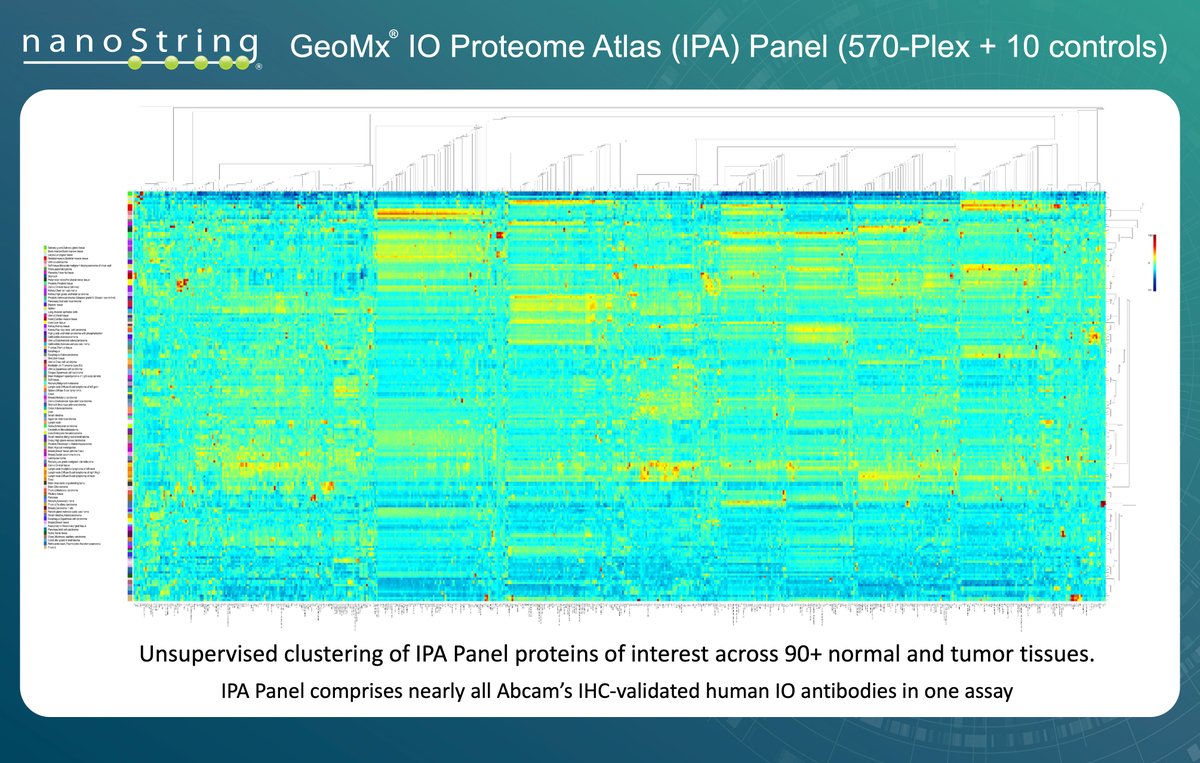
Don’t believe me? Please digest the example CosMx and GeoMx proteomic dataset images I submit here. Similar validation data for gene expression (out to whole transcriptome) on each platform is equally impressive, but that’s a separate story.
@nanostringtech @Proteomics @ProteomicsNews @SpatialOmics @ucdmrt @jcb_31416 @NLKProteomics @drchrispook @rebecca_poulos @AlbertVilella @BlauerPlums @lee_spraggon @NeBanovich @ArpitaBKulkarni @GenomicsCow @aruthak @GESTALT_sp @HumphreysLab @DavidPCook @DrJasPlummer @Elislab_ @TheGregoryLab @m_mohenska @kirkbjensen @nikhil_seq @Kellieiswise @pinkney_holly @ioavlachos @sarahannbest @dgallegoortega @ANU_Spatials @Genomics_GU @SharmaaLab @TheStarkLab@singlecellworld @ozsinglecells @drjosephpowell @hoheyn @anothernicwest #SpatialOmics #singlecell #Neurogenomics #OpenScience #RealScience #prot
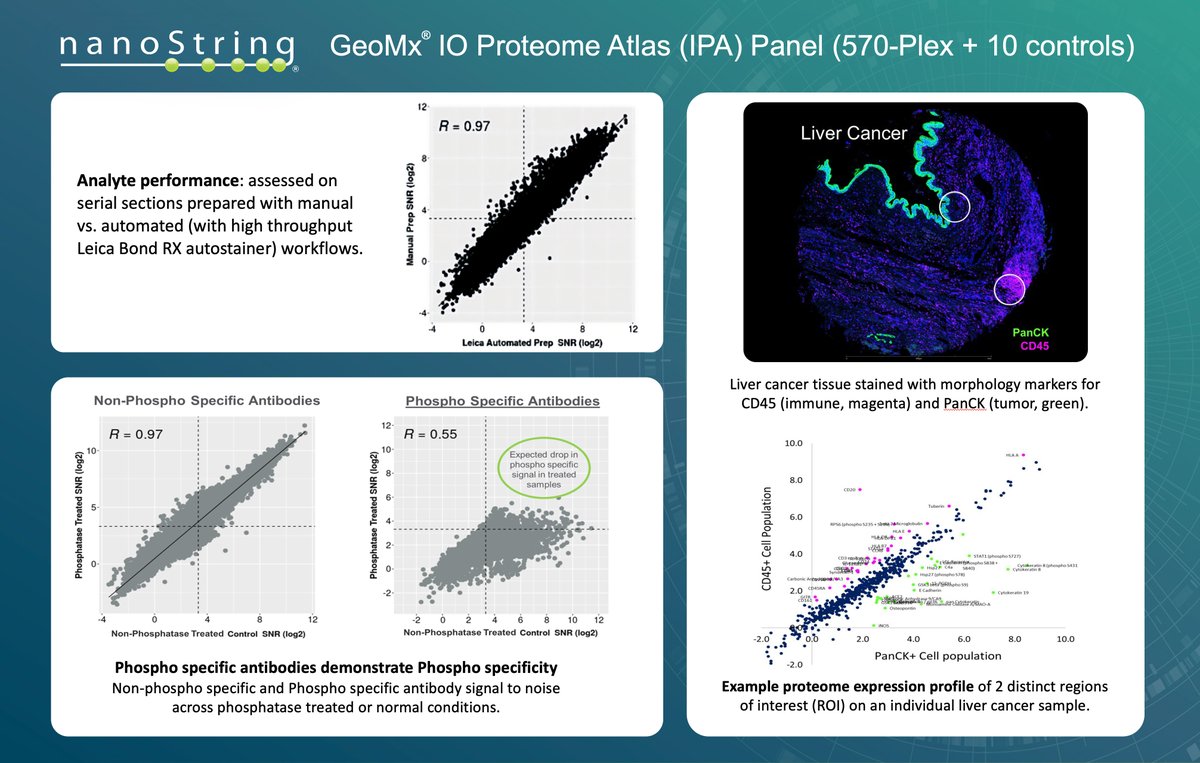
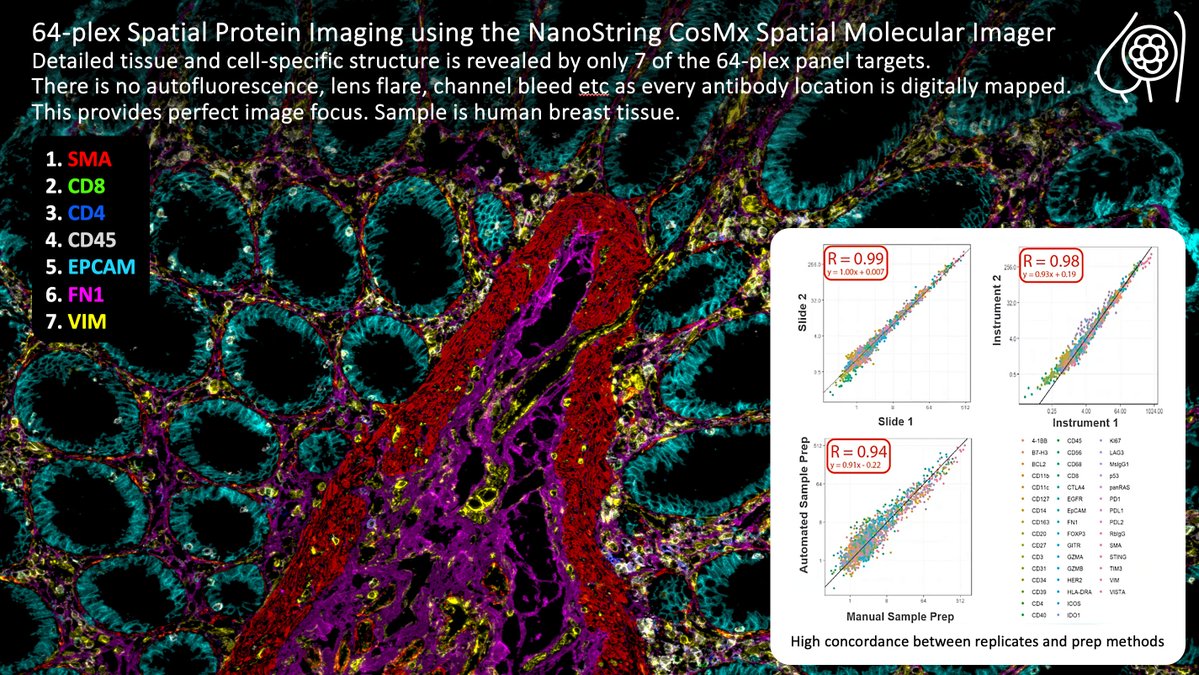
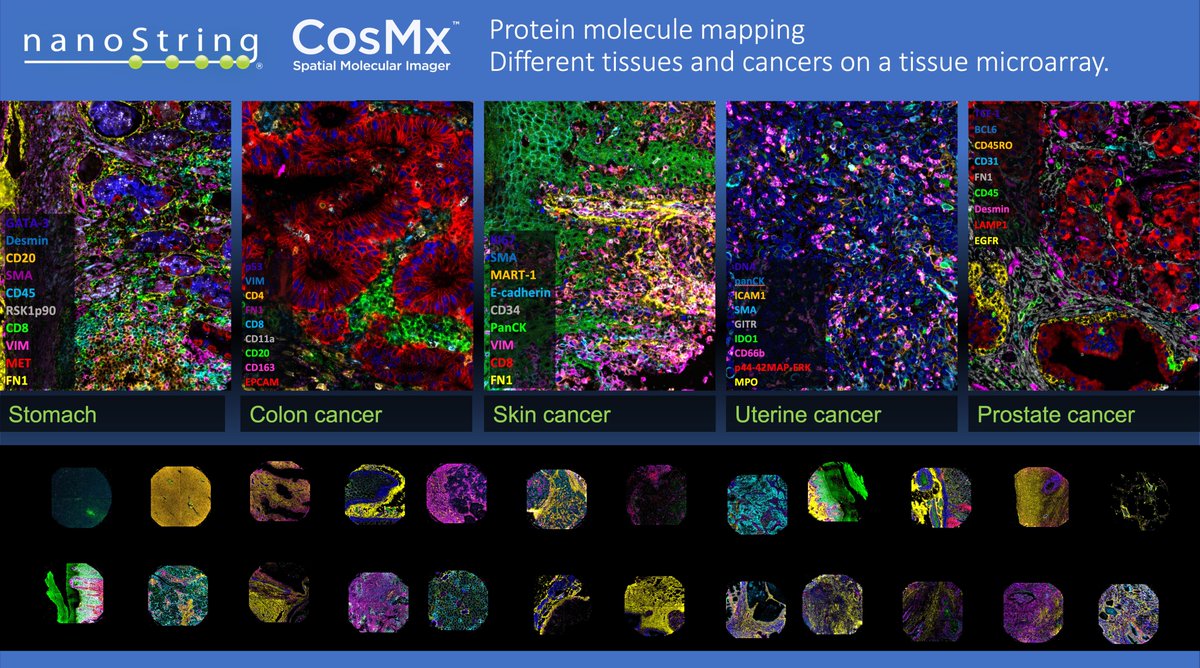
2
173

9 Nov 2023
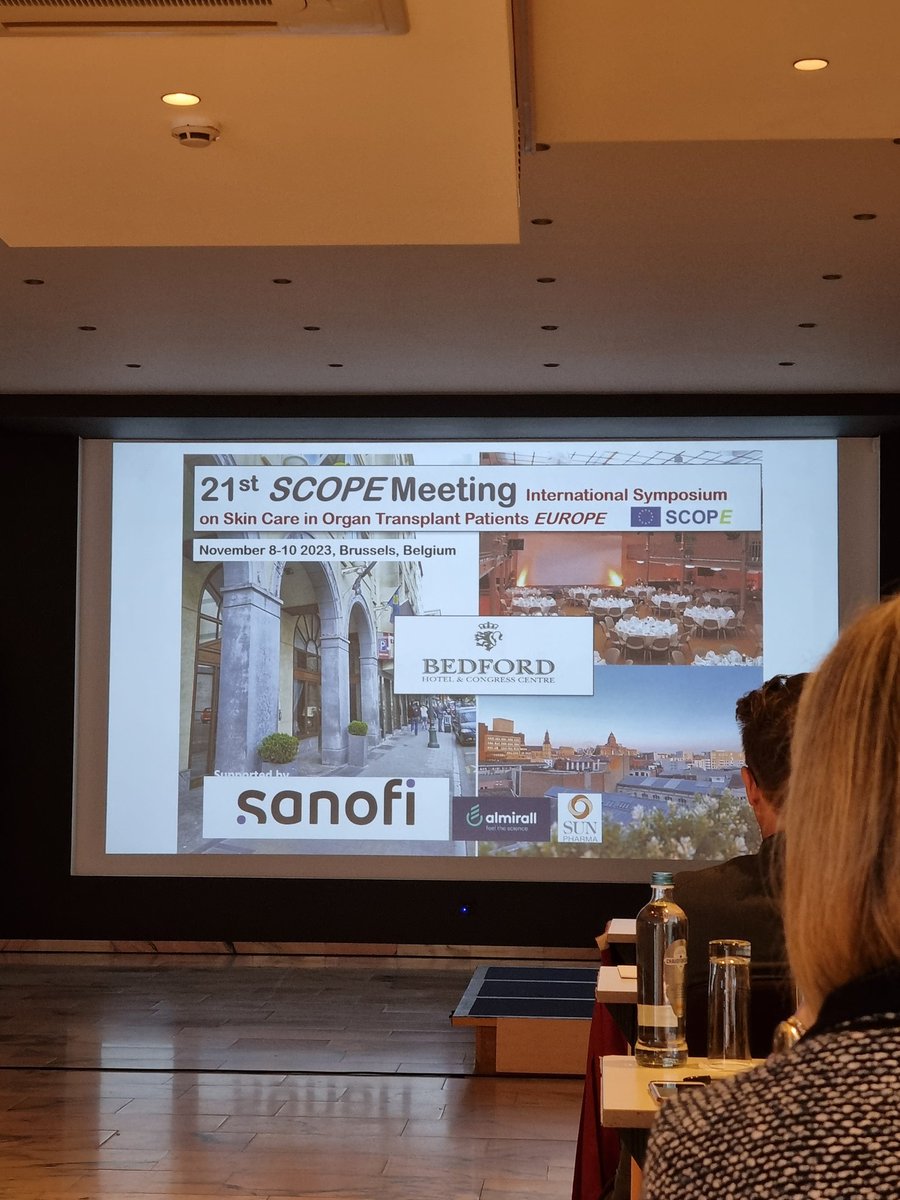
Looking forward to two days of scientific discussion about skin disease in transplant recipients, including presenting our #spatialprofiling data unveiling new pathways defining immune response in @SquamousCscc.
1
12
748

31 Oct 2023
If you're interested in approaches to profile cancer tissue spatially, don't miss this EMBO workshop which we're very excited to be organising! Sign up to be informed about registration below. #cancer #spatialprofiling
31 Oct 2023

With @mariasecrier and @psychonaut we will host a @EMBO workshop @TheCrick on The Spatial Biology of Cancer 1-3 Sep 2024! Spatial hackathon and stellar speaker lineup! Website in prep, for now save the date and sign up 👇🏽to stay informed! coming-soon.embo.org/w24-86
1
10
25
5,473
23 Oct 2023
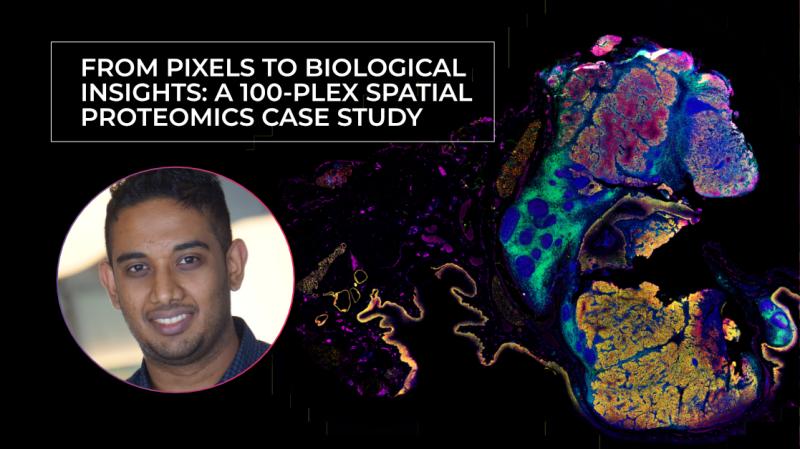
The tools researchers can use to interrogate tissues have reached new levels of precision & depth of detail. But how close are they to clinical utility?
Explore examples of functional insights gained into lung/skin/head & neck cancer using #spatialprofiling — including a first-of-its-kind 100 plex protein panel. bit.ly/3s27M3o @aruthak
4
17
9,934

2 Oct 2023
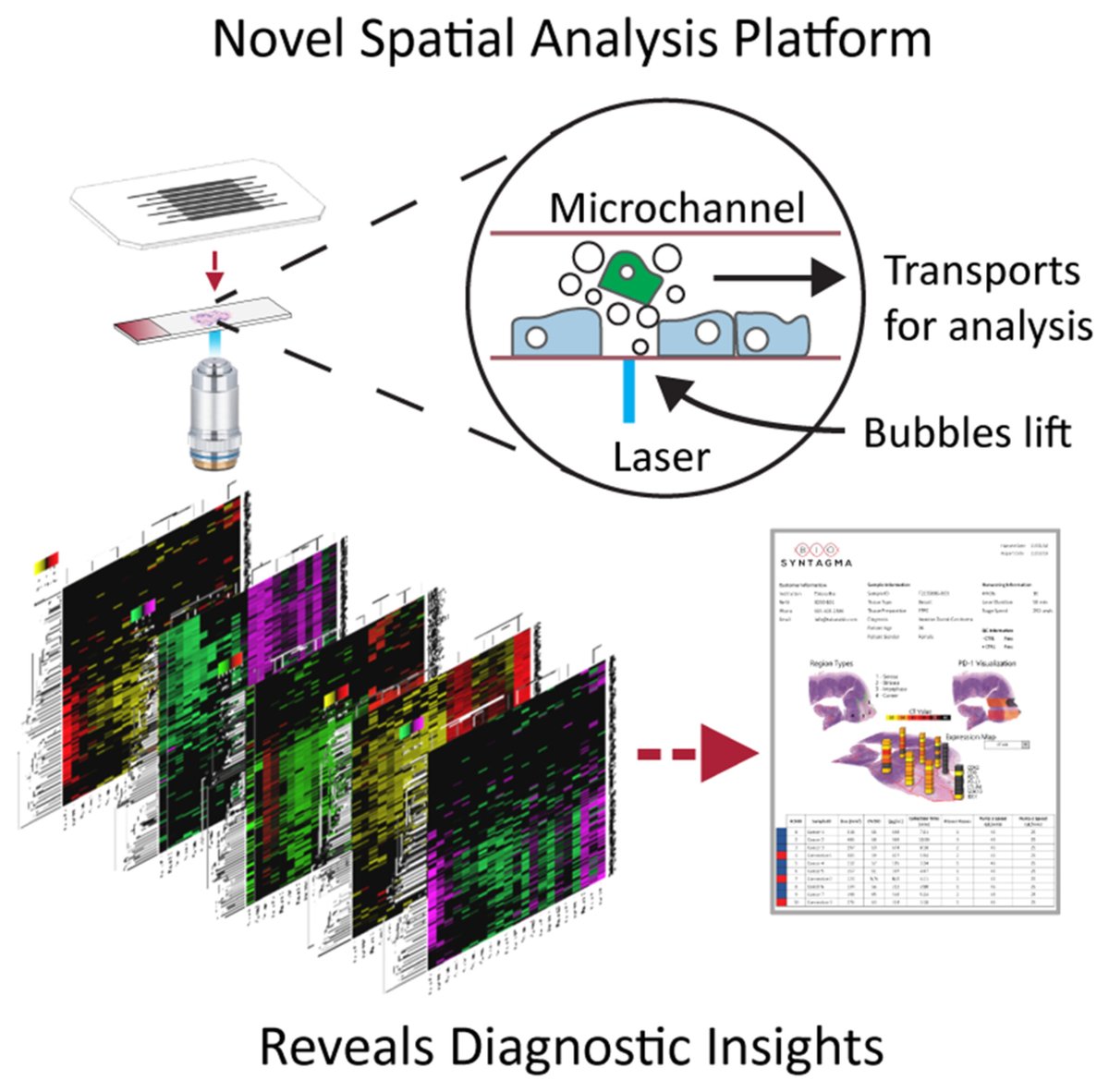
⚙️New Method available online!
🧬Assay-agnostic spatial profiling detects tumor microenvironment signatures: new diagnostic insights for triple-negative breast cancer
🔗buff.ly/3tfKgAe
#SpatialProfiling #TNBC #BCSM #TumourMicroenvironment #ImmunoOncology
3
2
704

31 Aug 2023
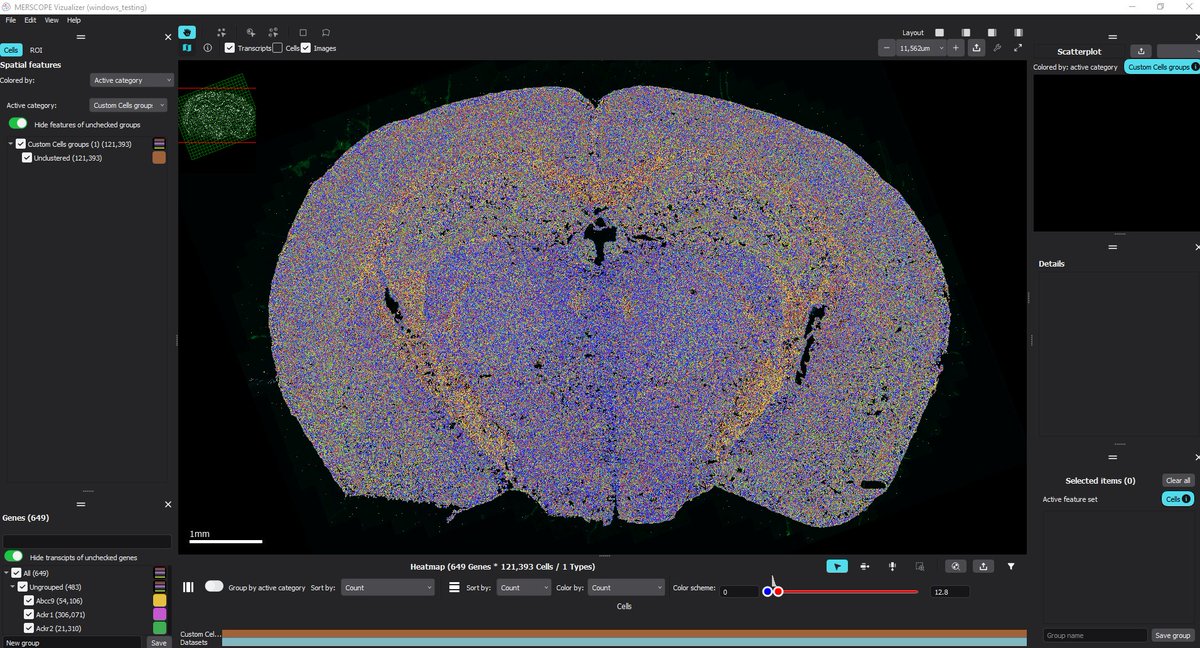
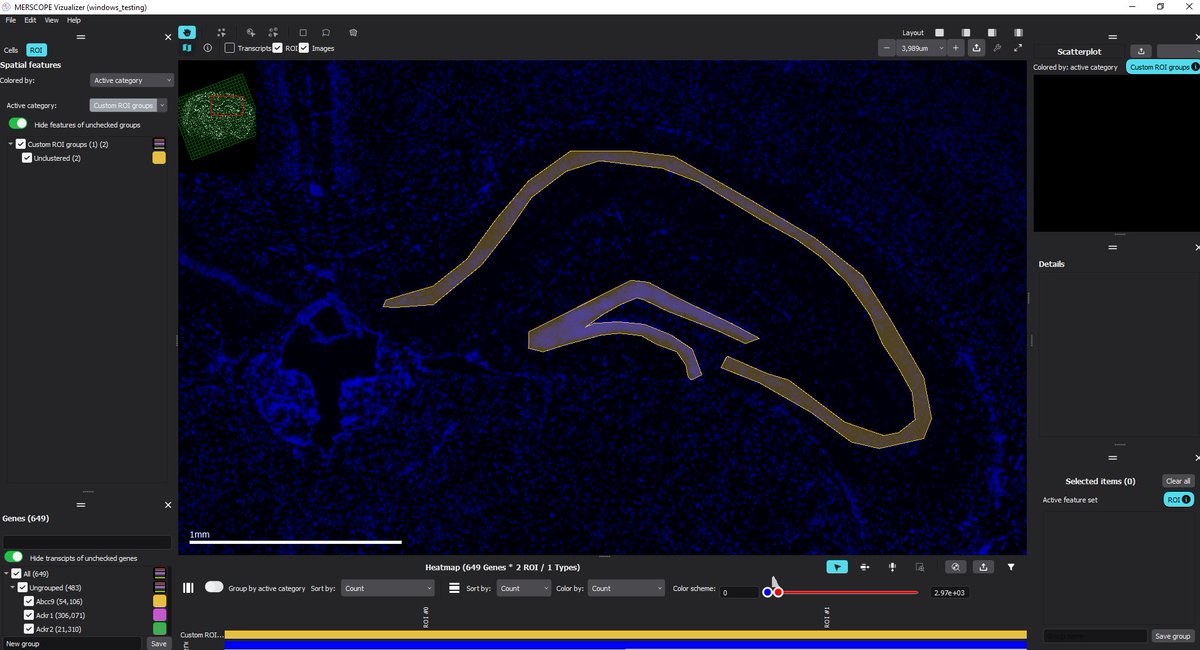
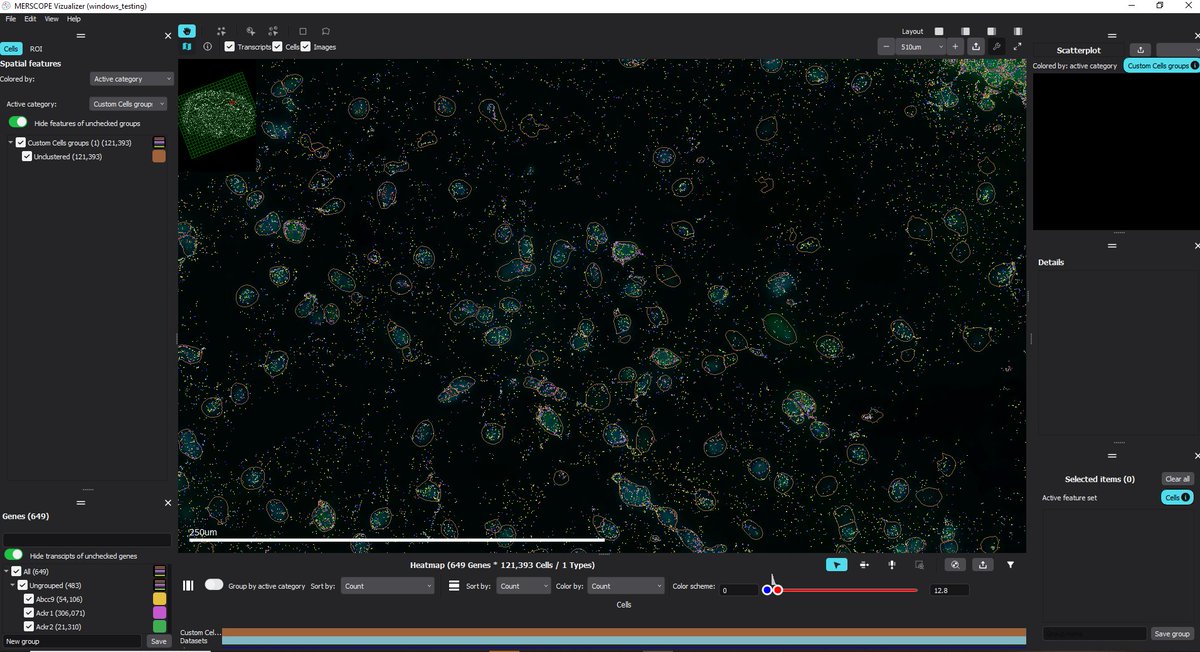
The #MERSCOPEVizualizer makes it easy access your #MERFISH #SpatialData & uncover biological insights with #SingleCell #GeneExpression analysis.
Learn more today: hubs.ly/Q01_lq-_0
#MERSCOPE #SpatialAnalysis #UMAP #Heatmap #CellSegmentation #SpatialProfiling #DataAnalysis
2
8
1,308