
Feb 16
New Publication
rdcu.be/e38PP
Clinicopathological Spectrum of Head and Neck Mucoepidermoid Carcinoma: A Three-case Series
#springerpublication #headandneck #twitterpath
1
3
294

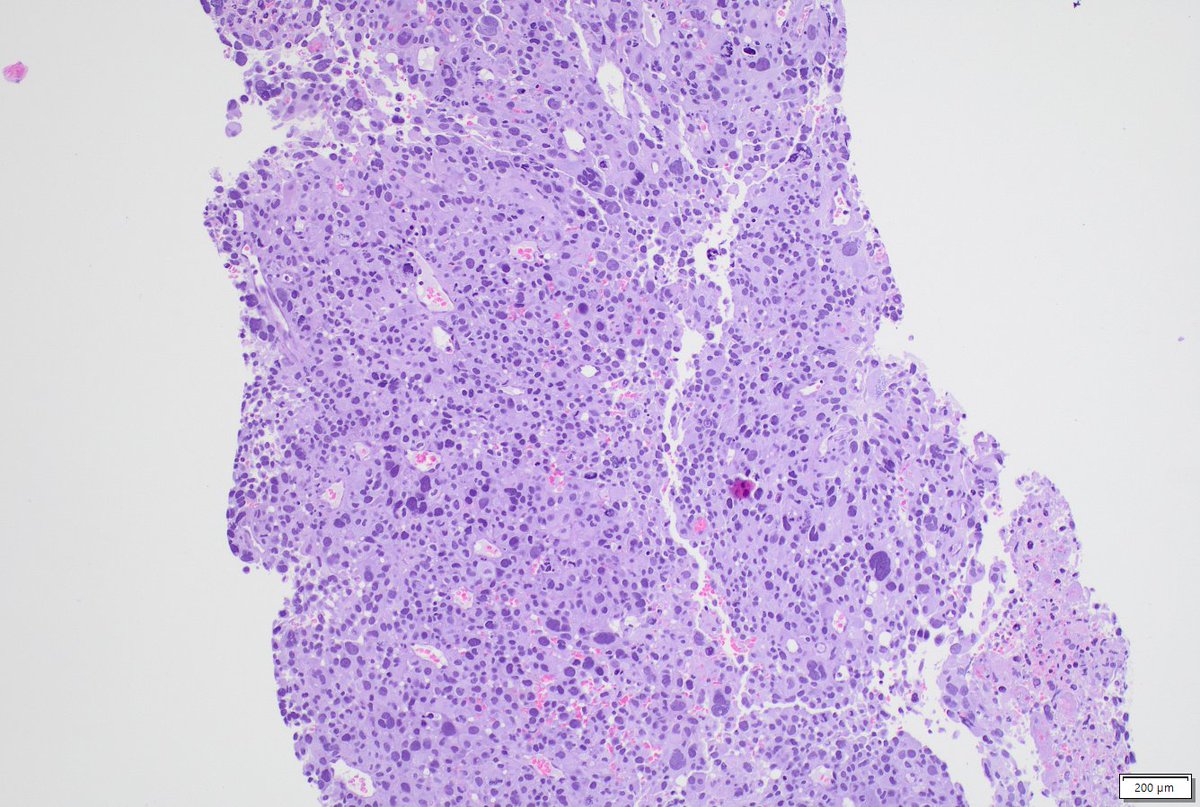
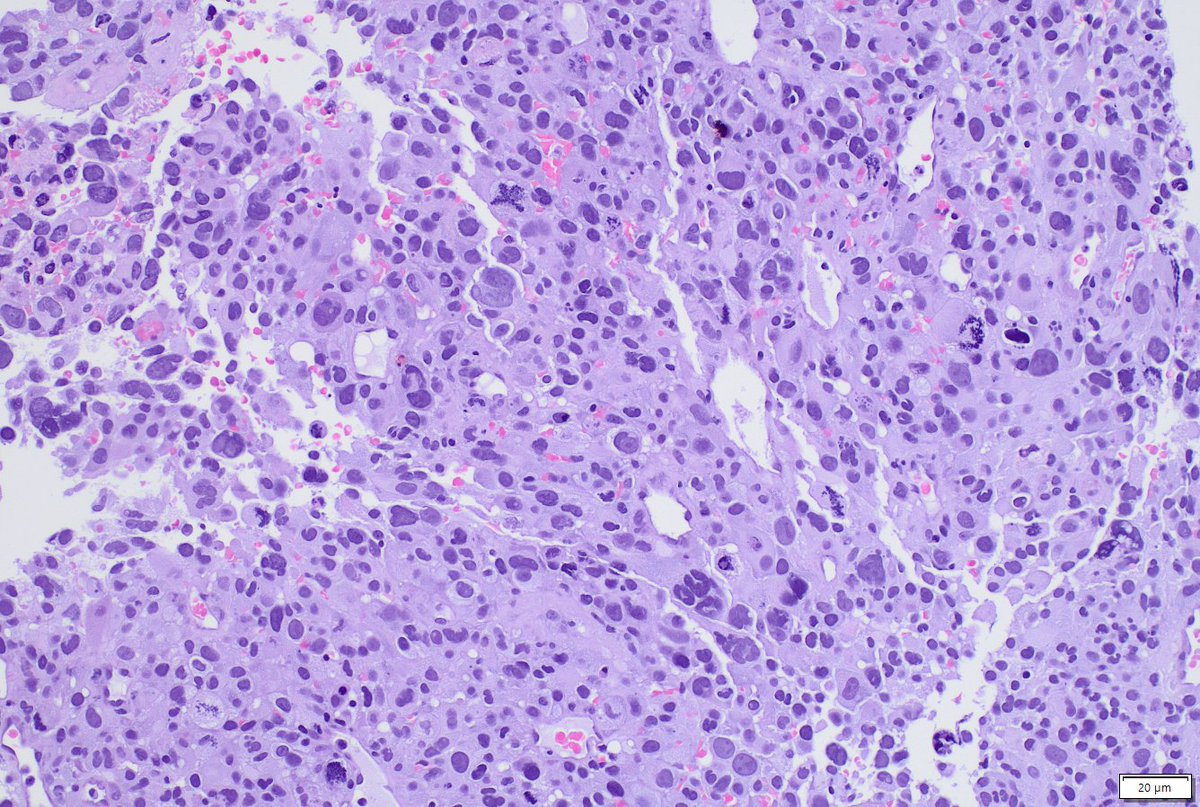
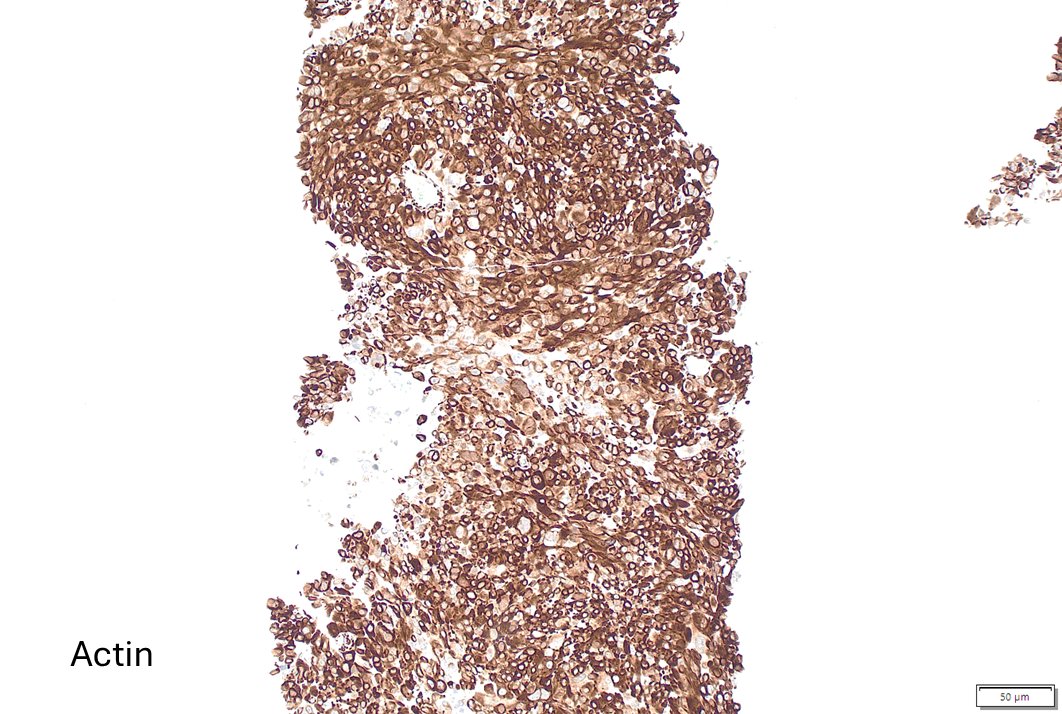
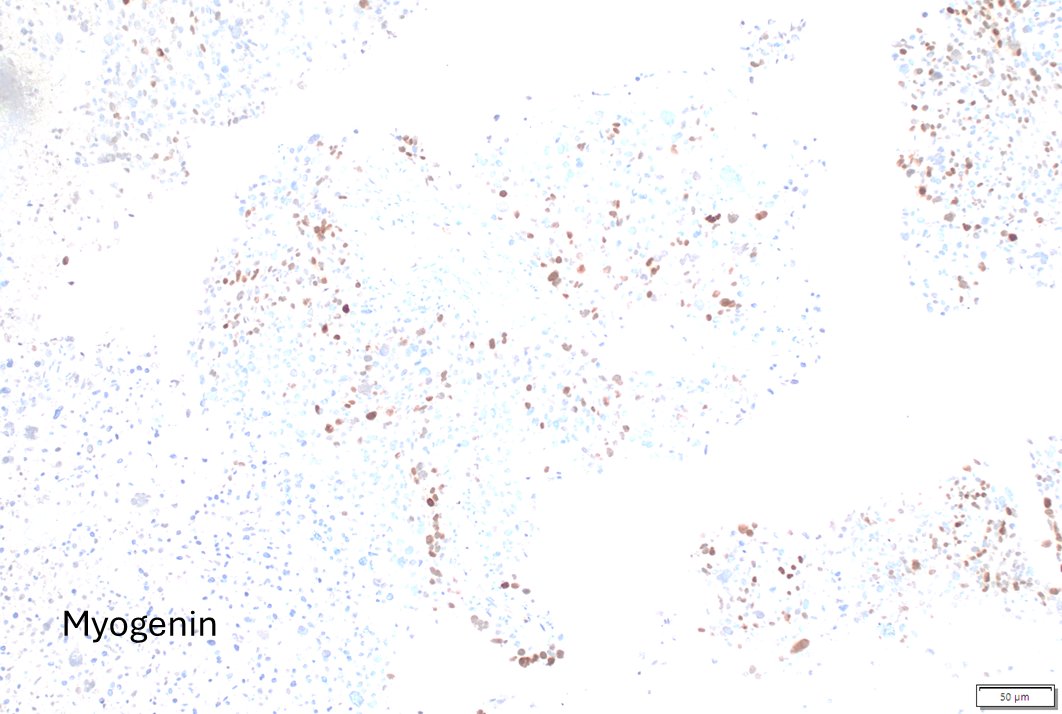
Follow-up from yesterday's case. Molecular studies returned negative for fusions on the panel, but comprehensive NGS revealed UV signature mutations, a few NF1 mutations, a TERT mutation, and high TMB. After multidisciplinary discussion, we conclude this is undifferentiated melanoma with rhabdomyosarcomatous transdifferentiation. This case illustrates that metastatic melanoma can lose specific melanoma markers, that positive muscle markers do not equate to rhabdomyosarcoma or leiomyosarcoma, and that molecular studies are crucial not only prognostically but also diagnostically. As the patient has no history of melanoma, it is very important to communicate with clinicians to examine the patient's entire skin. Primary melanomas of the thorax are very rare.
This is an interesting review:
sciencedirect.com/science/ar…
#lung #TwitterPath #lungpath #melanoma #moffitt #pulmonary #thoracic #pathology
3
11
975
Case of the day: An elderly never-smoker male with no significant oncologic history presents with a right lower lobe/pleural mass. Histologic sections show a poorly differentiated pleomorphic epithelioid and sarcomatoid malignant neoplasm. A large panel of immunostains was positive only for actin and myogenin, while multiple keratins, melanoma, mesothelioma, and site-specific markers were negative. INI1 and BRG1 nuclear expression was preserved. Would you call this a rhabdomyosarcoma? Final diagnosis to follow tomorrow. #zebra #NGS #lung #pathology #pulmonary #TwitterPath #Moffitt #Pulmpath
4
16
46
3,321

23 May 2025
Happy Friday to all #cytopath ologists! One’s a reactive lymphnode; the other one isn’t which one and what and why? #twitterpath
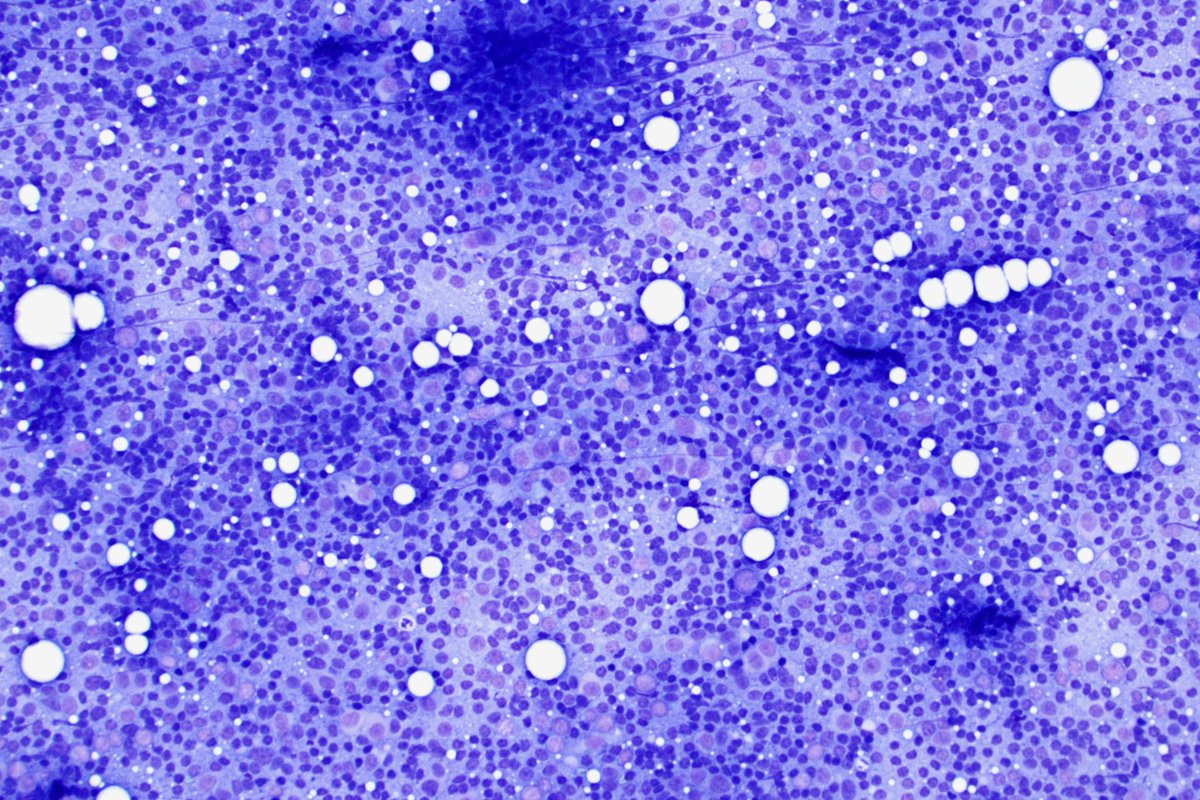
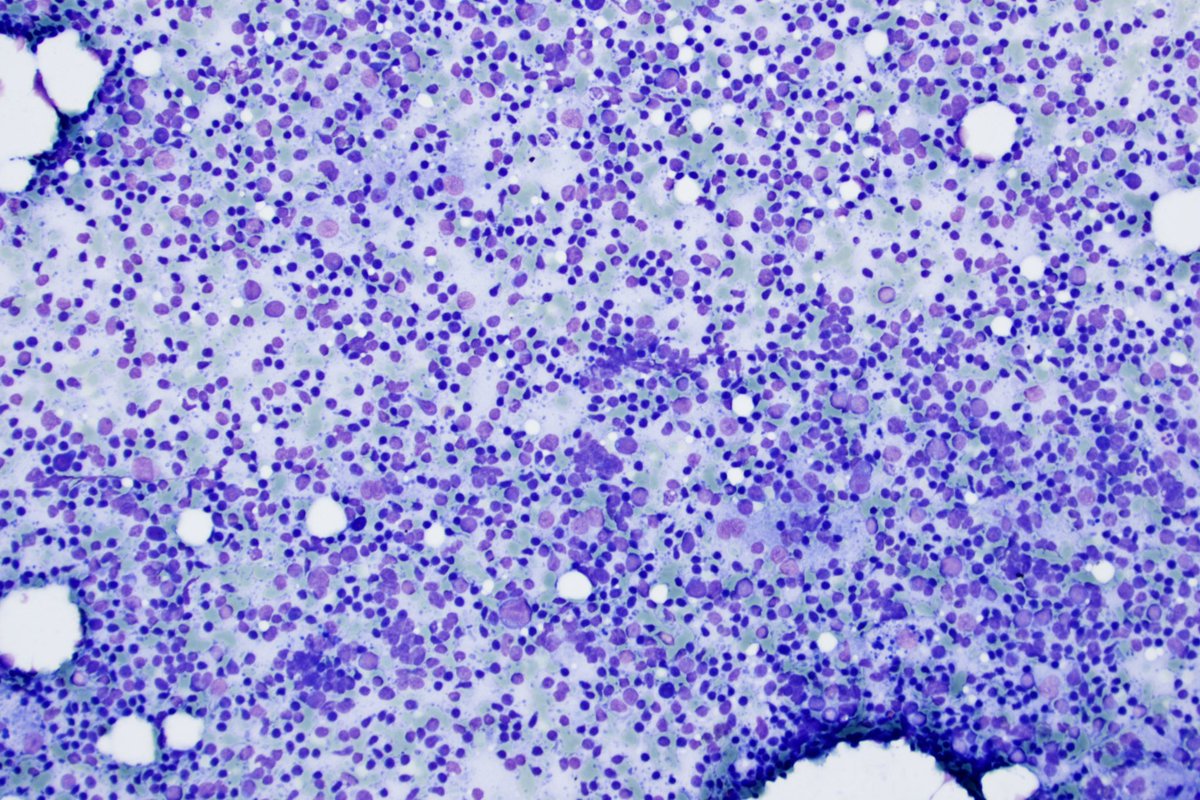
1
1
5
114
4 Apr 2025
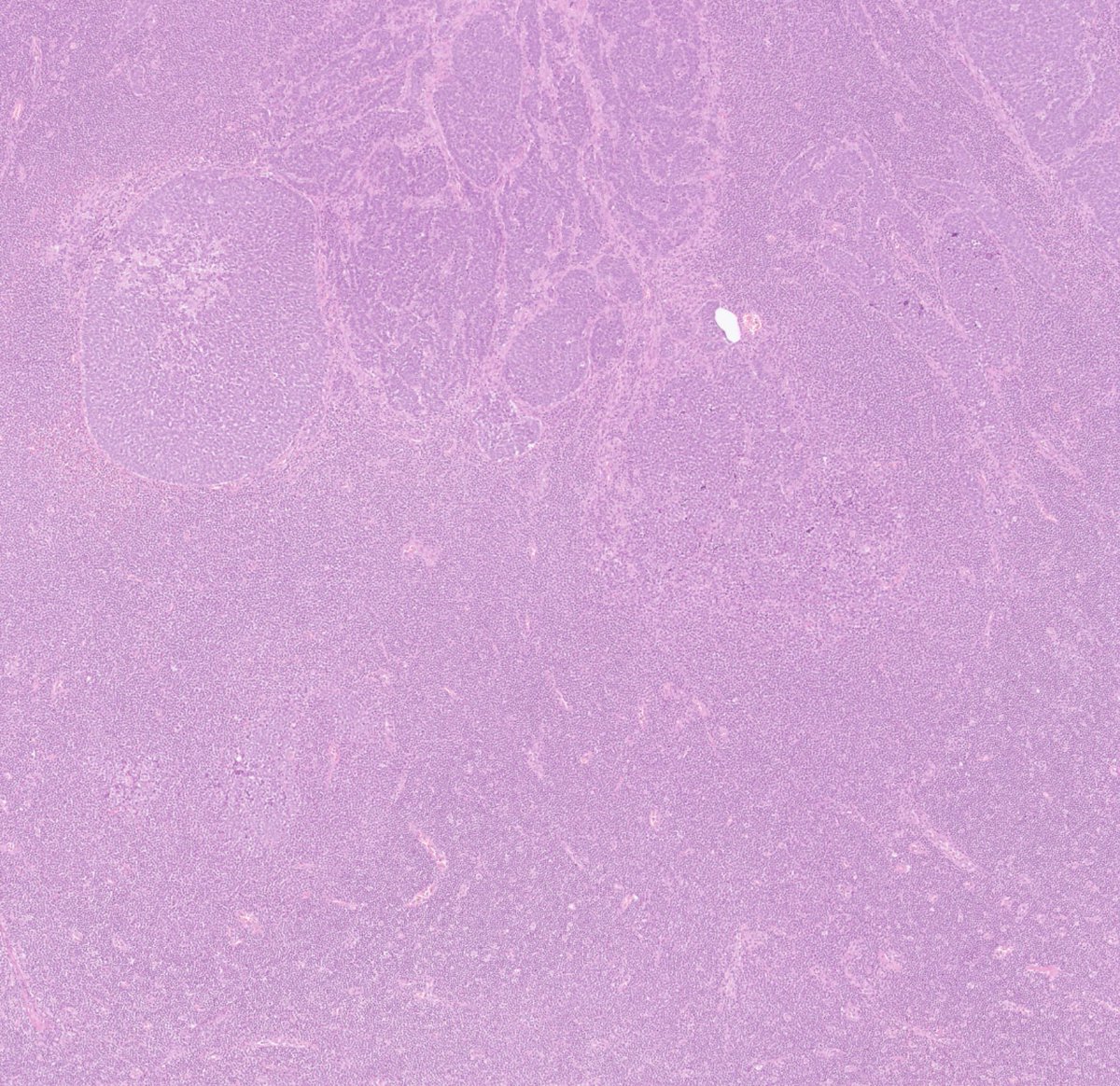
Classic Friday case: Sometimes lymph nodes are sicker than you think!
Can you get both diagnoses from H&E alone? :)
#twitterpath #neuroendocrine #pathology
2
112

24 Feb 2025
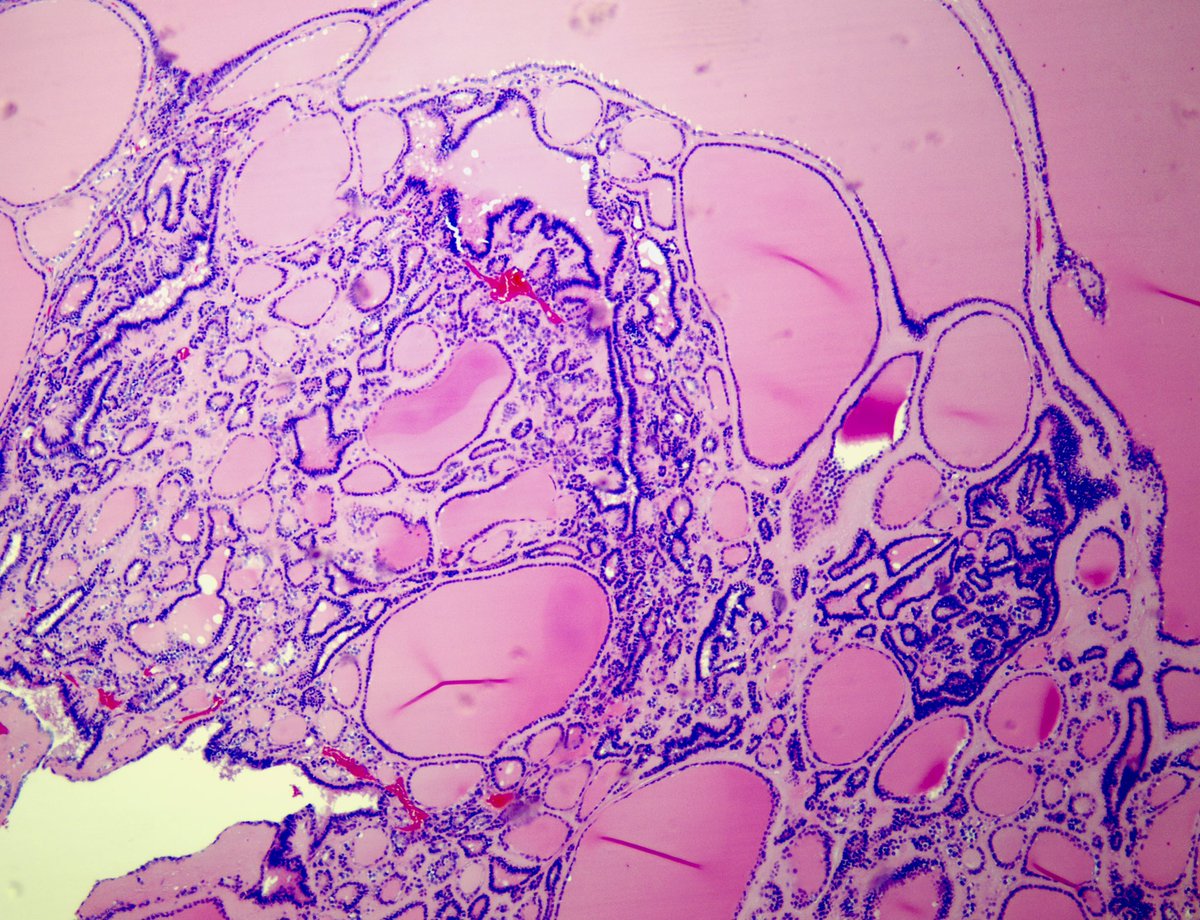
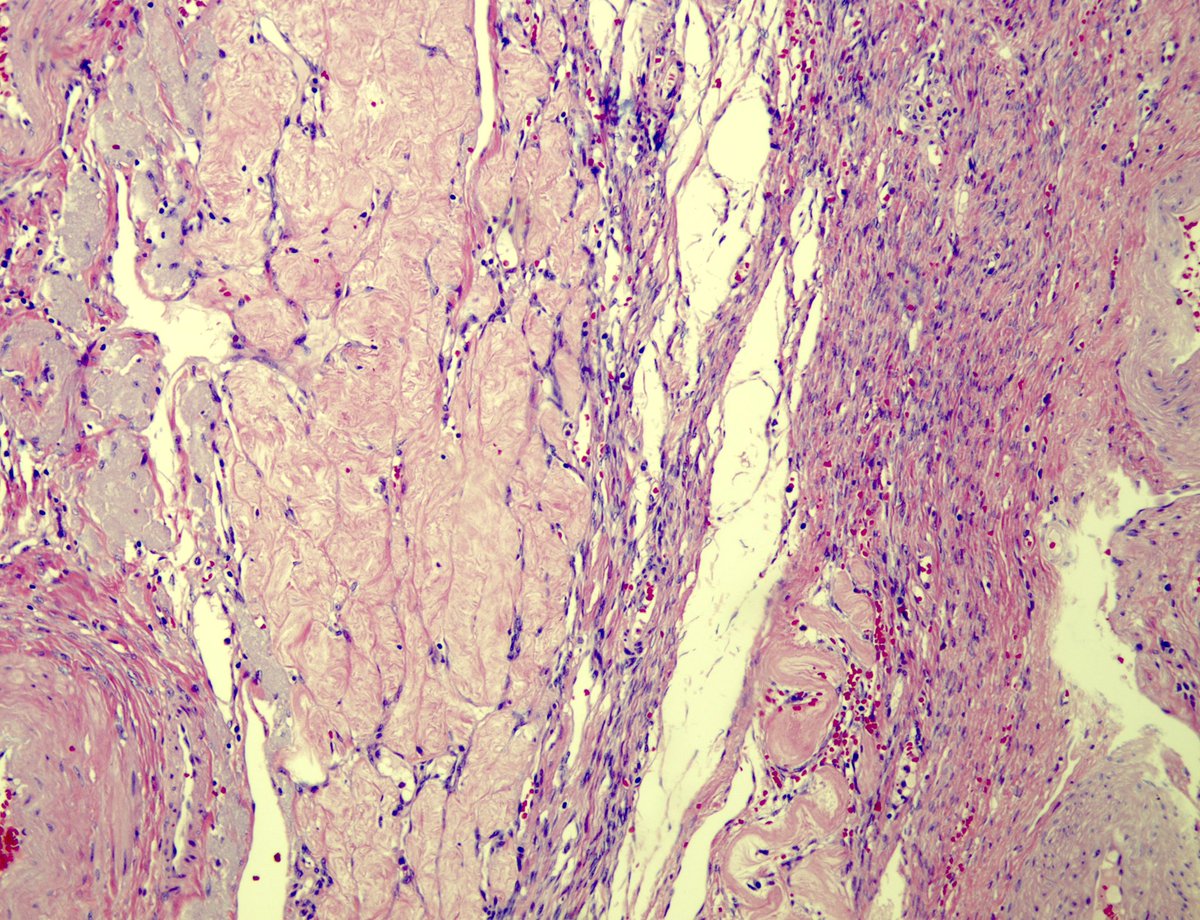
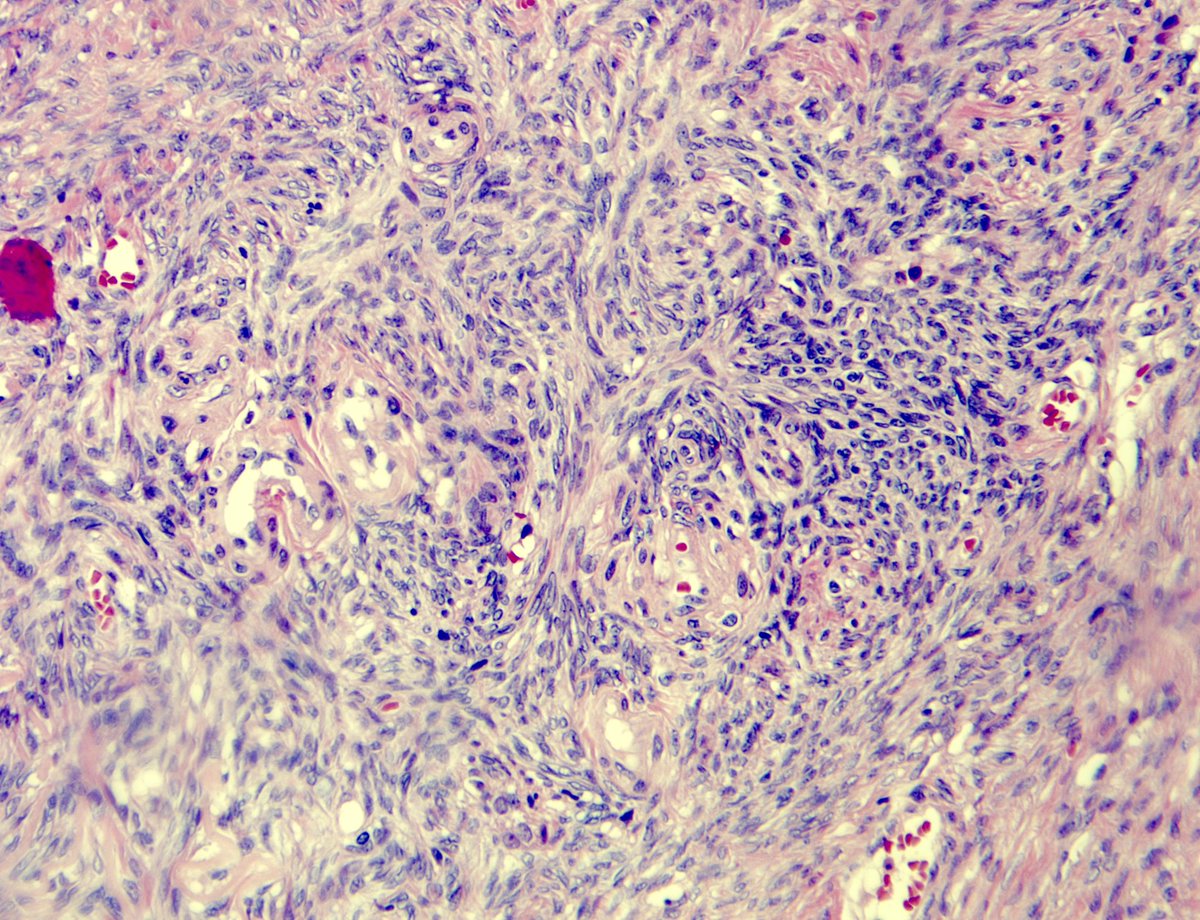
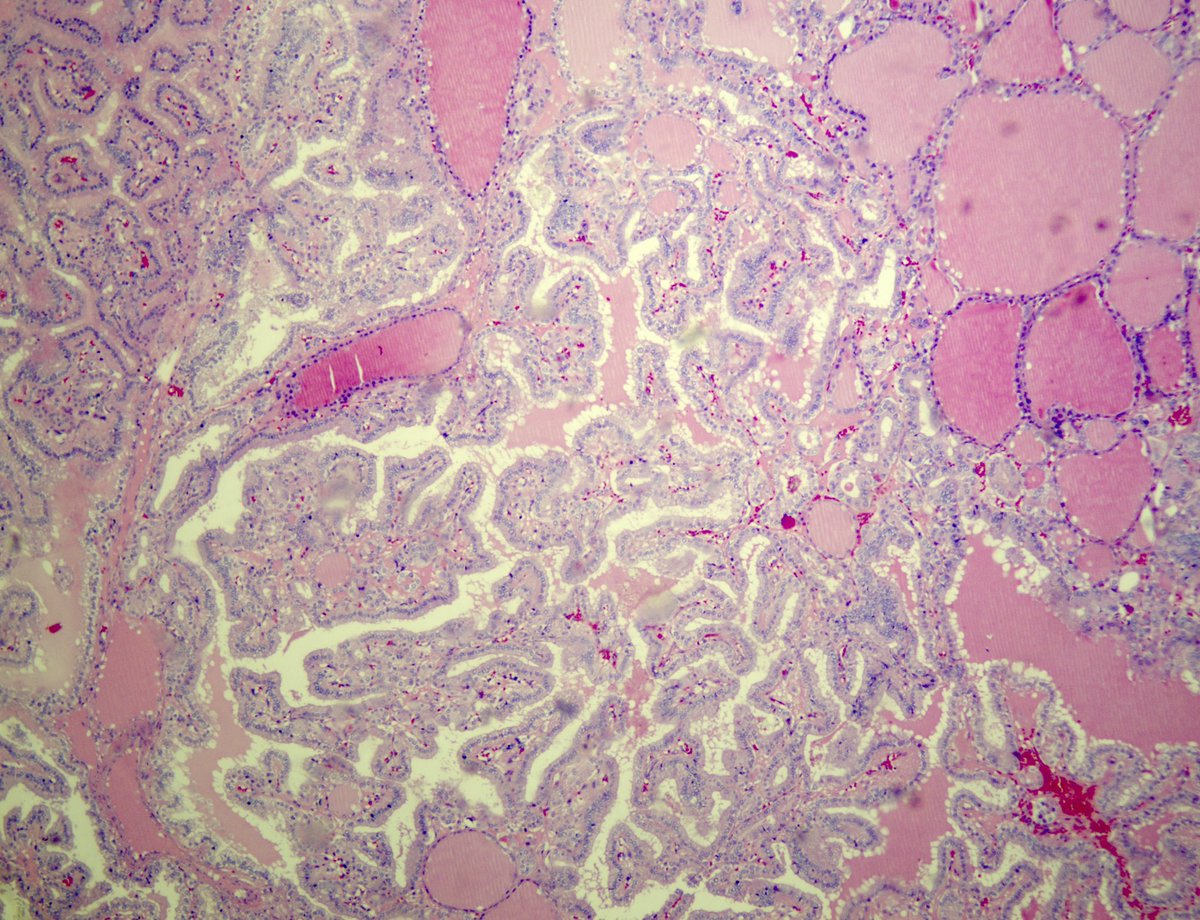
Struma ovarii - mature ovarian teratoma composed predominantly of benign/malignant thyroid tissue
Organ diagnostic criteria :
• corpus albicans (Pic 2)
• cellular ovarian stroma with spindle-shaped cells in a specific whorled pattern (Pic 3)
Can you see the papillary structures?
Do you think of PTC?
~Part 1~
#gynpath #TwitterPath #pathresident #pathology #surgicalpathology #surgpath #endocrinepathology
5
17
1,068
24 Oct 2024
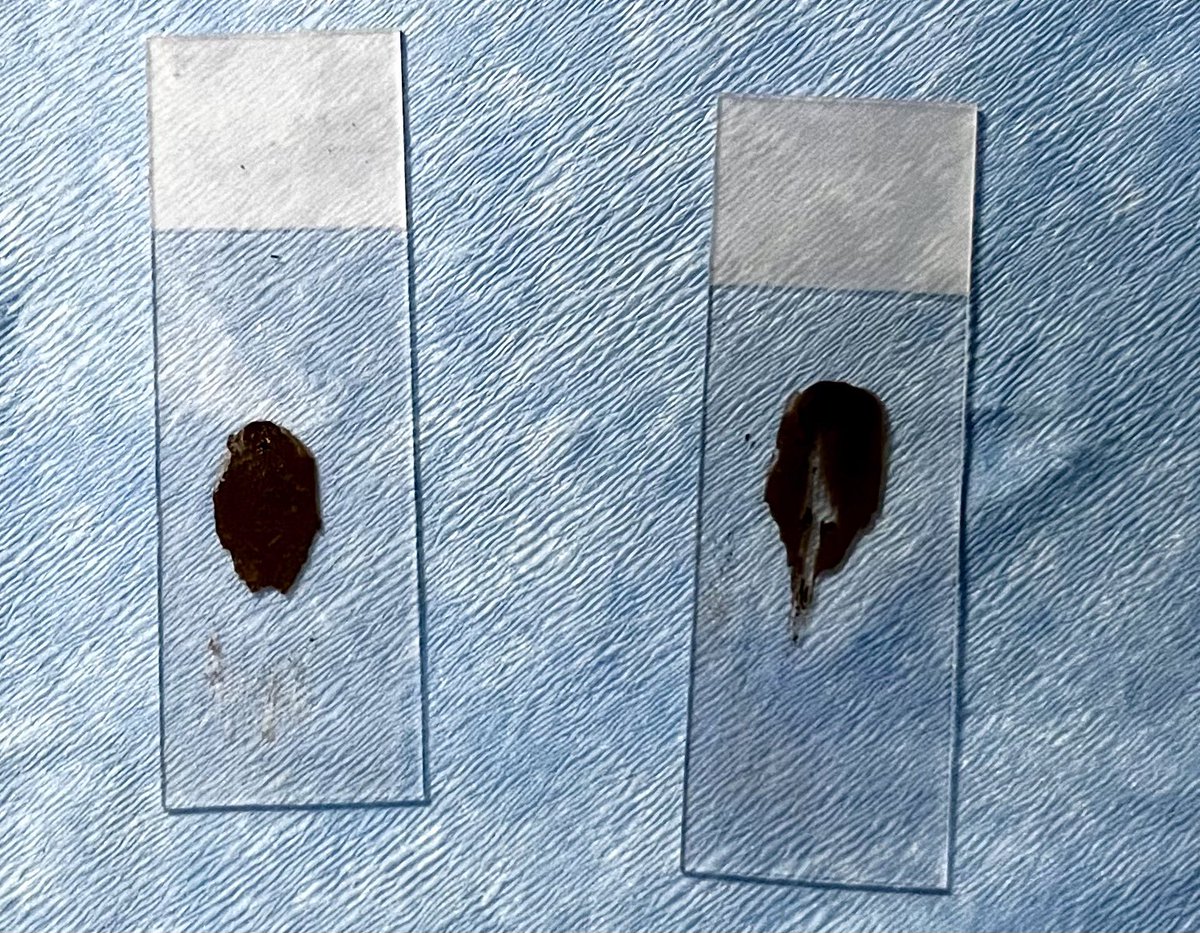
#rose doesn’t have to be difficult… inguinal lymph node… what’s the diagnosis?
#twitterpath #cytology @EfcsYoung
5
5
24
2,419

24 Jul 2024
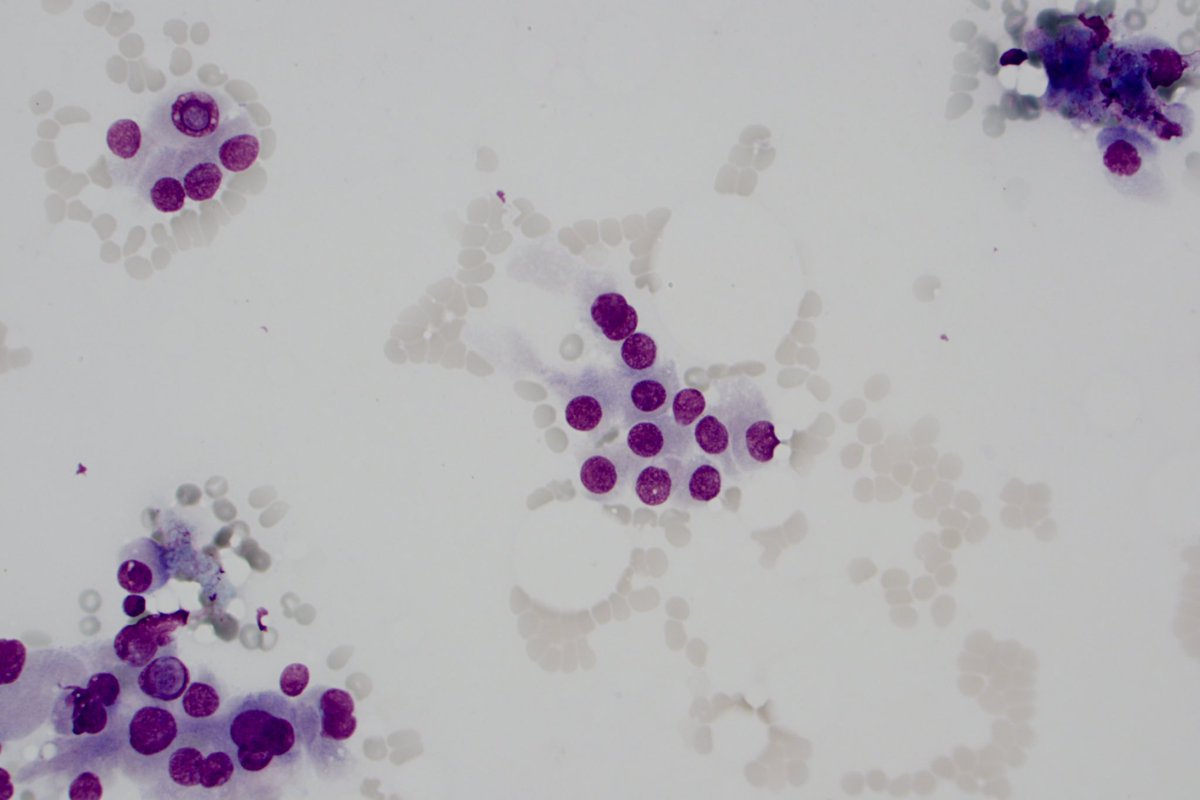
When less than 60 cells are diagnostic (caveat: I had more material as well) #twitterpath #bethesda #cytology
2
2
35
3,104

21 May 2024

1
5
494

26 Feb 2024
7
3
27
10,444

3 Dec 2023
To all professionals of #Pathology and #PediPath I recommend to follow my dear friend and former fellow, Dr. Amer Heider @Amerheider, an outstanding academic pediatric pathologist and #cytopath. Welcome, Amer to the #X-Pathology (#TwitterPath) community!
8
2
40
4,009

22 Nov 2023
1
6
375

3 Oct 2023
Excited to be a part of CAP23 in Chicago! @Pathologists #Pathology #TwitterPath #LoveForPath #Path2Path #Network #Exhibits #Education
1
2
130

In Palm Springs California; getting ready to show cases for USCAP Interactive Microscopy Sessions. #USCAP #twitterpath #pathology @LSUHS

4
1
69
2,295

29 Aug 2023
🐥Early Bird Registration Ends Aug 31st!🐥 Don't miss your chance to register for an exciting time at the OAP Annual Conference! 🧬🔬 #TwitterPath ontariopathologists.org/oap-…
1
2
501

17 Aug 2023
Thank you all for sharing your thoughts on yesterday's case.
This was a consult that came with a different question than the one that your answers appropriately brought up. The consulting pathologist's group disagreed on whether the clear cells were atypical or reactive in nature, and how to determine that with confidence.
The teaching points that can be gleaned from this case are the following:
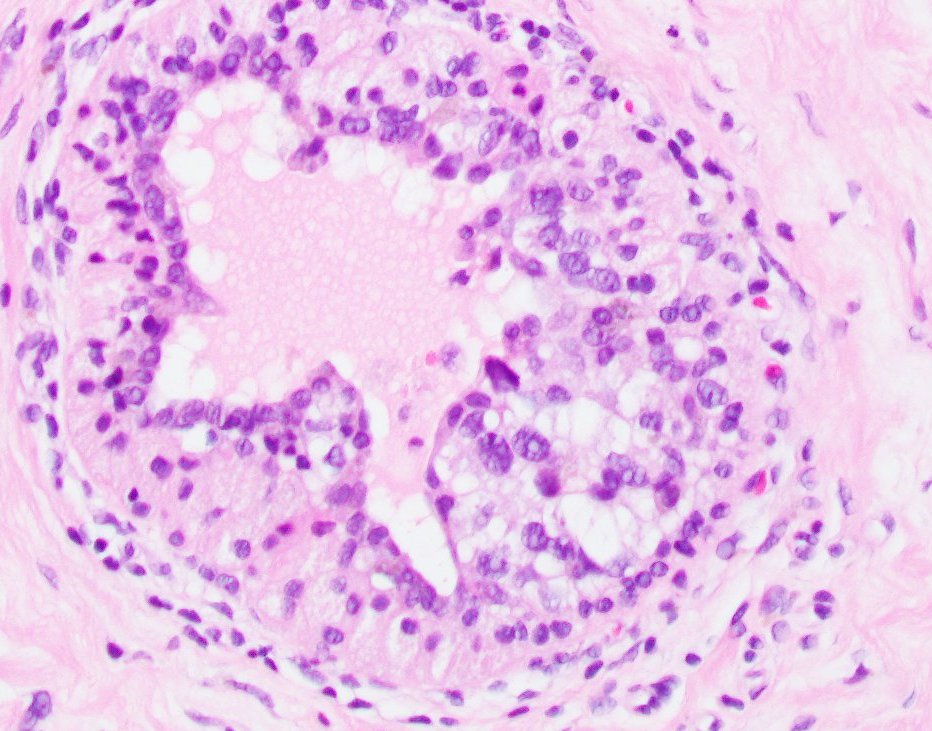
1. Reactive change should not be used as a justification for cytologic atypia when a distinct subpopulation of atypical cells is identifiable. In this case, the cells with clear cytoplasm are atypical, pleomorphic, and form a distinct population that is both filling a duct and impinging on surrounding normal epithelium in a pagetoid pattern.
2. CK5/6 will sometimes show a mixed pattern of staining because of the admixture of the neoplastic cells with residual normal epithelium, and if the pathologist's bias is reactive, then it is easy to misinterpret this finding as evidence of a mixed population of cells, therefore excluding atypia/carcinoma.
3. Pagetoid patterns of spread can be seen with both ductal and lobular carcinoma in-situ, and when marked nuclear pleomorphism is present, I encourage you to ignore E-cadherin staining as it may result in under-diagnosis of a high-risk precursor lesion. In this case, E-cadherin was positive (no image available) but even if it were negative I would still call this ductal carcinoma in-situ to ensure the patient is treated appropriately.
So, my final interpretation of this case is Ductal carcinoma in-situ, nuclear grade 2/3 with clear cell change and pagetoid involvement of ducts.
- The below image exemplifies the concepts presented above, with a cohesive nodule of pleomorphic cells growing under the benign epithelium of a duct, which is sufficient for a diagnosis of ductal carcinoma in-situ in my humble opinion. Needless to say, if this was all there is on a biopsy, I would be conservative and call it atypical intraductal proliferation and wait for the excision.
@wusm_pathology @washupathedu #breastpath #breastcancer #pathology #TwitterPath
4
8
39
6,252

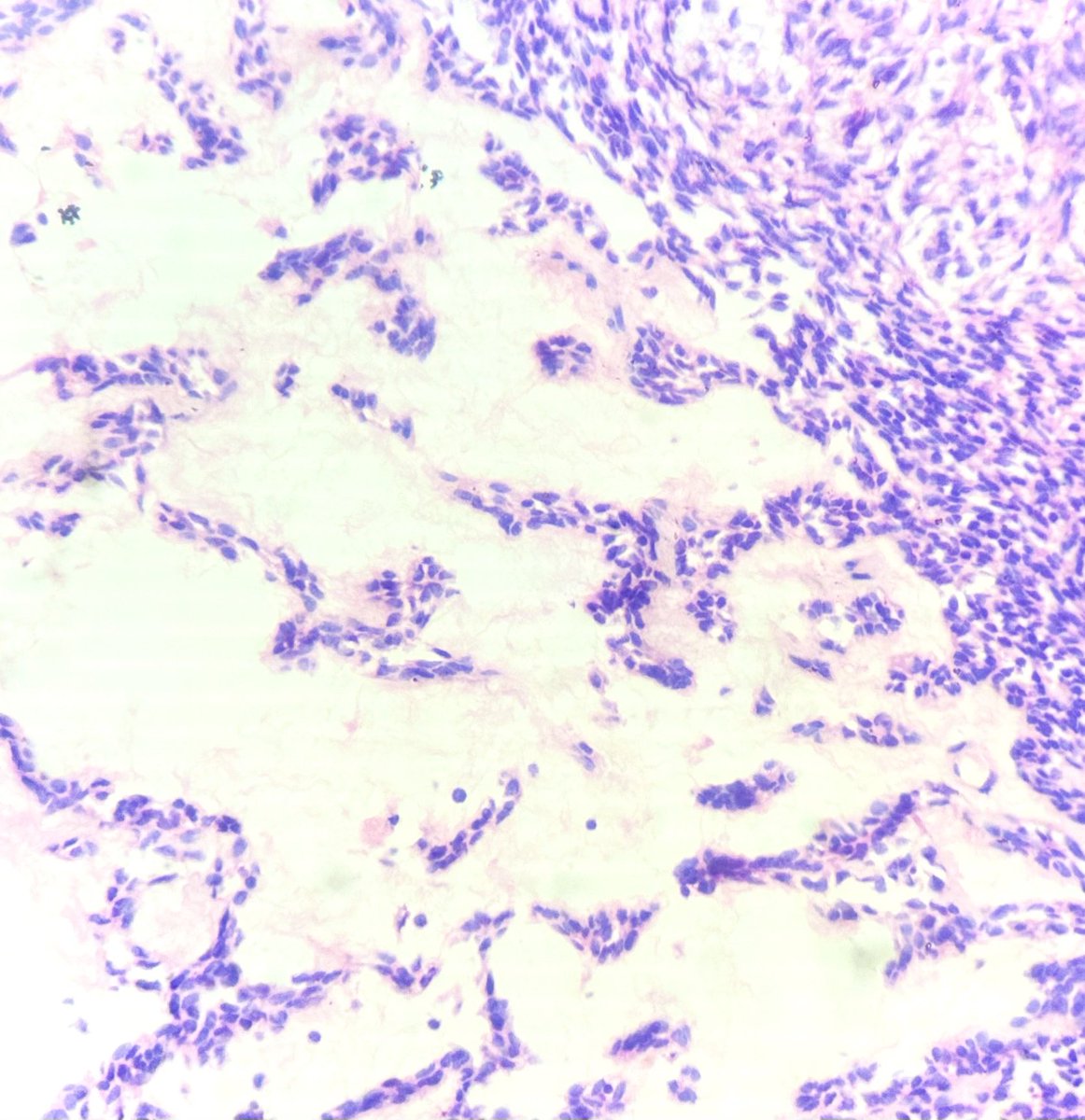
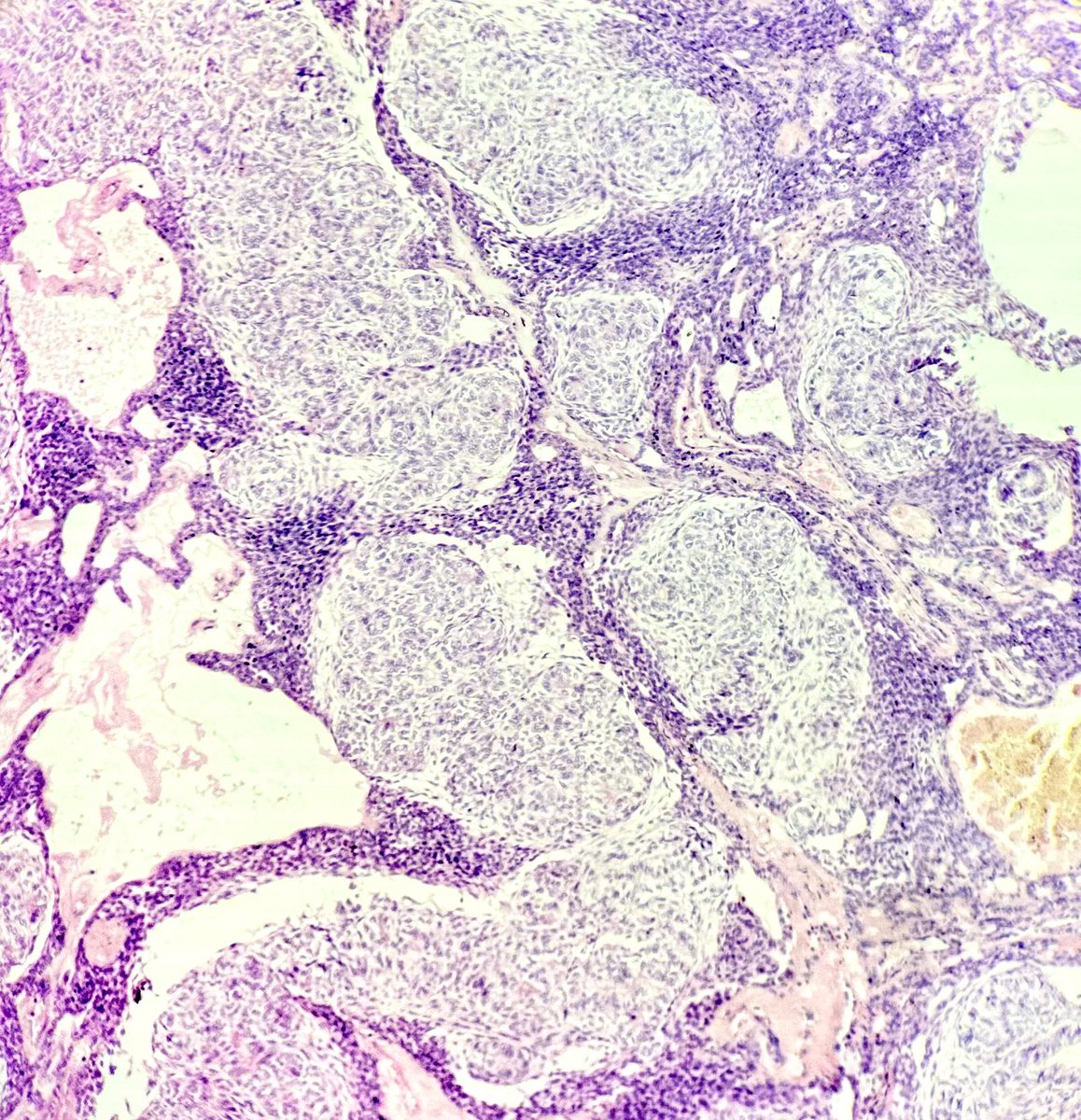
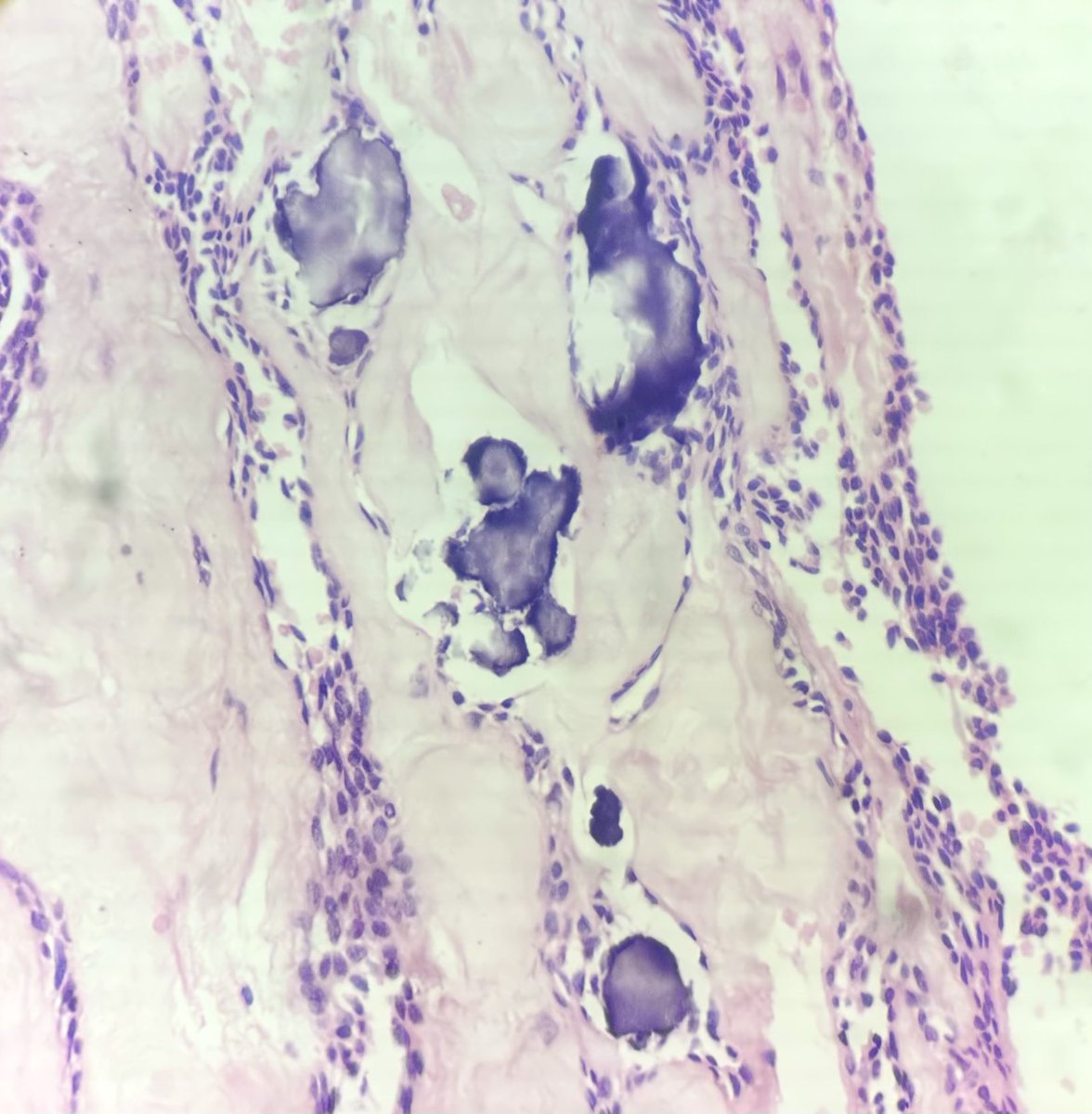
Solid cystic lesion in the Maxilla of a 52 year old lady #pathology #PathTwitter #histopath #ameloblastoma #resident #adenoameloblastoma #twitterpath #interestingcase #pathologic #doctor
1
4
736
12 Jul 2023
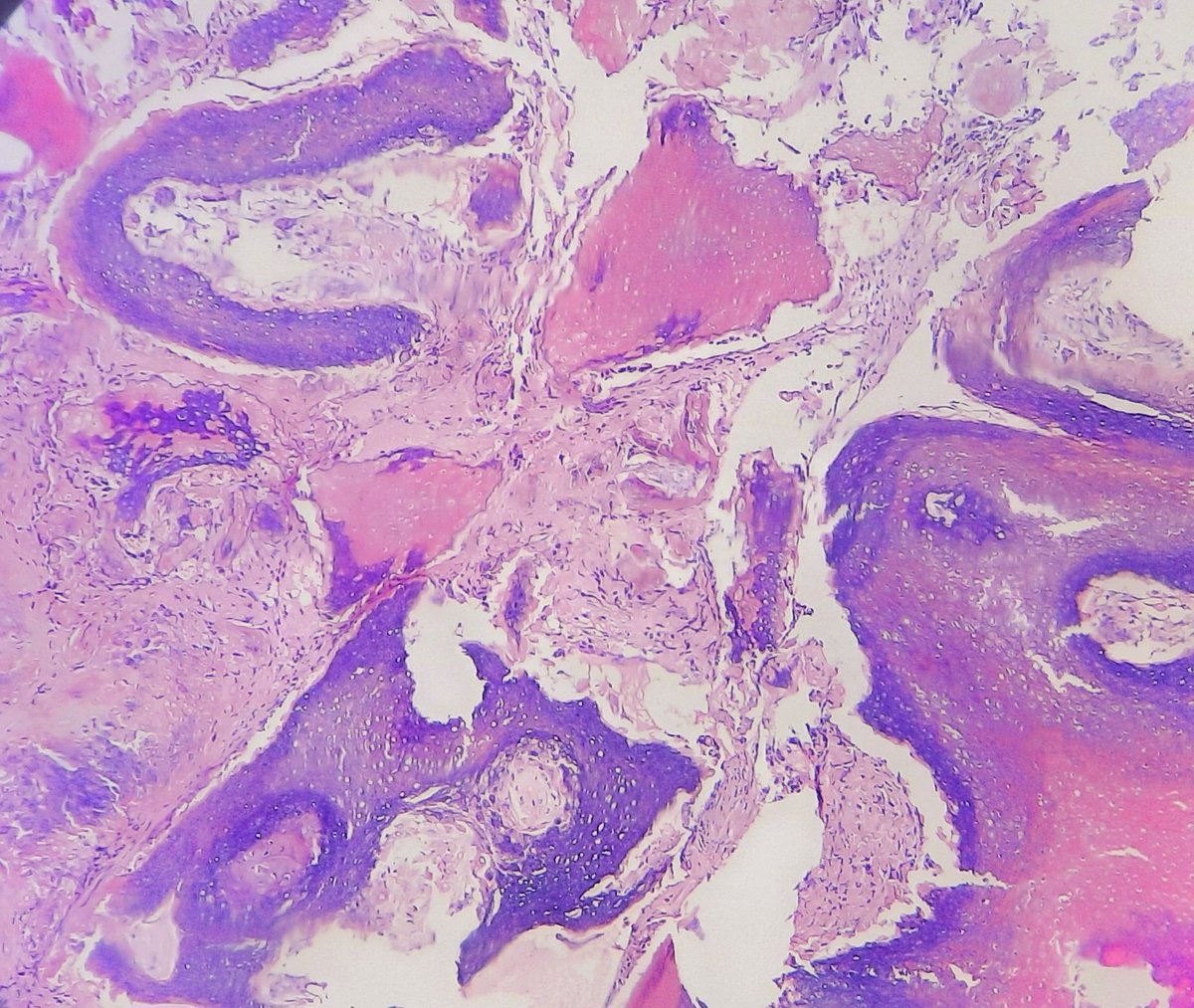
3 year old male, cystic swelling left ear.
⁉️Solid nests of basaloid cells undergoing abrupt trichilemmal-type keratinization
❓️What am I?
#PathTwitter #TwitterPath #AnatomicPathology
1
5
18
2,479

11 Jul 2023
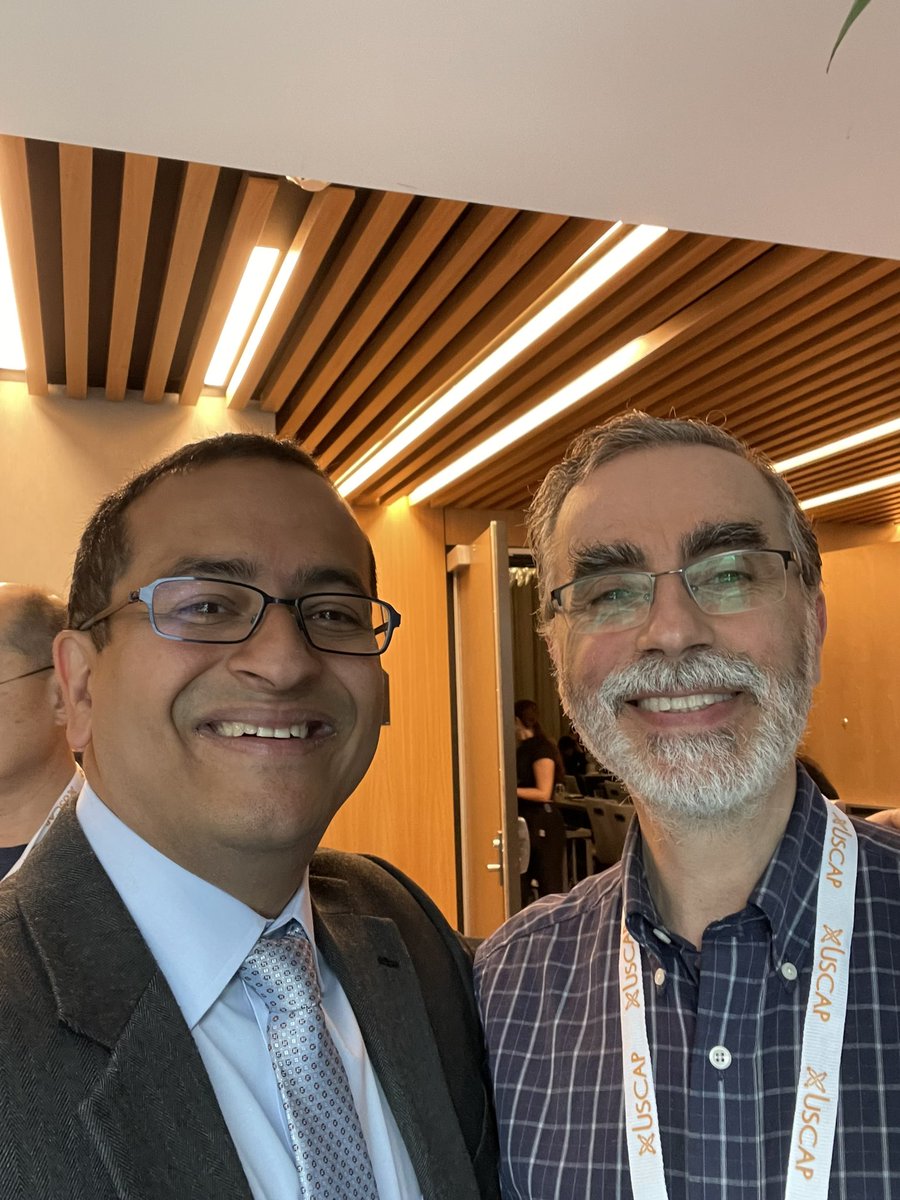
After all these years on Twitter, I get to meet @smlungpathguy in real life in Montreal! 🙂
#pathology #twitterpath #mottirl
11 Jul 2023

#mottirl with the fabulous @DermwizGuy at @TheUSCAP diagnostic pathology update in Montreal, Canada. We have been friends for so many years online, it was wonderful to meet you in real life! 🙏🏾😍
2
384