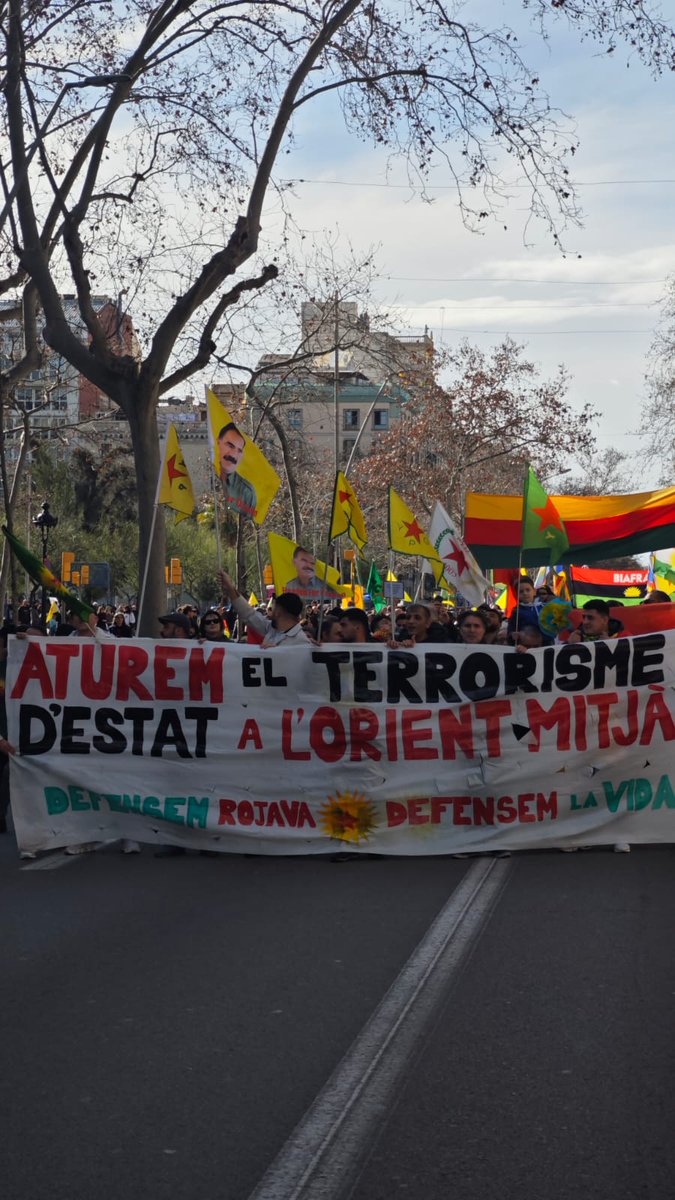
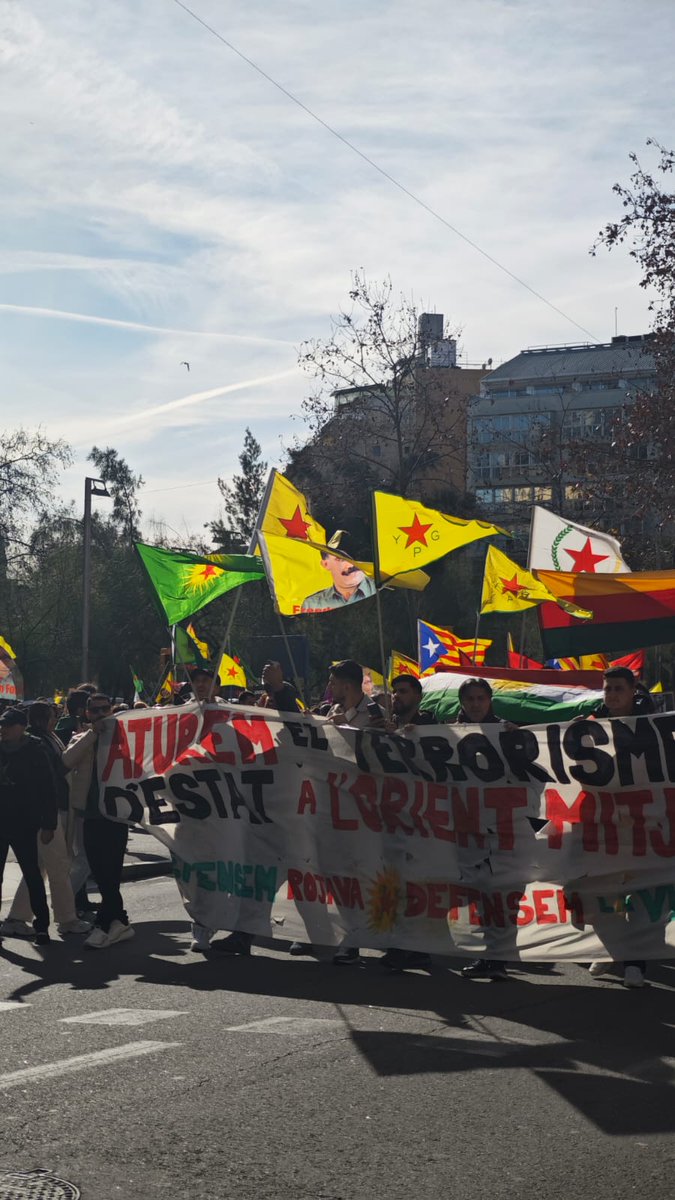
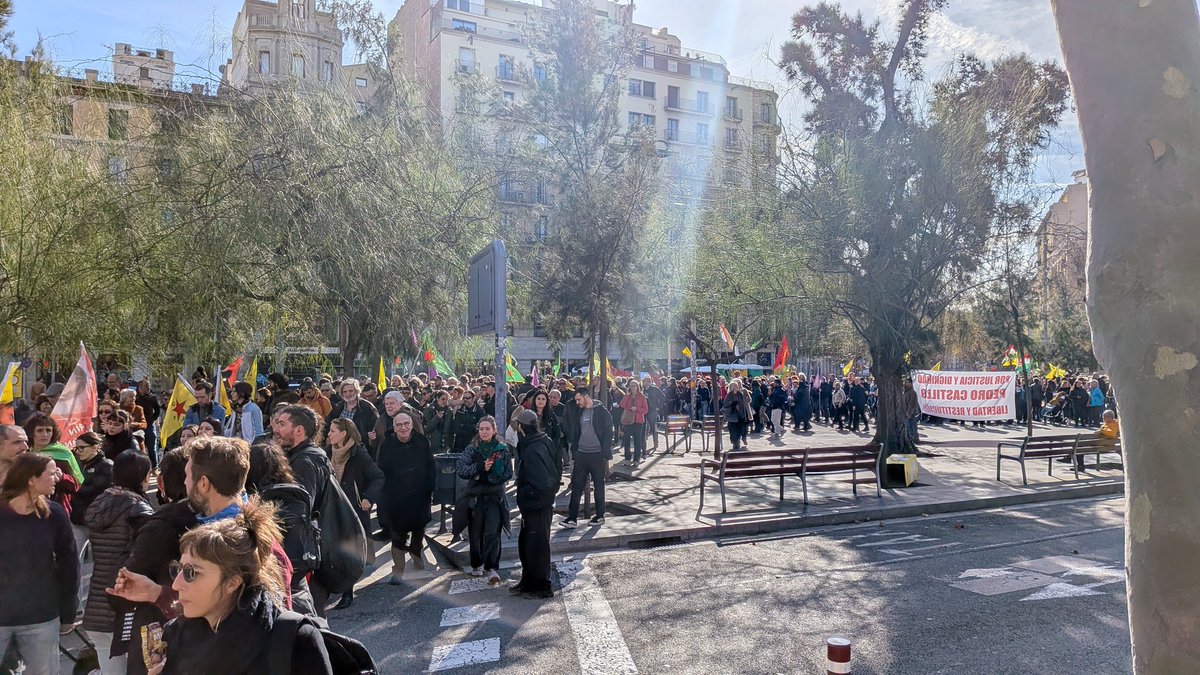
In Defense of Rojava: A Living Experience Against Centralization and Authoritarianism
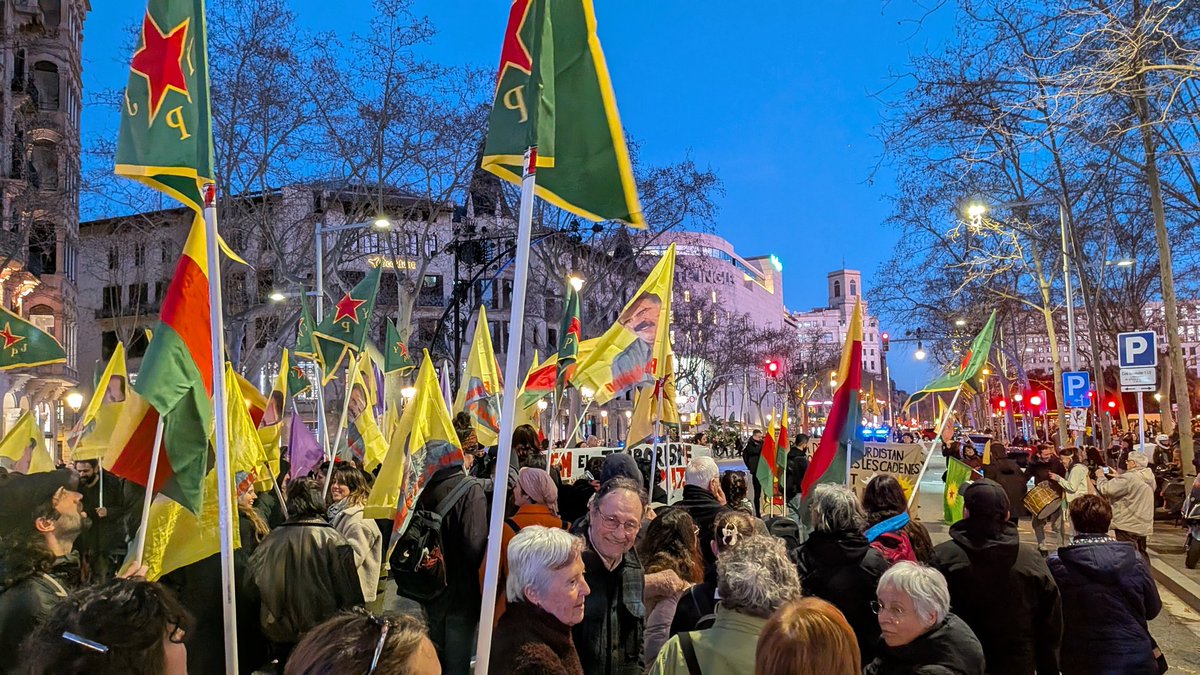
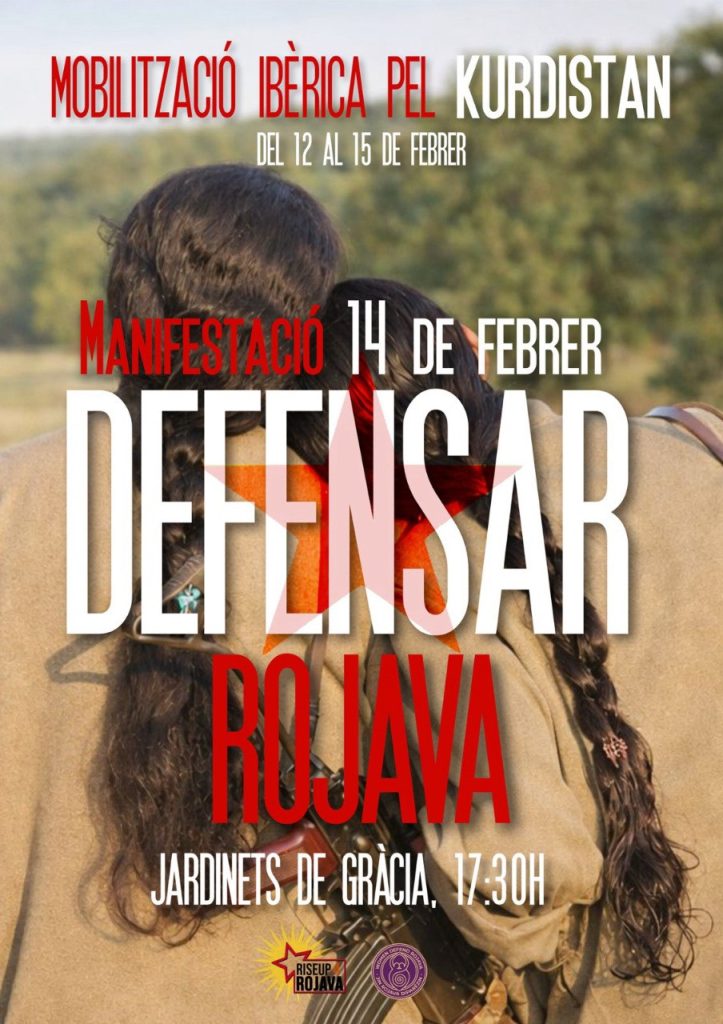
In northeastern Syria, Rojava is not merely a “region,” but a socio-political experiment that, amid the devastation of the Syrian civil war, has tested a new form of social governance. At a time when Syria’s transitional government is once again advancing a project of power centralization, the Autonomous Democratic Administration of North and East Syria represents not a threat to coexistence, but a genuine alternative to the dominant authoritarian order in the region.
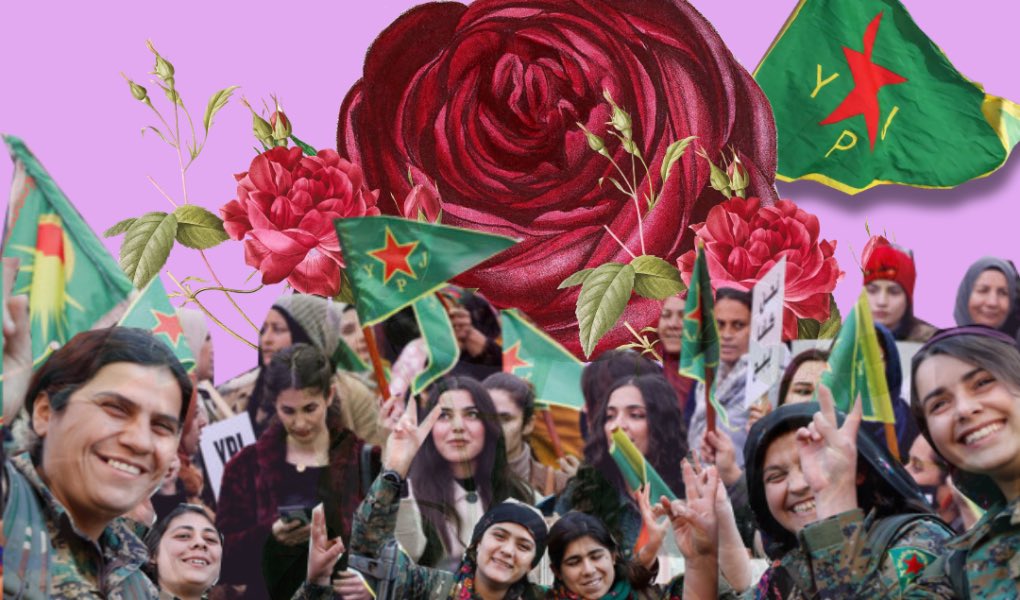
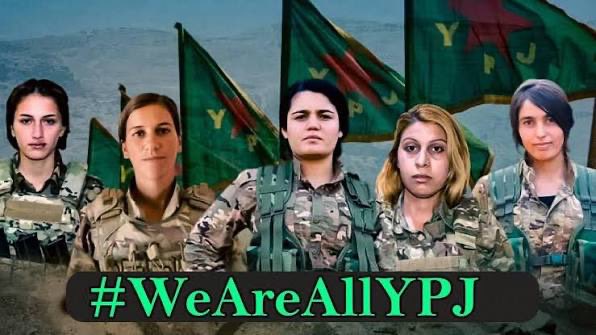
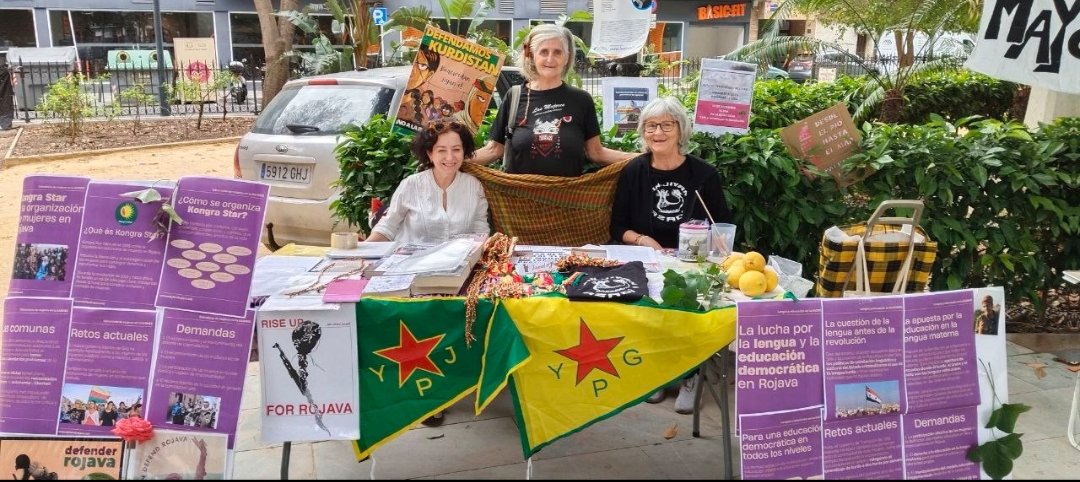
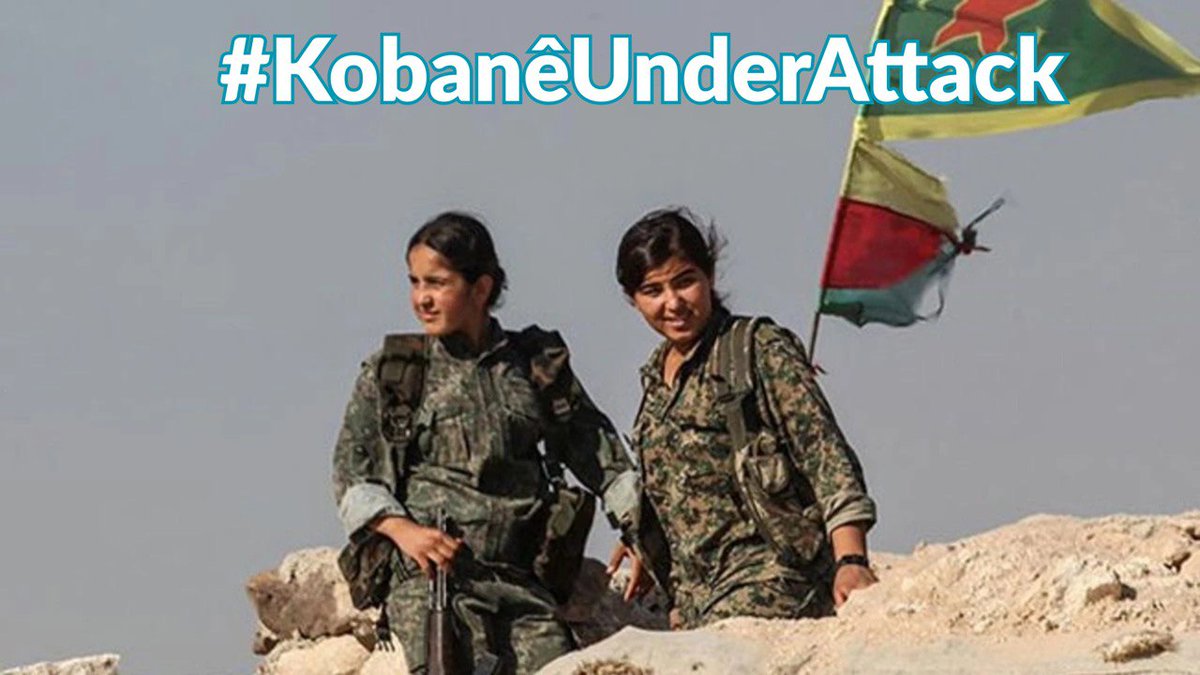
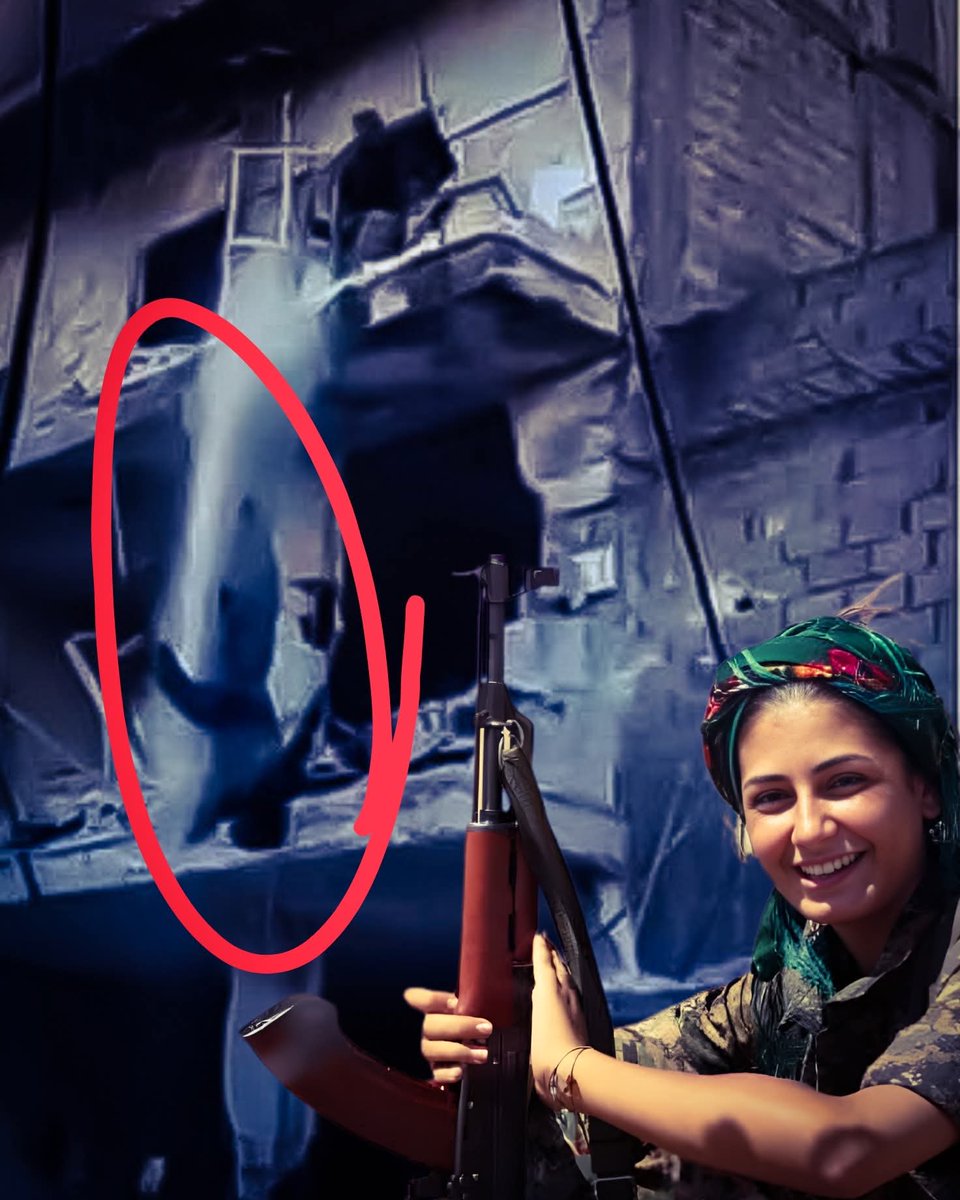
Since 2012, and in the vacuum left by the central state, Rojava has built a model of self-administration grounded in direct democracy, local councils, and the equal participation of different ethnic and social communities—Kurds, Arabs, Assyrians, and others. One of the most distinctive features of this structure is the central role of women, not as symbols, but as holders of real political and military power. The co-chair system within institutions and the presence of women commanders in the Syrian Democratic Forces (SDF) have been integral to this project.
The SDF were the very forces that played a decisive role in defeating ISIS and, despite severe resource shortages and global indifference, have for years maintained security over camps and prisons holding ISIS fighters. Alongside this, Rojava has managed to preserve basic services such as multilingual education, public healthcare, and limited yet meaningful environmental projects under conditions of war, sanctions, and constant pressure.
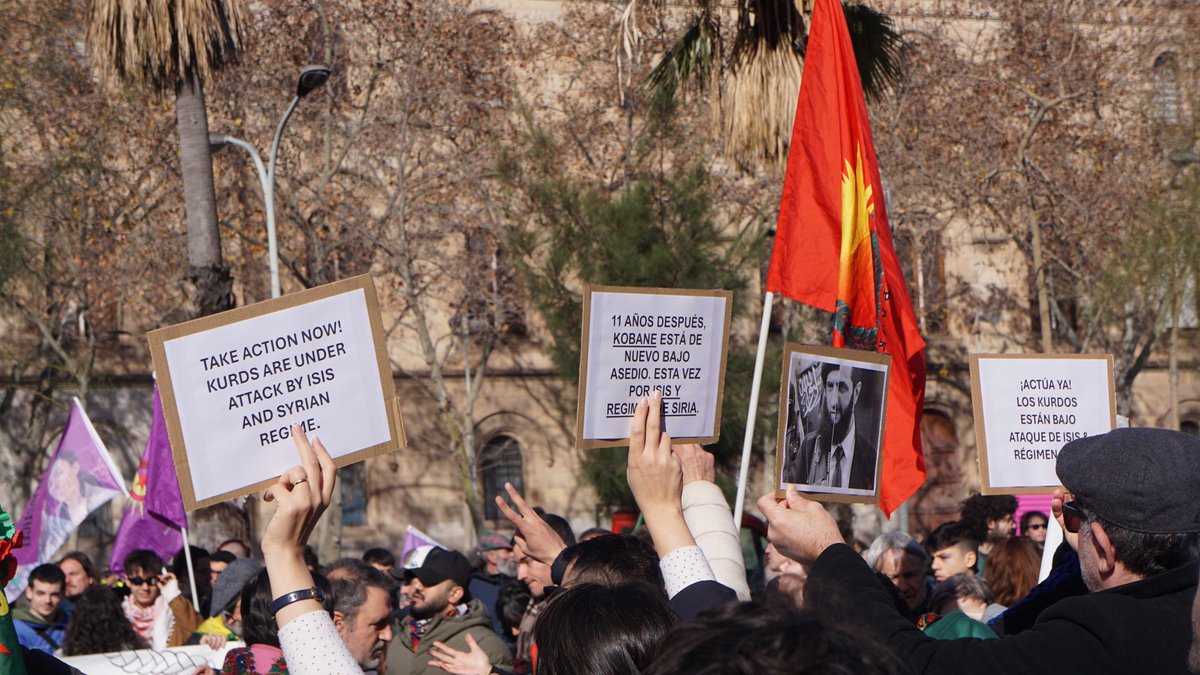
In recent months, political agreements and pressures from Damascus—including discussions about integrating the SDF into the central army and transferring strategic resources—have raised serious concerns about the future of self-administration. The declaration of general mobilization by the Rojava administration is not an aggressive move, but a defensive response aimed at protecting hard-won achievements. Clashes in areas such as Raqqa and Deir ez-Zor demonstrate that weakening Rojava’s security structure could have catastrophic consequences, including widespread instability and the risk of an ISIS resurgence.
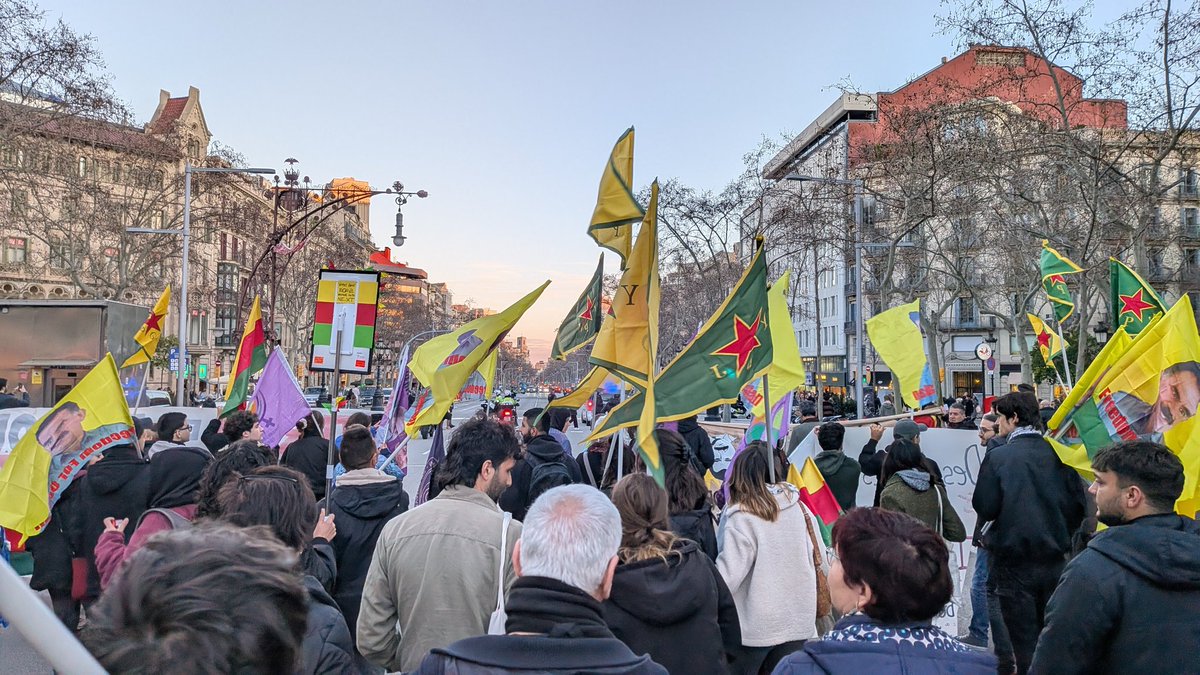
The question of Rojava is not merely a local dispute or an administrative disagreement with Damascus. The fate of this experiment is a serious test of global claims regarding democracy, gender equality, and ethnic coexistence. At a time when a new wave of authoritarianism and power centralization is taking shape in the region, ignoring or sacrificing Rojava would mean erasing one of the few existing bottom-up alternatives.
Defending Rojava does not mean defending a flawless model; it means defending the right of communities to self-determination, grassroots organization, and resistance against the reproduction of oppressive orders. Eliminating this experience will bring neither stability nor peace—it will only reinforce cycles of violence and the return of reactionary forces.
Today, defending Rojava means defending rare possibilities that are still alive in the Middle East.
#KurdishWomen
#KurdishResistance
#StopISIS
#ISISCrimes
#CrimesAgainstHumanity
#WarCrimes
#HumanRights
#WomenResistance
#WomenDefendRojava
#Rojava
#Syria
#DefendRojava
#HTS
@BBCWorld
@BBCBreaking
@Reuters
@ReutersWorld
@AP
@AP_News
@CNN
@AlJazeera
@AJEnglish
@France24_en
@dwnews