
My superpower is wondering “what happens if I do this” and then somehow causing epic drama.
Joined February 2007
- Tweets 85,150
- Following 2,838
- Followers 20,462
- Likes 10,042
1,778 Photos and videos
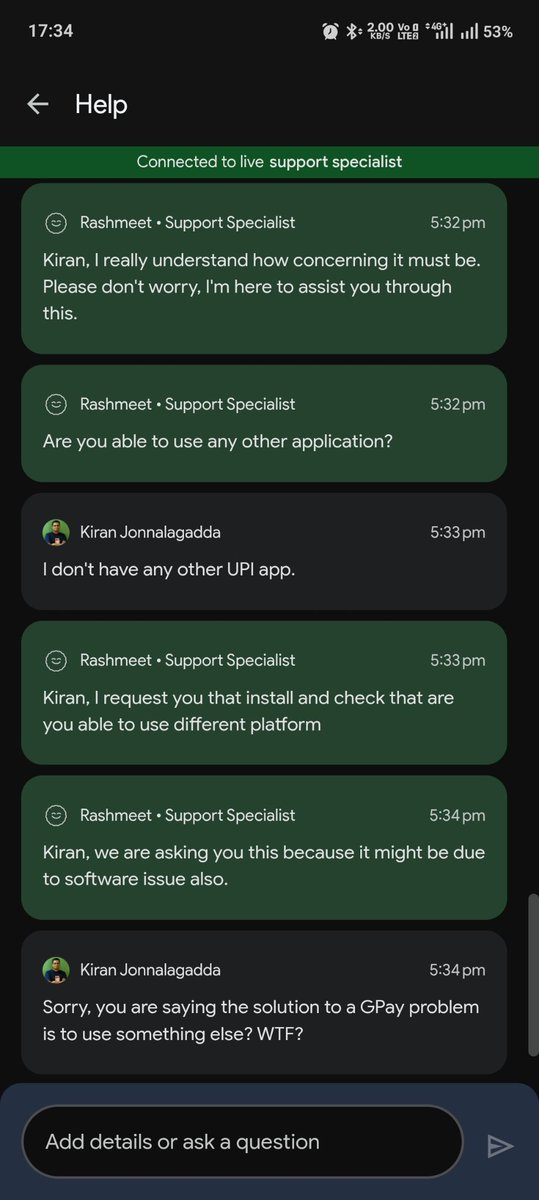
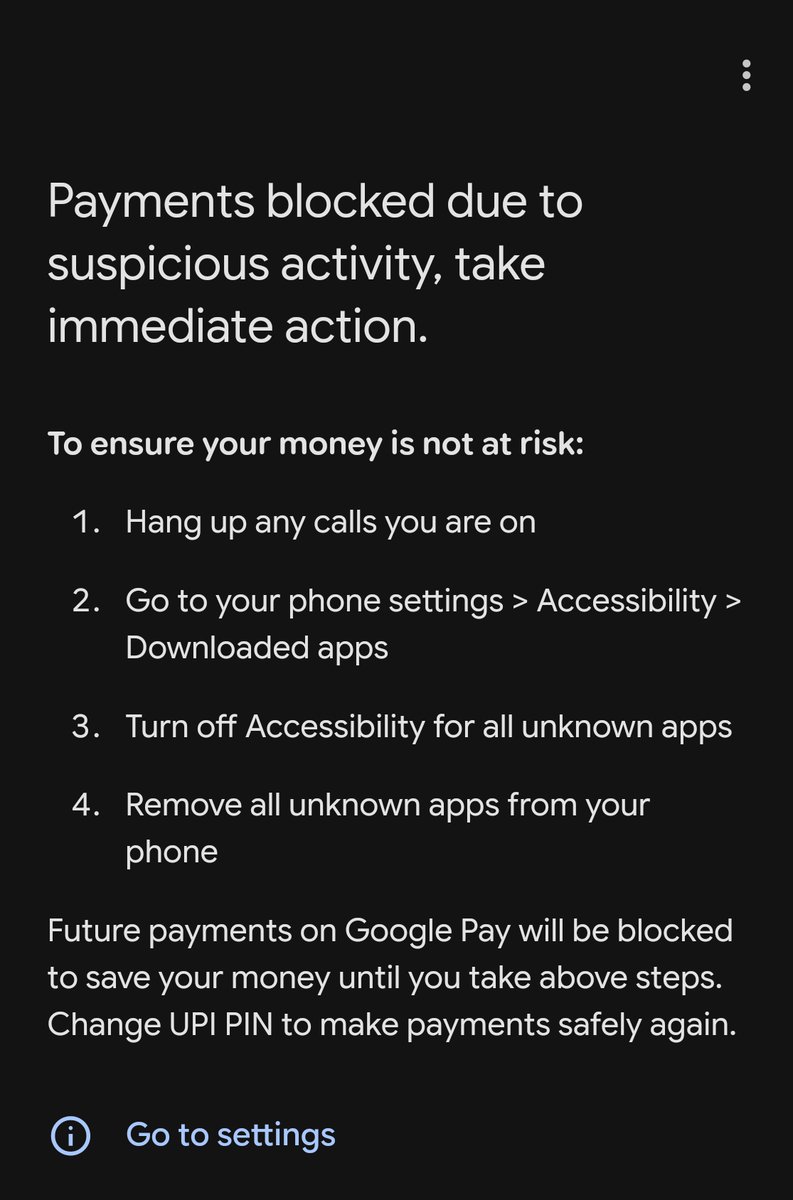





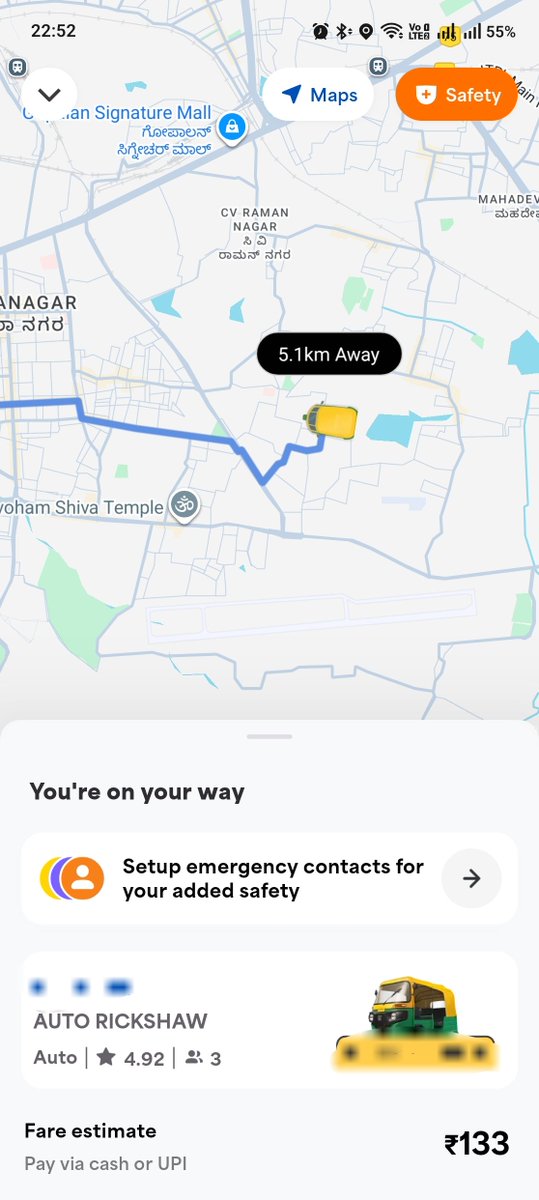
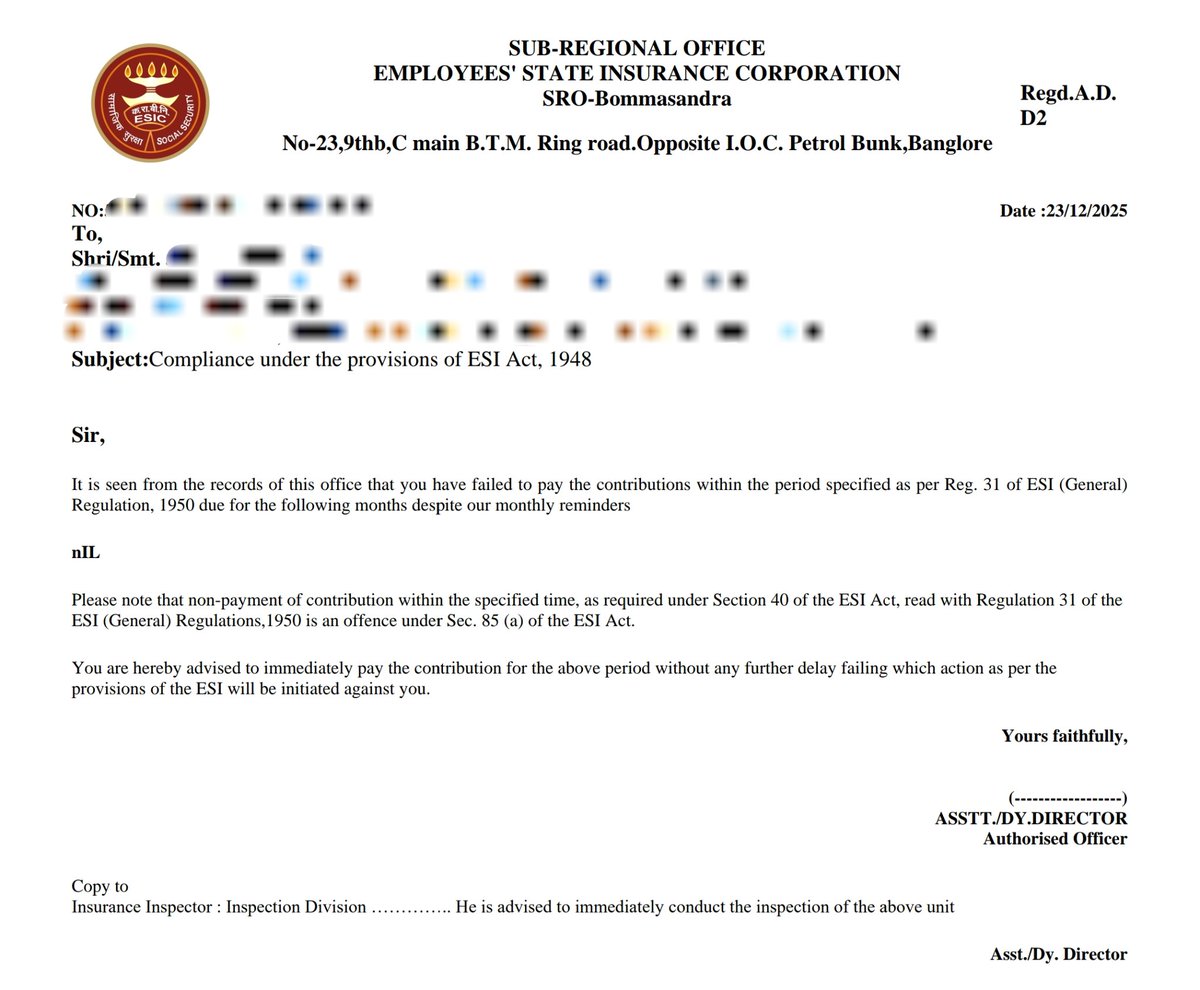
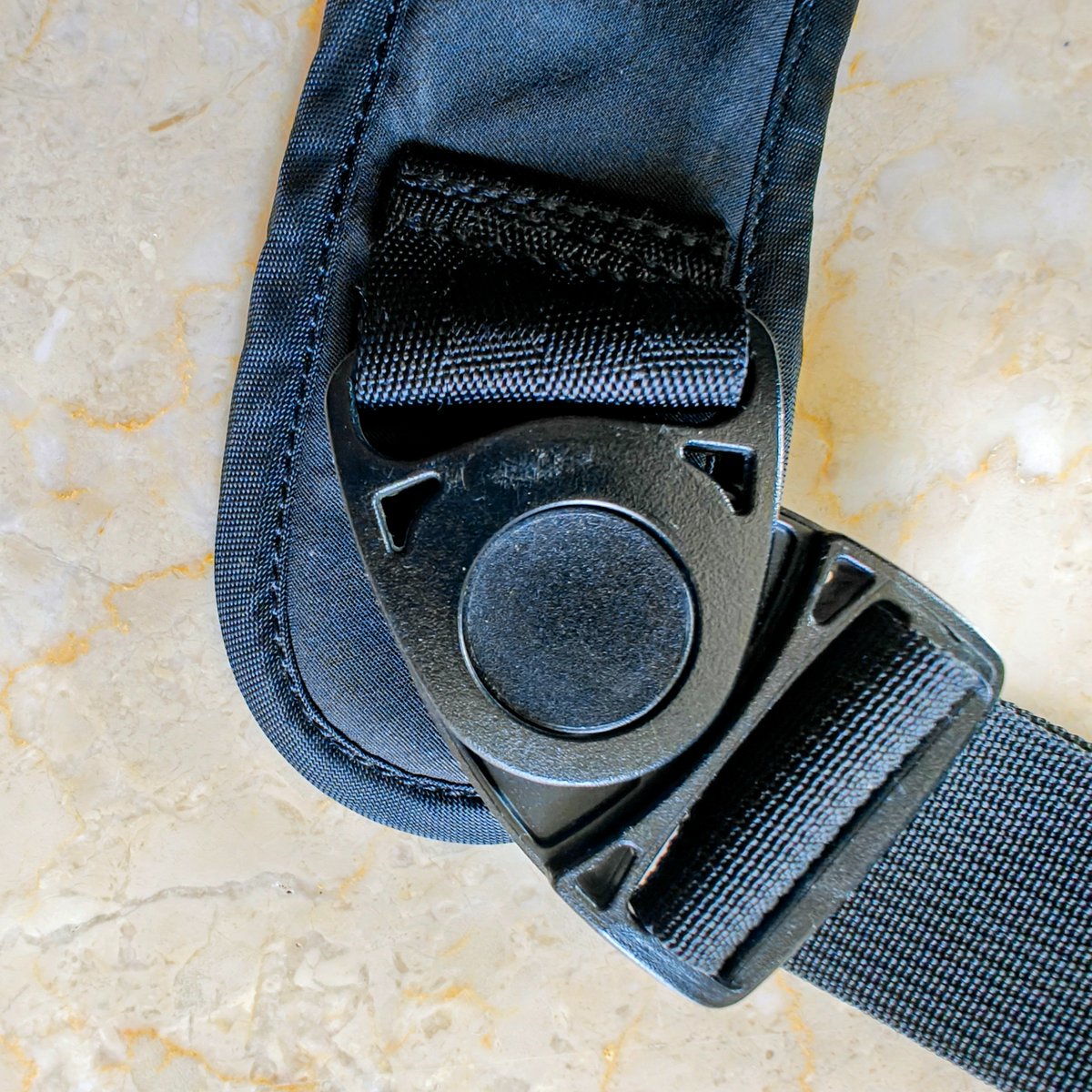



WTF @GooglePayIndia?
1. I'm not on a call.
2. I don't have any unknown apps.
3. Why can't you name the offending app?
2
4
8
3,317
Kiran Jonnalagadda retweeted

Jun 13
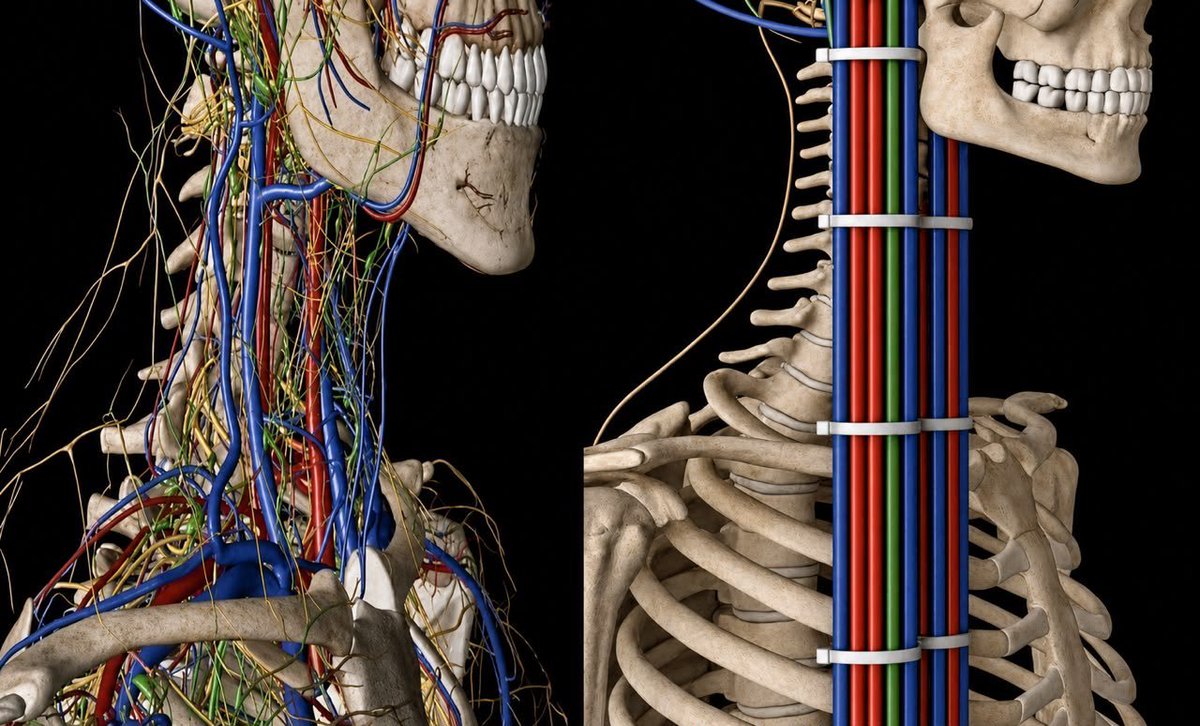
Literally the worst cable management I've ever seen in my life
107
392
5,073
117,101
Kiran Jonnalagadda retweeted

Jun 13
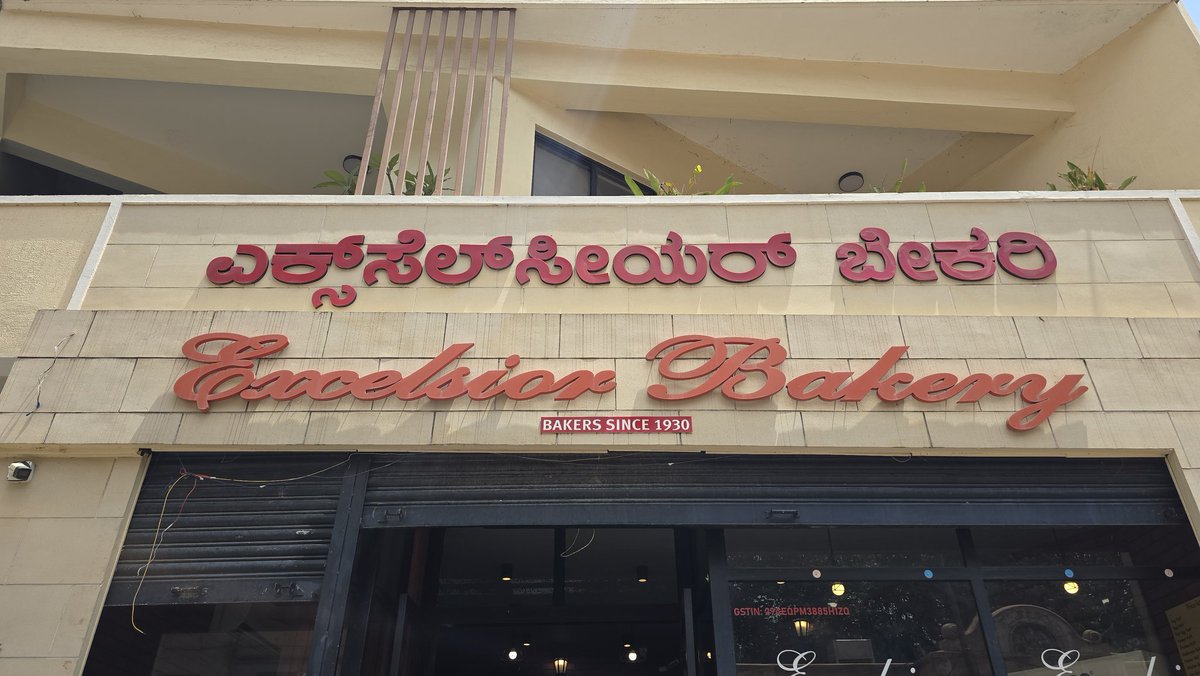
Happy egg puff day / mutta pups day to all who celebrate


7
7
61
8,557
Kiran Jonnalagadda retweeted

Jun 11
When people inside IITs used to be critical of Aadhaar security, UIDAI used to respond by making them part of their security team muting them - because now they are responsible for it. IITs are placeholders for state & have large state control. Can you question Govt within IIT?
3
26
105
2,621
Kiran Jonnalagadda retweeted

Jun 13
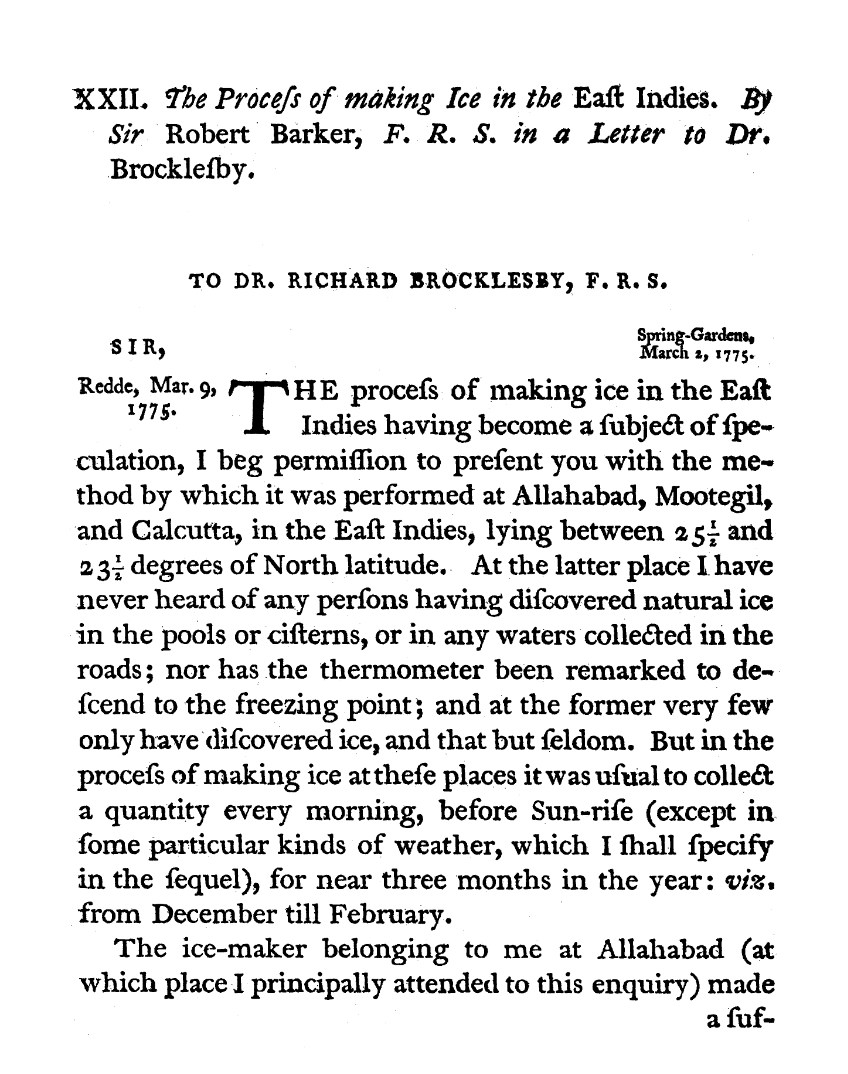
If we scroll through global history forums, a recurring myth is proudly repeated: 'Ancient Persians built massive Yakhchals to freeze water in the desert 2400 yrs ago, while India was just a hot, sweaty tropical landscape that never understood ice production until the West imported machinery.'
It is time to completely rip that colonized narrative to shreds.
Long before European colonizers brought industrial refrigeration, India was quietly running a massive, flat, decentralized artificial ice-making operation using a level of thermodynamics so highly advanced, it completely broke the minds of Western academics.
When European colonizers arrived in India, they thought ice was a luxury that could only exist if it was shipped physically all the way from frozen American lakes (like the famous Tudor ice trade). They mocked the hot plains of Uttar Pradesh & Bengal.
Then they visited places like Prayagraj, Hooghly & Banaras, & discovered that local Indian communities were manufacturing tons of ice out of thin air in the middle of summer.
The Persian Yakhchal relied on a massive, 40 foot structural wall to create shade. The Indian method was completely different, it was flat, decentralized & entirely stealthy. In large open fields, Indians would excavate shallow, flat-bottomed pits about 30 feet square & 2 feet deep. Instead of building massive brick structures, they lined the bottom of these pits with a highly calculated, thick layer of dry sugar-cane stalks, corn-straw & ash.
This created a powerful thermal insulation barrier that totally cut off the water from the latent heat radiating upward from the warm earth below. On top of this straw bed, local ice-makers arranged 1000s of small, unglazed, shallow terracotta clay plates filled with a thin layer of water. Why unglazed clay? Because our ancestors understood evaporative cooling dynamics perfectly. Unglazed clay is porous; it allows a tiny fraction of the water to seep through to the outer surface of the tray & evaporate into the dry night air.
As that water evaporates, it absorbs latent heat directly from the remaining water inside the tray, drastically lowering its temperature. British observers recorded nights where the air thermometer read 4-6 degrees C. According to physics textbooks, water cannot freeze at these temperatures. But they did not understand the power of a clear Indian winter sky. Because the night sky acts as a perfect black-body radiator, the water in those shallow trays beamed its own heat directly into the freezing void of outer space.
Protected from the earth's heat by the straw & cooled from the sides by clay evaporation, the water would flash-freeze into solid sheets of ice by 4:00 AM, even when the ambient air was warm. At dawn, 100s of workers would rush into the fields, scrape the ice out of the clay trays, smash it into blocks & ram it down into massive, deeply insulated underground ice houses (Barf-Khana) lined with sawdust & blankets, preserving it into the scorching 45 degrees C summer months.
The Persians built giant, expensive, permanent architectural monuments to fight the desert. The Indians, using nothing but mud, straw, water & the open sky, built a flat system that could be deployed anywhere at zero capital cost. It was pure, raw physics applied through everyday rural materials.
When we look at your own history through a Western lens, we are told that India never had scientific innovation until European industries brought machinery. But the historical records of the Royal Society prove the exact opposite: Western scientists had to sit in the dirt fields of Prayagraj, watching Indian villagers make ice in the middle of summer, just to rewrite their own understanding of thermodynamics.
20
361
787
12,082
Aap chronology samajhiye.
Jun 13

A short history of how we got here, because the chronology is the whole story.
January: the Pentagon demands unrestricted use of Claude for autonomous weapons and domestic surveillance. Anthropic says no.
February: the President orders every federal agency to drop Anthropic. The Defense Secretary bans Pentagon contractors from doing business with them. A rival announces its classified-network deal within hours.
March: the Pentagon designates an American company a "supply chain risk" under a statute written for foreign adversaries. A federal judge blocks it.
May: the Pentagon signs AI deals with seven companies. Anthropic is not one of them.
June 9: Anthropic releases Fable 5.
June 12: Commerce issues an export control directive over a jailbreak that, by the government's own account, was demonstrated verbally, came with no written explanation, and involves a capability you can get from other publicly available models today.
Two things are true at once.
First: Anthropic spent months marketing Mythos as too dangerous to release. Sam Altman said it was "incredible marketing to say we have built a bomb." The Commerce Department has now formally agreed it is a bomb. If you describe your product as a munition in every press release, eventually a government takes you at your word. They wrote the legal predicate themselves and called it a brand.
Second: we have run this experiment before. In the 90s the government classified encryption as a munition under ITAR. Activists defeated it by printing PGP's source code as a book, because books are protected speech and floppy disks were arms exports. A t-shirt with three lines of RSA Perl was legally a munition. The controls collapsed because math does not stop at customs.
The new wrinkle is the "deemed export" rule: showing controlled technology to a foreign national inside the US counts as exporting it abroad. Which is why Anthropic's own foreign-national employees are now locked out of the model they built. The munition is in the building and the people who made it are not allowed to look at it.
The jailbreak is the paperwork. The refusal was in January.
1
2
454
Why are y'all whining about AI for India? Haven't you seen the track record? Aadhaar, OTPs, eKYC, VPAs, NavIC, now Digipin. All bold ideas where the world ends with India. We shall have India class AI too, and whether you like it is voluntary but mandatory.
6
16
1,388
Kiran Jonnalagadda retweeted

Jun 13
Good morning! Just got to know this!
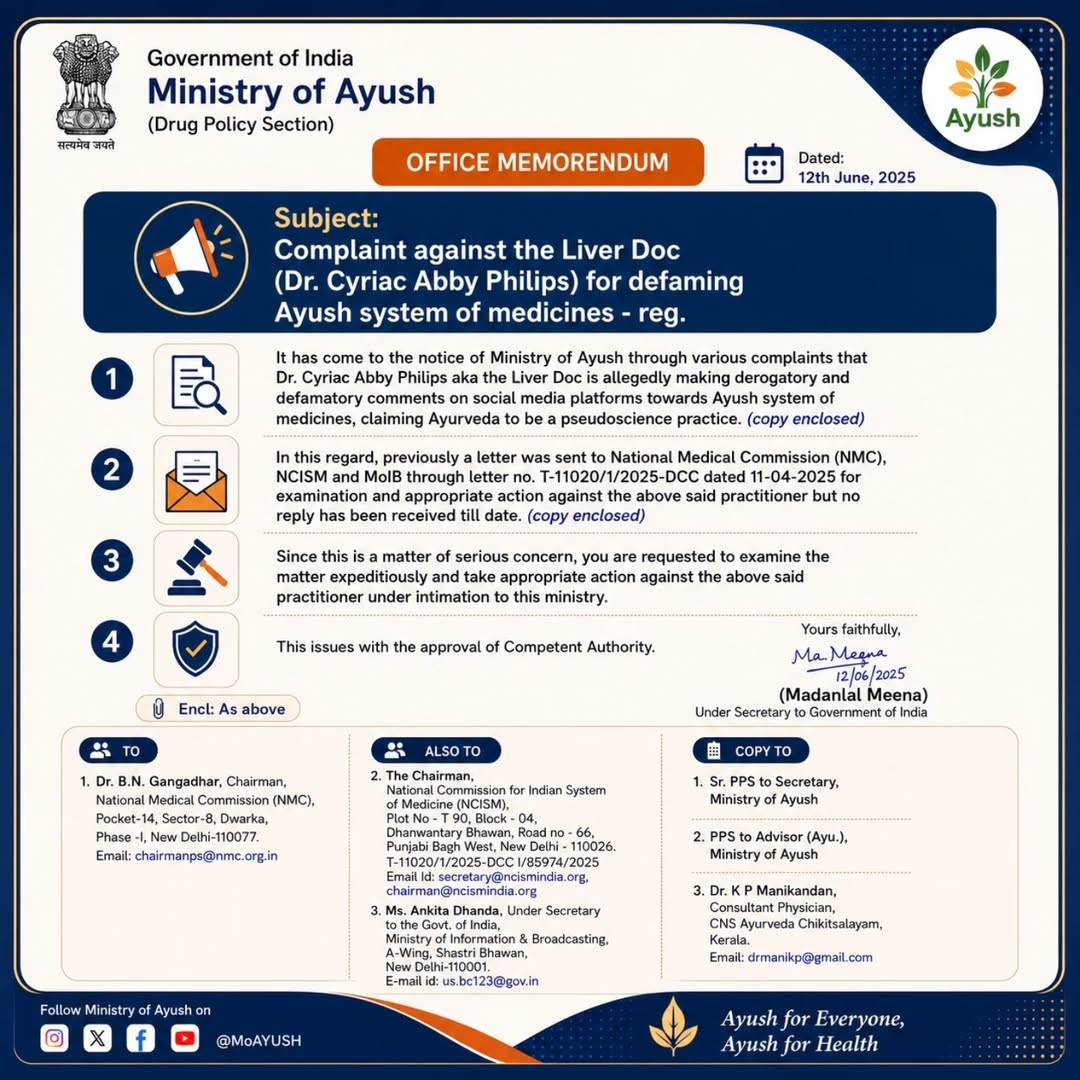
1/2 A whole government Ministry is unleashed on me - because I speak against unscientific practices and primitive traditional healthcare that can harm, I communicate scientific information for public and patients alike.
This was an official memo released during the Ministry of Ayush meeting on 12-6-2026 fully dedicated towards shutting down my social media presence.
Imagine - the people in this meeting were eating biscuits and drinking tea, paid for by the citizens of the country - to decide how to gag and shutdown a citizen doctor who educates people on medical science via social media.
Yesterday, my Instagram account was briefly hacked, but I got back control and removed unauthorized access within an hour.
The Article 51A(h) of the Indian Constitution outlines the fundamental duty of every citizen to develop a "scientific temper, humanism, and the spirit of inquiry and reform". Added during the 42nd Amendment in 1976, this non-justiciable directive promotes logical reasoning, critical thinking, and rationality.
The Ayush system is not scientific, it kills scientific temper, it does not promote the spirit of inquiry, it lacks logical reasoning, has the deadest version of critical thinking and none of its products and practices are rational.
The only thing that needs to be shut down, is an unscientific body like Ayush that goes against the Indian Constitution and wastes public tax money... and not me.
Also, please look closely at the person at the end, who is copied to, by the Ministry. His name is Vaidya K P Manikandan and he is the owner and founder of CNS Ayurveda Hospital, where children are treated for chronic conditions such as severe mental health disorders, autism and epilepsy (please see an official release from the hospital in the next post). One such victim of his was saved by my team (we reported it: pubmed.ncbi.nlm.nih.gov/3629…) and he put a criminal defamation case against me and the authors (for publishing a scientific peer reviewed paper!) which was later "stayed" by the High Court of Kerala.
This has nothing to do with service to patients, but everything to do with protecting the business of alternative medicine (especially Ayurveda). These low life complaintants should be ashamed.
226
1,050
3,461
94,317
Kiran Jonnalagadda retweeted

Jun 13
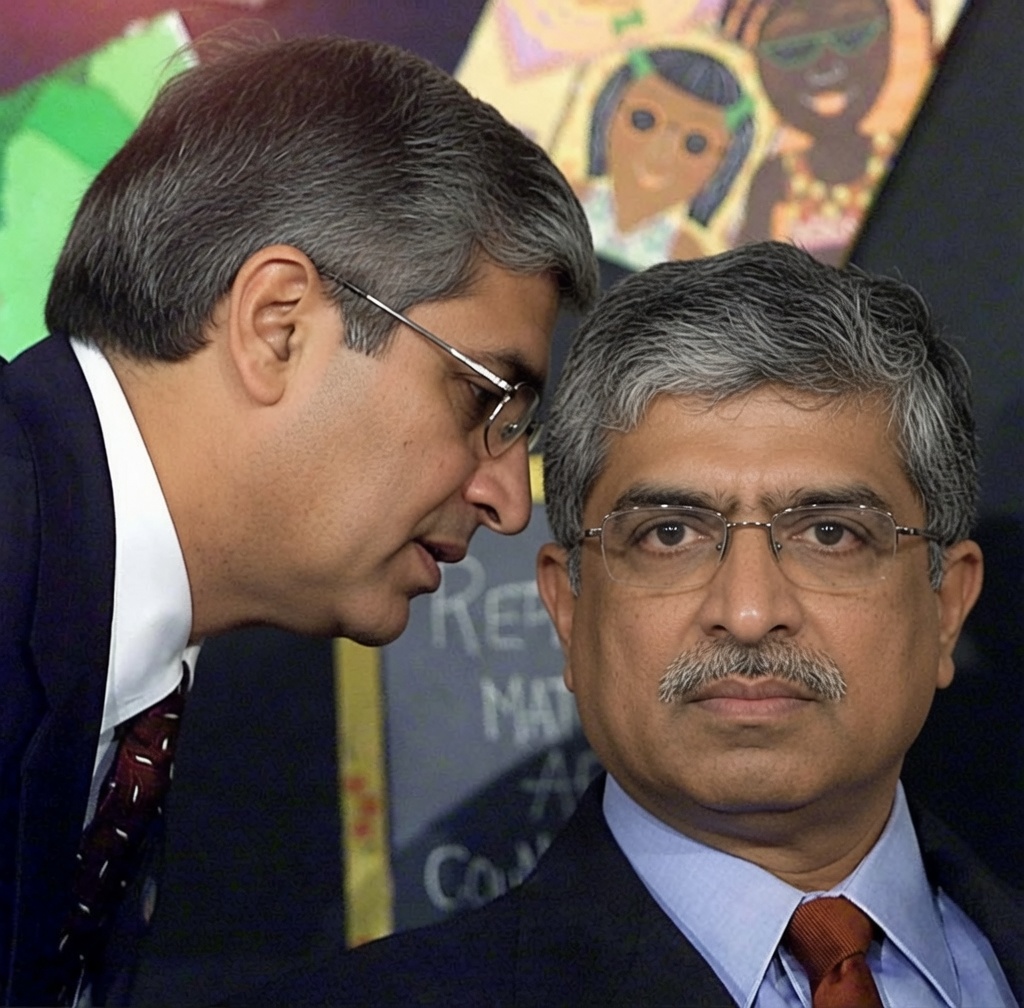
Sir, they have blocked access to the very AI models you said we should share instead of build
Apr 29

India doesn't need to lead the world in building the most advanced AI models. But it must lead in ensuring benefits of AI are widely shared.
@rvenk and I have an op-ed in The @EconomicTimes
economictimes.indiatimes.com…
184
2,408
11,862
420,931
Kiran Jonnalagadda retweeted

Jun 12
It is unbelievable how much better all software has become in the past 6 months! Like everything is working better! Fewer bugs. New features all the time! The apps I use every day have improved at least 10x from where they were just 6 months ago! Services I depend on never break.
Oh wait. None of that happened. Almost everything is actually significantly worse. Not sure how to make sense of that given all the immense productivity gains. Actually I do. Regression to the mean has more gravity than ever. And that is not a good thing.
57
146
1,642
79,708
Kiran Jonnalagadda retweeted


76
4,233
23,746
169,947

Claude insights roasting me 😅
"...and then catastrophically overwrote a Google Doc, destroying its contents entirely. The user still rated the session 'very helpful,' which is either supreme patience or Stockholm syndrome."
it doesn't know that i am simply buying skynet insurance.
1
2
834
RT @SushantSin: The US Navy attacked a third ship with Indian crew even after the MEA had summoned the US CdA in Delhi and conveyed its con…
871
Kiran Jonnalagadda retweeted

Jun 11
First, Iranian sailors were killed in your water, and you stayed silent, saying it wasn’t your men.
Now, your own sailors have been killed in Iranian water, and you may stay silent again, saying it wasn’t our waters.
A strong govt protects its people wherever they are. A weak government looks for excuses.
Using agencies like ED and CBI to instill fear is easy amongst your own citizens. Showing courage when citizens are harmed is what truly tests leadership.
Jun 11

1. Chief Engineer Patnala Suresh
2. Deck cadet Aditya Sharma
3. Engine fitter Shivanand Chaurasiya
3 Indian sailors killed in U.S. attack on ship off Oman coast, statement awaited from U.S. Embassy ndtv.com/india-news/3-indian…
84
1,257
4,606
150,538
Kiran Jonnalagadda retweeted

Jun 11
26
56
249
54,575
Kiran Jonnalagadda retweeted

Jun 10
This is part of his initiation rituals. You have to make the newbie perform the most embarrassing clownery, the likes of which would absolutely destroy any last semblance of dignity he might have possessed in a past life. Amazing what people do for some proximity to power.

#WATCH | Delhi | Rajya Sabha MP Raghav Chadha performed a special pooja to mark PM Modi becoming India’s longest continuously serving elected Prime Minister.
25
299
1,530
38,225
Kiran Jonnalagadda retweeted

Jun 9
Hot damn
Varun's Masterplan Viewer lets you explore current and future urban master plans for 25 major Indian cities

5
49
531
33,503
Kiran Jonnalagadda retweeted

Jun 9
Closing the bathroom door: not suspicious.
Sealing an envelope: not suspicious.
Wanting your phone unscanned: not suspicious.
Privacy is the default setting of a free society.
Jun 8

Our statement on the UK government’s demand that all content on all devices sold or used in the country be scanned, on the presumption of nudity, using a dystopian combination of age verification and content scanning. This proposal will not safeguard children. It endangers us all.
signal.org/blog/pdfs/2026-06…
20
1,496
11,065
105,930
Kiran Jonnalagadda retweeted

India's economy is genuinely in trouble. But this piece gets both the diagnosis and the cure wrong.
Look at how it keeps score: money flowing in, the currency, stock-market rankings, how much foreign investors pulled out. That measures whether capital is comfortable, not whether the country can make things. By that scoreboard a place that produces nothing but keeps investors happy looks like a winner. The question is set up wrong from the first line.
The cure it prescribes, lower taxes, fewer rules, woo capital harder, is the exact medicine India has swallowed for a decade, and the article's own evidence is the record of it failing. India chased Tesla, paid Apple to assemble iPhones, and treated investment inflows as a national scoreboard, and got a few assembly lines with little capability behind them. Telling a patient to double the dose that made him sick is odd advice.
The protections it scolds, local courts before arbitration, capital-gains tax, a higher bar on imports, are ordinary tools for a country that wants to keep its own tax and regulatory powers and build its industry. India's real error was who it sheltered: Tata, Reliance, Adani, the incumbents who needed it least, while the protection never went toward forcing real competition.
Wooing capital and building industry are two different jobs, and India keeps mistaking the first for the second. The weak rupee and the thin investment are symptoms. The missing industrial base is the disease.
#India #Modi #Economy #Manufacturing
Jun 9

这篇华尔街日报的文章比较准确地全面描述了印度目前的经济问题 India Is Losing Its Economic Edge by @dhume wsj.com/opinion/india-is-los…
15
45
193
17,395
Kiran Jonnalagadda retweeted

Jun 8
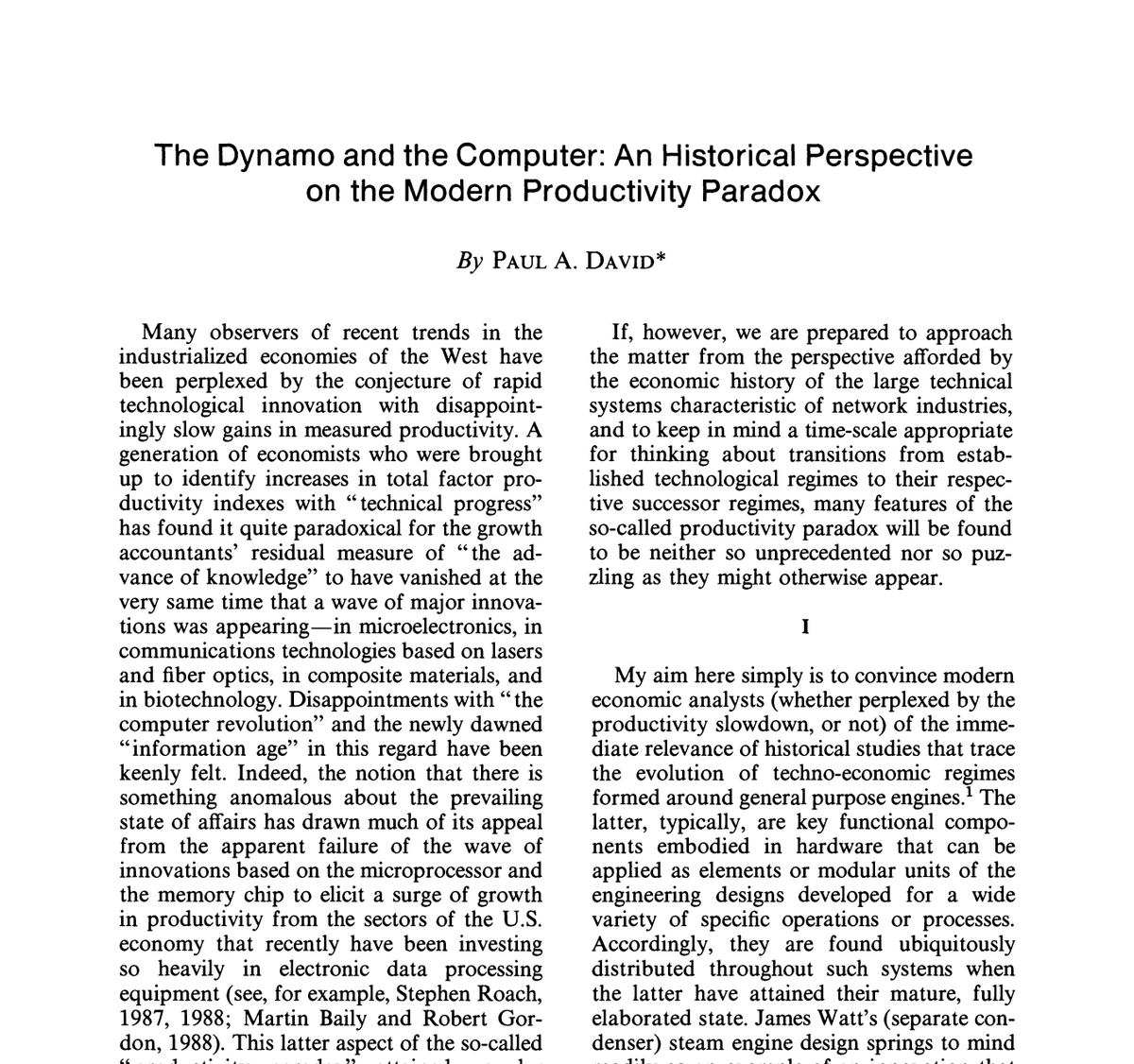
If you've adopted AI at your company but haven't seen any tangible results, read this 1990 article: "The Dynamo and the Computer" by Paul David.
When electricity first arrived, factories that "adopted" it barely got faster. They just swapped the steam engine for an electric one and ran everything else exactly as before: same machine layout, same workflow, same management. Electricity in, no real gains out.
The most common mistake with any new technology is to drop it into the old organization and then declare the transformation done.
The real leap came decades later, when each machine got its own small motor. Suddenly machines no longer had to be lined up around one central drive shaft. They could be rearranged around the actual flow of work.
The productivity gains didn't come from electricity. They came from REDESIGNING THE ENTIRE FACTORY around it.
AI is the same. Bolting it onto your existing process gets you a faster steam engine. The payoff comes when you redesign the work itself.
(link to paper in comments)
146
753
4,228
286,171