Activist for Social & Democratic Values | Deep interest in governance and parliamentary processes | Opinions expressed here are solely personal.
Joined December 2017
- Tweets 2,428
- Following 561
- Followers 59
- Likes 593
149 Photos and videos
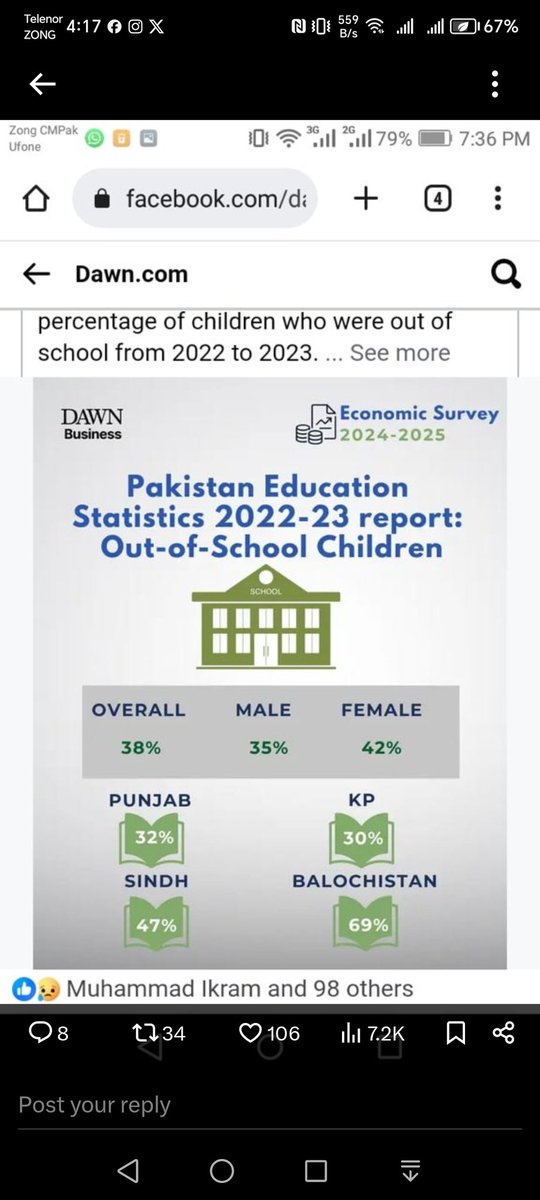

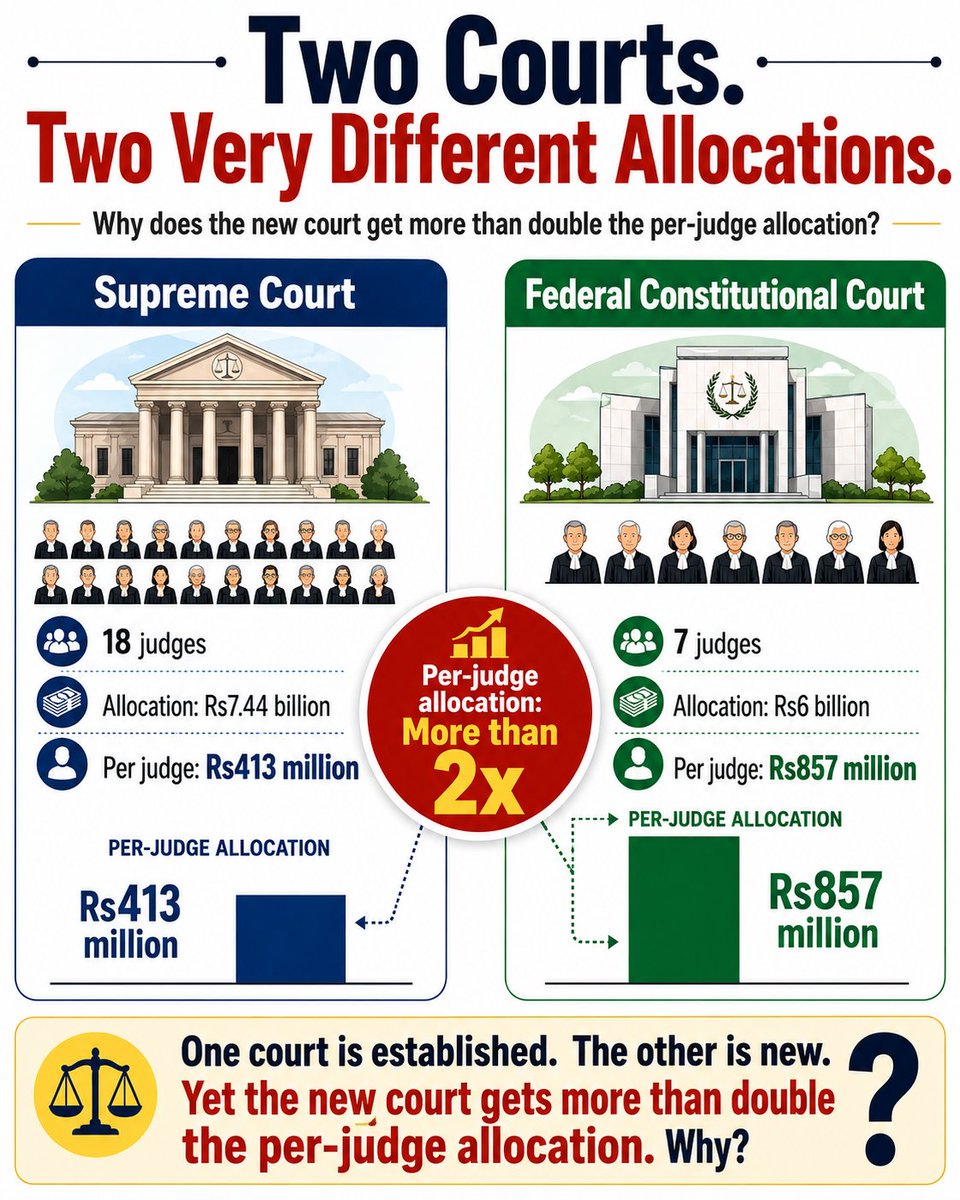

Jun 11
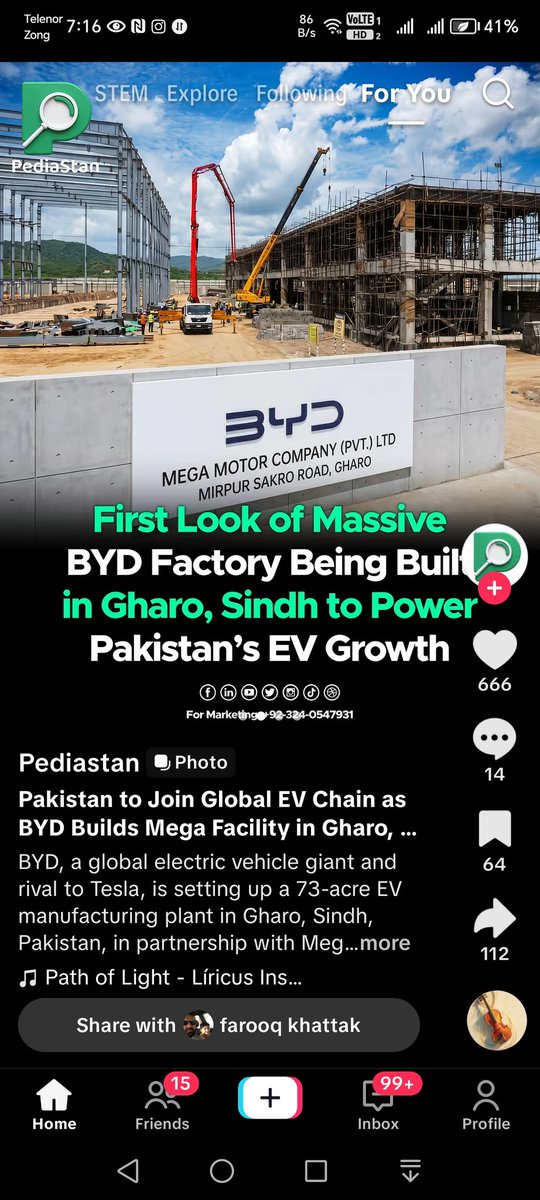
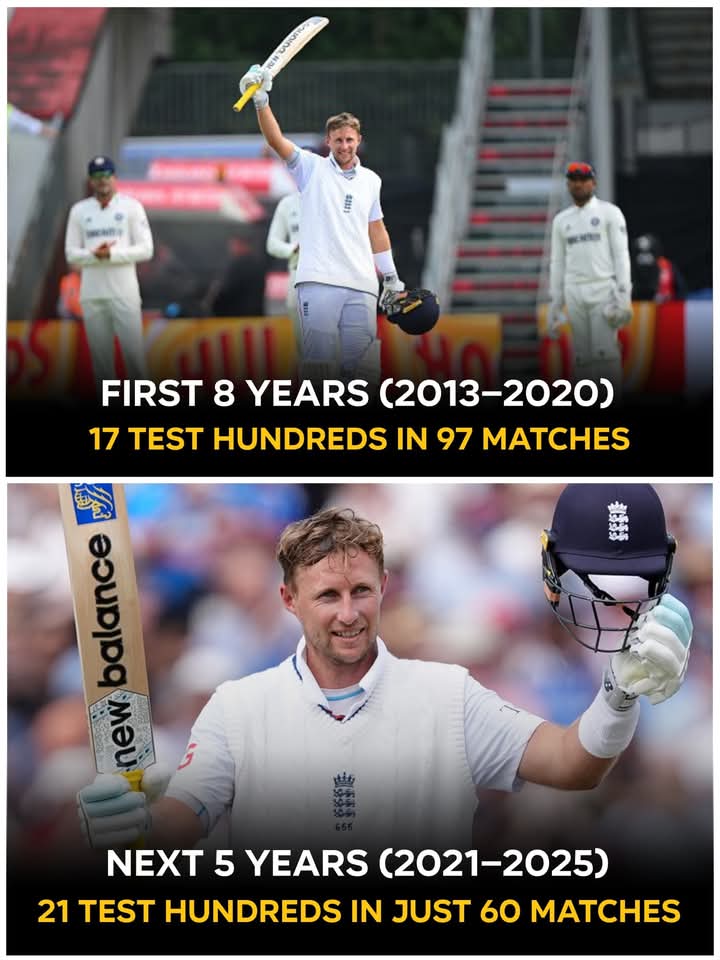
Its time for @Tesla timely investment in Pakistan to reach out its customers easily in south Asia. @elonmusk must prioritize investment opportunity in Pakistan.@teslaownersSV @CMShehbaz @PlanComPakistan @PakPMO @Financegovpk @BBhuttoZardari @MaryamNSharif
10
وقت آگیا ھے کہ کے پی حکومت صوبائی اربن پالیسی 2030 میں دیے گئے ترجیحات کو مدنظر رکھتے ھوئے اچھا خاصا بجٹ تعلیم، بلدیاتی نظام اور خواتین کے حقوق کے لیے بنائے گئے اداروں کے کارکردگی کے لیے مختص کرے.
@MuzzammilAslam3 @ShafiJanPTI @SohailAfridiISF @GovernmentKP
4
K.Khattak retweeted

@PTIofficial leaders held an important press conference on Budget 2026-27, criticizing the government's economic policies and presenting alternative proposals.
Former KP Finance Minister @Jhagra outlined PTI's recommendations on taxation, public relief, education, health and economic reforms, arguing that the government has failed to provide meaningful relief to citizens.
Full details: thepublicpurview.com/pti-cri…
#PTI #TaimurJhagra #Budget2026 #PakistanEconomy #BreakingNews #ThePublicPurview
5
7
548
A Form-47 government lacks the credibility and public trust needed to run such a flagship, people-centric program funded by taxpayers' money.
@MaryamNSharif @BBhuttoZardari @CMShehbaz @SohailAfridiISF @MuradAliShahPPP
Jun 5

تیمور خان جھگڑا
محکمہ صحت کے اختیارات وفاق کو واپس دینے کی باتیں کرنے والوں سے ایک سوال ہے:
جس وفاقی حکومت نے اقتدار میں آتے ہی صحت کارڈ پلس بند کروادیا تھا، کیا پورا صحت کا نظام بھی اسی کے حوالے کردیا جائے؟
خیبرپختونخوا کے عوام آج بھی یاد رکھتے ہیں کہ الیکشن سے پہلے کس ڈٹائی کے ساتھ صحت کارڈ پلس معطل کیا گیا تھا۔ اگر ایک فلاحی منصوبہ سیاسی مخالفت کی نذر ہوسکتا ہے تو پورے محکمہ صحت کا کیا حال ہوگا؟
4

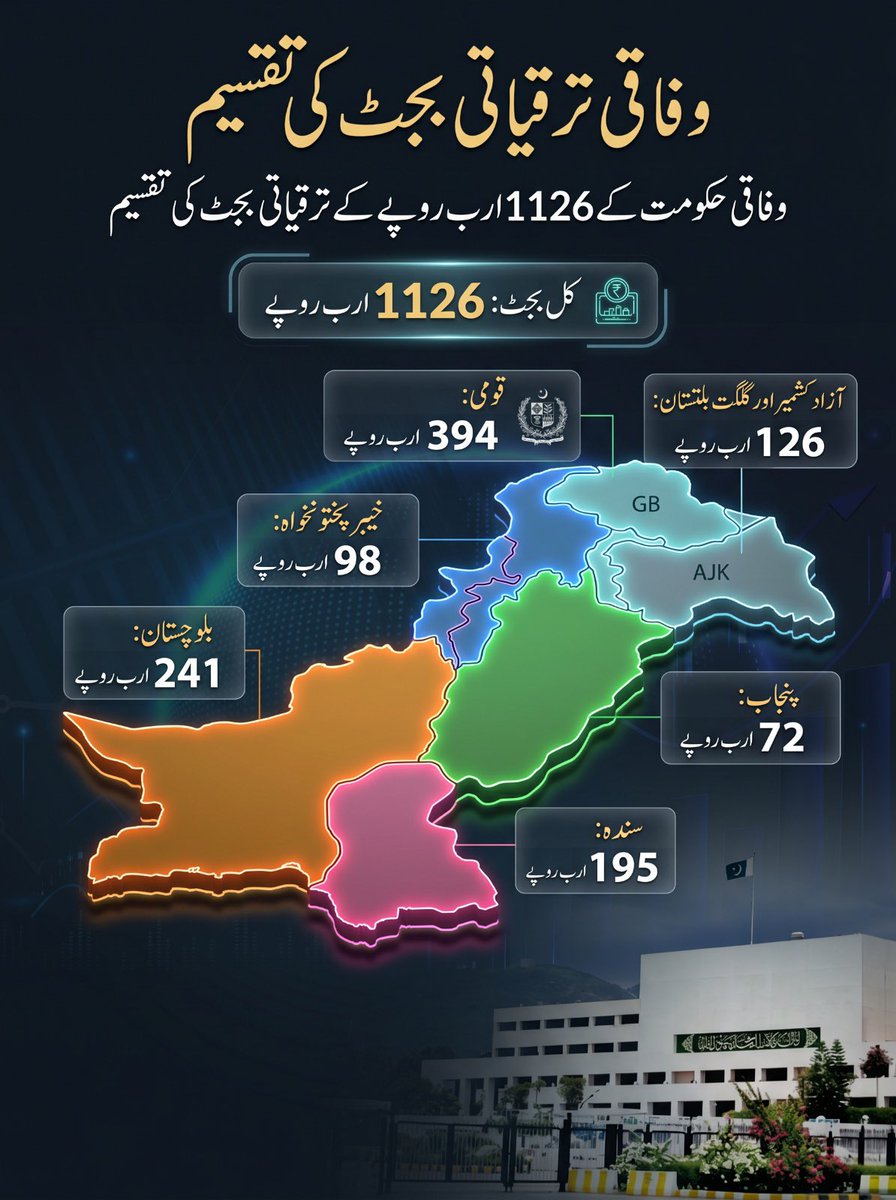
8
May 31
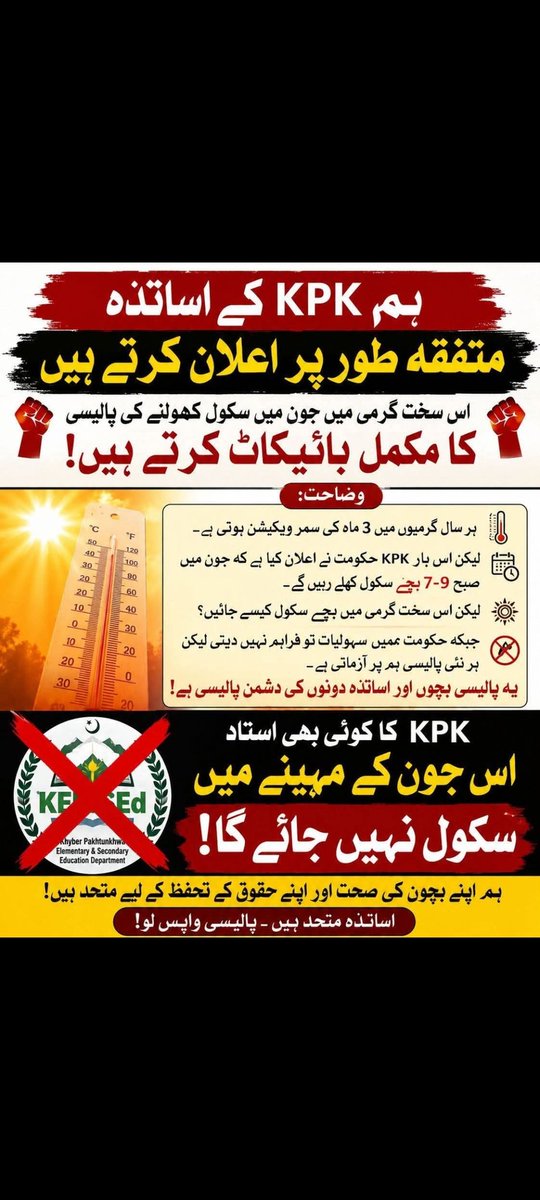
یہ سراسر ظلم ھے، جب بچوں کا ریزلٹ آوٹ کر دیا گیا، چھٹیاں دی گئی، اب پھر گرمی میں اساتذہ کو ذلیل کیا جا رھا ھے ،یہ نہ تو کوئی دانشمندانہ فیصلہ ھے، اور نہ ھی اس سے کوئی خاطر خواہ نتائج حاصل کیے جاسکتے ھیں.
@SohailAfridiISF @CSKPOfficial @KPESED @ShafiJanPTI
7
May 22
Check out OnThisDayInWWE's video! #TikTok vt.tiktok.com/ZSxy6Jw5X/
@steveaustinBSR @TheRock
One of the favorite match of my life.
3
K.Khattak retweeted

KP Assembly & SSDO signed an MoU to promote evidence-based legislation, governance, women empowerment, child rights & institutional coordination in KP.
MoU signed by Secretary Assembly Syed Wiqar Shah & SSDO ED Syed Kausar Abbas in presence of Speaker Babar Saleem Swati.
1
2
2
84
May 21
Food for Thought!
@irfijournalist @TheLehaz @Matiullahjan919 @ShafiJanPTI @MeenakhanAfridi @SohailAfridiISF @PTIKPOfficial @PTIofficial
May 21

پنجاب حکومت نے مالی سال 2024-25کے دوران پریس کلبوں کو 15کروڑ روپے کی گرانٹ دی
خیبر پختونخوا حکومت نے اسی دوران 10کروڑ کی گرانٹ دی
شفافیت برقرار رکھتے ہوئے پشاور پریس کلب نے گرانٹ اپنے ممبران میں تقسیم کردی جبکہ پنجاب کے پریس کلبوں کی اس گرانٹ کی اب تک کوئی تفصیلات سامنے نہیں آسکی ہے

24
May 18
عوام کے لئے عوامی وزیراعلیٰ نے عوامی فیصلہ کرتے ہوئے صوبے میں سی این جی سٹیشن کھل دیے.
شکریہ جناب سھیل آفریدی صاحب
@SohailAfridiISF @MeenakhanAfridi @ShafiJanPTI @PTIKPOfficial @PTIofficial
3
May 17
پاکستان بیورو آف اسٹیٹسٹکس کے مطابق پچھلے تین سالوں میں پاکستان کی معاشی ترقی کی شرح 1952 کے بعد سب سے کم رہی،
1
May 13
Great Initiative, Great milestone in Cardiac procedure. @GovernmentKP @HealthKPGovt @ayeshabanopti @BBhuttoZardari @MaryamNSharif @SHABAZGIL @shazbkhanzdaGEO @SyedaShehlaRaza @PakPMO @HamidMirPAK @MeFaheem @TheLehaz @irfijournalist @Matiullahjan919
May 13

عمران خان کا ویژن اور خیبر پختونخواہ کے ڈاکٹروں کی کاوشوں سے پاکستان میں پہلی دفعہ Endoscopic Cardiac Surgery بغیر سینا چاک کئے ممکن ہوا۰ یہ پاکستان میں اس نوعیت کا پہلا پروسیجر ہوا ہے۰
اہم بات یہ ہے عمران خان کی حکومت میں یہ علاج مفت ہے۰
Endoscopic cardiac surgery another milestone for PIC - Newspaper - DAWN.COM - dawn.com/news/1998760
1
40
Apr 28
Who can answer these questions?
@CMShehbaz @MaryamNSharif @Financegovpk @MaryamNSharif @MuradAliShahPPP @BBhuttoZardari @ZarrarKhuhro @TalatHussain12 @HamidMirPAK @Matiullahjan919 @ayeshabanopti @AimalWali
Apr 28

Press & Media Brief 28 April 2026
PTI's Economic Think Tank
Stability Claims, Crisis Reality, and the Pain of 250 Million Citizens of Pakistan
1 – Aurangzeb’s pitch to EU business leaders: big claims, hard questions.
With Aurangzeb’s pitch to EU business leaders, here are a few hard questions on the claims he made:
a.Is the reentering of capital markets an economic victory, or a fancy term for celebrating more debt. Can he explain why 75 years of debt has almost doubled in 4 years to Rs 80 trillion, since the same status quo forces have been in power for all but 3 years since 1947?
b.How can he talk about Pakistan being open for investment when FDI is down almost 30% year-on-year – and 3 western Embassies, the US for PepsiCo, the UK for Halmore Power, and the EU for Maersk, have written to the Govt of Pakistan about the issues in the business environment these companies are facing?
c.How can he talk of “Structural reform” when both the IMF and the World Bank call Pakistan’s current economic model unworkable, and the unprecedented micromanagement by IMF in its programme reads like a vote of no-confidence in the govt credibility.
d.He says GSP matters, and it does – so why weaken the case? Rights, rule of law, and free speech are not side issues; they directly affect Pakistan’s our GSP standing. Did Aurangzeb highlight why the govt itself is doing its best to spoil Pakistan’s case on merit.
e.A reminder to the current Finance Minister and Former EU Citizen, who must believe unequivocally in democracy: will he ask the EU to release its assessment on the 2024 elections instead of keeping it buried.
2 – 4 Years of Forex Failure - Exports Down, Imports Up, and No Plan.
Year to date: exports have fallen by 7% and imports have increased by 8%. This is a 15% hole to fill in scarce foreign reserve coffers. The government’s forex “strategy” has been friendly country deposits, remittances of overseas Pakistanis it abuses that are at risk from ME tensions, central-bank dollar buying, and an artificially managed exchange rate—while investment stays at all-time lows of 13%, and FDI falls almost 30% vs last year. Pakistan cannot borrow its way into earning dollars. Just a thought. 4 years are enough to fix this problem, or to show the way. If not, its time to resign.
3 – Energy Crisis: No money to keep schools open, but $2.6 bln to build strategic reserves. How does that work?
After 4 years of false claims, Minister Ali P Malik is now admitting Pakistan has no strategic fuel buffer. This is a national-security failure – no excuses after the war with India, and since the bombing of Iran’s nuclear facilities. When schools can’t stay open on Fridays because fuel burns scarce forex, the govt expects the public to believe it can magically find billions of dollars to build reserves. How?
4 – Energy Crisis: Relentless Load Shedding
Every day, 250 million citizens are reminded of “peak-hours relief” that is, in plain language, load shedding. Bills are doubled with fixed charges, taxes and fuel price adjustments, but the Form 47 govt has no solutions to provide electricity. Panicked water releases and resulting falling hydel generation in the peak summer can only mean even higher bills, more load shedding, and lesser water for irrigation — pushing an already-rising food import bill even higher.
5- How many syringes could be bought with a Rs 11 billion Gulfstream Jet?
Reports say Punjab has cut development budgets for education and health. If true, it is indefensible—especially amid reports of a Rs11bn Gulfstream purchase for VIP travel. If Punjab is so rich that it can be the only sub-national govt anywhere in the world where the Chief Executive has a govt owned Gulfstream Jet there cannot be a shortage of money for schools, hospitals, clinics, and basic public health. This is a province where 331 children got HIV because in Taunsa, hospital staff had to reuse syringes. Imagine, how many single uses syringes could Rs 11bn buy?
3
K.Khattak retweeted

Apr 28
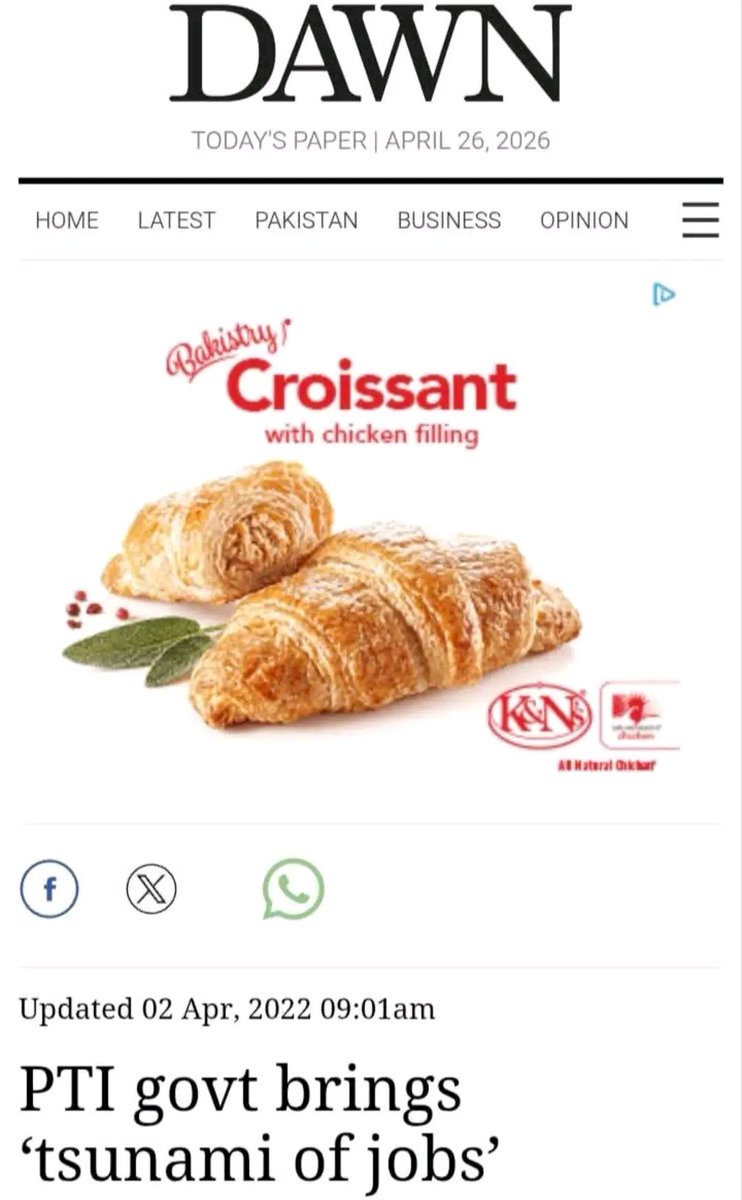
پہلی خبر ڈان کی ہے جو 2 اپریل 2022 کی ھے۔اس خبر کی بنیاد پاکستان ادارہ شماریات کا لیبر سروے ھے۔
ڈان لکھتا ہے کہ عمران خان کی حکومت سے تین سال میں نوکریوں کا سونامی لے کر ائی
کرونا کے باوجود عمران خان کے تین سالہ دور حکومت میں 55 لاکھ نوکریوں کے مواقع پیدا کیے گئے۔پاکستان کی ایکسپورٹ میں نو ارب ڈالر اضافہ ہوا تھا ٹیکسٹائل ایکسپورٹ میں چھ ارب ڈالر اضافہ ہوا تھا ہماری مجموعی ایکسپورٹ 23 ارب ڈالر سے 32 ارب ڈالر پر چلی گئی تھی۔
عمران خان کی ایک کروڑ نوکریوں کی بات پر طنز کرنے والے پتہ نہیں کہاں مر گئے ہیں
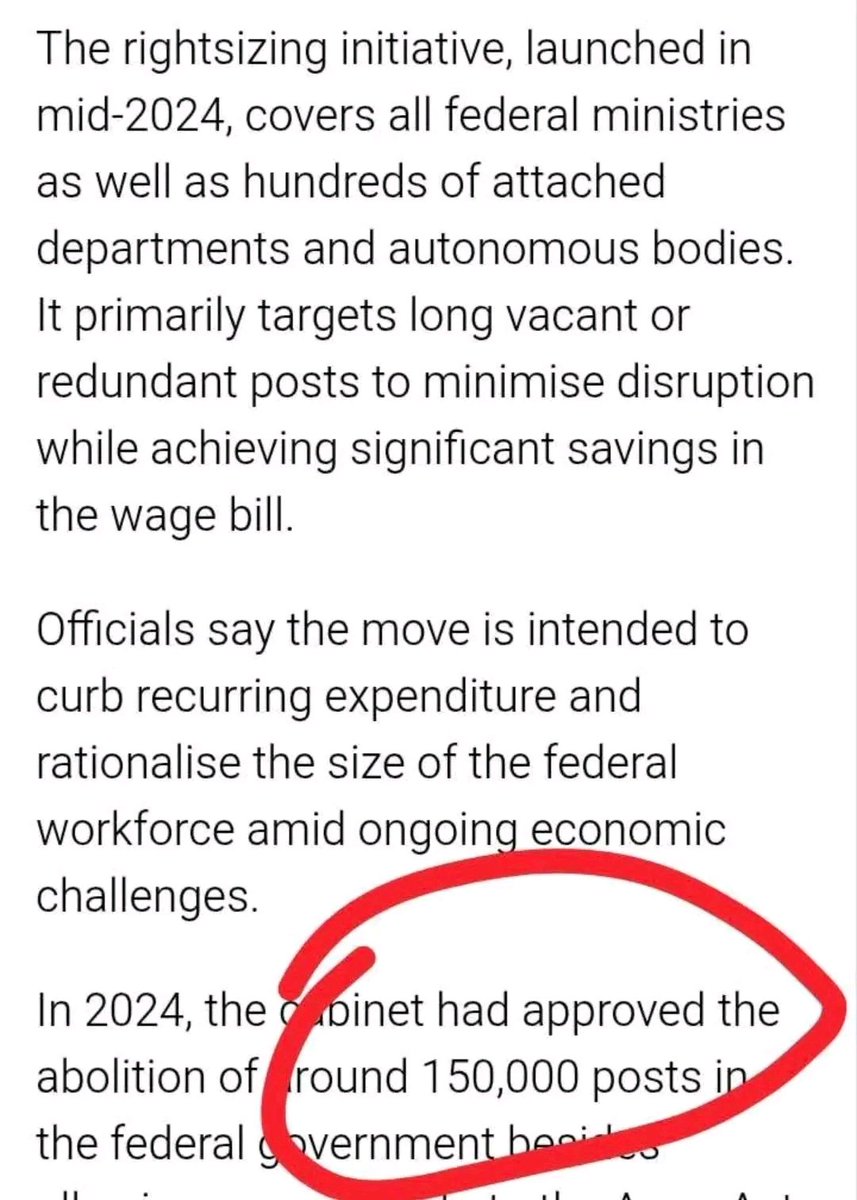
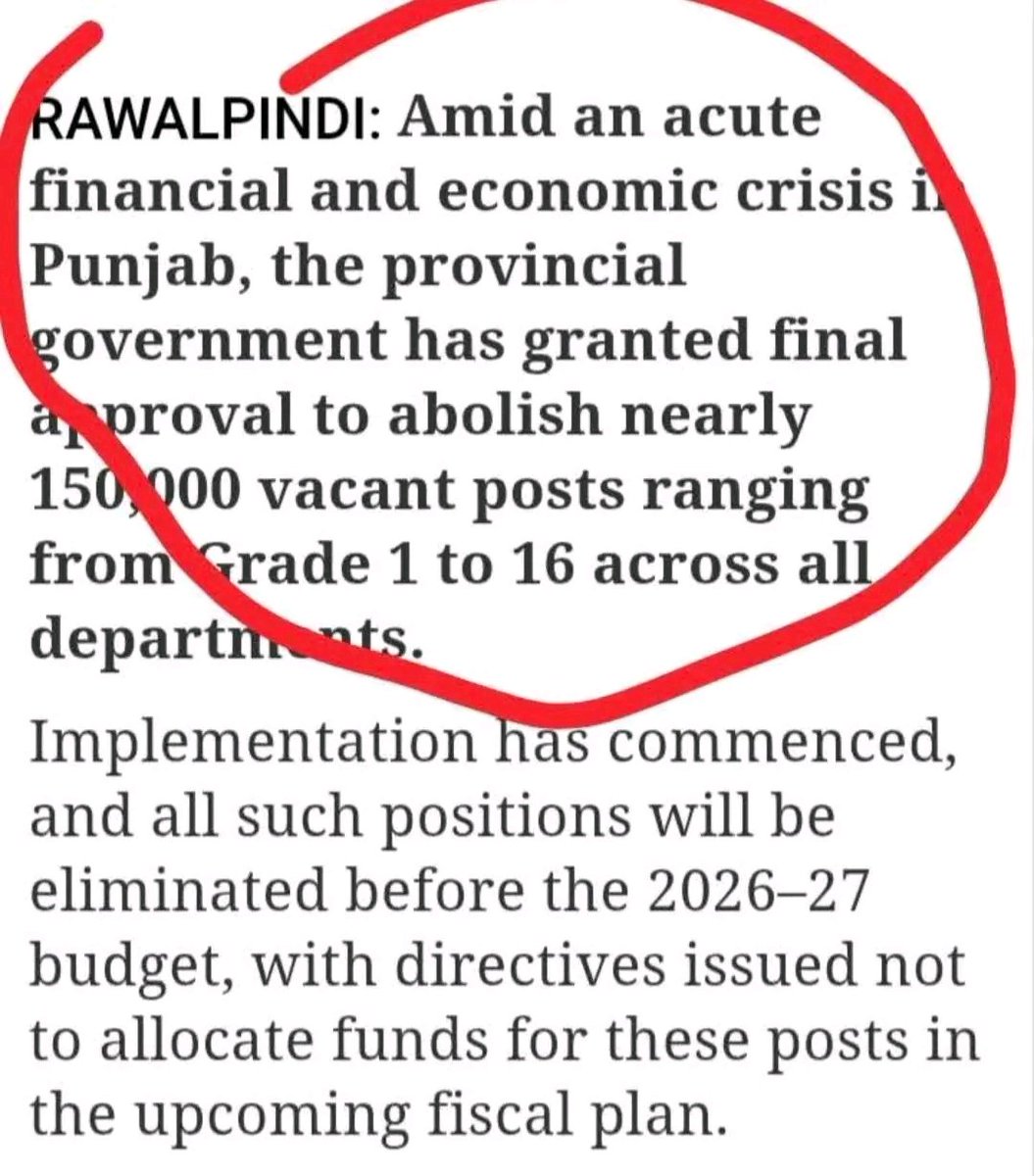
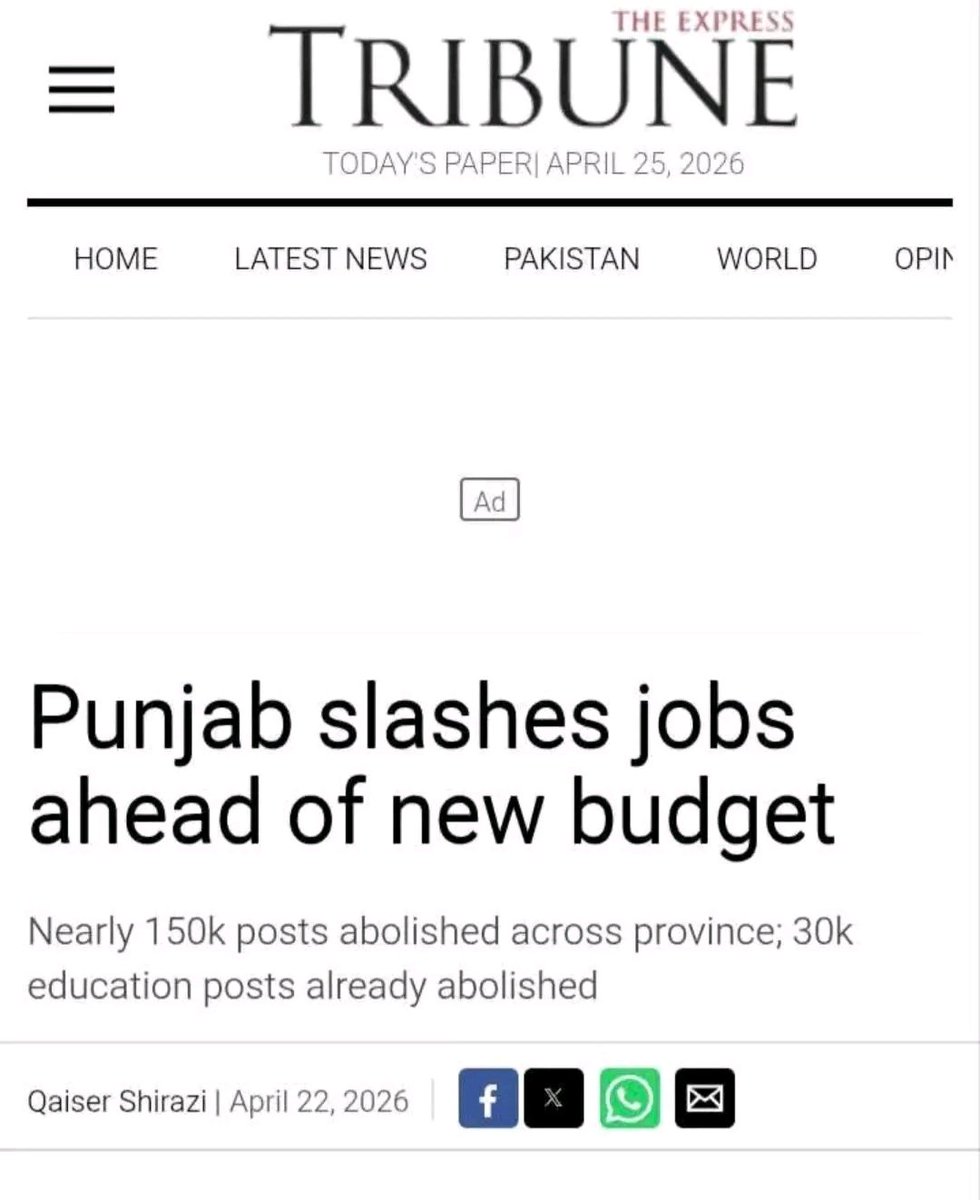
کیونکہ 22 اپریل 2026 کی ایک خبر کے مطابق پنجاب میں معاشی بدحالی کی وجہ سے اور معاشی کرائسز کی وجہ سے ایک لاکھ 50 ہزار نوکریاں پنجاب حکومت نے ختم کر دی۔
یکم فروری 2026 کی خبر ہے کہ وفاقی حکومت نے 55 ہزار نوکریاں ختم کر دی ہیں اور 1 لاکھ 50 ہزار نوکریاں ختم کرنے کی منظوری دی ھے
وفاق اور پنجاب تین لاکھ سے زیادہ پبلک سیکٹر کی نوکری ختم ہو چکی ہیں مزید 150 کے قریب صنعتیں بند ہونے کی وجہ سے لاکھوں لوگ بےروزگار ہو چکے ہیں۔
اب مجھے سمجھ نہیں ا رہی وہ لوگ کہاں مر گئے ہیں جو عمران خان کی ایک کروڑ نوکری پر طنز کرتے تھے لیکن اب خاموش ہیں۔۔
7
259
460
9,646
K.Khattak retweeted

Apr 25
تحریک انصاف کی کہانی! ہندوستان میں کرکٹ لے کر تو گورے آئے لیکن ہندوستان والوں کو اس کھیل سے ایسا عشق ہوا کہ اس خطے کے لوگ کرکٹ اور کرکٹ کھیلنے والوں سے عشق ہو گیا، یہ عشق آزادی کے بعد اور بھی بڑہ گیا کیونکہ بھارت اور پاکستان کی ٹیموں نے اس کھیل کے مہا گروؤں کو ہی شکست دینا شروع کر دی، جب بھارت اور پاکستان کے آپسی مقابلے ہوئے تو کرکٹ دونوں ملکوں کا جنون بن گیا! کرکٹ کے کھلاڑی اس ریجن کے Greek Gods بن گئے، اس پس منظر میں پاکستان کرکٹ کے افق پر عمران خان جیسا نابغہ روزگا آل راؤنڈر پیدا ہوا، وجیہہ عمران خان نے پاکستان کرکٹ کو وہ Chrisma عطا کیا جو کوئ اور نہ کر سکا، لاکھوں کروڑوں دلوں کی دھڑکن عمران خان جب باؤلنگ کیلئے پچ کی طرف بڑھتے تو کرکٹ فینز کے دلوں کی دھڑکن گویا ٹھہر سی جاتی، عمران خان پاکستان کے گلیمر کا نشان بن گئے۔ زندگی خوبصورت تھی کہ اچانک عمران خان پر یہ قیامت نازل ہوئ کہ ان کی زندگی کی سب سے عزیر ھستی ان کی والدہ شوکت خانم کو کینسر ہو گیا ہے، کینسر کیا بلا ہے کیسے ہوتا ہے کیوں ہوتا ہے علاج کیا ہے عمران خان کو کچھ پتہ نہیں تھا، وہ جب اپنی والدہ کے علاج کیلئے ایک ہسپتال سے دوسرے ہسپتال کے چکر لگا رہےبتھے تو انھیں معلوم ہوا کہ پاکستان میں کینسرکا کوئ ہسپتال ہی نہیں، والدہ کو وہ لندن لے گئے لیکن کینسر نے ان کے جسم کے رفو پے میں سرائیت کر چکا تھا، والدہ کو دفنا تو دیا لیکن عمران خان کی زندگی کو گلیمر سے باہر ایک نیا مقصد مل گیا وہ تھا پاکستان میں کینسر ہسپتال بنانا، اس سفر میں عمران خان نے اپنی ساری جمع پونجی ہسپتال کو دی فنڈ ریزنگ کیں لیکن پیسے تھے کہ پورے ہی نہیں ہو رہے تھے! پھر کسی نے مشورہ دیا کہ عام پاکستانیوں سے فنڈ ریزنگ کی جائے، اس مشورے نے پہلی بار عمران خان کو عام لوگوں، غریب ترین لوگوں کے درد سے آشنا کیا، وہ مسجدوں میں گیے، اسکولوں میں گئے ، گاؤں محلے پھرے اور انھیں احساس ہوا کہ لوگوں کے دکھ کتنے بڑے ہیں اور بیماری کتنا بڑا عذاب ہے، قبائلی علاقوں سے اندرون سندہ کے ہاریوں اور بلوچستان کے سنگلاخ پہاڑوں تک سفر کیا اور انھیں احساس ہوا اور دنیا میں اگر کوئ سب سے بڑا دکھ ہے تو وہ غریب خاندان میں بیماری ہے! تحریک انصاف کا قیام عمران خان کو اس دکھ سے آشنا ہونے کے بعد آیا، مغرب میں بیماری کا علاج ریاست کی ذمہ داری ہے تو پاکستان میں ایسا کیوں نہیں ہو سکتا؟ یہ وہ بنیادی خیال تھا جو تحریک انصاف کے قیام کی وجہ بنا۔ تیس سال میں تحریک انصاف پر کئ مدوجزر آئے لیکن صحت عمران خان اور تحریک انصاف کا بنیادی موضوع رہا ، حکومت میں آئے تو صحت کارڈ شروع کیا، کووڈ کا کامیاب دفاع کیایہ اس لئے ممکن ہوا کہ انھیں عام آدمی کی غربت اور بیماری کا احساس ہمیشہ رہا۔ آج لوگوں کے دکھوں کا مداوا کرنے والا عمران خان ناکردہ گناہوں کی سزا کاٹ رہا ہےاور بدترین حالا ت کاسامنا کر رہا ہے! اللہ انھیں اپنی پناہ میں رکھے۔ مشکلات ختم ہوں اور وہ غریب لوگوں کی دعؤں سے واپس سیاست کے سلطان بنیں ۔۔ (یہ آرٹیکل عمران خان سے ہونیوالی مختلف مواقع پر ہونے والی گفتگو سے اخذ کیا گیا)
#PTI30thAnniversary
69
234
1,016
53,010
Apr 20
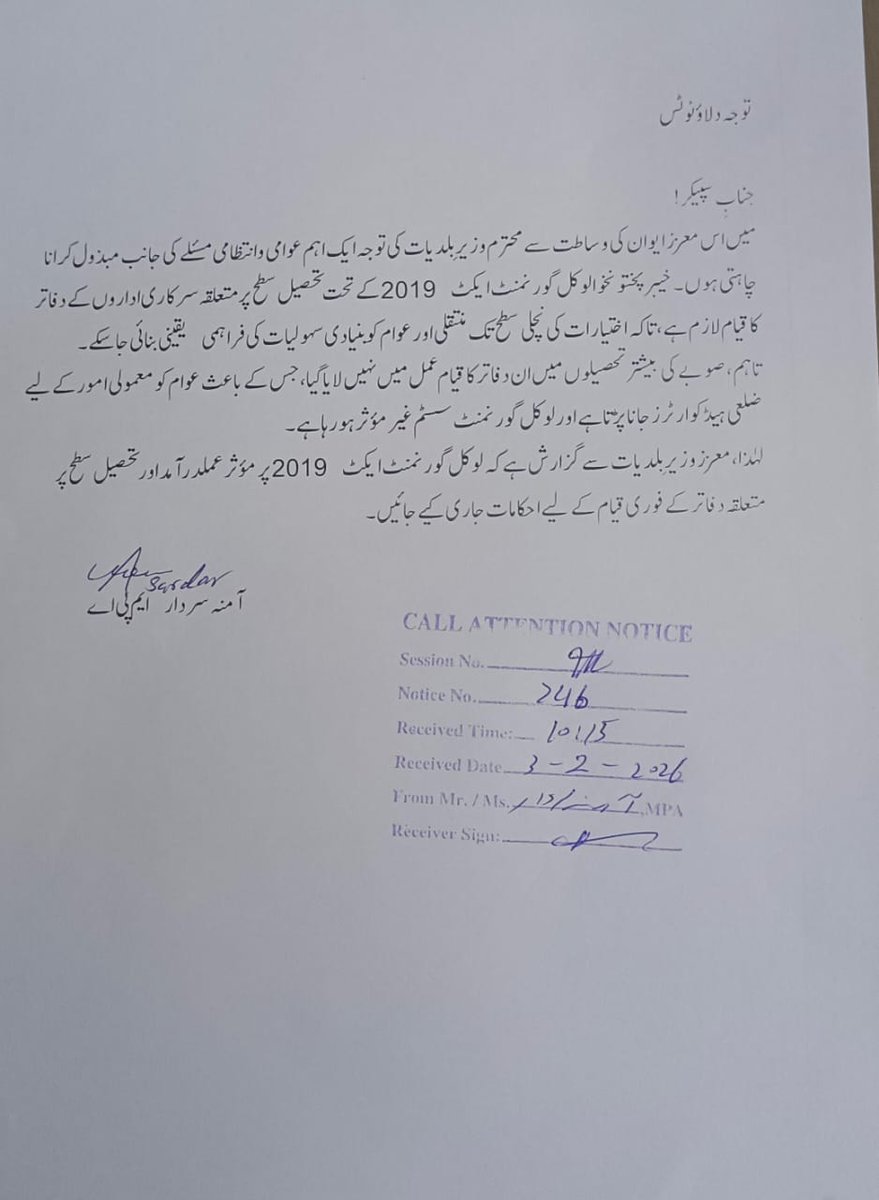
محترم سھیل آفریدی صاحب اور محترم میناخان صاحب خیبرپختونخوا میں اگلے بلدیاتی انتخابات کا بروقت انعقاد پی ٹی آئی کے منشور کے عین مطابق ایک بھترین اقدام ھوگا، اور بروقت بلدیاتی انتخابات کے انعقاد سے پی ٹی آئی مسلسل تیسری دفعہ عوام کے نمائندوں کو اختیارات منتقل
1
4
Apr 20
کرکے صوبے میں میں نہیں ملک بھر میں پھلی سیاسی جماعت ھوگی جو ھیٹرک مکمل کرلے گی. گراس روٹ پر عوام کو صحیح اقتدار منتقل کرنے سے جمھوری حسن دوبالا ھوگا.
@MeenakhanAfridi @SohailAfridiISF @CMKPUpdates @MuzzammilAslam3 @ayeshabanopti @TheLehaz @PTIofficial
1
17
Apr 18
عالمی تنازعوں میں عالمی ثالث بننے کا کریڈٹ لینے والے ھمارے وزیراعظم ملک کے اندر پیٹرول مافیا کے سامنے اتنے بےبس ھے کہ غریب عوام کے لئے سی این جی تک کھل نہیں سکتے.
@CMShehbaz @MaryamNSharif @MaryamNSharif @MIshaqDar50 @MuzzammilAslam3 @Financegovpk @pmln_org
8
Mar 12
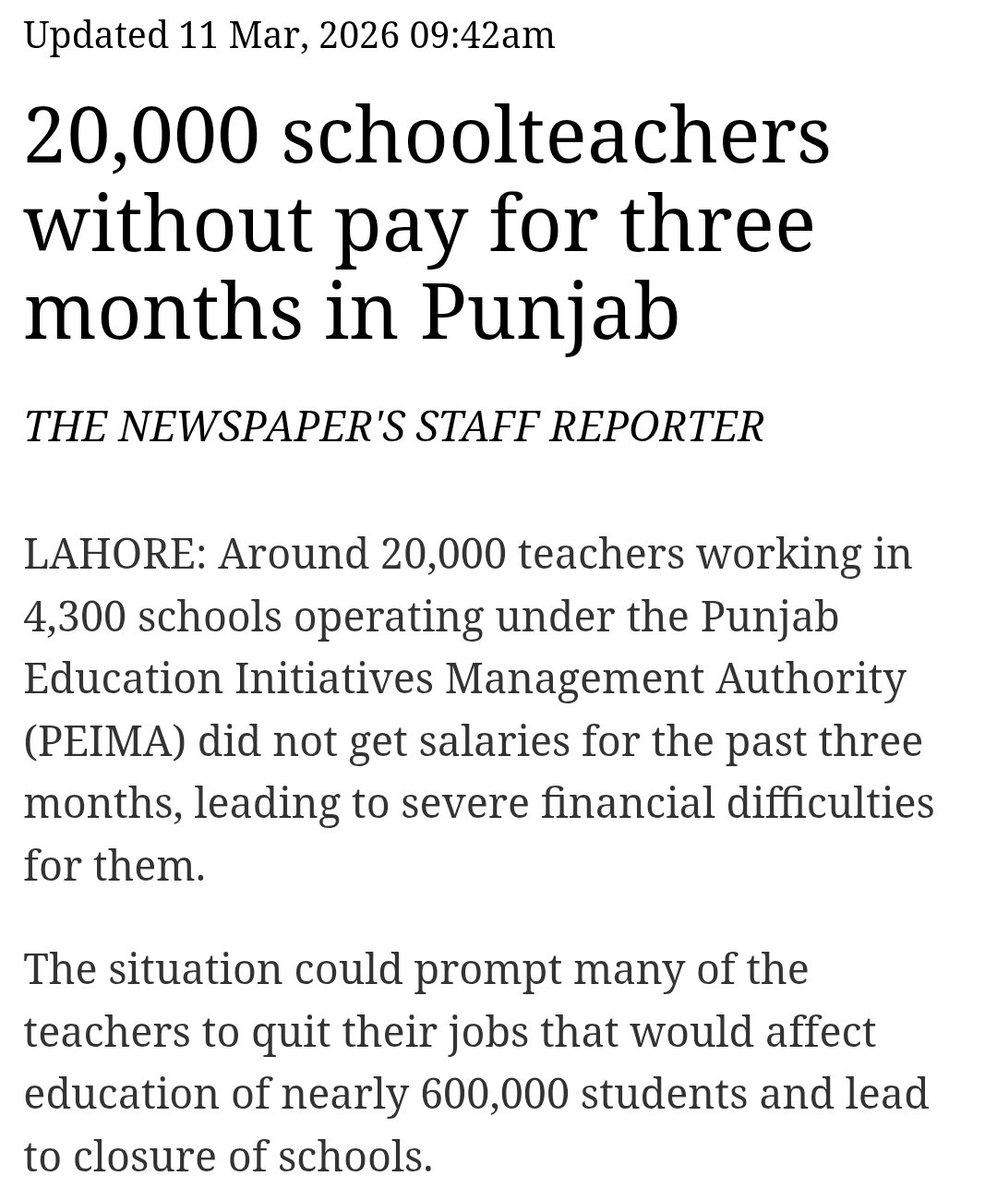
Paris of Pakistan. Punjab
@MaryamNSharif @MaryamNSharif @CMShehbaz @GovtofPunjabPK @pmln_org @SHABAZGIL @SchoolEduPunjab @PMLNPunjabPk @Matiullahjan919 @shazbkhanzdaGEO @_Mansoor_Ali @HamidMirPAK @cyalm @Fayazchohanpk @HassanAyub82 @PTIPunjabPK @PTIofficial
1
11