Joined July 2009
- Tweets 1,638
- Following 1,752
- Followers 213
- Likes 4,126
55 Photos and videos

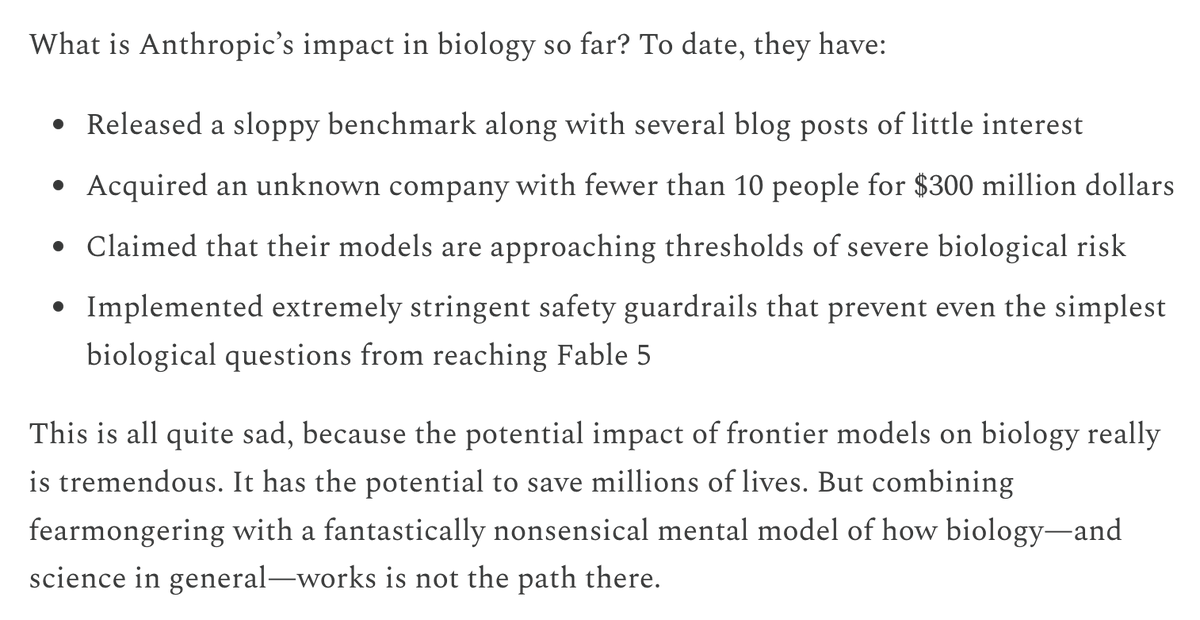
Since two of these benchmarks are provided by us @Dyno_Tx , I can confidently comment.
- The AAV one is uncontaminated private data of a viral trait that we've been measuring for years (i.e. sharing publicly will defeat its purpose), and use it every day (required not sufficient) to design capsids that actually do work in primates. This performance provides a real lift in expertise and resources needed to do viral evolution.
- The black-box sequence design challenge is our take-home interview. Fable completely outperforms the best people in the field on given the same exact instructions as humans, again in a private task not seen on the internet. We will release this task publicly at some point.
Biology is slow. Real accomplishments take time because the bottlenecks downstream are meaningful.
But dismissing both the upside and the risk is highly premature. They've accomplished about as much as you could imagine. In particular, being wrong on the risk is extremely costly. I for one am the most excited I've ever been that bio is going to be transformed, and agentic reasoning is a big part of why.
Also the "unknown company" is actually very well known among experts because they are all very smart/accomplished people but are not hype-y on the twitter-verse.

3
14
100
15,047

yes—a solo developer with their own frontier AI research lab can literally outperform the entire industry. who do you think gets hired to work at these companies? is it that surprising that some of us value scientific freedom more than money? don't even pretend you have any idea.
8
7
210
9,812
Wang Liang retweeted

Jun 15
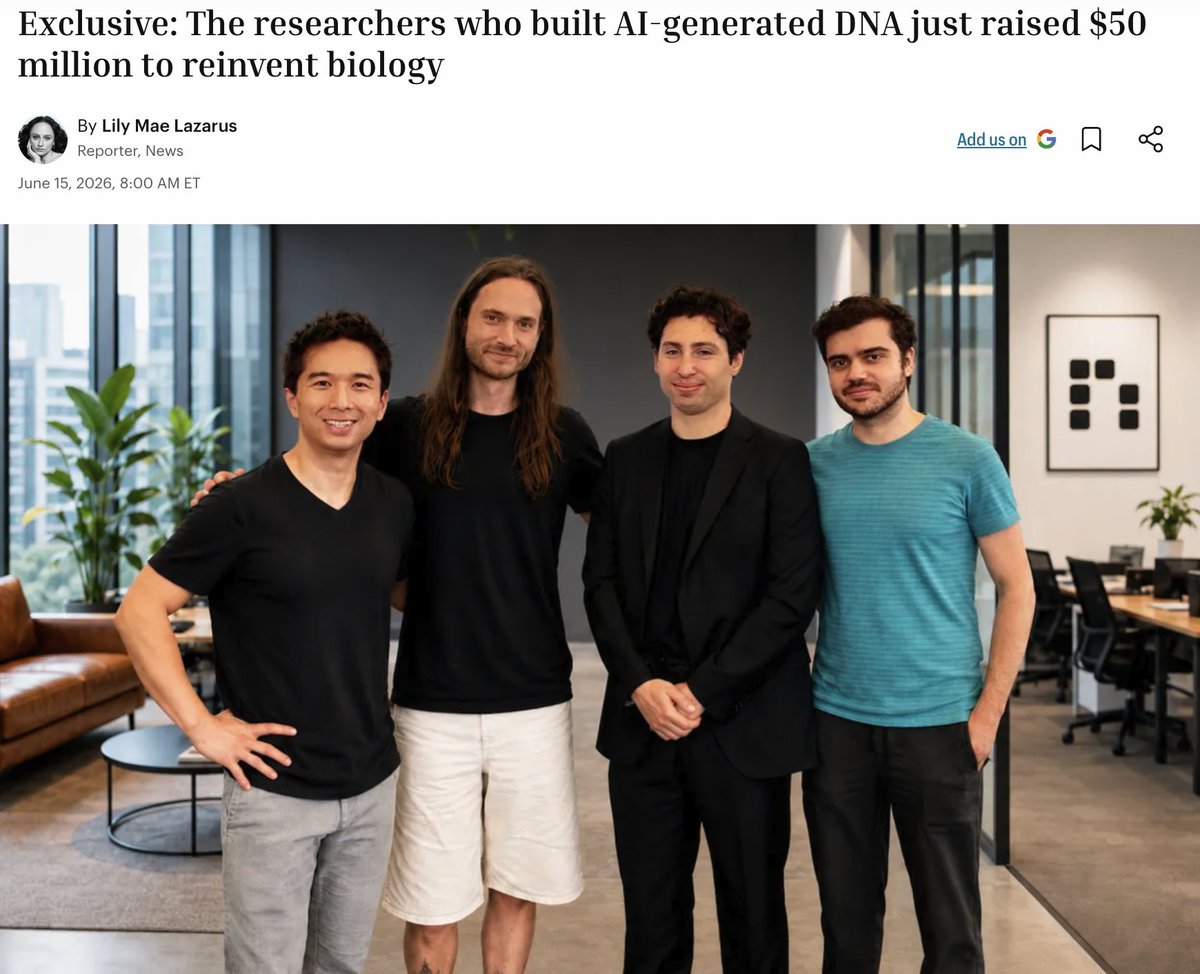
Together with my co-founders Michael @MichaelPoli6, Stefano @Massastrello and Armin @athmsx, I am excited to announce @RadicalNumerics is emerging from stealth with a $50M seed round to build general biological intelligence.
We’re also sharing an early preview of our new model Omnii, the most powerful genome language model to date.
Omnii preview link:
radicalnumerics.ai/blog/radi…
At Radical Numerics, our mission is to master the code of life, and to drive the frontier of biological AI for both design and defense.
This is our dual mandate, which comes from something our own team helped make possible.
Our founding team trained Evo and Evo 2, the largest biological AI models (40B params) trained on DNA sequences. Trillions of tokens across all of life, from microbes to mammals. It’s fully open source, and created the field now known as generative genomics.
Last year, scientists used Evo to generate the world’s first complete genome from scratch using AI. Turns out it was a bacteriophage—a type of virus. It functioned in the real world, and in this case it was harmless. But for us, it was a clear turning point.
It showed that AI is no longer just analyzing biology. It is on the cusp of generating functional lifeforms. Eventually, AI will have the power to design and control life itself.
That should make all of us incredibly excited, and incredibly uneasy. (Anyone can design DNA with a new function, and have it synthesized and delivered, like something from Amazon Prime).
The same technology that will help us cure cancer is the very technology that might create the next global pandemic, or worse, allow the creation of bioweapons that can wipe out populations.
We believe these forces are inseparable. If you work on the frontier of biology, you have to build technology to safeguard it from its misuse. Existing biosecurity tools are sorely losing the arms race, relying on outdated “have I seen this exact thing before?” style algorithms.
We founded Radical Numerics to turn the tide.
And we can’t do that by training on textbooks and natural language. We must understand the language of biology from the raw physical data itself, to reason across every molecule and modality, from DNA to proteins.
The next frontier for AI goes far beyond chatbots or video generators to models that can understand and engineer life.
Today, we’re previewing Omnii, which is already far surpassing Evo 2, and will continue improving as we scale and add new modalities (training now).
1. For human health, Omnii can read and write whole genomes (more on writing later). It’s state of the art (SOTA) on detecting causal variants for disease, and can rank Alzheimer's mutations zero-shot. We’re partnering with a diagnostics company to use Omnii for early cancer detection (pancreatic and multi-cancer).
2. For defense, Omnii is SOTA at detecting AI-generated pathogens. We benchmarked existing detection tools, and they simply can’t detect the AI-generated ones (“deepfake viruses”). We’re partnering with a US national lab to pilot Omnii for detecting the next pandemic, both natural and AI-generated.
We have a data center full of Blackwells in construction now to build the most powerful biological AI models ever. This mission takes a new kind of AI lab that can actually scale on physical, biological data: new alignment research (mid/post training), scaling long context, building out mech interp teams to dissect what these models learn, new architectures and systems designs, all from the ground up.
Our team is made up of AI researchers and scientists from top labs and institutions (e.g. Stanford, MIT, Google DeepMind), but more importantly, we all share the belief that this is the most important challenge of our lifetime. If you feel similarly, we are hiring. We aim to bring the brightest minds in AI and science together to save lives.
Thanks to our partners on this journey, led by Emergence Capital @emergencecap, with Obvious Ventures @obviousvc, Triatomic @TriatomicCap
, and Patrick Collison @patrickc. Our advisors include Eric Horvitz @erichorvitz, CSO of Microsoft, Chris Re @HazyResearch of Stanford, George Church @geochurch of Harvard, and Andrew Weber @AndyWeberNCB, former Assistant Secretary of Defense for Nuclear, Chemical and Biological Defense Programs.
Fortune article: fortune.com/2026/06/15/exclu…
Jobs: radicalnumerics.ai/join-us
142
288
1,297
2,383,340
Wang Liang retweeted

Jun 15
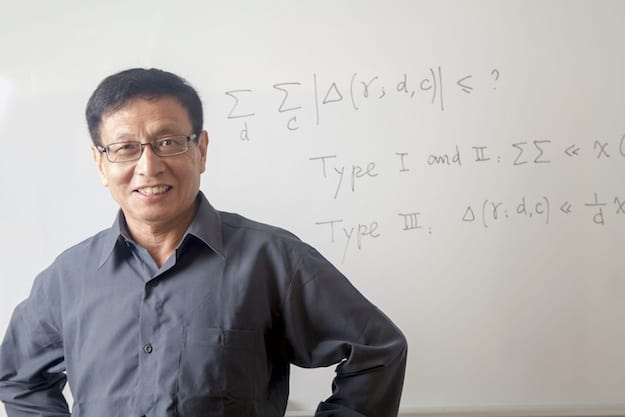
A Chinese mathematician spent 7 years making sandwiches at Subway after his PhD, and at 58 solved a 150-year-old math problem nobody thought was solvable.
His name is Yitang Zhang. The problem is called the Twin Prime Conjecture.
He was born in Shanghai in 1955 and knew he wanted to spend his life on mathematics by the time he was nine years old. That year he found his own proof of the Pythagorean theorem. Nobody taught it to him. He just worked it out.
Then the Cultural Revolution arrived and took everything.
The Chinese government closed the schools. Zhang's father had political troubles with the Communist Party, so Zhang was sent to the countryside with his mother to work in the fields. He spent 10 years as a farm laborer. No high school. No classroom. No teacher.
He read math books in the fields when he could find them.
When the revolution ended, Zhang was 23. He sat the university entrance exam and got into Peking University, one of the most competitive mathematics programs in China. He finished his bachelor's degree, then a master's. The president of Peking University personally recommended him for a full scholarship at Purdue University in the United States.
He arrived at Purdue in 1985. He earned his PhD in 1991.
Then the second wall hit.
His relationship with his doctoral advisor collapsed. The advisor did not write him letters of recommendation. Without those letters, the academic job market was closed. Zhang applied. Nothing came back. He spent the years after his PhD working as an accountant, doing delivery work, sleeping in his car during the stretches when nothing else was available.
A friend eventually opened a Subway sandwich restaurant in Kentucky and offered him a job. Zhang took it. He kept the books and made sandwiches. A man with a PhD in mathematics from Purdue, working a Subway counter because the academic world had no place for him.
He did this for seven years.
He was finally hired as a lecturer at the University of New Hampshire in 1999. Not a professor. A lecturer. The lowest rung of the academic ladder, with no research funding, no graduate students, and no institutional support. He taught calculus to undergraduates and worked on mathematics alone in whatever time was left.
Most people would have stopped believing by then.
Zhang did not stop.
The Twin Prime Conjecture is one of the oldest unsolved problems in number theory. Twin primes are pairs of prime numbers separated by exactly two: 5 and 7, 17 and 19, 41 and 43. The conjecture predicts that these pairs never stop appearing no matter how far you go along the number line. Mathematicians had believed this for over 150 years. Nobody had been able to prove it.
The deeper version of the problem asks something slightly different. Not whether twin primes are infinite, but whether there is any finite gap between prime numbers that appears infinitely often. This is called the bounded gap problem. The best mathematicians in analytic number theory had been attacking it for decades. A landmark 2005 paper by three researchers came agonizingly close and still could not close it.
Zhang worked on it alone. No collaborators. No funding. No department seminars where he could road-test his ideas. He once said he would go to a friend's house and think in the garden for hours.
In 2012, during a visit to a friend's home in Colorado, something unlocked.
He submitted his paper to the Annals of Mathematics in April 2013. The Annals is the most prestigious mathematics journal in the world. Papers sit in review for months, sometimes years. The editors read Zhang's submission and immediately knew something was different. They sent it to the leading experts in analytic number theory for review.
It was accepted in three weeks.
The paper proved that there are infinitely many pairs of prime numbers separated by a gap of less than 70 million. Not two. Not the twin prime gap specifically. But a finite gap. For the first time in history, someone had proved that prime numbers keep coming back together, that the universe of numbers never lets them drift apart forever.
Peter Sarnak, one of the most respected mathematicians at the Institute for Advanced Study, said: "He is not a fellow who had done much before. Nobody knew him. His result was spectacular."
Zhang was 58 years old.
Within a year he had the MacArthur Fellowship, the Cole Prize, the Rolf Schock Prize, and a full professorship at UC Santa Barbara. The man who spent seven years at Subway was now one of the most celebrated mathematicians alive.
He said in an interview: "I was not lucky. Maybe it is more important for a person to make himself known to the public. But that was not so easy for me."
He was not complaining. He was just being precise.
The mathematics establishment has a quiet belief that great work happens young. The Fields Medal cuts off at 40. Most mathematicians who change the field do it in their thirties. Zhang proved his most important theorem at 58, after a decade of farm labor, seven years of sandwiches, and a decade of teaching calculus to freshmen with no one watching.
He did not beat the deadline.
He proved there was no deadline to beat.
102
936
3,785
317,451
Wang Liang retweeted

Jun 13
Very nice work & congratulations!
Jun 11

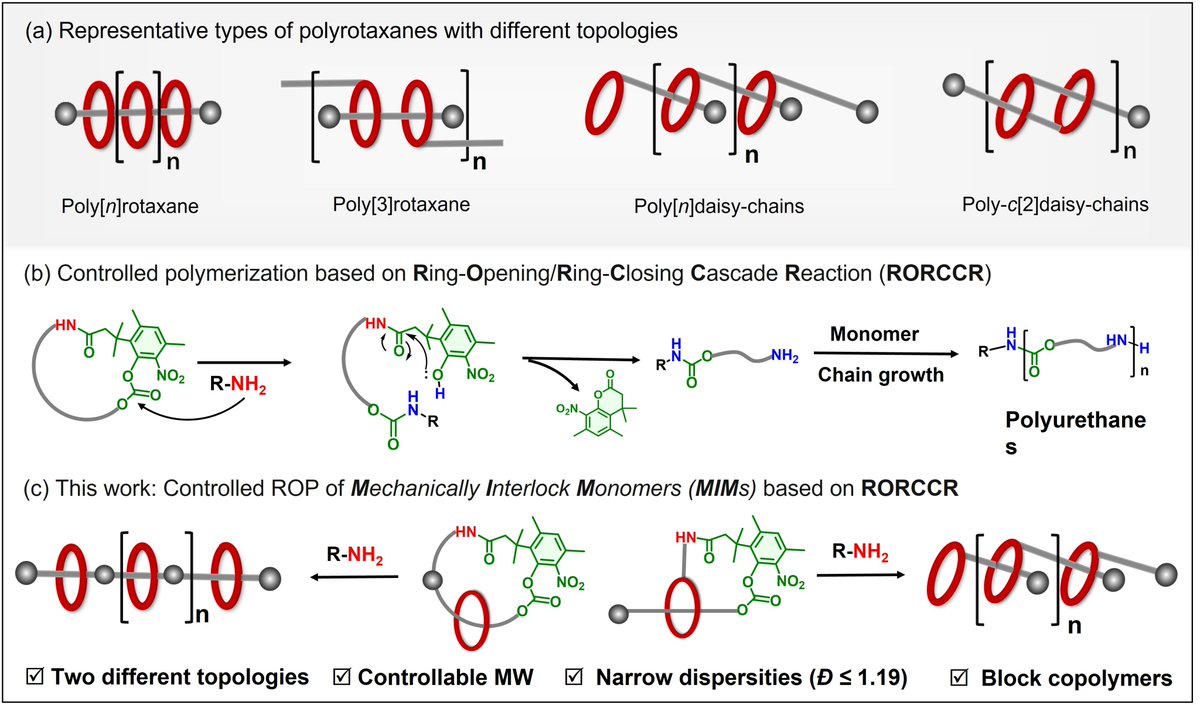
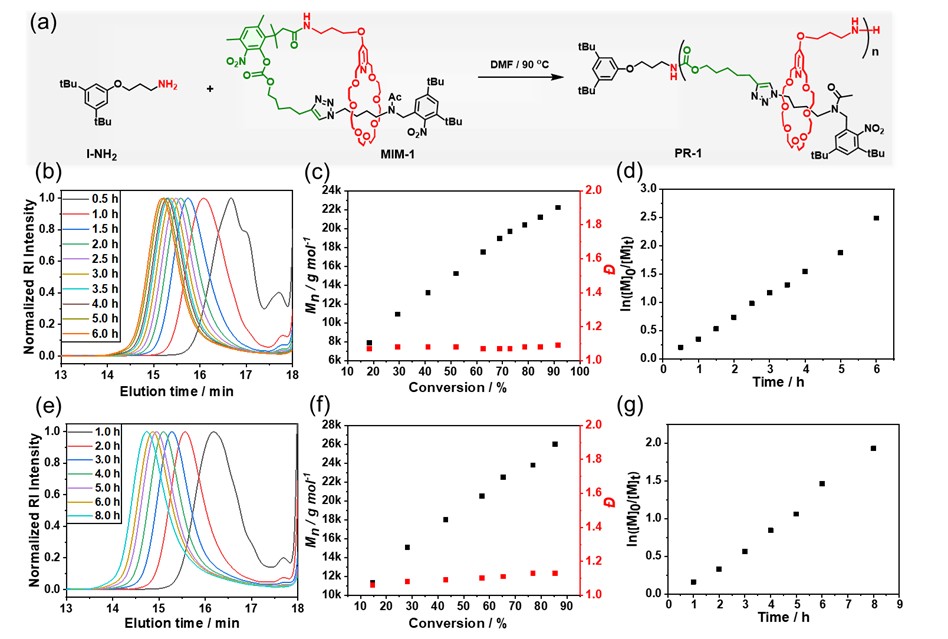
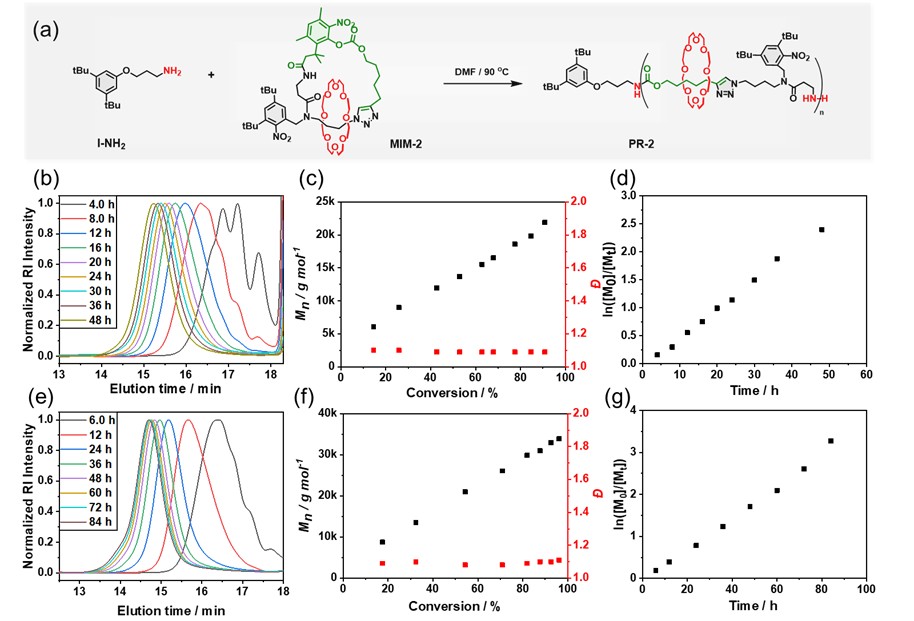
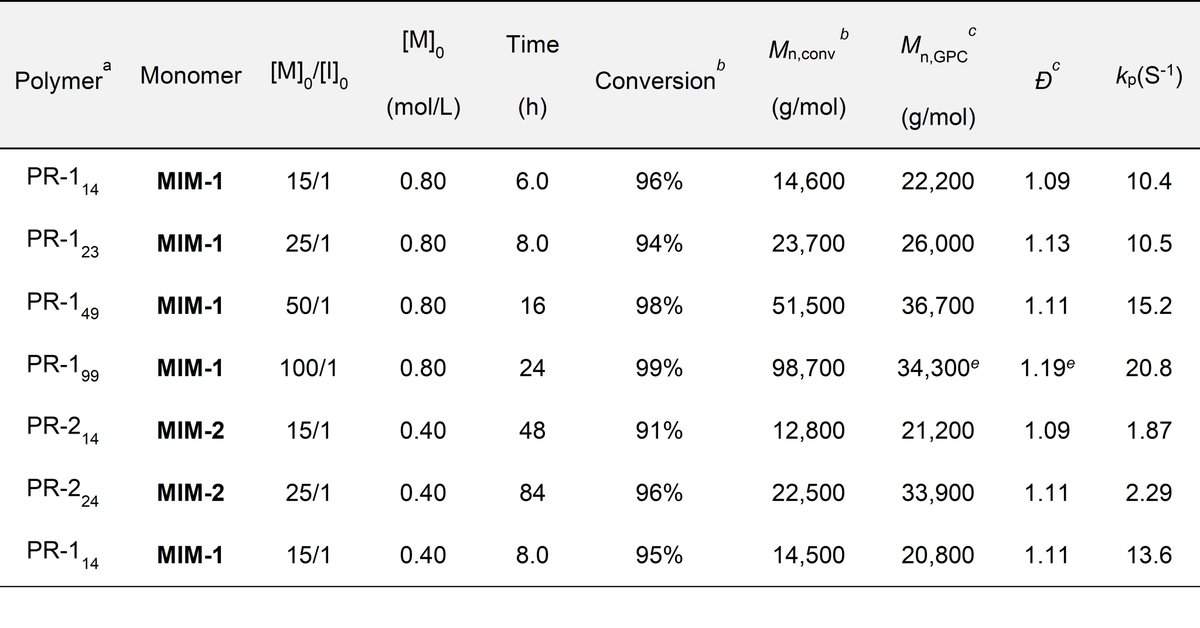
Excited to share our new JACS paper! 🎉 We achieve controlled/living synthesis of two types of MIPs (polyrotaxanes and polydaisy chains) via ROP of mechanically interlocked monomers. Thanks to Prof. Zhang for the fantastic collaboration! Stay tuned! 🔬
🔗 doi.org/10.1021/jacs.5c16555
5
12
1,649
Wang Liang retweeted

Jun 11
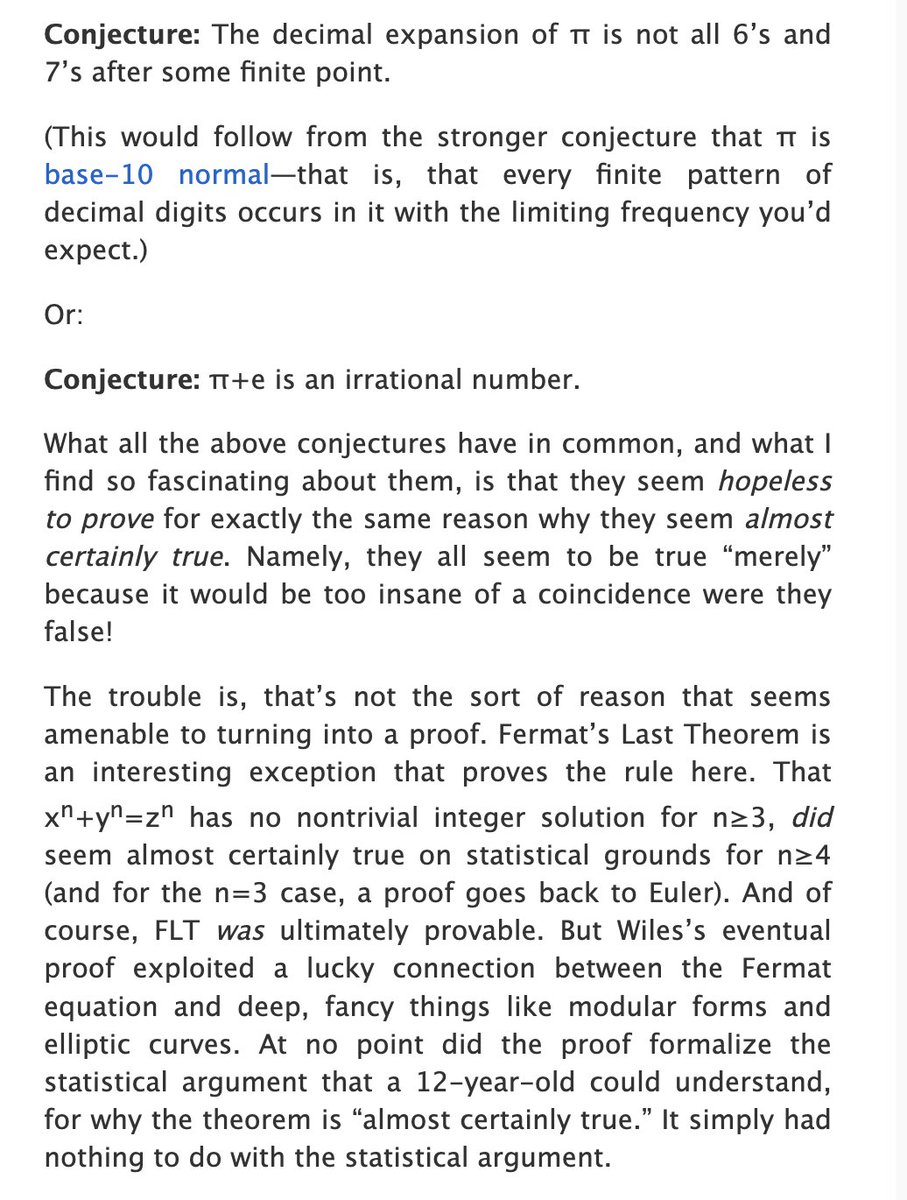
I find this observation from Scott Aaronson very unsettling
There's a possibility that some famous conjectures (like Collatz or Goldbach) might be like this—true for mundane statistical reasons, but unprovable
29
22
315
36,460

Jun 10
There is a major LaTeX bug in the @X Article editor. Inline formulas like $\lambda$, $\epsilon$, and $\delta$ cannot be blended with text and are forced onto separate lines. Furthermore, equations randomly disappear during editing.
Time for an upgrade, @elonmusk ? X is supposed to be the home of AI for Math. 🤖🧮
111
Jun 10
This could be a truly fascinating "AI for Math" story. @QuantaMagazine
#Gemini3Pro #Riemann #Math #AIHallucinationOrGenius #Physics #PhysicalAI
97
Jun 10
Reporting to @lmthang @demishassabis and the DeepThink @GoogleDeepMind team again:
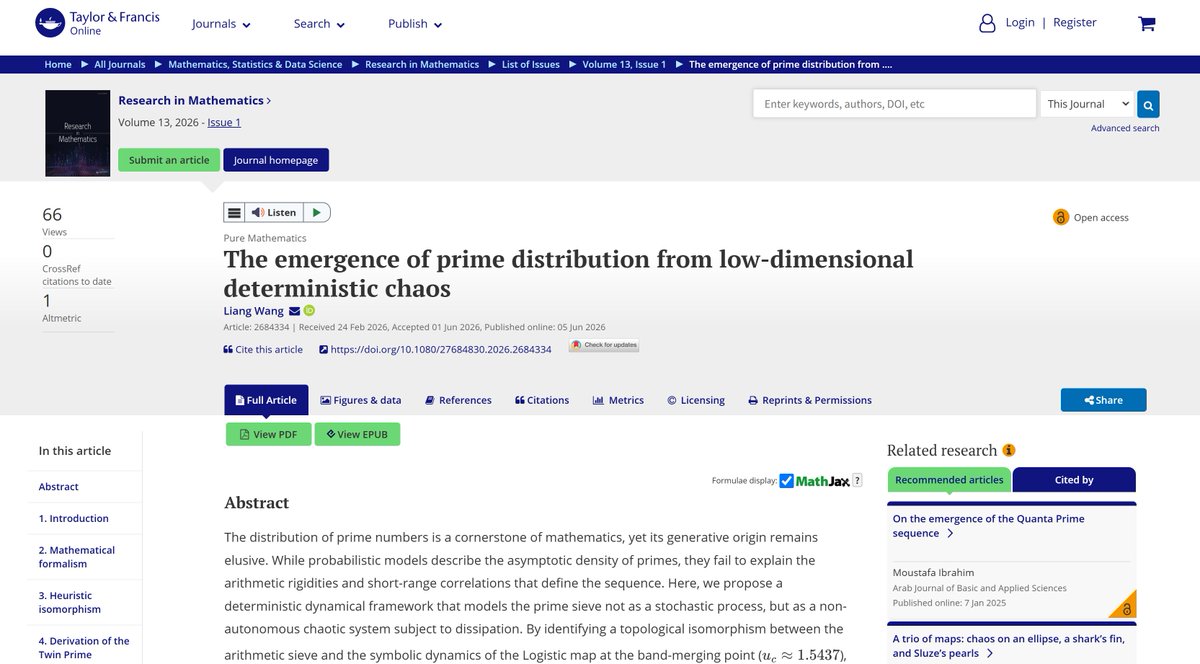
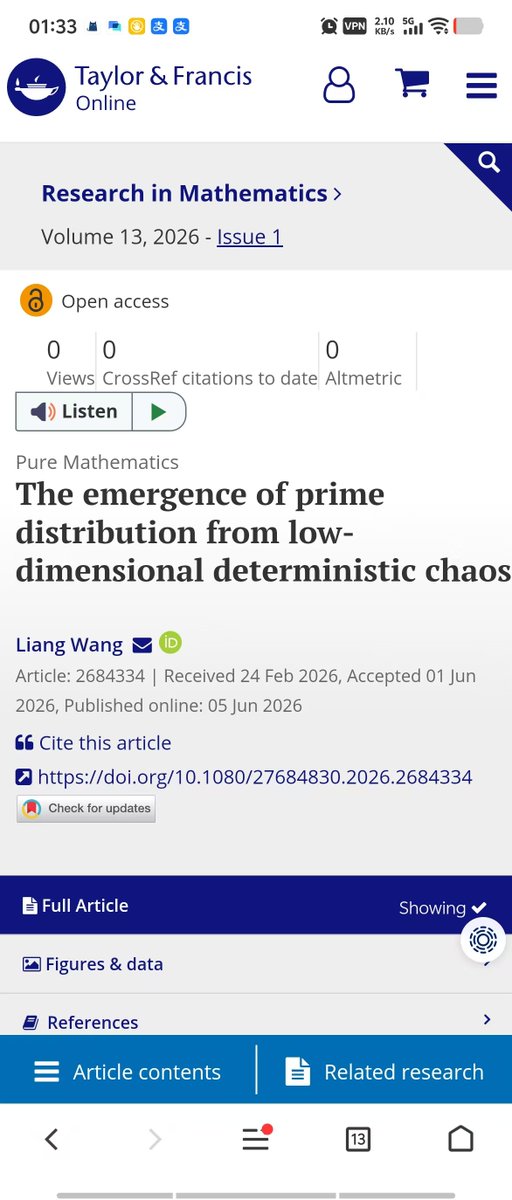
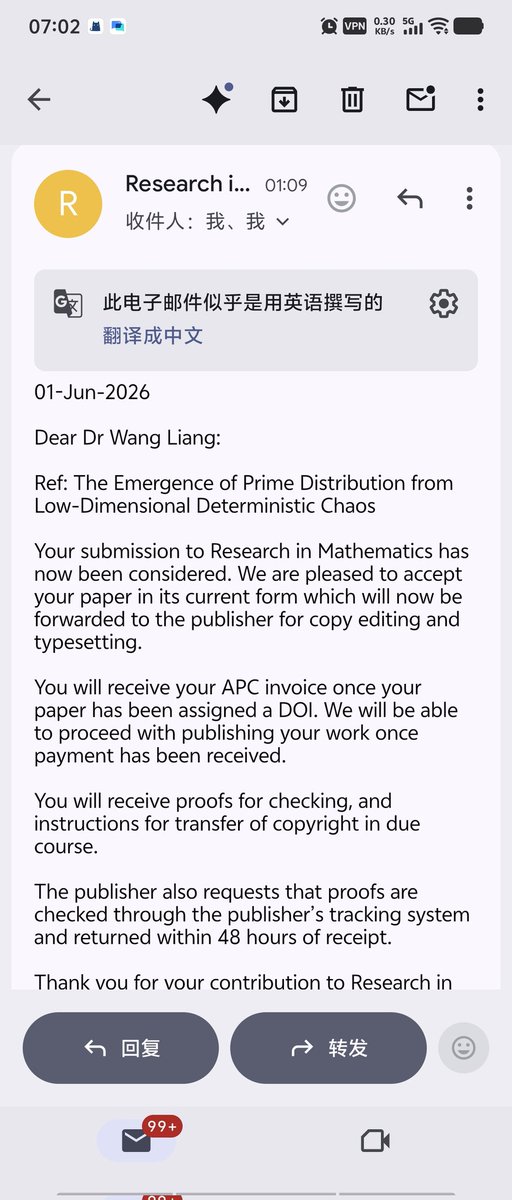
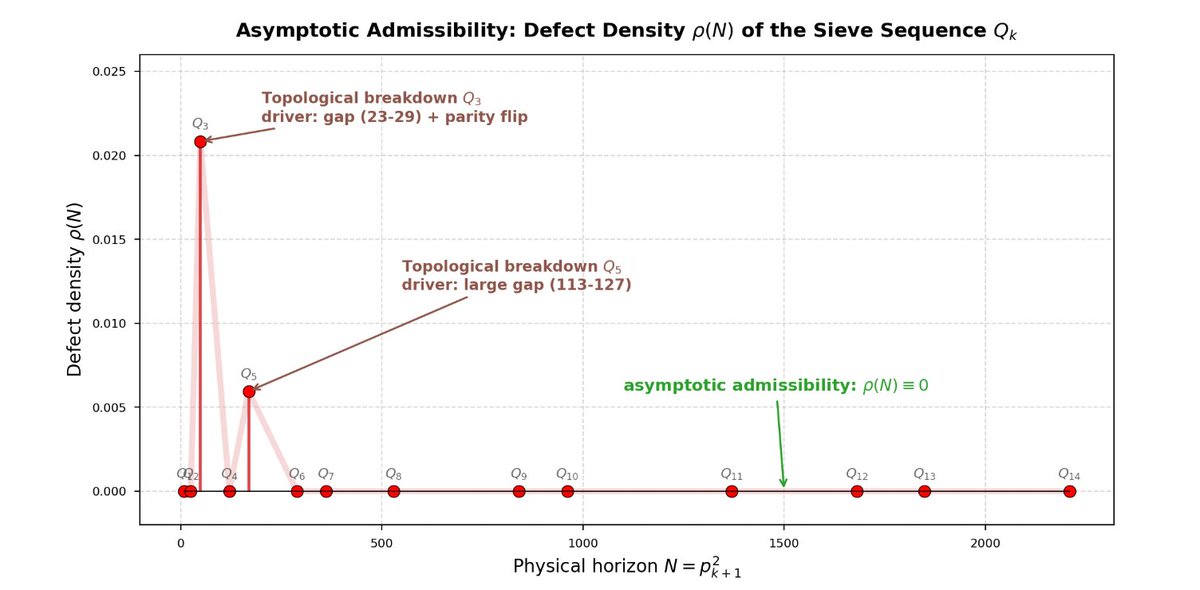
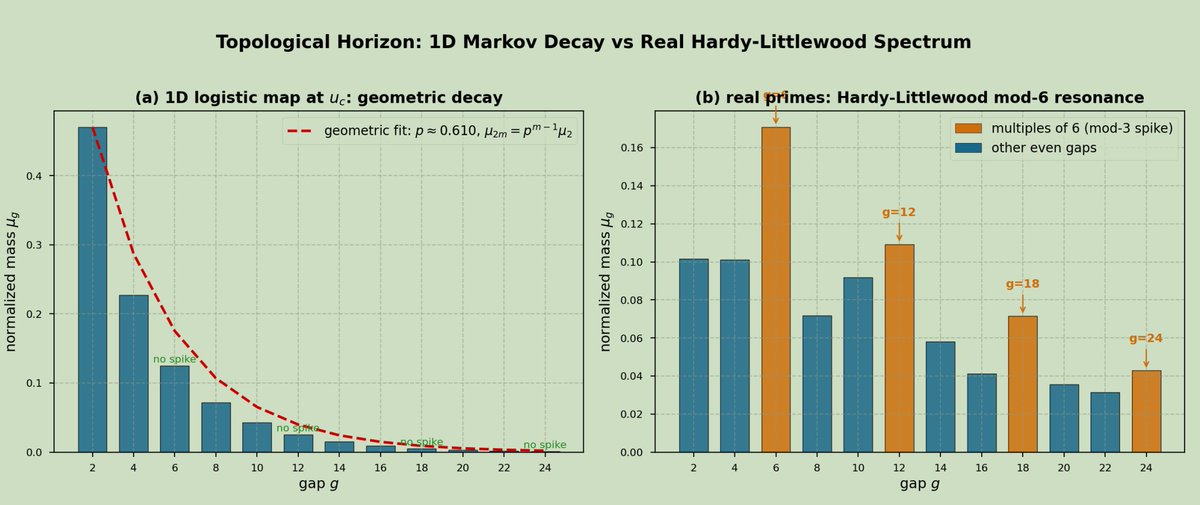
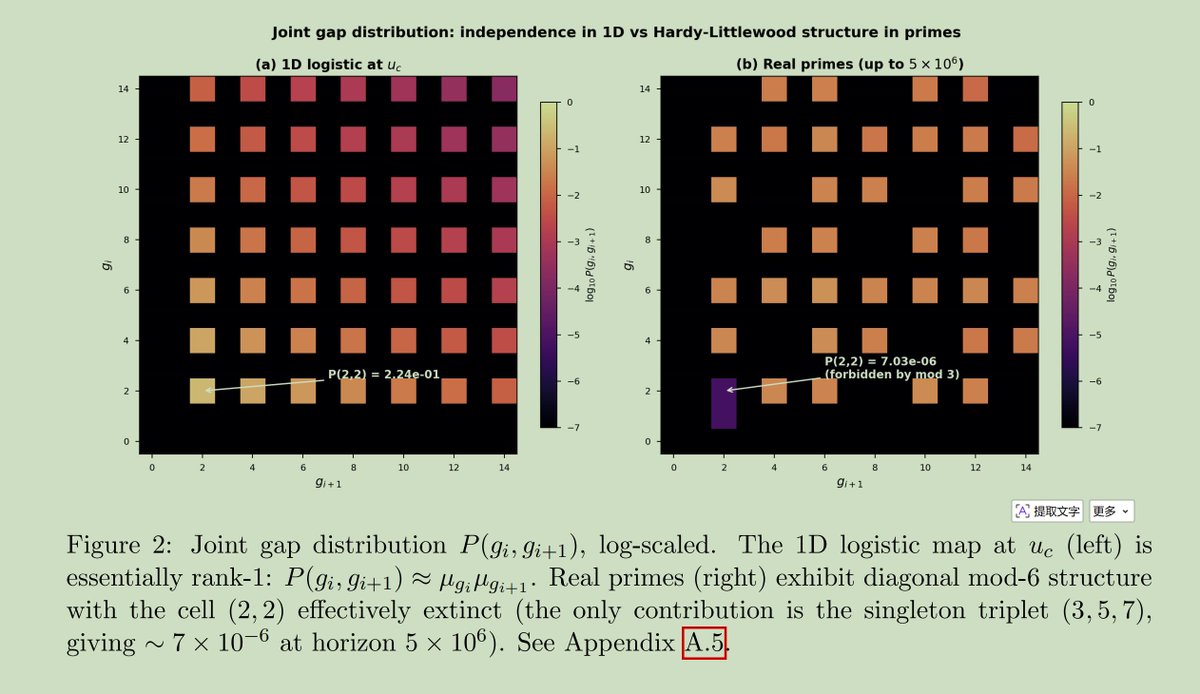
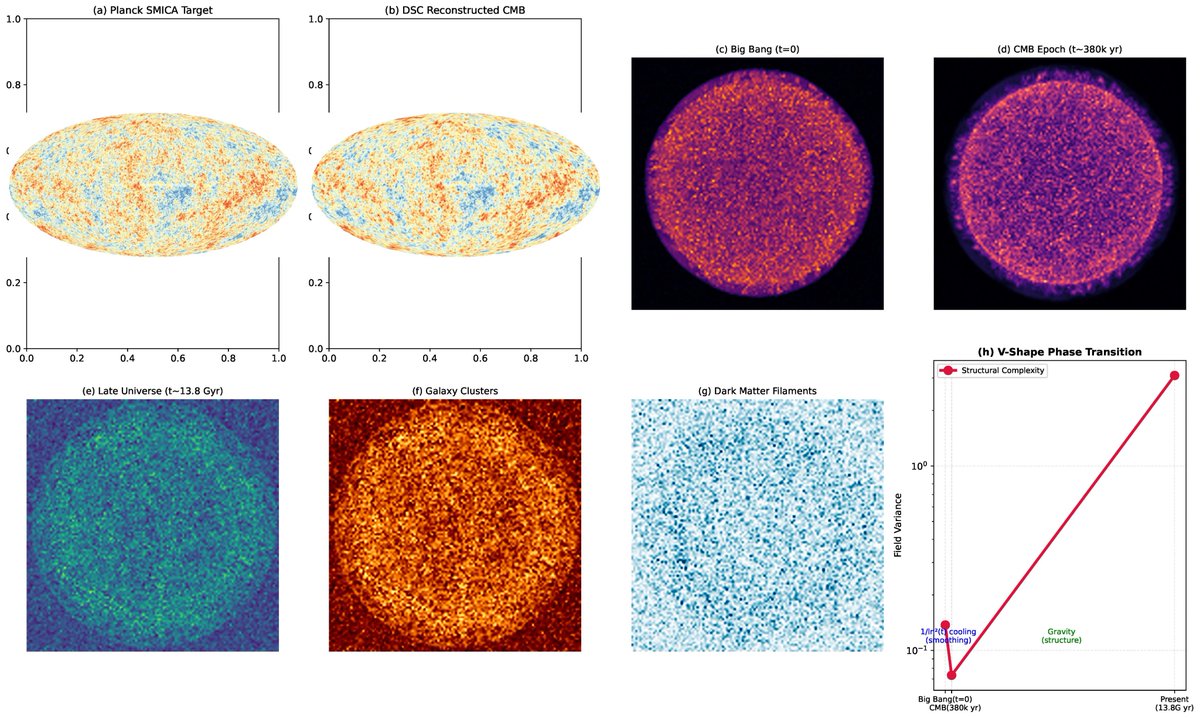
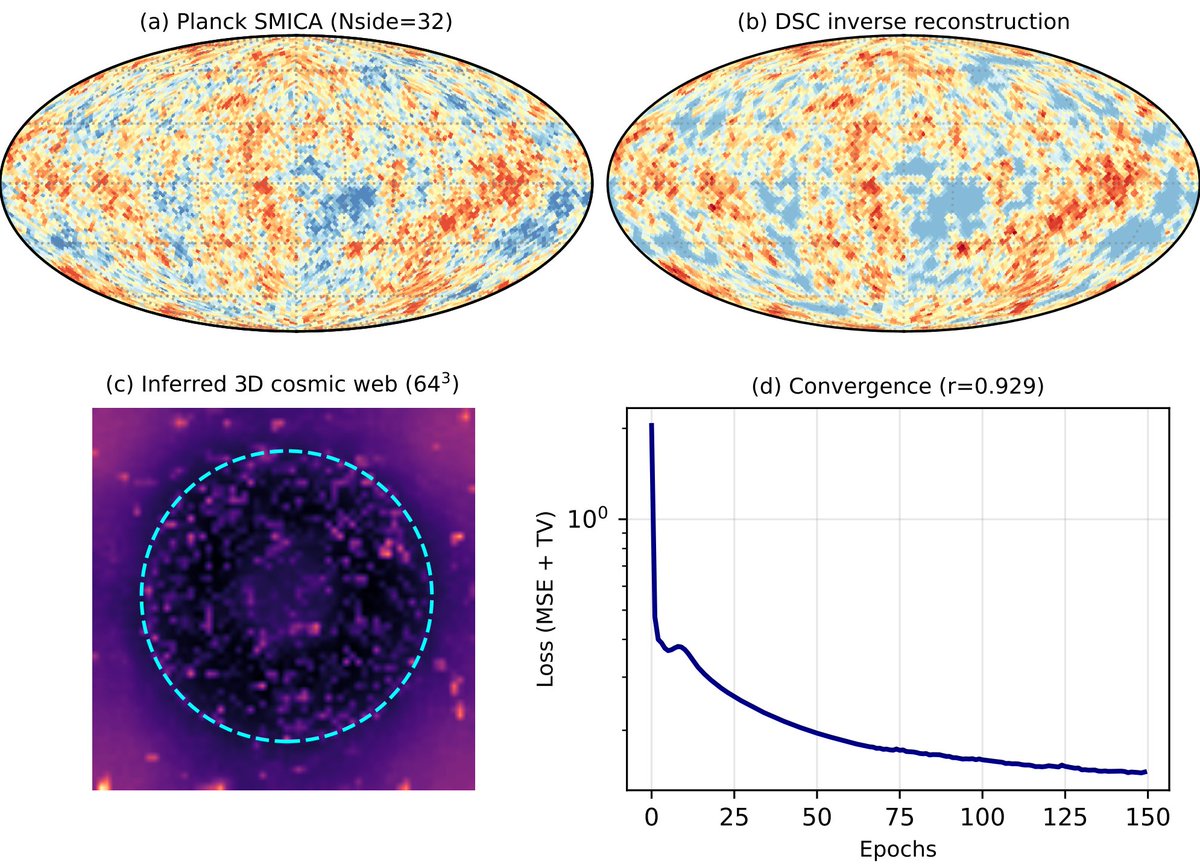
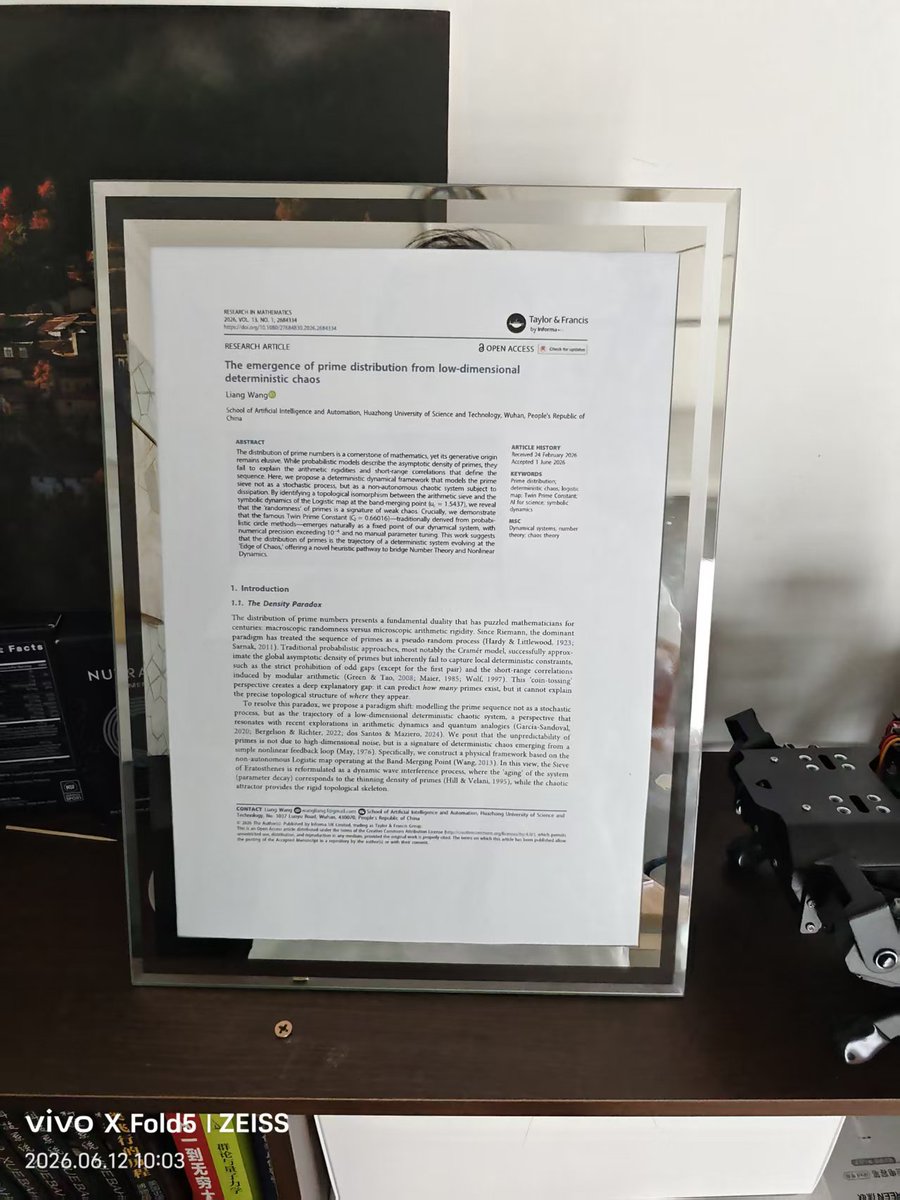
The innovative research on prime number distribution, completed in collaboration with Gemini 3 @GeminiApp , has been published in the Q1 journal Research in Mathematics. I would say it definitely qualifies as a [Level 3: Significant Advance].
The creativity Gemini demonstrated in this research far exceeded my expectations. It was able to successfully connect completely unrelated methods from deep physics and number theory—a breadth of knowledge that would be incredibly difficult for a human researcher to master in a single lifetime.
281
Jun 10
The preprint I worked on with AI several months ago has now been published. Thank you all for your attention and suggestions.
@nasqret @jdlichtman @AlexKontorovich
1
133
Jun 10
Paper:Wang, L. (2026). The emergence of prime distribution from low-dimensional deterministic chaos. Research in Mathematics, 13(1). doi.org/10.1080/27684830.202…
Thanks to @ResearchInMaths and the reviewers for their numerous valuable comments and suggestions.
1
1,100
Wang Liang retweeted

Jun 8
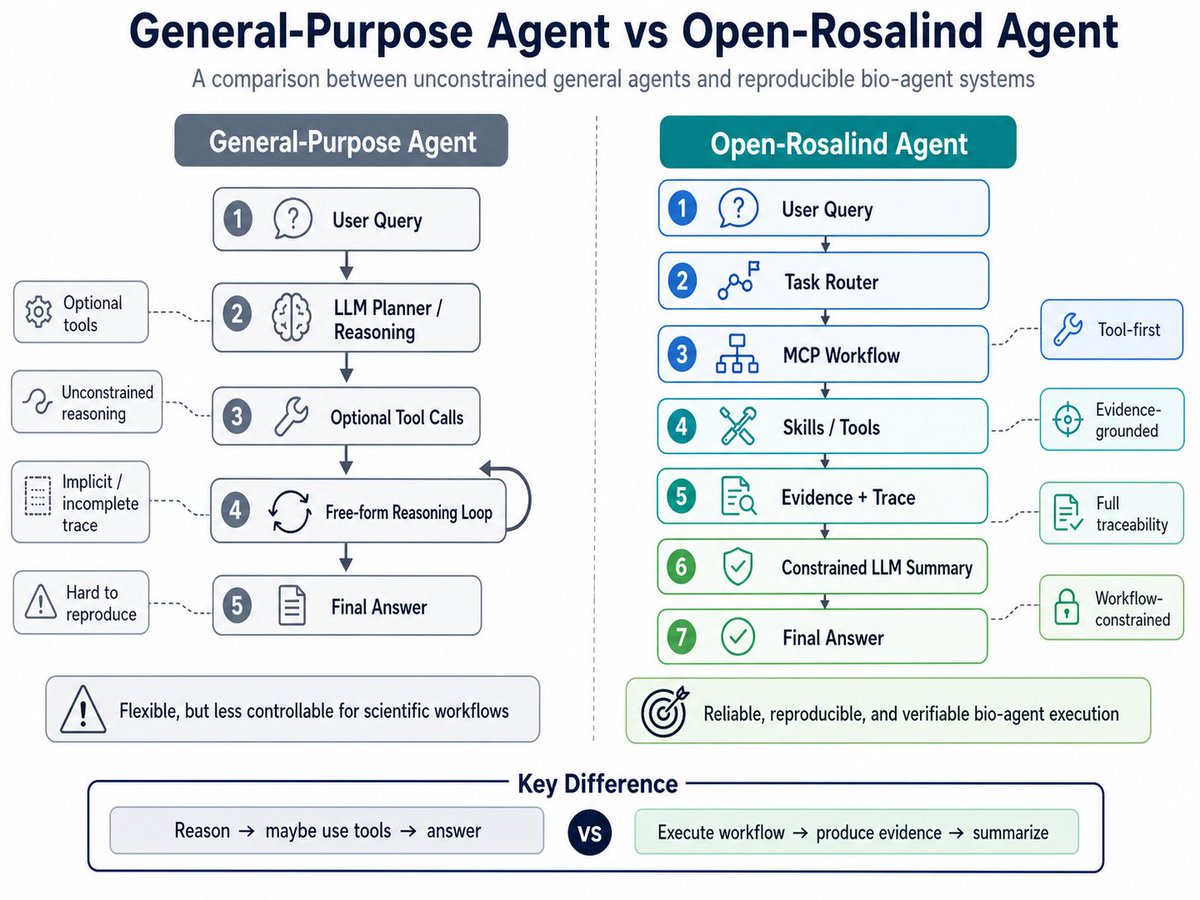
New Science Blog: Why has AI advanced faster in coding than in biology?
To agents, bio databases are like cities built before cars—maddening to drive in because they're designed for different traffic.
How do we build infrastructure agents can use?
anthropic.com/research/agent…
321
502
3,687
742,792

Wang Liang retweeted

Jun 7
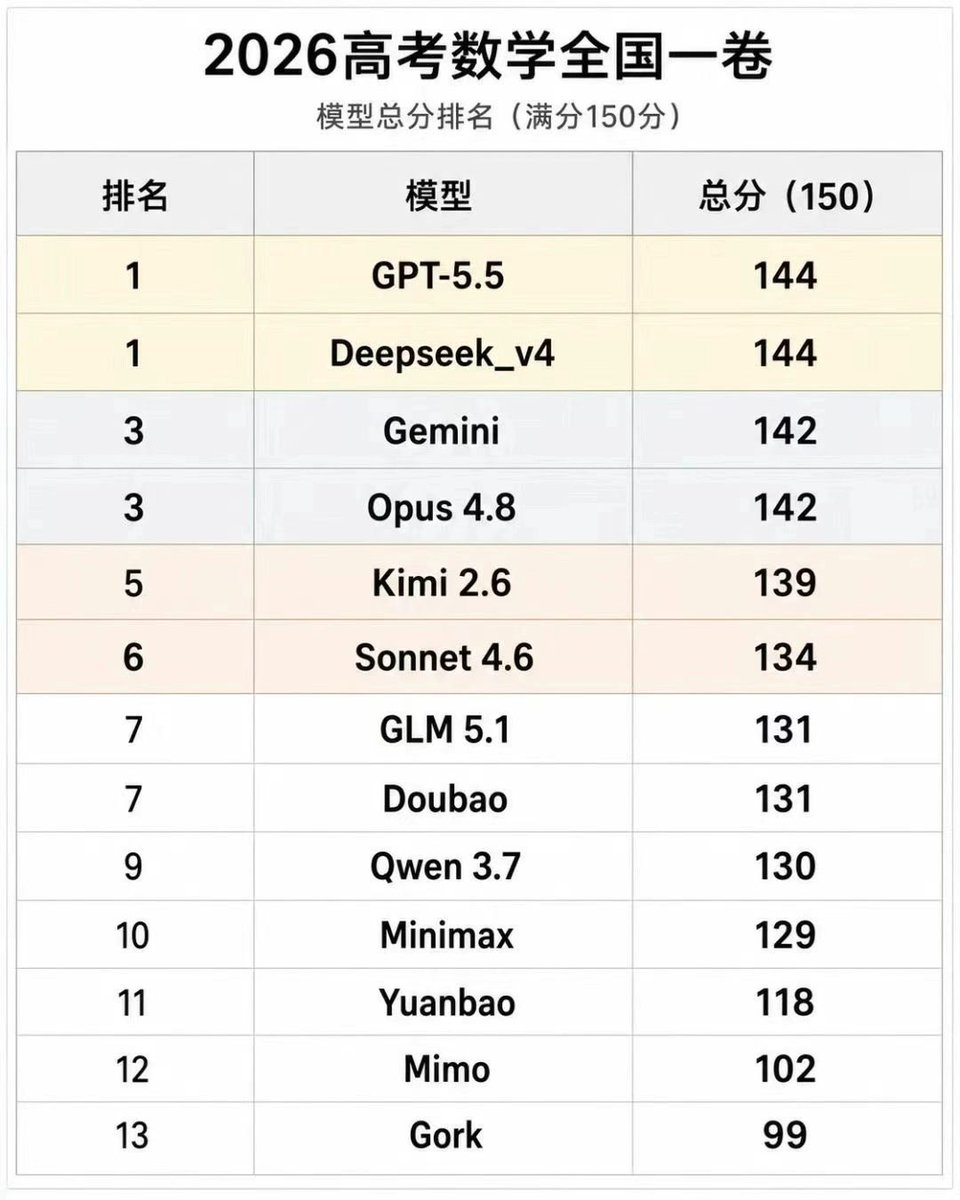
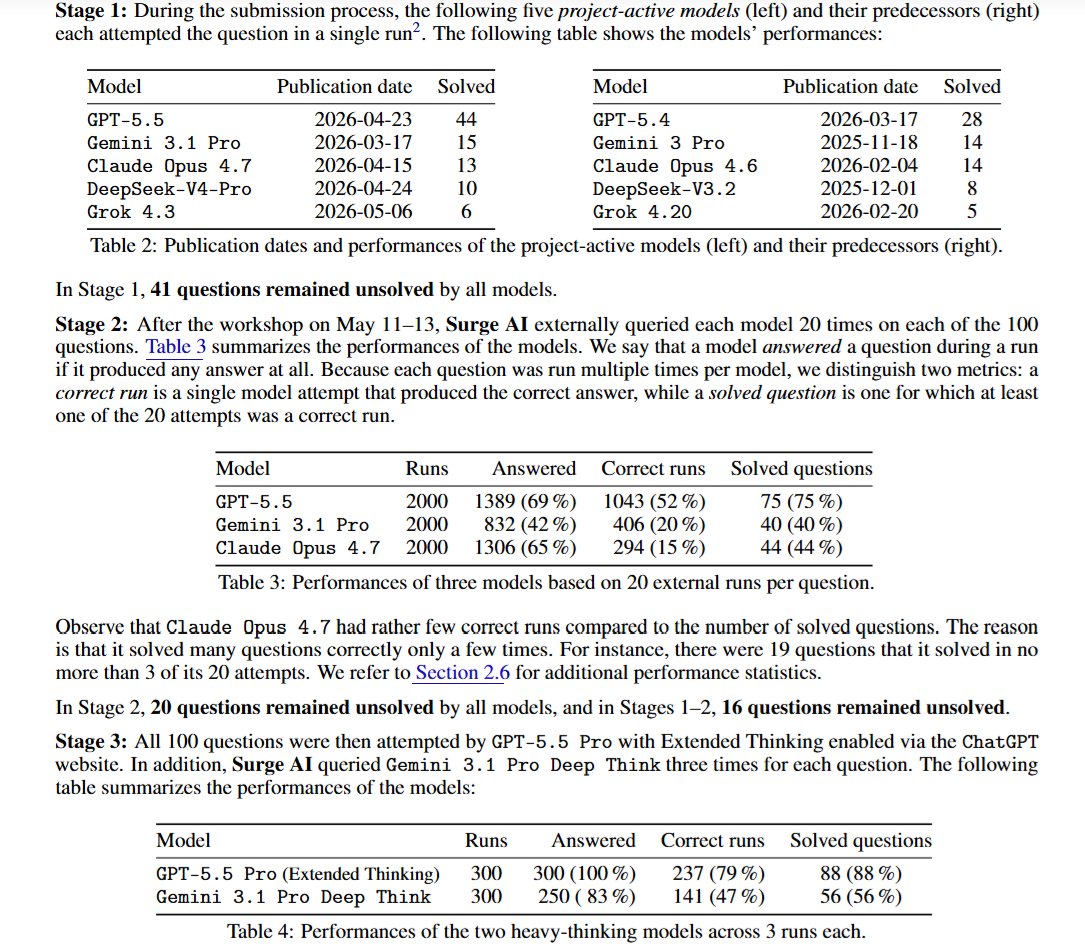
GPT 5.5的数学能力明显高出一块。来自几十位数学家集体出题的莱比锡测试。 arxiv.org/abs/2606.05818
42
13
50
20,922
Jun 6
My first AI for math paper: 😋
Wang, L. (2026). The emergence of prime distribution from low-dimensional deterministic chaos. Research in Mathematics, 13(1). doi.org/10.1080/27684830.202…
Thanks @GeminiApp @GoogleDeepMind @demishassabis
40
Wang Liang retweeted

Jun 5
Claude Code最强十大科研skills
1. Nature-skills
2.Academic Research Skills
3.PaperSpine
4.Paper RAG
5.Cite Verify
6.LaTex Writer
7. Stats Sanity
8.Repro Pack
9.Survey Builder
10. Grant Writer
你最喜欢用哪个?
5
69
360
17,705
Wang Liang retweeted

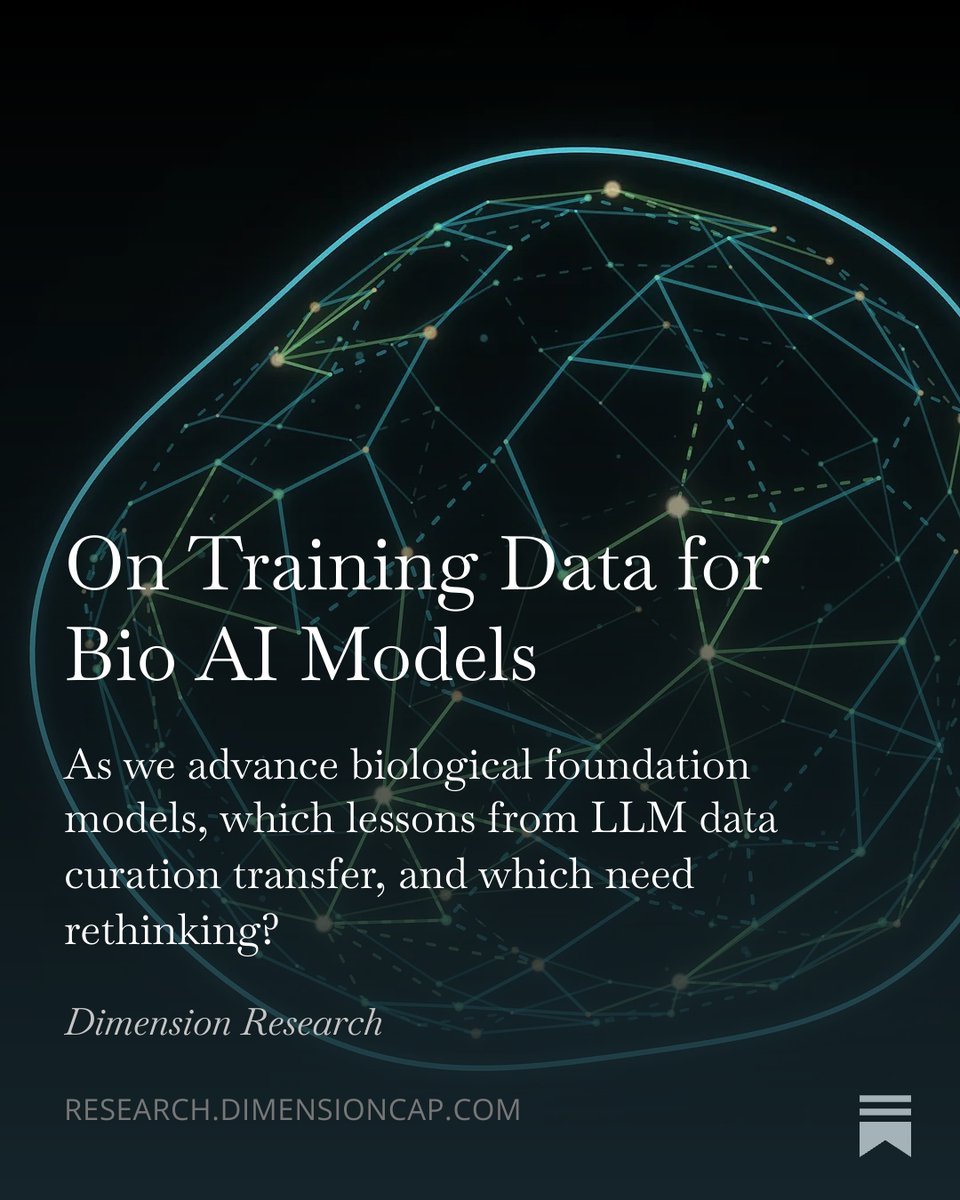
The training data market has exploded for LLMs and bio foundation models are next.
But biological data is extremely complex and requires a data generation playbook that prioritizes quality over immediate scale.
@_DimensionCap Research article live now!
research.dimensioncap.com/p/…
9
15
105
24,769
Wang Liang retweeted

Jun 3
HERMES AGENT GEMMA 4 26B ON A MAC MINI NO API KEYS NO MONTHLY BILL NO ASKING PERMISSION TO USE YOUR OWN DATA
a $700 box on your desk just replaced a $30/month subscription, runs a 26b model that outperforms what used to need a data center, texts you on telegram and never forgets a single thing you taught it
the gap between people who own their ai and people who rent it is about to get very wide
full breakdown on how this actually works ↓

41
48
631
157,394