
毛利元光. Assistant Prof.. Bioinfo, algorithms. @BioMedDataSci. PostDoc @XShirleyLiu @lh3lh3 @dfcidatascience. PhD @JHUCompSci. github.com/mourisl #hiring
Joined August 2009
- Tweets 2,569
- Following 2,879
- Followers 1,505
- Likes 21,769
52 Photos and videos

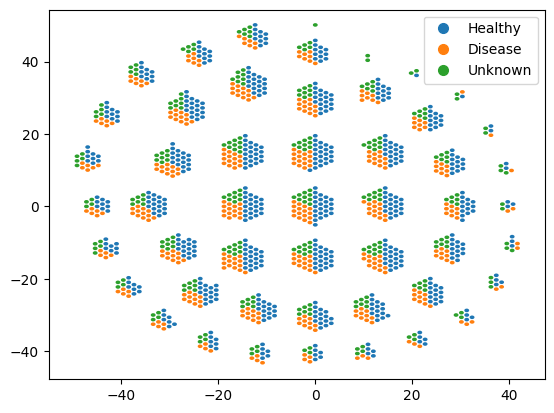
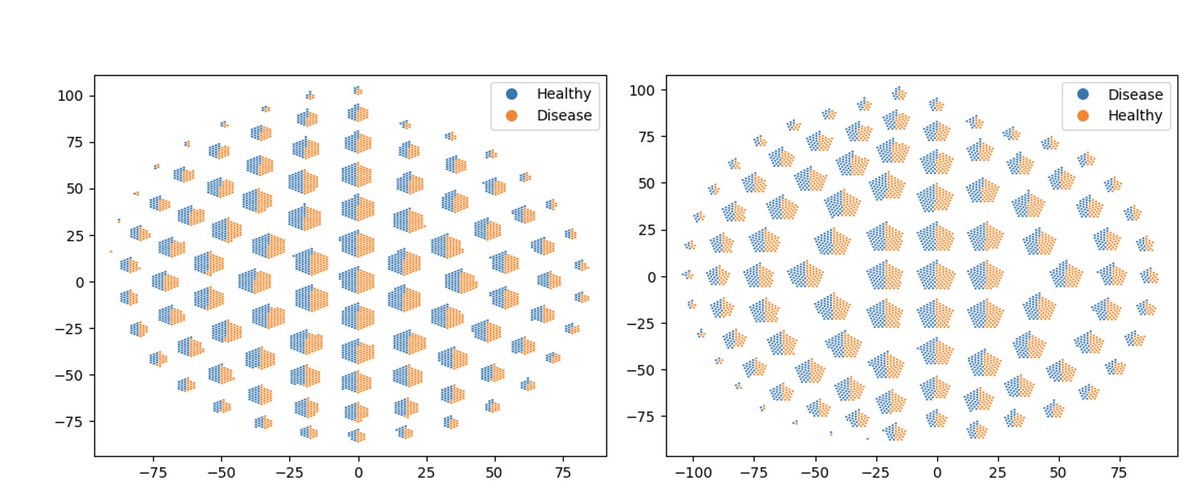
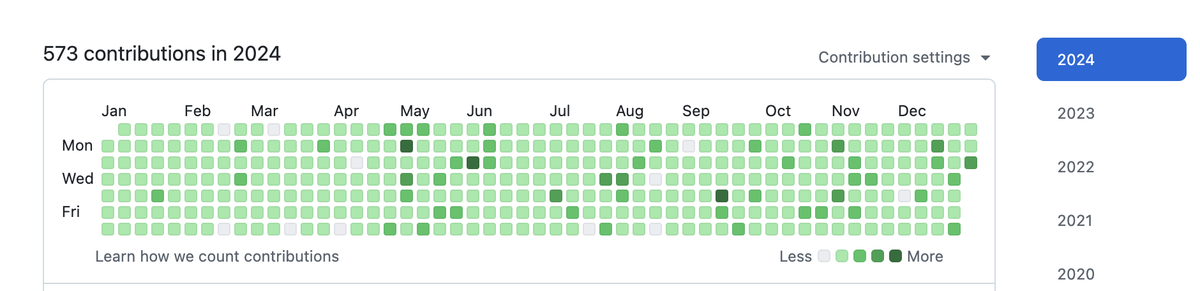
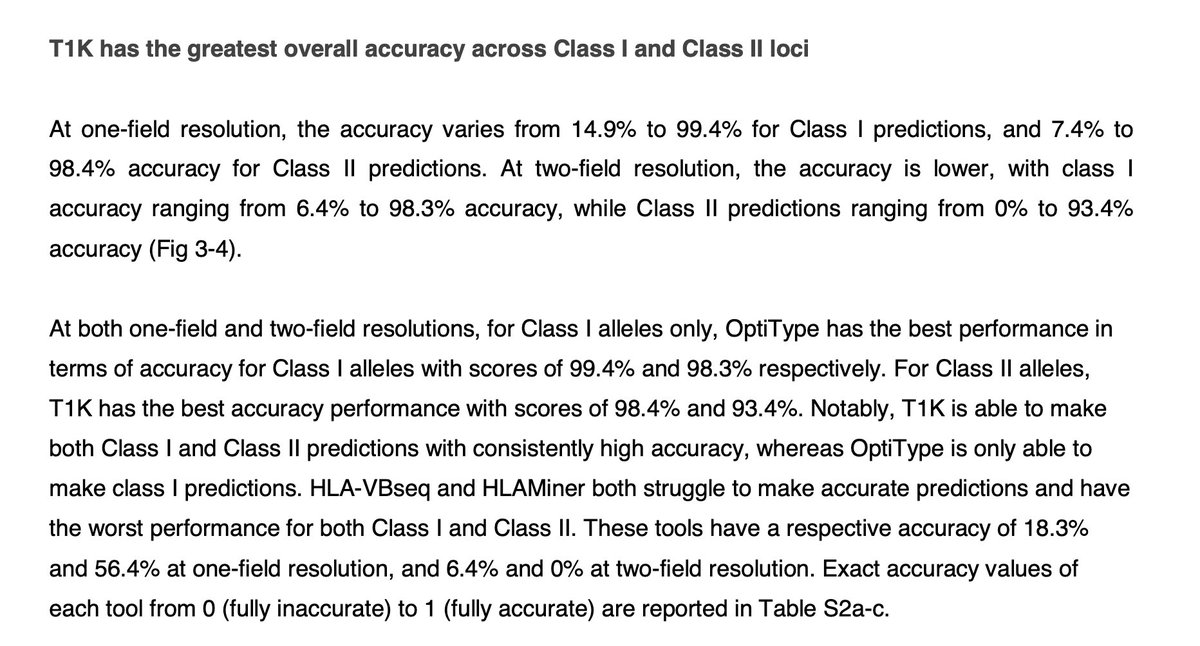
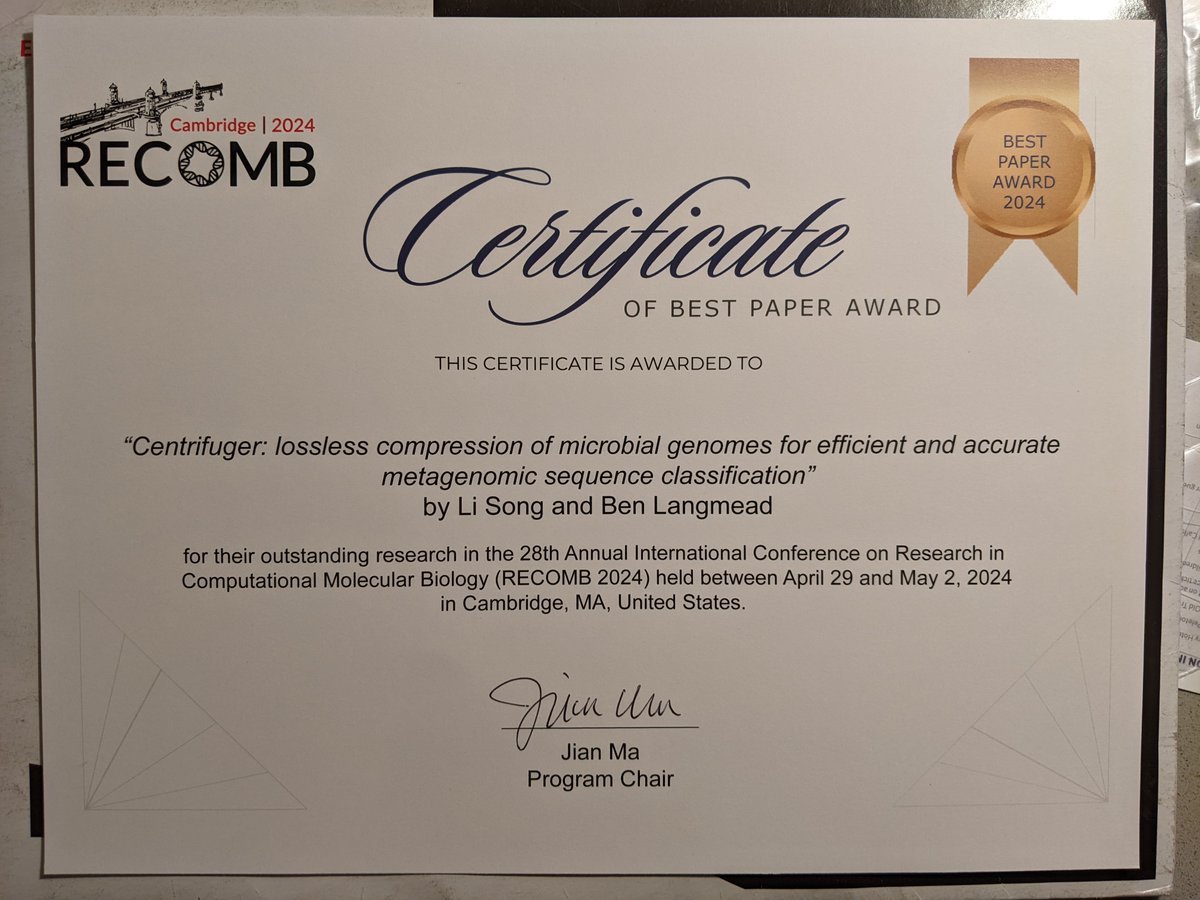
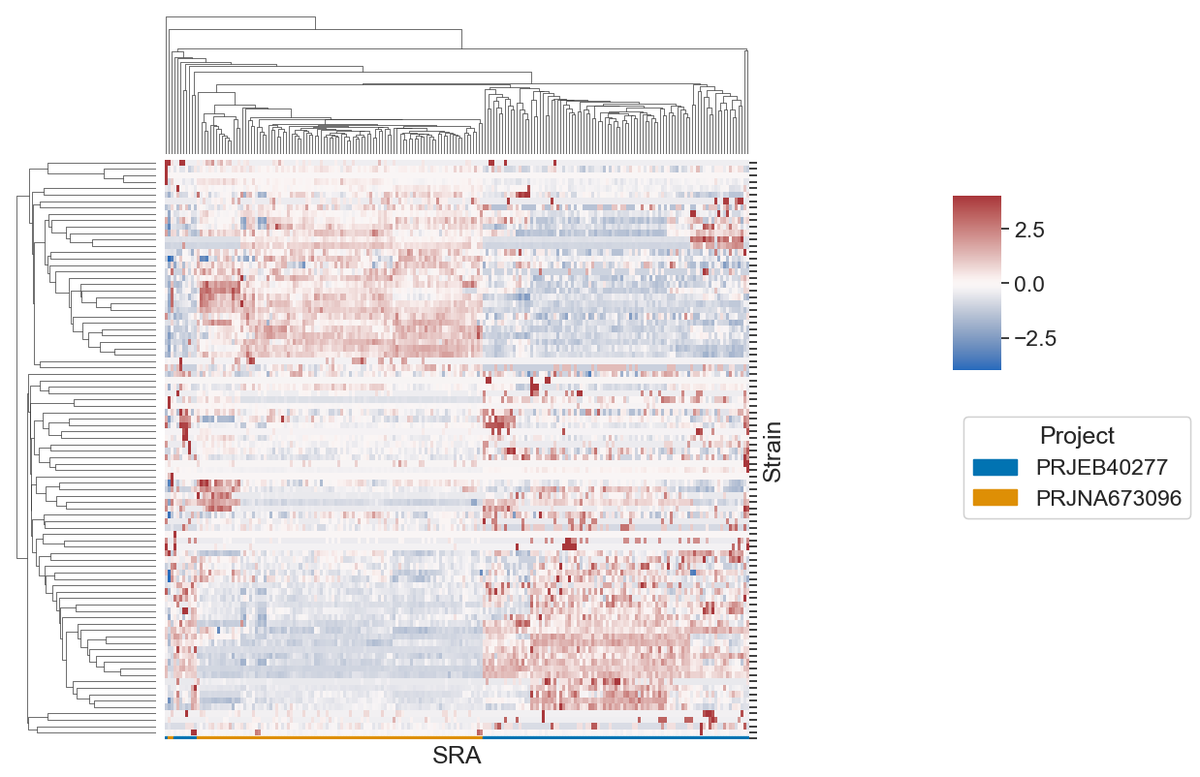
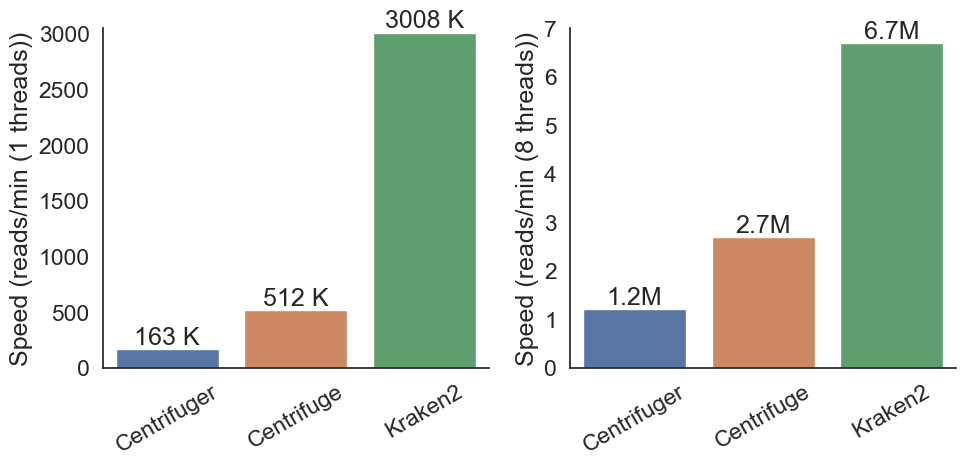

BIG surprise from #RECOMB2024 ! What an honor to receive the best paper award! Thanks @RECOMBconf for this wonderful conference with so many interesting talks and posters, and @BenLangmead for many insightful discussions! (Full paper link :D genomebiology.biomedcentral.…)
18
10
139
11,164

salmon 2.0 (the rust re-write) is now live! It's also the version you get if you install via bioconda.
This is a from-scratch rewrite in rust, and the base for future development. I'll post a more detailed thread tomorrow, but you can read the docs here combine-lab.github.io/salmon…
1
4
14
792
Li Song retweeted

Jun 12
I enjoy using IGV, but I need a more efficient tool for analyzing diploid genomes. So, I developed one for myself. It provides exceptional GPU acceleration, allowing me to uncover all essential information spanning six orders of magnitude. #bioinformatics #genomics #visualization
12
51
344
24,383
Proud to turn a wet-lab PhD into the tool develop side. @IndianEwok has developed this super useful method RAD (github.com/indianewok/rad) for sensitive and versatile long read demultiplexing, e.g. parsing barcode/UMI for single-cell Nanopore data! Fun to watch RAD from R->Rcpp->C.

i was gonna do a tweetorial or smthn of my first first-author paper (!!!) but got beaten to it by @razoralign , but i think i'm okay with that considering that's how *I* find my bioinformatics tools
1
7
568
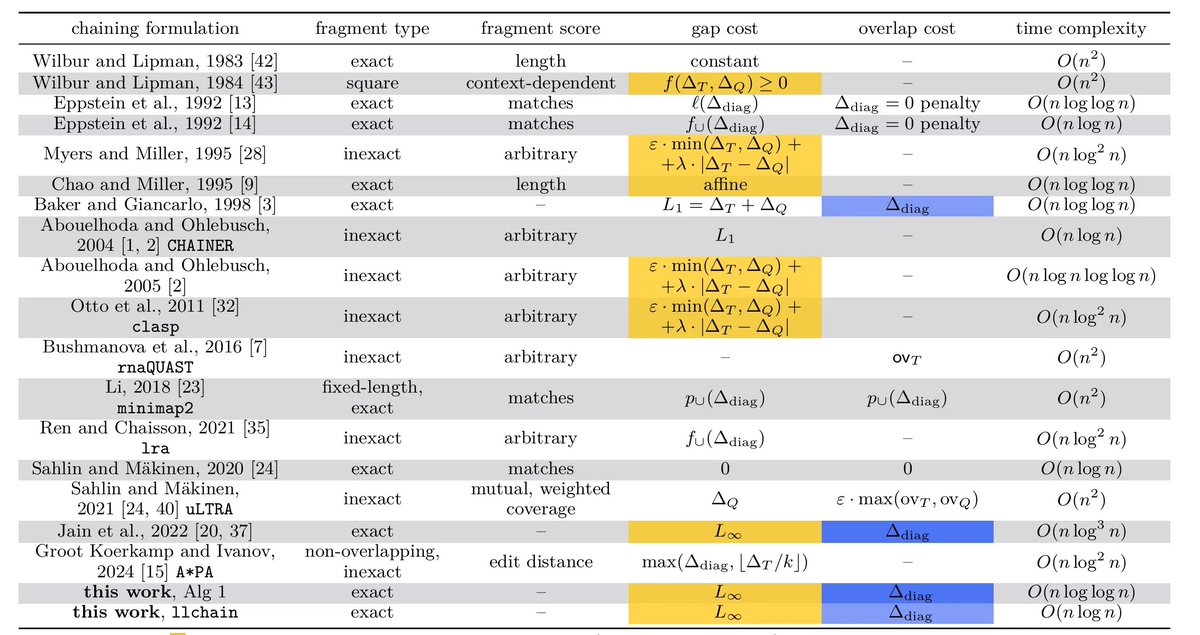
TFW you're reading a brand new preprint, and you know it's about to get real (arxiv.org/pdf/2606.03929).
2
2
335
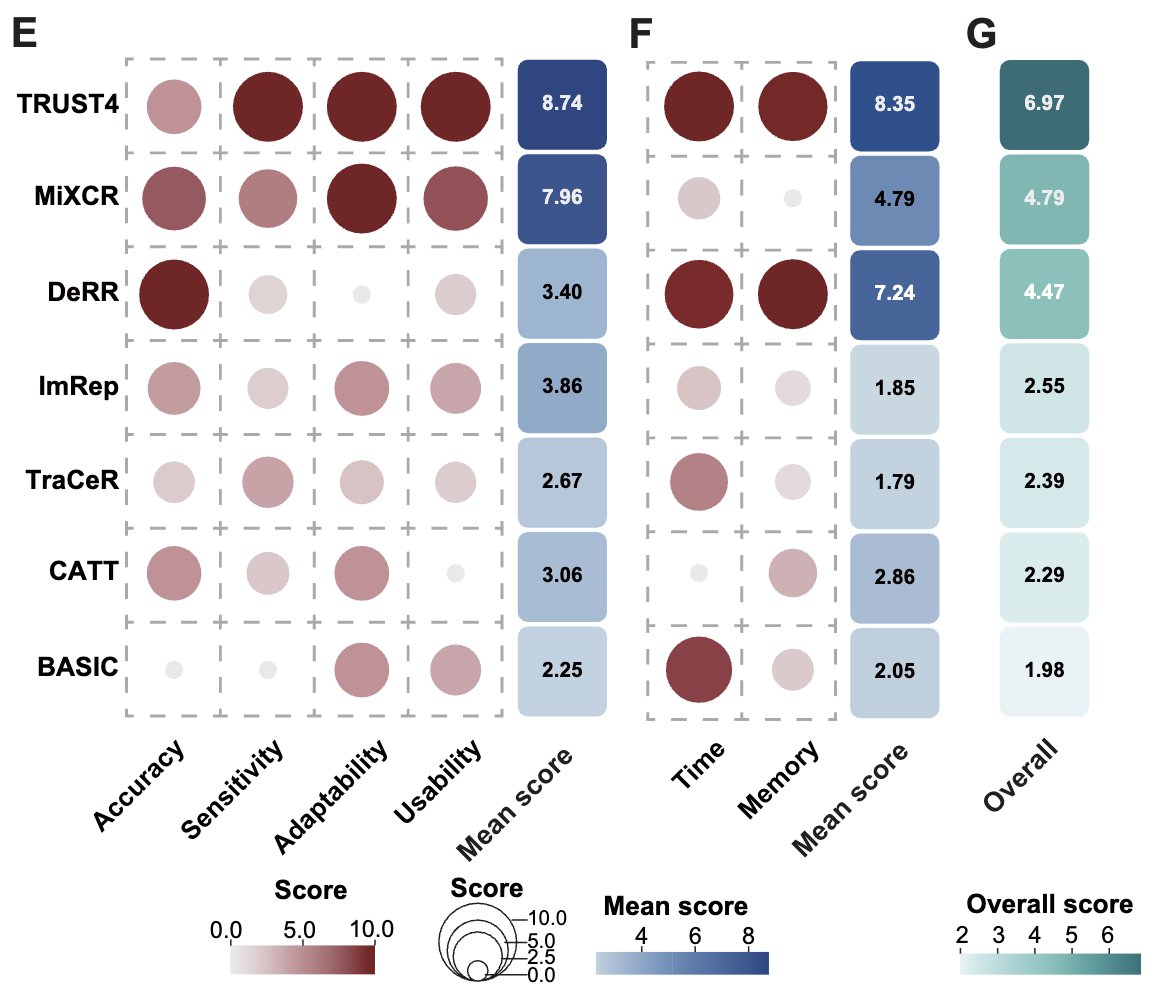
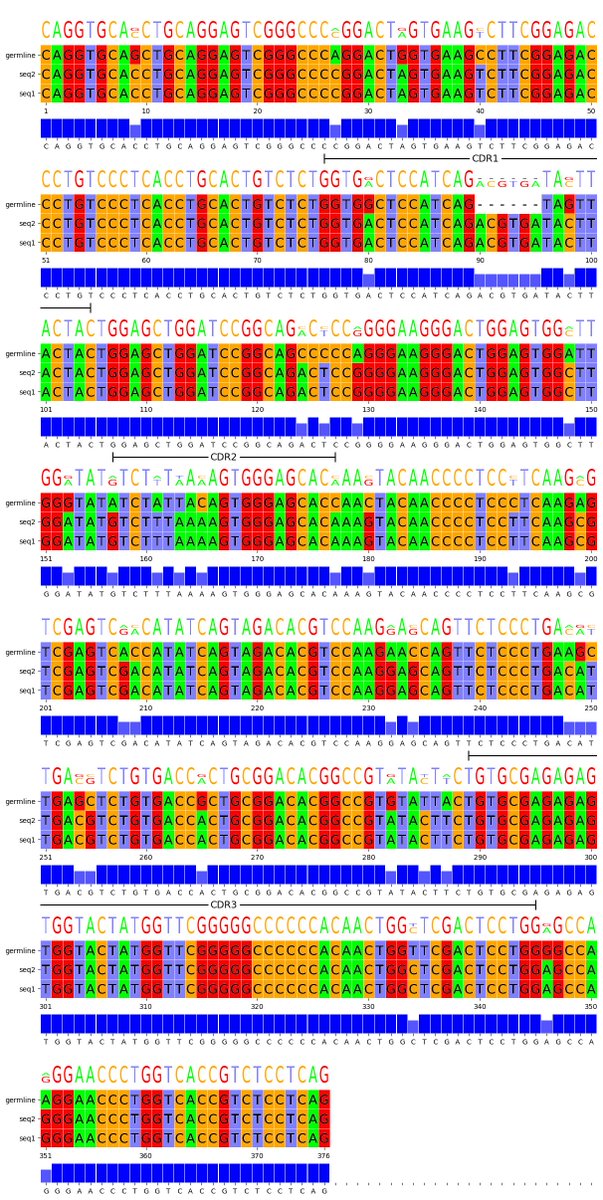
My first co-corresponding author paper! Excited to contribute to this work on tracking ultra-rare lymphoma cells using TRUST4, which assembled BCRs for the SMART-seq2 data with the read length of only 35 bp.
Jun 3

Our lab paper by Ran Xu @Ran47800515 now in print @BloodAdvances . New technology for ultra-rare MRD cell capture for mechanistic discovery:
Live-cell Pick-Seq (LiP-Seq): Interrogating ultra-rare mantle cell lymphoma persistent cells after CART19 therapy ashpublications.org/bloodadv…
2
5
19
4,884
Li Song retweeted

1/ Thrilled to share our new paper, out today in @ScienceMagazine! We built a pan-cancer spatial atlas of tertiary lymphoid structures (TLSs) and developed computation and AI frameworks to study TLS biology at scale.
science.org/doi/10.1126/scie…
17
83
371
54,163
Li Song retweeted

May 26
Now online! Uncovering spatially resolved functional genomics with CRISPR screen sequencing dlvr.it/TSkYbv
25
105
12,081
Li Song retweeted

May 24
If you are interested in single-cell splicing QTLs, it will be worth trying our new tool ISSAC.
Sharing my talk at the Biology of Genomes 2026.
Preprint: medrxiv.org/content/10.64898…
1
29
140
15,465
Li Song retweeted

May 18
I’ve been serving as a Deputy Editor @ScienceAdvances since last October. In this role, I'll help build and expand submissions at the intersection of AI/machine learning and genomics/computational biology.
Feel free to reach out if you’d like to discuss future submissions.
6
61
4,601
Li Song retweeted
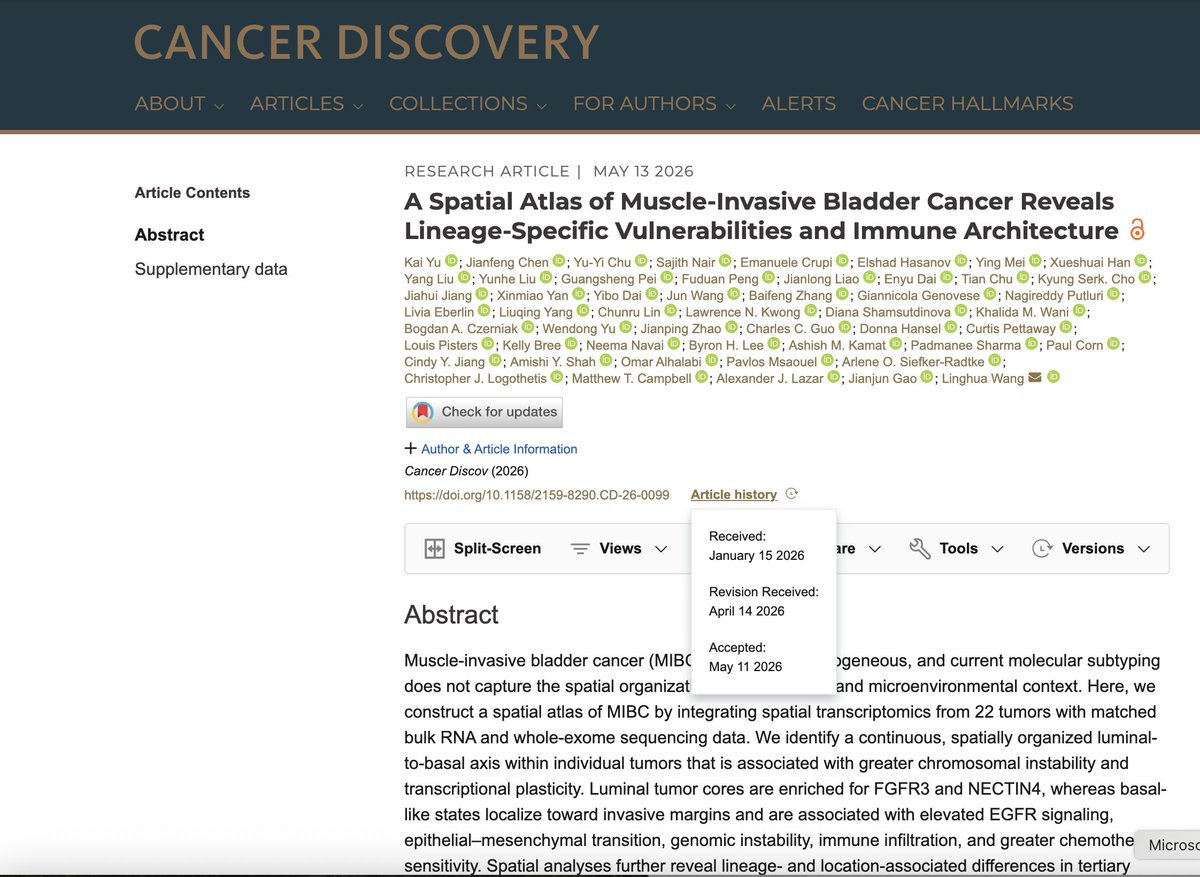
😁 Excited to share our work on #BladderCancer, now online @CD_AACR! Led by brilliant postdoc Kai Yu🌟, jointly with Dr. JJ Gao @UTMDAnderson Huge thanks to @TaliLev123 & reviewers — only 4 months from submission to accepted manuscript online! Incredible!
doi.org/10.1158/2159-8290.CD…
3
22
104
9,314
Li Song retweeted

May 8
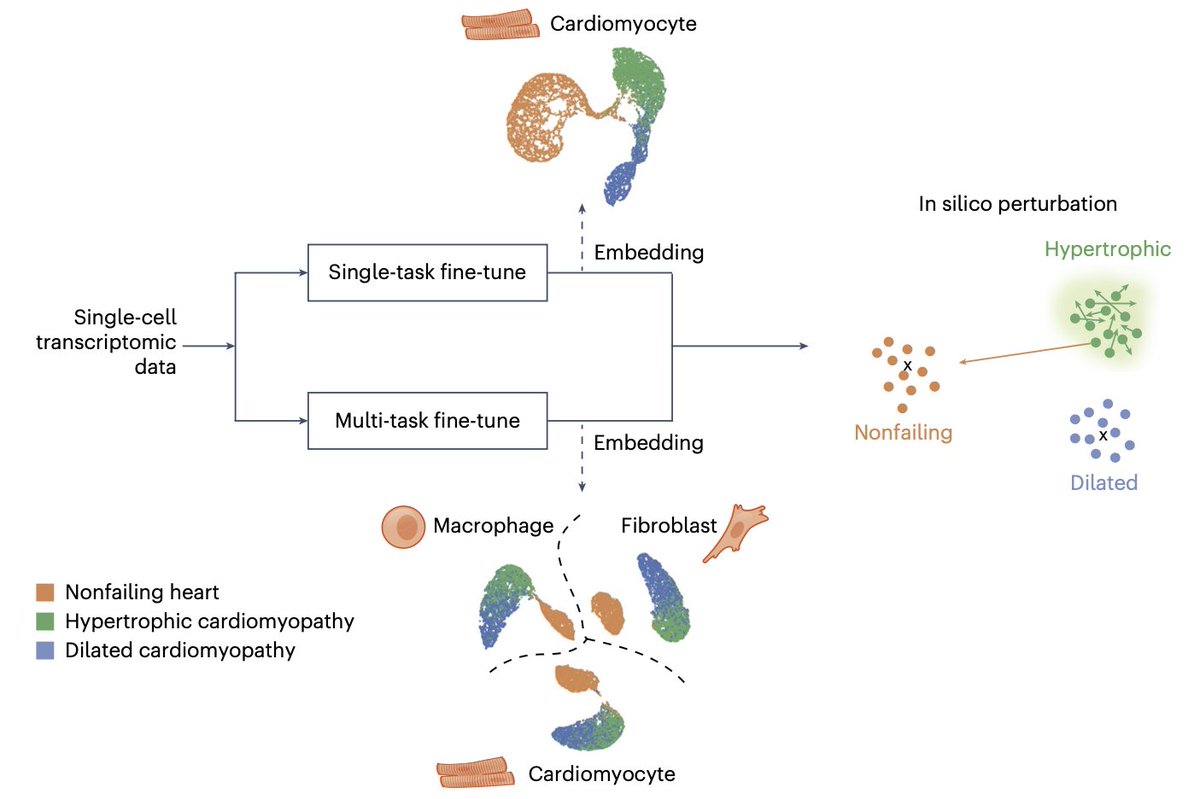
Great pleasure to work on this with Christina and have our AI therapeutic target discovery protocol published in Nature Protocols! Check it out here:
Nature Protocols link: rdcu.be/ffApo
Google Colab: lnkd.in/g_wgfqCR

Happy to share a protocol for discovery of candidate therapeutic targets with Geneformer by @YujieZh1729!
Nature Protocols link: rdcu.be/ffApo
Google Colab: tinyurl.com/geneformertutori…
2
5
791
Li Song retweeted

1/ Thrilled to share our new paper, out today in @Nature: "Non-invasive profiling of the tumour microenvironment with spatial ecotypes".
Paper (open access): nature.com/articles/s41586-0…
17
137
405
111,222
Li Song retweeted

In 1998, I talked to Craig Venter about the feasibility of sequencing the human genome as a whole-genome shotgun project. Here's a story about that conversation stevensalzberg.substack.com/…
1
20
94
6,668
Li Song retweeted

Apr 28
HERRO has been published in @Nature !!
nature.com/articles/s41586-0…
This achievement is a result of the great work by @domstanojevic, with contributions from @DehuiLin, @sergeynurk, and @PaolaFlorezdeS
We are entering the era of high-quality genome assemblies supported by AI. This is just the beginning.
5
51
122
10,638

Blog post on "The AI Rewrite Dilemma": lh3.github.io/2026/04/17/the…
1
49
122
13,837
Li Song retweeted

Apr 20
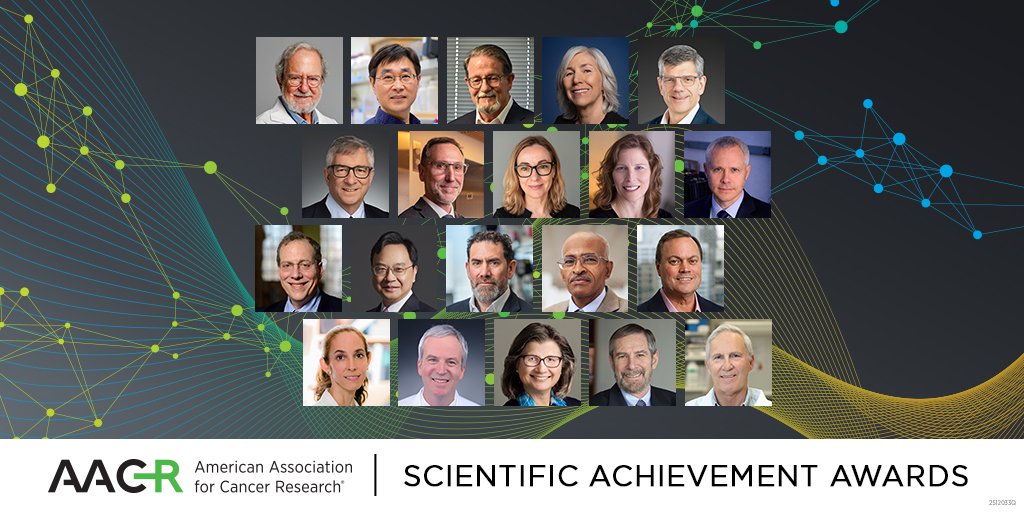
I am honored and humbled to receive the 2026 AACR Award for Outstanding Contribution to Basic Cancer Research. My award lecture will be 4:15-5pm today at AACR Room 5. I will share some recent progress on cancer epigenetics, RNA biology and RNA therapy
11
4
58
4,015
Li Song retweeted

🧵 1/ Thrilled to announce I'm joining @BioMedDataSci @DartmouthGeisel as a tenure-track Assistant Professor in Biomedical Data Science! 🎉
10
7
21
8,044
Li Song retweeted

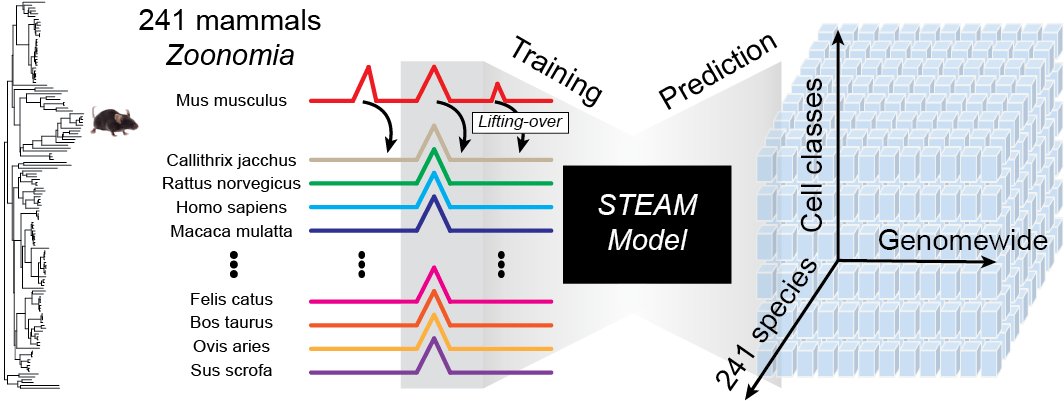
New preprint! @JShendure @CXchengxiangQIU Can we learn regulatory grammars of human cell types we'll never be able to profile - by training on mouse development and transferring across 241 mammalian genomes?biorxiv.org/content/10.64898…
1
36
148
12,874

New preprint on longcallD: a unified framework for joint calling and phasing of small, structural and mosaic variants from long reads. Improved SV calling and competitive small variant calling. Supervised by @lh3lh3 , co-work with @QianAlvinQin1, @wwliao88 and @irahall9.

LongcallD: joint calling and phasing of small, structural and mosaic variants from long reads biorxiv.org/content/10.64898… #biorxiv_genomic
14
38
15,459
Li Song retweeted

Mar 6
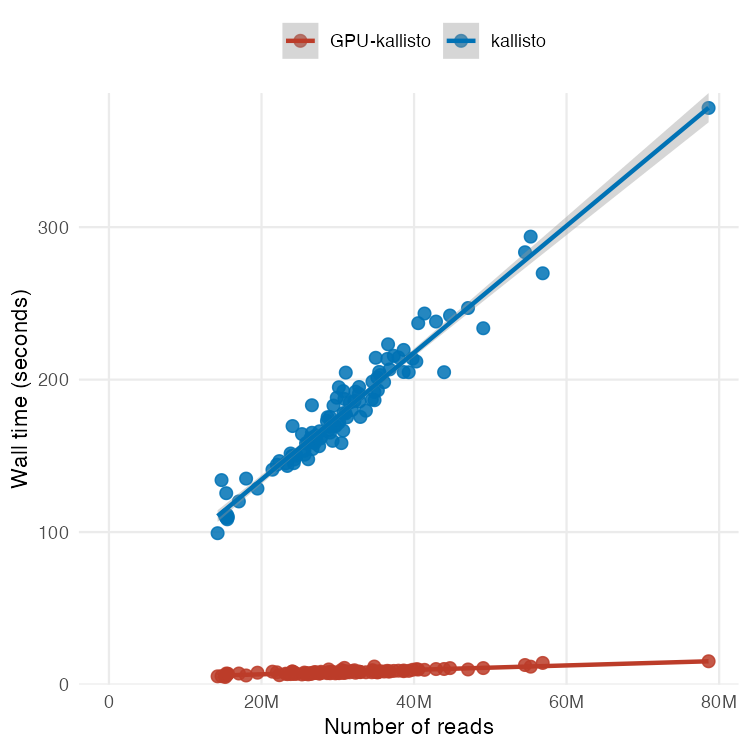
Excited to share this preprint that describes my latest work on using GPUs to accelerate processing of RNA-seq data.
The title says it all: "RNA-seq analysis in seconds using GPUs" now on biorxiv biorxiv.org/content/10.64898…
Figure 1 shows they key result
15
123
490
91,581