Director, Program in Geriatric Onc & Supportive Care Innovation @PC3Innovation, Assistant Professor at Penn Medicine, Oncology Section Chief at Penn Princeton
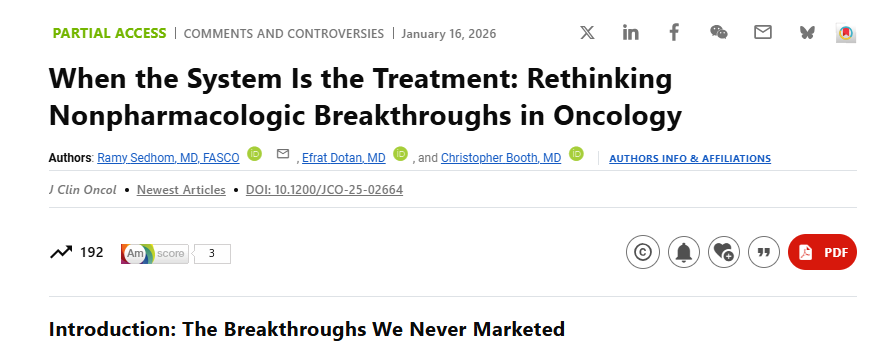
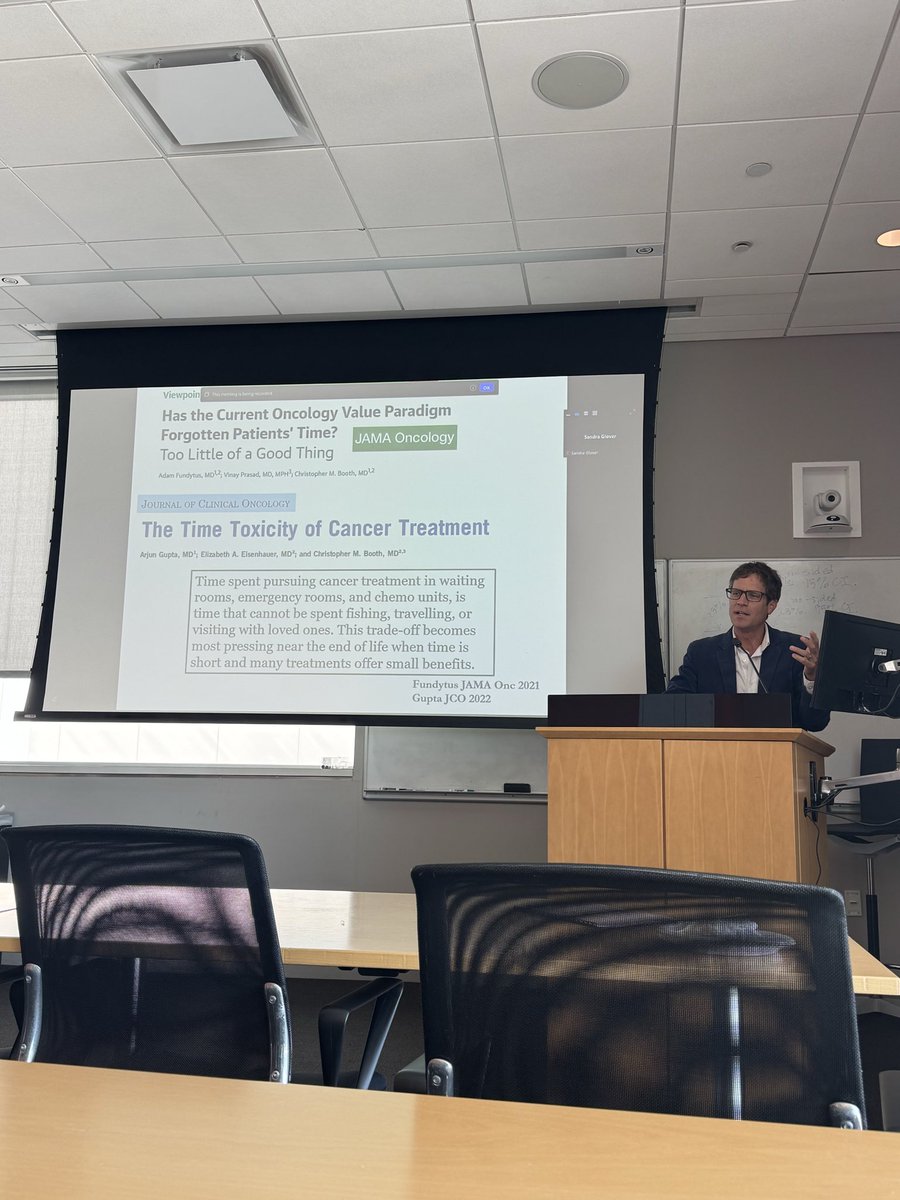
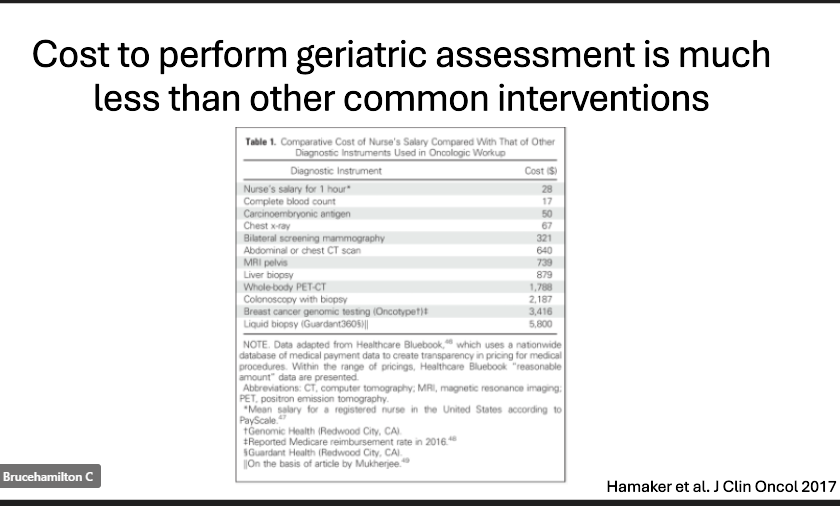
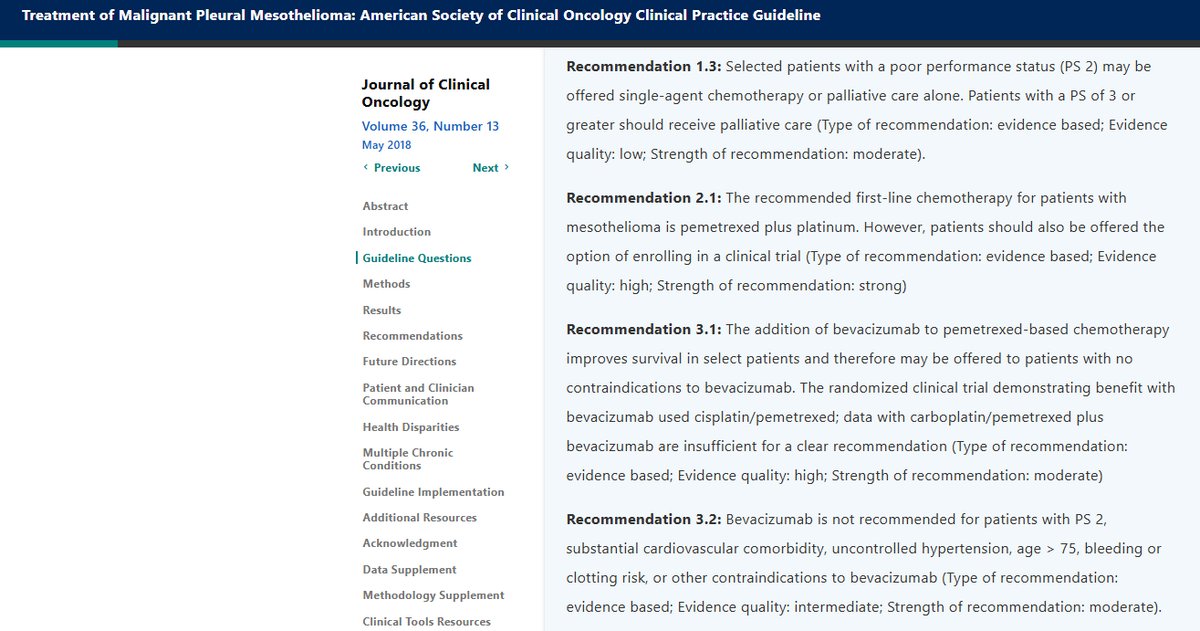
Imagine 4 new anticancer drugs Pallituzumab, Geriatriximab, Symptomab, & Exercizumab hit the market. They should dominate the plenary sessions at ASCO & command billion-dollar revenue. But they don't because they're nonpharmacologic & shame on us.
Read our opinion piece in @JCO_ASCOascopubs.org/doi/full/10.120…
I'm excited to host @OncLive State of the Science Summit in Philadelphia - with a focus on Breast Cancer. We have put together an excellent faculty & would love to have you join us if you are in the area - registration.onclive.com/sta…
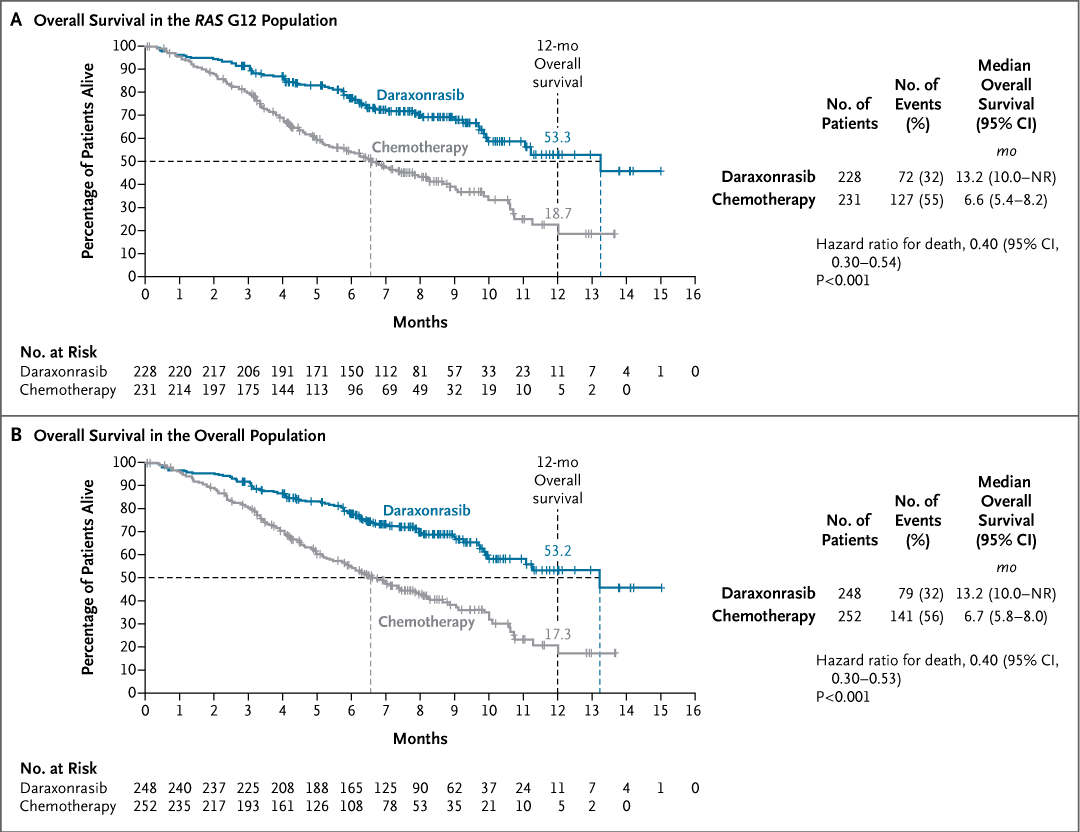
Original Article: Daraxonrasib or Chemotherapy in Previously Treated Metastatic Pancreatic Cancer (phase 3 RASolute 302 trial) nej.md/4nWaxvM#ASCO26 | @ASCO
ALT A two-panel line graph shows overall survival in two populations, comparing darovasertib (blue line) and chemotherapy (gray line) treatments. Panel A depicts the RAS G12 population, while Panel B shows the overall population. Hazard ratios and confidence intervals are detailed in each panel.
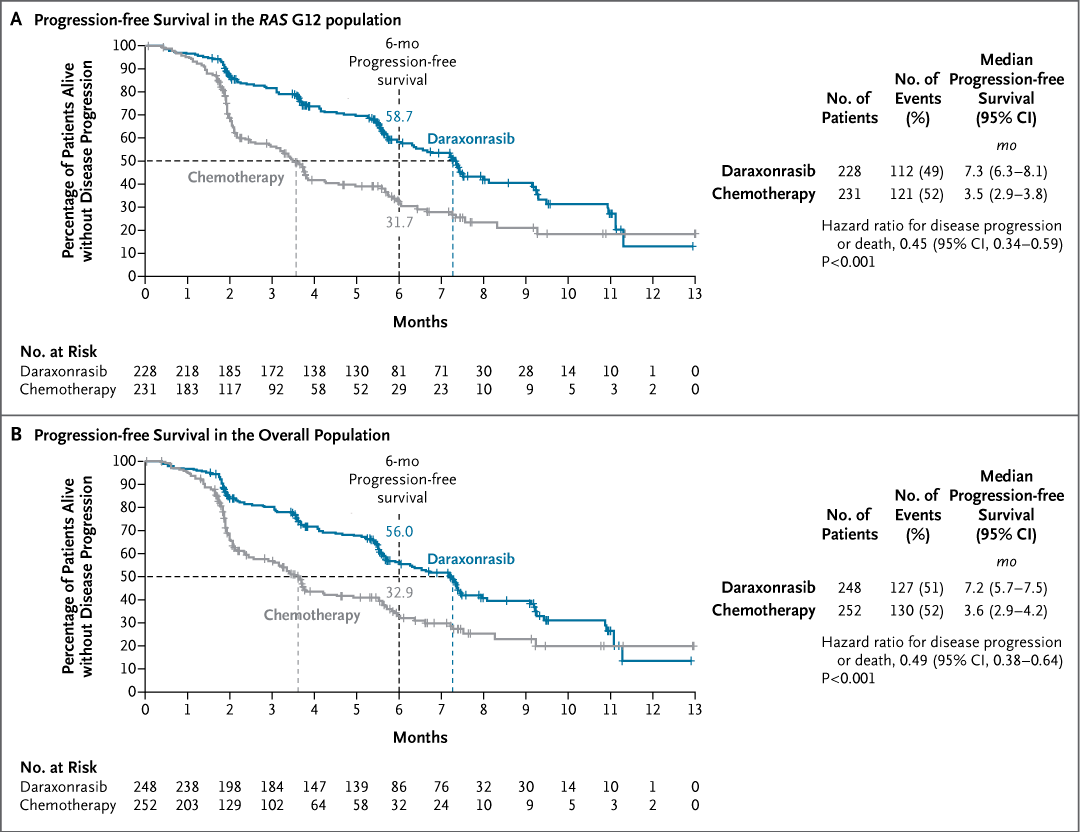
ALT This image shows two line graphs titled "Progression-free Survival in the RAS G12 Population" and "Progression-free Survival in the Overall Population." Both graphs compare survival rates over 13 months between two groups: one receiving darovasertib and the other receiving chemotherapy. Accompanying the graphs are tables detailing the number of events and patients at risk for each treatment group.
Deep inner suffering inevitably arises when the human person is reduced to performance, consumption, or a statistical datum. Many young people today live under the yoke of expectations to perform, immersed in an exasperated competitiveness that generates anxiety, fear of not measuring up, and disorientation.
A really thought-provoking study at #ASCO26 (Abstr 4512, Clinical Science Symposium): decision regret after adjuvant pembrolizumab in RCC.
🔹 The question
Do patients regret receiving adjuvant pembro — and if so, is it driven by long-term toxicity that CTCAE grading doesn't adequately reflect? They built a patient co-designed tool focused on long-term toxicity.
🔹 The study
104 RCC pts post-adjuvant pembro across 3 London centres, median f/u 30 mo. Pts completed the Ottawa Decision Regret Scale alongside their own rating of irAEs as life-changing, significant, or non-significant.
🔹 What they found
28% rated their toxicity as significant and 11% as life-changing — but these ratings did NOT correlate with CTCAE grade (a third of G1–2 events were rated significant), and regret was identical for G1–2 vs G3–4 irAEs. Regret was driven by patient-perceived long-term toxicity, especially permanent endocrine and MSK irAEs — and not by disease recurrence (only 1/14 who relapsed expressed regret). Lower baseline expectations of toxicity → more regret.
🔹 My take
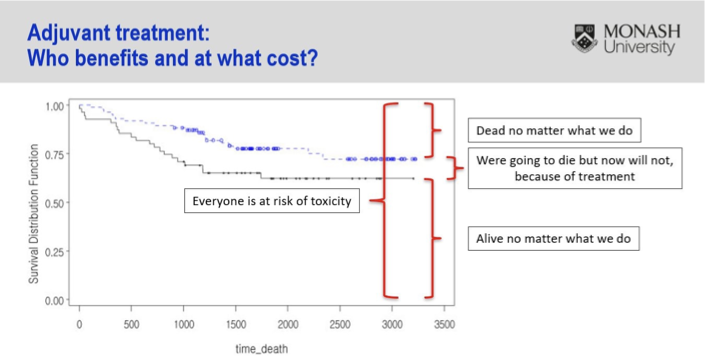
Striking that >1 in 4 reported significant and >1 in 10 life-changing toxicity. What concerns me most isn't that CTCAE missed these events — it's that the grade didn't correlate with how significant patients found them, nor with regret at all. That deviates from the very purpose of grading. The hard part: a regret analysis is tough to contextualize when the alternative, no treatment, risks recurrence — arguably worse than a long-term toxicity. Adjuvant therapy is challenging by nature: most patients are either cured already or destined to recur regardless — we expose everyone to toxicity to benefit a minority. We urgently need biomarkers to find the few who truly benefit. This slide from @Prof_IanD says it all 👇
Looking forward to seeing the presentation!
🔗 asco.org/abstracts-presentat…#kcsm#ASCO26@BethN01@tompowles1
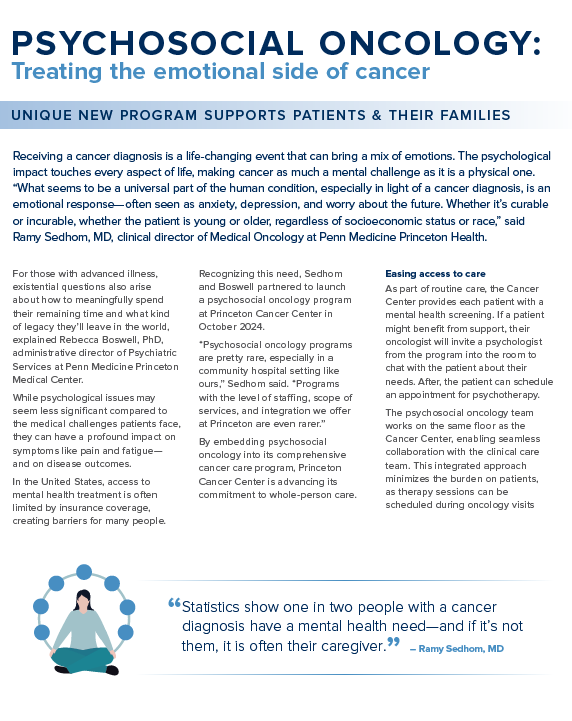
Our own @ramsedhom discussed how embedded psychosocial care in oncology may improve access, engagement, and emotional support during cancer care, as his team has seen with the new Psychosocial Oncology Clinic at @PrincetonHealth. @cure_todayspr.ly/6016BBAl0n
Helpful reflections on the POSITIVE trial - summary - premenopausal hormone receptor–positive patients could be safely treated for their cancer while pursuing family goals ascopost.com/issues/april-25…
“Speak to your children as if they are the wisest, kindest, most beautiful and magical humans on earth, for what they believe is what they will become.”
Communication is an intervention. For older adults w/ cancer, the 1st visit & major turning points — progression, hospitalization, decline — are mission critical.
journals.sagepub.com/doi/10.…