
Joined January 2012
- Tweets 1,614
- Following 795
- Followers 176
- Likes 614
51 Photos and videos








17 Feb 2025
I just published Build a Company Research AI Agent: System Design & Implementation link.medium.com/EaVYehrZ2Qb
1
20 Aug 2023
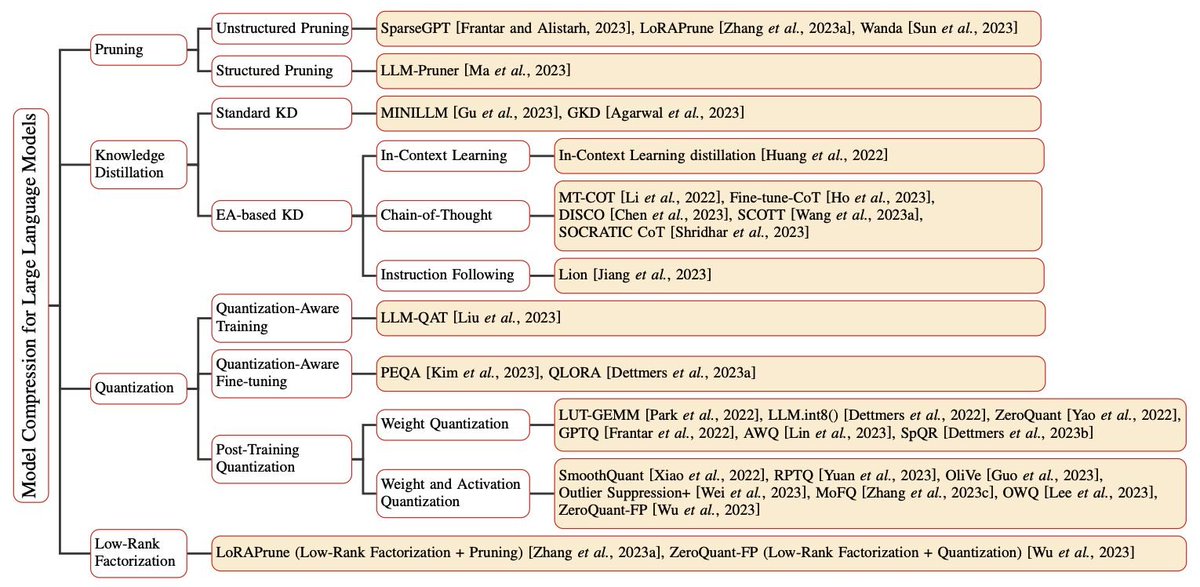
Latest model compression techniques for LLMs. An excellent way to understand the topics of #quantization, #pruning, and #knowledge #distillation, as well as benchmark strategies and evaluation metrics for measuring the effectiveness of compressed #LLMs. arxiv.org/abs/2308.07633
13
Tech Ninja retweeted

14 Aug 2023
Nice initiative 🤩
Spring AI
The Spring AI project provides a Spring-friendly API and abstractions for developing AI applications.
Let's make your @Beans intelligent! github.com/spring-projects-e…
1
16
69
5,000
Tech Ninja retweeted

8 Aug 2023
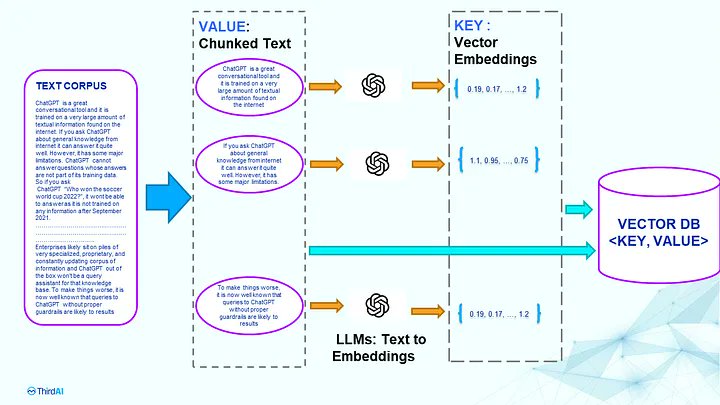
*Vector databases and why they matter in the LLM and Gen AI world*
Large language models like GPT generally represent words and sentences as vectors or embeddings.
Vector databases are nothing more than a database of these vectors and work hand-in-hand with Large Language Models (LLMs) specifically for enterprise AI use-cases.
These embeddings capture the semantic meaning and allow models to understand "dog" and "puppy" are close to each other.
Common AI use-cases for LLMs include enterprise search, chat on internal databases, summarization and key entity extraction. Operationalizing these use-cases involves a bunch of steps and includes
Step 1 - Vectorizing the Knowledge - When you have a custom knowledebase (KB), the first order of business is translating every piece of information into a vector - a multi-dimensional mathematical representation of that information
Step 2 - Storing and Searching the Vectors - Vector databases help you store and look up these vectors efficiently. Fundamentally, they enable you to find similar items based on a query vector. So you can easily perform searches for "like" or "close to" other words or phrases, at scale.
Step 3 - Integration with LLMs - LLMs like GPT4, don't know have information from your custom knowledgebase, when a user sends a prompt/query, we first have to look-up the Vector database for the relevant piece of information
For example, if you are looking for information to log-in to your internal HR system, and you ask your custom ChatBot, it needs to go to the vector database to first fetch the web page that has this information
The custom ChatBot will then send this information to the LLM API (GPT-4) along with the user-query. The LLM API will then answer the user's question by reading the webpage about your internal HR system
Step 4 - Orchestration and Operationalization - Now that we have responded to the first user query, the user may have follow-up questions or start a thread. Developers have to come up with the complex orchestration flow, where they keep state across chats, do multiple vector database look-ups and facilitate a smooth conversation
The process of operationalizing all these steps and launching your custom ChatBot or LLM-based Enterprise AI use-case in production is often termed - LLM Operations or LLMOps
You can use an end-to-end LLMOps platform to operationalize your use-case or build your own end-to-end system by using all the LEGO blocks such as vector databases, LLM APIs and kubernetes.
Key resources:
Open source vector databases
chroma - trychroma.com/
milvus - github.com/milvus-io/milvus
end to end - LLMops platform
Abacus - abacus.ai
pic credit and a good read - medium.com/thirdai-blog/unde…
9
149
675
121,934
7 Aug 2023
Agree
7 Aug 2023

A hidden gem among all the machine learning courses: the lectures of MathematicalMonk.
These videos were my introduction to classical machine learning back in 2016, but I still revisit them even today.
youtube.com/watch?v=yDLKJtOV…
28
7 Aug 2023
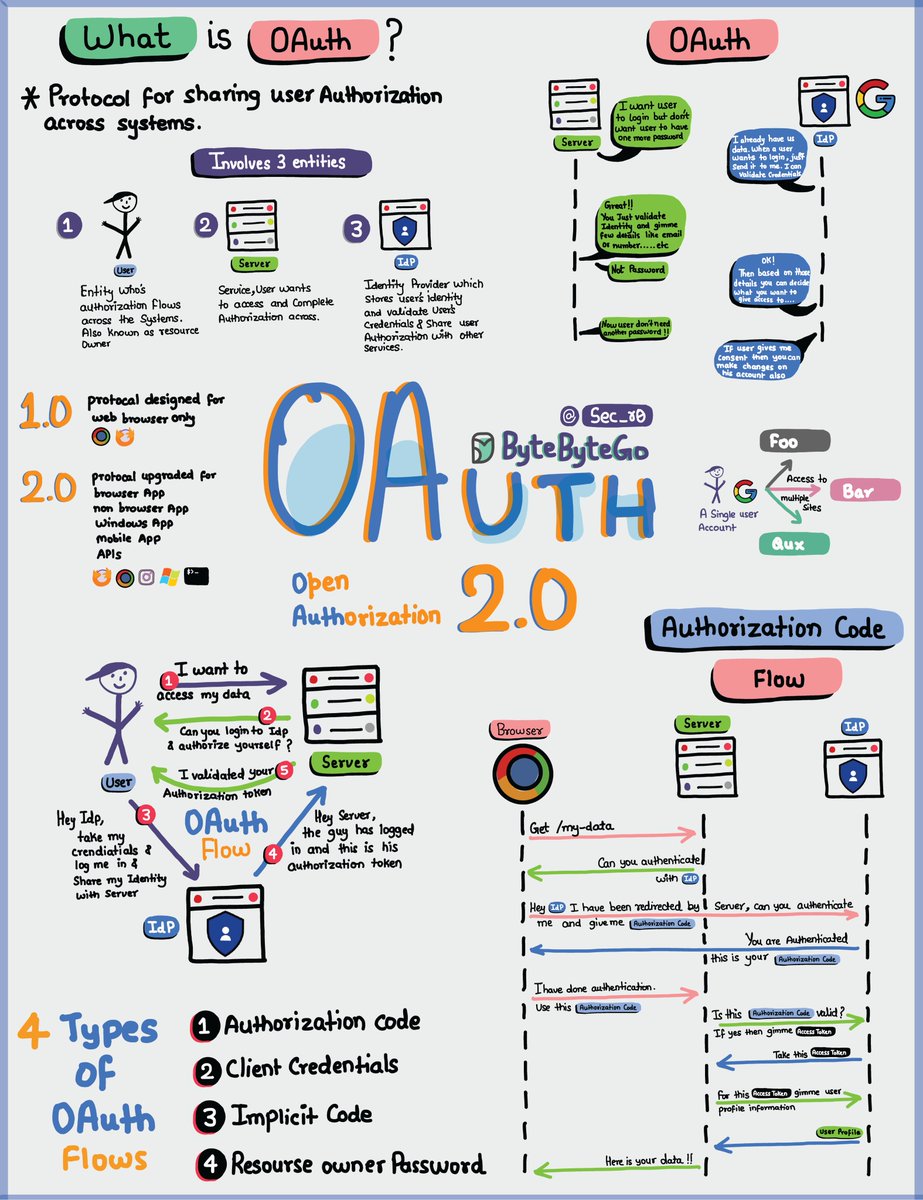
Well Explained on #OAuth 2.0
7 Aug 2023

OAuth 2.0 Explained With Simple Terms.
OAuth 2.0 is a powerful and secure framework that allows different applications to securely interact with each other on behalf of users without sharing sensitive credentials.
The entities involved in OAuth are the User, the Server, and the Identity Provider (IDP).
What Can an OAuth Token Do?
When you use OAuth, you get an OAuth token that represents your identity and permissions. This token can do a few important things:
Single Sign-On (SSO): With an OAuth token, you can log into multiple services or apps using just one login, making life easier and safer.
Authorization Across Systems: The OAuth token allows you to share your authorization or access rights across various systems, so you don't have to log in separately everywhere.
Accessing User Profile: Apps with an OAuth token can access certain parts of your user profile that you allow, but they won't see everything.
Remember, OAuth 2.0 is all about keeping you and your data safe while making your online experiences seamless and hassle-free across different applications and services.
Over to you: Imagine you have a magical power to grant one wish to OAuth 2.0. What would that be? Maybe your suggestions actually lead to OAuth 3.
–
Subscribe to our weekly newsletter to get a Free System Design PDF (158 pages): bit.ly/42Ex9oZ
1
17
5 Aug 2023
Gorilla is an LLM fine-tuned to make over 1600 API calls 🔥
They claim it outperforms GPT-4 and significantly reduces hallucinations and incorrect syntax.
Highlights:
• Fully open-source
• Uses Falcon and MPT
Check it out here: gorilla.cs.berkeley.edu
22
Tech Ninja retweeted

4 Nov 2022
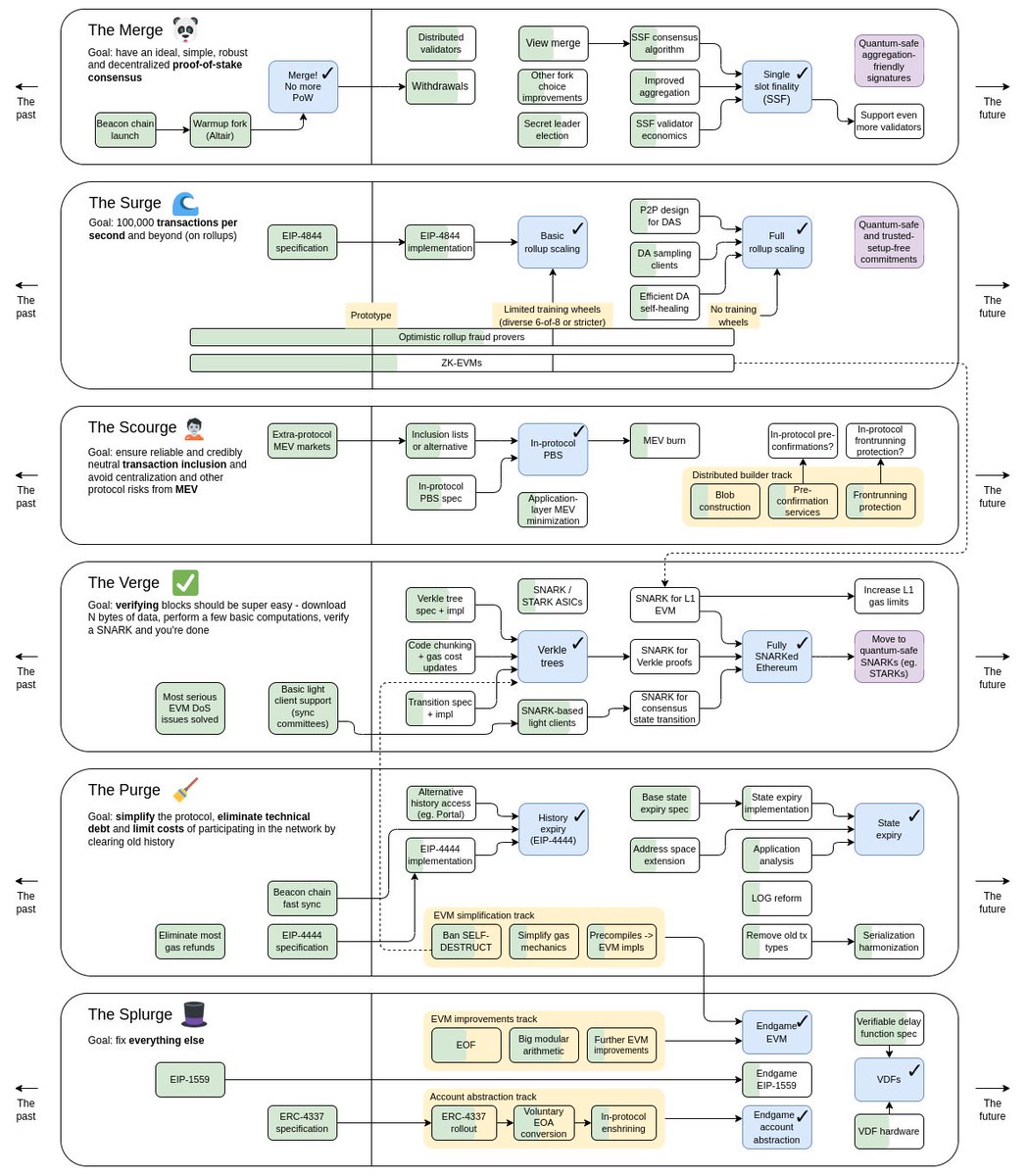
Updated roadmap diagram!
1,531
5,591
21,981
Tech Ninja retweeted

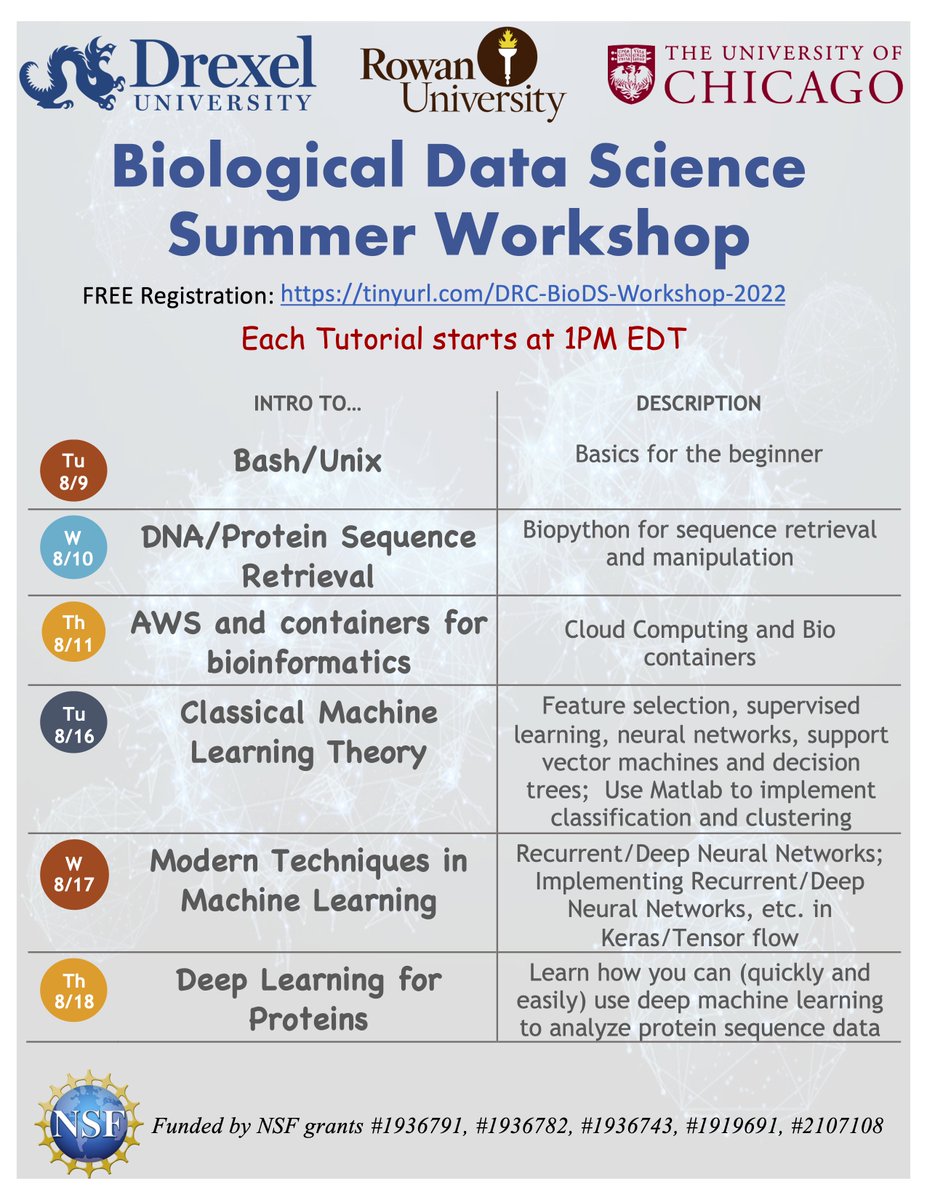
Back by popular demand, we are holding our Biological Data Science Workshop virtually again, FOR FREE!! August 8-19. #datascience #biology #bioinformatics #AI #NSF #Drexel #RowanUniv #UChicago
86
1,286
3,401
Tech Ninja retweeted

18 Jul 2022
6
62
262
18 Dec 2021
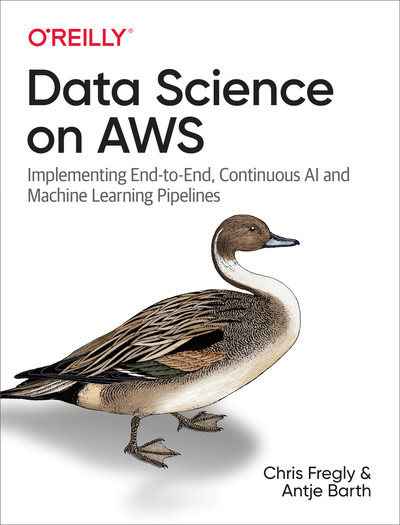
Top 15 Books Every Data Engineer Should Know link.medium.com/xkXcom455lb #programming #coding #AI #AutoML #interview #question #Career #100DaysOfCode #MachineLearning #Kubernetes #womenwhocode #CodeNewbie #Opensource #DataScience #dataengineering #ArtificialIntelligence
8
3
26 Sep 2021
Modern Streaming Database Technologies in 2021 link.medium.com/5rEc1dVuSjb #BigData #Analytics #DataScience #AI #MachineLearning #CyberSecurity #Python #RStats #TensorFlow #JavaScript #CloudComputing #Serverless #Linux #Statistics #data #100DaysofCode #MLOps #dataops #streaming #sql
7
3
25 Sep 2021
Best MLOps Online Courses You Need to Know in 2021 link.medium.com/OoWngmOOQjb #BigData #Analytics #DataScience #AI #MachineLearning #CyberSecurity #Python #RStats #TensorFlow #JavaScript #CloudComputing #Serverless #Linux #Statistics #COURSES #100DaysofCode #MLOps #dataops #PyTorch
10
4
25 Sep 2021
Top Robotic Process Automation (RPA) Technologies in 2021 link.medium.com/jZpgun5lPjb #BigData #Analytics #DataScience #AI #MachineLearning #CyberSecurity #Python #RStats #TensorFlow #JavaScript #CloudComputing #Serverless #Linux #Books #Statistics #Programming #100DaysofCode #RPA
2
2
25 Sep 2021
Best OpenSource AutoML frameworks in 2021 link.medium.com/uOo9mHJePjb #BigData #Analytics #DataScience #AI #MachineLearning #CyberSecurity #Python #RStats #TensorFlow #JavaScript #CloudComputing #Serverless #Linux #Books #Statistics #Programming #100DaysofCode #driverless #Tesla
12
6
24 Sep 2021
Have to know 30 Data Streaming and Event Processing Technologies in 2021 link.medium.com/906oVEVENjb #BigData #Analytics #DataScience #AI #MachineLearning #CyberSecurity #Python #RStats #TensorFlow #pulsar #opensource #JavaScript #CloudComputing #Serverless #kafka #streaming #azure
6
22 Sep 2021
Data Engineering Technologies in 2021 link.medium.com/JLsysWjlKjb
#bigdata #dataengineering #MachineLearning #Python #spark #Opensource #flutter #DevCommunity #EmergingTech #100DaysOfCode #sql #etl #databricks #snowflake #aws #azure #dask #mlflow #dbt #icebreg #fivetran #rapids
1
4
2
21 Sep 2021
Top 25 Python Online coding exercise sites for beginner & advanced link.medium.com/xWYdcEgDIjb #bigdata #dataengineering #MachineLearning #Python #spark #Opensource #flutter #DevCommunity #EmergingTech #100DaysOfCode #sql #joins #etl #databricks #snowflake #Tesla #aws @gcp #azure
33
10
20 Sep 2021
Top No-Code Orchestration for Modern Data Stack technologies in 2021 #bigdata #dataengineering #MachineLearning #Python #spark #Opensource #flutter #DevCommunity #EmergingTech #100DaysOfCode #sql #joins #etl #databricks #snowflake #Tesla #nocode #moderndatastack
9
3