Please visit our website at AcromegalyCommunity.org. Membership, info & support always free!
Joined September 2009
- Tweets 2,070
- Following 1,037
- Followers 1,071
- Likes 445
87 Photos and videos




4 Dec 2025
340B Program savings should help rural hospitals and community health centers, not large for-profit companies.
@SenMullin, please champion bipartisan #340BReform to close program loopholes and protect vulnerable patients.
66

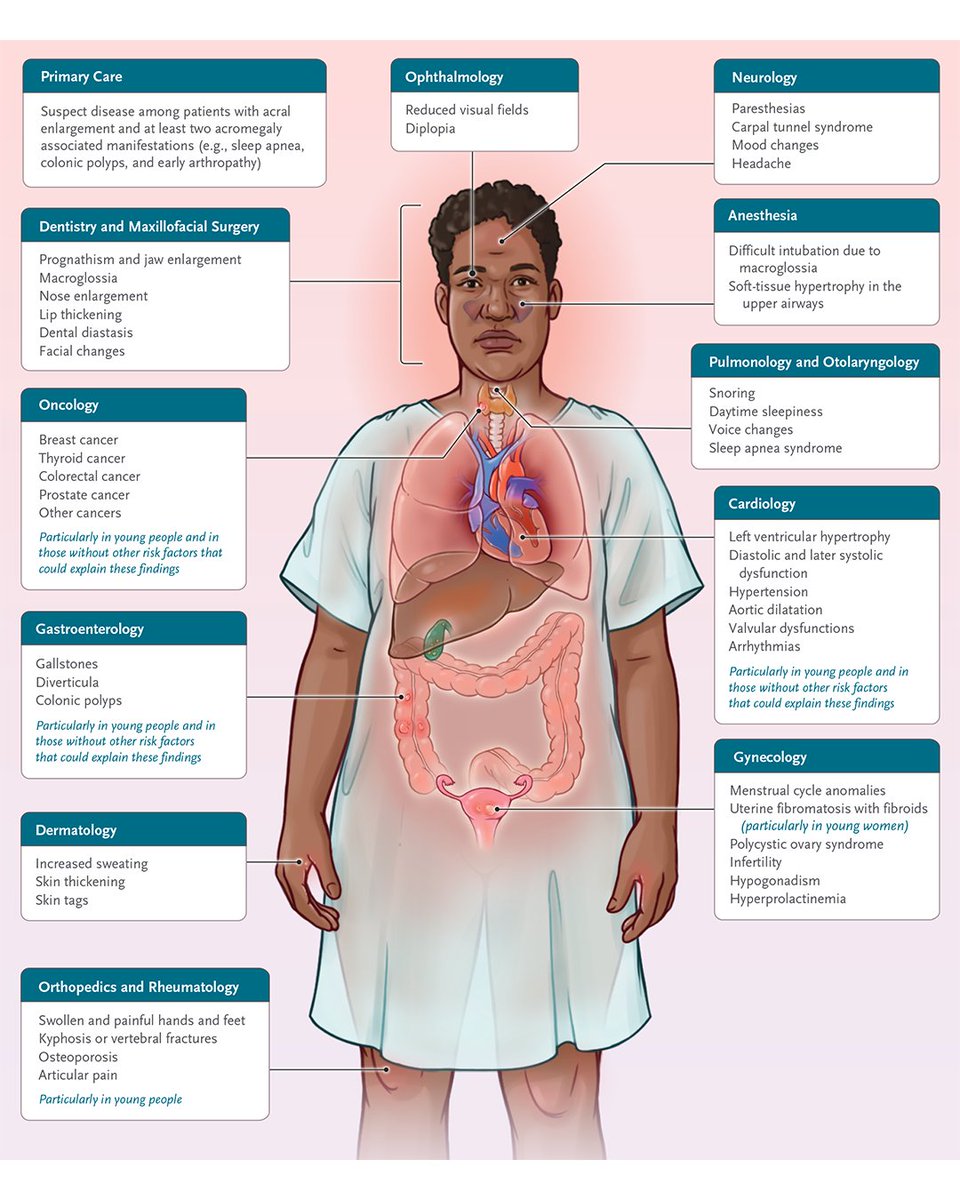
A new review by Andrea Giustina, MD, and Annamaria Colao, MD, PhD, updates the pathophysiology and disease course of acromegaly, focusing on the general clinician’s key role in early diagnosis and management.
At diagnosis, approximately 70% of patients with acromegaly have identifiable macroadenomas that may have grown laterally and extend into the cavernous sinus. In the large Liège Acromegaly Survey, physical changes were most often what led patients with acromegaly to seek medical evaluation and care, especially the development of dysmorphic facies (in 21.5% of cases), which were associated with macroglossia, dental diastema (gaps), mandibular overgrowth, and prognathism, and enlarged hands and feet (in 13.6%). Headache (in 7.5% of cases), asthenia (in 5.9%), and excess perspiration (in 2.0%) also led patients to seek care. Coexisting conditions noted at diagnosis included thyroid enlargement (in 34.0% of cases), hypertension (in 28.8%), diabetes (in 27.5%), sleep apnea (in 25.5%), and cardiac hypertrophy (in 15.5%) (seen in figure).
Learn more in the Review Article “Acromegaly,” from San Raffaele Vita-Salute University (@MyUniSR), IRCCS San Raffaele Hospital (@SanRaffaelespa), and @UninaIT: nej.md/3JPVdBg
1
42
160
31,049
28 Oct 2025
On Wednesday, the @GOPHELP committee will hold a hearing on the future of biotech. Rare diseases, like Acromegaly, depend on R&D to develop innovative treatments. @SenMullin, please push to strengthen funding for the FDA and NIH to support R&D and patient access to treatments.
1
75
21 Oct 2025
Thank you @SenMullin for listening to patient voices & pushing progress on the upcoming @GOPHELP hearing on #340B. Spending soared from $6.6B (2010) to $43.9B (2021) while patients still face barriers. Reform must introduce transparency and accountability to this program.
1
1
1
84
8 Jul 2025
The 340B Program’s rapid expansion has been linked to insurance premium increases of $22 billion a year, costing families $415/year. This was never the goal.
@SenMullin please support #340BReform to restore integrity & reinvest savings in care.
nationalalliancehealth.org/w…
114
26 Jun 2025
•@LAGovJeffLandry, Louisiana patients need reform that tackles the root cause of high drug costs: PBMs’ profits tied to inflated prices. We need to bring transparency and fairness to the system to lower out of pocket costs for patients. #LALeg
134
16 Jun 2025
Large healthcare entities say the 340B Program wasn’t meant to lower patient costs, yet they pocket millions while vulnerable patients are left behind.
@SenMullin please help to #Fix340B.
help.senate.gov/rep/newsroom…
241
14 May 2025
The #MFN rule won’t help Medicaid patients. No cost savings, just less access & lost innovation.
We need reform that works. The #EPICAct is the right path for patients. @RepGusBilirakis @DrNealDunnFL2 @SenAshleyMoody @SenBillCassidy @SenatorWicker @SenMullin
108
21 Apr 2025
The #IRA’s “pill penalty” is undermining innovation in pills and tablets, medicines that 90% of Americans rely on.
@CongresswomanSC @RepTroyCarter @BennieGThompson @repkevinhern please support the #EPICAct
weworkforhealth.org/post/new…
121
7 Apr 2025
Small-molecule medicines treat cancer, heart disease & more, but they face harmful obstacles under the "pill penalty."
Patients deserve better. @VernBuchanan @RepGregSteube @repkevinhern, please stand up for health access and innovation. Support the #EPICAct to protect patients
123
7 Apr 2025
90% of U.S. prescriptions are pills. The “pill penalty” puts those at risk, leading to fewer treatments and less access.
@VernBuchanan @RepGregSteube @repkevinhern, please support the bipartisan #EPICAct to fix this harmful penalty.
112
18 Dec 2024
Patients shouldn’t have to pay more while middlemen profit. Congress must include #PBMReform in the year-end healthcare package @RepGusBilirakis @VernBuchanan @Kat_Cammack @USRepKCastor @DrNealDunnFL2 @RepDarrenSoto @RepGregSteube @repkevinhern
130
6 Dec 2024
Pharmacy benefit managers control 80% of insured drug transactions in the U.S.
#PBMReform is needed to hold PBMs accountable. @repkevinhern
ohiocapitaljournal.com/2024/…
117
6 Dec 2024
Pharmacy benefit managers list hundreds of prices for the same drug, some that are 51 times as much as others.
It's time for #PBMReform @repkevinhern
ohiocapitaljournal.com/2024/…
99
Acromegaly Community retweeted

1 Nov 2024
On #AcromegalyAwarenessDay, we collectively raise awareness and offer hope to the acromegaly community.
At Crinetics, we’re proud to work alongside patient-centered organizations like @AcroCommunity, @AcromegalyCAN, @pituitaryorg, and @Pituitary_org.
3
7
342
1 Nov 2024
The Acromegaly Community: An international haven for people living with acromegaly rarerevolutionmagazine.com/t… #RareRevolution
2
106
Acromegaly Community retweeted

8 Jun 2024
Free SharedIt link:
rdcu.be/dJ6TP Read our collab international review led by @DrDanielaEspo. #Complications in #acromegaly are numerous &important to treat simultaneously. Personalized medical RX should consider all comorbidities. @OHSUBrain @AcroCommunity @WAPO_org
6 Jun 2024

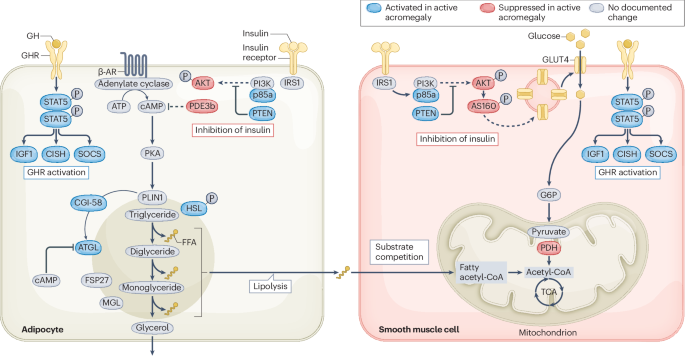
New content online: Diabetes mellitus in patients with acromegaly: pathophysiology, clinical challenges and management dlvr.it/T7w7zB
3
5
22
2,273
Acromegaly Community retweeted

5 Apr 2024
Superb talk by @gadelha_monica! Next up is @martin_reincke and Mark Gurnell for HCP. #patients meet with @CSRFnet and @AcroCommunity
@MSKCancerCenter @MSKNeurosurgery

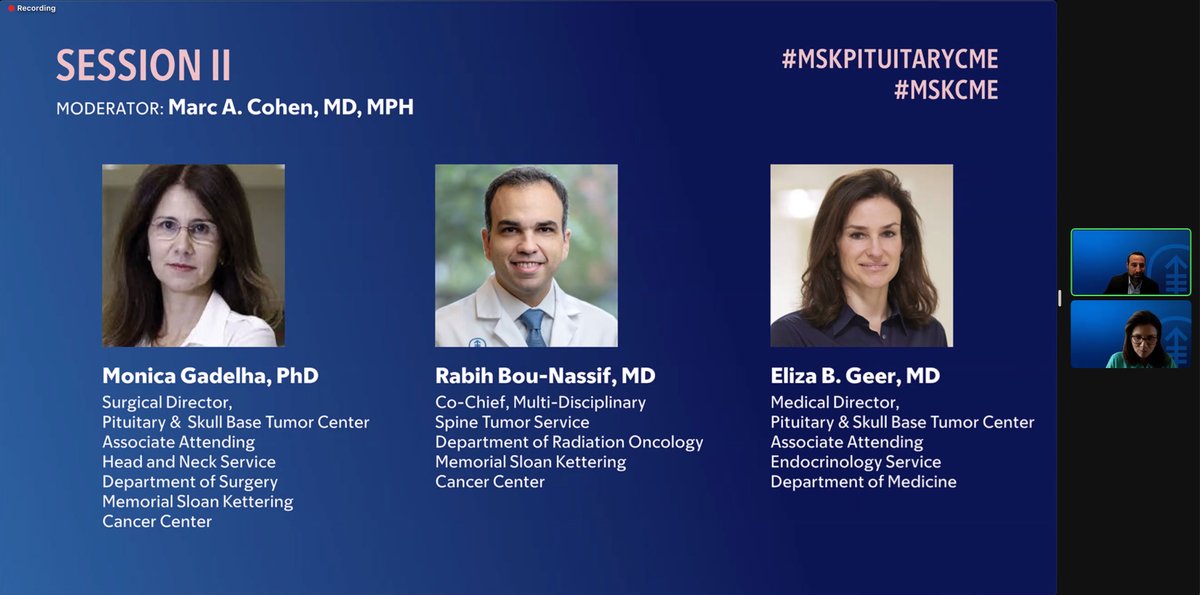
Looking forward to session II of the #MSKpituitaryCME, where we welcome @gadelha_monica, @BouNassif_MD, and @EBGeerMD to discuss new therapies for #Acromegaly, intra-operative AI, & patient reported outcomes in #Cushings.
bit.ly/pituitary2024
2
8
827
Acromegaly Community retweeted
29 Mar 2024
One week away - still time to sign up! @MSK_DeptOfMed @MSKCancerCenter @gadelha_monica @martin_reincke @AcroCommunity @CSRFnet
Join us for a #pituitary tumor update, focusing on evidence-based care & multidisciplinary collaboration. Providers & patients welcome!
🗓️ April 5 (Virtual)
Register ➡️ bit.ly/pituitary2024
@EBGeerMD @MSKNeurosurgery @AcroCommunity @CSRFnet @MSKCancerCenter #MSKpituitaryCME
2
7
926
Acromegaly Community retweeted

10 Jan 2024
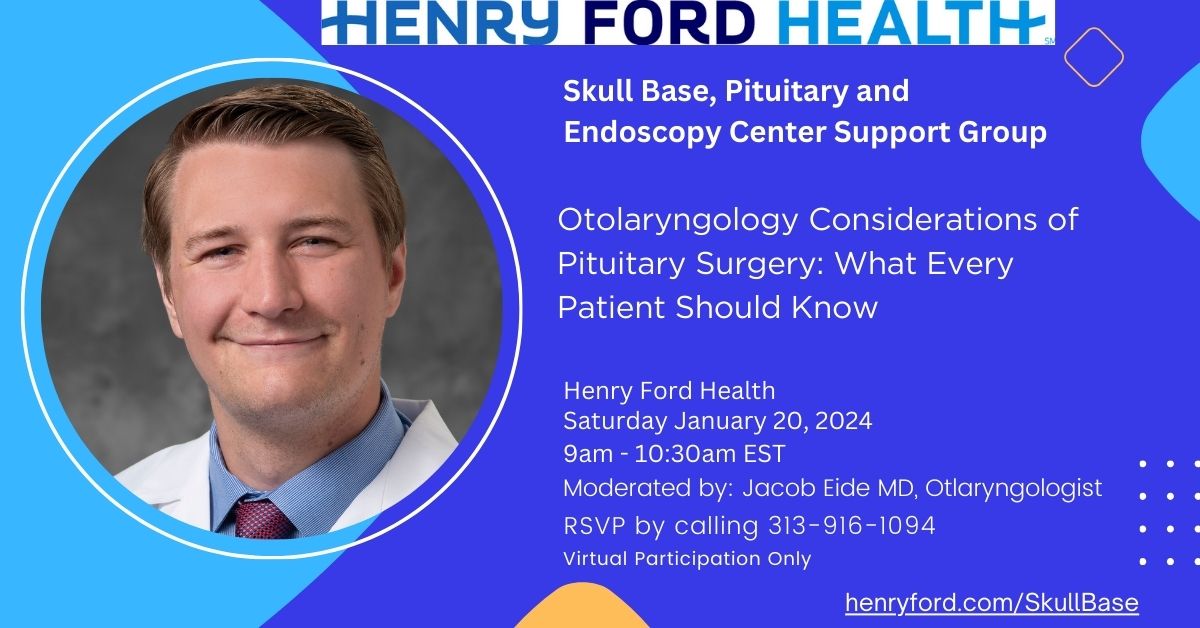
Consider joining our virtual #pituitary support group featuring @jakeeide1 .
@AcroCommunity
@pituitaryorg
@PituitarySoc
@HeadfortheCure
@theABTA
1
6
580