Joined October 2015
- Tweets 558
- Following 784
- Followers 902
- Likes 1,335
20 Photos and videos




Pinned Tweet

4 Jan 2025
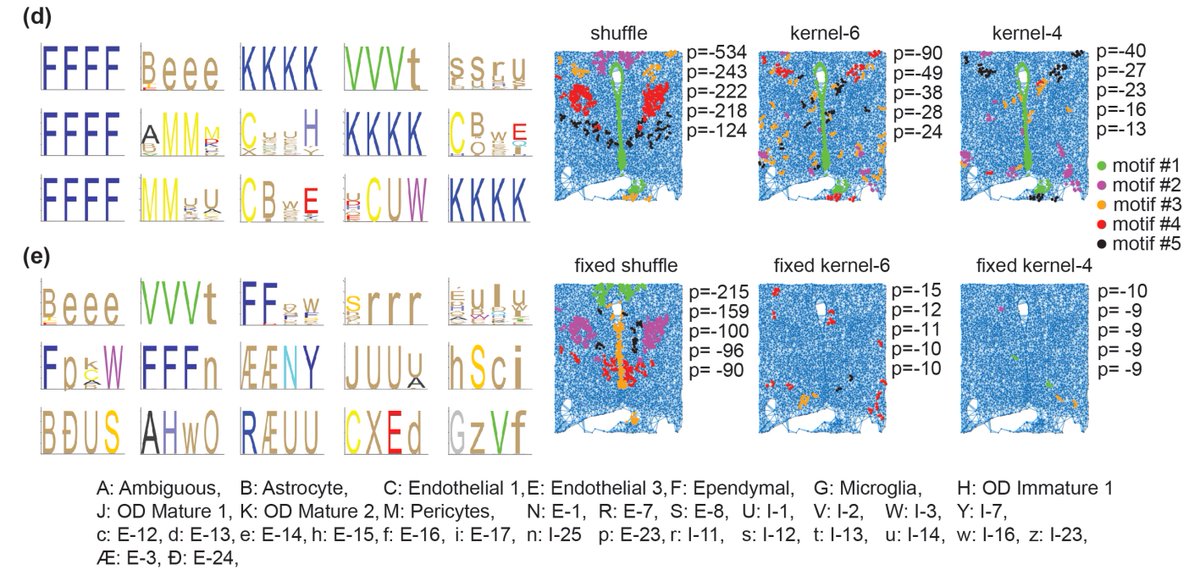
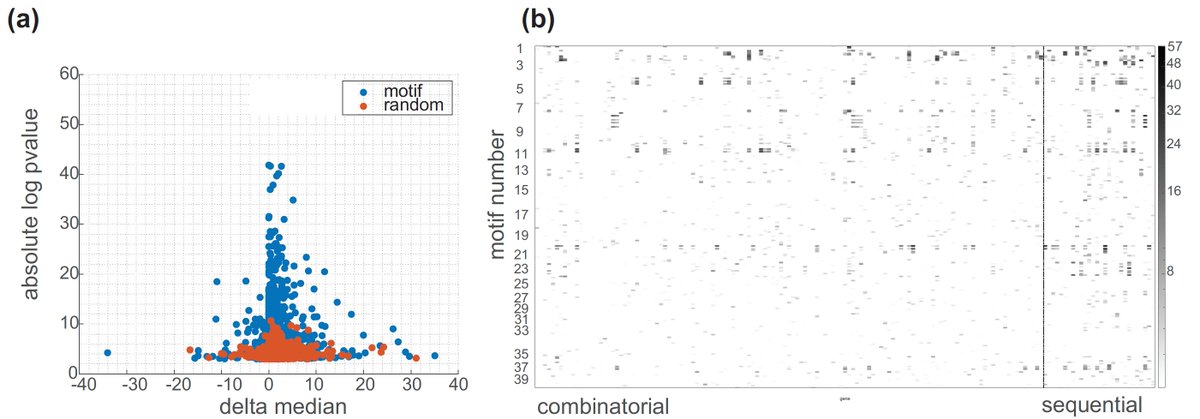
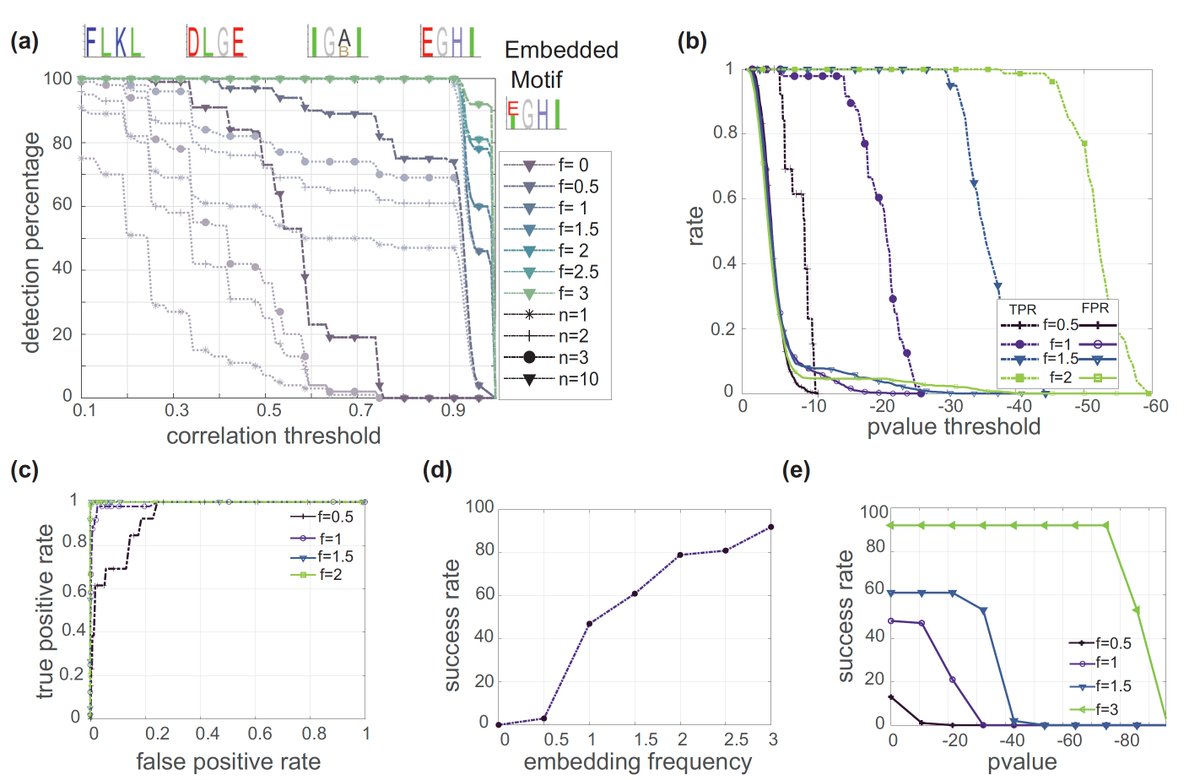
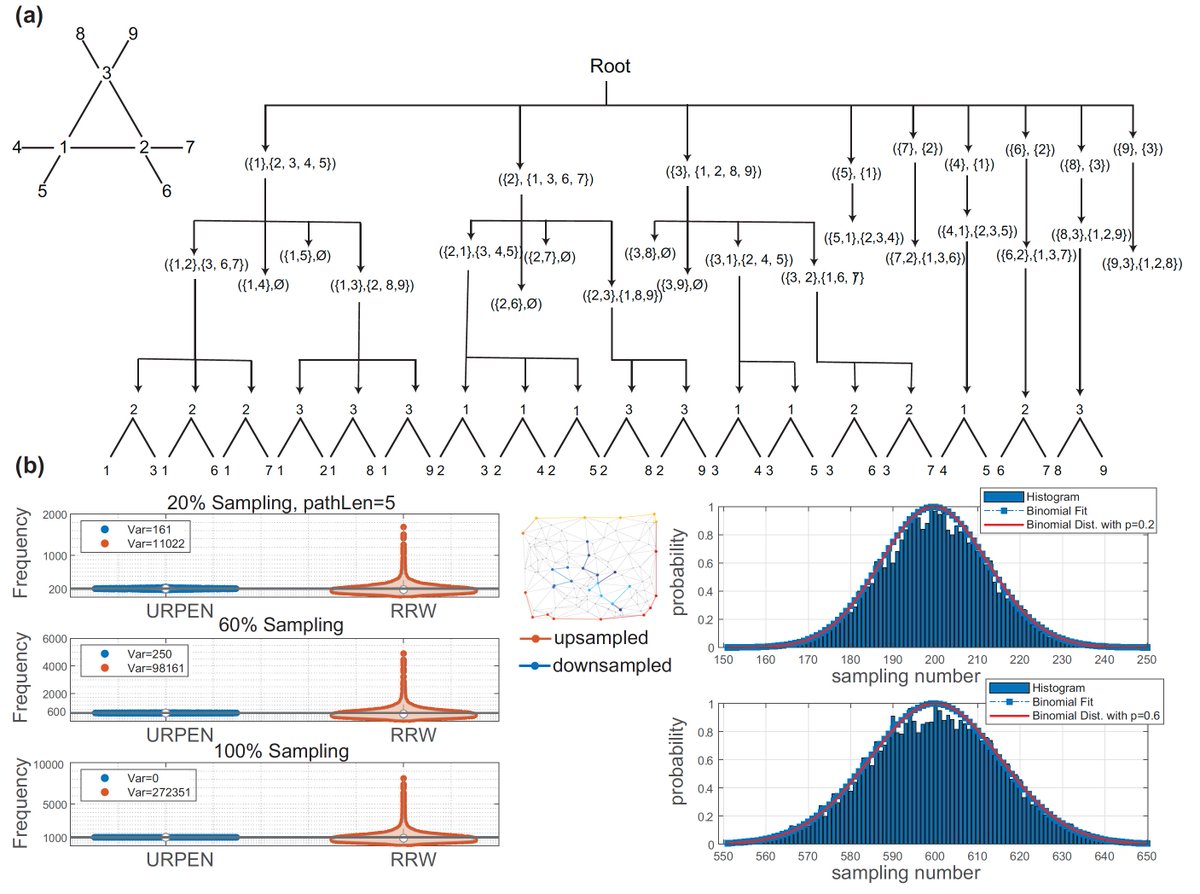
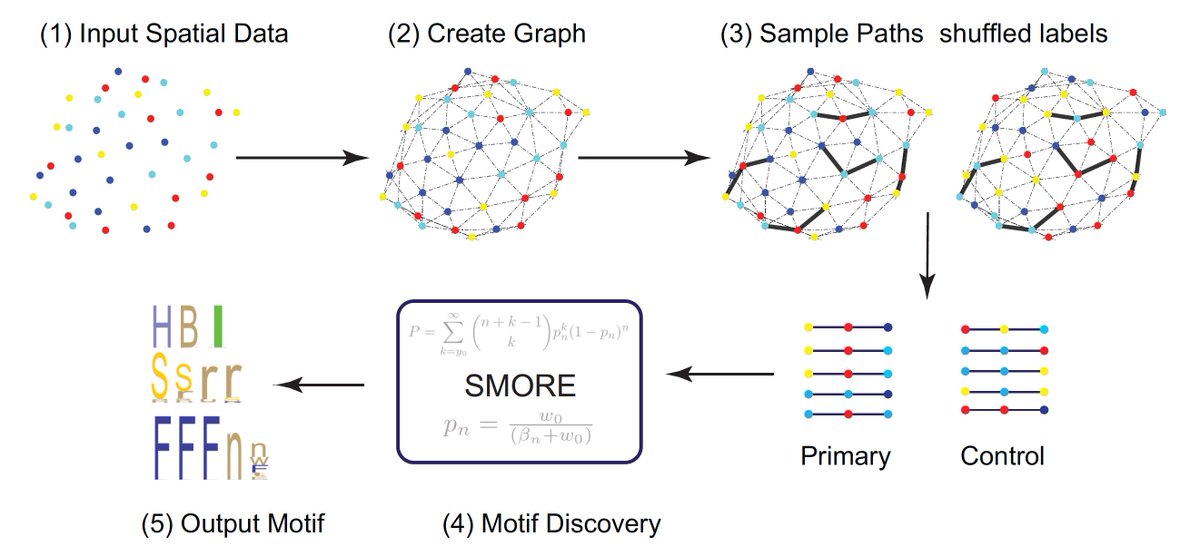
Spatial MOtif REcognition (SMORE) is now peer-reviewed and out at @GenomeBiology Updates include analysis of sequencing-based spatial transcriptomics (Slide-Seq) and a whole brain
dataset with ~4 million cells, showing versatility and scalability of SMORE. genomebiology.biomedcentral.…
13 Apr 2024

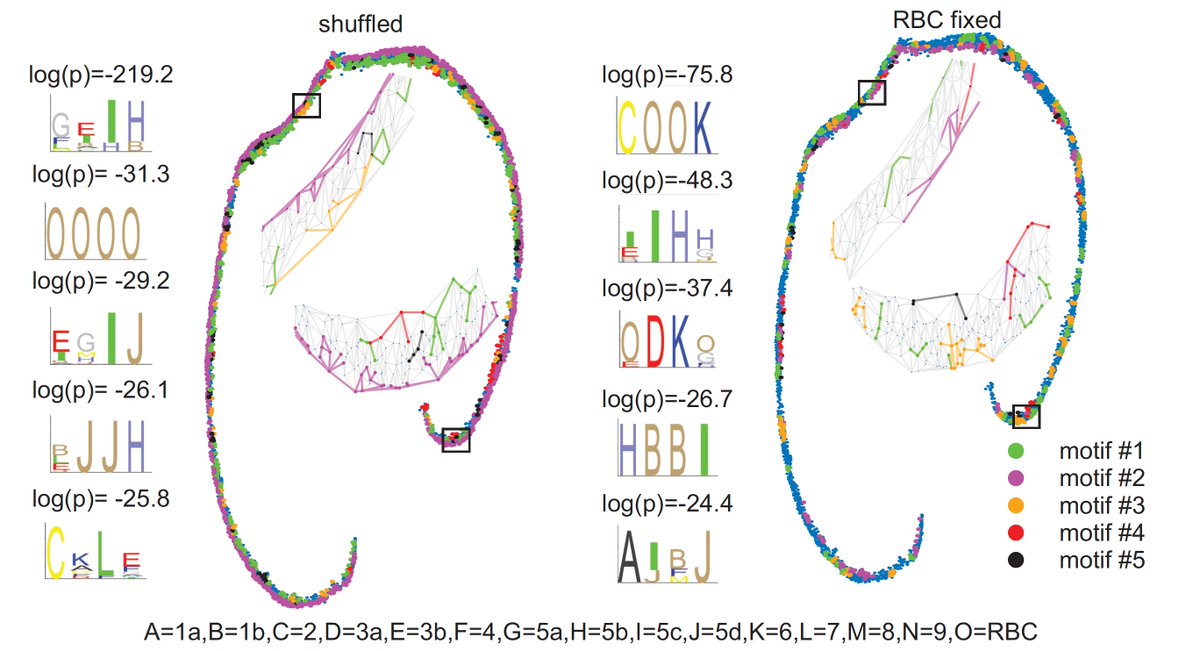
Have you used spatial genomics to map cell types in your favorite tissue? Are you interested in finding patterns in your results? We’ve developed a method just for you. The first paper from our lab is now on bioRxiv!
biorxiv.org/content/10.1101/…
1
9
23
3,842
Amjad Askary retweeted

16 Jun 2025
1/14
On behalf of the amazing team in @JswLab, we’re excited to share PEtracer (biorxiv.org/content/10.1101/…) a prime editing-based evolving lineage recorder compatible with both scRNA-seq and high-resolution imaging readouts in intact tissue. By applying PEtracer in a syngeneic mouse model of lung metastasis, we dissect how cell-intrinsic and environmental factors coordinately shape tumor evolution in vivo.
3
57
194
86,836
Amjad Askary retweeted

8 May 2025
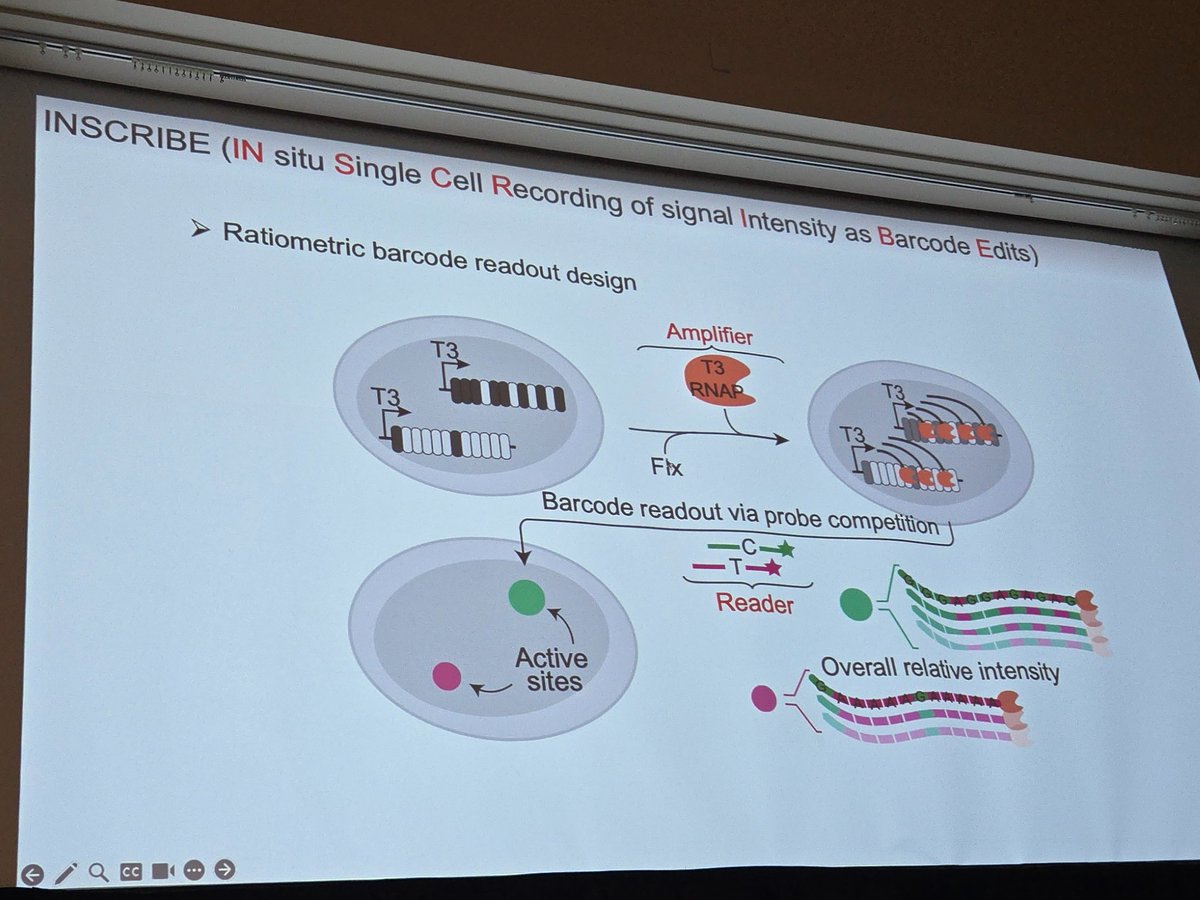
Kai Hoa from Amjad Askary's lab @AskaryLab on recording signaling histories in single cells via INSCRIBE
Check out their bioRxiv:
biorxiv.org/content/10.1101/…
#SysBioSC2025

1
4
5
760
Amjad Askary retweeted

17 Mar 2025
Spatial proteomics is here, but spatial functional proteomics?
Here is our Nature BME paper on spatial protein interactomics (nature.com/articles/s41551-0…) illuminating how 47 proteins co-localize/ interact within 20 nm and their function in tissues.
@naturemethods @rita_strack
6 Dec 2024

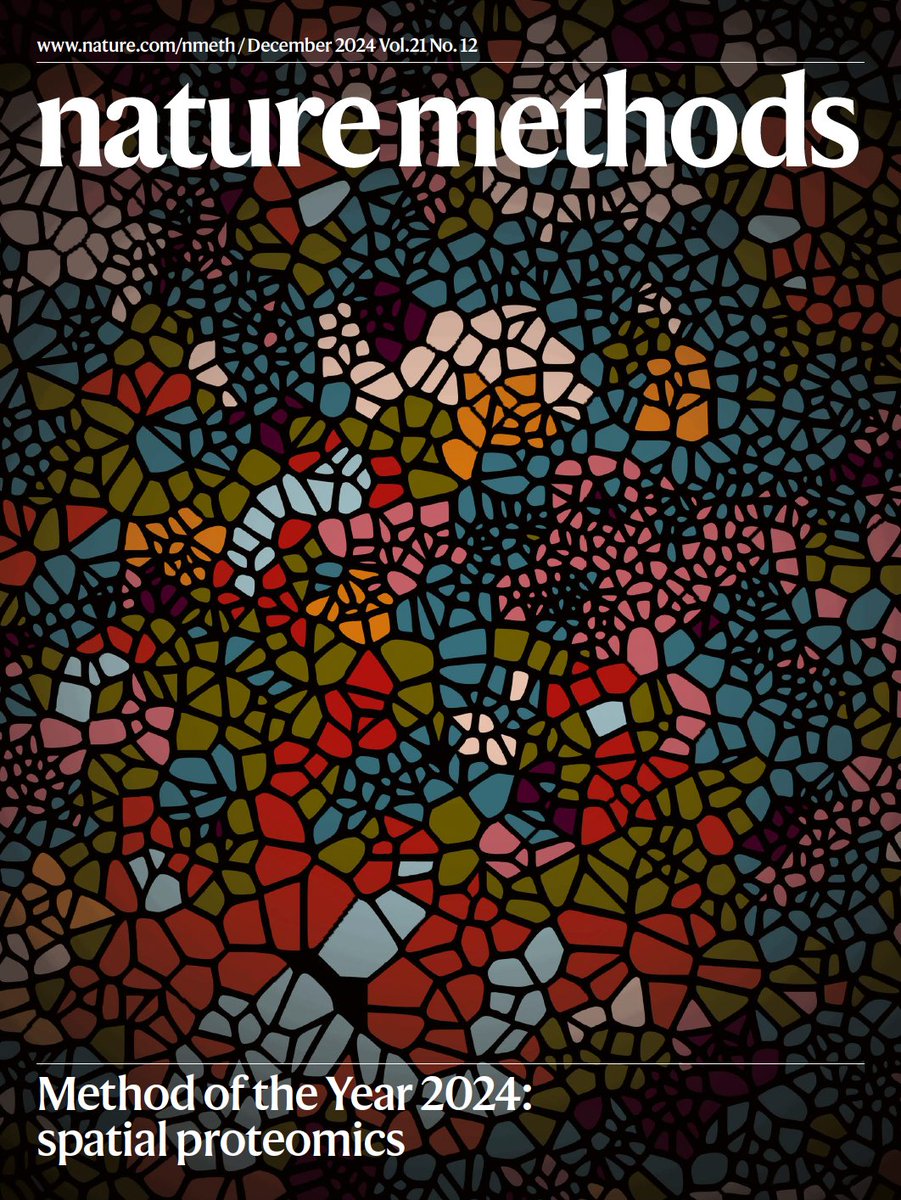
The wait is over!! We are thrilled to announce that we have chosen Spatial Proteomics as 2024’s Method of the Year! 🥳
For more on Spatial Proteomics and a road map to this special issue, please see this month’s Editorial or read on in this thread.
nature.com/articles/s41592-0…
3
49
295
33,013
Amjad Askary retweeted

1 Mar 2025
So we beat on. Gene/cell therapies often use proteins that could be recognized/rejected as non-self by our immune system. We combine algorithms to build proteins that are therapeutically relevant and can masquerade as our own parts doi.org/10.1101/2025.02.24.6…
10
51
267
56,059

Nice article in Scientific American about our work on outer ear evolution and a complimentary study from the lab of Maksim Plikus on role of unique lipids in mammalian ear cartilage. @MathiThiru95 @USCStemCell @KECKSchool_USC
scientificamerican.com/artic…
11
48
3,365
Amjad Askary retweeted

15 Jan 2025
How does one (signaling) arm know what the other is doing in the cell? Through a network of bHLH transcription factors obviously! Our work showing how neural stem cells integrate signals to coordinate a fate response is now out: cell.com/cell-reports/fullte…
2
14
49
10,094
Amjad Askary retweeted
15 Jan 2025
It's published! rdcu.be/d6kVt
23 Jan 2024

When we talk about viral protease-based circuits, people wonder: "if it's meant as therapeutics, are you concerned about immunogenicity"? Now, in hDIRECT, we established control of cytokines using a human protease and its FDA-approved inhibitor: doi.org/10.1101/2024.01.18.5…
9
12
70
14,988
Amjad Askary retweeted

13 Jan 2025
A month ago we @vevo_ai announced that we have generated the largest single-cell perturbation atlas in history, Tahoe-100M. Today, we announce that we will fully open-source Tahoe-100M in Feb, as part of a collaboration with @NVIDIAHealth to train cell state models.
3
50
363
40,150
4 Jan 2025
Spatial MOtif REcognition (SMORE) is now peer-reviewed and out at @GenomeBiology Updates include analysis of sequencing-based spatial transcriptomics (Slide-Seq) and a whole brain
dataset with ~4 million cells, showing versatility and scalability of SMORE. genomebiology.biomedcentral.…
13 Apr 2024
Have you used spatial genomics to map cell types in your favorite tissue? Are you interested in finding patterns in your results? We’ve developed a method just for you. The first paper from our lab is now on bioRxiv!
biorxiv.org/content/10.1101/…
1
9
23
3,842
4 Jan 2025
Special congratulations to @SamadiZain who developed a simple idea into a powerful algorithm.
1
1
148
Amjad Askary retweeted

23 Nov 2024
A dream come true: in 2004 I started thinking about counting microstates to predict gene expression with @JKondev Rob Phillips @HernanGGarcia. 20 years later we can measure them: nature.com/articles/s41586-0… Thank you @WJGreenleaf @bgrdoughty @MichaelaThinks Julia and all co-authors!
7
78
451
37,178
Amjad Askary retweeted
26 Nov 2024
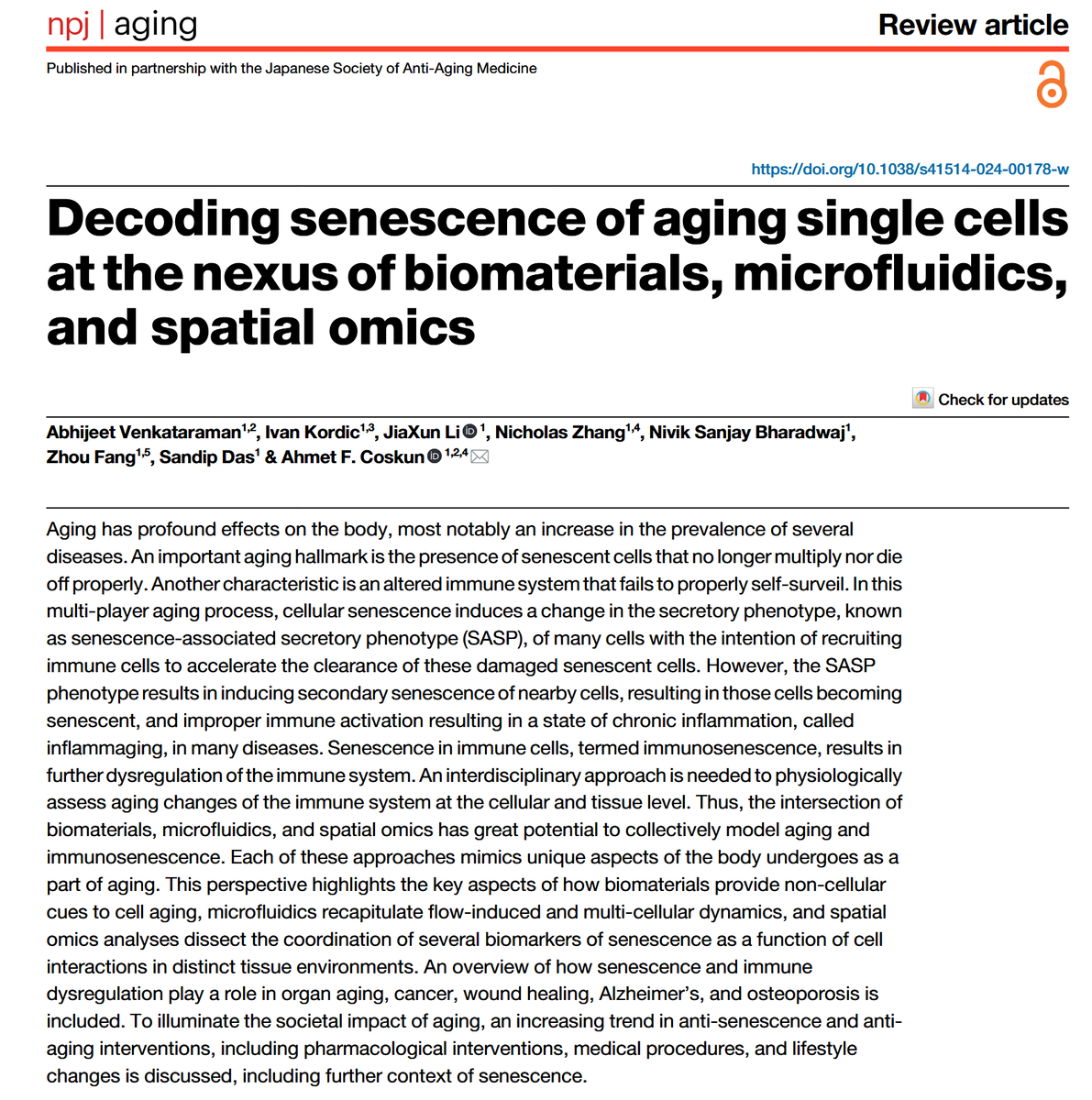
New Publication Alert!
our perspective of "Aging on a chip" and "Spatial Omics" in aging single cells.
Decoding senescence of aging single cells at the nexus of biomaterials, microfluidics, and spatial omics
npj Aging10, 57 (2024)
Link: lnkd.in/ef7-ad7Q
@CoulterBME
4
26
3,333
25 Nov 2024
Check out our new review of molecular recording, exploring cutting-edge technologies and their transformative potential for biology. A collaborative effort across multiple labs—proud to have been part of this amazing team! 🌟
25 Nov 2024

The lives of cells, recorded go.nature.com/4g2gRwG #Perspective by @AskaryLab, Wei Chen, @_Choi_Junhong, Lucia Y. Du, @ElowitzLab, @james_gagnon, @schierlab, @sophieseid, @JShendure, @TanjaStadler_CH & @tranmartink
8
26
2,712
Amjad Askary retweeted

20 Nov 2024
Incredibly excited that our paper linking single molecule states of TF binding to gene expression using quantitative thermodynamic models is out in Nature today. An amazing collaboration with the Bintu Lab. Congrats to Ben, Michaela, and Julia! nature.com/articles/s41586-0…
11
105
511
48,526
Amjad Askary retweeted

14 Nov 2024
Our work describing molecular recording of sequential information by directing a chain of insertions with prime editor in mammalian cells is now published in @nchembio here - nature.com/articles/s41589-0…. Congratulations to Theresa Loveless, @CourtneyCarls_n, and the whole team!
5
26
139
11,610
Amjad Askary retweeted

29 Oct 2024
Check out this amazing resource! High quality illustrations for free!
bioart.niaid.nih.gov/
HT @LuciaScience
1
41
145
27,567
Amjad Askary retweeted
21 Oct 2024
We are excited to introduce LoRNA-SH, a frontier RNA foundation model that leverages long-read transcriptomics and long-context inputs to learn and predict the transcriptome architecture with base-pair resolution: biorxiv.org/content/10.1101/…
2
41
181
32,806
12 Oct 2024
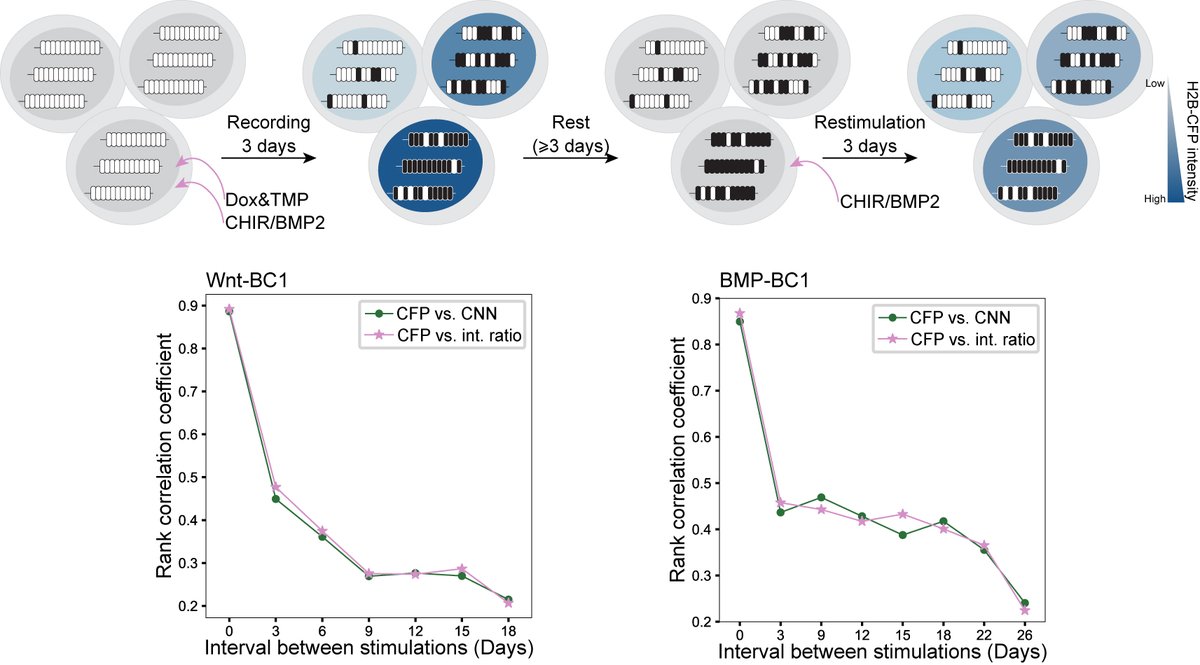
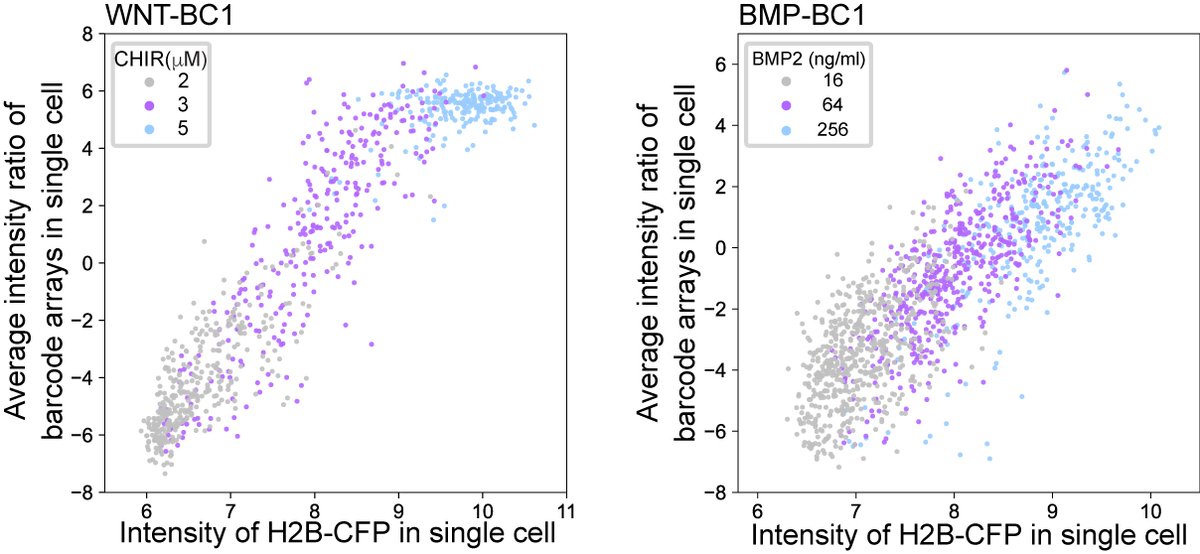
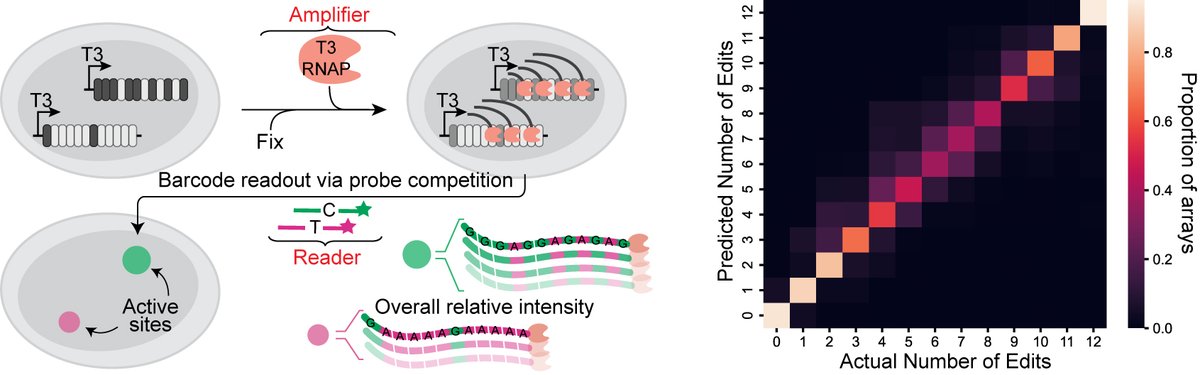
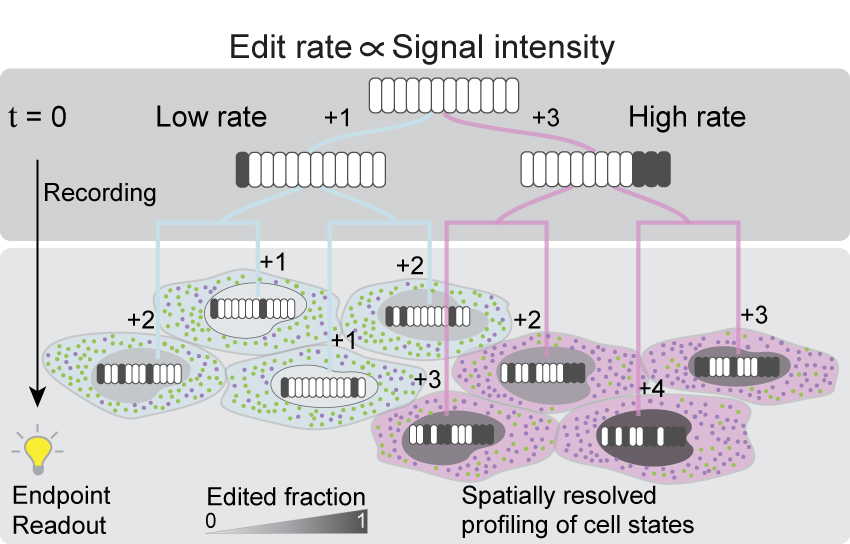
What if you could find out the history of signaling activity in each cell with a single round of imaging? Wouldn't that be incredible? Well, we thought so too. And that's what we set out to achieve with INSCRIBE in our new preprint. Let’s dive in! 🚀🔬
biorxiv.org/content/10.1101/…
7
62
321
43,949
12 Oct 2024
We're excited about the future applications of INSCRIBE: its simple and fast readout strategy makes it ideal for large scale tissue-level analyses of development, regeneration, cancer, and more, helping to unravel how cells 'remember' past events.
1
1
6
973
12 Oct 2024
We’d love to hear your thoughts, ideas, and questions! Curious how molecular histories of the cells shape their behavior in your system? No need for a time machine—just a regular fluorescence microscope will do the trick.
1
8
792