Co-Founder & Chairman @FREOPP. Chief Strategy Officer @Strive $ASST $SATA. @Forbes @BitcoinPolicy @AspenAGLN @BPC_Bipartisan et al. Pronounced “OH-vick.”
Joined June 2009
- Tweets 22,756
- Following 9,198
- Followers 50,557
- Likes 16,964
612 Photos and videos





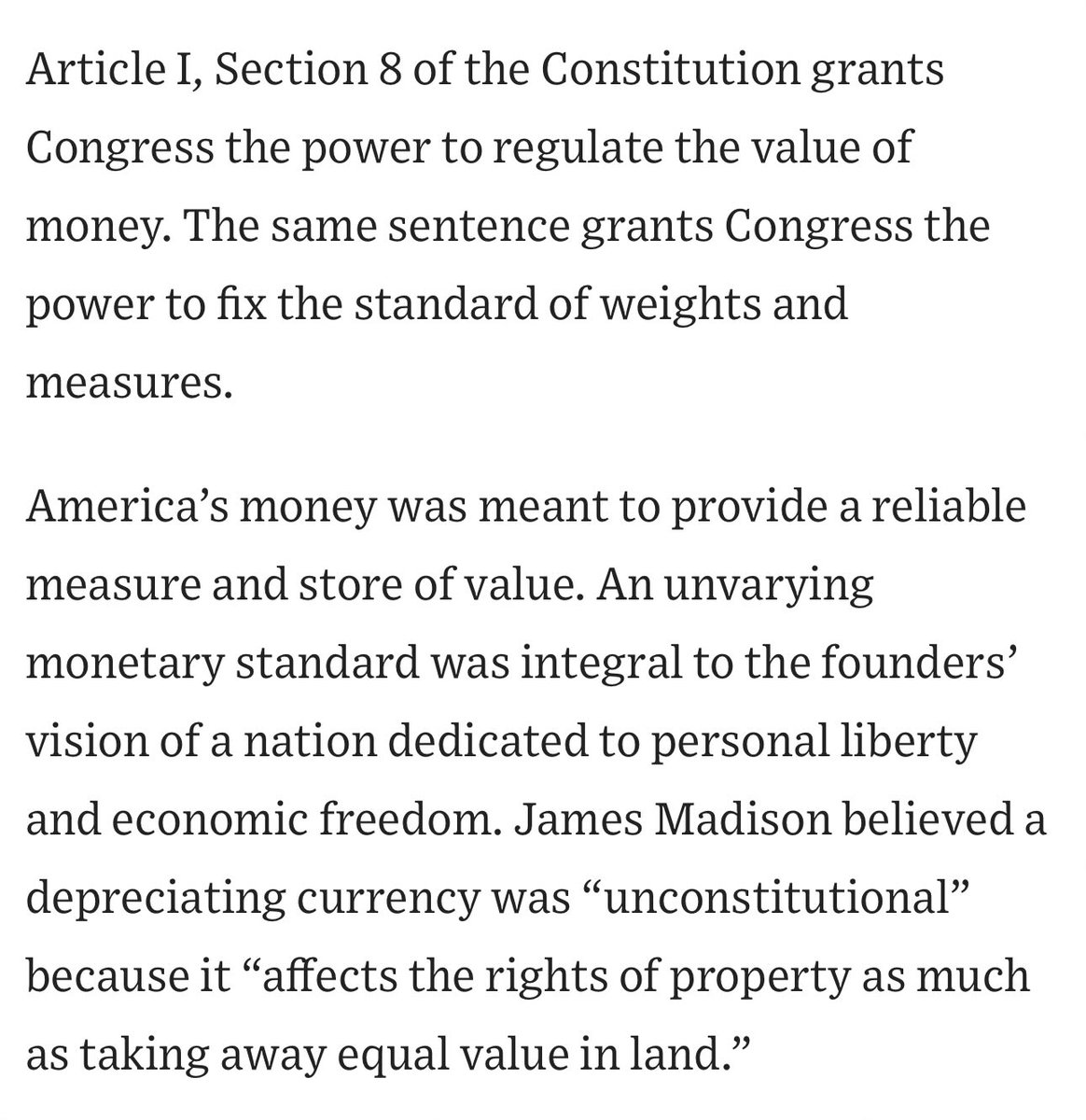

New @FREOPP: Our paper on how to end the cycle of tuition hikes and student loan bailouts, and actually reduce the cost of higher education, building on reforms in the One Big Beautiful Bill Act.

Taxpayers spend $150 billion per year on student financial aid. A quarter of that debt will never be repaid, and it's taxpayers rather than the colleges who will absorb the loss.
@Avik and @JustinWStapley outline how Congress can implement accountability: freopp.org/whitepapers/highe…
3
4
18
8,463
RT @ColeMacro: No single metric tells a full financial picture. The key is understanding the differences and how to use them.
Strive’s two…
15
Avik Roy retweeted

Jun 12
@The_Budget_Lab (specifically @abhiecon!) recently estimated that congressional-spending decisions since 2015 have raised Treasury yields by almost a full percentage point, which affects what American households pay to borrow. 2/
1
5
22
2,081
Avik Roy retweeted

On this day in 2002, the star-studded Detroit Red Wings beat the Carolina Hurricanes to win their 10th Stanley Cup in franchise history.
One of the greatest teams in NHL history, with 11 Hall of Famers (and counting) including Scotty Bowman. #LGRW
15
74
642
34,400
Avik Roy retweeted

Jun 12
The sheer scale of a trillion dollars can be hard to comprehend. Let me put it in perspective. You would be able to buy 42 miles of high speed rail in California with that much money.
Jun 12

The sheer scale of a trillion dollars can be hard to comprehend. Let me put it in perspective. You would have to earn a dollar a year for a trillion years straight to have that much money.
344
2,169
27,803
841,937
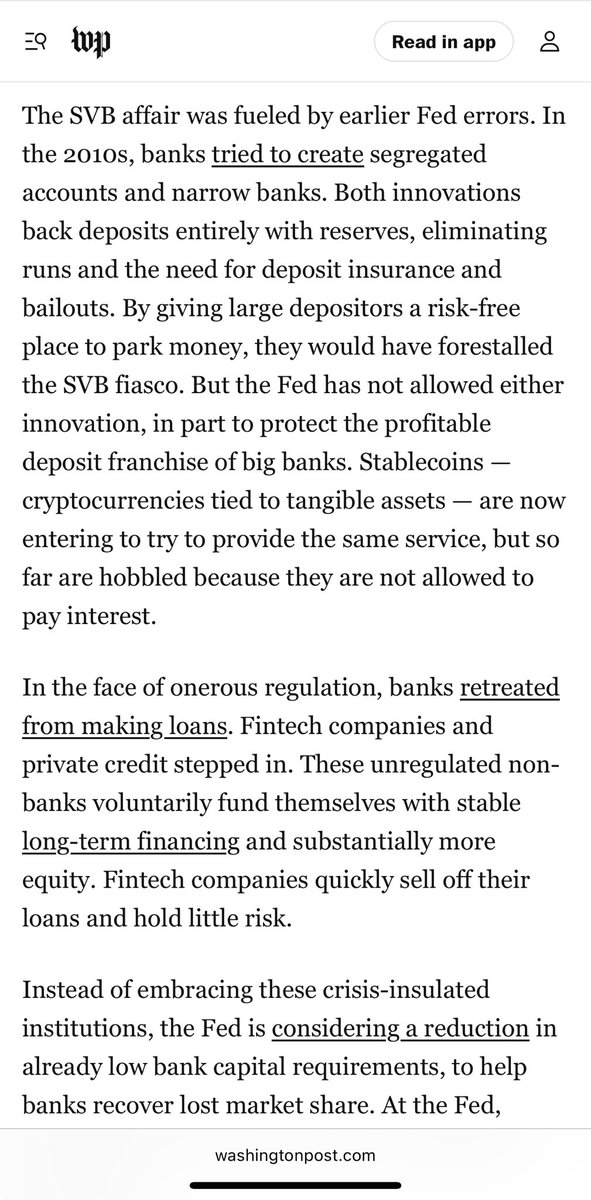
Terrific op-ed by @JohnHCochrane on how dumb Fed financial regulation has destabilized the banking system, and how Kevin Warsh can fix it: washingtonpost.com/opinions/…
1
4
17
3,543
Avik Roy retweeted

Jun 11
Applicable to financing USD liabilities to fund productive capital purchases, MSTR.
"Under all circumstances, we plan to operate with plenty of liquidity, with debt that is moderate in size and properly structured, and with an abundance of capital strength."
- Berkshire Shareholder Letter, February 27, 1981
2
3
46
2,926

we still need to free samourai
billandkeonne.org
20
129
696
22,653
Avik Roy retweeted

"I think that digital credit – if designed well – can be better than a money market account, and that the demand for that can be exponentially high. I think it's going to be north of $3 trillion pretty easily in the next 10 years."
Digital credit FAQs, presented virtually at the Bitcoin Treasuries Unconference UK by Matt Cole, Chairman & CEO at Strive.
Hosted by @TimKotzman from Bitcoin Treasuries Podcast.
@ColeMacro
@Strive
LSE: #SWC | OTCQB: $TSWCF | FRA: $3M8
1
6
45
5,625
RT @ColeMacro: The dollar is broken but is still the reserve currency.
Any security/commodity can easily be used as a medium of exchange t…
26
Avik Roy retweeted

Final TV ad! Watch, share, and vote Jonathan Bush to CUT TAXES and SHRINK AUGUSTA by June 9 🇺🇸
2
5
12
5,470
Avik Roy retweeted
THANK YOU for your endorsements!
Keep them coming and Vote Jonathan June 9th!
SHRINK Augusta, CUT Taxes, GROW our economy, SHRED Fraud, ENFORCE our laws, and make Maine affordable so that our children can live the American dream without leaving the state!
"Let's make more pie, not just divide!"
1
4
2,707
If you live in Maine: today is primary day! Go make Maine prosperous again!

JONATHAN BUSH will Make Maine prosperous again. Make Maine free again. Make Maine a place where our families can be safe & thrive again.
FACT: Mainers cannot afford to live here anymore. My wife's family couldn't sustain their 7 generation dairy farm. Small businesses are shuttering throughout out the state and new ones aren't entering. Property taxes are forcing seniors and youth out of their homes.
We WILL change this.
VOTE JONATHAN BUSH June 9th to SHRINK Augusta, CUT taxes, bring back AFFORDABILITY and ECONOMIC GROWTH to Maine.
2
1,637
Avik Roy retweeted

For the first time in 123 years, Argentina has achieved a sustained fiscal surplus without being in default. We are one of only 5 countries in the world in this position.
LONG LIVE FREEDOM, DAMN IT...!!!
437
7,492
58,149
1,097,190
Avik Roy retweeted

Jun 7
Jamie Dimon claims crypto companies that offer interest-bearing products should be subject to same capital and compliance requirements imposed on banks. That's nonsense. Banks are FDIC insured and make risky loans under a fractional reserve system. Stable coin issuers don't.
137
155
1,359
238,164
Avik Roy retweeted

Jun 8
Ohtani has the highest OPS and the lowest ERA in the NL.
I repeat, Ohtani has the highest OPS and the lowest ERA in the NL🚨🚨🚨

72
599
8,752
469,850
Avik Roy retweeted

Jun 7
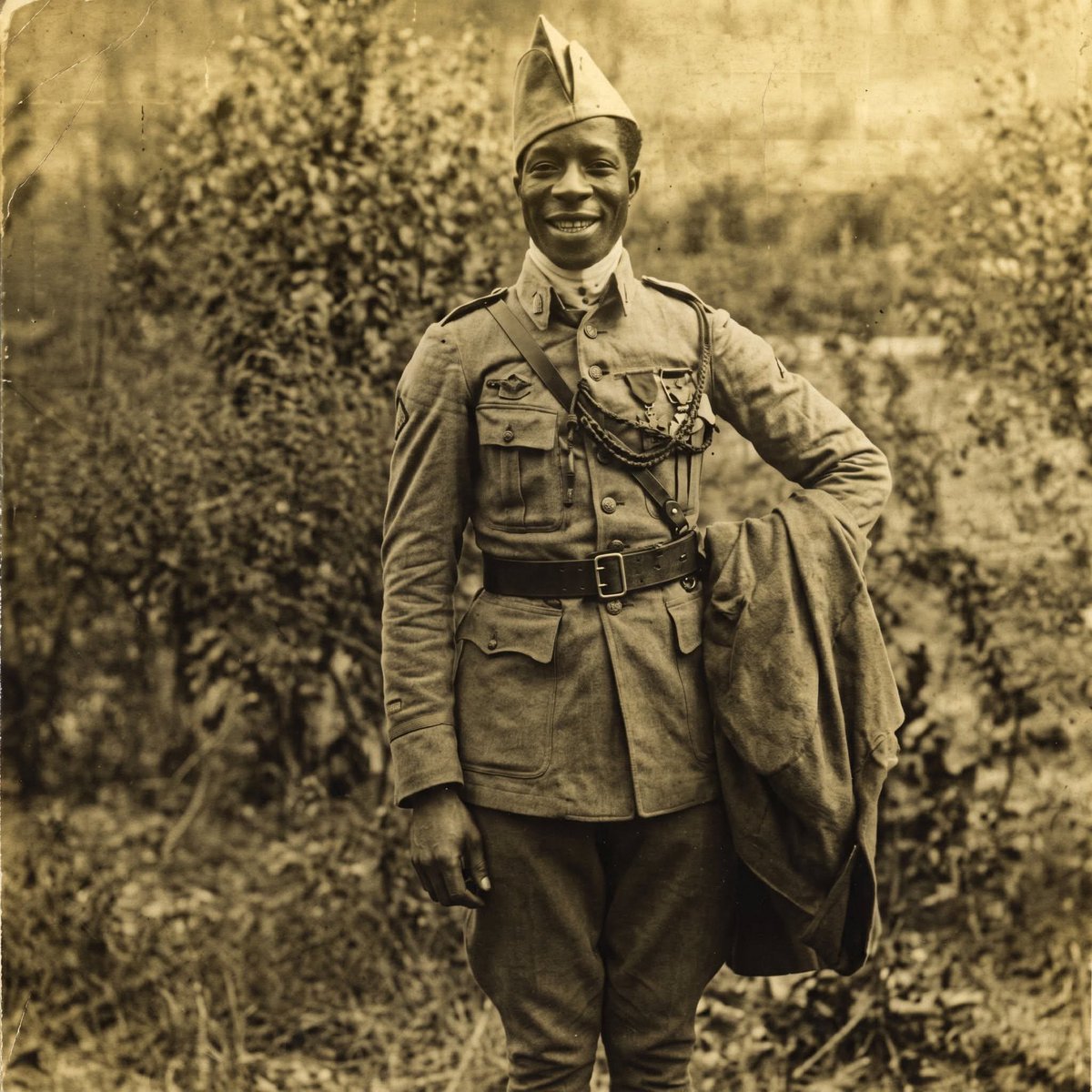
When the President of France visited the United States in April 1960, he asked the FBI to help him find a man.
The man he was looking for was an American citizen. He was sixty-four years old. He had been awarded fifteen French military decorations and — six months earlier, in a ceremony in Paris — had been made a Knight of the Légion d'honneur, the highest civilian honor France can give. The medal had been pinned to his chest by the President himself, who had publicly called him un véritable héros français. A true French hero.
The FBI located the man within a few days.
He was operating an elevator at Rockefeller Center in New York City.
The elevator operator's name was Eugene Bullard. He had been born in Columbus, Georgia, in 1895, the son of a man whose own father had been a slave.
He had run away from Columbus at the age of eleven, after watching a white mob nearly lynch his father.
He spent the next several years drifting through the American South. At sixteen, he stowed away on a German freighter at Norfolk, Virginia. He landed in Aberdeen, Scotland. From there he made his way to London, where he learned to box. By 1913, at eighteen, he was prizefighting in Paris.
When Germany invaded France in August 1914, Bullard was nineteen years old. He had no legal obligation to fight. He had no French citizenship.
He went to the recruiting office on October 19, 1914, and signed up for the French Foreign Legion.
He spent the next eighteen months as an infantryman in some of the worst fighting of the war — at the Somme, at Champagne, at Verdun. He was wounded three times. The third wound, on March 5, 1916, tore open his thigh and left him with permanent damage to his leg.
He was twenty years old. The doctors told him he would not return to the infantry.
He decided he wanted to fly.
In a Paris café in the spring of 1916, while he was recovering, Bullard mentioned to three white American friends that he was thinking of joining the French air service. A Mississippian named Jeff Dickson laughed.
Gene, Dickson said, you know damn well there aren't any Negroes in aviation.
Bullard answered: Sure do. That's why I want to get into it. There has to be a first to everything, and I'm going to be the first.
Dickson bet him two thousand dollars he would not make it.
Bullard took the bet. He earned his pilot's license on May 5, 1917. He won the bet.
He reported to the front in August 1917 and flew approximately twenty combat missions over the next three months in a SPAD VII. The fuselage was painted with a bleeding heart pierced by a knife and the French phrase Tout le Sang qui Coule est Rouge — All Blood that Flows is Red.
He carried, on every combat flight, a small capuchin monkey named Jimmy in the front of his flight jacket.
The French press began calling him L'Hirondelle Noire — the Black Swallow.
When the United States entered the war in 1917, Bullard immediately applied to transfer to the U.S. Army Air Service.
His application was rejected.
The U.S. Army Air Service had a policy, in 1917, of not accepting Black pilots. The other American pilots flying for France in his unit, all of them white, were transferred to the U.S. Air Service.
He was the only one who was not.
For the next twenty years, he was one of the most familiar faces in the Montmartre nightlife of Paris between the wars. He owned a nightclub called L'Escadrille. He spoke fluent French, English, and German. Hemingway drank there. Fitzgerald drank there. Langston Hughes drank there. Josephine Baker performed there. Louis Armstrong was a personal friend.
When Germany invaded Poland in 1939, Bullard was forty-four. His fluent German and his ownership of a nightclub frequented by German officers made him useful to the French Resistance. He became an intelligence agent — eavesdropping in his own bar on conversations between German officers who did not know he understood every word.
When France fell in June 1940, friends in the Resistance smuggled him across the Spanish border before the Gestapo could arrest him.
He came back to the United States for the first time in twenty-eight years.
He arrived in New York with thirty dollars in his pocket and a permanent limp.
He did not return to a hero's welcome. He returned to a country that had no idea who he was.
He worked at a perfume counter. He worked as a security guard. He worked at the Staten Island shipyards. By the late 1940s, he had taken the job that he would hold for most of the rest of his life.
He operated the elevator at Rockefeller Center.
He was wearing the elevator uniform on the day a producer from NBC came down from the studios upstairs to ask if he was the man Charles de Gaulle had been looking for.
A few weeks later, NBC sent a film crew to interview him in the lobby. The studios where NBC produced The Today Show were on the floors above. He had operated the elevator that took the network executives up to those studios every morning for nearly ten years. He had not been recognized as he did it.
He went back to operating the elevator the following Monday.
He died of stomach cancer on October 12, 1961, three days after his sixty-sixth birthday.
He was buried in the French War Veterans' section of Flushing Cemetery, in Queens, in the uniform of the French Foreign Legion. The casket was draped with the French flag.
In 1994 — thirty-three years after his death — the United States Air Force formally commissioned Eugene Jacques Bullard as a Second Lieutenant, posthumously.
It was the first commission the U.S. military had ever offered him.
He had been the first Black combat pilot in American history.
The French had been calling him a hero since 1917.
The Americans got around to it in 1994.
397
5,208
18,305
601,440
RT @ColeMacro: Bitcoin is at a historically optimal level to go out the risk curve to the maximal degree.
Strive ($ASST) has 62% amplifica…
101

this is the best bitcoin podcast episode i’ve listened to all year, especially for those that are interested in quantum
a background note: i first listened @danboneh talk on the topic of quantum what must’ve been almost 10 years ago. to me, he’s the one expert who demonstrates the most knowledge depth (and humility) on the subject, and teaches me the most when he speaks
recently, dan helped come up with a way to run Shor’s algorithm with 10x fewer physical qubits than previously thought (co-author on the 2026 Google paper)
my tl;dr of the episode:
his baseline characterization of quantum computing isn’t as something that might be fundamentally impossible. that error correction would get exponentially hard in the same way that breaking elliptic curve cryptography in the classical sense gets exponentially hard with the number of bits in a key
It is hard for sure, but not ”exponentially hard”
at the same time he doesn’t personally think CRQCs powerful enough to attack bitcoin is going to happen before 2035
(sidenote: it should be obvious to anyone that the deadline to reach safety isn’t ”the date when the smart people think an attack is most likely to happen”, but way before then. the question is rather ”by when is it even at a small risk?” and optimize for that)
he gives the reason for why it is unlikely to happen before 2035: it is not a principle of physics or of human progress, just a matter of funding. if quantum had the same level of funding that ai does, the calculus would be entirely different (the threat of attack would come much sooner)
to connect what he say to what some quantum critics like @jamesob, @reardencode or @robin_linus within the bitcoin community are saying, he does have the humility to acknowledge that it is *possible* error correction doesn’t scale. nobody knows for sure until it is proven.
that is a wholly different thing than confidently rejecting outright that it will ever scale, as if it’s something you can know and base your plans on, which is effectively what @jamesob, @reardencode and @robin_linus are doing
he compares quantum computing to flight, the wright brothers, and thinks that quantum computing already had its ”kitty hawk” moment (when the wright brothers flew 37 meters in 1903) with the google willow chip in 2024 (proving scalable fault-tolerant quantum computers are possible)
”error corrected quantum computing is not a theory, it has been proven to work”
regarding the notion that no quantum computer has factored a number higher than 21, dan says that that's true, but that it's only just now that these tools are coming together. it's happening right now.
the entire podcast is a treasure trove of information and is probably the single highest signal thing you can listen to if you want to get up to speed on the latest in ”quantum computing vs Bitcoin” from someone who actually knows what he’s talking about
congrats @isabelfoxenduke on this stellar interview

BITCOIN RAILS #61: QUANTUM CRYPTOGRAPHY FOR BITCOIN | with Dan Boneh @danboneh
🔗 YOUTUBE: youtu.be/F-HG87VJj_k
🌿 SPOTIFY: open.spotify.com/episode/7ly…
One of the most prolific and influential cryptographers in the world, it’s difficult to fully quantify the impact that Dan Boneh has had on Bitcoin and digital assets more broadly.
Through both his own research and his mentorship of some of the space’s most important contributors — e.g. Andrew Poelstra, @benediktbuenz, and @robin_linus — few people have done more to shape the cryptographic foundations underlying modern blockchains and digital finance.
More recently, Dan co-authored @Google's widely discussed paper, “Securing Elliptic Curve Cryptocurrencies against Quantum Vulnerabilities,” which reduced prior estimates of the resources required to run Shor’s algorithm against the elliptic-curve cryptography used by Bitcoin.
The paper reignited debate around quantum computing timelines and the long-term security assumptions behind modern cryptocurrencies.
In this episode of Bitcoin Rails, Dan and I discuss the current state of quantum computing, its potential implications for Bitcoin, and how he believes the Bitcoin community should think about preparing for a post-quantum future over the coming decade and beyond.
And yes, Dan shares his take on the “when quantum” question in the interview, among other key perspectives.
This episode of Bitcoin Rails is brought to you by my NEW sponsors:
LayerTwo Labs @LayerTwoLabs — developing research, software, and technologies for scaling Bitcoin via the integration of Drivechains (BIP 300/301)
Hashi on @SuiNetwork — a primitive for executing Bitcoin Defi transactions, without having to trust a federated bridge or other centralized entity
BitBox @BitBoxSwiss — an open-source Bitcoin-only hardware wallet, with smooth UX and no compromises on security. Check out Bitbox [dot] swiss and use code BITCOINRAILS to get a discount
TIMESTAMPS:
00:00 — Intro and Dan’s history with cryptography and Bitcoin
11:44 — Shor's algorithm: how a 1994 paper became cryptography's most important threat
16:39 — Building a quantum computer: superconducting qubits vs neutral atoms
25:37 — When should we start worrying about quantum computers? The timeline debate
31:51 — Have we already reached quantum computing's “ahá” moment?
39:09 — Inside the Google paper: how Shor's algorithm was optimized
49:57 — The Bitcoin mempool attack and the 10-minute window
59:21 — Mitigation: what should Bitcoin do to prepare for quantum?
1:11:54 — Hash-based vs lattice-based signatures: Dan's case for lattice
1:23:15 — ZK proofs, BIP361, and what to do with Satoshi's coins
1:31:52 — Encrypted mempools and MEV
1:38:29 — Why Bitcoin will survive quantum and Dan's message to Bitcoin builders
23
44
386
65,440
Avik Roy retweeted

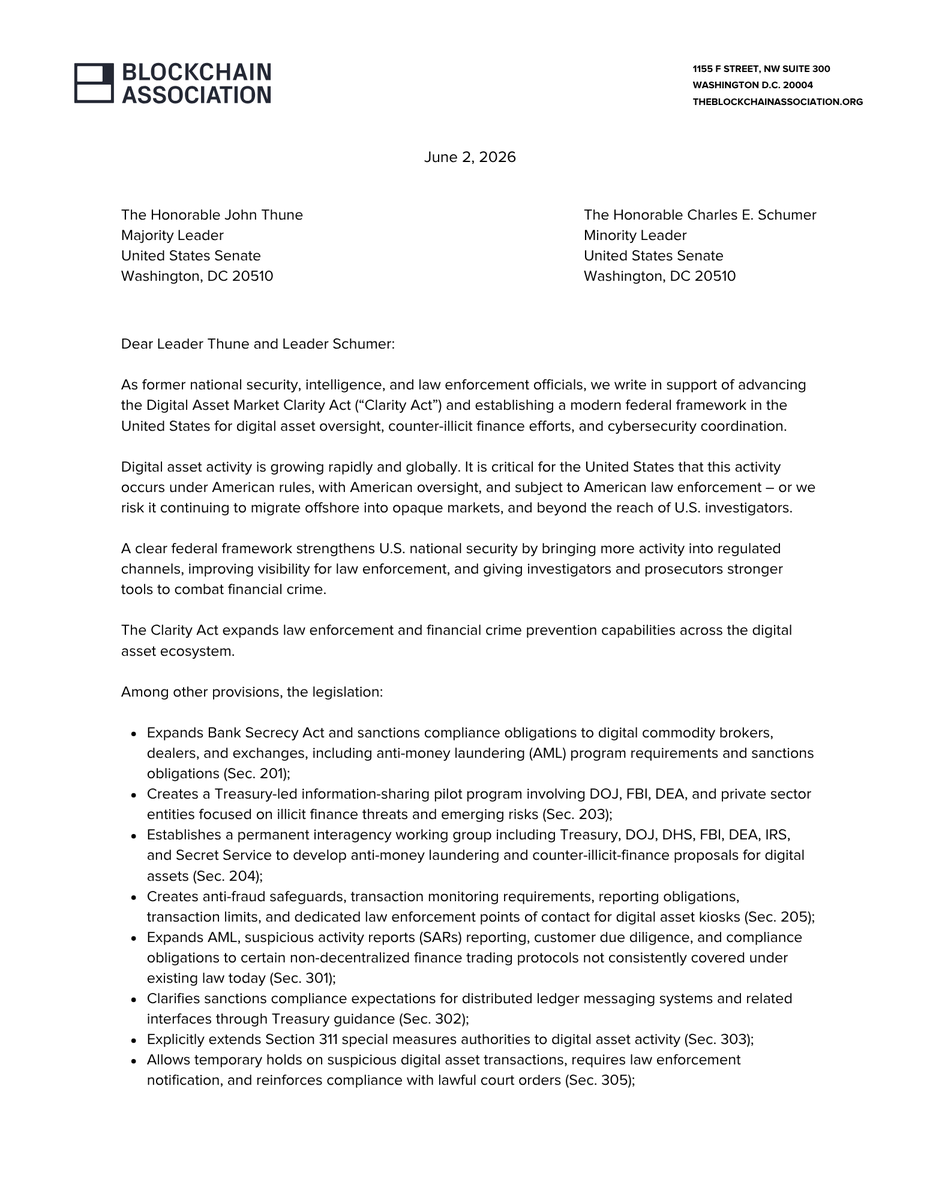
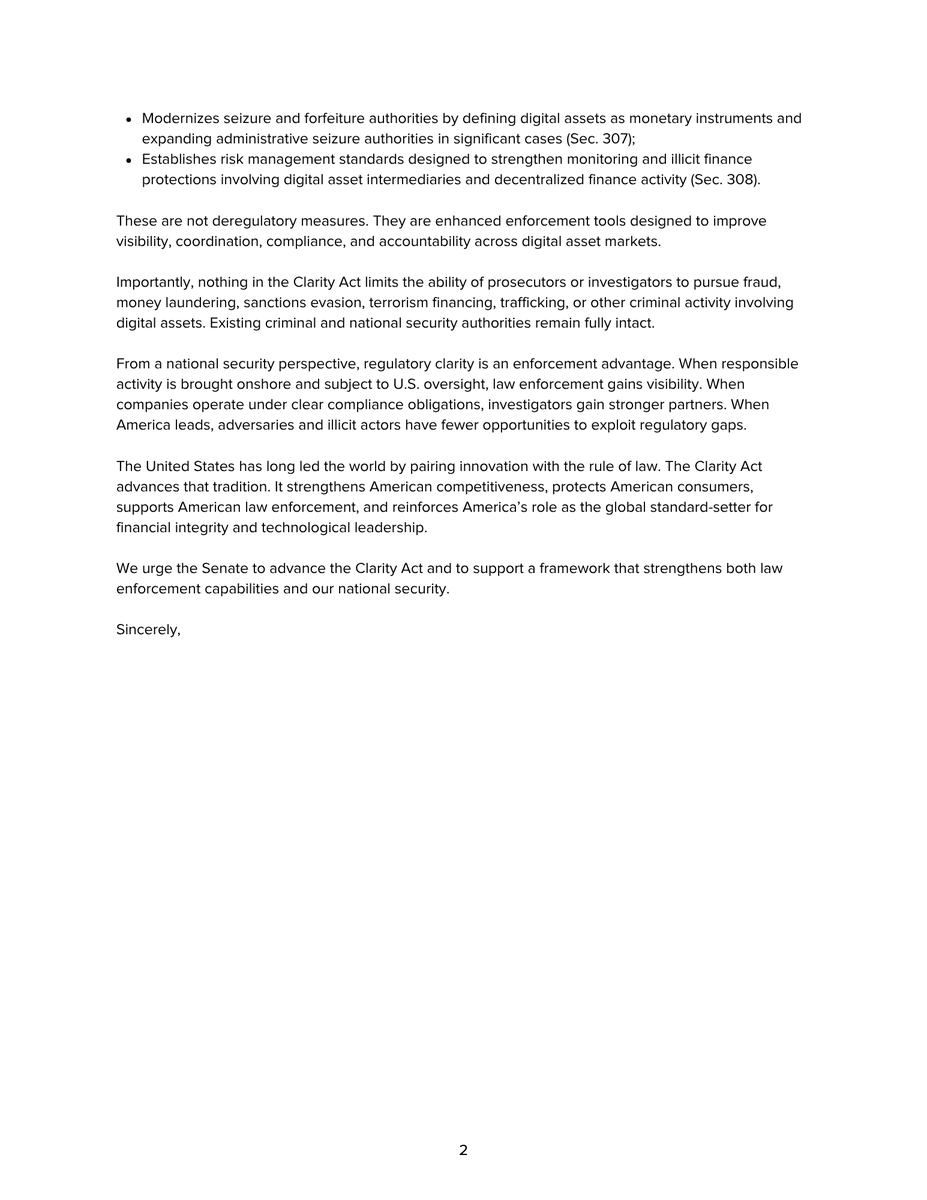
1/ Today, we’re sending a letter to Senate Majority Leader Thune and Senate Democratic Leader Schumer signed by 160 former national security, intelligence, and law enforcement professionals in support of the Clarity Act.
theblockchainassociation.org…
36
381
1,358
523,028
Avik Roy retweeted

Jun 2
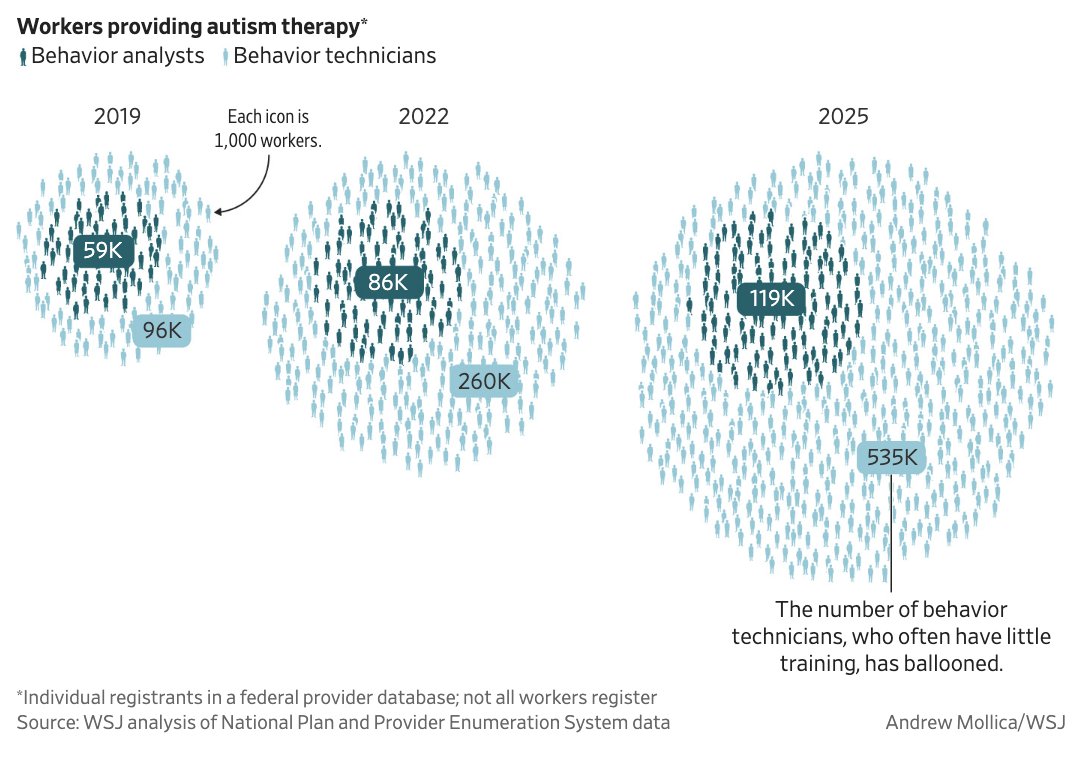
In 2019, there were about 150,000 people working in autism therapy.
Six years later, there were 654,000—more than the number of people who work in mining and logging, or telecommunications, or at the US Postal Service.
163
583
4,247
697,129