
Lecturer in Physiology, Faculty of Science, Mahidol University. Doing research on neuronal stress response and neurodegeneration. Opinions are my own.
Joined May 2012
- Tweets 1,009
- Following 708
- Followers 324
- Likes 3,882
35 Photos and videos


Tai Chaiamarit retweeted

Jun 11
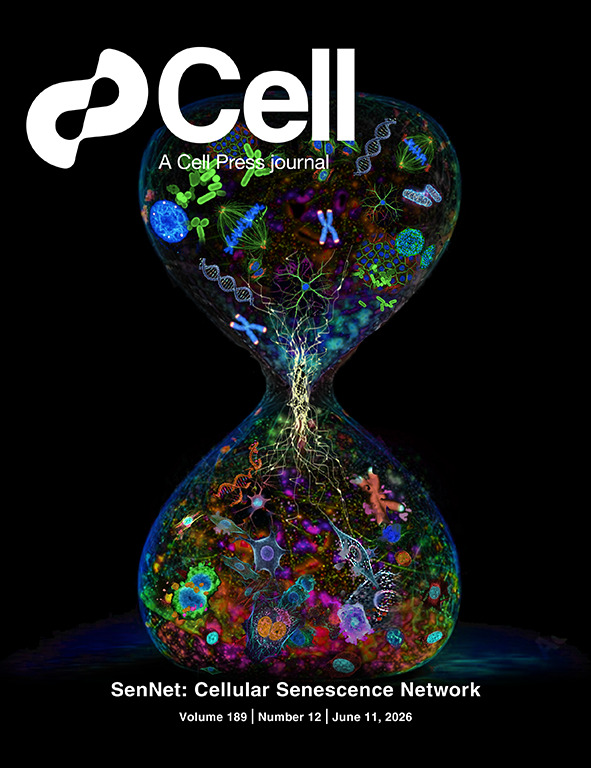
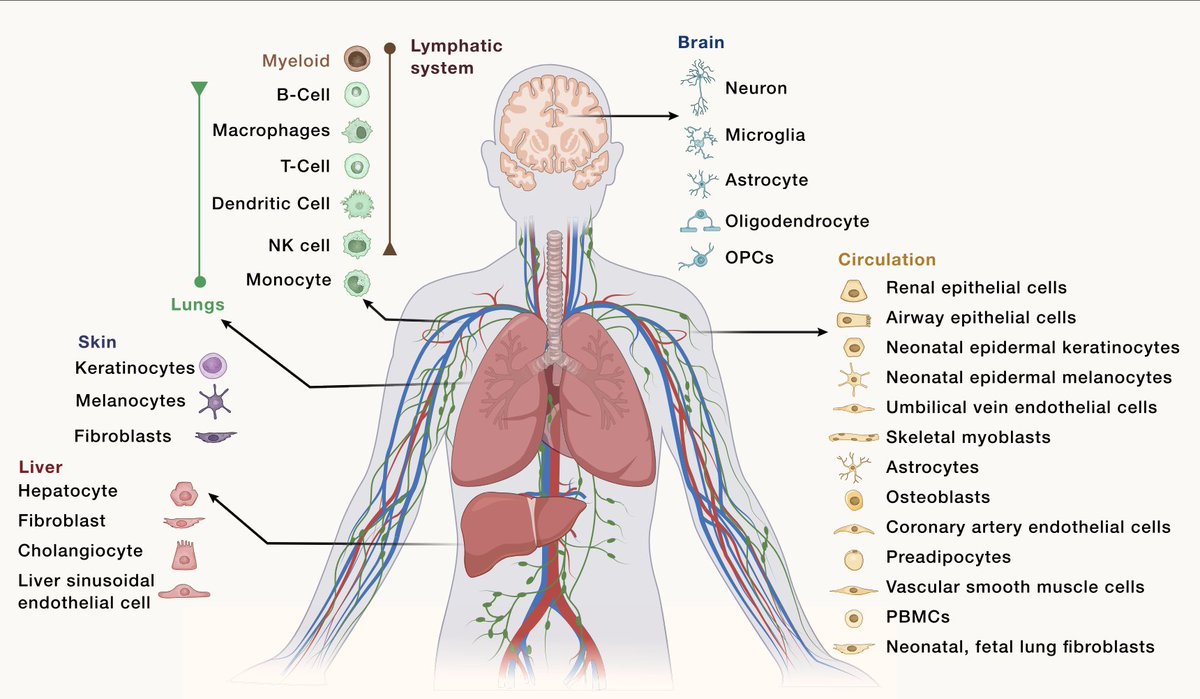
We're learning a lot about cellular senescence, how to track it, and its role in aging and disease. Cover and commentary @CellCellPress
cell.com/cell/fulltext/S0092…
9
69
275
25,269
Tai Chaiamarit retweeted

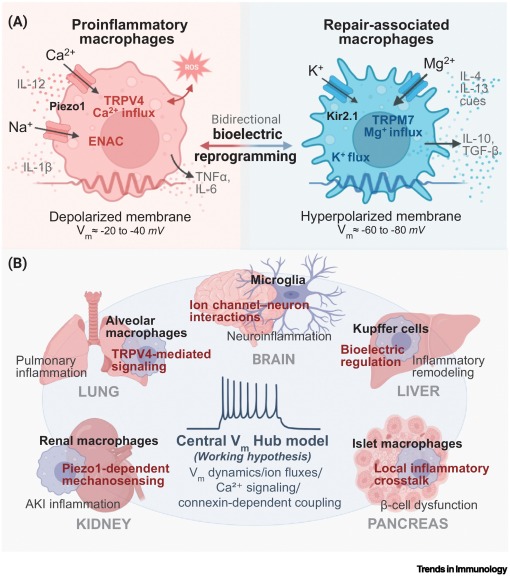
Bioelectric signaling as an emerging layer of macrophage communication dlvr.it/TSywZ6 #immunology
46
150
5,018
Tai Chaiamarit retweeted

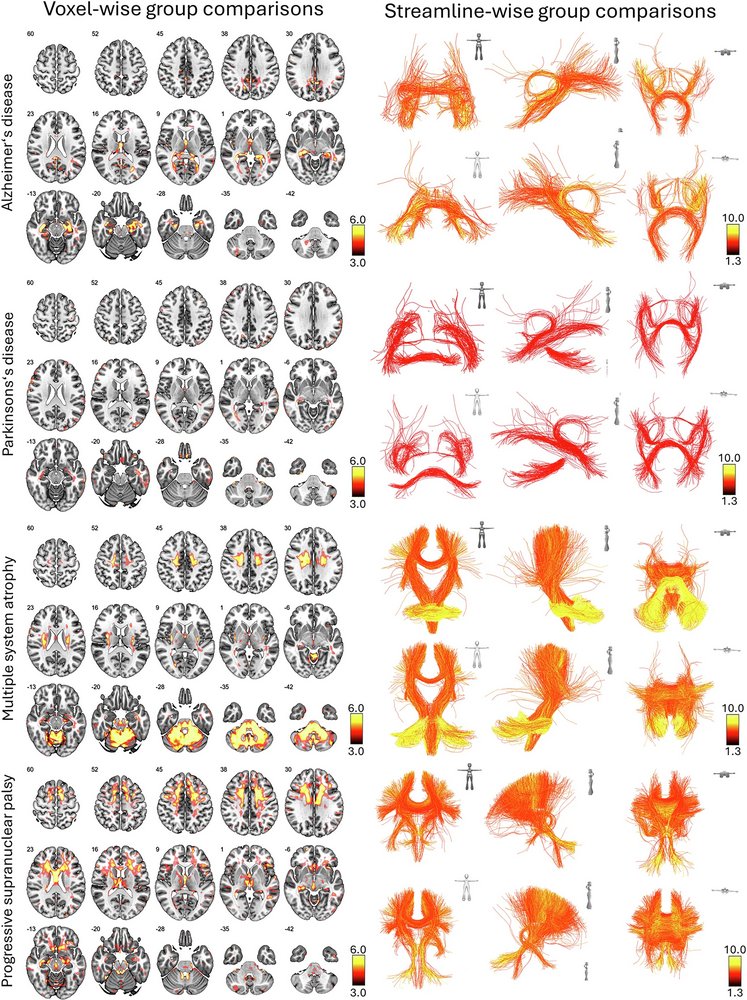
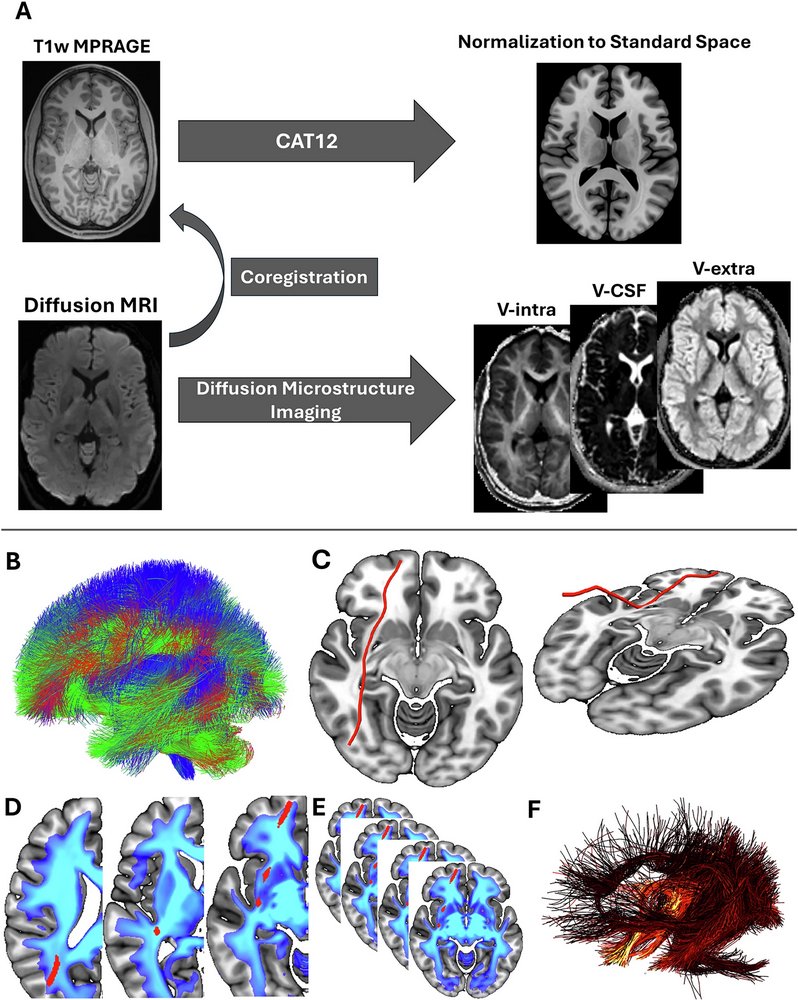
Very pretty: Researchers introduce a streamline-wise framework to map axonal degeneration & derive disease-specific fiber “degeneromes” across #Alzheimers, #Parkinsons, multiple system atrophy (MSA), & progressive supranuclear palsy (PSP)
nature.com/articles/s41531-0…
1
3
3
484
Tai Chaiamarit retweeted

Jun 11
Activity-dependent protein synthesis in neurons requires microglial-metabolic coupling: Cell Metabolism cell.com/cell-metabolism/ful…
1
8
28
1,253
Tai Chaiamarit retweeted

Mitochondria directly interact with the nuclear pore complex | Nature nature.com/articles/s41586-0…
55
176
11,138
Tai Chaiamarit retweeted

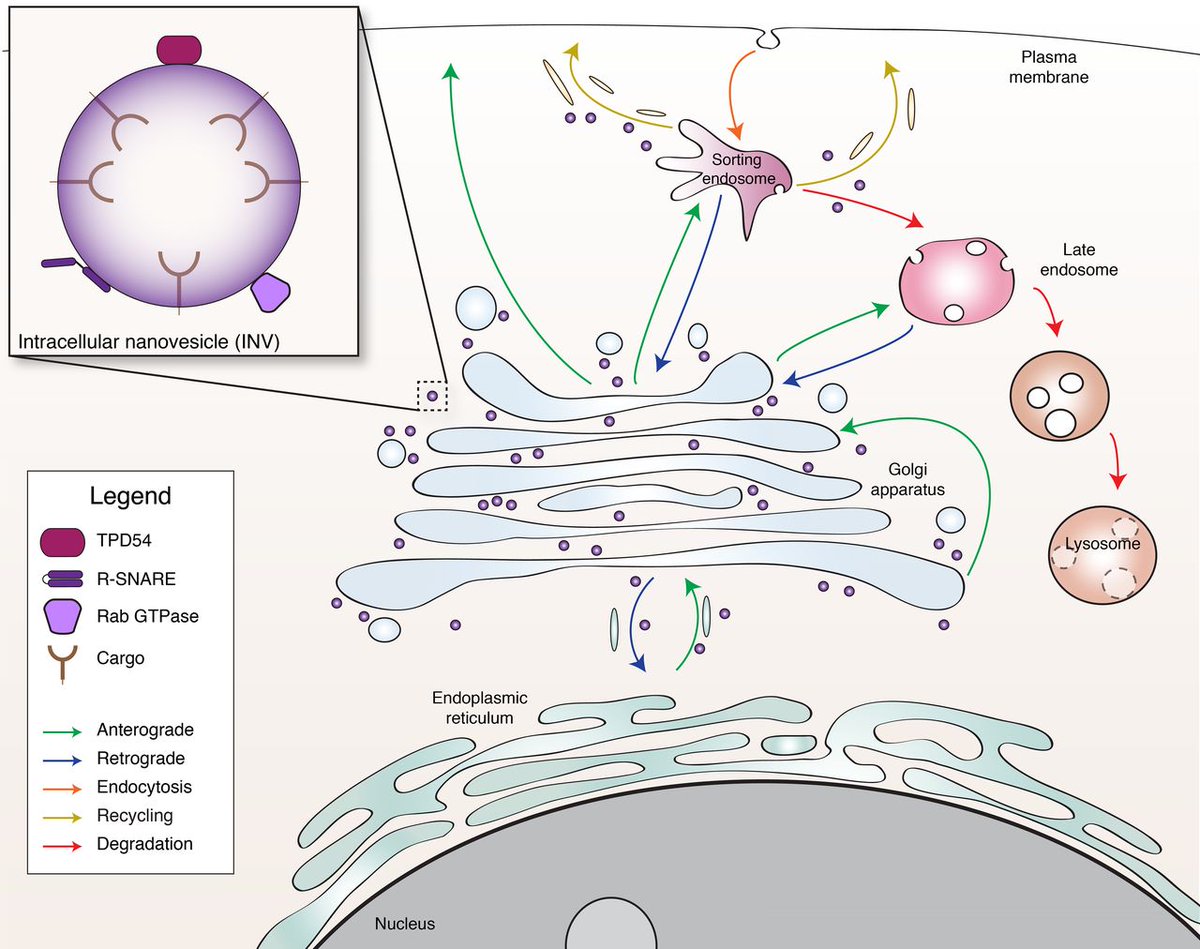
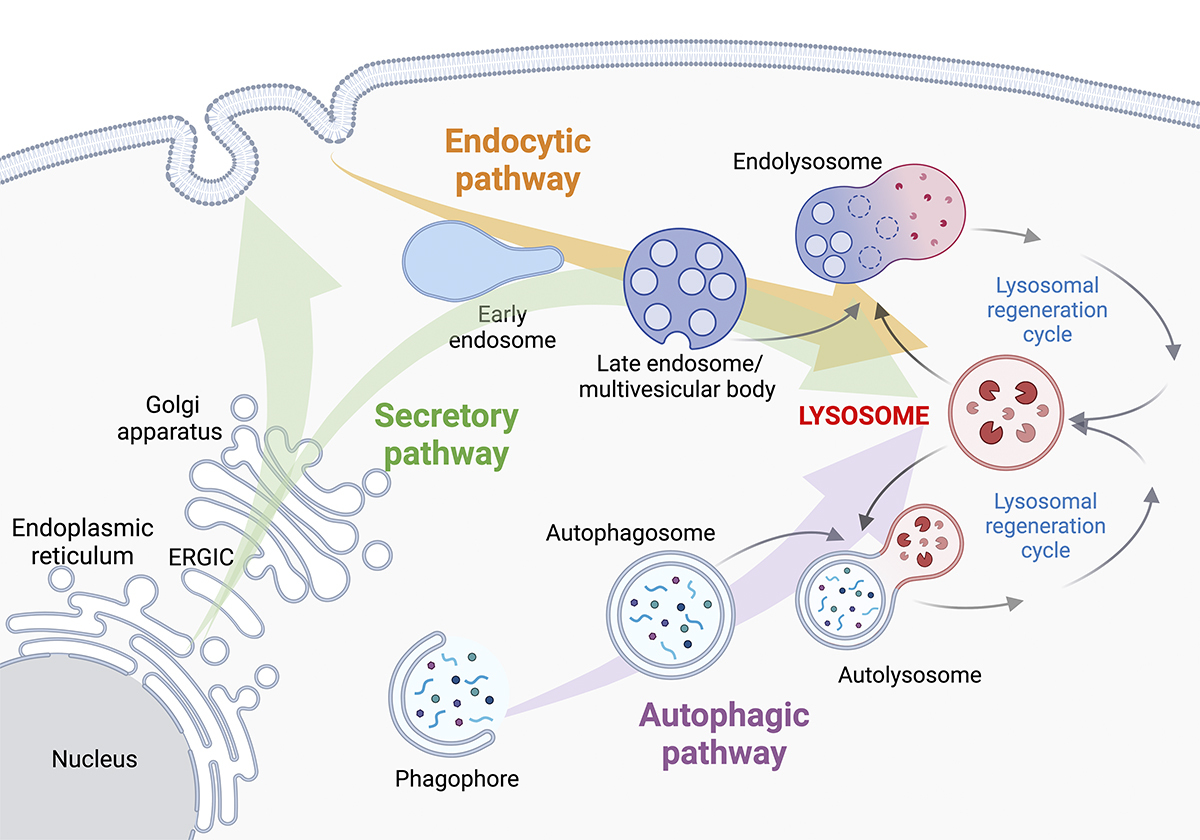
The endolysosomal system in conventional and unconventional protein #secretion. A Perspective by Eloïse Néel, Marioara Chiritoiu-Butnaru, Julien Villeneuve and colleagues: hubs.la/Q04ghNw60
📕 In #Lysosomes 2026: hubs.la/Q04ghLxS0
18
82
3,938
Tai Chaiamarit retweeted

Microglia feet are highly dynamic and can be in contact with dense networks of axons.
In this video by our #ElectronMicroscopy team using MICrONS data, a microglia (purple) contacts with an excitatory pyramidal neuron (gold). Slowly the axons under the feet are revealed.
1
15
91
4,948
Tai Chaiamarit retweeted

Universal transcriptomic hallmarks of mammalian ageing and mortality | Nature nature.com/articles/s41586-0…
1
18
69
3,828
Tai Chaiamarit retweeted

May 26
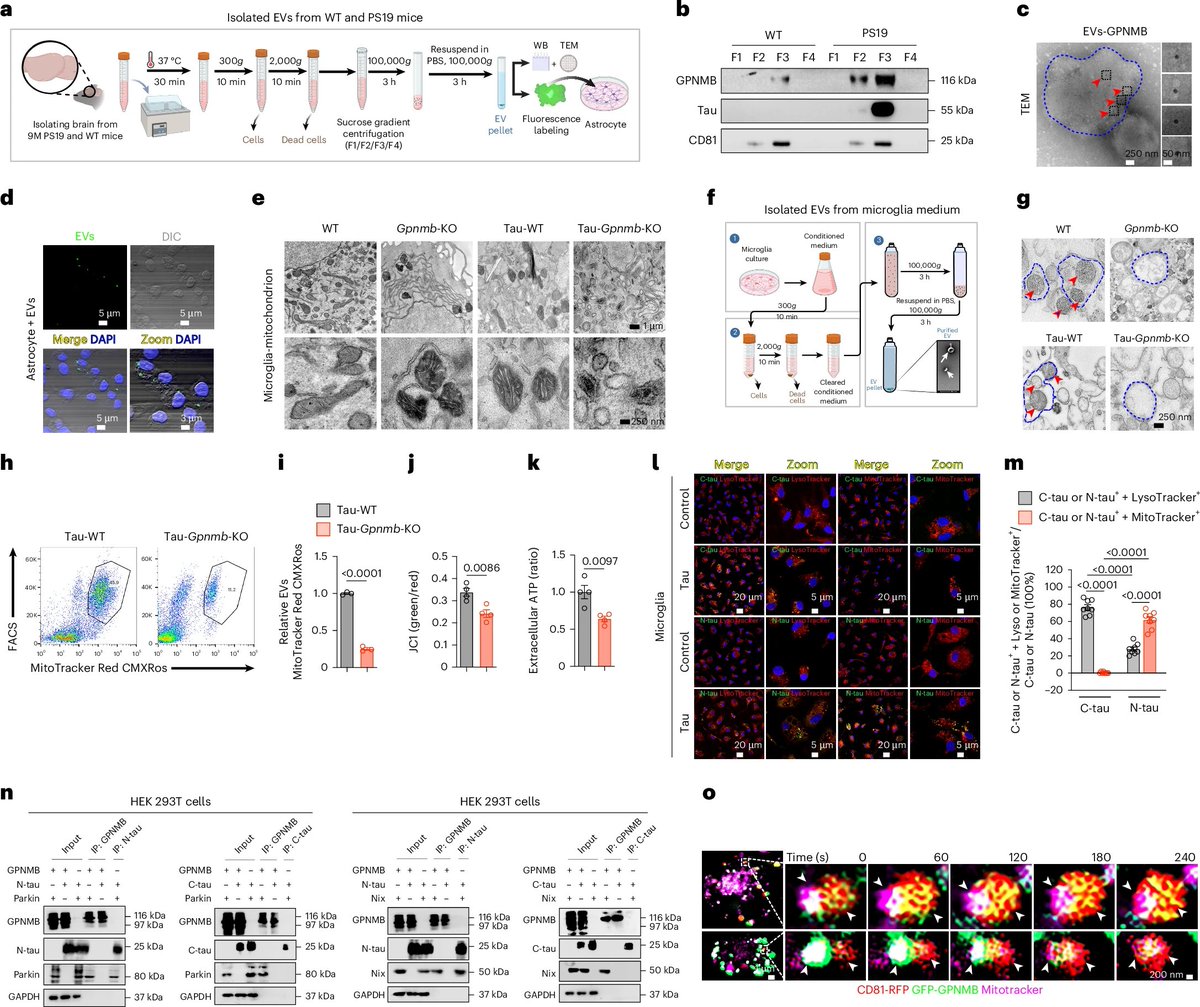
Microglial mitochondria transfer to astrocytes via GPNMB-enriched extracellular vesicles alleviates cognitive deficits in tauopathy mice
@NatureNeuro
1
38
99
4,662
Tai Chaiamarit retweeted

May 25
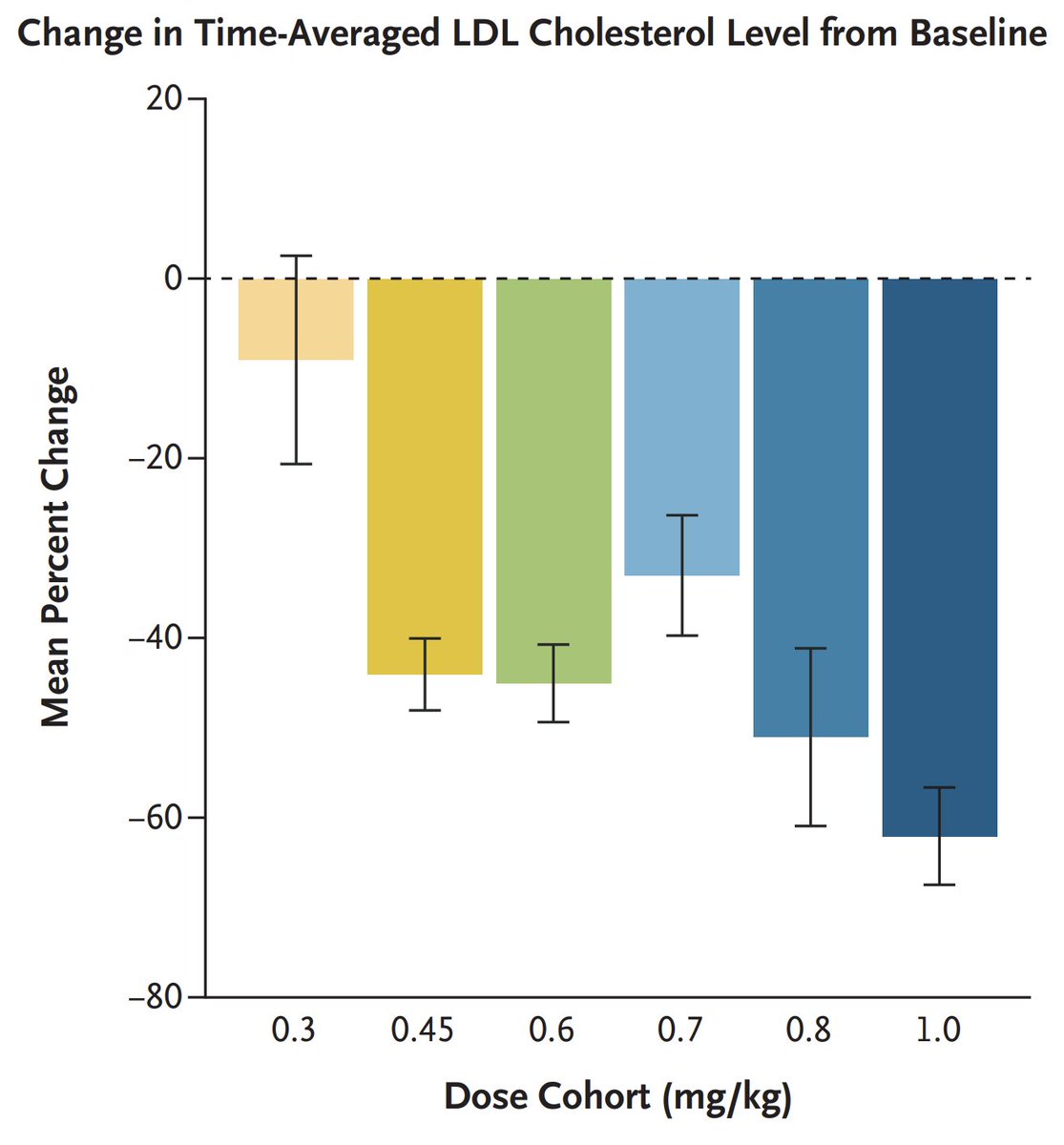
It feels very futuristic to imagine a world with one-and-done therapies that lower LDL cholesterol for life, but... it might not be far off!
These are new phase 1 data for Verve/Lilly's PCSK9 base editor: one single intravenous infusion reduces LDL cholesterol by as much as 60%
41
162
1,334
380,642
Tai Chaiamarit retweeted

May 20
Today in @Nature, we report MouseMapper: foundation-model AI to map disease perturbations across the entire mouse body cell-by-cell.
In obesity, it revealed body-wide inflammation & unexpected facial nerve damage. 🧵👇🔉
nature.com/articles/s41586-0… led by @Dorie00 & @yingchen733
28
313
1,143
259,014
Tai Chaiamarit retweeted

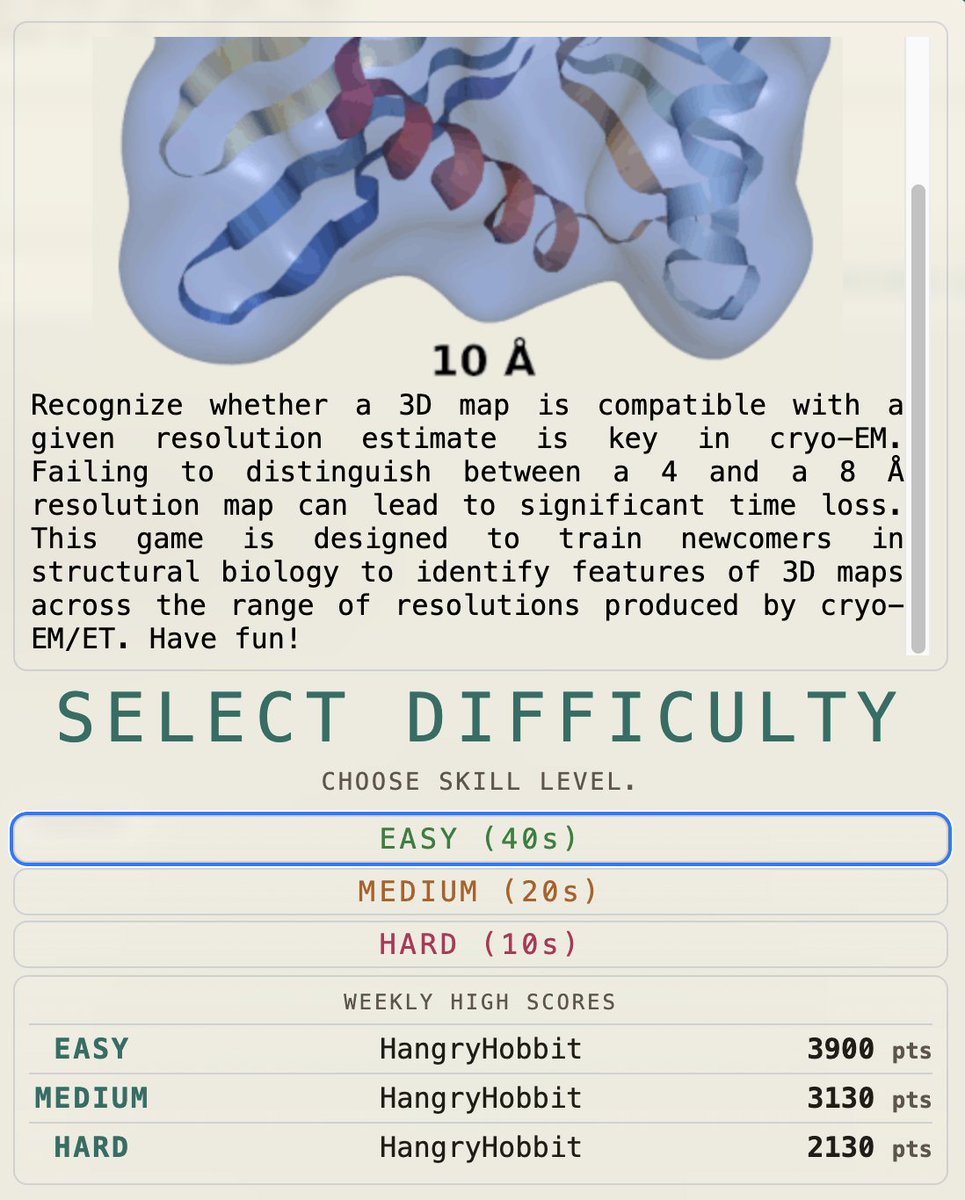
Try this new online training game from Leandro F. Estrozi designed for newcomers in structural biology, with a focus on cryo-EM and cryo-ET map interpretation: rico.ibs.fr/helixplorer/reso…
ALT Screenshot of online game
5
81
373
51,103
Tai Chaiamarit retweeted

May 9
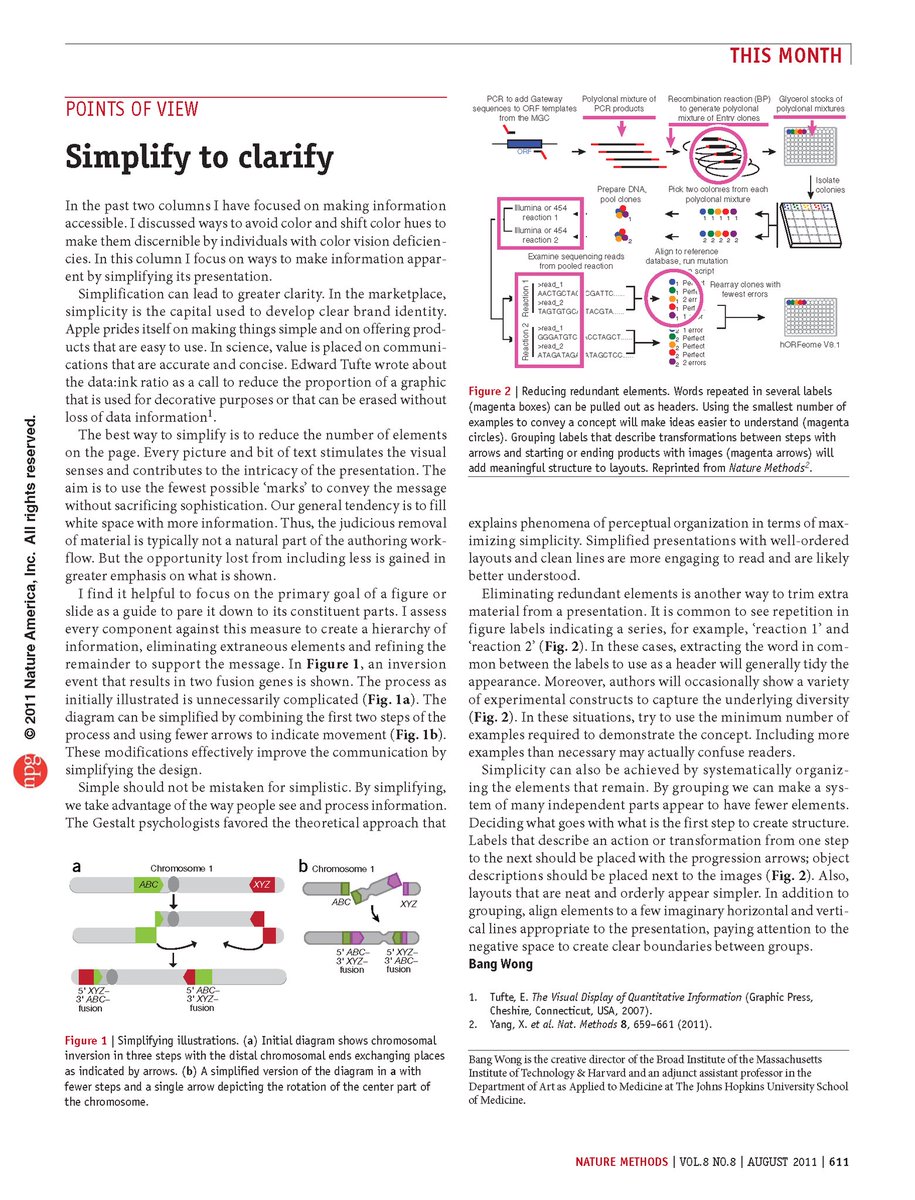
Las figuras deben ser lo más simples posibles.
Figura 1:
a) Un diagrama demasiado complicado de una inversión en dos genes.
b) Una versión simplificada, combinando los dos primeros pasos y usando menos flechas.
69
436
35,657
Tai Chaiamarit retweeted

The brain is becoming testable.
In 2025, Nature showed brain organoids can now be imaged live for weeks, tracking human-like tissue self-organization in real time [1]. A 2024 Nature Reviews roadmap says these 3D models are moving beyond “mini-brains” toward disease modeling, drug screening, and development biology at scale [2] 🧠
Why it matters: animal models keep failing in neurology. Organoids give researchers a more human platform for Alzheimer’s, epilepsy, autism, ALS, and rare disorders but the talent, compute, biomanufacturing, and ethics gaps are widening fast ⚖️
The next edge will not be who grows the prettiest organoid. It will be who can standardize, validate, and regulate them well enough for real decisions.
🤔 What would change your mind: are brain organoids overhyped tools, or the next serious platform for neurological R&D?
[1] [nature.com/articles/s41586-0…](nature.com/articles/s41586-0…)
[2] [nature.com/articles/s41580-0…](nature.com/articles/s41580-0…)
[3] [cell.com/cell-stem-cell/full…](cell.com/cell-stem-cell/full…)
#BrainOrganoids #Neuroscience #DrugDiscovery #Biotech
11
48
5,758
Tai Chaiamarit retweeted

Apr 24
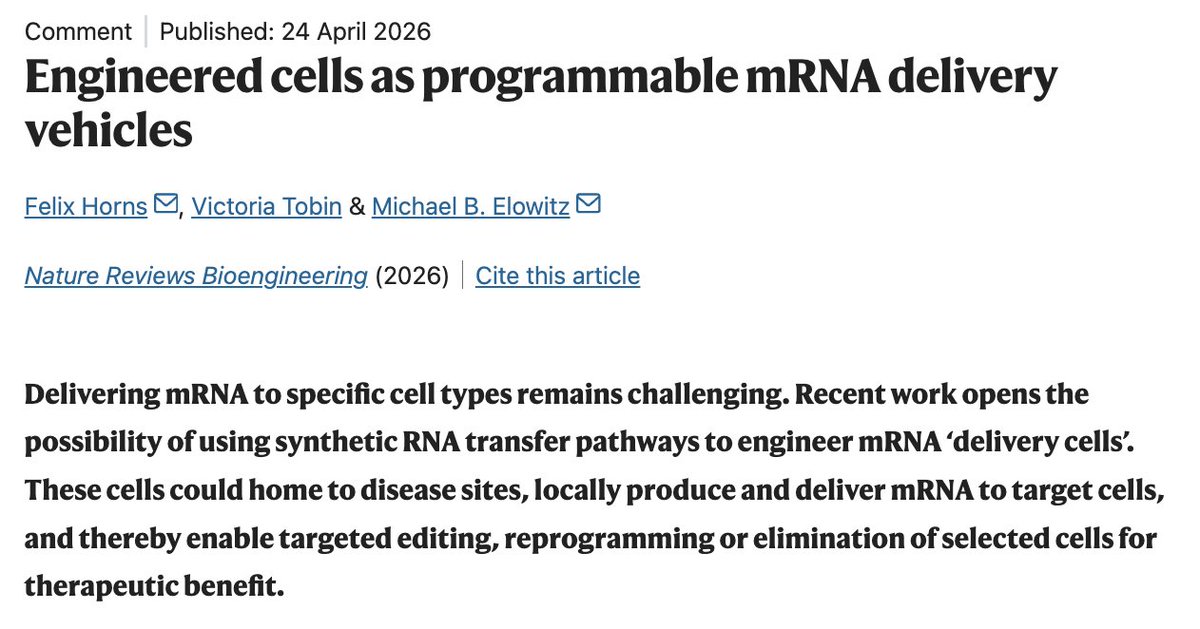
In @natrevbioeng, Core Investigator @FelixHorns and colleagues outline how engineered living cells could deliver mRNA to places lipid nanoparticles and viral vectors can't reach, homing to disease sites and activating only when they detect the right signals.
3
30
120
13,449
Tai Chaiamarit retweeted

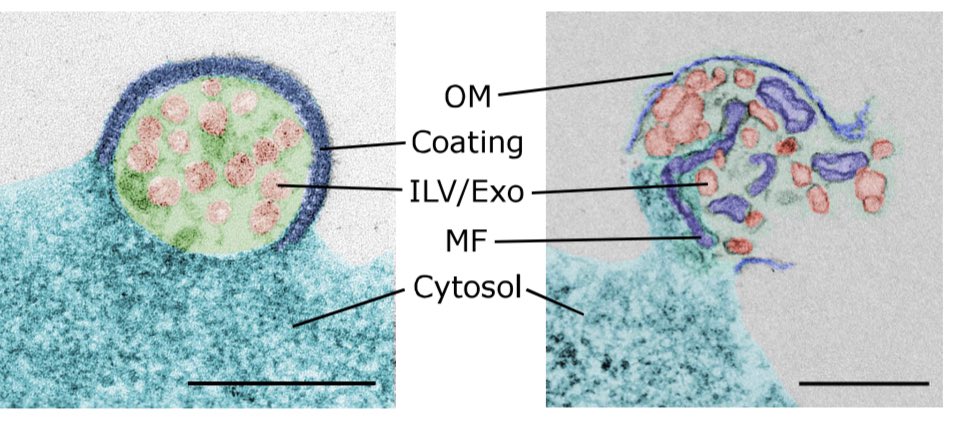
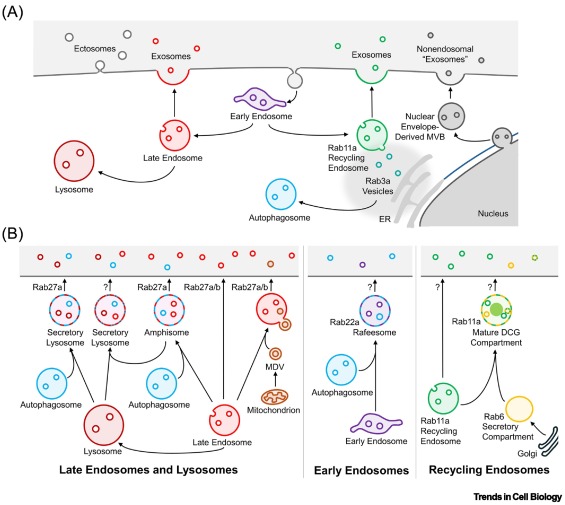
Generating exosome subtypes: diverse membrane origins and mergers dlvr.it/TS1HNG
22
75
3,863


Graduate students increasingly use artificial-intelligence tools to draft, code and search — but many fear it could erode the very skills a doctorate is meant to build
go.nature.com/4bmCOaa
27
208
730
134,680
Tai Chaiamarit retweeted
Mar 18
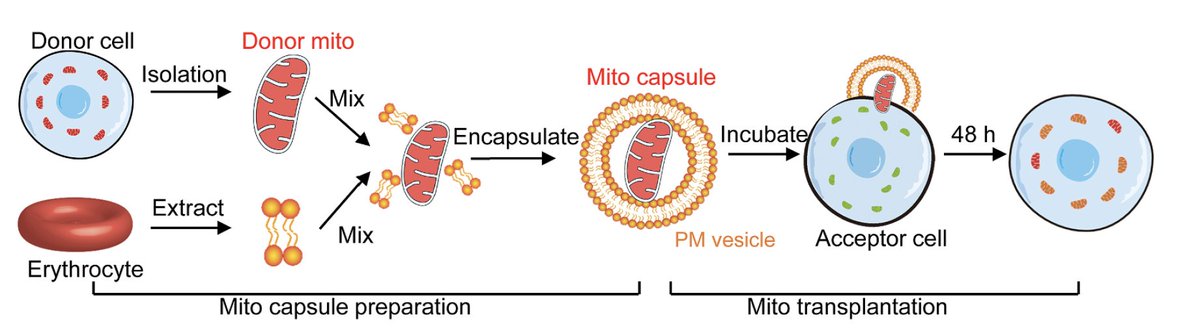
Potential of mitochondrial transfer to prevent or treat Parkinson' s disease, in mouse and monkey models
@CellCellPress
cell.com/cell/fulltext/S0092…
5
57
246
27,826
Tai Chaiamarit retweeted

Mar 17
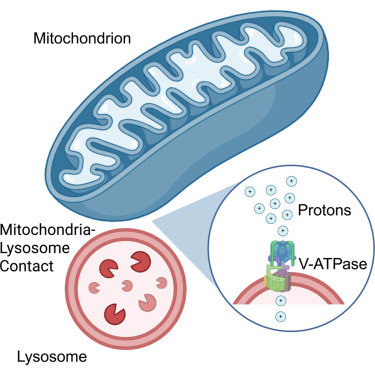
Mitochondria acidify lysosomes through membrane contacts @uofcincy @SunLabUCin
sciencedirect.com/science/ar…
1
45
153
9,999