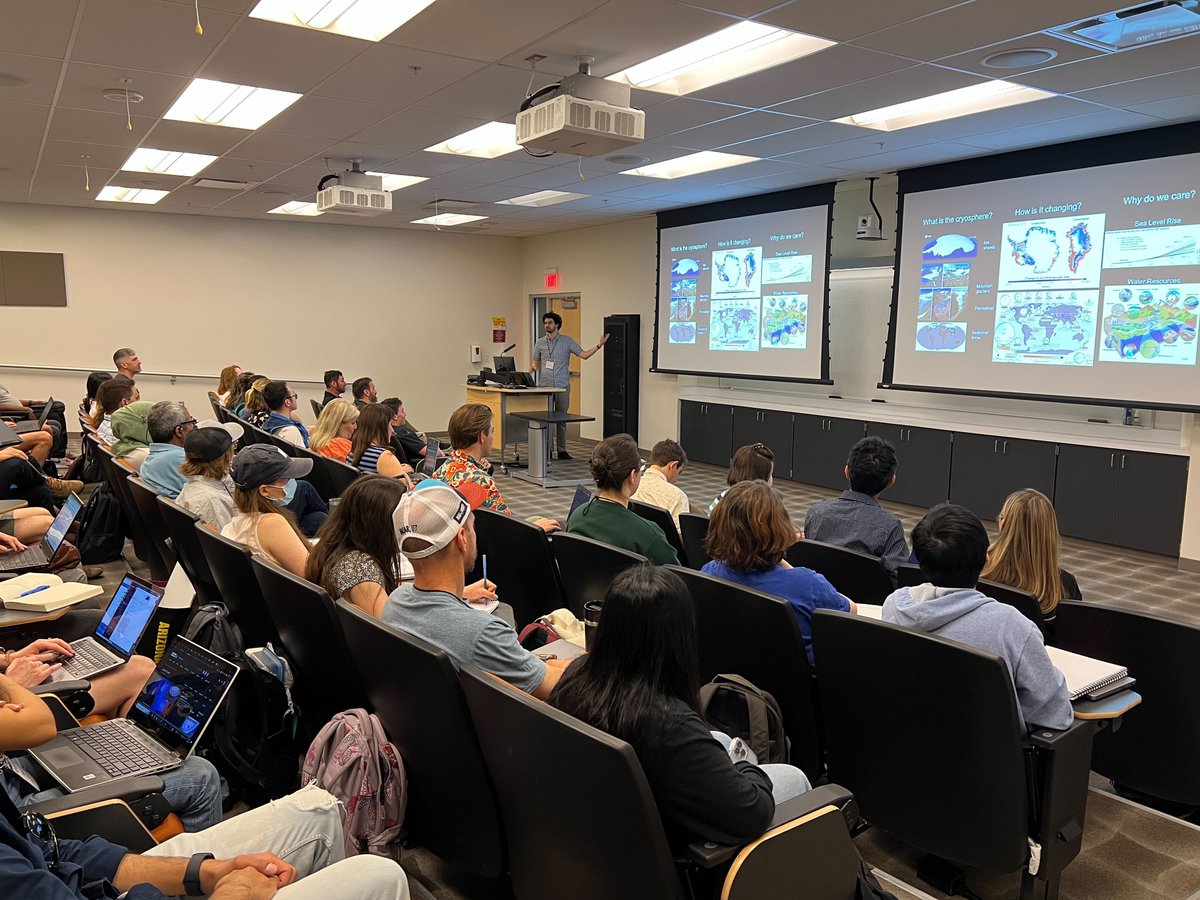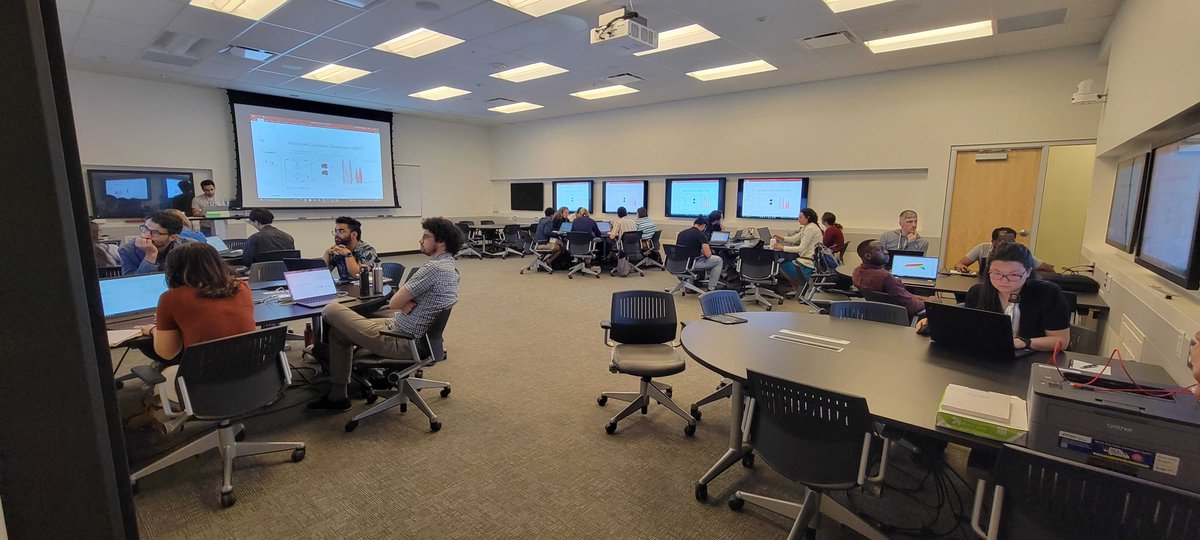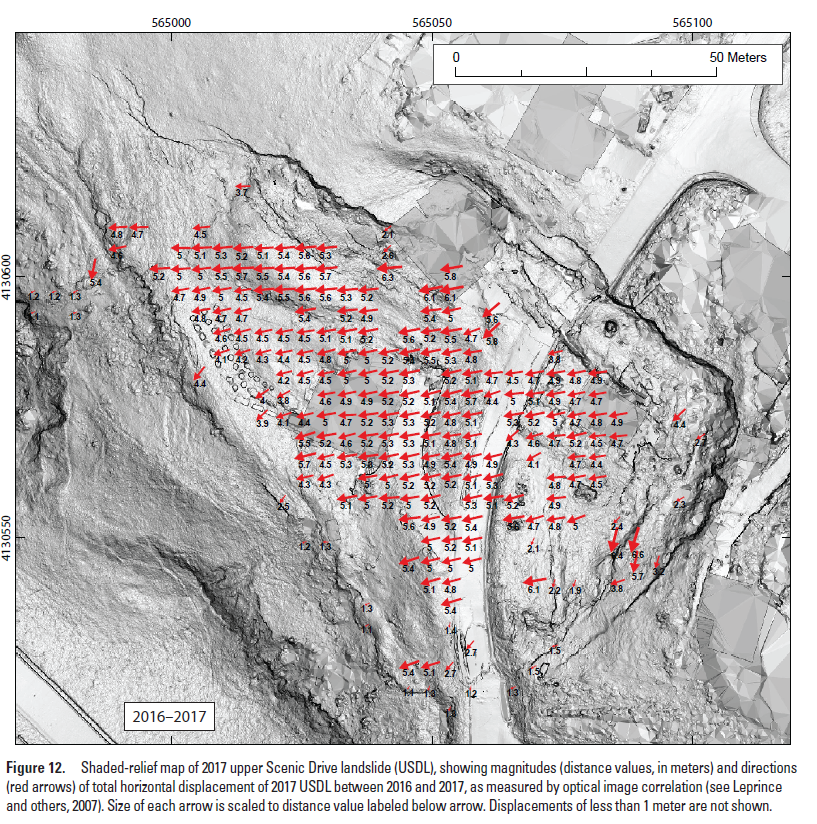
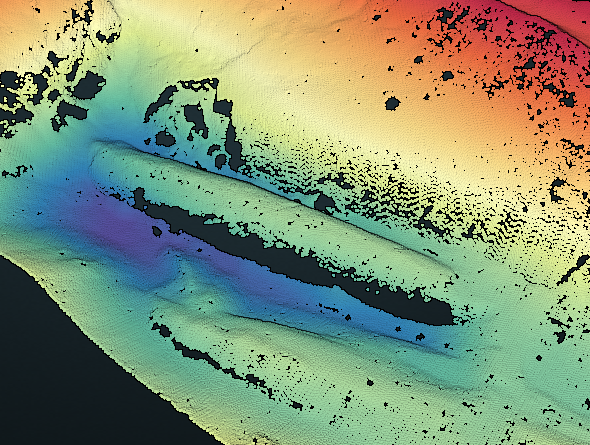

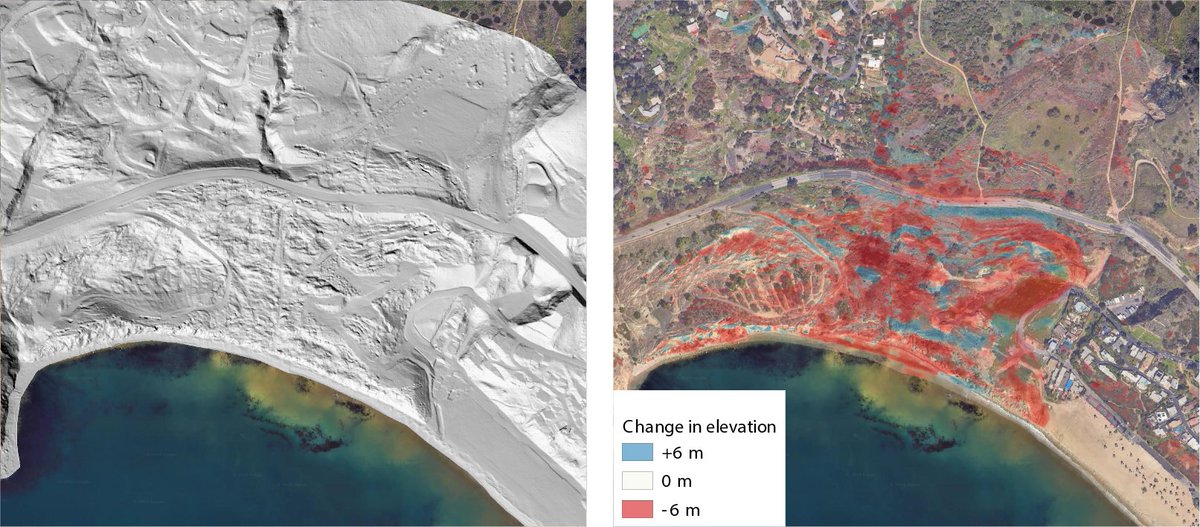
The Governor of CA declared a state of emergency on Sept 3rd due to quickening landslides in Rancho Palos Verdes near LA. Topographic differencing with @NOAADigCoast#lidar in OT shows Earth’s surface change from 2010-2014. The red and blue areas highlight persistent landslides.
ALT OpenTopography topographic differencing with NOAA lidar shows how the Earth’s surface changed from 2010-2014. The left image shows a lidar hillshade. In the right image, the difference between the 2010 and 2014 datasets is shown. Red indicates where the land surface moved down or was eroded. Blue shows where the land surface moved up or where material was deposited. Topographic analysis of these older lidar datasets indicates that landslide activity has been persistent in this area for decades.
Underneath the multimillion-dollar homes in a scenic town 30 miles south of Los Angeles is a large complex of landslides. Every day, the ground moves. And for some residents, it's been catastrophic. nyti.ms/4cThZR0
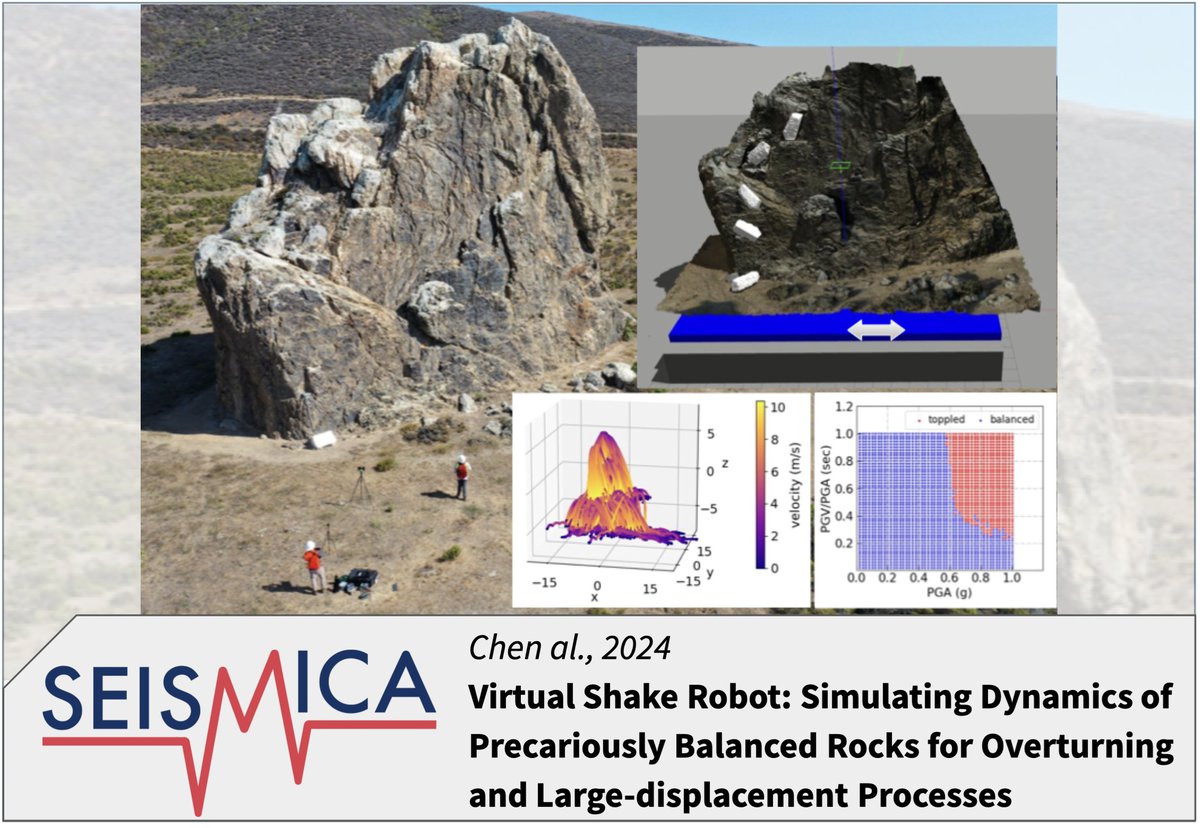
Ever pondered the mystery of Precariously Balanced Rocks and their dance with earthquakes?
Chen et al's cutting-edge research delves deep, employing a fusion of robotics and geology for innovative studies!
Read it here:
doi.org/10.26443/seismica.v3…
Summer 2024 student data science #internship with OpenTopography. Work with the OT team for 11 weeks (paid!) to ingest & process #lidar topographic data, & develop workflows and services. Via the @EarthScope_sci internship program. Due Feb 15th. More info: opentopography.org/news/open…
ALT Hillshade of Taranaki Volcano, NZ. Credit LINZ LDS.
Happy to announce that you can now use OpenTopography tools to compute topographic change on overlapping datasets in the USGS #3DEP & NOAA Coastal Lidar collections. Dynamically compute landscape change for ~20% of CONUS w/ publicly available #lidar in OT: opentopography.org/news/3dep…
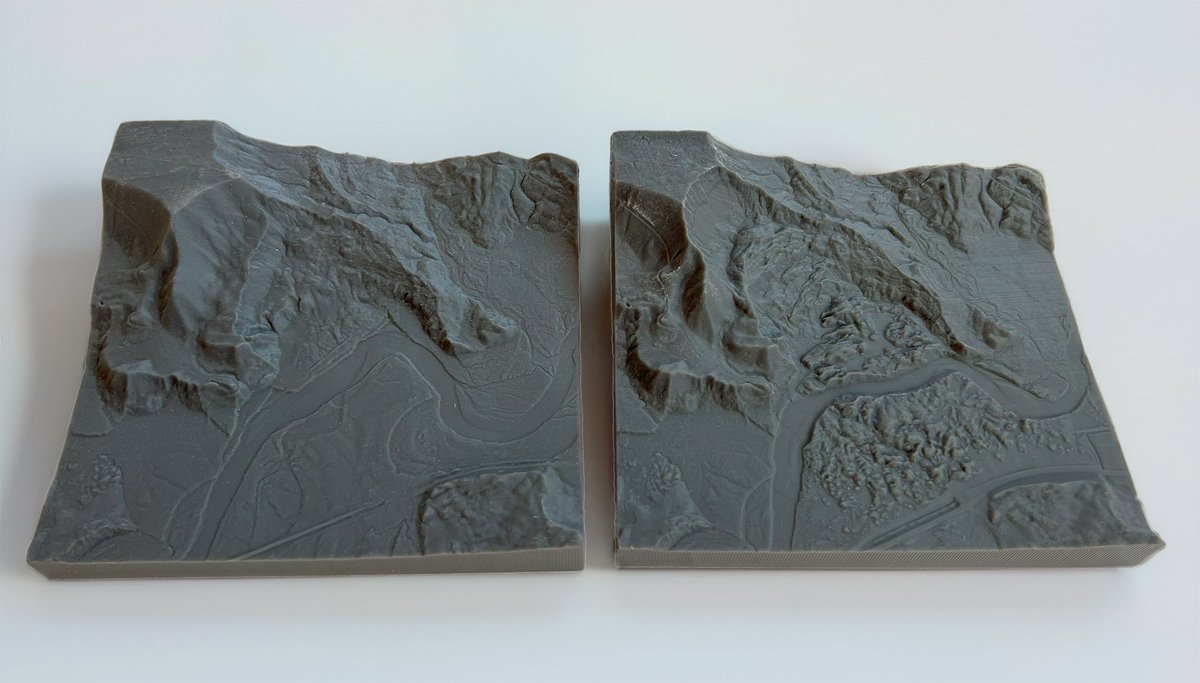
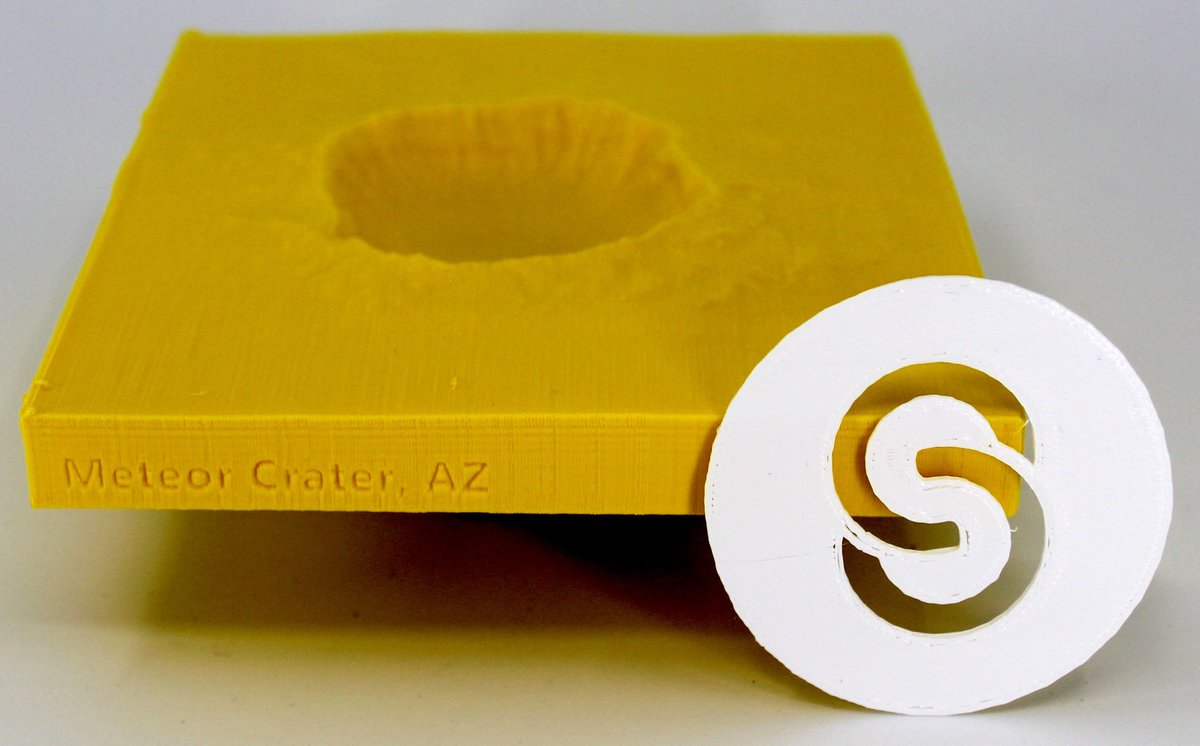
New OT blog post: "Topographic Change w/ 3D Prints". 3D prints provide a tactile way to explore the Earth’s surface & learn about the geologic processes that shape it. We created 3D prints of pre- & post-event topography from the 2014 Oso, WA landslide: opentopography.org/blog/chan…
ALT 3D prints of pre-Oso landslide (left) and post-Oso landslide (right) made using stereolithography (SLA) resin 3D printing.
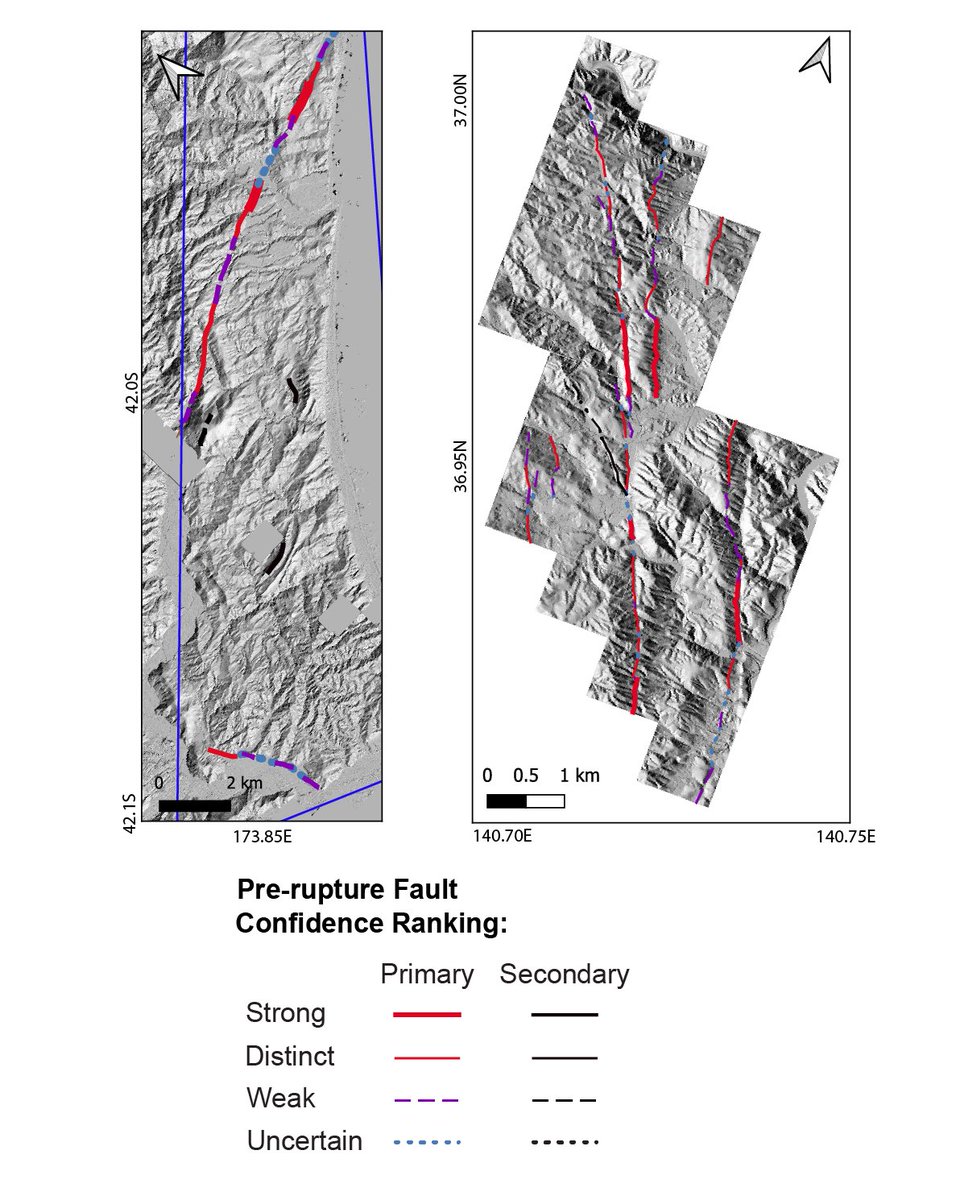
New study: students use OT to evaluate how well geomorphology-based fault mapping predicted #earthquake surface rupture. For seven past earthquakes, students compared their mapping on pre-event #lidar & imagery with documented ground rupture. Learn more: opentopography.org/blog/mapp…
ALT Predictive pre-rupture fault maps of the 2016 M 7.8 Kaikoura, New Zealand, earthquake (left) and the 2011 M 6.6 Fukushima-Hamadori, Japan, earthquake (right) based on indicative surface features. Image credit: Dr. Chelsea Scott.
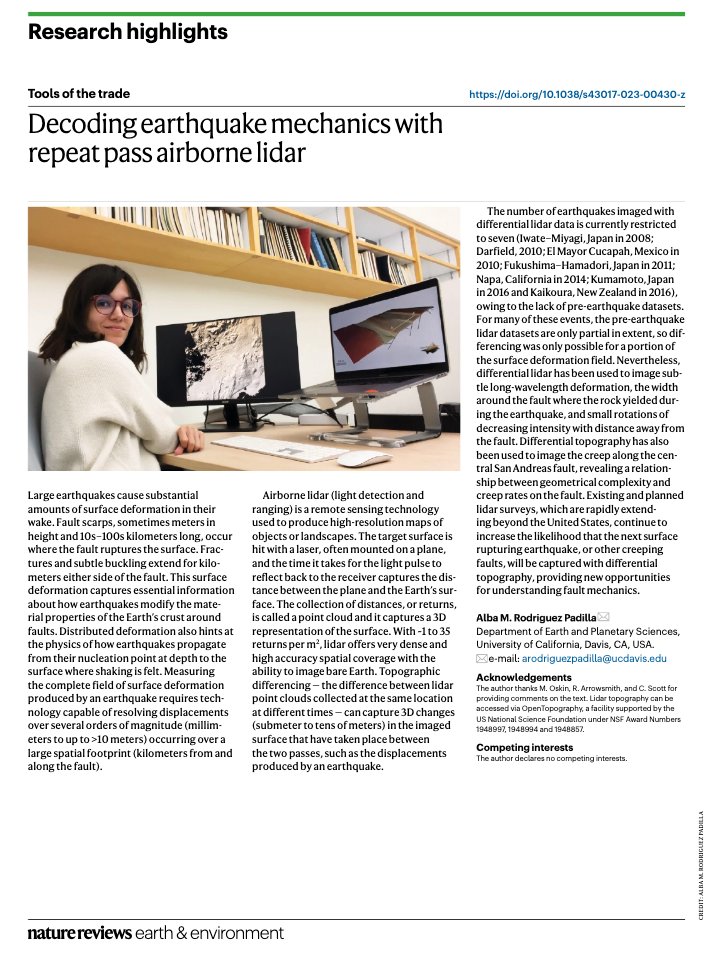
Nature Reviews Earth & Environment (@NatRevEarthEnv) Tools of the Trade highlight by OT Advisory Committee member @_absrp: "Decoding earthquake mechanics with repeat pass airborne #lidar": rdcu.be/daNyD Many of the repeat lidar datasets highlighted are available via OT.
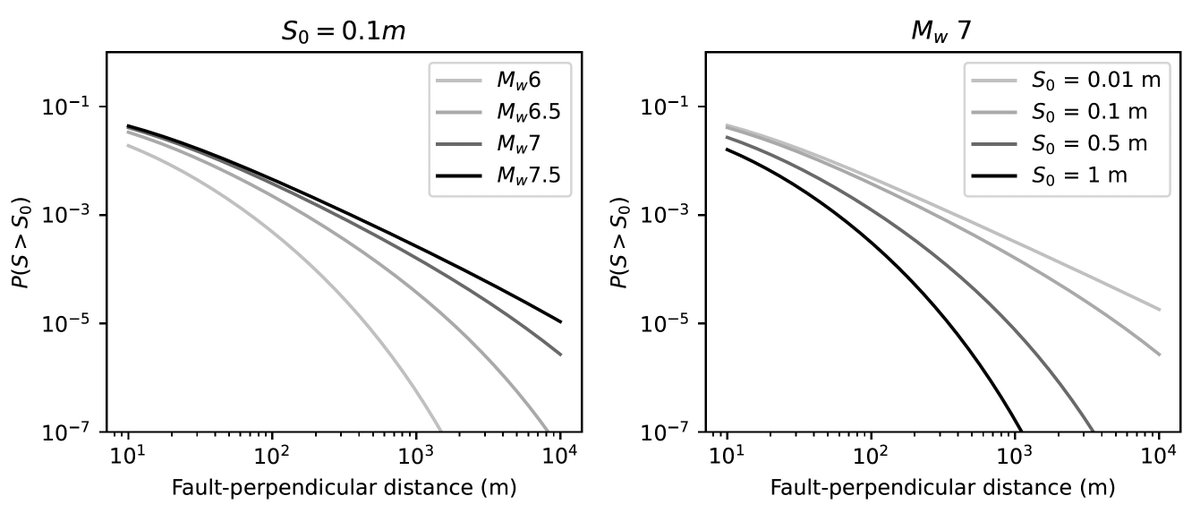
Pre-print alert! 👋Introducing a probabilistic displacement hazard assessment framework for distributed ruptures from strike-slip earthquakes on immature faults. We are VERY interested in community feedback, @mikeoskin and I are pretty new to PFDHA! eartharxiv.org/repository/vi…
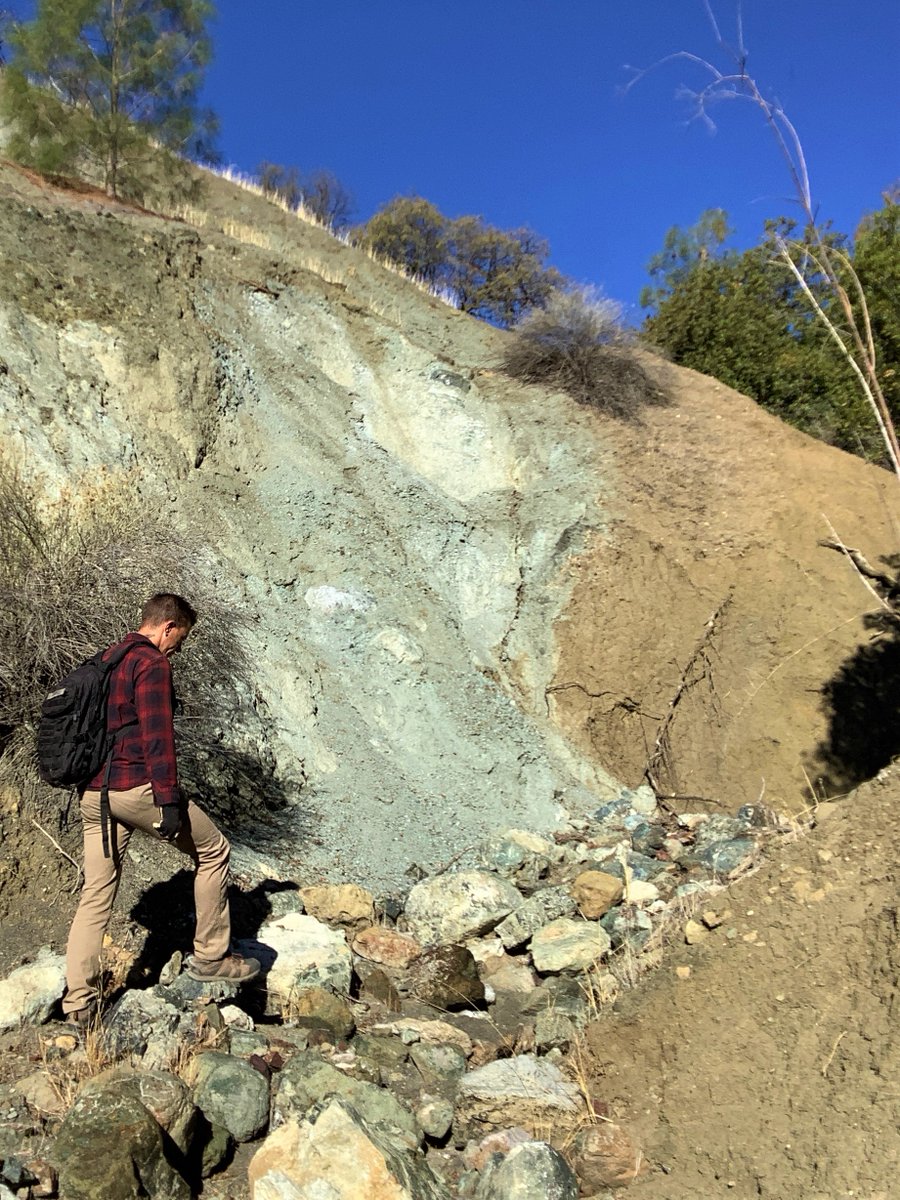
.@USGS_Quakes & @SESEASU are mapping the creeping #SanAndreasfault through rugged ranchlands in central CA. The fault is expressed as sharp rock type and color contrasts in canyons, aligned cracks in parched soil, elongate ridges, and beautiful sheared and striated minerals.
ALT ASU School of Earth and Space Exploration graduate student Joseph Powell in front of the San Andreas fault exposed in a canyon wall. The fault here is marked by white and grey rocks that are highly altered and damaged in the fault zone in up against reddish-brown sediments adjacent to the fault zone. A subtle topographic scarp (the change in slope behind the bush at the top of the fault zone) continues out of view.
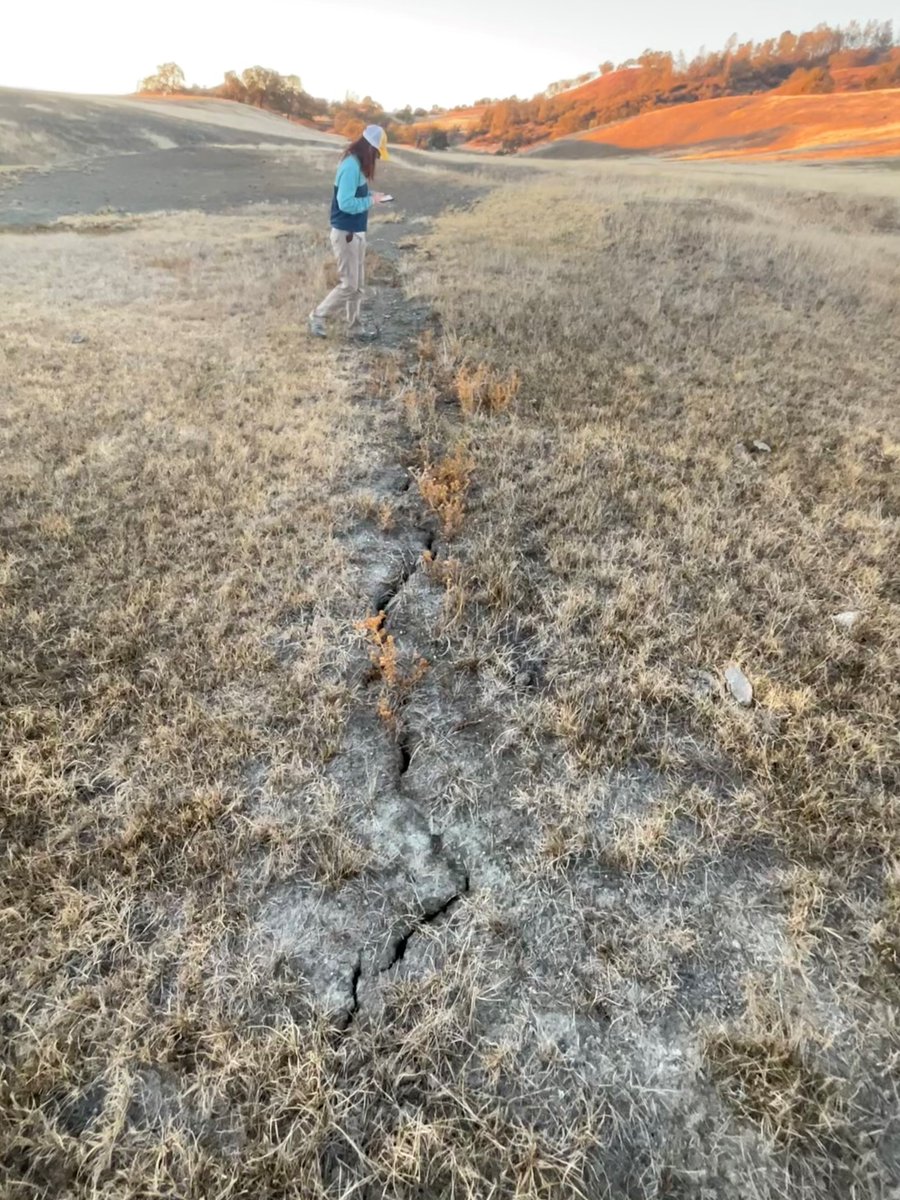
ALT ASU School of Earth and Space Exploration graduate student Mindy Zuckerman documents surface cracking that is a result of ongoing fault creep through very dry soils. This section of the San Andreas fault creeps at about one inch per year without the occurrence of earthquakes.
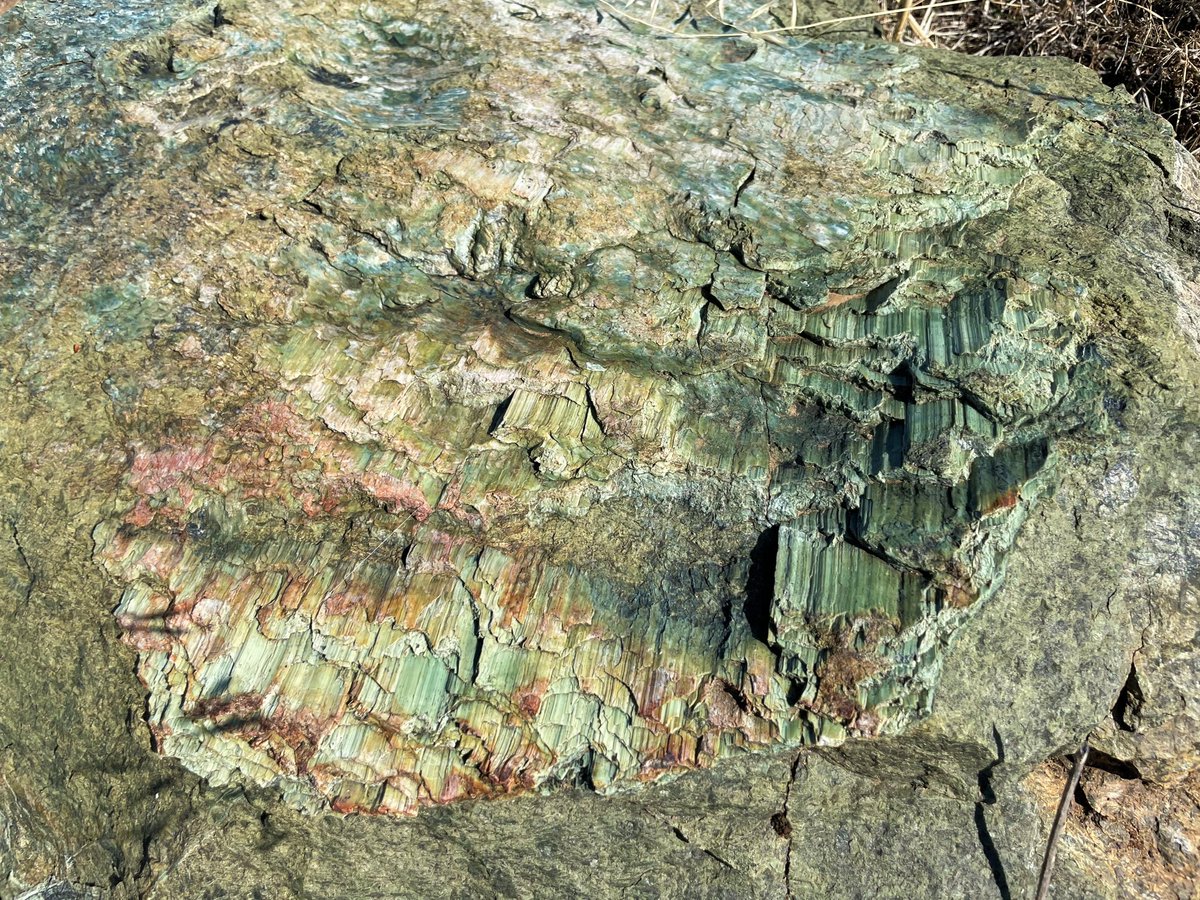
ALT A boulder eroded from the San Andreas fault zone reveals sheared and striated serpentinite, a rock type commonly found along the creeping San Andreas fault.
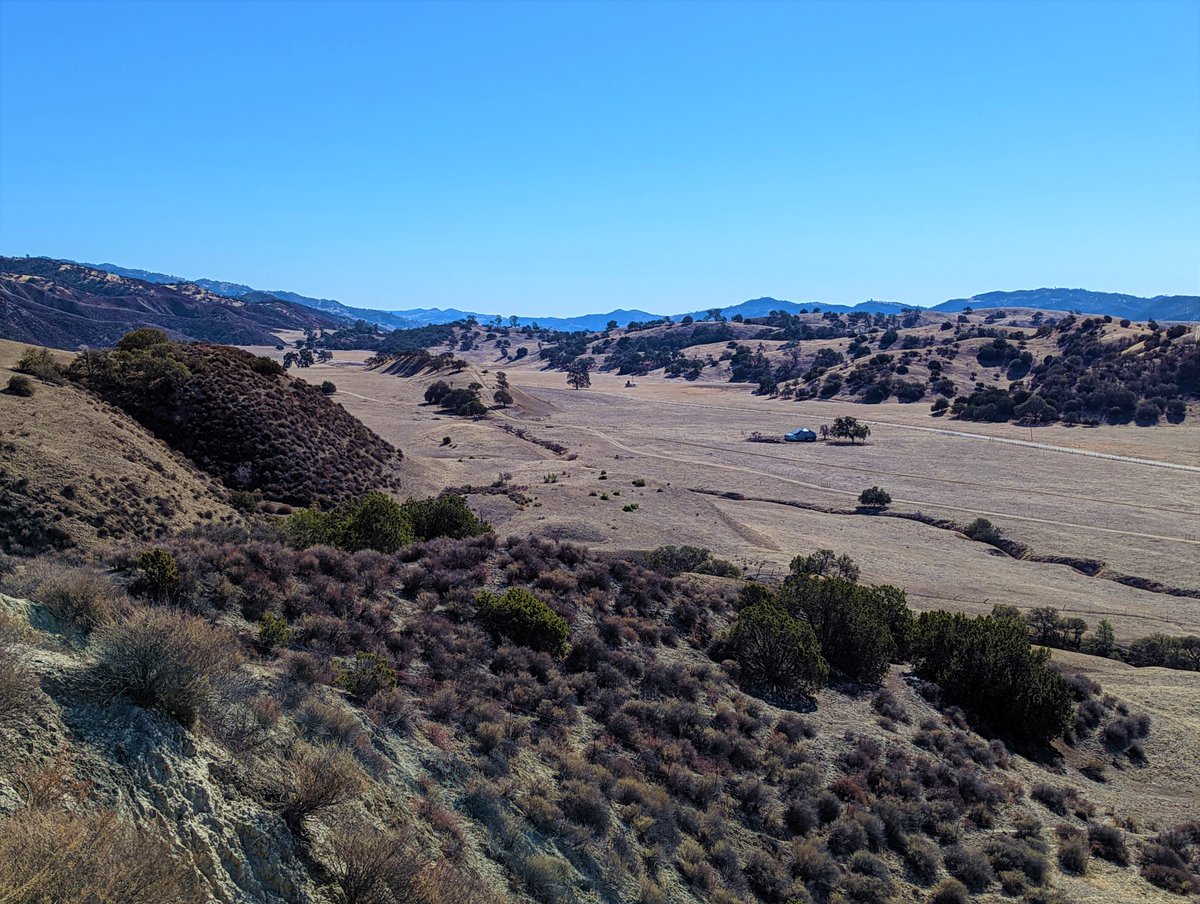
ALT A view looking southeast along the San Andreas fault near Bitterwater, CA. Here the low elongate ridge in the middle of the valley is the expression of the San Andreas fault. The ridge and associated scarps form as the fault compresses the landscape and shuttles topography along the fault zone.
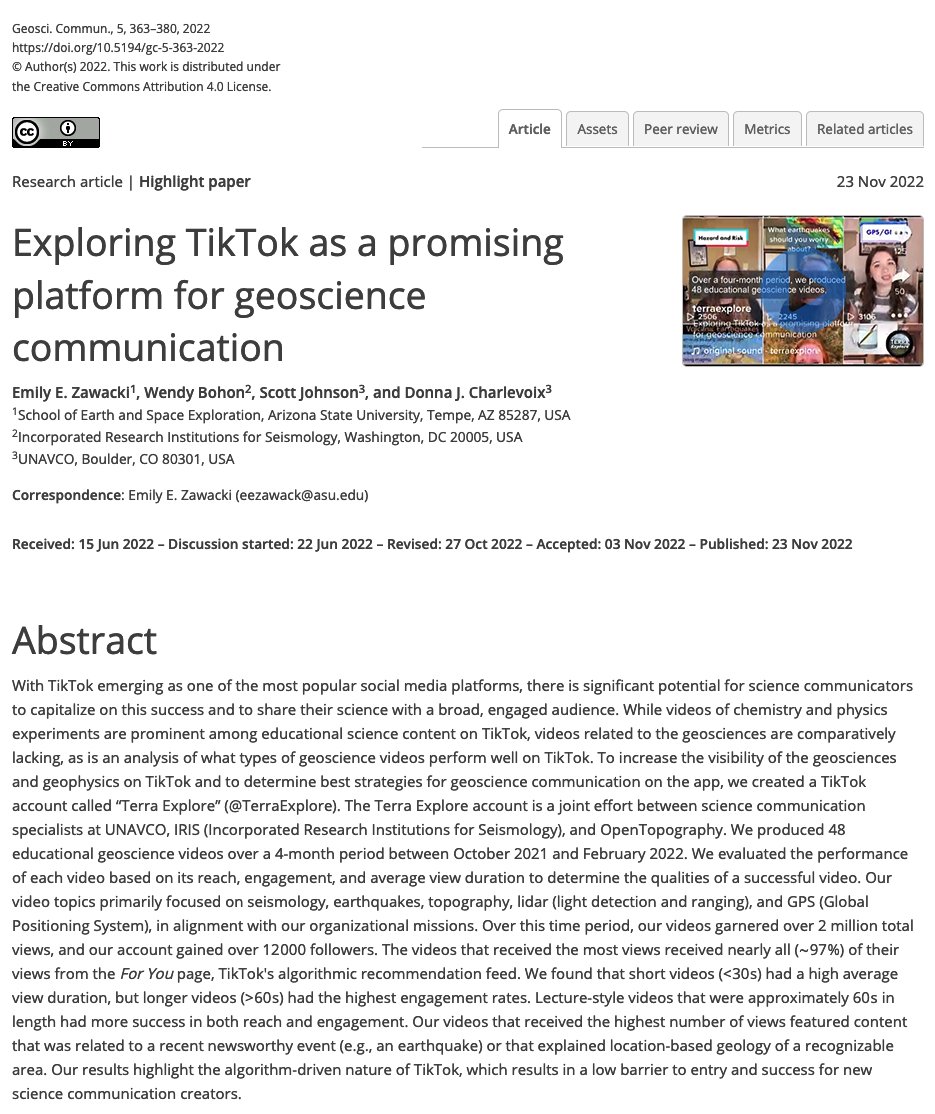
New publication by OpenTopography team member @its_sedimentary et al: "Exploring #TikTok as a promising platform for geoscience communication" (doi.org/10.5194/gc-5-363-202…). Paper summarizes experiences using the Terra Explore channel as a platform for geoscience communications.
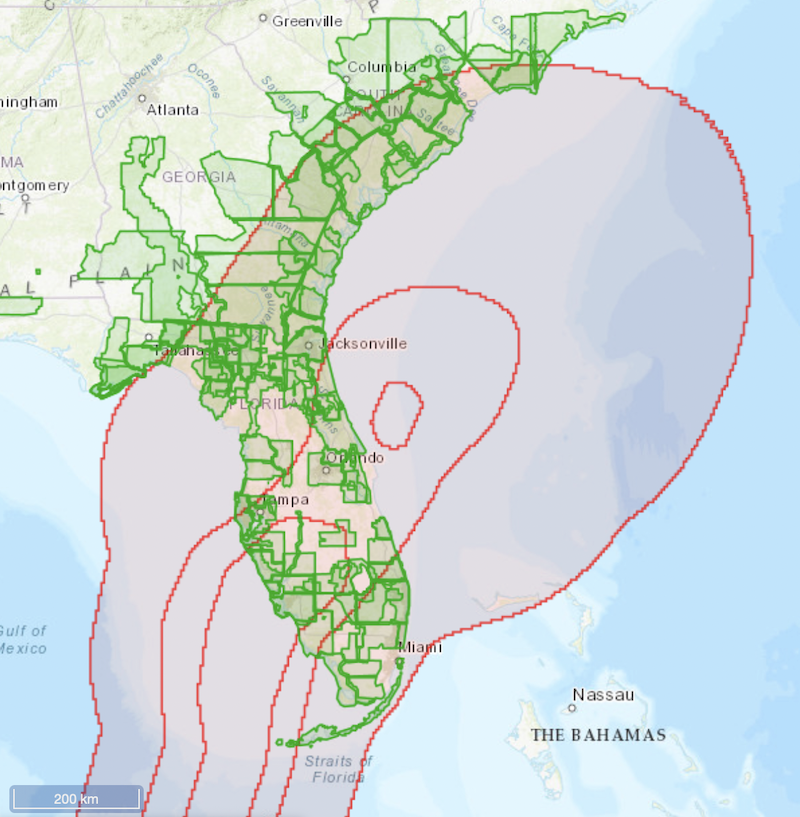
USGS #3DEP#lidar covering areas impacted by #Hurricanelan are now available from OpenTopography. For #Ian we've temporarily lifted restrictions on access to 3DEP. 131K sq mi (3.4 trillion lidar pts) are open for hurricane response, recovery & rebuilding: opentopography.org/news/usgs…
ALT Map showing the USGS 3DEP lidar datasets (green) in Florida, Georgia, South Carolina and North Carolina now temporarily available from OpenTopography in response to Hurricane Ian. Area of tropical-storm-force winds path (red) from NOAA.
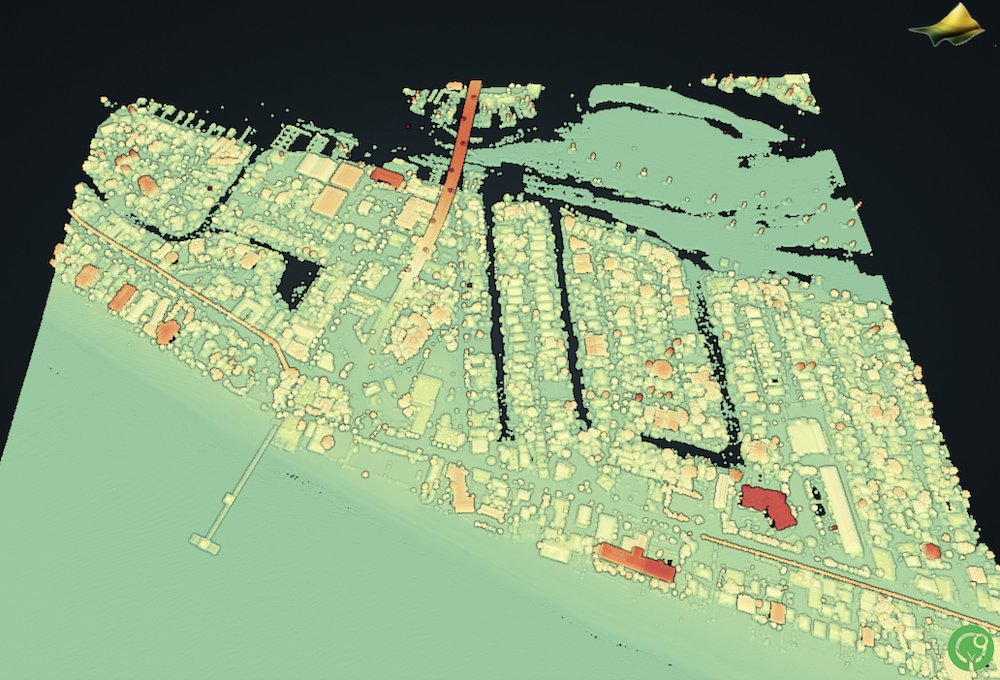
ALT 3D visualization of Fort Myers Beach, heavily impacted by Hurricane Ian, in 2018 USGS 3DEP lidar data.
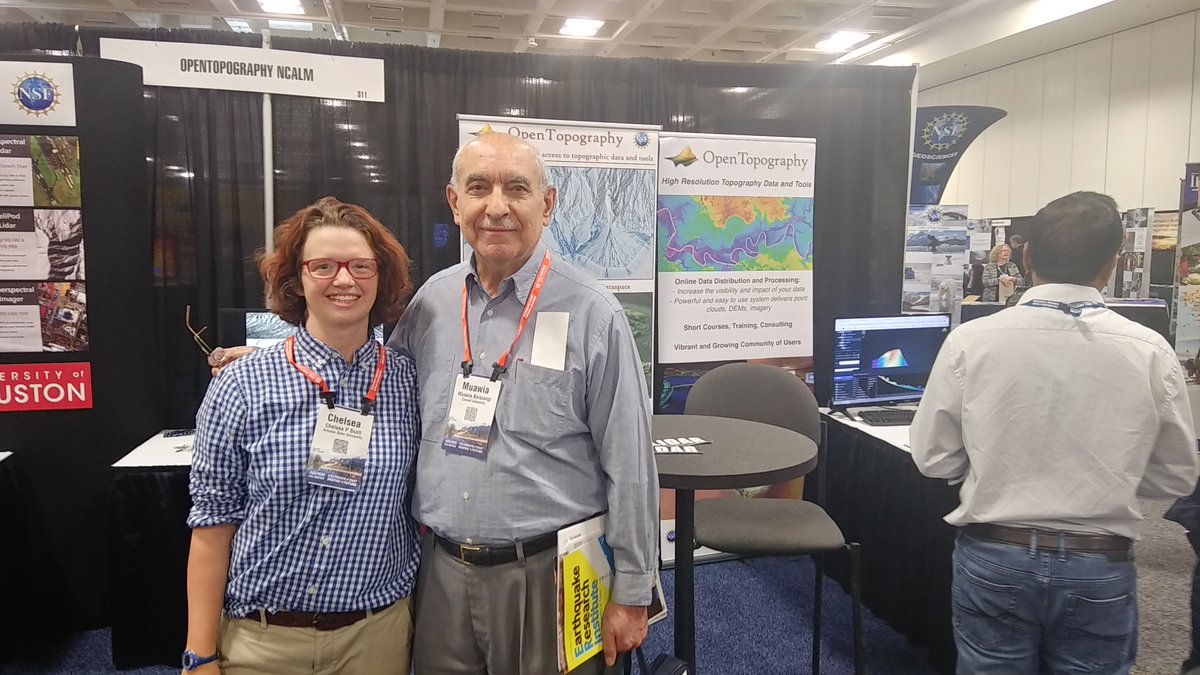
RIP Muawia Barazangi
Thank you for the kindness over the years and the many lessons about building community, (loudly) questioning the status quo and having fun along the way. And of course, for how to read analog seismic records. @CornellEAS