
Child(ish) psychiatrist: (New) Culture Editor BJPsych Bull., NICE TAC member. Enjoys debating & cocktails, planning to join science/culture dots & more.
Joined September 2014
- Tweets 63,490
- Following 1,086
- Followers 2,166
- Likes 33,152
4,142 Photos and videos






David retweeted

May 25
For those who are attending @OHBM brainhack, I will be giving a short presentation of this work at the neuroimaging statistics workshop, co-hosted with brainhack: sites.google.com/view/nsw202…
May 21

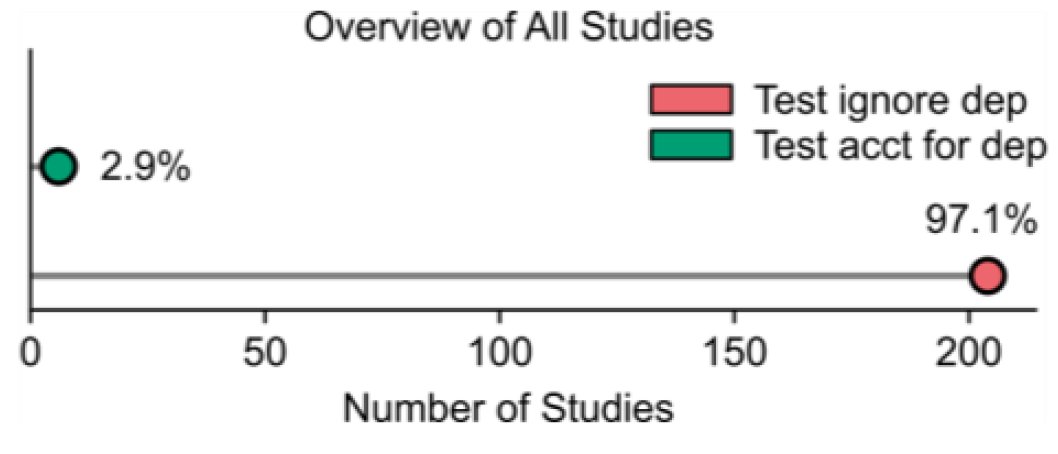
In a meta-analysis of 210 biomedical AI studies that statistically compared models under cross-validation, 97% used invalid statistical tests.
Here's our new preprint doi.org/10.64898/2026.05.17.… led by @tianchuzeng @kkli20111 @ZShaoshi @ten_photos 1/N
1
10
33
5,283
David retweeted

Try Arafat, PLO and Palestinian occupation of Lebanon that behaved like Hezbollah does today, attack Israel from Lebanese territory and invite reprisal. Arafat refused to leave Lebanon. When he did, the war stopped.

Israel flattened Beirut in 1982.
No Hamas. No Hezbollah. No October 7 to point to then.
Just 17,000 dead Lebanese and Palestinian civilians.
Even US president then Ronald Reagan, who armed Israel, called Begin furious after seeing a photo of a 7-month-old baby with its arms blown off and said “It is a holocaust”.
They killed so many innocent people that the survivors had no choice but to pick up weapons.
Then Israel had the audacity to keep using “Self-Defense” excuse every decade.
Israel didn’t stumble into endless war. Israel built it. Brick by brick.
Own it.
11
43
222
8,687
David retweeted

A tweetorial is not good enough. You guys at @EvidenceOpen need to write up a complete paper rebutting them. Ideally publish it or at least put up the paper online where we can access it. We need to know whether to use OE or the frontier models.
1
3
50
1,682
David retweeted

MORE: An “open” strait under Iranian management is not a return to the pre-war status quo and would mean that Iran has accomplished a key war aim. ⬇️
Iranian Foreign Affairs Minister Abbas Araghchi discussed the strait at length and noted that it is under Iranian and Omani sovereignty and that both countries will collect fees after the MoU. Iran will also manage the strait. Araghchi rejected the term “tolls” but defended Iran charging “service“ fees for passage through the strait, which is effectively an attempt to rebrand Iran’s protection racket as legal administration. Araghchi added that Iran would provide safe passage through the strait for civilian vessels but create separate arrangements for military vessels.
This system of management is at odds with both US policy and long-established maritime legal precedent. US President Donald Trump has repeatedly said, for example, that the strait must be open with no fees or Iranian management. A US official told Reuters that the agreement would “open” the strait, but an “open” strait under Iranian management would be very detrimental to US interests, as ISW-CTP has previously argued in @brian_cartr's essay in the post below.
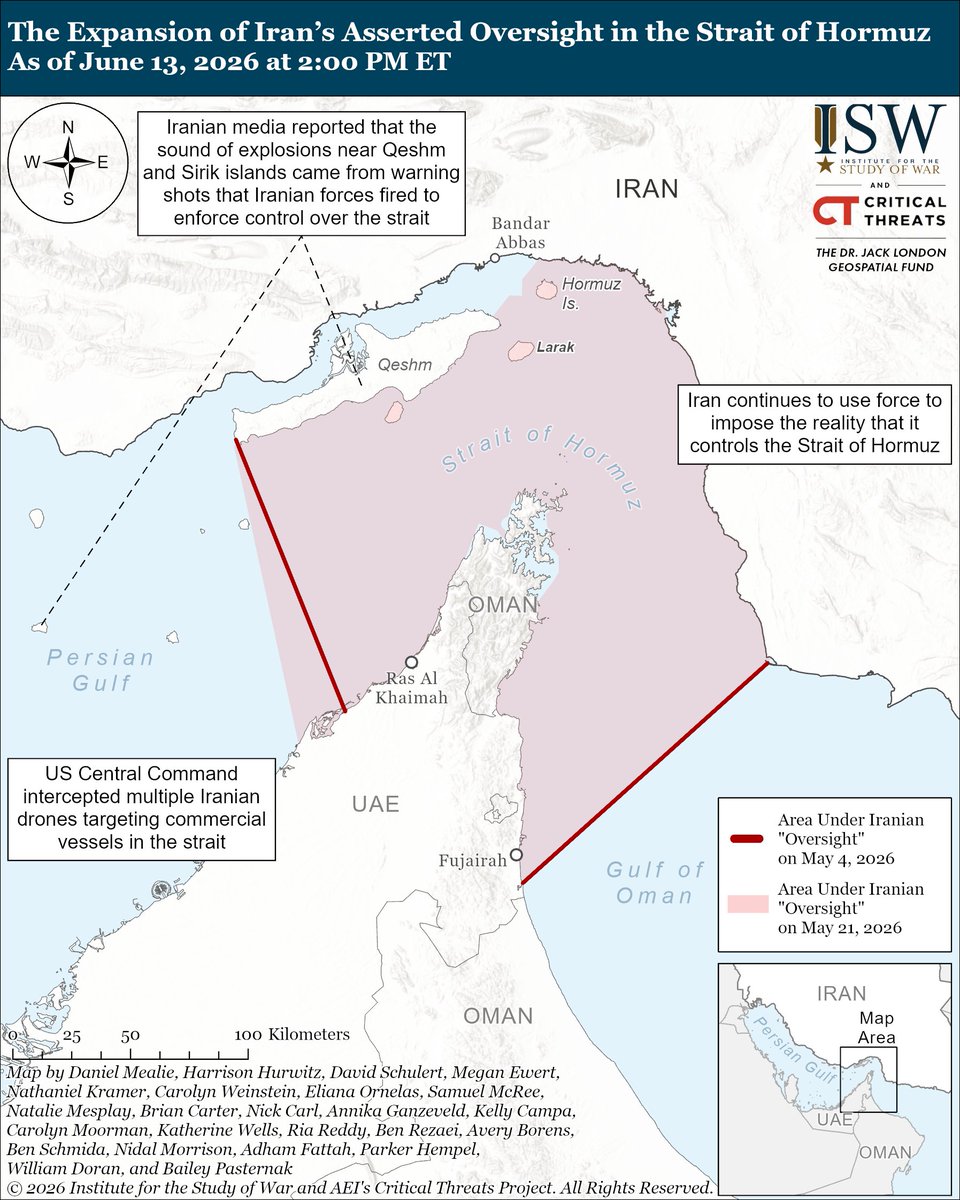
Iran also continues to use force in an attempt to impose the reality that it controls the Strait of Hormuz. US Central Command (CENTCOM) reported on June 12 that US forces intercepted multiple Iranian drones targeting commercial vessels in the strait. Iranian media separately reported explosions near Qeshm and Sirik islands and said the sounds came from warning shots that Iranian forces fired to enforce control over the strait.
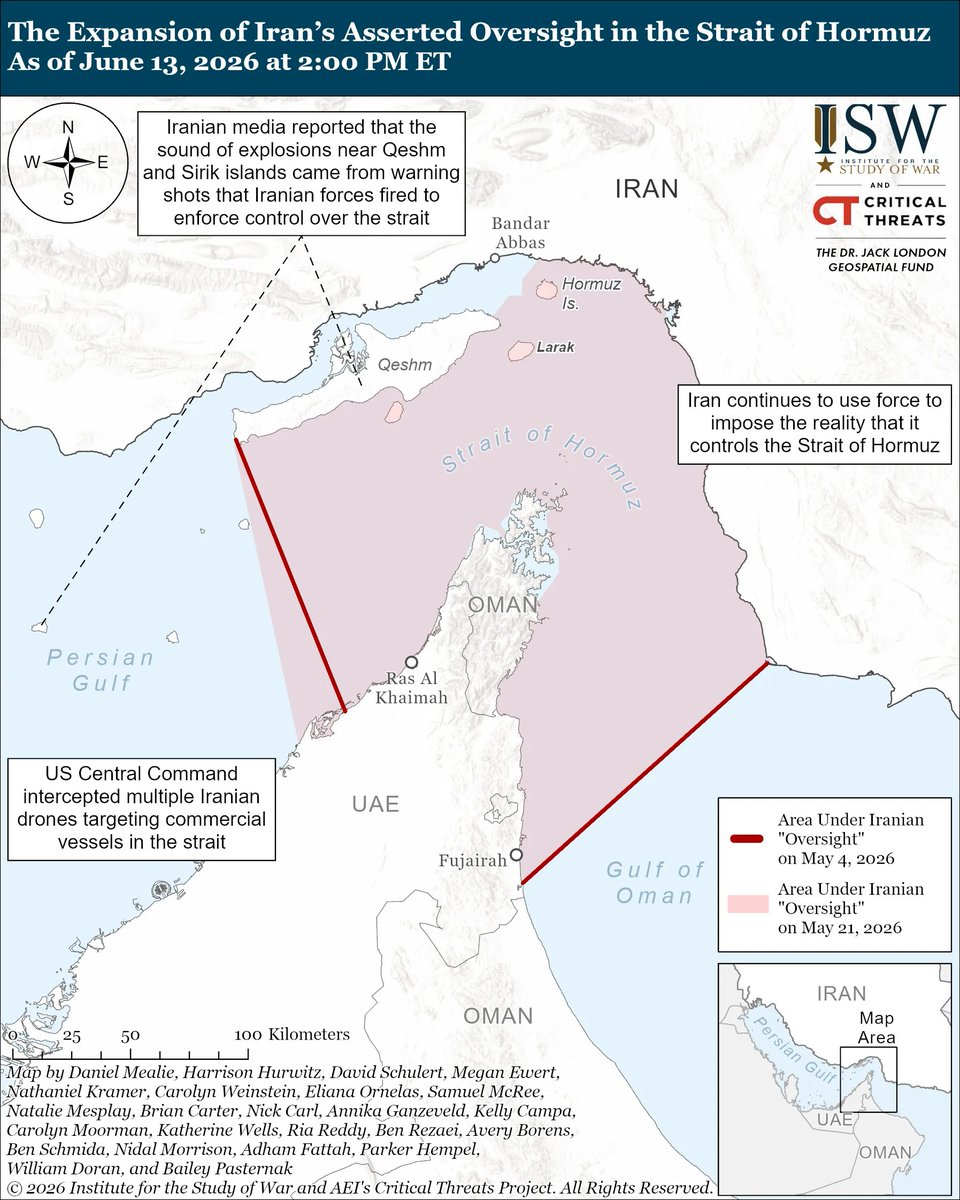

NEW: Iranian statements regarding the contents of the US-Iran memorandum of understanding (MoU) indicate that some terms of the agreement are at odds with stated US positions on the Strait of Hormuz in recent months. The agreement has two parts: a first stage that deals with an “end to the war” on all fronts, a resumption of traffic in the Strait of Hormuz, and economic benefits for Iran, including reconstruction funds, sanctions relief, release of frozen funds, and an end to the US blockade. The second stage would deal with the nuclear issue and “one or two other [unspecified] issues.”
Other Key Takeaways:
Iran is likely attempting to structure the MoU and the phasing of a final agreement to reduce US leverage before later negotiations over the nuclear program. Iran is attempting to access at least some of its frozen assets early in the MoU process, for example, which would give it some economic relief before nuclear talks begin.
Iranian media appears to be portraying a possible MoU as a tactical pause in the war rather than a final settlement. The Ghalibaf-affiliated Khorasan outlet argued on June 13 that the emerging agreement only aims to end the current war and does not resolve the underlying issues between Iran and the United States.
Iranian Foreign Affairs Minister Abbas Araghchi’s readout of the MoU is largely consistent with IRGC-affiliated media’s readout of the latest possible agreement, which may indicate a growing consensus among Iranian regime leaders on Iran’s red lines for negotiations. That Araghchi’s June 12 readout and IRGC media’s account of the latest US-Iran MoU are very similar suggests that Vahidi or elements close to him may have successfully driven consensus on their preferred policy outcomes.
20
112
294
113,414
David retweeted
Paper is now out in @NatureComms
doi.org/10.1038/s41467-026-7…
If you are at @OHBM @OHBM_Trainees , come check out our poster about Simpson’s paradox in neurodevelopment.
Poster number 998
Monday, June 15 | 14:45-15:45
Tuesday, June 16 | 13:30-14:30
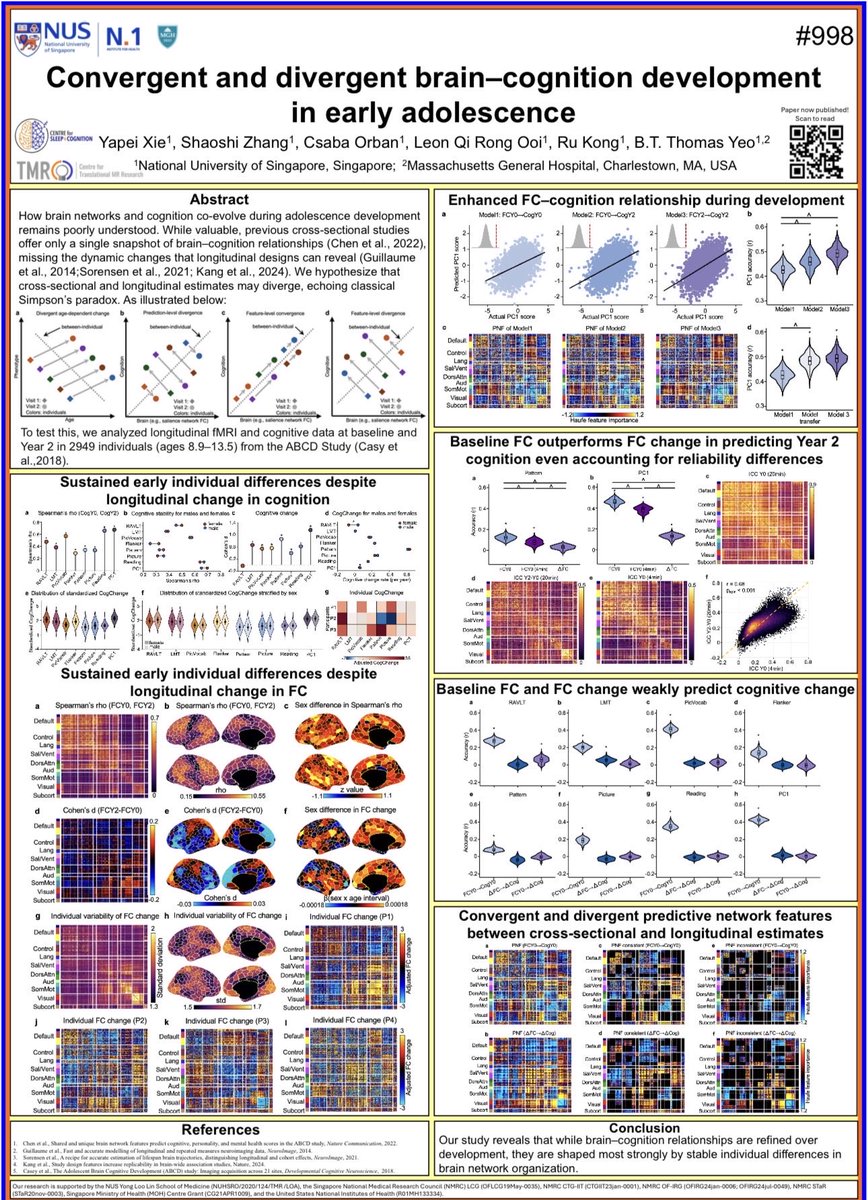

(1/10) How do brain networks and cognition co-evolve as children enter adolescence?
While valuable, cross-sectional studies offer only a single snapshot of brain–cognition relationships, missing the dynamic changes that longitudinal designs can reveal.
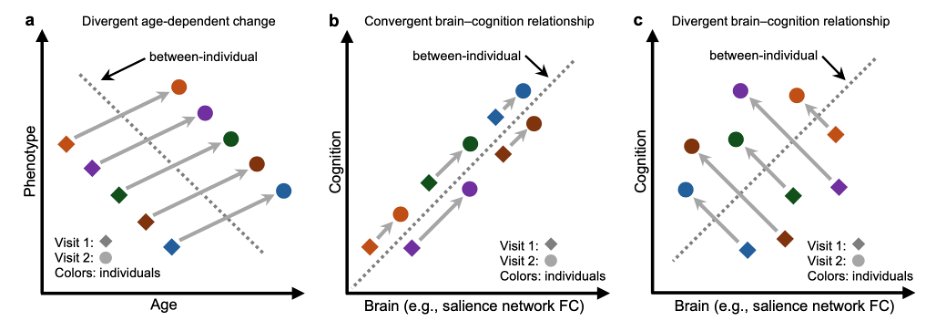
We hypothesize that cross-sectional and longitudinal estimates may diverge, echoing classical Simpson’s paradox.
As illustrated below:
To test this, we analyzed longitudinal fMRI and cognitive data at baseline and Year 2 in ~3,000 individuals (ages 8.9–13.5) from the ABCD Study, spanning the transition from childhood to adolescence.
[Read the full paper here: doi.org/10.1101/2025.06.06.6…]
1
9
13
1,286
David retweeted

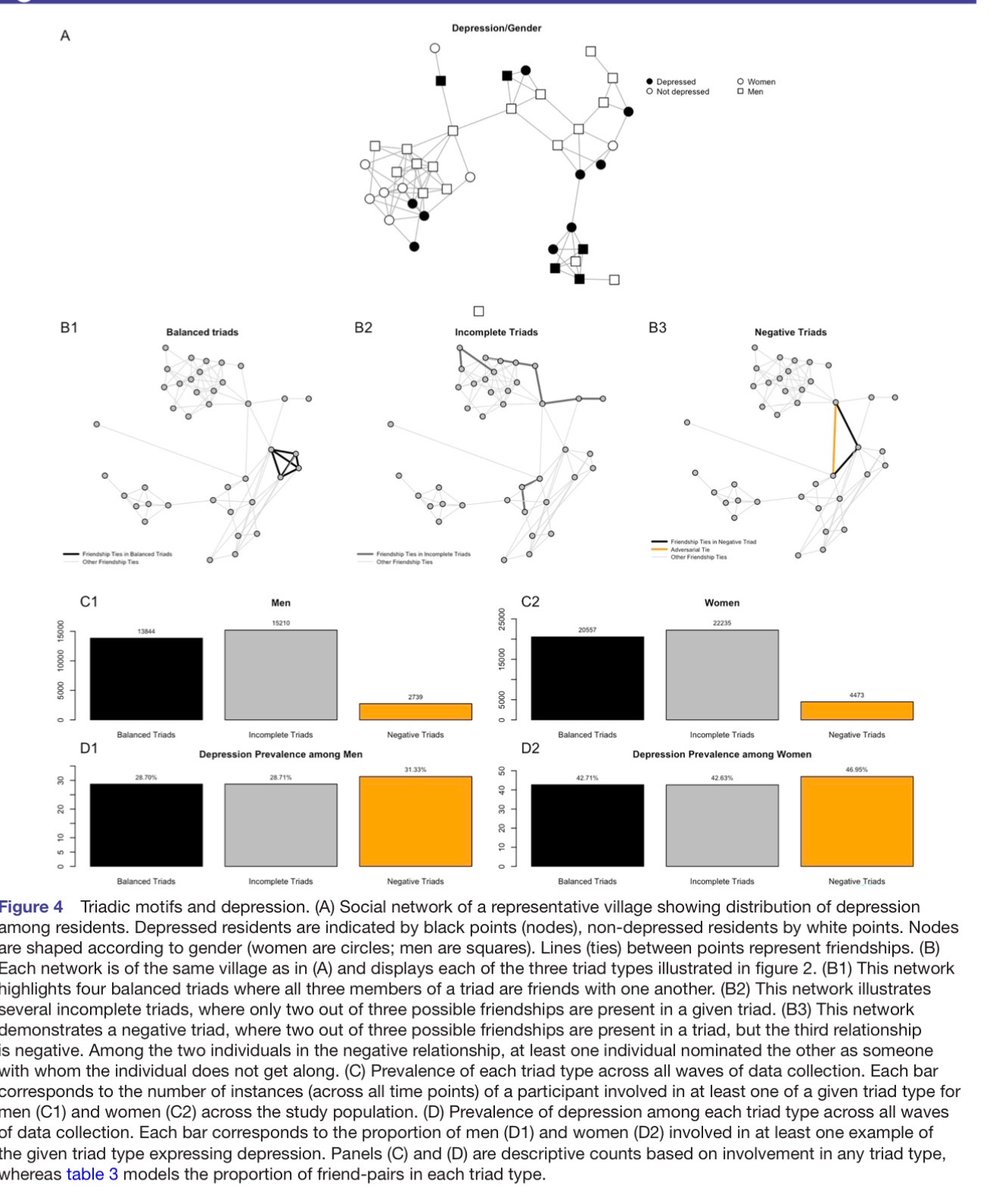
👉 For women, having friends who are not connected to each other is associated with higher odds of depression. These “hidden structures” in social networks may shape mental health in ways we’re only beginning to understand. Read the article here 🔗: bmjopen.bmj.com/content/16/6…
1
1
3
142
David retweeted

Revisionists have been wielding anti-Jewish discrimination as a weapon against Western powers for about a century. Its origins can be traced to Alfred Hess, the younger brother of Hitler’s deputy Rudolf Hess.
After serving under the Kaiser in World War I, Alfred returned to Alexandria in 1924. There, he helped establish the fledgling Nazi Party (NSDAP) presence in Egypt in 1926. He later moved to Cairo in 1927 to manage his family’s Hess & Co. branch, which served as the company’s regional headquarters and commercial base. In 1933, he formally founded the Landesgruppe Ägypten in Cairo.
The Hess family, wealthy German merchants with longstanding business roots in Alexandria, provided the networks and cover that facilitated Nazi engagement in the region. Through Alfred Hess’s connections, Nazi agents distributed antisemitic pamphlets on “the Jewish Question” and cultivated relationships among Egyptian elites. These networks quickly extended to Hasan al-Banna’s newly formed Muslim Brotherhood, established in Ismailia in 1928, and to the British Mandate’s leading Palestinian Arab figure, Grand Mufti Haj Amin al-Husseini.
Al-Banna’s Muslim Brotherhood became a major conduit for Nazi propaganda in the 1930s. It circulated Arabic translations of Mein Kampf and The Protocols of the Elders of Zion, while mounting joint opposition to Jewish immigration, Zionism, and British rule. Nazi Germany provided both funding and ideological support to the Brotherhood, viewing it as a useful anti-British force. The Nazis also collaborated directly with the Mufti.
From their earliest contacts, these groups helped al-Husseini incite the 1929 Hebron massacre and riots, which ethnically cleansed centuries-old Jewish communities. They later coordinated the 1936–1939 Arab Revolt. In 1941, al-Husseini helped orchestrate the pro-Nazi Golden Square coup in Iraq, which triggered the Farhud massacre in Baghdad, a pogrom that killed hundreds of Jews and wounded over a thousand.
After the Farhud, Haj Amin al-Husseini fled to Germany via Iran. In Berlin, he used the Zeesen radio transmitter to broadcast Nazi propaganda across the Middle East, helped the Nazis recruit Muslim SS units, and continued close collaboration with Nazi elites.
The Muslim Brotherhood, the Palestinian nationalist project led by the Mufti, and the Nazis emerged from the same interwar period as a grotesque ideological triplet. It should therefore come as no surprise that segments of the ideologically captured far-right in the West today are simultaneously anti-Jewish and pro-Islamist. This alignment represents roughly a century of ideological convergence, cooperation, and shared anti-Western and anti-Jewish incitement.
This is why the term IslamoNazism has earned purchase, not merely as incendiary polemic, but as a historically grounded description of that specific convergence.
26 Feb 2024

A Jewish woman and an Arab man from Hebron speak about how they remember the Hebron Massacre in 1929.
The city’s Muslims launched an unprovoked attack on the Jewish population on August 24th, killing 69 people including women, children and the elderly.
4
76
158
5,079

That t-shirt is alarmingly turquoise. Is Al Carns about to defect to Reform? His posts already suggest autarky.

When I wrote the story in March, about Al Carns, the then-armed forces minister, having not seen the Defence Investment Plan, the Ministry of Defence said this: “These claims are untrue. As you would expect, senior leadership across defence are involved in the development of the defence investment plan and are working hard to finalise the plan.”
Today Mr Carns said he was only read into the investment plan two weeks ago.
My story from March: telegraph.co.uk/politics/202…
63
David retweeted

15h
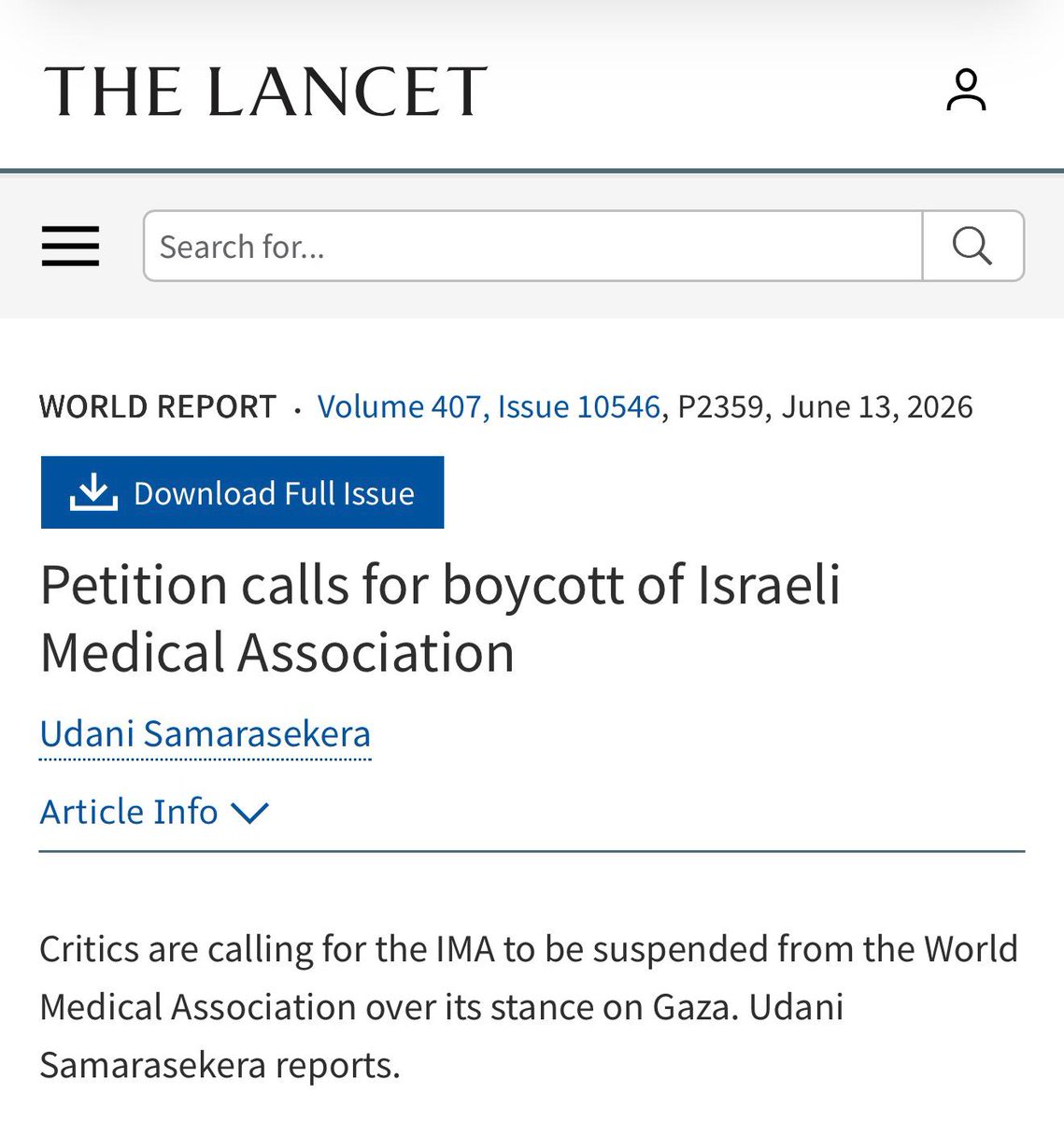
The Lancet, one of the most important medical journals in the world, published a petition today calling for the suspension of the Israeli Medical Association (IMA) from the World Medical Association (WMA).
1,150 professionals signed the petition because the IMA "failed to condemn the genocide of the Palestinians, the destruction of Gaza’s healthcare system, and the torture of detainees."
The IMA has, in actuality, spent the entire war advocating for Gazans, petitioning the government to ensure medical supplies were entering Gaza, and demanding that hospitals in Gaza remain safe havens.
But they're evil because they didn't use the word genocide? It doesn't matter what you do for Palestinians or how you fight for them if you don't use a certain word?
What happened to "actions speak louder than words?"
228
409
1,842
88,058
David retweeted

A historical fact for you:
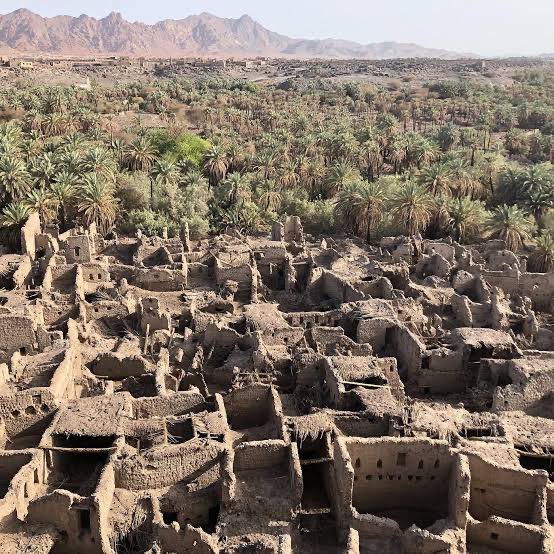
Before Islam,Khaybar was a thriving Jewish settlement in the Arabian Peninsula a prosperous oasis city north of Medina, built and inhabited by Jewish tribes for generations.
The people of Khaybar were skilled farmers, craftsmen, and traders. They built their homes, cultivated their lands, and established one of the wealthiest communities in the region.
In 628 CE, the city was besieged and attacked by Muslim forces. The Jewish inhabitants who had fought to defend their homeland were forced to surrender.
They were initially allowed to stay under a tribute arrangement, but were eventually expelled from the entire Hijaz region under Caliph Umar.
History must be told honestly not selectively. Remembering Khaybar means remembering that Jewish communities had deep, ancient roots across the Middle East, long before they were displaced, expelled, and erased.
9
163
551
8,091
David retweeted

Jun 13
Italian Prime Minister Giorgio Meloni :
I believe that continuing to boycott Israel will not be functional , not for Israel, not for us, not for our goals...
31
20
139
17,443
Would need this to cope with token causation. In the token case distributions are just stuff that might have happened but did not.
Jun 13

Is categorization something the brain does after perceiving the world, or is it how perception happens in the first place?
A groundbreaking Perspective by Lisa Feldman Barrett and Earl K. Miller in Nature Reviews Neuroscienceargues that categorization is completely "baked" into our neural infrastructure.
Rather than a final-stage sorting process, categorization occurs from the very moment a sensory signal enters the brain. Driven by predictive feedback loops that start at the limbic core, the brain continuously constructs functional context to optimize energy and anticipate metabolic needs (allostasis).
In short: meaning and metabolism are deeply intertwined, and your brain is constantly grouping the world to keep your body running efficiently. @MillerLabMIT doi.org/10.1038/s41583-026-0…
#Neuroscience #CognitiveScience #BrainResearch #Categorization #Allostasis #PredictiveProcessing #Neuroanatomy
53
David retweeted

Jun 13
How does the brain turn brief experiences into long-lasting moods or habits? New preprint from the Flavell Lab at @mitbrainandcog deconstructs an aversive behavioral state in C. elegans (Roundworms-nematodes).
By mapping whole-brain dynamics during repeated negative encounters, the team discovered that a global state isn’t controlled by a single master hub. Instead, it is broken down into distinct features (like speed vs. sensory priming) controlled by parallel neural integrators (ADA, AVH, and PVQ) acting on different timescales.
While AVH relies on circuit-level feedback to drive sustained locomotion speed, PVQ uses cell-intrinsic persistence to prime the animal for future threats. H/T @MillerLabMIT
doi.org/10.64898/2026.06.04.…
#Neuroscience #Celegans #BrainConnectomics #SystemsNeuroscience #NeuralCircuits #Biophysics
5
22
73
3,776
David retweeted

Jun 12
This paper took nine years and was, honestly, a labor of love and a fair amount of suffering. It took several labs, sustained NIH support, and a lot of people who stuck with it, a whole village!
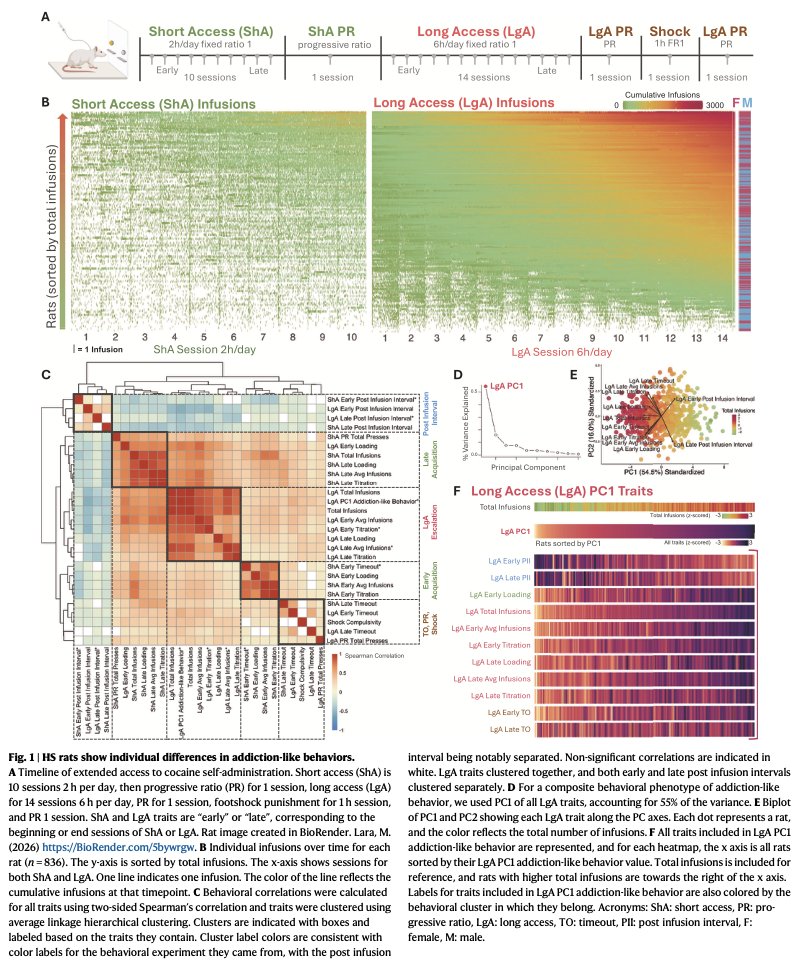
It is one of the largest cocaine self-administration studies ever done in rats. Definitely my biggest experiment (so far). Most self-administration study runs dozens of animals. We phenotyped 836, with extended access over several weeks, plus measures of escalation of intake, motivation under progressive ratio, and continued use despite footshock.
A quick breakdown of the results.
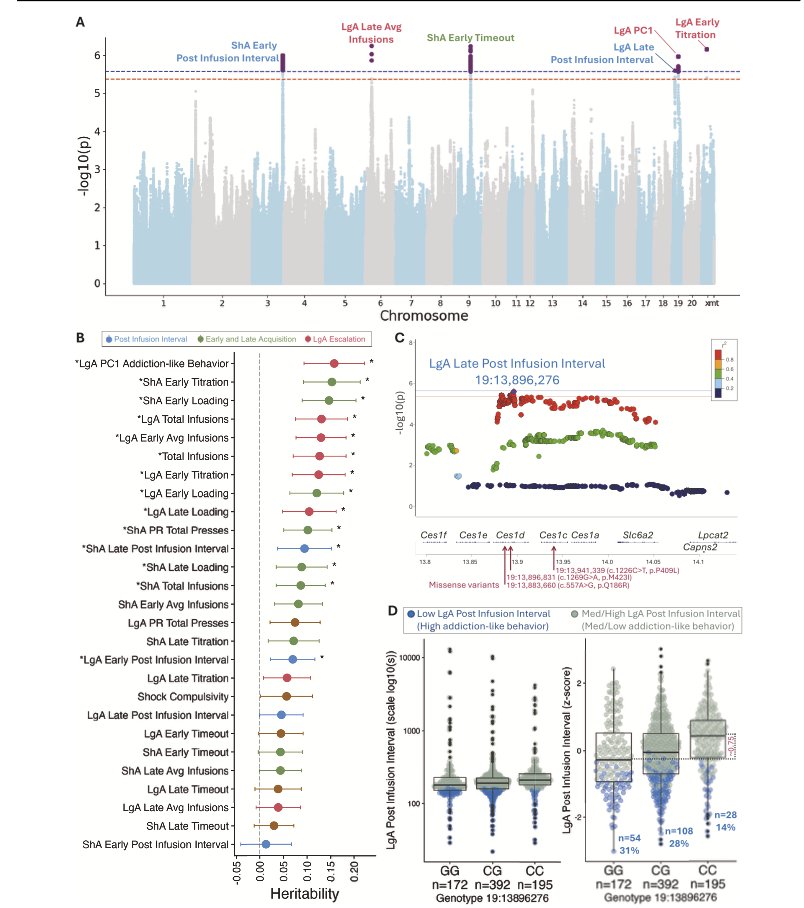
First, we replicate our earlier behavioral analysis, which used about half as many animals (doi.org/10.7554/eLife.90422.…): escalation of intake, motivation to seek cocaine, and compulsive-like responding are tightly correlated and cluster together. Now, with more animals we now resolve finer structure. The behaviors separate into early acquisition, late acquisition, escalation, and a motivational/compulsive factor that groups breaking point, responding during timeout, and responding during footshock. That grouping makes a lot of sense.
Second, these behaviors are heritable. Phew, good ;-) SNP-based heritability came in around 7 to 16% depending on the trait. That is modest and, as expected, well below twin-study estimates, but it is real. The most heritable phenotype was a composite measure of behavior during escalation after several weeks of self-administration, and 7 of the top 10 most heritable phenotypes came from long access. That validates the importance of the long-access model.
Third, we found six loci across five chromosomes tied to different addiction-like measures. One is unusually clean: a narrow region containing a family of carboxylesterase genes, the enzymes that metabolize cocaine, with a direct ortholog to the human enzyme CES1. It was associated with the time between infusions, an interval long proposed as a measure of compulsive-like intake, and the effect size (0.75 SD) is pretty large sufficient to change an individual from mild to severe. Finding a metabolic enzyme echoes human GWAS for cocaine and tobacco use disorder, which also point to pharmacokinetic enzymes for alcohol and nicotine. A nice crossspecies translational convergence on the idea that metabolism genes contributes to addiction vulnerability.
This also converges with an existing therapeutic effort. For 15 years, groups have worked on engineered carboxylesterases to treat cocaine overdose and addiction, without knowing that genetic variants in that same enzyme are actually tied to cocaine vulnerability. That work has moved slowly, partly because pharma has shown little interest. Our data give the direction more reason to exist.
We also picked up Trak2, which has been identified in human cocaine use disorder GWAS. Trak2 helps traffic GABA receptors in the brain, and GABA signaling is something we and others have found to be central to drug self-administration. On top of those two genes, we replicated several from human alcohol and tobacco use GWAS, including SLC10A7, PLCL1, and SATB2. Finding these parallels between human and animal data is exciting, especially now, when animal models are often dismissed as useless for understanding mental illness. They are not, and this is a clear example of why.
Finally, no GWAS is much fun without new candidates. We found several genes carrying expression or splicing QTLs in relevant brain regions, including Rasd2, Gnas, Ctsz, Lsm6, Vsnl1, and Zfp831, Slc6a2, a number of them tied to dopamine/norepinephrine signaling.
Thanks to @kallupi_marsida , @giodeguglielmo , and @LotCarrett in my lab for an enormous amount of behavioral work, to @AbePalmer's group @PsychiatryUcsd and first author @MontanaKayLara for the genetic analysis, and to Leah Solberg Wood @WakeForest for the HS rats. And a real thank you to our @NIDAnews program officers and the study section reviewers who backed this epic study when it was far from a sure thing 8 years ago...
doi.org/10.1038/s41467-026-7… @NatureComms
19
52
4,765
David retweeted

Jun 13
No Arab state has ever existed in history, nor exists now, where Jews have equal rights. Jews are explicitly denied equal rights in the Arab Human Rights Charter. Palestinian territories do not now, nor have they ever, even allowed Jews to live there- or even safely visit.

There is zero evidence that a Palestinian state would not allow Jews to live there.
75
314
2,041
43,586
David retweeted

Jun 13
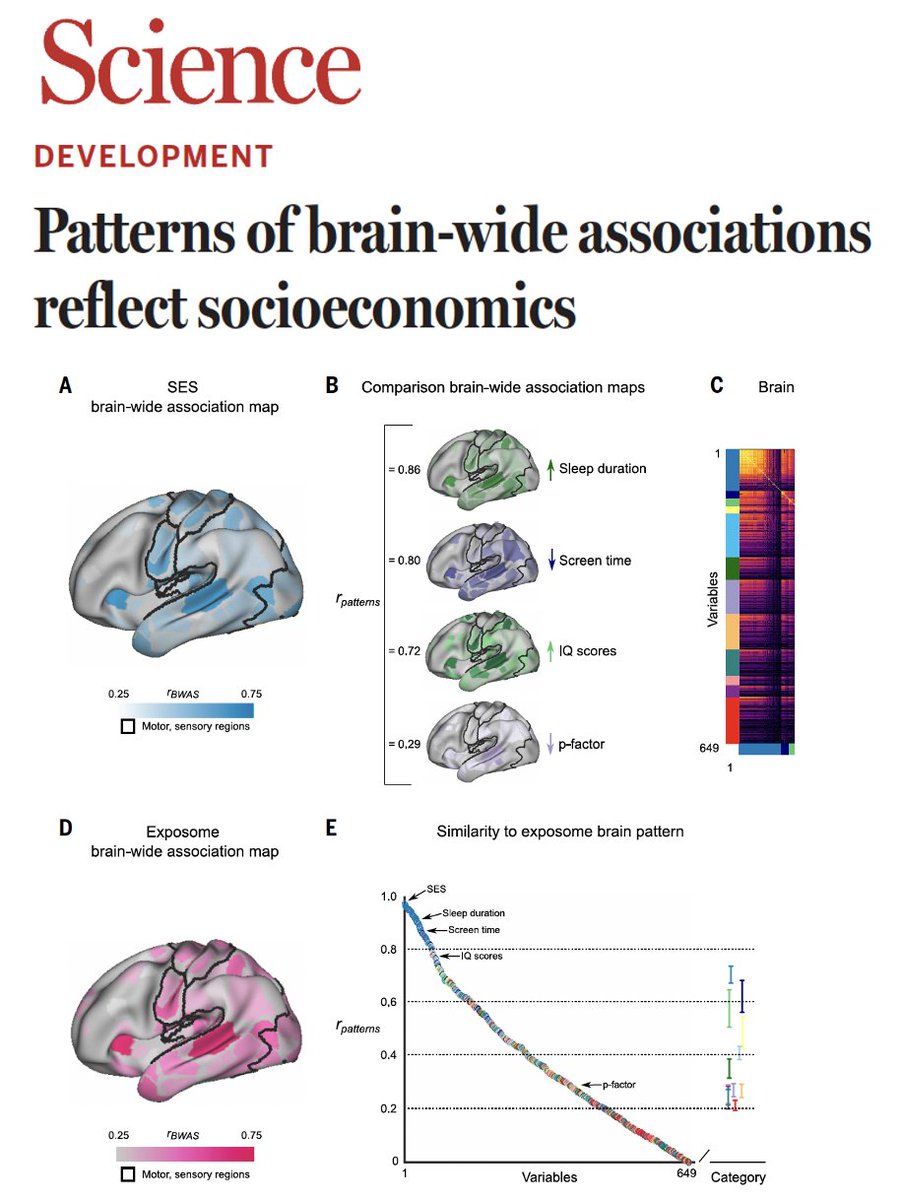
Childhood brain development may be shaped more by neighborhood opportunity than IQ. Socioeconomics refers to the social and economic conditions in which a person lives, including factors such as neighborhood opportunity, income, education, housing, and access to resources. Marek, Dosenbach and colleagues describe in a new paper in Science how socioeconomic factors may be the strongest predictors of brain organization in childhood, even exceeding measures such as IQ and psychopathology.
Key points:
- Across 649 behavioral, environmental, and demographic variables, socioeconomic measures showed the strongest and most reproducible associations w/ brain structure and function.
- The strongest single brain association was linked to neighborhood opportunity, and these patterns were concentrated in motor and sensory brain regions rather than classic higher-order cognitive networks.
- Brain patterns associated w/ socioeconomic status closely mirrored patterns linked to sleep, stress, arousal, and norepinephrine signaling, suggesting that environmental factors may influence brain development through these pathways.
My take: This is a provocative and potentially paradigm-shifting study. For years, many brain-wide association studies have focused on IQ, cognition, or psychiatric symptoms. Marek and colleagues argue that socioeconomic conditions may be the dominant signal shaping childhood brain organization. The findings suggest that what we frequently attribute to cognition may partly reflect the cumulative effects of sleep, stress, opportunity, and environment. If these observations hold up, then improving childhood environments may be one of the most powerful brain health interventions available.
Here are 5 points that resonated w/ me:
1- Neighborhood opportunity showed stronger brain associations than IQ, psychopathology, or most other measured variables.
2- The affected brain regions were primarily motor and sensory networks, not the classic frontal and parietal regions typically linked to higher-order cognition.
3- Sleep and stress emerged as plausible biological pathways connecting socioeconomic conditions to brain development.
4- Some commonly reported brain-IQ relationships weakened substantially after accounting for socioeconomic status, suggesting an important confounding effect.
5- The study reminds us that brain health is not determined solely by biology. The environments in which children live, learn, sleep, and grow may leave measurable fingerprints on the developing brain.
science.org/doi/epdf/10.1126…
19
58
2,955
David retweeted

Jun 12
Those idiots deserve what they got, but my greater contempt is reserved for the propaganda agents like Polanski, Owen Jones, Mehdi Hassan and all the others who pushed the Gaza genocide hoax for clicks and conned these people into throwing their futures away.
Jun 12

Gut wrenching to see four young people jailed for direct action against an arms supplier to Israel.
Years in prison for protesting to save lives in Gaza, with 'terrorism' used despite no jury convicting them of it.
A truly dangerous attack on the right to protest.
134
633
4,742
89,573
David retweeted

Jun 12
Awesome new paper by the amazing Samei Huda on “Criticals” well worth a read
cambridge.org/core/journals/…
2
10
25
4,734
David retweeted

Jun 12
Our rainbow stretches over the Mediterranean, from Tel Aviv to Beirut. 🇮🇱🌈🇱🇧
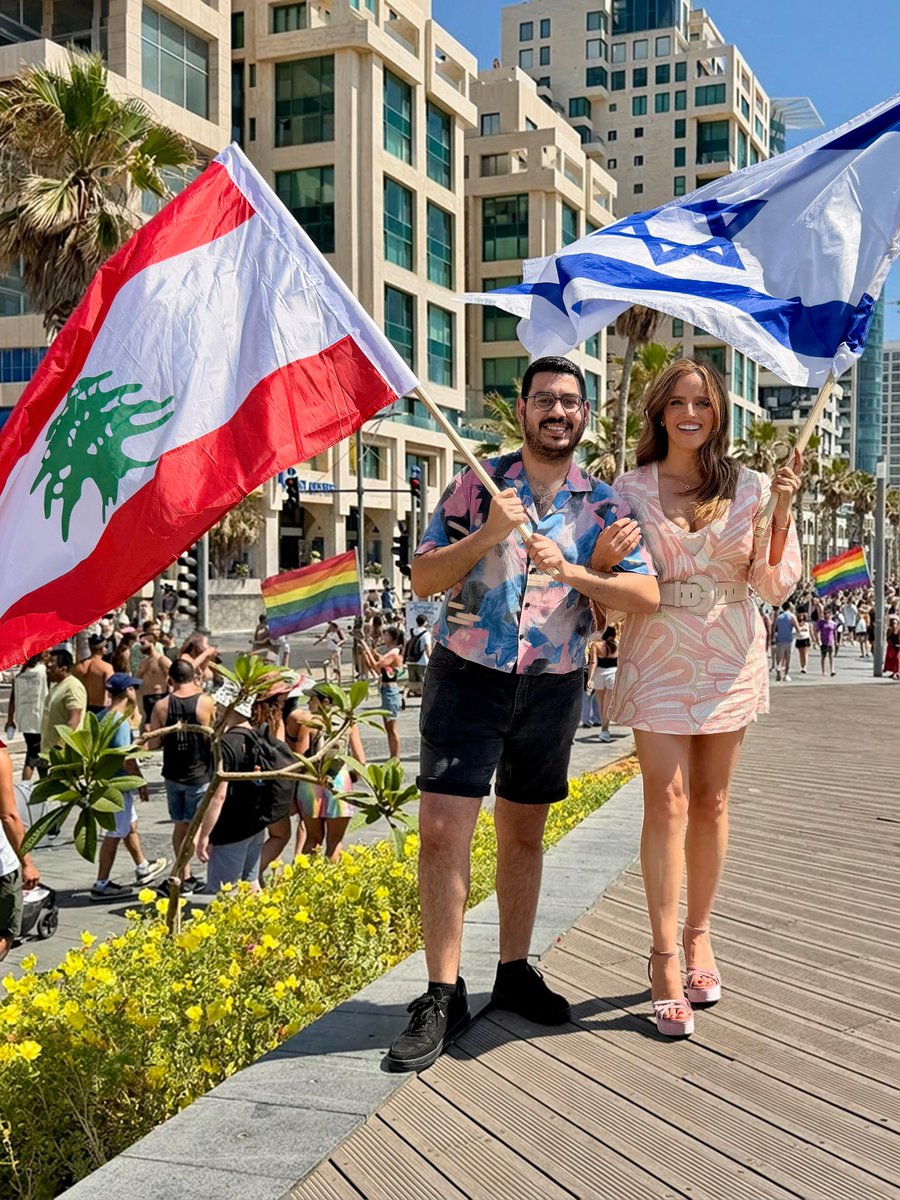
Today I marched in Tel Aviv Pride with @Jonathan_Elk a proud gay man from Lebanon. He carried his Lebanese flag, I carried my Israeli one, and we marched side by side. The Israeli and Lebanese people are not enemies, this war is only against the Iran-backed Hezbollah terrorists who have occupied Lebanon and forced Johnathan and his family to flee for safety in Israel.
Happy Pride Everyone 🏳️🌈✨
32
130
908
17,811
David retweeted

Jun 12
The violence on the streets of Israel is unbearable!
148
251
2,352
50,229