
Personal Technologies and Entertainment
Joined August 2023
- Tweets 5,986
- Following 337
- Followers 284
- Likes 81,116
2,049 Photos and videos










LabRat Knatz retweeted

TVs Leds que não duram 2 anos, cabos de fontes que queimam mesmo encaixados corretamente, placas de vídeo bugadas, controles que insistem no drift, eletrodomésticos que queimam rápido! Em algum momento a indústria decidiu abandonar a produção com qualidade a favor do lucro rápido
Jun 12

en.gamegpu.com/news/zhelezo/…
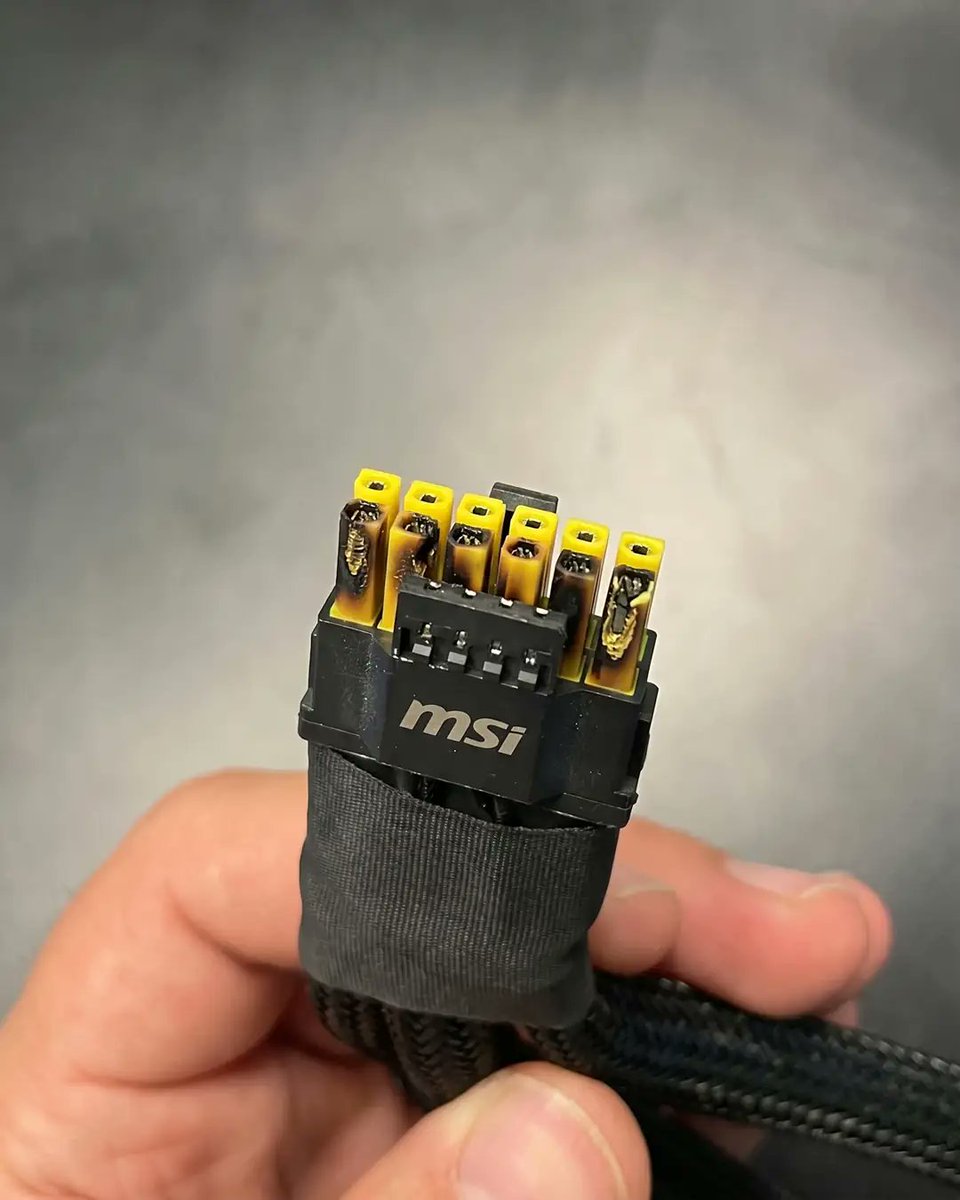
A RTX 5090 user suddenly faced a severe failure after eleven months of continuous operation. Initially, the system displayed central processor errors, so the owner took the computer for professional diagnostics.
Technicians immediately discovered a melted power cable from a standard MSI adapter. External signs of damage and burning smells were completely absent, and the 3000$ card connector miraculously survived.
The upset owner is preparing an official warranty claim for prompt equipment replacement. This procedure may delay due to slow support, so users are advised to check connections. #RTX5090 #MSI #GPU #hardware #cable #repair #components
7
3
35
1,597
LabRat Knatz retweeted

the saga continues: testing suspicious amazon cables 👹
20
19
476
25,658
LabRat Knatz retweeted
1/2 Nothing but XTremely fond and fruitful memories of Intel’s X58 chipset, which premiered their revolutionary “Nehalem” architecture, and enjoyed one of the longest reigns as Chipzilla’s HEDT platform, before Sandybridge E’s x79 finally usurped it in late 2011, some 3 years following its momentous release, and after the latter’s “mainstream” counterpart had proven such a smash hit amongst gamers with its unprecedented performance and efficiency compared to AMD’s aggressively priced but demonstrably slower, K10 based Phenom CPUs, which themselves formed the silicon brains within Team Red’s AM2 socket.
The x58 felt like a breath of fresh air in 2008, when Nvidia finally decided to exit the chipset market, having become famous for their “Nforce” branded solutions, whose north and south bridges ran hotter than Satan’s sauna, and incinerated enough flaky DDR2 memory sticks to sink Hawaii, despite all leading vendors - not least G Skill Corsair, Kingston and Geil, guaranteeing their ultra high frequency kits would operate stably at hazardously high voltages, which were automatically configured by the industry’s earliest incarnation of XMP technology!
The x58, partnered with its markedly augmented 1366 pin socket, germinated some of the most robust and feature rich MoBo’s of the era, including EVGA’s first ever “Classified”, some of Asus earliest ROG branded offerings for the uncompromising enthusiast, not least Rampage and Gene models which embodied the platform in ATX and MATX form factors…and Workstation styled alternatives like the P6T7 Supercomputer, which served me infallibly throughout several exotic Crossfire and SLI setups…
The luxury of having the Northbridge effectively reincarnated as the CPUs integrated MC allowed for greater flexibility when OCing and invariably better results, on account of the reduced heat, tighter latency, and the CPU frequency being derived directly from its both multiplier and “B clock”, which functionally supplanted the less stable Front Side Bus, and could be used either in conjunction with the multiplier or independently with “locked” processors to boost speeds to well above stock.
The 32nm “Westmere” based I7-990x that MPR references was the last in Intel’s line of Extreme Edition SKUs for the x58 and at the time, struggled to match an i7-2600k - Sandy BrIdge’s top mainstream variant - under gaming workloads, despite harbouring two extra cores and costing well over thrice the price, though when frame rates turned to timelines and exports, the chip justified its exorbitant bounty as a “productivity powerhouse”!

The HEDT chips from the past were so good actually. I have a 990X, and a 3930K, and even the 990X from 2011 has triple channel RAM. The 3930K has quad channel RAM, and also a ton of PCIE lanes. A pity mainstream stuck to 4c/8t for so long.
1
2
3
234
LabRat Knatz retweeted

Jun 12
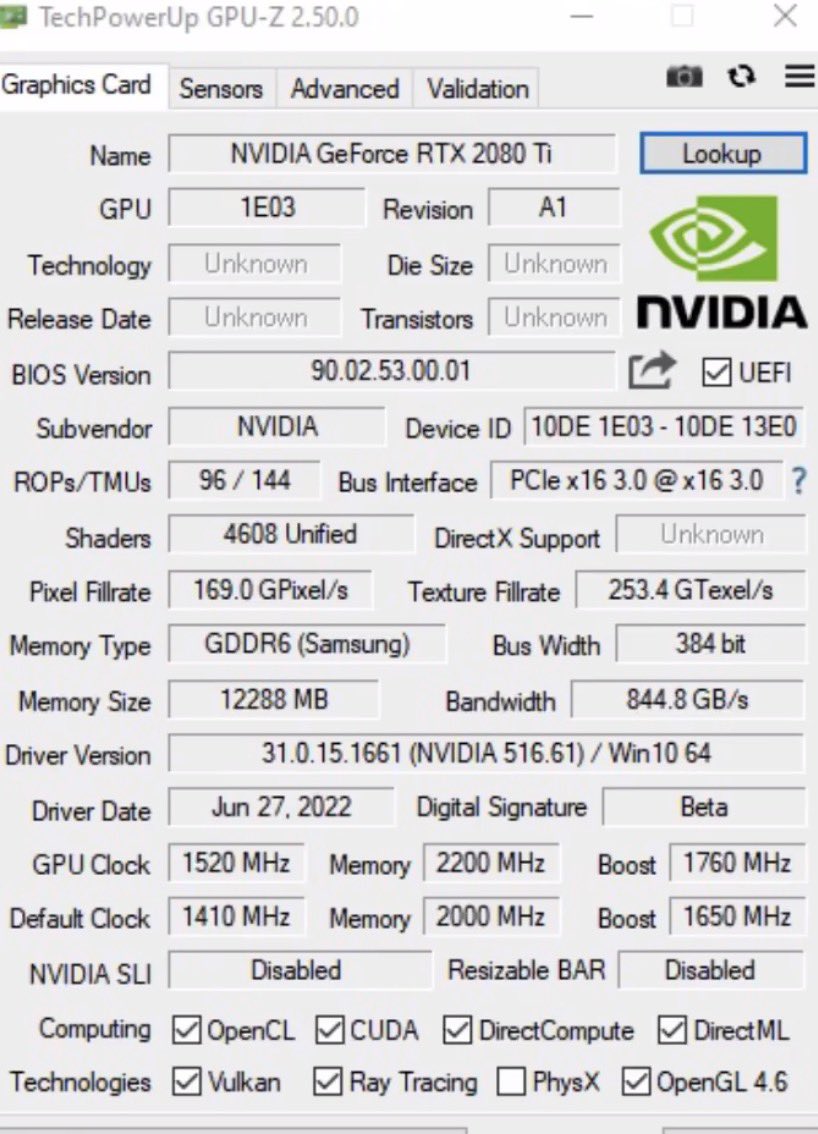
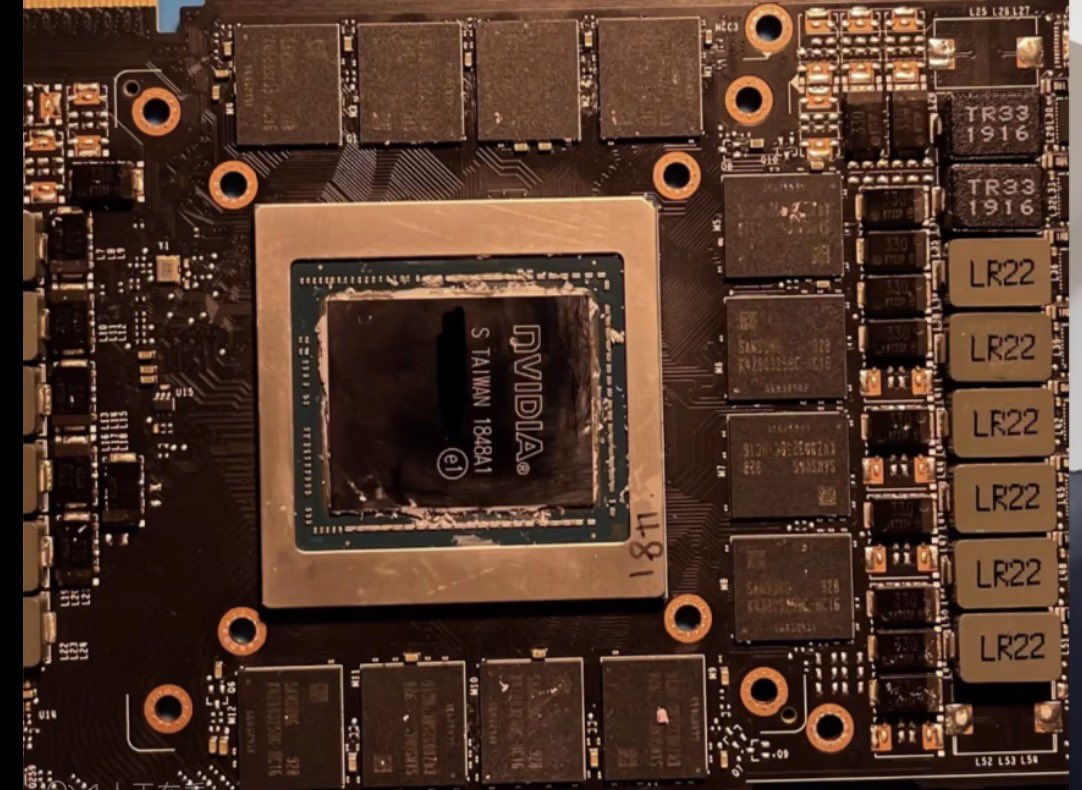
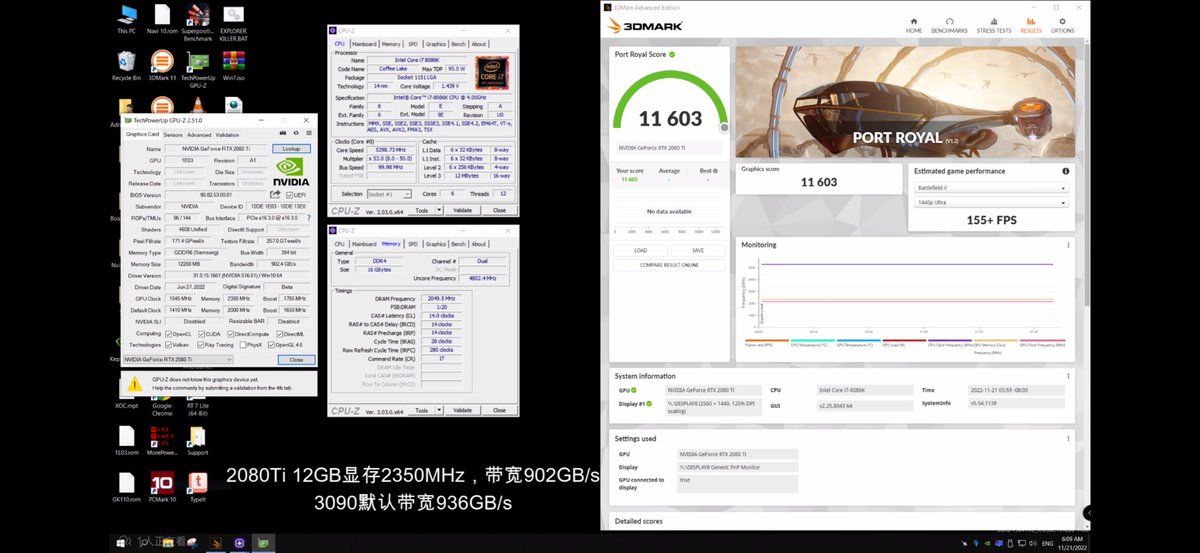
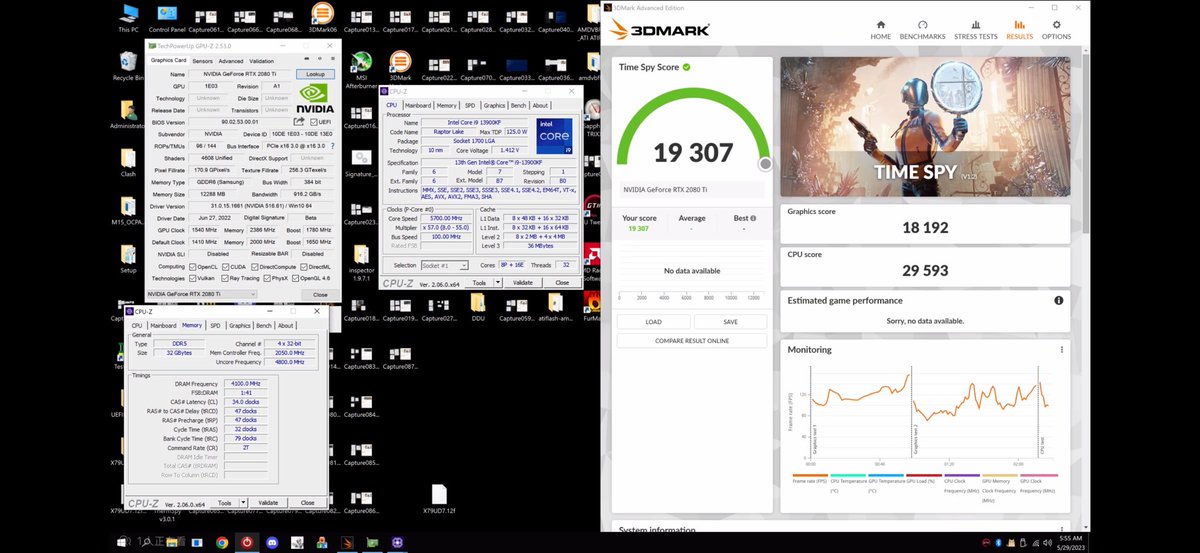
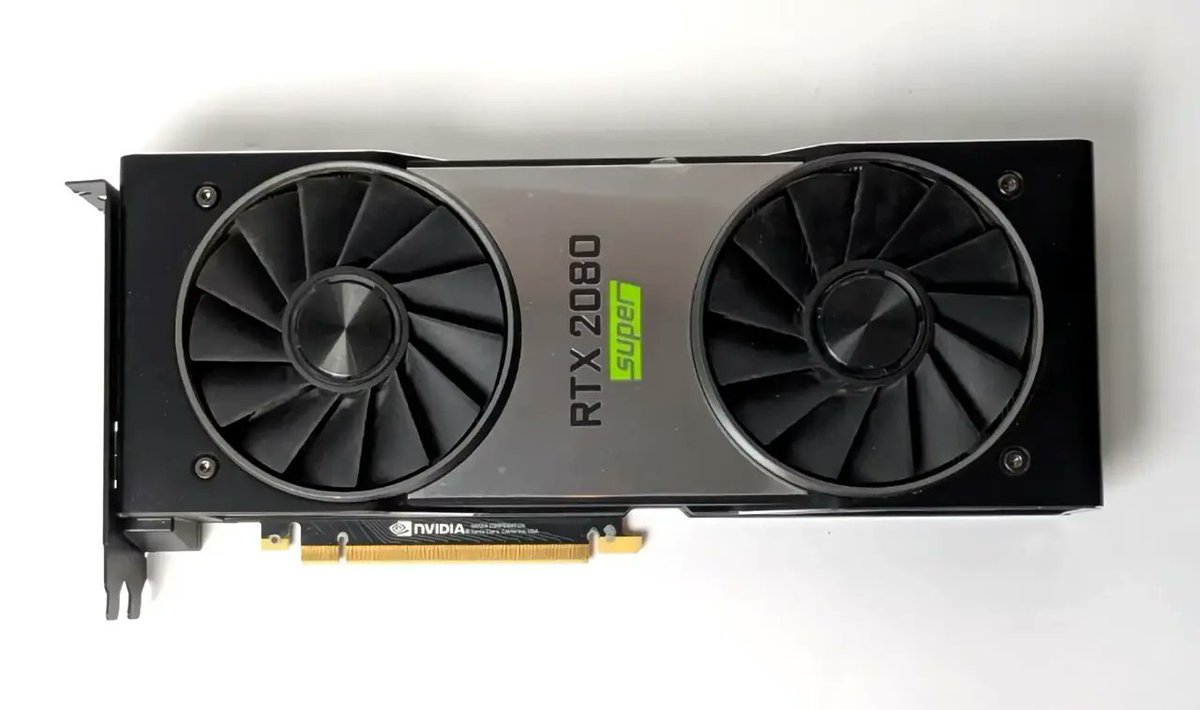
This is not quite accurate. This seems to be a 2080Ti 12GB, not a 2080Ti Super. Yes. They are very different cards.
2080“Ti Super” (10DE-1E03);
Always 4608sp, 12GB Sammy HC16, stock VRAM 2000mhz, 768GB bandwidth
2080Ti 12GB (10DE-1E07):
Either 4608, 4480, or 4352sp, 12GB Sammy HC14(?), stock VRAM 1750mhz, 672GB bandwidth (matching the description here)
A 2080Ti 12GB is a regular 2080Ti 300A that isn’t cut down, à la 8-core 1600X, compatible with XOC BIOSes of Strix, Kingpin, etc.
A 2080Ti Super is a truly never-released SKU with objectively better specs (VRAM). You can’t run Titan RTX/2080Ti BIOSes or even retail drivers with a Ti Super.
Source: we have both cards.
It’s good to see more of these surfacing regardless. These are 3080/5060Ti killers.
Jun 12

Never-released GeForce RTX 2080 “Ti SUPER” GPU found, features 4608 CUDA cores and 12GB memory
videocardz.com/newz/never-re…
2
9
67
8,984
Just a wee bit envious...
Jun 13

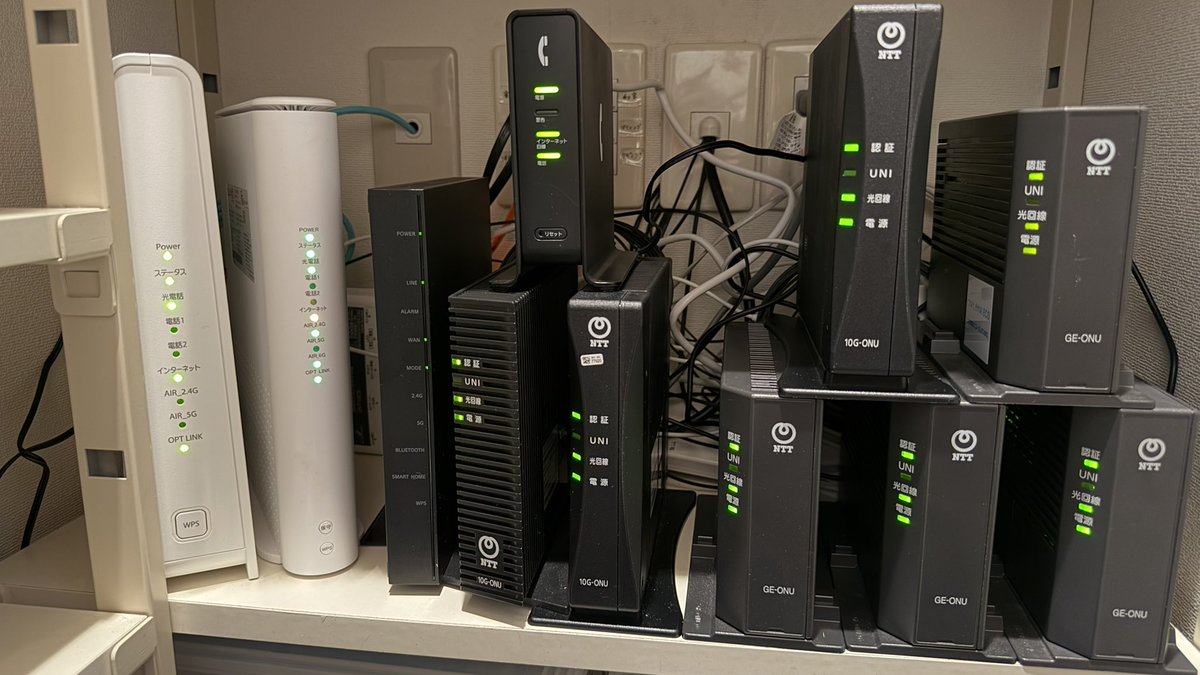
遂に自宅の光回線が10回線になりました‼️‼️
10ギガ回線×5、2ギガ回線×1、1ギガ回線×4です
おトクなキャンペーンを見つけるたびに契約してたらいつの間にかこんなに増えてました😂
60
LabRat Knatz retweeted
CachyOS Proton now downloads DLSS DLLs for FSR4 through OptiScaler
videocardz.com/newz/cachyos-…

2
24
268
12,901
LabRat Knatz retweeted

Jun 13
The effect is real -- I was struggling with the NES game Lifeforce on one of the last LCD TV's that still had a composite input, and it got noticeably easier when I plugged it into an actual old CRT display. That would just be a couple frames of latency in the TV firmware.
I had an X post a while ago measuring the "tap to flap" latency on one of the modern emulated arcade cabinets in contrast with a real one.
37
38
1,385
45,960

Jun 12
I've no 5090 and test equipment for it but-
I'm convinced that the issue(s) with 12V2x6 have nothing to do with steady load.
Real loads, vary 100,000's times a second (100 khz) and 'snap' from very low/0 current to 50 A.
IMHO, we're seeing Inductive Heating and Lorentz forces.

i would like to repost these two tweets.
x.com/unikoshardware/status/…
x.com/unikoshardware/status/…
asus rog live testing the rog equalizer cable at computex. they cut three 12v wires (and gnd wires) so that the furmark 600w relied only on the remaining three 12v wires and its terminals connected.
asus ran the stress test for a long time, like hrs there. and the cable didnt melt afaik, the temp looked too good to be true, although i didnt stop the test and unplug the cable to take a look at the terminal side. i also didnt stay there at the booth for a hour to monitor the demo.
in short, three 12v wires, each carrying 17a, 51a in total, 600w load.
this is what rog equalizer can do, demo by asus at computex.
so, to melt a rog equalizer cable, i guess maybe it needs 20a or more on each 12v wires.
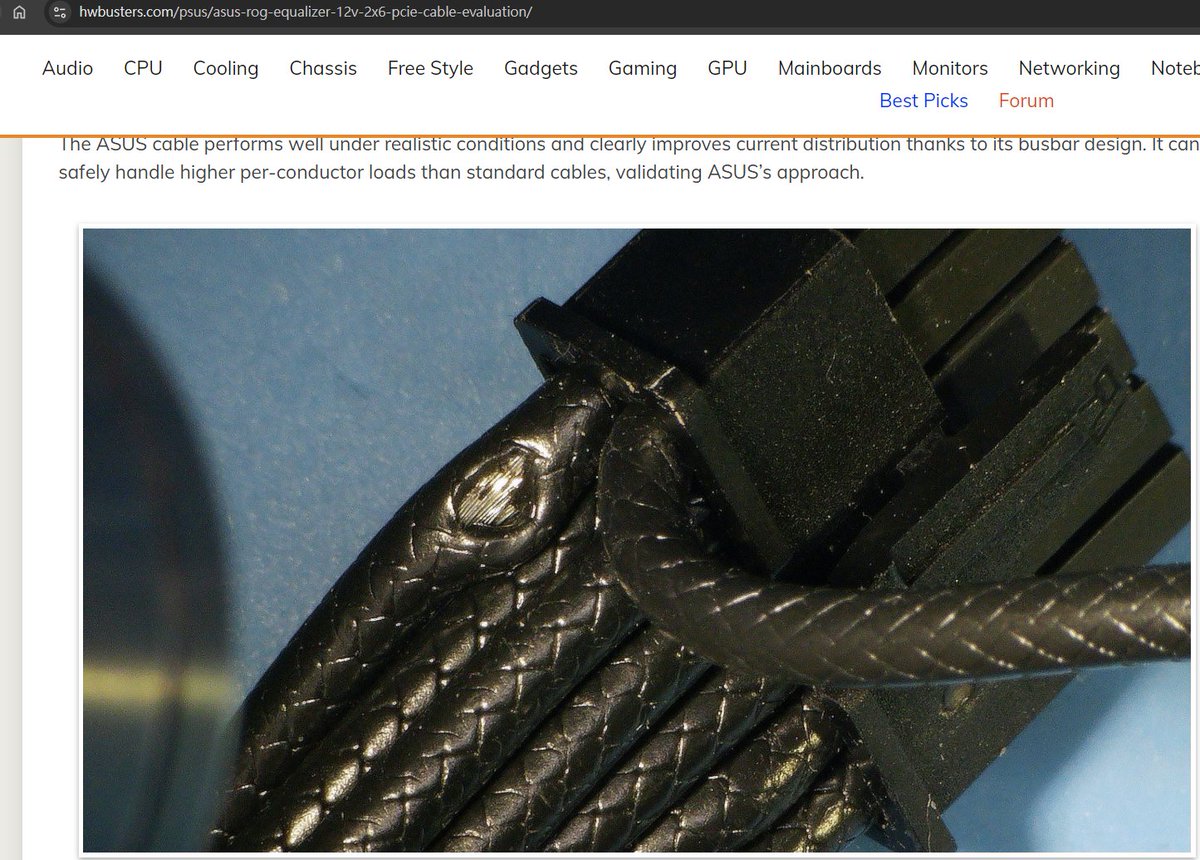
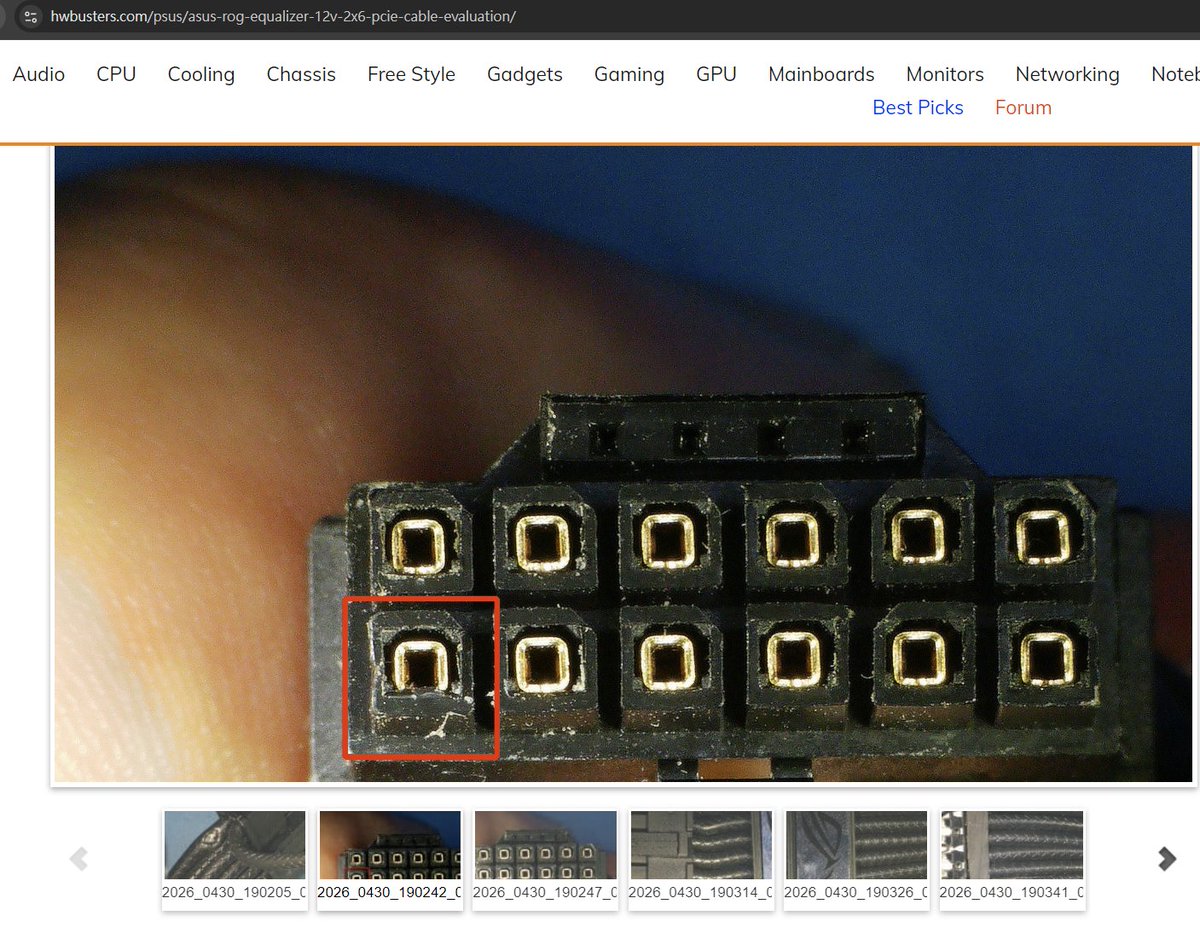
hardware busters put >50a load on the single wires of the rog equalizer cable and the cable melted at the psu side. but it didnt melt like the recent case in china.
hwbusters.com/psus/asus-rog-…
3
1
5
180
Jun 12
From my limited understandings, there is a 'simple fix' for these issues: Use 12V/GND Twisted Pairs.
I'd bet money that 22-24AWG copper twisted pair 'Ethernet cable', would outperform parallel-ran 16AWG ( 12V2x6 standard) in real-world testing.
2
38
LabRat Knatz retweeted

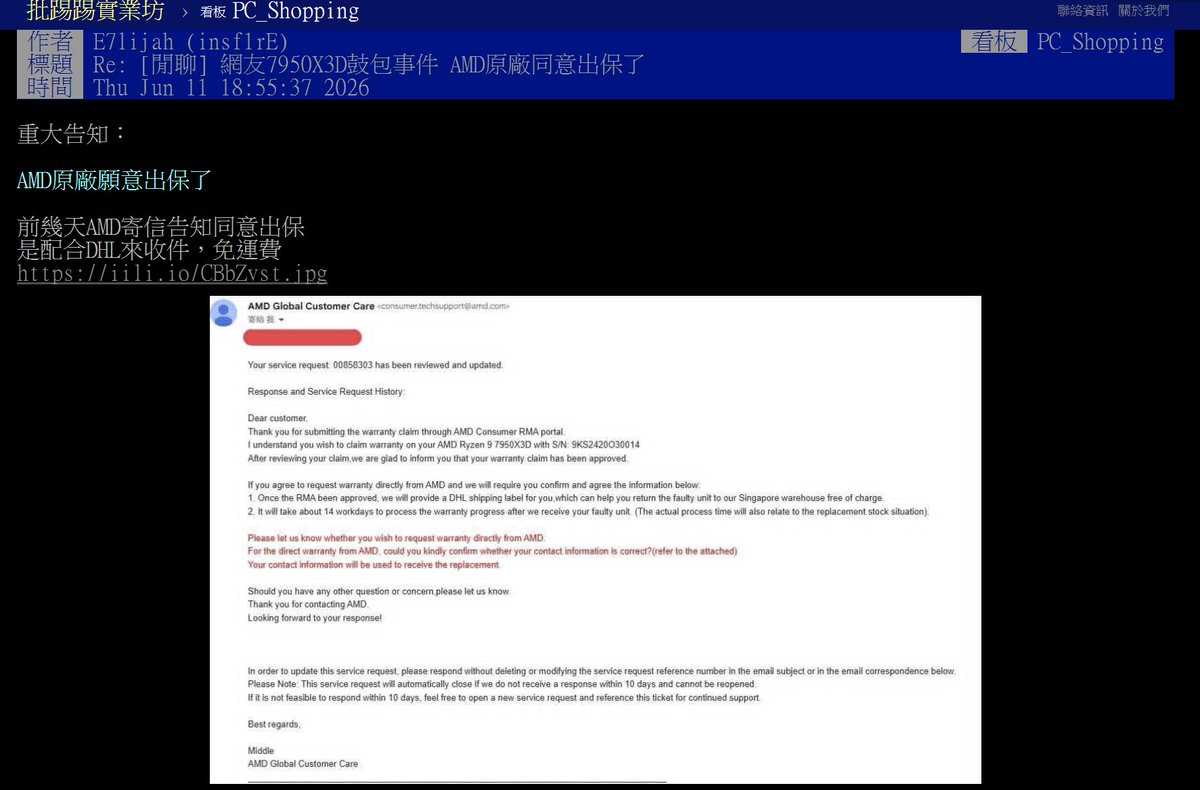
this is the latest amd rma email regarding the rma of the "swelling on the back" 7950x3d
- rma accepted now
- dhl pickup and shipping to singapore (from taiwan)
- free of charge
ptt
ptt.cc/bbs/PC_Shopping/M.178…
============================
AMD Global Customer Care
Your service request: 00858303 has been reviewed and updated.
Response and Service Request History:
Dear customer.
Thank you for submitting the warranty claim through AMD Consumer RMA portal
I understand you wish to claim warranty on your AMD Ryzen 9 7950X3D with S/N: 9KS2420030014
After reviewing your claim, we are glad to inform you that your warranty claim has been approved.
If you agree to request warranty directly from AMD and we will require you confirm and agree the information below:
1. Once the RMA been approved, we will provide a DHL shipping label for you, which can help you return the faulty unit to our Singapore warehouse free of charge.
2. It will take about 14 workdays to process the warranty progress after we receive your faulty unit. (The actual process time will also relate to the replacement stock situation).
Please let us know whether you wish to request warranty directly from AMD.
For the direct warranty from AMD, could you kindly confirm whether your contact information is correct?(refer to the attached)
Your contact information will be used to receive the replacement
Should you have any other question or concern.please let us know.
Thank you for contacting AMD.
Looking forward to your response!
…
Best regards,
Middle
AMD Global Customer Care
Jun 12

Good news, AMD has just told me this issue is being resolved. The customer is getting a replacement part. x.com/HardwareUnboxed/status…
4
36
7,150
LabRat Knatz retweeted

Jun 12
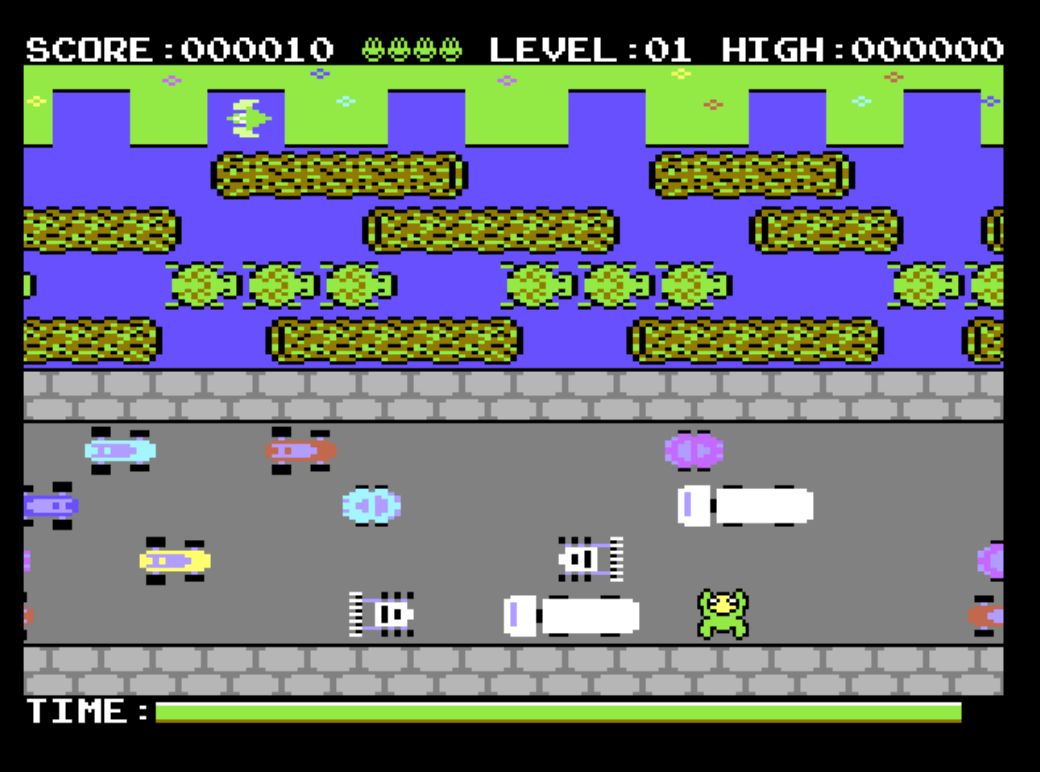
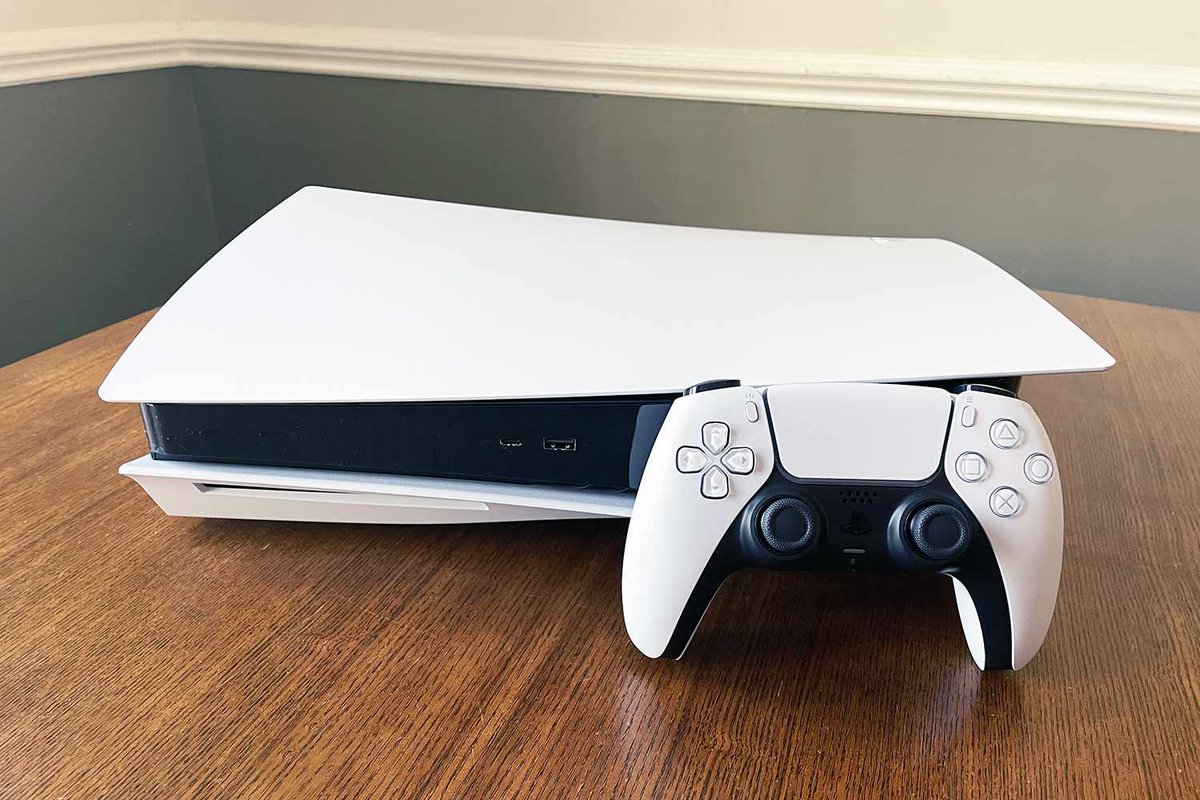
I’m convinced that old games feel “hard” because modern emulators have like 30 layers of abstraction between the input and the screen.
Today you’ve got controllers going through bluetooth driver stacks, on general purpose operating systems, with all sorts of thread coordination, GPU APIs, not to mention display latency…
Much easier for the brain to learn when the original hardware is extremely deterministic!
168
80
2,090
123,827

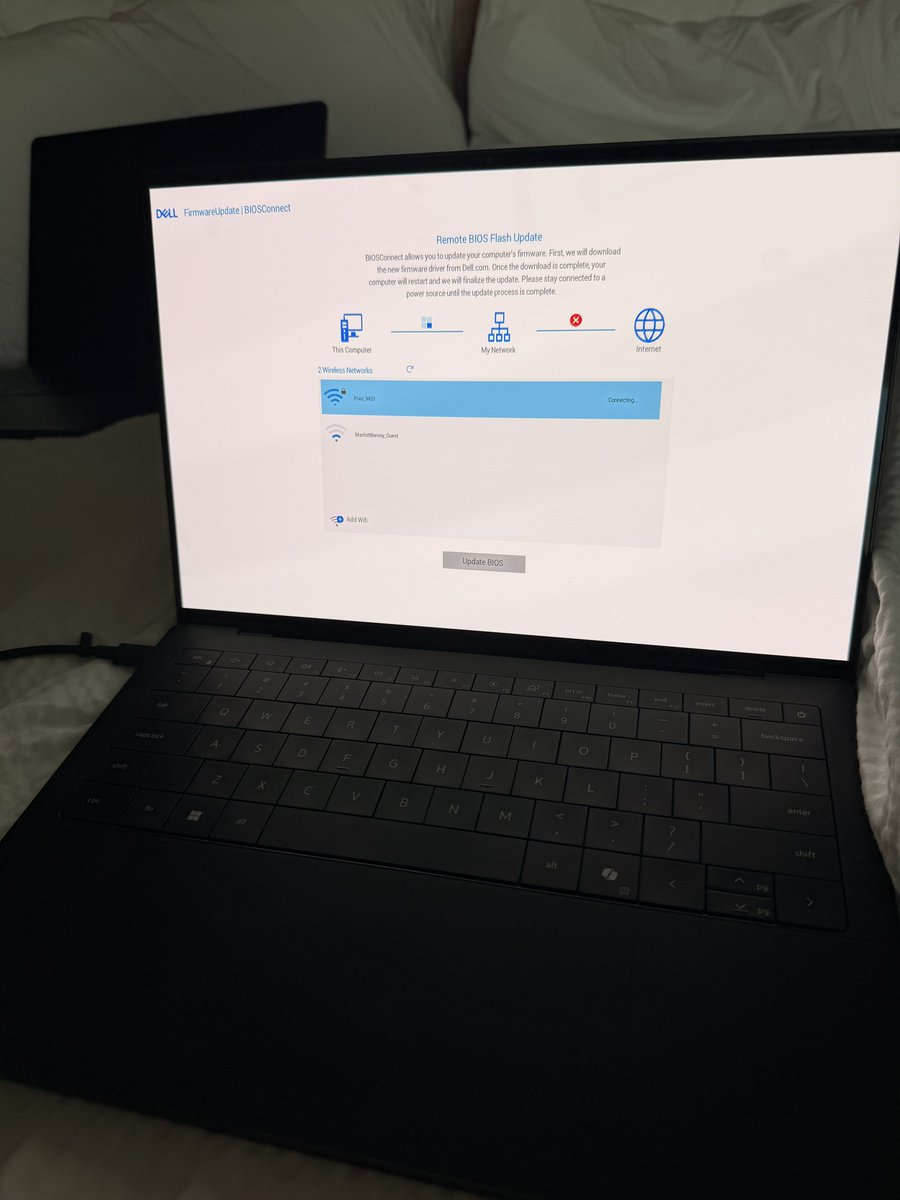
I’ve said it before and I’ll say it again… Distributing BIOS updates via the abomination that is Windows Update is a TERRIBLE idea.
Jun 8

this thing decided to kill itself updating last night.
I’m at WWDC so can’t really do much with what I have here, but it doesn’t recognize it had a battery and will only boot to windows for 50 seconds before locking up
Can’t restore a bios because of that, unfortunately
33
65
1,243
67,169
LabRat Knatz retweeted

Jun 8
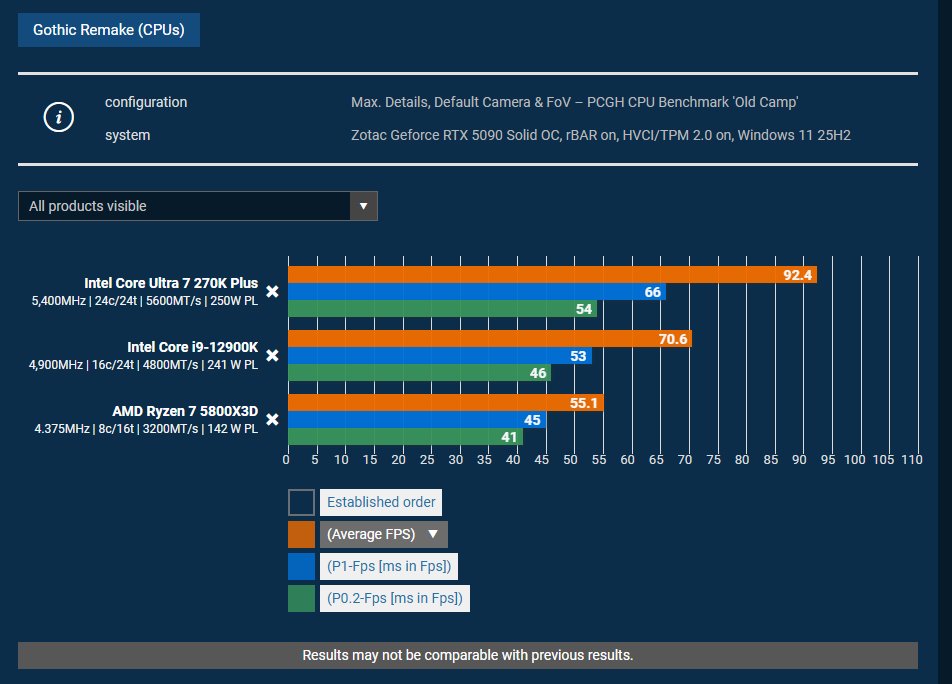
1/2 Hmm…scarcely the “game changing” package that it represented when originally launched over four years 4 as AMD’s debut V-Cached Ryzen…for a minor markup of $100 on its present “inflated” MSRP.
Realistically, this canny embodiment of “up-cycled silicon” could only constitute a worthy investment to terminally late adopters, still zealously hoarding their AM4 systems…and holding AMD to their solemn pledge of “platform longevity”.
The CPU’s immensely broad compatibility with MB’s harbouring (A320 through to X570) chipsets should not be overlooked, especially for those with an older Zen 2 based R5/7/9 3xxx/XT processors or a less powerful 3rd Gen (and 2 dimensional) 5xxxx series chip…who might be seeking the supreme drop-in upgrade to max out their “self-assembled” gaming rig’s “console crushing” potential.
Though one should also not disregard the inherent advantages of migrating to AM5, a B650 motherboard for example (many of Asus and Asrock’s midrange work/gaming branded models are currently available for well under $200) would provide native support for PCI 5.0, 16 fifth Gen lanes allocated to the host systems primary GPU slot(s)…together an increased quota running off the chipset HUB, to service extra on-board USB/storage controllers alongside higher speed WiFi Ethernet NICs and/or additional/faster LAN ports.
Add to plethora of “platform bonuses” integrated accommodation for at least one of the latest and swiftest NVME drives! If paired with say, a $250 R7 7700x, such a “budget friendly” synergy would provide superior performance under almost all “productive” workloads…and only fall behind in a handful of heavily “cache dependent” games!
Prolonged future proofing is also assured, with your upgrade path to Zen 5/x3d and beyond being one bios flash away.
The only potential deal breaker remains the exorbitant DDR5 tariff, which for a half decent 16/32gig dual channel 5600mhz kit, is roughly 50% over what you’d pay for the equivalent DDR4 package (or around $300-$500 in monetary. However, a substantial proportion of this could be recovered through selling off your old rig’s unwanted parts.

1
1
1
120
LabRat Knatz retweeted

Jun 6
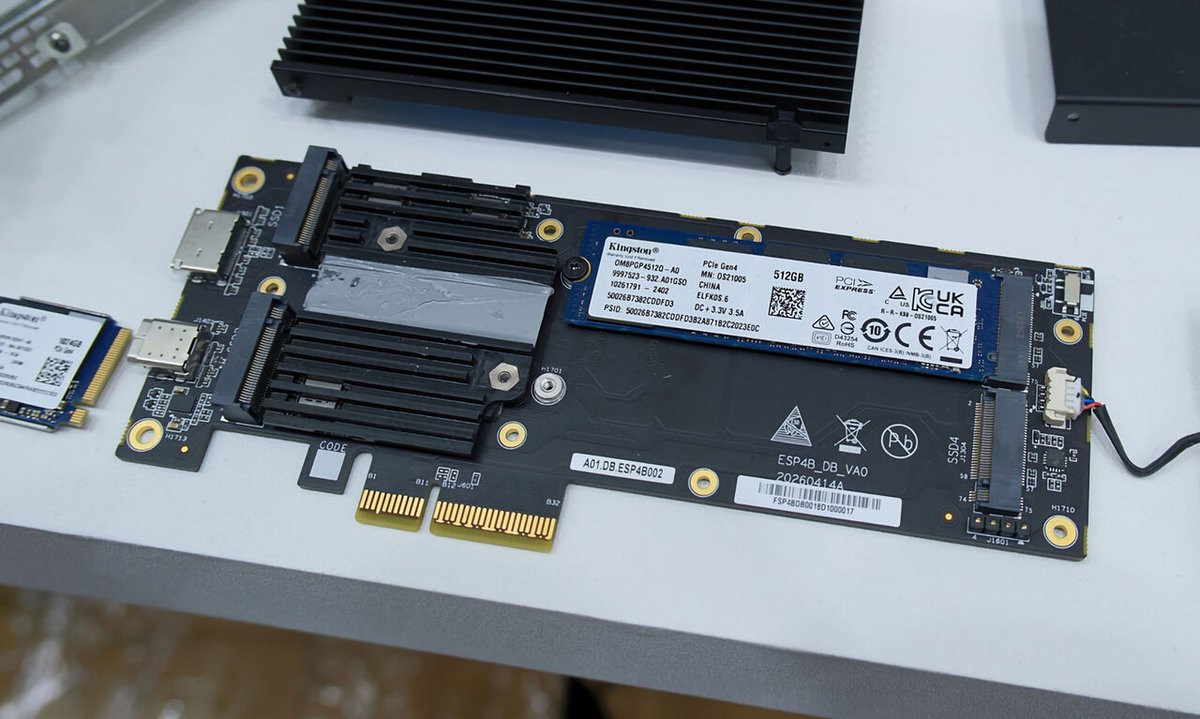
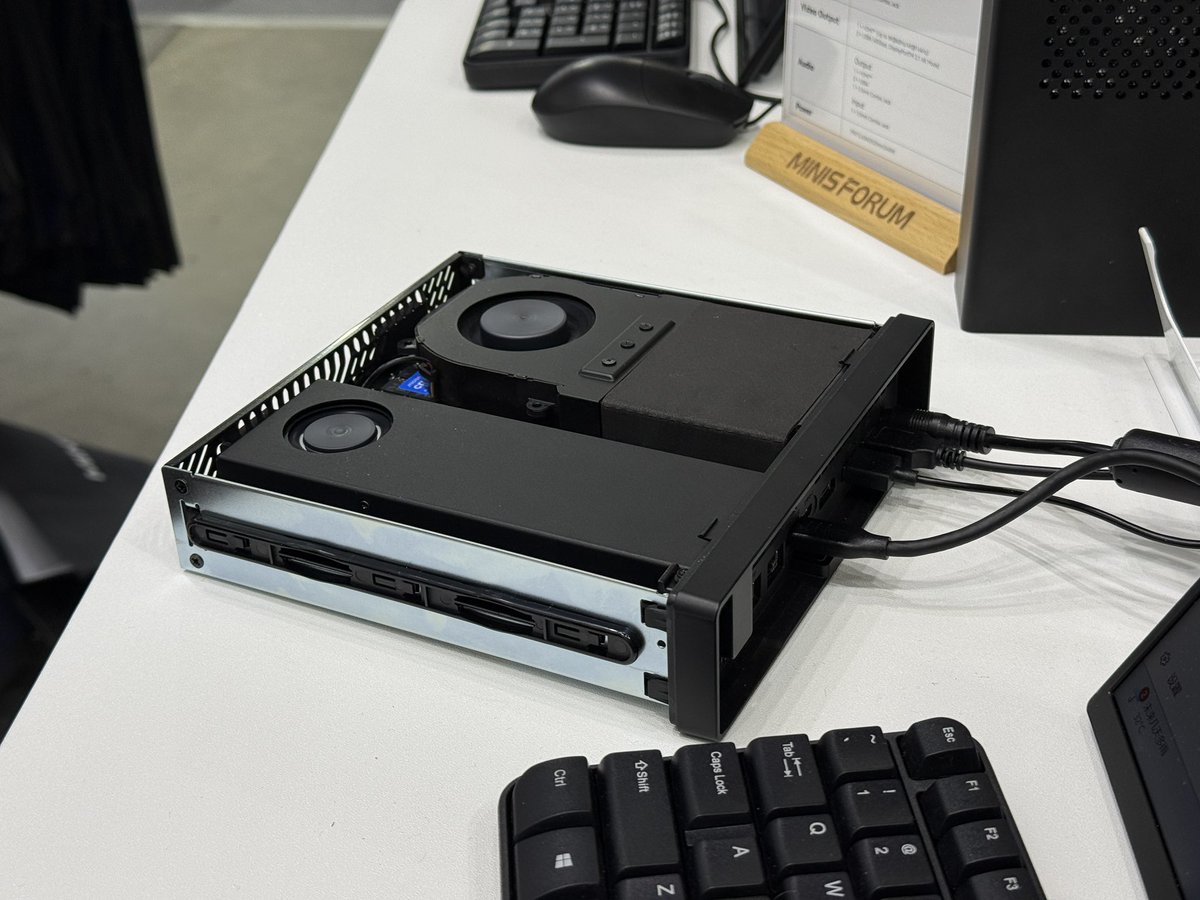
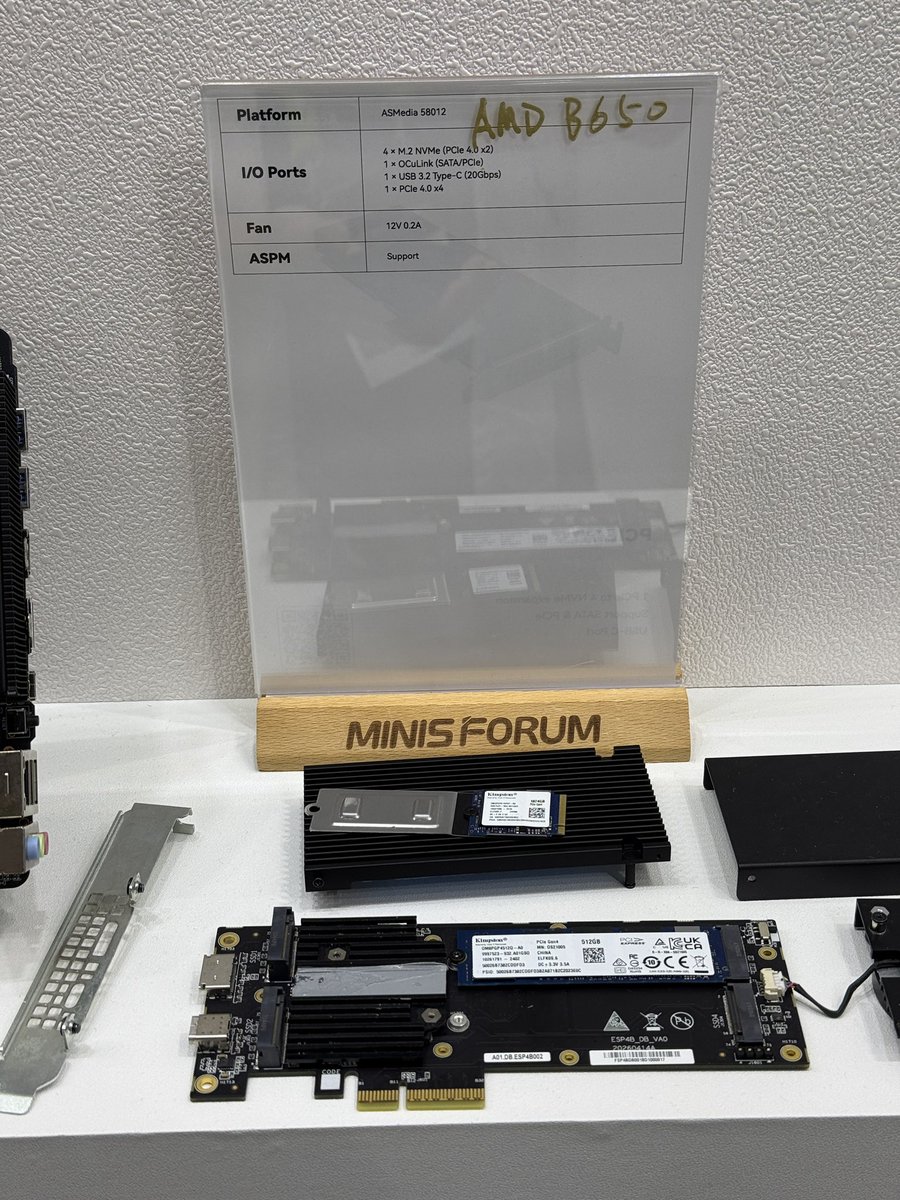
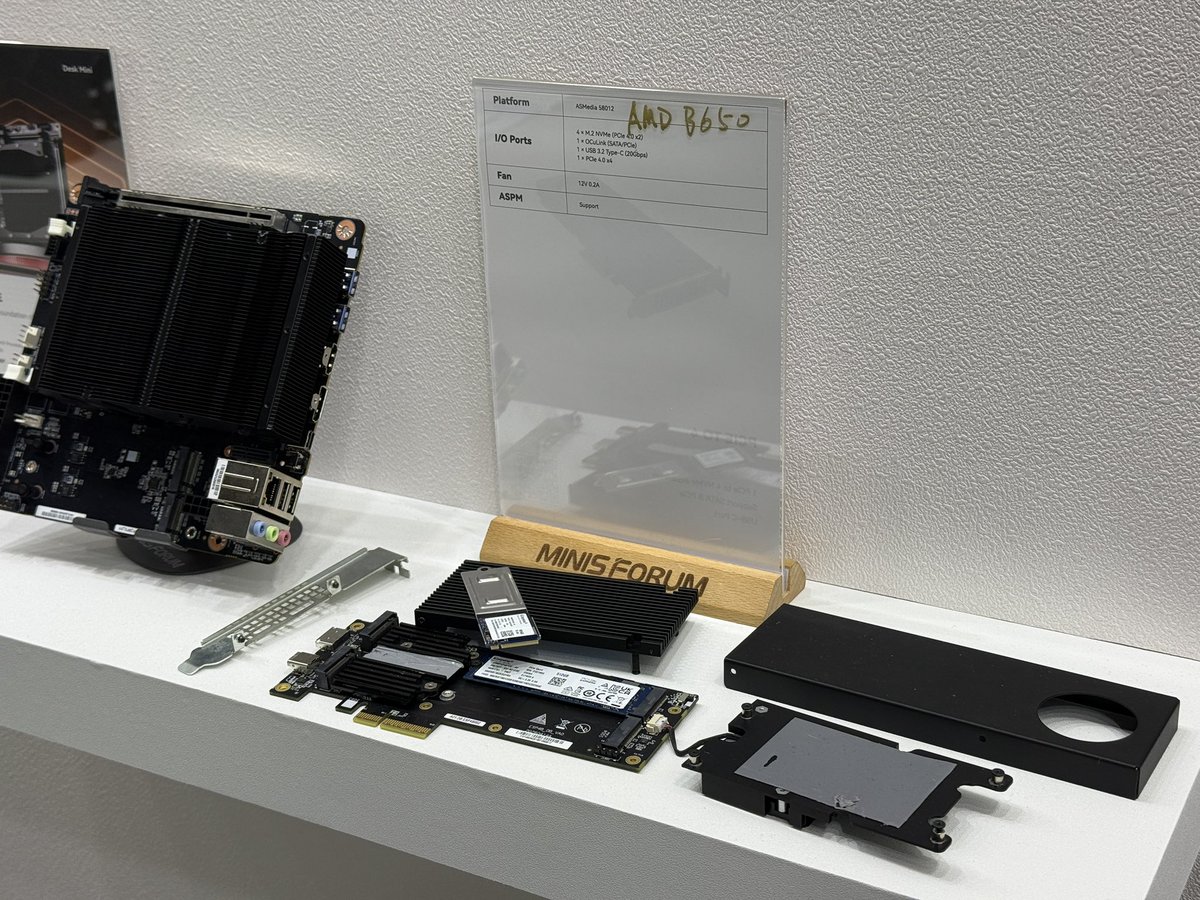
MINISFORUM puts AMD B650 chipset on PCIe card for M.2 and OCuLink expansion
videocardz.com/newz/minisfor…
5
17
140
10,662
LabRat Knatz retweeted

AMD B650 expansion cards hit retail starting at $199 tomshardware.com/pc-componen…
5
17
100
13,192
Jun 5
I just want to see (now, banned) China-only 5090D and 5090Dv2 in US, Euro, and Oceanics' hands. -don't really care what they call it.
RTX 5080 - 5090 is a ginourmous performance (and price) gap.
tomshardware.com/tech-indust…
Jun 5

I still do not THINK THIS HAPPENING.
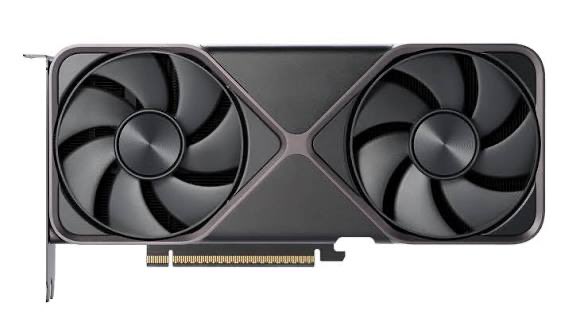
NVIDIA’s RTX 50 SUPER lineup:
• RTX 5080 SUPER
• RTX 5070 Ti SUPER
• RTX 5070 SUPER
• Possibly an RTX 5060 12GB
That 5060 12GB … DOA
The current RTX 5060 is 8GB, and let’s be real, 8GB is already rough for newer games. A 12GB model is a waste.
Still a rumor, not confirmed by NVIDIA, but definitely fueled by Hopium.
74

LabRat Knatz retweeted

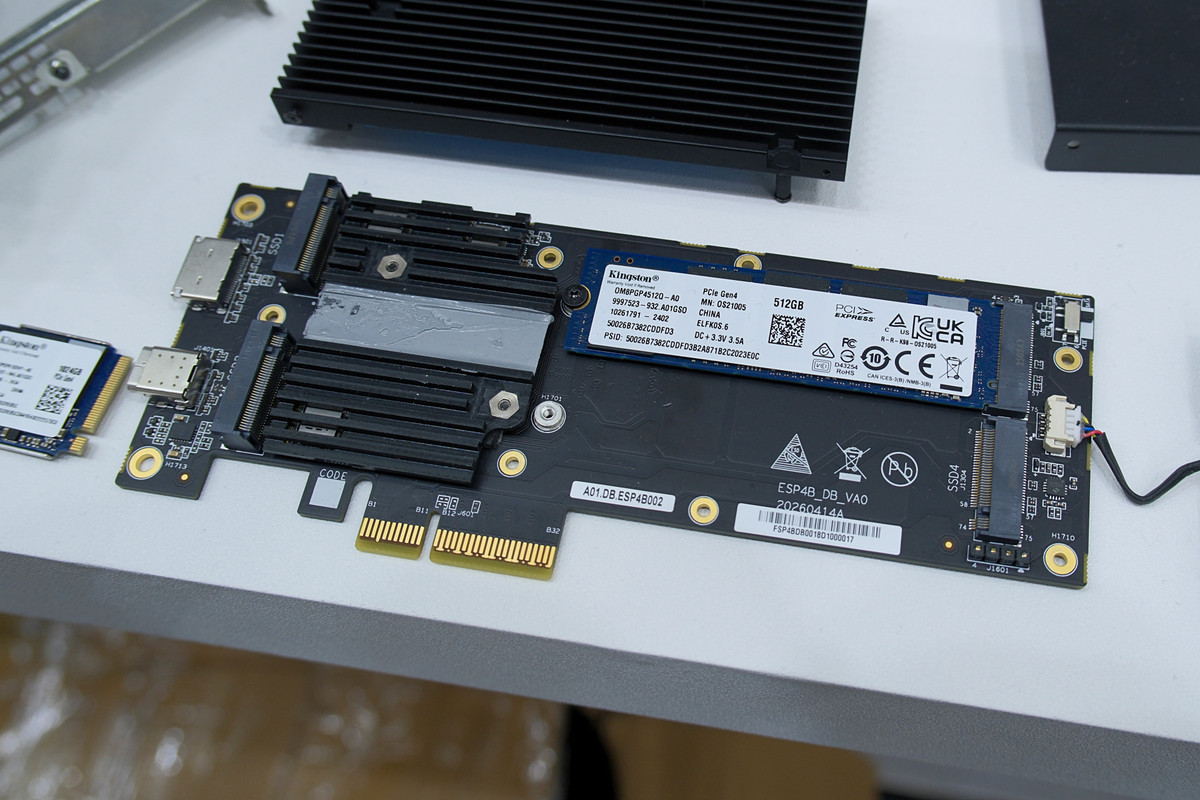
B650チップの拡張カード
MINIS FORUM
インテルマザーでも動くってよ。
1
17
48
2,833
LabRat Knatz retweeted

Jun 4
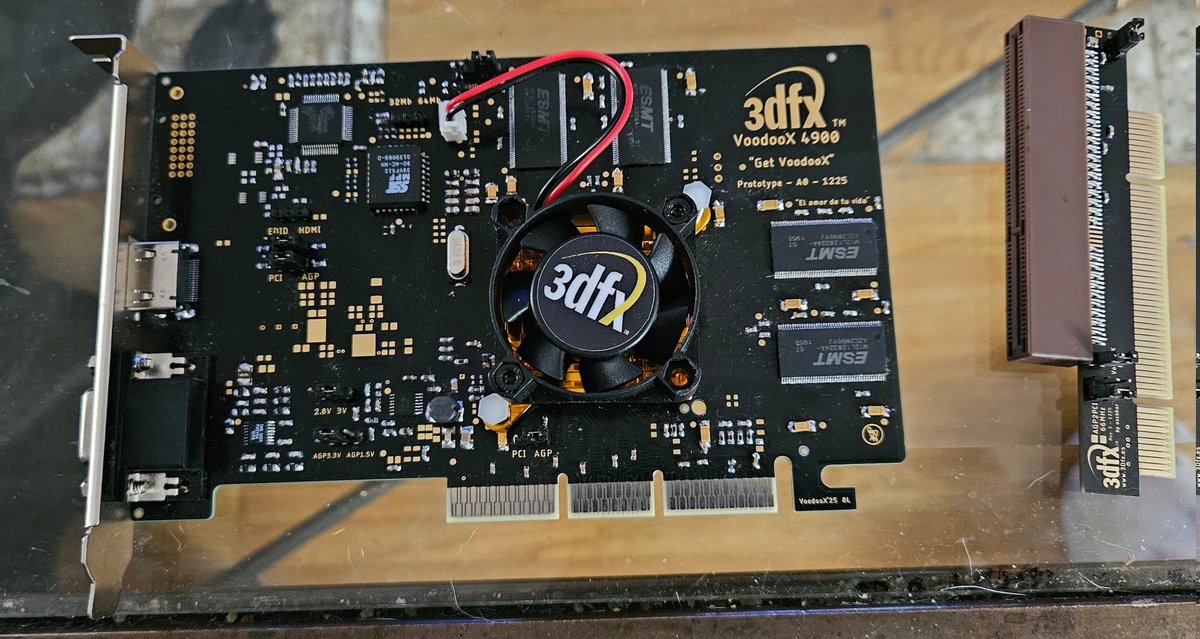
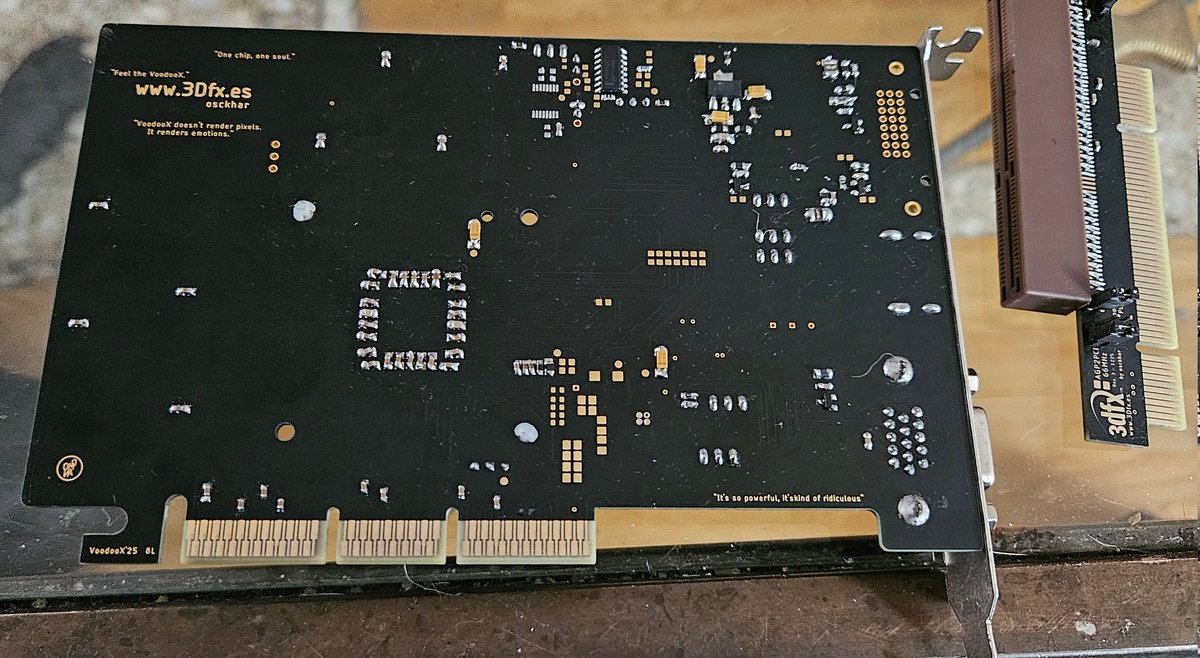
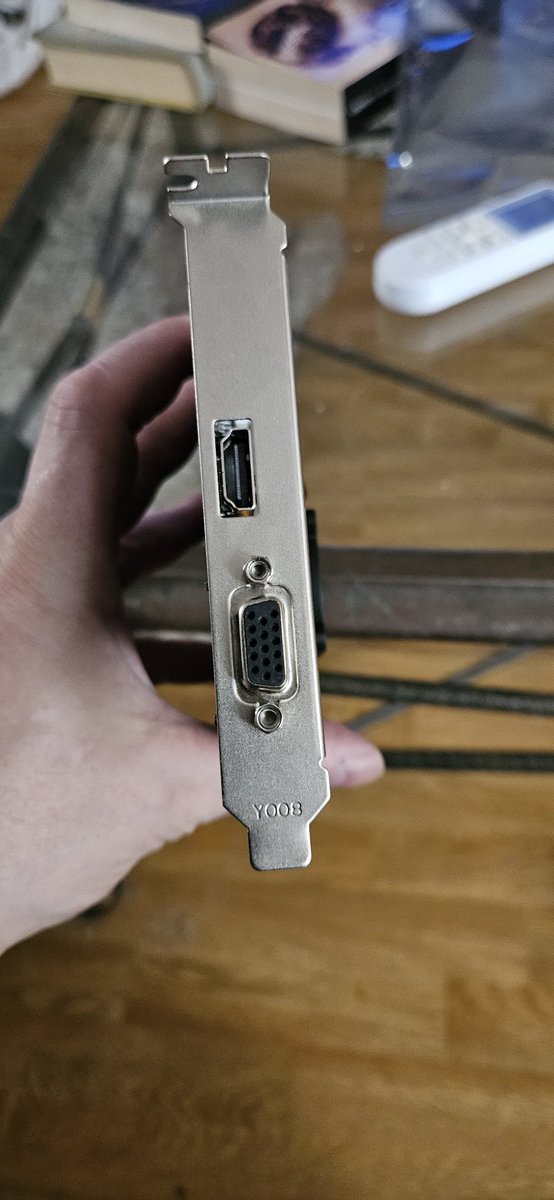
VoodooX project 3Dfx- starting to ship the first orders to 3Dfx fans.
Jun 4

Que ganas de probarla, gracias @oscar_barea a ver si la semana que viene la pruebo en un P IV que tengo con Windows me hormonado
1
4
15
2,903
LabRat Knatz retweeted

Jun 3
"They canceled it because it would appeal to Stargate fans" AND THAT WASN'T ENOUGH.
The Stargate cancelation is a full mask off moment for modern TV, and this is why everyone should care.
It's indicative of why all of our series keep getting screwed up.

You may or may not care about Stargate.
But you should know that a new show was in development and Amazon canceled it because it would appeal to Stargate Fans.
This is how all the big studios feel about your favorite franchise, btw.
63
290
2,311
21,392