Born in Washington, Coast Guard veteran, husband, father, grandfather and life long Unificationist.
Joined September 2025
- Tweets 621
- Following 118
- Followers 337
- Likes 741
1 Photos and videos
Larry retweeted

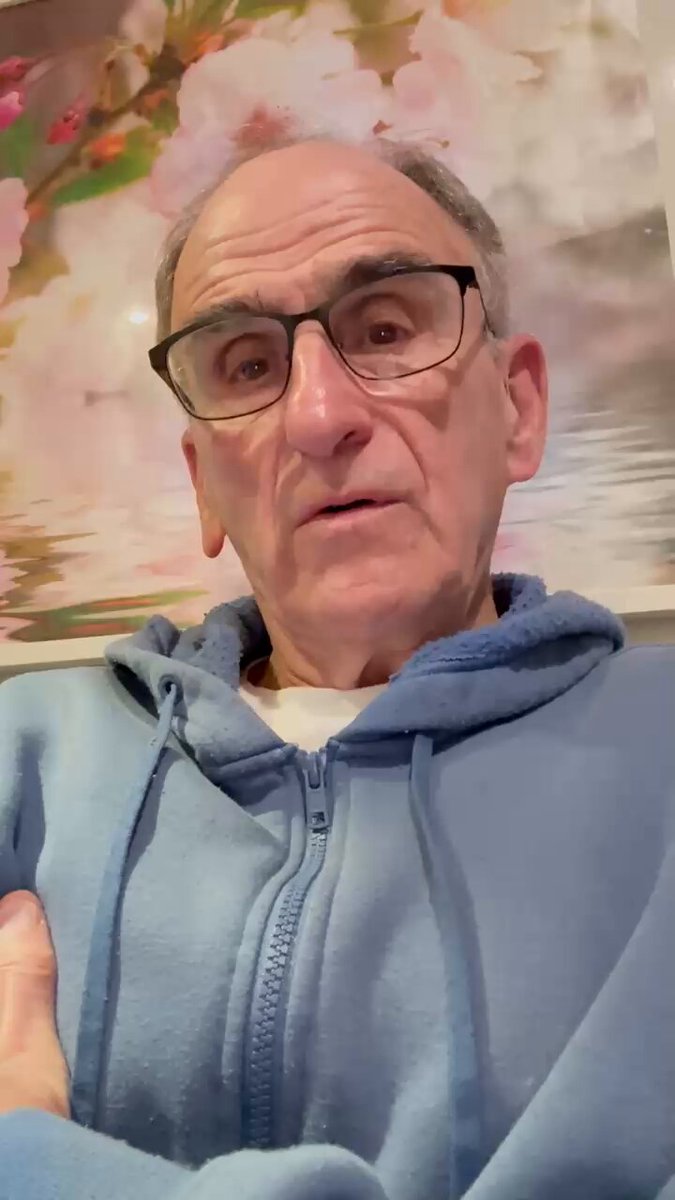
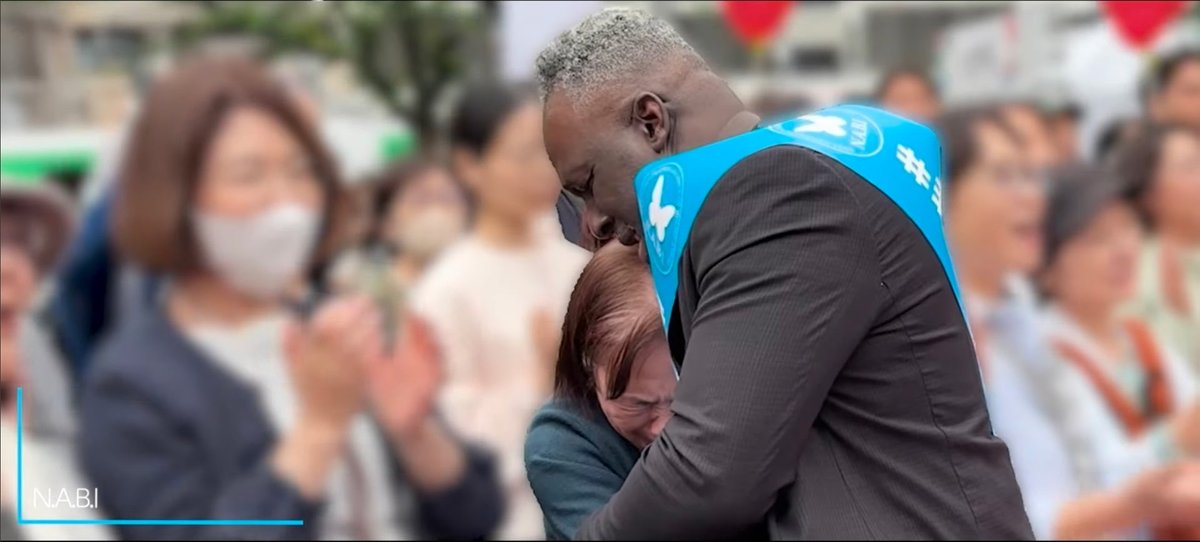
Japan ❤️
In this moment, everything changed for me.
What began as a simple embrace became something far deeper, a moment where I felt the heart of God beat through mine. No words could fully explain the love, compassion, and healing that filled my soul that day.
56
987
1,464
14,886
Larry retweeted

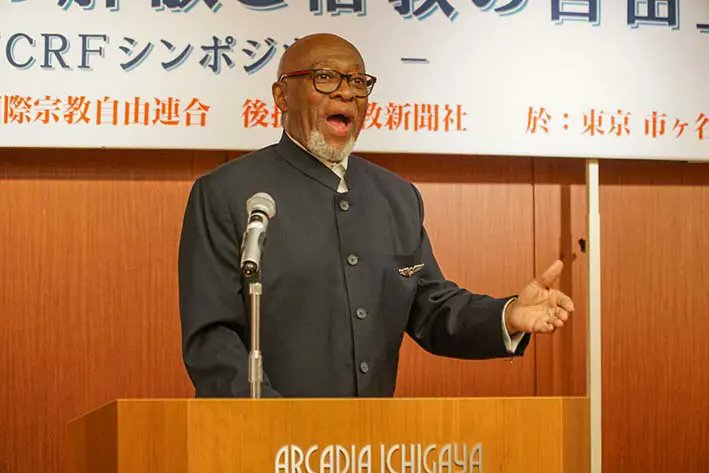
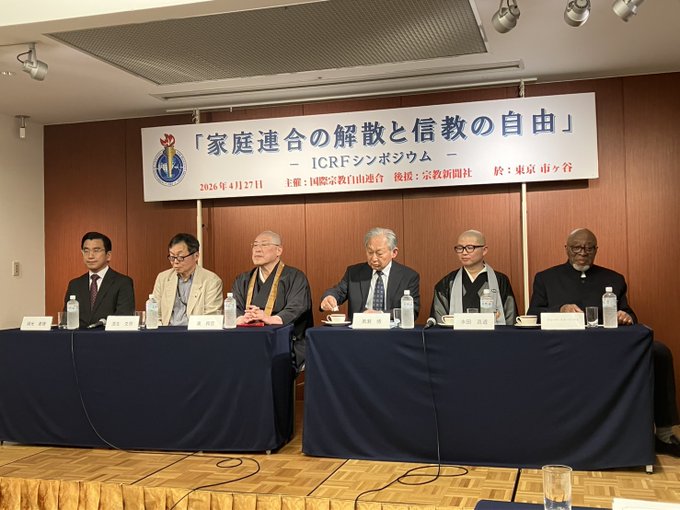
American and Japanese religious leaders are calling out the Japanese government over the Family Federation dissolution.
On April 27, the International Coalition for Religious Freedom (ICRF) held a symposium in Tokyo.
U.S. Archbishop George Stallings did not hold back.
He called it "madness" for the Japanese government to presume it knows better than believers how their church should operate.
His warning on donations was pointed: when the government, not the individual, decides how much someone can give to their faith, that government becomes a "monster."
Then he addressed every religious leader in the room directly.
"If the government can dissolve the Family Federation, you're next. We must pray together, stand together, and never let the government's actions go unchallenged."
Pastor Kurose of Tokyo West Baptist Church called the closure of churches and seizure of property "exactly what communist states have done," labeling it a national crime.
He urged believers: "Record your experiences for the future. Future generations will surely render proper judgment."
Buddhist leaders in attendance described Japan's religious world as being in a "devastating state," calling the High Court's decision "judicial suicide."
A Family Federation church leader from Shinjuku, Okamitsu Kunkei, reported that members can no longer hold weddings or funerals at their own facilities.
"The desire to perform life's most important ceremonies at one's own place of faith is a fundamental, intrinsic human right," he said.
This is not just a story about one religious group.
A democratic government dissolved a religion, seized its property overnight, and blocked believers from their own sacred spaces.
Can they decide how much devotion is too much, or where believers may gather to pray?
Source: worldtimes.co.jp/society/202…
Apr 27

「国際宗教自由連合」は27日、東京都内でシンポジウムを開催。米国のジョージ・スターリングス大司教は「宗教の自由の核心は、『誰を礼拝するか』を自分で選ぶ権利。どの程度の献金をするか、個人でなく政府が決めるという発想は、政府を『怪物』にする」と指摘しました。
worldtimes.co.jp/society/202…
10
231
341
4,382
Larry retweeted
Detention of religious leaders continues in South Korea. Some are calling it a purge.
Among those detained, the most urgent concern is the health of Dr. Hak Ja Han, president of the Family Federation.
She fell three times in one month inside a detention center, and underwent surgery.
228 days since detention.
172 days in a cell.
56 days hospitalized.
Three surgeries.
Heart: she underwent surgery for cardiac arrhythmia before detention. Prosecutors detained her before recovery was complete.
Eyes: operated on amid risk of blindness from glaucoma and macular degeneration. The court granted three days of medical release. Guidelines recommend one to two weeks. The defense applied for an extension. Denied. She was returned to her cell.
Shoulder: she fell three times in one month inside detention. Pain spread through her body to the point where painkillers were no longer sufficient. The injury to her left shoulder was only discovered after her third temporary release, when she finally received a thorough examination at a hospital.
No adequate examination had been conducted inside the facility.
Her lawyer told the court: "It is too hard to endure each day. She does not even have the strength to chew rice."
The defense requested two months for rehabilitation. The court granted one. That deadline falls on May 30.
She and her defense team repeatedly raised alarms about her deteriorating health. Those warnings were dismissed.
She needed consistent nursing care and medical treatment. Inside the detention center, she received neither.
The neglect produced exactly what they warned against: further deterioration.
The world is watching South Korea detain religious leaders, deny them medical care, and call it justice. The question is no longer about law. It is about religious persecution and the abandonment of human rights

26
454
640
18,943
Larry retweeted
A second-gen member flew in from America to encourage the Family Federation in Japan.
Born in Japan and raised in the U.S., he carries both worlds with him.
He spoke about how unimaginable Japan's situation looks from the outside, and shared his heart to do something for Japan.
His presence is a reminder that Japan is not standing alone.
This time, around 150 members made the trip from America to stand with Japan. In Tokyo, they will raise their voices to defend religious freedom in Japan.
Full Video
youtube.com/live/YgmIoCEpPSk…
Apr 28

【🇯🇵緊急告知🇺🇸】
明日、なんと!アメリカから二世たち100名が来てイベントを行うことになりました!
10:30〜12:30二世の会のYouTubeでLIVE配信します✨
日米の二世同士、日米の有識者同士が、国境を超えて語り合います!
ぜひご覧ください👀
#二世の会 #日米
↓↓↓
youtube.com/live/YgmIoCEpPSk…
13
302
454
5,240
Larry retweeted
100 American second-generation believers have arrived in Tokyo in response to the dissolution of Japan's Family Federation.
They came to stand with Japan in defense of religious freedom.
17
536
822
5,563
Larry retweeted

Apr 29
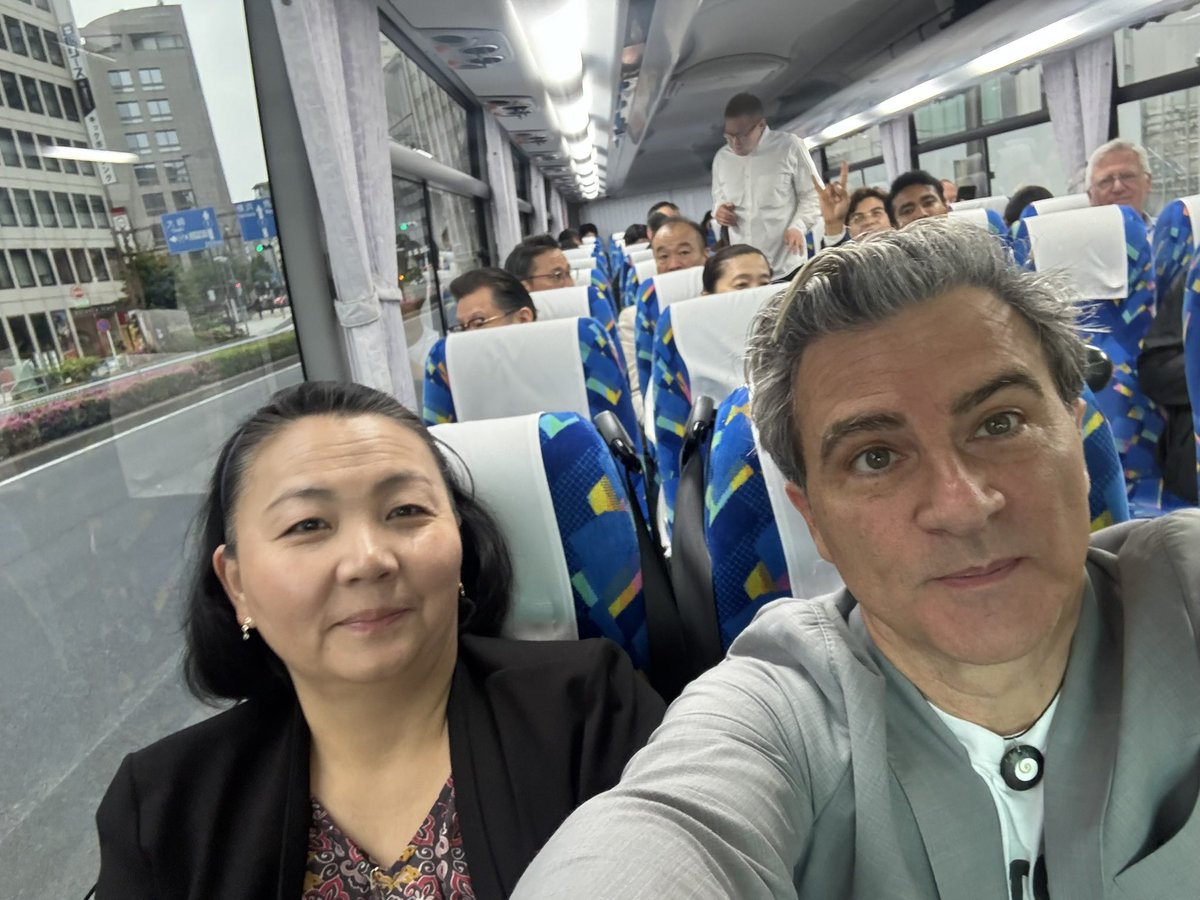
Finally in Japan to support our family members of FFWPU
78
632
1,155
11,784
Larry retweeted
Apr 14
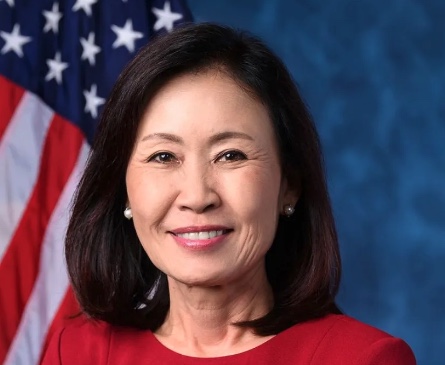
BREAKING: On the one year anniversary of the Cheon Won Gung Entrance Ceremony, TRUMP appoints Ambassador to South Korea. SHE IS ANTI-CCP!!!
Apr 14

The Donald Trump U.S. administration has officially nominated Michelle Steel (Park Eun-joo), a former federal House representative of Korean descent, as Ambassador to South Korea, ending a vacancy that lasted over a year. She is anti-CCP to the core.
41
254
511
10,427
Larry retweeted
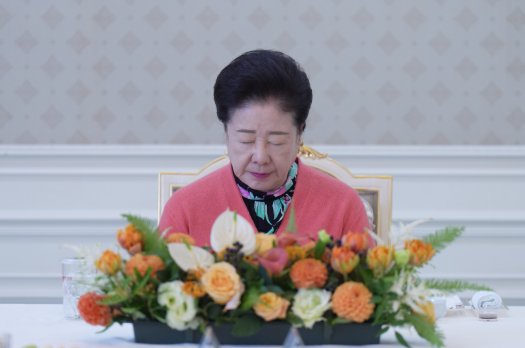
According to sources, Dr. Hak-ja Han, 83, underwent shoulder surgery under general anesthesia at approximately 1:00 PM KST today, April 14.
The procedure began earlier than scheduled and concluded at around 5:30 PM.
The surgery was completed successfully and she is currently recovering.
The surgery took place during an ongoing medical hospitalization authorized by Seoul Central District Court.
On March 27, the court granted her a temporary suspension of pre-verdict detention, a legal mechanism allowing defendants with serious medical conditions to receive treatment outside custody.
She has been hospitalized continuously since that ruling.
The authorized hospitalization period is set to expire on April 30.
A 83-year-old woman has just undergone major shoulder surgery under general anesthesia.
When that authorization expires, she faces return to the same detention facility her legal team has described as the source of repeated falls and cardiovascular deterioration.
The question is not complicated.
Is sending a post-surgical patient in her condition back into that environment, one that already damaged her health, something any medical standard would permit?
74
500
849
19,505
Larry retweeted
Apr 10
SHARE: Massimo lays it out in this article, about why Dr. Han deserves th Nobel Peace Prize since being nominated by Jan Figel.
Take a minute, read it and pass it on.
washingtontimes.com/news/202…
#NobelForMotherOfPeace
39
290
509
8,711
Larry retweeted

Apr 7
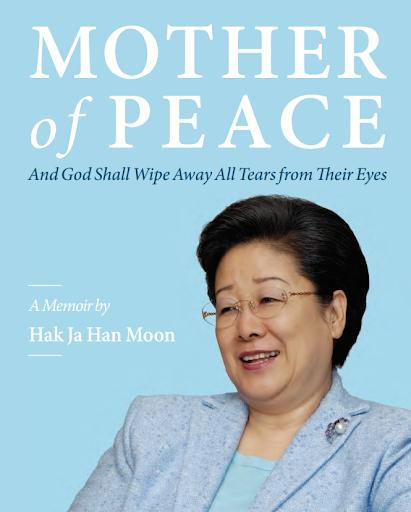
This is the 83 year old Great Grandmother known as the Mother of Peace, who leads with love and respect and gratitude:
"I crossed the Pacific and stepped onto American soil. Speaking in the eight largest cities of the US, I announced that the era of women was near and what it means for men, women and God. On the first day, the people of Washington, DC, thanked me deeply. They had thought of me only as “the wife of Rev. Sun Myung Moon from Korea,” but now their perception changed. I was now, “Hak Ja Han, who represents us, and represents the aspirations and value of all women.” I planted in their hearts the seeds of female leadership that is necessary to complete the salvation of the world."
"Mother of Peace" Dr Hak Ja Han Moon
motherofpeace.com/
#GodsTrueLove #ReleaseTheMotherOfPeace #GodsDreamOneFamily #ReligiousFreedom
3
48
94
656
Larry retweeted

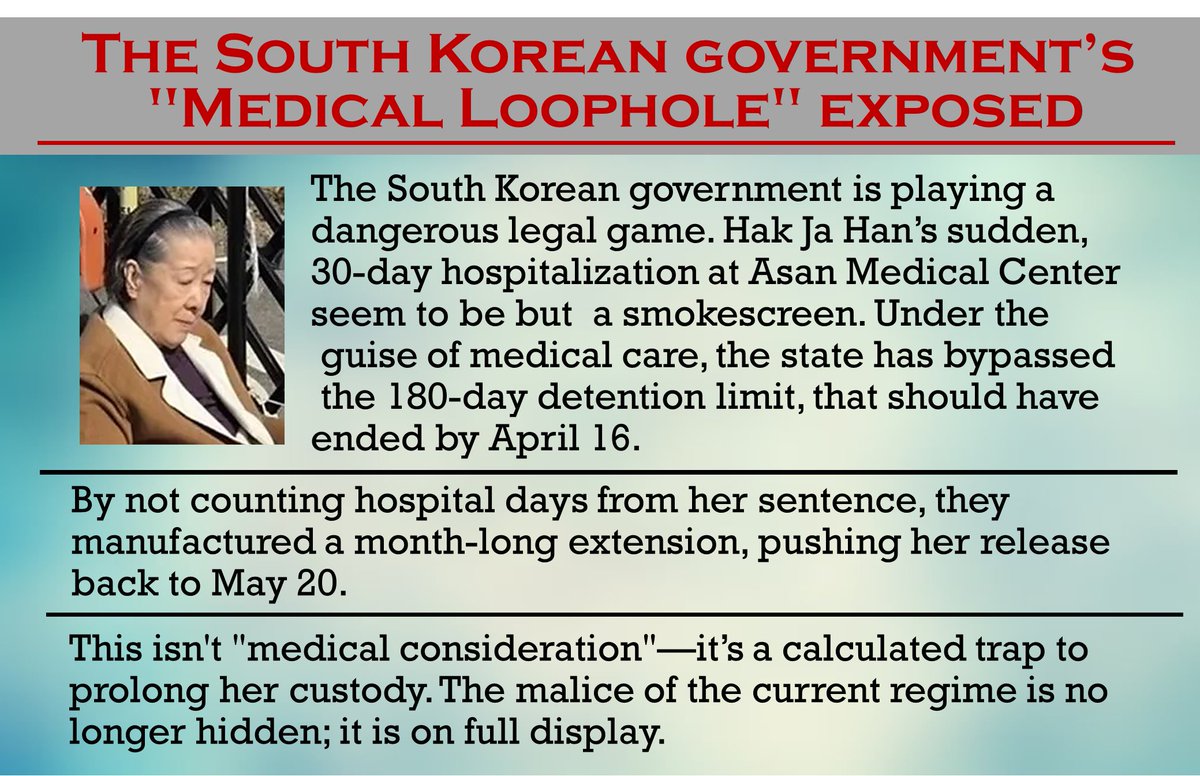
Hak Ja Han's state of health is critical, under no condition should she be returned to the detention center. Her health will only become worse. Yet that seems to exactly be the cruel goal of the South Korean administration in a cynical twist of legal maneuvering.
16
192
298
2,868
Larry retweeted

Mar 25
Strong men must be ready to stand up
8,032
15,926
167,699
3,628,817
Larry retweeted
U.S. House Speaker Mike Johnson addressed the origins and meaning of the phrase “separation of church and state,” noting that it stems from Thomas Jefferson’s 1802 letter to the Danbury Baptist Association rather than the Constitution.
He emphasized that Jefferson sought to shield religious practice and conscience from government overreach, not to exclude faith from influencing public policy or civic life.
Johnson cited George Washington and John Adams to support his view that the founders regarded religion and moral virtue as indispensable foundations for a free republic, fostering self-discipline, civility, and respect for the rule of law.
This perspective enters a longstanding American debate over the role of religion in government, law, and public discourse. Johnson’s interpretation highlights the founders’ belief that faith strengthens democratic institutions by cultivating the personal and civic character essential for self-governance.
In an era of cultural and political polarization, when the boundaries between religious liberty and state neutrality remain sharply contested, statements from senior officials like the Speaker illuminate competing understandings of how faith and freedom should intersect in a pluralistic society.
When high-ranking leaders revisit core constitutional principles, it directly influences how citizens interpret the relationship between religion and governance.
Do you believe the founders intended religion to actively inform public policy and civic virtue, or should contemporary readings favor a stricter separation to safeguard diverse beliefs and prevent any one faith from dominating public life?
14
44
77
1,680
Larry retweeted
Mar 21
MESSAGE FOR FFWPU MEMBERS IN JAPAN:
I hope all members of the Family Federation in Japan know how deeply you are loved and appreciated around the world. For so long, you have given so much to others. In so many ways that you may not even know.
Now, in a time when you may feel isolated and confined, I pray that the moments you spend together gathering in your homes become a source of joy, strength, and healing for your families and communities.
Please don’t worry about the world too much now. Please take some time to care for Japan, which has done so much. And though our efforts may be small by comparison, know that we are standing with you and supporting you with all our hearts.
We love you.
- Demian and Yumiko Dunkley and North American family members and friends.
@13chi31 @1l5p_p @32vhJloNEG47823 @3580358tatu @3SistersSunrise @7CtBw04tWt23293 @7lSnl4 @9iI8dMMT6DtjimJ @AbenakiTcham @AliMahjoub9w @anne_marie87843 @AXFfXluenc72045 @BjDpSS9Zzv99322 @BlessAttaTawia @CanakMitch54577 @DailyWalker8080 @DjZq8sx @dridripu @EevaPata @ffwpueume @FusakoMartin @fumisan1117 @galseekingtruth @Hana2019128 @Happyfamily60 @hinachin1717 @HisakoG7 @HT8404575664425 @i6filP2SiF27441 @Kathy3k4 @KFFrxLNZ8J30397 @kika31008387326 @kimino2088 @kinomi___kinoko @kumiko_saito @LeslieORigney @littlepilot_sky @l_regk60755 @MarioMagaz23274 @MichaelAll52147 @mieko51927661 @miporin1031 @Modh9Y5nai70649 @Mokonzi468242 @NHMT0413 @noribenkazoku @noriko_sugar @onemuya2022 @opZzS4TVdA3837
50
538
745
113,259
Larry retweeted

Mar 19
ワシントンD.C.日本大使館前で、
日本に信仰の自由を、
彼らに神に祈祷させてと祈ってくれています。
涙が出ました✨
#FaithFreedomPeace
#Helpourchurch

29
575
872
6,750
Larry retweeted
Mar 19
125
1,175
1,678
270,868

Larry retweeted
Mar 15
The unjust, abusive imprisonment of 83 year old Dr Hak Ja Han Moon is in violation of international law and basic human decency. This overreach of authoritarian power by a supposedly democratic government will bring shame to Korea for decades.
The government of President Lee must resign. @Jaemyung_Lee
#ReleaseTheMotherOfPeace #GodsDreamOneFamily #ReligiousFreedom
3
9
25
202
Larry retweeted
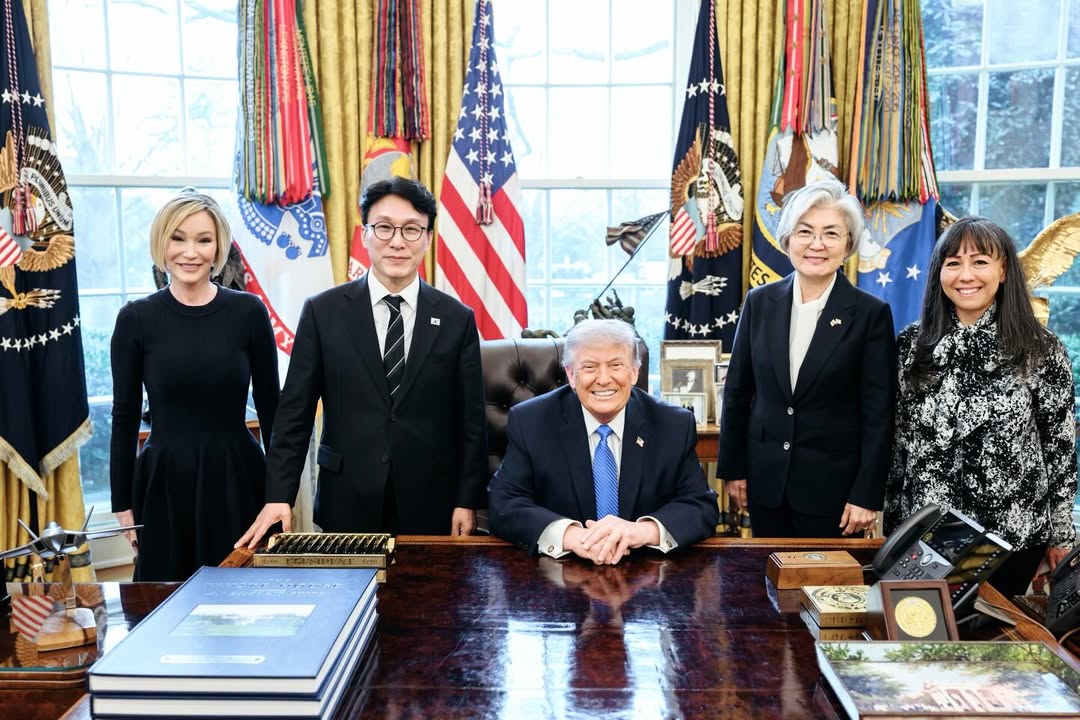
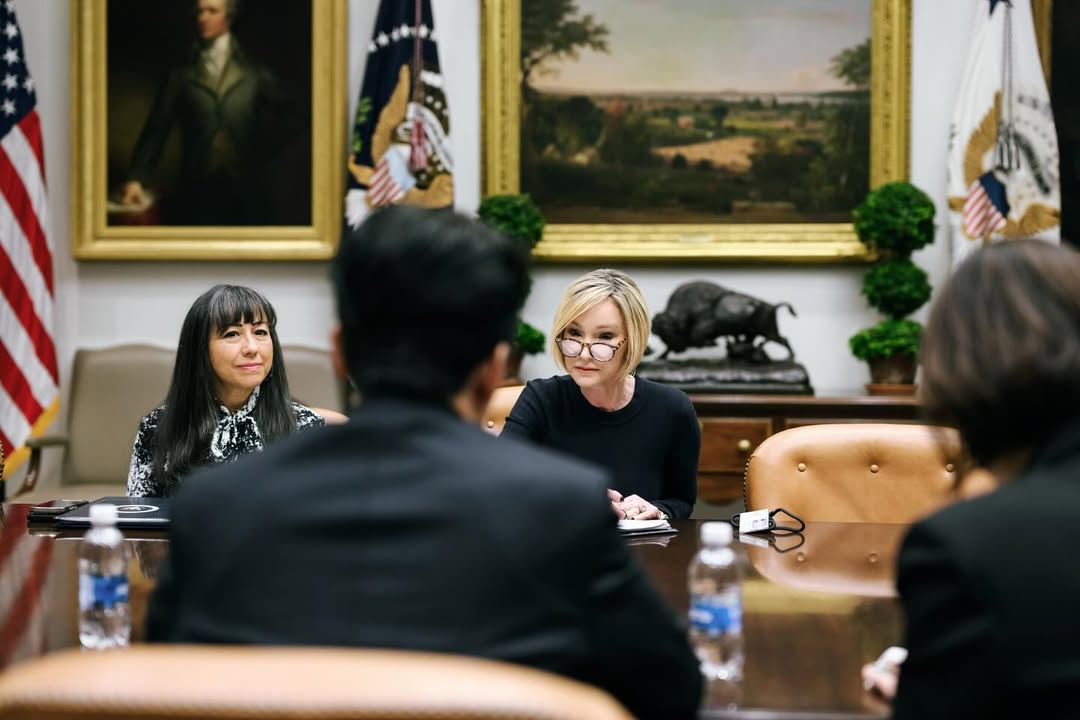
Trump's faith office is now asking about South Korea's religious detainees.
Paula White, director of the White House Office of Faith and Trump's closest spiritual advisor for over two decades, asked South Korean Prime Minister Kim Min-seok a direct question during his Washington visit last week:
"What part of Korea's election law did Pastor Son Hyun-bo and FFWPU leader Han Hak-ja actually violate?"
Kim Min-seok answered that the cases involve election law violations and political bribery — not religious activity — and would apply equally to anyone, religious or not.
But the question itself tells you something the headlines don't.
White isn't a stranger to this story.
In December 2021, she stood at an FFWPU event in South Korea and called Han Hak-ja "a jewel from God," presenting her with flowers in a personal act of honor.
Now the woman who received those flowers has been in detention since September 2025.
White arranged Kim's unplanned meeting with Trump on March 13. Their conversation with her took place in a room directly adjacent to the Oval Office.
This is not peripheral attention.
The Trump administration's engagement on Korean religious freedom has escalated through multiple channels in recent weeks:
Vice President Vance raised the cases with Kim in January
Secretary of State Rubio and Vance separately met with Pastor Son Hyun-bo's family at the White House
Son, immediately after sentencing, thanked Rubio and Vance by name
Now the question has reached the woman who sits closest to Trump on matters of faith.
Kim Min-seok ordered the government-wide crackdown on FFWPU in January 2026, calling the organization a "social evil" to be eradicated. He is now being asked by Trump's faith office to justify the prosecution of that organization's leader.
That is the position Seoul is in.
en.sedaily.com/finance/2026/…
Photos: @Paula_White
72
300
506
13,837
Larry retweeted

Mar 12
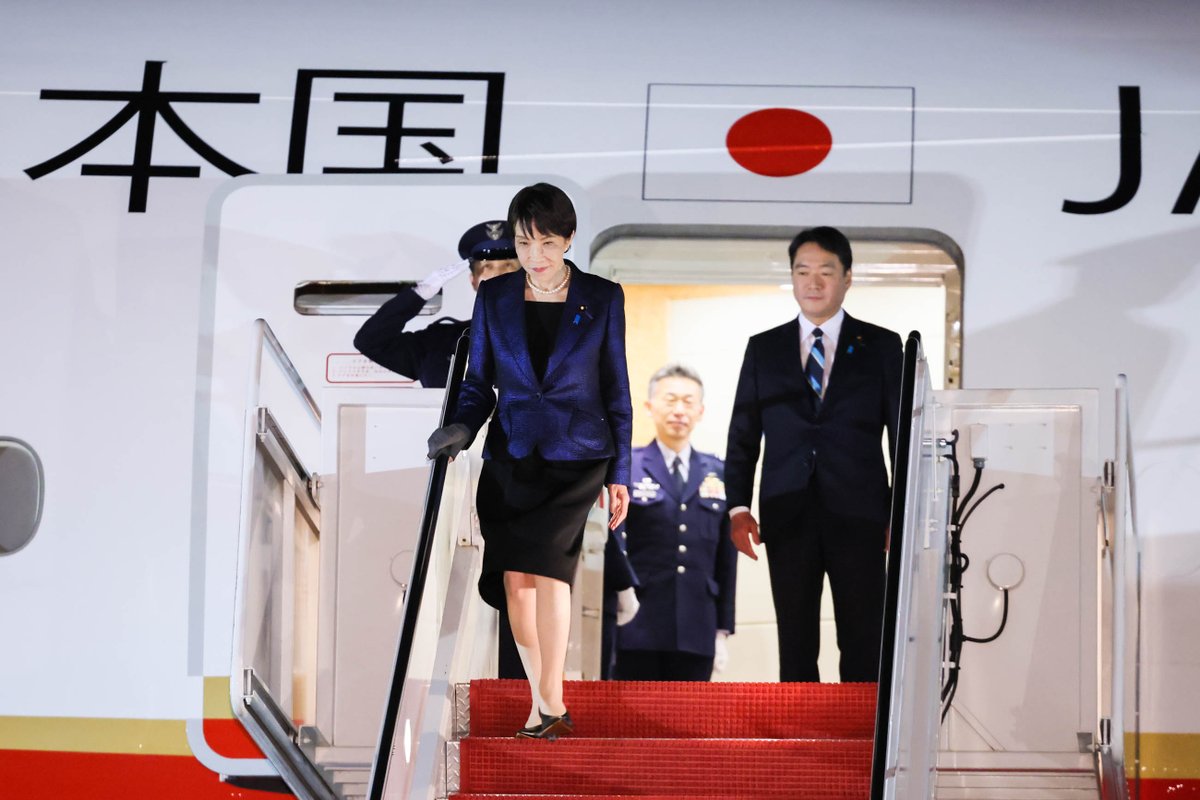
Just as President Trump brought up the issue of religious freedom last summer with Korean President Lee Jae-Myung, all the more so he must do so now. These are concerning developments and reflect China’s growing influence in the Asia Pacific. The President needs to be prepped on the facts of the Japanese case so as to engage Takaichi effectively.
@realDonaldTrump
@CoryBooker
@AndyKimNJ
@NelliePou
@JDVance
@GordonGChang
6
26
297