
Longevity Physician|Hormones|| Precision Medicine Using Medicine 3.0 to help patients improve their health and optimize performance
Joined July 2012
- Tweets 6,206
- Following 4,316
- Followers 2,943
- Likes 10,654
203 Photos and videos



Dr. Neil Paulvin retweeted

11 Jan 2024
Health podcasters provide "extracted knowledge."
It's the equivalent of a mama bird regurgitating food into your mouth.
Necessary when you're an infant, but unnecessary and gross when you have agency as an adult.
Trust no one. Read primary sources. Think for yourself.
11 Jan 2024

MrBeast prefers learning from raw input and is skeptical of extracted knowledge. Unsurprisingly, this mirrors the philosophy Jeff Bezos states in his recent Lex Fridman interview around taking a skeptical view of proxies.

4
23
5,614

It'll be the first time ER-100 technology they claim can reverse aging in cells has been tested on a human wired.com/story/longevity-st…
13
91
475
42,093
Dr. Neil Paulvin retweeted

Jun 9
every year @newlimit, we host friends at the lab & share our progress
for 2026, we announced:
- 2X increase in discovery rates with AI systems
- new program for endothelial cells
- 0 -> 1 medicines headed to the clinic
- accelerating recovery from alcohol
some highlights --
14
29
241
240,759
Dr. Neil Paulvin retweeted

Jun 4
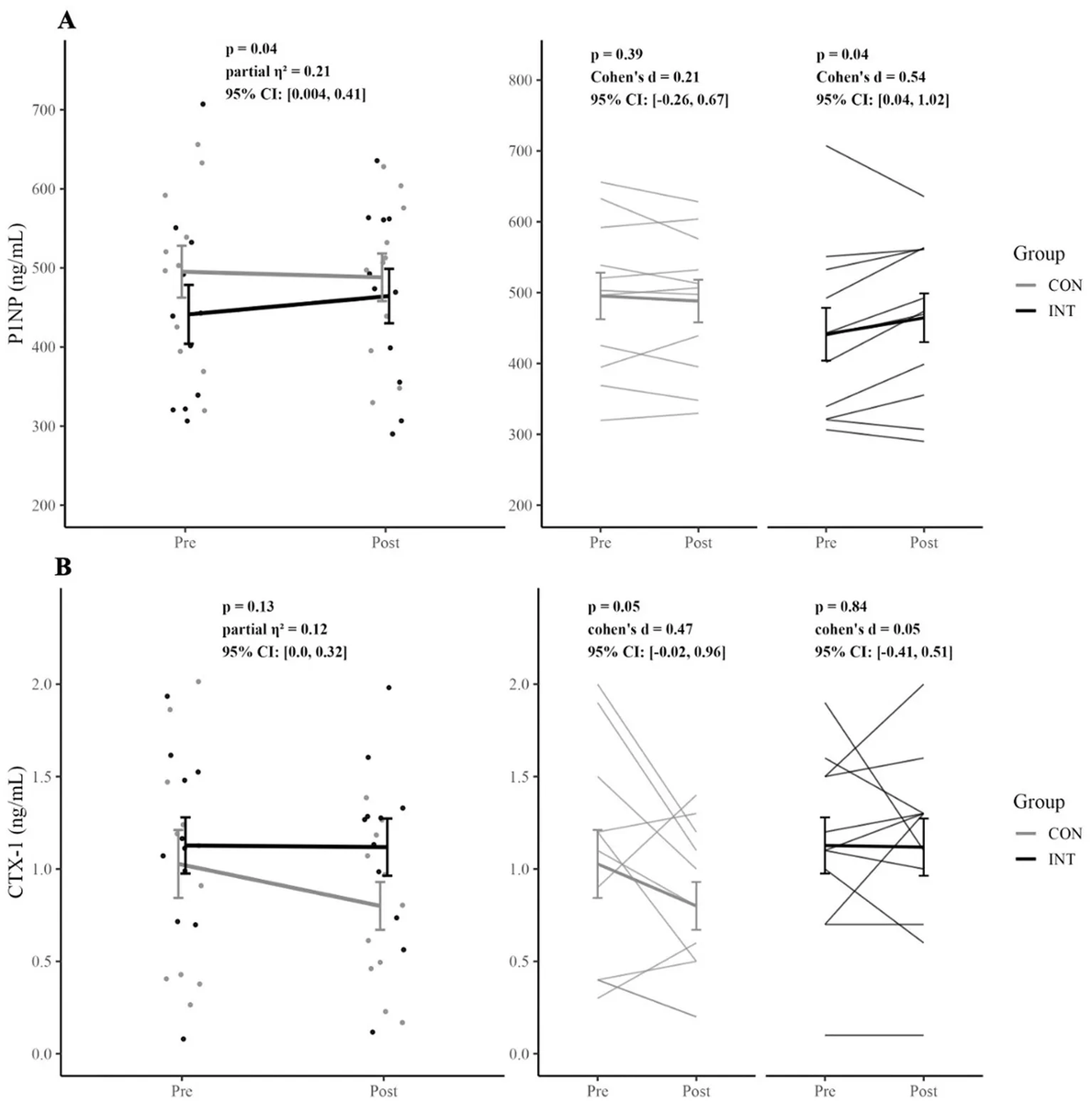
Short-term collagen peptide supplementation increased a marker of bone formation, altered osteoclast-related signaling, and reduced IL-6 in endurance-trained premenopausal women.
Study - frontiersin.org/journals/nut…
5
8
42
37,659
Dr. Neil Paulvin retweeted

Aging is arguably the root cause of most major diseases (loss of function in our cells). Four years ago, we made a bet that aging was treatable, and NewLimit was born.
NewLimit now has a prototype drug that reverses the age of some human cells (restores function they had when they were younger), and a clinical trial scheduled for next year (with more drug candidates in the pipeline).
Grateful to Founders Fund, Thrive, Greenoaks, and the rest of the investors for this latest round. @jacobkimmel and the team are just getting started.

Following breakthrough results, we’re bringing longevity medicine to human trials.
We’ve raised a $435M Series C led by @foundersfund to make it happen.
Reprogramming cell age has the potential to create more healthy years for everyone. We're closer than ever to realizing it.
443
953
9,979
1,619,086

Presented at #ASCO26:
Among patients with previously treated metastatic pancreatic ductal adenocarcinoma, the RAS(ON) inhibitor daraxonrasib led to significantly longer overall survival and progression-free survival than chemotherapy. Full phase 3 RASolute 302 trial results: nej.md/4nWaxvM
@ASCO
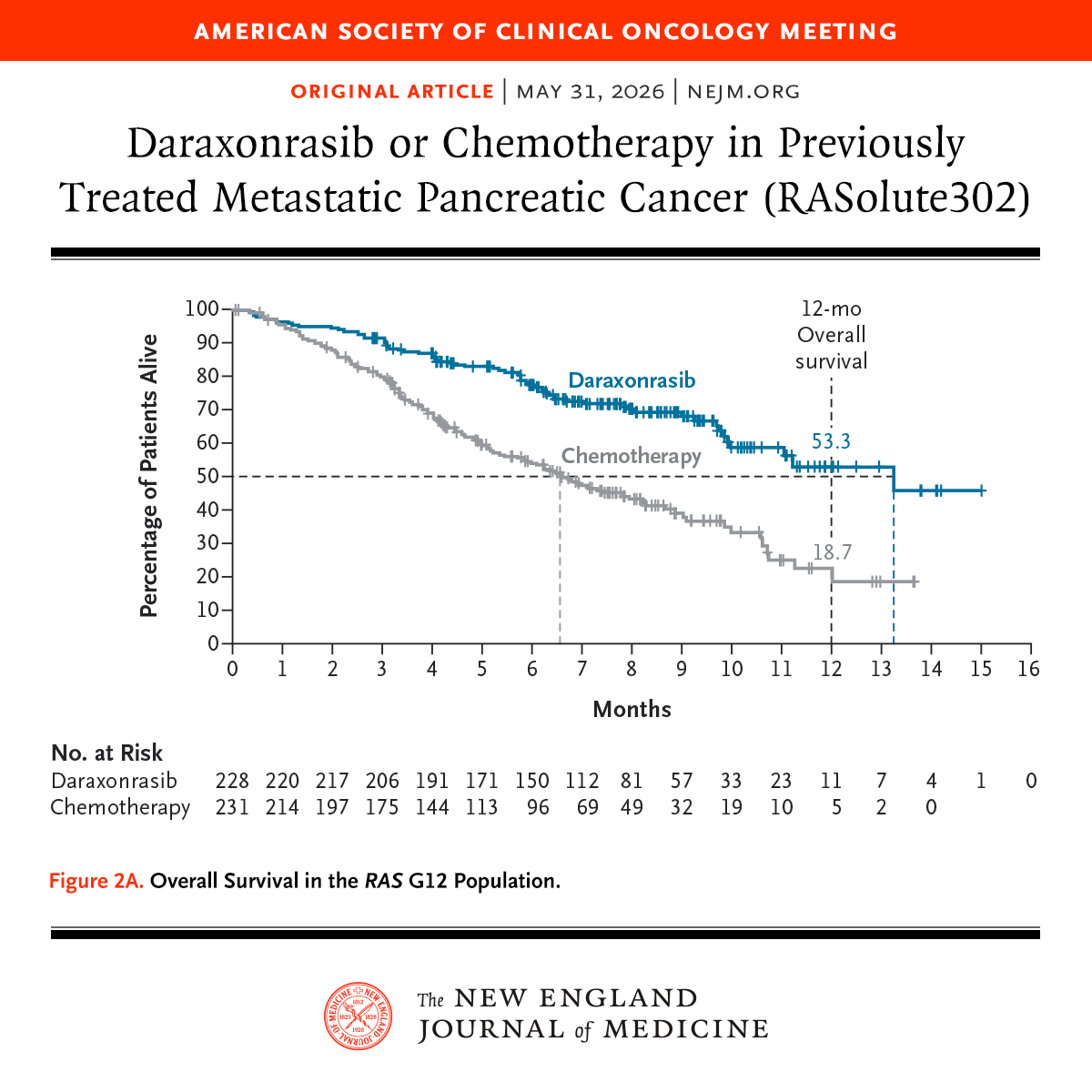
ALT Graph from a study published in the New England Journal of Medicine on daraxonrasib versus chemotherapy for metastatic pancreatic cancer. The x-axis represents months, and the y-axis shows the percentage of patients alive. Two lines indicate survival rates: daraxonrasib (blue) and chemotherapy (gray). The bottom section lists patients at risk over time. Title and journal logo are included.
52
2,054
5,573
2,463,668

Jun 1
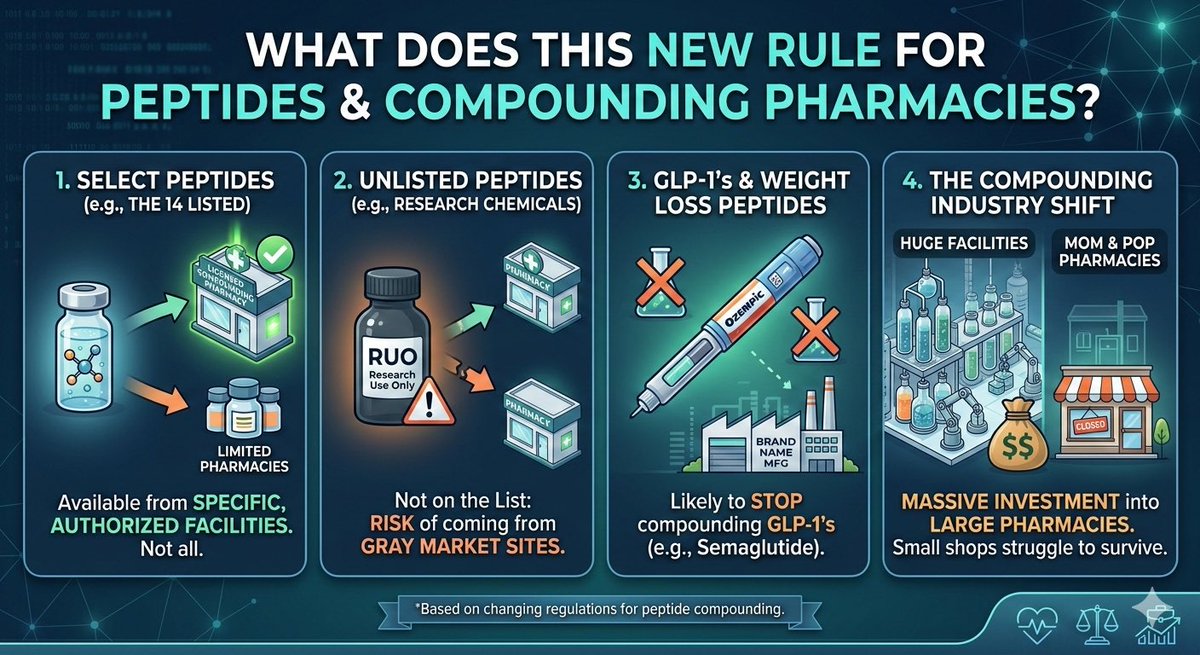
Peptides that I’ve never used in 10 years of prescribing and don’t recommend
DSIP
Melanotan 1/2
Klow
1
198
Jun 1
I have been saying this for a while DSIP is not that useful
Jun 1

DSIP was studied to try and induce sleep but the results were underwhelming
Sleep is a complex orchestra that require multi body systems and different parts of the brain to coordinate
Central and peripheral clocks, sympathetic/parasympathetic nervous system
The peptide folks flame ‘big pharma’ for “one pill for one problem” but then engage in the same shilling for peptides
1
116

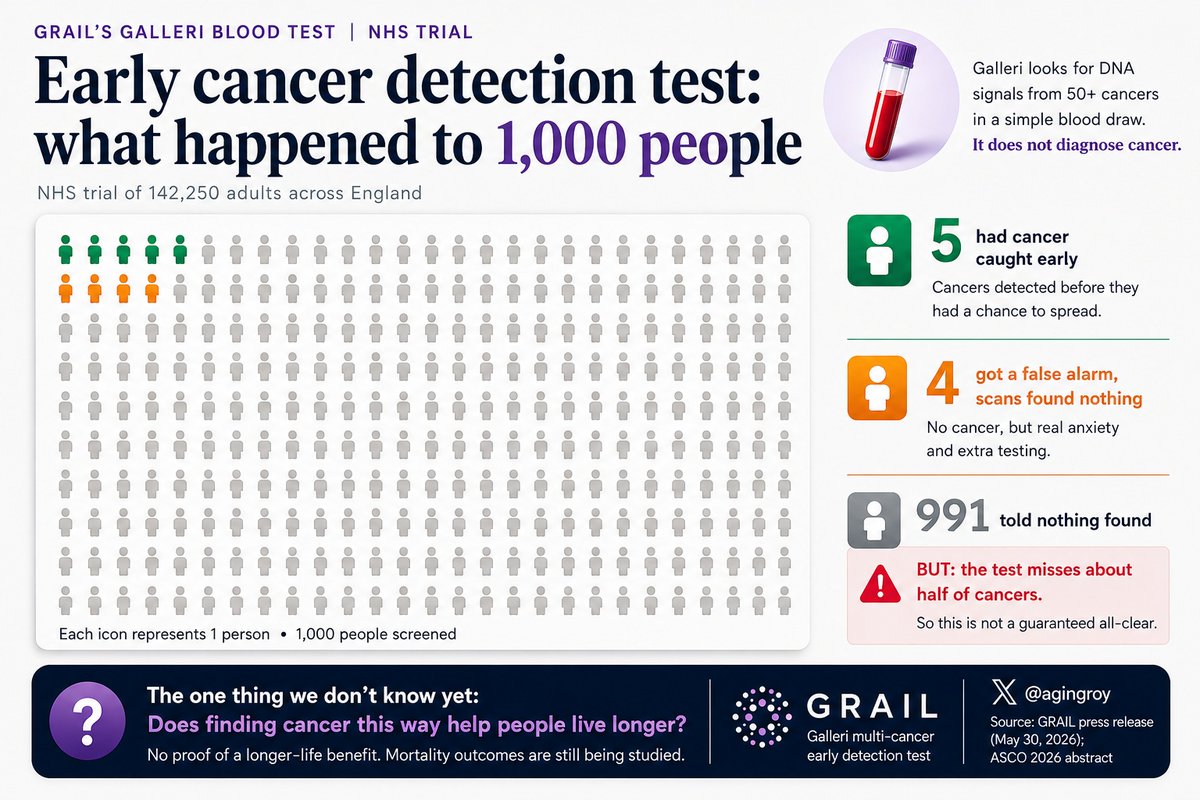
If you’ve seen the ads for a GRAIL Galleri blood test that screens for 50 cancers at once and wondered whether to get one, the biggest trial yet just reported real numbers. 142,250 people. What it actually does for you, in plain terms:
Screen 1,000 people.
-> About 9 get a “cancer signal found” letter.
-> Around 5 of them really have cancer, and some are caught early, before any symptom.
-> The other 4 get the fear and a round of scans that turn up nothing.
-> The test also stays quiet for about half the cancers that are truly there, so a clean result is not an all-clear.
Where it earns its keep is catching cancer earlier. More found at a stage you can still treat, fewer found after they’ve already spread, and a quarter fewer people learning they have cancer by collapsing into an emergency room.
Now the part it has not shown. Whether any of this makes people live longer. That trial is still running, so we genuinely don’t know yet. Worth knowing before you pay for one.
11
13
84
11,349
May 29
Looking forward to speaking with @HillaryLinMD
May 29

1/4 Speaking at NYC AI x Longevity Summit during NYC Tech Week on Jun 4–5.
I’m on the AI in Clinical Practice panel Thu 3:30–4:30p ET w/ @mishalreja, @NeilpDo Jim Donnelly, hosted by @LongevityGL.

2
106
Dr. Neil Paulvin retweeted

May 28
The Oura Ring 5 is official and it’s 40% smaller, making it far closer to a wedding band or non-smart ring in size. It also has new health features like sleep apnea and hypertension detection - but the price is going up to $399 . bloomberg.com/news/articles/…
44
61
1,267
345,112
May 26
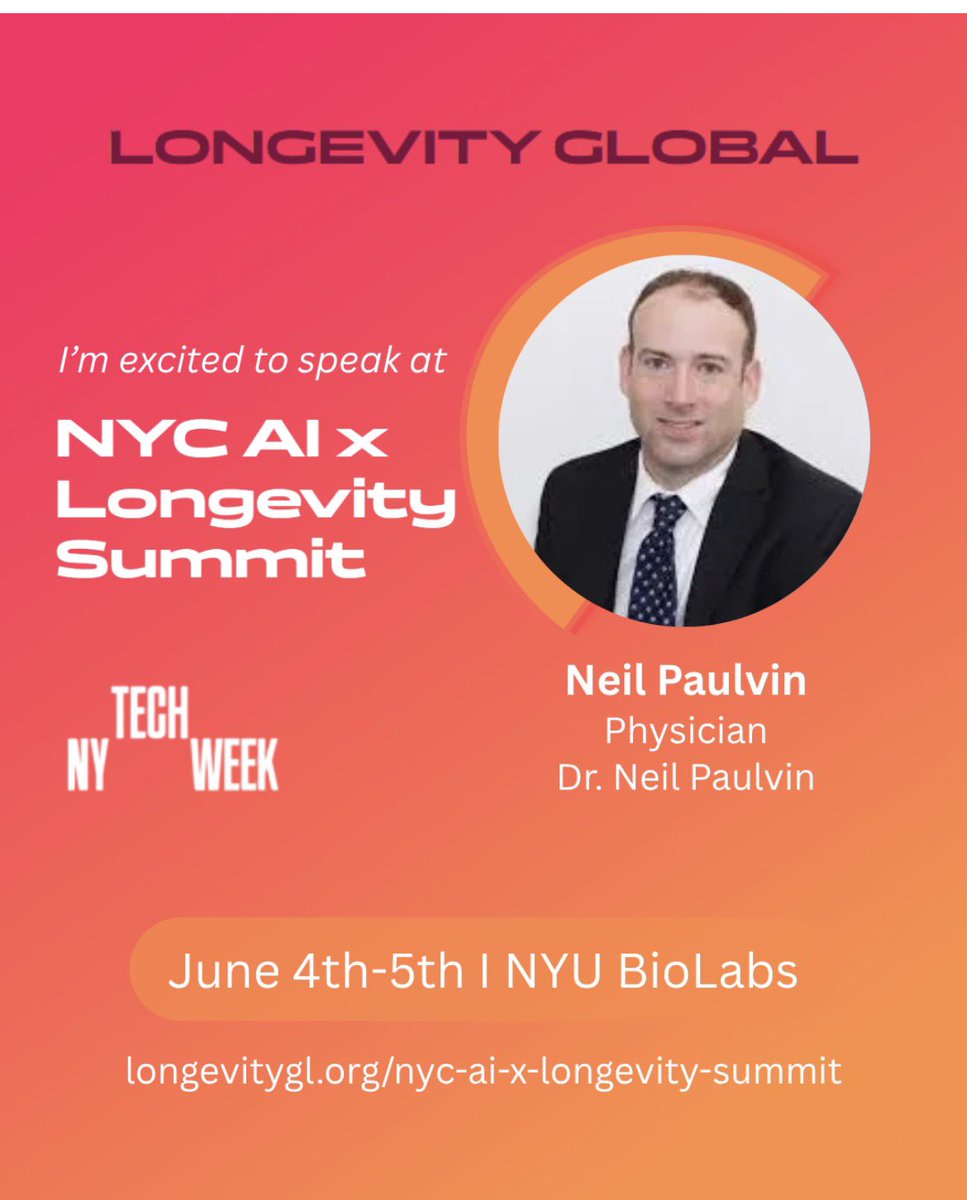
I am excited to be speaking on June 4th at 330 at the AI x Longevity Summit at Biolabs at NYC Tech Week by a16z.
longevitygl.org/nyc-ai-x-lon…
1
120
May 25
A single dose of Lilly's PCSK9 base editor, VERVE-102, reduced PCSK9 by up to 88% and LDL-C by up to 62%, with dur... prn.to/4fDllN5
One time treatment for high cholesterol. We are going in the right direction
1
247
May 25
So what’s more important lifestyle changes and optimal training or using multiple banned drugs and swim suits?
It appears to be the latter I applaud @enhanced_games and @C_Angermayer for trying to do studies investigating peptide and HRT in sports, but only 1 record broken in an illegal suit. Optimized sleep and legal supplements with better data
1
164
May 22
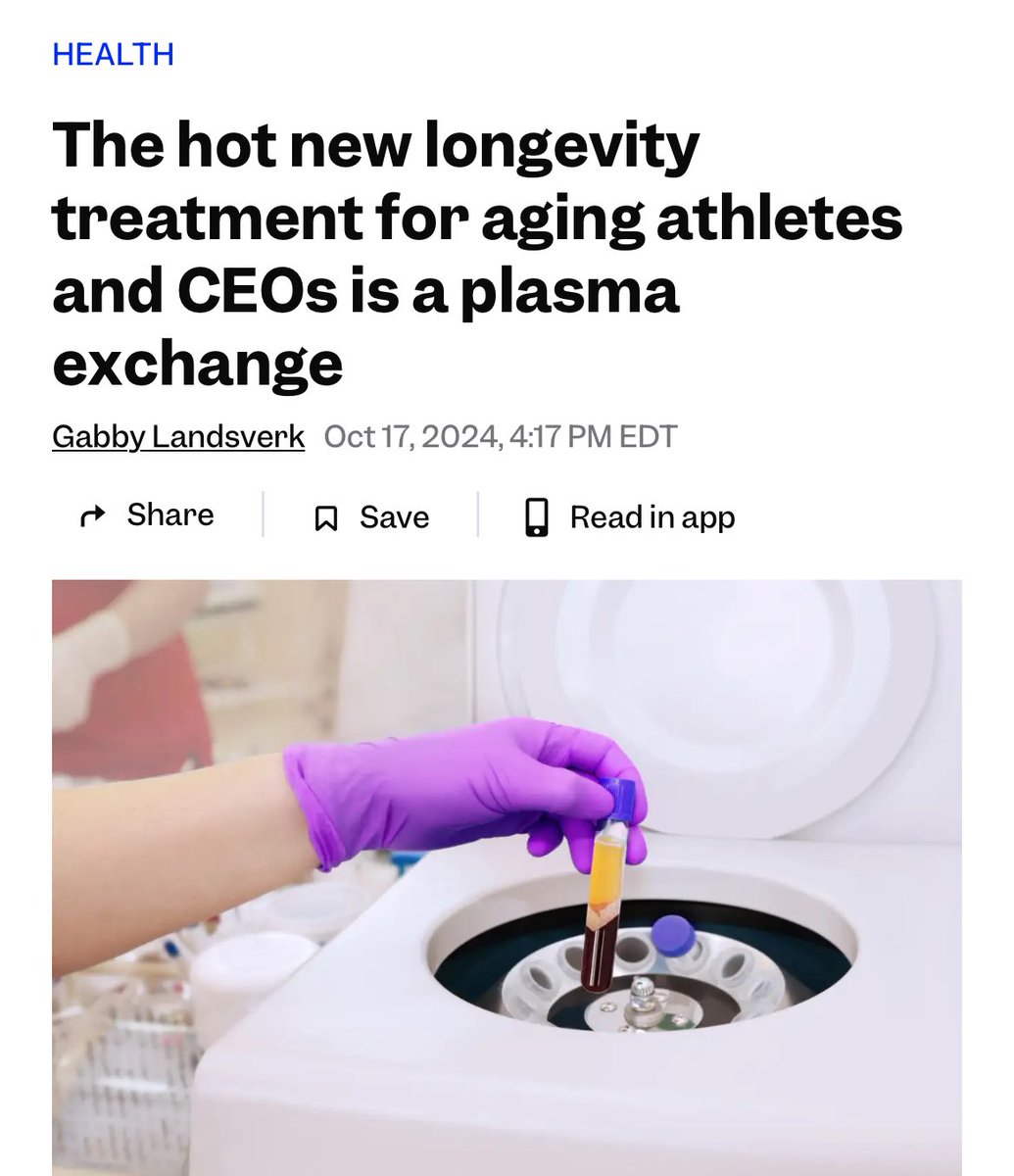
Plama exchange has huge potential
May 22

New research at the intersection of environmental medicine and therapeutic apheresis:
onlinelibrary.wiley.com/doi/…
A paper just published in the Journal of Clinical Apheresis (Weinstein et al., 2026) reports the first deliberate attempt to remove circulating microplastics from human blood using therapeutic plasma exchange (TPE). Across 174 procedures in 114 patients, the results showed that TPE can significantly reduce circulating microplastic burden, but only in patients who start with higher levels (≥20 particles/100µL). This is a novel finding and, to the best of my knowledge, the first demonstration of a technology that effectively reduces microplastic burden in people with high exposure.
We've known since 2022 (Leslie et al., Environment International) that microplastics circulate in most people's blood, and additional studies (e.g. Marfella et al. NEJM 2924) have suggested a potential connection between microplastics and cardiovascular disease, coagulation, and chronic inflammation. Importantly, we don’t yet know the extent to which microplastics contribute to disease pathology, the levels of exposure necessary to cause pathology, and which individuals are at highest risk.
Nonetheless, it seems reasonable that reducing exposure and lowering circulating levels of microplastics should be beneficial, or at least net neutral, for future health risks.
In that light, the TPE results here are encouraging for patients presenting with high circulating microplastics burden. For those starting at ≥30 particles/100µL, the mean level dropped from ~52 to ~21 - a large, statistically significant reduction.
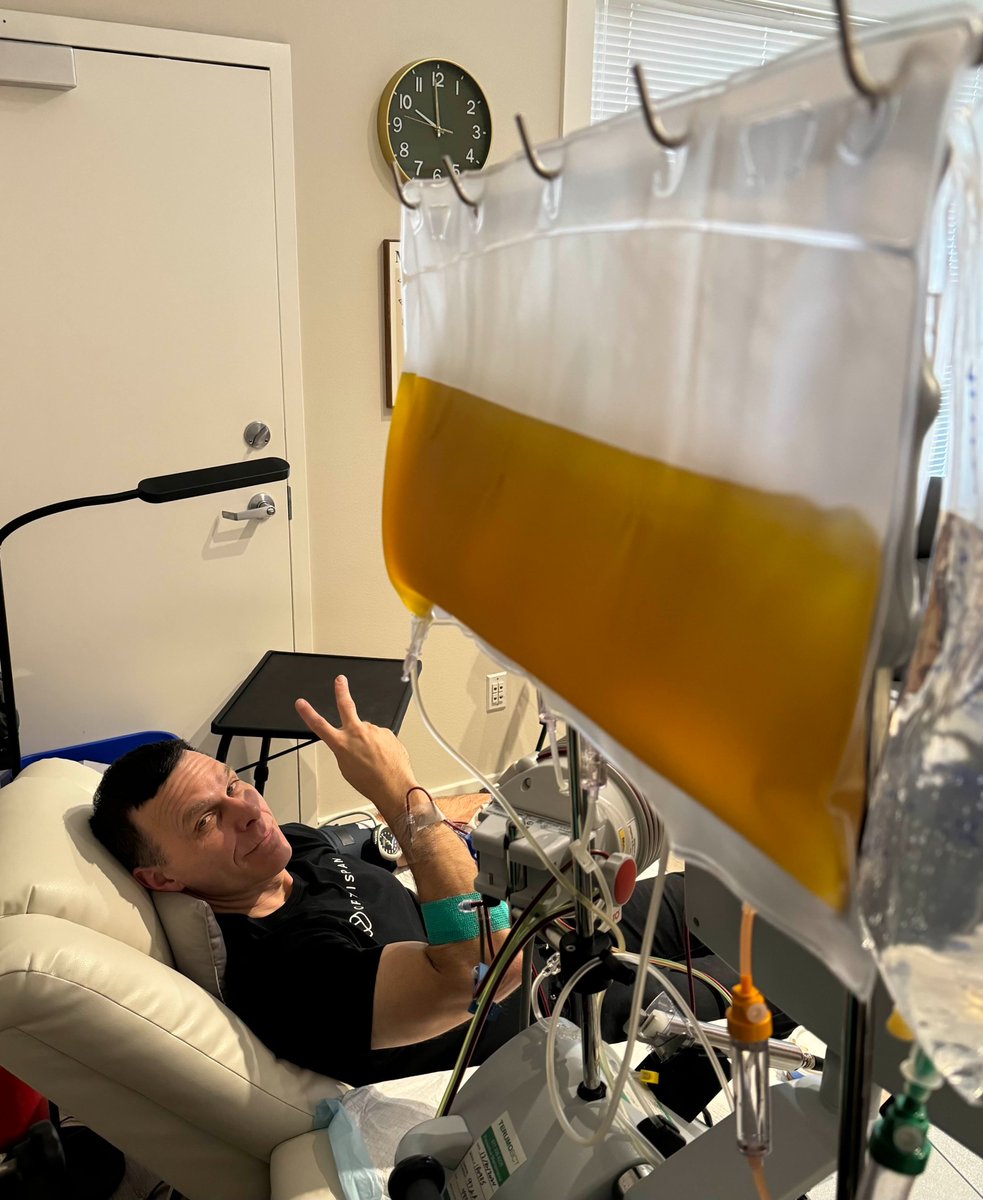
But there’s a critical caveat that also deserves attention: patients who started with *low* microplastic levels (0–9/100µL) ended the procedure with *more* microplastics in their blood than they started with. The plastic apheresis tubing and saline bags were leaching particles into the circulation during treatment. Again, we don’t know whether this exposure from the TPE itself is meaningful or not, from a health perspective. But it is a finding that should be taken into consideration if considering TPE as a routine "detox" for people without a demonstrated high burden.
One underappreciated implication: if TPE can reduce circulating microplastics, it likely has similar potential for other lipophilic or plasma-bound environmental toxins, such as persistent organic pollutants, heavy metals, PFAS, and other endocrine-disrupting compounds that accumulate over a lifetime. The plasma exchange mechanism is not specific to microplastics. This opens an interesting research agenda that goes well beyond plastics alone.
**Where I land**
I would characterize this paper as an important proof of concept, not a treatment protocol.
I personally tried TPE about a year ago through @CirculateHealth . My microplastic burden going in was 1 particle / 100 uL, and it was 5 particles / 100 uL coming out. So, I’m not surprised by these results. I’m also not concerned that my circulating microplastic levels went up a bit from the procedure, as I’m not doing TPE or other i.v. procedures frequently.
We need larger studies with outcome data to understand whether reducing microplastic burden actually moves the needle on health. For people carrying a genuinely high environmental toxin burden, TPE is a plausible and increasingly evidence-supported tool.
It’s also worth noting that there is early, but very intriguing, evidence that TPE may offer broader benefits beyond reducing circulating environmental toxins. I’m particularly interested in the effects of TPE in patients with autoimmunity/high chronic inflammation, ME/CFS, and those at high risk for dementia.
I recently had a chance to record an episode for @longevityscipod with Dr. Dobri Kiprov and one of his patients at his clinic in Mill Valley, CA. That video should drop next week: youtube.com/@mkaeberlein. Worth watching.
Full disclosure: The new study was funded by Circulate Health, and I am a Scientific Advisor for Circulate Health.
1
5
1,026
May 21
Retatrutide has great potential with the improved and ancillary benefits of liver and lipid health. Please note that 10 % stopped meds due to side effects and 10% of patients had side effects at higher doses. This is not a perfect medicine. Work with a health care provider. It's not approved yet don't take glp-3
May 21

Retatrutide will generate more revenue than every frontier AI lab combined
3
342
Dr. Neil Paulvin retweeted

May 20
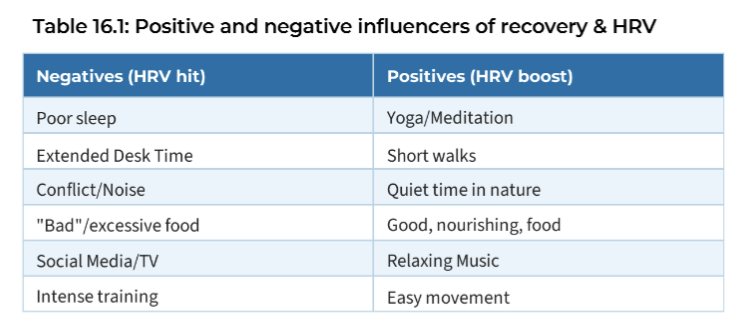
Your regular reminder that the recovery strategies that best promote adaptation to training and improve athletic performance…
…are also just a really enjoyable way to live.
7
14
196
14,047
Dr. Neil Paulvin retweeted

May 15
Disaster in the making
May 15

Alcohol consumption among U.S. adults has fallen to the lowest level recorded in Gallup’s nearly 90-year history.
110
14
553
849,729
Dr. Neil Paulvin retweeted

May 14
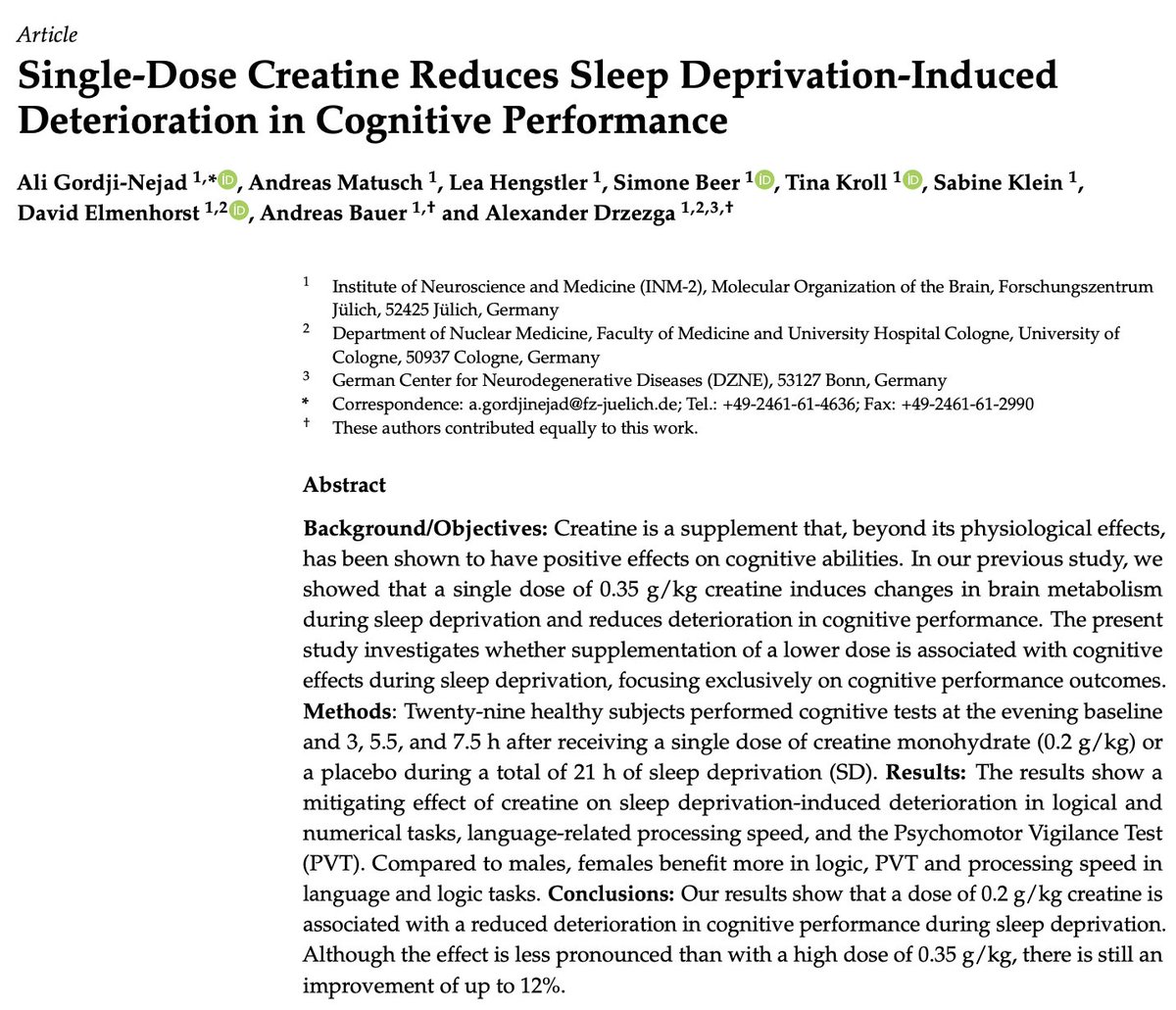
A follow-up creatine study to this was just published.
A single dose of 0.2 g/kg still helped preserve cognitive performance during sleep deprivation, but the effect was smaller than the earlier 0.35 g/kg study.
We still do not know the upper limit of benefit.
May 13

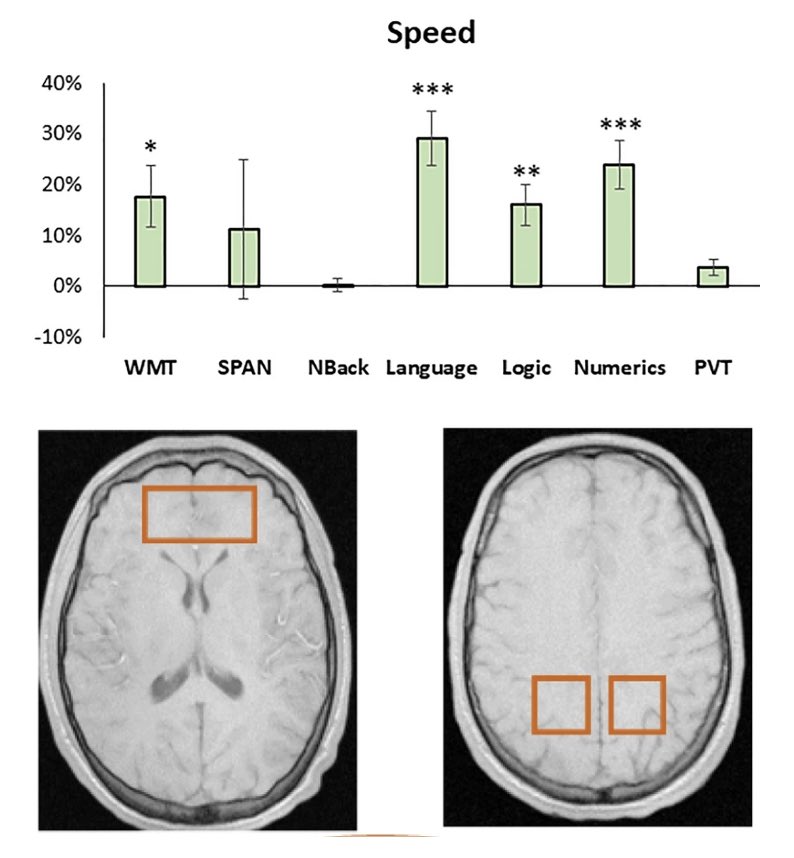
Competitive gamers: Just one night of poor sleep can tank cognitive performance by 20-30%
This study found that a single 0.35g/kg dose of creatine saved cognitive performance during sleep deprivation.
My AM protocol:
→ 25g creatine
→ 1 serv Flowstate
→ 16oz coconut water
6
29
259
19,063
May 14
Agree with maybe a quarter what @BioLayne is saying here.
Red light therapy with many studies showing efficacy form skin care to helping brain health. So worth it. Blood testing is needed to help find personalized issues and is recommend by multiple organizations like like AHA. Some may not be covered you should still do them. If your heart and brain tough to lift heavy which is one part
May 14

People like @bulletproofexec & @thegarybrecka want you to believe that biohacking must be complicated & expensive
This is the biggest scam in wellness
Biohacking is NOT:
hydrogen water
grounding mats
red light therapy
exotic supplements
analemmas (water wands)
overpriced tests
1
341