Interdisciplinary Researcher & Systems Scientist; Thesis: Biomedical Sciences, Slow Violence & Ethics of Care in Very Severe ME. ANALYSIS/PRAXIS/LIFE.
Joined February 2019
- Tweets 6,782
- Following 3,496
- Followers 959
- Likes 13,960
1,939 Photos and videos

Pinned Tweet

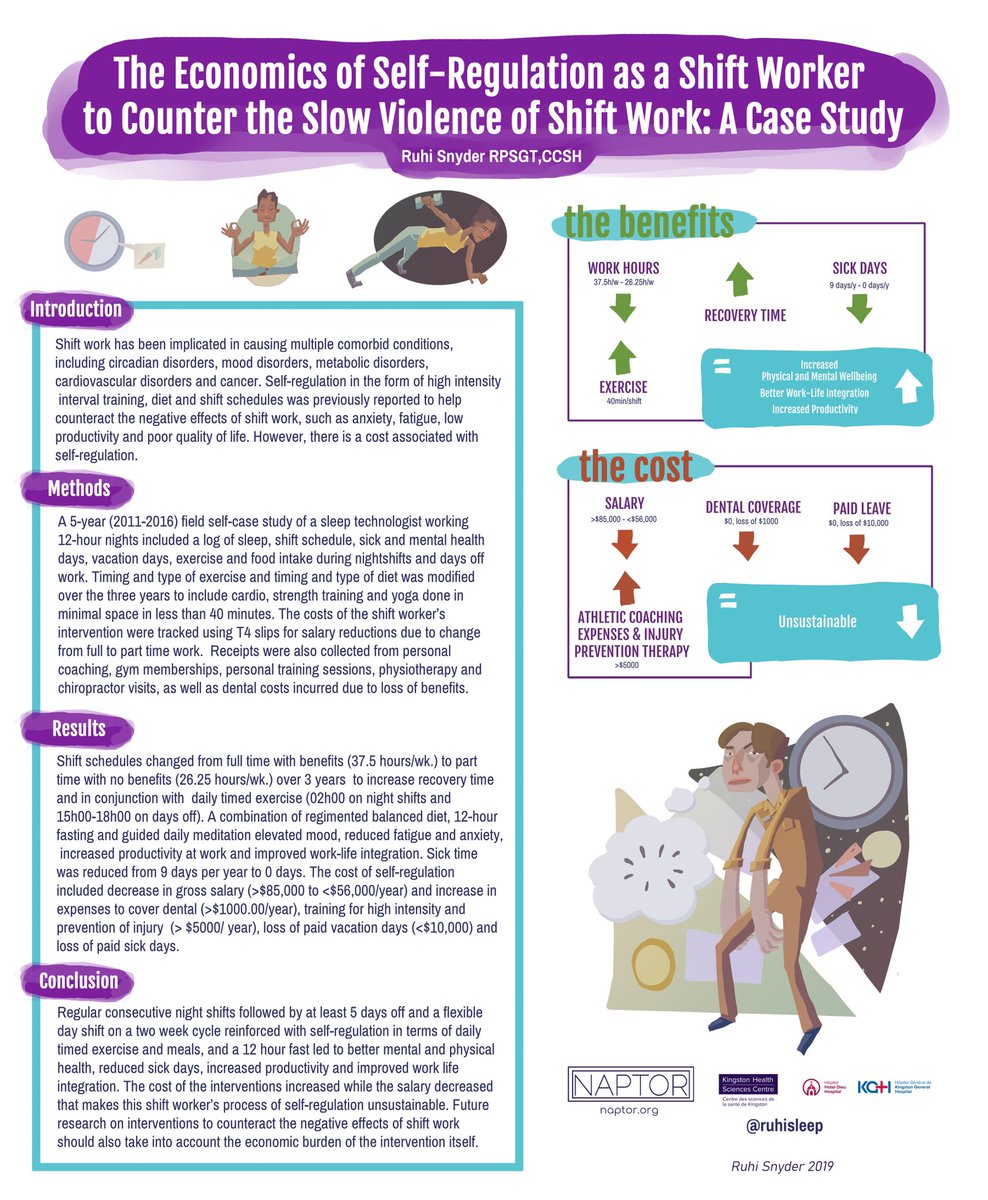
5 year analysis extracted from a decade long study on self regulation & shift work;👇🏽 looks at the role of time & type of HIIT & diet shift schedules on well-being & productivity.
Presented @CanSleepSociety & @WorkTimeSociety & @KGHresearch @_WorldSleep #sleep #shiftwork #diet
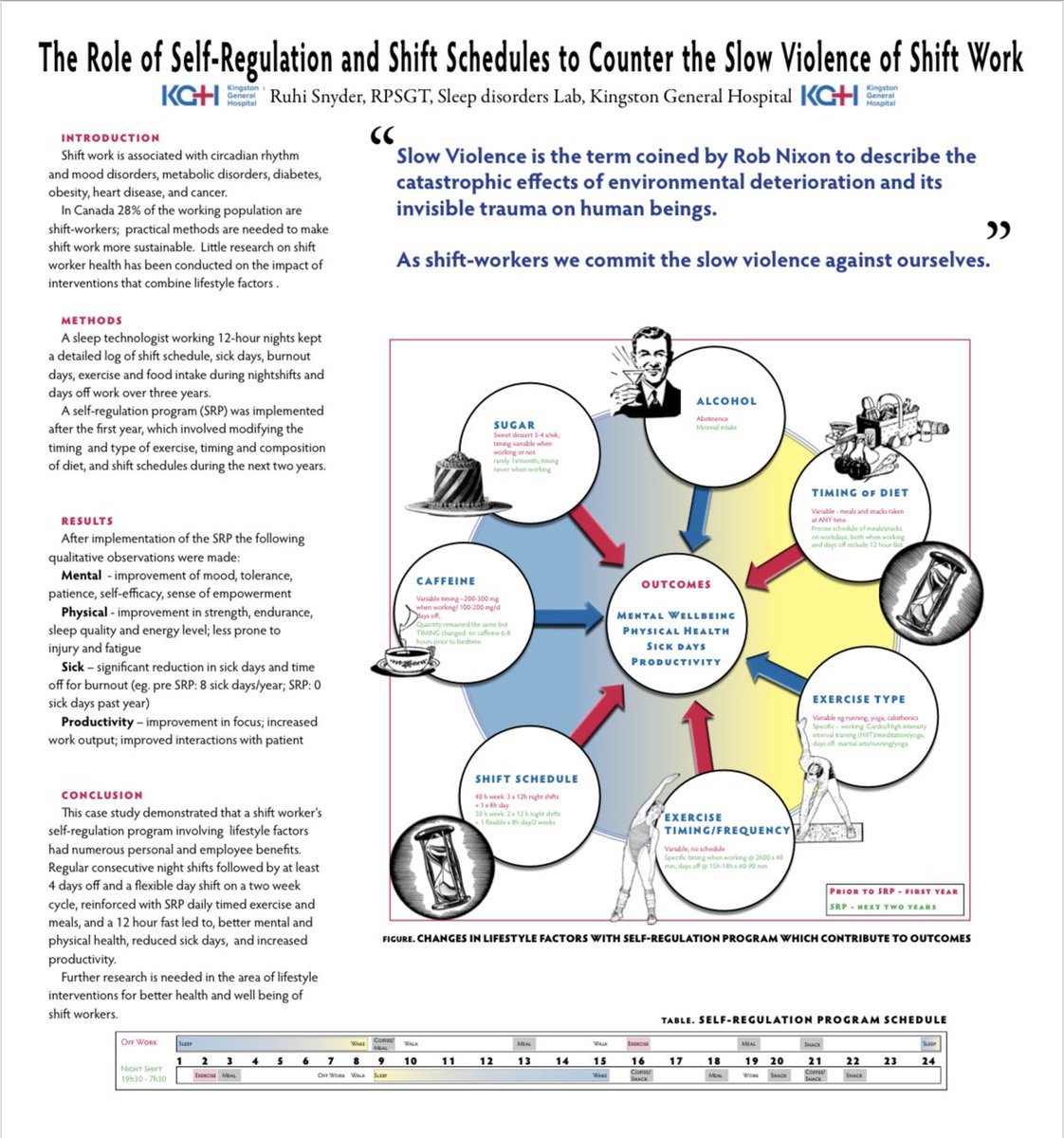

What is the real world cost of well-being when trying to mitigate the impact of a body working against it’s own rhythms. What does it take? Is it sustainable? Have a read👇🏽
@_WorldSleep & @KGHresearch
#sleep #work #ShiftWork #Wellbeing #research #economics
7
27
Ruhi Snyder| systems deconstructionist| Advocate retweeted

22 Dec 2025
not god. his godess namagiri, a form of godess lakshmi. we see the subtle erasure you do to fit your narrative.
22 Dec 2025

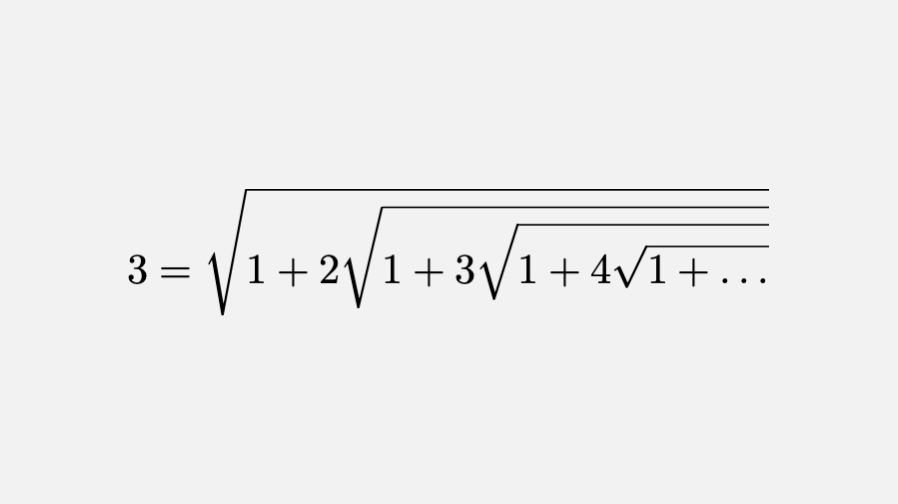
Srinivasa Ramanujan was born 138 years ago today. He said his formulas came to him as revelations from God.
30
896
7,323
125,454
Ruhi Snyder| systems deconstructionist| Advocate retweeted

30 Nov 2025
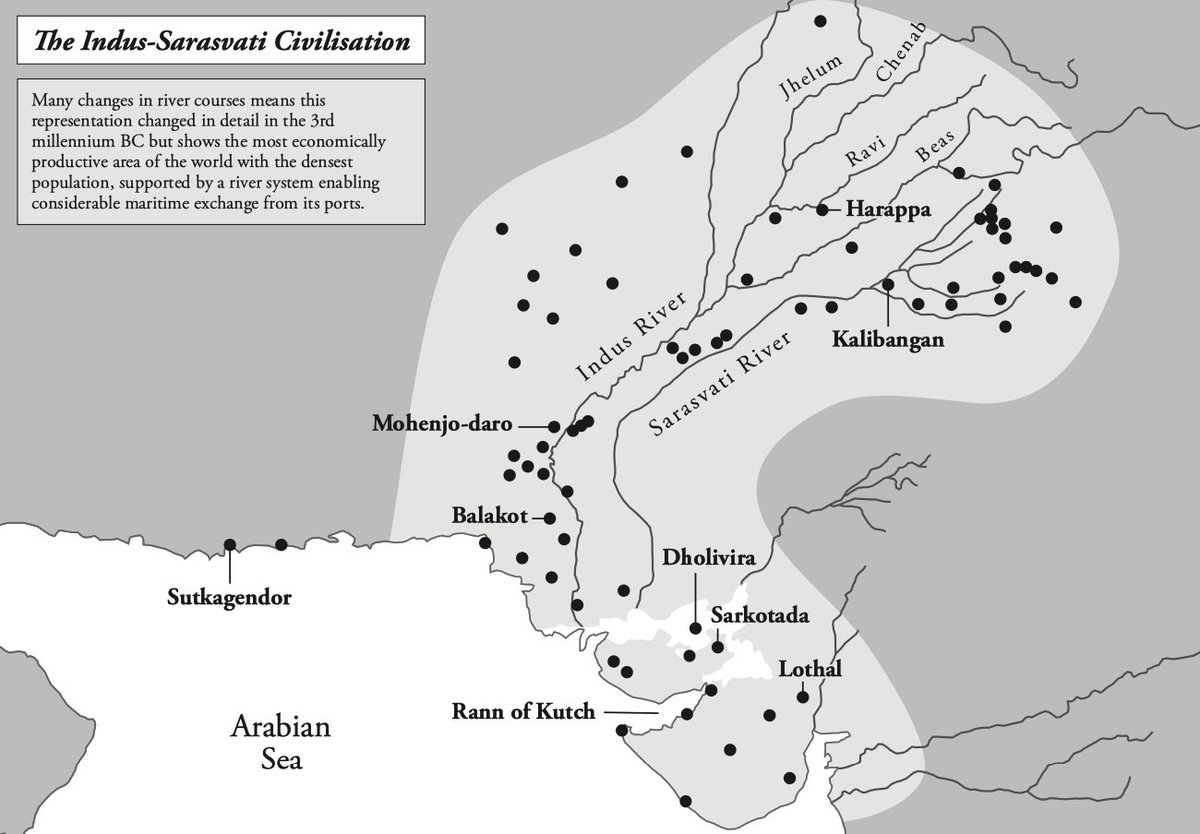
Compare the supposed cradles of civilisations, Mesopotamia and Egypt with the Indus-Sarasvati. The latter stands out for its sheer environmental advantage.
Mesopotamia had 2 flood-prone rivers and limited biodiversity. Egypt relied entirely on the Nile and its narrow corridor of arable land.
By contrast, the Indus-Sarasvati network had 7 rivers, extensive floodplains, and diverse ecosystems. This surplus and resilience fostered urban growth, craft specialisation, long-distance trade and technological experimentation at a scale neither Mesopotamia nor Egypt could match.
Far from being peripheral, it was built on the strongest foundations with the ancient world’s highest population - its economic and cultural centre.
20
209
701
31,196
Ruhi Snyder| systems deconstructionist| Advocate retweeted

7 Dec 2025
This photograph of Albert Einstein’s office desk has become one of the quiet icons of physics history. Piled with papers, notes, and half-finished ideas, it’s often paired with his playful question;
“If a cluttered desk is a sign of a cluttered mind, what, then, is an empty desk a sign of?”
More than a joke, it feels like Einstein gently reminding us that creativity is rarely neat and that beneath apparent chaos, deep thinking can be at work.
7 Dec 2025

Albert Einstein's office at the Institute for Advanced Study in Princeton, New Jersey, taken by Ralph Morse the day after Einstein's death in April 1955.
Morse gained entry to the office by bribing the building's superintendent with a bottle of scotch.

3
27
128
7,725
Ruhi Snyder| systems deconstructionist| Advocate retweeted

3 Dec 2025
Thelonious Monk — ‘Round Midnight
13
242
837
17,717
Ruhi Snyder| systems deconstructionist| Advocate retweeted

4 Dec 2025
for those who may not be familiar with the historical references and details of the Native hair braiding practices, he explains it beautifully here
224
5,705
26,044
414,110
Ruhi Snyder| systems deconstructionist| Advocate retweeted

30 Nov 2025
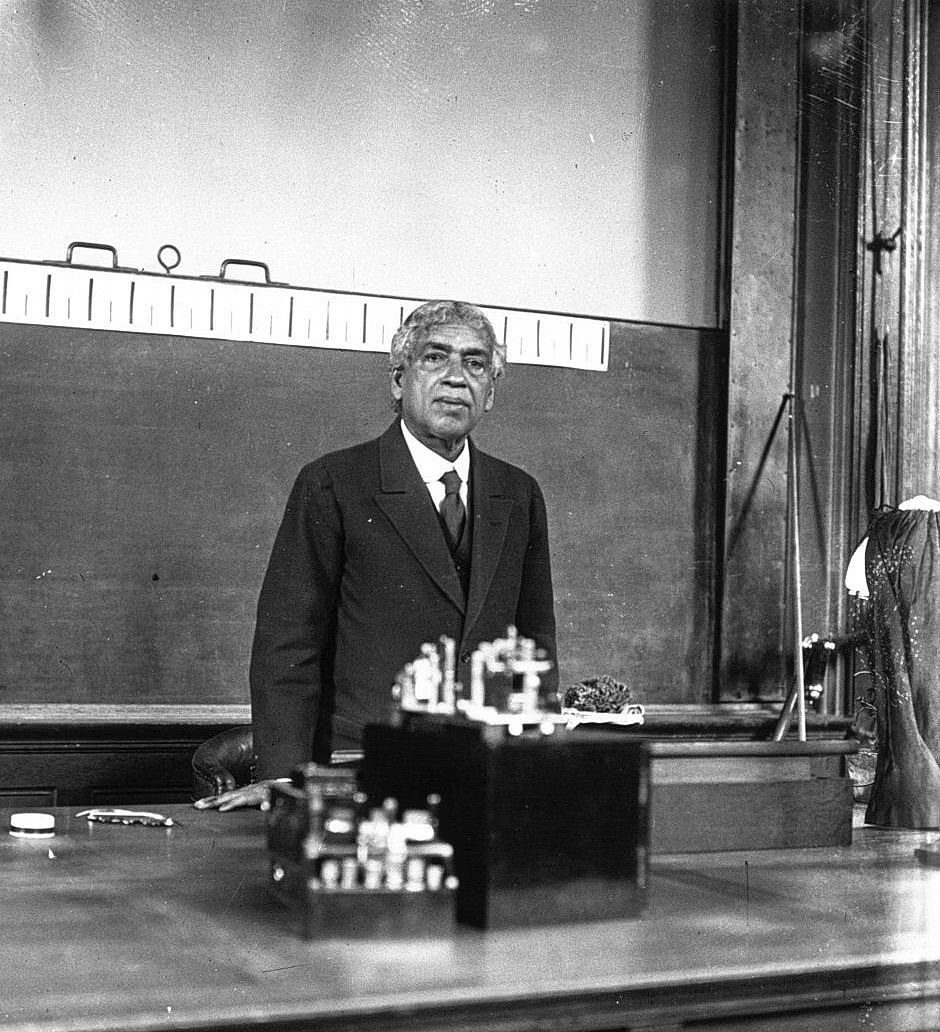
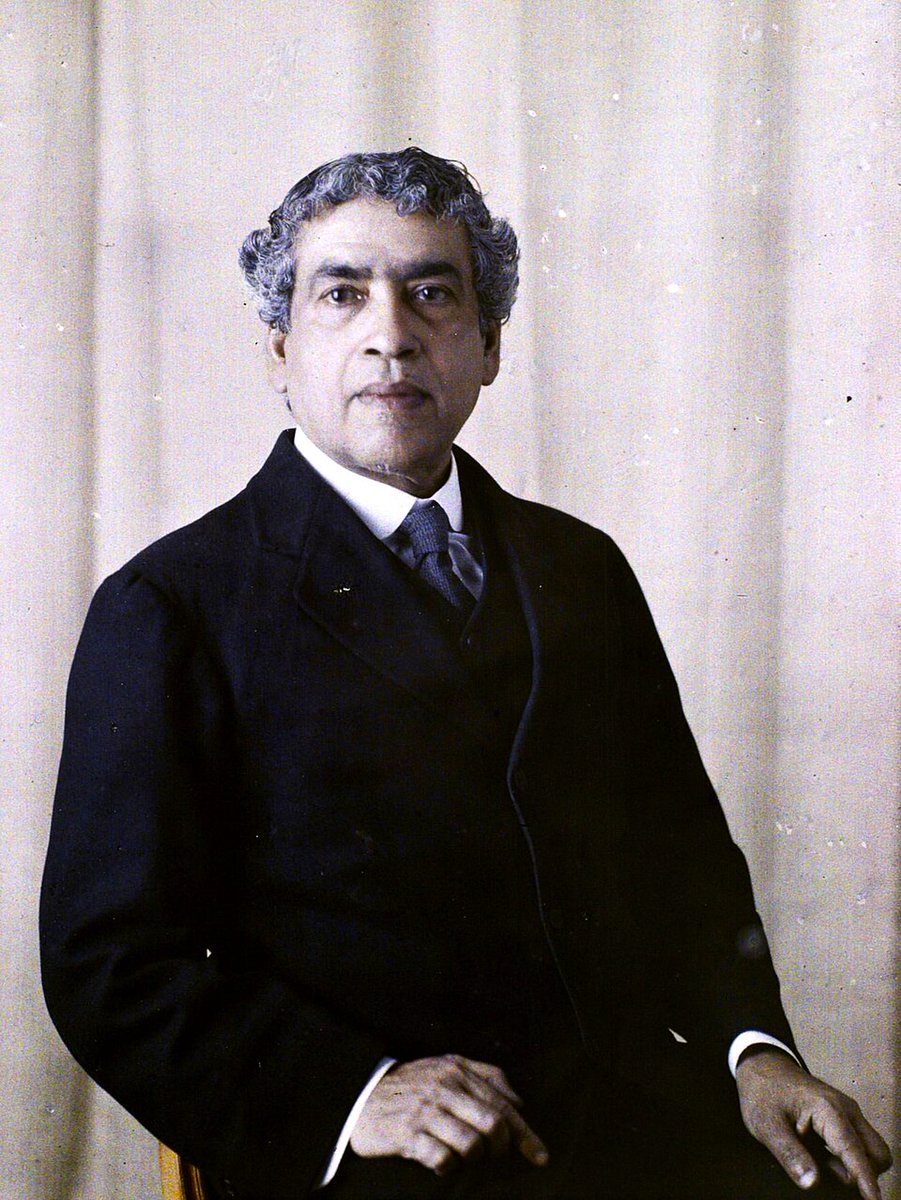
Happy Birthday to Jagdish Chandra Bose (1858–1937), an Indian physicist, biologist, and polymath who worked at the very dawn of modern experimental science in India.
Trained in physics in Britain, he returned to teach at Presidency College in Calcutta, where he began doing pioneering experiments with electromagnetic waves. At a time when radio technology was still in its infancy, Bose built his own equipment, generated millimetre-wave radio signals (essentially early microwaves), and demonstrated wireless communication over short distances—even ringing a bell and detonating gunpowder using wireless signals. He also developed and used some of the earliest semiconductor detectors (crystal detectors/coherers), which later became crucial components in radio receivers. Although he did not aggressively patent or commercialize his work, his experiments helped lay the scientific foundations for wireless communication.
Later in life, Bose shifted his focus to biology and plant physiology, bringing the same careful experimental style into a completely different field. He invented an instrument called the crescograph, designed to measure extremely small, slow movements in plants with great precision. Through these experiments, he showed that plants respond to external stimuli—like light, chemicals, or mechanical injury—through electrical signals and changes in growth, drawing parallels between plant responses and the nerve impulses in animals. This was a radical idea at the time and opened up a new way of thinking about plants as sensitive, responsive organisms. Together, his contributions in physics and plant science made him one of the earliest and most influential experimental scientists from the Indian subcontinent.
20
86
483
26,668

Nature research paper: Connectivity underlying motor cortex activity during goal-directed behaviour
go.nature.com/4opSkpb
4
33
167
26,217
Ruhi Snyder| systems deconstructionist| Advocate retweeted

25 Nov 2025
“When women are destroyed, it’s not a women’s question. It’s a human question.”
Denis Mukwege was awarded the 2018 #NobelPeacePrize for his work fighting against the use of sexual violence in war.
Today is the International Day for the Elimination of Violence against Women.
#EndVAW
15
142
349
22,453
Ruhi Snyder| systems deconstructionist| Advocate retweeted

17 Nov 2025
From my talk at MIT: our aim is to make an intelligent engine that can predict unseen, unmade human molecules in their response to human biology.
Way better than the 97% failure rate today for cancer, and 90% failure rates across all diseases.
10
10
134
125,103
Ruhi Snyder| systems deconstructionist| Advocate retweeted

23 Nov 2025
📰 𝗡𝗘𝗪𝗦
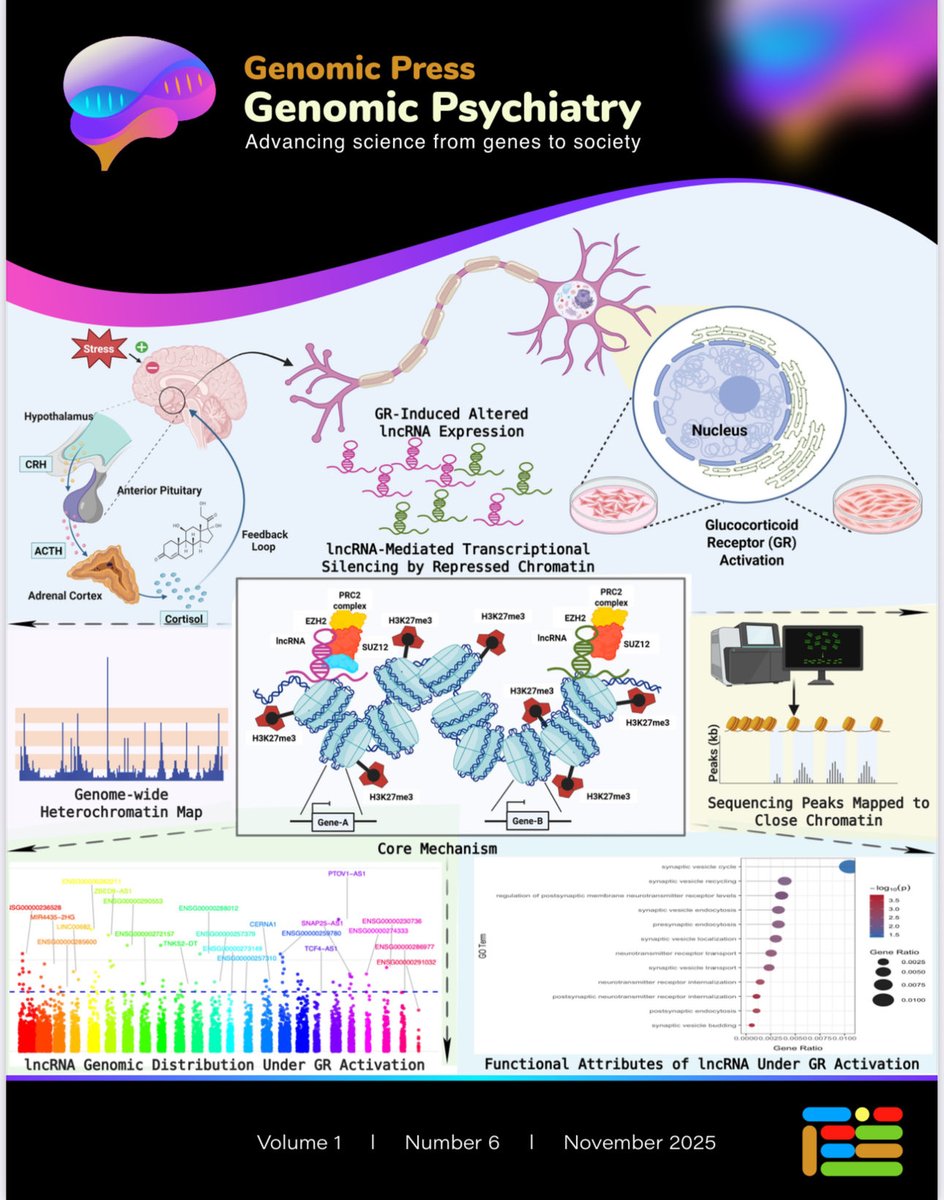
Our November cover article on stress-associated gene expression and long noncoding RNA:
Open Access: doi.org/10.61373/gp025h.0107
With accompanying Open Access editorial: doi.org/10.61373/gp025d.0110
Role of lncRNAs in stress-associated gene regulation following chromatin silencing: Mechanistic insights from an in vitro cellular model of glucocorticoid receptor gene overexpression by AK Verma and Yogesh Dwivedi’s team at UAB.
Altogether, the study demonstrates that lncRNAs, particularly those interacting with PRC2, may serve as potential mediators of stress-induced neuronal changes by influencing chromatin accessibility, and potentially highlight their roles in stress-related disorders.
2
2
174
Ruhi Snyder| systems deconstructionist| Advocate retweeted

22 Nov 2025
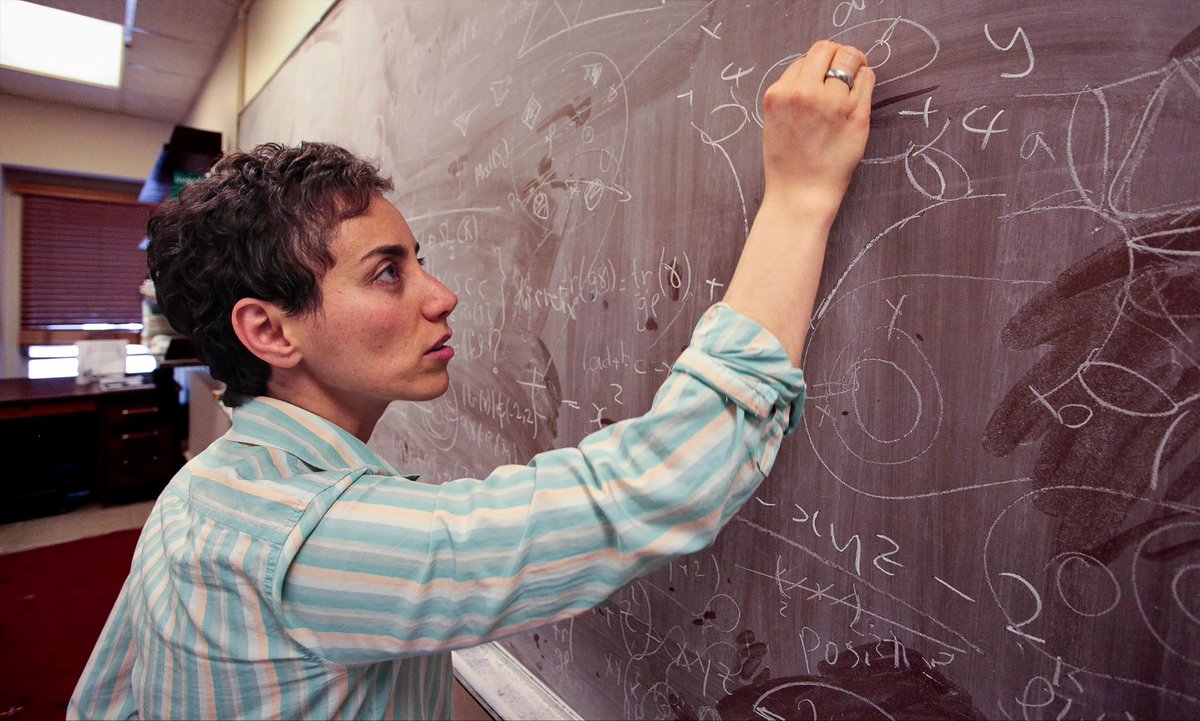
Maryam Mirzakhani was a visionary mathematician and the first woman to win the Fields Medal (2014). An Iranian genius and Stanford professor, she revolutionized the study of Riemann surfaces and their moduli spaces. Her work bridged geometry, topology, and dynamics, solving complex problems about billiards on curved tables. Her deep, visual intuition allowed her to navigate abstract mathematical landscapes that few others could see, leaving an immortal legacy in geometry.
34
374
2,287
93,325
Ruhi Snyder| systems deconstructionist| Advocate retweeted

18 Oct 2025
Calling #MECFS "effort preference" is like calling a broken leg "walking reluctance," ffs. It's not a choice—it's biology. PEM crashes prove it. Stop blaming patients for their physiology.
11
72
424
6,539
Ruhi Snyder| systems deconstructionist| Advocate retweeted
14 Oct 2025
"There is no peace in Southern Africa. There is no peace because there is no justice. There can be no real peace and security until there be first justice enjoyed by all the inhabitants of that beautiful land."
Though he wanted to have a career in medicine, Desmond Tutu was a schoolteacher before he resigned to attend theological college.
During the 1980s, Tutu began drawing international attention to apartheid within the country. He was an outspoken critic of apartheid and emphasised nonviolent means of protest.
Tutu encouraged the economic boycott of South Africa.
Desmond Tutu received the peace prize in 1984 for his opposition to South Africa's brutal apartheid regime.
His clear views and his fearless stance made him a unifying symbol.
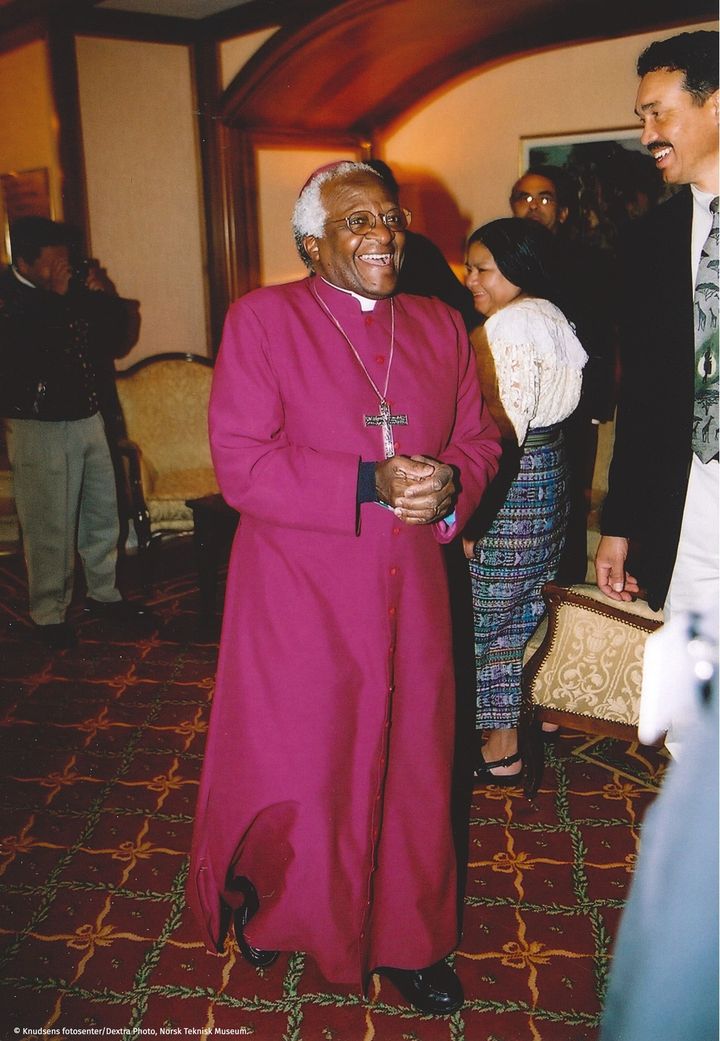
ALT Desmond Tutu at the Nobel Centennial 2001 conference. Photo Credit: © Knudsens fotosenter/Dextra Photo, Norsk Teknisk Museum.
27
84
324
36,736
Ruhi Snyder| systems deconstructionist| Advocate retweeted
14 Oct 2025
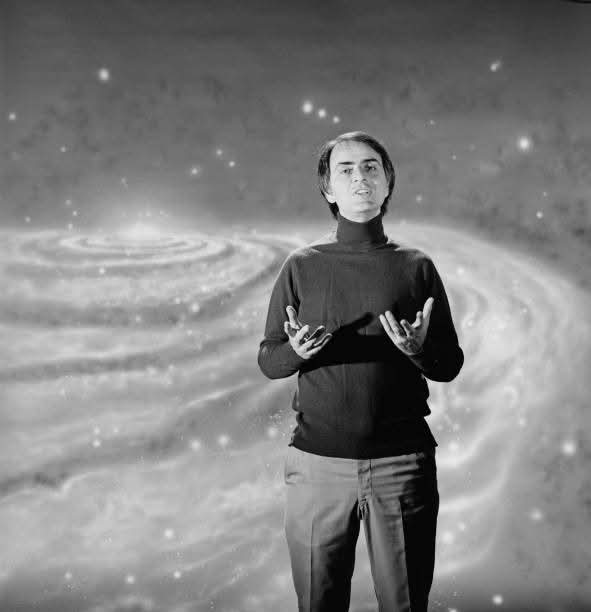
Science has two rules;
First: there are no sacred truths; all assumptions must be critically examined; arguments from authority are worthless.
Second: whatever is inconsistent with the facts must be discarded or revised.
- Carl Sagan
18
43
173
4,825
Ruhi Snyder| systems deconstructionist| Advocate retweeted

12 Oct 2025
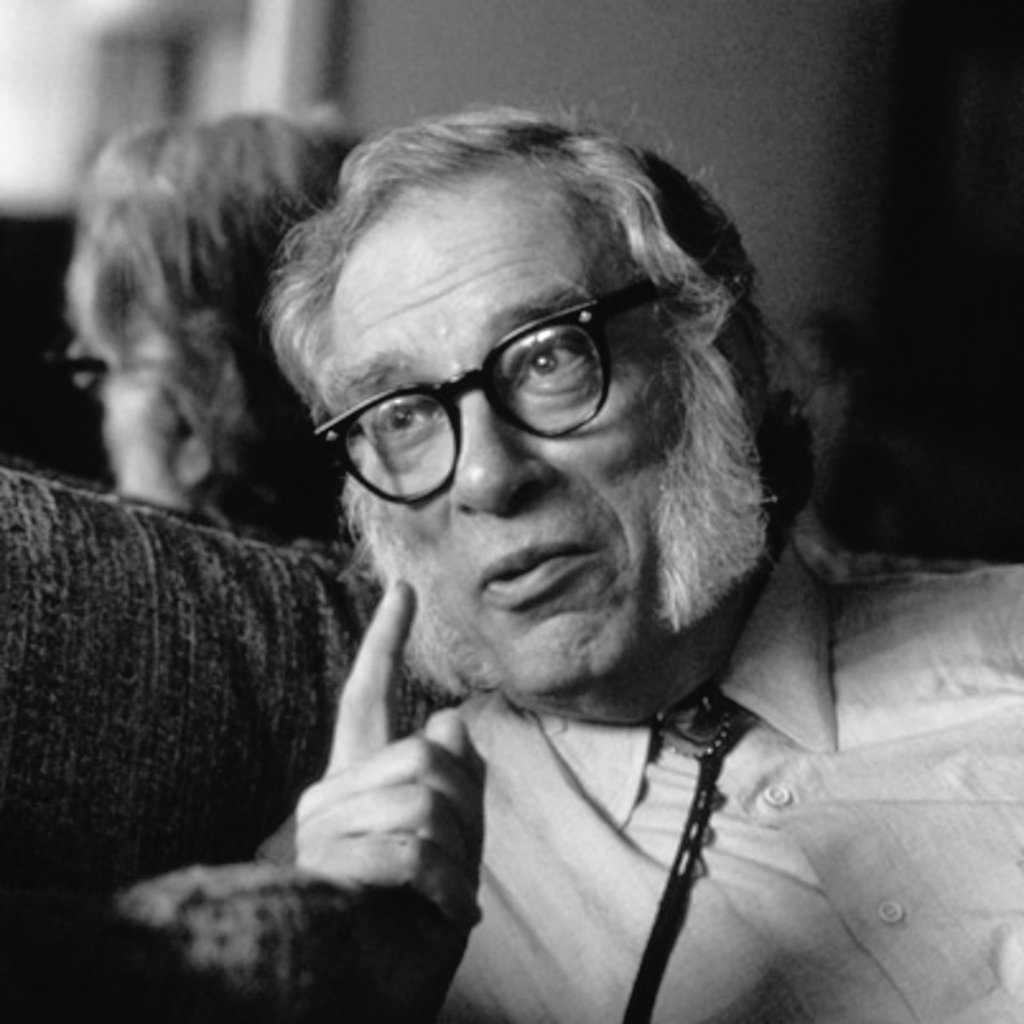
“The saddest aspect of life right now is that science gathers knowledge faster than society gathers wisdom.”
-- Isaac Asimov
26
326
1,319
27,668
Ruhi Snyder| systems deconstructionist| Advocate retweeted
9 Oct 2025
Han Kang began her literary career in 1993 as a poet, later turning to novels and short stories. Across her works, she confronts historical traumas and the often invisible rules that shape our lives, revealing the fragility of human life.
Later today, we will announce the 2025 #NobelPrize in Literature. Join us live, as we learn who the laureate(s) will be.
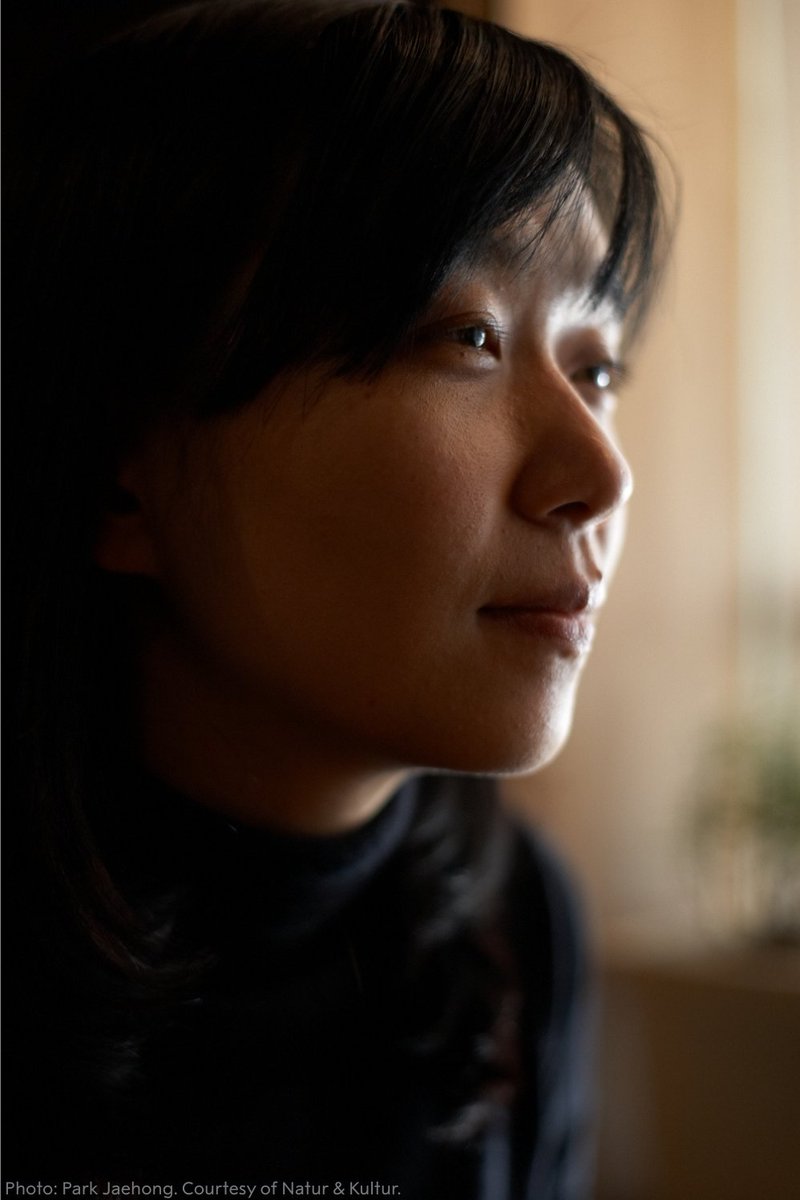
ALT Close-up portrait of Han Kang looking to the side, with soft lighting emphasising a thoughtful expression.
33
369
2,030
156,726
Ruhi Snyder| systems deconstructionist| Advocate retweeted
9 Oct 2025
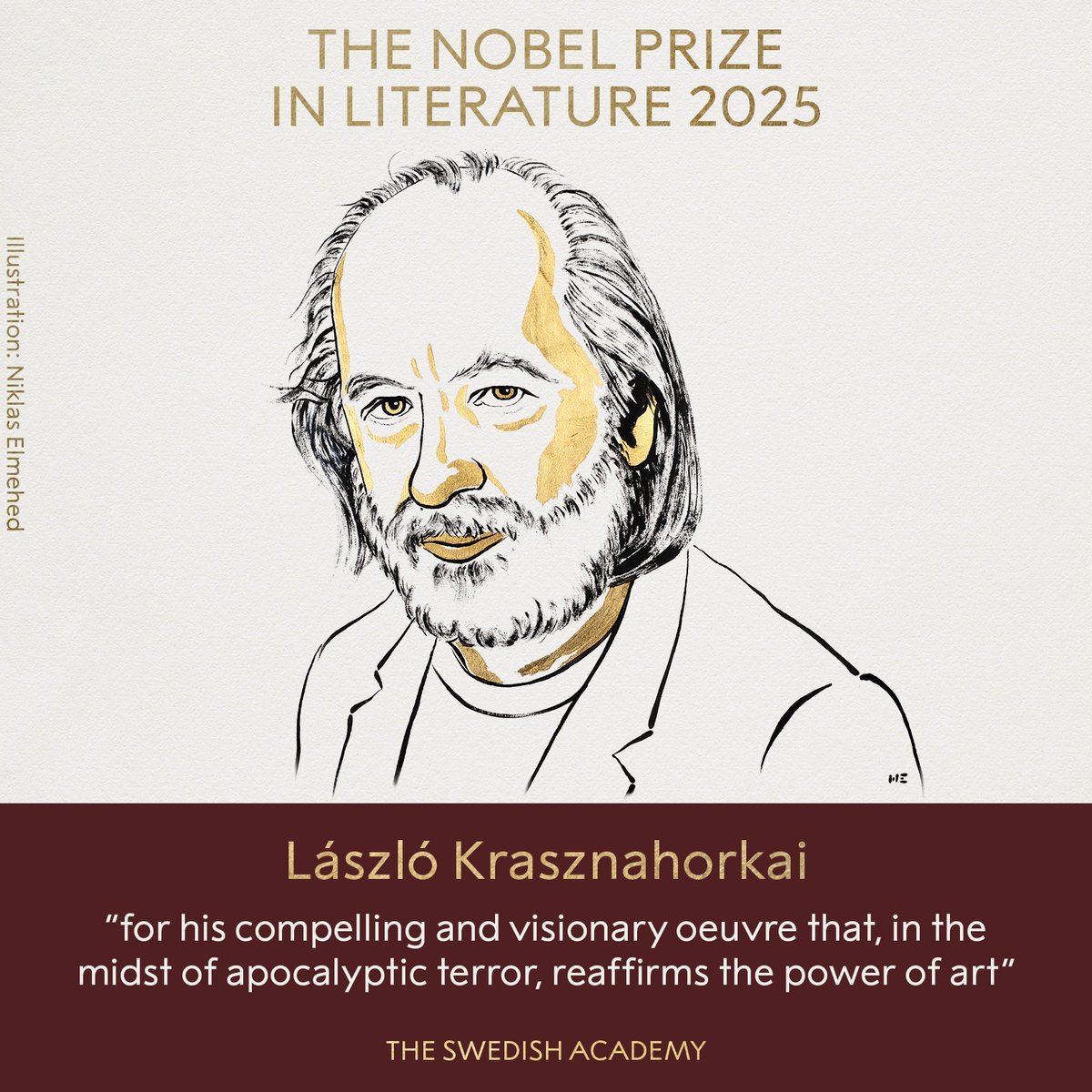
BREAKING NEWS
The 2025 #NobelPrize in Literature is awarded to the Hungarian author László Krasznahorkai “for his compelling and visionary oeuvre that, in the midst of apocalyptic terror, reaffirms the power of art.”
503
7,293
17,618
3,373,692
Ruhi Snyder| systems deconstructionist| Advocate retweeted
10 Oct 2025
“Injustice anywhere is a threat to justice everywhere.”
Martin Luther King's 1964 peace prize brought global attention to the civil rights struggle in the United States and strengthened his influence as an international advocate for nonviolent protest, human rights, and racial equality.
Stay tuned for the announcement of the 2025 peace laureate(s) coming later today.
#NobelPrize #NobelPeacePrize
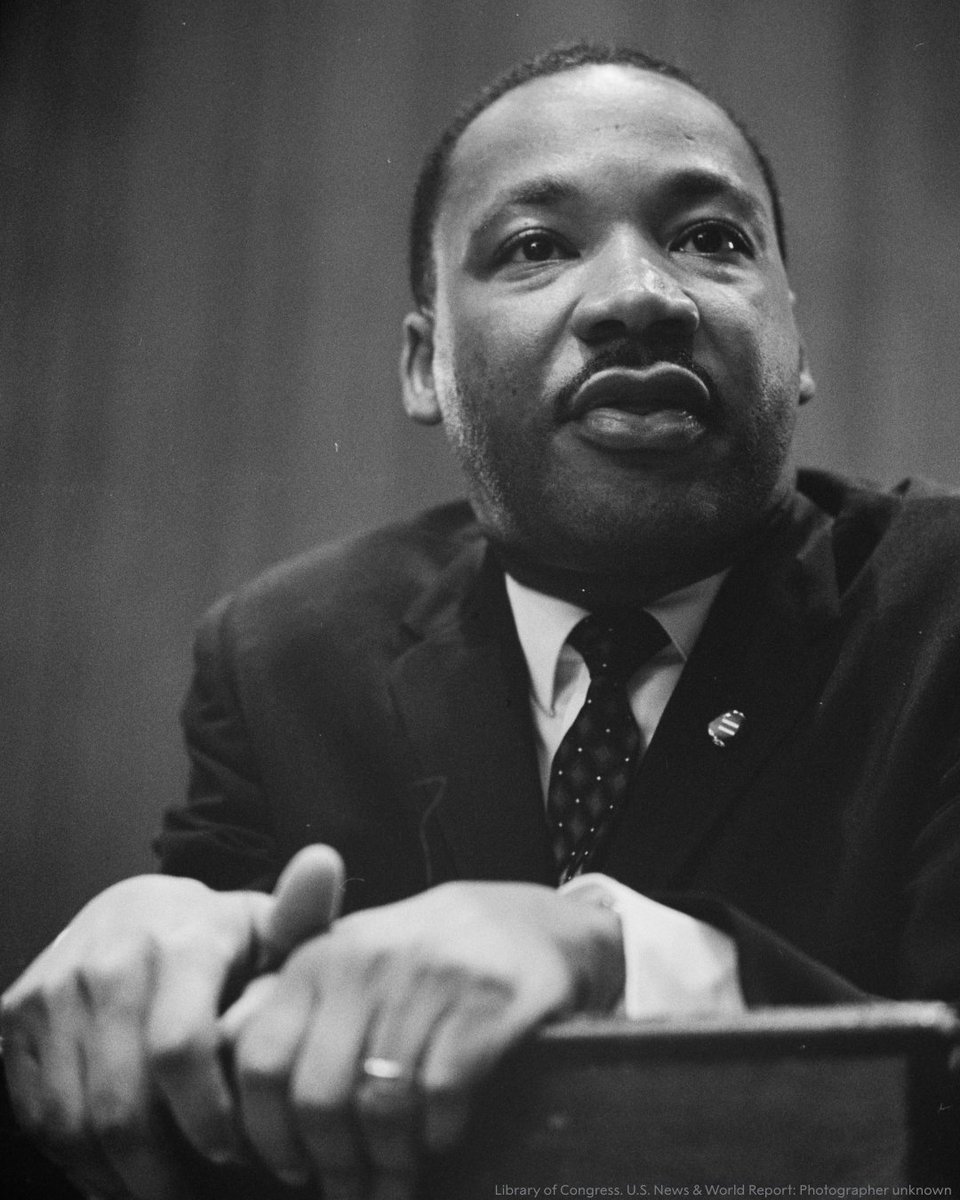
ALT Portrait of Dr. Martin Luther King Jr. leaning over a podium while speaking.
189
645
2,260
121,215
Ruhi Snyder| systems deconstructionist| Advocate retweeted
10 Oct 2025
Wangari Maathai was the first female professor in Kenya and the first African woman to be awarded the #NobelPeacePrize. She founded the Green Belt Movement, which led to the planting of millions of trees.
Today we announce the 2025 Nobel Peace Prize.
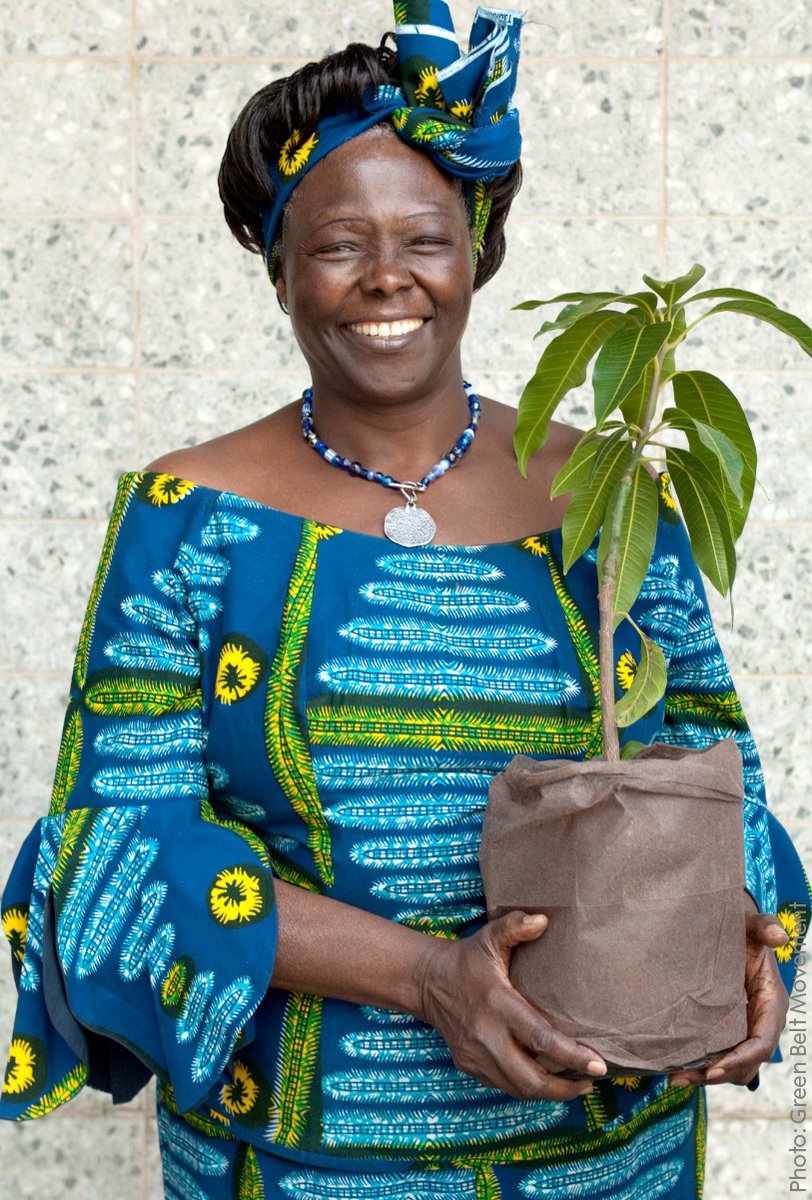
ALT Wangari Maathai, smiling, holds a potted plant, dressed in a bright blue and yellow traditional dress and matching headscarf.
590
6,804
26,985
1,597,849
