The Schug Lab studies cancer metabolism with a focus on fatty acids. Our favorite fatty acid...acetate! Reach out if you’re interested in joining us!
Joined August 2019
- Tweets 203
- Following 482
- Followers 483
- Likes 941
Photos and videos

Hi everyone!
The Schug Lab is searching for a Lab Manager. If you are interested, please have a look through the job description and apply through the link below. This position is funded through new grant support.
jeffersonhealth.wd5.myworkda…
3
2
243
Schug Lab retweeted

3 Jan 2025
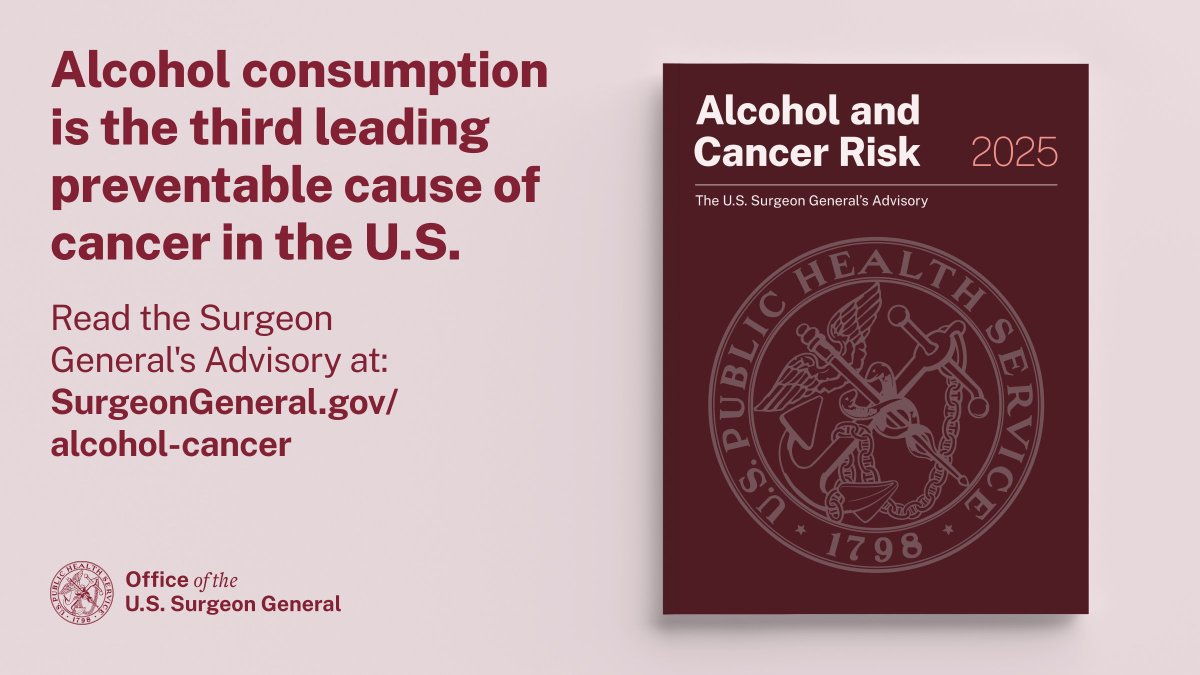
NEW: Today, I’m releasing a Surgeon General’s Advisory on the causal link between alcohol consumption and increased cancer risk. Alcohol is the 3rd leading preventable cause of cancer in the U.S., contributing to about 100,000 cancer cases and 20,000 cancer deaths each year.
411
1,378
3,274
725,616
Schug Lab retweeted

13 Dec 2024
Happy to announce our collaboration with @Tcellogic on metabolic features of exhausted T cells is now out in @ScienceMagazine. TL;DR they can't use acetate to fuel their function. Great work by Shixin Ma and Mike Dahabieh. science.org/doi/10.1126/scie…
4
37
145
28,137
Schug Lab retweeted

10 Dec 2024
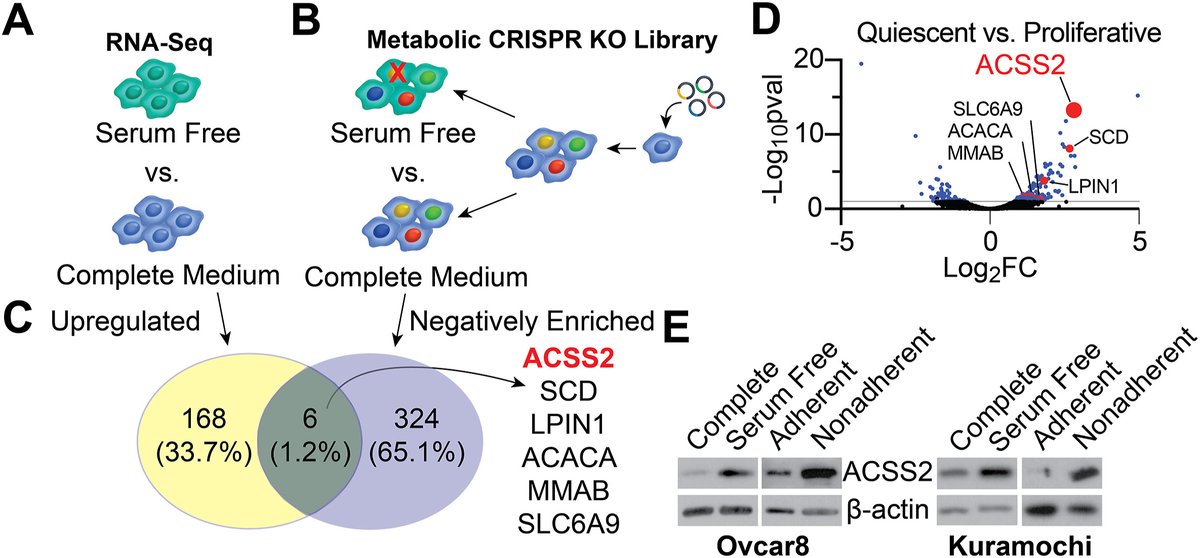
Our work on metabolism of quiescent cells! A bit of a new area for us in collaboration with the Buckanovich lab
10 Dec 2024

New research reveals that #acetate drives quiescence in ovarian #cancercells by boosting ACSS2-mediated acetyl-CoA production. High ACSS2 levels are linked to poor patient outcomes and #chemoresistance.
Targeting ACSS2 could enhance treatment response!
🔗sciencedirect.com/science/ar…
5
14
75
5,854
Schug Lab retweeted

10 Dec 2024
Thanks to support from @TheVFoundation, @NanZhangWistar and @AuslanderNoam have been named as V Scholars and awarded $1.2 million in grant funding to support research that aims to improve existing cancer therapies. Our story: bit.ly/4gudEpE
1
11
4,163
Excited to share our latest study on ACSS1 and acetate metabolism in cancer, which was spearheaded by two graduate students in the lab. Stay tuned for more exciting news from the Schug Lab!
22 Nov 2024

ACSS1-dependent acetate utilization rewires mitochondrial metabolism to support AML and melanoma tumor growth and metastasis dlvr.it/TGKcML
1
9
926
1
1
3
985
Schug Lab retweeted

16 Aug 2024
My baby girl came on Monday night and closing the week with a first author paper from @DrRGJonesLab ! What a week!! Many thanks to everyone for all the efforts to get this paper out!!
16 Aug 2024

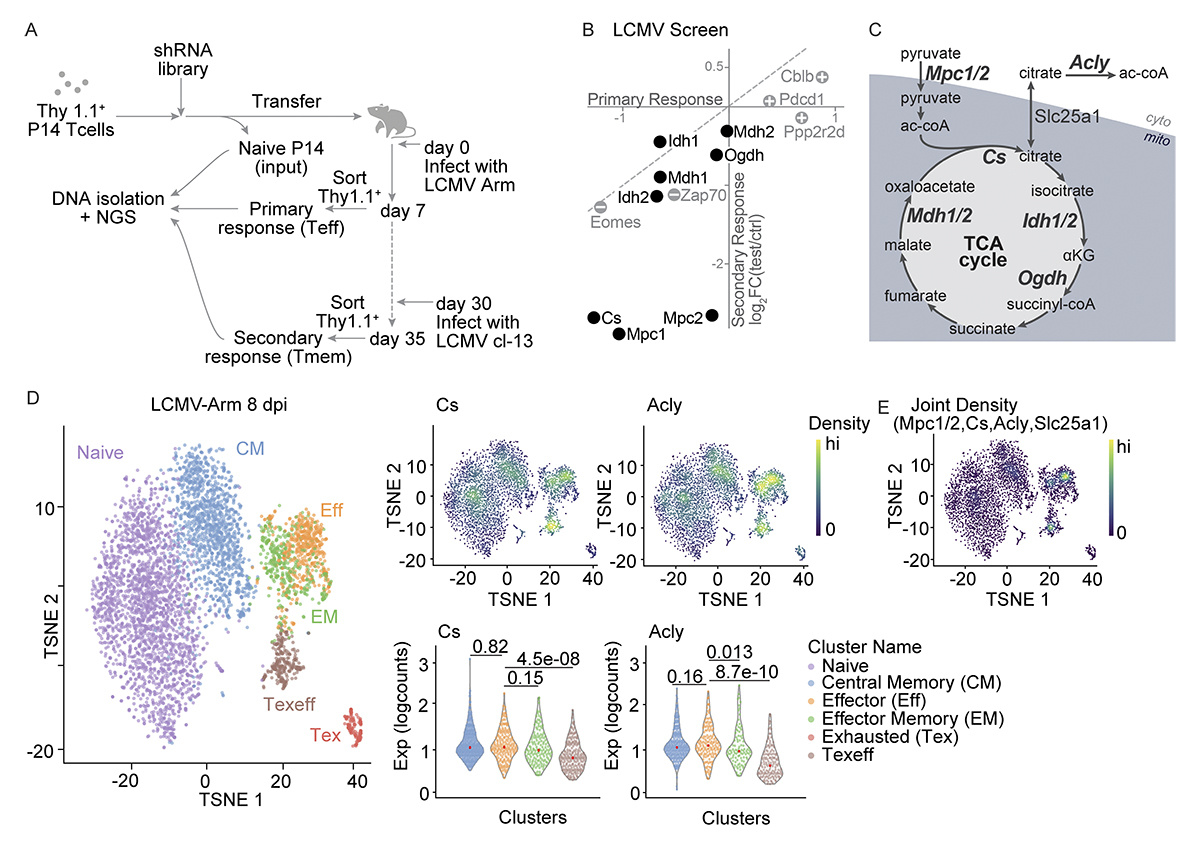
Kaymak, Watson @DrRGJonesLab @VAInstitute and colleagues show that production of cytosolic acetyl-CoA by ACLY and ACSS2 links CD8 T cell metabolic state and effector function through effects on #chromatin accessibility. hubs.la/Q02Lzc7r0
#Metabolism #LymphocyteBiology
11
3
43
5,837
Schug Lab retweeted

26 Jun 2024
No amount of alcohol is safe but the risk of limited consumption is limited but dictated by underlying conditions. This is an excellent summary of meta-analyses @nytimes nytimes.com/2024/06/15/magaz…
2
2
491
Schug Lab retweeted

13 Jun 2024
New preprint from the lab is online! The product of a stellar collaboration with @Muir_Lab, we explore a chemically defined physiologic media formulation based of the metabolite of tumor interstitial fluid (TIF, or “tumor juice”) and its effects on T cell function! A brief 🧵1/
3
28
106
28,347
Schug Lab retweeted

7 Jun 2024
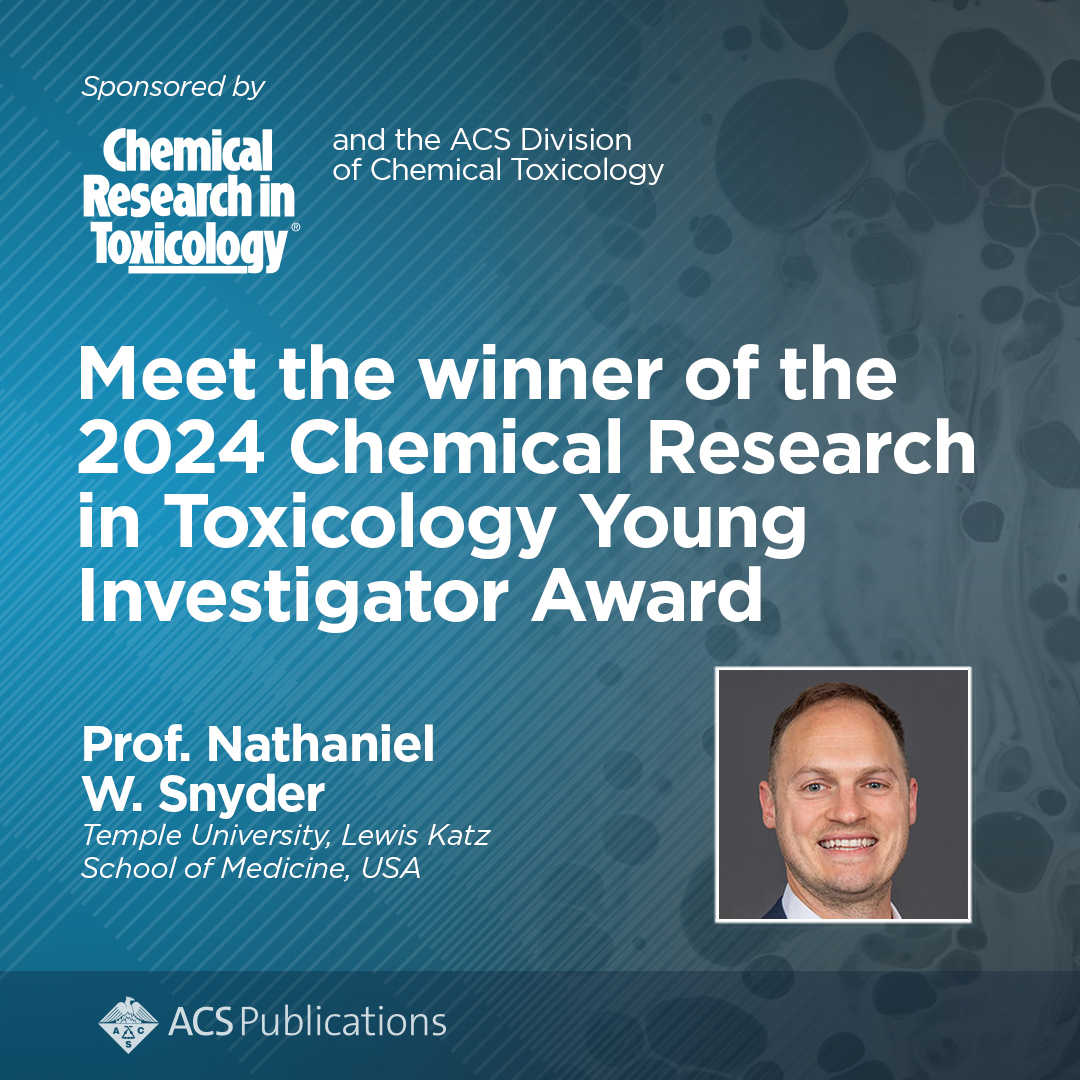
Meet Nathaniel W. Snyder @mzspectrum Winner of the 2024 Chemical Research in Toxicology Young Investigator Award! Read our interview here 🔗 go.acs.org/9HM
3
5
16
2,345
Schug Lab retweeted

5 Jun 2024
Happy to report that our paper, where we grapple with the mystery of ACLY splice isoforms, is finally out!
jbc.org/article/S0021-9258(2…
@WellenLab @MarmorsteinLab
4
11
35
8,807
Schug Lab retweeted

1 Jun 2024
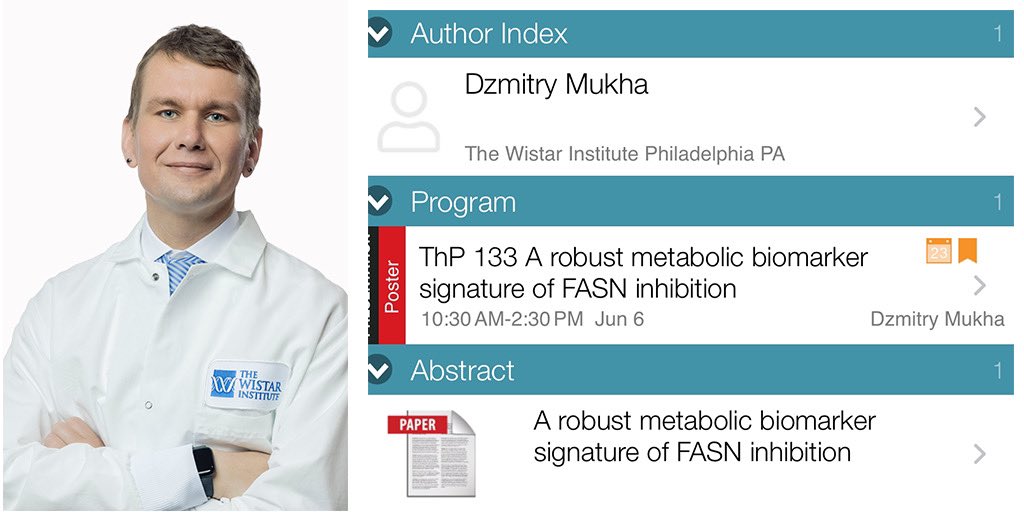
🔬 Excited to share @SchugLab’s latest findings at #ASMS2024! Join me at the poster session where we’ll delve into:
1. Targeted Metabolomics.
2. FASN (Fatty Acid Synthase) and fatty acid biosynthesis.
3. Coenzymes A, malonate, and succinate.
4. Mitochondria (should I add ‘powerhouses’?).
➡️ ThP133, Thu, June 6, 10:30 am ⬅️
See you there! 🌟🧪📊
#TeamMassSpec
1
4
394
Schug Lab retweeted
29 May 2024
Happy to share our new paper in print today in @ScienceAdvances exploring nutrient utilization by CD8 T effector cells in vivo using infusion of 13C tracers. Great work by Eric Ma, Mike Dahabieh and collaborators at @VAInstitute and @AgiosPharma. science.org/doi/10.1126/scia…
14
39
149
17,315
Happy to @SchugLab’s latest findings! We set out to establish the metabolic signature created by FASN inhibition and discovered, along the way, that three widely used FASN inhibitors likely do not inhibit FASN in cells. See project leader @dzmitrybio for a thread!
6 May 2024

Identification of Fasnall as a therapeutically effective Complex I inhibitor biorxiv.org/cgi/content/shor… #biorxiv_cancer
3
10
3,004
Schug Lab retweeted
6 May 2024
I am excited to share our preprint "Identification of Fasnall as a therapeutically effective Complex I inhibitor."
biorxiv.org/content/10.1101/…
Several things from inside 👇
We asked a question: What happens with the polar metabolome of cancer cells when fatty acid synthase (FASN) is inhibited?
We found that three widely used FASN inhibitors likely do not inhibit FASN in cells.
Instead, we reassign one of them, Fasnall, as a new Complex I inhibitor. Fasnall can reach therapeutic concentrations in vivo and effectively prevent tumor growth in several OXPHOS-dependent tumor models (breast cancer xenografts and one model of BRAFi/MEKi double-resistant melanoma PDX).
Fasnall joins the set of known Complex I inhibitors, such as rotenone, metformin, mubritinib, and IACS-010759. Unlike the latter, Fasnall seemingly does not cause painful neuropathies in vivo. Mubritinib (TAK-165) was previously known as an ERBB2 inhibitor, and its activity was reassessed in the work by Baccelli et al. (2019). 🧵
1
4
13
2,964
Schug Lab retweeted

15 Mar 2024
We are proud of the work one of our grantees, @SchugLab, is doing @TheWistar for breast cancer research. They've proven that the immune system can help kick Triple Negative Breast Cancer out! While still early, Our CSO, Dr. @susannagreer, puts it into perspective!
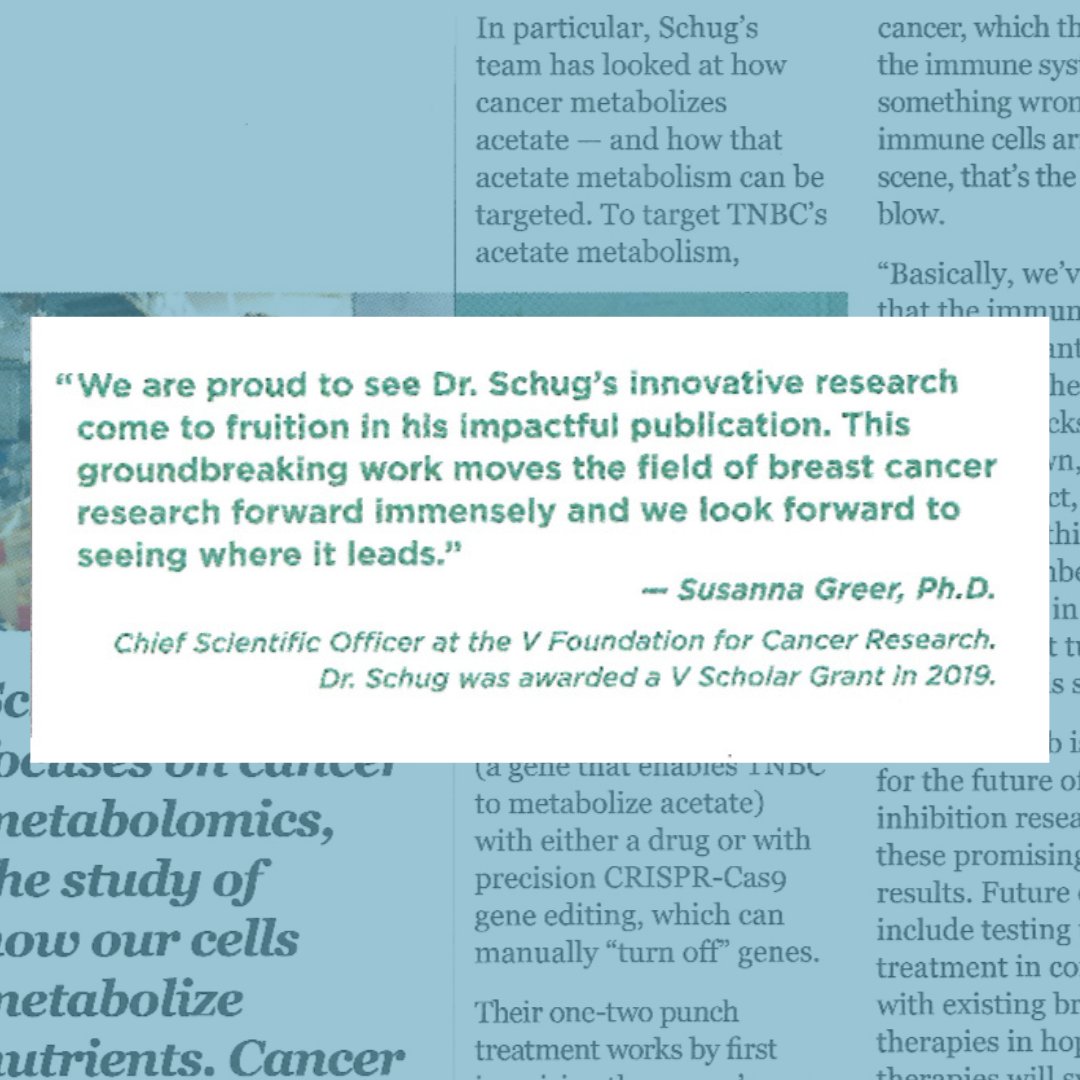
ALT Image of our CSO's quote in a Wistar publication.
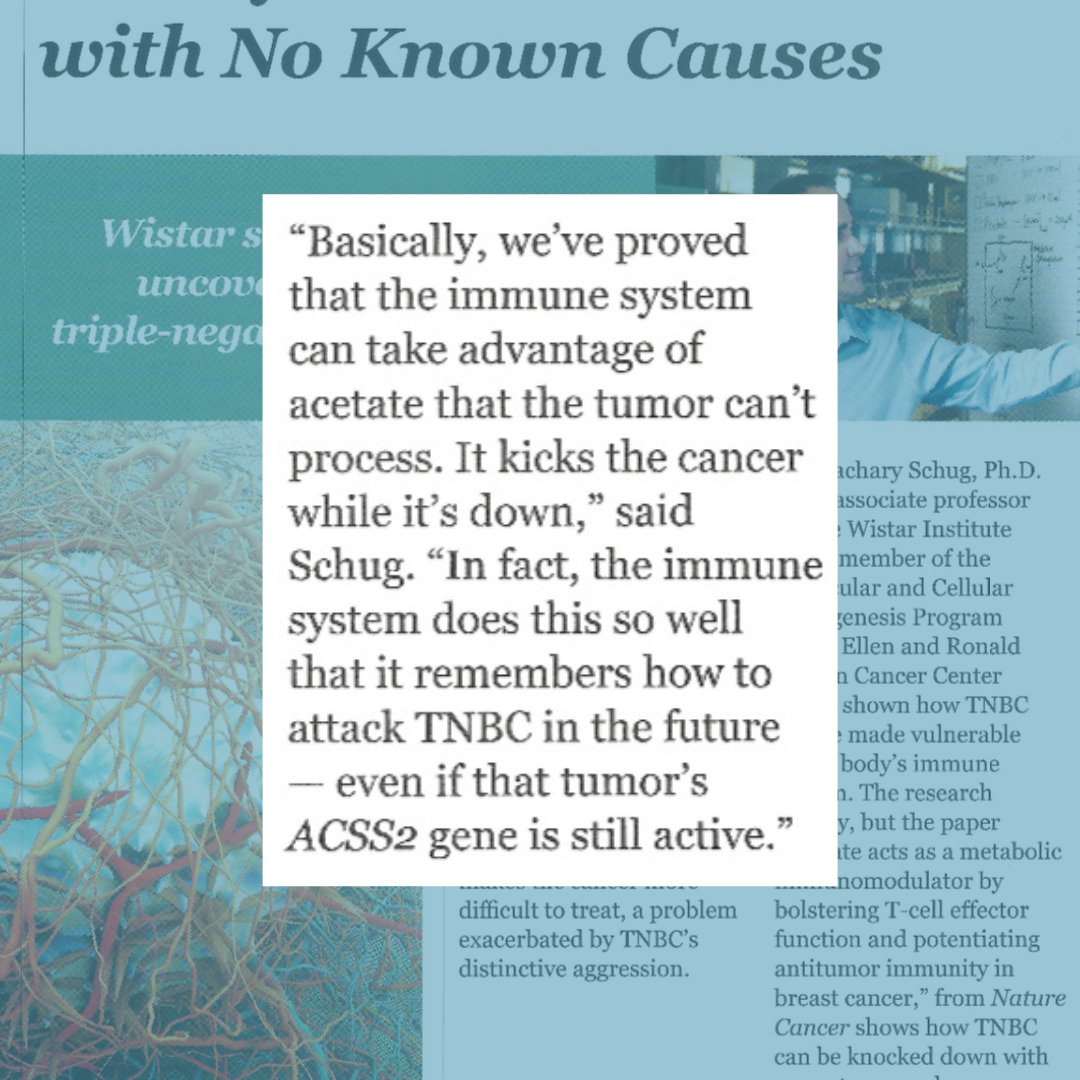
ALT Image of Dr. Schug's quote in Wistar publication.
1
3
9
1,343
Schug Lab retweeted

28 Sep 2023
ONLINE NOW @NatureCancer “Acetate acts as a metabolic immunomodulator by bolstering T-cell effector function and potentiating antitumor immunity in breast cancer” by #ZacharySchug & Co.
nature.com/articles/s43018-0…
rdcu.be/dndEL
8
19
3,474
Schug Lab retweeted

18 Sep 2023
1/ Excited to see this article published @NatureCancer. In a brilliant collaboration with Jürgen Ruland, Tim Wartewig, @Jay___Daniels, and Miriam Schulz discovered the mechanisms by which PD1 constrains T cell lymphomagenesis.
nature.com/articles/s43018-0…
8
20
95
10,925