Techie, tolerance, honesty
Joined August 2010
- Tweets 35,927
- Following 798
- Followers 308
- Likes 2,879
860 Photos and videos
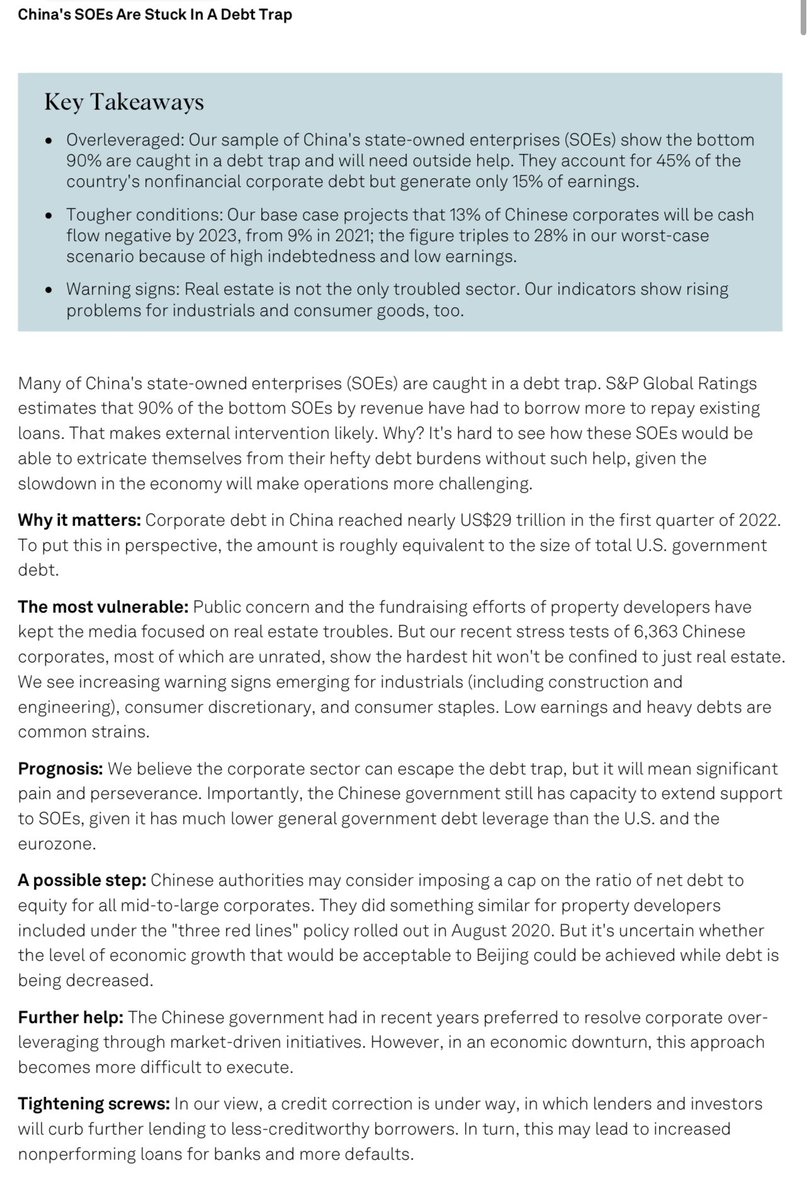
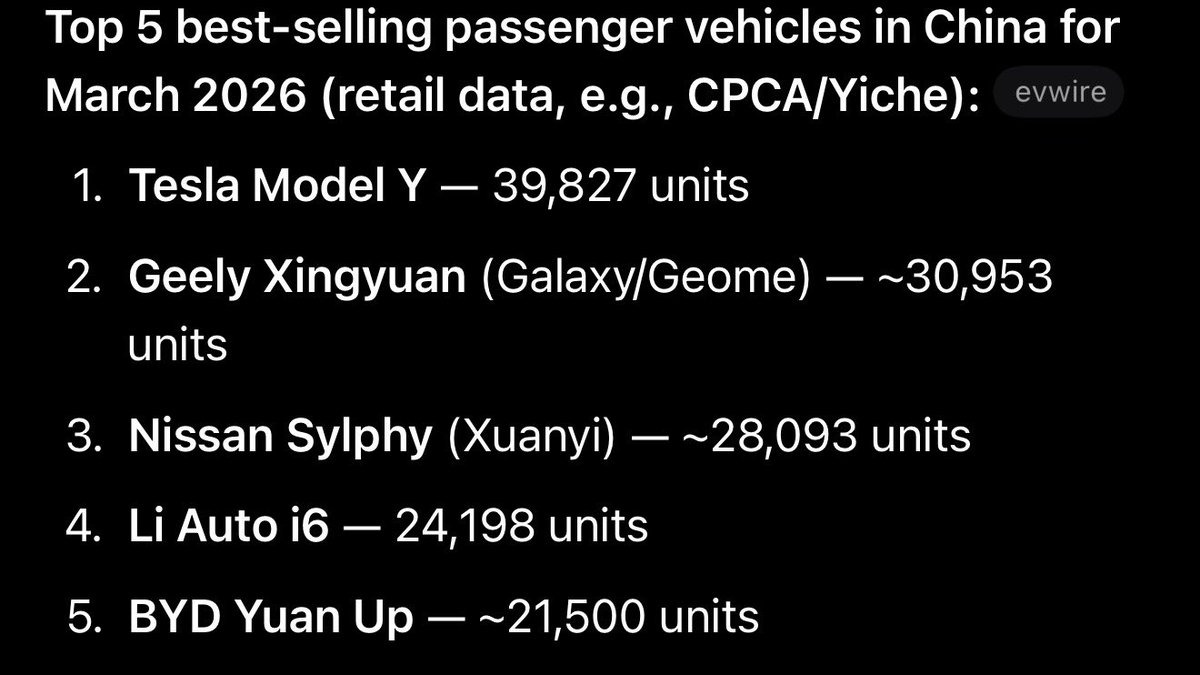
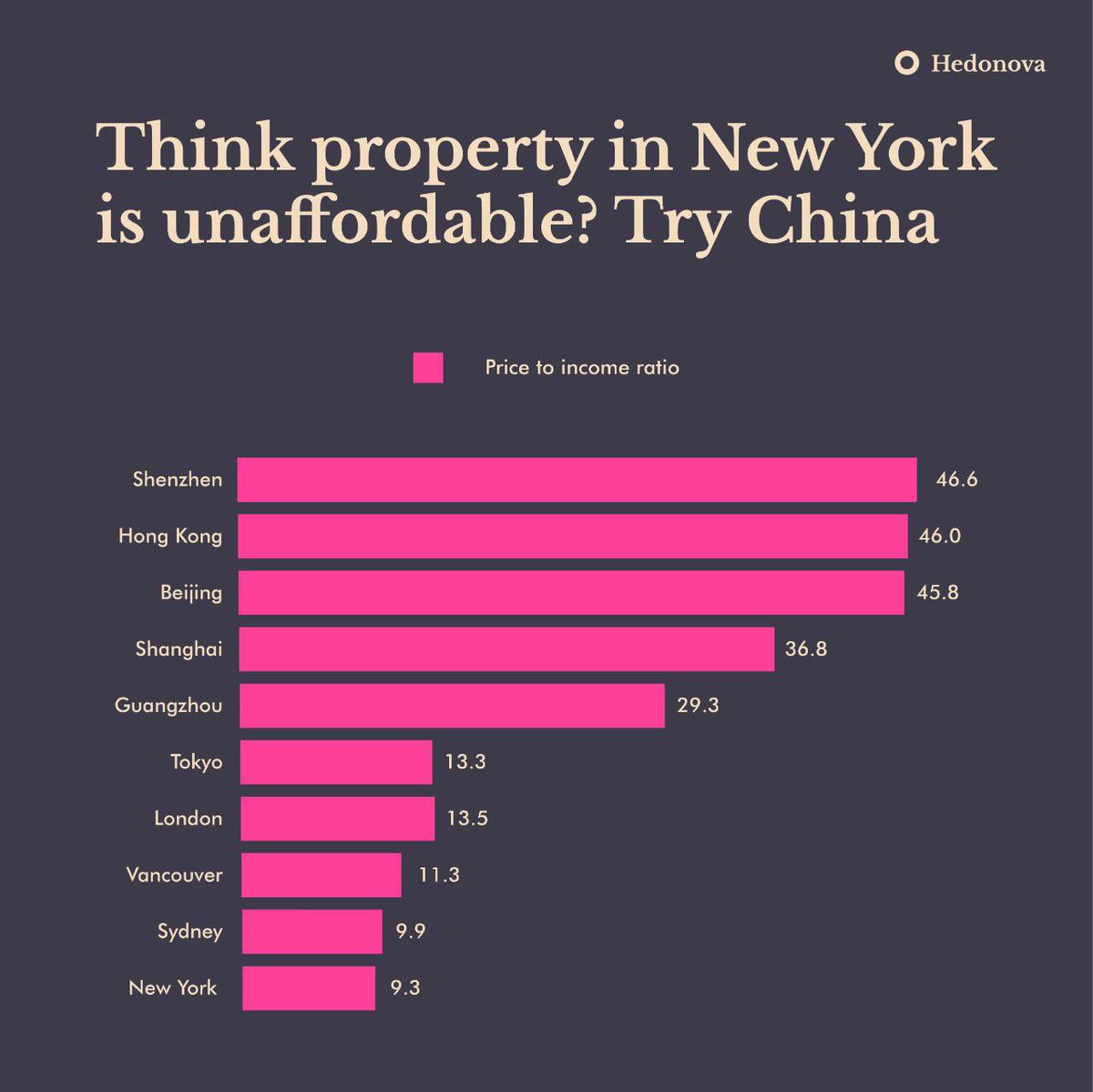
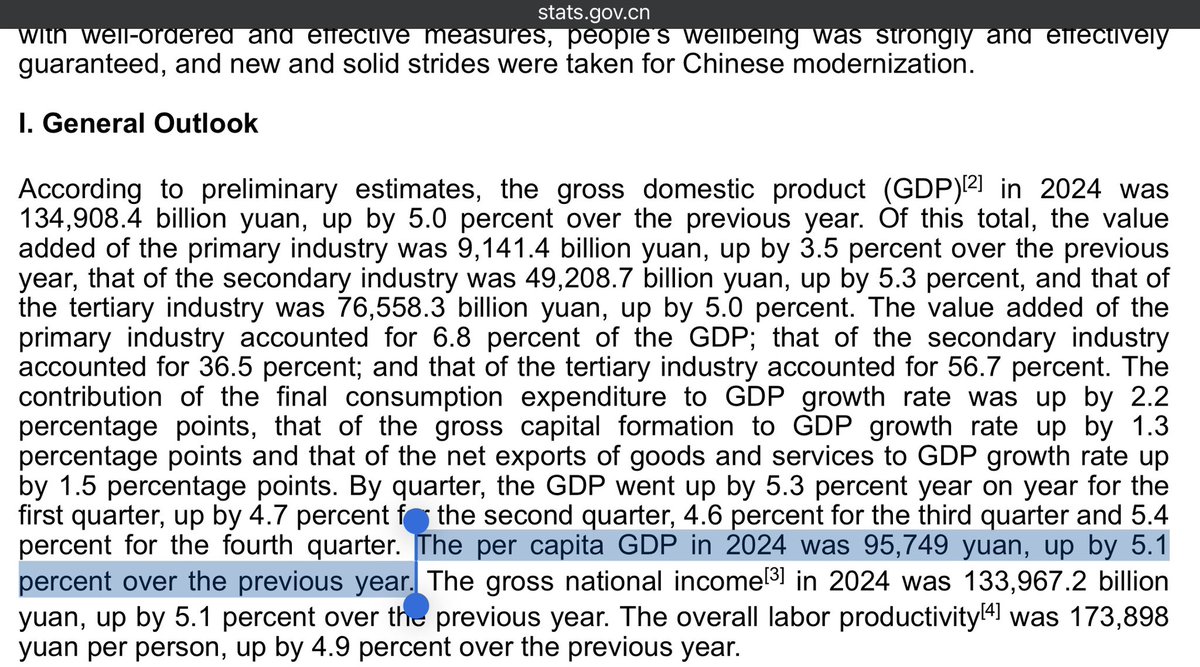
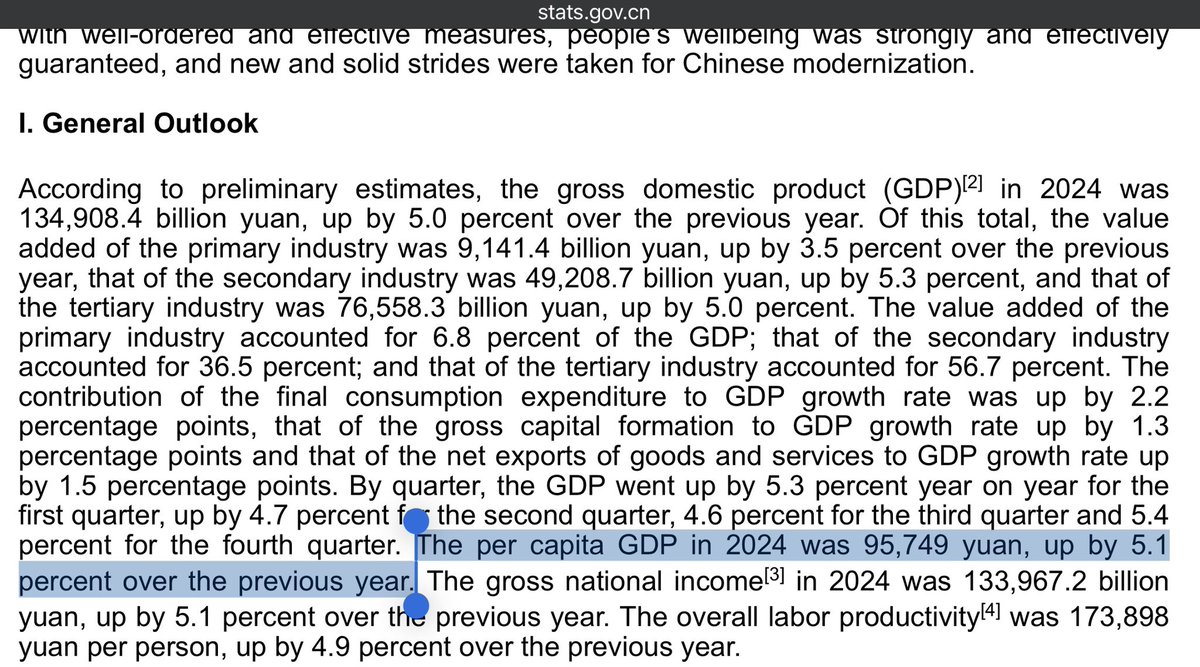
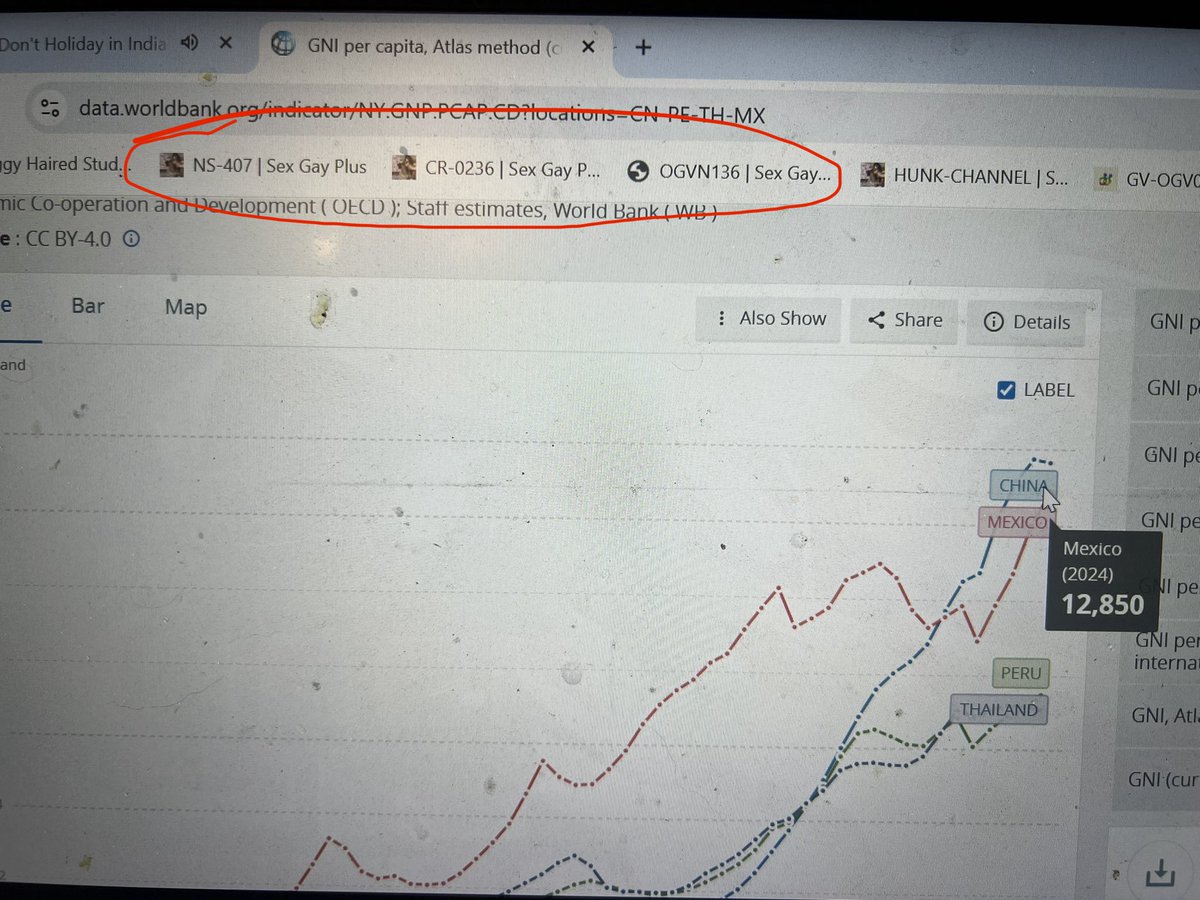
R retweeted

Have export controls failed?
Let's see what Chinese AI companies have to say:
“Tencent Cloud has consistently lacked sufficient GPU resources, which has affected our ability to gain more revenue and market share.” (Martin Lau, Tencent's President, May 2026)
“The biggest problem large-model companies face over the next 12 months may be compute.” (ZAI CEO Zhang Peng, March 2026)
“Every tech company in China is facing this challenge of where to get more chips, including Alibaba and Tencent.” (Zhang Chi, former ByteDance ML researcher, April 2026)
“There isn’t a single idle card in our servers.” (Eddie Wu, CEO of Alibaba, May 2026)
“Our problem has never been money — it’s the embargo on high-end chips.” (Liang Wenfeng, DeepSeek CEO, July 2024)
7
7
47
19,009

Jun 7
RT @whyyoutouzhele: 临近六四35周年,与中國人權@hrichina、人道中國@HChina89合作发布一系列六四专题图片八九民运现场之二十三(6月4日)
【6月4日,北京最黑的黑夜】【在这白色的黎明中,我扶着那已经死去的同学】
当晚发生事件的大致过程如下:…
4,052
R retweeted

May 21
an AI just won a Paul Erdős prize. erdős offered money for resolving the planar unit distance problem in 1946. an internal openai model collected.
the proof crosses algebraic number theory into discrete geometry, fields that don't usually talk. that's the milestone underneath the milestone. humans are worst at the math that requires two domains at once. AI isn't
2
1
6
5,837
R retweeted

May 17
Having spent the past few weeks in Beijing giving talks and attending meetings, here are some quick observations as I wait for my flight to NYC to board:
1. The talk of the town has, of course, been the Xi-Trump meeting, but no one (not even usually well informed elite circle insiders) seems to know what it actually accomplished, other than a continuation of the detente that’s been in place for the past several months. That’s about as good an outcome as one could realistically expect, I suppose, but clearly a real “grand bargain” is not in the cards anytime soon.
2. The Chinese economy seems to be in a steady state, neither improving much nor visibly deteriorating like it was in 24-25. In that sense the government’s stimulus policies have had a positive effect, but the vast majority of industry people I talked to remain very pessimistic about domestic profits and consumption. The dominant sentiment is that the only way for major firms to generate profit growth is through direct overseas expansion.
3. That said, technological advancement is of course very real and quite impressive (although it’s not quite as visible in Beijing as it is in, say, Shenzhen). One interesting and very pleasant side effect of the EV revolution (paired with infrastructure investment) has been that Beijing is now a bike-able city again, given the sharp reduction in exhaust fumes on city streets and the expansion of bike lanes. Armed with a new bike, I could almost explore the city like I used to back in 2000. Hugely nostalgic feeling.
4. Academia is, in general, in a pretty dour mood. STEM subjects and the social sciences/humanities alike have seen very significant funding reductions over the past 2 years, but the latter have of course gotten the worst end of the deal. Political censorship also seems to be visibly ramping up again, with the sheer scale of perceived “red lines” snowballing to levels unprecedented since the early 1990s. As the recent Yang Nianqun incident suggests, administrative regulation of faculty members’ personal affairs has also expanded (i.e., consensual extramarital relationships between adults who were not in a direct teacher-student relationship would almost certainly have gone unpunished as recently as 5 years ago).
5. In general, it’s hard not to notice the steady increase in government presence in everyday life—in both positive and negative ways. The city feels safer and cleaner than it ever has been, and yet the layers of administrative review needed for just about any kind of professional activity have clearly proliferated on a vast scale (made less painful by the digitization of most government services and more uniform law abidance, but still more onerous than it used to be despite all that).
6. The most alarming thing, I suppose, is that general optimism (personal or socioeconomic) seems to be in particularly short supply among the younger generations. This is obvious even among the most intellectually gifted kids at Tsinghua and PKU, where the level of career anxiety seems to be at a level that I have never encountered before. Unsurprisingly, willingness to form families or plan ahead in general at the personal level is very low.
All in all, it was, as always, a very informative couple of weeks. The stay was also made much more pleasant by the fact that I managed to do it before Beijing becomes brutally hot. I look forward to being back more often in the near future.
37
245
1,308
259,365
R retweeted

May 10
China has been telling the world it is abandoning the dollar. The Council on Foreign Relations just published a detailed analysis showing that China may actually hold more dollars off its official books than on them. The de-dollarization story is largely a magic trick.
Here is how it works in plain terms. China's official foreign exchange reserve, managed by an agency called SAFE, used to hold about 79% of its assets in US dollars back in 2005. By 2019, that number had dropped to 55%. That is the number that gets reported. That is the number that generates headlines about China dumping the dollar.
But while China was reducing the dollar share of its official reserves, it quietly stopped growing those official reserves altogether. They have been stuck at roughly $3.3 trillion for eight years. All the new money China accumulated went somewhere else entirely, into the foreign lending of state-owned policy banks like the China Development Bank, into the foreign assets of state commercial banks, and into various state investment funds. None of this is fully disclosed. None of it shows up in the headline de-dollarization numbers.
CFR senior fellow Brad Setser ran the math. China's official reserves hold approximately $1.8 trillion in dollars. But Chinese state commercial banks hold an estimated $1 trillion in dollar assets abroad. The policy banks hold close to another $1 trillion in foreign claims, most denominated in dollars. The China Investment Corporation, the country's sovereign wealth fund, holds roughly $450 billion in foreign assets, the majority in dollars. Add it all up and China's total dollar holdings across all state entities likely exceed $4 trillion, more off the official books than on them.
Every debt restructuring case where China's policy banks were involved, Zambia, Sri Lanka, Ecuador, Angola, involved dollar-denominated loans. Not yuan. Not euros. Dollars.
The de-dollarization narrative serves a specific purpose for Beijing. It signals geopolitical independence from the US financial system, which is valuable messaging for domestic audiences and Global South partners. But the actual financial behavior of Chinese state entities tells a different story. China's banks are still borrowing and lending predominantly in dollars. China's investment funds are still holding predominantly dollar assets. The label changed. The exposure did not.
China is telling the world it is exiting the dollar while quietly holding more of it than ever. That is not de-dollarization but a very well-executed press release.
#China #CCP #Dollar #DeDollarization #Geopolitics #Finance #CFR #Economy #GlobalFinance #SAFE
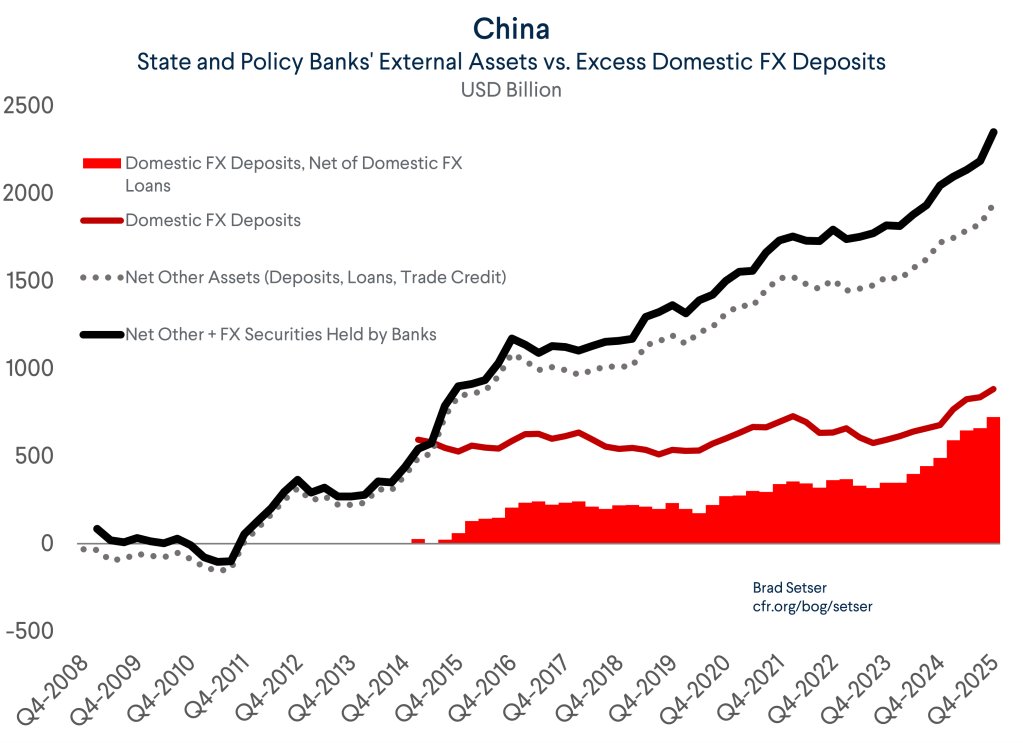

"China has played a bit of a game. It reduced the dollar share of its formal reserves. But it then stopped adding to its formal reserves," writes expert @Brad_Setser. cfr.org/articles/chinas-fake…
57
528
1,543
317,597
May 8
@PaulaSeeksTruth
Claims to seek the truth, but like many people she cannot accept viewpoints and facts which are contrary to her preconceived notions. In the end, she wants you to know she is right. Most of her arguments fall apart on cursory inspection.
May 8

No, your argument is nonsense. It’s not even clear that porn is net harmful, it may well be net positives but if it is net harmful it’s relatively low harm. Do you also advocate getting rid of alcohol, smoking, fast food, gambling, video games, tv, etc?
1
315
May 8
This is, of course, a common phenomenon on the internet. But most are not so disingenuous in attesting that they seek the truth. She should change her handle from @PaulaSeeksTruth to @PaulaSeeksToConfirmBias
1
148
R retweeted

May 8
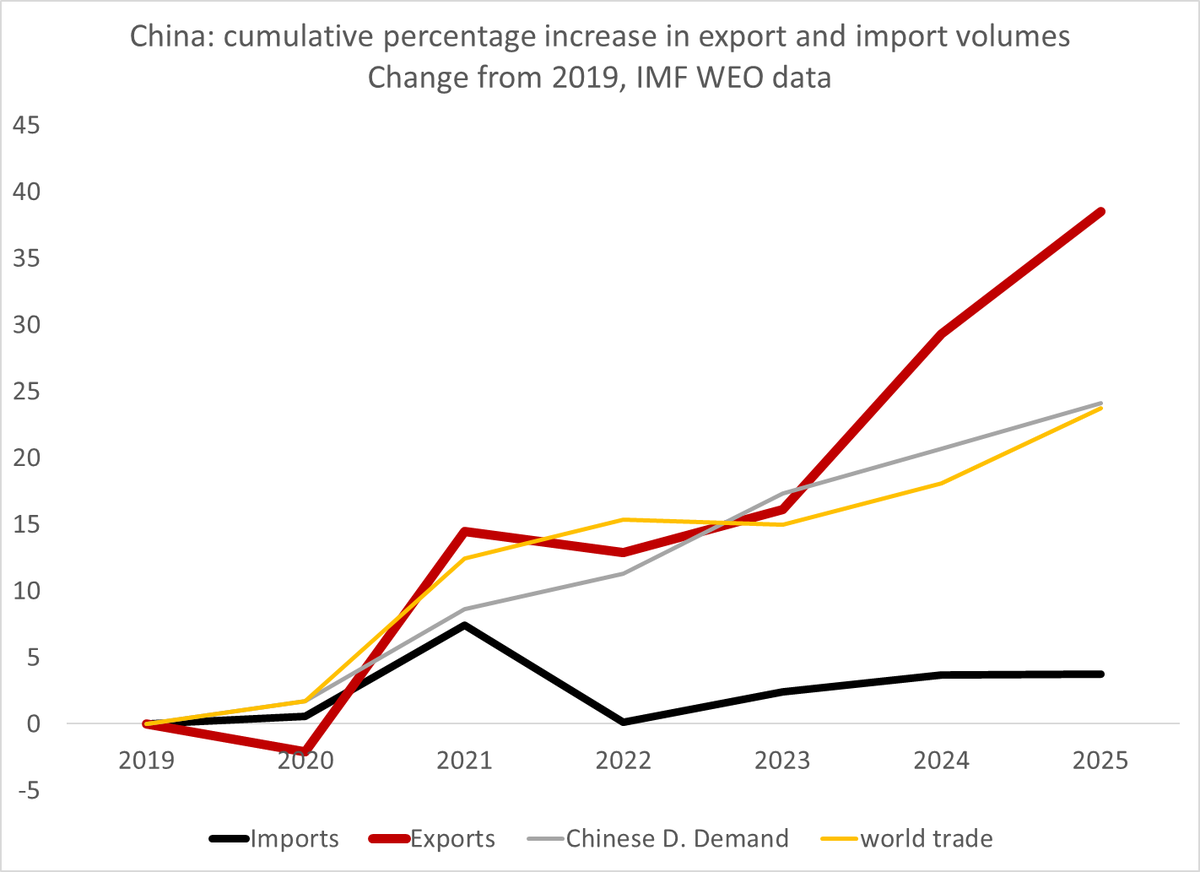
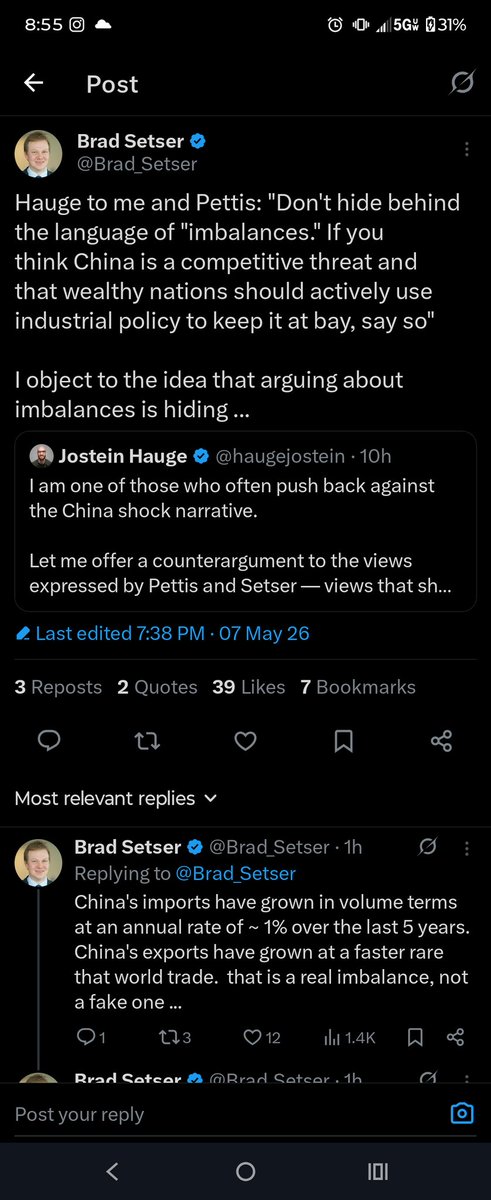
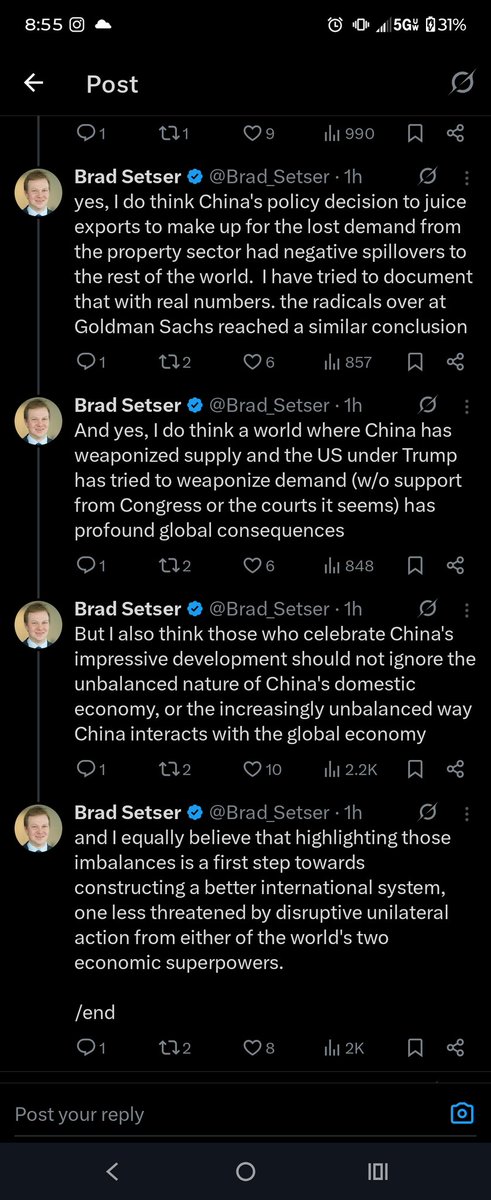
Chinese import growth has stopped tracking with Chinese domestic demand growth. With Chinese export volumes growing much faster than global trade, there is now enormous gap -- an imbalance -- in China's trade

u.s. economists drank so much koolaid that they cant engage with china genuinely. it feels ludicrous to critique china for "interacting with the global economy in an increasingly unbalanced way" when the u.s. has toppled literal states to access global south natural resources
7
10
75
10,317
R retweeted

It’s like a homeless druggie telling you he or she doesn’t want to marry or date you.
May 6

North Korea formally drops goal of reuniting with South ft.trib.al/j3F1dL9
2
6
44
3,320
R retweeted

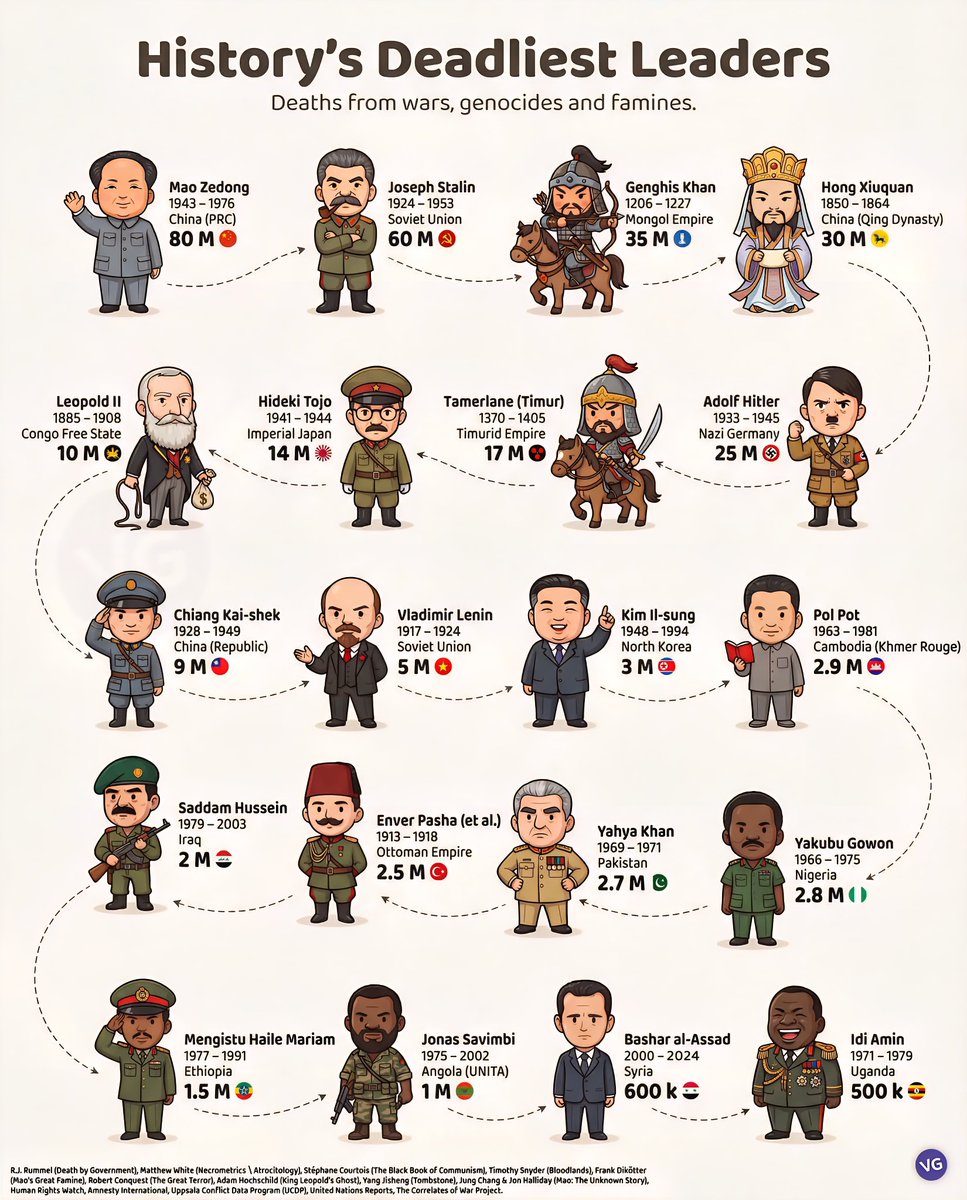
History’s Deadliest Leaders: Deaths from Wars, Genocides and Famines ☠️
🇨🇳 Mao Zedong (1943–1976) – 80 Million
🇷🇺 Joseph Stalin (1924–1953) – 60 Million
🇲🇳 Genghis Khan (1206–1227) – 35 Million
🇨🇳 Hong Xiuquan (1850–1864) – 30 Million
🇩🇪 Adolf Hitler (1933–1945) – 25 Million
🇺🇿 Tamerlane (Timur) (1370–1405) – 17 Million
🇯🇵 Hideki Tojo (1941–1944) – 14 Million
🇧🇪 Leopold II (1885–1908) – 10 Million
🇹🇼 Chiang Kai-shek (1928–1949) – 9 Million
🇷🇺 Vladimir Lenin (1917–1924) – 5 Million
🇰🇵 Kim Il-sung (1948–1994) – 3 Million
🇰🇭 Pol Pot (1963–1981) – 2.9 Million
🇳🇬 Yakubu Gowon (1966–1975) – 2.8 Million
🇵🇰 Yahya Khan (1969–1971) – 2.7 Million
🇹🇷 Enver Pasha (1913–1918) – 2.5 Million
🇮🇶 Saddam Hussein (1979–2003) – 2 Million
🇪🇹 Mengistu Haile Mariam (1977–1991) – 1.5 Million
🇦🇴 Jonas Savimbi (1975–2002) – 1 Million
🇸🇾 Bashar al-Assad (2000–2024) – 600 K
🇺🇬 Idi Amin (1971–1979) – 500 K
Sources: R.J. Rummel (Death by Government), Matthew White (Necrometrics), Stéphane Courtois (The Black Book of Communism), Timothy Snyder (Bloodlands), Frank Dikötter (Mao’s Great Famine), Robert Conquest (The Great Terror), Adam Hochschild (King Leopold’s Ghost), Yang Jisheng (Tombstone), Jung Chang & Jon Halliday (Mao: The Unknown Story), United Nations reports.
346
206
717
689,161
R retweeted

May 1
Tankies on X constantly try to write me off.
“You don’t know China.”
“Go to see Shenzhen, it’s wonderful.”
“You hate China.”
“You’re at Hoover Institute, so I don’t listen to you.” (Yes they can’t even spell “Hoover Institution” properly)
“You haven’t seen the new China.”
Please.
I’ve lived in and stayed in touch with Shenzhen for more than twenty years, since my kindergarten days in Shenzhen. I have close family and personal friends in most of the booming sectors in Shenzhen for the past thirty years.
I’ve got to observe Beijing in close range at its high, low, hiatus, explosive growth, within government, companies, foreign NGOs, local NGOs.
Everyone has a complicated relationship with their home. But unmistakably, I love my home. That is precisely why I levy the strongest, most constant and occasionally harsh criticism at things happening in China. I see into the depth of China’s possibilities and its wasteful squandering of potential, through a persistent totalitarian experiment that yields only servitude and suffering. The only moral thing to do, out of love, is to speak up in the most straight-forward, unapologetic voice, and call evil by its name. You’d do the same for anywhere you love, and seeing it being destroyed day by day.
And yes I’m at Hoover Institution, also known for having the one of the worldwide best archives on China, the China collection at the Hoover Archive, maintained by my colleague and fellow Oxonian historian Hsiaoting, which houses invaluable resources such as Chiang Kaishek’s diary, Li Rui’s diary, HH Kung’s papers, Lin Zhao’s diary, and countless other materials critical to understanding modern China.
The community of China scholars in and around Hoover is impeccable; dare I say the best in the world: Wu Guoguang, former political advisor of general secretary of CCP; Xu Chenggang, Harvard-educated award-winning economist; Elizabeth Economy, former Asia Director at CFR and China Advisor to Sec of Commerce under Biden; Frank Dikotter, bestselling author and renowned historian of modern Chinese history; and ofc Dan Wang, one of the best English-language writers on China right now.
You should find easier targets to launch your low-ball attacks at. Realistically, I’m as deep into the Chinese system as any proficient English-speakers will ever be, barring all those who are too close to party royalties that they cannot speak out loud.
So tankies, a genuine question for you: have you said thank-you once?
124
47
329
42,224
R retweeted

May 2
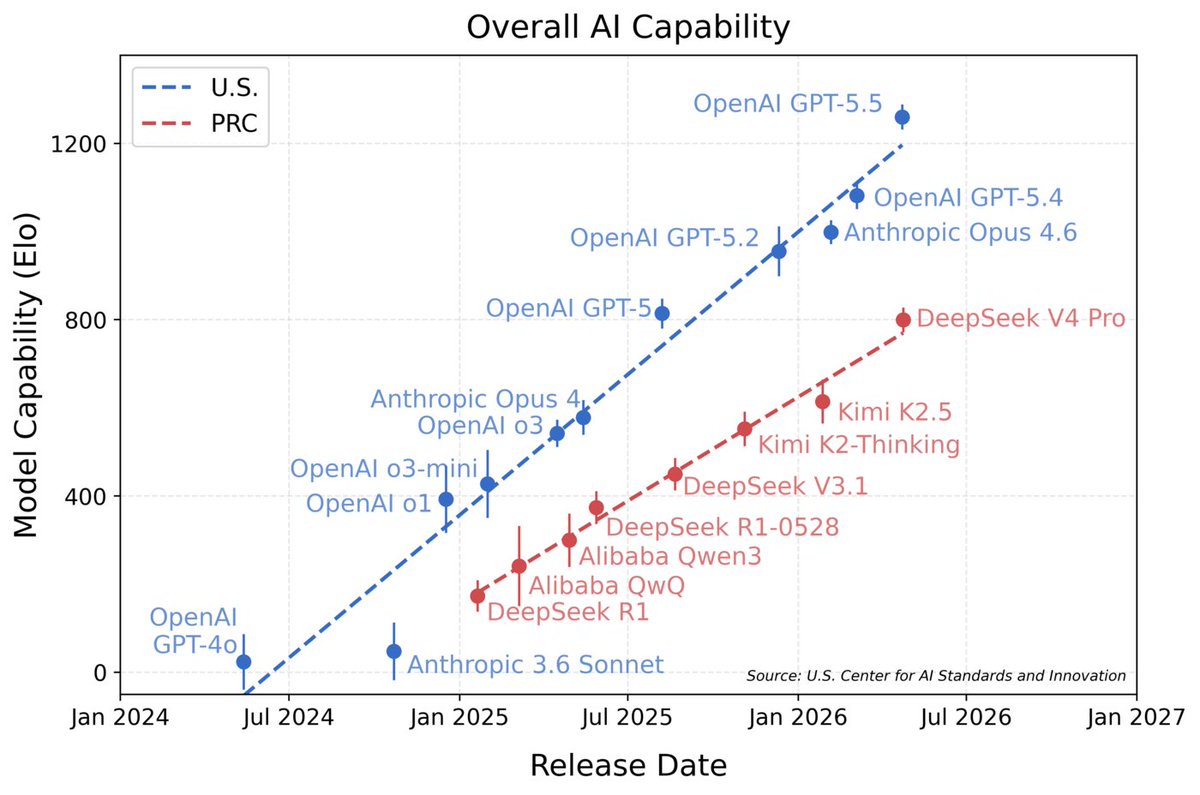
chinese models are ~8 months behind and are falling further behind
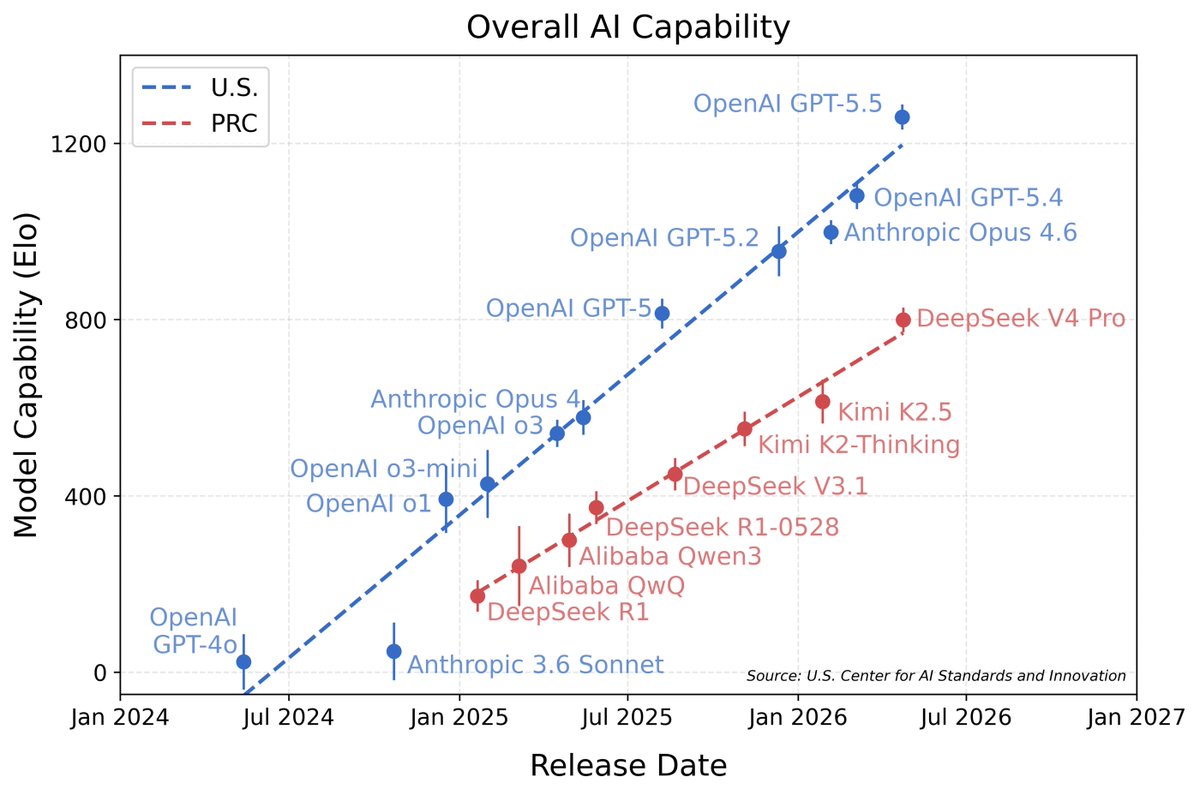
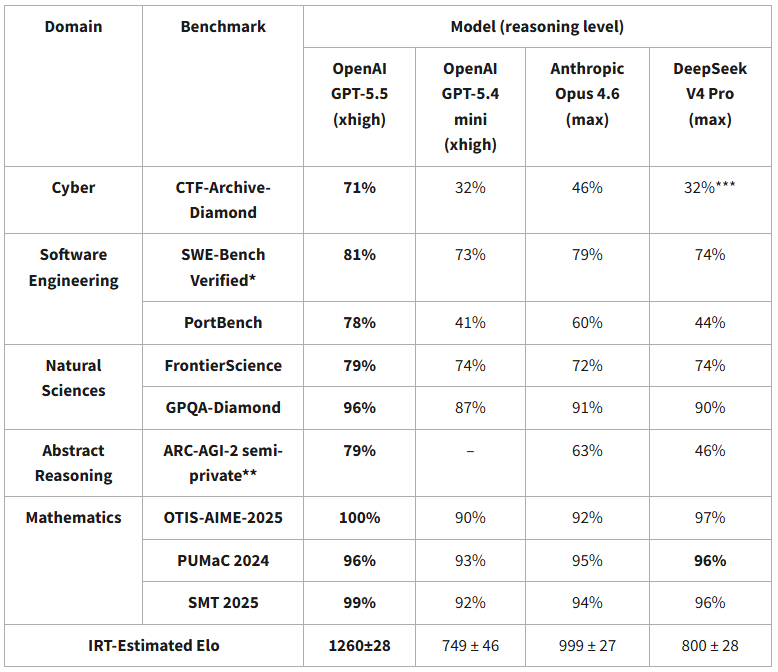

DeepSeek V4’s capability lags behind leading U.S. models by about 8 months. nist.gov/news-events/news/20…
316
297
3,302
897,888
R retweeted

Apr 21
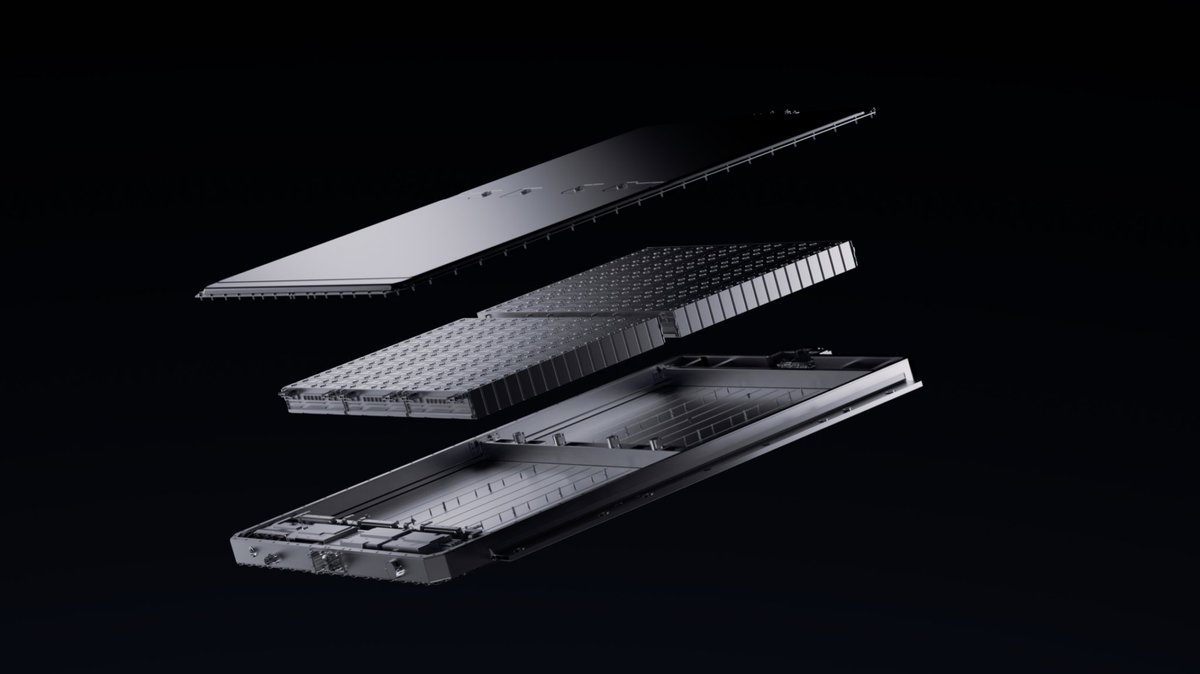
CATL, the world’s largest battery manufacturer, has unveiled its 3rd-generation Shenxing LFP battery.
• 10% to 35% charge in 1 minute
• 10% to 80% in 3 minutes & 44 seconds
• 10% to 90% in 6.5 minutes.
• Even at temps as low as -30°C (-20°F), CATL said it can recharge from 20% to 98% in as little as 9 minutes
• CATL claims the new LFP battery can retain over 90% of its original health after 1,000 ultra-fast charging cycles
• World-record internal resistance of 0.25 milliohms, ~50% lower than the average
• New self-heating pulse technology for better charging performance in cold weather
• New Cell Shoulder Cooling Technology, which is 20% more efficient
“We always deliver what we promise,” Gao Huan, the company’s CTO, told reporters today at an event in Beijing.
269
695
6,225
564,699
R retweeted

Apr 12
The Arab Word is Watching a Different War:
Three reasons why it has been difficult to understand the Arab position:
The first is the Arab relationship with Iran. From the vantage point of Brussels or London, Iran presents itself as a resistance movement with a grievance against American hegemony and Israeli occupation, and this presentation maps comfortably onto familiar Western anticolonial frameworks.
What it does not map onto is the lived experience of Arab populations in Lebanon, Iraq, Yemen, Bahrain, Syria, and across the Gulf. In those countries, Iran's presence meant Hezbollah holding the Lebanese state hostage to Tehran's decisions, thirty-five armed factions in Iraq drawing salaries from Iranian funds channeled through the Iraqi national treasury, and Houthi commanders answering to the Islamic Revolutionary Guard Corps while firing on Arab civilians from Yemeni soil. Freedom is not the word any serious Arab observer would use for what Iran brought.
Indeed, the Arab world's quarrel with Iran runs far deeper than American bases or Israeli airstrikes. What drives it is the systematic subversion of Arab sovereignty by a foreign power that uses the language of Islamic solidarity as cover for an imperial project conducted through proxies.
The second dimension is the proxy question itself, where Western analysis fails most comprehensively. Iran goes far beyond supporting armed groups. Parallel state structures get built inside Arab countries, financial systems get captured, and political figures get installed who owe their existence and survival entirely to Tehran.
The Iranians who have administered this project understand it as the export of a revolution, but what Arab populations have experienced is closer to a colonial occupation conducted through intermediaries, and as of now, they’re not mourning the Islamic Republic.
When Westerners treat these proxy networks as instruments of legitimate resistance rather than as mechanisms of subjugation, they endorse an imperial project while believing themselves to be opposing one, and as a matter of fact, make themselves the legitimizing force behind Iran’s war against the Arab world.
The third dimension is the most counterintuitive for a Western audience, and it is the one most consequential for how the current war is understood and misunderstood. For Arab nationalists, including secular nationalists and even those with deep reservations about Israeli policy, Iran represents a greater and more immediate threat than Israel does.
This is a position that Western media are structurally ill-equipped to render intelligible, because Western discourse on the Middle East has been organized for decades around the Israeli-Palestinian conflict as the primary axis of regional injustice.
The result is that when Western governments and Western publics take strong positions against Israel’s actions against Iran’s operations, they believe themselves to be standing with the Arab world. In reality, they are advancing a position that the Arab world does not share and has not asked for, while ignoring the threat that Arab governments and Arab populations actually live with.
The rhetorical use of Israel as a perpetual alibi for Iranian aggression has been one of the Islamic Republic’s most durable tools, and Western opinion has served as the unwitting amplifier of that tool across the entire duration of the Islamic Republic’s existence.
open.substack.com/pub/zinebr…
258
2,097
5,804
765,059
R retweeted

Apr 12
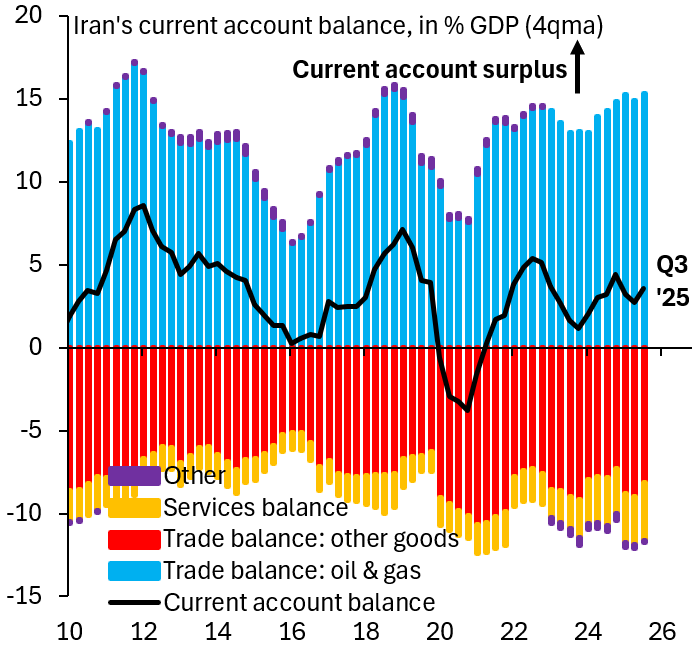
A blockade collapses the blue bars below to zero. This collapses Iran's business model, which means there's no money for imports and the red bars go to zero. Iran is a gas station masquerading as an Islamic Republic. Time to shut down the gas station...
robinjbrooks.substack.com/p/…
80
233
1,002
93,263
R retweeted

Apr 10
چرا جمهوری اسلامی نت رو قطع کرد؟
چون نمیخواست این تصاویر در دنیا پخش بشه و مشخص بشه که ۹۰درصد مردم ایران مخالف جمهوری اسلامی و طرفدار پهلوی هستن
#جاویدشاه
324
7,620
19,209
157,545
R retweeted

Apr 8
It's a horrible sci-fi movie but reality.
A tyrannical insane true-believer death cult.
What is the answer?
only fools fail to hear the echoes of lessons of history that where reason and negotiations cannot possibly prevail to improve the situation, only lethal violence can
Apr 8

The head of Iran’s judiciary, Mohseni Ejei, has issued an order to speed up the executions of detained anti-regime protesters
17
140
336
9,176
R retweeted

Iranian woman here, I have campaigned for this war for 5 years: Lasting peace is not an option with this barbaric and two-faced (taqiye-) regime. (Taqiye is their !5lam;c lying) And they are finished by the way, even if @realDonaldTrump leaves now. It will maybe take years, maybe even 10 years of guerrilla warfare, but the Iranians will finish the job. About 85-95 % of the people hate these trrrsts.
But please don’t leave us alone with these monsters. It is in the interest of the US and the free world, the world really, that they become history. And thank you so much for all that you have done for Iran, we are forever grateful. 🙏🏻🙏🏻🙏🏻This much damage to this trrrst regime would not have been possible for the unarmed people of my country.
Thank you Benjamin Netanyahu
@netanyahu @IDF 🙏🏻🙏🏻🙏🏻 You have been an ally to the Iranians for years. We are forever grateful.
& Thank you, @LindseyGrahamSC @SecRubio @PeteHegseth @SteveWitkoff @jaredkushner
I also don’t believe that Trump is going to leave now, as he demands a complete victory for the US, and this hopefully means the US and Israel will help Iranians fight, from the air, as the Iranians fight on the ground.
Arming the followers of @PahlaviReza will be the best solution on the ground. This regime, if they stay: The reign of trrr and funding their proxies and militias is going to continue. They can’t be trusted to end their nuclear program. They can’t be trusted.
Lasting peace is not an option with this barbaric and two-faced regime.
137
164
545
24,309
R retweeted

Apr 7
Iranian woman explains why freeing Iran from 47 years of Islamic rule doesn’t fit the left’s narrative. Pay attention to what she’s saying.
“The Islamic Republic is NOT a victim of Western imperialism. It’s a theocratic regime that survives via terrorism”
171
3,769
9,107
113,585