Film Director of Tharunam (2025), DEJAVU (Tamil) & REPEAT (Telugu) Email : dreamworkstroop@gmail.com
Joined May 2014
- Tweets 9,224
- Following 147
- Followers 2,249
- Likes 18,744
1,218 Photos and videos

May 27
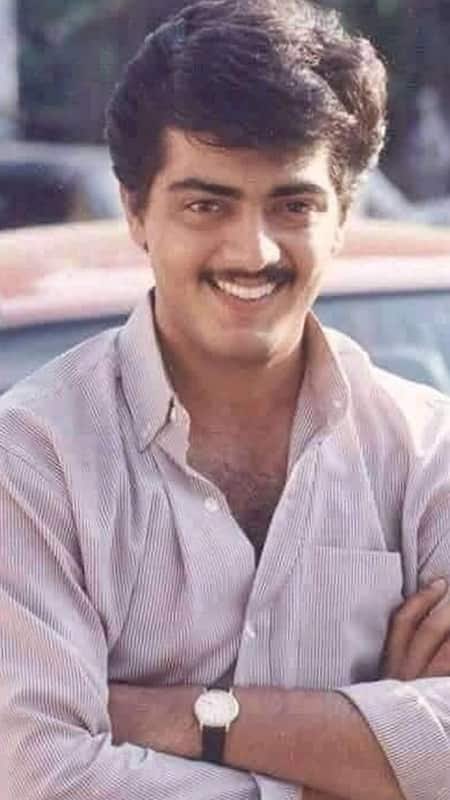
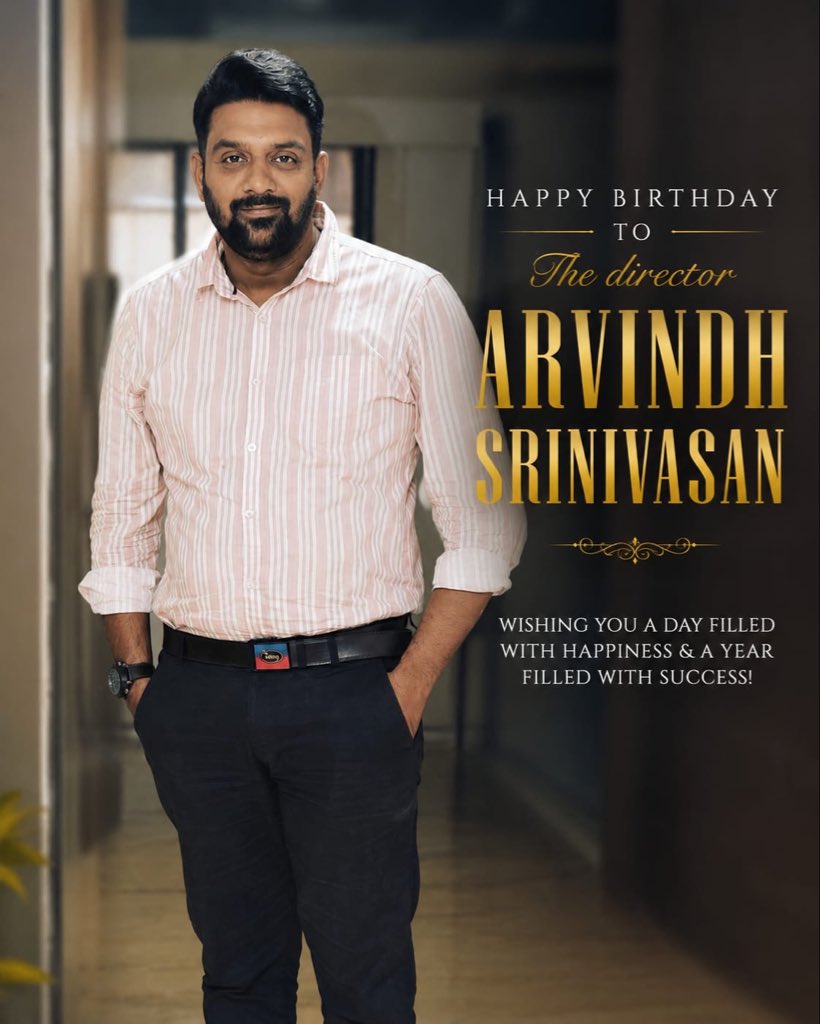
Feeling Blessed ✨
Thank you everyone for the lovely birthday wishes, messages, calls, and blessings. Your kind words truly made my day extra special. Feeling grateful and blessed to have such wonderful people in my life. ❤️🙏
4
6
1,337

May 18
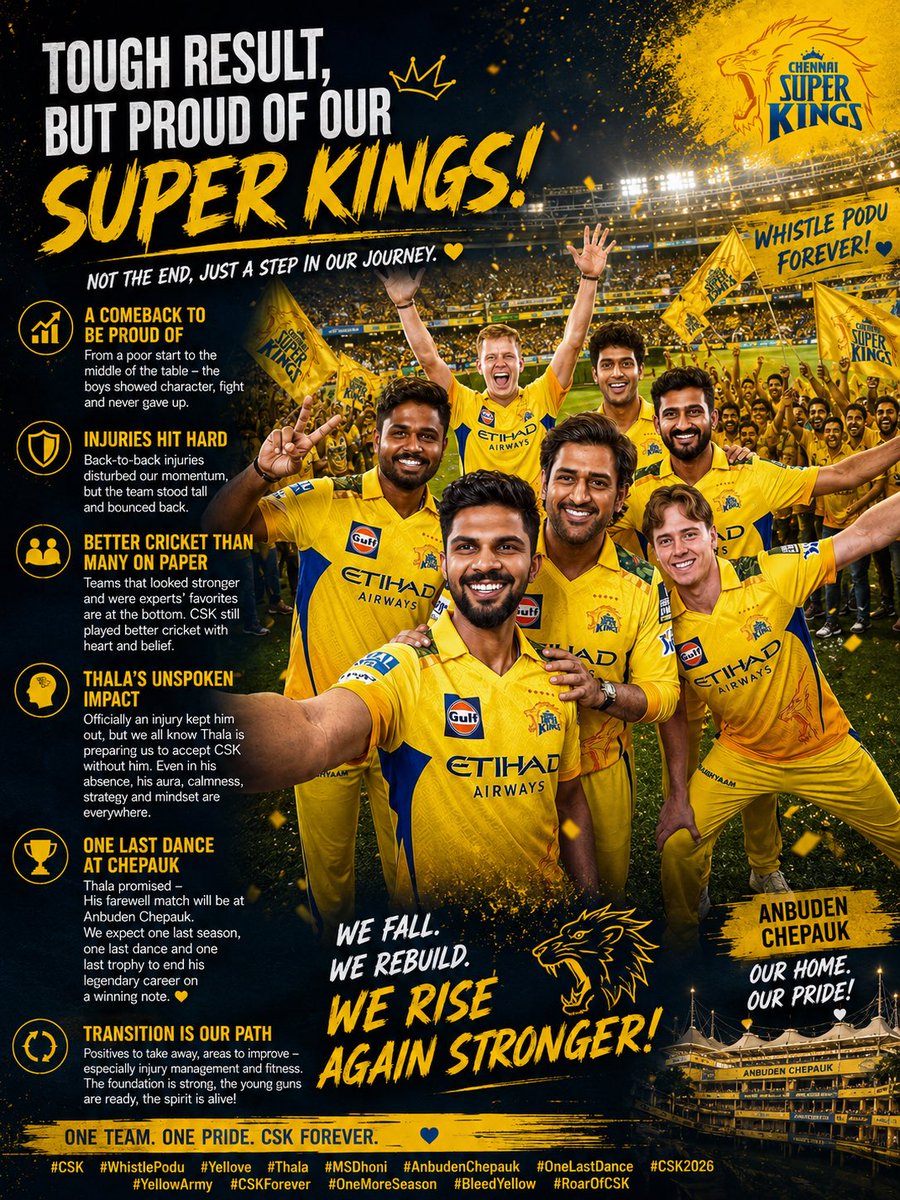
Yes, tonight’s loss against Sunrisers Hyderabad almost ends the playoff hopes for Chennai Super Kings. But when we look back at the season as a whole, there is still a lot this team can be proud of. 💛
The season started very poorly, and back-to-back injuries completely affected the balance and momentum of the squad. Yet the team fought back strongly and managed to climb back to the middle of the table. That itself shows the character and fighting spirit within this group.
What makes this even more important is that many teams which looked much stronger on paper — and were predicted by almost every expert to dominate the season — are ending up at the bottom of the table. That itself proves CSK still played better cricket despite all the challenges.
This season also quietly felt emotional for fans. Officially, MS Dhoni may have missed the season due to injury, but many of us understand that Thala was slowly preparing everyone to accept a CSK without him on the field. Even in his absence, the team still carries his aura, calmness, strategy, and mentality.
But one thing keeps every CSK fan hopeful — MSD had once promised that his farewell match would happen at “Anbuden Chepauk.” And that is why fans still believe and expect Thala to return for one final season. A legend like him deserves to end his incredible career on a winning note, lifting one more trophy in yellow. 🏆💛
We are clearly in a transition phase now. There are positives to take away, and there are areas that need serious improvement — especially injury management and squad fitness. But the foundation remains strong, the young players have stepped up, and the fighting spirit is still alive.
CSK has never been just about one season.
We fall. We rebuild. We rise again stronger. 🦁💛
Whistle Podu forever! #CSK forever
#CSK #ChennaiSuperKings #WhistlePodu #Thala #MSDhoni #Dhoni #AnbudenChepauk #YellowArmy #CSKForever #IPL #IPL2026 #Yellove #ThalaForever #OneLastDance #Chepauk #CSKFans #WhistlePoduArmy #SuperKings #TamilNadu #Cricket #IPLEmotion #DhoniForever #TransitionPhase #CSKvsSRH #BelieveInCSK #BleedYellow #ThalaReturns #RoarOfCSK #NextSeason
#CSKvsSRH
3
226
May 10
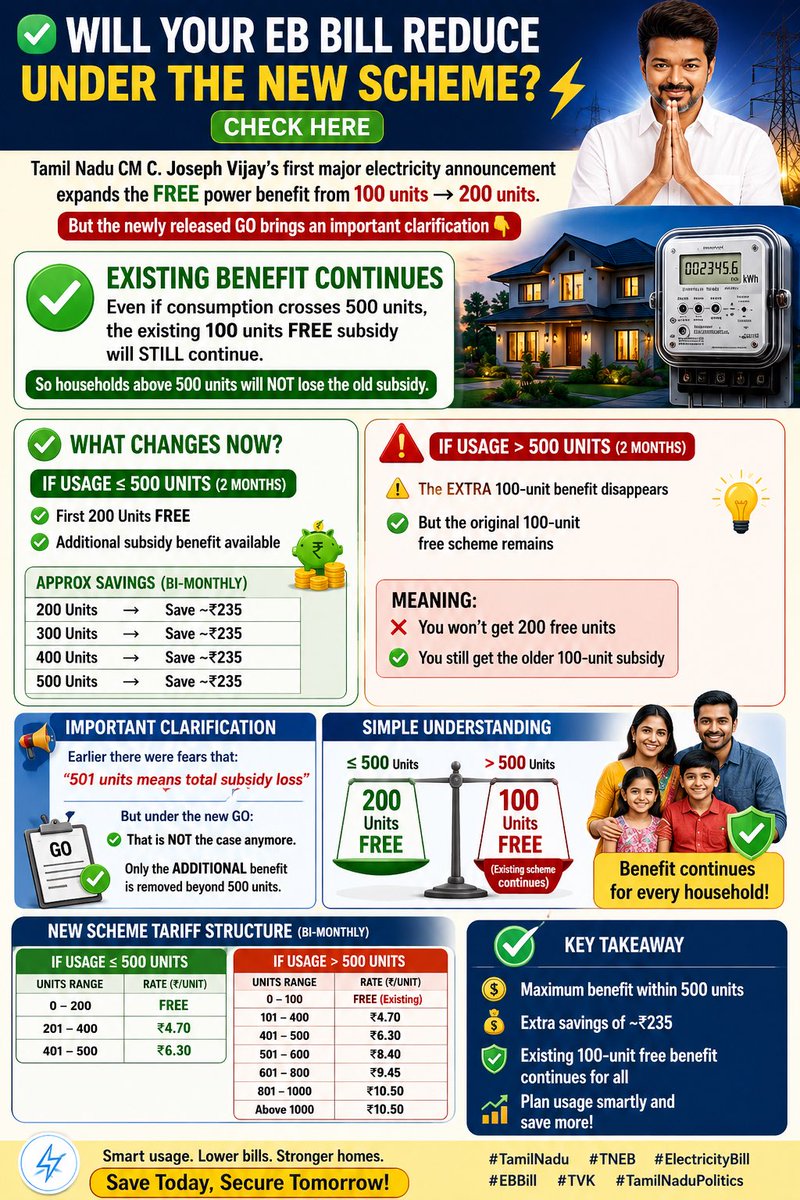
✅ Will Your EB Bill Reduce Under the New Scheme? Check Here ⚡
Tamil Nadu CM C. Joseph Vijay’s first major electricity announcement expands the FREE power benefit from 100 units → 200 units.
But the newly released GO brings an important clarification 👇
━━━━━━━━━━━━━━━
📌 EXISTING BENEFIT CONTINUES
✅ Even if consumption crosses 500 units,
the existing 100 units FREE subsidy will STILL continue.
So households above 500 units will NOT lose the old subsidy.
━━━━━━━━━━━━━━━
📌 WHAT CHANGES NOW?
🟢 If Usage ≤ 500 Units (2 months)
✅ First 200 Units FREE
✅ Additional subsidy benefit available
Approx Savings:
• 200 Units → Save ~₹235
• 300 Units → Save ~₹235
• 400 Units → Save ~₹235
• 500 Units → Save ~₹235
━━━━━━━━━━━━━━━
🔴 If Usage > 500 Units
⚠️ The EXTRA 100-unit benefit disappears
✅ But the original 100-unit free scheme remains
Meaning:
❌ You won’t get 200 free units
✅ You still get the older 100-unit subsidy
━━━━━━━━━━━━━━━
💡 Important Clarification
Earlier there were fears that:
“501 units means total subsidy loss”
But under the new GO:
✅ That is NOT the case anymore.
Only the ADDITIONAL benefit is removed beyond 500 units.
━━━━━━━━━━━━━━━
📊 Simple Understanding
≤ 500 Units
➡ 200 Units FREE
> 500 Units
➡ 100 Units FREE (existing scheme continues)
━━━━━━━━━━━━━━━
#TamilNadu #TNEB #ElectricityBill #EBBill #TVK #TamilNaduPolitics
#TamilNadu #TNEB #EBBill #ElectricityBill #CurrentBill #TVK #Vijay #TamilNaduPolitics #FreeElectricity #200UnitsFree #TamilNews #Chennai #TNElectricity #EBTariff #PowerSubsidy #TNPolitics #BreakingNews #TamilUpdates #ElectricitySubsidy #TVKGovernment
2
1
470
Arvindh Srinivasan retweeted

May 10
மாண்புமிகு தமிழ்நாடு முதலமைச்சராகப் பொறுப்பேற்றுள்ள தமிழக வெற்றிக் கழகத் தலைவர் திரு. @ActorVijay அவர்களுக்கு எனது மனப்பூர்வமான வாழ்த்துகளைத் தெரிவித்துக் கொள்கிறேன்.
பதவியேற்றதும் தாங்கள் கையெழுத்திட்டுள்ள அறிவிப்புகளையும் வரவேற்கிறேன்.
எடுத்த எடுப்பிலேயே அரசிடம் பணம் இல்லை எனப் பேச ஆரம்பிக்காதீங்க. அதெல்லாம் இருக்கு. மக்களுக்குக் கொடுக்க மனசும், ஆட்சித் திறமையும்தான் வேணும்.
ஐந்து ஆண்டுகளாக, கோவிட், வெள்ளம் போன்ற பல பிரச்சினைகளையும் ஒன்றிய பா.ஜ.க. அரசின் ஓரவஞ்சனையையும் சமாளிச்சுதான் நாங்க எண்ணற்ற மக்கள்நலத் திட்டங்களை நிறைவேற்றினோம்.
'ரூபாய் 10 லட்சம் கோடி கடனை வைத்துவிட்டு, கஜானாவைத் துடைத்து விட்டுச் சென்றுள்ளது கடந்த அரசு' - என்ற குற்றச்சாட்டை முதல் உரையிலேயே சொல்லி இருக்கீங்களே… அனுமதிக்கப்பட்ட வரம்புக்குட்பட்டே தமிழ்நாட்டின் கடன் அளவு இருக்கிறது.
தமிழ்நாடு அரசின் நிதிநிலை பற்றி கடந்த பிப்ரவரி மாத பட்ஜெட்லயே தெளிவா நாங்க சொல்லிட்டோம். அது உங்களுக்குத் தெரியாதா? அதுக்குப் பிறகுதான நீங்க பல வாக்குறுதிகளை மக்களுக்குக் கொடுத்தீங்க? உங்களுக்கு வாக்களித்த மக்களை மீண்டும் ஏமாற்றி திசைதிருப்பாதீங்க!
“நடைமுறைக்கு சாத்தியமானதை மட்டுமே வாக்குறுதிகளாக அளிக்கிறேன்” எனக் கூறி ஆட்சிக்கு வந்துள்ள நீங்கள் இப்போதுதான் அரசு நிர்வாகத்துக்குள் அடியெடுத்து வைக்கிறீர்கள். கூடிய விரைவில் மக்களுக்குக் கொடுத்த வாக்குறுதிகளை எப்படி நிறைவேற்றலாம் எனும் நுணுக்கங்களையும் எங்களைப் போலவே நீங்களும் நிச்சயம் கற்றுக்கொள்வீர்கள் என நான் நம்புகிறேன். வாக்களித்த மக்களோடு, நானும் அதையே எதிர்பார்க்கிறேன்.
தங்களின் ஆட்சியில் தமிழ்நாட்டின் வளர்ச்சிப் பயணம் தொடர மீண்டும் எனது வாழ்த்துகள்!
3,169
16,670
62,625
4,075,823
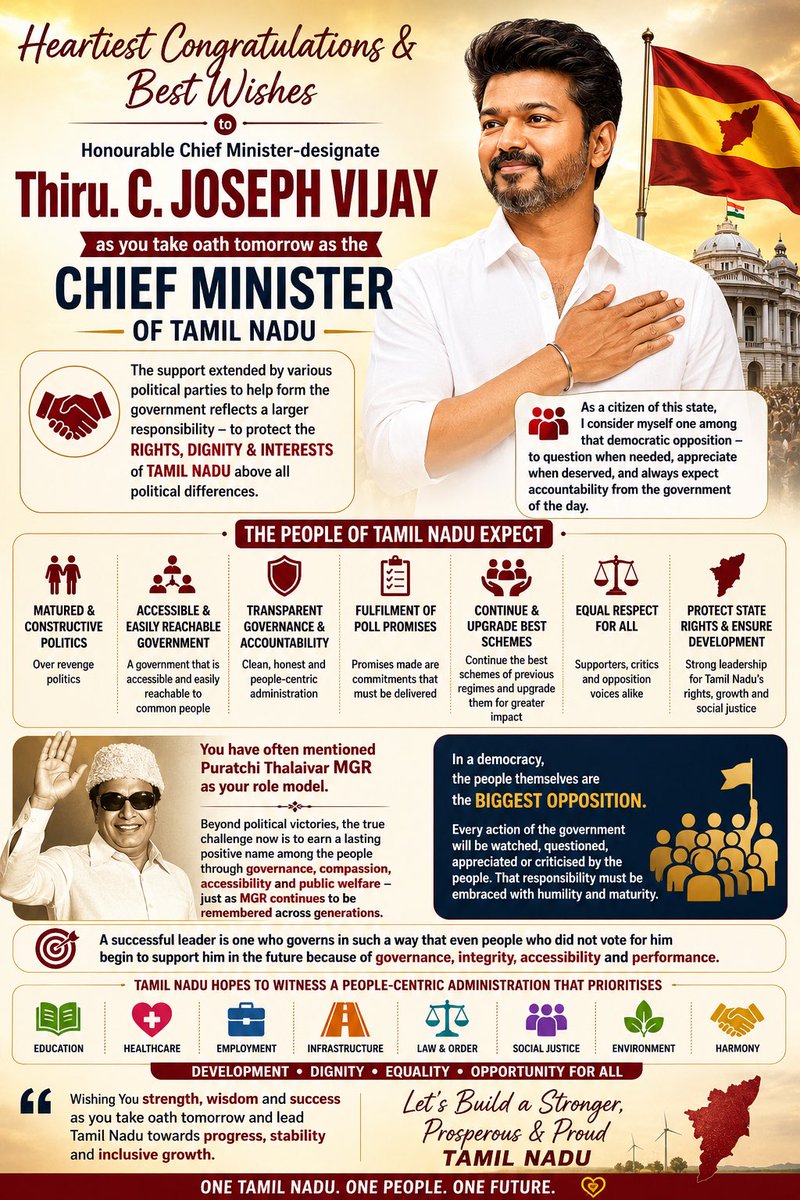
Congratulations and best wishes to Honourable Chief Minister-designate Thiru. C. Joseph Vijay ahead of his oath-taking ceremony tomorrow as the Chief Minister of Tamil Nadu.
This mandate and the support extended by various political parties to help form the government reflect a larger responsibility — to protect the rights, dignity, and interests of Tamil Nadu beyond political differences.
As a citizen of this state, I consider myself one among that democratic opposition — not to oppose for the sake of opposing, but to question when needed, appreciate when deserved, and always expect accountability from the government of the day.
The people of Tamil Nadu now expect:
• Matured and constructive politics over revenge politics
• A government that is accessible and easily reachable to common people
• Transparent governance with accountability
• Fulfilment of the poll promises made to the public
• Continuation of the best welfare schemes and development initiatives introduced by previous governments, while upgrading and improving them wherever necessary
• Equal respect for supporters, critics, and opposition voices alike
• Strong leadership in protecting Tamil Nadu’s state rights while ensuring development and social justice
Thiru. C. Joseph Vijay has often mentioned Puratchi Thalaivar M. G. Ramachandran as his role model. Beyond political victories, the true challenge now is to earn a lasting positive name among the people through governance, compassion, accessibility, and public welfare — just as leaders like MGR continue to be remembered across generations.
A successful leader is one who governs in such a way that even people who did not vote for him begin to support him in the future because of governance, integrity, accessibility, and performance.
Tamil Nadu hopes to witness a people-centric administration that prioritises development, employment, education, healthcare, infrastructure, law and order, and harmony above political vendetta.
Wishing Thiru. C. Joseph Vijay strength, wisdom, and success as he prepares to take oath tomorrow and lead Tamil Nadu towards progress, stability, and inclusive growth.
#TamilNadu #JosephVijay #ChiefMinister #TVK #MGR #TamilNaduPolitics #GoodGovernance #StateRights #Democracy #ProgressTamilNadu #tncmvijay #cmvijay
1
328
Dear so-called leading media and senior journalists, what is stopping you from verifying the source or information before publishing it? If you are not doing so, then what is the difference between fan handles and yourselves? Have some moral responsibility. However, if you are getting paid to publish such news, then do it under your personal account and without carrying your brand name.
#TNPolitics #TamilNaduPolitics #MediaAccountability #FakeNews #Journalism #TVK #TNElections

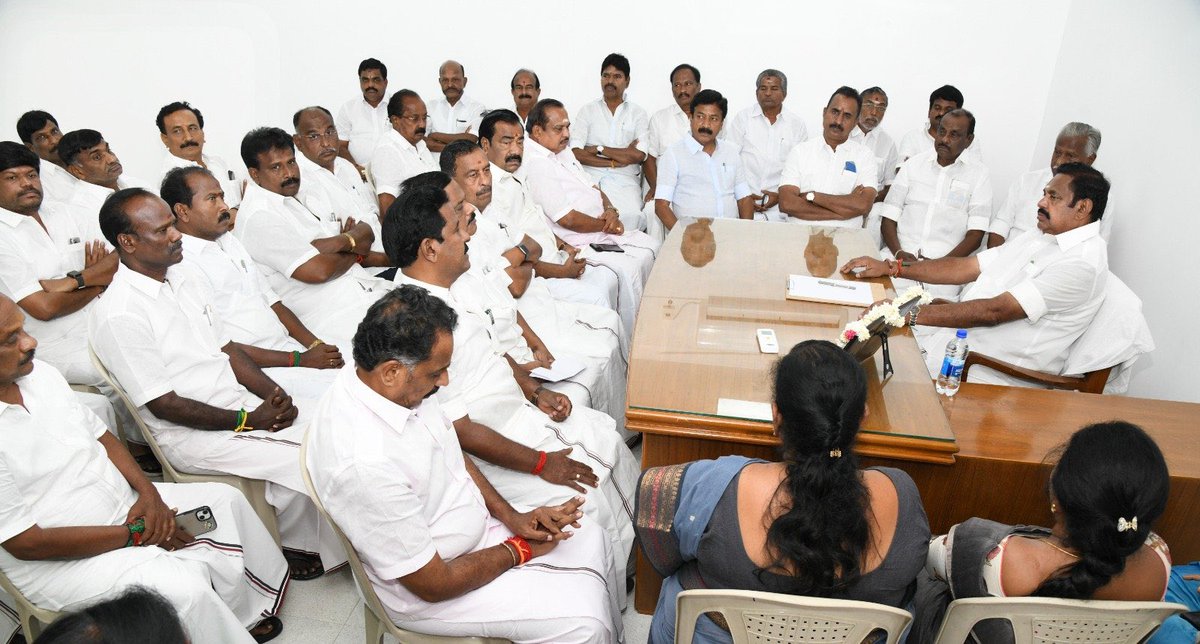
This photo was taken now, you can clearly see CV Shanmugam, SP velumani and Vijay Basker part of the meeting.
151
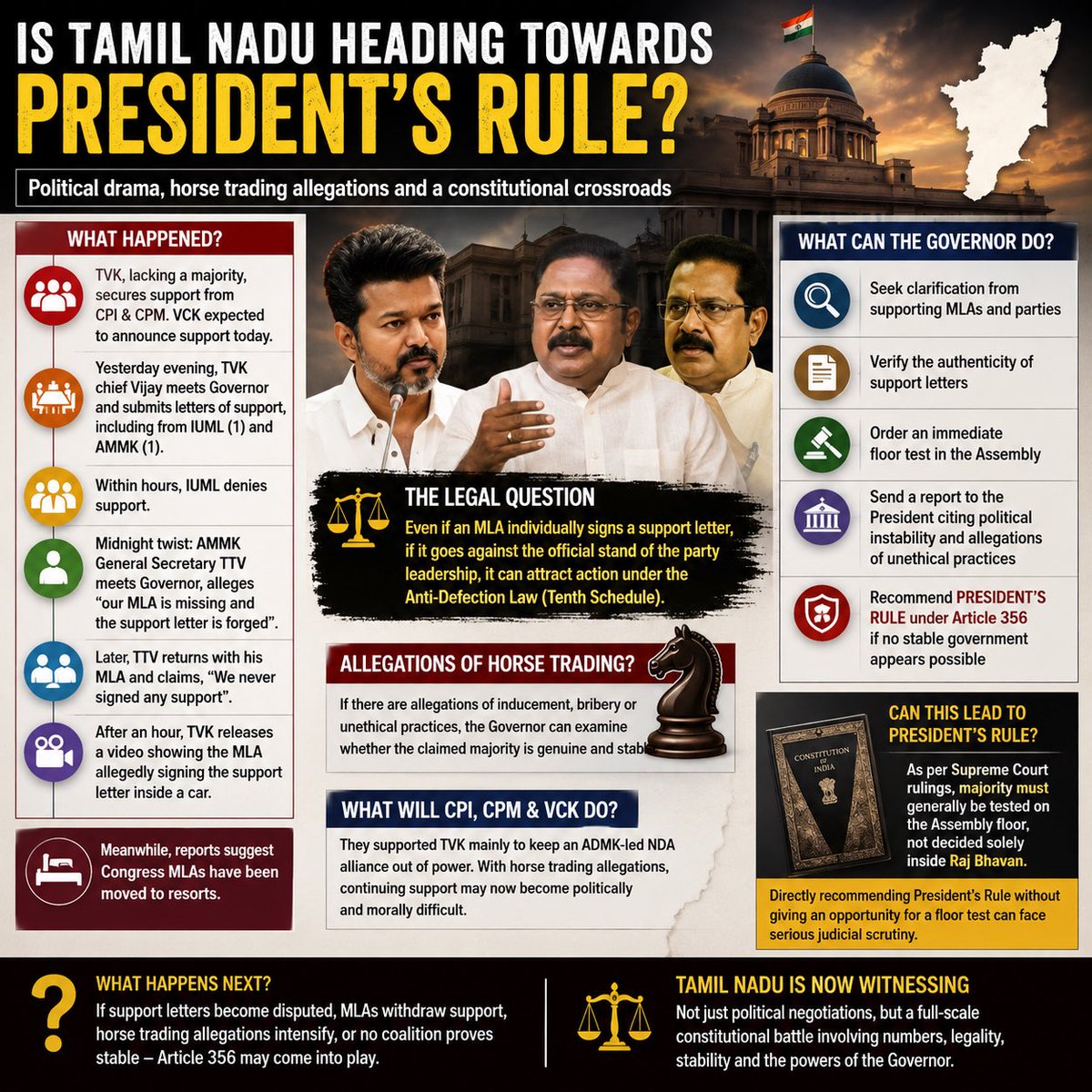
Is Tamil Nadu Heading Towards President’s Rule?
And can the “support letter video” itself become evidence in a poaching probe? 👇
TVK, which initially lacked the numbers to form the government, managed to secure support from CPI and CPM to stake claim. VCK is also expected to officially extend support.
Yesterday evening, TVK chief Joseph Vijay met the Governor and submitted letters claiming support from alliance partners and independent MLAs. Surprisingly, support from IUML (1) and AMMK (1) was also reportedly included.
But within hours, the political atmosphere changed dramatically.
• IUML publicly denied supporting TVK
• Around midnight, AMMK general secretary T. T. V. Dhinakaran met the Governor alleging:
“Our MLA is missing and the support letter submitted by TVK is forged.”
• Later, he appeared along with the MLA and again stated:
“We never officially supported TVK.”
Soon after this controversy, TVK released a video allegedly showing the MLA signing the support letter inside a car.
Now the biggest legal and political question is:
Can this very video become evidence in a poaching or horse trading investigation?
Possibly — yes.
Because the issue is no longer just whether the MLA signed the letter. The real question becomes:
👉 Under what circumstances was the signature obtained?
👉 Was there political pressure, inducement, or coercion involved?
👉 Was the MLA acting independently or against the official stand of his party?
👉 Was there any promise of office, money, or protection behind the scenes?
In constitutional practice, if a party leadership itself alleges that its MLA was taken away or influenced without authorization, investigative agencies may examine:
• the timing of the meeting,
• the location,
• who accompanied the MLA,
• communication records,
• and even videos released publicly.
Ironically, the same video released to prove legitimacy could now also be examined to determine whether political poaching took place.
Legally, merely signing a support letter is not automatically illegal. MLAs are individually elected representatives. But if allegations of inducement, illegal confinement, bribery, or defection emerge, the matter can escalate under:
• Anti-Defection provisions (Tenth Schedule)
• Criminal conspiracy or coercion allegations, if evidence exists
• Constitutional scrutiny by the Governor regarding stability of the government
This is where the Governor’s role becomes crucial.
Once allegations of horse trading emerge, the Governor can:
• Verify support letters independently
• Call MLAs individually to confirm support
• Order an immediate floor test
• Delay invitation until clarity emerges
• Send a constitutional report to the President citing instability
And if the Governor concludes that:
• no stable coalition exists,
• majority claims are disputed,
• or unethical practices are influencing government formation,
then Article 356 and President’s Rule may formally enter the discussion.
However, Supreme Court rulings clearly say majority should normally be tested on the Assembly floor — not decided entirely inside Raj Bhavan. Any recommendation for President’s Rule without giving a fair chance for floor test could face judicial review.
Tamil Nadu is now entering a phase where every move — every support letter, every video, every allegation — may carry constitutional consequences.
#TamilNaduPolitics #PresidentRule #TVK #Vijay #Governor #Article356 #HorseTrading #PoliticalCrisis #TamilNadu #VCK #CPM #CPI #Congress #ADMK #DMK #TTV
235
#VCK #CPI & #CPM took this decision only after consulting with #MKS Sir . They wanted to give him a chance to #TVK and see his performance. They also dont want to give a chance to center to take a control over this situation by implementing Governor rule. They clarified that they are still in DMK alliance and this support only to form the new government.
Since both the communist parties only gave unconditional support its gonna be very interesting days ahead
#TNPolitics
1
2
538

#WATCH | Chennai, Tamil Nadu | On being asked if an alliance between DMK and AIADMK is possible, DMK spokesperson TKS Elangovan says, "...I don't think it is possible because we, DMK and AIADMK, are the major enemies in Tamil Nadu politics..."
25
196
823
98,321
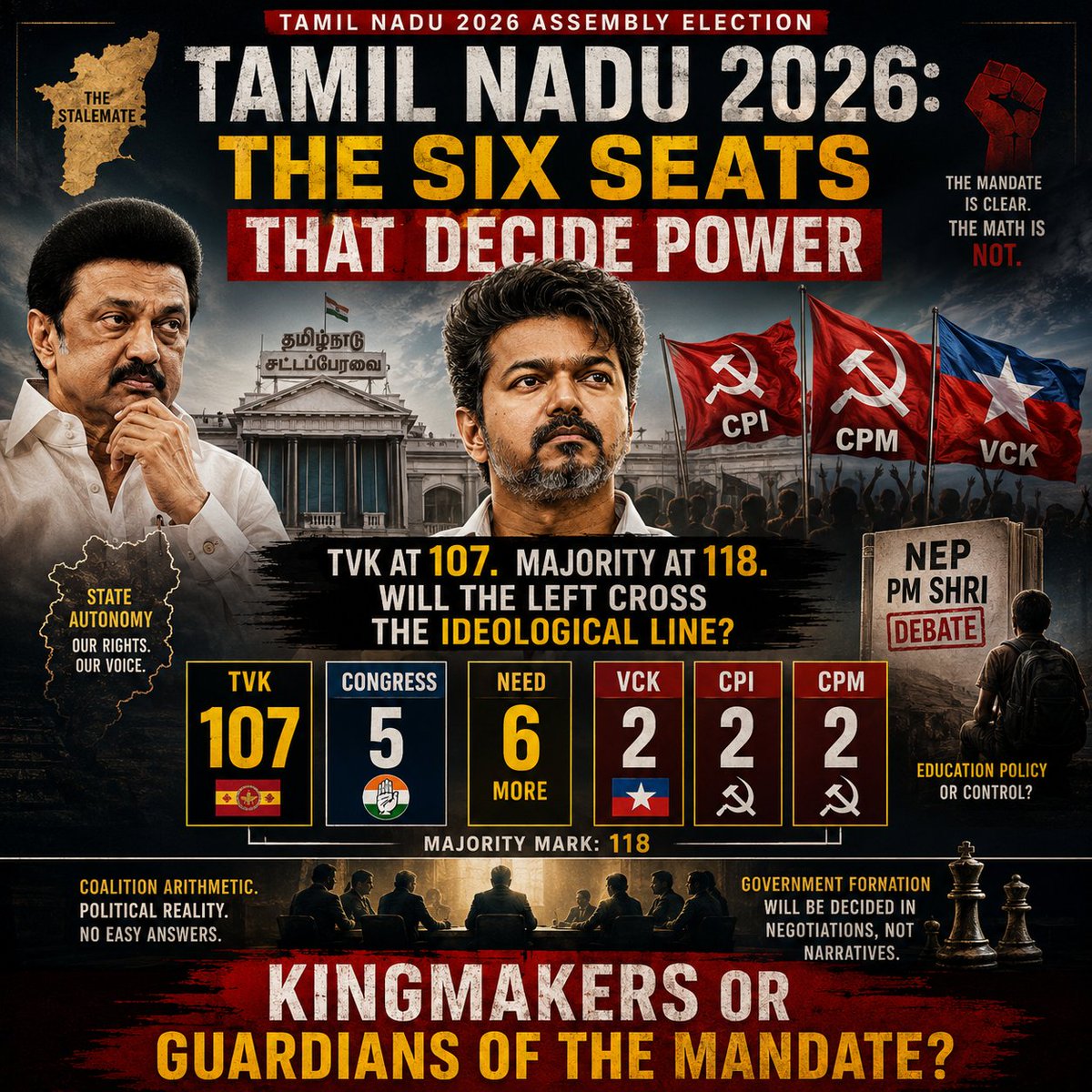
🚨 The 6 Seats That Decide Tamil Nadu : Will VCK, CPI, & CPM Back TVK?
While Vijay’s Tamilaga Vettri Kazhagam (TVK) has emerged as the single largest party with 108 seats, the road to the magic majority mark of 118 is turning into a constitutional, ideological, and strategic battle.
Here’s the neutral breakdown of the numbers and the politics that could decide Tamil Nadu’s next government 👇
━━━━━━━━━━━━━━━
📌 1. THE “107” REALITY
━━━━━━━━━━━━━━━
TVK officially won 108 seats.
But Vijay contested and won from both Perambur and Trichy East. Constitutionally, he must resign from one seat within 14 days.
➡️ Effective strength: 108 → 107
Congress (5) is already moving toward supporting TVK.
➡️ Total support: 112
🎯 Majority mark: 118
❗ Gap remaining: 6 seats
That puts the entire government formation process in the hands of one decisive bloc:
• VCK – 2
• CPI – 2
• CPM – 2
“The Six” now hold the balance of power in Tamil Nadu.
━━━━━━━━━━━━━━━
📌 2. NATIONAL SURVIVAL vs STATE POWER
━━━━━━━━━━━━━━━
For CPI and CPM, this decision is not just about Fort St. George.
It’s about political survival across India.
After the loss of the LDF government in Kerala in May 2026, the Left now controls ZERO state governments for the first time in decades.
Their parliamentary relevance is also deeply tied to Tamil Nadu.
Current national strength:
🔴 CPI(M)
• 4 Lok Sabha MPs
• 3 Rajya Sabha MPs
🔴 CPI
• 2 Lok Sabha MPs
• 2 Rajya Sabha MPs
The crucial point:
Out of those combined 6 Lok Sabha MPs, FOUR were won in Tamil Nadu through the DMK alliance and its grassroots machinery.
➡️ 2 CPI MPs
➡️ 2 CPM MPs
If the Left breaks with DMK now, it risks complete marginalization in the 2029 Lok Sabha elections.
For CPI and CPM, DMK is currently their strongest bridge to national relevance.
━━━━━━━━━━━━━━━
📌 3. THE ULTIMATE TEST:
STATE AUTONOMY, NEP & PM SHRI
━━━━━━━━━━━━━━━
Before VCK or the Left even consider support, they will demand clarity on one core issue:
👉 Will TVK firmly defend State Autonomy against BJP centralization?
TVK campaigned on:
• Dravidian principles
• Federal rights
• Two-language policy excluding Hindi
But the Left wants action — not campaign slogans.
⚠️ The PM SHRI Flashpoint
The Union Government is preparing another push to implement the PM SHRI school scheme in Tamil Nadu.
DMK strongly opposed it because it requires implementation of the National Education Policy (NEP) 2020.
🔴 CPI & CPM strongly oppose:
• NEP 2020
• PM SHRI
• Centralization of education
They recently resisted similar implementation efforts in Kerala as well.
But here’s the key political observation:
❗ Vijay has remained notably silent on:
• The Governor issue
• BJP criticism
• Central intervention
For the anti-BJP Left and VCK, this becomes the ultimate litmus test.
Will TVK:
✅ Openly defend state rights and reject NEP/PM SHRI?
OR
⚠️ Take a softer approach toward the BJP-led Centre for smoother governance?
If TVK compromises on education policy or state autonomy, Left support becomes extremely difficult.
━━━━━━━━━━━━━━━
📌 4. VCK’S “WAIT & WATCH” STRATEGY
━━━━━━━━━━━━━━━
Thol. Thirumavalavan has indicated that VCK’s decision will move alongside CPI and CPM.
Historically, these parties function as a coordinated ideological bloc within the Secular Progressive Alliance.
And this creates a serious political dilemma:
They campaigned door-to-door asking votes for a Stalin-led government.
Supporting an explicitly anti-DMK force immediately after the election could be viewed as:
⚠️ “A betrayal of the mandate.”
Unlike Congress — which has already absorbed criticism for moving toward TVK — the Left and VCK traditionally prioritize ideological consistency over short-term power equations.
━━━━━━━━━━━━━━━
📌 THE VERDICT
━━━━━━━━━━━━━━━
The future of Tamil Nadu politics may now rest with “The Six.”
VCK CPI CPM must decide between:
🔹 Immediate kingmaker status in a TVK-led government
OR
🔹 Long-term ideological and electoral stability within the DMK alliance
With Vijay’s seat resignation reducing TVK’s effective strength to 107, the margin for error is now almost zero.
Every vote matters.
Every abstention matters.
Every ideological signal matters.
Tamil Nadu now waits for one answer:
👉 Will TVK pass the State Autonomy test and win over the Left?
OR
👉 Will the DMK alliance mandate ultimately hold firm?
#TNElection2026 #TVK #DMK #Vijay #Stalin #VCK #CPI #CPM #TamilNaduPolitics #NEP #PMSHRI #StateAutonomy #TNPolitics
299
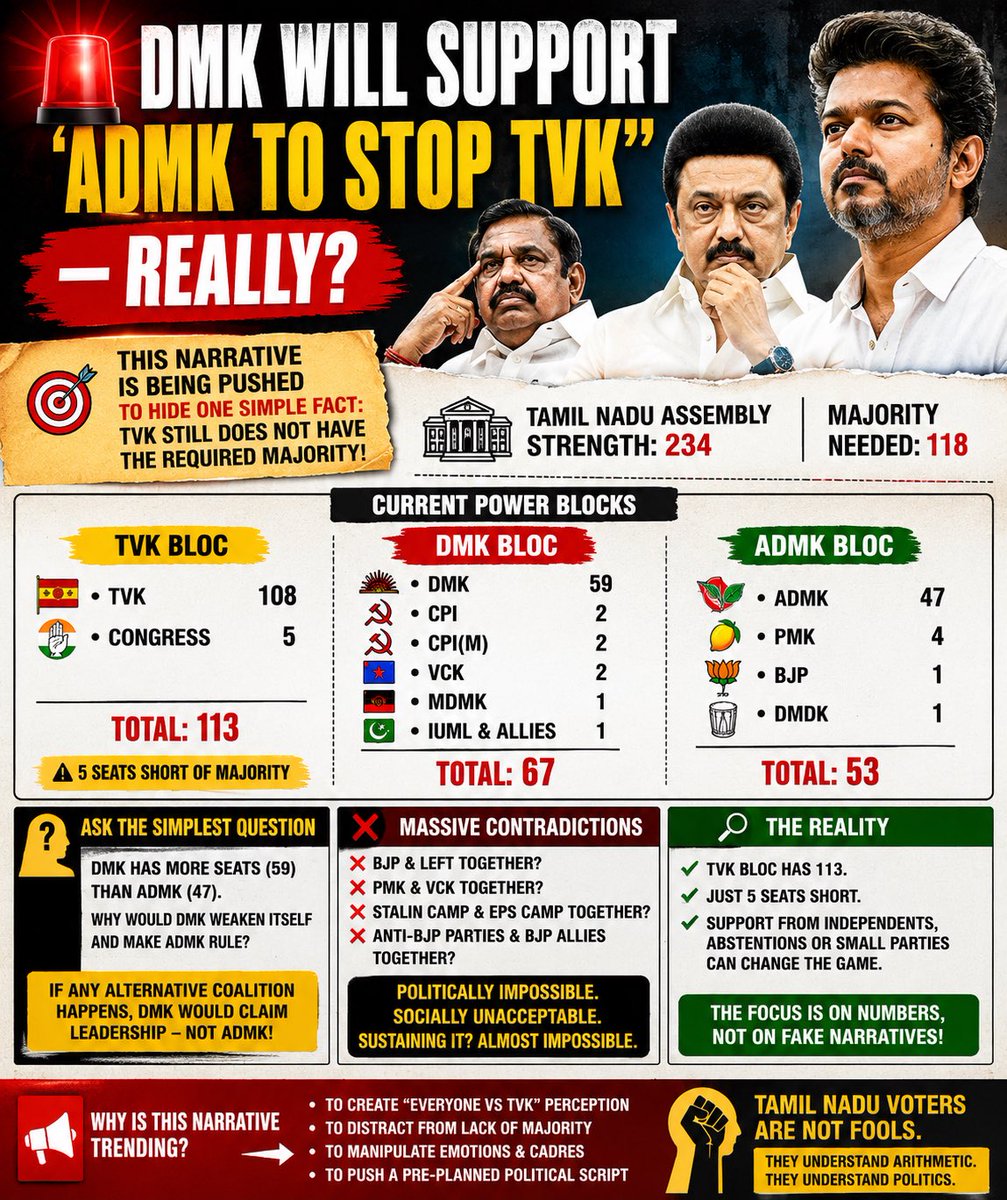
🚨 “DMK–ADMK Secret Talks?” — Or Just an Attempt to Hide Post-Poll Weakness?
Reality check:
🏛 Majority needed: 118
🟡 TVK Bloc: 113
🔴 DMK Bloc: 68
🟢 ADMK Bloc: 53
TVK is still 5 seats short.
But instead of discussing:
• why majority was missed
• why outside support became necessary
• why negotiations are still happening
…social media is flooded with “DMK will secretly support ADMK to stop TVK.”
Now ask the simplest question:
Why would DMK, with MORE seats than ADMK, voluntarily make ADMK rule Tamil Nadu?
DMK = 59
ADMK = 47
If any anti-TVK coalition discussion happens, DMK naturally has stronger claim to leadership.
No major party spends years weakening a rival only to suddenly revive it and hand over power.
And the contradictions are massive:
❌ BJP Left together
❌ PMK VCK together
❌ Stalin camp EPS camp together
This may work as a dramatic YouTube narrative…
not as a stable political arrangement.
Another narrative now being pushed:
👉 “DMK & ADMK are afraid of TVK.”
Funny, right?
Two parties that dominated Tamil Nadu politics for decades are suddenly being portrayed as “scared” because TVK still needs support to cross 118.
Political competition? Yes.
Fear narrative? Pure PR construction.
What’s more shocking is how aggressively this is amplified by certain senior journalists, influencers and media platforms that visibly leaned pro-TVK throughout the campaign.
If anyone objectively analyses the coverage patterns:
📌 “Unstoppable wave” narrative
📌 Emotional framing over arithmetic
📌 Downplaying alliance math
📌 Continuous “system vs TVK” storytelling
And now after results:
➡️ focus shifts from lack of majority
➡️ to “everyone is conspiring against TVK.”
Tamil Nadu voters understand politics far better than these scripted narratives assume.
#shared
#TVK #Vijay #TamilNaduPolitics #TNPolitics #DMK #ADMK #MKStalin #EPS #HungAssembly #TamilNadu
1
10
1,319
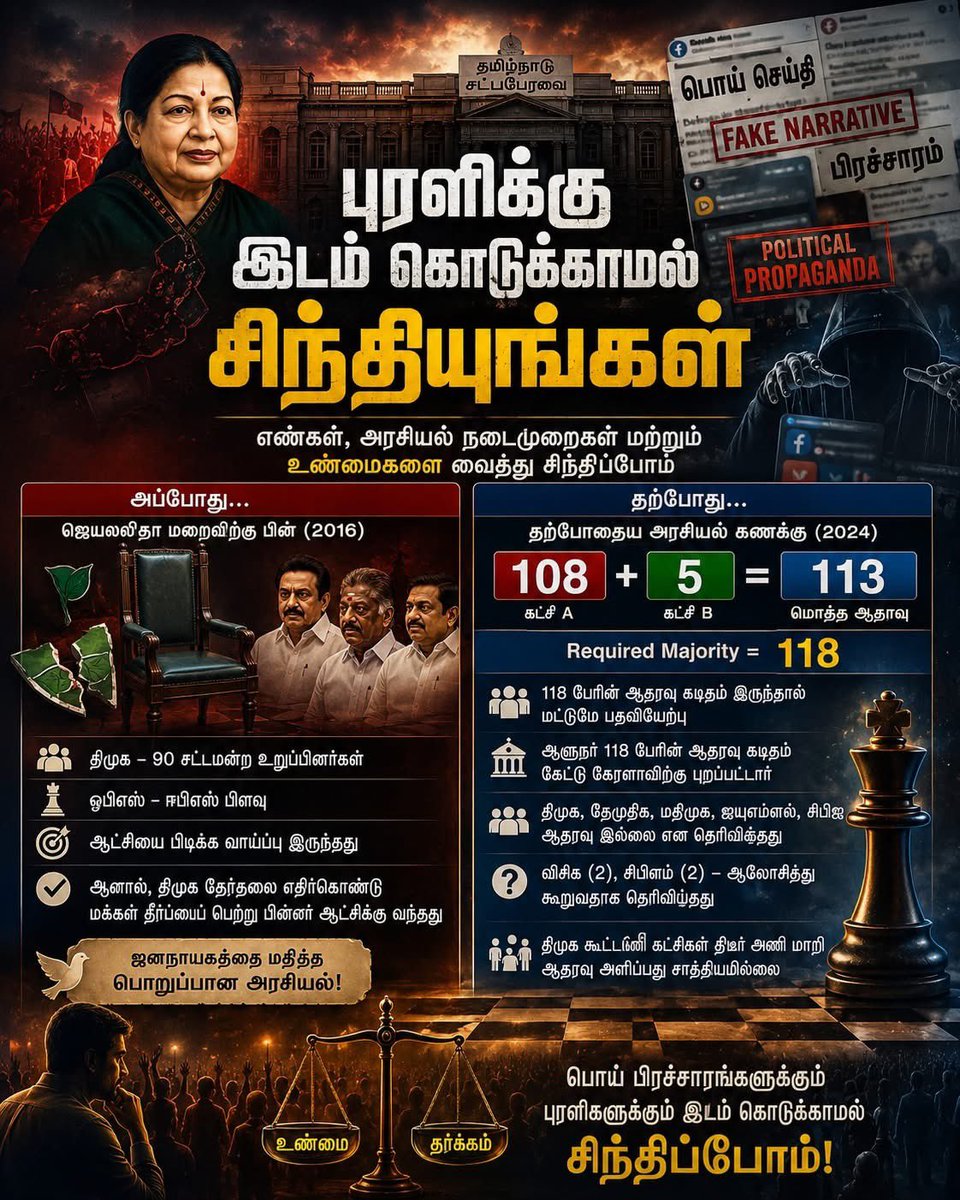
புரளிகளுக்கும் திட்டமிட்ட அரசியல் பிரச்சாரங்களுக்கும் இடம் கொடுக்காமல் சிந்தியுங்கள்.
முன்னாள் முதல்வர் J. Jayalalithaa அவர்கள் மறைந்த போது, திமுக 90 சட்டமன்ற உறுப்பினர்களைக் கொண்ட முக்கிய எதிர்க்கட்சியாக இருந்தது. அப்போது ஓபிஎஸ் - ஈபிஎஸ் பிரிவால் அதிமுகவில் கடுமையான குழப்ப நிலை ஏற்பட்டிருந்தது. அந்த நேரத்தில் திமுக நினைத்திருந்தால் ஆட்சியை பிடிக்கும் அரசியல் முயற்சியில் இறங்கியிருக்க முடியும். ஆனால் M. K. Stalin அவர்கள் குறுக்கு வழி அரசியலை தேர்வு செய்யாமல், தேர்தலை சந்தித்து மக்களின் தீர்ப்பை பெற்று பின்னர்தான் ஆட்சிக்கு வந்தார்.
தற்போது த.வெ.க.க்கு 108 மற்றும் காங்கிரஸின் 5 உறுப்பினர்கள் சேர்த்து மொத்தம் 113 சட்டமன்ற உறுப்பினர்களின் ஆதரவு இருப்பதாக கூறப்படுகிறது. ஆனால் ஆட்சியமைக்க குறைந்தபட்சம் 118 உறுப்பினர்களின் ஆதரவு அவசியம். அதற்கான 118 உறுப்பினர்களின் ஆதரவு கடிதங்கள் இருந்தால்தான் பதவிப் பிரமாணம் நடத்தப்படும் என ஆளுநர் கூறியதாக தகவல் வெளியாகியுள்ளது. இதனைத் தொடர்ந்து அவர் கேரளாவிற்கு சென்றிருப்பதும் பல அரசியல் கேள்விகளை எழுப்புகிறது.
ஏற்கனவே திமுக, தேமுதிக, மதிமுக, ஐயூஎம்எல், சிபிஐ உள்ளிட்ட கட்சிகள் தங்கள் ஆதரவு இல்லை என வெளிப்படையாக தெரிவித்துவிட்டன. விசிக (2) மற்றும் சிபிஎம் (2) ஆகிய கட்சிகள் ஆலோசித்து முடிவு தெரிவிப்பதாக கூறியிருந்தன. ஆனால் இது குறித்து நடைபெறவிருந்த விசிக கூட்டமே தற்போது ரத்து செய்யப்பட்டுள்ளதாக தகவல் வெளியாகியுள்ளது. இந்த சூழலில், விசிக திமுக கூட்டணியை விட்டு விலகி த.வெ.க.க்கு ஆதரவு அளிப்பது 99% சாத்தியமற்ற ஒன்றாகவே தெரிகிறது. மேலும், கம்யூனிஸ்ட் கட்சிகள் அதிகார அரசியலுக்காக திடீர் அணிமாற்றம் செய்து இவ்வாறு வாக்களித்த வரலாறே இல்லை.
தற்போது அதிமுகவும் தனது ஆதரவில்லை என திட்டவட்டமாக தெரிவித்துவிட்டது. அவர்களது கூட்டணியில் உள்ள மற்ற கட்சிகளும் பாஜக இசைவில்லாமல் தனிப்பட்ட முறையில் ஆதரவு அளிக்க முடியாத சூழல் உள்ளது. எனவே அரசியல் நகர்வு பெரும்பாலும் மறு தேர்தலை நோக்கித்தான் செல்கிறது என்பதே நிதர்சனம்.
இதற்கிடையில், “திமுக - அதிமுக இணைந்து தங்களை ஆட்சியமைக்க விடாமல் தடுக்கிறது” என்ற புதிய அரசியல் கதை கட்டமைக்கப்பட்டு வருகிறது. ஆனால் ஊகங்களுக்காக கூட திமுக - அதிமுக இணைந்தாலும், ஆட்சியமைக்க தேவையான எண்ணிக்கை அவர்களிடம் இல்லை என்பதுதான் உண்மை. அதனால் இந்த பிரச்சாரம் முழுக்க முழுக்க அரசியல் அனுதாபத்தை உருவாக்கும் நோக்கத்துடன் பரப்பப்படும் பொய் Narrative மட்டுமே.
இந்நிலையில் தான், தேர்தல் பிரசாரத்தில் “திமுக - பாஜக மறைமுக கூட்டணி”, “திமுக காங்கிரஸை விலை கொடுத்து வாங்கிவிட்டது” போன்ற கட்டமைக்கப்பட்ட கதைகளை உருவாக்கி வாக்கு பெற்றதைப் போல, தற்போது தங்களுக்கு பெரும்பான்மை இல்லை என்ற உண்மையை மறைக்க, “திமுக - அதிமுக கூட்டணி அமைத்து தாங்கள் ஆட்சியமைப்பதை தடுக்க முயற்சிக்கிறது” என்ற புதிய பொய் பிரச்சாரம் கட்டமைக்கப்பட்டு வருகிறது. அதையே சில மீடியாக்கள் தொடர்ந்து பரப்பியும் வருகின்றன.
விசித்திரம் என்னவென்றால், நேற்று வரை “காங்கிரஸ் விலை போய்விட்டது” என்று கூறியவர்களுக்கே இன்று அந்த காங்கிரஸின் 5 வாக்குகள் தேவைப்படும் நிலை ஏற்பட்டுள்ளது.
ஒருவேளை மறு தேர்தல் வந்தாலும், “எங்களை ஆட்சியமைக்க விடவில்லை” என்ற அரசியல் பிரச்சாரத்தையே அடுத்த கட்ட அரசியல் ஆயுதமாக பயன்படுத்த முயற்சிப்பார்கள் என்பதில் சந்தேகமில்லை.
ஆனால் நாகரீக அரசியலை கடைபிடிக்கும் M. K. Stalin அவர்கள் ஒரு போதும் குறுக்கு வழியில் ஆட்சியமைக்க விரும்ப மாட்டார். தேர்தல், மக்கள் தீர்ப்பு, ஜனநாயக நடைமுறை — அதுவே அவரது அரசியல் பாதை.
எனவே மீண்டும் பரப்பப்படும் புரளிகளுக்கும், திட்டமிட்டு உருவாக்கப்படும் பொய் பிரச்சாரங்களுக்கும் செவி சாய்க்காமல், அரசியல் உண்மைகள் மற்றும் எண்களை வைத்து சிந்தியுங்கள்
#Shared
#TNPolitics
#DMK #ADMK #TVK #BJP #VCK #INC
3
4
231
