
1
1
7
2,220

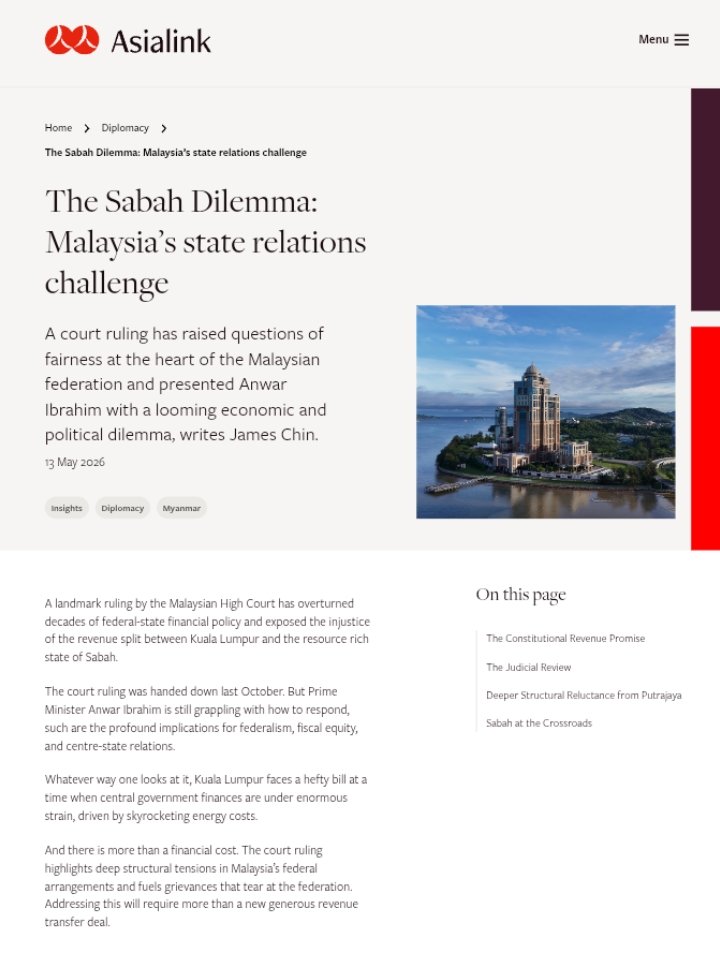
🏛️ Congress, Governors & Article 356: Why We Call It Today’s Position “Hypocrisy”
Congress today is attacking Governors for allegedly acting as “agents of the Union government”, delaying government formation, interfering with elected State governments, and weakening State autonomy. 🗳️
In the present Tamil Nadu political context, Congress has defended support to Vijay’s TVK and criticised the Governor’s role, arguing that the people’s mandate and federal principles must be respected.
That argument sounds democratic today.
But we ask one uncomfortable historical question:
When Congress controlled the Union government, did it not repeatedly use Governors, defections, Raj Bhavan reports and Article 356 to dismiss or destabilise elected State governments? ⚠️
That is why we call the present present Congress line not just political hypocrisy - but political opportunism.
📜 What is Article 356?
Article 356 allows the Union government to impose President’s Rule when a State government supposedly cannot be run according to the Constitution.
In theory, it is an emergency safeguard.
In practice, before the S.R. Bommai judgment of 1994, it was often used as a political weapon.
The usual pattern was:
Governor sends report → Union Cabinet advises President → Article 356 imposed → elected State government dismissed or Assembly dissolved.
The President formally issues the proclamation, but politically and constitutionally, the decision flows from the Union Council of Ministers headed by the Prime Minister, often relying on the Governor’s report.
This is where Congress’s past becomes uncomfortable. 🧾
Across decades, Congress-led Union governments used Article 356 or Governor-led political interventions against rival State governments.
We often cite the figure that Congress governments used Article 356 around 90 times, though the exact number depends on whether one counts every President’s Rule proclamation, only dismissals of elected governments, or only clearly partisan dismissals.
What is not disputed is that Congress-era Union governments were among the most frequent users of Article 356 before Bommai.
🚩 1. Kerala, 1959
Prime Minister: Jawaharlal Nehru
Union government: Congress
Governor: B. Ramakrishna Rao
Chief Minister dismissed: E.M.S. Namboodiripad
Party dismissed: Communist Party of India
Kerala had elected the world’s first democratically chosen Communist government. After the “Liberation Struggle” agitation, the Nehru government invoked Article 356 and dismissed the EMS ministry on 31 July 1959.
The say this became the first major template for using Union power against an ideological rival in a State.
The message was clear:
If a State government became politically inconvenient, the Governor’s report and Article 356 could be used to remove it.
🌊 2. Tamil Nadu, 1976
Prime Minister: Indira Gandhi
Union government: Congress
Chief Minister dismissed: Kalaignar M. Karunanidhi
Party dismissed: DMK
Context: Emergency period
During the Emergency, the DMK government in Tamil Nadu was dismissed.
We argue that this was not merely a constitutional action but a political move against a strong regional party that opposed Congress dominance.
This is especially relevant today because Congress now speaks the language of State rights, federalism and regional autonomy in Tamil Nadu politics.
We ask:
If Governor interference and Union pressure are wrong today, were they not wrong when Congress used them against Tamil Nadu’s elected government in 1976?
🔥 3. The 1980 Mass Dismissals
Prime Minister: Indira Gandhi
Union government: Congress-I
Action: Dismissal of 9 non-Congress State governments
After Indira Gandhi returned to power in 1980, the Union government dismissed nine opposition-ruled State governments.
The affected States included:
Rajasthan, Uttar Pradesh, Odisha, Gujarat, Bihar, Punjab, Maharashtra, Tamil Nadu and Madhya Pradesh.
Some of the Chief Ministers affected were:
Bhairon Singh Shekhawat in Rajasthan,
Banarasi Das in Uttar Pradesh,
Ram Sundar Das in Bihar,
Parkash Singh Badal in Punjab,
Sharad Pawar in Maharashtra,
M.G. Ramachandran in Tamil Nadu,
Sunderlal Patwa in Madhya Pradesh.
The Congress argument then was that the political situation had changed after the Lok Sabha election.
But we say this was one of the clearest examples of using a national mandate to punish State governments elected separately by State voters.
This is central to the hypocrisy we point out.
Today Congress says:
“Respect the people’s mandate in the State.” 🗳️
But in 1980, we say Congress effectively argued:
“Because we won at the Centre, opposition State governments can be dismissed.”
🏔️ 4. Jammu & Kashmir, 1984
Prime Minister: Indira Gandhi
Governor involved: Jagmohan
Chief Minister removed: Farooq Abdullah
Replacement: G.M. Shah
Political role: Congress-backed defections
Farooq Abdullah’s government in Jammu & Kashmir was brought down after defections.
G.M. Shah, backed by Congress support, became Chief Minister.
We cite this as a classic case of:
defections Governor’s role Centre’s political interest = elected government removed.
In a sensitive State like Jammu & Kashmir, such actions had consequences far beyond ordinary party politics.
Today, when Congress criticises Governors for destabilising opposition or regional governments, opponents point to J&K 1984 and ask:
Was Raj Bhavan neutral then? 🏛️
🎭 5. Andhra Pradesh, 1984
Prime Minister: Indira Gandhi
Governor: Thakur Ram Lal
Chief Minister removed: N.T. Rama Rao
Replacement installed: Nadendla Bhaskara Rao
Party affected: Telugu Desam Party
This is one of the strongest examples in our argument against Congress on this issue.
N.T. Rama Rao, who had built a powerful regional challenge to Congress in Andhra Pradesh, was removed while he was away for medical treatment.
Governor Thakur Ram Lal installed Nadendla Bhaskara Rao as Chief Minister.
NTR returned, demonstrated majority support, launched a massive public campaign, and was eventually restored as Chief Minister.
We say Andhra 1984 showed how a Governor could be used not just to recommend President’s Rule, but to change a State government through Raj Bhavan discretion.
This is exactly the type of Governor conduct Congress criticises today.
So we ask:
When Congress attacks Governors now, is it defending principle - or only objecting because the same instrument is no longer in its hands?
🗺️ 6. Sikkim, 1984
Prime Minister: Indira Gandhi
Chief Minister affected: Nar Bahadur Bhandari
Afterwards: B.B. Gurung became Chief Minister
Political context: instability and defections
The Sikkim episode is also cited in the wider pattern of Congress-era destabilisation of State governments through defections and Union influence.
We argue that Congress did not merely use Article 356 in direct dismissals; it also benefited from political engineering inside State legislatures.
⚖️ 7. Puducherry, 1983
Prime Minister: Indira Gandhi
Chief Minister affected: M.D.R. Ramachandran
Party affected: DMK
Political context: Congress withdrew support
The Chief Minister reportedly sought an opportunity to prove his majority on the floor of the House, but the Assembly was dissolved.
This matters because the post-Bommai constitutional principle is that majority should normally be tested in the Assembly, not decided through Raj Bhavan assumptions.
We say Puducherry 1983 shows the pre-Bommai culture:
Avoid floor test when it is politically inconvenient.
🏞️ 8. Meghalaya, 1981 and 1983
Prime Minister: Indira Gandhi
Chief Minister affected: B.B. Lyngdoh
Political context: defections and Congress-backed arrangements
Meghalaya saw repeated instability and government changes.
We place these events in the broader Congress-era pattern of using defections and Governor-backed processes to alter State power.
The accusation is not merely that Article 356 was used.
The wider accusation is that Congress normalised a system where:
Raj Bhavan became a route to power when elections did not produce Congress rule.
🌿 9. Mizoram, 1988
Prime Minister: Rajiv Gandhi
Chief Minister affected: Laldenga
Party affected: Mizo National Front
Political context: defections reduced the government to minority
Under Rajiv Gandhi, we say Congress-linked defections weakened the Laldenga government.
This is cited as another example of Congress using instability inside a State to alter the political balance.
Again, the pattern is familiar:
defections first, constitutional justification later.
⚖️ 10. Karnataka and S.R. Bommai, 1989
Prime Minister: Rajiv Gandhi
Governor: P. Venkatasubbaiah
Chief Minister dismissed: S.R. Bommai
Party affected: Janata Dal
This case became historic.
S.R. Bommai’s government was dismissed after claims that he had lost majority support.
Bommai wanted to prove his majority on the floor of the Assembly, but the opportunity was denied.
This eventually led to the Supreme Court’s landmark S.R. Bommai v. Union of India judgment in 1994.
The Court made clear that Article 356 is not beyond judicial review, that the Governor’s report can be examined, and that majority should generally be tested on the floor of the House.
This judgment placed constitutional limits on the kind of arbitrary Union intervention that had become common before 1994. 🧑⚖️
🛕 11. Madhya Pradesh, Rajasthan, Himachal Pradesh and Uttar Pradesh, 1992
Prime Minister: P.V. Narasimha Rao
Union government: Congress
States affected: BJP-ruled States
Context: Babri Masjid demolition
After the Babri Masjid demolition, the Congress-led Union government dismissed BJP governments in Madhya Pradesh, Rajasthan, Himachal Pradesh and Uttar Pradesh.
These dismissals were defended on the ground of secularism and constitutional breakdown.
But they also became part of the larger Article 356 debate that the Supreme Court addressed in Bommai.
The broader legacy remained:
Article 356 needed limits because Union governments had repeatedly misused it.
And Congress had been one of the biggest users of that power.
📢 Why this debate matters today
Congress now says:
Governors must not act as political agents of the Union.
State governments must not be undermined.
The people’s mandate must be respected.
Federalism must be protected.
On principle, those statements are correct.
But our response is:
Where was this principle when Congress dismissed Kerala in 1959?
Where was this principle during the Emergency-era dismissal of Tamil Nadu?
Where was this principle when Indira Gandhi dismissed nine State governments in 1980?
Where was this principle in Andhra Pradesh when N.T. Rama Rao was removed by Governor Thakur Ram Lal?
Where was this principle in Jammu & Kashmir when Farooq Abdullah was removed after Congress-backed defections?
Where was this principle before S.R. Bommai forced constitutional limits on Article 356?
That is the heart of the hypocrisy charge. 🎯
🚨 We argue
We are not saying Governors should be allowed to misuse power today.
They are saying Congress has no moral authority to pretend it discovered federalism only now.
The real issue is not whether Congress is right today.
The real issue is whether Congress is willing to admit it was wrong yesterday.
Because before Bommai, Congress-led Union governments repeatedly benefited from a system where Governors could be used to:
send politically convenient reports,
deny or delay floor tests,
encourage or legitimise defections,
recommend President’s Rule,
dismiss elected State governments,
install friendly alternatives,
or dissolve Assemblies when rivals held power.
🤝 The Vijay / TVK context
Today, Congress is using the language of constitutional morality, State autonomy and democratic mandate — especially when dealing with Governors appointed under rival Union governments.
In Tamil Nadu’s current political environment, including situations where Congress is aligned with or supportive of leaders like Vijay / TVK, Congress frames Governor delay or interference as an attack on democracy and the people’s mandate.
But the same Congress historically supported or led actions where elected regional leaders like:
E.M.S. Namboodiripad,
Kalaignar M. Karunanidhi,
M.G. Ramachandran,
Farooq Abdullah,
N.T. Rama Rao,
Parkash Singh Badal,
Sharad Pawar,
Sunderlal Patwa
faced dismissal, destabilisation or Union pressure.
So the question writes itself:
Is Congress defending federalism as a principle, or only when federalism helps Congress politically? 🤔
⚖️ A fair constitutional position must be consistent
If Governor overreach is wrong today, it was wrong in 1959.
If Raj Bhavan should not decide majority today, it should not have done so in 1984.
If elected State governments deserve respect today, they deserved respect in 1980.
If Article 356 should not be misused today, it should not have been misused by Congress before Bommai.
The lesson of S.R. Bommai is not pro-Congress or anti-Congress.
The lesson is simple:
India is a Union of States, not a playground for whichever party controls Delhi. 🇮🇳
Governors must not become political agents.
Article 356 must remain a last resort.
Floor tests must happen inside the Assembly, not inside Raj Bhavan.
State mandates must be respected whether the ruling party in Delhi likes the result or not.
🔥 Final point
Congress is right to criticise Governor overreach today.
But Congress must also answer for its own record.
Because federalism cannot be selective.
State autonomy cannot depend on who is in power at the Centre.
Democracy cannot be defended only when one is the victim.
That is why we call it Congress’s Article 356 hypocrisy:
Then: Congress used Governors and Union power against States.
Now: Congress condemns Governors and Union power in the name of State autonomy.
The principle is correct today.
But the past cannot be erased.
The Constitution must apply equally — then, now and always. 🇮🇳⚖️
#Article356 #SRBommai #Congress #Governors #Federalism #StateAutonomy #IndianPolitics #TamilNaduPolitics #TVK #Vijay #Democracy #ConstitutionOfIndia
3
4
297

Apr 15
ਬਿਨਾਂ ਕਿਸੇ ਐਲਾਨੀ ਜੰਗ ਦੇ, ਪੰਜਾਬ ਦਾ 50KM ਹਿੱਸਾ ਸਿੱਧਾ ਕੇਂਦਰ ਦੇ ਕੰਟਰੋਲ ਹੇਠ ਹੈ। BSF ਦਾ ਵਧਦਾ ਘੇਰਾ ਸੁਰੱਖਿਆ ਨਹੀਂ, ਸਗੋਂ ਸਾਡੀ State Autonomy ਅਤੇ Federal Rights 'ਤੇ ਸਿੱਧਾ ਹਮਲਾ ਹੈ। ਜਦੋਂ ਫੈਸਲੇ ਦਿੱਲੀ ਤੋਂ ਹੋਣ ਲੱਗਣ, ਤਾਂ ਪੰਜਾਬ ਦੀ ਸਿਆਸੀ ਤਾਕਤ ਕਿੱਥੇ ਖੜ੍ਹੀ ਹੈ?ਆਪਣੇ ਹੱਕਾਂ ਲਈ ਜਾਗਰੂਕ ਹੋਵੋ! #StateAutonomy
4
23
77
887

Mar 31
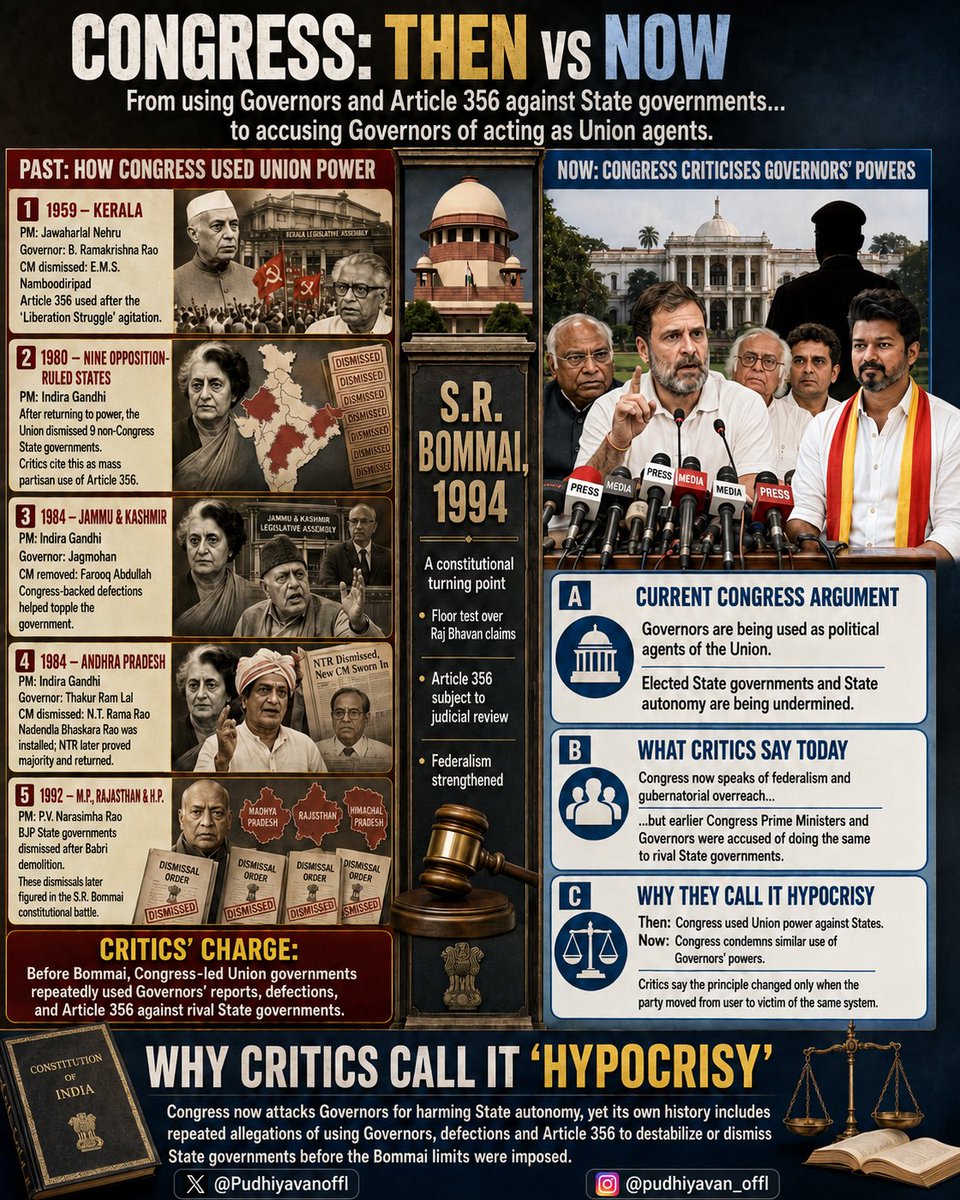
“ಹಿಂದಿಯನ್ನು ‘ಬಲವಂತವಾಗಿ ಹೇರುವುದು’ ಸಂವಿಧಾನದ ಮೂಲ ತತ್ವಕ್ಕೆ ವಿರುದ್ಧವಾಗಿದೆ. ರಾಜ್ಯಗಳಿಗೆ ಭಾಷಾ ನೀತಿಯಲ್ಲಿ ಸ್ವಾಯತ್ತತೆ ನೀಡಬೇಕು. ದಕ್ಷಿಣದ ರಾಜ್ಯಗಳಲ್ಲಿ ಕನ್ನಡ, ತಮಿಳು, ಮಲಯಾಳಂ, ತೆಲುಗು ಮುಂತಾದ ಪ್ರಾದೇಶಿಕ ಭಾಷೆಗಳನ್ನು ಬಲಪಡಿಸಬೇಕು.”
- ರಣದೀಪ್ ಸುರ್ಜೇವಾಲಾ, ಕಾಂಗ್ರೆಸ್ ನಾಯಕ
#LanguageRights #StopHindiImposition #Federalism #IndianConstitution #RandeepSurjewala #LinguisticDiversity #StateAutonomy #RespectRegionalLanguages #DravidianLanguages #UnityInDiversit
11
44
173
1,886

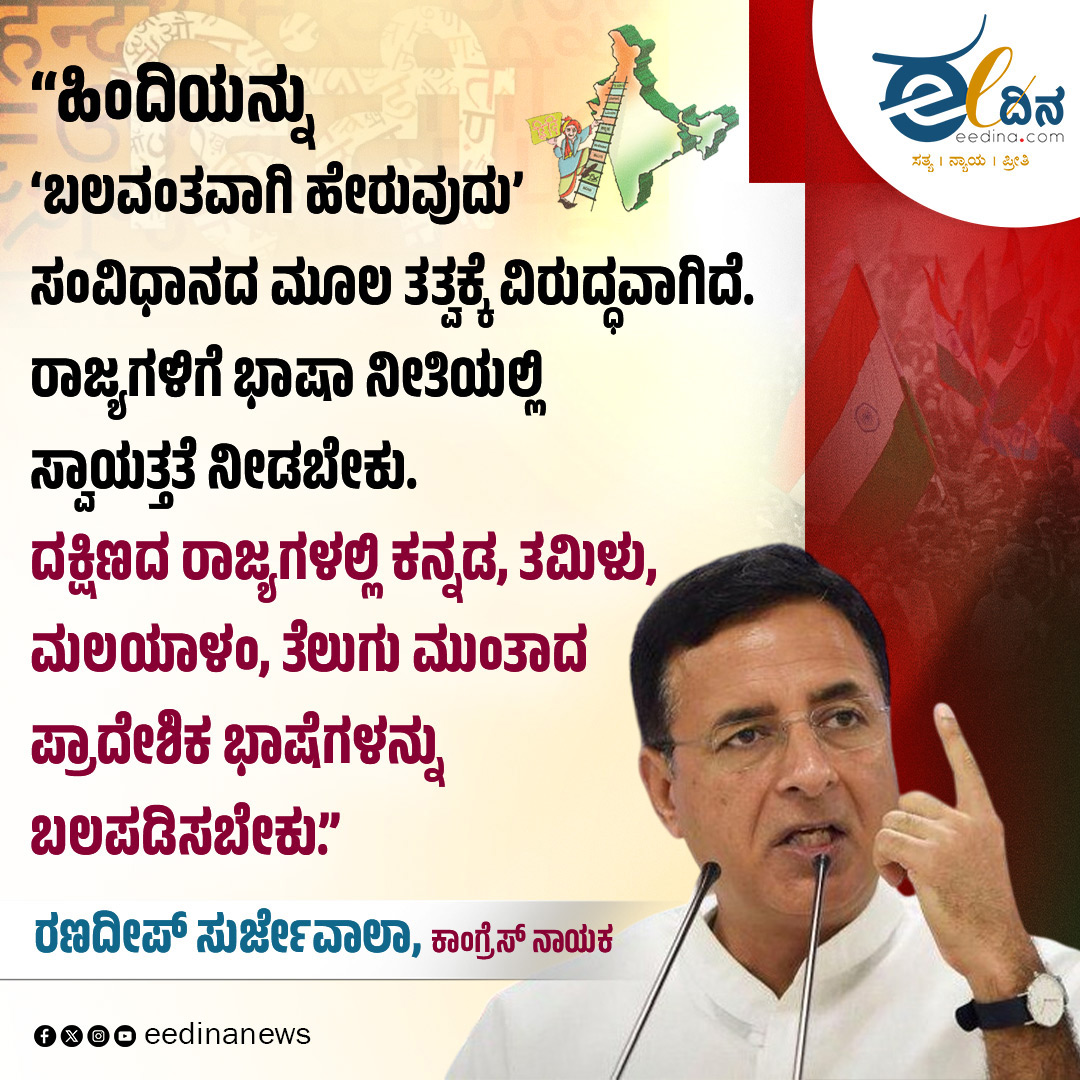
தமிழரின் உரிமை !!
#Velmurugan, #TVK, #VTamil,#தமிழரின்உரிமை, #மாநிலசுயாட்சி, #தமிழகஅரசியல், #TamilRights, #StateAutonomy, #TNPolitics
3
69

Mar 6
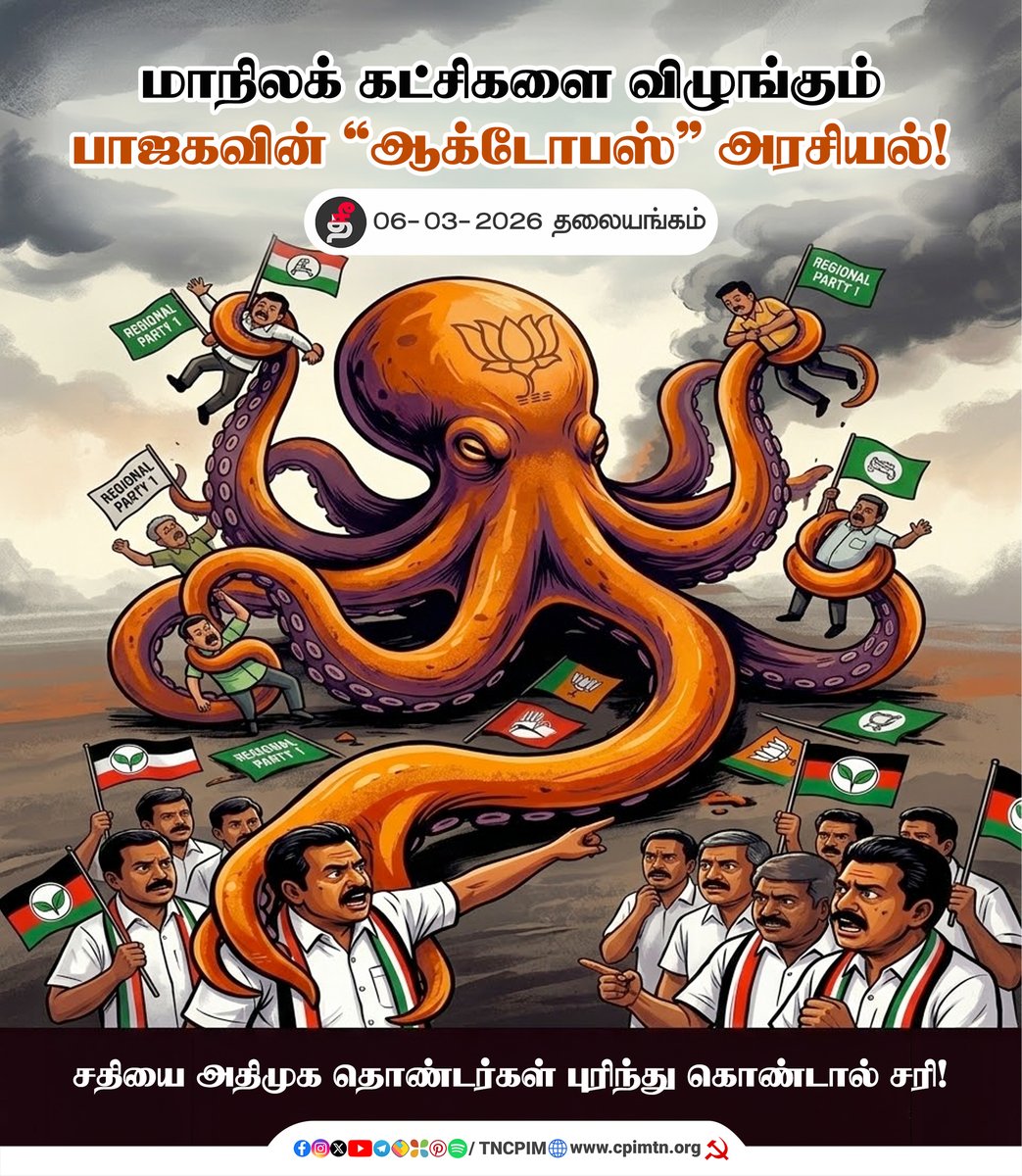
மாநிலக் கட்சிகளை விழுங்கும் பாஜகவின் "ஆக்டோபஸ்" அரசியல்!
சதியை அதிமுக தொண்டர்கள் இப்போதேனும் புரிந்து கொண்டால் சரி!
‘ஒரே நாடு, ஒரே தேர்தல்’ என்பதோடு நிற்காமல், ‘ஒரே நாடு, ஒரே கட்சி’ என்ற ஒற்றை அதிகார மையத்தை நோக்கி நகர்கிறது பாஜக. கூட்டாட்சித் தத்துவத்தை அழித்து, மாநிலக் கட்சிகளைத் தின்று செரிப்பதுதான் இவர்களின் பாணி!
முதலில் பணிவாகக் கூட்டணி அமைப்பது. கூட்டாளியின் மூலம் மாநில அரசியல் களத்தை அறிவது. கூட்டணிக் கட்சியின் வாக்கு வங்கியை மெல்ல அபகரிப்பது. அதிகார மிரட்டல், பண பலத்தால் கூட்டணிக் கட்சியின் MLA-க்களை விலைக்கு வாங்குவது. ஏறி வந்த ஏணியையே தீயிட்டுக் கொளுத்திவிட்டு, தாமரையை மலரச் செய்வது.
மகாராஷ்டிரா சிவசேனாவை இரண்டாக உடைத்து, சின்னத்தையே அபகரித்தது, பல ஆண்டுகளாக முகமாக இருந்த பீகார் நிதிஷ் குமாரைச் செயலற்றவராக்கி, JDU-வை விழுங்கும் சதி, அருணாச்சல் மக்கள் கட்சியின் (PPA) 43 MLA-க்களை அப்படியே விழுங்கியது, 25 ஆண்டுகள் ஆட்சி செய்த சிக்கிம் SDF கட்சியின் 10 MLA-க்களை விலைக்கு வாங்கியது, ஹரியானா, கோவா, மணிப்பூர் உள்ளூர் தலைவர்களையும் கட்சிகளையும் ஏமாற்றி அரியணை ஏறியது என பாஜகவிடம் பலியான மாநிலக் கட்சிகளின் பட்டியல் நீள்கிறது.
எம்.ஜி.ஆர், ஜெயலலிதா வளர்த்த அதிமுக, இன்று தனது தனித்துவத்தை இழந்து பாஜகவின் நிழலில் தஞ்சம் புகுந்திருப்பது தற்கொலைக்குச் சமமானது. வெல்லம் கொடுத்துக் கொல்லும் பாஜகவின் சதியை அதிமுக தொண்டர்கள் இப்போதேனும் புரிந்து கொண்டால் சரி! - 6.3.26 தீக்கதிர் தலையங்கம் #StopFascism #SaveDemocracy #BJPExposed #ThreatToFederalism #TamilNaduPolitics #AIADMK #StateAutonomy More: shorturl.at/WqRiL
2
18
46
548

ಮೋದಿ ವಿರುದ್ಧ ತೊಡೆ ತಟ್ಟಿದ ತಮಿಳುನಾಡು ಸಿಎಂ ಸ್ಟಾಲಿನ್ಗೆ ಸಾಥ್ ನೀಡಿ ಪತ್ರ ಬರೆದ ಸಿಎಂ ಸಿದ್ದರಾಮಯ್ಯ!
#Siddaramaiah #MKStalin #Federalism #Karnataka #TamilNadu #ConstitutionalRights #StateAutonomy
kannada.asianetnews.com/stat…
18
3
57
3,385

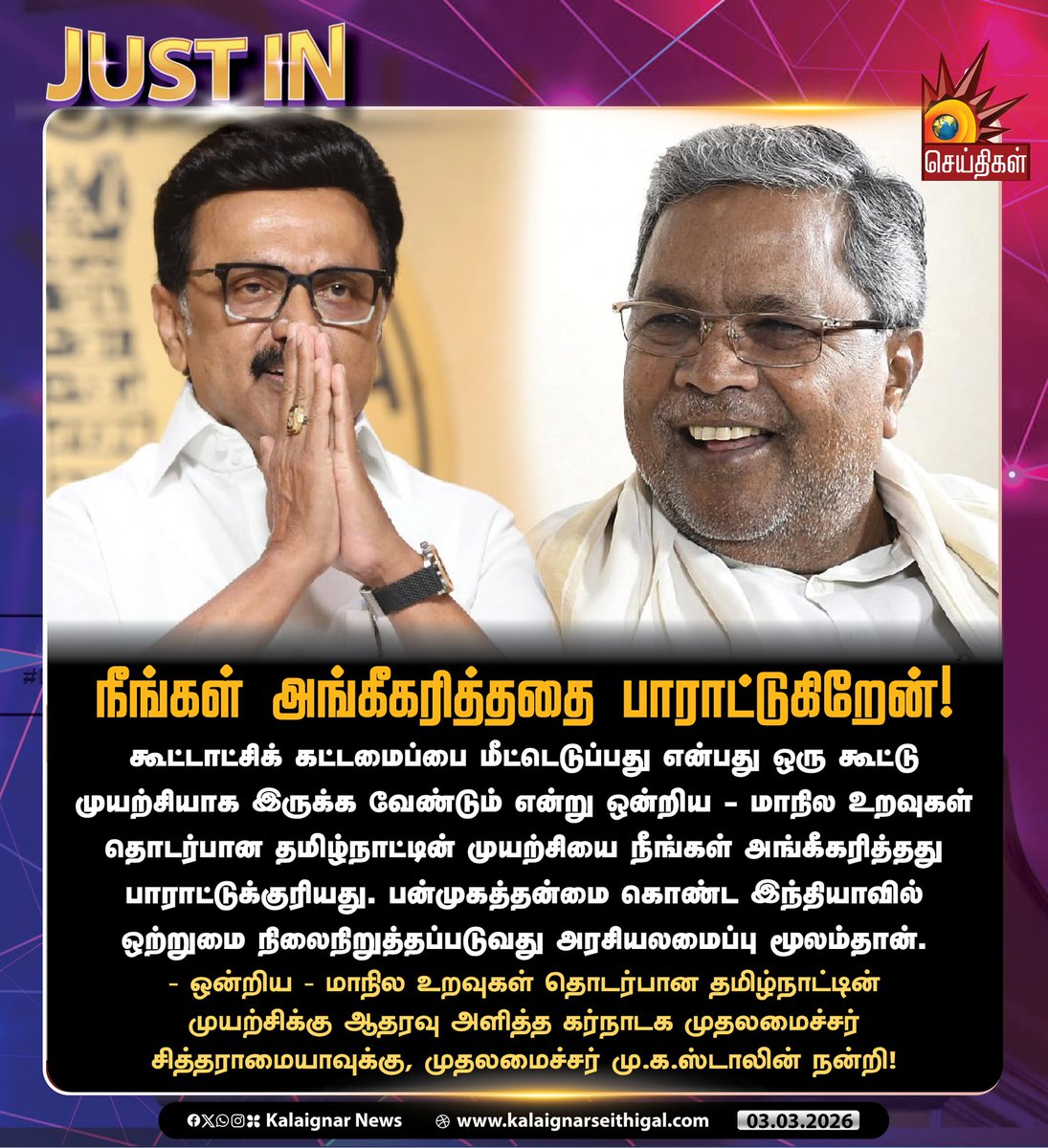
நீங்கள் அங்கீகரித்ததை பாராட்டுகிறேன்!
#Siddaramaiah #StateAutonomy #CMMKStalin #TamilnaduLeads #KalaignarSeithigal
1
17
55
531
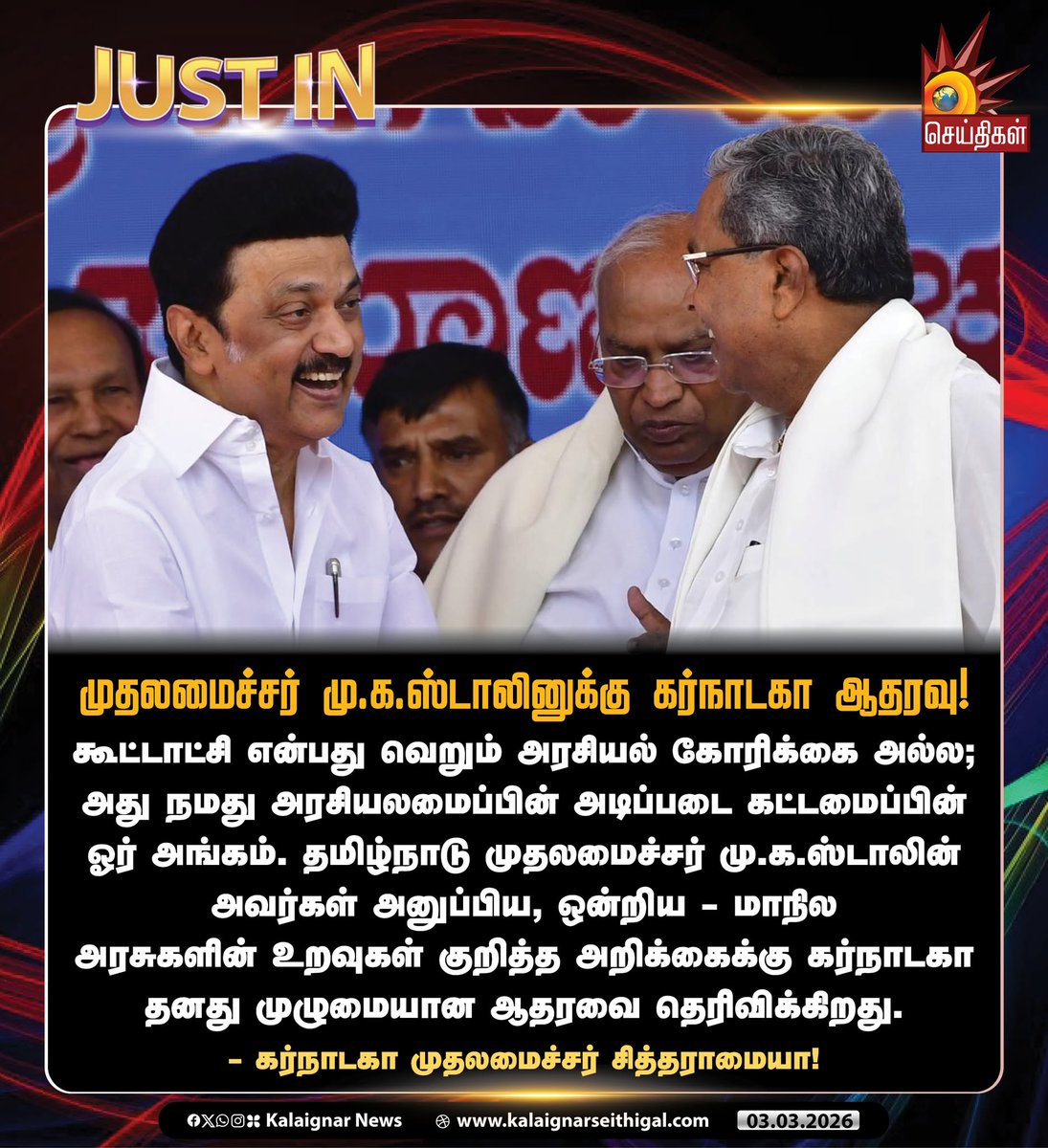
முதலமைச்சர் மு.க.ஸ்டாலினுக்கு கர்நாடகா ஆதரவு!
#Siddaramaiah #StateAutonomy #CMMKStalin #TamilnaduLeads #KalaignarSeithigal
44
165
1,121
பாராட்டுக்குரிய முன்னெடுப்பு!
#Sitharamaiah #StateAutonomy #CMMKStalin #TamilnaduLeads #KalaignarSeithigal

13
22
295

A 42% drop in revenue surplus states.
India needs empowered states — not centralized control.
#StateAutonomy #FiscalJustice #StrongStates #EconomicSurvey #IndiaPolitics

1
1
2
48

Feb 25
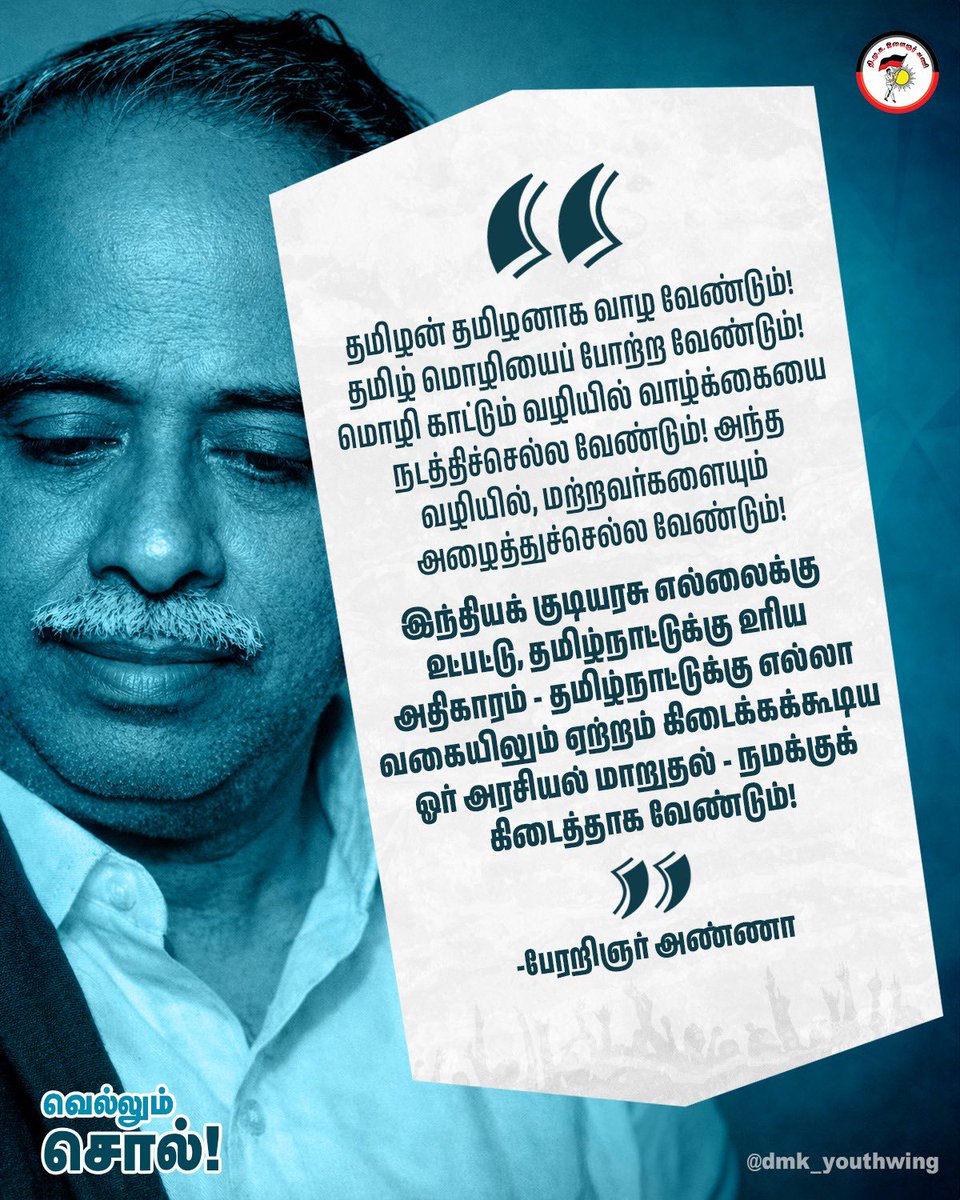
#வெல்லும்_சொல்!
“தமிழன் தமிழனாக வாழ வேண்டும்! தமிழ் மொழியைப் போற்ற வேண்டும்! மொழி காட்டும் வழியில் வாழ்க்கையை நடத்திச்செல்ல வேண்டும்! அந்த வழியில், மற்றவர்களையும் அழைத்துச்செல்ல வேண்டும்! இந்தியக் குடியரசு எல்லைக்கு உட்பட்டு, தமிழ்நாட்டுக்கு உரிய அதிகாரம் - தமிழ்நாட்டுக்கு எல்லா வகையிலும் ஏற்றம் கிடைக்கக்கூடிய ஓர் அரசியல் மாறுதல் - நமக்குக் கிடைத்தாக வேண்டும்!”
- பேரறிஞர் அண்ணா
#Anna #Tamil #StateAutonomy
9
114
156
1,233
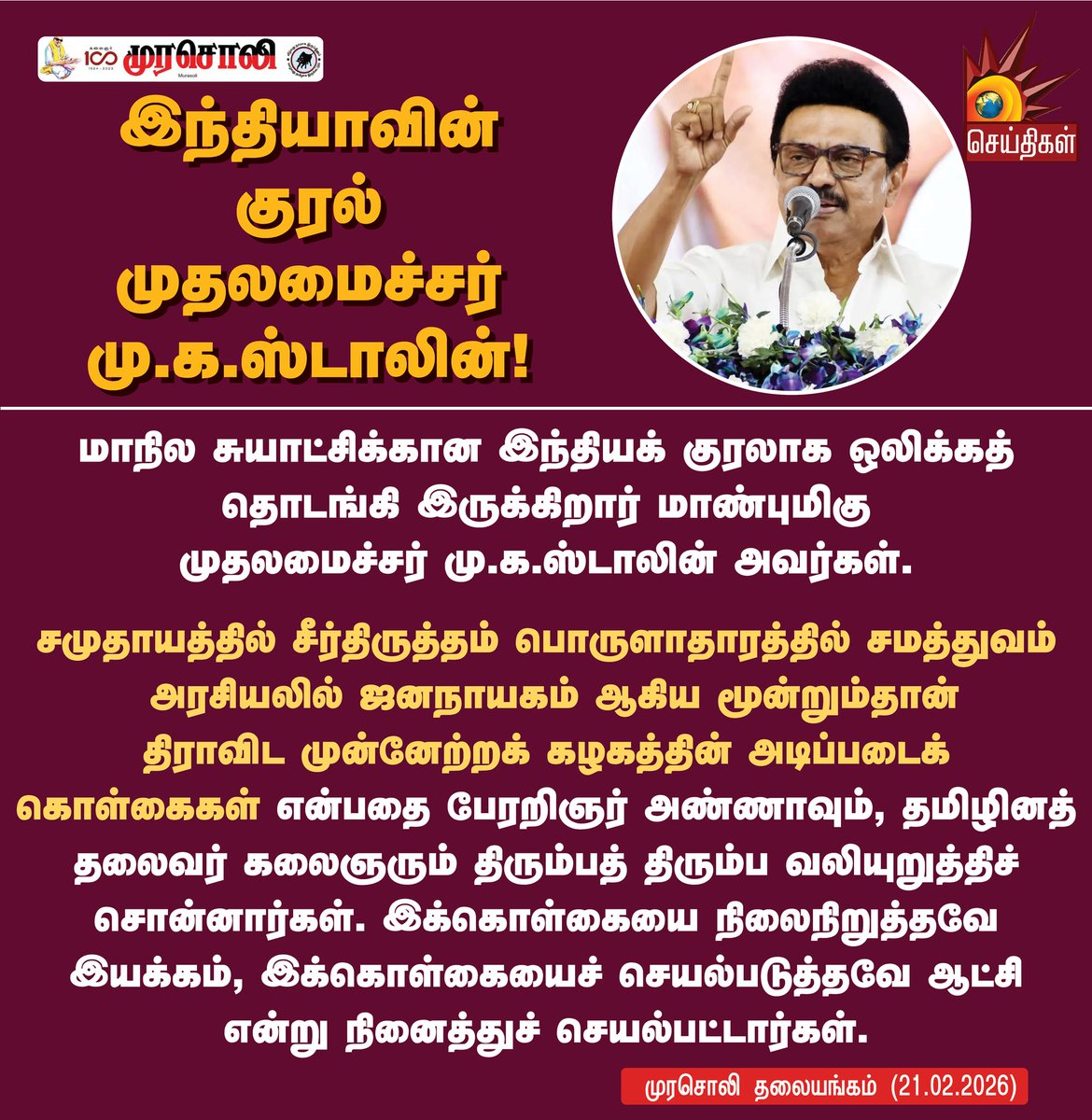
மாநில சுயாட்சிக்கான இந்தியக் குரலாக ஒலிக்கத் தொடங்கி இருக்கிறார் மாண்புமிகு முதலமைச்சர் மு.க.ஸ்டாலின் அவர்கள்.
#Murasoli #StateAutonomy #CMMKStalin #TamilnaduLeads #KalaignarSeithigal
1
3
6
322
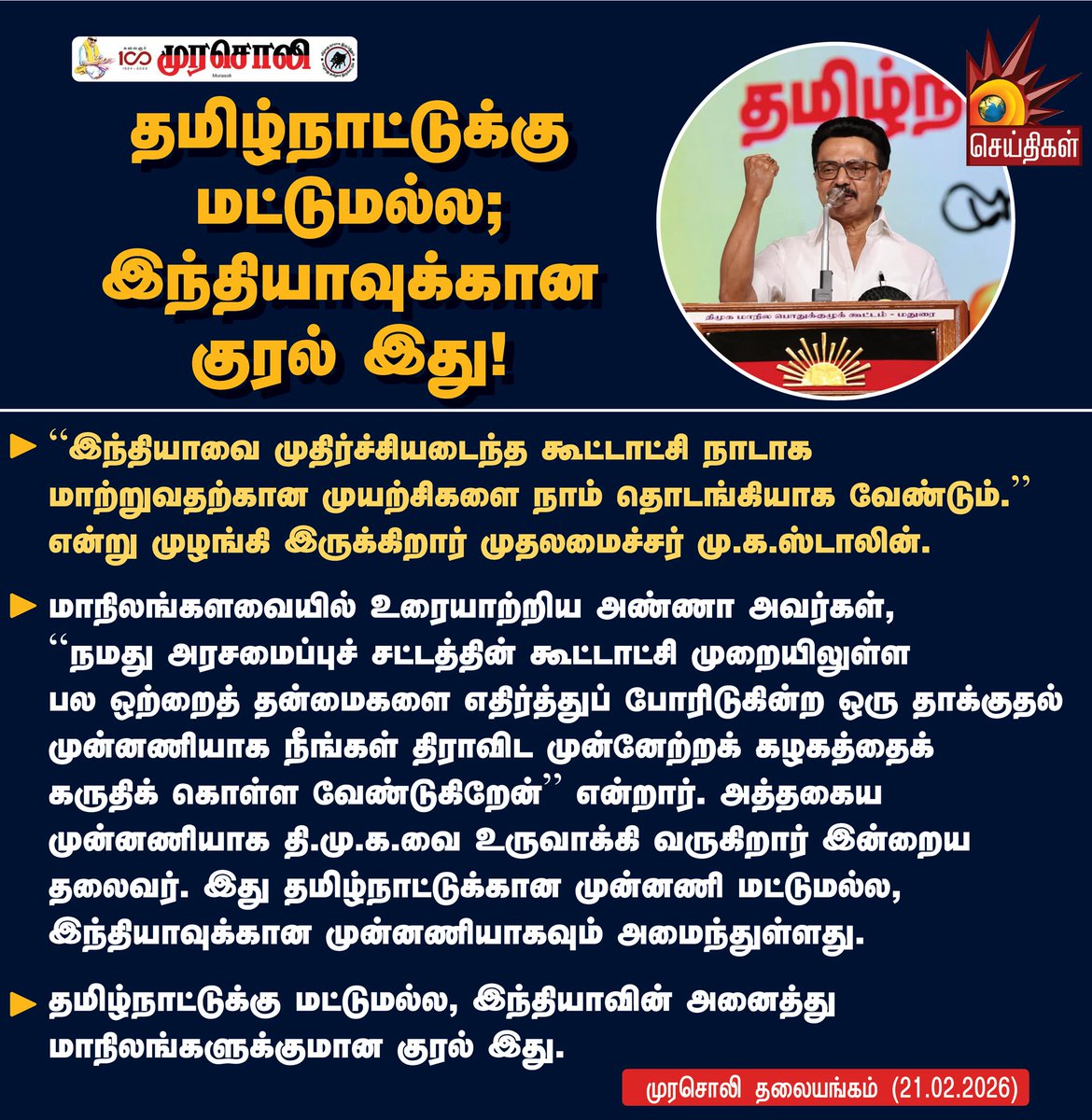
தமிழ்நாட்டுக்கு மட்டுமல்ல; இந்தியாவுக்கான குரல் இது!
#Murasoli #StateAutonomy #CMMKStalin #TamilnaduLeads #KalaignarSeithigal
8
12
229
“இந்தியாவின் அனைத்து மாநிலங்களுக்குமான குரல் இது...” : முரசொலி தலையங்கம் !
kalaignarseithigal.com/muras…
#Murasoli #StateAutonomy #CMMKStalin #TamilnaduLeads #KalaignarSeithigal
1
4
8
174

Feb 20
SPOT LIGHT | மீண்டும் அரசியலாகிறதா மாநில சுயாட்சி முழக்கம்..?
#Stateautonomy #Dmkgovt #MKStalin #Tamilnadupolitics #Newstamil24x7
2
1
331

Feb 20
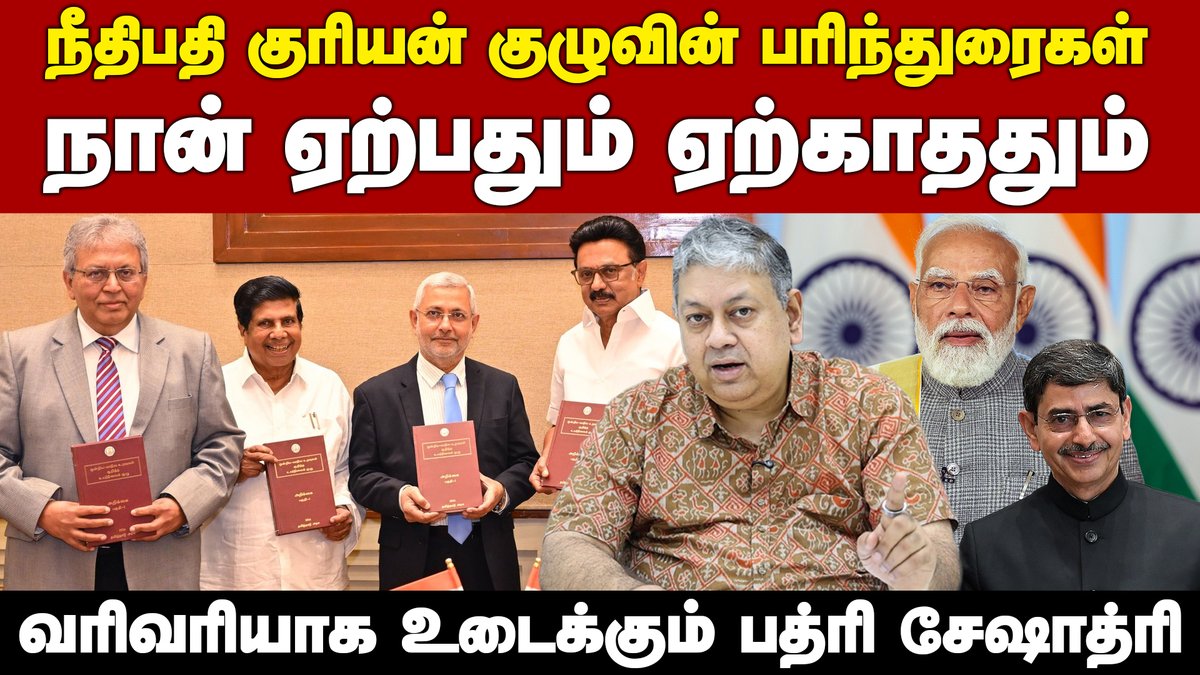
மத்திய அரசு இதை ஏற்றுக்கொள்ளாது!
youtu.be/Wk_Ppc_YIjc
@bseshadri
#FederalReforms #GovernorsReform #OneNationOneLanguage #StateAutonomy #CentreStateRelations #TamilNaduPolitics #MKStalin #JusticeKurianJoseph #IndianFederalism #LanguagePolicy #ConstitutionalReforms #TamilNaduAssembly #GovernorPowers #EnglishOfficialLanguage #breakingnews #latestnews #badriseshadri #badriseshadrilatestinterview #badritalks #kizhakkunews
2
561

Feb 19
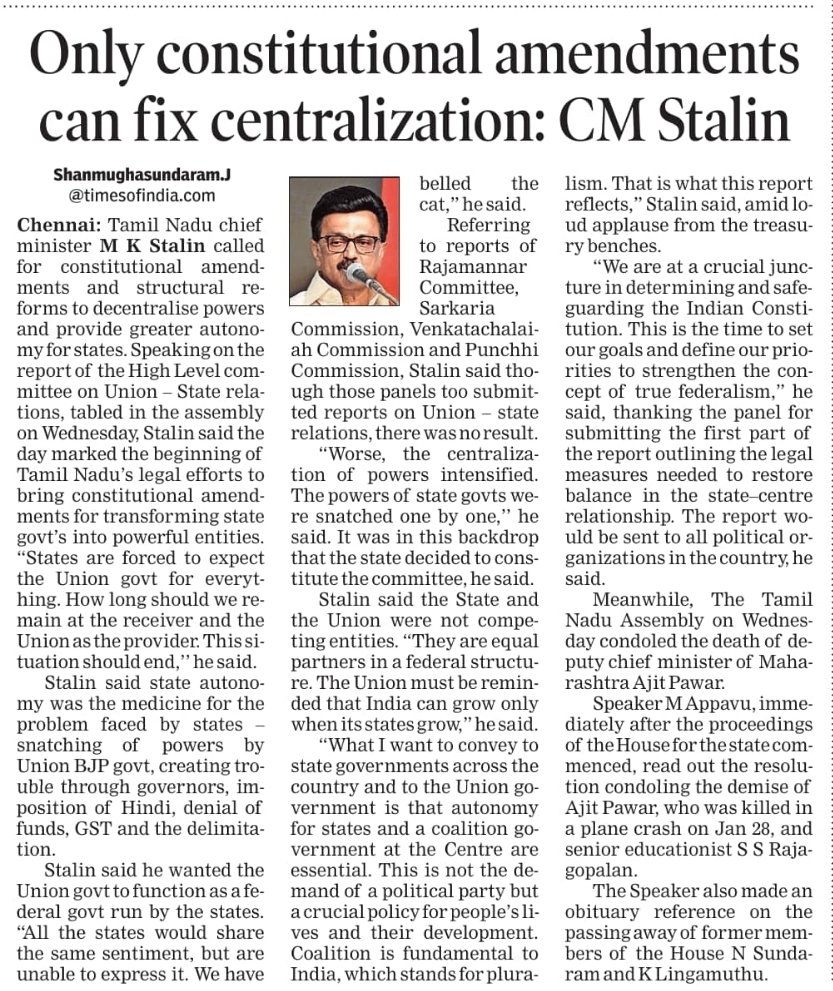
True federalism is not a slogan; it’s a necessity!
Only constitutional amendments & structural reforms can restore balance between Union and States. Strong states make a stronger India.
@mkstalin @Udhaystalin @arivalayam
#Federalism #StateAutonomy
#DMK4TN
1
3
49
“பூனைக்கு மணி கட்டியிருக்கிறோம்! மலர்க மாநில சுயாட்சி!” : சட்டப்பேரவையில் முதலமைச்சர் மு.க.ஸ்டாலின் உரை!
kalaignarseithigal.com/polit…
#CMMKStalin #TNAssembly2026 #StateAutonomyReport #மாநில_சுயாட்சி #StateAutonomy #Tamilnadu #TNAssembly #KalaignarSeithigal
2
10
26
353

“மாநிலத்தில் சுயாட்சி! ஒன்றியத்தில் கூட்டாட்சி!”
மாநிலங்களுக்கு அதிக அதிகாரங்களையும்
உரிமைகளையும் பெற்றுத்தந்து, வலிமையான -
உண்மையான கூட்டாட்சி இந்தியாவைக் கட்டமைப்போம்!
மாநில சுயாட்சிக் கருத்தியலின் தேவையை இந்தியா
முழுக்கக் கொண்டு சேர்த்து, எண்ணங்களால்
ஒன்றிணைத்து, அரசியலமைப்புச் சட்டத்தில் திருத்தம்
மேற்கொள்வோம்!
-மாண்புமிகு தமிழக முதலமைச்சர் @mkstalin
@cmotamilnadu
@udhay_stalin
@anbil_mahesh
@dmkitwing
@dmkyouthwing
#StateAutonomy
#மாநிலசுயாட்சி
#dmk #cmstalin #tjgovindarajanmla
2
29