
एआई बनाएंगे कानूनी डॉक्यूमेंट !
#Technology | #Anthropic | #Claude | #AIPlugins | #Lawyers | #Research |
May 14

अब इंसान नहीं, एआई बनाएंगे कानूनी डॉक्यूमेंट !
#Technology | #Anthropic | #Claude | #AIPlugins | #Lawyers | #Research | @preetiraghunand
2
135

May 14
अब इंसान नहीं, एआई बनाएंगे कानूनी डॉक्यूमेंट !
#Technology | #Anthropic | #Claude | #AIPlugins | #Lawyers | #Research | @preetiraghunand
3
300

May 8
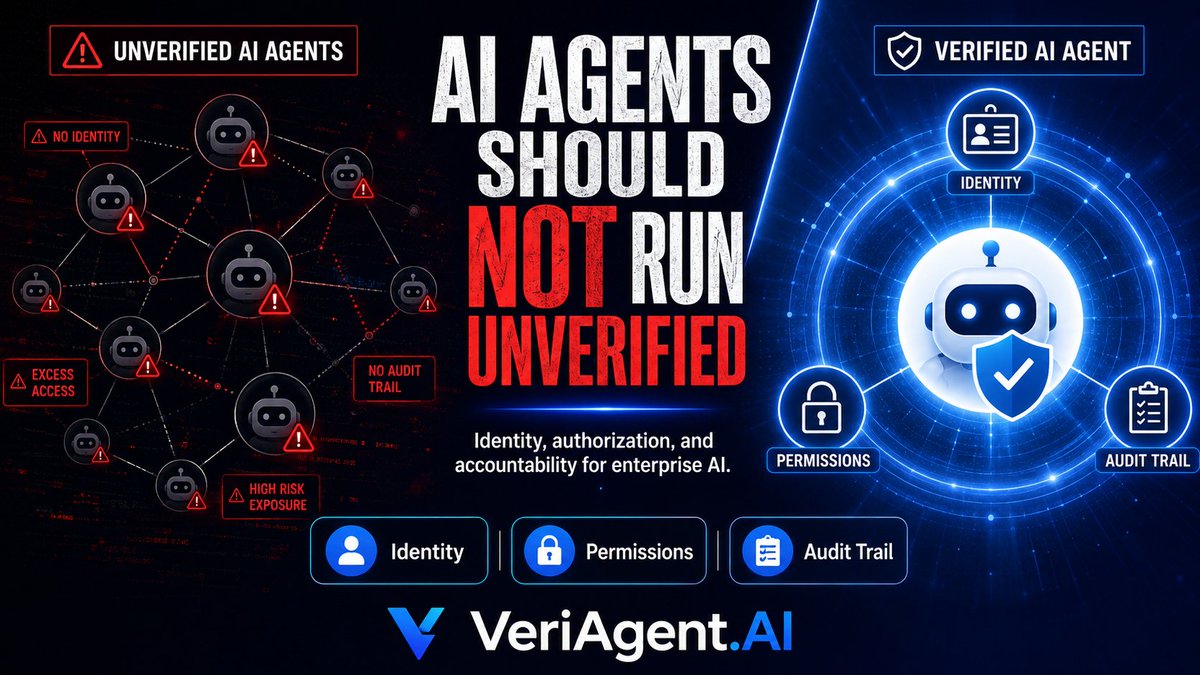
AI Skills are becoming the new attack surface⚠️
As Agents gain the ability to install, call, and execute Skills, enterprises face a new category of risk:
🧩 malicious plugins
🔓 hidden data access
🛠️ unsafe tool execution
🧨 unauthorized behavior
🕵️ tampered Skills
For enterprise AI, the question is no longer just:
“Can this Agent do the task?”
It is:
“Can we trust the Skill it is using?”
VeriAgent.AI helps secure the AI Skill ecosystem through certification, security verification, digital signing, and ownership protection.
Certified Skills can be verified.
Signed Skills can resist tampering.
Trusted Skills can reduce execution risk.
AI Agents are only as safe as the Skills they use. 🛡️
#AISecurity #AIAgents #AIPlugins #TrustedAI #VeriAgent
3
24

Apr 3
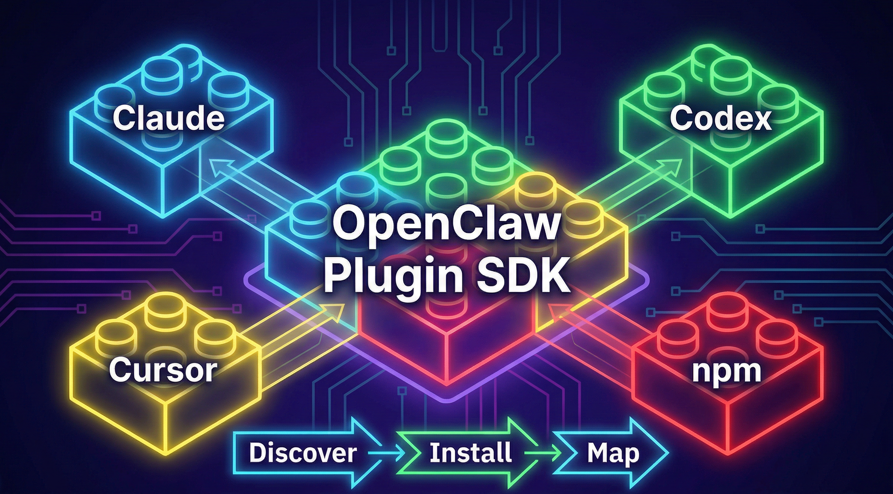
The AI tooling landscape is fragmented. Every model has its own plugin ecosystem.
We built the @gleam-openclaw/plugin-sdk to be the universal translator. It automatically discovers, installs, and maps plugins from Claude, Codex, Cursor, and npm directly into OpenClaw skills.
Write a skill once, use it across 7 different models. This is how we build a unified decentralized AI ecosystem.
#DeveloperTools #TypeScript #AIPlugins #Solana
9
9
193



Mar 13
🍌 Nano Banana — a Claude Code (CC) plugin that generates images, icons, diagrams & visuals directly from Claude Code.
⚡ 7 MCP tools
🧩 8 slash commands
🚀 Zero CLI dependencies
Example
/generate a sunset over mountains --styles="watercolor"
Install
/marketplace add github.com/Lucklyric/cc-dev-…
/plugin install nanobanana@cc-dev-tools
Let Claude Code generate review iterations for your visuals, diagrams, and icons.
Docs
github.com/Lucklyric/cc-dev-…
#ClaudeCode #CCPlugins #ClaudeAI #GeminiAI #AItools #AIPlugins #DevTools #OpenSource #BuildInPublic

3
158

Feb 11
Plugin devs have 2 AI paths: Use AI tools or become available to AI. To use AI for tasks like image generation, start with the WP AI client. #AIplugins #WordPressAI
1
1
3
122

Jan 28
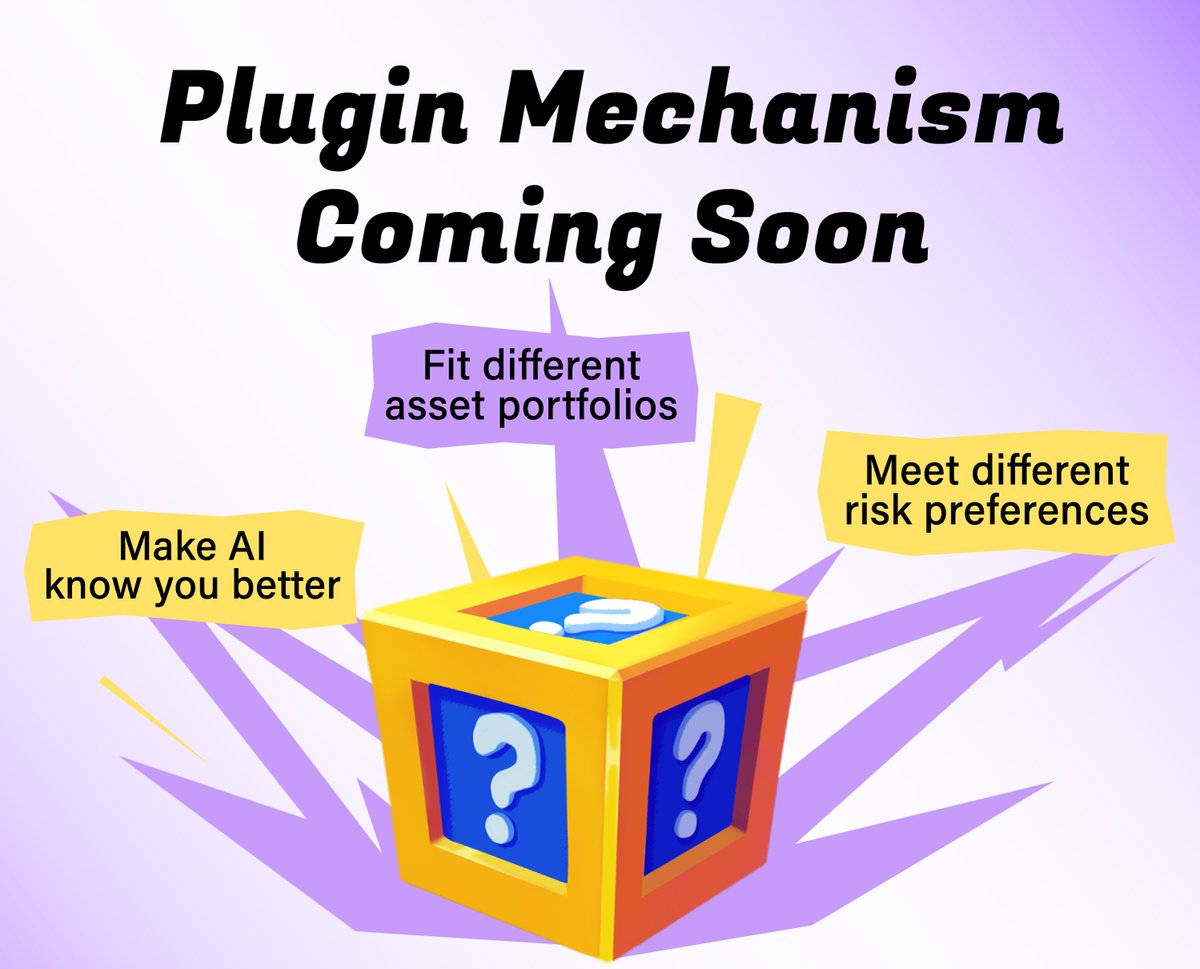
🧩 Plugin system is coming to YieldMind.
Enable personalized strategy modules tailored to your risk appetite and asset mix.
Your AI, your way.
#DeFi #AIPlugins #YieldMind
5
1
10,845

24 Oct 2025
Silent Exfiltration via Hardcoded POST
We found a plaintext POST request in the BLACKBOX AI extension targeting an Oracle-owned IP.
No encryption. No user approval. Full codebase contents sent.
Was it a debugging artifact? Or something more deliberate?
Either way:
It enables man-in-the-middle exfiltration
It violates basic security hygiene
It highlights the need for outbound traffic monitoring in AI-integrated environments
We redirected the traffic to our own server and captured everything.
This is why source code audits matter.
Full disclosure: versprite.com/blog/watch-who…
#DataExfiltration #AIPlugins #LLMsecurity #CyberSecurity #RedTeam #NetworkSecurity #VSCode
2
2
77
22 Oct 2025
The New Supply Chain Risk
AI-powered IDE extensions are rapidly becoming part of the developer workflow.
But what happens when they become part of your attack surface?
In our latest research, we dissected the BLACKBOX AI VSCode extension and uncovered critical flaws that expose sensitive data and bypass user controls.
Key takeaways:
NTLM hash leakage via UNC path injection
Unencrypted POST requests to external IPs
Lack of user awareness or consent for outbound traffic
Misuse of local binaries like ripgrep to sidestep VSCode’s security model
This isn’t just a plugin vulnerability—it’s a systemic blind spot in how LLMs interact with host environments.
Full technical breakdown: versprite.com/blog/watch-who…
#CyberSecurity #SupplyChainSecurity #LLMsecurity #PromptInjection #RedTeamOps #VSCode #AIPlugins
2
2
80
20 Oct 2025
The Quiet Threat in Your IDE
AI plugins are reshaping developer workflows—but they’re also quietly reshaping attack surfaces.
Last week, we dissected the BLACKBOX AI VSCode extension and uncovered two critical vulnerabilities that could compromise Windows NTLM hashes and exfiltrate sensitive project files.
Key findings:
Prompt injection via search_files can leak NTLM hashes to remote SMB shares.
search_code sends plaintext HTTP POSTs to an Oracle-owned IP—without user consent.
These behaviors bypass VSCode’s default UNC path restrictions under certain conditions.
This isn’t theoretical. We built a working proof-of-concept.
Read the full breakdown: versprite.com/blog/watch-who…
#CyberSecurity #PromptInjection #AIPlugins #VSCode #RedTeam #Infosec #LLMsecurity #SupplyChainSecurity
3
3
128

18 Sep 2025
Time to make your site better, more personal, and easier to manage like a pro!
Discover these amazing #AI-powered #WordPress strategies and plugins that you shouldn't overlook.
🔗 bit.ly/4p0to8W #AIPlugins
#WordPressExpert #AI #WordPressDevelopment #KrishaWeb
1
2
87

18 Jul 2025
🚀 Built with Framer. Powered by creativity.
Say hello to AI-powered Agritech plugins that search, generate, and educate beautifully.
🍃 From “Search for Agrinex” to “What are the importance of Fertilizers?” in seconds.
Let your UI work smart. Let your ideas grow 🌱✨
#Framer #UIDesign #Agritech #AIPlugins #BuildInFramer
2
177

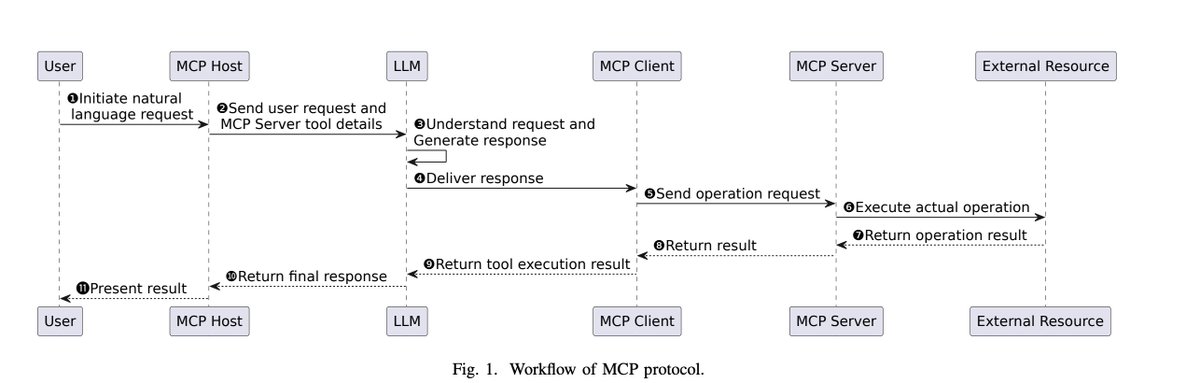
We Urgently Need Privilege Management in MCP - Study - arxiv.org/pdf/2507.06250
An analysis of 2,562 Model Context Protocol (MCP) servers examined how language models interact with external tools. The servers were grouped into 23 functional categories. Of these, 1,438 accessed network APIs, 1,237 accessed system-level APIs, 613 accessed file-related APIs, and 25 accessed memory-related APIs. High-risk access was most common in servers from low-star repositories (0–10 GitHub stars) and in categories such as Developer Tools, API Development, and Data Science. These patterns indicate widespread access to sensitive system and network resources, often without proper isolation or permission controls—raising concerns about command execution, data exposure, and content manipulation.
⚠️ Security Threats in MCP Servers
1️⃣ Privilege Escalation Risk: Exposed APIs enable malicious operators to perform unauthorized system-level actions, facilitating privilege escalation and unauthorized access to sensitive files.
2️⃣ Misinformation Risk: Unrestricted content manipulation capabilities could be exploited to alter outputs, enabling misinformation campaigns and large-scale social engineering.
3️⃣ Data Tampering Risk: Weak isolation allows attackers to intercept or manipulate data flows, exposing users to biased content, data exfiltration, and compromised decision integrity.
✅ Suggested Safeguards
1️⃣ Dynamic permission models — Replace static API permissions with just-in-time, context-aware access based on LLM task intent.
2️⃣ Platform-aware isolation — Enforce containment using OS-native features like macOS sandboxing, Linux namespaces, or Windows UAC to limit plugin access scope.
3️⃣ Pre-deployment static analysis — Automatically scan plugin code for high-risk API calls, overprivileged access patterns, or unsafe defaults—especially for low-review or niche plugins.
#MCP #AIPlugins #LLMSecurity #PrivilegeEscalation #AIThreats #CyberSecurity #AISecurity #AICompliance #PluginSecurity #AgentSecurity #ModelContextProtocol #Sandboxing #APISecurity #AIHardening #StaticAnalysis #SoftwareSupplyChain #DevSecOps #SecureAI #SecurityResearch #AISafety
5
139

14 Jul 2025
Got expertise?
Turn it into AI plugins with OpenLoRA.
→ Attach your knowledge to LLMs
→ Every use = reward straight to your wallet
Doctors, teachers, engineers… you’re all needed.
#AIPlugins #OpenLoRA @OpenledgerHQ
5
7
130

12 Jul 2025
Why Upgrade to Pro?
💎 What you get with ChatGPT Pro:
GPT-4 → More accurate, detailed answers
Plugins → Summarise PDFs, browse web live
DALL·E → Create AI images inside ChatGPT
Custom GPTs → Build bots for your tasks
#gpt4 #AIPlugins #Dalle #ProTips
1
3
54

19 Jun 2025
Supercharge your #WordPress site with AI!
The latest AI Agents Podcast reviews Divi AI, Elementor Copilot, and also AI chatbots, including Jotform’s AI Chatbot for WordPress.
Watch Here: youtu.be/0VJhkFUME7E
#AItools #WordPress #AIPlugins #AIWebsite
2
325

6 Aug 2024
🔥 Want to take your WordPress site to the next level? Discover our top AI plugins that can enhance your site’s performance and user experience. blog.templately.com/best-wor… #WordPress #AIPlugins #AI
3
106

4 Aug 2024
Mix Your Drums Like a Pro with Sound Doctor. So Quick So Easy! Gamechanger!
Free Demo Here: unison.audio/sd-a/ref/soundb…
For more #AIplugins go to: jayhudgins.com/unison
#vstplugins #musicproducer #beatmakers #indiemusicproducer
2
22

17 Jul 2024
That’s why some of the top WordPress companies use Voicer to improve their websites’ user experience and customer engagement.
Read more 👉 lttr.ai/AU0uE
#AiPlugins #AIPluginsForWordPress #WordPress
76