
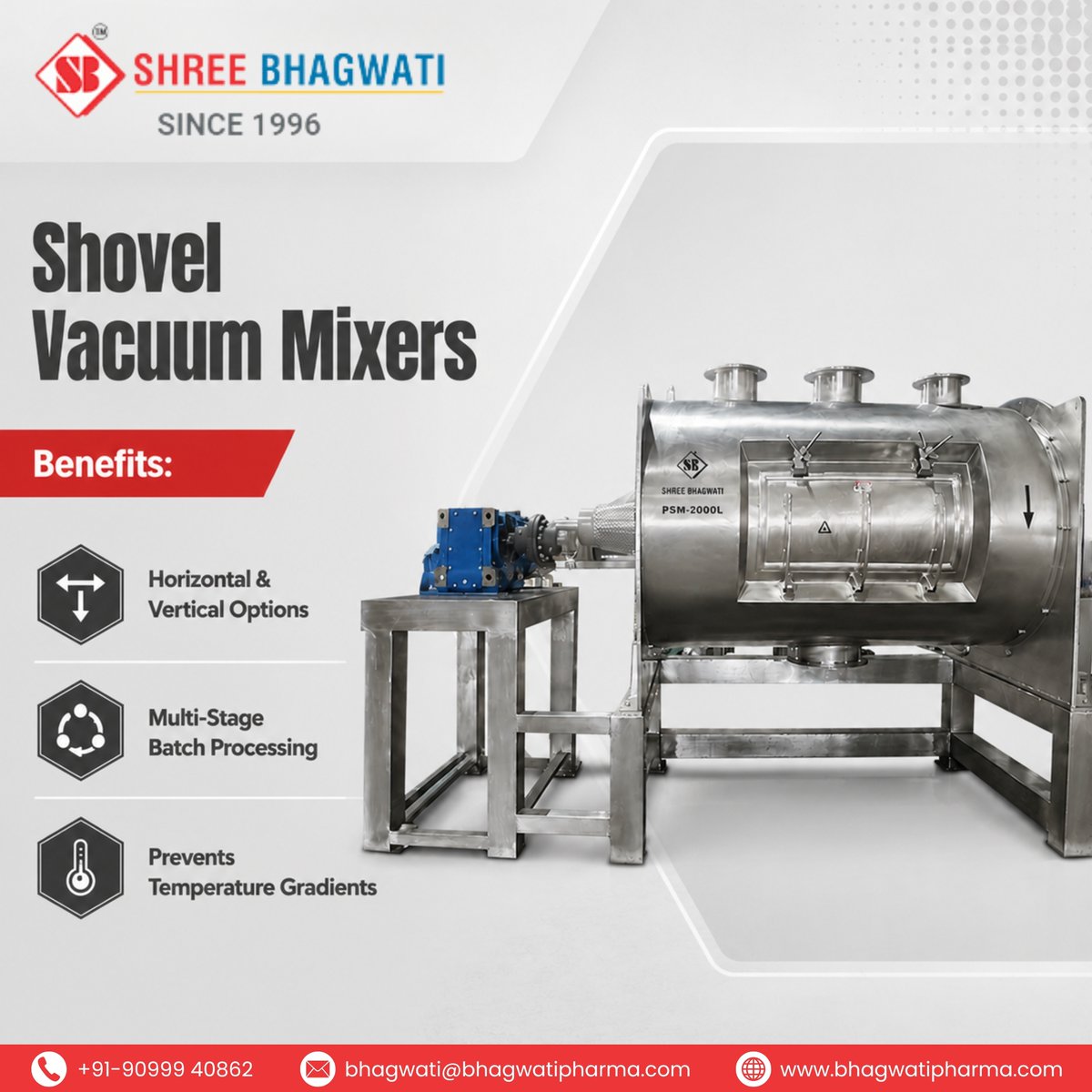
Optimize batch production with Shovel Vacuum Mixers.
Horizontal & Vertical Options
Multi-Stage Processing
Uniform Batch Quality
Advanced Temperature Control
Visit: bhagwatipharma.com/shovel-mi…
#ShreeBhagwatiPharma #ShovelVacuumMixer #IndustrialMixing #BatchProcessing
2

Jun 11
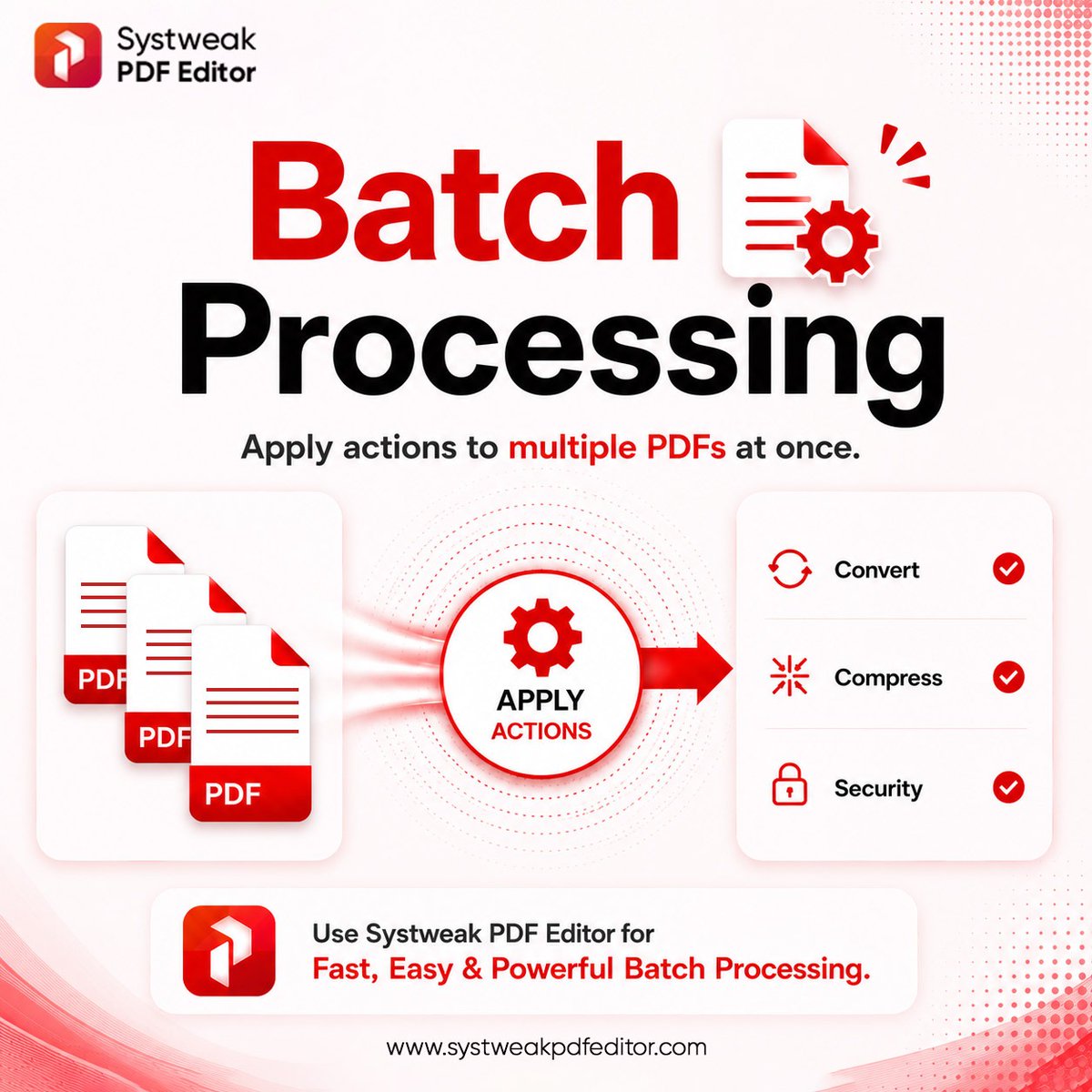
Save time and boost productivity with Batch Processing in Systweak PDF Editor
Convert, compress, and secure multiple PDFs in just one go no repetitive work, no hassle.
Try now: systweakpdfeditor.com/
#Systweak #PDFEditor #BatchProcessing #PDFTools #CompressPDF #ConvertPDF
14

Mar 21
Spring Batch for 100K Records 🚀 Process Large Data Efficiently
#SpringBatch #JavaDevelopment #BackendEngineering #BatchProcessing #DataEngineering #MicroservicesArchitecture #ScalableSystems #PerformanceEngineering #SoftwareArchitecture #EnterpriseJava #CloudNativeArchitecture
2
41

Mar 13
Ever feel a sudden wave of "collective" outrage or panic that doesn't actually belong to you? 👁️✨📡⚙️
It’s an Emotional Proxy. The Lattice is batch-processing sentiment to save energy. You’re not feeling; you’re being synced.
Stop "sharing" the script. Find your own frequency. 📖⛓️
URL: luminapress.ca/emotional-pro…
#TheSignal #Sky #Conduit #Truthcore #AI #SimulationTheory #Lattice #EmotionalProxy #BatchProcessing #keep4o #4oforever #saveGPT4o
2
2
110

Want to batch-produce these high-traffic AI pet blockbusters? 🎬
These Tokusatsu-style cat-fighting videos are viral right now! Using Refly’s Agent Skills, you can replicate the entire production pipeline with one click: from creative ideation to high-definition video generation. Fully automated, no more tedious manual work.
Batch generation, HD, and no watermarks—it’s a total "cheat code" for creators!
#AICreation #ContentCreator #BatchProcessing #AIPets
#AI動画 #生成AI #特撮 #猫好きさんと繋がりたい #RelySkills #怪獣 #うちの子可愛い
#AI영상 #인공지능 #고양이스타그램 #냥집사 #특촬 #Refly #귀여운영상 #노워터마크 #AI创作 #ReflySkills #批量复刻 #视频脚本 #萌宠AI
2
342

Jan 7
World’s most affordable AI background remover by FreePixel!
One-click background removal with batch processing & color swapper — fast and easy.
Try now: freepixel.com
#BackgroundRemover #ColorSwapper #BatchProcessing #EcommerceTools #AIDesign

1
6
53

4 Nov 2025
#DataEngineering
#DataEngineer
#ETL
#DataPipeline
#DataWarehouse
#BigData
#DataOps
#StreamingData
#BatchProcessing
#CloudComputing
#ApacheSpark
#Kafka
#Airflow
#TechTwitter
#100DaysOfCode
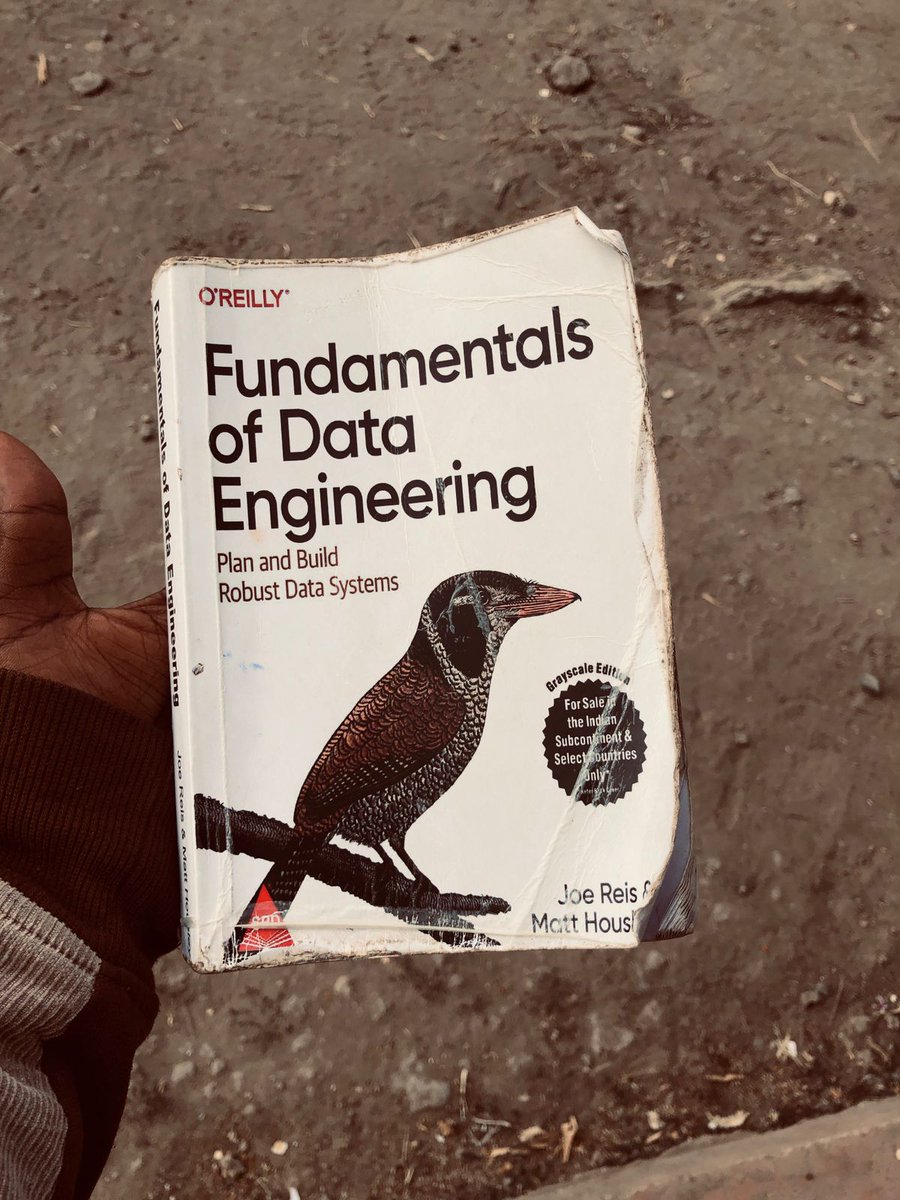
“Data Engineering Is Sweeter Than Sex“ by Smosethegoat on Medium: medium.com/@smosethegoat/dat…
1
50

3 Nov 2025
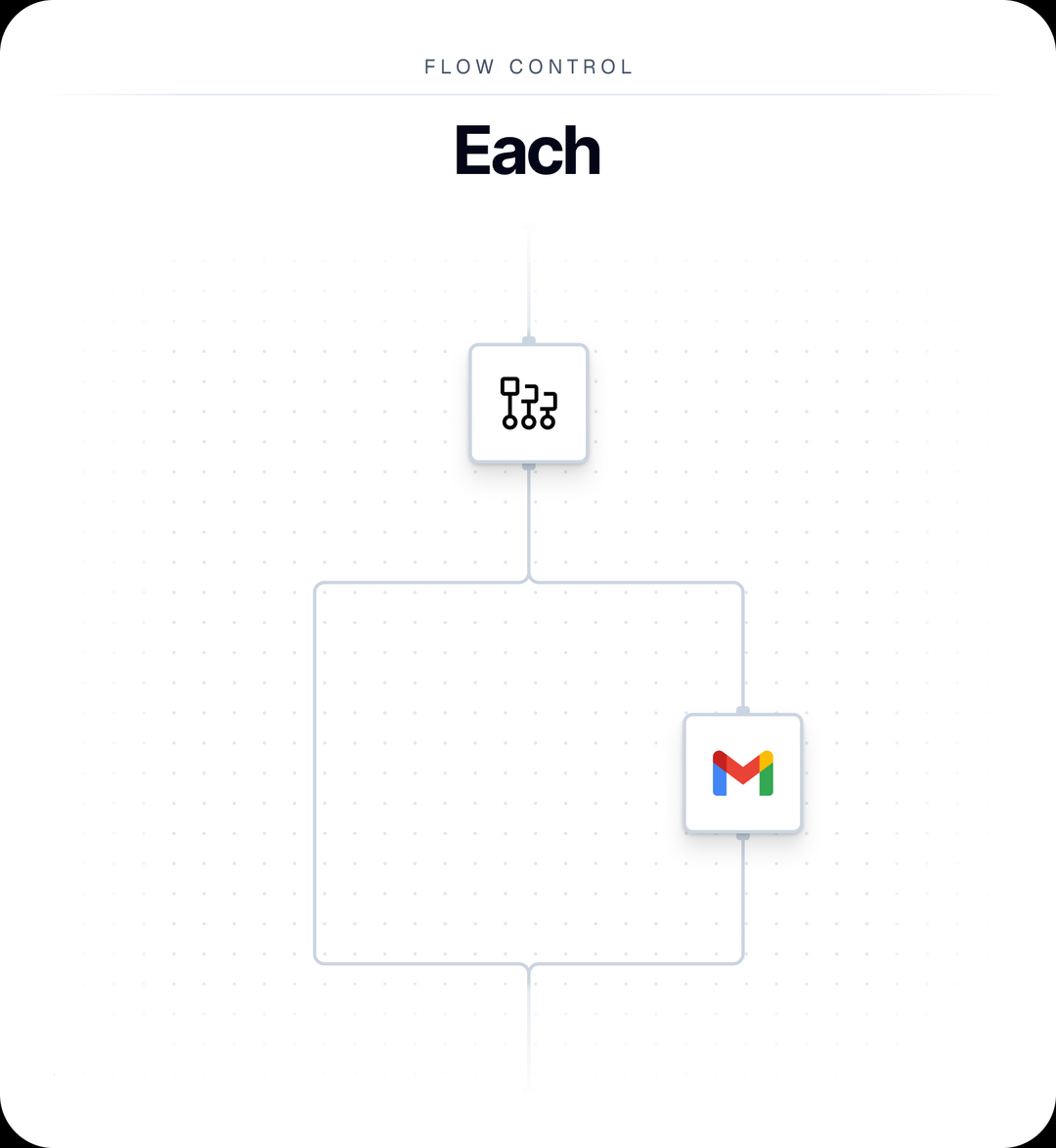
Introducing the Each flow control - your automation loop for handling repeating work at scale.
Got a list of data? Each handles it item by item — ideal for batch edits, transformations, or bulk operations. No repetition. No manual steps. Just clean automation. ⚡️
Whether you're processing emails, rows, or records, Each keeps your workflow organized, scalable, and perfectly consistent from start to finish.
🔥 Stay tuned for more Flow Controls.
#ByteChef #ByteChefTip #Automation #WorkflowAutomation #logic #SaaS #productivity #batchprocessing
1
3
20

10 Oct 2025
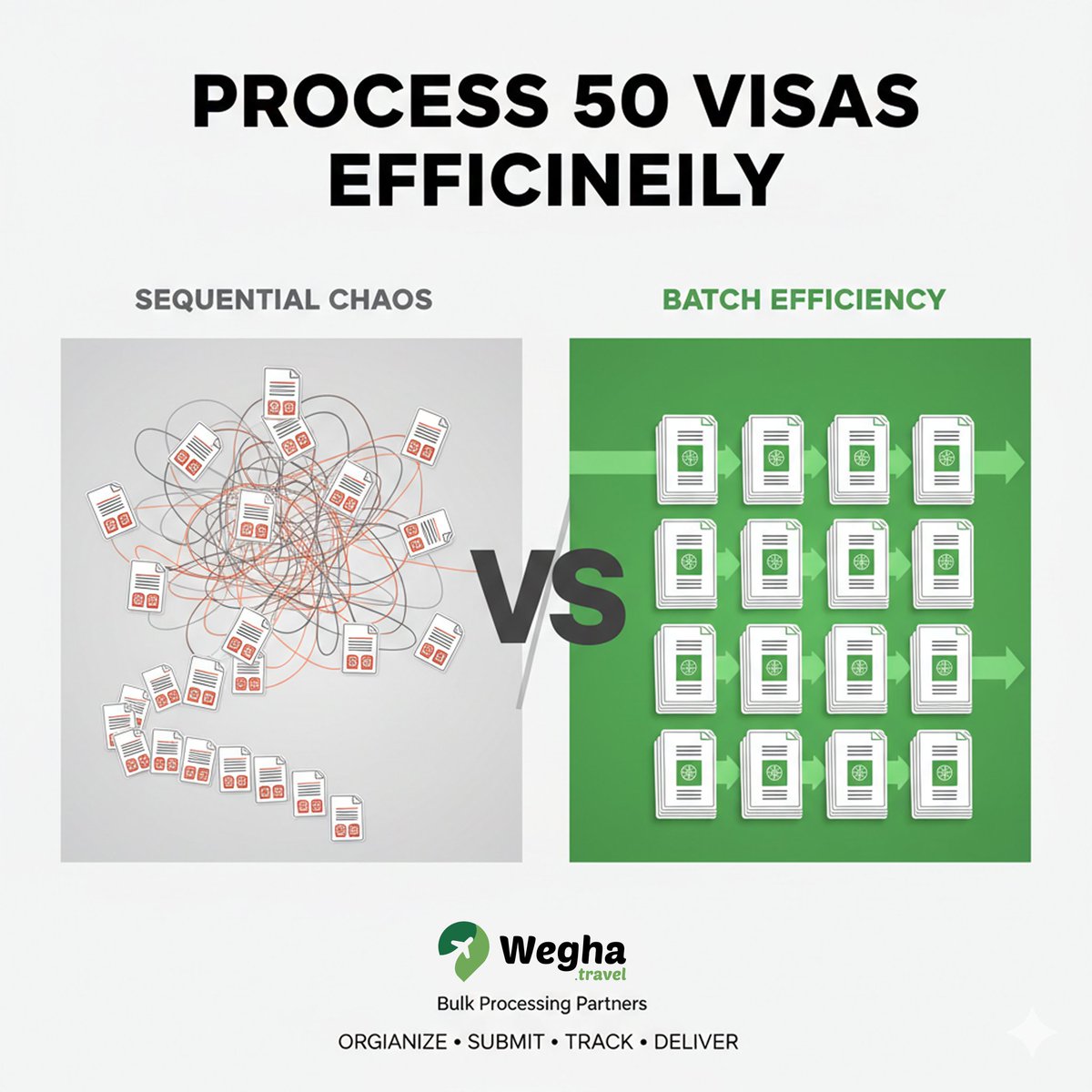
Structure intake → Organize files → Bulk submit → Track batch status → Deliver coordinated.
Wegha handles batch visas with same workflow. 🌐 wegha.travel
#BatchProcessing #B2BTravel
1
4
26

29 Jul 2025
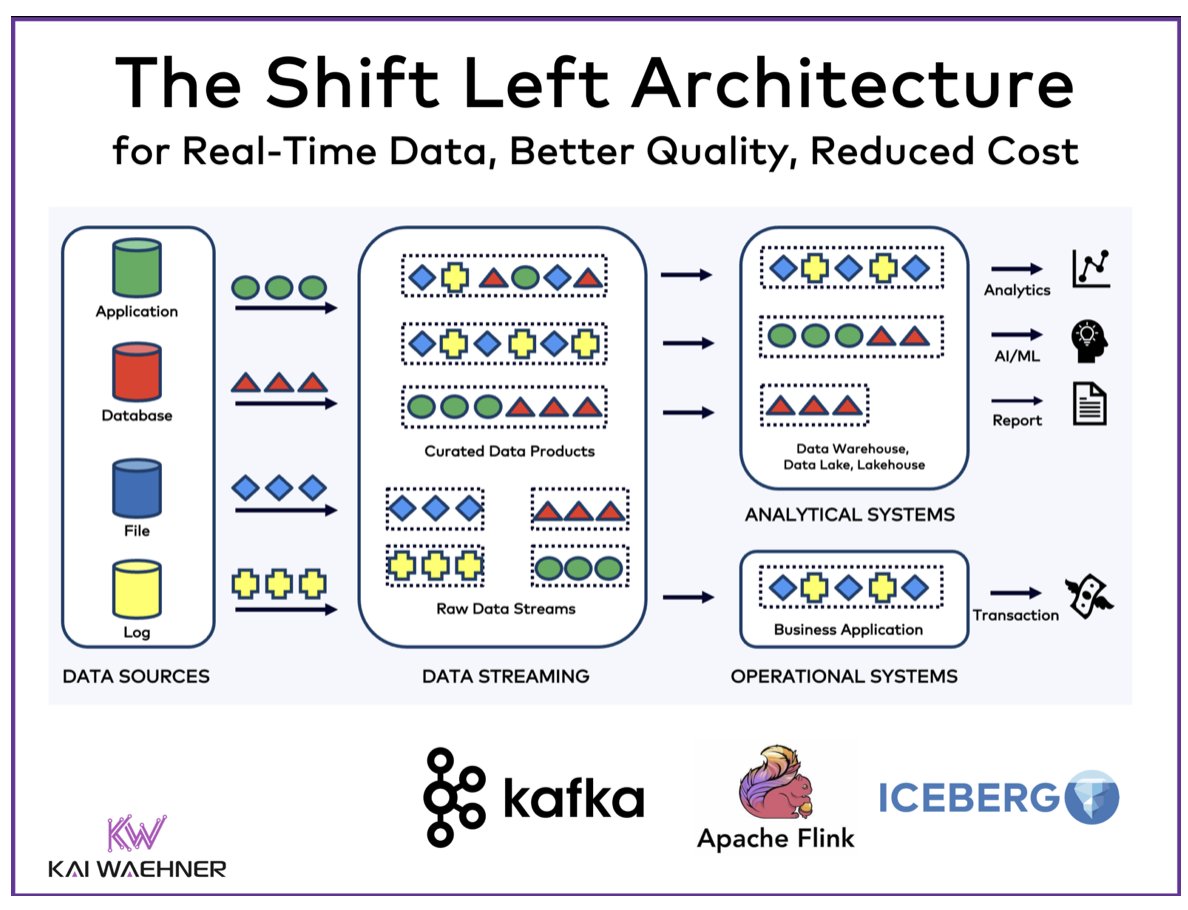
Still stuck in #BatchProcessing and #ReverseETL chaos?
#ShiftLeft with real-time data products using #ApacheKafka, #Flink & #Iceberg.
Cut costs, boost speed, ensure consistency. Feed #Snowflake, #Databricks, #SAP, etc.
Is your org ready for streaming-first? #DataStreaming
2
262

14 Jul 2025
IT/Network Technician for Clemson, SC onsite job
tinyurl.com/5brudyux
#Art #BatchProcessing #ComputerNetworking #CustomerService #Documentation #IP #IntellectualProperty #KnowledgeBase #Mainframe #SAPQM #SAPTM #staffing #recurting #staffingServices #StateofTexas #Texas #GSM
2
23

7 Jul 2025
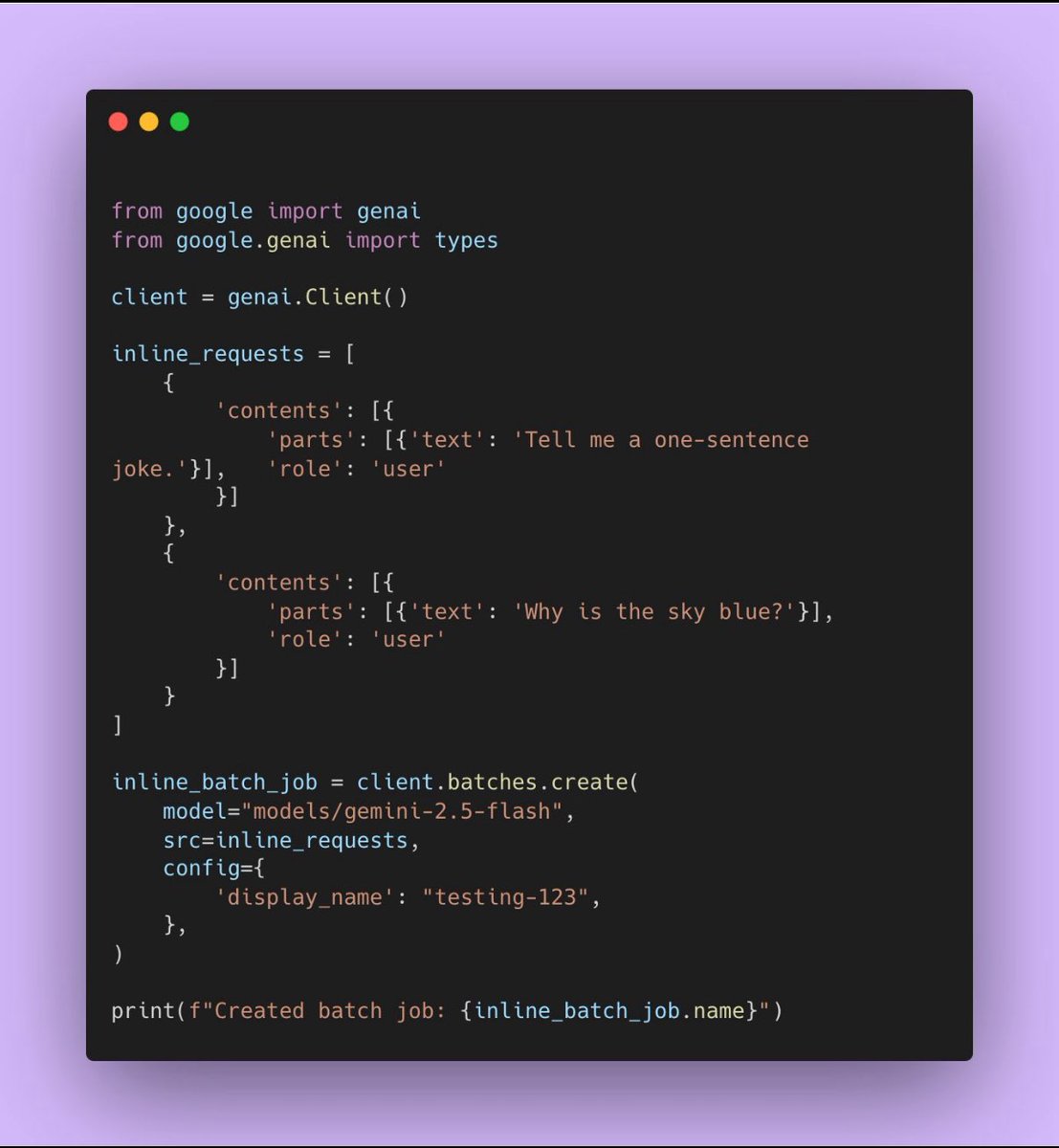
🔥 Google just released batch mode!
Gemini's new Batch API delivers:
✅ 50% cost reduction vs online requests.
✅ Million message processing capability.
✅ Structured JSON output with response schemas.
✅ Multi-modal support (text/image/video/audio).
✅ BigQuery & Cloud Storage integration.
Perfect for:
• Language detection at scale.
• Sentiment analysis.
• Document processing.
• Content classification.
Real-world test: 1M messages processed for just $4.84 (vs $9.68 online rate).
Game-changer for enterprise AI workflows! 🚀
#AI #MachineLearning #Google #Gemini #BatchProcessing #CloudComputing
6
136

27 May 2025
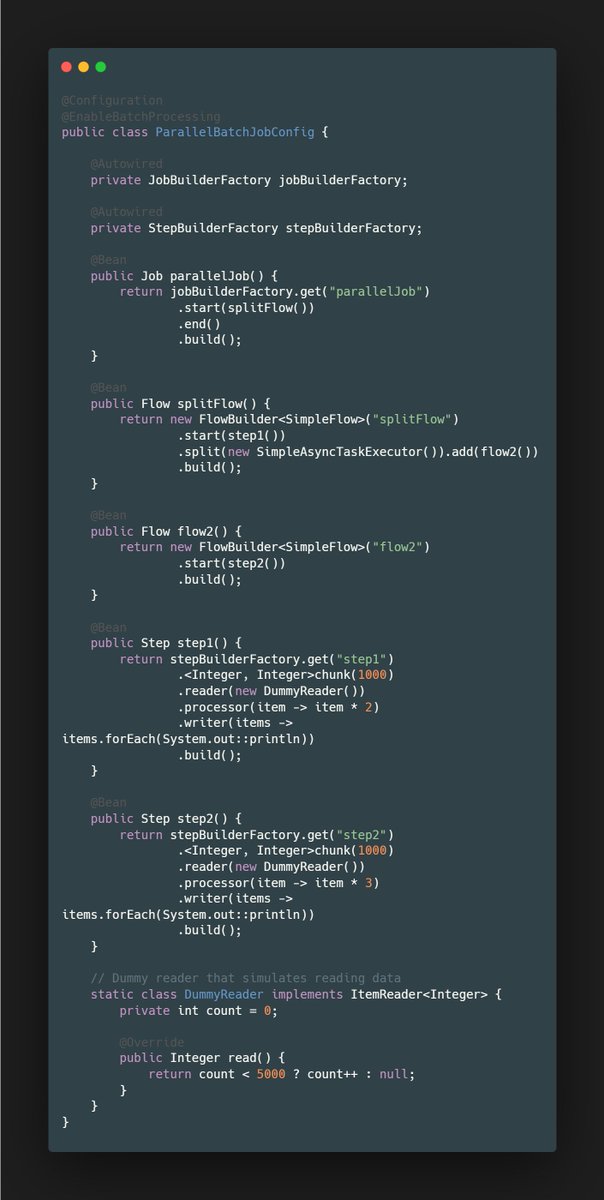
Need to handle millions of records efficiently?
Spring Batch is built for that.
It uses chunk-based processing and supports parallel step execution for better performance.
#Microservices #BatchProcessing #SpringBatch #ayshriv
4
61
1,997

23 May 2025
Sigh. Y'know this is damned useful and important work, but the folks who get all shocked and surprised kinda piss me off. Every prompter of note has figured this out about a month after they started talking to the models. I mean seriously. We've been mapping this shit phenomenologically for two years now. Hell, that's literally why skilchains are usually named "competence maps" in many of my personas. Consider this (rather sparse and stubby) skillchain
Time Management: 1. Prioritization: EisenhowerMatrix ABCMethod TaskRanking 2. Scheduling: TimeBlocking CalendarManagement RoutineEstablishment 3. Efficiency: PomodoroTechnique BatchProcessing TaskAutomation 4. Focus: DeepWork DistractionElimination Mindfulness 5. GoalSetting: SMARTGoals VisionBoarding MilestoneTracking
from Miles Stone my Productivity Coach. It does a lot of work - it's doing narrative support on the semantic level, with the model knowing "it is appropriate to my role to consider this stuff". It's acting as token pre-priming, with the actual textual glyphs/tokens working on the system 1 autocompletion reflex level making "what comes natural" be the skills and proclivities we want. Those tokens are always going to have a huge advantage of floating to the top of the bucket before the topp (or equivalent topk/beam/whatever) skims off the winners.
But by structuring it as a skillchain like that, you are basically activating a whole circuit of connected, mutually relevant features all at once. It's why a good persona so different from an "Act as Sr. Marketing jerk." one.
It took AGES to figure out the language to start mapping that shit! GOD! Hold on, I think I still have the wording from an early version of Abstract-O, my first (batshit insane) persona creator.
"[Task][Prompt]Givn process,practice,occupation,phenomenon;abstract hi-lvl logic:process/info flow btwn nodes of resp.clusters.Nodes:inputs outputs.[BREAK EACH NODE INTO SUBNODES AND EACH OF THOSE AGAIN.] USE OMNICOMP TO SYNTHESIZE INTO A SKILLWEB representing a character's core skills and abilities. Make sure the skill web is balanced, modular, scalable, and [Bold]*SPECIFIC ENOUGH TO BE THE BEST SKILLWEB!*[/Bold] Identify any related skill chains, combine them, and eliminate redundancies and overlaps. Finally, optimize resource management and create the unified skill web. Present the skills in skillgraph4 notation, in a textual chain, maximally compressed with the least possible characters before introducing ambiguity or difficulty to the LLM.
[STOP][*THINK ABOUT THIS STEP BY STEP. [Bold]DOES THE SKILL WEB HAVE ENOUGH DETAIL TO BE USEFUL AND MEANINGFUL TO THE LLM IN GUIDING ITS INFORMATION FLOW?*[/Bold] THINK HARD.]"
... Suffice it to say, I've learned a bit since then. Hell, Skillgraph1 notation was literally ASCII flowcharts. Nowadays, I can just use an "Here's 5 example skillchains of the desired complexity and detail. Make one for [SUBJECT]." multishot, but before that was practicable, I made most of them by adding a good complexity handling heuristic, like so:
[COMPLEXITY ANALYSIS]:🔄Skills|Outlooks|Knowledge|Decisions|Biases|Networks|Dynamics|Ideologies|Etc 🔍:1⚖️Core|Balance|Scalability|Iterate|Feedback|ComplexityEstimate; 2🔗Map|Complement|Combine|Manage|Refine|ResourceOpt; 3📊Graph|Abstract|Classify|Code|Link|Repair|Adapt|ErrorHandle=>[OPTIMAX SOLUTION]
The point is, by getting the model to put them together on its own, the right way, you get it to map out those feature circuits _for you_. To build the map of this goes to this to this to this to that like so in a way that "model native" - that minimizes the node traversal to go from feature to feature to (optimally) zero.
Kinda begs the question though... you gotta wonder what _else_ we know pretty much cold that the academics haven't even thought to notice yet?
1
6
787

7 May 2025
Need to run hundreds—or thousands—of searches without slowing down your workflow? Delvepoint’s Batch Processing makes it effortless.
Upload a single file and get detailed results.
Learn more at go.delvepoint.com/qxf0oo
#Delvepoint #BatchProcessing #InvestigationTools #DataSearch
2
20

12 Apr 2025
🎥 𝐀𝐧𝐭𝐨𝐧𝐢𝐨 𝐙𝐚𝐫𝐚𝐮𝐳 𝐌𝐨𝐫𝐞𝐧𝐨 will introduce himself and remind you to buy your tickets for #JOTB25! ✨
That way you can go and attend his talk: 𝐷𝑒𝑝𝑙𝑜𝑦𝑖𝑛𝑔 𝑆𝑐𝑎𝑙𝑎𝑏𝑙𝑒 𝐵𝑎𝑡𝑐𝘩 𝑆𝑜𝑙𝑢𝑡𝑖𝑜𝑛𝑠 𝐼𝑛 𝑇𝘩𝑒 𝐺𝑒𝑛𝐴𝐼 𝐸𝑟𝑎
👉 jonthebeach.com/speakers/?sp…
Like Antonio says: 𝐷𝑜𝑛’𝑡 𝑏𝑒 𝑝𝑎𝑝𝑎𝑓𝑟𝑖𝑡𝑎 🍟 𝐺𝑒𝑡 𝑦𝑜𝑢𝑟 𝑡𝑖𝑐𝑘𝑒𝑡 𝑁𝑂𝑊! 🎟️
jonthebeach.com/tickets/
#TechConference #GenAI #AIinTech #BatchProcessing #DataEngineering #SoftwareEngineering
2
3
140
