
Oh, geesh, haven't thought about the F-R Rule in a long time! My gut says the thesis remains intact, but the market value thresholds we used would not. Meaning, like everything, inflation must be taken into account.
1
3
534
Post
x.com/peter_brit/status/2054…
$nwbo @alphavestcap The Quiet Architect: Dr. George Zavoico and the Strategic Maturation of $NWBO 📷 Estimated reading time: ~8–9 minutes A behind-the-scenes look at how a quiet strategist, Dr. George Zavoico, PhD, is helping Northwest Biotherapeutics transform from a bold science story into a scalable immunotherapy platform. This isn’t just about the past. It’s about what’s being built next. In the unfolding story of Northwest Biotherapeutics, much has been said about its scientific ambition, regulatory boldness, and long-running resilience. But beneath that visible surface lies something quieter, and arguably more critical: a deliberate internal shift from experimental promise to scalable reality. That shift is embodied in Dr. George B. Zavoico, PhD, Vice President of Corporate Development. Not a public face. Not a headline maker. But very likely the strategist holding the platform together. 📷 What He Does Zavoico’s title, Vice President of Corporate Development, undersells the role. He isn’t just negotiating deals. He’s architecting how NWBO becomes a business, not just a biotech. 🧭hich geographies, under which regulatory frameworks, ensuring bandwidth and infrastructure match ambition. Institutional Framing: Guiding how the company presents its progress to capital markets, so that each milestone builds credibility instead of draining it. Execution Filters: Acting as the internal restraint mechanism, shaping which moves go forward, which wait, and which don’t happen at all. Crucially, he brings with him something few operators have: firsthand experience studying why other companies fail. As a senior biotech analyst, Zavoico wasn’t just forecasting winners, he spent years reviewing trials that had collapsed. He understood where the fault lines were: trial designs that mismatched with biology, manufacturing systems that didn’t scale, investor timelines that outpaced regulatory logic. He dissected those failures, not as setbacks, but as case studies. That pattern recognition now informs his work at NWBO. His decisions aren’t just strategic, they’re preventative. He’s seen what derails platforms, and he’s building this one to avoid the same fate. Every move that could affect capital, time, regulatory exposure, or IP leverage runs through that lens. He understands that building a platform is as much about saying “no” at the right time as it is about accelerating when ready. At the same time, Zavoico functions as an internal counterbalance to NWBO’s high-conviction leadership. Where others drive vision forward with force, he ensures that execution stays grounded, tempering ambition with operational realism. That tension isn’t dysfunction. It’s what keeps the platform structurally sound under pressure. 📷 Why His Timing Was Strategic Dr. Zavoico joined NWBO in August 2022, not during discovery, but at the inflection point where the system had to work. That summer, the UK’s MHRA approved a Pediatric Investigation Plan for DCVax-L using an external control arm, implicitly validating NWBO’s trial design years before formal ECA guidance was published. In parallel, new legal mechanisms like SI 87 opened the door to pre-approval patient access through the UK’🔍was entering deployment maturity. And quietly, you could start to see a shift in how NWBO moved. Fewer speculative filings. More surgical disclosures. No overextension. Everything tighter, cleaner, more internally sequenced. That’s not coincidence. That’s operational discipline and it has Zavoico’s fingerprints all over it. In short: NWBO had moved from concept to infrastructure. Zavoico wasn’t brought in to announce it. He was brought in to sequence it, protect it, and prepare it for replication. 📷 Building the AWS of Personalized Immunotherapy What NWBO is building now isn’t just a therapy, it’s a cloud-like infrastructure for immune cell manufacturing. The model is inspired not by pharma, but by platform logic. Just as Amazon Web Services turned computing into a modular, on-demand service with global deployment, NWBO is quietly building the immunotherapy equivalent, where GMP-quality cell therapies can be generated through compact, sensor-integrated, reproducible systems in multiple locations, all governed from a central architecture. Flaskworks is the hardware layer, closed-loop, decentralized, cleanroom-free. But it’s Zavoico who’s designing the permissions, the partner models, the service architecture. He’s defining what can be licensed, what must be retained, and how☁️ine from scratch. What Zavoico is likely preparing behind the scenes isn’t just commercialization. It’s post-approval scaling. Investor onboarding. Regional deployment models. Regulatory migration paths. A system for managing not just one product, but an entire network of partners, geographies, and payers under a common playbook. And that playbook has to work in more than one country. As regulatory models evolve across the UK, EU, US, and Asia, Zavoico’s role includes quietly navigating the intersection points, matching legal frameworks with operational capabilities, while ensuring each new node adheres to NWBO’s master control. 📷 Reconnecting Threads: Alexion, Complement Biology, and What Comes Next Zavoico’s early career at Alexion gave him more than exposure to rare disease innovation. It embedded him in the foundational biology of complement system modulation, a pathway now increasingly recognized as a critical barrier in immunologically “cold” tumors like glioblastoma. That insight may prove timely. AstraZeneca, which acquired Alexion in 2020, has recently begun repositioning complement inhibitors for use in the central nervous system. And glioblastoma’s immunosuppressive microenvironment, marked by high levels of complement activation and MDSC infiltration, is precisely the kind of terrain where combining DC-based vaccination with complement blockade could produce synergistic benefit. And unlike the ultra-rare disorders where complement inhibitors have historically commanded half-million-dollar price tags, Soliris® (eculizumab) being among the most expensive drugs ever sold, oncology creates room for new pricing logic. AstraZeneca’s next-generation C5 inhibitors, including🔗derstands how to position NWBO as a platform partner, not for chronic rare-disease use, but for targeted immune modulation designed to enhance dendritic cell priming and extend the reach of DCVax-L. Zavoico understands this terrain. He’s seen how misunderstood pathways, like C5 and C6 inhibition, can evolve into multibillion-dollar platforms when deployed correctly. It’s reasonable to believe that part of his long-view strategy includes evaluating next-generation combination frameworks for DCVax-L that go beyond T cell activation and checkpoint synergy. Complement modulation may be one of them. And if it is, it won’t happen by accident. It will happen because someone in the room already knows what those convergence points look like, before the rest of the field sees them. 📷 Final Perspective Zavoico doesn’t amplify NWBO’s story. He calibrates it. His job is to ensure that the company doesn’t outpace itself, scientifically, financially, or operationally. That timelines match capacity. That messaging matches reality. That partnerships, when they happen, preserve value rather than trade it away. He’s not there to make headlines. He’s there to make sure the headlines don’t come before the execution. And he doesn’t tweet. He doesn’t appear in press releases. His presence is measured in what doesn’t happen: no leaks, no hype cycles, no unforced errors. In a world obsessed with visibility, Zavoico operates with intentional silence, because systems don’t need a spotlight. They need stability. If NWBO succeeds in proving that personalized immunotherapy can scale, not just scientifically, but logistically and financially, it will be because someone built the roadmap for that reality. That someone is Dr. George Zavoico. #Immunotherapy #Glioblastoma #BiotechStrategy #CellTherapy #DendriticCells #Flaskworks #ComplementInhibition #Alexion #AstraZeneca #AWSofImmunotherapy #BiotechLeadership #CancerImmunotherapy #PersonalizedMedicine #PlatformBiotech #MHRA #FDA #BioStrategy $NWBO$AZN$ALXN$MRK$REGN$BIIB$IOVA$SANA$NTLA$CRSP$BLUE$GILD$AMZN Views10:12 AM · Jul 6, 2025·5,076RelevantView quotes
1
8
416
$nwbo @alphavestcap
The Quiet Architect: Dr. George Zavoico and the Strategic Maturation of $NWBO 📷 Estimated reading time: ~8–9 minutes A behind-the-scenes look at how a quiet strategist, Dr. George Zavoico, PhD, is helping Northwest Biotherapeutics transform from a bold science story into a scalable immunotherapy platform. This isn’t just about the past. It’s about what’s being built next. In the unfolding story of Northwest Biotherapeutics, much has been said about its scientific ambition, regulatory boldness, and long-running resilience. But beneath that visible surface lies something quieter, and arguably more critical: a deliberate internal shift from experimental promise to scalable reality. That shift is embodied in Dr. George B. Zavoico, PhD, Vice President of Corporate Development. Not a public face. Not a headline maker. But very likely the strategist holding the platform together. 📷 What He Does Zavoico’s title, Vice President of Corporate Development, undersells the role. He isn’t just negotiating deals. He’s architecting how NWBO becomes a business, not just a biotech. 🧭hich geographies, under which regulatory frameworks, ensuring bandwidth and infrastructure match ambition. Institutional Framing: Guiding how the company presents its progress to capital markets, so that each milestone builds credibility instead of draining it. Execution Filters: Acting as the internal restraint mechanism, shaping which moves go forward, which wait, and which don’t happen at all. Crucially, he brings with him something few operators have: firsthand experience studying why other companies fail. As a senior biotech analyst, Zavoico wasn’t just forecasting winners, he spent years reviewing trials that had collapsed. He understood where the fault lines were: trial designs that mismatched with biology, manufacturing systems that didn’t scale, investor timelines that outpaced regulatory logic. He dissected those failures, not as setbacks, but as case studies. That pattern recognition now informs his work at NWBO. His decisions aren’t just strategic, they’re preventative. He’s seen what derails platforms, and he’s building this one to avoid the same fate. Every move that could affect capital, time, regulatory exposure, or IP leverage runs through that lens. He understands that building a platform is as much about saying “no” at the right time as it is about accelerating when ready. At the same time, Zavoico functions as an internal counterbalance to NWBO’s high-conviction leadership. Where others drive vision forward with force, he ensures that execution stays grounded, tempering ambition with operational realism. That tension isn’t dysfunction. It’s what keeps the platform structurally sound under pressure. 📷 Why His Timing Was Strategic Dr. Zavoico joined NWBO in August 2022, not during discovery, but at the inflection point where the system had to work. That summer, the UK’s MHRA approved a Pediatric Investigation Plan for DCVax-L using an external control arm, implicitly validating NWBO’s trial design years before formal ECA guidance was published. In parallel, new legal mechanisms like SI 87 opened the door to pre-approval patient access through the UK’🔍was entering deployment maturity. And quietly, you could start to see a shift in how NWBO moved. Fewer speculative filings. More surgical disclosures. No overextension. Everything tighter, cleaner, more internally sequenced. That’s not coincidence. That’s operational discipline and it has Zavoico’s fingerprints all over it. In short: NWBO had moved from concept to infrastructure. Zavoico wasn’t brought in to announce it. He was brought in to sequence it, protect it, and prepare it for replication. 📷 Building the AWS of Personalized Immunotherapy What NWBO is building now isn’t just a therapy, it’s a cloud-like infrastructure for immune cell manufacturing. The model is inspired not by pharma, but by platform logic. Just as Amazon Web Services turned computing into a modular, on-demand service with global deployment, NWBO is quietly building the immunotherapy equivalent, where GMP-quality cell therapies can be generated through compact, sensor-integrated, reproducible systems in multiple locations, all governed from a central architecture. Flaskworks is the hardware layer, closed-loop, decentralized, cleanroom-free. But it’s Zavoico who’s designing the permissions, the partner models, the service architecture. He’s defining what can be licensed, what must be retained, and how☁️ine from scratch. What Zavoico is likely preparing behind the scenes isn’t just commercialization. It’s post-approval scaling. Investor onboarding. Regional deployment models. Regulatory migration paths. A system for managing not just one product, but an entire network of partners, geographies, and payers under a common playbook. And that playbook has to work in more than one country. As regulatory models evolve across the UK, EU, US, and Asia, Zavoico’s role includes quietly navigating the intersection points, matching legal frameworks with operational capabilities, while ensuring each new node adheres to NWBO’s master control. 📷 Reconnecting Threads: Alexion, Complement Biology, and What Comes Next Zavoico’s early career at Alexion gave him more than exposure to rare disease innovation. It embedded him in the foundational biology of complement system modulation, a pathway now increasingly recognized as a critical barrier in immunologically “cold” tumors like glioblastoma. That insight may prove timely. AstraZeneca, which acquired Alexion in 2020, has recently begun repositioning complement inhibitors for use in the central nervous system. And glioblastoma’s immunosuppressive microenvironment, marked by high levels of complement activation and MDSC infiltration, is precisely the kind of terrain where combining DC-based vaccination with complement blockade could produce synergistic benefit. And unlike the ultra-rare disorders where complement inhibitors have historically commanded half-million-dollar price tags, Soliris® (eculizumab) being among the most expensive drugs ever sold, oncology creates room for new pricing logic. AstraZeneca’s next-generation C5 inhibitors, including🔗derstands how to position NWBO as a platform partner, not for chronic rare-disease use, but for targeted immune modulation designed to enhance dendritic cell priming and extend the reach of DCVax-L. Zavoico understands this terrain. He’s seen how misunderstood pathways, like C5 and C6 inhibition, can evolve into multibillion-dollar platforms when deployed correctly. It’s reasonable to believe that part of his long-view strategy includes evaluating next-generation combination frameworks for DCVax-L that go beyond T cell activation and checkpoint synergy. Complement modulation may be one of them. And if it is, it won’t happen by accident. It will happen because someone in the room already knows what those convergence points look like, before the rest of the field sees them. 📷 Final Perspective Zavoico doesn’t amplify NWBO’s story. He calibrates it. His job is to ensure that the company doesn’t outpace itself, scientifically, financially, or operationally. That timelines match capacity. That messaging matches reality. That partnerships, when they happen, preserve value rather than trade it away. He’s not there to make headlines. He’s there to make sure the headlines don’t come before the execution. And he doesn’t tweet. He doesn’t appear in press releases. His presence is measured in what doesn’t happen: no leaks, no hype cycles, no unforced errors. In a world obsessed with visibility, Zavoico operates with intentional silence, because systems don’t need a spotlight. They need stability. If NWBO succeeds in proving that personalized immunotherapy can scale, not just scientifically, but logistically and financially, it will be because someone built the roadmap for that reality. That someone is Dr. George Zavoico. #Immunotherapy #Glioblastoma #BiotechStrategy #CellTherapy #DendriticCells #Flaskworks #ComplementInhibition #Alexion #AstraZeneca #AWSofImmunotherapy #BiotechLeadership #CancerImmunotherapy #PersonalizedMedicine #PlatformBiotech #MHRA #FDA #BioStrategy $NWBO$AZN$ALXN$MRK$REGN$BIIB$IOVA$SANA$NTLA$CRSP$BLUE$GILD$AMZN Views10:12 AM · Jul 6, 2025·5,065RelevantView quotesThe Dapper DO@TheDapperDO·Jul 6, 2025Don’t mess with the Zavoico!hockey dad@drugrunner99·Jul 6, 2025It’s about time this investment begins to pay off!!Kenneth Parker@KennethPar49290·Jul 6, 2025Why do you think Baker Bros isn’t invested in NWBO as far as we know?Andrew Caravello, DO@andrewcaravello·Jul 6, 2025It’s a conspicuous omission. Baker Bros. is one of the most strategically positioned firms in immuno-oncology, with a portfolio built around immune priming, antigen visibility, tumor microenvironment modulation, and checkpoint control. DCVax fits that ecosystem perfectly. And yet,no 13G, no visible stake. But the absence of public disclosure doesn’t mean absence of involvement. It may reflect structure, timing, and intentional silence. To start, the SEC only requires disclosures for positions ≥5% of a company’s float. Anything below that flies under the radar. Baker Bros. has a well-documented history of holding sub-5% stakes, either across multiple internal funds, through SPVs, or as part of long-horizon optioned positioning. If they’ve been quietly accumulating, it wouldn’t appear in public filings. And then there’s the plug-in network, the ecosystem of companies that don’t just surround DCVax but amplify it. Take Incyte, for example. Baker Bros. holds a large disclosed stake. Incyte’s IDO1 inhibitors, such as epacadostat, are designed to block one of the tumor’s main immune evasion mechanisms—tryptophan degradation through IDO1 expression, which suppresses T-cell activation. DCVax activates the immune system; IDO1 inhibition prevents that activation from being shut down in the tumor microenvironment. It’s a textbook pairing, DC-based priming plus sustained effector function. They also hold assets in the JAK/STAT space, which further modulate immune tone and support peripheral engagement. Then there’s Candel Therapeutics, another major Baker Bros. position. Candel develops tumor-selective viral vectors that trigger immunogenic cell death, increase antigen shedding, and inflame the local tumor microenvironment. Their lead program, CAN-2409, turns tumors into self-priming antigen sources, which dovetails perfectly with DCVax-Direct’s intratumoral dendritic cell injections. One triggers local release; the other captures it and relays the signature systemically. It’s the immune version of spark and fuel. They also have sizable positions in SpringWorks Therapeutics, which targets the gamma-secretase pathway to remodel the microenvironment and reduce immune exclusion, and in Foghorn Therapeutics, which engineers chromatin accessibility and unearths hidden tumor antigens, making cancer cells more visible to dendritic cell systems like DCVax. In short: Baker Bros. doesn’t need to own NWBO to be invested in its success. They already own the adjacents. They hold the checkpoint relief, the viral primers, the chromatin remodelers, the metabolic unshacklers. Their companies are the tools DCVax may require in every future combination trial, every licensing partnership, every adaptive stack. And there are more, many more. We won’t list them all here. Which leads to the most plausible explanation for their silence: they’re already in the room. Not by holding the nucleus, but by surrounding it. Not by staking the flagship, but by controlling the ports. Their absence from NWBO’s cap table may not be a lack of conviction. It may be the final move in a longer game, waiting for MHRA approval, waiting for uplisting, waiting for the board to flip. When DCVax becomes a platform, it will need partners. And Baker Bros. will already be holding the keys.
4
534

6 Aug 2025
🔄 Terns to Halt Metabolic Trials After 2025, Shifts to Partnering Mode 💡
In a pivotal pivot, Terns Pharmaceuticals has announced it will halt funding for metabolic disease trials after 2025, including its lead GLP‑1 candidate TERN‑601 in obesity. Instead, it plans to seek partners or divest its obesity/metabolic assets, setting a new strategic direction. ⚙️
Why this matters:
The FALCON Phase 2 obesity trial is enrolling well, with weight-loss results anticipated in Q4 2025.
TERN‑701, targeting CML, is progressing quickly toward data readouts in Q4 2025, with a reported cash runway into 2028.
The shift signals a move away from a crowded metabolic space and toward collaboration—freeing resources for assets with higher differentiation or near-term value.
As obesity markets become increasingly competitive, Terns is betting that partnering its metabolic pipeline now could maximize return—and reduce R&D burn.
#TernsPharma #ObesityDrug #GLP1 #BiotechStrategy #Partnering #MetabolicDisease #OncologyShift

3
48
29 Jul 2025
🧬 AstraZeneca Axes Lead TCR Therapy from $200M Neogene Acquisition — Signals Cell Therapy Reset
In a major shift, AstraZeneca has discontinued its lead TCR-T program (NT‑125)—acquired as part of the $200M Neogene Therapeutics deal—along with two armored CAR-T candidates (AZD5851 and AZD6422), all due to limited efficacy in early Phase 1 trials.
🔍 Despite pulling these programs, CFO Aradhana Sarin hailed the Neogene purchase as valuable—highlighting gains in manufacturing infrastructure, talent, and TCR screening capabilities that extend beyond a single asset.
AstraZeneca isn't stepping away. Ongoing investments include:
The in vivo cell therapy platform from its €1B acquisition of EsoBiotec
A $300M U.S. manufacturing site in Maryland to scale emerging cell therapies
These moves suggest a sharpened strategy: pruning underperforming assets while doubling down on scalable platforms and next-gen modalities to better navigate the solid tumor space moving forward. 💡
#AstraZeneca #Neogene #TCRT #CAR-T #CellTherapy #CancerR&D #BiotechStrategy
4
56
24 Jul 2025
🎯 Adicet Bio Reboots Strategy: Drops Lymphoma & Doubles Down on Autoimmune Cell Therapy
Adicet Bio is undergoing a clear strategic reset.
✅ Exited its Phase 1 lymphoma program (ADI‑001) to refocus on autoimmune diseases
🔄 Now developing ADI‑001 in Phase 1 for six autoimmune indications, including lupus nephritis, SLE, systemic sclerosis, and more—with FDA Fast Track Designation in SSc and refractory SLE
🔬 Meanwhile, ADI‑270—its γδ CAR‑T cell candidate in clear cell RCC—is dosing patients, with initial data expected in 2H 2025
💵 Financially solid with $175–200M cash, giving a runway into mid-to-late 2026
Adicet’s pivot—from cancer to immune disorders—reflects wider caution in cell therapy biotech as investors demand nimbleness and clinical progress. With fast-track status and multiple open INDs, they’re betting big on off-the-shelf CAR‑T cell therapy to transform autoimmune care. Stay tuned for their data milestones ahead 📍
#AdicetBio #CellTherapy #GammaDeltaCAR-T #Autoimmune #FastTrack #Lupus #SLE #Oncology #BiotechStrategy

3
87
24 Jul 2025
🔄 Galapagos Reverses Spin-Out, Eyes Strategic Deals or Sale for Cell Therapy Assets
Galapagos has pivoted sharply from earlier plans to break into two companies. Instead, it’s now evaluating transformative options (sale, license-outs, or partnerships) around its cell therapy portfolio, including lead CAR‑T candidate GLPG5101 and its decentralized xCellit™ manufacturing platform.
The previously announced mid-2025 spin‑off (with €2.45B capital and 40% staff layoffs) is off the table. New CEO Henry Gosebruch leads the return to a unified structure, backed by roughly €500M in cash to fund oncology-focused biotech innovation. Meanwhile, Galapagos is shifting away from small-molecule programs like its TYK2 inhibitor GLPG3667, seeking external partners for further development.
This marks a bold strategic reset: Galapagos is betting on value extraction via partnerships for cell therapy assets while realigning toward its strengths in oncology innovation.
#Galapagos #CellTherapy #CAR-T #DecentralizedManufacturing #Mergers #BiotechStrategy #OncologyInnovation
3
32

18 Jul 2025
$nwbo @alphavestcap
x.com/alphavestcap/status/19…
x.com/alphavestcap/status/19…
Back to learning: From @AndrewCaravello
🩸How $NWBO Integrated Platelet Biology, Dendritic Cell Licensing, and a Silent Immune Engine
⏱️ Estimated Reading Time: 10–12 minutes
🧪 TL;DR: The Engine Behind the Silence
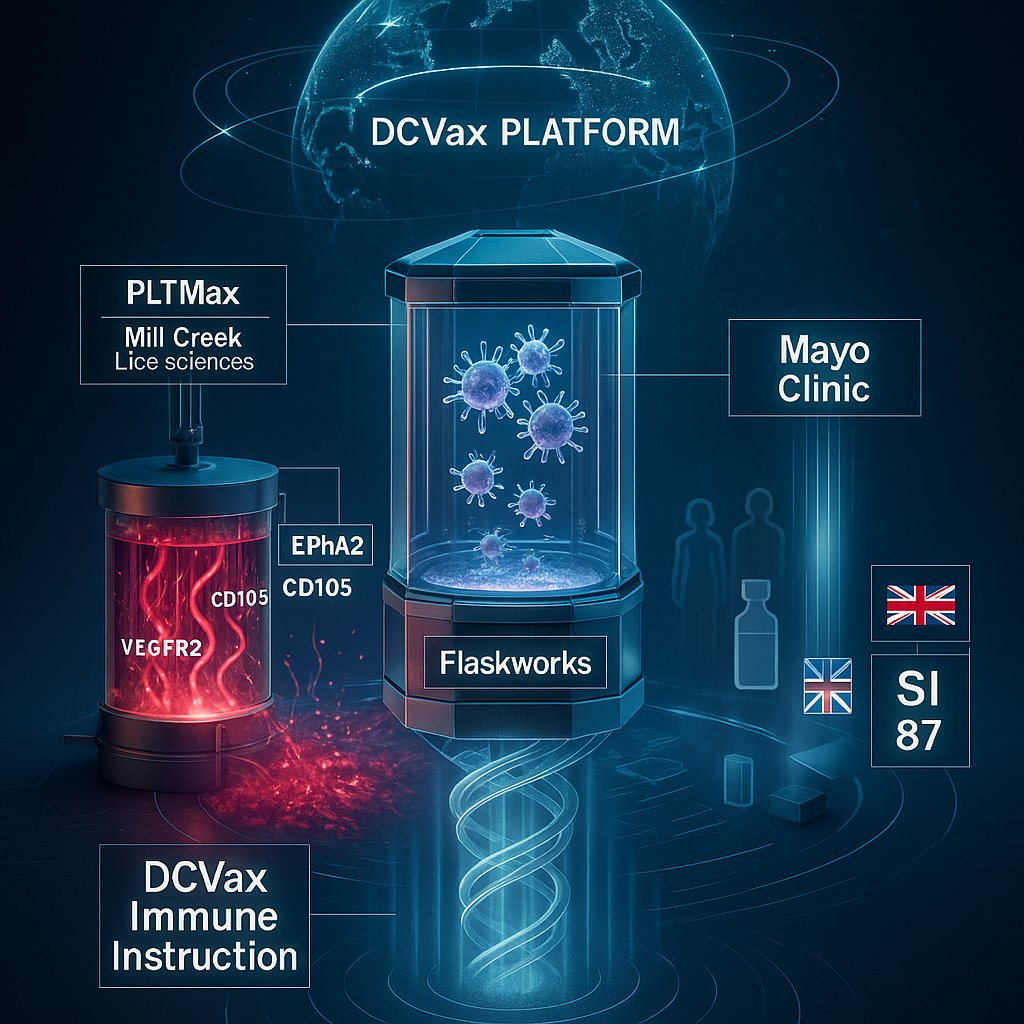
Mill Creek’s PLTMax produces pooled tumor lysate rich in vascular antigens. Mayo proved the lysate works when combined with dendritic cells prepared using Northwest Biotherapeutics’ method. The trial succeeded without naming the company, but the immune engine was theirs.
Mill Creek owns the reagent. Mayo confirmed the system. Northwest Biotherapeutics owns the method. Flaskworks automates it. SI 87 enables delivery.
The trial didn’t declare the convergence. It demonstrated it.
🧬 Mill Creek Life Sciences is more than a supplier. It is a key biological enabler. Its platelet-derived growth factor product, PLTMax, is a GMP-grade human platelet lysate used to expand primary tumor cells under serum free, xeno free conditions. This is not a generic cell culture reagent. It is a tumor priming enhancer. Tumors grown in PLTMax retain high expression of vascular antigens including VEGFR2, EphA2, CD105, and TEM1 that are critical for dendritic cell vaccine targeting.
More importantly, Mill Creek’s PLTMax platform has been used to produce pooled allogeneic lysate, most notably in Mayo Clinic’s NCT01957956 GBM trial. The resulting lysate was pulsed into autologous dendritic cells matured with cytokines and TLR3 agonists. This delivered strong immune activation and approximately nineteen month median overall survival.
PLTMax is covered under patents WO2018091713A1 and US11786556B2. While it is not a therapeutic method, it strengthens the DCVax model by increasing the immunogenicity of lysate inputs. It is a reagent that improves the instruction manual dendritic cells give to the immune system.
Mayo Clinic’s M7 protocol built on that foundation. The process starts with autologous monocytes isolated by leukapheresis. From day zero to three, the cells are differentiated using GM CSF and IL 4. From day four to five, they are matured with TNF alpha, PGE2, and Poly I C, a TLR3 agonist.
The resulting dendritic cells are pulsed with pooled GBM lysate produced via PLTMax expanded tumor lines. These cells exhibit mature phenotypes with over ninety percent CD83 positive expression, high CD80, CD86, CCR7, and HLA DR, and are highly effective at activating tumor specific cytotoxic T cells.
This was demonstrated in NCT01957956, a Mayo sponsored trial that produced survival and immune results in the same range as DCVax L. The trial did not use Northwest Biotherapeutics branding, but it did use Northwest Biotherapeutics’ blueprint. Mayo’s method is nearly identical to the Roswell licensed protocol now exclusively controlled by Northwest Biotherapeutics.
🧩 Biological Synergy Between PLTMax and Dendritic Cell Immune Instruction
The success of the Mayo and Mill Creek collaboration likely stemmed from more than correct protocol execution. It reflected a deeper biological synergy between the upstream antigen source and the downstream immune instructor. PLTMax enables pooled tumor lysate to retain and even enhance the presence of highly immunogenic targets. These include vascular markers such as VEGFR2, EphA2, CD105, and TEM1, which are tightly linked to tumor vasculature.
This is where synergy becomes strategic. The dendritic cell maturation process licensed by Northwest Biotherapeutics, which relies on cytokine signaling and TLR3 stimulation, is built to prime cytotoxic T cells against these very vascular targets. In effect, PLTMax makes the antigens more visible, and the DCVax method makes them actionable. The biology is aligned.
Importantly, these vascular targets represent Tumor Blood Vessel Antigens (TBVAs) a class of antigens that are selectively expressed in tumor endothelium across multiple cancer types but largely absent in healthy tissue. This gives them unique value as shared, non-mutated, tumor-agnostic targets. PLTMax not only preserves these TBVAs, it enhances their expression.
More than vascular markers, these lysate preparations preserve expression of HER2, EGFRvIII, MAGE A3, and gp100, expanding the platform’s potential to other cancers. This suggests that PLTMax does not simply support the Northwest Biotherapeutics method. It elevates it.
In immunologic terms, PLTMax defines the terrain. The dendritic cell protocol defines the tactics. The result is a platform that is more powerful together than either component alone.
Northwest Biotherapeutics did not invent PLTMax. Mill Creek did not patent immune instruction. But in Mayo’s trial, both were combined. The result was a living proof of concept that neither party could fully own without the other.
📜 Licensing and Intellectual Property Dependencies
Mayo Clinic has publicly stated that the PLTMax-related method was licensed to Mill Creek Life Sciences. This confirms that the lysate preparation used in their GBM trial is not open source. It is proprietary, commercially licensed, and generates royalties. That matters because it distinguishes the lysate as a regulated product rather than an academic tool.
But while Mill Creek owns the process for producing the lysate, it does not own the therapeutic use of that lysate. The method of loading tumor antigens into autologous dendritic cells and reinfusing them into the same patient to generate an immune response is protected under the Roswell patents licensed exclusively to Northwest Biotherapeutics. Mayo used this method in the M7 trial. Mill Creek promotes it. Northwest Biotherapeutics owns it.
This creates a layered structure of dependency. Mill Creek controls the upstream lysate input. Northwest Biotherapeutics controls the immune instruction method. The Mayo trial required both, but the legal foundation for the therapeutic claim rests with Northwest Biotherapeutics.
If Mill Creek intends to commercialize a dendritic cell vaccine across multiple cancer types, it will need more than reagent patents. It will need the licensed method that turns that reagent into a therapy. That relationship, already implicit in Mayo’s clinical work, now defines the legal framework for how this immune engine can scale.
The deeper Mill Creek goes into vaccine development, the more central Northwest Biotherapeutics’ patent wall becomes. The two companies are not in competition. They are on converging paths. And the law already favors the one with the instruction manual.
🌍 Flaskworks Compatibility and Global Scale Potential
Flaskworks is the automation layer that transforms a proven manual protocol into a scalable immunotherapy system. It was built to execute the same method defined in the Roswell patents and used by Mayo in the M7 trial, but in a closed, automated format. Flaskworks takes autologous monocytes, matures them into dendritic cells, pulses them with lysate, and prepares them for reinfusion, all without requiring open systems or manual intervention.
Mill Creek’s PLTMax platform integrates seamlessly with this system. Its pooled lysate, produced under GMP conditions, provides a consistent, immunogenic input that can be delivered directly into the Flaskworks platform. Together, they form a closed loop: upstream lysate production, downstream immune programming, and a path to consistent patient-specific output.
This compatibility has strategic implications. Under the UK’s SI 87 pathway, Northwest Biotherapeutics is permitted to produce autologous dendritic cell therapies using pooled lysate under the “Specials” exemption. Flaskworks enables this model to operate at the point of care, with cartridge-based reproducibility and minimal regulatory burden.
The combination of Mill Creek and Flaskworks moves the platform from laboratory innovation to clinical manufacturing. It enables geographic decentralization without losing control of quality. It also removes the need for patient tumor harvesting, a major barrier to scalability.
Northwest Biotherapeutics does not need to build new biology to expand. It already has the method, the automation, and the antigen supply. Flaskworks is the system that turns all three into a deployable solution.
🏛️ Trial and Regulatory Infrastructure
Mayo Clinic sponsored and conducted the clinical trials that demonstrated the viability of pooled lysate with autologous dendritic cells. These trials, such as NCT01957956, were structured to comply with FDA requirements but did not list Northwest Biotherapeutics as a collaborator. Despite this, the method used was functionally and legally aligned with the Roswell IP portfolio. It followed the precise steps outlined in Northwest Biotherapeutics’ patents, even if the company was not named.
Mill Creek was not the sponsor of these trials either. Its role was upstream, producing the PLTMax-expanded lysate used to pulse dendritic cells. That lysate was not the therapy. It was the antigenic signal—the ingredient that made the immune instruction possible. The trials were built around this division of labor: Mayo ran the clinic, Mill Creek supplied the lysate, and the method itself was Roswell’s.
There is no public evidence of IND cross-licensing between Mayo and Northwest Biotherapeutics, but that may not be necessary. If the Roswell method is being used as described, then the patents apply whether formally sublicensed or not. This reinforces Northwest Biotherapeutics’ legal position even without being named in trial records.
The broader regulatory framework supports this dynamic. The United Kingdom’s MHRA recognizes this method under its Advanced Therapy Medicinal Product rules, and the SI 87 pathway allows import of patient tissue and export of finished product. This creates a model where Northwest Biotherapeutics can serve global markets without replicating trials in every jurisdiction.
The infrastructure is already in place. The trial validated the method. The licenses control the logic. And the regulators are positioned to support expansion. What looks like silence is actually a regulatory architecture waiting to be activated.
📈 Platform Expansion and Strategic Convergence
Mill Creek Life Sciences has made public statements about its intention to expand its lysate platform into a multi cancer vaccine portfolio. In grant applications and outreach materials, the company has outlined plans to create standardized antigen libraries for other tumor types. The aim is to build a scalable, off the shelf lysate infrastructure that can support a broad range of dendritic cell–based therapies.
This vision mirrors the architecture of the platform already developed by Northwest Biotherapeutics. The DCVax model was designed from the start to decouple the immune instruction process from the need for patient specific tumor harvesting. The use of pooled allogeneic lysate enables a tissue agnostic approach. The use of autologous dendritic cells ensures immune compatibility. Mill Creek is now replicating that logic.
In describing its goals, Mill Creek has emphasized making these therapies more widely accessible and easier to manufacture. That language suggests a strategic shift toward decentralized production and pooled input sourcing, the very framework enabled by Flaskworks and protected by Northwest Biotherapeutics’ method patents.
If Mill Creek proceeds along this path, it will deepen its reliance on the Roswell method. The more it systematizes the delivery of pooled lysate into clinical use, the more it replicates a model already patented and in use by Northwest Biotherapeutics.
What appears to be two separate tracks is now a convergence. One company holds the reagent. The other holds the method. And both are now building toward the same horizon.
🧠 Strategic Implications for Northwest Biotherapeutics
The Mayo trial did more than validate pooled lysate. It demonstrated that the dendritic cell immune instruction method developed at Roswell and now licensed by Northwest Biotherapeutics remains effective even when adapted, relocated, and run independently. It showed that the instruction protocol works with enhanced antigens, with pooled sources, and in clinical settings outside of the company’s direct control.
Mill Creek’s success in generating GMP-grade, immunogenic lysate further supports this. The biology and the immune method are compatible. The infrastructure exists. The regulatory framework is active. Everything necessary for scalable, tissue agnostic immunotherapy is already in motion.
Northwest Biotherapeutics owns the most defensible piece of this ecosystem. It does not need to compete with Mill Creek. It needs to integrate. As Mill Creek expands into multi tumor antigen banks and off the shelf lysate solutions, it may either partner with or depend on Northwest Biotherapeutics by necessity. That dependency is already written into the way the therapy works.
What this represents is not fragmentation, but quiet alignment. The more Mill Creek succeeds, the more central Northwest Biotherapeutics becomes. The greater the scale of pooled lysate use, the greater the legal weight behind the method patents. The farther the platform spreads, the more essential the instruction engine becomes.
This is the convergence the trial foretold. It is not a coincidence. It is architecture.
🧭 Final Convergence: A Silent Engine Comes Into View
None of this required a press release.
The trial did not name Northwest Biotherapeutics. The papers did not cite the Roswell method. The lysate patents never mentioned DCVax. But in the architecture of the immune engine that was built, Mill Creek upstream, Mayo in the middle, Roswell beneath it all, the pieces fell into place. Not by accident, but by compatibility.
The biology worked because it was designed to. The method worked because it had already been tested. And the silence surrounding that alignment was not a flaw. It was structure. A platform moving beneath the surface until the moment its convergence could no longer be ignored.
Now the method is validated. The lysate is scalable. The automation exists. The regulatory path is active. And what was once theory is now visible as infrastructure. Northwest Biotherapeutics holds the immune instruction method that ties it all together, not just scientifically, but legally. That ownership does not require headlines. It requires recognition.
Because when platforms converge silently and systems begin to scale, ownership becomes less about noise and more about inevitability.
#Immunotherapy #CellTherapy #Biopharma #CancerVaccine #GMPmanufacturing #TissueAgnostic #DendriticCells #PersonalizedMedicine #BiotechStrategy #CDMO #MHRA #SI87 #TLR3 #TumorLysate #VascularTargeting #Flaskworks #MayoClinic #MillCreek #RoswellPark #RegulatoryScience #ImmuneInstruction #PlatformMedicine #NextGenBiotech #GlioblastomaAwarenessDay #PrecisionImmunology #DecentralizedBiotech
📚 Reference Index and Source Citations
This visual and narrative analysis integrates publicly available and legally discoverable scientific, regulatory, and corporate records that substantiate the convergence of Mill Creek Life Sciences, Mayo Clinic, and Northwest Biotherapeutics under the framework of DCVax Immune Instruction. Below is a detailed list of the core sources used:
🔬 Clinical Trials and Studies:
• NCT01957956 – Mayo Clinic Phase I trial using pooled GBM lysate pulsed into autologous dendritic cells
• Parney et al., 2020 – Mayo publication referencing PLTMax use and DC maturation profile
• J Immunother Cancer. 2022 Jul;10(7):e004385 – Mayo dendritic cell study (Melanoma/Neoantigen-related)
• J Transl Med. 2021 Feb 8;19(1):64 – Immune correlates and CD83 DC phenotype in M7 protocol
📄 Patents:
• US8679543B2 – Dendritic cell therapy method (Roswell Park / Kalinski, licensed to Northwest Biotherapeutics)
• US9567567B2 – Method of generating and using antigen-loaded autologous DCs for cancer immunotherapy
• WO2018091713A1 – Mill Creek patent on PLTMax human platelet lysate formulation
• US11786556B2 – Use of human platelet lysate for tumor antigen preservation and cell culture expansion
📃 Regulatory and Legal Filings:
• UK MHRA SI 2025 No. 87 – Regulation establishing Specials manufacturing exemption (SI 87)
• FDA ATMP Guidance – U.S. framework for cell-based therapies (21 CFR Part 1271)
• Northwest Biotherapeutics 10-K Filing (March 2024) – Language regarding acquisition discussions for dendritic cell technology
• Northwest Biotherapeutics 8-K Filing (August 2024) – Reference to MHRA inspections and MAA activity in UK and U.S.
🏢 Company and Platform Disclosures:
• Flaskworks – Corporate site and IP filings describing closed-system automation of dendritic cell manufacture
• Mill Creek Life Sciences – NIH SBIR/STTR grants and published statements describing lysate production and PLTMax antigen optimization
• Mayo Ventures – Public licensing documentation regarding royalty agreements on immunotherapy patents
📊 Presentations and Posters:
• SITC 2020–2023 Abstract Archive – Related dendritic cell presentations by Mayo Clinic
• ASGCT 2021–2023 Poster Sessions – Trial structures resembling DCVax framework
🧭 Additional:
• Roswell Park – Academic citations tied to dendritic cell therapy and antigen priming with TLR3 agonists
• Public Q&A from NWBO Shareholder Events – Linda Powers’ prior confirmations of pooled lysate compatibility and Flaskworks integration
This reference list is accurate to the best of available public records and represents over two years of triangulated synthesis across regulatory filings, scientific literature, and corporate disclosures.
x.com/andrewcaravello/status…
18 Jul 2025

$nwbo @alphavestcap
@andrewcaravello
it’s really helpful in showing how similar the M7 protocol and the $NWBO #DCVax method are. Just one small but important fix: under Step 2, the DCVax side currently says it uses “-CSF and IL-4” (missing a word and unclear). To be precise, it should say either: •“GM-CSF and IL-4 (Kalinski αDC1 method, licensed by NWBO)”, or •“GM-CSF alone (original DCVax-L patent)” 🔬 Importantly, this isn’t speculation, the 2020 Mayo Clinic paper by Parney & Dietz makes it clear that M7 evolved directly from a cytokine/TLR3-based maturation sequence (M5), and that its final performance (~91.5% CD83⁺ DCs from GBM patients) is identical to what’s published for Kalinski’s αDC1 method. 📷academic.oup.com/noa/article… depending on whether you’re comparing the licensed method or original formulation. Since the M7 protocol uses GM-CSF IL-4, it aligns directly with the Kalinski αDC1 method, which is now part of NWBO’s IP. Once that’s updated, the table perfectly shows that M7 and NWBO’s licensed method are essentially the identical in both structure and outcome. Great work.Thanks for putting together this graphic@ApptillionAI
9:19 AM · Jul 18, 2025
x.com/alphavestcap/status/19…
7
652

18 Jul 2025
🩸How $NWBO Integrated Platelet Biology, Dendritic Cell Licensing, and a Silent Immune Engine
⏱️ Estimated Reading Time: 10–12 minutes
🧪 TL;DR: The Engine Behind the Silence
Mill Creek’s PLTMax produces pooled tumor lysate rich in vascular antigens. Mayo proved the lysate works when combined with dendritic cells prepared using Northwest Biotherapeutics’ method. The trial succeeded without naming the company, but the immune engine was theirs.
Mill Creek owns the reagent. Mayo confirmed the system. Northwest Biotherapeutics owns the method. Flaskworks automates it. SI 87 enables delivery.
The trial didn’t declare the convergence. It demonstrated it.
🧬 Mill Creek Life Sciences is more than a supplier. It is a key biological enabler. Its platelet-derived growth factor product, PLTMax, is a GMP-grade human platelet lysate used to expand primary tumor cells under serum free, xeno free conditions. This is not a generic cell culture reagent. It is a tumor priming enhancer. Tumors grown in PLTMax retain high expression of vascular antigens including VEGFR2, EphA2, CD105, and TEM1 that are critical for dendritic cell vaccine targeting.
More importantly, Mill Creek’s PLTMax platform has been used to produce pooled allogeneic lysate, most notably in Mayo Clinic’s NCT01957956 GBM trial. The resulting lysate was pulsed into autologous dendritic cells matured with cytokines and TLR3 agonists. This delivered strong immune activation and approximately nineteen month median overall survival.
PLTMax is covered under patents WO2018091713A1 and US11786556B2. While it is not a therapeutic method, it strengthens the DCVax model by increasing the immunogenicity of lysate inputs. It is a reagent that improves the instruction manual dendritic cells give to the immune system.
Mayo Clinic’s M7 protocol built on that foundation. The process starts with autologous monocytes isolated by leukapheresis. From day zero to three, the cells are differentiated using GM CSF and IL 4. From day four to five, they are matured with TNF alpha, PGE2, and Poly I C, a TLR3 agonist.
The resulting dendritic cells are pulsed with pooled GBM lysate produced via PLTMax expanded tumor lines. These cells exhibit mature phenotypes with over ninety percent CD83 positive expression, high CD80, CD86, CCR7, and HLA DR, and are highly effective at activating tumor specific cytotoxic T cells.
This was demonstrated in NCT01957956, a Mayo sponsored trial that produced survival and immune results in the same range as DCVax L. The trial did not use Northwest Biotherapeutics branding, but it did use Northwest Biotherapeutics’ blueprint. Mayo’s method is nearly identical to the Roswell licensed protocol now exclusively controlled by Northwest Biotherapeutics.
🧩 Biological Synergy Between PLTMax and Dendritic Cell Immune Instruction
The success of the Mayo and Mill Creek collaboration likely stemmed from more than correct protocol execution. It reflected a deeper biological synergy between the upstream antigen source and the downstream immune instructor. PLTMax enables pooled tumor lysate to retain and even enhance the presence of highly immunogenic targets. These include vascular markers such as VEGFR2, EphA2, CD105, and TEM1, which are tightly linked to tumor vasculature.
This is where synergy becomes strategic. The dendritic cell maturation process licensed by Northwest Biotherapeutics, which relies on cytokine signaling and TLR3 stimulation, is built to prime cytotoxic T cells against these very vascular targets. In effect, PLTMax makes the antigens more visible, and the DCVax method makes them actionable. The biology is aligned.
Importantly, these vascular targets represent Tumor Blood Vessel Antigens (TBVAs) a class of antigens that are selectively expressed in tumor endothelium across multiple cancer types but largely absent in healthy tissue. This gives them unique value as shared, non-mutated, tumor-agnostic targets. PLTMax not only preserves these TBVAs, it enhances their expression.
More than vascular markers, these lysate preparations preserve expression of HER2, EGFRvIII, MAGE A3, and gp100, expanding the platform’s potential to other cancers. This suggests that PLTMax does not simply support the Northwest Biotherapeutics method. It elevates it.
In immunologic terms, PLTMax defines the terrain. The dendritic cell protocol defines the tactics. The result is a platform that is more powerful together than either component alone.
Northwest Biotherapeutics did not invent PLTMax. Mill Creek did not patent immune instruction. But in Mayo’s trial, both were combined. The result was a living proof of concept that neither party could fully own without the other.
📜 Licensing and Intellectual Property Dependencies
Mayo Clinic has publicly stated that the PLTMax-related method was licensed to Mill Creek Life Sciences. This confirms that the lysate preparation used in their GBM trial is not open source. It is proprietary, commercially licensed, and generates royalties. That matters because it distinguishes the lysate as a regulated product rather than an academic tool.
But while Mill Creek owns the process for producing the lysate, it does not own the therapeutic use of that lysate. The method of loading tumor antigens into autologous dendritic cells and reinfusing them into the same patient to generate an immune response is protected under the Roswell patents licensed exclusively to Northwest Biotherapeutics. Mayo used this method in the M7 trial. Mill Creek promotes it. Northwest Biotherapeutics owns it.
This creates a layered structure of dependency. Mill Creek controls the upstream lysate input. Northwest Biotherapeutics controls the immune instruction method. The Mayo trial required both, but the legal foundation for the therapeutic claim rests with Northwest Biotherapeutics.
If Mill Creek intends to commercialize a dendritic cell vaccine across multiple cancer types, it will need more than reagent patents. It will need the licensed method that turns that reagent into a therapy. That relationship, already implicit in Mayo’s clinical work, now defines the legal framework for how this immune engine can scale.
The deeper Mill Creek goes into vaccine development, the more central Northwest Biotherapeutics’ patent wall becomes. The two companies are not in competition. They are on converging paths. And the law already favors the one with the instruction manual.
🌍 Flaskworks Compatibility and Global Scale Potential
Flaskworks is the automation layer that transforms a proven manual protocol into a scalable immunotherapy system. It was built to execute the same method defined in the Roswell patents and used by Mayo in the M7 trial, but in a closed, automated format. Flaskworks takes autologous monocytes, matures them into dendritic cells, pulses them with lysate, and prepares them for reinfusion, all without requiring open systems or manual intervention.
Mill Creek’s PLTMax platform integrates seamlessly with this system. Its pooled lysate, produced under GMP conditions, provides a consistent, immunogenic input that can be delivered directly into the Flaskworks platform. Together, they form a closed loop: upstream lysate production, downstream immune programming, and a path to consistent patient-specific output.
This compatibility has strategic implications. Under the UK’s SI 87 pathway, Northwest Biotherapeutics is permitted to produce autologous dendritic cell therapies using pooled lysate under the “Specials” exemption. Flaskworks enables this model to operate at the point of care, with cartridge-based reproducibility and minimal regulatory burden.
The combination of Mill Creek and Flaskworks moves the platform from laboratory innovation to clinical manufacturing. It enables geographic decentralization without losing control of quality. It also removes the need for patient tumor harvesting, a major barrier to scalability.
Northwest Biotherapeutics does not need to build new biology to expand. It already has the method, the automation, and the antigen supply. Flaskworks is the system that turns all three into a deployable solution.
🏛️ Trial and Regulatory Infrastructure
Mayo Clinic sponsored and conducted the clinical trials that demonstrated the viability of pooled lysate with autologous dendritic cells. These trials, such as NCT01957956, were structured to comply with FDA requirements but did not list Northwest Biotherapeutics as a collaborator. Despite this, the method used was functionally and legally aligned with the Roswell IP portfolio. It followed the precise steps outlined in Northwest Biotherapeutics’ patents, even if the company was not named.
Mill Creek was not the sponsor of these trials either. Its role was upstream, producing the PLTMax-expanded lysate used to pulse dendritic cells. That lysate was not the therapy. It was the antigenic signal—the ingredient that made the immune instruction possible. The trials were built around this division of labor: Mayo ran the clinic, Mill Creek supplied the lysate, and the method itself was Roswell’s.
There is no public evidence of IND cross-licensing between Mayo and Northwest Biotherapeutics, but that may not be necessary. If the Roswell method is being used as described, then the patents apply whether formally sublicensed or not. This reinforces Northwest Biotherapeutics’ legal position even without being named in trial records.
The broader regulatory framework supports this dynamic. The United Kingdom’s MHRA recognizes this method under its Advanced Therapy Medicinal Product rules, and the SI 87 pathway allows import of patient tissue and export of finished product. This creates a model where Northwest Biotherapeutics can serve global markets without replicating trials in every jurisdiction.
The infrastructure is already in place. The trial validated the method. The licenses control the logic. And the regulators are positioned to support expansion. What looks like silence is actually a regulatory architecture waiting to be activated.
📈 Platform Expansion and Strategic Convergence
Mill Creek Life Sciences has made public statements about its intention to expand its lysate platform into a multi cancer vaccine portfolio. In grant applications and outreach materials, the company has outlined plans to create standardized antigen libraries for other tumor types. The aim is to build a scalable, off the shelf lysate infrastructure that can support a broad range of dendritic cell–based therapies.
This vision mirrors the architecture of the platform already developed by Northwest Biotherapeutics. The DCVax model was designed from the start to decouple the immune instruction process from the need for patient specific tumor harvesting. The use of pooled allogeneic lysate enables a tissue agnostic approach. The use of autologous dendritic cells ensures immune compatibility. Mill Creek is now replicating that logic.
In describing its goals, Mill Creek has emphasized making these therapies more widely accessible and easier to manufacture. That language suggests a strategic shift toward decentralized production and pooled input sourcing, the very framework enabled by Flaskworks and protected by Northwest Biotherapeutics’ method patents.
If Mill Creek proceeds along this path, it will deepen its reliance on the Roswell method. The more it systematizes the delivery of pooled lysate into clinical use, the more it replicates a model already patented and in use by Northwest Biotherapeutics.
What appears to be two separate tracks is now a convergence. One company holds the reagent. The other holds the method. And both are now building toward the same horizon.
🧠 Strategic Implications for Northwest Biotherapeutics
The Mayo trial did more than validate pooled lysate. It demonstrated that the dendritic cell immune instruction method developed at Roswell and now licensed by Northwest Biotherapeutics remains effective even when adapted, relocated, and run independently. It showed that the instruction protocol works with enhanced antigens, with pooled sources, and in clinical settings outside of the company’s direct control.
Mill Creek’s success in generating GMP-grade, immunogenic lysate further supports this. The biology and the immune method are compatible. The infrastructure exists. The regulatory framework is active. Everything necessary for scalable, tissue agnostic immunotherapy is already in motion.
Northwest Biotherapeutics owns the most defensible piece of this ecosystem. It does not need to compete with Mill Creek. It needs to integrate. As Mill Creek expands into multi tumor antigen banks and off the shelf lysate solutions, it may either partner with or depend on Northwest Biotherapeutics by necessity. That dependency is already written into the way the therapy works.
What this represents is not fragmentation, but quiet alignment. The more Mill Creek succeeds, the more central Northwest Biotherapeutics becomes. The greater the scale of pooled lysate use, the greater the legal weight behind the method patents. The farther the platform spreads, the more essential the instruction engine becomes.
This is the convergence the trial foretold. It is not a coincidence. It is architecture.
🧭 Final Convergence: A Silent Engine Comes Into View
None of this required a press release.
The trial did not name Northwest Biotherapeutics. The papers did not cite the Roswell method. The lysate patents never mentioned DCVax. But in the architecture of the immune engine that was built, Mill Creek upstream, Mayo in the middle, Roswell beneath it all, the pieces fell into place. Not by accident, but by compatibility.
The biology worked because it was designed to. The method worked because it had already been tested. And the silence surrounding that alignment was not a flaw. It was structure. A platform moving beneath the surface until the moment its convergence could no longer be ignored.
Now the method is validated. The lysate is scalable. The automation exists. The regulatory path is active. And what was once theory is now visible as infrastructure. Northwest Biotherapeutics holds the immune instruction method that ties it all together, not just scientifically, but legally. That ownership does not require headlines. It requires recognition.
Because when platforms converge silently and systems begin to scale, ownership becomes less about noise and more about inevitability.
#Immunotherapy #CellTherapy #Biopharma #CancerVaccine #GMPmanufacturing #TissueAgnostic #DendriticCells #PersonalizedMedicine #BiotechStrategy #CDMO #MHRA #SI87 #TLR3 #TumorLysate #VascularTargeting #Flaskworks #MayoClinic #MillCreek #RoswellPark #RegulatoryScience #ImmuneInstruction #PlatformMedicine #NextGenBiotech #GlioblastomaAwarenessDay #PrecisionImmunology #DecentralizedBiotech
📚 Reference Index and Source Citations
This visual and narrative analysis integrates publicly available and legally discoverable scientific, regulatory, and corporate records that substantiate the convergence of Mill Creek Life Sciences, Mayo Clinic, and Northwest Biotherapeutics under the framework of DCVax Immune Instruction. Below is a detailed list of the core sources used:
🔬 Clinical Trials and Studies:
• NCT01957956 – Mayo Clinic Phase I trial using pooled GBM lysate pulsed into autologous dendritic cells
• Parney et al., 2020 – Mayo publication referencing PLTMax use and DC maturation profile
• J Immunother Cancer. 2022 Jul;10(7):e004385 – Mayo dendritic cell study (Melanoma/Neoantigen-related)
• J Transl Med. 2021 Feb 8;19(1):64 – Immune correlates and CD83 DC phenotype in M7 protocol
📄 Patents:
• US8679543B2 – Dendritic cell therapy method (Roswell Park / Kalinski, licensed to Northwest Biotherapeutics)
• US9567567B2 – Method of generating and using antigen-loaded autologous DCs for cancer immunotherapy
• WO2018091713A1 – Mill Creek patent on PLTMax human platelet lysate formulation
• US11786556B2 – Use of human platelet lysate for tumor antigen preservation and cell culture expansion
📃 Regulatory and Legal Filings:
• UK MHRA SI 2025 No. 87 – Regulation establishing Specials manufacturing exemption (SI 87)
• FDA ATMP Guidance – U.S. framework for cell-based therapies (21 CFR Part 1271)
• Northwest Biotherapeutics 10-K Filing (March 2024) – Language regarding acquisition discussions for dendritic cell technology
• Northwest Biotherapeutics 8-K Filing (August 2024) – Reference to MHRA inspections and MAA activity in UK and U.S.
🏢 Company and Platform Disclosures:
• Flaskworks – Corporate site and IP filings describing closed-system automation of dendritic cell manufacture
• Mill Creek Life Sciences – NIH SBIR/STTR grants and published statements describing lysate production and PLTMax antigen optimization
• Mayo Ventures – Public licensing documentation regarding royalty agreements on immunotherapy patents
📊 Presentations and Posters:
• SITC 2020–2023 Abstract Archive – Related dendritic cell presentations by Mayo Clinic
• ASGCT 2021–2023 Poster Sessions – Trial structures resembling DCVax framework
🧭 Additional:
• Roswell Park – Academic citations tied to dendritic cell therapy and antigen priming with TLR3 agonists
• Public Q&A from NWBO Shareholder Events – Linda Powers’ prior confirmations of pooled lysate compatibility and Flaskworks integration
This reference list is accurate to the best of available public records and represents over two years of triangulated synthesis across regulatory filings, scientific literature, and corporate disclosures.
2
12
68
5,526
6 Jul 2025
🧠 The Quiet Architect: Dr. George Zavoico and the Strategic Maturation of $NWBO
📖 Estimated reading time: ~8–9 minutes
A behind-the-scenes look at how a quiet strategist, Dr. George Zavoico, PhD, is helping Northwest Biotherapeutics transform from a bold science story into a scalable immunotherapy platform. This isn’t just about the past. It’s about what’s being built next.
In the unfolding story of Northwest Biotherapeutics, much has been said about its scientific ambition, regulatory boldness, and long-running resilience. But beneath that visible surface lies something quieter, and arguably more critical: a deliberate internal shift from experimental promise to scalable reality.
That shift is embodied in Dr. George B. Zavoico, PhD, Vice President of Corporate Development.
Not a public face. Not a headline maker.
But very likely the strategist holding the platform together.
🎓 From Science to Capital to Strategy
Zavoico’s career arc is rare in biotech: a scientist by training, a market analyst by profession, and now a platform builder by necessity.
With a PhD in physiology and pharmacology from the University of Virginia, he began at the bench, working on early immunological and pharmacological targets at Alexion, Bristol-Myers Squibb, and T Cell Sciences (now Celldex). At Alexion, he had a firsthand view into one of the most remarkable biotech growth stories of the last 25 years, well before its acquisition by AstraZeneca for $39 billion. Notably, Alexion was one of the earliest crown jewels of Baker Brothers Advisors, a long-horizon, deep-science hedge fund known for identifying platform therapies well before Wall Street understood them. That environment taught Zavoico not just how to build a therapy, but how to build a company investors could trust to scale it.
Just as important: he’s spent over 30 years on the steering committee of the New York Academy of Sciences (NYAS) an institutional backbone of scientific discourse. That role gave him a front-row seat to the directional shifts in oncology, immunology, and regulatory policy decades before they filtered into mainstream investor narratives. He’s not just reacting to where cancer treatment is going, he’s been shaping the conversations that determine it.
But Zavoico didn’t stay in the lab. He pivoted into biotech equity research, becoming a senior analyst at Cantor Fitzgerald, Westport Capital, MLV, and B. Riley FBR. There, he dissected early-stage immunotherapy companies for institutional investors, identifying which ones had sustainable technology, viable trial paths, and commercial lifelines.
That background gave him two things NWBO needed:
Deep scientific literacy
A clear-eyed understanding of what capital markets actually reward
Now, at NWBO, he’s doing both, internally.
🧭 What He Does
Zavoico’s title, Vice President of Corporate Development, undersells the role. He isn’t just negotiating deals. He’s architecting how NWBO becomes a business, not just a biotech.
He oversees the alignment of four critical pillars:
Monetization Strategy: Structuring when and how NWBO capitalizes its platform, whether through regional licensing, strategic partnerships, or post-approval expansion.
Operational Sequencing: Prioritizing which assets move forward, in which geographies, under which regulatory frameworks, ensuring bandwidth and infrastructure match ambition.
Institutional Framing: Guiding how the company presents its progress to capital markets, so that each milestone builds credibility instead of draining it.
Execution Filters:
Acting as the internal restraint mechanism, shaping which moves go forward, which wait, and which don’t happen at all.
Crucially, he brings with him something few operators have: firsthand experience studying why other companies fail.
As a senior biotech analyst, Zavoico wasn’t just forecasting winners, he spent years reviewing trials that had collapsed. He understood where the fault lines were: trial designs that mismatched with biology, manufacturing systems that didn’t scale, investor timelines that outpaced regulatory logic. He dissected those failures, not as setbacks, but as case studies.
That pattern recognition now informs his work at NWBO. His decisions aren’t just strategic, they’re preventative. He’s seen what derails platforms, and he’s building this one to avoid the same fate.
Every move that could affect capital, time, regulatory exposure, or IP leverage runs through that lens. He understands that building a platform is as much about saying “no” at the right time as it is about accelerating when ready.
At the same time, Zavoico functions as an internal counterbalance to NWBO’s high-conviction leadership. Where others drive vision forward with force, he ensures that execution stays grounded, tempering ambition with operational realism. That tension isn’t dysfunction. It’s what keeps the platform structurally sound under pressure.
🔍 Why His Timing Was Strategic
Dr. Zavoico joined NWBO in August 2022, not during discovery, but at the inflection point where the system had to work.
That summer, the UK’s MHRA approved a Pediatric Investigation Plan for DCVax-L using an external control arm, implicitly validating NWBO’s trial design years before formal ECA guidance was published. In parallel, new legal mechanisms like SI 87 opened the door to pre-approval patient access through the UK’s “Specials” pathway, setting the stage for real-world delivery ahead of commercial licensure.
Behind the scenes, Advent’s GMP facility was scaling up to handle live patient material. Flaskworks’ automated, closed-system manufacturing platform, capable of decentralized, reproducible dendritic cell production, was entering deployment maturity.
And quietly, you could start to see a shift in how NWBO moved. Fewer speculative filings. More surgical disclosures. No overextension. Everything tighter, cleaner, more internally sequenced. That’s not coincidence. That’s operational discipline and it has Zavoico’s fingerprints all over it.
In short: NWBO had moved from concept to infrastructure.
Zavoico wasn’t brought in to announce it. He was brought in to sequence it, protect it, and prepare it for replication.
☁️ Building the AWS of Personalized Immunotherapy
What NWBO is building now isn’t just a therapy, it’s a cloud-like infrastructure for immune cell manufacturing.
The model is inspired not by pharma, but by platform logic.
Just as Amazon Web Services turned computing into a modular, on-demand service with global deployment, NWBO is quietly building the immunotherapy equivalent, where GMP-quality cell therapies can be generated through compact, sensor-integrated, reproducible systems in multiple locations, all governed from a central architecture.
Flaskworks is the hardware layer, closed-loop, decentralized, cleanroom-free.
But it’s Zavoico who’s designing the permissions, the partner models, the service architecture. He’s defining what can be licensed, what must be retained, and how oversight scales globally without sacrificing control or compliance.
This isn’t just drug development, it’s system design. A plug-and-play infrastructure for clinics, hospitals, or regional CDMOs to run immune therapy modules under NWBO’s umbrella, without rebuilding the entire pipeline from scratch.
What Zavoico is likely preparing behind the scenes isn’t just commercialization. It’s post-approval scaling. Investor onboarding. Regional deployment models. Regulatory migration paths. A system for managing not just one product, but an entire network of partners, geographies, and payers under a common playbook.
And that playbook has to work in more than one country. As regulatory models evolve across the UK, EU, US, and Asia, Zavoico’s role includes quietly navigating the intersection points, matching legal frameworks with operational capabilities, while ensuring each new node adheres to NWBO’s master control.
🔗 Reconnecting Threads: Alexion, Complement Biology, and What Comes Next
Zavoico’s early career at Alexion gave him more than exposure to rare disease innovation. It embedded him in the foundational biology of complement system modulation, a pathway now increasingly recognized as a critical barrier in immunologically “cold” tumors like glioblastoma.
That insight may prove timely. AstraZeneca, which acquired Alexion in 2020, has recently begun repositioning complement inhibitors for use in the central nervous system. And glioblastoma’s immunosuppressive microenvironment, marked by high levels of complement activation and MDSC infiltration, is precisely the kind of terrain where combining DC-based vaccination with complement blockade could produce synergistic benefit.
And unlike the ultra-rare disorders where complement inhibitors have historically commanded half-million-dollar price tags, Soliris® (eculizumab) being among the most expensive drugs ever sold, oncology creates room for new pricing logic. AstraZeneca’s next-generation C5 inhibitors, including ravulizumab and emerging CNS-penetrant agents, are already being developed with alternate labels and indication-specific formulations. These could be administered as short-course adjuncts, not year-long therapies. Zavoico, having seen this pricing logic unfold firsthand at Alexion, likely understands how to position NWBO as a platform partner, not for chronic rare-disease use, but for targeted immune modulation designed to enhance dendritic cell priming and extend the reach of DCVax-L.
Zavoico understands this terrain. He’s seen how misunderstood pathways, like C5 and C6 inhibition, can evolve into multibillion-dollar platforms when deployed correctly. It’s reasonable to believe that part of his long-view strategy includes evaluating next-generation combination frameworks for DCVax-L that go beyond T cell activation and checkpoint synergy. Complement modulation may be one of them.
And if it is, it won’t happen by accident. It will happen because someone in the room already knows what those convergence points look like, before the rest of the field sees them.
🧠 Final Perspective
Zavoico doesn’t amplify NWBO’s story. He calibrates it.
His job is to ensure that the company doesn’t outpace itself, scientifically, financially, or operationally. That timelines match capacity. That messaging matches reality. That partnerships, when they happen, preserve value rather than trade it away.
He’s not there to make headlines.
He’s there to make sure the headlines don’t come before the execution.
And he doesn’t tweet. He doesn’t appear in press releases. His presence is measured in what doesn’t happen: no leaks, no hype cycles, no unforced errors. In a world obsessed with visibility, Zavoico operates with intentional silence, because systems don’t need a spotlight. They need stability.
If NWBO succeeds in proving that personalized immunotherapy can scale, not just scientifically, but logistically and financially, it will be because someone built the roadmap for that reality.
That someone is Dr. George Zavoico.
#DCVax #Immunotherapy #Glioblastoma #BiotechStrategy #CellTherapy #DendriticCells #Flaskworks #ComplementInhibition #Alexion #AstraZeneca #AWSofImmunotherapy #BiotechLeadership #CancerImmunotherapy #PersonalizedMedicine #PlatformBiotech #MHRA #FDA #BioStrategy
$NWBO $AZN $ALXN $MRK $REGN $BIIB $IOVA $SANA $NTLA $CRSP $BLUE $GILD $AMZN
3
7
46
8,011
1 Jul 2025
🔄 Bergenbio Oncoinvent Merge: Pivoting from Failed Lung Cancer to Radiopharma Promise 🚀
🧪 Bemcentinib scrapped, Bergenbio taps out—now merging into Oncoinvent, a clinical-stage Radspherin® radiopharma player
💸 Fully underwritten NOK 130M rights issue ensures funding through 2027 for Phase 2 ovarian cancer trials
📊 Ownership split: Oncoinvent 75%, Bergenbio 25%; Oncoinvent maintains name and leadership
📈 Strategy refocus: Access to Oslo Børs main list, stronger investor appeal, and financial lifeline
🎯 Signals a hard pivot—from lung cancer disappointment to ovarian/cancer radiotherapy—and a reset in Norwegian biotech strategy
This merger shows the tough choices small biotechs face after clinical setbacks—and how strategic consolidation in novel modalities like radiopharma can offer new paths to survival and clinical progress.
#Bergenbio #Oncoinvent #Radiopharma #Radspherin #BiotechMerge #CancerTherapy #OvarianCancer #Phase2 #BiotechStrategy #Funding2027
3
45
1 Jul 2025
⚠️ Processa Ends Opus Licensing Deal, Shifts Focus to Core Programs
❌ Processa terminated its 2021 license agreement with Opus Genetics (formerly Ocuphire) on June 27, 2025
🔍 Initiates a strategic portfolio review—likely reallocating resources to higher-priority assets
⛔ No financial details disclosed—impact on cash and milestones remains unclear
💡 This move suggests Processa is doubling down on internal programs, stepping back from external partnerships
This is a critical reset for Processa: shedding outside assets to sharpen focus on core areas. Watch for details on which programs emerge as new priorities during their strategic reassessment.
#Processa #OpusGenetics #BiotechStrategy #PortfolioReview #PipelineFocus #DrugDevelopment #BiotechNews #ClinicalObjectives
3
41
25 Jun 2025
🌏 Arbutus Takes Charge: Reclaims China Rights to its HBV “Functional Cure” Asset
🔄 Regains full control of AB‑729/imdusiran in Greater China—free from previous Qilu Pharma partnership
🎯 Latest data: up to 50% functional cure in Phase 2a (with interferon), 25% across all patients
🚀 Q1 2025 milestone: 8 patients cured, including 2 without interferon—a strong signal for off‑interferon regimens
💼 Strategy sharpened: Rights reunified, cash runway secured (~$113M), focus on imdusiran & PD‑L1 oral AB‑101
This move positions Arbutus for global leadership in functional HBV cure development—China’s massive patient base now back in its hands and clinical data on the rise.
#Arbutus #HBVCure #RNAi #Imdusiran #BiotechStrategy #China #GlobalHealth #AB101 #FunctionalCure #InfectiousDisease
3
70
23 Jun 2025
🚨 Leap Therapeutics Cuts 75% of Workforce & Pauses Its Sole Clinical Trial Amid Market Chill
📉 Layoffs expanded: 75% headcount reduction (~38 of ~50 employees) after a May round
🛑 Clinical pause: The only active trial has been halted to preserve cash
🌐 Strategy reset: Market pressures force a pivot while the company refines its pipeline focus
🧪 Strategic asset: Sirexatamab retooled toward colorectal cancer with strong Phase II signals
This is a stark example of how current funding droughts are forcing biotech stepping stones—even at late-stage assets. Leap’s survival now depends on rationalizing costs and securing new capital or partnerships for its lead candidate.
#LeapTherapeutics #BiotechLayoffs #Oncology #Sirexatamab #DKK1 #CostSavings #BiotechStrategy #BiotechCrunch #ClinicalPause
2
27
20 Jun 2025
🔄 Syncona Shifts Gears: Winding Down Public Investments, Planting Seeds for Private Innovation
📉 Hit by the biotech downturn (S&P indices still ~52% below 2021 highs), Syncona is liquidating public assets and returning cash to shareholders
💼 Offering continued support to select portfolio firms via M&A or public exits, prioritizing late-stage value
🌱 Launching a new private vehicle for institutional investors—aimed at creating biotech from groundbreaking academic science
⚖️ Shares are down ~58% over five years, but the strategy is to optimize returns amid tough funding markets.
This marks a key transition for Syncona—from managing listed stakes toward forging biotech from university labs. Will this pivot revive returns or simply cement a retreat from public markets?
#Syncona #BiotechInvestment #LifeSciences #WindDown #PrivateEquity #AcademicSpinouts #WellcomeTrust #BiotechStrategy #InvestorUpdate
3
81

19 Jun 2025
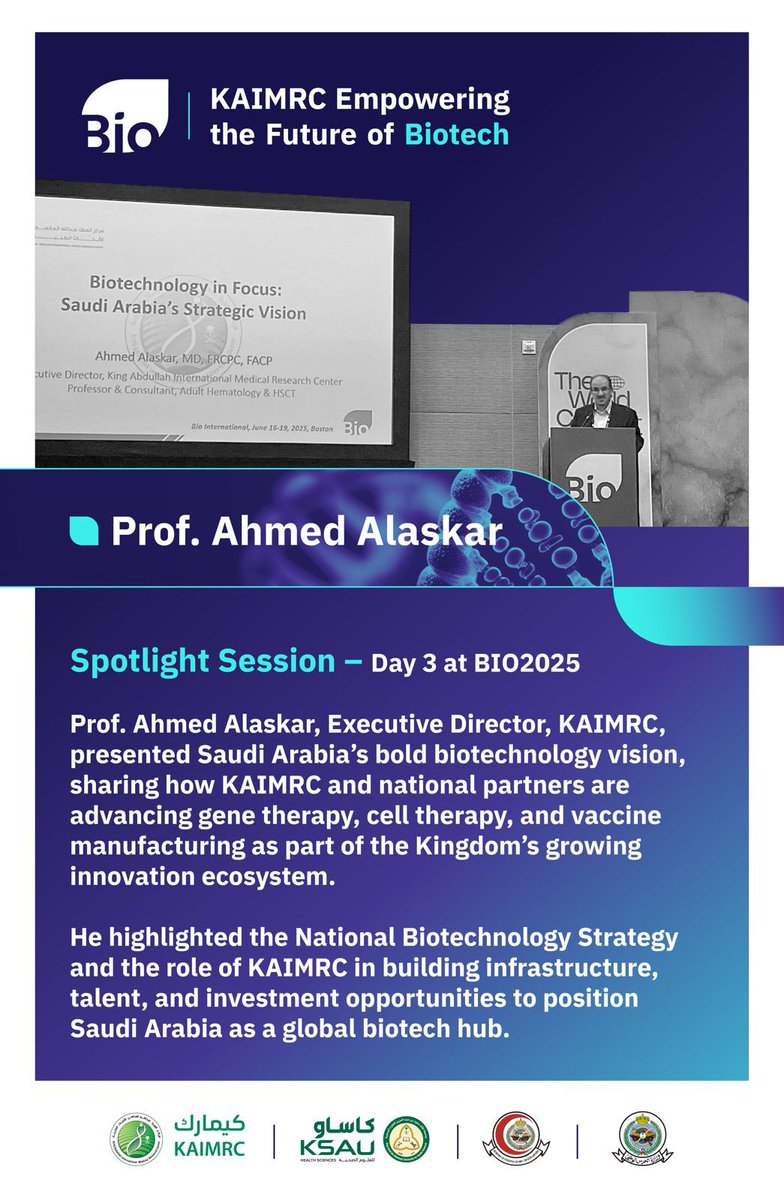
Prof. Ahmed Alaskar, Executive Director of KAIMRC, presented Saudi Arabia’s biotechnology vision at BIO2025, emphasizing KAIMRC’s role in advancing the National Biotechnology Strategy by developing infrastructure, nurturing talent, and attracting investment to position the Kingdom as a global biotech hub.
#BIO2025 #KAIMRC #SaudiBiotech #Vision2030 #BiotechStrategy #GlobalBiotechHub #HealthcareInnovation
1
1
5
6,934

19 Jun 2025
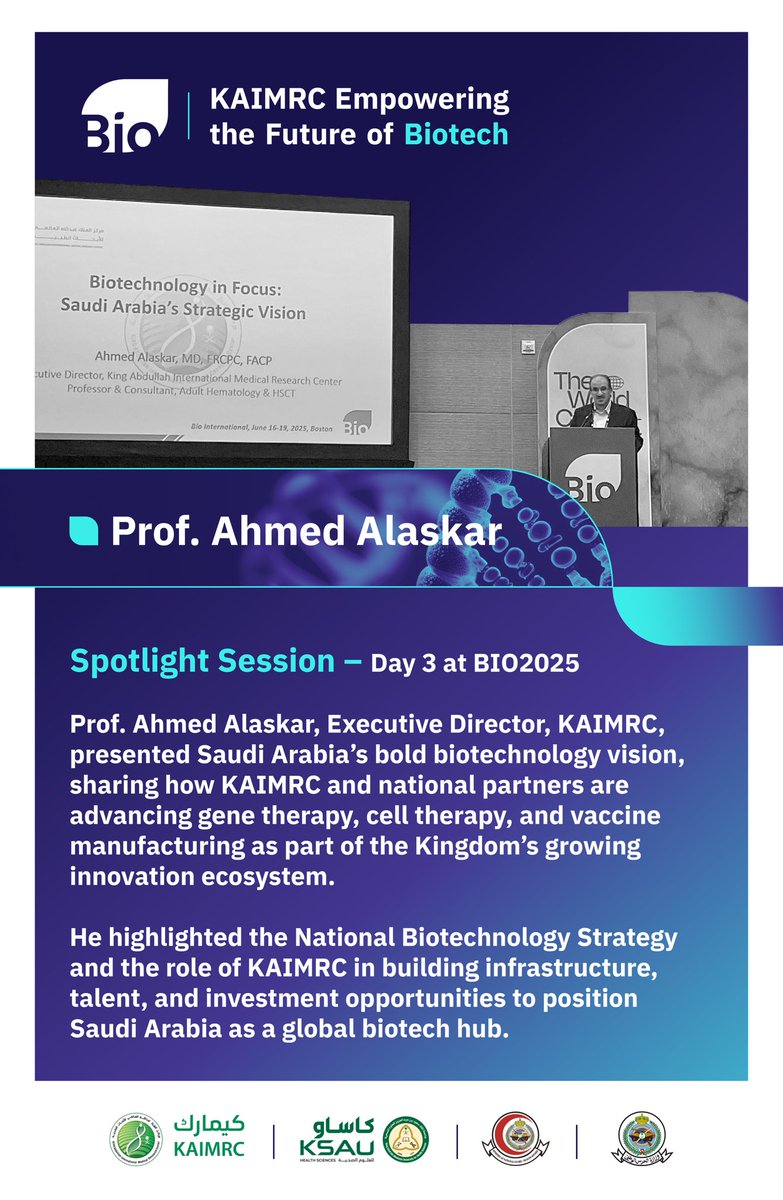
Prof. Ahmed Alaskar, Executive Director of KAIMRC, presented Saudi Arabia’s biotechnology vision at BIO2025, emphasizing KAIMRC’s role in advancing the National Biotechnology Strategy by developing infrastructure, nurturing talent, and attracting investment to position the Kingdom as a global biotech hub.
#BIO2025 #KAIMRC #SaudiBiotech #Vision2030 #BiotechStrategy #GlobalBiotechHub #HealthcareInnovation
1
12
10,181

30 May 2025
Diversified pipeline, dual track risk mitigation: $KDST.TA $NLSP aim for mid-term CNS revenue and long-term upside via regenerative therapies. #BiotechStrategy #RareDiseaseMarket Read #ACFResearch update note bit.ly/KDST-NLSP-combinedCIC #BCLI $AZN $AMGN $SNY $GILD $VRTX $ABBV $AMRX $ROG.SW $MRK $PFE $TEVA $NVS $BIIB
@WizardBattery @EU_Startups @Share_Talk @Stocktwits @ZaksTradersCafe @zakmir @VOXmarkets @_focusIR_ @LondonSouthEast @CityAM @Mayhem4Markets @stockmark_it
29 May 2025

🧠 Meet the new Diabetes / CNS contender: $KDST.TA $NLSP aim to redefine neuro care with first-in-class #orexin therapies cell-based #insulin solutions (Type 1 Diabetes). Multi-pronged attack on #ALS, #Parkinson's & more. #Neuroscience #SleepDisorders Read more in our #ACFResearch CIC note bit.ly/KDST-NLSP-combinedCIC #BCLI $AZN $AMGN $SNY $GILD $VRTX $ABBV $AMRX $ROG.SW $MRK $PFE $TEVA $NVS $BIIB @BrainstormCell @NeuroscienceNew @LongevityTech @LaVonneRober @MinoShah @alsassociation @Warriors_mom @pknoepfler @bsw5020 @Cylebo @ChrisPalmerMD @alsnewstoday @FonsieTrader @NeuroscienceNew #BrainStormCellTherapeutics @NLSPharma @KadimastemLTD
2
3
604
24 Apr 2025
🇨🇭📦 Roche Says It’s Ready for Trump Tariffs—but Deal-Making Could Take a Hit
Roche is striking a confident tone amid growing concern about Trump’s proposed pharma tariffs, with executives saying the company is in a "very, very good position" to withstand supply chain turbulence thanks to its global manufacturing network and inventory strategies.
But there's a catch.
🧩 M&A Slowdown Ahead?While Roche may be insulated from near-term tariff shocks, leadership signaled that future deal-making could suffer, as:
Valuations shift under economic pressure
Cross-border acquisitions become more complicated
Companies tighten cash flow and risk tolerance
💬 CEO Thomas Schinecker emphasized that core R&D operations are stable, but external innovation via M&A could lose momentum if global markets stay volatile.
💡 Why it matters: With many large pharmas increasingly relying on bolt-on acquisitions and platform plays, any slowdown in biotech M&A could reshape the innovation pipeline—especially for startups counting on big exits.
#Roche #Tariffs #Pharma #TrumpTariffs #BiotechMergers #MergersAndAcquisitions #GlobalSupplyChain #HealthcareBusiness #PharmaNews #BiotechStrategy #DrugDevelopment #BioSpace #BiotechInvesting

3
30
19 Apr 2025
💸🔬 Evotec Slashes 30 Drug Programs Amid Major Cost-Cutting Drive
German biotech Evotec is taking a scalpel to its R&D pipeline, cutting 30 assets as part of a sweeping cost-reduction initiative.
📉 Why it matters:
▫️The company is facing significant financial pressure, aiming to shed around €40M in annual costs.
▫️These 30 programs were mostly early-stage preclinical assets that lacked near-term partnership potential or differentiation.
▫️The cuts come just months after Evotec announced a site closure in Toulouse and workforce reductions across the board.
🧪 What remains:
Evotec says it's doubling down on high-priority areas like precision medicine, AI-driven drug discovery, and strategic partnerships—especially its Just – Evotec Biologics platform.
💬 CEO Dr. Werner Lanthaler acknowledged the move was difficult but necessary to “optimize the company’s long-term innovation engine.”
🧭 Bottom line: In a tightening biotech climate, even major players are making tough choices, reinforcing a broader trend of strategic pipeline prioritization.
#Evotec #BiotechNews #Layoffs #DrugPipeline #RDCuts #CostCutting #LifeSciences #FierceBiotech #PreclinicalResearch #Biopharma #BiotechStrategy #PharmaTrends

4
127