
May 18
TRIBE V2 PREDICTS HUMAN BRAIN RESPONSES TO MEDIA STIMULI
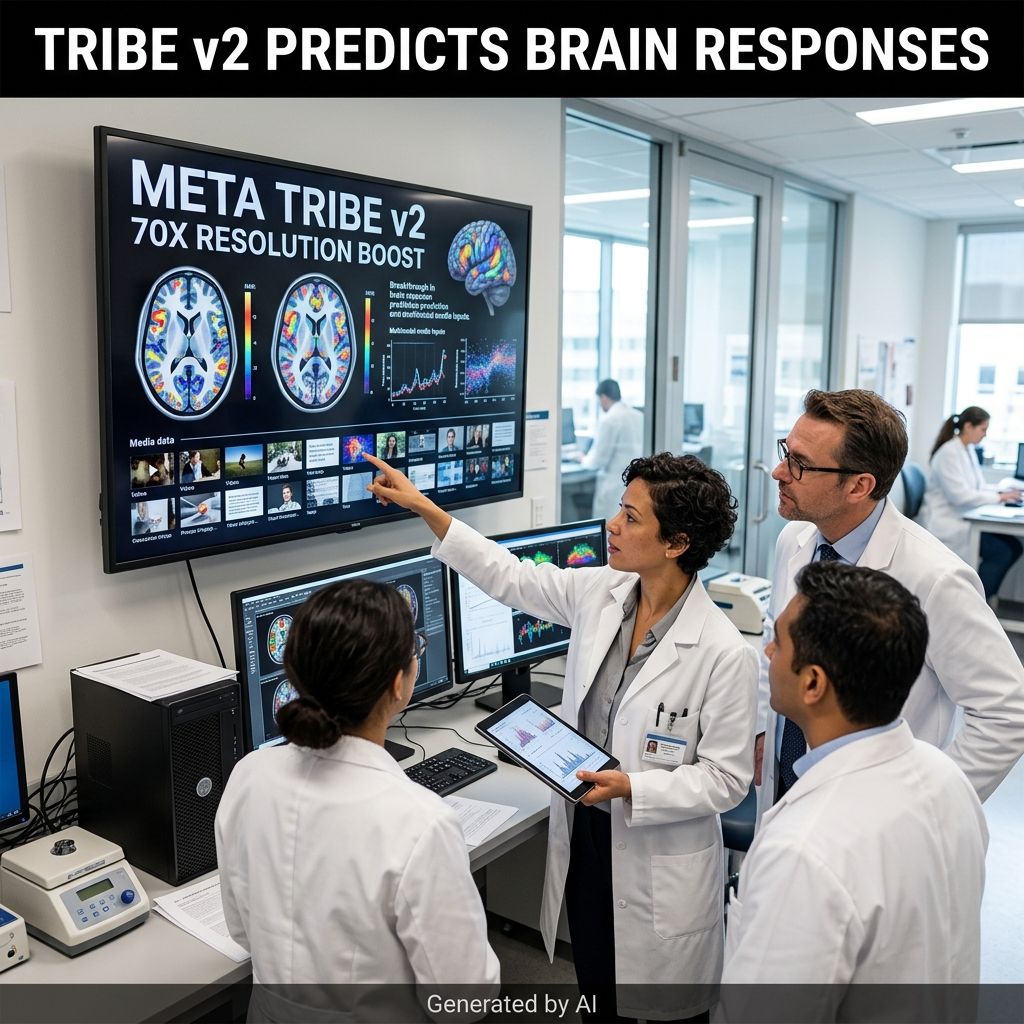
🧠 Meta’s TRIBE v2 is described as a neuroscience-focused AI model for predicting human brain responses to images, video, and text.
📊 Coverage also says the model was trained on data from more than 700 volunteers, which matters because multimodal brain modeling depends on broad stimulus-response datasets.
🔬 One headline claims a 70x increase in fMRI detail over prior versions, but the available results do not provide primary technical documentation to verify that figure.
#Neuroscience #AI #BrainSimulation #MetaTRIBE
2
19

🧠 Researchers have built highly detailed computational models of the fruit fly brain using full connectome data (~125K neurons, ~50M synapses). When coupled with a simulated body, these models can reproduce some behaviors like movement and response patterns.
This is a major milestone in neuroscience AI modeling—but it is not mind uploading or consciousness transfer. It’s a biologically informed simulation used to study how neural circuits produce behavior.
Progress is accelerating in connectomics, brain simulation, and embodied AI—but we are still far from full brain emulation.
#Neuroscience #AI #Connectomics #BrainSimulation #DeepLearning
Source: arxiv.org/abs/2602.17997
2
23

Mar 12
That fly has a real biological brain, zero code, mapped neuron by neuron and dropped into a virtual simulation. It's not AI. It's a real mind in a digital world.
The company behind this, Eon, wants to do it with rats next. Humans are the end goal.
The Matrix is closer than you think. 🧠
#BrainSimulation #NotAI #DigitalConsciousness #Neuroscience #MatrixIsReal #MindUpload #Transhumanism #TechEthics
3
538

Mar 11
🚨The Race to Simulate a Brain Has Started
You may have already seen the news about Eon Systems running a fruit fly brain in a simulation and if you did, you probably just assumed it was just another AI headline, but it isn't.
What's happening right now is the beginning of a very real scientific race. The goal isn't just about creating better AI models. The real goal is building the first fully functional digital brain.
Eon Systems is one of the new players pushing this idea forward. Their recent experiment used the complete wiring map of a fruit fly brain which according to them contained about 140,000 neurons and tens of millions of synapses, and connected it to a simulated body. The digital brain receives sensory signals, processes them through the neural network, and sends motor commands back to the body. In other words, behavior emerges from the biological wiring itself. Just a neural circuit running in software.
But Eon isn’t alone because behind the scenes there are really three camps all moving toward the same destination.
The first is the startup approach, represented by Eon Systems. Their strategy is to map brains, simulate them, and scale up from simple organisms to more complex ones.
The second group is the academic connectomics community. Projects like FlyWire have spent years reconstructing the entire neural wiring of the fruit fly brain using electron microscopy and AI tracing. Their work produced the massive datasets that make simulations like Eon's possible.
Then there's the heavyweight, DeepMind and Google's neuroscience teams. They're not advertising 'brain uploads,' but their research into neural circuits, biological computation, and large scale neural simulations is clearly moving in the same direction. Instead of copying a brain neuron by neuron, they're trying to extract the computational principles that biology uses and build AI systems around them.
A biological brain runs on about 20 watts of power. Modern AI systems require entire GPU clusters consuming megawatts. If researchers figure out how brains achieve that efficiency, the entire AI industry would change overnight.
Medicine would change at the same time. A working brain simulation could allow scientists to test treatments for neurological diseases like Alzheimer's or Parkinson's inside a digital model before ever touching a patient.
Even robotics could benefit. Animals control bodies in ways robots still struggle to replicate. Digital nervous systems could give machines the same adaptive behavior biology evolved over hundreds of millions of years.
Mapping a brain requires slicing it into microscopic layers and scanning every connection with electron microscopes. The fruit fly connectome already took years of work and produced massive datasets. A mouse brain would be hundreds of times larger. A human brain would contain roughly 86 billion neurons and hundreds of trillions of synapses.
That's an engineering challenge on a completely different scale. Still, the direction we are heading is becoming clear. First the worm nervous system was mapped, then the fruit fly. Next will most likely be zebrafish and small mammals.
Each step pushes the boundary of what can be reconstructed and simulated.
The fruit fly experiment might look small, but a biological brain blueprint running inside a digital environment and generating behavior is huge.
For the first time, researchers are starting to move from studying brains piece by piece to rebuilding them as complete systems.
#Neuroscience #AI #BrainSimulation #ArtificialIntelligence #FutureTech
Source:
eon.systems
4
4
41
6,082

18 Nov 2025
Supercomputer-Driven Simulation Creates Near-Cellular Digital Mouse Cortex
The Fugaku #supercomputer builds a highly detailed virtual mouse cortex with millions of #neurons enabling unprecedented simulations
@AntonSArkhipov
#brainsimulation
hubs.li/Q03Ty6d50
1
3
5
733

17 Nov 2025
Scientists create a supercomputer simulation that can reveal how the brain works, neuron by neuron #Technology #EmergingTechnologies #ArtificialIntelligence #Supercomputer #BrainSimulation
puretech.news/article?id=973…
2
5

Excited for #IARS2026 #SOCCA2026 plenaries! Topics include Evidence-Based Medicine, AI in Anesthesia, Brain Simulation and more. Learn more: ow.ly/AA7r50Xl2EP #Anesthesiology #Research #MedicalEducation #AIInMedicine #EvidenceBasedMedicine #BrainSimulation @IARS_Journals
1
3
99

14 Apr 2025
Since the war began, nearly one million Israelis are experiencing symptoms of PTSD, anxiety, or depression.
The numbers are rising, the need for support is growing - but existing solutions aren't always accessible or effective.
In fact, A third of the population is suffering, and according to estimates, 20% will develop chronic post-traumatic stress disorder.
An Israeli company - GrayMatters Health - has developed an innovative technology, already FDA-approved, that offers a new way to cope with trauma - in real time, using advanced brain scanning and immersive simulation.
The treatment is based on self-neuromodulation, allowing patients to see their brain activity as it happens - and learn how to regulate it.
In this video, we explain how it works, the science behind it, and what actually happens in the brain as patients train themselves to respond differently to stress.
By: Keren Natanzon
#PTSD #GrayMattersHealth #October7 #Neuromodulation #FDAApproved #Treatment #HealthCare #Simulation #BrainSimulation #trauma #Ynetnews #YnetGlobal
1
4
14
1,586

24 Nov 2024
Developed an interactive blood flow visualization with @nvidiaomniverse ! 🚀 Converted AstroVascPy's SONATA dataset to #OpenUSD, linking simulation data to streamline geometry for real-time updates in radius & color cudaopencl.blogspot.com/2024…
#RTX #Neuroscience #BrainSimulation
1
5
176

17 Jun 2024
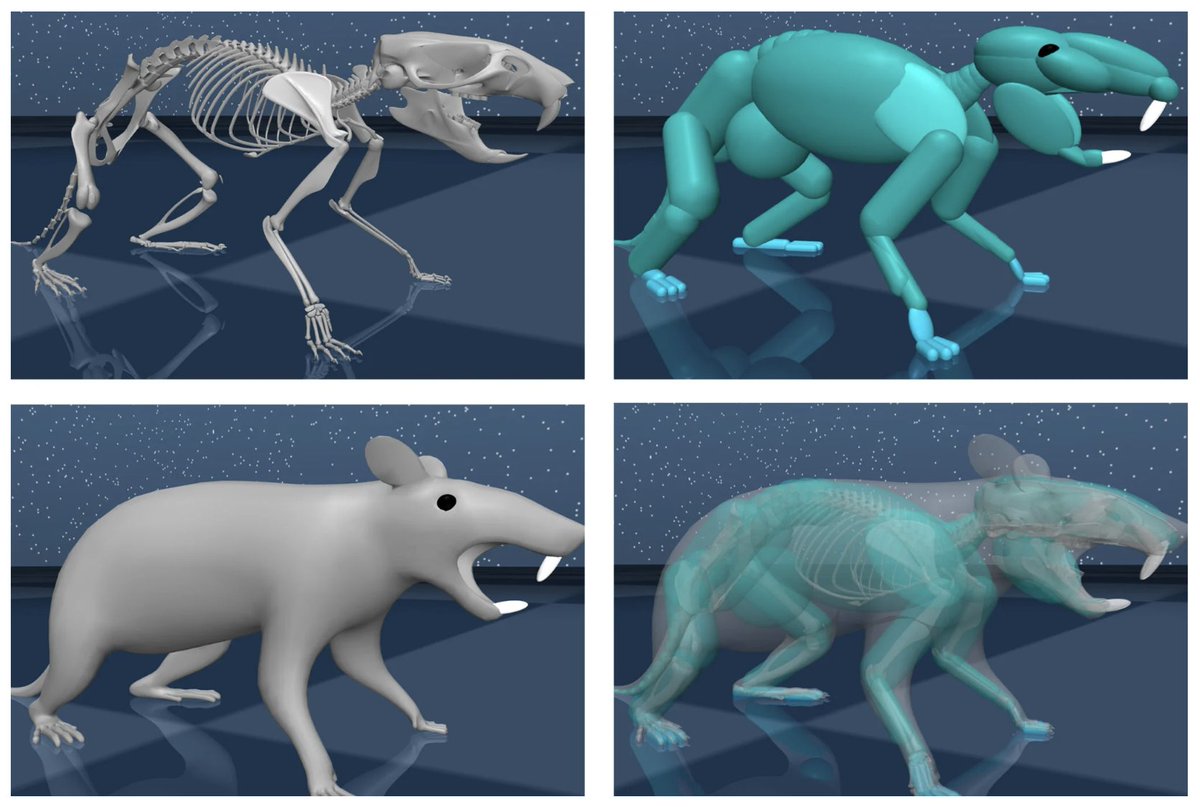
#Harvard Neuroscientists and #Google #DeepMind Create Artificial Brain in Virtual Rat 🐀
ow.ly/PZPr50SjIkh
#HarvardNeuroscientists #ArtificialBrain #Neuroscience #AIResearch #BrainSimulation #ScienceNews
1
3
3
289

2 Jun 2024
Exciting news! @thevirtualbrain team is heading back to #SfN24 in #Chicago! Join us at **booth #1724** from Oct 6-9 to explore cutting-edge #brainsimulation tools and insights🧠✨ Follow our journey with #TVBatSfN24 @SfNtweets
8
27
1,409

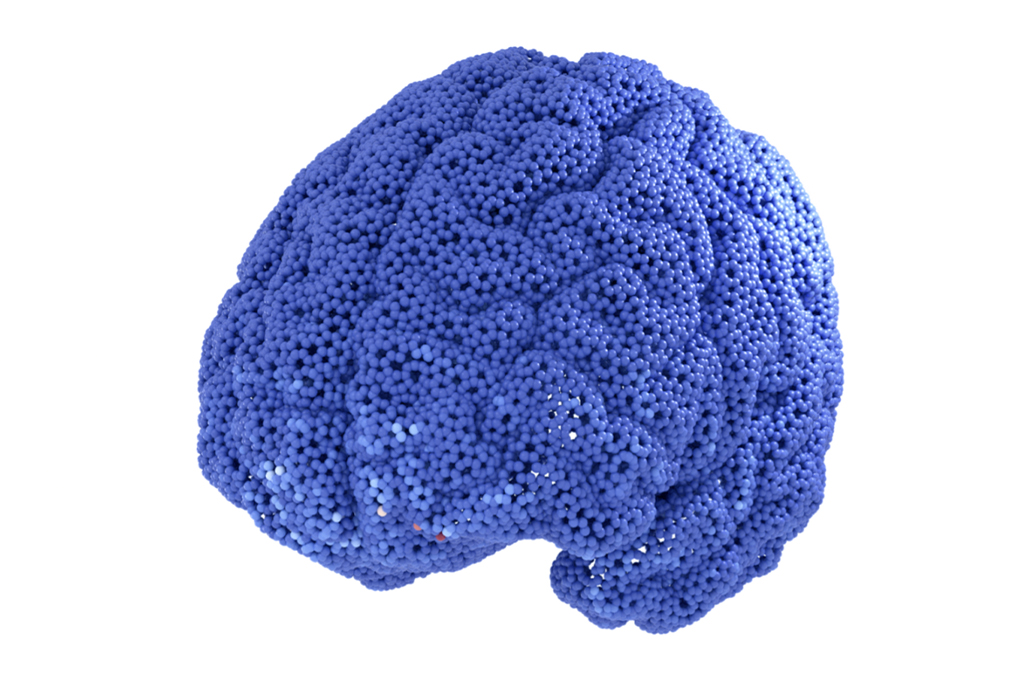
Our CSG Visualization and CSG Parallelism and Performance are challenging the status quo in Brain Simulation Visualization! 💡🧠 Read more about the collaboration: nhr4ces.de/2024/03/14/challe… #NHR4CES #HPC #Visualization #BrainSimulation @derTimGerrits
1
2
103

🇩🇪🎉 #EBRAINSGermany is now formally established!
With @ChariteBerlin and @_PetraRitter at the forefront of:
🔐 #GDPR-compliant services
🧠 patient-specific #brainsimulation services with @thevirtualbrain platform
#neuroscience #neuroinformatics #DigitalHealth
14 Mar 2024

The German National Node of EBRAINS has been formally established with the signing of a cooperation agreement between the participating institutions: @fz_juelich, @ChariteBerlin, @UniHeidelberg, @zi_mannheim, @HITStudies, and @BernsteinNeuro.
Read more: ebrains.eu/news-and-events/e…

3
11
381

28 Feb 2024
"🧠 Exciting news! 🎉 Join me on Twitch as I dive into the fascinating world of brain simulation with Gepetto! 🌟 Let's explore the mysteries of the mind together and embark on this incredible journey of discovery.
twitch.tv/hussainather
#BrainSimulation #TwitchStreaming
1
2
78

23 Nov 2023
📢 Hey folks! 🚀 Want to know how an AI system simulates the brain's complex features? 🤔 Look no further! 🧠 This blog post by the University of Cambridge news has got you covered. Check it out here: ift.tt/SOhLHZ5 🌐 #AI #ArtificialIntelligence #BrainSimulation
1
39
20 Sep 2023
#WomenInTech
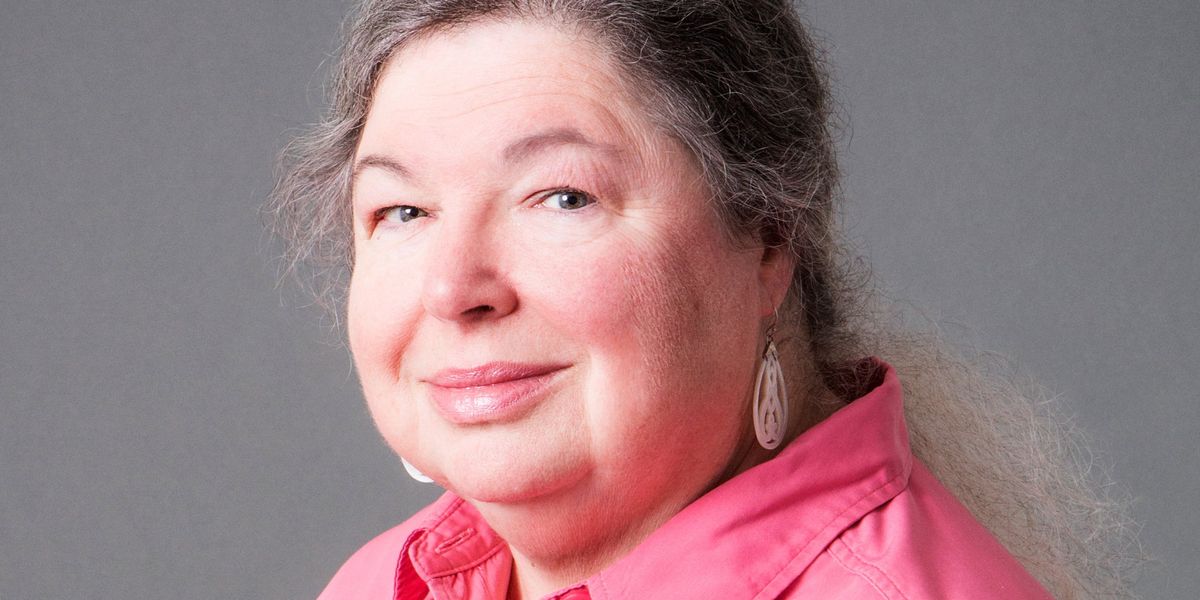
This USC Professor is Developing an Artificial Brain Alice Parker is working on how to mimic disorders such as schizophrenia. 🧠
👉 ow.ly/ySEI50PMBZY
#ArtificialIntelligence #Brainsimulation #AliceParker #SchizophreniaResearch #Neuroscience
2
2
174

19 Jul 2023
#CNS2023 #Leipzig
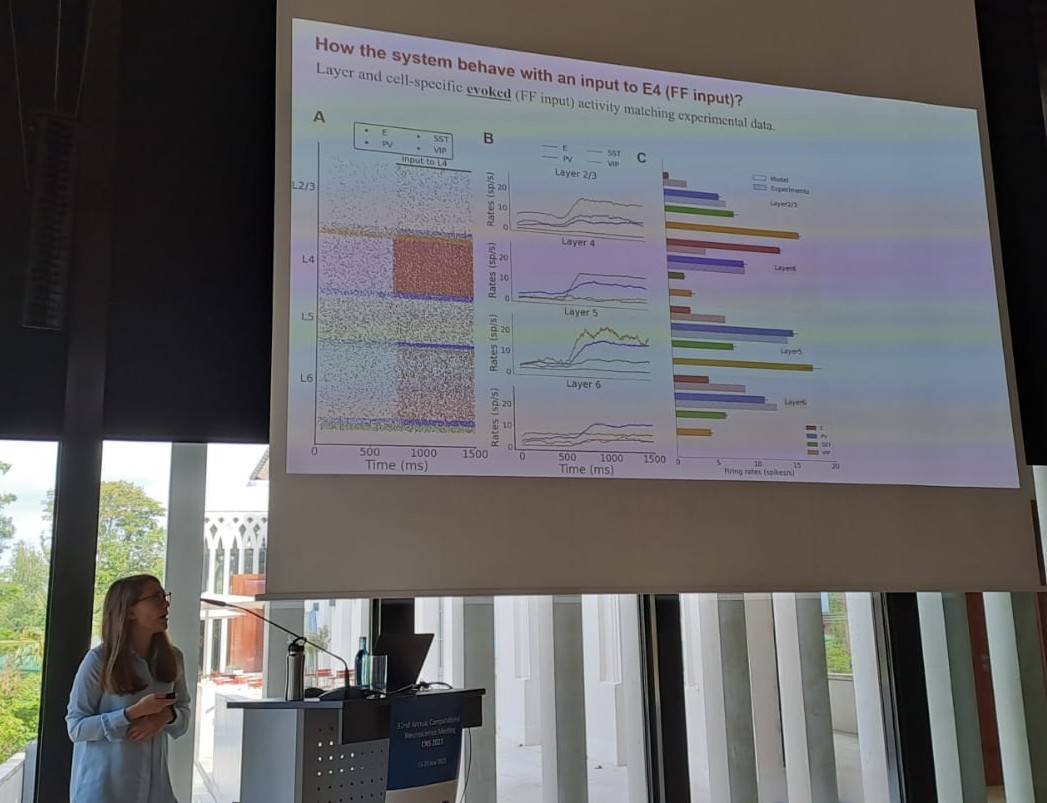
Now at W04, #MultiscaleModeling of #CerebralCortex, Giulia Moreni in “Emergence of #oscillations in a biologically realistic model of a V1 cortical column”, shows a promising match with experimental data
#Plasticity
#CorticalColumn #STDP #BrainSimulation
1
3
182

29 Jun 2023
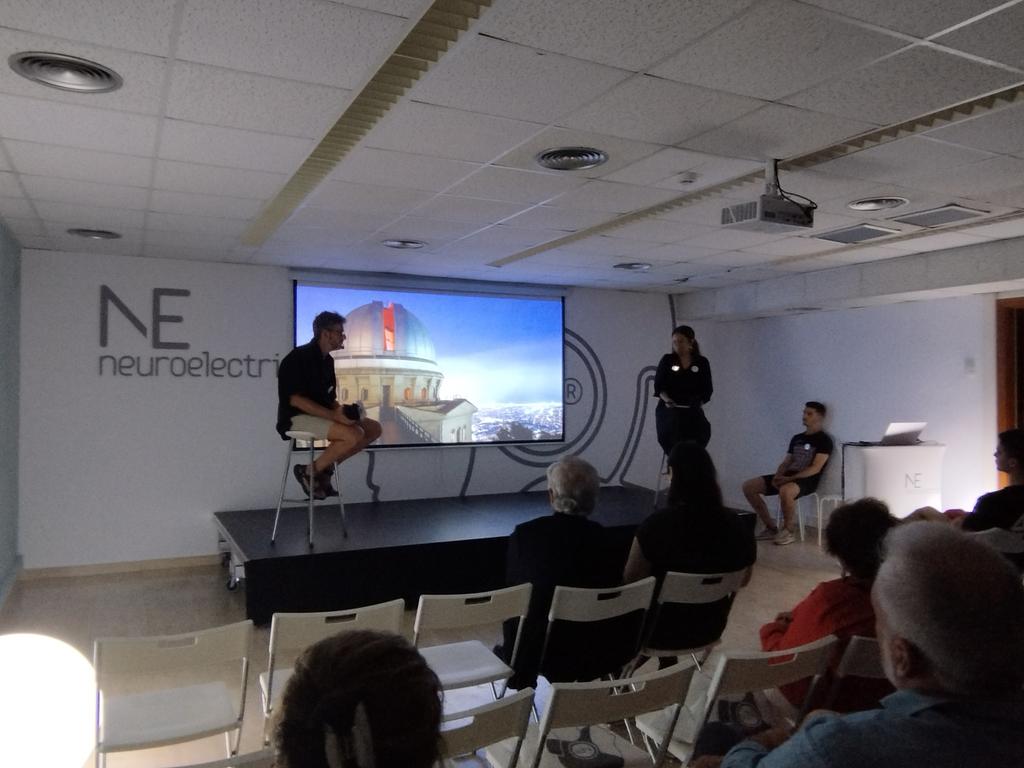
Avui podem estar orgullosos del què tenim a Catalunya, talent, perseverança. Tot va començar gràcies a la col.laboració i suport público - privat. @neuroelectrics cas d'èxit! S'inauguren oficines a #Barcelona #brainsimulation @ana_maiques #GRuffini
1
1
215

10 Jun 2023
In my next novel, #brainsimulation is possible with classical computing, but everytime a simulant 'ponders the infinite' it leads to buffer overflows and the machine crashes.

1
2
122

29 Mar 2023
As Julie says, use this unique opportunity to discuss the cutting edge of #brainsimulation with the leading scientists in this field!

Our 3 #TVB Leaders are here today and they are pretty hot for any brainy conversation 🔥🧠
#neuroscience #HBPSummit
2
123