Machine Learning Multiscale Interactions
1. The paper introduces MuSE (Multiscale Structural Ensemble), a model-agnostic way to add real multiscale reasoning to machine-learning force fields (MLFFs) by building a hierarchy of coarse graphs, running standard MLFF message passing at each scale, and fusing everything back to atom-wise predictions.
2. Core technical idea: Soft Coarse-Graining Pooling (SCGP), which uses smooth fractional (many-to-many) atom-to-coarse assignments instead of hard beads. Because assignments vary continuously with geometry, MuSE stays differentiable and suitable for stable force prediction in molecular dynamics.
3. Why this matters: typical MLFFs are local (finite cutoff few message-passing layers), so they struggle with slowly decaying and collective effects (electrostatics, polarization, dispersion, conformational coupling, elastic responses). Simply increasing cutoff or depth often hits oversmoothing/oversquashing and/or high compute/memory costs.
4. MuSE’s hierarchy: as the graph is pooled, the number of nodes decreases while the cutoff increases (r_c grows by a factor γ per scale; node count shrinks by φ). Coarse nodes act as anisotropic descriptors of molecular domains (they retain structured info from contributing atoms), enabling many-body interactions between domains at longer distances.
5. Decoder design: after upsampling coarse embeddings back to atoms using the stored SCGP weights, MuSE uses an atom-wise gated mixture across scales (softmax weights per atom) to combine scale-specific embeddings before the energy head; forces come from energy gradients, preserving conservative dynamics.
6. Key diagnostic beyond MAE: Hessian interaction–distance profiles (second-order couplings) on Ace-Ala15-NMe conformers. The DFT reference (PBE0 MBD) shows substantial long-range structure; MuSE most closely matches the DFT distance dependence and remains quantitatively aligned to ~45 Å, while larger-cutoff, deeper, Ewald-style, global-encoding (RANGE), and analytic pairwise (SO3LR) approaches show qualitative artifacts or premature decay.
7. Dynamics quality: in 1 ns NVE tests, MuSE preserves energy-conserving behavior similar to semi-local models, whereas some long-range mechanisms (notably RANGE; also Ewald/SO3LR) show larger deviations, consistent with added numerical noise or less smooth effective potentials.
8. Folding behavior on alanine peptides (GEMS subset): adding long-range communication accelerates helix formation, but MuSE is the only tested method that differs significantly from the local baseline in both hydrogen-bond formation and Cα,i–Cα,i 4 compaction metrics (p < 0.05), indicating that improved non-local couplings affect trajectory-level outcomes.
9. Benchmark breadth and transfer: MuSE improves SO3krates across MD22 (avg energy MAE -25.5%, force MAE -10.1%) and TEA2023 (avg energy MAE -20.6%, force MAE -11.6%), with especially large gains in systems where non-locality is prominent (e.g., double-walled nanotube; MAPbI3 force MAE -26.5%).
10. Real-space long-range physics at interfaces: for 1,8-naphthyridine/graphene dissociation (PBE MBD-NL reference), MuSE best matches both adsorption well and long-range tail; integrated absolute error area over 3–10 Å is 1.3269 (kcal/mol·Å) vs 9.6151 for the local baseline, and better than Ewald/RANGE in both well and tail ranges.
📜Paper: arxiv.org/abs/2605.25710
#MachineLearning #ComputationalChemistry #MolecularDynamics #ForceFields #GNN #EquivariantML #MaterialsScience #MultiscaleModeling #DFT #CoarseGraining
1
4
890

Mar 26
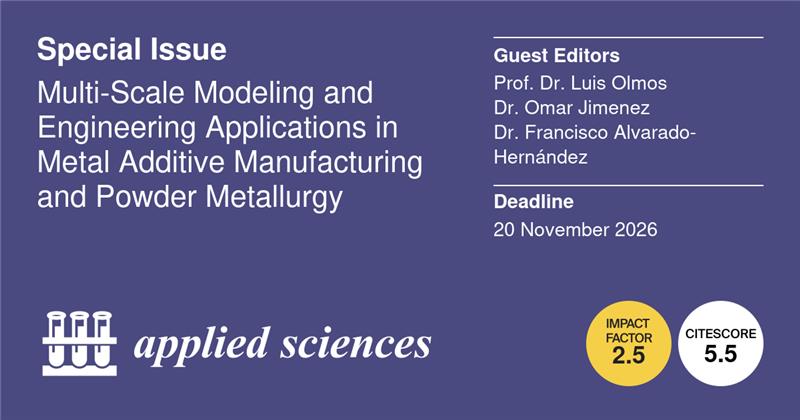
📢 #SpecialIssue
Multi-Scale Modeling and Engineering Applications in Metal Additive Manufacturing and Powder Metallurgy
📅20 November 2026
👨🔬 Guest Editors:
Prof. Dr. Luis Olmos from Universidad Michoacana de San Nicolás de Hidalgo, Mexico;
Dr. Omar Jiménez Alemán from Universidad de Guadalajara, Mexico; and
Dr. Francisco Alvarado-Hernández from Universidad Autónoma de Zacatecas, Mexico.
🔗mdpi.com/journal/applsci/spe…
#powdermetallurgy #multiscalemodeling #sintering #compaction #discreteelementmethod #DEM #finiteelementanalysis #FEA #microstructure #microstructureevolution #mechanicalproperties #porosity #defectprediction #numericalsimulation #materials #materialsscience
2
2
31

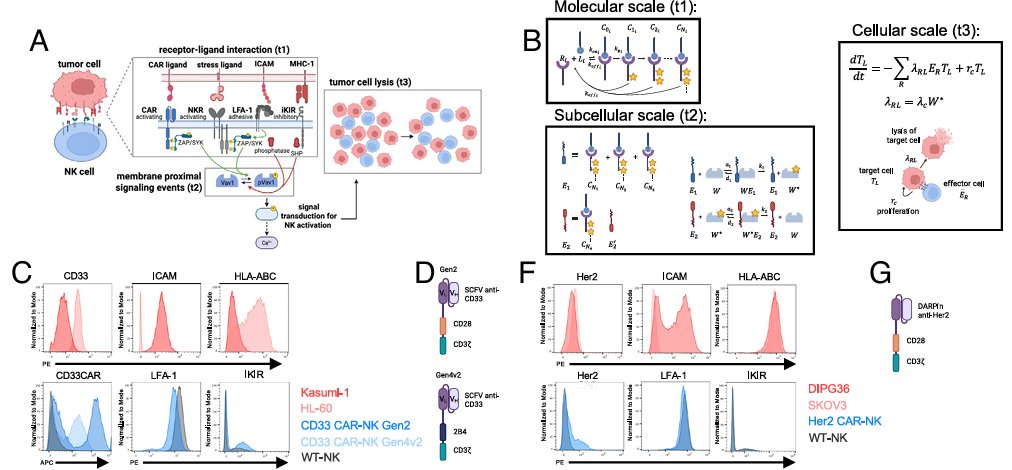
Predicting #CARNK activity is challenging, but a research group led by Drs. Meisam Naeimi Kararoudi, Dean Lee and Jayajit Das present a new in silico experimental framework that predicts in‑vitro & in‑vivo cytotoxicity with high accuracy (@PNASNews). A step forward for #Immunotherapy and #MultiscaleModeling. pmc.ncbi.nlm.nih.gov/article…
1
3
282

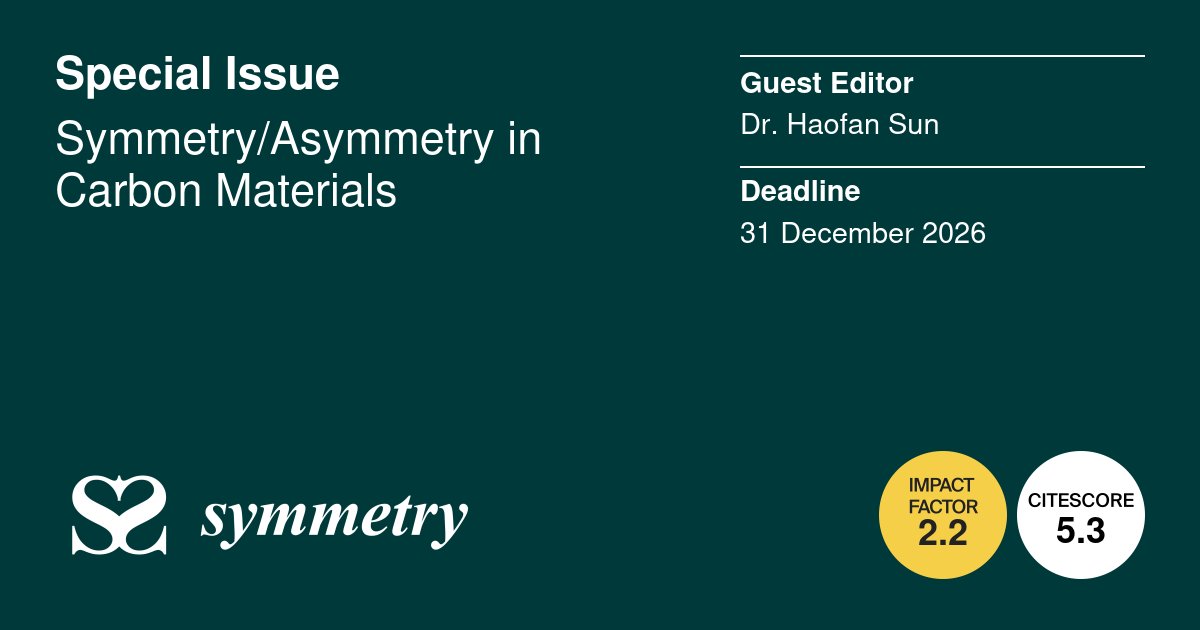
A new Special Issue opens for submission!
Title: Symmetry/Asymmetry in #CarbonMaterials
Editor: Haofan Sun
Details: brnw.ch/21x0sSF
#callforpapers #mdpisymmetry #graphene #phasetransitions #multiscalemodeling
@ASU
@MDPIEngineering
1
2
43
16 Dec 2025
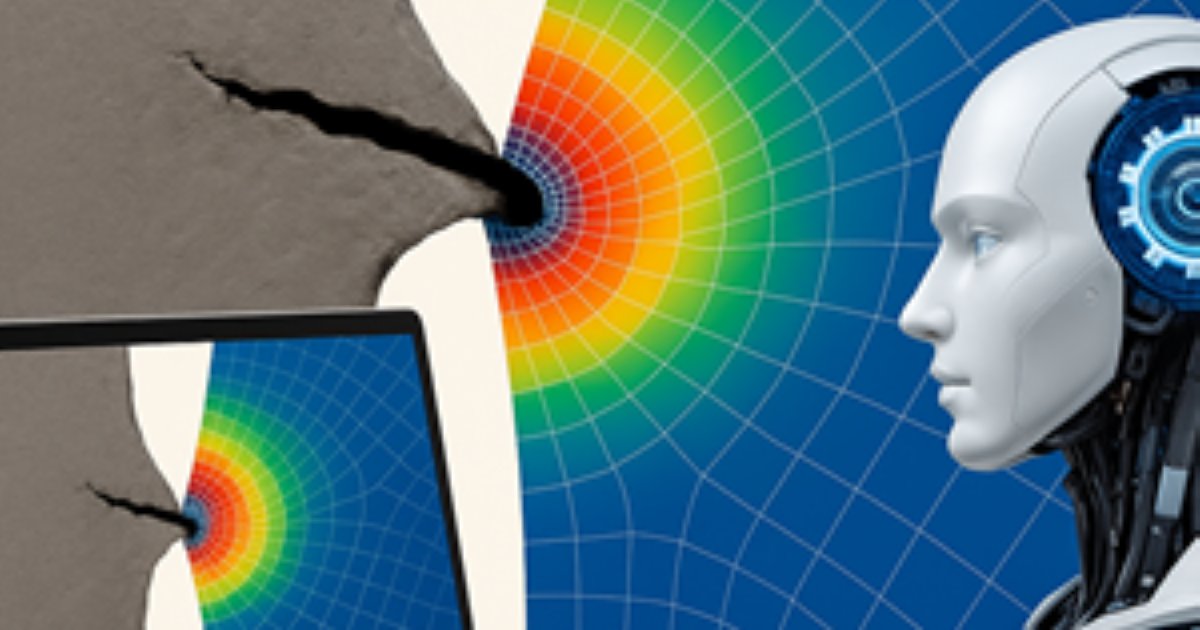
📢 #SpecialIssue
State of the Art and Future Directions in Fracture Mechanics
📅 31 December 2026
👨🔬 Guest Editor: Dr. Georgios I. Giannopoulos
🔗mdpi.com/journal/applsci/spe…
#fracturemechanics
#computationalmechanics
#experimentalmechanics
#additivemanufacturing
#compositematerials
#multiscalemodeling
#phasefieldmodeling
#digitalimagecorrelation
#machinelearning
#insitutesting
1
2
45

29 Nov 2025
Pulsar: A Foundation Model for Multi-scale and Multi-cellular Biology
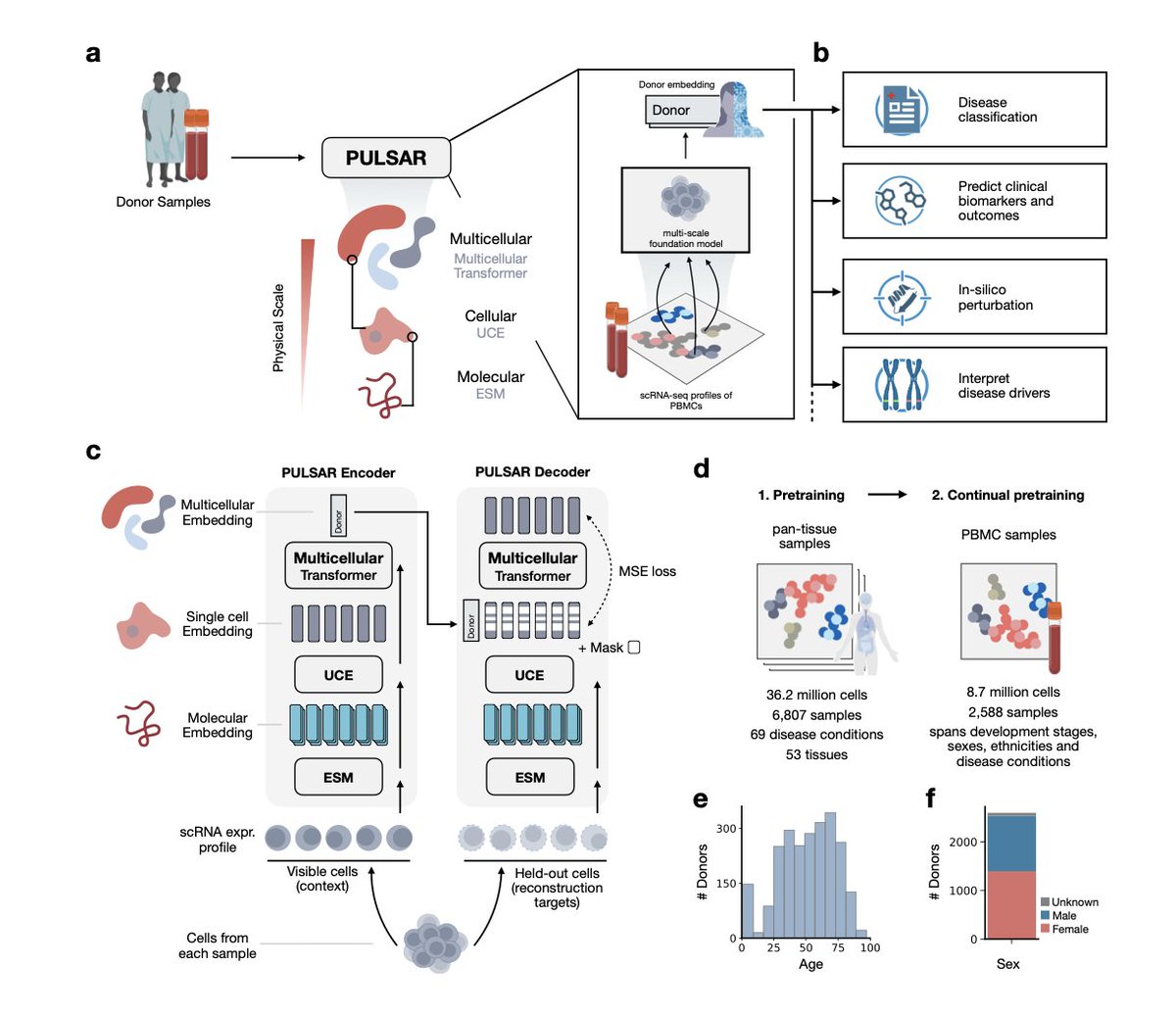
1. PULSAR is a groundbreaking multi-scale foundation model that integrates molecular, cellular, and multicellular information to create unified donor representations. This model leverages single-cell RNA sequencing data to capture the complexity of biological systems across different scales, enabling accurate disease classification and prediction of clinical events.
2. A key innovation of PULSAR is its hierarchical architecture, which allows information to flow from genes to cells and then to multicellular systems. This design enables the model to capture emergent properties at the individual level, providing a comprehensive understanding of health and disease states.
3. Applied to the human peripheral immune system, PULSAR demonstrates exceptional performance in disease classification, achieving state-of-the-art accuracy in distinguishing between various inflammatory conditions. The model's ability to generalize across diverse studies and disease conditions highlights its robustness.
4. PULSAR's generative capabilities allow it to simulate cytokine perturbation responses across physical scales, revealing how perturbations at the molecular level impact cellular and multicellular systems. This feature is crucial for understanding the context-dependent effects of cytokines in immune responses.
5. The model's interpretability is a significant advantage, as it identifies key cell types and gene programs driving disease progression. This capability provides valuable insights into the underlying biological mechanisms and could inform therapeutic targeting strategies.
6. PULSAR also shows strong predictive power for future clinical events, such as rheumatoid arthritis onset and flu vaccine responsiveness. These applications highlight the model's potential for precision medicine and personalized healthcare.
7. Despite its achievements, PULSAR faces limitations, such as the lack of spatial context in dissociated single-cell data and the absence of immune receptor repertoires. Future work will focus on incorporating spatial information and additional omics data to enhance the model's capabilities.
📜Paper: biorxiv.org/content/10.1101/…
#ComputationalBiology #MultiScaleModeling #SingleCellRNASeq #PrecisionMedicine #AIinBiology
2
20
1,796
28 Aug 2025
A Multi-Layered Framework for Modeling Human Biology: From Basic AI Agents to a Full-Body AI Agent
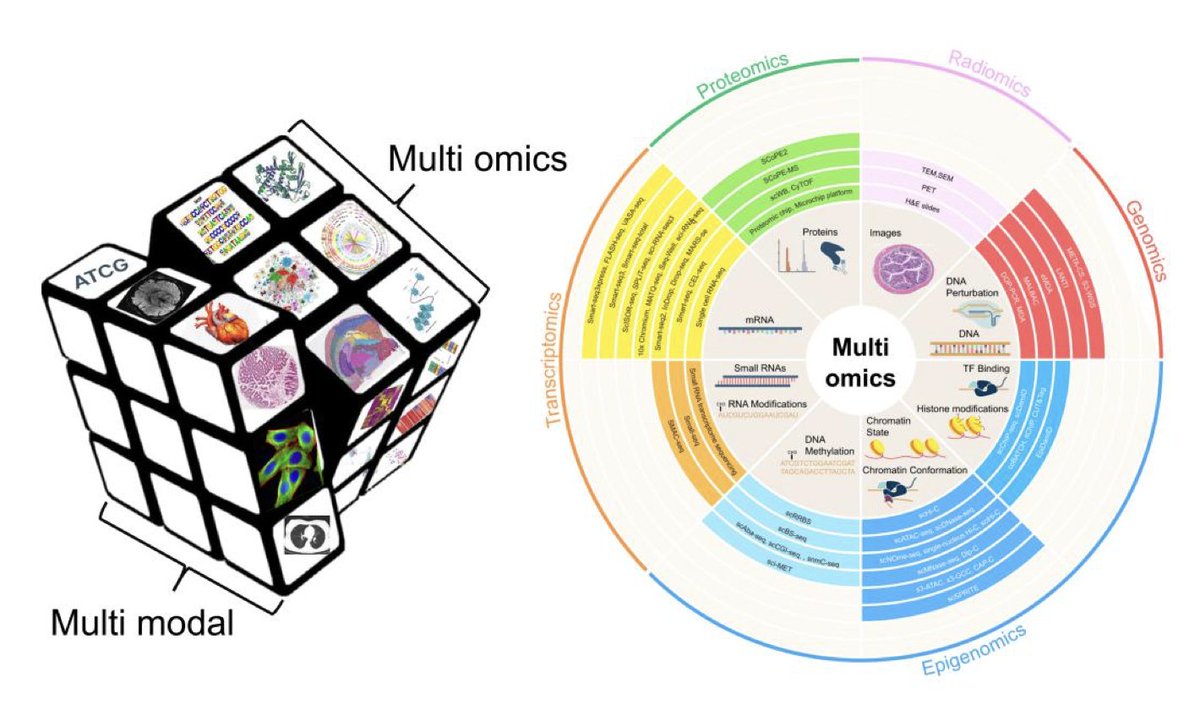
1. This study introduces the Full-Body AI-Agent framework, a multi-agent architecture designed to model human biology across molecular to whole-organism scales. Unlike traditional biomedical AI systems confined to discrete tasks or domains, this framework integrates seven biologically grounded agents under a central coordination layer, enabling iterative, bidirectional reasoning across scales.
2. The framework unifies multi-omics, imaging, physiological, and clinical data, constructing dynamic, system-wide mechanistic models that bridge molecular discovery with systemic simulation. It demonstrates applications in systemic disease modeling and drug development, offering a coherent computational paradigm to reduce translational gaps, enhance predictive accuracy, and accelerate the development of safe and effective therapies.
3. The study proposes two specialized implementations to showcase the utility of this framework: the metastasis AI Agent and the drug AI Agent. The metastasis AI Agent characterizes tumor progression across initiation, dissemination, and colonization phases by integrating molecular, cellular, and systemic signals. The drug AI Agent dynamically guides preclinical evaluations, including organoids and chip-based models, by providing full-body physiological constraints, enabling predictive modeling of long-term efficacy and toxicity.
4. The Full-Body AI-Agent framework emphasizes integration and coordination across biological levels, allowing for the analysis of how molecular changes influence cellular behaviors, tissue responses, organ function, and systemic outcomes. It leverages Large Language Models (LLMs) to decompose high-level tasks into sub-goals, reason through problems step-by-step, and plan sequential actions to achieve defined objectives.
5. The framework includes a robust inter-level data ecosystem, with a Data Commons that serves as a shared repository for curating a diverse range of biomedical datasets. It adheres to Common Format standards, enabling seamless aggregation of data from various sources across different biological levels. This Data Commons provides critical infrastructure to bridge disparate biological data types across scales and enable holistic, multi-level modeling of human biology.
6. The reasoning mechanism of the Full-Body AI-Agent operates through a structured pipeline: raw multi-modal data is standardized for compatibility, complex biological questions and data are decomposed into hierarchical sub-tasks aligned with specific biological levels, these sub-tasks are assigned to corresponding specialized AI Agents, and results are integrated via iterative feedback loops, enabling bidirectional cross-scale information flow.
7. The study compares the Full-Body AI-Agent framework with other multi-agent systems in biomedical research, highlighting its unique ability to model causal propagation across biological levels. While other systems are generally optimized for specific stages of the scientific workflow or confined to particular biomedical subdomains, the Full-Body AI-Agent extends multi-agent biomedical reasoning from molecular mechanisms to whole-organism physiology.
8. The hierarchical design of collaborative basic AI Agents for the Full-Body AI-Agent includes specialized agents for molecular, organelle, cell, tissue, organ, organ system, and body system levels. Each agent focuses on its specific biological level, utilizing the most appropriate data sources and computational techniques. By distributing tasks in this way, the framework ensures a comprehensive, multi-scale understanding of biological systems.
9. The study presents case studies on lung cancer metastasis and drug development, demonstrating the framework’s potential in both disease research and clinical translation. The metastasis AI Agent provides a three-phase metastasis scoring framework, while the drug AI-Agent offers a system-level drug development paradigm that integrates molecular insights with systemic physiological responses.
📜Paper: arxiv.org/abs/2508.19800
#FullBodyAIAgent #MultiScaleModeling #BiomedicalAI #SystemsBiology #DiseaseModeling #DrugDevelopment
7
30
2,033

📢#CallForPapers – @JMC_journal Special Issue on #MultiscaleModeling & simulation in mechanics & #Materials:
🔹 Advanced numerical methods
🔹 AI-based modeling
🔹 Architectured materials & biomechanics
🔗 begellhouse.com/journals/mul…
#ComputationalMechanics #JMCSpecialIssue

1
2
28
19 Aug 2025
From QM/MM to ML/MM: A New Era in Multiscale Modeling
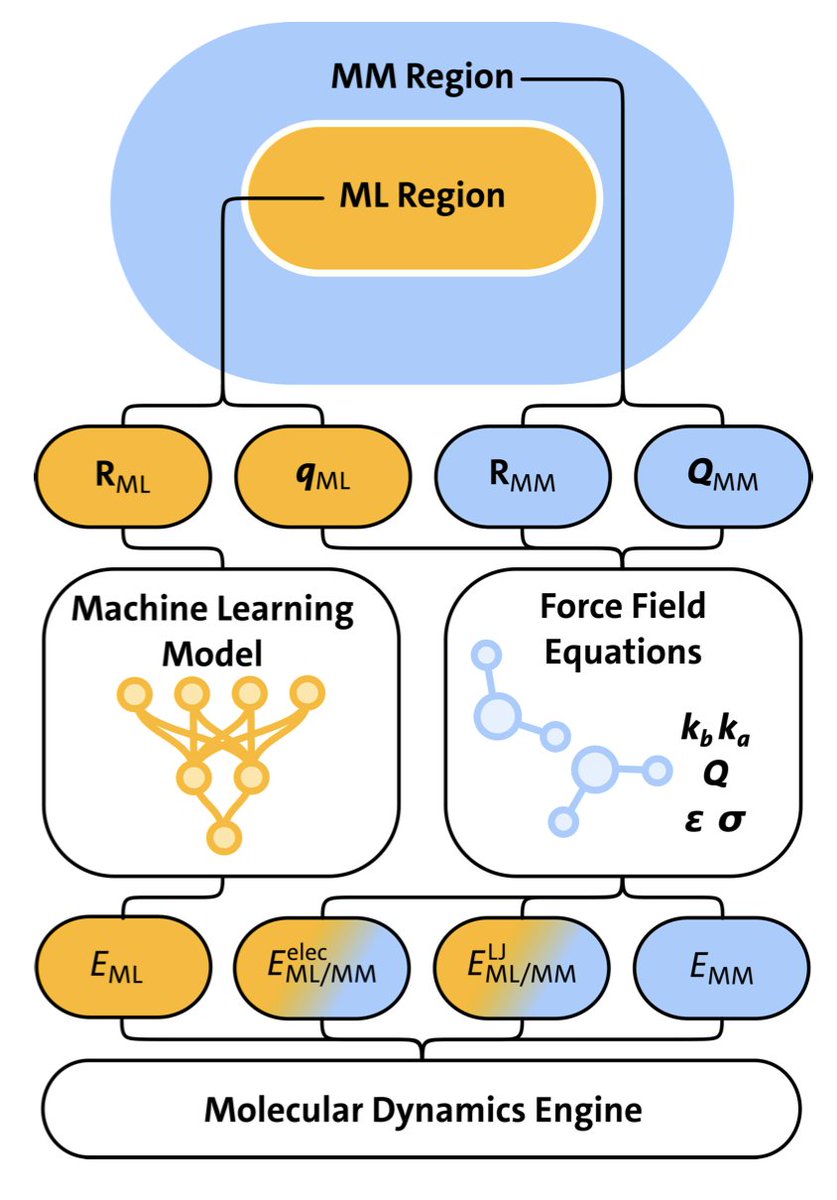
1. This review article explores the evolution from Quantum Mechanics/Molecular Mechanics (QM/MM) to Machine Learning/Molecular Mechanics (ML/MM) methods, highlighting how ML potentials offer a faster alternative to QM while maintaining accuracy. This transition is crucial for simulating complex biological and condensed-phase environments with reduced computational costs.
2. The article emphasizes the key challenge of coupling ML and MM regions, addressing this through three main strategies: Mechanical Embedding (ME), Polarization-Corrected Mechanical Embedding (PCME), and Environment-Integrated Embedding (EIE). Each strategy offers different trade-offs between accuracy and computational efficiency.
3. Mechanical Embedding (ME) is highlighted as the simplest approach, where the ML region interacts with fixed MM charges via classical electrostatics. This method is computationally efficient but neglects polarization effects, which can be critical in some systems.
4. Polarization-Corrected Mechanical Embedding (PCME) supplements a vacuum-trained ML potential with post-hoc electrostatic corrections. This approach preserves transferability while approximating environment effects, making it suitable for systems where polarization plays a significant role.
5. Environment-Integrated Embedding (EIE) involves training ML potentials with explicit inclusion of MM-derived fields. While this enhances accuracy, it requires specialized data and is more computationally intensive, making it ideal for applications where high fidelity is essential.
6. The review surveys existing ML/MM frameworks, categorizing them based on the embedding strategies used. It also highlights key applications, such as protein-ligand binding and solvation studies, demonstrating the practical utility of ML/MM methods.
7. The article concludes by discussing the current state-of-the-art in ML/MM and outlining future challenges, including the need for more transferable and general-purpose ML potentials, as well as the development of larger and more diverse training datasets.
📜Paper: doi.org/10.26434/chemrxiv-20…
#MultiscaleModeling #MLMM #QM_MM #ComputationalChemistry #MachineLearning #Biophysics
2
17
63
3,564

26 Jul 2025
"I'm looking for motivated PhD and MS students to join my research group at the University of Tennessee at Chattanooga (UTC) as part of several funded projects supported by NSF and DOE.
Our work focuses on exciting topics such as:
🔹 Nanotechnology and Materials Science
🔹 Multiscale and Multiphysics Modeling
🔹 Molecular Dynamics and Computational Fluid Dynamics (CFD)
🔹 Heat Transfer and Fluid Flow at Micro/Nano Scales
🔹 Porous Materials and Interfaces
These positions offer: Full tuition coverage Health insurance Monthly stipend
We are located in Chattanooga, Tennessee, a beautiful and affordable city surrounded by mountains and rivers, with a great quality of life and an active outdoor culture.
If you're interested in using simulations to solve real-world problems across multiple scales and physical processes, please send your CV to: utc.nanoengineering@gmail.com "-Prof. Murat Barisik.
hashtag#PhDOpportunity hashtag#MultiscaleModeling hashtag#Multiphysics hashtag#Nanotechnology hashtag#CFD hashtag#MolecularDynamics hashtag#MaterialsScience hashtag#HeatTransfer hashtag#DOE hashtag#NSF hashtag#UTC hashtag#Chattanooga hashtag#GradSchool
4
19
85
13,127
19 Jul 2025
"I'm looking for motivated PhD and MS students to join my research group at the University of Tennessee at Chattanooga (UTC) as part of several funded projects supported by NSF and DOE.
Our work focuses on exciting topics such as:
🔹 Nanotechnology and Materials Science
🔹 Multiscale and Multiphysics Modeling
🔹 Molecular Dynamics and Computational Fluid Dynamics (CFD)
🔹 Heat Transfer and Fluid Flow at Micro/Nano Scales
🔹 Porous Materials and Interfaces
These positions offer: Full tuition coverage Health insurance Monthly stipend
We are located in Chattanooga, Tennessee, a beautiful and affordable city surrounded by mountains and rivers, with a great quality of life and an active outdoor culture.
If you're interested in using simulations to solve real-world problems across multiple scales and physical processes, please send your CV to: utc.nanoengineering@gmail.com "-Prof. Murat Barisik.
hashtag#PhDOpportunity hashtag#MultiscaleModeling hashtag#Multiphysics hashtag#Nanotechnology hashtag#CFD hashtag#MolecularDynamics hashtag#MaterialsScience hashtag#HeatTransfer hashtag#DOE hashtag#NSF hashtag#UTC hashtag#Chattanooga hashtag#GradSchool
2
18
102
14,014

18 Jul 2025
📢 Fully Funded MSc & PhD. Opportunities at the University of Tennessee at Chattanooga (UTC) United States 🇺🇸.
Prof. Murat Barisik (Mechanical Engineering) is recruiting motivated PhD. and MS students to join his research group at UTC, supported by NSF & DOE grants.
🔬 Research Areas: 🔹 Nanotechnology & Materials Science
🔹 Multiscale & Multiphysics Modelling
🔹 Molecular Dynamics & Computational Fluid Dynamics (CFD)
🔹 Heat Transfer & Fluid Flow at Micro/Nano Scales
🔹 Porous Materials & Interfaces
💰 Funding & Benefits:
✔️ Full Tuition Coverage
✔️ Health Insurance
✔️ Monthly Stipend
📍 Location: Chattanooga, Tennessee – an affordable and vibrant city with great quality of life, surrounded by rivers, mountains, and outdoor culture!
📧 Interested candidates should send their CV to:
📩 utc.nanoengineering@gmail.com
#PhDOpportunity #MScOpportunity #MultiscaleModeling #Nanotechnology #MolecularDynamics #CFD #HeatTransfer #MaterialsScience #DOE #NSF #UTC #Chattanooga #GradSchool #EngineeringResearch #FullyFundedPhD #USAResearch
1
9
549
26 May 2025
Multiscale Probabilistic Modeling: A Bayesian Approach to Augment Mechanistic Models of Cell Signaling with Machine-Learning Predictions of Binding Affinity
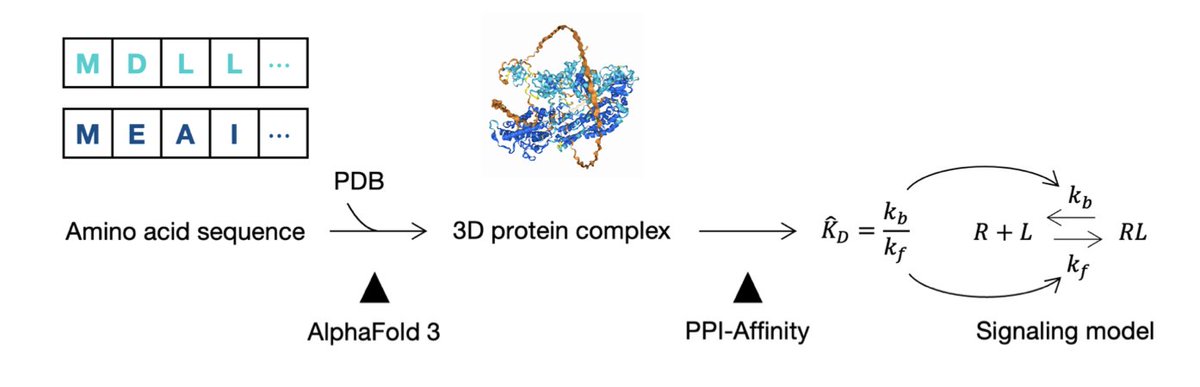
1.This paper introduces a multiscale probabilistic framework that augments mechanistic ODE models of cell signaling with machine learning predictions of protein binding affinity, improving parameter inference from limited experimental data.
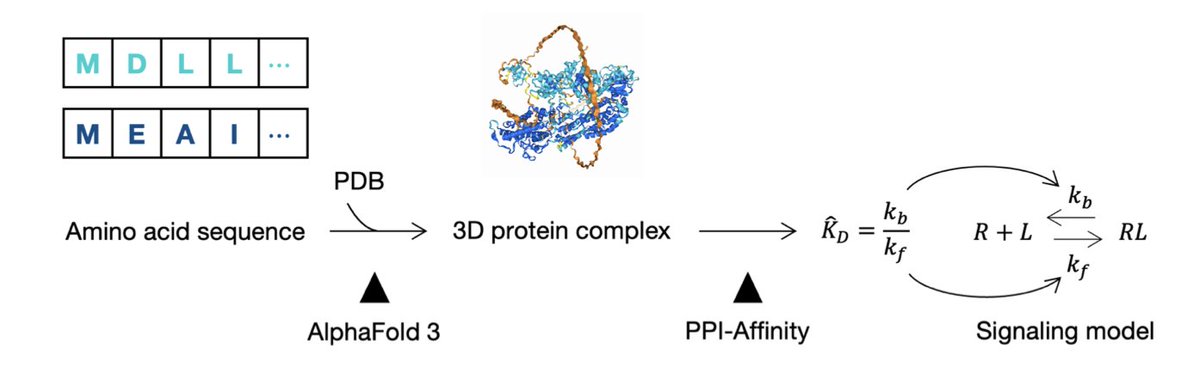
2.The core innovation is a machine learning pipeline that predicts binding affinity (KD) from protein sequence or structure using AlphaFold 3 and the PPI-Affinity model, allowing integration of sequence-level data from UniProt and structural data from PDB into dynamic signaling models.
3.By incorporating predicted KD values into a Bayesian parameter inference framework, the authors quantify the added information using KL divergence, showing that sequence and structure data significantly reduce uncertainty in unbinding rate parameters.
4.Testing on two benchmark signaling systems—EGFR and GPCR pathways—the authors show that incorporating sequence/structure data improves the accuracy of inferred parameters compared to relying on timeseries protein concentration data alone.
5.Unbinding rates benefit most from data augmentation, with posterior distributions shifting closer to literature-reported experimental values and reduced error relative to uninformed priors.
6.The ML pipeline, composed entirely of accessible web tools, is practical and scalable, requiring only protein sequences and returning KD values aligned with the scale of ODE model parameters.
7.Despite the added information, test set predictions (e.g., phosphorylated SHC for EGFR, ligand-bound receptor for GPCR) remain within experimental error bounds when using augmented data, preserving predictive consistency.
8.A sensitivity analysis reveals that differences in model predictions due to data augmentation are most pronounced when outputs are locally sensitive to unbinding rates, confirming a mechanistic basis for when augmentation has maximal effect.
9.The framework is robust to the choice of prior distribution and to weighting the contribution of ML-predicted KD values by AlphaFold’s structural confidence metrics, demonstrating its generalizability.
10.This is one of the first studies to rigorously quantify how sequence- and structure-derived ML predictions can inform dynamic, mechanistic models, offering a blueprint for future data integration strategies in systems biology.
11.The approach is particularly valuable for underdetermined models, where experimental data on kinetic rates are sparse, but sequence and structural data are readily available.
12.All code is publicly available, and the methods are implemented using Julia and user-friendly ML APIs, making them readily adoptable by the modeling community.
💻Code: github.com/hhuber2512/struct…
📜Paper: biorxiv.org/content/10.1101/…
#SystemsBiology #BayesianInference #ProteinStructure #MachineLearning #AlphaFold #SignalTransduction #BindingAffinity #MultiscaleModeling
1
3
15
1,749
26 May 2025
Multiscale Probabilistic Modeling: A Bayesian Approach to Augment Mechanistic Models of Cell Signaling with Machine-Learning Predictions of Binding Affinity
1.This paper introduces a multiscale probabilistic framework that augments mechanistic ODE models of cell signaling with machine learning predictions of protein binding affinity, improving parameter inference from limited experimental data.
2.The core innovation is a machine learning pipeline that predicts binding affinity (KD) from protein sequence or structure using AlphaFold 3 and the PPI-Affinity model, allowing integration of sequence-level data from UniProt and structural data from PDB into dynamic signaling models.
3.By incorporating predicted KD values into a Bayesian parameter inference framework, the authors quantify the added information using KL divergence, showing that sequence and structure data significantly reduce uncertainty in unbinding rate parameters.
4.Testing on two benchmark signaling systems—EGFR and GPCR pathways—the authors show that incorporating sequence/structure data improves the accuracy of inferred parameters compared to relying on timeseries protein concentration data alone.
5.Unbinding rates benefit most from data augmentation, with posterior distributions shifting closer to literature-reported experimental values and reduced error relative to uninformed priors.
6.The ML pipeline, composed entirely of accessible web tools, is practical and scalable, requiring only protein sequences and returning KD values aligned with the scale of ODE model parameters.
7.Despite the added information, test set predictions (e.g., phosphorylated SHC for EGFR, ligand-bound receptor for GPCR) remain within experimental error bounds when using augmented data, preserving predictive consistency.
8.A sensitivity analysis reveals that differences in model predictions due to data augmentation are most pronounced when outputs are locally sensitive to unbinding rates, confirming a mechanistic basis for when augmentation has maximal effect.
9.The framework is robust to the choice of prior distribution and to weighting the contribution of ML-predicted KD values by AlphaFold’s structural confidence metrics, demonstrating its generalizability.
10.This is one of the first studies to rigorously quantify how sequence- and structure-derived ML predictions can inform dynamic, mechanistic models, offering a blueprint for future data integration strategies in systems biology.
11.The approach is particularly valuable for underdetermined models, where experimental data on kinetic rates are sparse, but sequence and structural data are readily available.
12.All code is publicly available, and the methods are implemented using Julia and user-friendly ML APIs, making them readily adoptable by the modeling community.
@USCSysBio_Lab
💻Code:
github.com/hhuber2512/struct…
📜Paper: biorxiv.org/content/10.1101/…
#SystemsBiology #BayesianInference #ProteinStructure #MachineLearning #AlphaFold #SignalTransduction #BindingAffinity #MultiscaleModeling
1
7
21
2,154

17 Apr 2025
Corrosion Prediction of Magnesium Implant Using Multiscale Modeling Based on Machine Learning Algorithms
dl.begellhouse.com/journals/…
#MagnesiumImplants #MultiscaleModeling #MachineLearning #BiomechanicalEngineering
3
1
3
19

Corrosion Prediction of Magnesium Implant Using Multiscale Modeling Based on Machine Learning Algorithms
dl.begellhouse.com/journals/…
#MagnesiumImplants #MultiscaleModeling #MachineLearning #BiomechanicalEngineering
2
2
11
Corrosion Prediction of Magnesium Implant Using Multiscale Modeling Based on Machine Learning Algorithms
dl.begellhouse.com/journals/…
#MagnesiumImplants #MultiscaleModeling #MachineLearning #BiomechanicalEngineering
2
2
11

17 Apr 2025
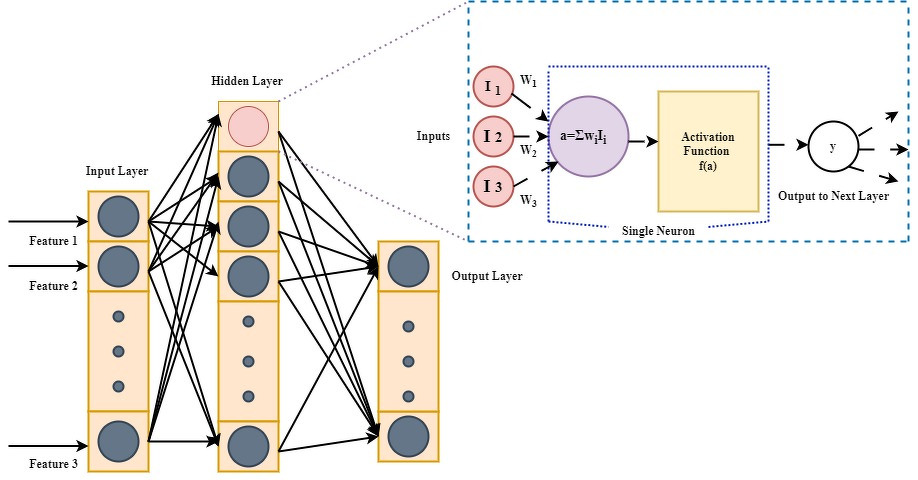
Corrosion Prediction of Magnesium Implant Using Multiscale Modeling Based on Machine Learning Algorithms
dl.begellhouse.com/journals/…
#MagnesiumImplants #MultiscaleModeling #MachineLearning #BiomechanicalEngineering
2
3
17

5 Nov 2024
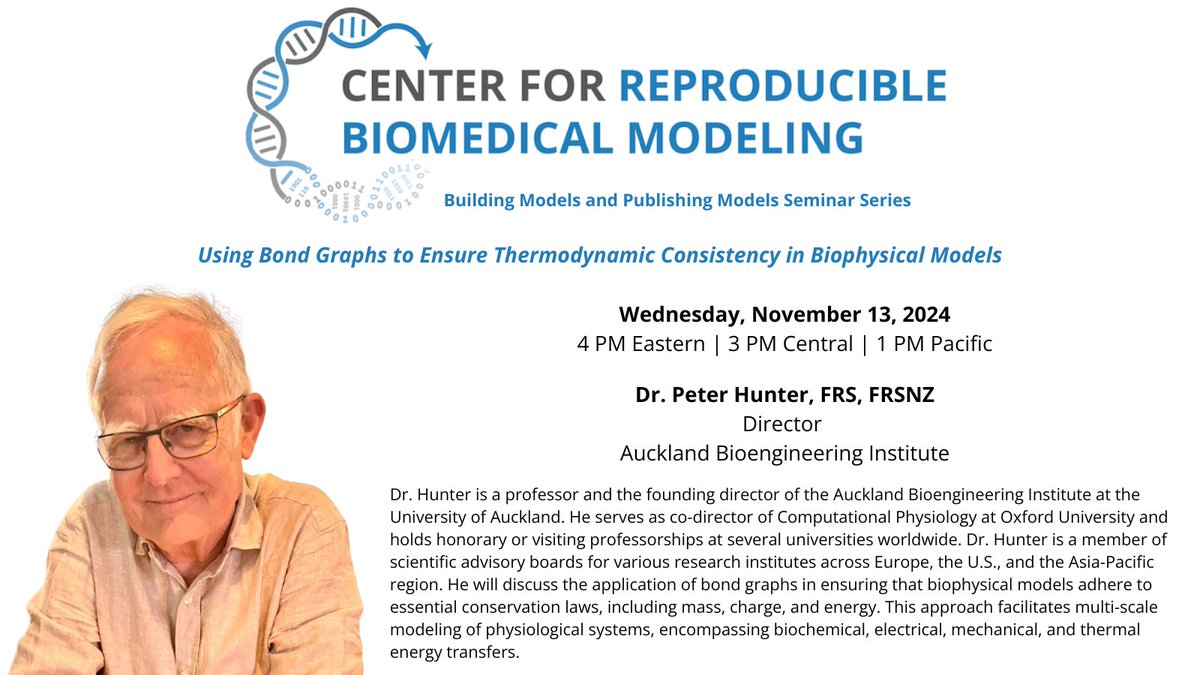
Join us for the CRBM Fall '24 Seminar Series! Kicking off with Dr. Peter Hunter’s talk on using bond graphs to ensure thermodynamic consistency in biophysical models.
Register now: forms.gle/PQw3RLA7TPqBzExs9
#BiomedicalModeling #Thermodynamics #ScienceSeminars #multiscalemodeling
4
75

30 Sep 2024
Revolutionize your material modeling with Digimat’s Nonlinear Multi-Scale Platform.
Visit: creotekindia.com/digimat
#CreoTek #CreoTekIndia #Hexagon #HexagonDigimat #Digimat #MaterialModeling #MultiScaleModeling #NonlinearModeling #EngineeringExcellence #ModelingTechnology
2
21